
Selecting the correct power rating and voltage level is one of the most important steps when specifying a power transformer. Transformers are used across a wide range of applications, from small distribution networks to large utility transmission systems, and each application requires different capacity and voltage characteristics. Choosing an unsuitable rating may result in insufficient power supply, overheating, excessive losses, or unnecessary investment costs. Understanding standard transformer ratings and voltage levels helps buyers select equipment that matches their electrical system requirements.
Standard power transformer ratings typically range from a few kVA for small distribution applications to several hundred MVA for high-voltage transmission systems. Common voltage levels include low-voltage ratings such as 0.4 kV, medium-voltage levels such as 6.6 kV, 10 kV, 11 kV, and 35 kV, and high-voltage transmission levels such as 66 kV, 110 kV, 220 kV, 330 kV, 400 kV, and above. The appropriate power rating and voltage level depend on load requirements, grid standards, application type, and future expansion plans.
Power transformer ratings are not selected based on capacity alone. Engineers must consider voltage class, operating environment, efficiency requirements, cooling method, and system reliability needs to ensure the transformer delivers safe and stable performance throughout its service life.
What Are Standard Power Ratings and Voltage Levels for Power Transformers?
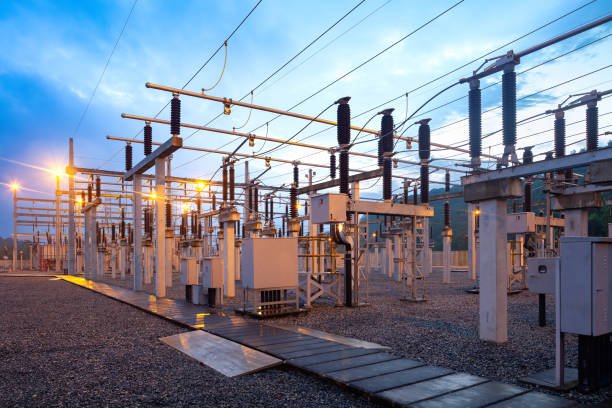
Selecting the correct power rating and voltage level is one of the most important decisions when purchasing a power transformer. An incorrectly sized transformer may result in overheating, reduced efficiency, poor voltage regulation, unnecessary investment costs, or limited future expansion capability. Because power transformers are designed for different applications—from industrial distribution systems to high-voltage transmission networks—buyers must understand common transformer ratings, voltage classes, and how these parameters affect equipment selection.
Standard power transformer ratings typically range from several hundred kVA for small distribution applications to more than 1,000 MVA for large transmission systems. Common voltage levels include low-voltage systems below 1 kV, medium-voltage distribution levels from approximately 1 kV to 35 kV, high-voltage transmission levels from 66 kV to 220 kV, and extra-high-voltage systems above 330 kV. The appropriate transformer rating and voltage level depend on load requirements, grid conditions, application type, and future expansion plans.
Power transformer ratings are selected based on required load capacity, voltage levels, system requirements, and operating conditions.True
Transformer capacity and voltage ratings must match the electrical system where the transformer will operate.
Power transformers are customized according to customer requirements, but manufacturers typically offer standardized rating ranges based on industry practices and international standards such as IEC 60076 and IEEE transformer guidelines. Understanding these standard ranges helps buyers compare products, evaluate suppliers, and select transformers with appropriate performance margins.
Why Are Power Ratings Important for Power Transformer Selection?
The power rating defines how much electrical load a transformer can supply safely.
Transformer ratings are commonly expressed in:
| Rating Unit | Meaning |
|---|---|
| kVA | Kilovolt-amperes, commonly used for smaller transformers |
| MVA | Megavolt-amperes, commonly used for large power transformers |
Transformer capacity determines:
- Maximum continuous load capability
- Thermal performance
- Cooling requirements
- Physical size
- Manufacturing cost
- Installation requirements
An undersized transformer may experience excessive heating, while an oversized transformer may increase capital costs and reduce economic efficiency.
What Are Common Power Ratings for Power Transformers?
Power transformer ratings vary widely depending on application.
Typical rating ranges include:
| Application | Common Power Rating |
|---|---|
| Small distribution transformer | 25 kVA–2,500 kVA |
| Industrial transformer | 1 MVA–100 MVA |
| Substation transformer | 20 MVA–300 MVA |
| Grid transmission transformer | 100 MVA–1,000+ MVA |
| Large interconnection transformer | 500 MVA and above |
The exact rating depends on:
- Load demand
- Voltage class
- Cooling method
- Installation environment
- Reliability requirements
What Are Standard Distribution Transformer Ratings?
Distribution transformers are used to supply electricity to commercial, residential, and small industrial customers.
Common ratings include:
| Transformer Rating | Typical Application |
|---|---|
| 50 kVA | Small commercial loads |
| 100 kVA | Commercial buildings |
| 250 kVA | Industrial and commercial distribution |
| 500 kVA | Larger facilities |
| 1,000 kVA | Industrial distribution systems |
| 2,500 kVA | Large customer loads |
Distribution transformers are usually designed for medium-voltage input and low-voltage output.
What Are Common Industrial Power Transformer Ratings?
Industrial facilities often require larger transformer capacities.
Typical industrial ratings include:
| Rating Range | Application |
|---|---|
| 1–10 MVA | Small industrial plants |
| 10–50 MVA | Manufacturing facilities |
| 50–150 MVA | Heavy industry |
| 150–300 MVA | Large industrial complexes |
Industries requiring high electrical loads often use customized transformers with specialized cooling and protection systems.
What Are Common Substation Transformer Ratings?
Substation transformers connect transmission and distribution networks.
Typical ratings include:
| Substation Type | Common Rating |
|---|---|
| Distribution substation | 10–50 MVA |
| Regional substation | 50–200 MVA |
| Transmission substation | 200–500+ MVA |
These transformers are designed for:
- High reliability
- Long service life
- Grid stability
- Continuous operation
What Voltage Levels Are Commonly Used for Power Transformers?
Transformer voltage ratings are divided into several categories.
| Voltage Classification | Typical Range |
|---|---|
| Low voltage (LV) | Below 1 kV |
| Medium voltage (MV) | 1 kV–35 kV |
| High voltage (HV) | 66 kV–220 kV |
| Extra-high voltage (EHV) | 330 kV–765 kV |
| Ultra-high voltage (UHV) | Above 765 kV |
Different voltage classes serve different roles in power networks.
What Low-Voltage Transformer Ratings Are Common?
Low-voltage systems are typically used for final power distribution.
Common LV ratings include:
| Voltage Level | Application |
|---|---|
| 400 V | Industrial and commercial systems |
| 415 V | Three-phase distribution |
| 480 V | North American industrial systems |
| 690 V | Large industrial equipment |
Low-voltage transformer outputs are commonly used for:
- Motors
- Lighting systems
- Building distribution
- Industrial equipment
What Medium-Voltage Transformer Levels Are Common?
Medium-voltage transformers are widely used in distribution networks.
Common MV levels include:
| Voltage Level | Typical Application |
|---|---|
| 3.3 kV | Industrial systems |
| 6.6 kV | Industrial plants |
| 10 kV | Distribution networks |
| 11 kV | Utility distribution |
| 13.8 kV | Industrial and utility systems |
| 20 kV | Regional distribution |
| 22 kV | Medium-voltage grids |
| 33 kV | Sub-transmission systems |
What High-Voltage Transformer Levels Are Common?
High-voltage transformers are used in transmission and large substations.
Common HV levels include:
| Voltage Level | Application |
|---|---|
| 66 kV | Regional networks |
| 110 kV | Transmission and substations |
| 132 kV | Utility transmission |
| 138 kV | North American transmission |
| 220 kV | High-capacity transmission |
These transformers require advanced insulation systems and protection designs.
What Extra-High-Voltage Transformer Levels Are Available?
Extra-high-voltage transformers support long-distance power transmission.
Typical levels include:
| Voltage Level | Application |
|---|---|
| 330 kV | Large transmission networks |
| 400 kV | International transmission systems |
| 500 kV | Major grid transmission |
| 765 kV | Ultra-large transmission systems |
Higher voltages reduce transmission losses by allowing electricity to travel efficiently over long distances.
How Are Transformer Power Ratings and Voltage Levels Related?
Transformer rating selection depends on both capacity and voltage.
| Parameter | Influence |
|---|---|
| MVA rating | Determines power capacity |
| Voltage ratio | Determines system connection |
| Current rating | Determines conductor size |
| Insulation level | Determines voltage withstand capability |
| Cooling design | Determines thermal capability |
A transformer with higher voltage and higher MVA rating requires:
- Larger insulation distances
- Stronger mechanical structures
- More advanced cooling systems
How Does Cooling Method Affect Transformer Ratings?
Cooling design influences the maximum allowable transformer capacity.
Common cooling methods include:
| Cooling Type | Application |
|---|---|
| ONAN | Small and medium oil transformers |
| ONAF | Higher-capacity transformers |
| OFAF | Large power transformers |
| OFWF | Special high-capacity applications |
A transformer with enhanced cooling can achieve higher continuous ratings.
How Should Buyers Select the Correct Transformer Rating?
Buyers should evaluate several factors.
| Selection Factor | Consideration |
|---|---|
| Existing load | Current demand |
| Future expansion | Additional capacity requirements |
| Load characteristics | Industrial or commercial usage |
| Voltage system | Network compatibility |
| Environmental conditions | Temperature and altitude |
| Reliability requirements | Backup and redundancy needs |
A common practice is to include a capacity margin to avoid operating continuously at maximum load.
Why Should Future Expansion Be Considered When Selecting Transformer Capacity?
Electrical demand often increases after installation.
Future planning considers:
- Production expansion
- Additional equipment
- Renewable energy integration
- Grid development
- Increased electricity consumption
A transformer operating near maximum capacity has limited flexibility for future growth.
What Is the Difference Between Distribution and Power Transformer Ratings?
| Transformer Type | Typical Rating | Main Application |
|---|---|---|
| Distribution transformer | Up to several MVA | Consumer supply |
| Industrial transformer | Several MVA to hundreds of MVA | Industrial facilities |
| Power transformer | Tens to thousands of MVA | Transmission systems |
The distinction is mainly related to application, voltage level, and operating conditions.
What Additional Parameters Should Buyers Check Besides Rating and Voltage?
Transformer selection should also consider:
| Parameter | Importance |
|---|---|
| Frequency | System compatibility |
| Vector group | Network connection |
| Short-circuit impedance | System performance |
| Efficiency | Operating cost |
| Noise level | Environmental requirements |
| Insulation class | Safety |
| Tap changer type | Voltage regulation |
Power rating and voltage level are only part of the complete transformer specification.
What Are the Common kVA and MVA Ratings Available for Power Transformers?

Selecting the correct power transformer capacity is essential for ensuring reliable power supply, efficient operation, and long-term asset performance. Transformer capacity is normally expressed in kVA (kilovolt-amperes) for smaller units and MVA (megavolt-amperes) for larger power systems. Choosing a transformer with insufficient capacity can cause overheating and premature aging, while selecting excessive capacity may increase purchase costs, installation requirements, and no-load losses.
Common power transformer ratings range from small distribution units of approximately 10 kVA to 2,500 kVA, medium industrial transformers from 1 MVA to 100 MVA, substation transformers from 20 MVA to 500 MVA, and large transmission transformers from several hundred MVA to more than 1,000 MVA. The appropriate kVA or MVA rating depends on load demand, voltage level, application type, cooling method, environmental conditions, and future expansion requirements.
Power transformer capacity is commonly expressed in kVA or MVA because these units represent the apparent power that transformers can continuously handle.True
Transformer ratings are based on apparent power rather than only active power because transformers supply loads with different power factors.
Understanding standard transformer ratings helps buyers evaluate manufacturers, compare quotations, and select equipment that matches their electrical system requirements. Although manufacturers can design customized transformers, most projects use common capacity ranges based on distribution, industrial, utility, and transmission applications.
What Do kVA and MVA Mean in Power Transformer Ratings?
Transformer ratings describe the maximum apparent power a transformer can deliver under specified operating conditions.
| Rating Unit | Full Name | Typical Application |
|---|---|---|
| VA | Volt-amperes | Small electrical devices |
| kVA | Kilovolt-amperes | Distribution transformers |
| MVA | Megavolt-amperes | Power and transmission transformers |
The relationship is:
| Conversion | Value |
|---|---|
| 1 MVA | 1,000 kVA |
| 1 kVA | 1,000 VA |
For example:
- A 500 kVA transformer is suitable for medium-sized commercial or industrial loads.
- A 50 MVA transformer is designed for larger industrial or utility applications.
What Are the Common kVA Ratings for Distribution Transformers?
Distribution transformers are usually installed close to electricity consumers.
Common kVA ratings include:
| Transformer Rating | Typical Application |
|---|---|
| 10 kVA | Small facilities and rural loads |
| 25 kVA | Small commercial buildings |
| 50 kVA | Residential or commercial distribution |
| 75 kVA | Small industrial loads |
| 100 kVA | Commercial facilities |
| 160 kVA | Medium commercial applications |
| 250 kVA | Industrial and commercial systems |
| 315 kVA | Distribution networks |
| 500 kVA | Larger facilities |
| 630 kVA | Industrial distribution |
| 800 kVA | Commercial and industrial loads |
| 1,000 kVA | Medium industrial systems |
| 1,600 kVA | Large customer loads |
| 2,000 kVA | Heavy distribution applications |
| 2,500 kVA | Large industrial consumers |
These transformers commonly operate with:
- Medium-voltage primary input
- Low-voltage secondary output
- Oil-immersed or dry-type construction
What Are the Common MVA Ratings for Industrial Power Transformers?
Industrial facilities often require transformers with MVA-level capacity.
Typical industrial transformer ratings include:
| MVA Rating | Typical Application |
|---|---|
| 1 MVA | Small industrial plants |
| 2.5 MVA | Medium industrial equipment |
| 5 MVA | Manufacturing facilities |
| 10 MVA | Industrial substations |
| 15 MVA | Large production facilities |
| 20 MVA | Industrial power systems |
| 30 MVA | Heavy industry |
| 50 MVA | Large factories |
| 75 MVA | Mining and processing plants |
| 100 MVA | Large industrial complexes |
Industrial transformer selection depends heavily on:
- Motor loads
- Production equipment
- Starting currents
- Harmonic conditions
- Continuous operating hours
What Are the Typical Ratings for Substation Power Transformers?
Substation transformers are designed to transfer electricity between distribution and transmission networks.
Common ratings include:
| Substation Transformer Rating | Application |
|---|---|
| 10 MVA | Small distribution substations |
| 20 MVA | Regional distribution |
| 40 MVA | Medium substations |
| 63 MVA | Utility distribution |
| 100 MVA | Transmission substations |
| 160 MVA | Large substations |
| 200 MVA | Regional grid systems |
| 315 MVA | High-capacity substations |
| 400 MVA | Transmission applications |
| 500 MVA | Major grid substations |
Large utility transformers are often customized according to:
- Grid voltage
- Short-circuit requirements
- Load growth forecasts
- Reliability standards
What Are the Common Ratings for Transmission Power Transformers?
Transmission transformers handle very high power levels.
Typical ratings include:
| Transformer Rating | Application |
|---|---|
| 300 MVA | Regional transmission |
| 400 MVA | High-voltage networks |
| 500 MVA | Major transmission systems |
| 630 MVA | Large grid applications |
| 750 MVA | High-capacity transmission |
| 1,000 MVA+ | Ultra-large transmission projects |
These transformers require advanced designs, including:
- High-performance insulation systems
- Forced oil cooling
- Advanced monitoring systems
- High mechanical strength
How Are Transformer Ratings Selected for Different Applications?
Transformer capacity selection depends on the electrical load and operating conditions.
| Application | Typical Rating Range |
|---|---|
| Residential distribution | 25–500 kVA |
| Commercial buildings | 100–2,000 kVA |
| Small industrial plants | 1–20 MVA |
| Large industrial facilities | 20–100 MVA |
| Distribution substations | 20–200 MVA |
| Transmission substations | 200–1,000+ MVA |
What Factors Determine the Required Transformer kVA or MVA Rating?
Engineers consider several factors when selecting capacity.
| Factor | Impact on Rating Selection |
|---|---|
| Connected load | Determines minimum capacity |
| Load growth | Requires expansion margin |
| Power factor | Affects apparent power demand |
| Operating environment | Influences cooling requirements |
| Duty cycle | Determines continuous capability |
| Reliability requirements | May require redundancy |
A transformer should not normally operate continuously at 100% load because thermal stress can reduce service life.
How Does Load Growth Affect Transformer Capacity Selection?
Future expansion is an important consideration.
A transformer selected only for current demand may become insufficient due to:
- Increased production
- Additional buildings
- New electrical equipment
- Renewable energy connections
- Increased power consumption
Many projects include a capacity margin of approximately 10%–30%, depending on application requirements.
What Is the Difference Between Standard and Customized Transformer Ratings?
Manufacturers commonly produce standard ratings for efficiency and cost optimization.
| Type | Characteristics |
|---|---|
| Standard rating | Faster production and lower cost |
| Customized rating | Designed for special requirements |
Customized transformers may be required for:
- Unusual voltage ratios
- Special cooling conditions
- High-altitude locations
- Renewable energy projects
- Large industrial loads
How Does Cooling Method Influence Available Transformer Ratings?
Cooling capability affects how much power a transformer can safely deliver.
Common cooling methods include:
| Cooling Type | Typical Rating Range |
|---|---|
| ONAN | Small and medium transformers |
| ONAF | Medium and large transformers |
| OFAF | Large power transformers |
| OFWF | Very large transmission transformers |
Enhanced cooling allows transformers to operate at higher capacities while maintaining acceptable temperatures.
What Voltage Levels Are Commonly Combined With kVA and MVA Ratings?
Transformer capacity is always selected together with voltage class.
| Voltage Level | Typical Transformer Capacity |
|---|---|
| 0.4 kV output systems | 25 kVA–5 MVA |
| 6–11 kV systems | 100 kVA–50 MVA |
| 20–35 kV systems | 1–100 MVA |
| 66–110 kV systems | 20–300 MVA |
| 220 kV systems | 100–500 MVA |
| 330 kV and above | 300 MVA+ |
How Do Buyers Avoid Selecting an Incorrect Transformer Rating?
Buyers should evaluate:
| Evaluation Item | Purpose |
|---|---|
| Current load calculation | Determine basic capacity |
| Future expansion forecast | Prevent early replacement |
| Peak demand analysis | Handle maximum loads |
| Efficiency requirements | Reduce operating costs |
| Cooling design | Ensure thermal reliability |
| Supplier recommendations | Confirm engineering suitability |
What Happens If a Transformer Is Undersized?
An undersized transformer may experience:
| Problem | Result |
|---|---|
| Overloading | Excessive temperature rise |
| Insulation aging | Reduced service life |
| Voltage drop | Poor equipment performance |
| Increased losses | Higher operating costs |
| Protection trips | System interruptions |
What Happens If a Transformer Is Oversized?
Oversizing also creates disadvantages.
| Issue | Effect |
|---|---|
| Higher purchase cost | Increased investment |
| Larger installation space | More infrastructure requirements |
| Higher no-load losses | Reduced efficiency |
| Increased operating expense | Lower economic performance |
The goal is to select an optimized rating rather than simply the largest available transformer.
What Documents Should Confirm Transformer Ratings?
Before purchase, buyers should verify:
| Document | Rating Information |
|---|---|
| Technical specification | Required kVA/MVA |
| Nameplate drawing | Final rating data |
| Test reports | Verified performance |
| General arrangement drawing | Physical design |
| Datasheet | Electrical parameters |
Which Voltage Levels Are Commonly Used for Distribution and Transmission Power Transformers?
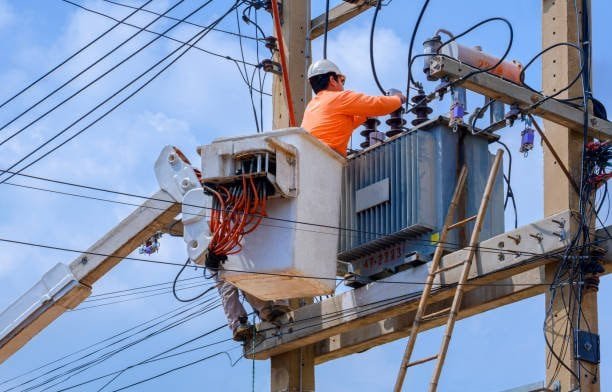
Choosing the correct voltage level is one of the most important factors in power transformer selection because voltage determines how the transformer connects to the electrical network, how much power can be transmitted efficiently, and what insulation and protection systems are required. Using an unsuitable voltage level can lead to compatibility problems, excessive losses, reduced reliability, and costly system modifications. Understanding common distribution and transmission transformer voltage levels helps utilities, industrial users, EPC contractors, and project developers make better equipment decisions.
Common voltage levels for distribution power transformers typically range from 400 V to 35 kV, while transmission power transformers commonly operate from 66 kV to 765 kV or higher. Distribution transformers usually step medium voltage down to low voltage for end users, while transmission transformers increase or decrease high voltages to efficiently transfer large amounts of electrical power across regional and national grids.
Higher transmission voltage levels help reduce electrical losses when transferring large amounts of power over long distances.True
Increasing transmission voltage reduces current for the same power transfer level, which lowers resistive losses in transmission conductors.
Power transformer voltage ratings are selected according to grid structure, regional standards, load requirements, and operating conditions. Although manufacturers can design customized voltage combinations, many projects use standardized voltage classes established by international standards and utility practices.
Why Are Voltage Levels Important in Power Transformer Applications?
Voltage level determines how a transformer interacts with the power system.
Key considerations include:
| Voltage Parameter | Importance |
|---|---|
| Primary voltage | Determines connection to incoming network |
| Secondary voltage | Determines supplied loads |
| Insulation level | Defines electrical safety requirements |
| Current level | Influences conductor size |
| System frequency | Ensures equipment compatibility |
A transformer must match the voltage characteristics of the network where it will operate.
What Are the Main Voltage Classifications for Power Transformers?
Power transformer voltage levels are generally divided into several categories.
| Voltage Classification | Typical Range | Main Application |
|---|---|---|
| Extra-low voltage (ELV) | Below 50 V | Control and special systems |
| Low voltage (LV) | Up to 1 kV | End-user distribution |
| Medium voltage (MV) | 1 kV–35 kV | Distribution networks |
| High voltage (HV) | 66 kV–220 kV | Sub-transmission and transmission |
| Extra-high voltage (EHV) | 330 kV–765 kV | Long-distance transmission |
| Ultra-high voltage (UHV) | Above 765 kV | Large-scale grid transmission |
The exact voltage ranges may vary slightly by country and utility standard.
What Low-Voltage Levels Are Commonly Used for Distribution Transformers?
Low-voltage transformers supply electricity to consumers after voltage reduction.
Common low-voltage output levels include:
| Output Voltage | Typical Application |
|---|---|
| 230 V | Single-phase residential supply |
| 400 V | Three-phase commercial and industrial supply |
| 415 V | Industrial and commercial systems |
| 480 V | North American industrial applications |
| 600 V | Industrial distribution systems |
| 690 V | Large motors and industrial equipment |
Low-voltage distribution transformers are commonly installed near:
- Buildings
- Factories
- Commercial centers
- Residential areas
What Medium-Voltage Levels Are Commonly Used for Distribution Transformers?
Medium-voltage systems are widely used between substations and end-user transformers.
Common MV levels include:
| Voltage Level | Typical Use |
|---|---|
| 3.3 kV | Industrial facilities |
| 6.6 kV | Manufacturing plants |
| 10 kV | Urban distribution networks |
| 11 kV | Utility distribution systems |
| 13.8 kV | Industrial and utility networks |
| 15 kV | Distribution systems |
| 20 kV | Regional distribution |
| 22 kV | Medium-voltage grids |
| 33 kV | Sub-transmission systems |
11 kV and 33 kV are widely used medium-voltage levels for distribution systems in many regions.True
Many utility networks use 11 kV and 33 kV classes for primary distribution and sub-transmission applications, although exact practices vary by region.
What Voltage Ratios Are Common for Distribution Transformers?
Distribution transformers typically reduce medium voltage to low voltage.
Common examples include:
| Transformer Voltage Ratio | Application |
|---|---|
| 11 kV / 0.4 kV | Commercial and residential distribution |
| 10 kV / 0.4 kV | Urban distribution networks |
| 20 kV / 0.4 kV | Medium-voltage systems |
| 33 kV / 0.4 kV | Rural or industrial distribution |
| 13.8 kV / 480 V | Industrial applications |
The selected ratio depends on the local electrical grid standard.
What High-Voltage Levels Are Commonly Used for Transmission Transformers?
Transmission transformers handle large power transfers between major grid points.
Common high-voltage levels include:
| Voltage Level | Typical Application |
|---|---|
| 66 kV | Regional transmission |
| 69 kV | Utility systems |
| 110 kV | Transmission and substations |
| 132 kV | Regional grids |
| 138 kV | North American transmission |
| 154 kV | Utility transmission |
| 220 kV | High-capacity transmission |
High-voltage transformers require stronger insulation systems and more advanced protection designs.
What Extra-High-Voltage Levels Are Used for Large Transmission Networks?
For long-distance and high-capacity power transfer, utilities use extra-high-voltage transformers.
Common EHV levels include:
| Voltage Level | Application |
|---|---|
| 330 kV | Regional grid transmission |
| 400 kV | International transmission systems |
| 500 kV | Major transmission corridors |
| 550 kV | High-capacity networks |
| 765 kV | Large-scale transmission systems |
These transformers are typically large oil-immersed units with advanced cooling and monitoring systems.
What Ultra-High-Voltage Levels Are Used in Modern Power Systems?
Ultra-high-voltage systems are used where very large amounts of electricity must be transmitted efficiently.
Common UHV levels include:
| Voltage Level | Application |
|---|---|
| 800 kV DC | Long-distance HVDC transmission |
| 1,000 kV AC | Ultra-high-voltage AC networks |
UHV transformers require:
- Advanced insulation coordination
- Large creepage distances
- High mechanical strength
- Sophisticated testing procedures
How Do Distribution and Transmission Transformer Voltage Levels Differ?
The main difference is the role each transformer plays in the electrical network.
| Transformer Type | Voltage Range | Main Function |
|---|---|---|
| Distribution transformer | 1 kV–35 kV input, LV output | Supply end users |
| Substation transformer | 35 kV–220 kV | Connect distribution networks |
| Transmission transformer | 110 kV–765 kV+ | Transfer bulk power |
Distribution transformers focus on local supply, while transmission transformers focus on efficient long-distance power transfer.
How Are Voltage Levels Selected for Power Transformer Projects?
Engineers consider:
| Selection Factor | Impact |
|---|---|
| Existing grid voltage | Determines compatibility |
| Power transfer distance | Influences transmission voltage |
| Load capacity | Determines transformer size |
| Utility standards | Defines acceptable voltage classes |
| Future expansion | Affects voltage planning |
| Environmental conditions | Influences insulation design |
The transformer voltage ratio must match both the source network and the connected loads.
How Does Voltage Level Affect Transformer Design?
Higher voltage transformers require more advanced designs.
| Design Feature | Effect of Higher Voltage |
|---|---|
| Insulation thickness | Increased requirement |
| Bushings | Higher voltage rating needed |
| Tank size | Often increases |
| Clearances | Larger distances required |
| Testing requirements | More demanding |
For example, a 500 kV transformer requires significantly different insulation and testing methods compared with an 11 kV distribution transformer.
How Does Voltage Level Influence Transformer Cost?
Voltage rating strongly affects transformer manufacturing cost.
| Cost Factor | Impact |
|---|---|
| Insulation materials | Higher voltage increases cost |
| Bushings | Higher voltage requires advanced components |
| Tank dimensions | Larger designs increase material usage |
| Testing | More complex tests required |
| Protection systems | Additional equipment may be needed |
Generally, higher voltage transformers require greater engineering complexity and investment.
What Voltage Levels Are Common for Renewable Energy Transformers?
Renewable energy projects often require transformers to connect generation equipment to the grid.
Typical applications include:
| Application | Voltage Level |
|---|---|
| Solar inverter transformer | 0.4–35 kV |
| Wind farm collector transformer | 0.69–35 kV |
| Renewable substation transformer | 35–220 kV |
| Grid connection transformer | 110–500 kV |
Voltage selection depends on plant size and grid connection requirements.
What Voltage Levels Are Common for Industrial Power Transformers?
Industrial facilities use different voltage levels depending on equipment requirements.
| Industry | Common Voltage Level |
|---|---|
| Manufacturing | 6.6 kV, 11 kV, 33 kV |
| Mining | 6.6 kV–35 kV |
| Steel plants | 33 kV–220 kV |
| Petrochemical facilities | 11 kV–132 kV |
| Data centers | 11 kV–33 kV |
Large industrial users often require customized transformer designs.
What Documents Should Buyers Check for Transformer Voltage Ratings?
Before purchasing, buyers should verify:
| Document | Voltage Information |
|---|---|
| Technical specification | Required voltage ratio |
| Transformer nameplate | Final rated voltage |
| Test reports | Verified voltage performance |
| Drawings | Connection details |
| Grid requirements | System compatibility |
Incorrect voltage data can cause serious commissioning problems.
How Do Application Requirements Determine Power Transformer Ratings and Voltage Levels?
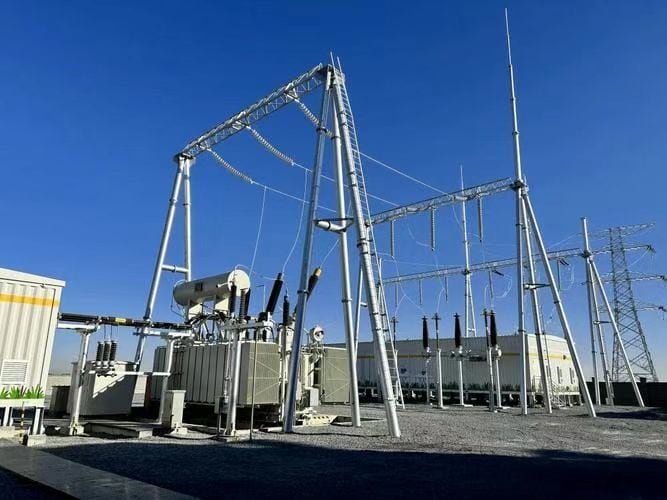
Selecting a power transformer requires more than choosing a standard kVA or MVA rating from a catalog. Every application has different electrical demands, operating conditions, and system requirements that directly influence transformer capacity, voltage ratio, insulation level, cooling design, and protection configuration. A transformer designed for a residential distribution network cannot simply be applied to a mining facility, renewable energy plant, or high-voltage transmission system.
Application requirements determine power transformer ratings and voltage levels by analyzing load demand, voltage system requirements, power transfer distance, operating environment, reliability expectations, future expansion needs, and grid connection standards. Distribution applications usually require lower kVA ratings and medium-to-low voltage conversion, while industrial, substation, and transmission applications require higher MVA ratings and higher voltage classes to handle larger power flows efficiently.
Power transformer ratings and voltage levels must be selected according to the specific electrical application rather than using a universal standard rating.True
Different applications have different load profiles, voltage systems, reliability requirements, and environmental conditions that affect transformer design.
A correctly selected transformer provides reliable power delivery, efficient operation, and optimized lifecycle costs. Engineers evaluate the complete electrical system before determining the transformer rating and voltage level, ensuring that the equipment can meet present requirements while supporting future operational changes.
Why Do Application Requirements Affect Transformer Selection?
Every electrical application has unique operating characteristics.
Key factors include:
| Application Requirement | Influence on Transformer Design |
|---|---|
| Load size | Determines kVA/MVA rating |
| System voltage | Determines transformer ratio |
| Distance of power transmission | Influences voltage selection |
| Load type | Affects design and protection |
| Operating environment | Determines cooling and insulation |
| Reliability requirements | Influences redundancy and specifications |
A transformer used in a small commercial building and one used in a national grid system may use completely different designs despite serving the same basic purpose.
How Does Load Demand Determine Transformer Power Rating?
The transformer power rating must match the expected electrical load.
The basic relationship is:
| Load Condition | Transformer Requirement |
|---|---|
| Small consumer load | Lower kVA transformer |
| Commercial building | Medium kVA transformer |
| Industrial facility | MVA-level transformer |
| Utility substation | High MVA transformer |
| Transmission network | Hundreds of MVA transformer |
Engineers calculate:
- Maximum demand load
- Continuous operating load
- Peak load conditions
- Starting current requirements
- Future load growth
A transformer should have enough capacity to operate safely without excessive thermal stress.
How Are kVA and MVA Ratings Selected for Different Applications?
Different industries require different transformer capacity ranges.
| Application | Typical Transformer Rating |
|---|---|
| Residential distribution | 25–500 kVA |
| Commercial buildings | 100–2,500 kVA |
| Small factories | 1–20 MVA |
| Large industrial plants | 20–100 MVA |
| Distribution substations | 20–200 MVA |
| Transmission substations | 200–1,000+ MVA |
The selected rating depends on both current requirements and future expansion plans.
How Do Distribution Applications Determine Transformer Ratings?
Distribution transformers are designed to supply electricity to end users.
Typical applications include:
- Residential communities
- Office buildings
- Shopping centers
- Small industrial facilities
Common ratings include:
| Distribution Application | Typical Rating |
|---|---|
| Small residential area | 50–250 kVA |
| Commercial building | 250–1,000 kVA |
| Industrial customer | 1–5 MVA |
| Large commercial complex | 2–10 MVA |
These transformers typically reduce medium voltage to low voltage.
How Do Industrial Requirements Influence Transformer Ratings?
Industrial facilities often have demanding electrical loads.
Industries such as:
- Steel manufacturing
- Mining
- Chemical processing
- Cement production
- Data centers
require transformers with higher capacity.
Important considerations include:
| Industrial Requirement | Transformer Impact |
|---|---|
| Large motors | Higher capacity |
| Continuous operation | Improved cooling |
| High starting currents | Stronger design |
| Harmonic loads | Special considerations |
| Critical production | Higher reliability |
Industrial transformers commonly range from several MVA to more than 100 MVA.
How Do Transmission Requirements Determine Transformer Voltage Levels?
Transmission systems require high voltage to transfer large amounts of electricity efficiently.
Common transmission voltage levels include:
| Voltage Level | Typical Application |
|---|---|
| 66 kV | Regional transmission |
| 110 kV | Utility networks |
| 132 kV | Transmission systems |
| 220 kV | High-capacity grids |
| 330 kV | Large transmission networks |
| 500 kV | National grid systems |
| 765 kV+ | Ultra-high-voltage transmission |
Higher voltage reduces current and minimizes transmission losses.
How Does Power Transfer Distance Affect Voltage Selection?
The distance electricity travels strongly affects transformer voltage selection.
| Transmission Distance | Typical Voltage Strategy |
|---|---|
| Short distance | Medium voltage may be sufficient |
| Regional distance | High voltage required |
| Long-distance transmission | Extra-high voltage preferred |
| International-scale grids | Ultra-high voltage systems |
For example, a local industrial facility may use 11 kV or 33 kV systems, while a large power plant transmitting electricity hundreds of kilometers may require 500 kV or higher.
How Do Renewable Energy Projects Determine Transformer Ratings?
Renewable energy applications have specific transformer requirements.
Common examples include:
| Renewable Application | Transformer Requirement |
|---|---|
| Solar farm inverter output | 0.4–1 kV to MV |
| Wind turbine transformer | 0.69 kV to 35 kV |
| Solar collection substation | 35–220 kV |
| Grid connection station | 110–500 kV |
Renewable projects must consider:
- Variable generation output
- Grid connection requirements
- Power quality
- Environmental exposure
How Do Load Characteristics Influence Transformer Design?
Not all electrical loads behave the same way.
| Load Type | Transformer Consideration |
|---|---|
| Lighting loads | Standard distribution design |
| Motor loads | Higher starting capability |
| Furnace loads | Heavy-duty design |
| Data centers | High reliability |
| Renewable loads | Variable operation |
Load characteristics influence:
- Capacity margin
- Cooling requirements
- Impedance selection
- Protection design
How Does Voltage Ratio Determine Transformer Configuration?
The transformer voltage ratio must match the electrical network.
Common examples include:
| Transformer Ratio | Application |
|---|---|
| 11 kV / 0.4 kV | Distribution |
| 33 kV / 0.4 kV | Industrial distribution |
| 110 kV / 10 kV | Substation systems |
| 220 kV / 110 kV | Transmission networks |
| 500 kV / 220 kV | Grid interconnection |
Incorrect voltage ratios can prevent proper system operation.
How Do Environmental Conditions Affect Transformer Ratings?
Operating conditions can change the required transformer design.
Important environmental factors include:
| Condition | Transformer Impact |
|---|---|
| High ambient temperature | Requires improved cooling |
| High altitude | Requires insulation adjustment |
| Coastal environment | Requires corrosion protection |
| Outdoor installation | Requires weather-resistant design |
| Desert conditions | Requires thermal considerations |
A transformer installed in a harsh environment may require a different rating than the same transformer installed indoors.
How Do Reliability Requirements Influence Transformer Selection?
Critical applications require higher reliability.
Examples include:
- Hospitals
- Data centers
- Airports
- Power plants
- Industrial production facilities
Reliability requirements may lead to:
| Requirement | Design Response |
|---|---|
| Continuous operation | Higher quality components |
| Backup supply | Parallel transformers |
| Reduced downtime | Advanced monitoring |
| Critical loads | Increased capacity margin |
How Does Future Expansion Affect Transformer Ratings?
Engineers often consider future electrical growth.
Expansion factors include:
| Future Requirement | Transformer Impact |
|---|---|
| Additional equipment | Higher rating |
| Plant expansion | Larger capacity |
| New production lines | Increased load margin |
| Renewable integration | Additional capacity |
Selecting a transformer only for current demand may create limitations later.
How Do Cooling Methods Affect Transformer Capacity?
Cooling systems determine how much power a transformer can handle safely.
Common cooling methods include:
| Cooling Type | Application |
|---|---|
| ONAN | Small and medium oil transformers |
| ONAF | Medium and large transformers |
| OFAF | Large power transformers |
| OFWF | High-capacity transmission transformers |
Higher-capacity transformers often require forced cooling systems.
How Do Protection Requirements Influence Transformer Design?
Protection systems must match transformer application.
Common protection devices include:
| Protection Device | Function |
|---|---|
| Buchholz relay | Detect internal faults |
| Differential protection | Protect windings |
| Temperature monitoring | Prevent overheating |
| Pressure relief device | Protect tank integrity |
| Surge protection | Limit overvoltage damage |
Large and critical transformers require more advanced protection systems.
What Should Buyers Evaluate Before Selecting Transformer Ratings?
Buyers should review:
| Evaluation Item | Purpose |
|---|---|
| Load calculation | Determine capacity |
| Voltage requirements | Select voltage ratio |
| Grid standards | Ensure compatibility |
| Environmental conditions | Define design requirements |
| Future expansion | Avoid undersizing |
| Lifecycle cost | Optimize investment |
A complete evaluation prevents incorrect transformer selection.
What Are Common Mistakes When Selecting Transformer Ratings?
Common mistakes include:
| Mistake | Consequence |
|---|---|
| Selecting only current load | Limited future capacity |
| Ignoring peak demand | Overloading risk |
| Using incorrect voltage ratio | Installation problems |
| Ignoring environment | Reduced reliability |
| Focusing only on purchase price | Higher lifecycle costs |
What Factors Should Be Considered When Selecting Power Transformer Capacity and Voltage?
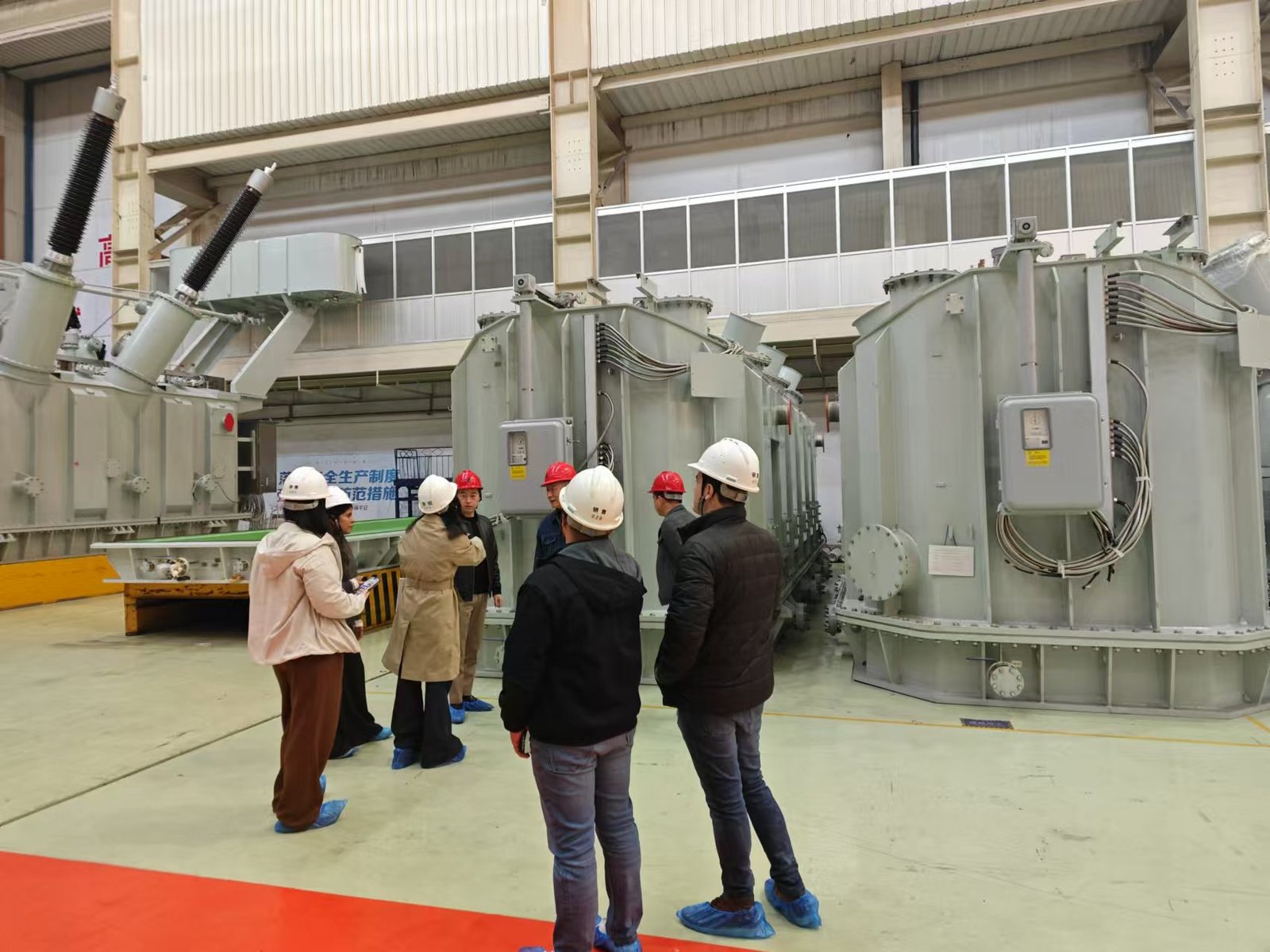
Selecting the correct power transformer capacity and voltage level is a critical engineering decision that directly affects system reliability, energy efficiency, operating costs, and equipment lifespan. A transformer that is too small may experience overload, excessive temperature rise, and premature insulation aging, while an oversized transformer can create unnecessary investment costs and higher no-load losses. Similarly, an incorrect voltage selection may prevent proper grid connection, create compatibility issues, or require expensive system modifications.
When selecting power transformer capacity and voltage, buyers should consider load demand, future expansion, voltage system requirements, power quality, application type, operating environment, cooling method, short-circuit conditions, reliability requirements, installation limitations, and applicable electrical standards. Transformer capacity is normally selected in kVA or MVA based on required power demand, while voltage levels are determined by the electrical network connection and transmission or distribution requirements.
Power transformer capacity and voltage selection should be based on electrical system requirements rather than only the lowest purchase price.True
A transformer optimized only for initial cost may create higher lifecycle costs due to inefficiency, overload risk, or future replacement needs.
A proper transformer selection process requires cooperation between buyers, electrical engineers, utilities, and manufacturers. The transformer must not only meet current operating requirements but also provide sufficient flexibility for future load changes and system development.
Why Are Transformer Capacity and Voltage Selection Important?
Power transformers are long-term electrical assets that often operate for 25–40 years or more. Incorrect selection can affect:
| Selection Error | Possible Consequence |
|---|---|
| Insufficient capacity | Overloading and overheating |
| Excessive capacity | Higher investment and losses |
| Incorrect voltage ratio | Grid connection problems |
| Poor insulation selection | Electrical failures |
| Inadequate cooling design | Reduced transformer life |
Correct selection improves:
- Operational reliability
- Energy efficiency
- Maintenance performance
- Lifecycle economics
- Grid compatibility
How Does Load Demand Determine Transformer Capacity?
The most important factor when selecting transformer capacity is the expected electrical load.
Engineers evaluate:
| Load Parameter | Influence on Transformer Rating |
|---|---|
| Connected load | Determines basic capacity |
| Maximum demand | Defines operating requirement |
| Peak load | Determines overload capability |
| Load growth | Determines future margin |
| Power factor | Affects apparent power requirement |
Transformer capacity is usually expressed as:
| Rating Unit | Typical Application |
|---|---|
| kVA | Distribution transformers |
| MVA | Industrial, substation, and transmission transformers |
How Should Buyers Calculate Required Transformer Capacity?
Transformer capacity should consider both present and future requirements.
Important inputs include:
| Calculation Factor | Description |
|---|---|
| Total connected load | Sum of electrical equipment demand |
| Demand factor | Actual expected usage |
| Diversity factor | Difference between individual and system peaks |
| Expansion margin | Future capacity requirement |
| Overload requirement | Temporary peak capability |
A common approach is to avoid continuous operation at full rated capacity to maintain thermal performance and service life.
How Does Application Type Affect Transformer Rating Selection?
Different applications require different capacity ranges.
| Application | Typical Capacity Range |
|---|---|
| Residential distribution | 25 kVA–500 kVA |
| Commercial buildings | 100 kVA–2,500 kVA |
| Small industrial plants | 1 MVA–20 MVA |
| Large industrial facilities | 20 MVA–100 MVA |
| Distribution substations | 20 MVA–200 MVA |
| Transmission substations | 200 MVA–1,000+ MVA |
The application determines not only the rating but also cooling, protection, and insulation requirements.
How Does Future Expansion Affect Transformer Capacity Selection?
Selecting only for current demand may limit future operations.
Buyers should consider:
| Future Change | Capacity Impact |
|---|---|
| New production equipment | Higher MVA requirement |
| Facility expansion | Increased load margin |
| Renewable integration | Additional capacity needs |
| Electrification projects | Higher demand |
A transformer with insufficient future capacity may require costly replacement or parallel transformer installation.
How Does Voltage System Determine Transformer Voltage Selection?
The transformer voltage ratio must match the electrical network.
Common voltage levels include:
| Voltage Class | Typical Range |
|---|---|
| Low voltage | Below 1 kV |
| Medium voltage | 1 kV–35 kV |
| High voltage | 66 kV–220 kV |
| Extra-high voltage | 330 kV–765 kV |
| Ultra-high voltage | Above 765 kV |
Typical examples include:
| Transformer Ratio | Application |
|---|---|
| 11 kV / 0.4 kV | Distribution networks |
| 33 kV / 0.4 kV | Industrial distribution |
| 110 kV / 10 kV | Substations |
| 220 kV / 110 kV | Transmission systems |
| 500 kV / 220 kV | Grid transmission |
How Does Power Transmission Distance Influence Voltage Selection?
Transmission distance strongly affects the required voltage level.
| Distance Requirement | Common Voltage Strategy |
|---|---|
| Local distribution | Low or medium voltage |
| Regional supply | High voltage |
| Long-distance transmission | Extra-high voltage |
| Large grid networks | Ultra-high voltage |
Higher voltage allows more power to be transmitted with lower current, reducing conductor losses.
How Does Load Type Affect Transformer Selection?
Different electrical loads create different transformer requirements.
| Load Type | Transformer Consideration |
|---|---|
| Lighting loads | Standard design |
| Motors | Higher starting capability |
| Furnaces | Heavy-duty design |
| Data centers | High reliability |
| Renewable generation | Variable operating conditions |
Industrial loads often require special consideration for:
- Starting currents
- Harmonics
- Voltage fluctuations
- Continuous operation
How Does Power Quality Affect Transformer Selection?
Power quality requirements influence transformer design.
Important factors include:
| Power Quality Issue | Transformer Requirement |
|---|---|
| Harmonics | Special winding design |
| Voltage fluctuations | Appropriate regulation capability |
| Frequent switching | Strong insulation design |
| Sensitive loads | Improved voltage stability |
Applications such as semiconductor plants and data centers often require stricter transformer performance.
How Do Environmental Conditions Affect Transformer Capacity?
The installation environment affects transformer design.
Important conditions include:
| Environmental Factor | Impact |
|---|---|
| High ambient temperature | Requires improved cooling |
| High altitude | Requires insulation adjustment |
| Humidity | Requires moisture protection |
| Coastal areas | Requires corrosion resistance |
| Outdoor installation | Requires weather protection |
A transformer designed for normal conditions may not perform properly in harsh environments.
How Does Cooling Method Influence Transformer Capacity?
Cooling determines the maximum continuous operating capability.
Common cooling methods include:
| Cooling Method | Application |
|---|---|
| ONAN | Small and medium oil transformers |
| ONAF | Medium and large transformers |
| OFAF | Large power transformers |
| OFWF | High-capacity transformers |
Large MVA transformers usually require forced cooling systems.
How Does Insulation Level Affect Voltage Selection?
Higher voltage requires stronger insulation systems.
Important insulation considerations include:
| Factor | Purpose |
|---|---|
| Rated insulation level | Withstand operating voltage |
| Lightning impulse withstand | Protect against surges |
| Switching impulse withstand | Protect high-voltage systems |
| Creepage distance | Prevent surface discharge |
Voltage selection directly affects transformer construction and cost.
How Do Short-Circuit Conditions Affect Transformer Selection?
Transformers must withstand electrical and mechanical stresses caused by faults.
Important factors include:
| Parameter | Importance |
|---|---|
| Short-circuit current | Determines mechanical strength |
| Impedance | Controls fault current |
| Winding design | Supports mechanical stability |
| Clamping structure | Prevents deformation |
Large industrial and grid transformers require strong short-circuit capability.
How Do Reliability Requirements Influence Capacity Selection?
Critical applications require additional reliability considerations.
Examples include:
- Hospitals
- Airports
- Data centers
- Power plants
- Utility substations
Reliability strategies include:
| Strategy | Benefit |
|---|---|
| Capacity margin | Prevent overload |
| Parallel transformers | Improve redundancy |
| Online monitoring | Detect problems early |
| Higher-quality components | Extend service life |
How Do Standards and Regulations Affect Transformer Selection?
Transformers must comply with applicable standards.
Common references include:
| Standard | Purpose |
|---|---|
| IEC 60076 | International transformer requirements |
| IEEE standards | North American practices |
| Utility specifications | Grid connection requirements |
| Local regulations | Safety compliance |
Standards affect:
- Testing requirements
- Insulation levels
- Efficiency requirements
- Safety features
How Should Buyers Evaluate Transformer Supplier Recommendations?
Manufacturers should provide technical justification for selected ratings.
Buyers should review:
| Supplier Information | Purpose |
|---|---|
| Load calculations | Verify capacity |
| Voltage analysis | Confirm compatibility |
| Loss calculations | Evaluate efficiency |
| Temperature rise data | Confirm cooling |
| Technical drawings | Verify design |
A reliable manufacturer should explain why a specific transformer rating is recommended.
What Are Common Mistakes When Selecting Transformer Capacity and Voltage?
Common selection mistakes include:
| Mistake | Result |
|---|---|
| Choosing only based on current load | Future limitations |
| Ignoring voltage compatibility | Installation failure |
| Underestimating peak demand | Overloading |
| Ignoring environment | Reduced reliability |
| Selecting based only on price | Higher lifecycle costs |
How Can Buyers Choose the Correct Power Rating and Voltage Level for Power Transformers?
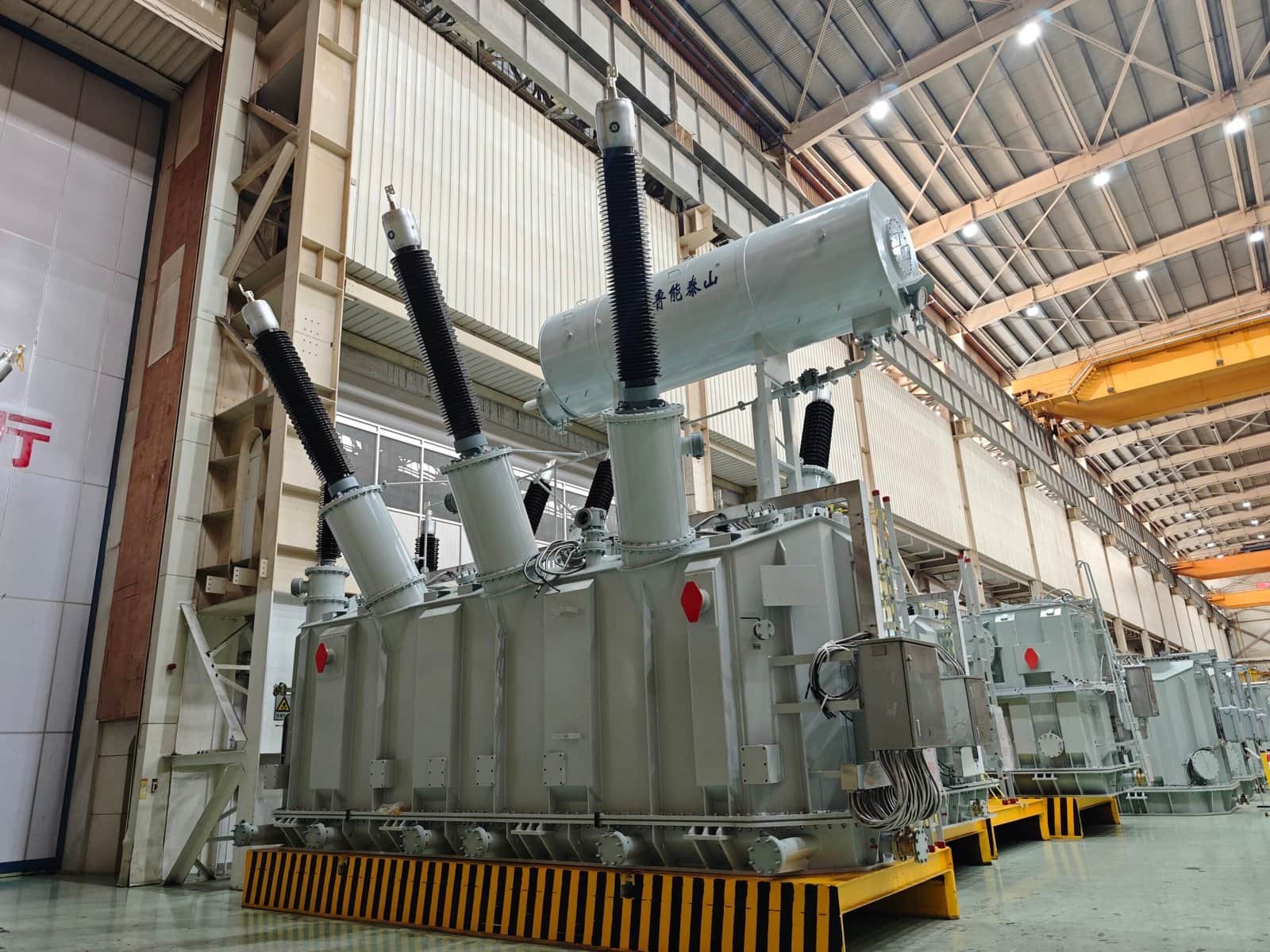
Choosing the correct power rating and voltage level for a power transformer is a critical decision that affects electrical system reliability, operating efficiency, investment cost, and long-term maintenance requirements. A transformer that is incorrectly sized may operate under excessive thermal stress, experience poor voltage regulation, or require early replacement. On the other hand, selecting a transformer with unnecessary capacity can increase capital expenditure and operating losses.
Buyers can choose the correct power transformer rating and voltage level by analyzing current load demand, future expansion plans, system voltage requirements, load characteristics, environmental conditions, cooling requirements, reliability expectations, and grid standards. The power rating, expressed in kVA or MVA, should match the required electrical capacity, while the voltage level should correspond to the network connection point and application purpose.
Selecting the correct transformer power rating requires evaluating both present electrical demand and future load growth expectations.True
Transformer capacity should provide sufficient margin for future expansion while avoiding unnecessary oversizing costs.
A professional transformer selection process requires a complete understanding of the application environment. Manufacturers and engineers normally evaluate electrical parameters together rather than selecting rating and voltage independently. The final transformer specification should provide the best balance between performance, reliability, efficiency, and lifecycle cost.
Why Is Correct Transformer Selection Important?
Power transformers are long-term infrastructure assets that commonly operate for several decades. Their selection directly influences:
| Selection Factor | Impact on Operation |
|---|---|
| Power rating | Determines load capability |
| Voltage level | Determines grid compatibility |
| Cooling system | Controls temperature performance |
| Insulation design | Determines voltage withstand capability |
| Impedance | Influences system behavior |
A properly selected transformer can:
- Reduce energy losses
- Improve system stability
- Extend service life
- Minimize maintenance requirements
- Support future electrical growth
How Should Buyers Determine the Required Transformer Power Rating?
The first step is calculating the expected electrical load.
Important load factors include:
| Factor | Description |
|---|---|
| Connected load | Total installed equipment capacity |
| Maximum demand | Expected peak operating requirement |
| Load factor | Average operating level |
| Power factor | Relationship between active and apparent power |
| Expansion margin | Future capacity requirement |
Transformer capacity is usually selected in:
| Rating Unit | Typical Application |
|---|---|
| kVA | Distribution transformers |
| MVA | Industrial, substation, and transmission transformers |
How Are kVA and MVA Ratings Calculated?
Transformer ratings are based on apparent power demand rather than only active power.
The selection process considers:
| Calculation Item | Purpose |
|---|---|
| Load current | Determines conductor and winding requirements |
| Voltage level | Determines transformer ratio |
| Power factor | Determines apparent power demand |
| Peak demand | Determines required capacity |
| Future growth | Determines design margin |
For example:
| Application | Typical Rating Range |
|---|---|
| Small commercial building | 100–1,000 kVA |
| Industrial facility | 1–100 MVA |
| Distribution substation | 20–200 MVA |
| Transmission substation | 200–1,000+ MVA |
How Much Capacity Margin Should Buyers Include?
Transformers should rarely operate continuously at their maximum rating.
A capacity margin helps accommodate:
- Future equipment additions
- Seasonal demand changes
- Temporary overload conditions
- Production expansion
Typical considerations include:
| Situation | Recommended Approach |
|---|---|
| Stable load | Smaller margin |
| Growing facility | Larger margin |
| Critical operation | Higher redundancy |
| Uncertain demand | Flexible capacity planning |
The correct margin depends on the project’s long-term development plan.
How Does Application Type Affect Transformer Rating Selection?
Different applications require different transformer capacities.
| Application | Common Transformer Rating |
|---|---|
| Residential distribution | 25–500 kVA |
| Commercial buildings | 100–2,500 kVA |
| Manufacturing plants | 1–50 MVA |
| Heavy industry | 50–200 MVA |
| Utility substations | 100–500+ MVA |
Industrial and utility applications usually require larger ratings because they supply higher and more continuous loads.
How Should Buyers Evaluate Load Characteristics?
The type of electrical load affects transformer performance requirements.
| Load Type | Selection Consideration |
|---|---|
| Lighting | Standard capacity design |
| Motors | Starting current capability |
| Furnaces | High-duty operation |
| Data centers | High reliability |
| Renewable generation | Variable power output |
Motor-driven applications often require additional consideration because starting currents can be several times higher than normal operating current.
How Should Buyers Select the Correct Transformer Voltage Level?
The voltage level must match the electrical network.
Common voltage classes include:
| Voltage Class | Typical Range |
|---|---|
| Low voltage | Below 1 kV |
| Medium voltage | 1–35 kV |
| High voltage | 66–220 kV |
| Extra-high voltage | 330–765 kV |
| Ultra-high voltage | Above 765 kV |
Typical transformer voltage ratios include:
| Voltage Ratio | Application |
|---|---|
| 11 kV / 0.4 kV | Distribution systems |
| 33 kV / 0.4 kV | Industrial distribution |
| 110 kV / 10 kV | Substations |
| 220 kV / 110 kV | Transmission networks |
| 500 kV / 220 kV | Large grid systems |
How Does Grid Connection Determine Transformer Voltage?
The transformer must connect correctly between two electrical systems.
Buyers should verify:
| Parameter | Reason |
|---|---|
| Primary voltage | Matches incoming supply |
| Secondary voltage | Matches connected loads |
| Frequency | Ensures compatibility |
| Phase arrangement | Confirms system connection |
| Vector group | Defines phase relationship |
A transformer with the wrong voltage ratio cannot operate correctly even if its power rating is suitable.
How Does Transmission Distance Affect Voltage Selection?
Longer transmission distances require higher voltage levels.
| Application Distance | Typical Voltage Selection |
|---|---|
| Local distribution | 400 V–35 kV |
| Regional transmission | 66–220 kV |
| Long-distance transmission | 330–765 kV |
| Ultra-long-distance systems | 800 kV+ |
Higher voltage reduces current for the same power transfer, helping reduce transmission losses.
How Do Environmental Conditions Influence Transformer Selection?
The installation environment affects both rating and design.
Important conditions include:
| Condition | Transformer Requirement |
|---|---|
| High temperature | Enhanced cooling |
| High altitude | Modified insulation design |
| Coastal environment | Corrosion protection |
| Outdoor installation | Weather-resistant construction |
| Dusty environment | Additional protection |
A transformer installed in harsh conditions may require a different specification than one installed in a controlled environment.
How Does Cooling Method Affect Transformer Capacity?
Cooling capability determines the maximum safe operating capacity.
Common cooling methods include:
| Cooling Method | Typical Application |
|---|---|
| ONAN | Small and medium oil transformers |
| ONAF | Medium and large transformers |
| OFAF | Large power transformers |
| OFWF | High-capacity transmission transformers |
Higher MVA transformers often require forced cooling systems to maintain acceptable temperature rise.
How Does Reliability Requirement Affect Transformer Selection?
Some applications require higher reliability than normal systems.
Examples include:
- Hospitals
- Airports
- Data centers
- Power plants
- Utility substations
Reliability requirements may influence:
| Requirement | Design Response |
|---|---|
| Continuous operation | Higher-quality components |
| Reduced downtime | Online monitoring |
| Critical loads | Additional capacity |
| Grid importance | Redundant transformer arrangements |
How Does Transformer Impedance Affect Selection?
Transformer impedance influences system performance.
Important effects include:
| Parameter | Influence |
|---|---|
| Short-circuit current | Fault performance |
| Voltage regulation | Load voltage stability |
| Parallel operation | Transformer compatibility |
The impedance value must match the requirements of the electrical network.
What Standards Should Buyers Consider?
Transformers should comply with applicable technical standards.
Common standards include:
| Standard | Purpose |
|---|---|
| IEC 60076 | International transformer requirements |
| IEEE standards | North American practices |
| Utility specifications | Grid connection requirements |
| Local regulations | Safety compliance |
Standards define:
- Testing procedures
- Insulation levels
- Performance requirements
- Safety criteria
What Technical Documents Should Buyers Review?
Before final selection, buyers should review:
| Document | Information Provided |
|---|---|
| Load study | Required capacity |
| Single-line diagram | Voltage connection |
| Technical specification | Transformer requirements |
| Manufacturer datasheet | Performance data |
| Test reports | Verified capability |
These documents help ensure that the selected transformer matches the actual application.
What Common Mistakes Should Buyers Avoid?
Common errors include:
| Mistake | Result |
|---|---|
| Selecting only based on current load | Future limitations |
| Ignoring peak demand | Overloading |
| Choosing incorrect voltage ratio | Connection problems |
| Oversizing without analysis | Higher costs |
| Ignoring environment | Reduced reliability |
Conclusion
Standard power ratings and voltage levels for power transformers vary widely depending on their intended application, from small distribution systems to large-scale transmission networks. Common transformer ratings are expressed in kVA or MVA, while voltage levels range from low-voltage distribution systems to extra-high-voltage transmission grids. Selecting the correct combination requires careful analysis of load demand, grid requirements, operating conditions, and future expansion needs. By working with experienced transformer manufacturers and accurately defining technical specifications, buyers can ensure reliable operation, improved efficiency, and long-term value from their transformer investment.
FAQ
Q1: What are the standard power ratings for power transformers?
Power transformer ratings define the maximum electrical power a transformer can transfer safely under specified operating conditions. Ratings are usually expressed in kVA (kilovolt-amperes) for smaller transformers and MVA (megavolt-amperes) for larger power transformers.
Common power transformer ratings include:
Transformer Type Typical Rating Range
Distribution transformers 25 kVA to 5 MVA
Medium power transformers 5 MVA to 100 MVA
Substation transformers 20 MVA to 300 MVA
Large transmission transformers 100 MVA to 1,000 MVA+
Typical standardized ratings may include:
500 kVA
1 MVA
2.5 MVA
5 MVA
10 MVA
20 MVA
40 MVA
63 MVA
100 MVA
160 MVA
250 MVA
400 MVA
500 MVA
The actual available ratings vary by manufacturer, regional grid requirements, and international standards such as IEC 60076 and IEEE C57.
Q2: What are the common voltage levels for power transformers?
Power transformer voltage ratings vary according to their position in the electrical grid.
Common voltage levels include:
Distribution Transformer Voltages
Used near end users:
400 V / 230 V
415 V / 240 V
6.6 kV
10 kV
11 kV
20 kV
33 kV
Substation Transformer Voltages
Used for regional power distribution:
66 kV
110 kV
132 kV
138 kV
220 kV
Transmission Transformer Voltages
Used for high-voltage power transmission:
275 kV
345 kV
400 kV
500 kV
765 kV
Higher voltage levels allow electricity to be transmitted over longer distances with lower losses.
Q3: What factors determine the required power rating of a transformer?
Selecting the correct transformer rating requires analysis of present and future electrical demand.
Key factors include:
Load Requirements
The transformer must handle the maximum expected load.
Future Expansion
Additional capacity is often included for future growth.
Power Factor
Lower power factor increases required transformer capacity.
Load Characteristics
Different applications require different ratings:
Motors require starting current capability.
Industrial loads may fluctuate.
Renewable energy systems may have variable output.
Environmental Conditions
Ratings may need adjustment for:
High ambient temperatures
High-altitude locations
Outdoor installations
Cooling limitations
Q4: What is the difference between kVA and MVA transformer ratings?
kVA and MVA represent transformer capacity using different scales.
1 MVA = 1,000 kVA
Typical applications:
kVA Ratings
Common for:
Small distribution transformers
Commercial buildings
Residential power systems
Examples:
100 kVA
500 kVA
1,000 kVA
MVA Ratings
Common for:
Industrial facilities
Substations
Power plants
Transmission networks
Examples:
20 MVA
100 MVA
500 MVA
The unit selected depends on transformer size and application.
Q5: What are common transformer voltage combinations?
Power transformers often have multiple voltage ratings to connect different sections of the power system.
Common combinations include:
Distribution Applications
11 kV / 0.415 kV
22 kV / 0.415 kV
33 kV / 11 kV
Industrial Applications
33 kV / 6.6 kV
110 kV / 11 kV
110 kV / 33 kV
Transmission Applications
220 kV / 110 kV
400 kV / 220 kV
500 kV / 230 kV
The selected ratio depends on the voltage requirements of the connected grid or equipment.
Q6: How do cooling methods affect transformer ratings?
Cooling systems determine how much power a transformer can safely handle.
Common cooling classifications include:
ONAN (Oil Natural Air Natural)
Natural oil circulation
Natural air cooling
Common for smaller transformers
ONAF (Oil Natural Air Forced)
Cooling fans increase capacity
OFAF (Oil Forced Air Forced)
Oil pumps and fans improve heat removal
Used for larger transformers
OFWF (Oil Forced Water Forced)
Used for very large transformers
A transformer with improved cooling can often achieve a higher MVA rating compared with a similar design using natural cooling.
Q7: How should buyers select the correct transformer rating?
Selecting the correct transformer rating requires balancing reliability, efficiency, and investment cost.
Buyers should evaluate:
Maximum load demand
Voltage requirements
Future expansion plans
Efficiency requirements
Short-circuit capability
Cooling method
Installation environment
Grid standards
Harmonic loads
Maintenance requirements
A transformer that is too small may suffer from overheating and reduced lifespan, while an oversized transformer increases purchase costs and may operate inefficiently at light loads.
Professional transformer selection normally includes load studies and lifecycle cost analysis to determine the optimal rating.
References
IEC 60076 – Power Transformers
https://webstore.iec.ch/publication/602
IEEE C57 Series – Power Transformer Standards
https://standards.ieee.org
NEMA – Electrical Standards and Transformer Guidelines
https://www.nema.org
Electrical Engineering Portal – Transformer Applications and Ratings
https://electrical-engineering-portal.com
U.S. Department of Energy – Transformer Efficiency Standards
https://www.energy.gov