
Power transformers are expected to deliver reliable service for 30 years or more under demanding electrical, mechanical, and environmental conditions. However, not all transformers are built to the same standards. Design quality has a direct impact on operational reliability, maintenance requirements, energy efficiency, and equipment lifespan. Poorly designed transformers are more susceptible to overheating, insulation failure, winding deformation, oil leaks, and unexpected outages. Understanding the key design features that contribute to transformer reliability helps buyers select equipment capable of providing dependable performance throughout its service life.
The reliability of a power transformer is improved by high-quality core materials, robust winding construction, advanced insulation systems, efficient cooling designs, strong mechanical structures, reliable tap changers, effective sealing systems, comprehensive protection devices, and continuous condition monitoring. Together, these design features reduce electrical losses, improve thermal performance, enhance fault resistance, and extend the transformer's operational lifespan while minimizing maintenance requirements.
A reliable transformer is the result of careful engineering rather than a single component. Evaluating these critical design features allows buyers to compare manufacturers more effectively and invest in transformers that deliver long-term value and dependable operation.
What Design Features Improve the Reliability of Power Transformers?
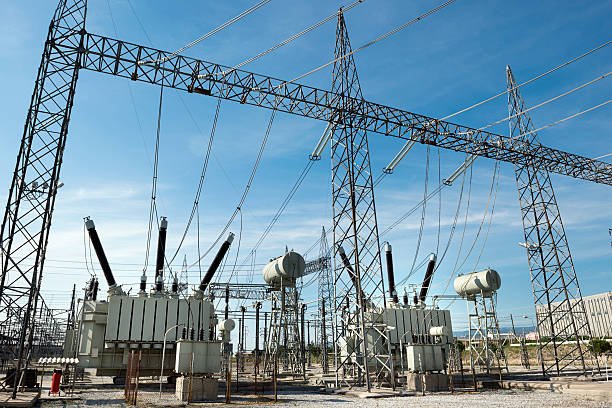
Power transformers are among the most valuable assets in electrical power systems, with an expected service life of 30 to 40 years or more. Their long-term reliability depends not only on proper operation and maintenance but also on the quality of their design. A well-designed transformer can withstand electrical faults, thermal cycling, mechanical stresses, environmental conditions, and continuous loading while maintaining stable performance. Poor design, on the other hand, may lead to premature insulation aging, winding deformation, overheating, excessive losses, or unexpected failures. Understanding the design features that contribute to transformer reliability helps buyers select equipment that delivers dependable performance and minimizes lifecycle costs.
The reliability of power transformers is improved through high-quality core materials, robust winding construction, strong mechanical support systems, effective cooling methods, reliable insulation systems, optimized magnetic design, advanced protection and monitoring devices, corrosion-resistant tanks, precision manufacturing, and comprehensive factory testing. Together, these features reduce failure risks, improve efficiency, and extend transformer service life.
Transformer reliability depends primarily on regular maintenance because design quality has little influence on long-term performance.False
While maintenance is essential, transformer reliability is fundamentally determined by design quality, material selection, manufacturing precision, mechanical strength, cooling efficiency, and insulation performance established during production.
Why is transformer design critical for reliability?
A transformer operates continuously under electrical, thermal, and mechanical stress.
Throughout its service life it experiences:
- Continuous electrical loading
- Temperature fluctuations
- Mechanical vibration
- Switching operations
- Lightning surges
- Short-circuit forces
- Environmental exposure
A reliable design ensures these stresses do not cause premature deterioration.
High-quality magnetic core design
The transformer core directly influences efficiency, operating temperature, and long-term reliability.
A well-designed core provides:
- Low no-load losses
- Reduced heat generation
- Lower operating noise
- Stable magnetic performance
Manufacturers improve reliability by using:
- High-grade grain-oriented electrical steel
- Precision core stacking
- Step-lap core joints
- Optimized magnetic flux density
| Core Design Feature | Reliability Benefit |
|---|---|
| Premium electrical steel | Lower core losses |
| Step-lap construction | Reduced vibration |
| Optimized flux density | Lower operating temperature |
| Precision assembly | Improved efficiency |
Robust winding construction
Windings carry the operating current and experience the greatest mechanical forces during short circuits.
Reliable winding design includes:
- High-quality copper or aluminum conductors
- Uniform winding tension
- Reinforced insulation
- Accurate conductor positioning
- Optimized current distribution
Strong winding construction reduces the risk of:
- Mechanical deformation
- Hot spots
- Insulation damage
- Short-circuit failure
Reinforced mechanical support system
Mechanical stability is essential for long-term reliability.
Important structural features include:
- Strong clamping systems
- Axial support blocks
- Radial spacers
- Pressboard cylinders
- Reinforced end blocks
These components prevent winding movement during transportation, operation, and fault conditions.
| Mechanical Feature | Reliability Improvement |
|---|---|
| Winding clamps | Maintain coil alignment |
| Support spacers | Preserve insulation clearances |
| End blocks | Resist axial forces |
| Structural frames | Improve mechanical stability |
Reliable insulation system
The insulation system largely determines transformer lifespan.
A high-quality insulation system includes:
- Premium cellulose insulation
- High-quality insulating oil or approved insulating fluid
- Proper insulation spacing
- Thorough vacuum drying
- Moisture control
These features improve:
- Dielectric strength
- Thermal endurance
- Resistance to aging
- Electrical reliability
Efficient cooling system
Heat is one of the primary causes of transformer aging.
Reliable cooling systems maintain acceptable operating temperatures under varying load conditions.
Common cooling methods include:
- ONAN
- ONAF
- OFAF
- OFWF
Proper cooling provides:
- Lower insulation temperature
- Longer insulation life
- Higher loading capability
- Improved operating stability
| Cooling Feature | Reliability Benefit |
|---|---|
| Effective oil circulation | Uniform cooling |
| High-capacity radiators | Lower operating temperature |
| Automatic cooling control | Stable thermal performance |
| Redundant cooling equipment | Increased operational reliability |
Optimized electromagnetic design
Electromagnetic optimization reduces unnecessary electrical and mechanical stress.
Modern transformer design includes:
- Uniform magnetic flux distribution
- Balanced leakage flux
- Controlled electromagnetic forces
- Reduced circulating currents
These improvements decrease:
- Local overheating
- Vibration
- Mechanical fatigue
- Energy losses
Advanced protection and monitoring systems
Modern transformers often include integrated monitoring devices that detect developing problems before failures occur.
Typical equipment includes:
- Winding temperature indicators
- Oil temperature indicators
- Oil level gauges
- Pressure relief devices
- Gas-operated relays
- Online dissolved gas monitoring
- Moisture sensors
These systems enable condition-based maintenance and reduce unexpected outages.
| Monitoring Device | Reliability Function |
|---|---|
| Temperature indicator | Detect overheating |
| Gas relay | Identify internal faults |
| Pressure relief device | Protect against excessive pressure |
| Online monitoring | Enable predictive maintenance |
Durable tank and enclosure design
The transformer tank protects internal components from environmental exposure.
Reliable tank design includes:
- Corrosion-resistant steel
- High-quality welding
- Protective coatings
- Weather-resistant sealing systems
- Strong lifting and transportation provisions
These features reduce the likelihood of:
- Oil leakage
- Corrosion
- Moisture ingress
- Structural damage
High-quality tap changer design
Voltage regulation depends on reliable tap changer operation.
Well-designed tap changers provide:
- Stable voltage control
- Reliable switching
- Long mechanical life
- Reduced contact wear
Proper maintenance and high-quality construction significantly improve operational reliability.
Precision manufacturing
Excellent engineering must be supported by consistent manufacturing quality.
Critical production processes include:
- Precision winding
- Core assembly
- Controlled clamping pressure
- Vacuum drying
- Oil filling under controlled conditions
- Final inspection
Strict manufacturing control minimizes hidden defects that could reduce service life.
| Manufacturing Process | Reliability Contribution |
|---|---|
| Precision winding | Accurate conductor placement |
| Controlled drying | Improved insulation quality |
| Accurate assembly | Enhanced mechanical stability |
| Comprehensive inspection | Reduced manufacturing defects |
Comprehensive factory testing
Factory testing confirms that every transformer meets its design specifications before shipment.
Routine tests typically include:
- Winding resistance measurement
- Turns ratio test
- Insulation resistance test
- Applied voltage test
- Induced voltage test
- Short-circuit impedance measurement
- Leak test
These tests verify electrical integrity and provide confidence in manufacturing quality.
Compliance with international standards
Reliable transformers are designed and tested according to internationally recognized standards developed by:
- International Electrotechnical Commission
- Institute of Electrical and Electronics Engineers
Compliance helps ensure consistent performance regarding:
- Mechanical strength
- Electrical safety
- Thermal performance
- Factory testing
- Quality assurance
Corrosion protection for long service life
Many transformers operate outdoors for decades.
Protective features include:
- Multi-layer paint systems
- Galvanized components
- Stainless steel hardware where appropriate
- UV-resistant coatings
- Moisture-resistant sealing systems
These features reduce maintenance and extend equipment life.
Design flexibility for different applications
Reliable manufacturers optimize transformer designs for specific operating environments.
Examples include:
| Application | Design Focus |
|---|---|
| Utility substations | High short-circuit strength |
| Renewable energy | Variable load performance |
| Industrial facilities | Heavy-duty continuous operation |
| Data centers | High efficiency and redundancy |
| Coastal installations | Enhanced corrosion resistance |
| Mining operations | Rugged mechanical construction |
Selecting an application-specific design improves reliability under actual operating conditions.
What should buyers evaluate?
Before purchasing a transformer, buyers should review:
- Core material quality
- Winding construction
- Mechanical support design
- Cooling method
- Insulation system
- Monitoring devices
- Factory testing procedures
- Standards compliance
- Manufacturer experience
- Warranty and technical support
Considering these factors provides a more accurate assessment of long-term reliability than comparing purchase prices alone.
How Do Core and Winding Designs Enhance Transformer Reliability?
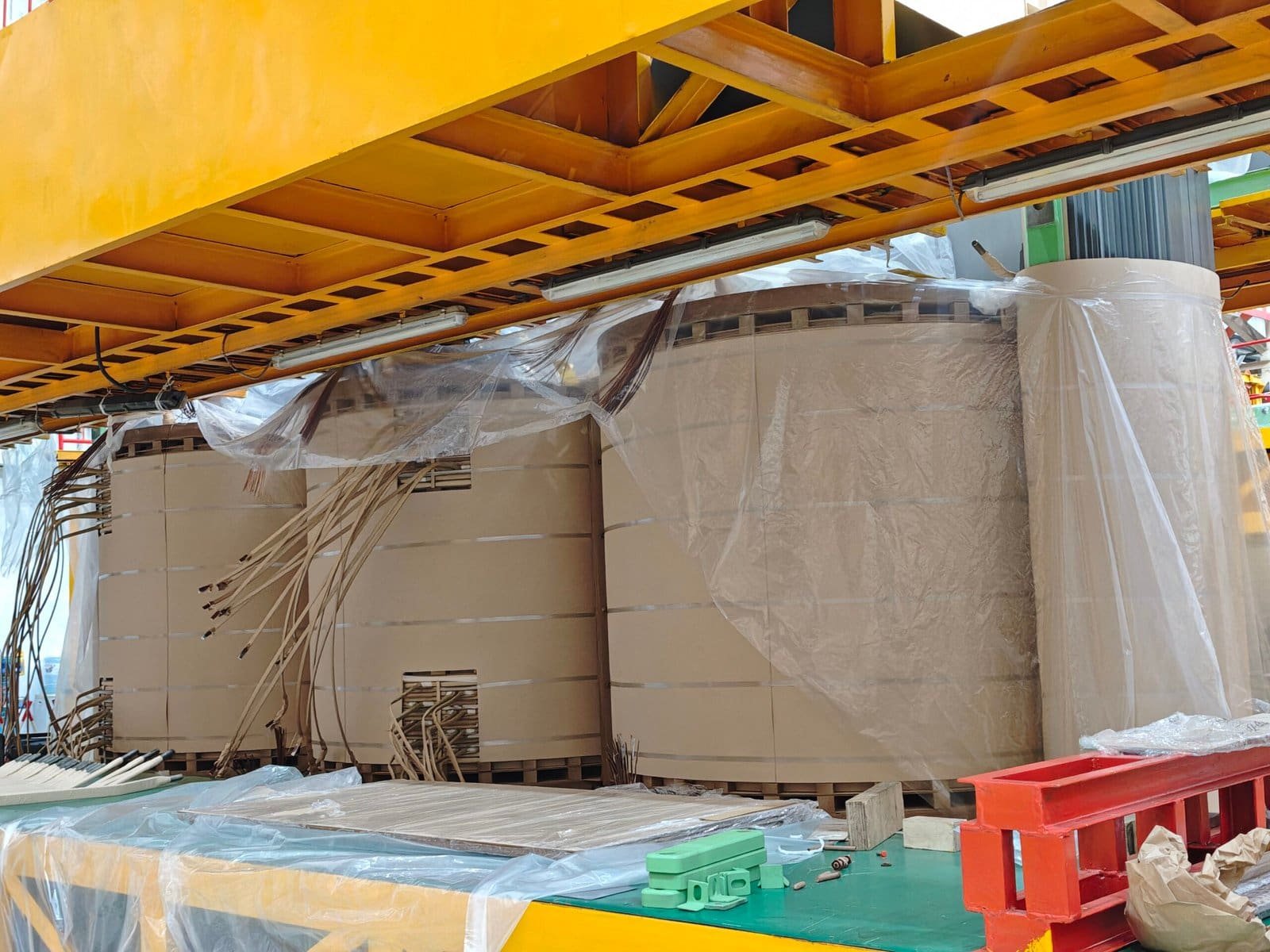
Power transformer reliability depends heavily on the quality of its core and winding design because these two components determine how efficiently electrical energy is transferred, how well the transformer handles thermal stress, and how effectively it withstands mechanical forces during abnormal conditions. Poorly designed cores can increase losses, vibration, and overheating, while weak winding structures may suffer deformation during short circuits, leading to insulation failure and unexpected outages. Since transformers are expected to operate continuously for decades, manufacturers must optimize core construction and winding technology to improve efficiency, mechanical strength, thermal performance, and overall service life.
Core and winding designs enhance transformer reliability by reducing magnetic losses, controlling temperature rise, improving mechanical strength, maintaining insulation integrity, and minimizing the risk of winding movement during fault conditions. High-quality electrical steel, optimized core assembly, reinforced winding structures, precise conductor arrangements, and advanced insulation support systems help transformers achieve stable performance and longer operating life.
Transformer core design mainly affects efficiency, while winding design has no significant impact on transformer reliability.False
Both core and winding designs strongly influence transformer reliability. The core affects losses, vibration, and thermal performance, while windings determine current carrying capability, mechanical strength, and resistance to short-circuit forces.
Why are core and winding designs critical to transformer reliability?
The transformer core and windings form the electromagnetic heart of the equipment.
The core provides the magnetic path required for energy transfer, while the windings convert electrical energy between voltage levels.
Their design directly affects:
- Energy efficiency
- Temperature rise
- Mechanical stability
- Insulation aging
- Fault withstand capability
- Noise and vibration
- Service life
A transformer may have excellent protection systems and monitoring equipment, but poor core or winding design can still cause serious reliability problems.
How does transformer core design improve reliability?
The transformer core controls magnetic flux inside the transformer. A well-designed core reduces unnecessary losses and prevents excessive heating.
A reliable core design focuses on:
- High-quality electrical steel
- Optimized magnetic flux density
- Accurate lamination assembly
- Reduced eddy current losses
- Strong mechanical clamping
Use of high-quality grain-oriented electrical steel
Modern power transformers typically use grain-oriented electrical steel because it provides excellent magnetic performance.
Benefits include:
- Lower hysteresis losses
- Reduced no-load losses
- Improved efficiency
- Lower operating temperature
High-quality core materials reduce the amount of energy converted into heat during continuous operation.
| Core Material Feature | Reliability Benefit |
|---|---|
| Low-loss electrical steel | Reduces heating |
| High magnetic permeability | Improves efficiency |
| Uniform material quality | Provides stable performance |
| Controlled thickness | Reduces eddy currents |
Step-lap core construction
Modern transformer cores commonly use step-lap construction instead of traditional butt-lap designs.
Step-lap joints improve reliability by:
- Reducing magnetic flux distortion
- Lowering excitation current
- Decreasing vibration
- Reducing operating noise
A smoother magnetic path reduces mechanical stress caused by magnetic forces.
Optimized magnetic flux density
The core must operate within an appropriate magnetic flux range.
If flux density is too high:
- Core saturation may occur.
- Excitation current increases.
- Heating rises.
- Noise increases.
If flux density is too low:
- Core size increases unnecessarily.
- Material costs increase.
A properly optimized core balances:
- Efficiency
- Size
- Cost
- Reliability
Core clamping and structural stability
The core assembly must remain mechanically stable throughout the transformer's operating life.
Reliable core designs include:
- Strong clamping frames
- Proper tightening systems
- Secure grounding arrangements
- Accurate lamination stacking
These features reduce:
- Vibration
- Mechanical movement
- Insulation stress
How do winding designs improve transformer reliability?
The winding system is one of the most critical components because it carries electrical current and experiences significant mechanical forces.
A reliable winding design must withstand:
- Normal load current
- Thermal expansion
- Short-circuit forces
- Electrical stresses
- Mechanical vibration
Optimized winding arrangement
Manufacturers carefully design winding geometry to achieve:
- Balanced current distribution
- Controlled leakage flux
- Reduced electromagnetic forces
- Improved cooling
Common winding arrangements include:
- Layer windings
- Helical windings
- Disc windings
- Continuous disc windings
The selection depends on:
- Voltage level
- Power rating
- Short-circuit requirements
- Application conditions
| Winding Type | Common Application |
|---|---|
| Layer winding | Lower voltage applications |
| Helical winding | High-current windings |
| Disc winding | High-voltage transformers |
| Continuous disc winding | Large power transformers |
Strong mechanical winding support
During a short circuit, electromagnetic forces can become extremely high.
The winding structure must resist:
- Radial expansion
- Axial compression
- Axial stretching
- Conductor displacement
Manufacturers improve mechanical strength through:
- Reinforced spacers
- Strong winding cylinders
- End support blocks
- Controlled compression
These features prevent permanent deformation.
Improved conductor design
Transformer winding conductors must balance electrical and mechanical requirements.
High-quality designs consider:
- Conductor size
- Copper or aluminum selection
- Current density
- Thermal performance
- Mechanical strength
Copper is widely used because of its:
- High conductivity
- Good mechanical strength
- Excellent thermal properties
Transposed conductor technology
Large transformers often use continuously transposed conductors (CTC).
CTC technology improves reliability by:
- Reducing circulating currents
- Improving current distribution
- Lowering additional losses
- Reducing local heating
This helps maintain uniform temperature throughout the winding.
Insulation support between winding conductors
Winding insulation provides both electrical separation and mechanical stability.
Important insulation components include:
- Pressboard spacers
- Cylinders
- Barriers
- End blocks
These structures maintain:
- Proper conductor spacing
- Oil circulation channels
- Mechanical support
| Insulation Component | Function |
|---|---|
| Spacers | Maintain cooling channels |
| Cylinders | Support winding structure |
| Barriers | Improve dielectric strength |
| End blocks | Resist mechanical forces |
How do core and winding designs work together?
The core and windings must be designed as an integrated system.
The interaction affects:
- Leakage flux
- Short-circuit forces
- Heat distribution
- Vibration levels
- Overall efficiency
Poor coordination between core and winding design can result in:
- Increased losses
- Excessive noise
- Higher temperatures
- Mechanical stress
How do core and winding designs affect transformer losses?
Transformer losses mainly include:
- No-load losses
- Load losses
Core design primarily influences no-load losses, while winding design strongly affects load losses.
| Loss Type | Main Source | Design Influence |
|---|---|---|
| No-load loss | Core magnetization | Electrical steel quality |
| Load loss | Winding resistance | Conductor design |
| Stray loss | Leakage fields | Magnetic optimization |
Reducing losses improves:
- Efficiency
- Cooling performance
- Insulation life
- Operating cost
How do designs improve short-circuit withstand capability?
Short-circuit events create severe electromagnetic forces.
A reliable winding design uses:
- Strong clamping pressure
- Optimized winding dimensions
- Reinforced support structures
- Proper conductor arrangement
These features prevent:
- Coil deformation
- Insulation damage
- Internal faults
How do core and winding designs affect transformer lifespan?
Transformer lifespan is strongly linked to temperature and mechanical stress.
Improved core and winding designs reduce:
- Hot spots
- Thermal aging
- Vibration
- Insulation deterioration
A cooler, mechanically stable transformer can provide decades of reliable operation.
What manufacturing processes support core and winding reliability?
Advanced designs require precise manufacturing.
Important processes include:
- Automated core cutting
- Accurate lamination stacking
- Controlled winding tension
- Vacuum drying
- Precision insulation installation
- Mechanical compression control
Manufacturing accuracy ensures that the theoretical design performance is achieved in the final transformer.
| Manufacturing Process | Reliability Impact |
|---|---|
| Core stacking control | Reduces magnetic losses |
| Winding precision | Improves mechanical stability |
| Drying process | Protects insulation |
| Quality inspection | Prevents hidden defects |
How are core and winding designs verified?
Manufacturers verify performance through:
- Design calculations
- Electromagnetic simulation
- Thermal analysis
- Mechanical stress analysis
- Factory testing
Typical factory tests include:
- Winding resistance tests
- Turns ratio tests
- Loss measurement
- Impedance testing
- Dielectric testing
Which standards guide core and winding design?
Transformer core and winding designs are developed according to recognized standards from:
- International Electrotechnical Commission
- Institute of Electrical and Electronics Engineers
These standards define requirements for:
- Performance verification
- Testing procedures
- Mechanical strength
- Electrical safety
- Reliability evaluation
What should buyers ask manufacturers?
Before purchasing a transformer, buyers should ask:
| Question | Purpose |
|---|---|
| What core material is used? | Evaluate efficiency |
| What winding type is selected? | Confirm application suitability |
| How is short-circuit strength verified? | Assess mechanical reliability |
| What factory tests are performed? | Confirm quality |
| What standards are followed? | Verify compliance |
| What is the expected service life? | Evaluate lifecycle value |
Why Are Advanced Insulation and Cooling Systems Essential for Long-Term Performance?
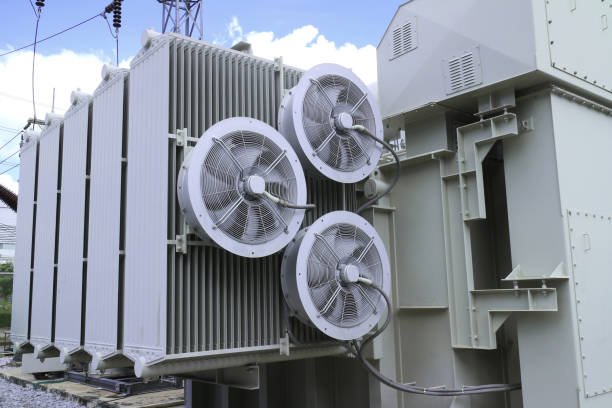
Power transformers are designed to operate continuously for several decades, but their service life is strongly influenced by two critical systems: insulation and cooling. These systems work together to protect internal components from electrical breakdown, excessive heat, thermal aging, and mechanical stress. Without reliable insulation, transformers may experience dielectric failure, while inadequate cooling can accelerate insulation deterioration and reduce operational lifespan. As power networks become more demanding due to higher loads, renewable energy integration, and critical infrastructure requirements, advanced insulation and cooling technologies have become essential for maintaining transformer reliability, efficiency, and long-term performance.
Advanced insulation and cooling systems are essential for long-term transformer performance because they prevent electrical failures, control operating temperatures, slow insulation aging, improve load capability, reduce maintenance requirements, and extend service life. High-quality insulation materials combined with optimized cooling designs allow transformers to operate safely under continuous loading, variable demand, and demanding environmental conditions.
Transformer cooling systems mainly affect operating temperature but have little relationship with insulation aging or transformer service life.False
Cooling systems directly influence insulation temperature, and insulation aging accelerates significantly at higher operating temperatures. Effective cooling is essential for preserving insulation life and overall transformer reliability.
Why are insulation and cooling systems so important in transformers?
A power transformer operates under constant electrical and thermal stress.
During operation, transformers experience:
- High voltage electrical stress
- Continuous current loading
- Heat generation from losses
- Thermal expansion and contraction
- Environmental exposure
- Short-term overload conditions
The insulation system protects against electrical breakdown, while the cooling system removes heat generated by:
- Core losses
- Copper losses
- Stray losses
The performance of these two systems determines how effectively a transformer can maintain reliable operation throughout its service life.
How does transformer insulation protect long-term reliability?
The insulation system is one of the most important factors determining transformer lifespan.
It provides:
- Electrical separation between components
- Protection against short circuits
- Resistance to thermal stress
- Mechanical support for windings
A transformer insulation system typically includes:
- Cellulose paper
- Pressboard insulation
- Transformer oil or alternative insulating fluids
- Solid barriers
- Bushings and insulation structures
| Insulation Component | Primary Function |
|---|---|
| Cellulose paper | Insulates winding conductors |
| Pressboard | Provides mechanical support |
| Transformer oil | Provides insulation and cooling |
| Barriers | Maintains electrical separation |
| Bushings | Allows safe electrical connections |
Why is insulation aging a major reliability concern?
Transformer insulation naturally deteriorates over time.
The aging process is influenced by:
- Temperature
- Moisture
- Oxygen exposure
- Electrical stress
- Contamination
The most significant factor is temperature.
Higher temperatures accelerate chemical degradation of cellulose insulation, reducing mechanical strength and increasing failure risk.
How does cooling protect transformer insulation?
Cooling systems directly affect insulation life by controlling temperature.
Effective cooling:
- Removes heat from windings
- Reduces hot spots
- Maintains acceptable temperature rise
- Slows insulation aging
A transformer operating at lower temperatures generally experiences slower insulation degradation.
What are transformer hot spots?
Hot spots are areas inside the transformer where temperatures are higher than average.
Common hot spot locations include:
- High-current winding sections
- Poor oil circulation areas
- Regions with concentrated losses
Excessive hot spot temperature can cause:
- Accelerated insulation aging
- Reduced mechanical strength
- Increased failure probability
Advanced cooling designs focus on minimizing hot spots.
How do advanced insulation materials improve transformer performance?
Modern transformer manufacturers use improved insulation materials to increase reliability.
Advanced insulation solutions include:
- High-density pressboard
- Thermally upgraded cellulose
- Ester-based insulating fluids
- Moisture-resistant materials
Benefits include:
- Higher thermal endurance
- Improved dielectric strength
- Better overload capability
- Longer service life
| Advanced Insulation Technology | Performance Improvement |
|---|---|
| Thermally upgraded paper | Better heat resistance |
| Ester fluids | Higher fire safety and biodegradability |
| High-quality pressboard | Stronger mechanical support |
| Moisture control systems | Reduced insulation aging |
What role does transformer oil play in insulation and cooling?
In oil-filled transformers, insulating oil performs two essential functions:
- Electrical insulation
- Heat transfer
Transformer oil helps:
- Insulate energized components
- Transfer heat away from windings
- Carry heat toward radiators
- Support cooling circulation
Oil quality directly affects transformer reliability.
Poor oil condition may result in:
- Reduced dielectric strength
- Increased overheating
- Accelerated insulation aging
How do cooling systems remove transformer heat?
Transformers generate heat because electrical energy is not transferred with 100% efficiency.
Losses include:
- Core losses
- Winding losses
- Stray losses
Cooling systems transfer this heat away through:
- Natural oil circulation
- Forced oil circulation
- Air cooling
- Water cooling
What are the main transformer cooling methods?
Common cooling methods include:
| Cooling Method | Description | Typical Application |
|---|---|---|
| ONAN | Oil natural circulation and air natural cooling | Medium-size transformers |
| ONAF | Oil natural circulation and air forced cooling | Higher-capacity transformers |
| OFAF | Oil forced circulation and air forced cooling | Large power transformers |
| OFWF | Oil forced circulation and water cooling | Specialized high-capacity systems |
How does natural cooling compare with advanced cooling systems?
Natural cooling systems rely on temperature differences to circulate oil and air.
Advantages:
- Simple design
- Lower maintenance
- High reliability
Limitations:
- Lower cooling capacity
- Less suitable for heavy loading
Advanced forced cooling systems provide:
- Higher heat removal capability
- Greater overload capacity
- Better temperature control
| Cooling Type | Advantages | Limitations |
|---|---|---|
| Natural cooling | Simple and reliable | Limited capacity |
| Forced air cooling | Increased capacity | Requires fans |
| Forced oil cooling | Excellent heat transfer | More components |
| Water cooling | Very high capacity | Requires water system |
How do cooling designs improve transformer efficiency?
Efficient cooling reduces operating temperatures and improves overall performance.
Benefits include:
- Lower thermal stress
- Reduced insulation aging
- Improved loading capability
- More stable operation
A well-designed cooling system allows transformers to operate closer to their optimal efficiency range.
Why are cooling systems important for renewable energy transformers?
Renewable energy applications often create variable loading conditions.
Solar and wind power transformers may experience:
- Rapid load changes
- Frequent cycling
- High peak loads
Advanced cooling systems help manage:
- Temperature fluctuations
- Overload periods
- Variable operating conditions
This improves reliability in renewable energy projects.
How do insulation and cooling systems work together?
Insulation and cooling are closely connected.
Cooling protects insulation from excessive temperature, while insulation allows cooling systems to operate safely around energized components.
Their interaction determines:
- Transformer lifespan
- Load capability
- Reliability
- Maintenance requirements
| System | Main Function | Reliability Impact |
|---|---|---|
| Insulation | Prevent electrical breakdown | Protects against faults |
| Cooling | Control temperature | Prevents thermal damage |
| Together | Maintain stable operation | Extends service life |
How do manufacturers improve insulation reliability?
Manufacturers use several techniques:
- Vacuum drying
- Controlled moisture levels
- High-quality insulation materials
- Proper oil processing
- Factory dielectric testing
These processes ensure insulation performs reliably from initial operation.
How do manufacturers improve cooling reliability?
Cooling system reliability depends on:
- Proper radiator design
- Efficient oil circulation paths
- Reliable fans and pumps
- Temperature monitoring
- Maintenance accessibility
Advanced designs may include:
- Automatic fan control
- Redundant cooling equipment
- Online temperature monitoring
What monitoring systems support insulation and cooling performance?
Modern transformers often include monitoring technologies such as:
- Winding temperature sensors
- Oil temperature indicators
- Dissolved gas analysis systems
- Moisture monitoring
- Online condition monitoring
These systems help identify:
- Overheating
- Insulation deterioration
- Cooling system problems
- Internal faults
| Monitoring Device | Detects |
|---|---|
| Temperature sensor | Excessive heat |
| Dissolved gas monitor | Insulation faults |
| Moisture sensor | Insulation degradation |
| Oil level indicator | Cooling and sealing issues |
What tests verify insulation and cooling performance?
Manufacturers perform extensive factory tests before shipment.
Common tests include:
- Insulation resistance testing
- Dielectric strength testing
- Temperature rise testing
- Oil quality testing
- Cooling system functional testing
These tests confirm that the transformer can operate reliably under specified conditions.
How should buyers evaluate insulation and cooling systems?
Before purchasing a transformer, buyers should ask manufacturers:
| Question | Reason |
|---|---|
| What insulation materials are used? | Evaluate lifespan |
| What cooling method is selected? | Confirm application suitability |
| What is the guaranteed temperature rise? | Assess thermal performance |
| How are hot spots controlled? | Evaluate reliability |
| What monitoring systems are available? | Improve maintenance planning |
| What tests are performed? | Verify quality |
Which standards guide insulation and cooling design?
Transformer insulation and cooling systems are designed according to recognized standards from:
- International Electrotechnical Commission
- Institute of Electrical and Electronics Engineers
These standards define requirements for:
- Insulation performance
- Temperature limits
- Cooling classifications
- Factory testing
- Reliability verification
How Do Mechanical Construction and Sealing Systems Prevent Transformer Failures?
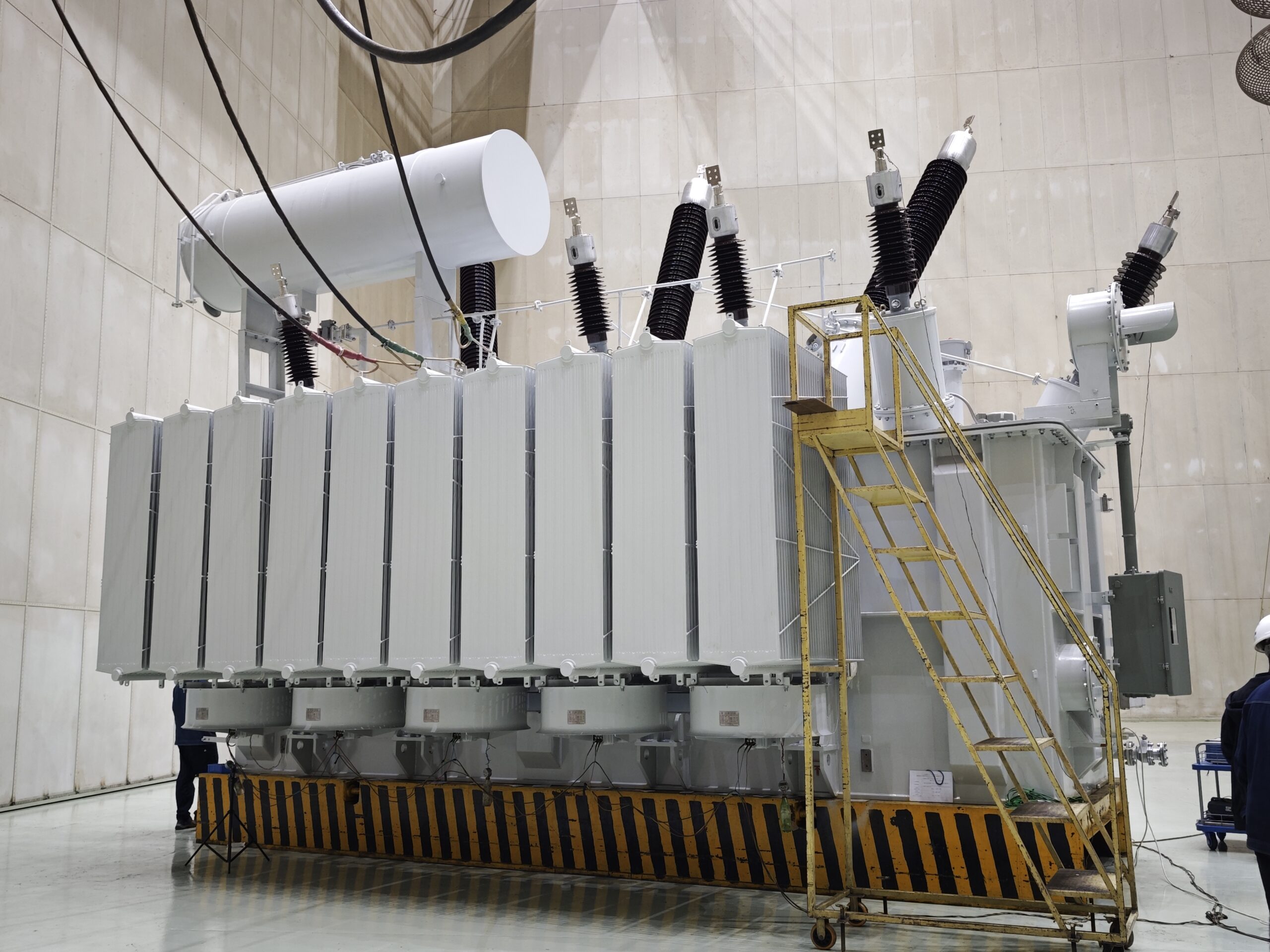
Power transformers operate continuously under demanding electrical, thermal, and environmental conditions, making mechanical construction and sealing systems essential for long-term reliability. While electrical components such as cores and windings determine energy conversion performance, the mechanical structure protects these internal components from vibration, pressure changes, moisture intrusion, oil leakage, and transportation stresses. Weak mechanical construction or ineffective sealing can lead to insulation deterioration, corrosion, overheating, dielectric failure, and costly unplanned outages. For this reason, transformer manufacturers invest heavily in robust tank structures, precision assembly methods, advanced gasket technologies, and comprehensive sealing designs to ensure reliable operation throughout the transformer's service life.
Mechanical construction and sealing systems prevent transformer failures by maintaining structural stability, protecting internal components from moisture and contamination, preventing insulating oil leakage, controlling internal pressure, and preserving insulation performance. Strong tanks, reliable joints, high-quality gaskets, proper welding, and pressure protection devices help transformers withstand mechanical stress and operate safely for decades.
Transformer sealing systems only prevent oil leakage and have no significant effect on insulation reliability.False
Sealing systems prevent moisture and contaminants from entering the transformer, preserve insulating oil quality, and protect the insulation system, making them essential for long-term electrical reliability.
Why are mechanical construction and sealing systems important?
A power transformer is exposed to many mechanical and environmental stresses throughout its operating life.
These include:
- Transportation shock and vibration
- Thermal expansion and contraction
- Internal pressure variations
- Short-circuit electromagnetic forces
- Weather exposure
- Moisture and contamination risks
Mechanical construction provides the physical strength required to maintain internal alignment, while sealing systems preserve the controlled internal environment required for insulation performance.
A reliable transformer requires both:
| System | Main Function |
|---|---|
| Mechanical construction | Provides structural strength and component support |
| Sealing system | Prevents contamination and maintains internal conditions |
How does transformer mechanical construction improve reliability?
The mechanical structure of a transformer includes:
- Tank body
- Core support structures
- Winding clamping systems
- Covers and flanges
- Radiators
- Lifting and transportation components
Each part contributes to overall durability.
A strong mechanical design prevents:
- Internal movement
- Structural deformation
- Oil leaks
- Damage during transportation
- Excessive vibration
How does the transformer tank protect internal components?
The transformer tank is the primary mechanical enclosure.
Its functions include:
- Containing insulating oil
- Protecting windings and core
- Withstanding internal pressure
- Preventing environmental exposure
A reliable tank design requires:
- High-strength steel materials
- Accurate fabrication
- Quality welding
- Pressure-resistant construction
- Corrosion protection
| Tank Feature | Reliability Benefit |
|---|---|
| Strong steel structure | Resists mechanical stress |
| Reinforced panels | Handles pressure changes |
| Quality welds | Prevents leakage |
| Protective coatings | Reduces corrosion |
Why is tank strength important during operation?
During normal operation, transformers experience pressure changes caused by:
- Temperature variations
- Oil expansion
- Load fluctuations
- Fault conditions
A mechanically strong tank maintains its shape and prevents:
- Oil leakage
- Seal damage
- Structural fatigue
For large power transformers, tank design must also consider transportation forces because equipment may be moved by road, rail, or ship before installation.
How do winding support structures prevent failures?
Although the tank protects the outside of the transformer, internal mechanical structures protect the most sensitive components.
Winding support systems include:
- Clamping frames
- Insulation cylinders
- Pressboard supports
- Spacer assemblies
These components prevent winding movement caused by:
- Short-circuit forces
- Thermal expansion
- Mechanical vibration
If windings move, the transformer may experience:
- Insulation damage
- Reduced dielectric strength
- Internal short circuits
How do clamping systems improve transformer reliability?
Transformer windings must maintain precise geometry throughout decades of operation.
A strong clamping system provides:
- Controlled compression
- Stable winding positioning
- Resistance to fault forces
During short circuits, electromagnetic forces can push and pull windings with extreme intensity.
Proper clamping reduces the risk of:
- Axial deformation
- Radial displacement
- Insulation breakdown
| Clamping Function | Failure Prevention |
|---|---|
| Maintains compression | Prevents winding movement |
| Supports coil structure | Reduces mechanical damage |
| Controls spacing | Protects insulation |
How do sealing systems protect transformer insulation?
The insulation system is highly sensitive to moisture.
Even small amounts of water can significantly reduce insulation strength and accelerate aging.
Sealing systems protect against:
- Humidity
- Rainwater
- Dust
- Oxygen exposure
- External contaminants
Effective sealing helps maintain:
- Oil dielectric strength
- Paper insulation strength
- Long-term reliability
What are the main transformer sealing components?
Transformer sealing systems include:
- Tank gaskets
- Cover seals
- Bushing seals
- Valve seals
- Flange seals
- Conservator seals
Each component must maintain performance despite:
- Temperature cycling
- Mechanical vibration
- Aging
- Chemical exposure
| Sealing Component | Purpose |
|---|---|
| Tank gasket | Prevents oil leakage |
| Bushing seal | Protects electrical connections |
| Valve seal | Maintains oil containment |
| Conservator seal | Controls air exposure |
Why is moisture prevention critical?
Moisture is one of the most damaging factors in transformer operation.
Water contamination can cause:
- Reduced insulation strength
- Faster cellulose aging
- Increased partial discharge risk
- Corrosion
A well-designed sealing system prevents moisture from entering and helps maintain oil quality.
How do gaskets affect transformer reliability?
Gaskets provide flexible sealing between rigid components.
High-quality gasket materials must resist:
- Oil exposure
- Temperature changes
- Compression loss
- Chemical degradation
Poor gasket selection may cause:
- Oil leakage
- Moisture entry
- Reduced insulation performance
Manufacturers carefully select gasket materials based on transformer design and operating conditions.
How do welding processes prevent transformer failures?
Welding quality directly affects tank reliability.
Advanced manufacturing uses:
- Precision welding procedures
- Qualified welding operators
- Non-destructive testing
- Leak inspections
Common inspection methods include:
- Visual inspection
- Pressure testing
- Vacuum testing
- Dye penetration testing where applicable
These methods identify defects before shipment.
How do pressure protection systems improve safety?
Transformers must safely manage abnormal internal pressure conditions.
Pressure protection devices include:
- Pressure relief devices
- Explosion vents
- Sudden pressure relays
These systems protect against damage caused by:
- Internal faults
- Gas generation
- Rapid pressure increases
| Protection Device | Function |
|---|---|
| Pressure relief device | Releases excessive pressure |
| Gas relay | Detects internal gas generation |
| Explosion vent | Provides emergency pressure release |
How do conservator tanks support sealing reliability?
Oil-filled transformers often use conservator tanks to accommodate oil expansion.
The conservator system helps:
- Maintain oil volume
- Reduce pressure stress
- Separate oil from external atmosphere
Modern designs may include:
- Rubber diaphragm systems
- Air cell systems
- Sealed conservators
These designs reduce oil oxidation and moisture absorption.
How do mechanical designs improve transportation reliability?
Large transformers experience significant mechanical forces before installation.
Transportation risks include:
- Road vibration
- Sudden acceleration
- Lifting forces
- Shock loading
Manufacturers improve transportation reliability through:
- Reinforced structures
- Transport supports
- Secure core clamping
- Proper lifting points
| Transportation Feature | Protection Provided |
|---|---|
| Core locking system | Prevents internal movement |
| Reinforced tank | Handles external forces |
| Lifting design | Prevents structural damage |
How do mechanical and sealing systems affect transformer lifespan?
Transformer lifespan depends heavily on maintaining internal conditions.
Reliable mechanical and sealing systems help:
- Preserve insulation quality
- Maintain oil condition
- Prevent corrosion
- Reduce maintenance requirements
- Avoid unexpected failures
A transformer with excellent electrical design can still fail prematurely if mechanical construction and sealing are inadequate.
How are these systems tested during manufacturing?
Manufacturers perform multiple inspections and tests, including:
- Tank pressure tests
- Vacuum tests
- Oil leakage inspections
- Dimensional checks
- Mechanical assembly inspections
- Factory acceptance testing
These tests confirm that the transformer can maintain structural and sealing performance before installation.
| Test | Purpose |
|---|---|
| Pressure test | Verify tank strength |
| Leak test | Confirm sealing performance |
| Vacuum test | Check structural integrity |
| Visual inspection | Identify assembly defects |
How do international standards support mechanical reliability?
Transformer mechanical construction and sealing systems are designed according to internationally recognized standards developed by:
- International Electrotechnical Commission
- Institute of Electrical and Electronics Engineers
These standards define requirements for:
- Mechanical design
- Tank construction
- Pressure performance
- Testing procedures
- Safety requirements
Compliance helps ensure consistent quality across manufacturers and regions.
What should buyers evaluate before purchasing?
Buyers should ask manufacturers about:
| Evaluation Area | Questions |
|---|---|
| Tank design | What materials and welding methods are used? |
| Sealing system | What gasket technologies are applied? |
| Mechanical strength | How is short-circuit withstand verified? |
| Testing | What pressure and leak tests are performed? |
| Protection | What pressure relief systems are included? |
| Experience | What similar projects have been completed? |
What Protection, Monitoring, and Control Features Increase Power Transformer Reliability?
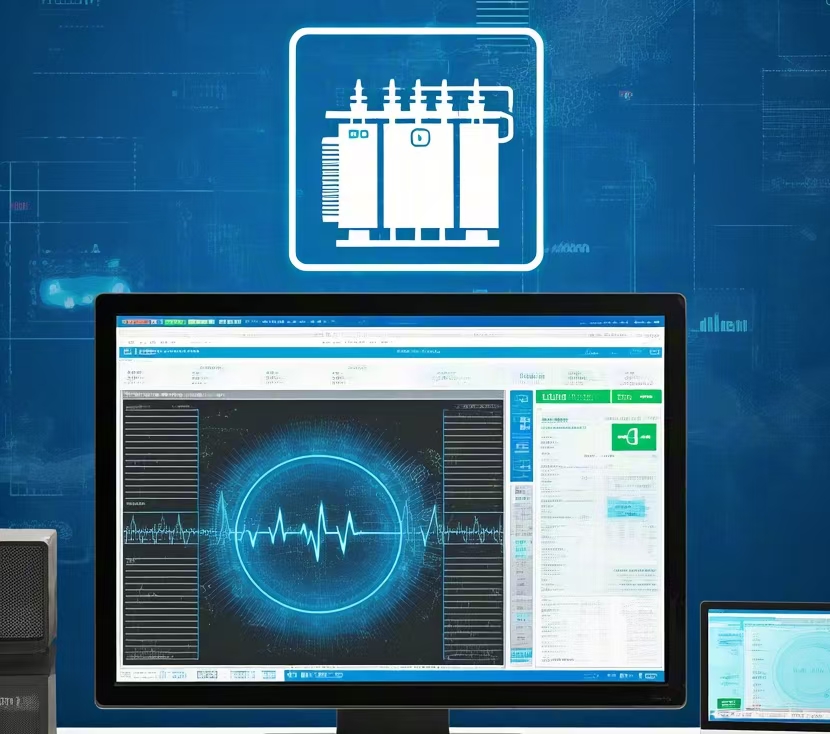
Power transformers are critical assets in electrical networks, and unexpected failures can cause extensive economic losses, safety risks, and prolonged power interruptions. Although transformer design, materials, and manufacturing quality determine basic reliability, advanced protection, monitoring, and control systems provide an additional layer of security by detecting abnormal conditions, preventing damage, and supporting predictive maintenance. Without effective protection and monitoring features, problems such as overheating, insulation deterioration, internal faults, oil degradation, and abnormal loading may remain unnoticed until catastrophic failure occurs. Modern transformer systems increasingly integrate intelligent sensors, automated controls, and digital monitoring technologies to improve operational reliability, extend service life, and reduce maintenance costs.
Protection, monitoring, and control features increase power transformer reliability by detecting faults early, preventing equipment damage, optimizing operating conditions, and enabling predictive maintenance. Key technologies include differential protection, Buchholz relays, temperature monitoring, dissolved gas analysis, oil monitoring, pressure protection, tap changer controls, online condition monitoring systems, and digital control platforms.
Protection and monitoring systems only react after transformer failures occur and cannot help prevent damage.False
Modern protection and monitoring systems continuously detect abnormal conditions, provide early warnings, and can initiate protective actions before serious transformer damage occurs.
Why are protection and monitoring systems essential for transformers?
Power transformers operate under complex conditions that may change over time.
Potential risks include:
- Internal electrical faults
- Insulation aging
- Overloading
- Excessive temperature rise
- Oil deterioration
- Short circuits
- Lightning surges
- Mechanical damage
Protection systems are designed to quickly isolate dangerous conditions, while monitoring systems provide information about transformer health.
Together, they help achieve:
- Higher availability
- Reduced downtime
- Longer service life
- Safer operation
- Lower maintenance costs
| System Type | Main Purpose |
|---|---|
| Protection system | Prevents catastrophic damage |
| Monitoring system | Detects developing problems |
| Control system | Optimizes operation |
How does transformer differential protection improve reliability?
Differential protection is one of the most important transformer protection methods.
It compares current entering and leaving the transformer.
Under normal operation:
- Input current and output current are balanced.
- The protection system remains inactive.
During an internal fault:
- Current imbalance occurs.
- The relay identifies abnormal conditions.
- Circuit breakers disconnect the transformer.
Differential protection helps protect against:
- Winding faults
- Internal insulation failures
- Phase-to-phase faults
- Phase-to-ground faults
| Protection Feature | Reliability Benefit |
|---|---|
| Fast fault detection | Reduces damage duration |
| Accurate current comparison | Improves fault identification |
| Automatic tripping | Prevents major failures |
How does the Buchholz relay protect oil-filled transformers?
The Buchholz relay is widely used in oil-immersed transformers equipped with conservator tanks.
It detects:
- Gas accumulation
- Oil movement
- Internal faults
When insulation materials or oil degrade, gases may be generated inside the transformer.
The Buchholz relay can provide early warning before severe damage occurs.
It can detect:
- Minor internal faults
- Severe internal faults
- Oil circulation problems
Why is temperature monitoring important?
Temperature is one of the most important indicators of transformer health.
Excessive temperature accelerates:
- Insulation aging
- Oil degradation
- Material deterioration
Temperature monitoring systems measure:
- Top oil temperature
- Winding temperature
- Ambient temperature
Modern systems may include:
- Fiber optic sensors
- Digital temperature monitors
- Online thermal models
| Temperature Monitoring | Purpose |
|---|---|
| Winding temperature | Detect hot spots |
| Oil temperature | Evaluate cooling performance |
| Ambient temperature | Improve thermal analysis |
How do dissolved gas analysis systems improve reliability?
Dissolved gas analysis (DGA) is one of the most valuable condition monitoring techniques for oil-filled transformers.
Insulation faults generate specific gases within transformer oil.
By analyzing gas levels, engineers can identify:
- Overheating
- Partial discharge
- Arcing
- Insulation deterioration
Common monitored gases include:
- Hydrogen
- Methane
- Ethylene
- Acetylene
- Carbon monoxide
- Carbon dioxide
| Gas Detection | Possible Condition |
|---|---|
| Hydrogen increase | Partial discharge |
| Acetylene increase | Electrical arcing |
| Ethylene increase | High-temperature overheating |
| Carbon monoxide increase | Paper insulation aging |
How do oil monitoring systems protect transformers?
Transformer oil performs two essential functions:
- Electrical insulation
- Heat transfer
Monitoring oil condition helps maintain reliability.
Important oil parameters include:
- Moisture content
- Dielectric strength
- Acidity
- Dissolved gases
- Temperature
Poor oil condition may cause:
- Reduced insulation strength
- Increased overheating
- Accelerated aging
How do pressure protection devices prevent failures?
Internal transformer faults may rapidly increase pressure.
Pressure protection devices prevent tank damage by responding quickly.
Common devices include:
- Pressure relief devices
- Sudden pressure relays
- Explosion vents
These systems help prevent:
- Tank rupture
- Oil leakage
- Fire hazards
| Pressure Protection Device | Function |
|---|---|
| Pressure relief valve | Releases excessive pressure |
| Sudden pressure relay | Detects rapid pressure changes |
| Explosion vent | Provides emergency protection |
How do overcurrent and overload protection systems improve reliability?
Transformers must operate within safe electrical limits.
Overcurrent protection detects excessive current caused by:
- Short circuits
- System faults
- Abnormal loading
Overload protection helps prevent:
- Excessive temperature rise
- Insulation damage
- Reduced service life
These systems ensure transformers are not operated beyond their thermal capability.
What role do voltage control systems play?
Maintaining correct voltage is essential for power system stability.
Transformer control systems often include:
- Tap changers
- Voltage regulators
- Automatic control systems
These features adjust transformer output voltage according to system requirements.
Benefits include:
- Stable power supply
- Improved grid performance
- Reduced equipment stress
How do tap changers improve transformer reliability?
Tap changers regulate transformer voltage by changing winding ratios.
Two main types are:
- Off-load tap changers
- On-load tap changers
On-load tap changers can adjust voltage while the transformer remains energized.
They improve reliability by:
- Maintaining voltage stability
- Supporting changing loads
- Reducing stress on connected equipment
| Tap Changer Type | Application |
|---|---|
| Off-load tap changer | Fixed voltage adjustment |
| On-load tap changer | Continuous voltage regulation |
How do online monitoring systems improve maintenance?
Traditional maintenance often relies on scheduled inspections.
Modern online monitoring allows condition-based maintenance.
Sensors continuously collect information about:
- Temperature
- Oil condition
- Partial discharge
- Vibration
- Load conditions
This allows operators to identify problems before failures occur.
Benefits include:
- Reduced downtime
- More accurate maintenance planning
- Lower inspection costs
- Improved asset management
What digital technologies are used in modern transformers?
Modern transformer monitoring systems increasingly use:
- Digital sensors
- Communication networks
- Data analytics
- Artificial intelligence
- Remote monitoring platforms
These technologies enable:
- Real-time condition assessment
- Automated alarms
- Predictive maintenance
- Remote diagnostics
| Digital Feature | Benefit |
|---|---|
| Remote monitoring | Faster response |
| Data analytics | Early fault prediction |
| Intelligent alarms | Better decision-making |
| Cloud platforms | Centralized asset management |
How does partial discharge monitoring improve reliability?
Partial discharge is a warning sign of insulation problems.
It may indicate:
- Insulation defects
- Voids
- Contamination
- Aging materials
Continuous partial discharge monitoring helps detect problems before they develop into major failures.
How do control systems optimize transformer operation?
Control systems manage transformer operation by coordinating:
- Cooling equipment
- Tap changers
- Protection devices
- Monitoring systems
Automatic controls can:
- Adjust cooling based on temperature
- Maintain voltage levels
- Trigger alarms
- Record operating conditions
How do monitoring systems support predictive maintenance?
Predictive maintenance uses operating data to estimate transformer condition.
Instead of replacing components based only on time intervals, maintenance decisions are based on actual equipment health.
Monitoring data helps identify:
- Remaining insulation life
- Cooling problems
- Developing faults
- Abnormal operating trends
| Maintenance Method | Approach |
|---|---|
| Reactive maintenance | Repair after failure |
| Preventive maintenance | Scheduled inspections |
| Predictive maintenance | Data-based decisions |
What protection features should buyers request?
When purchasing a power transformer, buyers should evaluate available protection options.
Recommended features include:
| Feature | Purpose |
|---|---|
| Differential protection | Internal fault protection |
| Buchholz relay | Gas and oil fault detection |
| Temperature monitoring | Thermal protection |
| Pressure relief device | Pressure safety |
| Overcurrent protection | Electrical fault protection |
| Online monitoring | Condition assessment |
What standards guide transformer protection and monitoring?
Transformer protection and monitoring systems are designed according to international practices established by organizations including:
- International Electrotechnical Commission
- Institute of Electrical and Electronics Engineers
These standards provide guidance for:
- Protection coordination
- Testing requirements
- Monitoring performance
- Equipment reliability
How should buyers evaluate manufacturers?
Before purchasing a transformer, buyers should ask manufacturers:
- Which protection systems are included?
- What monitoring options are available?
- Can online condition monitoring be integrated?
- How are alarms managed?
- What communication protocols are supported?
- What testing is performed before delivery?
A manufacturer with strong protection and monitoring capabilities can provide better long-term reliability.
How Can Buyers Evaluate Reliability Before Purchasing a Power Transformer?

Purchasing a power transformer is a major investment decision because transformers are expected to operate reliably for several decades while supporting critical electrical systems. A transformer failure can result in production interruptions, grid instability, safety risks, and significant replacement costs. However, reliability cannot be judged only by rated capacity, voltage level, or purchase price. Buyers must evaluate multiple technical, manufacturing, and operational factors before selecting a transformer supplier. A comprehensive reliability assessment should consider design quality, material selection, mechanical strength, insulation systems, cooling performance, protection features, testing procedures, manufacturer experience, and lifecycle support.
Buyers can evaluate power transformer reliability before purchase by reviewing the manufacturer's design standards, material quality, mechanical construction, insulation and cooling systems, protection features, factory testing records, quality management processes, operational experience, warranty terms, and after-sales support. A reliable transformer supplier should provide technical evidence demonstrating that the transformer can achieve safe, efficient, and stable operation throughout its expected service life.
A power transformer’s reliability can be accurately evaluated only by comparing its purchase price and rated power capacity.False
Transformer reliability depends on many factors including design quality, materials, manufacturing processes, testing, protection systems, maintenance support, and expected operating conditions. Purchase price and capacity alone cannot determine reliability.
Why should buyers evaluate reliability before purchasing?
Power transformers are long-term infrastructure assets. Unlike many electrical components that can be replaced easily, large transformers often require significant:
- Engineering planning
- Transportation arrangements
- Installation work
- Commissioning procedures
- Maintenance resources
A failure after installation may cause:
- Extended downtime
- Expensive repairs
- Production losses
- Grid reliability issues
- Safety hazards
Therefore, reliability evaluation should begin before the purchase contract is signed.
A professional transformer evaluation considers:
| Evaluation Area | Reliability Impact |
|---|---|
| Electrical design | Determines performance and efficiency |
| Mechanical construction | Determines fault withstand capability |
| Insulation system | Determines service life |
| Cooling design | Controls thermal aging |
| Protection system | Prevents major failures |
| Manufacturing quality | Reduces defects |
Evaluate the manufacturer's technical design capability
A reliable transformer begins with a reliable engineering design.
Buyers should ask manufacturers:
- How is the transformer design developed?
- Are electromagnetic calculations performed?
- Is thermal analysis included?
- Are mechanical stresses evaluated?
- Can the design be customized for specific applications?
Advanced design methods help manufacturers optimize:
- Magnetic performance
- Load capability
- Short-circuit strength
- Temperature distribution
- Noise levels
A manufacturer with strong engineering capabilities is more likely to deliver consistent transformer performance.
Verify compliance with international standards
Compliance with recognized standards is one of the first indicators buyers should evaluate.
Major transformer standards are developed by organizations including:
- International Electrotechnical Commission
- Institute of Electrical and Electronics Engineers
These standards cover:
- Design requirements
- Testing procedures
- Insulation coordination
- Mechanical strength
- Performance verification
| Standard Compliance Area | Buyer Benefit |
|---|---|
| Design standards | Ensures engineering consistency |
| Testing standards | Confirms performance |
| Safety requirements | Reduces operational risk |
| Quality requirements | Improves reliability |
Assess core design quality
The transformer core affects efficiency, temperature rise, and long-term operating stability.
Buyers should ask about:
- Electrical steel grade
- Core construction method
- Step-lap technology
- Magnetic flux density design
- Core loss values
High-quality core designs reduce:
- No-load losses
- Heat generation
- Vibration
- Operating noise
| Core Evaluation Factor | Reliability Benefit |
|---|---|
| Low-loss steel | Improves efficiency |
| Accurate stacking | Reduces vibration |
| Optimized flux density | Prevents overheating |
Review winding construction and mechanical strength
Winding reliability is critical because windings experience high electrical and mechanical stresses.
Buyers should evaluate:
- Winding type
- Conductor material
- Insulation structure
- Clamping system
- Short-circuit withstand capability
Important questions include:
- How are windings supported?
- How is mechanical strength verified?
- What fault current can the transformer withstand?
A strong winding design reduces the risk of:
- Coil deformation
- Insulation damage
- Internal faults
| Winding Feature | Reliability Improvement |
|---|---|
| Strong clamping system | Prevents movement |
| High-quality conductors | Improves durability |
| Optimized arrangement | Reduces stress |
Examine insulation system quality
Insulation failure is one of the most common causes of transformer failure.
Buyers should evaluate:
- Insulation materials
- Drying process
- Moisture control
- Dielectric strength
- Thermal aging performance
Questions to ask manufacturers:
- What insulation materials are used?
- How is moisture controlled?
- What insulation life is expected?
A reliable insulation system provides:
- Electrical separation
- Mechanical support
- Resistance to aging
Evaluate cooling system performance
Transformer temperature directly affects service life.
Buyers should confirm:
- Cooling method
- Temperature rise limits
- Cooling equipment reliability
- Overload capability
Common cooling methods include:
- ONAN
- ONAF
- OFAF
- OFWF
| Cooling System | Reliability Advantage |
|---|---|
| Natural cooling | Simple and reliable |
| Forced air cooling | Higher capacity |
| Forced oil cooling | Improved heat transfer |
| Water cooling | High-capacity applications |
An appropriate cooling system prevents excessive heat and slows insulation aging.
Review protection and monitoring features
Modern transformers should include appropriate protection and monitoring systems.
Recommended features include:
- Differential protection
- Buchholz relay
- Temperature monitoring
- Pressure relief devices
- Oil level monitoring
- Dissolved gas analysis
- Online condition monitoring
These systems help detect problems before catastrophic failure occurs.
| Monitoring Feature | Detects |
|---|---|
| Temperature sensors | Overheating |
| Gas monitoring | Internal faults |
| Oil analysis | Insulation deterioration |
| Pressure monitoring | Abnormal internal conditions |
Check factory testing procedures
Factory testing is one of the strongest indicators of transformer quality.
Buyers should request test documentation covering:
- Routine tests
- Type tests
- Special tests when required
Typical tests include:
| Test | Purpose |
|---|---|
| Winding resistance test | Verify conductor integrity |
| Turns ratio test | Confirm voltage ratio |
| Insulation test | Verify dielectric strength |
| Impedance test | Confirm design performance |
| Temperature rise test | Validate cooling performance |
| Leak test | Confirm sealing quality |
A manufacturer that performs comprehensive testing demonstrates commitment to reliability.
Evaluate manufacturing quality control
A good design can fail if manufacturing processes are poor.
Buyers should review:
- Quality management systems
- Material inspection procedures
- Production controls
- Welding inspections
- Final inspection processes
Important manufacturing questions include:
- Are incoming materials tested?
- Is winding tension controlled?
- Are production records maintained?
- Are all transformers individually tested?
| Manufacturing Control | Reliability Benefit |
|---|---|
| Material inspection | Prevents defective components |
| Precision assembly | Improves consistency |
| Process control | Reduces manufacturing errors |
| Final testing | Confirms performance |
Assess manufacturer experience and reputation
Experience is an important reliability indicator.
Buyers should evaluate:
- Years of transformer manufacturing
- Similar project experience
- Installed transformer references
- Industry applications
Relevant experience includes:
- Utility substations
- Renewable energy projects
- Industrial plants
- Data centers
- Transportation systems
A manufacturer with successful installations demonstrates practical knowledge of real operating conditions.
Review documentation quality
Professional manufacturers provide complete technical documentation.
Buyers should request:
- Technical specifications
- Drawings
- Test reports
- Quality certificates
- Operation manuals
- Maintenance recommendations
Good documentation supports:
- Installation
- Commissioning
- Maintenance
- Future troubleshooting
Consider lifecycle cost instead of initial price
The cheapest transformer is not always the most economical choice.
Lifecycle costs include:
- Energy losses
- Maintenance expenses
- Downtime risk
- Repair costs
- Service life
A higher-quality transformer may provide better long-term value through:
- Lower losses
- Fewer failures
- Longer operating life
- Reduced maintenance requirements
| Cost Factor | Long-Term Impact |
|---|---|
| Purchase price | Initial investment |
| Energy losses | Continuous operating cost |
| Reliability | Downtime risk |
| Maintenance | Ownership expense |
Evaluate warranty and technical support
Reliable manufacturers provide strong support after delivery.
Buyers should ask about:
- Warranty duration
- Response time
- Spare parts availability
- Technical assistance
- Commissioning support
Strong after-sales service reduces operational risks throughout the transformer's lifetime.
Conduct a supplier evaluation checklist
Before final selection, buyers should confirm:
| Evaluation Item | Completed |
|---|---|
| International standards compliance | ✓ |
| Suitable electrical ratings | ✓ |
| Core and winding quality verified | ✓ |
| Cooling system evaluated | ✓ |
| Insulation system reviewed | ✓ |
| Protection features confirmed | ✓ |
| Factory tests reviewed | ✓ |
| Quality system assessed | ✓ |
| Supplier experience verified | ✓ |
| Warranty reviewed | ✓ |
Conclusion
The long-term reliability of a power transformer depends on the quality of its overall design rather than any single component. Premium magnetic core materials, mechanically reinforced windings, high-performance insulation, efficient cooling systems, durable tank construction, dependable tap changers, advanced protection devices, and intelligent monitoring technologies all contribute to stable, efficient, and trouble-free operation. Buyers should evaluate these design features alongside compliance with international standards, factory testing, and manufacturer experience to ensure they select a transformer capable of delivering safe, efficient, and reliable performance throughout its expected service life.
FAQ
Q1: What design features improve the reliability of power transformers?
Power transformer reliability depends on a combination of sound engineering, high-quality materials, precision manufacturing, and advanced monitoring technologies. A well-designed transformer can operate reliably for 30 to 50 years or more with proper maintenance.
The most important reliability-enhancing features include:
High-efficiency magnetic cores
Robust winding construction
Advanced insulation systems
Efficient cooling systems
Strong mechanical support structures
Reliable tap changers
Comprehensive protection devices
Digital condition monitoring
These design elements help reduce failures, improve efficiency, and extend service life.
Q2: How do core and winding designs improve reliability?
The transformer core and windings are the heart of the transformer, and their design has a major impact on long-term performance.
Core Design Features
Grain-oriented silicon steel or amorphous metal cores
Low hysteresis and eddy current losses
Precision core assembly to reduce vibration and noise
Optimized magnetic flux distribution
Winding Design Features
High-conductivity copper or aluminum conductors
Uniform winding compression
Strong mechanical bracing
Optimized conductor geometry to withstand short-circuit forces
These features improve efficiency while reducing thermal and mechanical stress.
Q3: Why is the insulation system critical for transformer reliability?
The insulation system protects energized components from electrical breakdown and is one of the most important factors affecting transformer lifespan.
Common insulation improvements include:
Oil-Immersed Transformers
High-quality cellulose insulation paper
Mineral oil or biodegradable natural ester fluids
Vacuum drying during manufacturing
Moisture-resistant insulation design
Dry-Type Transformers
Cast resin encapsulation
Epoxy resin insulation
High-temperature insulation materials
Partial discharge-resistant construction
A high-performance insulation system minimizes aging and reduces the likelihood of dielectric failure.
Q4: How do cooling systems enhance transformer reliability?
Heat is one of the primary causes of insulation aging. Effective cooling helps maintain safe operating temperatures and extends transformer life.
Common cooling methods include:
ONAN (Oil Natural Air Natural)
ONAF (Oil Natural Air Forced)
OFAF (Oil Forced Air Forced)
OFWF (Oil Forced Water Forced)
AN (Air Natural) for dry-type transformers
AF (Air Forced) for dry-type transformers
Well-designed cooling systems reduce thermal stress, improve overload capability, and maintain stable operating conditions.
Q5: What mechanical design features improve durability?
Power transformers must withstand transportation, seismic activity, vibration, and electrical fault forces.
Important mechanical features include:
Reinforced winding supports
Strong core clamping systems
Heavy-duty transformer tanks
Pressure-resistant construction
Secure lead supports
Vibration-resistant fasteners
Seismic-resistant designs where required
These structural improvements help prevent winding movement and mechanical damage during service.
Q6: How do protection and monitoring systems increase reliability?
Modern power transformers incorporate intelligent monitoring systems that detect developing faults before they lead to equipment failure.
Common monitoring technologies include:
Online Dissolved Gas Analysis (DGA)
Fiber optic winding temperature sensors
Moisture monitoring
Bushing monitoring
Partial discharge detection
Oil level monitoring
Pressure relief devices
Remote SCADA connectivity
These systems support predictive maintenance and reduce the risk of unexpected outages.
Q7: Why is manufacturing quality essential for transformer reliability?
Even an excellent design requires high manufacturing standards to achieve reliable performance.
Key quality practices include:
Precision winding and core assembly
Vacuum drying and oil impregnation
Automated manufacturing processes
Strict dimensional inspections
Factory Acceptance Testing (FAT)
Routine electrical testing
ISO 9001 quality management systems
Compliance with IEC and IEEE standards
Consistent manufacturing quality reduces defects and ensures the transformer performs as designed.
Q8: What should buyers look for when evaluating transformer reliability?
When purchasing a power transformer, buyers should assess both the design and the manufacturer's quality assurance practices.
Important evaluation criteria include:
Proven transformer design
Compliance with IEC 60076 and IEEE C57 standards
High-quality insulation and cooling systems
Short-circuit withstand capability
Advanced monitoring options
Factory test reports
Manufacturer experience and reputation
Warranty and after-sales service
Expected lifecycle costs
Availability of maintenance and spare parts
Selecting a transformer with these reliability-focused features helps maximize operational performance, minimize downtime, and reduce total cost of ownership over the equipment's service life.
References
IEC 60076 – Power Transformers
https://webstore.iec.ch/publication/602
IEC 60076-5 – Ability to Withstand Short Circuit
https://webstore.iec.ch
IEEE C57 Series – Power Transformer Standards
https://standards.ieee.org
Electrical Engineering Portal – Factors Affecting Transformer Reliability
https://electrical-engineering-portal.com
IEEE Power & Energy Society – Research on Transformer Reliability and Diagnostics
https://ieeexplore.ieee.org