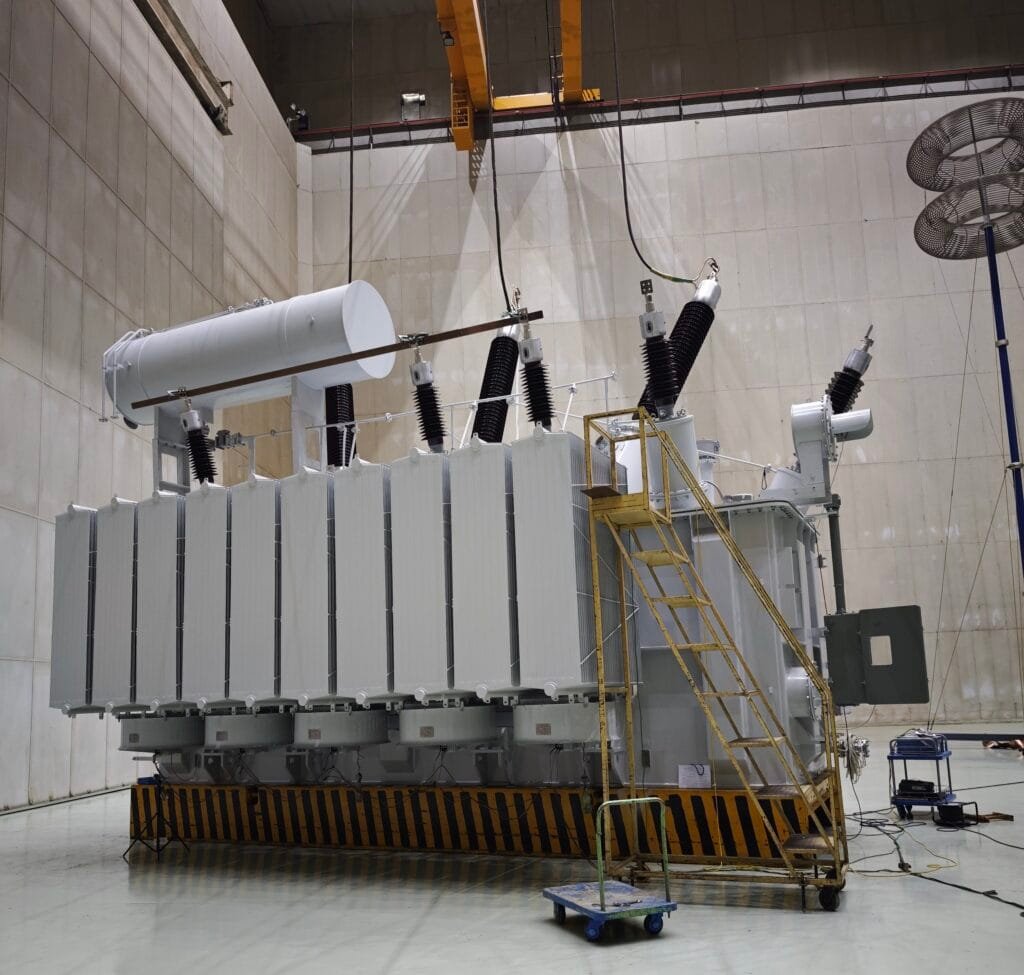
Power transformers are critical assets in any electrical infrastructure, and their long-term performance depends not only on quality design but also on proper maintenance and timely replacement of spare parts and consumables. Ensuring the availability of essential components helps reduce downtime, avoid costly repairs, and extend the service life of the equipment. This guide outlines the key spare parts and consumables recommended for maintaining power transformers efficiently throughout their lifecycle.
What Are the Most Commonly Recommended Spare Parts for Power Transformers?
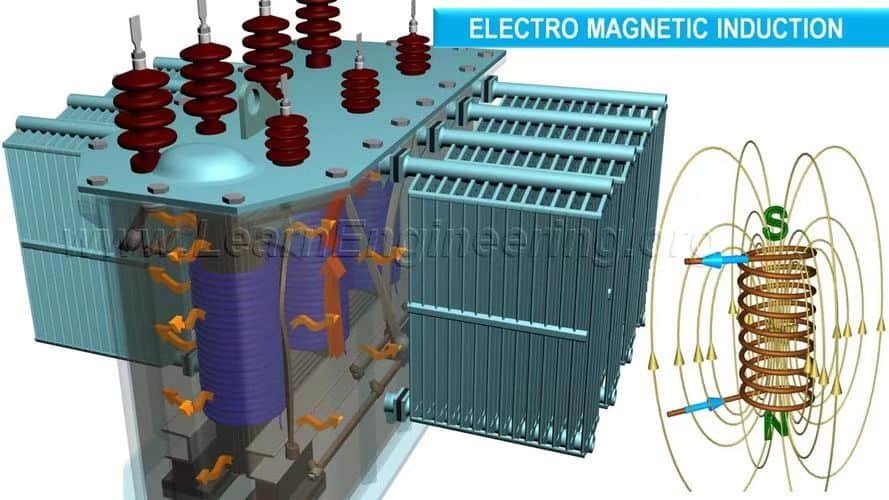
Reliable long-term operation of a power transformer doesn’t just depend on its original design—it also depends on the availability and condition of spare parts. Whether the transformer is used in a substation, renewable power plant, or industrial facility, having a strategic spare parts inventory is critical to reducing downtime, ensuring grid stability, and minimizing repair delays.
The most commonly recommended spare parts for power transformers include high-voltage and low-voltage bushings, on-load tap changer (OLTC) contact sets, gasket kits, silica gel breathers, oil level indicators, Buchholz relays, winding temperature indicators, and radiator valves. These components are either high-wear items or critical to electrical and operational safety.
A well-maintained spare parts list enables planned preventive maintenance and fast fault recovery.
Power transformers do not require spare parts because they are maintenance-free.False
Power transformers require periodic maintenance, and key components like gaskets, bushings, OLTC contacts, and relays are subject to wear or failure, making spare parts essential.
🧰 List of Commonly Recommended Spare Parts
| Component | Purpose | Recommended Quantity |
|---|---|---|
| HV/LV Bushings | Insulate and transfer current through the tank wall | 1 set per voltage class |
| OLTC Contact Kit | Ensure proper voltage regulation; wear from arcing | 1 set every 4–7 years |
| Gasket & Seal Kit | Prevent oil leaks at flanges and manholes | Full set for one unit |
| Silica Gel Breather | Moisture control for conservator-breathing system | 2–4 units |
| Oil Level Indicators | Visual indication of transformer oil levels | 1–2 units |
| Buchholz Relay (Spare) | Detects internal arcing or gas accumulation | 1 relay |
| Winding Temp Indicator | Monitors temperature of hottest winding point | 1–2 per transformer |
| Radiator Valves | Control oil flow through radiators | 2–3 sets |
| RTD Sensors | Embedded sensors for SCADA-connected thermal monitoring | 3–6 sensors |
| Pressure Relief Devices | Vent excess gas during fault conditions | 1 unit |
📊 Spare Parts Prioritization Matrix
| Part Category | Failure Risk | Impact on Operation | Stocking Priority |
|---|---|---|---|
| OLTC Contacts | Medium | High | High |
| Gaskets & Seals | High | Medium | High |
| HV Bushings | Low | High | Medium |
| Silica Gel | High | Low | Medium |
| Protection Relays | Medium | High | High |
🔄 Preventive Replacement Intervals
| Component | Typical Replacement Cycle |
|---|---|
| OLTC Contacts | Every 50,000–150,000 operations or 5–7 years |
| Gaskets | Every 5–10 years or during oil draining |
| Silica Gel | Every 1–2 years or when color changes |
| Temperature Indicators | 5–7 years calibration or upon malfunction |
| Oil Level Gauge | Replace if float malfunctions or leaks |
🛠️ Spare Parts Storage and Handling Tips
| Best Practice | Benefit |
|---|---|
| Store in temperature-controlled, dry area | Prevents corrosion and degradation |
| Use labeled, sealed packaging for contacts | Prevents oxidation and contact damage |
| Rotate silica gel stock annually | Maintains moisture absorption efficiency |
| Maintain spare Buchholz relay in nitrogen-packed box | Prevents false triggers or leak damage |
🧾 Recommended Spare Parts List Template (10–40 MVA Transformer)
| Category | Item Description | Qty |
|---|---|---|
| Electrical Interface | HV Bushing 36/66/132 kV | 1 set |
| OLTC | Diverter switch contact set, resistors | 1 set |
| Mechanical | Conservator gasket kit | 1 set |
| Monitoring | Temp relay, oil level gauge, RTDs | 1 each |
| Accessories | Dehydrating breather, Buchholz relay | 1 each |
| Safety Devices | Pressure relief diaphragm | 1 |
🌍 Why Spare Parts Are Critical in International Projects
- Customs delays can stretch downtime if spares must be re-imported after failure
- Remote sites may lack nearby technical vendors or OEM presence
- Climate-specific degradation (heat, humidity, salt air) shortens part lifespan
- Warranty compliance often requires OEM-certified spares for replacements
Which Consumables Are Critical to Transformer Operation?
While power transformers are designed for long operational life, they still depend on a set of critical consumables to function safely and efficiently over time. These consumables play essential roles in insulation, cooling, moisture control, sealing, and protection, and must be periodically replenished, inspected, or replaced to prevent degradation and failure.
The most critical consumables in transformer operation include insulating oil (mineral or synthetic), silica gel for breathers, gasket and sealing kits, nitrogen gas for pressure control, contact lubricants for OLTCs, and desiccant packs. These items must be managed proactively to maintain insulation integrity, avoid moisture ingress, and ensure mechanical reliability.
Neglecting these consumables can lead to oil breakdown, contact wear, increased partial discharge risk, and even catastrophic failure.
Power transformers do not require any consumables during operation.False
Transformers rely on consumables such as insulating oil, silica gel, and gaskets, which degrade over time and must be maintained or replaced to ensure safe operation.
🧪 Essential Consumables List for Transformers
| Consumable | Function | Maintenance Frequency |
|---|---|---|
| Insulating Oil | Electrical insulation and thermal dissipation | 10–15 years with periodic testing |
| Silica Gel | Moisture absorption from transformer breathers | Replace every 1–2 years |
| Gasket Kits | Seal flanges, bushings, conservators | Replace every 5–10 years or during maintenance |
| Nitrogen Gas | Maintain pressure in sealed-type transformers | Top up annually or as needed |
| Contact Grease | OLTC diverter contact lubrication | During every OLTC inspection |
| Dehydrating Breathers | Protect oil from moisture absorption | Refill or replace gel & canister |
| Buchholz Relay Oil Chamber Fill | Functional operation of protection relay | Top up during inspection |
| RTD Paste | Ensures accurate thermal sensor contact | As needed during sensor replacement |
🔍 Why These Consumables Matter
| Risk If Ignored | Caused By | Prevented By |
|---|---|---|
| Insulation breakdown | Aged, oxidized, or moisture-saturated oil | Periodic oil testing & top-up |
| Core corrosion & sludging | Humid air entering through conservator | Fresh silica gel in breathers |
| Gas buildup or underpressure | N₂ pressure drop in sealed systems | Regular nitrogen topping and checks |
| Contact overheating | Lack of lubrication in OLTC contact chambers | Use of specialized grease |
| Oil leakage | Worn or degraded gaskets | Pre-cut OEM gasket kits |
📊 Oil Health and Replacement Schedule
| Parameter Measured | Ideal Range | Action Needed If Out of Range |
|---|---|---|
| Dielectric Breakdown Voltage | >60 kV | Oil filtration or replacement |
| Water Content (ppm) | <35 ppm | Drying or oil regeneration |
| Dissolved Gas Analysis | No combustible gases | Gas removal or fault inspection |
| Acidity (TAN) | <0.1 mg KOH/g | Oil purification |
🧰 Storage & Handling Guidelines for Consumables
| Consumable | Storage Condition | Shelf Life (approx.) |
|---|---|---|
| Insulating Oil | In sealed drums away from UV and dust | 2–3 years unopened |
| Silica Gel | Airtight container with humidity <30% | 12–24 months |
| Gaskets | Cool, dark place in vacuum-sealed packaging | 5–8 years |
| Nitrogen Gas | Upright steel cylinders under safe pressure | 5+ years if sealed properly |
| Grease/Lubricants | Store below 25 °C in closed containers | 2 years (check expiry) |
🛡️ Environmental and Safety Compliance
| Requirement | Applicable to | Notes |
|---|---|---|
| RoHS/WEEE | Gaskets, relays, electrical contacts | Ensure no lead, mercury, or banned substances |
| HazMat Labeling (UN 3082) | Oil-filled parts & spares | Follow ADR/IMDG/IATA rules for shipping |
| Disposal of Used Oil | Waste transformer oil | Must be collected and processed by certified vendors |
🧠 Best Practices for Consumables Management
- Maintain a register of consumables by transformer unit, tracking oil age, gel status, and gasket changes
- Align spare part planning with consumables planning to minimize downtime
- Use only OEM-approved oils, greases, and seals to maintain warranty and performance integrity
- Include critical consumables in annual maintenance schedules and site checklists
- Train site personnel on replacement procedures and safety handling
How Frequently Should Spare Parts Be Inspected or Replaced in Power Transformers?

Prompt to generate this image: [Maintenance schedule chart for transformer spare parts with columns for inspection frequency and replacement intervals—highlighting bushings, gaskets, OLTC contacts, and relays] + [Technical clean infographic style] + [Substation maintenance room backdrop] + [Structured, preventive mood] + [Soft lighting for easy readability]
In power transformers, operational reliability is not just about the initial build—it’s about ongoing inspection and timely replacement of key spare parts. Parts like gaskets, contacts, relays, and bushings age with thermal cycling, electrical stress, and environmental exposure. Without scheduled maintenance, even a small failure (like a brittle seal or oxidized contact) can lead to oil leaks, arc faults, or catastrophic outages.
Critical spare parts like OLTC contact kits, gaskets, silica gel, temperature relays, and bushings should be inspected annually and replaced at intervals ranging from 2 to 10 years, depending on operational duty and environmental conditions. Regular diagnostics, visual checks, and trending data help prevent unplanned shutdowns.
Maintenance schedules vary slightly by transformer rating and design, but preventive action always costs less than emergency recovery.
Spare parts in transformers only need to be replaced if a failure occurs.False
Proactive inspection and scheduled replacement of transformer spare parts prevents unplanned outages and extends asset life. Waiting for failure increases risk and cost.
📊 Recommended Spare Part Inspection & Replacement Schedule
| Spare Part | Inspection Frequency | Typical Replacement Interval |
|---|---|---|
| OLTC Contacts | Every 1–2 years | 4–7 years or 50,000–150,000 operations |
| Gaskets & Seals | Annually (visual/oil leak check) | Every 5–10 years (or during oil change) |
| HV/LV Bushings | Annually (PD check, oil sampling) | 10–15 years or when degradation is detected |
| Silica Gel | Every 6–12 months (color change) | 12–24 months or when saturated |
| Buchholz Relay | Annual trip test and float function | Replace every 10–15 years or if malfunction detected |
| Oil Level Gauge | Annual float test and glass check | Replace if stuck, leaking, or unclear visibility |
| Temperature Indicators | Every 12 months (needle test & calibration) | 5–7 years or upon inaccuracy |
| Pressure Relief Device | Annual spring/valve test | 5–10 years depending on actuation history |
🧪 Diagnostic Tools for Spare Part Monitoring
| Tool | Used For |
|---|---|
| Partial Discharge Tester | Detect early insulation wear in bushings |
| IR Thermography | Identify temperature anomalies at gaskets/contacts |
| Dielectric Oil Test Kit | Check bushing or tank seal integrity via oil status |
| Gas Detection Relay Test Set | Verify Buchholz relay operation |
| Silica Gel Color Chart | Indicates saturation and moisture uptake level |
🔄 Maintenance Planning Calendar Example (5-Year Cycle)
| Year | Key Inspections / Replacements |
|---|---|
| Y1 | Silica gel, OLTC visual, gasket visual, temp relay test |
| Y2 | OLTC contact wear analysis, bushing IR test, PRD trip |
| Y3 | Replace temp indicators, rotate desiccant cartridges |
| Y4 | Full gasket kit change during oil test/filtering |
| Y5 | Buchholz relay, oil level gauge, OLTC contact swap |
🛠️ Environmental Impact on Replacement Frequency
| Environment Type | Effect on Parts | Maintenance Impact |
|---|---|---|
| Tropical (humid) | Accelerates silica gel saturation, gasket aging | Shorter inspection/replacement intervals |
| High Dust/Desert | OLTC contacts accumulate grit | Grease and clean more frequently |
| Coastal (saline air) | Corrodes exposed bushings, terminals | Insulate and check bushings more often |
| Cold climates | Brittle gaskets, pressure changes | Annual PRD and gasket seal checkups |
📋 Summary: Replacement Priorities
| Urgent if Faulty | Replace Proactively |
|---|---|
| OLTC contacts (arcing risk) | Yes – every 4–7 years |
| Gaskets (leak risk) | Yes – every 5–10 years |
| Silica gel (moisture risk) | Yes – 12–24 months |
| Temperature relays (alarm failure risk) | Yes – test yearly, replace if off |
| Bushings (insulation failure risk) | Only with test abnormality or 10+ years |
What Are the Benefits of Maintaining a Spare Parts Inventory for Power Transformers?
Every power transformer is a mission-critical asset—often feeding hospitals, industries, renewable plants, or grid substations. When a failure occurs or maintenance is due, waiting for a spare part can cost hours, days, or even millions in lost power and production. This is why an optimized spare parts inventory is not a luxury—it’s a strategic asset.
Maintaining a transformer spare parts inventory reduces downtime, improves maintenance efficiency, ensures long-term asset availability, protects warranty compliance, and lowers emergency procurement costs. It provides operational resilience by ensuring that critical components like bushings, OLTC kits, gaskets, and relays are immediately available when needed.
With proper planning and rotation, a spare parts stock becomes one of the most cost-effective tools in transformer lifecycle management.
Keeping a spare parts inventory for transformers is unnecessary and wasteful.False
A well-managed inventory ensures immediate replacement of high-wear or critical components, reduces outages, and supports warranty compliance—saving time and cost in the long run.
🔑 Key Benefits of a Transformer Spare Parts Inventory
| Benefit | Explanation |
|---|---|
| Minimized Downtime | Immediate access to critical parts avoids long lead time during outages |
| Preventive Maintenance Support | Scheduled replacements (gaskets, OLTC parts) happen without supply delays |
| Warranty Compliance | Using OEM-approved spares maintains product warranty and performance standards |
| Emergency Repair Readiness | Fast fault recovery during weather, load surges, or grid disturbances |
| Customs Delay Mitigation | On-site parts prevent delays due to import, inspection, or documentation issues |
| Cost Control | Bulk or pre-purchased parts avoid high-cost expedited shipping or emergency sourcing |
| Centralized Asset Management | Multi-site utilities can standardize spares across stations or fleets |
🧰 What Should a Spare Parts Inventory Include?
| Category | Example Spare Parts | Stocking Rule of Thumb |
|---|---|---|
| High-Failure Risk | OLTC contact sets, gaskets, silica gel | 1 full set per 1–3 transformers |
| Long Lead Time | HV/LV bushings, temperature relays, Buchholz relays | 1 unit per voltage class per region |
| Essential Consumables | Insulating oil drums, breather units | Rotate every 6–12 months |
| Safety Accessories | Pressure relief devices, valve kits | 1–2 spares per transformer fleet |
📊 Quantified Impact of Spare Parts Inventory
| Metric | Without Inventory | With Inventory |
|---|---|---|
| Average Repair Downtime | 3–7 days | <12–24 hours |
| Emergency Procurement Cost | 1.5–3× standard cost | Avoided |
| Grid Reconnection Time | Delayed by transport/customs | Immediate replacement |
| Unplanned Outage Loss | \$100k–\$500k (typical) | \$5k–\$20k (labor only) |
📦 Inventory Management Best Practices
| Practice | Benefit |
|---|---|
| Tag spares with asset serial compatibility | Ensures correct fit and function |
| Monitor expiry on silica gel and greases | Prevents use of degraded materials |
| Cycle stock using FIFO principle | Avoids aging or obsolete items |
| Maintain storage logs & visual ID sheets | Reduces search time and avoids mismatches |
| Store in climate-controlled warehouse | Protects insulation and moisture-sensitive parts |
🧭 Strategic Stock Planning for Utilities & EPCs
| Operation Type | Spare Inventory Strategy |
|---|---|
| Utility Substation Fleet | Central warehouse + local depot per 10–20 units |
| EPC Projects | Include 5–10% spares in BOQ and contract terms |
| Remote or Island Grids | On-site storage of gaskets, bushings, OLTC kits |
| Renewable Integration Sites | Stock mobile OLTC and relay parts nearby |
🛠️ Real-World Example
During a major monsoon outage in Southeast Asia, a substation lost its OLTC function due to contact pitting. Thanks to a pre-stocked kit, site engineers completed the swap and re-energized the transformer in 14 hours. A similar station without spares took 9 days to recover due to international shipping delays—costing over \$300,000 in downtime.
Are OEM or Third-Party Parts Recommended for Power Transformers?

When sourcing spare parts for transformers, buyers often face a critical decision: use original equipment manufacturer (OEM) parts or procure from third-party aftermarket suppliers? The choice can significantly impact the transformer's performance, warranty status, regulatory compliance, and long-term reliability.
OEM parts are typically recommended for power transformers due to their guaranteed compatibility, compliance with original design tolerances, adherence to safety standards, and maintenance of warranty coverage. Third-party parts may be used for non-critical consumables if they meet certified specifications, but should be vetted carefully to avoid performance mismatches or operational risks.
Cutting costs on incompatible parts may seem attractive short term—but it often leads to longer outages, rework costs, or invalidated warranties.
Third-party transformer parts can always be used interchangeably with OEM parts without issue.False
While some non-critical consumables may be compatible, critical transformer parts such as bushings, OLTC kits, and relays should match OEM specifications to ensure performance, safety, and warranty compliance.
🆚 OEM vs Third-Party Parts: Side-by-Side Comparison
| Factor | OEM Parts | Third-Party Parts |
|---|---|---|
| Compatibility | Exact match to original specs | May require retrofitting or adjustment |
| Quality Assurance | Factory-tested and certified | Varies; depends on vendor verification |
| Warranty Impact | Maintains OEM warranty | May void warranty if used for critical parts |
| Lead Time | Typically longer (2–8 weeks) | Often faster for standard parts |
| Price | Higher due to precision & traceability | Lower for non-critical items |
| Performance Risk | Minimal if installed correctly | Medium–high unless validated by testing |
🔍 Parts Where OEM Use Is Strongly Recommended
| Component | Reason for OEM Preference |
|---|---|
| OLTC Contact Kits | Precision arcing design, matched resistance |
| HV/LV Bushings | Dielectric compatibility, mechanical stress |
| Buchholz Relays | Calibration and internal switching quality |
| Winding Temp Indicators | Sensor accuracy, winding feedback logic |
| Gasket & Seal Kits | Fitment tolerances, oil compatibility |
🧰 Parts Where Certified Third-Party Alternatives May Be Acceptable
| Component | Notes |
|---|---|
| Silica Gel | Standardized material, ensure same mesh and color indication |
| Pressure Relief Devices | Acceptable if calibrated per IEC/ANSI specs |
| Oil Level Gauges | Compatible float mechanisms and scale required |
| Breather Assemblies | Ensure oil trap, thread fit, and absorbency match |
| Consumables (Grease, Desiccant) | Must meet thermal and dielectric ratings |
📑 Best Practices When Using Third-Party Parts
| Step | Benefit |
|---|---|
| Cross-reference with OEM part number | Ensures mechanical/electrical fit |
| Request ISO or IEC compliance certificate | Validates manufacturing quality |
| Conduct pre-install test or dry run | Avoids field failure or reinstallation |
| Log installation to maintenance record | Tracks impact on performance & warranty |
| Confirm with OEM before use in warranty units | Avoids legal and performance disputes |
🛑 Risks of Using Unverified Third-Party Parts
| Risk | Potential Consequence |
|---|---|
| Voltage/Current mismatch | Overheating, dielectric failure, arc faults |
| Mechanical misfit | Oil leaks, bushing cracking, structural stress |
| Sensor incompatibility | False alarms, missed overheat events |
| Material incompatibility | Oil degradation, gasket swelling or hardening |
| Non-compliant certification | Import rejection, insurance claim denial |
💬 Industry Insight
“We replaced a damaged OLTC diverter with a cheaper third-party unit. Within six months, contact resistance spiked and the transformer had to be shut down. When inspected, the parts showed premature wear due to substandard metallurgy. Since the part wasn’t OEM-approved, warranty coverage was denied.”
— Utility Maintenance Engineer, South Asia Grid Operator
How Should Spare Parts Be Stored and Tracked for Power Transformers?
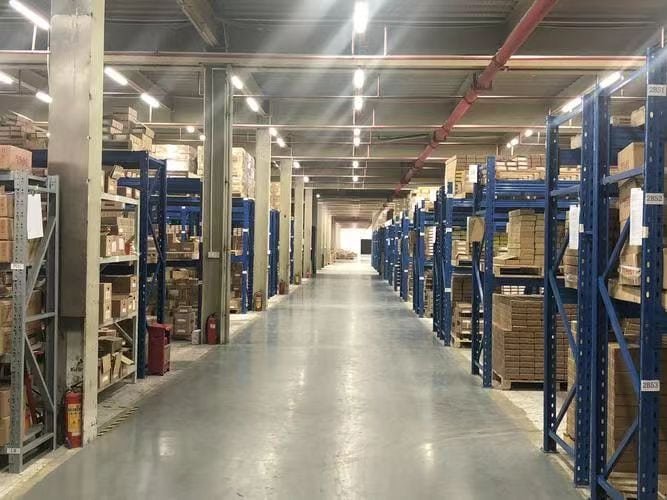
A reliable spare parts inventory is only as good as its storage condition and tracking system. Improper storage can lead to corrosion, insulation breakdown, or loss of warranty due to expired shelf life. Without systematic tracking, critical parts may go missing or be unusable when urgently needed. That’s why transformer asset managers must integrate secure physical storage with digital inventory tracking, using barcoding, ERP systems, and maintenance schedules.
Transformer spare parts should be stored in a climate-controlled, dust-free environment with labeled bins or racks, and tracked using inventory management software that includes part numbers, compatibility, inspection dates, shelf life, and usage history. Physical security, periodic audits, and alignment with transformer serials are essential for operational readiness.
Properly managed spare part systems ensure faster repairs, safer operations, and longer transformer life.
It is acceptable to store transformer spare parts in outdoor or uncontrolled environments.False
Spare parts such as gaskets, relays, bushings, and sensors must be stored in clean, controlled environments to prevent contamination, corrosion, and degradation.
🧰 Recommended Storage Conditions for Spare Parts
| Component Type | Storage Requirements | Notes |
|---|---|---|
| Bushings | Upright in crates, vibration-free, 15–25 °C, <60% RH | Avoid glass/ceramic damage or humidity |
| Gasket & Seal Kits | Vacuum-sealed bags, flat stored in cool area | Prevents warping or hardening |
| OLTC Contact Sets | Original sealed packaging, desiccant enclosed | Oxidation ruins surface conductivity |
| Silica Gel Canisters | Airtight container, away from moisture exposure | Moisture reduces effectiveness |
| Sensors & Relays | In ESD-safe boxes, foam-padded, dry environment | Static discharge or corrosion risk |
| Oil-Related Items | Keep drums upright, shaded, labeled for type/expiry | Must follow hazardous goods protocols |
📦 Inventory Tracking System Elements
| Feature | Purpose |
|---|---|
| Barcode or QR Labeling | Fast scanning and retrieval |
| Part-Serial Compatibility Mapping | Ensures proper fit with transformer units |
| Shelf Life Tracking | Flags silica gel, grease, gasket expiration |
| Last Inspection Date Logging | Confirms part readiness or replacement need |
| Usage History Record | Prevents reusing expired or misused parts |
| Minimum Stock Alerting | Automates restocking or reorder signals |
🔄 Spare Part Tracking Workflow
- Receive and inspect part upon delivery (check for transit damage, documentation)
- Log into inventory system with part number, model compatibility, vendor, and batch ID
- Label physically with barcode and shelf code location (e.g., R2-B3 for Rack 2, Bin 3)
- Schedule shelf-life-based inspection (e.g., 2-year gasket check, 1-year silica gel rotation)
- Update log after each use or transfer to other sites or transformers
- Audit monthly or quarterly to ensure availability and accuracy
📊 Spare Parts Storage and Tracking Matrix
| Storage Zone | Suitable For | Environmental Control | Shelf Life Monitoring |
|---|---|---|---|
| Dry Warehouse Room | Bushings, OLTC kits, sensors | Yes – air-conditioned | Yes via ERP system |
| Cool Store (≤25 °C) | Gaskets, greases, sealants | Optional AC, dark space | Label with expiry date |
| Hazmat-Compliant Area | Transformer oils, PRD capsules | Fire safety measures | Drum rotation tags |
| On-Site Depot | Small parts: silica gel, gauges | Weatherproof cabinets | Logged by field crew |
🧠 Best Practices for Spare Parts Storage and Tracking
- Assign a dedicated custodian or asset officer per storage facility
- Use RFID or barcoded check-in/out systems to prevent loss or misuse
- Conduct annual audits against transformer BOMs and maintenance logs
- Group spares by voltage class or asset tag to simplify identification during outages
- Link inventory software with maintenance management system (CMMS/ERP) for integrated scheduling
🛑 Common Storage & Tracking Mistakes to Avoid
| Mistake | Consequence |
|---|---|
| Storing gaskets in humid or hot areas | Hardening or swelling before use |
| Mixing parts from different transformer models | Fitment issues or electrical mismatch |
| Lack of shelf life documentation | Use of expired grease, dried gel, or aged indicators |
| No access control or sign-out record | Misplacement or use by unqualified personnel |
| Using paper logs only | Delayed part retrieval and error-prone records |
Conclusion
To ensure operational continuity and extend the service life of a power transformer, it is essential to plan for critical spare parts and consumables from the start. Proper inventory management and scheduled maintenance reduce the risk of unexpected failures and enhance overall system reliability. Luneng Taishan Transformer recommends maintaining a tailored spare parts kit along with a long-term support strategy to match your transformer’s specific model and application needs.
FAQ
Q1: What are the critical spare parts recommended for power transformers?
A1: Key spare parts include:
High Voltage and Low Voltage Bushings: Prone to aging and damage
Tap Changer Components: Contacts, motor drives, selector switches
Cooling Fans and Oil Pumps: For forced-air/oil-cooled transformers
Protection Relays and CTs: Backup for differential, overcurrent, and earth fault protection
Gaskets and Seals: For flanges, conservator tanks, and bushings
Pressure Relief Devices and Breather Units: Maintain oil integrity and safety
Stocking these reduces downtime during emergency maintenance.
Q2: What consumables are required for transformer upkeep?
A2: Essential consumables include:
Transformer Oil: Mineral or ester-based for top-ups or replacement
Silica Gel: Used in breathers to absorb moisture from air intake
Oil Filters and Dehydrating Breathers: For regular oil purification
Cleaning Agents: For bushings, radiators, and terminal panels
Paint and Anti-Corrosion Coatings: Especially for outdoor installations
These items ensure proper thermal and dielectric performance over the years.
Q3: How often should these parts and consumables be checked or replaced?
A3: Based on a standard maintenance cycle:
Silica gel: Every 6–12 months or when color changes
Oil sampling/testing: Annually; replacement every 5–10 years or based on test results
Gaskets/seals: Every 5–7 years or upon leakage detection
Tap changer contacts: Every 25,000–50,000 operations or during major service
Fans/pumps: Tested every 1–3 years depending on duty cycle
Q4: Are OEM spare parts necessary or can third-party parts be used?
A4: OEM parts are recommended for:
Compatibility with original design
Warranty and certification compliance
However, certified third-party alternatives may be used for standard components like fans, gaskets, and relays, provided they meet IEC/ANSI quality standards.
Q5: How should spare parts inventory be managed?
A5: Maintain a critical spares list for each transformer model
Use a spares forecast plan based on maintenance schedules
Store items in temperature- and humidity-controlled environments
Label and track using asset management software
This ensures readiness for preventive maintenance and unplanned repairs.
References
"Transformer Spare Parts and Accessories" – https://www.electrical4u.com/transformer-spares
"PowerMag: Transformer Asset Life Extension" – https://www.powermag.com/transformer-maintenance-spares
"Hitachi Energy: Lifecycle Management for Transformers" – https://www.hitachienergy.com/services/transformers
"NREL: Spare Parts Planning for Grid Equipment" – https://www.nrel.gov/docs/fy21ost/transformer-maintenance-guide.pdf
"Energy Central: Spare Parts Risk Mitigation for Utilities" – https://www.energycentral.com/c/ee/spare-parts-strategy-power-equipment