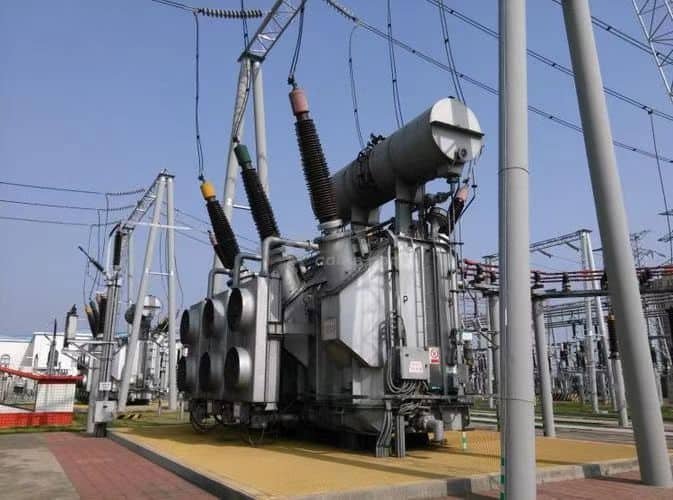
Power transformers can be damaged before commissioning if they are stored under unsuitable environmental or mechanical conditions. Moisture ingress, contamination, corrosion, improper handling, damaged bushings, and inadequate protection can compromise insulation and other critical components even when the transformer leaves the factory in perfect condition. For buyers and project teams, proper storage is therefore an essential part of protecting transformer quality during the period between delivery and installation.
Power transformers should be stored on a stable, level foundation in a clean, dry, secure, and well-drained location, protected from moisture, flooding, excessive dust, corrosive substances, and physical damage. The transformer should remain properly sealed according to the manufacturer's instructions, with oil or nitrogen preservation systems maintained as specified, accessories protected from weather exposure, and periodic inspections performed to monitor oil level, pressure, temperature, seals, corrosion, and other storage conditions.
Storage requirements vary according to transformer construction, preservation system, climate, and expected storage duration. Buyers should always follow the manufacturer's storage instructions and document inspections throughout the storage period to ensure the transformer remains ready for installation and commissioning.
How Should Power Transformers Be Stored Before Installation?
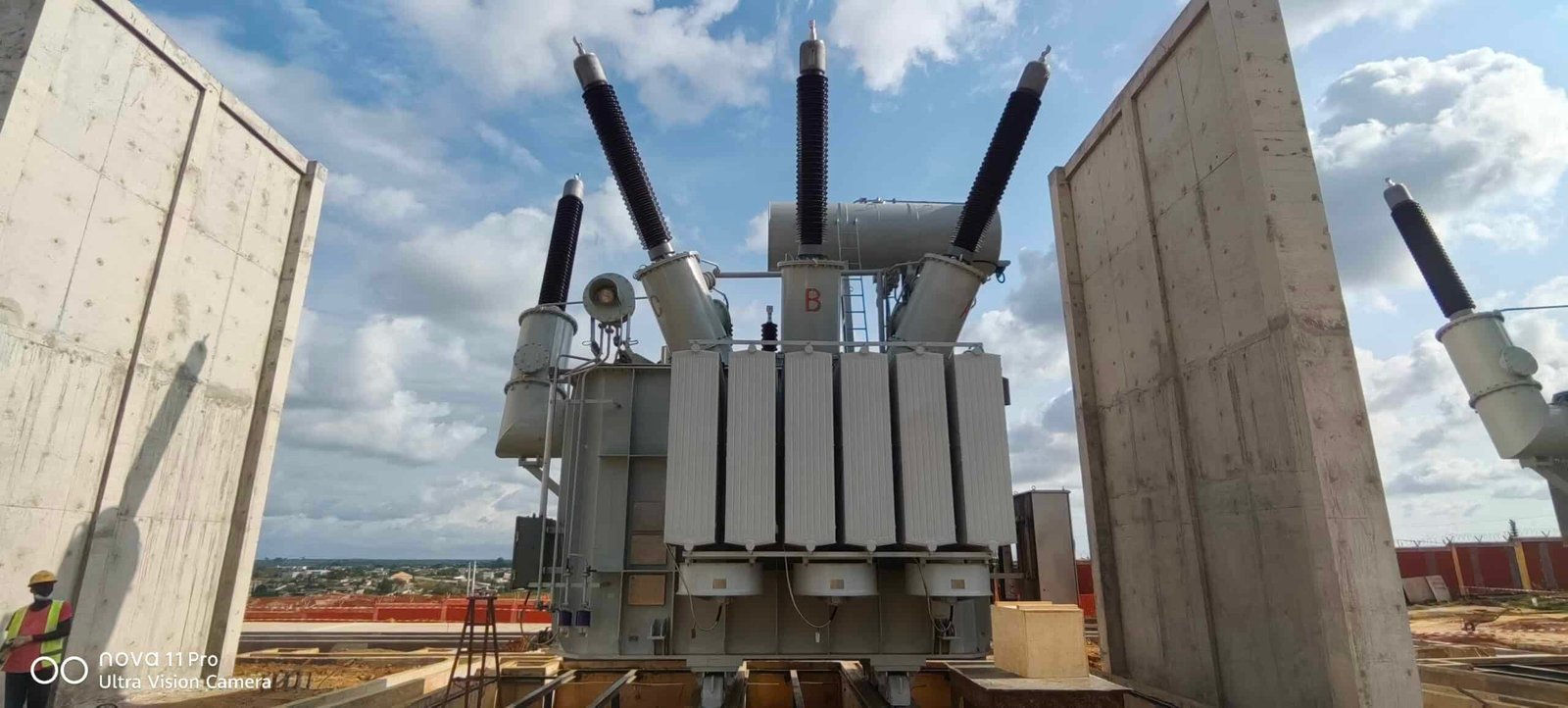
Improper storage can damage a power transformer before it ever enters service. Moisture can enter insulation, corrosion can develop on exposed steel, oil or insulating fluid can deteriorate, bushings and accessories can be damaged, and long storage periods can create problems with seals, monitoring devices, and tap changers. These problems may not be obvious during visual inspection, yet they can affect dielectric strength, insulation aging, commissioning results, and ultimately transformer reliability. Power transformers should be stored on a firm, level, well-drained site with appropriate environmental protection, while the transformer tank, insulating fluid, bushings, accessories, pressure/vacuum systems, and monitoring equipment are maintained according to the manufacturer's storage instructions. Before energization, the transformer should undergo documented inspection, fluid and insulation checks, accessory verification, and the required pre-commissioning tests.
A power transformer can be stored outdoors indefinitely without special inspection as long as its tank remains covered.False
Long-term storage requires environmental protection, periodic inspection, moisture and sealing control, accessory maintenance, and manufacturer-specific procedures. A cover alone does not prevent all storage-related degradation.
What Is the Main Objective of Transformer Storage?
The purpose of storage is to preserve the transformer's condition from the moment it leaves the factory until installation and commissioning.
A properly stored transformer should maintain:
- Insulation integrity
- Dielectric strength
- Mechanical condition
- Fluid quality
- Tank integrity
- Bushing condition
- Accessory functionality
- Corrosion protection
- Cleanliness
- Factory test status
The storage period may be short or may extend for many months. The longer the transformer remains uninstalled, the more important a documented preservation program becomes.
Storage requirements also depend strongly on transformer type. A large oil-filled power transformer with conservator equipment has different requirements from a dry-type transformer.
Where Should a Power Transformer Be Stored?
The storage location should ideally be:
- Firm
- Level
- Dry
- Well drained
- Free from flooding
- Free from excessive dust
- Free from corrosive chemicals
- Accessible for inspection
- Protected from accidental impact
The transformer should not simply be placed wherever there is unused space at a construction site.
Standing water is particularly undesirable because it can accelerate corrosion and increase the risk of moisture entering through vulnerable interfaces.
The foundation or support arrangement should also prevent uneven loading or unnecessary mechanical stress.
Can Power Transformers Be Stored Outdoors?
Many power transformers can be stored outdoors, provided the manufacturer permits it and the preservation requirements are followed.
Outdoor storage requires attention to:
- Rain
- Snow
- Condensation
- UV exposure
- Temperature changes
- Dust
- Salt
- Industrial pollutants
- Flooding
- Mechanical impact
The transformer tank itself may be designed for outdoor service, but that does not mean every accessory can simply be left exposed indefinitely.
Bushings, control cabinets, breathers, gauges, cable connections, and other components may require additional protection.
How Should the Transformer Tank Be Protected?
The tank should remain properly sealed according to the manufacturer's shipping and storage configuration.
Before storage, inspect for:
- Damaged paint
- Scratches
- Corrosion
- Weld damage
- Oil leakage
- Loose fittings
- Damaged valves
- Damaged gauges
Any coating damage should be repaired promptly using an approved coating system.
The tank should also be checked periodically for signs of leakage or corrosion.
For long-term storage, buyers should maintain records showing:
- Inspection date
- Tank condition
- Fluid condition
- Pressure or gas condition where applicable
- Accessory status
- Corrective actions
Why Is Moisture Control So Important?
Moisture is one of the most serious risks during transformer storage.
In an oil-filled transformer, moisture can affect both the liquid and solid insulation.
Solid insulation is particularly important because cellulose-based materials can absorb moisture. Excessive moisture can reduce dielectric strength and accelerate insulation aging.
Moisture may enter through:
- Poorly sealed openings
- Damaged gaskets
- Breather systems
- Condensation
- Incorrectly installed accessories
- Repeated temperature cycling
Therefore, maintaining the manufacturer's specified preservation condition is essential.
How Should the Transformer Breather Be Maintained?
Transformers equipped with a conservator and breather system require particular attention to moisture control.
A silica-gel breather can help control moisture entering the transformer as the insulating fluid expands and contracts.
During storage, personnel should check:
- Breather condition
- Silica-gel condition
- Oil level where applicable
- Sealing
- Breather connections
- Signs of moisture contamination
If the desiccant becomes saturated, it should be replaced or regenerated according to the manufacturer's procedure.
The exact storage configuration should always follow the supplier's instructions because some transformers may use different preservation systems.
How Should Transformer Oil Be Managed During Storage?
The storage condition of the insulating fluid depends on the shipping and preservation arrangement.
The transformer may be delivered:
- Filled with insulating fluid
- Partially filled
- Filled with a specified preservation medium
- Under a controlled gas condition
The manufacturer's instructions should determine which condition is maintained.
For an oil-filled transformer, buyers should periodically monitor relevant parameters such as:
- Oil level
- Leakage
- Moisture
- Dielectric strength
- Appearance
- Acidity or other applicable quality indicators
Long storage does not automatically mean that oil must be replaced. Unnecessary fluid handling can itself introduce contamination or moisture.
The goal is to preserve the fluid condition while minimizing unnecessary exposure and handling.
What About Natural Ester Transformer Fluid?
Natural ester fluids require application-specific storage procedures.
They have different properties from conventional mineral oil, including different oxidation and moisture behavior.
If a transformer uses natural ester fluid, buyers should follow the fluid supplier's and transformer manufacturer's storage requirements regarding:
- Temperature
- Sealing
- Moisture
- Expansion space
- Sampling
- Handling
- Compatibility
The fluid should not be treated as interchangeable with mineral oil simply because both are used as transformer insulating fluids.
How Should Bushings Be Stored?
Bushings are sensitive components and should be protected from:
- Mechanical impact
- Contamination
- Moisture
- Improper lifting
- Scratching
- Incorrect storage orientation where relevant
If bushings are shipped separately, they should be stored in the manufacturer's specified packaging and orientation.
Before installation, inspect:
- Porcelain or composite surfaces
- Terminals
- Flanges
- Seals
- Connection surfaces
- Oil level where applicable
- Test taps
- Shipping damage
High-voltage bushings should receive particular attention because damage that appears minor externally can become a significant dielectric problem after energization.
How Should Accessories Be Stored?
Transformer accessories should not be left scattered around the construction site.
Typical accessories may include:
- Bushings
- Conservator components
- Radiators
- Fans
- Pumps
- Buchholz relays
- Temperature indicators
- Pressure devices
- Control cabinets
- Tap-changer components
- Cable boxes
- Surge-related equipment
Small components should be inventoried and stored in clean, dry locations.
Electronic equipment and control components may have stricter temperature and humidity requirements than the transformer tank itself.
Should Radiators Be Installed During Storage?
The answer depends on the manufacturer's shipping and storage instructions.
Radiators may be transported separately to reduce shipping dimensions and may remain separately stored until installation.
If stored separately, they should be:
- Protected against contamination
- Kept dry
- Properly capped
- Protected against impact
- Inspected for corrosion
The important principle is to prevent moisture and contaminants from entering surfaces that will later become part of the transformer's fluid circulation system.
How Should Cooling Fans and Pumps Be Stored?
Cooling equipment contains mechanical and electrical components that may require separate preservation.
Fans and pumps should be protected from:
- Rain
- Dust
- Corrosion
- Mechanical damage
- Long-term inactivity-related problems
Before commissioning, inspect:
- Motor insulation
- Bearings where applicable
- Rotation
- Electrical connections
- Control wiring
- Protective devices
The manufacturer's instructions should determine whether motors require periodic operation or other preservation procedures.
How Should On-Load Tap Changers Be Stored?
On-load tap changers (OLTCs) require special attention because they contain mechanical switching components and control equipment.
Storage procedures may include checking:
- Tap-changer fluid condition
- Oil level
- Drive mechanism
- Heater systems where applicable
- Control cabinet condition
- Position indication
- Mechanical components
The tap changer should not be operated casually during storage.
Any manual movement should follow the manufacturer's approved procedure.
What Inspection Schedule Should Be Used?
There is no single universal inspection interval for every transformer because storage conditions and manufacturer requirements differ.
A practical storage program may include:
| Inspection Area | What to Check |
|---|---|
| Tank | Corrosion, leakage, coating |
| Oil/fluid | Level, leakage, condition |
| Breather | Sealing and desiccant condition |
| Bushings | Damage and contamination |
| Accessories | Packaging and physical condition |
| Control cabinet | Moisture and cleanliness |
| Radiators | Caps, corrosion, contamination |
| Fans/pumps | Storage condition |
| Tap changer | Preservation condition |
| Site | Drainage, flooding, security |
| Records | Inspection and corrective-action history |
The actual interval should be established from the manufacturer's storage instructions and the expected storage duration.
What Happens If a Transformer Is Stored for a Long Time?
Long-term storage increases the importance of preservation.
Potential risks include:
- Moisture ingress
- Insulation degradation
- Corrosion
- Seal deterioration
- Fluid contamination
- Battery degradation
- Control-component deterioration
- Mechanical sticking
- Breather deterioration
- Loss of documentation
A transformer that has been stored for a year should not automatically be treated as equivalent to a transformer that was installed immediately after factory testing.
The condition at energization must be verified.
How Does Climate Affect Storage Requirements?
Climate can significantly influence storage.
| Environment | Main Storage Concern |
|---|---|
| Hot and humid | Condensation and moisture |
| Cold climate | Low-temperature fluid behavior |
| Coastal | Salt and corrosion |
| Desert | Dust and thermal cycling |
| Heavy-rain region | Flooding and water ingress |
| Industrial area | Chemical pollution and corrosion |
| High-altitude site | Temperature and insulation considerations |
A storage procedure suitable for a dry inland facility may not be sufficient for a tropical coastal site.
How Can Buyers Prevent Construction-Site Damage?
Construction sites contain many risks that are unrelated to transformer operation.
The transformer should be protected from:
- Construction vehicles
- Welding sparks
- Dust
- Cement
- Chemicals
- Unauthorized access
- Impact
- Temporary electrical work
- Water accumulation
A dedicated storage zone with physical barriers and controlled access is preferable.
The transformer should also remain clearly identified with its project and equipment information.
What Records Should Be Maintained During Storage?
Documentation is essential for long-storage projects.
A storage log should record:
- Transformer identification
- Arrival date
- Storage location
- Initial condition
- Fluid condition
- Pressure or preservation condition
- Breather condition
- Inspection dates
- Weather-related events
- Repairs
- Accessory inspections
- Test results
- Personnel responsible
This documentation helps demonstrate that the transformer was properly preserved before installation.
What Should Be Checked Before Installation?
Before the transformer is moved from storage to its foundation, perform a structured inspection.
Important checks include:
- Inspect the tank and paintwork.
- Check for fluid leakage.
- Verify fluid level and condition.
- Inspect bushings for damage.
- Verify accessories are complete.
- Inspect conservator and breather systems.
- Check radiators and cooling equipment.
- Inspect control cabinets.
- Verify tap-changer condition.
- Review storage records.
- Confirm transportation damage has not occurred.
- Perform required electrical and insulation tests.
Any abnormal result should be investigated before energization.
Should Stored Transformers Be Retested?
After extended storage, additional testing may be appropriate.
The exact test program depends on:
- Storage duration
- Transformer type
- Manufacturer instructions
- Storage conditions
- Applicable standards
- Previous factory-test results
Potential checks may include:
- Insulation resistance
- Winding resistance
- Transformer turns ratio
- Oil quality
- Moisture-related tests
- Power factor/tan-delta where applicable
- Bushing tests
- Functional testing of accessories
The purpose is not simply to repeat every factory test but to verify that storage has not adversely affected the transformer's condition.
How Can Buyers Reduce Storage Costs Without Increasing Risk?
Good planning can reduce unnecessary storage expenses.
First, coordinate manufacturing and site readiness.
Avoid delivering the transformer months before the foundation and installation team are ready unless early delivery is unavoidable.
Second, prepare the storage area before delivery.
Drainage, security, access, and lifting arrangements should be ready.
Third, define preservation responsibilities.
The contract should state who is responsible for periodic inspection, fluid monitoring, accessory storage, and corrective actions.
Fourth, protect accessories properly.
Separately shipped components should be inventoried and stored under suitable conditions.
Fifth, document the storage condition.
Good records can prevent disputes about whether a problem originated at the factory, during transportation, or during storage.
What Site Conditions Are Required for Storing Power Transformers Before Installation?
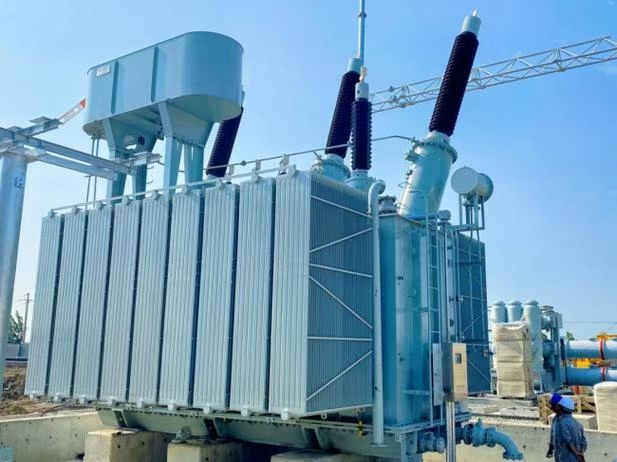
A power transformer should never be treated as ordinary construction equipment while it waits for installation. Poor drainage, standing water, excessive dust, salt, industrial chemicals, unstable ground, or uncontrolled site access can damage the transformer and its accessories before commissioning. Moisture ingress is especially concerning because it can affect insulation condition and later dielectric performance, while corrosion, impact, contamination, and temperature extremes can create additional problems. Before installation, power transformers should be stored on a firm, level, well-drained, secure site with adequate space for inspection and handling, protection from flooding and contamination, controlled environmental conditions for sensitive accessories, and preservation arrangements that follow the manufacturer's instructions. Site preparation should also consider transformer weight, dimensions, lifting requirements, transportation access, fire protection, and the eventual installation route.
A transformer storage site only needs enough space to park the transformer safely.False
A suitable storage site must also provide stable ground, drainage, environmental protection, inspection access, security, transportation and lifting access, and appropriate conditions for separately stored accessories and preservation equipment.
What Makes a Transformer Storage Site Suitable?
A properly prepared storage site should satisfy several basic conditions:
- Stable ground
- Level support
- Effective drainage
- Flood protection
- Adequate ventilation
- Low contamination
- Protection from accidental impact
- Secure access
- Sufficient inspection space
- Suitable lifting and transportation access
The exact requirements depend on the transformer design and manufacturer's instructions, but these principles apply to most large power-transformer storage projects.
The most important point is that the storage location should protect the transformer from deterioration while also allowing technicians to inspect and maintain it.
Why Is a Firm and Level Surface Important?
Power transformers are heavy equipment. Large units can impose substantial loads on relatively small support areas.
The storage surface should therefore be capable of supporting the transformer without:
- Settlement
- Tilting
- Local ground failure
- Excessive vibration
- Structural deformation
A level surface is also helpful when checking fluid levels, positioning accessories, and preparing the transformer for later movement.
Depending on the transformer weight and storage duration, the support may consist of a prepared concrete foundation, reinforced hardstand, steel support structure, or another engineered arrangement approved for the equipment.
For major projects, the allowable ground pressure and support arrangement should be reviewed before delivery.
How Important Is Site Drainage?
Drainage is one of the most important storage-site requirements.
The transformer should never sit in standing water.
Poor drainage can cause:
- Tank corrosion
- Paint deterioration
- Water accumulation around cable connections
- Damage to accessories
- Difficult inspection conditions
- Increased risk of moisture ingress
The storage area should therefore have a suitable slope or drainage system that directs rainwater away from the transformer.
Drainage should remain effective during heavy rainfall, not only under normal weather conditions.
Should Transformers Be Stored Above Ground?
Where flooding or heavy rainfall is possible, the transformer should be positioned so that water cannot accumulate around critical equipment.
The appropriate elevation depends on:
- Local flood risk
- Site drainage
- Transformer design
- Foundation arrangement
- Project requirements
For high-value transformers, buyers should consider the consequences of even temporary flooding.
Floodwater can contain mud, chemicals, salt, and other contaminants that are difficult to remove completely from electrical equipment.
How Should the Site Protect Against Rain and Moisture?
Outdoor transformer tanks are generally designed for outdoor operation, but storage still requires proper preservation.
The site should minimize:
- Direct water exposure to vulnerable accessories
- Water accumulation
- Condensation risks
- Uncontrolled openings
- Damage to sealing components
Sensitive components such as control cabinets, electronic devices, separately supplied bushings, and instruments may require additional weather protection.
However, temporary covers should not create trapped condensation or interfere with the manufacturer's preservation system.
The manufacturer's storage instructions should take priority.
What Environmental Conditions Should Be Avoided?
The transformer should preferably be stored away from sources of contamination such as:
- Cement dust
- Coal dust
- Chemical vapors
- Industrial exhaust
- Salt spray
- Heavy construction dust
- Aggressive solvents
- Corrosive gases
This is particularly important for transformers that will remain on site for an extended period.
Contaminants can accumulate on external surfaces and accessories, while corrosive atmospheres can gradually damage coatings, hardware, terminals, and other exposed components.
How Does Coastal Location Affect Transformer Storage?
Coastal environments require additional attention because airborne salt can accelerate corrosion.
If the storage site is close to the sea, buyers should consider:
- Corrosion-resistant protection
- Frequent external inspection
- Protection of exposed metal
- Clean storage conditions
- Appropriate packaging for accessories
- Moisture control
Salt contamination can be particularly problematic for high-voltage insulation surfaces and exposed electrical connections.
A coastal storage plan should therefore be more rigorous than one used in a clean inland environment.
How Does Industrial Pollution Affect Storage?
Industrial sites may contain airborne contaminants from:
- Chemical processing
- Metal production
- Cement manufacturing
- Mining
- Combustion processes
These contaminants may accelerate corrosion or accumulate on electrical surfaces.
If a transformer must be stored near an operating industrial facility, the storage location should be positioned as far as practical from major pollution sources.
The project team should also consider whether additional inspection or cleaning is necessary.
Is Shade Required for Outdoor Transformer Storage?
Not every transformer requires a permanent shelter.
However, excessive solar exposure can increase the temperature of external components and may accelerate deterioration of certain temporary packaging materials, coatings, or sensitive accessories.
For long-term outdoor storage, the site should follow the manufacturer's requirements regarding:
- Sun exposure
- Ventilation
- Temporary weather protection
- Temperature limits
A protective shelter can be beneficial in some environments, but it must be designed so that it does not trap moisture.
How Should Temperature Be Considered?
Storage temperature requirements depend on the transformer and its accessories.
The main transformer tank may tolerate a wide outdoor temperature range, while certain components may have narrower limits.
Particular attention should be given to:
- Electronic monitoring systems
- Control cabinets
- Batteries
- OLTC control equipment
- Sensors
- Communication devices
Where equipment is stored separately, the manufacturer's specified temperature and humidity ranges should be followed.
How Much Space Should Be Provided Around the Transformer?
The storage site should provide enough clearance for:
- Visual inspection
- Leak inspection
- Accessory inspection
- Fluid sampling where required
- Maintenance
- Lifting
- Rigging
- Fire response
- Future transportation
The transformer should not be placed immediately against buildings, walls, construction materials, or other equipment.
Adequate access is particularly important for large transformers because moving or repositioning them later can require heavy equipment.
Why Is Transportation Access Important?
The storage site must accommodate the equipment used to deliver and eventually remove or install the transformer.
The access route should be evaluated for:
- Road width
- Turning radius
- Ground bearing capacity
- Bridge limitations
- Overhead clearance
- Gradient
- Crane positioning
- Trailer access
A storage location that is easy for personnel to reach but impossible for a heavy-haul trailer to approach is not a practical transformer storage location.
How Does Transformer Weight Affect the Storage Area?
Storage planning should begin with the actual shipping weight and dimensions.
Important information includes:
| Parameter | Why It Matters |
|---|---|
| Total weight | Determines ground and lifting requirements |
| Length | Determines storage footprint |
| Width | Affects access and clearance |
| Height | Affects transport and overhead clearance |
| Center of gravity | Important for lifting and handling |
| Shipping configuration | Determines space and accessory requirements |
| Fluid condition | Determines preservation requirements |
For large power transformers, this information should be confirmed from the manufacturer's shipping documentation before site preparation.
What Security Conditions Are Required?
Power transformers are valuable assets and should be stored in a controlled area.
The site should ideally provide:
- Controlled vehicle access
- Perimeter security
- Adequate lighting
- Protection from unauthorized personnel
- CCTV where appropriate
- Equipment identification
- Fire protection
Unauthorized access can result in accidental damage, improper operation of valves or controls, or loss of small accessories.
How Should Separately Stored Accessories Be Protected?
Some transformer components may be shipped separately.
These may include:
- Bushings
- Radiators
- Conservator components
- Cooling fans
- Pumps
- Control cabinets
- Tap-changer components
- Monitoring devices
The storage area for these items should be:
- Dry
- Clean
- Secure
- Clearly organized
- Protected from impact
Small components should be inventoried so that missing items are identified well before installation.
What Site Conditions Are Required for Transformer Oil Handling?
If the project requires insulating-fluid processing at the storage or installation site, additional space may be necessary for:
- Oil filtration equipment
- Temporary storage tanks
- Hoses
- Sampling equipment
- Vacuum equipment
- Spill-control materials
The work area should be clean and protected from rain and contamination.
Oil handling should follow the transformer manufacturer's and insulating-fluid supplier's procedures.
How Should the Site Handle Oil Spills?
Oil-filled transformers require appropriate spill-management planning.
Depending on local regulations and project requirements, the site may need:
- Spill containment
- Absorbent materials
- Drainage controls
- Temporary bunding
- Oil collection equipment
- Fire-safety provisions
The exact requirement depends on transformer oil volume, local environmental regulations, and the final installation design.
Does Fire Protection Matter During Storage?
Fire protection requirements should be considered even before the transformer is installed.
The storage area should have appropriate emergency access and fire-protection provisions according to the project risk assessment and local regulations.
Flammable materials should not be stored around the transformer.
Construction activities involving:
- Welding
- Cutting
- Grinding
- Open flames
should be controlled around the equipment.
How Should the Storage Site Be Protected From Construction Activities?
Construction sites can expose transformers to unusual hazards.
The transformer should be separated from:
- Heavy vehicle routes
- Excavation
- Concrete mixing
- Welding
- Painting
- Chemical storage
- Dust-producing activities
Temporary barriers can prevent vehicles and construction equipment from accidentally striking the transformer.
This is especially important for bushings and other components that can be damaged by relatively minor impact.
How Does Climate Determine Storage Strategy?
A practical comparison is useful:
| Site Environment | Main Risk | Recommended Focus |
|---|---|---|
| Dry inland | Dust, temperature cycling | Cleanliness and sealing |
| Tropical/humid | Moisture, condensation | Moisture control and inspection |
| Coastal | Salt and corrosion | Corrosion protection |
| Desert | Dust and heat | Dust control and shading where appropriate |
| Heavy-rain area | Flooding | Elevation and drainage |
| Industrial zone | Chemical pollution | Location and contamination control |
| Cold climate | Low temperatures | Fluid and accessory requirements |
There is no universal storage arrangement suitable for every climate.
How Long Can a Transformer Remain in Storage?
The allowable storage period depends on:
- Transformer design
- Shipping configuration
- Preservation method
- Insulating fluid
- Climate
- Manufacturer requirements
Long-term storage should not be treated as simply an extended version of short-term storage.
As the storage period increases, the project should place greater emphasis on:
- Periodic inspection
- Preservation-system monitoring
- Fluid condition
- Accessory condition
- Corrosion
- Documentation
If the expected storage period changes significantly after purchase, the manufacturer should be consulted.
What Should Buyers Check Before the Transformer Arrives?
Before delivery, buyers should verify that:
- The storage surface is ready.
- Drainage is operational.
- Heavy-haul access is available.
- Lifting equipment can be positioned safely.
- Security is established.
- Weather protection is prepared where required.
- Accessory storage areas are ready.
- Oil-handling equipment can be accommodated if necessary.
- Fire and spill-control arrangements are available.
- Inspection personnel and procedures are assigned.
This preparation can prevent costly emergency arrangements after delivery.
What Should Be Included in a Transformer Storage-Site Checklist?
| Site Requirement | Status to Confirm |
|---|---|
| Firm ground | ☐ |
| Level support | ☐ |
| Adequate drainage | ☐ |
| Flood protection | ☐ |
| Heavy-haul access | ☐ |
| Crane/lifting access | ☐ |
| Adequate clearance | ☐ |
| Environmental protection | ☐ |
| Security | ☐ |
| Fire protection | ☐ |
| Spill control | ☐ |
| Accessory storage | ☐ |
| Oil-processing space | ☐ |
| Inspection access | ☐ |
| Storage documentation | ☐ |
This checklist should be completed before shipment whenever possible.
How Should Oil-Filled Power Transformers Be Protected During Storage Before Installation?
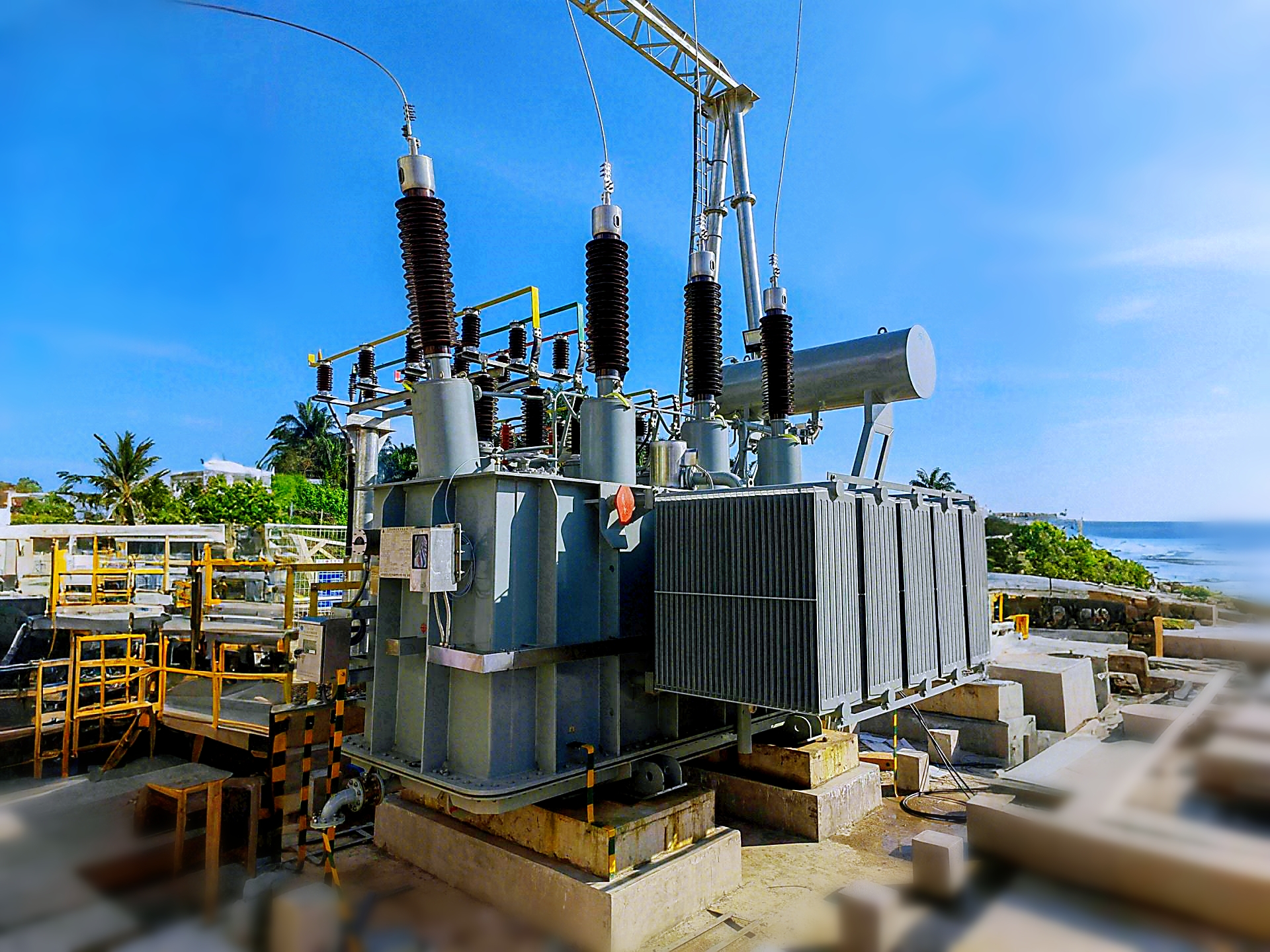
Oil-filled power transformers require careful preservation during the period between factory delivery and final installation because the transformer is still vulnerable to moisture, contamination, corrosion, leakage, and mechanical damage even when its tank is designed for outdoor operation. Improper storage can allow water to enter through poorly protected openings, deteriorate insulation, contaminate transformer oil, damage bushings or accessories, and create problems that only become visible during pre-commissioning tests. Oil-filled power transformers should be stored on a stable, level, well-drained site and maintained in the manufacturer's specified preservation condition, with particular attention to tank sealing, insulating-oil condition, conservator and breather systems, bushings, valves, accessories, corrosion protection, temperature, security, and periodic inspection. The longer the transformer remains in storage, the more important a documented preservation and inspection program becomes.
Because an oil-filled power transformer is filled with insulating oil, moisture cannot enter the transformer during storage.False
Moisture can enter through breathers, seals, openings, condensation, damaged fittings, or improper preservation procedures. Maintaining the specified sealing and moisture-control system is essential even when the transformer contains insulating oil.
Why Does an Oil-Filled Transformer Need Protection During Storage?
An oil-filled transformer is designed to operate under controlled electrical, thermal, and environmental conditions. During storage, however, it may remain inactive for months while exposed to changing weather and construction-site conditions.
Potential risks include:
- Moisture ingress
- Oil contamination
- Oil leakage
- Corrosion
- Paint deterioration
- Bushing damage
- Seal deterioration
- Breather deterioration
- Damage to control equipment
- Mechanical impact
- Dust accumulation
- Flooding
These risks are especially important because transformer insulation is highly sensitive to moisture and contamination.
A transformer may look completely normal externally while its insulation or insulating fluid condition has gradually deteriorated.
For this reason, storage should be considered part of the transformer's reliability program rather than simply a logistics activity.
What Is the Most Important Storage Principle?
The most important principle is simple:
Maintain the transformer in the exact preservation condition specified by the manufacturer.
Depending on the transformer design, the unit may be shipped:
- Filled with transformer oil
- Filled to a specified oil level
- Under a controlled gas pressure
- With certain accessories removed
- With temporary sealing arrangements
These configurations are not interchangeable.
Buyers should not independently change oil levels, open valves, remove plugs, or alter gas-preservation systems without following the manufacturer's instructions.
How Should the Transformer Tank Be Protected?
The tank should remain clean, sealed, and protected against corrosion.
Regular inspections should check for:
- Oil leakage
- Damaged paint
- Rust
- Scratches
- Loose fittings
- Damaged valves
- Deformed components
- Water accumulation
- Signs of mechanical impact
Any damaged coating should be repaired using an approved system.
The tank should also remain protected from construction activities that can cause:
- Welding sparks
- Grinding particles
- Cement dust
- Chemical contamination
- Vehicle impact
A temporary protective barrier around the transformer can be useful on active construction sites.
How Important Is Moisture Control?
Moisture control is one of the most important aspects of oil-filled transformer storage.
Moisture can enter through:
- Breather systems
- Tank openings
- Gaskets
- Flanges
- Valves
- Condensation
- Damaged seals
Moisture is particularly harmful to cellulose insulation such as transformer paper and pressboard.
It can reduce dielectric strength and accelerate insulation aging.
Therefore, the transformer should remain sealed according to the manufacturer's preservation procedure throughout storage.
How Should the Transformer Breather Be Protected?
Transformers with conservator systems may use a breather to control the moisture content of air entering the expansion system.
During storage, inspect:
- Silica-gel condition
- Breather housing
- Connections
- Seals
- Oil seals where applicable
- Signs of water contamination
If the desiccant changes condition or becomes saturated, it should be serviced according to the manufacturer's instructions.
The breather should never simply be ignored because the transformer is not energized.
What About Transformers With Nitrogen Preservation?
Some oil-filled power transformers use a nitrogen or inert-gas preservation system.
For these transformers, storage personnel may need to monitor:
- Gas pressure
- Pressure-relief arrangements
- Sealing
- Gas connections
- Gauges
- Signs of leakage
The manufacturer's specified pressure range should be maintained.
A falling pressure may indicate leakage or another preservation problem and should be investigated promptly.
Personnel should not release or add gas without following the approved procedure.
How Should Transformer Oil Be Protected?
Transformer oil is both an electrical insulation medium and a heat-transfer medium.
During storage, it should be protected against:
- Moisture
- Dust
- Chemical contamination
- Oxidation where applicable
- Uncontrolled exposure to air
The oil level should be monitored according to the transformer configuration.
Visible leakage should never be treated as a minor cosmetic problem.
A small leak can:
- Reduce oil level
- Introduce contamination
- Damage seals
- Create environmental concerns
- Eventually affect insulation reliability
Should Transformer Oil Be Tested During Storage?
For extended storage, periodic oil-condition monitoring may be appropriate.
Depending on the manufacturer's requirements and storage duration, relevant checks can include:
- Dielectric breakdown strength
- Moisture content
- Acidity
- Interfacial tension
- Dissolved gas analysis where appropriate
- Visual condition
The testing frequency should be based on the transformer's preservation method, storage period, fluid type, and manufacturer recommendations.
Testing should be performed by qualified personnel using appropriate sampling procedures.
How Should Natural Ester-Filled Transformers Be Stored?
Natural ester-filled transformers require storage procedures appropriate to the specific fluid and transformer design.
Natural ester fluids have different chemical and physical characteristics from conventional mineral oil.
Buyers should follow the manufacturer's instructions regarding:
- Temperature
- Moisture
- Sealing
- Fluid expansion
- Sampling
- Handling
- Compatibility
The same storage procedure should not automatically be applied to every insulating-fluid type.
How Should Bushings Be Protected?
Bushings are among the most vulnerable transformer components during transportation and storage.
They should be protected from:
- Impact
- Dust
- Rain
- Salt
- Scratching
- Improper lifting
- Excessive contamination
If bushings are shipped separately, they should remain in their original protective packaging whenever practical.
Before installation, inspect:
- Porcelain or composite surfaces
- Flanges
- Terminals
- Seals
- Test taps
- Oil levels
- Connection hardware
Any visible crack, chip, contamination, or abnormal condition should be investigated before installation.
How Should Radiators Be Protected?
Radiators and cooling components should be kept clean and dry.
If radiators are shipped separately, their openings should remain properly sealed or capped according to the manufacturer's instructions.
Protection should prevent:
- Rainwater entry
- Dust accumulation
- Internal contamination
- Corrosion
- Mechanical damage
Before installation, inspect radiator connections and internal cleanliness.
How Should Transformer Accessories Be Protected?
Accessories should be stored in a controlled and organized manner.
These can include:
- Conservator components
- Bushings
- Radiators
- Cooling fans
- Oil pumps
- Buchholz relays
- Temperature indicators
- Pressure devices
- Control cabinets
- Tap-changer components
- Monitoring equipment
Electronic components may require more controlled storage conditions than the transformer tank.
All accessories should be inventoried and linked to the correct transformer.
How Should an OLTC Be Protected During Storage?
An on-load tap changer should remain in its specified preservation condition.
Storage personnel should monitor:
- Tap-changer oil or fluid
- Oil level
- Drive mechanism
- Control cabinet
- Position indicator
- Heater system where applicable
- Mechanical condition
The tap changer should not be operated simply to "keep it moving" unless the manufacturer specifically requires such maintenance.
Unnecessary operation can introduce additional mechanical or electrical risks.
How Should the Storage Area Protect Against Flooding?
The transformer should be stored on a site with effective drainage.
The area should prevent:
- Standing water
- Floodwater accumulation
- Water reaching cable boxes
- Mud contamination
- Drainage backflow
Flood protection is particularly important for large oil-filled transformers because floodwater can contaminate external surfaces, corrosion-protection systems, and electrical accessories.
The storage area should also remain accessible after heavy rainfall.
How Should the Transformer Be Protected From Construction Traffic?
A transformer waiting for installation may be located in an active construction area.
It should therefore be protected from:
- Trucks
- Cranes
- Forklifts
- Excavators
- Temporary material storage
- Construction debris
Physical barriers, warning signs, and controlled access can reduce the risk of accidental impact.
Bushings and control cabinets should receive particular protection because they can be damaged even when the main tank remains intact.
How Should Corrosion Be Controlled?
Corrosion protection is particularly important in:
- Coastal areas
- High-humidity regions
- Industrial zones
- Areas with chemical pollution
Periodic inspection should check:
- Tank coating
- Radiators
- Fasteners
- Valves
- Flanges
- Exposed steel
Salt deposits and chemical contamination should be addressed according to the manufacturer's cleaning recommendations.
Does Temperature Matter During Storage?
The main transformer tank can often tolerate normal outdoor temperature variations, but storage conditions for accessories may be more restrictive.
Pay particular attention to:
- Control cabinets
- Electronic monitors
- Batteries
- Sensors
- Communication equipment
- OLTC controls
Extreme temperature changes can also contribute to condensation.
Where temporary covers or enclosures are used, ventilation must be considered so that moisture does not become trapped.
How Often Should an Oil-Filled Transformer Be Inspected?
There is no single inspection interval suitable for every transformer.
The schedule should consider:
- Manufacturer requirements
- Storage duration
- Climate
- Preservation method
- Transformer size
- Insulating-fluid type
- Site conditions
A practical inspection program should document:
| Item | Inspection Focus |
|---|---|
| Tank | Leakage, corrosion, coating |
| Oil | Level and condition |
| Breather | Desiccant and sealing |
| Gas system | Pressure where applicable |
| Bushings | Damage and contamination |
| Valves | Leakage and position |
| Radiators | Corrosion and sealing |
| OLTC | Preservation condition |
| Control cabinet | Moisture and cleanliness |
| Site | Drainage and security |
| Accessories | Packaging and inventory |
Any abnormal finding should be recorded and corrected promptly.
What Should Buyers Do Before Installation?
Before the transformer is moved from storage to the installation foundation, perform a complete condition assessment.
The pre-installation review should include:
- Tank inspection
- Leakage inspection
- Oil/fluid condition assessment
- Moisture-control inspection
- Bushing inspection
- Conservator and breather inspection
- Radiator inspection
- Cooling-equipment inspection
- OLTC inspection
- Accessory inventory
- Storage-record review
- Required electrical tests
Depending on storage duration and project specifications, additional tests may include insulation resistance, winding resistance, turns-ratio testing, oil testing, bushing testing, and other commissioning checks.
Can a Properly Stored Transformer Be Installed Immediately?
Not necessarily.
A transformer that has been properly preserved still needs installation and commissioning checks.
The purpose of storage protection is to maintain the transformer's condition—not to eliminate the need for pre-energization testing.
Before energization, the installation team should verify that:
- The transformer was not damaged during storage
- All accessories are correctly installed
- Oil/fluid condition is acceptable
- Insulation condition is satisfactory
- Bushings are correctly connected
- Tap changer operates correctly
- Cooling equipment functions properly
- Protection and monitoring systems operate correctly
Only after the required checks have been completed should the transformer proceed toward energization.
How Can Buyers Reduce Storage Risk?
The most effective approach is to define storage responsibilities before the transformer leaves the factory.
The purchase contract should clarify:
- Storage conditions
- Preservation method
- Inspection frequency
- Fluid monitoring
- Breather maintenance
- Accessory storage
- Weather protection
- Responsibility for repairs
- Documentation
- Pre-installation testing
The buyer should also request the manufacturer's official storage instructions.
This avoids situations where the contractor assumes the transformer is "maintenance-free" while the manufacturer expects periodic preservation work.
How Should Transformer Accessories and Components Be Stored Before Installation?

Transformer accessories are often overlooked after the main transformer arrives on site, yet damaged or poorly stored components can delay installation and create commissioning problems. Bushings can be contaminated or damaged, control cabinets can absorb moisture, radiators can corrode, gaskets can deteriorate, and small hardware can become lost or mixed with components from another transformer. For large power transformers, these risks become more serious because many accessories may be shipped separately and may not be installed until weeks or months later. Transformer accessories and components should be stored in clean, dry, secure, clearly identified areas, protected from moisture, dust, corrosion, mechanical impact, sunlight, chemicals, and unauthorized handling, while each item remains in the manufacturer's specified packaging and orientation. The storage method should also preserve traceability so that every component can be verified before installation.
Transformer accessories can be stored together in any dry area as long as they are eventually installed on the correct transformer.False
Different accessories have different storage requirements. Bushings, electronic equipment, gaskets, radiators, cooling equipment and tap-changer components may require different protection, orientation, temperature, humidity and packaging conditions, and traceability must be maintained.
Why Do Transformer Accessories Need Separate Storage Controls?
A power transformer is a complete electrical system rather than only a tank and windings.
Depending on the design, accessories may include:
- High-voltage bushings
- Low-voltage bushings
- Radiators
- Conservator tanks
- Breathers
- Buchholz relays
- Cooling fans
- Oil pumps
- On-load tap changers
- Control cabinets
- Temperature indicators
- Pressure devices
- Monitoring systems
- Cable boxes
- Valves
- Gaskets
- Fasteners
- Connection hardware
These components do not all have the same environmental requirements.
A steel radiator and an electronic monitoring device, for example, should not necessarily be stored under identical conditions.
The safest approach is to classify accessories according to their sensitivity and follow the manufacturer's storage instructions for each category.
Where Should Transformer Accessories Be Stored?
A suitable storage facility should generally be:
- Clean
- Dry
- Secure
- Well ventilated
- Protected from flooding
- Free from corrosive chemicals
- Free from excessive dust
- Protected from accidental impact
- Organized for easy inventory control
Sensitive components should preferably be stored indoors.
Large weather-resistant components may be stored outdoors if the manufacturer permits outdoor storage and suitable protection is provided.
The storage location should also prevent accessories from being exposed to unnecessary construction activity.
How Should Accessories Be Organized?
The most important organizational principle is traceability.
Each component should be associated with:
- Transformer identification
- Project number
- Component description
- Manufacturer part number
- Serial number where applicable
- Quantity
- Storage location
- Packaging condition
This is particularly important when several transformers are being installed at the same site.
Mixing components between transformers can create compatibility problems even when the parts appear physically similar.
A simple inventory system can prevent significant installation delays.
| Component | Identification Needed | Storage Priority |
|---|---|---|
| Bushing | Serial/part number | High |
| Radiator | Transformer reference | Medium |
| Control cabinet | Serial/part number | High |
| OLTC components | Tap-changer identification | High |
| Cooling fan | Motor/assembly number | Medium |
| Gaskets | Size/material/assembly | High |
| Hardware | Assembly reference | High |
| Monitoring device | Serial number | High |
How Should Transformer Bushings Be Stored?
Bushings deserve special attention because they are critical insulation components.
They should remain:
- Clean
- Dry
- Mechanically protected
- Properly supported
- In the manufacturer's specified orientation
Protective packaging should remain intact for as long as practical.
Bushings should be protected from:
- Impact
- Scratches
- Water
- Dust
- Salt
- Chemicals
- Unauthorized handling
Before installation, inspect the porcelain or composite body, flange, terminals, seals, test taps, and other relevant parts.
A bushing that has suffered hidden mechanical damage should not simply be installed because its external packaging appears intact.
Why Is Bushing Orientation Important?
Some transformer bushings have specific transportation and storage requirements.
Improper orientation can create problems depending on the bushing design and internal construction.
Therefore, buyers should not assume that all bushings can be stored horizontally or vertically.
The manufacturer's shipping markings and storage instructions should determine:
- Orientation
- Support points
- Lifting points
- Packaging requirements
- Maximum storage period
How Should Radiators Be Stored?
Radiators are generally robust but still need protection.
If stored outdoors, they should be:
- Supported securely
- Protected against impact
- Kept away from standing water
- Protected against internal contamination
- Properly capped or sealed where required
Open radiator connections can allow:
- Rainwater
- Dust
- Insects
- Construction debris
to enter the system.
This contamination can later enter the transformer's insulating-fluid circulation system.
Before installation, radiator internals and connection surfaces should be inspected according to the manufacturer's procedure.
How Should Conservator Tanks Be Stored?
Conservator tanks should be stored on stable supports and protected against:
- Rainwater
- Dust
- Corrosion
- Mechanical impact
Openings and connection points should remain protected.
If a conservator contains accessories or fittings, those components should remain identified and protected.
The tank should not be used as a convenient storage platform for unrelated construction materials.
How Should Breathers and Silica Gel Be Stored?
Breathers and desiccant materials should be kept dry until they are required.
Silica gel should generally remain in sealed packaging until installation or activation according to the manufacturer's instructions.
A desiccant that has already absorbed significant moisture may not provide the intended protection after installation.
Breather components should also be protected from:
- Dust
- Water
- Impact
- Chemical contamination
Before installation, check the condition of the desiccant and breather assembly.
How Should Buchholz Relays Be Stored?
Buchholz relays are sensitive mechanical and electrical protection devices.
They should be stored in:
- Clean
- Dry
- Secure
- Temperature-appropriate conditions
They should remain in protective packaging where possible.
Before installation, inspect:
- Housing
- Glass windows
- Connections
- Float mechanism where applicable
- Alarm/trip contacts
- Sealing surfaces
The device should not be subjected to unnecessary mechanical movement.
How Should Cooling Fans Be Stored?
Cooling fans contain electrical motors and mechanical components.
They should be protected against:
- Rain
- Dust
- Corrosion
- Impact
- Long-term environmental exposure
Motors should be stored according to the manufacturer's recommendations concerning:
- Temperature
- Humidity
- Shaft orientation
- Bearing protection
- Electrical insulation
Before installation, verify mechanical condition and electrical integrity.
How Should Oil Pumps Be Stored?
Oil pumps require particular care because contamination or mechanical deterioration can affect transformer cooling.
Storage should protect the pump from:
- Moisture
- Dust
- Corrosion
- Impact
- Contaminated fluids
The pump should remain properly sealed where required.
Before installation, inspect the pump, motor, seals, connections, and associated control equipment.
How Should Control Cabinets Be Stored?
Control cabinets and electronic components generally deserve more controlled storage than large steel components.
They should preferably be stored indoors in a:
- Dry
- Clean
- Temperature-controlled or suitable environment
- Low-humidity location
The cabinet should be protected from:
- Condensation
- Dust
- Water
- Chemicals
- Direct sunlight
- Unauthorized access
Doors should not be left open unnecessarily.
Electronic components may have specific temperature and humidity requirements that must be followed.
How Should OLTC Components Be Stored?
On-load tap changer components should remain in their original packaging or preservation configuration wherever possible.
Depending on the design, components may include:
- Tap-changer body
- Drive mechanism
- Motor drive
- Control cabinet
- Position indicator
- Wiring
- Accessories
These should remain clearly associated with the correct transformer and tap-changer model.
The OLTC should not be manually operated during storage unless the manufacturer specifically requires it.
How Should Gaskets and Sealing Materials Be Stored?
Gaskets may look insignificant, but they are critical to transformer sealing.
They should be stored:
- Indoors
- Clean
- Dry
- Away from direct sunlight
- Away from chemicals
- Away from excessive heat
- Protected from deformation
Gaskets should remain in their original packaging where practical.
They should not be compressed under heavy materials or stored where they can be contaminated with oil, dust, solvents, or other substances unless specifically intended for such exposure.
Before installation, verify:
- Material
- Size
- Thickness
- Part number
- Quantity
- Condition
Using an incorrect gasket can create an oil leak or moisture-ingress problem.
How Should Fasteners and Small Hardware Be Stored?
Bolts, nuts, washers, terminals, brackets, and other small components should be kept in labeled containers.
A useful system is to identify each package by:
- Assembly
- Part number
- Transformer number
- Quantity
This avoids a common site problem: having many apparently identical bolts but being unable to determine which assembly they belong to.
For large projects, small hardware should be inventoried before installation begins.
How Should Transformer Accessories Be Protected From Moisture?
Moisture protection should be matched to component sensitivity.
| Component | Main Moisture Risk | Preferred Protection |
|---|---|---|
| Bushings | Condensation/water ingress | Dry protective packaging |
| Control cabinets | Condensation | Indoor dry storage |
| Gaskets | Moisture/contamination | Sealed packaging |
| Radiators | Internal water entry | Caps and dry storage |
| Conservator | Water/corrosion | Sealed openings |
| Breathers | Desiccant saturation | Sealed packaging |
| Cooling motors | Humidity | Dry protected area |
| Monitoring devices | Electronics damage | Controlled indoor storage |
| Hardware | Corrosion | Dry labeled containers |
The manufacturer's instructions should take priority over any generic storage practice.
Why Is Original Packaging Important?
Original packaging is often designed to protect components during transportation and storage.
It can provide protection from:
- Shock
- Dust
- Moisture
- UV exposure
- Mechanical impact
Removing packaging too early can expose components unnecessarily.
However, packaging should also be inspected periodically because damaged or waterlogged packaging may no longer provide adequate protection.
How Should Outdoor Accessories Be Protected?
Some large accessories may be suitable for outdoor storage.
For example:
- Radiators
- Conservator tanks
- Structural components
may tolerate outdoor conditions when properly protected.
However, outdoor storage should still provide:
- Stable supports
- Drainage
- Weather protection where needed
- Sealed openings
- Corrosion control
- Physical security
Outdoor storage should not be used simply because indoor warehouse space is unavailable.
How Does Storage Duration Affect Accessory Protection?
Short-term storage and long-term storage should not necessarily use the same strategy.
For short storage, maintaining original packaging and preventing obvious environmental exposure may be sufficient.
For extended storage, buyers should introduce periodic inspections.
Long-term storage should monitor:
- Packaging integrity
- Corrosion
- Moisture
- Seals
- Desiccants
- Electronic equipment
- Mechanical components
- Inventory
The longer components remain unused, the greater the importance of documentation.
What Environmental Conditions Should Be Avoided?
Accessories should be kept away from:
- Flood-prone areas
- Chemical storage
- Welding areas
- Cement dust
- Heavy traffic
- Salt spray
- Excessive vibration
- Direct impact
- Uncontrolled outdoor exposure
A clean storage environment reduces the amount of cleaning and inspection required before installation.
What Should Be Checked Before Installation?
Before installation, every accessory should undergo an incoming-to-installation inspection.
A typical procedure includes:
- Verify component identification.
- Check packaging condition.
- Inspect for mechanical damage.
- Check corrosion.
- Check moisture exposure.
- Verify seals and gaskets.
- Confirm quantities.
- Compare against packing lists.
- Inspect electrical connections.
- Review storage records.
- Confirm manufacturer requirements have been met.
- Perform applicable functional or electrical tests.
Any damaged component should be quarantined until its suitability is confirmed.
How Can Buyers Prevent Missing Accessories?
The best solution is a component traceability system.
Before shipment, the manufacturer should provide an accessory list.
At site arrival:
- Check each item against the list.
- Photograph major components.
- Record serial numbers.
- Assign storage locations.
- Record packaging condition.
- Report shortages immediately.
For complex transformer projects, photographs and digital inventory records can be extremely useful during final assembly.
How Should Buyers Manage Accessories for Multiple Transformers?
When several transformers are stored at the same site, accessories should be separated by transformer.
For example:
Transformer T01
- Bushing set T01
- Radiator set T01
- OLTC equipment T01
- Control cabinet T01
Transformer T02
- Bushing set T02
- Radiator set T02
- OLTC equipment T02
- Control cabinet T02
This reduces the risk of mixing components that may look similar but have different ratings, dimensions, or interfaces.
What Is a Practical Transformer-Accessory Storage Checklist?
| Storage Requirement | Check |
|---|---|
| Original packaging preserved | ☐ |
| Components clearly identified | ☐ |
| Dry storage area available | ☐ |
| Flood protection available | ☐ |
| Bushings protected | ☐ |
| Control cabinets stored indoors | ☐ |
| Radiators properly capped | ☐ |
| Conservator openings protected | ☐ |
| Breathers kept dry | ☐ |
| Gaskets stored correctly | ☐ |
| Hardware inventoried | ☐ |
| OLTC components protected | ☐ |
| Cooling equipment protected | ☐ |
| Corrosion inspections scheduled | ☐ |
| Storage records maintained | ☐ |
| Pre-installation inspection completed | ☐ |
What Inspection and Maintenance Should Be Performed While Power Transformers Are in Storage?
A power transformer can leave the factory in excellent condition yet develop storage-related problems before installation if it is simply left unattended. Moisture can enter through breathers or seals, insulating fluid can leak or become contaminated, corrosion can develop on the tank and accessories, and separately stored bushings, control cabinets, radiators, and tap-changer components can deteriorate. These issues may remain unnoticed until installation, when they can cause additional testing, repair, delays, or even premature commissioning failure. While a power transformer is in storage, buyers should follow a documented inspection and maintenance program covering the transformer tank, insulating fluid, moisture-control system, bushings, valves, accessories, corrosion protection, storage environment, and preservation equipment, with inspection frequency adjusted according to the manufacturer's requirements, storage duration, transformer design, and site conditions. The objective is not to perform unnecessary maintenance, but to preserve the transformer's factory condition until installation.
A stored power transformer does not need maintenance because it is not energized.False
An unenergized transformer can still experience moisture ingress, oil leakage, corrosion, contamination, seal deterioration, accessory degradation, and other storage-related problems. Periodic inspection and preservation are therefore necessary.
What Is the Main Purpose of Storage Inspection?
Storage inspection has one primary purpose: to verify that the transformer remains in the condition required for safe installation and commissioning.
The inspection program should identify changes before they become serious problems.
A practical program should monitor:
- Transformer tank condition
- Oil or insulating-fluid condition
- Oil level
- Gas or pressure preservation system
- Breather condition
- Bushings
- Valves and fittings
- Conservator
- Radiators
- Cooling equipment
- OLTC components
- Control cabinets
- Corrosion
- Site drainage
- Security
- Accessory inventory
The inspection frequency should be based on the manufacturer's storage instructions rather than applying the same schedule to every transformer.
What Should Be Checked on the Transformer Tank?
The tank should be visually inspected for:
- Oil leakage
- Rust
- Scratched paint
- Damaged coatings
- Loose fittings
- Deformation
- Water accumulation
- Mechanical impact
Special attention should be given to flanges, valves, covers, weld areas, and other interfaces where leakage or corrosion may develop.
If coating damage is found, it should be repaired using an approved coating system before corrosion becomes extensive.
How Should Transformer Oil Be Inspected During Storage?
For an oil-filled transformer, insulating fluid is a critical part of the preservation system.
Routine checks may include:
- Oil level
- Visible leakage
- Fluid appearance where accessible
- Sampling requirements
- Moisture condition
- Oil quality according to storage duration
For long-term storage, periodic laboratory testing may be appropriate.
Depending on the project and manufacturer's requirements, testing can include:
- Breakdown voltage
- Moisture content
- Acidity
- Interfacial tension
- Dissolved gas analysis where applicable
Oil samples should be taken using proper procedures because poor sampling can introduce contamination and produce misleading results.
How Should the Breather Be Inspected?
If the transformer uses a conservator and silica-gel breather, the breather should be checked periodically.
Inspect:
- Silica-gel condition
- Breather housing
- Connections
- Seals
- Moisture indicators where provided
- Signs of water entry
If the desiccant is saturated, it should be replaced or regenerated according to the manufacturer's instructions.
A neglected breather can gradually allow moisture into the transformer during repeated temperature-driven breathing cycles.
What About Nitrogen-Preserved Transformers?
For transformers using nitrogen or another controlled gas-preservation arrangement, inspect:
- Gas pressure
- Pressure gauge
- Seals
- Gas connections
- Leakage indicators
A gradual pressure decline may indicate leakage.
Personnel should not change the gas pressure without following the manufacturer's approved procedure.
The preservation system should remain within its specified operating range throughout storage.
How Should Bushings Be Maintained?
Bushings should be visually inspected for:
- Cracks
- Chips
- Contamination
- Scratches
- Moisture exposure
- Damaged terminals
- Damaged flanges
- Packaging deterioration
If bushings are stored separately, their packaging and storage conditions should also be checked.
They should remain properly supported and protected from impact.
Before installation, appropriate electrical tests should be considered according to the manufacturer's instructions and project requirements.
How Should Radiators and Cooling Equipment Be Inspected?
Radiators should be checked for:
- Corrosion
- Leakage
- Damaged caps
- Open connections
- Mechanical damage
Cooling fans and pumps should be inspected for environmental exposure and physical damage.
For long-term storage, the manufacturer may specify additional preservation procedures for motors, bearings, or electrical insulation.
Unnecessary operation should be avoided unless specifically required by the storage procedure.
What Should Be Checked on the OLTC?
On-load tap changers require special attention because they contain mechanical and electrical components.
Inspect:
- Oil or fluid condition where applicable
- Oil level
- Drive mechanism
- Control cabinet
- Position indication
- Seals
- Heater systems
- Physical damage
The tap changer should not be repeatedly operated during storage unless the manufacturer specifically requires such action.
How Should Control Cabinets Be Maintained?
Control cabinets should be kept clean and dry.
Inspect for:
- Condensation
- Water ingress
- Dust
- Corrosion
- Damaged wiring
- Damaged seals
- Heater condition where applicable
Electronic monitoring equipment may require more controlled environmental conditions than the main transformer tank.
If a cabinet contains batteries or other components with storage-life limitations, those items should be managed according to their individual instructions.
How Often Should Storage Inspections Be Performed?
There is no universal inspection interval because storage conditions vary significantly.
A practical approach is to establish:
Initial inspection → routine periodic inspection → enhanced inspection before installation.
| Storage Stage | Main Purpose |
|---|---|
| Upon arrival | Establish baseline condition |
| During short-term storage | Identify obvious deterioration |
| During long-term storage | Monitor preservation and environmental condition |
| After severe weather | Check water, impact and corrosion |
| Before transportation to foundation | Confirm readiness |
| Before installation | Verify complete condition |
| Before energization | Complete commissioning tests |
The exact frequency should be determined by the manufacturer and project requirements.
What Should Be Done After Heavy Rain or Severe Weather?
An additional inspection is advisable after events such as:
- Heavy rain
- Flooding
- Strong wind
- Snow or ice
- Severe storms
- Construction accidents
Check:
- Standing water
- Tank leakage
- Damaged covers
- Damaged packaging
- Bushing condition
- Control cabinets
- Breathers
- Corrosion
- Physical impact
This is particularly important when the transformer is stored outdoors.
How Should Corrosion Be Monitored?
Corrosion inspection should cover:
- Tank surfaces
- Radiators
- Valves
- Flanges
- Fasteners
- Structural supports
- Separately stored steel components
Coastal and industrial environments require greater attention because salt and chemical pollutants can accelerate corrosion.
Small areas of coating damage should be addressed before they become larger corrosion zones.
What Storage Records Should Be Maintained?
Every inspection should be documented.
A useful storage record includes:
- Transformer identification
- Date
- Weather/site condition
- Oil level
- Pressure or gas condition
- Breather condition
- Tank condition
- Leakage status
- Corrosion status
- Accessory condition
- Corrective action
- Inspector
- Photographs where appropriate
This documentation creates a condition history that can be reviewed before installation.
What Is the Difference Between Inspection and Maintenance?
Inspection means checking the condition.
Maintenance means taking corrective action when necessary.
For example:
| Observation | Possible Maintenance |
|---|---|
| Saturated silica gel | Replace/regenerate desiccant |
| Minor coating damage | Repair coating |
| Oil leakage | Investigate and repair according to procedure |
| Damaged packaging | Replace protection |
| Water accumulation | Improve drainage/remove water |
| Corroded hardware | Assess and replace/repair |
| Low preservation pressure | Investigate leakage and restore condition |
| Contaminated accessory | Clean or replace as specified |
Maintenance should be controlled and documented rather than performed casually.
Should Stored Transformers Be Energized for Maintenance?
Generally, a transformer should not be energized merely because it is being stored.
Storage preservation is normally achieved through appropriate mechanical, environmental, fluid, and moisture-control measures.
If the manufacturer specifies a particular electrical or mechanical maintenance procedure, that procedure should be followed.
The storage team should never improvise an energization or operational test without engineering authorization.
Should Electrical Testing Be Performed During Storage?
Routine electrical testing is not necessarily required throughout every storage period.
However, after extended storage or adverse conditions, additional testing may be appropriate before installation.
Potential tests include:
- Insulation resistance
- Winding resistance
- Transformer turns ratio
- Bushing tests
- Oil tests
- Power factor/tan-delta where applicable
- Other manufacturer-specified tests
The purpose is to determine whether storage has affected the transformer's condition.
What Should Be Checked Before Installation?
The final storage inspection should be more comprehensive than a routine inspection.
Before installation, verify:
- Tank condition
- Oil level and condition
- Moisture-control system
- Pressure or gas-preservation condition
- Bushings
- Valves and fittings
- Conservator
- Radiators
- Cooling fans and pumps
- OLTC
- Control cabinets
- Accessories and spare hardware
- Corrosion protection
- Storage records
- Transportation condition
Any abnormality should be resolved before the transformer enters installation.
How Can Buyers Control Storage Maintenance Costs?
The most economical strategy is preventive inspection rather than reactive repair.
A small leak discovered early may require a straightforward correction. The same leak discovered after months of uncontrolled storage could result in oil loss, moisture ingress, contamination, additional testing, and commissioning delays.
Buyers should therefore establish:
- Clear inspection responsibilities
- Defined inspection intervals
- Standard inspection forms
- Qualified personnel
- Manufacturer-approved procedures
- Corrective-action records
- Pre-installation acceptance criteria
This creates predictable storage costs and reduces the probability of expensive surprises.
How Can Buyers Prepare Power Transformers for Installation After Extended Storage?
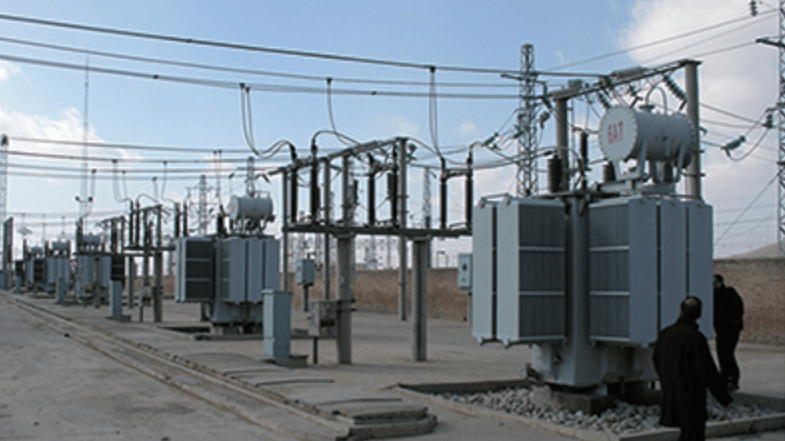
Extended storage changes the normal installation process because a power transformer may have been exposed to moisture, temperature cycling, contamination, corrosion, oil aging, and accessory deterioration for months or even longer. Simply moving the transformer from its storage area to the foundation and connecting cables is therefore not enough. If storage-related problems are not identified before installation, the project may face unexpected oil processing, failed insulation tests, damaged bushings, tap-changer problems, or commissioning delays. After extended storage, buyers should prepare a power transformer through a structured reinspection, preservation-system review, insulating-fluid assessment, accessory verification, mechanical inspection, electrical testing, cleaning, installation planning, and final commissioning check, using the manufacturer's instructions and applicable project standards as the primary references.
A power transformer that has passed factory tests does not require additional inspection after extended storage.False
Extended storage can introduce moisture, contamination, corrosion, leakage, accessory deterioration, and other changes. Pre-installation inspection and appropriate testing are necessary to confirm that the transformer remains suitable for commissioning.
What Is the First Step After Extended Storage?
The first step should be a documented condition assessment before installation work begins.
Buyers should review:
- Factory test records
- Shipping records
- Storage records
- Periodic inspection reports
- Oil or insulating-fluid test results
- Preservation-system records
- Weather events
- Repairs performed during storage
- Accessory inventories
- Manufacturer storage instructions
This documentation provides the baseline for deciding what additional preparation and testing are required.
If the transformer has been stored significantly longer than originally planned, the manufacturer should be consulted before installation.
What Should Be Checked on the Transformer Tank?
Perform a complete external inspection.
Look for:
- Oil leakage
- Corrosion
- Damaged paint
- Scratches
- Deformation
- Loose fittings
- Damaged valves
- Damaged gauges
- Water accumulation
Particular attention should be given to flange connections, covers, valves, radiators, conservator connections, and other sealing interfaces.
Any abnormality should be documented and corrected before the transformer is moved into final installation.
How Should Transformer Oil Be Evaluated?
For oil-filled transformers, insulating-fluid condition is one of the most important pre-installation considerations.
After extended storage, buyers may need to evaluate:
- Oil level
- Moisture
- Dielectric breakdown strength
- Acidity
- Interfacial tension
- Dissolved gas condition where applicable
- Visual appearance
The actual testing program should depend on:
- Storage duration
- Oil type
- Storage conditions
- Manufacturer recommendations
- Previous test results
The objective is to confirm that the oil remains suitable for transformer insulation and cooling.
Does Extended Storage Always Require Oil Replacement?
No.
Replacing transformer oil simply because the transformer has been stored for a long period is not automatically necessary.
If the oil remains within the applicable quality requirements, unnecessary replacement may add cost and introduce additional handling risks.
A better approach is:
Inspect → sample → test → evaluate → treat or replace only when justified.
Oil processing may be required if moisture or contamination is identified.
How Important Is Moisture Removal?
Moisture is a major concern after extended storage because cellulose insulation can absorb water.
Before installation, buyers should evaluate moisture condition using appropriate methods.
Depending on the transformer design and project requirements, this may involve:
- Oil moisture testing
- Insulation resistance testing
- Power factor/tan-delta assessment
- Other manufacturer-approved diagnostic methods
If moisture levels are excessive, drying or oil-processing procedures may be necessary.
The transformer should not be energized simply to determine whether moisture is present.
How Should the Breather and Conservator Be Checked?
For transformers with conservator systems, inspect:
- Conservator tank
- Oil level
- Breather
- Silica gel
- Breather connections
- Seals
- Oil-seal arrangement where applicable
If silica gel has become saturated during storage, it should be replaced or regenerated according to the manufacturer's instructions.
The breathing system should be correctly configured before commissioning.
What About Nitrogen-Preserved Transformers?
If the transformer has been maintained under nitrogen or another controlled gas system, check:
- Gas pressure
- Pressure gauge
- Sealing
- Connections
- Leakage
- Preservation history
The manufacturer's specified pressure range should be restored before installation if necessary.
Do not simply vent or refill the gas system without following the approved procedure.
How Should Bushings Be Prepared?
Bushings should receive a detailed inspection before installation.
Check for:
- Cracks
- Chips
- Scratches
- Contamination
- Moisture exposure
- Damaged terminals
- Damaged flanges
- Seal deterioration
If bushings were stored separately, verify their identification against the transformer documentation.
Before energization, applicable bushing electrical tests should be completed according to the manufacturer's requirements and project specification.
How Should Radiators Be Prepared?
Inspect radiators for:
- Corrosion
- Leakage
- Damaged connections
- Contamination
- Open or damaged caps
If they were stored separately, verify that internal surfaces have remained clean and dry.
Before filling or connecting them to the transformer, confirm that all temporary protective devices are removed according to the installation procedure.
How Should Cooling Equipment Be Prepared?
Fans and oil pumps should be checked for:
- Mechanical damage
- Corrosion
- Electrical damage
- Wiring condition
- Motor insulation
- Bearing condition where applicable
After installation, verify correct operation and rotation.
Cooling systems should not be considered ready merely because the motors were functional at the factory.
What Should Be Checked on the OLTC?
For transformers equipped with an on-load tap changer, extended storage requires careful inspection.
Check:
- Tap-changer fluid condition
- Oil level where applicable
- Drive mechanism
- Position indicator
- Control wiring
- Motor-drive mechanism
- Seals
- Heater system
- Control cabinet
The OLTC should be operated and functionally tested according to the manufacturer's procedure before commissioning.
What Electrical Tests Should Be Performed?
The exact testing program depends on the transformer design, storage duration, applicable standards, and manufacturer requirements.
Common pre-installation or pre-commissioning checks can include:
| Test / Inspection | Primary Purpose |
|---|---|
| Insulation resistance | Assess insulation condition |
| Winding resistance | Verify winding and connections |
| Turns ratio | Confirm winding ratio |
| Vector group verification | Confirm phase relationship |
| Oil tests | Assess insulating-fluid condition |
| Bushing tests | Check bushing insulation |
| Power factor/tan-delta | Assess insulation system |
| Functional tests | Verify accessories and controls |
| Protection tests | Verify monitoring/protection circuits |
Testing should be performed by qualified personnel with calibrated equipment.
Should Factory Acceptance Tests Be Repeated?
Usually, the objective is not to repeat every factory test automatically.
Instead, the commissioning team should identify tests appropriate to the storage duration and risk.
For example, if the transformer remained in controlled preservation for a relatively short period with excellent inspection records, a targeted verification program may be sufficient.
If the transformer experienced:
- Very long storage
- Flooding
- Moisture ingress
- Oil leakage
- Severe weather
- Corrosion
- Damaged accessories
a more extensive test program may be appropriate.
How Should the Transformer Be Cleaned?
Before installation, remove:
- Dust
- Dirt
- Salt deposits
- Construction contamination
- Bird or insect contamination
- Temporary protective materials
Cleaning methods should be compatible with:
- Paint coatings
- Porcelain
- Composite insulation
- Seals
- Labels
- Electrical equipment
High-voltage insulation surfaces should be especially clean before energization.
How Should Temporary Shipping Protection Be Removed?
Transformers often arrive with temporary components intended only for transportation or storage.
These may include:
- Shipping brackets
- Temporary covers
- Protective caps
- Transport restraints
- Temporary pressure devices
- Packaging
Removal should follow the manufacturer's installation instructions.
No temporary component should be removed simply because it "looks unnecessary."
How Should Accessories Be Verified?
Before assembly, compare the physical components against the packing list and transformer documentation.
Confirm:
- Correct bushings
- Correct radiators
- Correct conservator
- Correct OLTC accessories
- Correct cooling fans
- Correct pumps
- Correct control cabinet
- Correct monitoring devices
- Correct gaskets
- Correct hardware
This is particularly important when several transformers are being installed on the same project.
What Should Buyers Check on Gaskets and Seals?
Extended storage can affect sealing components.
Inspect gaskets for:
- Cracking
- Hardening
- Deformation
- Contamination
- Incorrect material
- Incorrect dimensions
Do not automatically reuse a gasket that has been compressed for an extended period if the manufacturer specifies replacement.
Good sealing is essential for preventing:
- Oil leakage
- Moisture ingress
- Air entry
How Should the Installation Foundation Be Prepared?
The transformer should not be installed until the foundation has been verified.
Check:
- Dimensions
- Level
- Strength
- Anchor locations
- Rail alignment where applicable
- Drainage
- Cable trenches
- Earthing connections
- Equipment clearance
The foundation should correspond to the actual transformer drawings rather than assumptions based on a similar unit.
How Should Transportation From Storage to the Foundation Be Planned?
Moving a large transformer after extended storage requires careful planning.
The team should verify:
- Transformer weight
- Center of gravity
- Lifting points
- Jacking points
- Trailer requirements
- Crane capacity
- Route conditions
- Ground bearing capacity
- Overhead clearance
Any movement should follow the manufacturer's handling limitations.
How Should Buyers Manage Oil Processing During Installation?
If oil processing is required, the work area should be clean and protected from moisture.
The process may involve:
- Filtration
- Vacuum treatment
- Degassing
- Moisture removal
- Oil sampling
The exact procedure depends on transformer design and oil type.
Oil should not be exposed unnecessarily to humid ambient air.
What Documentation Should Be Required Before Energization?
A useful installation dossier should contain:
- Factory test report
- Shipping inspection report
- Storage inspection records
- Oil test results
- Installation records
- Electrical test results
- Accessory verification
- Bushing test results
- OLTC test results
- Cooling-system test results
- Protection-system test results
- Corrective-action records
This documentation establishes the transformer's condition and provides a useful reference for future maintenance.
What Is a Practical Post-Storage Preparation Sequence?
A practical sequence is:
1. Review storage history
Determine how long and under what conditions the transformer was stored.
2. Perform external inspection
Check the tank, coating, fittings, valves, radiators, and accessories.
3. Verify preservation condition
Check oil level, breather, nitrogen pressure, seals, and other systems.
4. Evaluate insulating fluid
Perform appropriate oil testing and processing where required.
5. Inspect accessories
Verify bushings, cooling equipment, OLTC components, control cabinets, and hardware.
6. Prepare the foundation
Confirm dimensions, level, drainage, earthing, and cable arrangements.
7. Transport and position the transformer
Use approved lifting and handling procedures.
8. Assemble accessories
Install bushings, radiators, conservator, cooling systems, tap changer components, and other equipment.
9. Perform electrical and functional tests
Confirm insulation, windings, ratio, protection, monitoring, and auxiliary systems.
10. Complete commissioning review
Resolve all abnormalities before energization.
What Are the Most Common Post-Storage Mistakes?
Several avoidable mistakes occur when buyers rush installation after long storage:
- Assuming factory tests are still sufficient
- Ignoring storage inspection records
- Failing to test transformer oil
- Opening sealed systems unnecessarily
- Installing damaged bushings
- Reusing deteriorated gaskets
- Mixing accessories between transformers
- Skipping insulation tests
- Ignoring corrosion
- Energizing before protection systems are tested
The common theme is treating storage as if it had no effect on transformer condition.
Conclusion
Proper pre-installation storage is essential for preserving the condition and reliability of power transformers. Transformers should be protected from moisture, contamination, corrosion, flooding, and mechanical damage while their preservation systems and critical components are monitored according to the manufacturer's requirements. Extended storage requires particular attention to sealing, oil or gas pressure, accessories, and periodic inspections. By preparing an appropriate storage environment and maintaining accurate inspection records, buyers can minimize deterioration and ensure that the transformer is in suitable condition when installation and commissioning begin.
FAQ
Q1: How should power transformers be stored before installation?
Power transformers should be stored in a clean, secure, dry, and properly prepared location that protects them from moisture, contamination, mechanical damage, and unauthorized access. The exact storage procedure depends on the transformer type, size, manufacturer instructions, and whether the transformer is shipped filled with insulating liquid or in another condition.
Before the transformer arrives, the storage area should be prepared to provide:
A stable and level foundation
Adequate drainage
Protection from flooding
Sufficient space for inspection
Suitable lifting and handling access
Protection from construction activities
Security against unauthorized access
For large power transformers, the unit should normally remain in its approved shipping or storage configuration until installation. Accessories that are shipped separately should be stored according to the manufacturer's instructions and protected from moisture and contamination.
The transformer should be inspected when received. Buyers should check the tank, bushings, radiators, valves, gauges, conservator equipment, packaging, and other visible components for transportation damage.
For oil-immersed transformers, maintaining the correct internal pressure and fluid condition is particularly important. The transformer should not be opened unnecessarily because exposure to atmospheric moisture can affect the insulation system.
If the transformer is shipped with a dry-gas or nitrogen preservation system, pressure should be monitored according to the manufacturer's specified limits. A loss of pressure can indicate a leak and should be investigated promptly.
Storage inspections should be documented. Depending on the expected storage period, inspection records may include:
Date and time
Ambient conditions
Oil or fluid condition
Internal gas pressure where applicable
Oil level
Visible leakage
Desiccant condition
Bushing condition
Heater operation where applicable
Battery or auxiliary-system condition
The most important principle is to preserve the condition established by the manufacturer during shipment and prevent moisture or contamination from entering the transformer before commissioning.
Q2: How should oil-immersed power transformers be stored before installation?
Oil-immersed power transformers require particular attention to insulating-fluid condition, moisture protection, sealing, and internal pressure during storage.
The transformer should generally remain sealed unless the manufacturer's instructions require otherwise. Opening inspection covers, valves, or other access points can allow humid air to enter the tank and introduce moisture into the insulation system.
If the transformer is shipped filled with insulating liquid, the oil level and condition should be monitored according to the manufacturer's storage instructions.
If it is shipped with a nitrogen or dry-gas blanket, the internal pressure should be checked periodically. A declining pressure may indicate a leak or another problem that requires investigation.
Where a conservator and breather system are installed, the condition of the breather and desiccant should also be monitored. Saturated desiccant can allow moisture to enter the transformer if it is not replaced or regenerated according to the manufacturer's instructions.
The storage area should protect the transformer from:
Rain
Flooding
Snow or standing water
Excessive dust
Corrosive chemicals
Construction debris
Unauthorized access
Bushings require special care because porcelain or composite surfaces can be damaged by impact and contamination. Separate accessories should remain protected in their original packaging whenever practical.
For extended storage, buyers should establish a documented inspection schedule with the transformer manufacturer.
Potential checks include:
Tank leakage
Oil level
Oil temperature
Gas pressure
Breather condition
Desiccant condition
Bushing condition
Corrosion
Auxiliary equipment
Storage-area conditions
If storage lasts substantially longer than originally planned, the transformer may require additional inspection or testing before installation.
The specific procedures should always follow the manufacturer's storage manual because transformer preservation systems differ between designs.
Q3: How can moisture damage a power transformer during storage?
Moisture is one of the most important risks during transformer storage because it can affect insulation performance and contribute to long-term deterioration.
For oil-immersed transformers, solid insulation commonly includes cellulose-based materials such as paper and pressboard. These materials can absorb moisture from the surrounding environment.
Moisture can reduce the dielectric strength of the insulation system and contribute to accelerated aging. It can also affect insulating-fluid properties and increase the risk of electrical problems during later operation.
The risk becomes greater when a transformer is opened or improperly sealed during storage.
Common ways moisture can enter include:
Opening the tank unnecessarily
Damaged seals
Leaking valves or fittings
Loss of dry-gas pressure
Poorly maintained breathers
Improper oil handling
Condensation caused by temperature changes
This is why storage procedures should focus heavily on maintaining the transformer's intended preservation system.
A transformer stored outdoors should also be positioned so that rainwater cannot accumulate around vulnerable components. Drainage is especially important for large transformers because standing water can contribute to corrosion and make inspection more difficult.
Moisture protection also applies to separately shipped accessories. Bushings, control cabinets, cables, monitoring equipment, and other components should be stored in suitable packaging and protected from humidity.
Before commissioning, the transformer may require testing to verify insulation condition. Depending on the design and applicable requirements, this can include insulation resistance, dielectric tests, oil testing, or other diagnostic measurements.
The key principle is simple:
Prevent moisture from entering the transformer rather than trying to correct moisture problems after prolonged storage.
This is particularly important when the transformer has already undergone factory drying and sealing. Allowing moisture to enter during storage can undermine the protection achieved during manufacturing.
Q4: How often should power transformers be inspected while in storage?
There is no single inspection interval that applies to every power transformer because storage requirements depend on the transformer design, preservation method, climate, storage duration, and manufacturer's instructions.
However, transformers in storage should be subject to a documented periodic inspection program rather than being left unattended until installation.
For an oil-immersed transformer, routine storage checks can include:
External condition
Oil level
Oil leakage
Tank pressure
Nitrogen or dry-gas pressure
Breather condition
Desiccant condition
Bushing condition
Corrosion
Temperature
Auxiliary equipment
Packaging and protective covers
The frequency should be established according to the manufacturer's storage instructions.
For short-term storage, the inspection program may be relatively simple. For long-term storage, more detailed monitoring may be necessary.
The inspection frequency may also need to increase in challenging environments, such as:
High humidity
Coastal areas
Areas with heavy rainfall
Dusty industrial environments
Locations with large temperature fluctuations
A storage log should be maintained so that changes can be identified over time.
For example, recording gas pressure at each inspection makes it easier to identify a gradual pressure decline that could indicate a leak.
The same principle applies to oil level. A small change may be normal under temperature variation, while a persistent decline could indicate leakage.
If abnormal conditions are found, the transformer manufacturer or qualified transformer specialist should be consulted before corrective work is performed.
When storage extends significantly beyond the planned period, buyers should also confirm whether additional pre-commissioning testing is required.
The goal of storage inspection is not merely to document the transformer's condition. It is to identify problems before they develop into installation or commissioning failures.
References
IEC 60076-1 – Power Transformers: General
https://webstore.iec.ch/en/publication/588
IEC 60076-3 – Power Transformers: Insulation Levels, Dielectric Tests and External Clearances
https://webstore.iec.ch/en/publication/605
IEC 60076-5 – Power Transformers: Ability to Withstand Short Circuit
https://webstore.iec.ch/en/publication/607
IEC 60422 – Mineral Insulating Oils in Electrical Equipment
https://webstore.iec.ch/en/publication/25456
IEEE Standards Association – Transformer Standards
https://standards.ieee.org