
Selecting the right power transformer supplier is a critical decision that directly affects equipment reliability, project schedules, operating costs, and long-term power system performance. A transformer is a decades-long investment, and choosing a manufacturer based only on the lowest quotation can create risks such as poor quality, delayed delivery, insufficient technical support, and higher maintenance expenses. A comprehensive supplier evaluation process helps buyers identify manufacturers with strong engineering capabilities, reliable production systems, proven experience, and the ability to deliver transformers that meet specific application requirements.
Buyers can evaluate power transformer suppliers and manufacturers by reviewing technical capabilities, manufacturing experience, quality certifications, production capacity, testing procedures, financial stability, delivery performance, after-sales service, and customer references. A reliable transformer manufacturer should demonstrate compliance with international standards, advanced design capabilities, strict quality control systems, successful project experience, and strong technical support throughout the transformer's lifecycle.
Because power transformers are highly customized and complex electrical assets, supplier selection requires a combination of technical, commercial, and operational evaluation. A structured assessment process helps organizations reduce procurement risks and build long-term partnerships with trustworthy manufacturers.
How Do You Evaluate Suppliers and Manufacturers of Power Transformers?
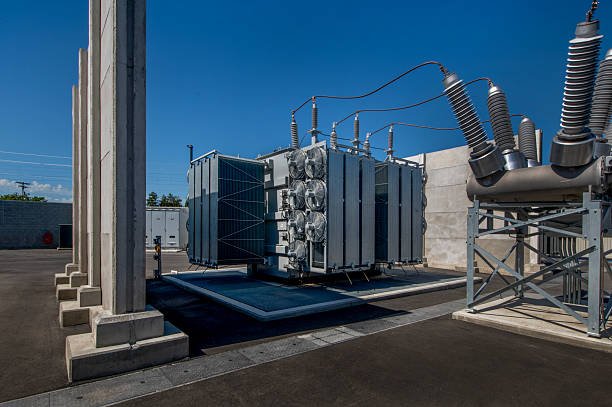
Selecting a reliable power transformer supplier or manufacturer is one of the most important decisions for utilities, industrial companies, renewable energy developers, and commercial power users. A power transformer is a long-term investment that often operates continuously for several decades, meaning supplier quality directly affects system reliability, maintenance costs, operational safety, and total lifecycle value. Choosing a supplier based only on purchase price can create significant risks, including poor transformer performance, delayed delivery, insufficient technical support, and unexpected failures during operation. A professional supplier evaluation process should consider manufacturing capability, technical expertise, quality management, testing procedures, certifications, after-sales service, supply chain stability, and proven project experience.
Buyers can evaluate power transformer suppliers and manufacturers by reviewing their technical capabilities, manufacturing experience, quality certifications, factory testing systems, product performance records, customization ability, delivery reliability, warranty terms, and after-sales support. The best supplier is not necessarily the lowest-cost provider but the manufacturer that offers reliable transformer quality, engineering support, and long-term lifecycle value.
Evaluating a power transformer supplier requires assessment of both product quality and supplier capability because transformer reliability depends on design, manufacturing processes, testing, and service support.True
A transformer manufacturer must provide reliable engineering, production control, testing, and lifecycle support to ensure long-term operation.
Power transformers are complex electrical assets involving magnetic circuits, insulation systems, windings, cooling structures, protection systems, and mechanical designs. A qualified manufacturer must demonstrate expertise across the entire transformer lifecycle, from engineering design and material selection to manufacturing, testing, installation support, and maintenance services. A structured supplier evaluation helps buyers reduce procurement risks and achieve better long-term performance.
Why Is Supplier Evaluation Important When Purchasing Power Transformers?
Power transformers typically have long service lives, high investment costs, and significant system importance.
Supplier selection affects:
| Evaluation Area | Impact |
|---|---|
| Transformer quality | Reliability and failure risk |
| Manufacturing capability | Product consistency |
| Delivery performance | Project schedule |
| Technical support | Installation and operation |
| Warranty support | Long-term risk management |
A poor supplier choice can result in:
| Supplier Risk | Possible Consequence |
|---|---|
| Weak design capability | Performance problems |
| Poor material control | Reduced lifespan |
| Inadequate testing | Hidden defects |
| Limited service support | Difficult troubleshooting |
Power transformer failures can create significant economic losses because transformers are critical components in electrical networks and often require long replacement cycles.True
Transformer downtime can interrupt power supply and increase repair, replacement, and operational costs.
How Should Buyers Evaluate a Power Transformer Manufacturer’s Experience?
A manufacturer’s experience is one of the first factors buyers should review.
Important evaluation points include:
| Experience Factor | Questions to Ask |
|---|---|
| Years in transformer manufacturing | How long has the company produced transformers? |
| Installed transformer base | How many units are operating worldwide? |
| Application experience | Has the supplier served similar industries? |
| Project references | Are successful installations available? |
| Voltage and capacity range | Can the supplier manufacture required specifications? |
A manufacturer with experience in similar projects is more likely to understand:
- Load characteristics
- Grid requirements
- Environmental challenges
- Regulatory requirements
- Installation conditions
How Can Buyers Assess Manufacturing Capability?
A qualified transformer manufacturer should have strong production capabilities.
Key manufacturing areas include:
| Manufacturing Capability | Importance |
|---|---|
| Core assembly | Controls magnetic performance |
| Winding production | Determines electrical reliability |
| Insulation processing | Protects against breakdown |
| Tank fabrication | Ensures mechanical strength |
| Oil processing | Maintains insulation quality |
| Final assembly | Ensures product consistency |
Buyers should evaluate whether the manufacturer controls critical processes internally or relies heavily on external suppliers.
What Factory Facilities Should a Power Transformer Manufacturer Have?
Factory infrastructure directly influences product quality.
Important facilities include:
| Facility | Purpose |
|---|---|
| Winding workshop | Precision coil manufacturing |
| Core production area | Accurate magnetic assembly |
| Drying equipment | Removes moisture from insulation |
| Oil filtration system | Improves dielectric performance |
| Assembly workshop | Final transformer integration |
| Testing laboratory | Performance verification |
A professional transformer factory should maintain clean production environments and controlled manufacturing conditions.
How Important Are Quality Management Systems?
Quality management systems demonstrate whether a manufacturer has consistent production control.
Important certifications include:
| Certification | Purpose |
|---|---|
| ISO 9001 | Quality management |
| ISO 14001 | Environmental management |
| ISO 45001 | Occupational safety |
| IEC compliance | Electrical performance standards |
A strong quality system helps ensure:
- Controlled processes
- Traceable materials
- Documented inspections
- Continuous improvement
International quality certifications help demonstrate that a transformer manufacturer follows structured production and quality control procedures.True
Certification systems provide frameworks for managing manufacturing processes and quality requirements.
How Should Buyers Evaluate Transformer Design Capability?
Transformer design capability is a major supplier evaluation factor.
A capable manufacturer should provide engineering support for:
| Design Area | Evaluation Requirement |
|---|---|
| Electrical design | Voltage, current, losses |
| Thermal design | Cooling and temperature rise |
| Insulation design | Dielectric strength |
| Mechanical design | Short-circuit strength |
| Noise control | Acoustic performance |
Advanced suppliers should use engineering tools for:
- Electromagnetic analysis
- Thermal simulation
- Mechanical stress analysis
- Insulation coordination studies
How Should Buyers Review Transformer Testing Capability?
Testing is essential for verifying transformer performance.
A reliable manufacturer should have complete factory testing capabilities.
Common tests include:
| Test | Purpose |
|---|---|
| Ratio test | Verify voltage transformation |
| Winding resistance test | Check winding integrity |
| No-load loss test | Measure core losses |
| Load loss test | Measure copper losses |
| Insulation resistance test | Evaluate insulation condition |
| Temperature rise test | Confirm thermal performance |
| Partial discharge test | Detect insulation defects |
| Impulse test | Verify surge withstand |
For large transformers, buyers should confirm whether the manufacturer can perform special tests required by the project.
What Certifications and Standards Should Buyers Check?
Power transformer manufacturers should comply with applicable standards.
Common standards include:
| Standard | Application |
|---|---|
| IEC 60076 | Power transformer requirements |
| IEEE standards | North American applications |
| ANSI standards | Utility requirements |
| Regional grid standards | Local compliance |
Buyers should confirm that the supplier can manufacture according to the required standard.
How Can Buyers Evaluate Transformer Material Quality?
Transformer performance depends heavily on material quality.
Important materials include:
| Material | Evaluation Focus |
|---|---|
| Electrical steel | Core loss performance |
| Copper or aluminum | Conductivity and strength |
| Insulation paper | Thermal aging resistance |
| Transformer oil | Dielectric properties |
| Sealing materials | Long-term protection |
A qualified supplier should provide:
- Material certificates
- Supplier qualification records
- Inspection reports
How Should Delivery Capability Be Evaluated?
Transformer projects often have strict installation schedules.
Important delivery factors include:
| Delivery Factor | Evaluation |
|---|---|
| Production capacity | Can deadlines be achieved? |
| Manufacturing lead time | Is schedule realistic? |
| Supply chain stability | Are materials available? |
| Transportation experience | Can large equipment be delivered safely? |
Buyers should avoid suppliers that provide unrealistic delivery promises.
How Important Is Customization Capability?
Many transformer applications require customized designs.
Customization may involve:
| Requirement | Example |
|---|---|
| Voltage ratio | Special grid requirements |
| Capacity | Unique load demand |
| Cooling system | Environmental conditions |
| Protection features | System requirements |
| Dimensions | Installation limitations |
A capable manufacturer should provide engineering solutions rather than only standard products.
How Should Buyers Evaluate Supplier Technical Support?
Technical support is essential throughout the transformer lifecycle.
Important services include:
| Service | Importance |
|---|---|
| Specification review | Prevents design mistakes |
| Installation guidance | Ensures correct commissioning |
| Operation training | Improves reliability |
| Troubleshooting support | Reduces downtime |
| Maintenance advice | Extends lifespan |
A supplier should act as a technical partner rather than only an equipment vendor.
How Should Warranty Terms Be Evaluated?
Warranty conditions reveal supplier confidence and risk responsibility.
Buyers should review:
| Warranty Item | Evaluation Question |
|---|---|
| Warranty period | How long is coverage provided? |
| Covered failures | What defects are included? |
| Response time | How quickly are claims handled? |
| Replacement policy | What support is available? |
| Service responsibility | Who provides technical assistance? |
Clear warranty terms reduce future risks.
How Can Buyers Compare Different Transformer Suppliers?
A supplier comparison matrix can improve decision-making.
| Evaluation Category | Weight Example |
|---|---|
| Technical capability | 25% |
| Product quality | 25% |
| Manufacturing capacity | 15% |
| Delivery reliability | 10% |
| Price competitiveness | 10% |
| Service support | 15% |
The exact weighting depends on project requirements.
Why Should Buyers Visit the Transformer Factory?
A factory audit provides direct insight into supplier capability.
During a factory visit, buyers should inspect:
| Inspection Area | Purpose |
|---|---|
| Production lines | Verify manufacturing capability |
| Testing equipment | Confirm quality verification |
| Material storage | Check inventory control |
| Quality department | Review inspection processes |
| Previous projects | Understand experience |
A factory audit is especially important for large MVA transformers.
What Are Warning Signs of an Unreliable Transformer Supplier?
Buyers should be cautious if suppliers show:
| Warning Sign | Risk |
|---|---|
| Extremely low prices | Possible quality compromise |
| No project references | Limited experience |
| Missing test reports | Quality uncertainty |
| Poor technical communication | Engineering risk |
| Unrealistic delivery promises | Schedule problems |
| Lack of certifications | Compliance risk |
The lowest price does not always represent the lowest total cost.
How Can Buyers Reduce Supplier Selection Risks?
A professional procurement process should include:
| Step | Action |
|---|---|
| 1 | Define technical requirements |
| 2 | Identify qualified manufacturers |
| 3 | Review certifications and references |
| 4 | Evaluate factory capability |
| 5 | Compare technical proposals |
| 6 | Audit quality systems |
| 7 | Review warranty and service terms |
| 8 | Select supplier based on total value |
This approach reduces procurement uncertainty.
What Technical Capabilities Should Be Reviewed When Selecting Power Transformer Manufacturers?
Selecting a power transformer manufacturer requires more than comparing product prices and delivery schedules. Power transformers are highly engineered electrical assets that operate under demanding conditions for decades, so the manufacturer’s technical capabilities directly influence transformer reliability, efficiency, safety, and lifecycle performance. A supplier with weak engineering resources, limited manufacturing technology, or insufficient testing capability may deliver transformers that experience excessive losses, insulation problems, overheating, mechanical failures, or premature aging. Therefore, buyers should carefully evaluate a manufacturer’s technical capabilities before making a long-term investment decision.
When selecting a power transformer manufacturer, buyers should review technical capabilities including transformer design expertise, electromagnetic and thermal engineering, manufacturing processes, insulation technology, winding quality, material control, testing facilities, customization capability, compliance with international standards, and engineering support. A technically capable manufacturer can provide reliable transformer performance, optimized efficiency, and long-term operational stability.
A power transformer manufacturer's technical capability directly affects transformer reliability because design quality, material selection, manufacturing precision, and testing determine final operating performance.True
Transformers require integrated electrical, mechanical, thermal, and insulation engineering to achieve reliable long-term operation.
Power transformers are complex systems consisting of magnetic cores, windings, insulation structures, cooling systems, tanks, bushings, protection components, and monitoring equipment. A professional manufacturer must have comprehensive technical capabilities covering the complete product lifecycle, from initial engineering design to production, testing, installation support, and after-sales service.
Why Are Technical Capabilities Important When Choosing a Transformer Manufacturer?
A transformer manufacturer’s technical capability determines whether the equipment can meet demanding operating requirements.
Important performance factors include:
| Technical Capability | Influence on Transformer |
|---|---|
| Electrical design | Determines efficiency and voltage performance |
| Thermal design | Controls temperature rise |
| Mechanical design | Improves short-circuit strength |
| Insulation technology | Prevents dielectric failures |
| Manufacturing precision | Ensures product consistency |
| Testing capability | Verifies final quality |
A manufacturer with strong technical capability can better handle:
- High-voltage applications
- Large MVA transformers
- Special environmental conditions
- Renewable energy projects
- Customized electrical requirements
How Should Buyers Evaluate Transformer Design Capability?
Transformer design capability is one of the most important technical evaluation criteria.
A qualified manufacturer should have expertise in:
| Design Area | Evaluation Focus |
|---|---|
| Electrical design | Voltage ratio, losses, impedance |
| Magnetic design | Core structure and flux control |
| Thermal design | Cooling and temperature management |
| Insulation design | Dielectric strength |
| Mechanical design | Structural reliability |
The design process should consider:
- Rated voltage
- Rated capacity
- Frequency
- Load characteristics
- Short-circuit conditions
- Installation environment
Advanced manufacturers use engineering simulation tools to optimize transformer performance before production.
What Electrical Engineering Capabilities Should Manufacturers Have?
Electrical design determines the transformer’s fundamental operating characteristics.
Important electrical capabilities include:
| Capability | Purpose |
|---|---|
| Load loss calculation | Controls efficiency |
| No-load loss analysis | Optimizes core performance |
| Short-circuit impedance design | Supports system protection |
| Voltage regulation analysis | Maintains stable output |
| Harmonic evaluation | Supports special loads |
A strong engineering team should be able to design transformers for:
- Utility grids
- Industrial facilities
- Solar plants
- Wind farms
- Data centers
Transformer electrical design must consider losses, impedance, voltage regulation, and loading conditions to achieve reliable operation.True
Electrical parameters directly affect transformer efficiency, system stability, and operating temperature.
How Important Is Electromagnetic Design Capability?
Electromagnetic design determines how efficiently the transformer converts electrical energy.
Key areas include:
| Electromagnetic Factor | Importance |
|---|---|
| Core material selection | Reduces magnetic losses |
| Flux density optimization | Prevents overheating |
| Leakage flux control | Reduces stray losses |
| Winding arrangement | Improves voltage performance |
Manufacturers should understand:
- Magnetic field distribution
- Core joint design
- Flux optimization
- Eddy current reduction
Poor electromagnetic design can increase energy losses and operating temperatures.
What Thermal Design Capabilities Should Be Reviewed?
Transformer thermal performance determines continuous loading capability.
Manufacturers should evaluate:
| Thermal Capability | Purpose |
|---|---|
| Heat generation analysis | Calculates losses |
| Oil circulation design | Improves cooling |
| Radiator sizing | Removes heat |
| Temperature rise calculation | Ensures safe operation |
Cooling methods may include:
| Cooling Type | Technical Requirement |
|---|---|
| ONAN | Natural oil circulation design |
| ONAF | Fan and radiator optimization |
| OFAF | Forced oil circulation engineering |
| OFWF | Oil-water heat exchanger design |
A manufacturer with strong thermal engineering can optimize transformer ratings and overload capability.
How Should Winding Manufacturing Capability Be Evaluated?
Windings are among the most critical transformer components.
Buyers should review:
| Winding Capability | Importance |
|---|---|
| Conductor processing | Electrical performance |
| Winding accuracy | Reduces losses |
| Mechanical strength | Withstands faults |
| Insulation control | Prevents breakdown |
Important manufacturing technologies include:
- Disc winding
- Layer winding
- Helical winding
- Continuous disc winding
The manufacturer should demonstrate precise winding equipment and quality inspection procedures.
What Insulation Technology Should Manufacturers Provide?
Insulation systems determine transformer service life.
Important insulation components include:
| Component | Function |
|---|---|
| Transformer oil | Liquid insulation and cooling |
| Kraft paper | Winding insulation |
| Pressboard | Mechanical insulation support |
| Bushings | External insulation connection |
Manufacturers should have capabilities in:
- Moisture control
- Insulation drying
- Oil treatment
- Dielectric testing
Moisture control in transformer insulation systems is essential because water contamination can significantly reduce dielectric strength and accelerate aging.True
Transformer insulation performance depends strongly on maintaining dry oil and solid insulation materials.
How Should Core Manufacturing Capability Be Reviewed?
The transformer core affects energy efficiency and reliability.
Important core technologies include:
| Core Capability | Evaluation |
|---|---|
| Electrical steel selection | Core loss performance |
| Cutting accuracy | Reduces losses |
| Stacking technology | Controls magnetic performance |
| Clamping structure | Improves mechanical stability |
Manufacturers should demonstrate:
- Precision cutting equipment
- Controlled assembly processes
- Core loss testing capability
How Important Is Material Control Capability?
Material quality directly affects transformer lifespan.
Key materials include:
| Material | Technical Evaluation |
|---|---|
| Silicon steel | Magnetic performance |
| Copper/aluminum | Conductivity |
| Insulation paper | Thermal aging resistance |
| Transformer oil | Dielectric properties |
| Sealing materials | Oil containment |
A reliable manufacturer should provide:
- Material certificates
- Supplier qualification records
- Incoming inspection procedures
- Traceability systems
What Manufacturing Technology Should Buyers Review?
A manufacturer should have advanced production capabilities.
Important processes include:
| Manufacturing Process | Technical Requirement |
|---|---|
| Core assembly | Precision control |
| Winding production | High accuracy |
| Vacuum drying | Moisture removal |
| Tank fabrication | Mechanical strength |
| Oil filling | Cleanliness control |
| Final assembly | Process consistency |
Manufacturing quality directly affects transformer reliability.
How Should Factory Testing Capability Be Evaluated?
Testing capability is essential for confirming transformer performance.
A qualified manufacturer should perform routine and special tests.
| Test | Purpose |
|---|---|
| Transformer ratio test | Verify voltage ratio |
| Winding resistance test | Check winding condition |
| No-load loss test | Measure core losses |
| Load loss test | Measure copper losses |
| Impedance test | Confirm system characteristics |
| Temperature rise test | Validate cooling performance |
| Partial discharge test | Detect insulation defects |
| Lightning impulse test | Verify surge withstand |
Large transformers may require additional tests according to project specifications.
What Simulation and Engineering Software Capabilities Should Be Considered?
Advanced manufacturers use digital engineering tools.
Examples include:
| Simulation Type | Purpose |
|---|---|
| Electromagnetic simulation | Optimize magnetic design |
| Thermal simulation | Improve cooling |
| Mechanical analysis | Evaluate stress |
| Electrical simulation | Verify system performance |
Simulation reduces design risks before manufacturing.
How Does Customization Capability Affect Manufacturer Selection?
Many transformer projects require customized solutions.
A capable manufacturer should support:
| Custom Requirement | Example |
|---|---|
| Special voltage ratio | Unique grid conditions |
| Non-standard capacity | Specific load requirements |
| Special cooling | Harsh environments |
| Compact dimensions | Limited installation space |
| Low-noise design | Urban applications |
Customization capability demonstrates engineering flexibility.
How Should Compliance With Standards Be Evaluated?
International standards ensure consistent transformer quality.
Common standards include:
| Standard | Application |
|---|---|
| IEC 60076 | Power transformer requirements |
| IEEE C57 | Transformer standards |
| ANSI standards | North American systems |
| Regional grid standards | Local requirements |
Manufacturers should understand and apply the required standards for each market.
What Quality Control Capabilities Should Be Reviewed?
Quality control systems ensure consistent production.
Important areas include:
| Quality Process | Purpose |
|---|---|
| Incoming inspection | Material verification |
| Process inspection | Manufacturing control |
| Final inspection | Product verification |
| Documentation control | Traceability |
A strong quality system reduces production risks.
How Should After-Sales Technical Support Be Evaluated?
Technical capability should continue after delivery.
Important services include:
| Service | Value |
|---|---|
| Installation support | Correct commissioning |
| Field testing | Performance verification |
| Troubleshooting | Reduced downtime |
| Maintenance guidance | Extended lifespan |
| Technical consultation | Improved operation |
A reliable manufacturer should provide lifecycle technical support.
What Are Warning Signs of Limited Technical Capability?
Buyers should be cautious if manufacturers show:
| Warning Sign | Potential Risk |
|---|---|
| Limited technical documentation | Poor engineering transparency |
| No test facility | Quality uncertainty |
| Lack of references | Limited experience |
| Unable to customize designs | Weak engineering capability |
| Poor response to technical questions | Insufficient expertise |
Technical evaluation helps avoid these risks.
How Can Buyers Create a Technical Evaluation Checklist?
A practical checklist includes:
| Evaluation Category | Key Questions |
|---|---|
| Design capability | Can the manufacturer handle required specifications? |
| Manufacturing | Are production processes controlled? |
| Testing | Are complete tests available? |
| Materials | Are suppliers and materials qualified? |
| Standards | Does the company meet required certifications? |
| Service | Is technical support available? |
This approach allows objective comparison between manufacturers.
How Can Buyers Assess the Quality Control Systems of Power Transformer Suppliers?
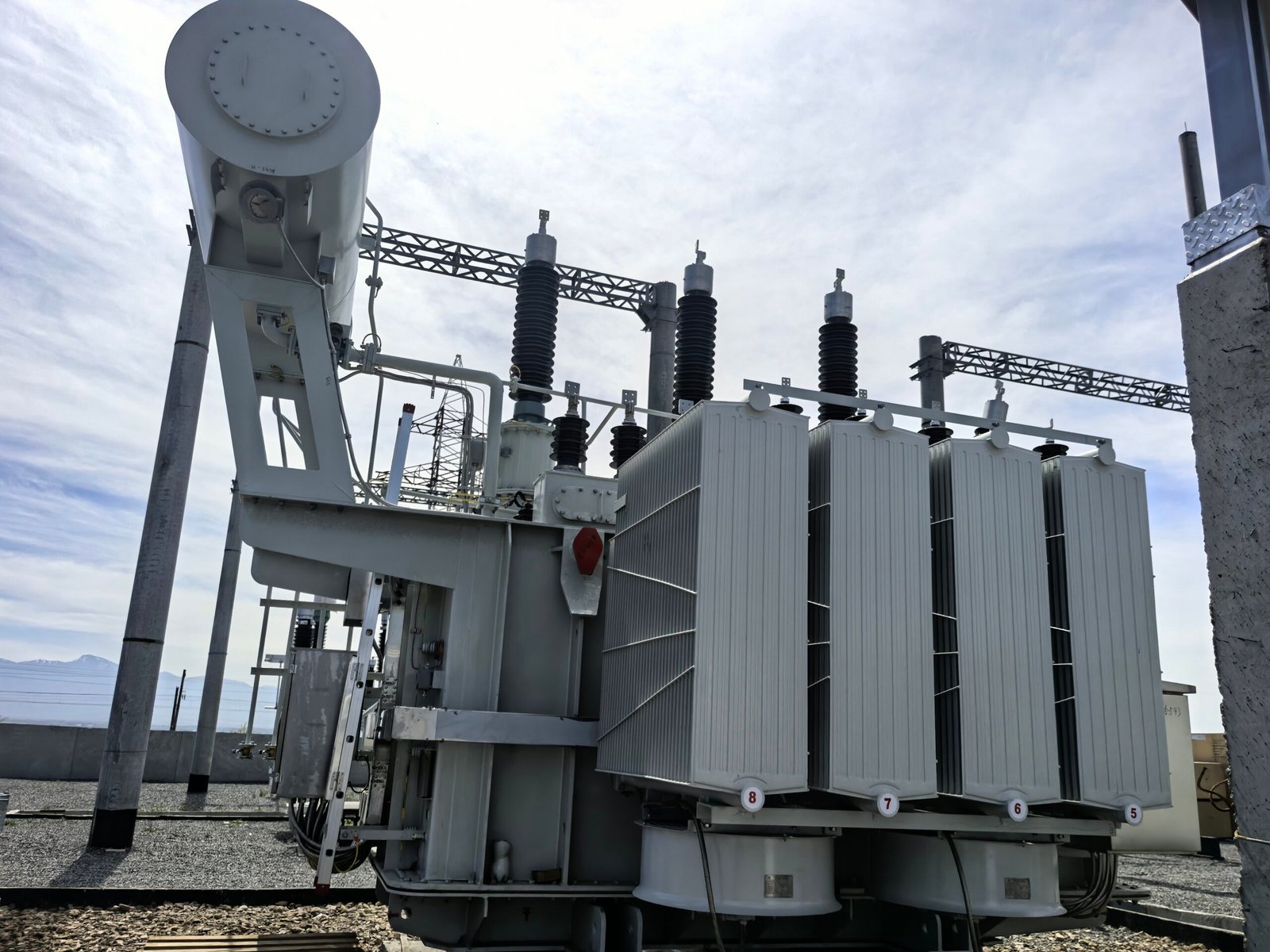
Selecting a power transformer supplier requires careful evaluation of quality control systems because transformer failures can lead to major operational interruptions, safety risks, and high replacement costs. A power transformer is expected to operate reliably for decades, and its performance depends heavily on how well the supplier controls materials, manufacturing processes, inspections, testing, and documentation. Buyers who focus only on transformer price may overlook important quality risks, such as inconsistent production processes, inadequate testing, poor insulation treatment, or insufficient traceability. A professional assessment of a supplier’s quality control system helps ensure that the delivered transformer meets technical specifications, international standards, and long-term reliability expectations.
Buyers can assess the quality control systems of power transformer suppliers by reviewing certifications, factory inspection procedures, material control methods, manufacturing process controls, testing capabilities, quality documentation, defect management systems, and continuous improvement practices. A reliable supplier should demonstrate a complete quality management system that controls every stage from raw material purchasing to final transformer delivery and after-sales support.
A power transformer supplier's quality control system directly influences transformer reliability because defects in materials, manufacturing, or testing can reduce operating life and increase failure risks.True
Transformers require strict quality control throughout design, production, testing, and delivery to ensure dependable long-term operation.
Power transformers are complex electrical products containing high-value materials and precision-engineered components, including magnetic cores, windings, insulation systems, transformer oil, tanks, bushings, and cooling equipment. Any quality issue during manufacturing can affect efficiency, insulation performance, mechanical strength, and service life. Therefore, buyers should evaluate whether a supplier has a systematic quality control approach rather than relying only on final product inspection.
Why Is Quality Control Important When Selecting a Power Transformer Supplier?
A strong quality control system ensures that each transformer consistently meets required performance standards.
Key benefits include:
| Quality Control Benefit | Impact on Transformer Performance |
|---|---|
| Material consistency | Improves reliability |
| Process control | Reduces manufacturing defects |
| Testing accuracy | Detects hidden problems |
| Documentation traceability | Supports maintenance and warranty |
| Continuous improvement | Enhances future product quality |
A weak quality system may result in:
| Quality Problem | Possible Consequence |
|---|---|
| Poor insulation processing | Dielectric failure |
| Incorrect winding assembly | Short-circuit damage |
| Low-quality materials | Reduced lifespan |
| Incomplete testing | Undetected defects |
| Poor documentation | Difficult troubleshooting |
Factory quality control systems help reduce transformer failure risks by identifying manufacturing defects before equipment is delivered to customers.True
Inspection and testing procedures are designed to detect issues before transformers enter service.
How Should Buyers Review Quality Management Certifications?
The first step in evaluating a transformer supplier is reviewing its formal quality management certifications.
Important certifications include:
| Certification | Purpose |
|---|---|
| ISO 9001 | Quality management system |
| ISO 14001 | Environmental management |
| ISO 45001 | Occupational safety management |
| IEC compliance | International transformer standards |
However, buyers should not evaluate suppliers based only on certificates. They should verify whether these systems are actively implemented in daily production.
Questions to ask include:
- How often are internal quality audits performed?
- Are corrective actions documented?
- Are production records maintained?
- Are employees trained in quality procedures?
How Can Buyers Evaluate Incoming Material Quality Control?
Transformer reliability begins with raw material quality.
A professional supplier should control incoming materials through inspection procedures.
Important materials include:
| Material | Quality Control Focus |
|---|---|
| Electrical steel | Magnetic performance and losses |
| Copper conductor | Conductivity and mechanical strength |
| Insulation paper | Thermal and dielectric properties |
| Transformer oil | Breakdown voltage and purity |
| Steel components | Mechanical strength |
Buyers should review whether suppliers perform:
- Material certification checks
- Supplier qualification reviews
- Incoming inspection testing
- Storage condition monitoring
How Should Electrical Steel Quality Be Verified?
The transformer core directly affects energy efficiency.
Quality control should include:
| Core Material Control | Purpose |
|---|---|
| Steel grade verification | Ensures magnetic performance |
| Thickness inspection | Controls eddy current losses |
| Cutting accuracy checks | Reduces core losses |
| Grain orientation verification | Improves efficiency |
Poor-quality electrical steel may increase:
- No-load losses
- Operating temperature
- Energy consumption
How Should Buyers Evaluate Winding Manufacturing Quality Control?
Windings are critical components responsible for electrical performance and mechanical strength.
Quality control should cover:
| Winding Control | Purpose |
|---|---|
| Conductor inspection | Ensures material quality |
| Dimensional checks | Maintains accuracy |
| Tension control | Prevents deformation |
| Insulation checks | Prevents breakdown |
| Assembly inspection | Ensures correct structure |
Important production records include:
- Winding specifications
- Conductor material reports
- Insulation process records
- Inspection results
How Important Is Insulation Quality Control?
Insulation failures are among the most serious transformer problems.
A supplier should control:
| Insulation Process | Quality Requirement |
|---|---|
| Drying process | Remove moisture |
| Paper treatment | Improve insulation strength |
| Oil filtration | Maintain dielectric quality |
| Assembly cleanliness | Prevent contamination |
Moisture and contamination control are essential in transformer manufacturing because insulation performance decreases significantly when insulation materials are not properly processed.True
Dry and clean insulation systems provide better dielectric strength and longer transformer service life.
Buyers should ask suppliers about:
- Vacuum drying methods
- Moisture measurement procedures
- Oil quality testing
- Clean assembly environments
How Should Manufacturing Process Control Be Evaluated?
A reliable supplier should have documented procedures for every manufacturing stage.
Important process controls include:
| Manufacturing Stage | Quality Control Activity |
|---|---|
| Core assembly | Dimensional inspection |
| Winding production | Process monitoring |
| Insulation installation | Visual and electrical inspection |
| Tank manufacturing | Leakage testing |
| Oil filling | Vacuum treatment |
| Final assembly | Complete verification |
Process control prevents defects from passing into later stages.
What Factory Equipment Indicates Strong Quality Control?
Manufacturing equipment reflects a supplier’s technical capability.
Important equipment includes:
| Equipment | Quality Function |
|---|---|
| Automatic winding machines | Improve winding consistency |
| Vacuum drying ovens | Remove insulation moisture |
| Oil purification systems | Improve oil quality |
| Precision cutting machines | Improve core performance |
| Testing equipment | Verify final performance |
A modern factory usually has better process stability and repeatability.
How Should Buyers Evaluate Transformer Testing Systems?
Testing capability is one of the most important quality indicators.
A qualified supplier should perform routine tests according to standards.
Common transformer tests include:
| Test | Purpose |
|---|---|
| Ratio test | Verify voltage transformation |
| Winding resistance test | Confirm winding integrity |
| No-load loss test | Measure core losses |
| Load loss test | Measure efficiency |
| Impedance test | Verify electrical characteristics |
| Insulation resistance test | Check insulation condition |
| Temperature rise test | Confirm cooling performance |
| Partial discharge test | Detect insulation problems |
For large transformers, buyers should also evaluate:
- Lightning impulse testing
- Short-circuit testing capability
- Special project testing
How Should Buyers Review Factory Acceptance Testing Procedures?
Factory acceptance testing (FAT) confirms that the transformer meets project requirements before shipment.
The supplier should provide:
| FAT Document | Purpose |
|---|---|
| Test reports | Confirm performance |
| Inspection records | Verify manufacturing quality |
| Calibration certificates | Confirm measurement accuracy |
| Quality certificates | Provide traceability |
Buyers may participate in FAT inspections for important projects.
How Important Is Quality Documentation and Traceability?
A professional quality system requires complete documentation.
Important records include:
| Document | Purpose |
|---|---|
| Material certificates | Verify components |
| Production records | Track manufacturing |
| Test reports | Confirm performance |
| Inspection reports | Verify quality |
| Serial number records | Support lifecycle management |
Traceability allows faster troubleshooting and warranty evaluation.
How Should Buyers Evaluate Supplier Defect Management?
A strong supplier should have a formal process for handling quality problems.
Important procedures include:
| Quality Management Activity | Purpose |
|---|---|
| Defect identification | Detect problems |
| Root cause analysis | Find failure causes |
| Corrective action | Prevent recurrence |
| Preventive action | Improve processes |
Buyers should ask suppliers:
- How are defects recorded?
- How are corrective actions verified?
- Are lessons incorporated into production improvements?
How Can Buyers Assess Supplier Continuous Improvement Systems?
Quality control should not remain static.
A professional manufacturer should continuously improve:
| Improvement Area | Example |
|---|---|
| Production efficiency | Better process control |
| Testing accuracy | Advanced equipment |
| Material management | Improved supplier selection |
| Design optimization | Reduced losses |
Continuous improvement indicates long-term manufacturing maturity.
How Should Buyers Conduct a Factory Quality Audit?
A factory audit provides direct verification of supplier capabilities.
During an audit, buyers should inspect:
| Audit Area | Evaluation Point |
|---|---|
| Production workshop | Manufacturing conditions |
| Quality department | Inspection procedures |
| Testing laboratory | Equipment capability |
| Material warehouse | Storage management |
| Documentation system | Traceability |
A factory audit is especially important for:
- Large MVA transformers
- Utility projects
- Long-term supply agreements
What Warning Signs Indicate Weak Quality Control?
Buyers should be cautious if suppliers show:
| Warning Sign | Potential Risk |
|---|---|
| Missing quality certificates | Compliance issues |
| Limited test reports | Performance uncertainty |
| Poor documentation | Difficult maintenance |
| No factory audit access | Lack of transparency |
| Excessively low pricing | Possible quality compromise |
| Inconsistent technical responses | Weak engineering control |
How Can Buyers Compare Quality Control Systems Between Suppliers?
A supplier evaluation matrix can help compare manufacturers objectively.
| Evaluation Category | Key Review Points |
|---|---|
| Quality certification | ISO and standards compliance |
| Material control | Inspection and traceability |
| Process control | Manufacturing procedures |
| Testing capability | Laboratory equipment |
| Documentation | Records and reports |
| Improvement system | Corrective actions |
The best supplier should provide strong quality assurance across the entire transformer lifecycle.
Why Are Manufacturing Experience and Project References Important for Power Transformer Suppliers?
Choosing a power transformer supplier is a decision that can influence electrical system reliability for several decades. Unlike standard electrical components, power transformers are highly customized, capital-intensive assets that must operate continuously under electrical, thermal, and mechanical stresses. A supplier’s manufacturing experience and project references provide important evidence of whether the company has the technical knowledge, production capability, and real-world experience required to deliver reliable transformer solutions. Without proven experience, buyers may face risks such as design errors, manufacturing defects, delayed delivery, commissioning problems, and insufficient after-sales support.
Manufacturing experience and project references are important for power transformer suppliers because they demonstrate a manufacturer’s ability to design, produce, test, and support transformers under real operating conditions. Suppliers with extensive experience and successful project records usually have stronger technical expertise, better quality control systems, proven production processes, and a lower risk of delivering unreliable transformer equipment.
A power transformer supplier's manufacturing experience and project references provide evidence of its ability to manage complex transformer design, production, testing, and installation requirements.True
Past manufacturing experience demonstrates practical knowledge of transformer engineering and operational challenges.
Power transformers are long-term infrastructure investments commonly expected to operate for 25 to 40 years or more. A manufacturer that has successfully delivered similar transformers in comparable applications has already gained valuable knowledge about electrical design, insulation coordination, cooling performance, transportation challenges, and field operation. For buyers, reviewing supplier experience is an effective way to reduce procurement risks and improve project success.
Why Does Manufacturing Experience Matter for Power Transformer Suppliers?
Manufacturing experience reflects a supplier’s ability to consistently produce reliable transformers.
Experienced manufacturers typically have:
| Experience Advantage | Customer Benefit |
|---|---|
| Mature production processes | More consistent quality |
| Skilled engineering teams | Better technical solutions |
| Experienced workers | Fewer manufacturing errors |
| Established suppliers | More stable material quality |
| Historical failure knowledge | Better product improvements |
Transformer manufacturing involves many specialized processes, including:
- Core cutting and assembly
- Winding production
- Insulation treatment
- Vacuum drying
- Oil processing
- Tank fabrication
- Electrical testing
Experience helps manufacturers optimize each stage.
How Does Manufacturing Experience Improve Transformer Design Quality?
Transformer design requires integration of electrical, thermal, mechanical, and insulation engineering.
An experienced manufacturer understands how different design choices affect performance.
Important design areas include:
| Design Area | Experience Impact |
|---|---|
| Magnetic circuit design | Reduces losses |
| Winding structure | Improves mechanical strength |
| Insulation coordination | Enhances reliability |
| Cooling design | Controls temperature rise |
| Short-circuit design | Improves fault resistance |
Manufacturers with years of experience have usually developed design databases and engineering methods based on previous projects.
Experienced transformer manufacturers can use historical design knowledge to improve reliability and optimize transformer performance.True
Previous manufacturing experience provides practical data for improving designs and avoiding repeated issues.
Why Are Similar Project References Important?
Project references show whether a supplier has successfully delivered transformers for comparable applications.
A strong reference portfolio demonstrates experience with:
| Reference Factor | Why It Matters |
|---|---|
| Similar voltage level | Confirms electrical capability |
| Similar MVA rating | Confirms production capacity |
| Similar application | Confirms operational understanding |
| Similar environment | Confirms adaptability |
For example, a supplier experienced in manufacturing 110 kV utility transformers is better positioned to supply another 110 kV substation transformer than a manufacturer with only small distribution transformer experience.
What Types of Project References Should Buyers Review?
Buyers should evaluate references based on technical similarity.
Important reference categories include:
| Reference Type | Example |
|---|---|
| Voltage class | 10 kV, 35 kV, 110 kV, 220 kV |
| Capacity range | 5 MVA, 50 MVA, 200 MVA |
| Industry | Utility, industrial, renewable energy |
| Installation environment | Coastal, desert, high altitude |
| Operating duration | Recent and long-term projects |
A supplier’s reference list should demonstrate successful experience with projects similar to the buyer’s requirements.
How Do Project References Demonstrate Manufacturing Capability?
Completed projects provide evidence that a supplier can handle real production requirements.
They demonstrate:
| Capability | Evidence From Projects |
|---|---|
| Engineering ability | Successful transformer designs |
| Production capacity | Completed large orders |
| Quality performance | Long-term operation records |
| Delivery reliability | On-time project completion |
| Technical support | Successful commissioning |
Project references are stronger evidence than marketing claims because they show actual performance.
How Does Experience Reduce Transformer Manufacturing Risks?
Transformer manufacturing involves many potential failure points.
Experienced suppliers are more likely to prevent:
| Potential Issue | Experience Benefit |
|---|---|
| Incorrect material selection | Better supplier management |
| Manufacturing defects | Improved process control |
| Insulation problems | Better drying procedures |
| Cooling issues | Optimized thermal design |
| Testing failures | Mature inspection systems |
Experience allows manufacturers to identify risks before they become costly problems.
Why Is Experience Important for Customized Transformer Projects?
Many power transformer projects require customized solutions.
Customization may involve:
| Requirement | Example |
|---|---|
| Special voltage ratio | Unique grid connection |
| High capacity | Large industrial load |
| Special cooling | Extreme environments |
| Low noise design | Urban installations |
| Compact structure | Limited space |
Experienced manufacturers are more capable of adapting standard designs to meet unique requirements.
How Do Experienced Manufacturers Handle Quality Control Better?
Manufacturing experience often improves quality management.
Experienced suppliers usually have:
| Quality Capability | Advantage |
|---|---|
| Standardized procedures | Consistent production |
| Experienced inspectors | Better defect detection |
| Historical quality data | Continuous improvement |
| Supplier evaluation systems | Better materials |
| Testing experience | More accurate verification |
A mature quality system is usually developed through years of manufacturing practice.
How Should Buyers Verify Supplier Project References?
Buyers should not rely only on supplier-provided reference lists.
Verification methods include:
| Verification Method | Purpose |
|---|---|
| Customer testimonials | Confirm satisfaction |
| Site visits | Observe operating transformers |
| Project documentation | Verify technical details |
| Performance records | Review reliability |
| Third-party confirmation | Increase confidence |
For large transformer purchases, contacting previous customers can provide valuable insights.
What Questions Should Buyers Ask About Previous Projects?
A detailed reference review should include questions such as:
| Question | Purpose |
|---|---|
| What transformer type was supplied? | Confirm product similarity |
| When was it commissioned? | Evaluate experience duration |
| Has it operated reliably? | Assess field performance |
| Were there quality issues? | Understand supplier response |
| Was technical support provided? | Evaluate service capability |
How Does Industry Experience Affect Supplier Selection?
Different industries have different transformer requirements.
| Industry | Important Experience |
|---|---|
| Utilities | Grid standards and reliability |
| Manufacturing | Heavy load operation |
| Renewable energy | Variable power generation |
| Data centers | High availability |
| Mining | Harsh environments |
A supplier with relevant industry experience understands application-specific challenges.
Why Is Long-Term Operating Experience Valuable?
A transformer that has operated successfully for many years provides stronger evidence than a newly delivered product.
Long-term references show:
| Operating Experience | Demonstrates |
|---|---|
| Years in service | Product durability |
| Maintenance history | Reliability |
| Failure record | Quality performance |
| Field conditions | Real-world capability |
Long-term operational data helps buyers make more confident decisions.
How Does Manufacturing Scale Influence Supplier Reliability?
Large and experienced manufacturers usually have stronger production infrastructure.
Important indicators include:
| Scale Factor | Importance |
|---|---|
| Factory size | Production capability |
| Annual output | Manufacturing experience |
| Workforce expertise | Technical capacity |
| Testing resources | Quality assurance |
| Supply chain network | Delivery stability |
However, scale should always be evaluated together with technical quality.
Can New Transformer Manufacturers Be Considered?
New manufacturers are not automatically unsuitable, but buyers should perform additional evaluation.
Important checks include:
| Evaluation Area | Review Requirement |
|---|---|
| Engineering team | Experience of technical personnel |
| Factory capability | Production readiness |
| Testing facilities | Quality verification ability |
| Partner experience | Industry support |
| Prototype performance | Technical validation |
For critical projects, proven references usually provide greater confidence.
What Are Warning Signs Related to Supplier Experience?
Buyers should be cautious when suppliers have:
| Warning Sign | Potential Risk |
|---|---|
| Few transformer references | Limited field experience |
| No similar projects | Application uncertainty |
| Lack of operating records | Unknown reliability |
| Limited manufacturing history | Process risks |
| Unable to provide customer references | Transparency concerns |
A supplier should be able to demonstrate its capabilities with real evidence.
How Should Manufacturing Experience and References Be Weighted During Supplier Evaluation?
A balanced supplier evaluation can include:
| Evaluation Category | Suggested Importance |
|---|---|
| Technical capability | High |
| Manufacturing experience | High |
| Project references | High |
| Quality systems | High |
| Price | Medium |
| Delivery time | Medium |
The goal is selecting the supplier that provides the best overall value rather than the lowest purchase price.
How Do Experience and References Support Lifecycle Value?
A reliable supplier contributes value beyond initial delivery.
Benefits include:
| Lifecycle Benefit | Result |
|---|---|
| Better initial quality | Fewer failures |
| Correct design selection | Improved efficiency |
| Technical support | Faster problem solving |
| Spare parts availability | Easier maintenance |
| Product knowledge | Better operation |
Because transformers operate for decades, supplier experience creates long-term benefits.
How Should Buyers Compare Costs, Lead Times, and After-Sales Support from Power Transformer Manufacturers?
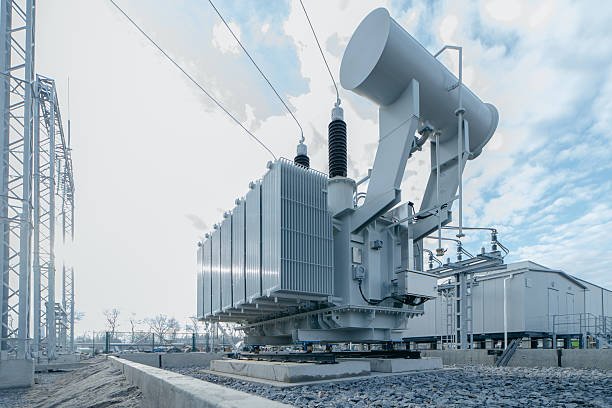
Selecting a power transformer manufacturer requires a balanced evaluation of cost, manufacturing lead time, and after-sales support. Many buyers focus primarily on the initial purchase price, but a transformer is a long-term asset that may operate for 30 years or more. A low-cost supplier may create hidden risks if the transformer has lower efficiency, longer delivery delays, limited technical support, or higher maintenance expenses. On the other hand, a premium supplier may provide better reliability, faster problem resolution, and lower lifecycle costs. Therefore, buyers should compare transformer manufacturers based on total value rather than simply the lowest quotation.
Buyers should compare power transformer manufacturers by evaluating the total cost of ownership, realistic production lead times, technical support capabilities, warranty conditions, spare parts availability, and service response quality. The best supplier provides a balanced combination of competitive pricing, reliable delivery, and strong after-sales support to ensure long-term transformer performance and investment value.
Comparing power transformer manufacturers based only on purchase price can increase long-term risks because operating costs, reliability, and service support also affect total transformer value.True
Transformer lifecycle costs include energy losses, maintenance, downtime, and technical support in addition to the initial purchase price.
Power transformers are customized electrical systems requiring advanced engineering, specialized manufacturing processes, strict testing, and professional installation support. The supplier selection process should therefore consider the complete lifecycle of the transformer, from procurement and delivery to decades of operation and maintenance.
Why Should Buyers Compare More Than Transformer Purchase Price?
The initial transformer price is only one part of the total investment.
A complete cost evaluation should include:
| Cost Category | Description |
|---|---|
| Equipment cost | Transformer purchase price |
| Transportation cost | Shipping and handling |
| Installation cost | Site preparation and commissioning |
| Operating cost | Energy losses during service |
| Maintenance cost | Inspection and repairs |
| Downtime cost | Losses caused by failures |
A supplier offering the lowest price may not provide the lowest overall cost.
For example:
| Supplier Option | Initial Cost | Long-Term Result |
|---|---|---|
| Low price, poor efficiency | Lower | Higher operating losses |
| Medium price, reliable quality | Balanced | Lower lifecycle cost |
| High price, advanced design | Higher | Potential long-term savings |
Lifecycle cost analysis provides a more accurate comparison between transformer suppliers because transformer operation expenses can exceed the initial purchase cost over decades of service.True
Energy losses and maintenance expenses accumulate throughout the transformer operating period.
How Should Buyers Compare Power Transformer Costs?
Transformer costs should be evaluated based on technical specifications and long-term performance.
Important cost comparison factors include:
| Cost Factor | Evaluation Point |
|---|---|
| Rated capacity | kVA/MVA requirement |
| Voltage class | System compatibility |
| Efficiency level | Energy consumption |
| Cooling system | Thermal performance |
| Material quality | Reliability and lifespan |
| Testing requirements | Quality assurance |
A fair comparison requires ensuring that all suppliers are quoting equivalent specifications.
What Hidden Costs Should Buyers Consider?
The lowest quotation may exclude important factors.
Buyers should review:
| Hidden Cost | Potential Impact |
|---|---|
| Additional testing | Increased project expenses |
| Special transportation | Higher logistics costs |
| Installation support | Additional engineering fees |
| Spare parts | Future maintenance expenses |
| Poor efficiency | Higher electricity costs |
A complete commercial evaluation should identify all possible costs before selecting a supplier.
How Does Transformer Efficiency Affect Cost Comparison?
Transformer efficiency has a major influence on long-term operating expenses.
Main losses include:
| Loss Type | Description |
|---|---|
| No-load loss | Continuous core loss |
| Load loss | Increases with operating current |
A transformer operating continuously for many years may consume significant energy through losses.
Buyers should compare:
| Efficiency Factor | Benefit |
|---|---|
| Lower no-load losses | Reduced continuous energy consumption |
| Lower load losses | Improved operating economy |
| Better cooling design | Improved reliability |
A slightly higher purchase price may provide significant savings over the transformer lifecycle.
How Should Buyers Evaluate Power Transformer Lead Times?
Lead time directly affects project schedules and commissioning plans.
Important delivery stages include:
| Manufacturing Stage | Typical Evaluation |
|---|---|
| Engineering design | Specification confirmation |
| Material procurement | Core and winding materials |
| Manufacturing | Assembly and processing |
| Testing | Factory acceptance testing |
| Transportation | Delivery preparation |
Buyers should request a detailed production schedule rather than only a final delivery date.
What Factors Affect Power Transformer Manufacturing Lead Time?
Transformer delivery time depends on several technical and supply chain factors.
| Factor | Lead Time Impact |
|---|---|
| Transformer size | Larger units require more production time |
| Voltage level | Higher voltage requires more engineering |
| Customization | Special designs increase preparation |
| Material availability | Supply delays affect production |
| Testing requirements | Additional tests extend schedule |
Large power transformers may require significantly longer manufacturing periods than standard distribution transformers.
How Can Buyers Compare Supplier Delivery Reliability?
A supplier’s historical delivery performance is an important evaluation factor.
Buyers should review:
| Delivery Evaluation | Questions |
|---|---|
| Previous projects | Were deliveries completed on time? |
| Production capacity | Can deadlines be achieved? |
| Supply chain management | Are materials controlled? |
| Factory workload | Is production capacity available? |
A realistic supplier is usually more valuable than one offering an unrealistic short delivery promise.
Why Is Manufacturing Capacity Important for Lead Time Evaluation?
A manufacturer’s production capability affects schedule reliability.
Important indicators include:
| Capability | Importance |
|---|---|
| Factory size | Production volume |
| Skilled workforce | Manufacturing efficiency |
| Equipment condition | Process reliability |
| Material inventory | Schedule stability |
| Testing facilities | Faster verification |
Suppliers with mature manufacturing systems can better manage complex transformer projects.
How Should Buyers Evaluate After-Sales Support?
After-sales service is essential because transformers operate for decades.
Important support areas include:
| Service Area | Importance |
|---|---|
| Installation support | Correct commissioning |
| Technical consultation | Operational guidance |
| Troubleshooting | Reduced downtime |
| Maintenance advice | Extended lifespan |
| Spare parts supply | Long-term availability |
A supplier’s responsibility should continue after transformer delivery.
What Technical Support Should a Transformer Manufacturer Provide?
Professional suppliers should provide:
| Technical Service | Customer Benefit |
|---|---|
| Design review | Prevents specification errors |
| Installation guidance | Reduces commissioning problems |
| Operation training | Improves equipment usage |
| Failure analysis | Faster problem solving |
| Maintenance recommendations | Longer transformer life |
Strong technical support is especially important for high-voltage and large-capacity transformers.
How Should Warranty Terms Be Compared Between Suppliers?
Warranty conditions indicate supplier responsibility and confidence.
Buyers should compare:
| Warranty Factor | Evaluation |
|---|---|
| Warranty period | Coverage duration |
| Covered failures | Defect responsibility |
| Response time | Service speed |
| Repair process | Problem resolution |
| Replacement policy | Risk protection |
A longer warranty is valuable only if the supplier has strong service capability.
How Important Is Spare Parts Availability?
Long-term transformer operation requires access to replacement components.
Important spare parts include:
| Spare Part | Purpose |
|---|---|
| Bushings | Electrical connection replacement |
| Gaskets | Oil sealing maintenance |
| Cooling fans | Cooling system repair |
| Relays | Protection system maintenance |
| Oil components | Insulation system support |
Buyers should confirm:
- Spare parts availability period
- Replacement procedures
- Technical documentation support
How Should Buyers Evaluate Supplier Service Response Capability?
Fast response can significantly reduce downtime.
Evaluation factors include:
| Service Factor | Question |
|---|---|
| Technical team location | Can support be provided quickly? |
| Communication channels | Is support accessible? |
| Emergency response | How fast are failures handled? |
| Field service ability | Can engineers visit sites? |
For critical power systems, response capability is as important as product quality.
How Can Buyers Compare Suppliers Using a Total Value Approach?
A supplier comparison matrix can help balance different factors.
| Evaluation Category | Suggested Importance |
|---|---|
| Transformer quality | 30% |
| Technical capability | 20% |
| Cost competitiveness | 20% |
| Delivery reliability | 15% |
| After-sales support | 15% |
The exact weighting should match project priorities.
What Questions Should Buyers Ask Power Transformer Manufacturers?
Before selecting a supplier, buyers should ask:
| Question | Purpose |
|---|---|
| What similar projects have been completed? | Verify experience |
| What is the realistic lead time? | Confirm schedule |
| What tests are included? | Verify quality |
| What warranty is provided? | Understand risk |
| What technical support is available? | Evaluate service |
| How are spare parts handled? | Ensure lifecycle support |
What Are Warning Signs During Supplier Comparison?
Buyers should be cautious when suppliers provide:
| Warning Sign | Possible Risk |
|---|---|
| Extremely low prices | Quality compromise |
| Unrealistic delivery promises | Production problems |
| Limited references | Lack of experience |
| Weak technical answers | Engineering limitations |
| Unclear warranty terms | Future risk |
How Can Buyers Build a Better Transformer Procurement Strategy?
A professional procurement strategy should include:
| Step | Action |
|---|---|
| 1 | Define technical requirements |
| 2 | Compare equivalent quotations |
| 3 | Evaluate supplier experience |
| 4 | Review manufacturing capability |
| 5 | Analyze lifecycle cost |
| 6 | Verify delivery schedule |
| 7 | Assess after-sales support |
| 8 | Select supplier based on total value |
What Questions Should Buyers Ask Before Choosing a Power Transformer Supplier?

Choosing the right power transformer supplier requires a detailed evaluation process because transformer performance affects electrical system reliability, operating costs, and long-term asset value. Many buyers focus mainly on price quotations, but a power transformer is a complex engineered product that must operate safely for decades under electrical, thermal, and mechanical stresses. Selecting an unsuitable supplier can lead to quality problems, delayed projects, poor technical support, unexpected maintenance costs, and reduced transformer lifespan. Before making a purchasing decision, buyers should ask detailed questions about the supplier’s technical capabilities, manufacturing experience, quality systems, testing procedures, delivery performance, warranty policies, and after-sales support.
Before choosing a power transformer supplier, buyers should ask questions about the manufacturer’s experience, production capability, design expertise, quality control systems, testing methods, certifications, delivery schedule, customization ability, warranty coverage, spare parts availability, and technical support services. A reliable supplier should provide clear evidence of product quality, engineering capability, and long-term service commitment rather than only offering a competitive price.
A comprehensive supplier evaluation reduces power transformer procurement risks because transformer reliability depends on manufacturer capability throughout design, production, testing, and service stages.True
Power transformers require controlled processes and technical expertise to achieve reliable long-term operation.
Power transformers are high-value electrical assets used in utility networks, industrial facilities, renewable energy projects, commercial buildings, and infrastructure systems. Since these transformers often remain in operation for 25 to 40 years, buyers should evaluate suppliers as long-term technical partners rather than simple equipment vendors. Asking the right questions before purchase helps identify manufacturers that can deliver reliable products and continuous support throughout the transformer lifecycle.
Why Should Buyers Ask Detailed Questions Before Selecting a Transformer Supplier?
A power transformer supplier should be evaluated from multiple perspectives.
Important evaluation areas include:
| Evaluation Area | Why It Matters |
|---|---|
| Technical capability | Determines product performance |
| Manufacturing experience | Reduces production risks |
| Quality control | Ensures consistency |
| Testing capability | Detects potential defects |
| Delivery ability | Protects project schedules |
| Service support | Maintains long-term reliability |
A detailed supplier evaluation helps buyers avoid problems such as:
| Procurement Risk | Possible Impact |
|---|---|
| Low-quality transformer | Reduced lifespan |
| Poor design | Higher losses |
| Weak testing | Hidden defects |
| Delayed delivery | Project delays |
| Limited support | Difficult maintenance |
The lowest-priced transformer supplier may not provide the lowest total cost because reliability, efficiency, maintenance, and downtime also influence lifecycle expenses.True
Transformer ownership costs include both initial purchase price and long-term operating expenses.
What Questions Should Buyers Ask About Supplier Experience?
Supplier experience is one of the first areas buyers should evaluate.
Important questions include:
| Question | Purpose |
|---|---|
| How many years have you manufactured power transformers? | Evaluate industry experience |
| What transformer types have you produced? | Confirm technical scope |
| What voltage and capacity ranges can you manufacture? | Verify capability |
| Which industries have you served? | Check application experience |
| Can you provide similar project references? | Confirm proven performance |
Experienced suppliers usually have better knowledge of:
- Transformer design challenges
- Manufacturing risks
- Grid requirements
- Installation conditions
- Long-term operating problems
What Questions Should Buyers Ask About Previous Projects?
Project references provide evidence of real-world performance.
Buyers should ask:
| Question | Reason |
|---|---|
| Have you supplied transformers for similar applications? | Confirm relevance |
| What are the transformer ratings of previous projects? | Verify technical match |
| How long have these transformers been operating? | Evaluate reliability |
| Can previous customers be contacted? | Verify performance |
| Were there any major failures or warranty issues? | Understand quality history |
Relevant references should match:
| Reference Factor | Example |
|---|---|
| Voltage level | 35 kV, 110 kV, 220 kV |
| Capacity | MVA rating |
| Industry | Utility, industrial, renewable |
| Environment | Coastal, desert, high altitude |
What Questions Should Buyers Ask About Transformer Design Capability?
Transformer design capability directly affects performance.
Buyers should ask:
| Question | Evaluation Purpose |
|---|---|
| Do you perform transformer design internally? | Verify engineering capability |
| What software is used for design analysis? | Evaluate technical tools |
| How are losses calculated? | Understand efficiency control |
| How is temperature rise analyzed? | Verify thermal design |
| How is short-circuit strength evaluated? | Confirm mechanical reliability |
A capable supplier should have expertise in:
- Electromagnetic design
- Thermal analysis
- Insulation coordination
- Mechanical strength calculation
- Noise optimization
What Questions Should Buyers Ask About Manufacturing Capability?
Manufacturing processes determine product consistency.
Recommended questions include:
| Question | Purpose |
|---|---|
| What production processes are performed in-house? | Evaluate control level |
| Do you manufacture windings internally? | Verify critical capability |
| How is core assembly controlled? | Evaluate efficiency control |
| What drying process is used? | Verify insulation quality |
| How is transformer oil processed? | Confirm dielectric reliability |
Important manufacturing areas include:
| Component | Quality Concern |
|---|---|
| Core | Magnetic losses |
| Windings | Electrical and mechanical strength |
| Insulation | Dielectric performance |
| Tank | Mechanical protection |
| Oil system | Cooling and insulation |
What Questions Should Buyers Ask About Quality Control Systems?
A strong quality system is essential for transformer reliability.
Buyers should ask:
| Question | Why Ask |
|---|---|
| Do you have ISO 9001 certification? | Verify quality management |
| How are incoming materials inspected? | Confirm material control |
| Are production processes documented? | Evaluate consistency |
| How are defects handled? | Understand corrective actions |
| Is product traceability available? | Support future maintenance |
A mature quality system should include:
- Incoming inspection
- Process inspection
- Final inspection
- Documentation control
- Continuous improvement
What Questions Should Buyers Ask About Transformer Materials?
Material quality has a direct impact on transformer lifespan.
Important questions include:
| Question | Purpose |
|---|---|
| What grade of electrical steel is used? | Evaluate core quality |
| What conductor materials are used? | Confirm electrical performance |
| Which insulation materials are selected? | Assess aging resistance |
| How is transformer oil quality controlled? | Verify insulation reliability |
| Can material certificates be provided? | Ensure traceability |
Material quality control is essential for power transformers because core, winding, and insulation materials directly affect efficiency, reliability, and service life.True
Poor-quality materials can increase losses, overheating, and insulation degradation.
What Questions Should Buyers Ask About Testing Capability?
Testing capability is a major indicator of supplier quality.
Buyers should ask:
| Question | Purpose |
|---|---|
| What routine tests are performed? | Confirm standard compliance |
| Are special tests available? | Evaluate advanced capability |
| What testing standards are followed? | Verify compliance |
| Are test reports provided? | Confirm transparency |
| Can customers witness factory tests? | Increase confidence |
Important transformer tests include:
| Test | Purpose |
|---|---|
| Ratio test | Verify transformation ratio |
| Winding resistance test | Check winding condition |
| No-load loss test | Measure core losses |
| Load loss test | Measure efficiency |
| Impedance test | Confirm electrical characteristics |
| Temperature rise test | Verify cooling performance |
| Partial discharge test | Detect insulation issues |
| Impulse test | Confirm surge withstand |
What Questions Should Buyers Ask About Certifications and Standards?
Compliance with standards ensures product acceptance.
Buyers should ask:
| Question | Purpose |
|---|---|
| Which transformer standards do you follow? | Confirm technical compliance |
| Are products designed according to IEC 60076? | Verify international practice |
| Do you meet local grid requirements? | Ensure project approval |
| Can you provide certification documents? | Confirm compliance |
What Questions Should Buyers Ask About Delivery Time?
Delivery performance affects project schedules.
Buyers should ask:
| Question | Purpose |
|---|---|
| What is the realistic manufacturing lead time? | Avoid unrealistic promises |
| What are the main production milestones? | Track progress |
| Are critical materials available? | Reduce supply risks |
| What factors could delay delivery? | Understand risks |
| How do you manage production schedules? | Evaluate reliability |
Lead time depends on:
| Factor | Effect |
|---|---|
| Transformer size | Larger units require more time |
| Voltage class | Higher voltage requires more engineering |
| Customization | Increases production complexity |
| Testing requirements | Extends final approval |
What Questions Should Buyers Ask About Customization Ability?
Many transformer projects require customized solutions.
Buyers should ask:
| Question | Purpose |
|---|---|
| Can you customize transformer designs? | Evaluate flexibility |
| Can you modify cooling systems? | Meet environmental needs |
| Can you support special voltage ratios? | Confirm engineering ability |
| Can you adapt dimensions? | Address installation limits |
| Can you provide special protection features? | Meet system requirements |
What Questions Should Buyers Ask About Warranty Terms?
Warranty conditions protect buyers from manufacturing defects.
Important questions include:
| Question | Purpose |
|---|---|
| What is the warranty period? | Understand coverage |
| Which failures are covered? | Define responsibility |
| How are warranty claims handled? | Evaluate service process |
| How quickly can technical support respond? | Assess risk |
| Is repair or replacement provided? | Confirm protection |
What Questions Should Buyers Ask About After-Sales Support?
Long-term service capability is essential.
Buyers should ask:
| Question | Purpose |
|---|---|
| Do you provide installation support? | Ensure proper commissioning |
| Is field service available? | Support troubleshooting |
| Are spare parts available long-term? | Support maintenance |
| Do you provide operation training? | Improve reliability |
| Can engineers assist during failures? | Reduce downtime |
After-sales technical support is an important factor in transformer supplier selection because professional maintenance assistance can reduce downtime and extend equipment service life.True
Transformer operation requires technical knowledge throughout its lifecycle.
What Questions Should Buyers Ask About Total Cost?
A complete commercial evaluation should consider lifecycle value.
Buyers should ask:
| Question | Purpose |
|---|---|
| What are the guaranteed losses? | Estimate energy costs |
| What efficiency level is achieved? | Compare operating expenses |
| What maintenance is required? | Estimate future costs |
| What is the expected service life? | Evaluate investment value |
How Can Buyers Compare Different Transformer Suppliers?
A supplier comparison checklist can include:
| Category | Key Evaluation Questions |
|---|---|
| Experience | Have they completed similar projects? |
| Engineering | Can they provide optimized designs? |
| Manufacturing | Are processes controlled? |
| Testing | Are complete inspections available? |
| Delivery | Can they meet project schedules? |
| Service | Is long-term support available? |
What Are Warning Signs During Supplier Evaluation?
Buyers should be careful if suppliers:
| Warning Sign | Possible Risk |
|---|---|
| Cannot provide references | Limited experience |
| Avoid factory audits | Poor transparency |
| Provide incomplete documents | Quality uncertainty |
| Offer unrealistic delivery | Schedule risk |
| Focus only on low price | Hidden quality issues |
Conclusion
Evaluating power transformer suppliers requires more than comparing product prices. Buyers should consider engineering expertise, manufacturing capabilities, quality management systems, international certifications, testing standards, delivery reliability, and after-sales support to ensure long-term equipment performance. A qualified manufacturer should provide not only a high-quality transformer but also technical guidance, transparent communication, and reliable service throughout the equipment lifecycle. By conducting a thorough supplier evaluation process, organizations can minimize procurement risks, improve project success rates, and invest in power transformers that deliver safe, efficient, and dependable operation for decades.
FAQ
Q1: How do you evaluate suppliers and manufacturers of power transformers?
Evaluating power transformer suppliers requires a comprehensive assessment of technical capability, manufacturing experience, quality performance, financial stability, and service support. Since power transformers are high-value assets with service lives of 30–50 years or more, selecting the right manufacturer is critical for long-term reliability.
A professional supplier evaluation process usually includes:
Technical capability assessment
Manufacturing facility inspection
Quality management review
Product performance verification
Previous project experience analysis
Financial and supply chain evaluation
Warranty and after-sales support review
Key evaluation questions include:
Has the manufacturer produced transformers with similar voltage and MVA ratings?
Does the supplier have proven experience in the target industry?
Are products compliant with international standards?
Can the factory perform required routine and special tests?
Can the supplier meet the required delivery schedule?
A strong supplier should demonstrate not only competitive pricing but also the ability to deliver reliable transformers throughout their operating lifecycle.
Q2: What technical factors should be evaluated when selecting a transformer manufacturer?
Technical capability is one of the most important criteria when evaluating transformer manufacturers.
Important technical evaluation factors include:
Product Experience
Review whether the manufacturer has experience with:
Similar transformer ratings
Similar voltage classes
Similar cooling methods
Similar installation environments
Engineering Capability
Assess the supplier’s ability to perform:
Electromagnetic design
Thermal analysis
Short-circuit calculations
Insulation coordination
Noise and vibration analysis
Manufacturing Technology
Evaluate:
Core cutting and assembly processes
Winding technology
Vacuum drying systems
Oil processing equipment
Assembly accuracy
Testing Capability
A qualified manufacturer should have testing facilities for:
No-load loss tests
Load loss tests
Impedance tests
Temperature rise tests
Dielectric tests
Partial discharge tests
A supplier with strong engineering and testing capabilities can better guarantee transformer performance and reliability.
Q3: How important are certifications and standards when evaluating transformer suppliers?
Certifications and compliance with international standards provide evidence that a manufacturer follows recognized quality and safety requirements.
Important standards include:
IEC 60076 – Power Transformers
IEEE C57 Series – Transformer Standards
ISO 9001 – Quality Management Systems
ISO 14001 – Environmental Management Systems
ISO 45001 – Occupational Health and Safety
Buyers should verify:
Valid certification documents
Product test reports
Type test certificates
Previous compliance records
Meeting international standards helps ensure that transformers are designed, manufactured, and tested according to accepted industry practices.
Q4: How can buyers evaluate the manufacturing capacity of transformer suppliers?
Manufacturing capacity directly affects delivery reliability and project risk.
Important evaluation points include:
Factory production area
Annual transformer production capacity
Maximum transformer size capability
Number of production lines
Skilled engineering workforce
Manufacturing equipment
Current production backlog
A factory visit or third-party audit can help verify:
Actual production capability
Equipment condition
Process control
Quality inspection procedures
Suppliers with insufficient capacity may experience delays, especially during periods of high transformer demand.
Q5: How should transformer supplier quality performance be assessed?
Quality evaluation should focus on both manufacturing processes and historical performance.
Key quality indicators include:
Factory acceptance test results
Defect rates
Warranty claims
Field failure records
Customer references
Corrective action history
Buyers should request:
Previous project references
Customer feedback
Failure analysis reports
Quality control procedures
A manufacturer with a strong quality record is more likely to provide reliable transformers and reduce future maintenance costs.
Q6: How do buyers compare transformer suppliers beyond initial price?
The lowest purchase price does not always represent the lowest total cost.
Supplier comparison should consider total cost of ownership, including:
Purchase price
Transportation costs
Installation requirements
Energy losses
Maintenance expenses
Spare parts availability
Expected service life
Warranty coverage
For example, a slightly more expensive transformer with lower losses may provide significant savings over decades of operation.
A supplier evaluation matrix can compare:
Factor Importance
Technical capability High
Quality performance High
Delivery reliability High
Lifecycle cost High
Initial price Medium
Service support Medium
Q7: Why are factory audits important when selecting transformer manufacturers?
Factory audits allow buyers to verify supplier capabilities before placing major orders.
During a factory audit, buyers typically review:
Production Processes
Core manufacturing
Winding operations
Assembly procedures
Drying processes
Quality Control
Incoming material inspection
Manufacturing inspections
Testing procedures
Documentation systems
Facilities
Production equipment
Testing laboratories
Storage conditions
Safety management
Factory audits reduce procurement risks by confirming that the supplier can actually deliver the promised product quality and schedule.
Q8: What should buyers check about transformer supplier after-sales support?
After-sales service is important because transformers operate for decades and may require technical assistance throughout their lifecycle.
Important service factors include:
Warranty terms
Technical support availability
Spare parts supply
Emergency response capability
Installation support
Commissioning assistance
Maintenance services
A reliable manufacturer should provide:
Detailed operation manuals
Maintenance recommendations
Test reports
Troubleshooting support
Long-term service options
Strong after-sales support helps minimize downtime and improves the long-term value of the transformer investment.
References
IEC 60076 – Power Transformers
https://webstore.iec.ch/publication/602
IEEE C57 Series – Power Transformer Standards
https://standards.ieee.org
ISO 9001 – Quality Management Systems
https://www.iso.org/iso-9001-quality-management.html
Electrical Engineering Portal – Transformer Selection and Procurement Guidelines
https://electrical-engineering-portal.com