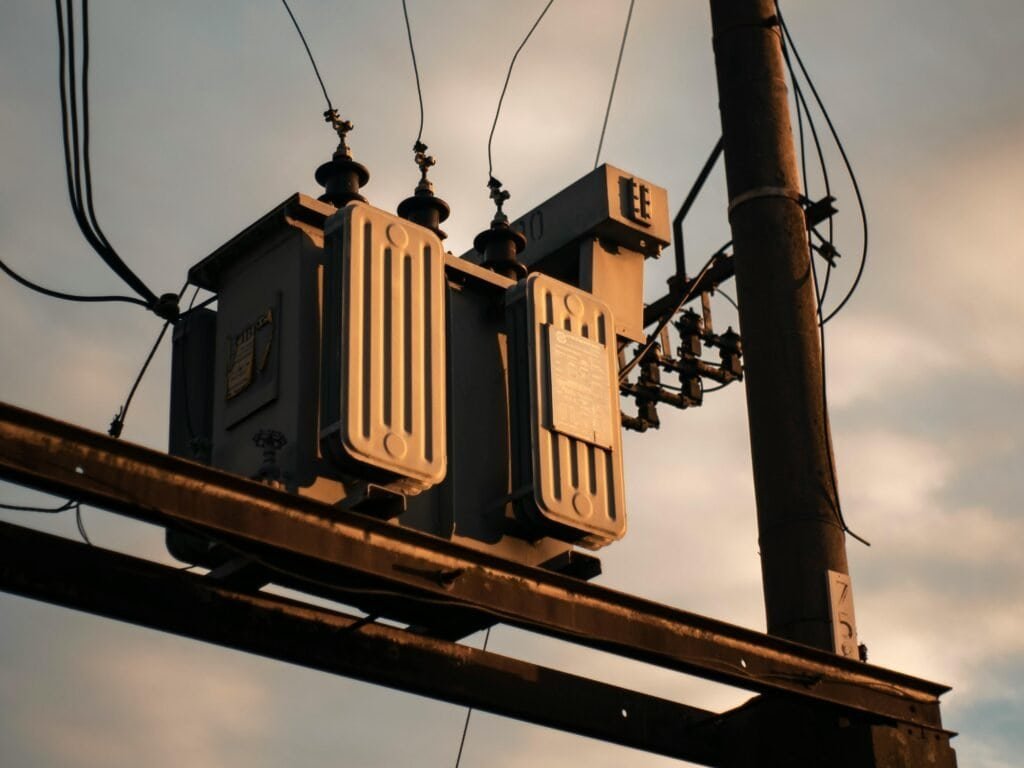
Power transformers are critical to electrical infrastructure, yet they are among the most complex and time-consuming pieces of equipment to manufacture. In recent years, growing global demand, material shortages, manufacturing constraints, and transportation disruptions have significantly affected transformer availability and extended delivery times. For utilities, industrial facilities, and project developers, failing to account for these supply chain risks can result in project delays, increased procurement costs, and operational disruptions. Understanding the factors that influence transformer availability enables buyers to develop more resilient sourcing strategies and reduce procurement uncertainty.
Power transformer availability is affected by several supply chain risks, including shortages of electrical steel, copper, transformer oil, and insulation materials; limited manufacturing capacity; long production lead times; transportation and logistics disruptions; geopolitical instability; labor shortages; and rising global demand for grid modernization and renewable energy projects. Proactive procurement planning, supplier diversification, and early order placement are essential for minimizing these risks and ensuring timely transformer delivery.
As electricity demand continues to grow worldwide, supply chain resilience has become just as important as transformer quality and technical performance. By understanding the challenges facing transformer manufacturing, buyers can make better purchasing decisions and improve project planning.
What Supply Chain Risks Affect Power Transformer Availability?
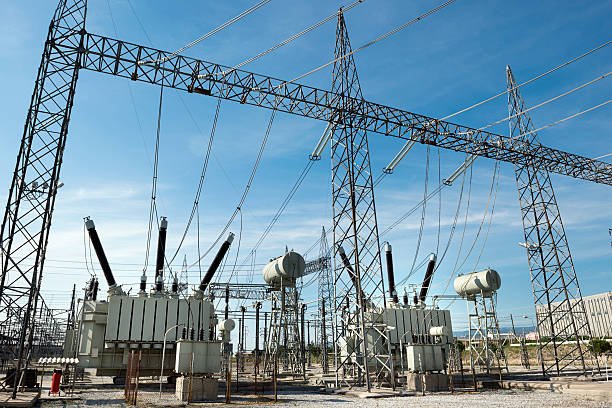
Power transformers are among the most complex and resource-intensive pieces of electrical equipment to manufacture. Unlike standardized products, each transformer is typically engineered to meet specific voltage ratings, power capacities, cooling methods, and utility requirements. As global demand for electricity infrastructure continues to grow, manufacturers are facing increasing pressure from material shortages, limited production capacity, transportation challenges, and geopolitical uncertainties. These supply chain risks can significantly extend lead times, increase procurement costs, and delay critical infrastructure projects. Understanding these risks allows buyers to plan procurement strategies more effectively and reduce the likelihood of costly project delays.
Power transformer availability is affected by multiple supply chain risks, including shortages of electrical steel, copper, insulating materials, and bushings; limited manufacturing capacity; long production lead times; transportation constraints; labor shortages; regulatory changes; geopolitical instability; and fluctuating raw material prices. Proactive procurement planning, supplier diversification, and early technical approval can help reduce these risks and improve delivery reliability.
Power transformer delivery delays are usually caused only by manufacturing problems.False
Transformer availability depends on the entire supply chain, including raw material availability, component suppliers, factory capacity, logistics, regulatory requirements, and global market conditions.
Why are power transformers especially vulnerable to supply chain disruptions?
Power transformers require numerous specialized materials and components that are sourced from multiple suppliers around the world.
Unlike mass-produced electrical equipment, each transformer often involves:
- Custom engineering
- Long manufacturing cycles
- Specialized testing
- Large-scale transportation
A delay affecting a single critical component can postpone the entire production schedule.
| Supply Chain Stage | Potential Risk |
|---|---|
| Engineering | Design revisions |
| Raw materials | Material shortages |
| Component sourcing | Long supplier lead times |
| Manufacturing | Capacity limitations |
| Factory testing | Scheduling delays |
| Transportation | Shipping constraints |
| Site delivery | Installation delays |
1. Electrical Steel Supply
Grain-oriented electrical steel is one of the most important materials used in transformer cores.
Supply challenges may include:
- Limited global production capacity
- High market demand
- Rising steel prices
- Export restrictions
- Long procurement lead times
Because transformer core performance depends on high-quality electrical steel, manufacturers cannot easily substitute lower-grade materials.
2. Copper Availability
Copper is the primary conductor material used in transformer windings.
Supply risks include:
- Mining disruptions
- Market price volatility
- Increased demand from renewable energy and electric vehicles
- International trade restrictions
Significant fluctuations in copper availability can affect both transformer pricing and manufacturing schedules.
| Material | Supply Risk | Potential Impact |
|---|---|---|
| Grain-oriented electrical steel | Limited production | Longer manufacturing time |
| Copper | Price volatility | Higher production cost |
| Transformer oil | Supply fluctuations | Procurement delays |
| Insulation paper | Limited suppliers | Extended lead time |
3. Specialized Component Shortages
Many transformer components are manufactured by a limited number of qualified suppliers.
Critical components include:
- Bushings
- On-load tap changers
- Cooling fans
- Oil pumps
- Protection relays
- Monitoring devices
- Conservators
- Radiators
Delays from any of these suppliers may affect the final delivery schedule.
4. Manufacturing Capacity Constraints
Global demand for new transformers has increased due to:
- Power grid expansion
- Renewable energy projects
- Industrial development
- Data center construction
- Grid modernization
As order volumes increase, manufacturers may experience:
- Longer production queues
- Limited factory capacity
- Extended testing schedules
Factories with strong engineering capabilities may still require additional production time when operating near full capacity.
5. Skilled Labor Availability
Transformer manufacturing requires experienced engineers, technicians, welders, winding specialists, and testing personnel.
Labor shortages can affect:
- Winding production
- Core assembly
- Quality inspection
- Factory acceptance testing
Maintaining a skilled workforce is essential for producing reliable, high-quality transformers.
6. Transportation and Logistics Challenges
Power transformers are oversized, heavy cargo that require specialized transportation.
Potential logistics risks include:
- Port congestion
- Shipping delays
- Limited heavy-haul vehicles
- Railway restrictions
- Road permit requirements
- Weather disruptions
Large transformers often require detailed transportation planning before manufacturing is even completed.
| Logistics Challenge | Possible Consequence |
|---|---|
| Port congestion | Shipping delays |
| Heavy-haul permit delays | Delivery postponement |
| Extreme weather | Transportation interruption |
| Limited vessel availability | Extended transit time |
7. Geopolitical and Trade Risks
International supply chains can be affected by political and economic developments.
Examples include:
- Trade restrictions
- Import tariffs
- Export controls
- International sanctions
- Regional conflicts
- Currency fluctuations
These factors may reduce the availability of raw materials or increase procurement costs.
8. Regulatory and Compliance Requirements
Power transformers must comply with customer specifications and applicable national or international standards.
Additional approval requirements may include:
- Utility technical reviews
- Third-party inspections
- Environmental regulations
- Factory acceptance testing
- Documentation verification
Design changes or delayed approvals can extend manufacturing schedules.
9. Fluctuating Raw Material Prices
Transformer production depends heavily on commodities whose prices may change significantly.
These include:
- Copper
- Electrical steel
- Aluminum
- Transformer oil
- Structural steel
Rapid price increases may affect project budgets and procurement decisions, particularly for long-term contracts.
10. Natural Disasters and Extreme Weather
Natural events can disrupt manufacturing and transportation networks.
Potential risks include:
- Floods
- Earthquakes
- Hurricanes
- Wildfires
- Severe winter storms
These events may temporarily affect factories, suppliers, ports, or transportation infrastructure.
11. Demand Growth from Energy Transition Projects
Global investment in clean energy is increasing demand for power transformers.
Major demand drivers include:
- Wind farms
- Solar power plants
- Battery energy storage systems
- Electric vehicle charging infrastructure
- Transmission network expansion
Higher demand can increase lead times, particularly for large power transformers.
| Industry | Impact on Transformer Demand |
|---|---|
| Renewable energy | Rapid demand growth |
| Electric utilities | Grid expansion projects |
| Data centers | High-capacity power infrastructure |
| Manufacturing | Industrial modernization |
| Transportation | Electrification projects |
12. Limited Testing Capacity
Before shipment, power transformers undergo comprehensive factory testing.
Testing may include:
- Ratio testing
- Winding resistance measurement
- Insulation resistance testing
- Induced voltage tests
- Applied voltage tests
- Temperature rise tests
- Routine and type tests
Testing facilities have limited capacity, and high production volumes may increase waiting times before shipment.
How can buyers reduce supply chain risks?
Although many supply chain risks cannot be eliminated, buyers can reduce their impact through careful planning.
Recommended strategies include:
- Finalize technical specifications early.
- Place orders well before the required installation date.
- Select manufacturers with proven production capacity.
- Confirm the availability of critical components before production begins.
- Maintain clear communication throughout the project.
- Consider standardized designs when appropriate.
- Monitor production milestones and factory testing schedules.
| Risk Mitigation Strategy | Benefit |
|---|---|
| Early procurement | Shorter scheduling delays |
| Approved technical specifications | Faster engineering process |
| Reliable manufacturing partner | Improved delivery certainty |
| Regular project reviews | Better schedule control |
| Flexible project planning | Reduced supply chain impact |
Why is supplier selection critical?
A reliable transformer manufacturer can significantly reduce supply chain uncertainty through:
- Strong supplier relationships
- Stable raw material procurement
- Experienced engineering teams
- Robust quality management
- Modern production facilities
- Comprehensive project management
Manufacturers with established supply networks are often better equipped to manage unexpected disruptions and maintain consistent delivery performance.
Which standards support quality throughout the supply chain?
Power transformers should be manufactured and tested in accordance with internationally recognized standards to ensure consistent quality and performance.
The most widely adopted standards are published by:
- International Electrotechnical Commission
- Institute of Electrical and Electronics Engineers
These standards provide guidance for:
- Transformer design
- Material selection
- Manufacturing quality
- Factory testing
- Performance verification
- Documentation requirements
Compliance with these standards helps ensure reliable products even when supply chain conditions are challenging.
How Do Raw Material Shortages Impact Power Transformer Production?
Power transformers rely on a wide range of specialized raw materials that must meet strict electrical, mechanical, and thermal performance requirements. Unlike many industrial products, transformer components cannot simply be replaced with generic alternatives because material quality directly affects efficiency, reliability, safety, and service life. When shortages occur in critical materials such as grain-oriented electrical steel, copper, insulating paper, transformer oil, or bushings, manufacturers may experience production delays, increased costs, and extended delivery schedules. Understanding how raw material availability influences transformer manufacturing helps buyers plan procurement more effectively and reduce project risks.
Raw material shortages affect power transformer production by extending manufacturing lead times, increasing production costs, limiting factory output, delaying component procurement, and creating scheduling challenges. Shortages of grain-oriented electrical steel, copper, insulation materials, transformer oil, and specialized components can slow every stage of production, from engineering and core fabrication to final assembly and factory testing.
Power transformer manufacturers can easily replace unavailable raw materials with alternative materials without affecting performance.False
Power transformers require carefully specified materials that meet strict electrical and mechanical standards. Substituting critical materials without proper engineering validation can reduce efficiency, reliability, insulation performance, and service life.
Why are raw materials so important in transformer manufacturing?
Every major transformer component depends on carefully selected materials designed to withstand decades of electrical and thermal stress.
Key materials include:
- Grain-oriented electrical steel
- Copper or aluminum conductors
- Cellulose insulation paper
- Transformer insulating oil
- Structural steel
- Porcelain or composite bushings
- Epoxy insulation materials
- Cooling system components
Because these materials directly influence transformer performance, manufacturers must source products that comply with strict technical specifications.
| Raw Material | Primary Function |
|---|---|
| Grain-oriented electrical steel | Core construction |
| Copper | Winding conductor |
| Aluminum | Alternative winding conductor |
| Insulating paper | Solid insulation |
| Transformer oil | Cooling and electrical insulation |
| Structural steel | Tank fabrication |
| Bushings | High-voltage insulation |
1. Grain-Oriented Electrical Steel Shortages
Grain-oriented electrical steel is one of the most critical materials used in transformer cores.
Its high magnetic permeability and low core loss improve transformer efficiency while reducing heat generation.
Supply shortages may result from:
- Limited global manufacturing capacity
- Increased infrastructure investment
- Rising energy demand
- Export restrictions
- Production interruptions
When electrical steel is unavailable, transformer production may be delayed because manufacturers cannot substitute lower-grade materials without affecting performance.
| Impact of Electrical Steel Shortage | Effect on Production |
|---|---|
| Longer procurement time | Extended manufacturing schedule |
| Reduced material availability | Lower factory output |
| Higher material prices | Increased production cost |
| Delayed core fabrication | Slower final assembly |
2. Copper Supply Constraints
Copper is the preferred conductor material for most power transformer windings because of its excellent electrical conductivity and mechanical strength.
Copper shortages can be caused by:
- Mining disruptions
- Increased demand from renewable energy
- Electric vehicle manufacturing
- Infrastructure expansion
- Commodity market volatility
Higher copper prices increase manufacturing costs, while limited availability can delay winding production.
Some transformer designs use aluminum conductors, but material substitution depends on customer specifications and engineering requirements.
3. Insulation Material Availability
Transformer insulation systems depend on high-quality cellulose paper and insulation board.
These materials provide:
- Electrical insulation
- Mechanical support
- Thermal stability
Limited availability of insulation materials can delay:
- Coil winding
- Insulation assembly
- Drying processes
- Final manufacturing
Because insulation quality directly affects transformer lifespan, manufacturers cannot compromise on material standards.
4. Transformer Oil Supply
Transformer oil performs two essential functions:
- Electrical insulation
- Heat dissipation
Supply disruptions affecting insulating oil may result from:
- Refinery production limitations
- Transportation delays
- Increased industrial demand
- Environmental regulations
Without sufficient insulating oil, transformers cannot complete final assembly or factory testing.
5. Specialized Component Shortages
Many transformer components are manufactured by a relatively small number of specialized suppliers.
Examples include:
- Bushings
- On-load tap changers
- Cooling fans
- Oil pumps
- Monitoring equipment
- Protection devices
- Temperature sensors
If one critical component is unavailable, the completed transformer often cannot proceed to final testing or shipment.
| Component | Production Impact if Delayed |
|---|---|
| Bushings | Assembly postponed |
| Tap changer | Testing delayed |
| Cooling fan | Final assembly delayed |
| Protection relay | Commissioning postponed |
| Monitoring equipment | Factory acceptance testing delayed |
6. Increased Manufacturing Costs
Raw material shortages often lead to higher market prices.
Major cost increases may affect:
- Copper
- Electrical steel
- Structural steel
- Transformer oil
- Insulation materials
Higher material costs influence:
- Manufacturing expenses
- Project budgets
- Contract pricing
- Procurement decisions
Manufacturers may need to adjust quotations if material prices change significantly before production begins.
7. Extended Production Schedules
Transformer manufacturing follows a carefully coordinated production sequence.
Typical stages include:
- Engineering design
- Material procurement
- Core fabrication
- Winding production
- Core and coil assembly
- Tank fabrication
- Final assembly
- Drying and oil filling
- Factory testing
- Shipment
A delay in receiving one essential material can postpone every subsequent stage of production.
8. Reduced Factory Capacity
Even when manufacturing facilities have sufficient labor and equipment, production capacity depends on material availability.
Material shortages may force manufacturers to:
- Delay customer orders
- Reschedule production
- Prioritize available projects
- Reduce manufacturing output
As a result, lead times increase across the entire production schedule.
9. Increased Global Demand
Several industries are simultaneously increasing demand for transformer materials.
Major demand drivers include:
- Utility grid expansion
- Renewable energy projects
- Electric vehicle charging infrastructure
- Data centers
- Industrial electrification
Growing demand places additional pressure on suppliers of electrical steel, copper, insulation materials, and specialized transformer components.
| Industry | Effect on Material Demand |
|---|---|
| Electric utilities | High |
| Renewable energy | Rapid growth |
| Data centers | Increasing demand |
| Manufacturing | Stable growth |
| Transportation electrification | Growing demand |
10. Logistics and Transportation Challenges
Even when materials are available, transportation disruptions can delay delivery to manufacturing facilities.
Examples include:
- Port congestion
- Shipping delays
- Customs clearance
- Heavy-haul transportation limitations
- Weather-related disruptions
Delayed material delivery often postpones scheduled manufacturing activities.
How can manufacturers reduce the impact of raw material shortages?
Experienced transformer manufacturers use several strategies to improve supply chain resilience.
Common approaches include:
- Building long-term supplier partnerships
- Purchasing critical materials in advance
- Maintaining strategic inventory
- Qualifying multiple suppliers
- Improving production planning
- Forecasting future demand
- Monitoring global commodity markets
These measures help reduce production interruptions while improving delivery reliability.
| Mitigation Strategy | Benefit |
|---|---|
| Early material procurement | Reduces supply delays |
| Multiple qualified suppliers | Improves supply security |
| Strategic inventory | Supports continuous production |
| Accurate demand forecasting | Better production planning |
| Long-term supplier agreements | Greater price stability |
What can buyers do to reduce procurement risks?
Customers also play an important role in minimizing delays.
Recommended procurement practices include:
- Finalize technical specifications early.
- Place purchase orders well before installation deadlines.
- Select experienced manufacturers with established supply chains.
- Allow adequate production time for custom transformers.
- Maintain regular communication throughout the project.
- Avoid unnecessary design changes after production begins.
Early planning provides manufacturers with more flexibility when sourcing critical materials.
Which standards ensure material quality?
Power transformers should be manufactured using materials that comply with internationally recognized standards.
The most widely adopted standards are published by:
- International Electrotechnical Commission
- Institute of Electrical and Electronics Engineers
These standards define requirements for:
- Electrical performance
- Material quality
- Manufacturing processes
- Factory testing
- Reliability
- Safety
Compliance helps ensure that transformers maintain consistent performance even during periods of supply chain pressure.
Why Are Manufacturing Capacity and Lead Times Increasing for Power Transformers?
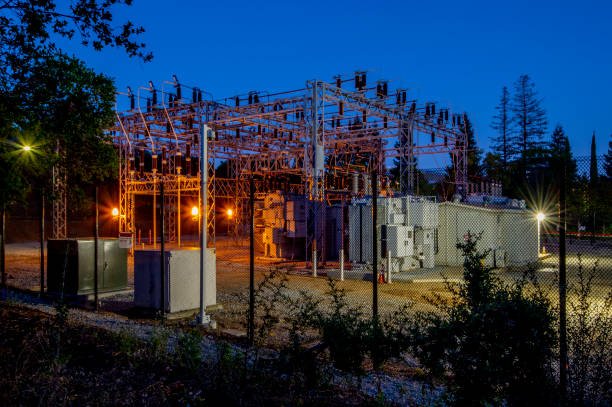
Power transformers are essential to modern electrical infrastructure, yet utilities, industrial facilities, renewable energy developers, and data center operators around the world are experiencing significantly longer delivery times than in the past. While lead times of several months were once common for many transformer projects, today large power transformers often require much longer production schedules due to rising global demand and limited manufacturing resources. These delays are rarely caused by a single issue. Instead, they result from a combination of expanding electricity infrastructure, constrained factory capacity, raw material shortages, labor challenges, and increasingly complex technical requirements. Understanding these factors helps buyers plan procurement strategies, reduce project risks, and secure production capacity well in advance.
Manufacturing capacity and lead times for power transformers are increasing because global demand is growing faster than production capacity. Key contributing factors include expanding power grids, renewable energy investments, data center construction, electrification projects, shortages of critical raw materials, limited skilled labor, specialized manufacturing equipment, longer testing schedules, and complex logistics. Early procurement and close collaboration with experienced manufacturers are the most effective ways to reduce delivery risks.
Power transformer lead times are increasing only because manufacturers are producing transformers more slowly.False
Longer lead times result from multiple factors, including rising global demand, constrained manufacturing capacity, raw material availability, component supply, skilled labor shortages, testing requirements, and transportation challenges rather than slower production alone.
Why has global demand for power transformers increased?
The global energy sector is undergoing rapid expansion and modernization.
Demand for new transformers continues to increase because of:
- Transmission network expansion
- Distribution grid upgrades
- Renewable energy integration
- Electrification of transportation
- Industrial development
- Data center growth
- Replacement of aging infrastructure
Many countries are investing heavily in modern electrical networks, increasing demand for both medium-voltage and high-voltage transformers.
| Industry | Driver of Transformer Demand |
|---|---|
| Electric utilities | Grid expansion and modernization |
| Renewable energy | Wind and solar integration |
| Data centers | High-capacity power supply |
| Manufacturing | Facility expansion and automation |
| Transportation | Railway and electric vehicle infrastructure |
| Commercial infrastructure | Urban development |
1. Limited Global Manufacturing Capacity
Power transformer manufacturing requires highly specialized production facilities that cannot be expanded quickly.
A typical factory requires:
- Core cutting equipment
- Automatic winding machines
- Large drying ovens
- Vacuum oil processing systems
- Heavy lifting equipment
- High-voltage testing laboratories
Building new transformer manufacturing facilities requires significant capital investment and several years of planning, construction, equipment installation, and workforce development.
As demand increases faster than factory expansion, production schedules become longer.
2. Increasing Order Backlogs
Many manufacturers now receive more orders than they can immediately produce.
As production schedules become fully booked:
- Engineering queues increase.
- Material procurement takes longer.
- Manufacturing slots become limited.
- Factory testing schedules become crowded.
Even after a purchase order is confirmed, customers may wait for an available production window before manufacturing begins.
| Production Stage | Effect of High Order Volume |
|---|---|
| Engineering | Longer design scheduling |
| Material procurement | Extended purchasing time |
| Manufacturing | Production backlog |
| Factory testing | Delayed testing schedule |
| Shipping | Later delivery dates |
3. Raw Material Constraints
Transformer production depends on several specialized raw materials.
Critical materials include:
- Grain-oriented electrical steel
- Copper
- Aluminum
- Electrical insulation paper
- Transformer oil
- Structural steel
Supply shortages or extended procurement times for any of these materials can delay production.
Because these materials must meet strict technical specifications, manufacturers cannot easily substitute alternative products.
4. Shortages of Specialized Components
In addition to raw materials, transformers require numerous engineered components supplied by specialized manufacturers.
Examples include:
- High-voltage bushings
- On-load tap changers
- Cooling fans
- Oil pumps
- Protection relays
- Monitoring systems
- Conservator equipment
Long lead times for these components frequently determine the overall transformer delivery schedule.
5. Skilled Labor Shortages
Transformer manufacturing requires highly trained personnel throughout the production process.
Essential specialists include:
- Electrical design engineers
- Winding technicians
- Core assembly specialists
- Welders
- Quality inspectors
- High-voltage test engineers
Training new personnel takes considerable time, making it difficult for manufacturers to rapidly increase production capacity.
| Skilled Workforce | Primary Responsibility |
|---|---|
| Design engineers | Transformer engineering |
| Winding specialists | Coil manufacturing |
| Core assembly technicians | Magnetic core construction |
| Test engineers | Factory acceptance testing |
| Quality inspectors | Product verification |
6. More Complex Transformer Designs
Modern transformers are becoming increasingly sophisticated.
Many projects now require:
- Higher efficiency levels
- Lower no-load losses
- Advanced cooling systems
- Digital monitoring
- Online diagnostics
- Customized voltage configurations
- Renewable energy compatibility
These additional requirements increase engineering effort and manufacturing complexity.
7. Longer Factory Testing Requirements
Every transformer undergoes comprehensive factory testing before shipment.
Testing may include:
- Ratio testing
- Winding resistance measurement
- Applied voltage tests
- Induced voltage tests
- Partial discharge testing
- Temperature rise testing
- Routine tests
- Customer witness testing
Larger transformers often require several days of testing, and testing laboratories have limited capacity.
| Factory Test | Purpose |
|---|---|
| Winding resistance | Verify conductor integrity |
| Transformer turns ratio | Confirm voltage ratio |
| Applied voltage test | Verify insulation performance |
| Induced voltage test | Assess winding insulation |
| Temperature rise test | Validate cooling performance |
| Partial discharge test | Detect insulation defects |
8. Transportation Challenges
Power transformers are oversized and extremely heavy pieces of equipment.
Transportation often requires:
- Heavy-haul trailers
- Special shipping vessels
- Route surveys
- Road permits
- Crane coordination
- Port scheduling
Transportation limitations can extend delivery schedules even after manufacturing is complete.
9. Growing Demand from Renewable Energy
Renewable energy projects are significantly increasing transformer demand.
Applications include:
- Wind farms
- Solar power plants
- Battery energy storage systems
- Offshore substations
- Grid interconnection facilities
These projects often require customized transformers with specialized voltage ratings and operating characteristics.
10. Expansion of Data Centers
Modern data centers consume enormous amounts of electricity.
Growing cloud computing, artificial intelligence, and digital infrastructure investments require:
- High-capacity substations
- Redundant transformer systems
- High-efficiency transformers
- Reliable backup power infrastructure
This rapidly expanding market places additional pressure on transformer manufacturing capacity.
| Sector | Effect on Manufacturing Demand |
|---|---|
| Renewable energy | Rapid growth |
| Data centers | Very high demand |
| Electric utilities | Grid reinforcement |
| Industrial expansion | Steady growth |
| Transportation electrification | Increasing demand |
11. Aging Electrical Infrastructure
Many transformers currently in service were installed decades ago.
Utilities around the world are replacing aging equipment to improve:
- Reliability
- Energy efficiency
- Grid resilience
- Operational safety
Replacement programs increase demand alongside new infrastructure projects.
12. Supply Chain and Logistics Uncertainty
Global supply chains remain vulnerable to:
- Port congestion
- Shipping delays
- Customs processing
- Regional transportation restrictions
- Extreme weather
- Geopolitical events
These disruptions affect both incoming materials and finished transformer deliveries.
How can buyers reduce long lead times?
Although market conditions cannot be completely controlled, buyers can significantly reduce procurement risks through effective planning.
Recommended strategies include:
- Finalize technical specifications as early as possible.
- Place purchase orders well before installation deadlines.
- Select manufacturers with proven production capacity.
- Avoid unnecessary design revisions after production begins.
- Confirm the availability of critical materials and components.
- Schedule factory acceptance testing early.
- Maintain regular communication throughout the project.
| Procurement Strategy | Benefit |
|---|---|
| Early project planning | Greater production flexibility |
| Complete specifications | Faster engineering approval |
| Experienced manufacturer | More reliable scheduling |
| Early order placement | Improved production allocation |
| Continuous project communication | Better schedule visibility |
Why is manufacturer selection increasingly important?
Experienced transformer manufacturers can better manage production challenges through:
- Established supplier networks
- Long-term material purchasing agreements
- Advanced manufacturing equipment
- Skilled engineering teams
- Comprehensive quality management
- Strong project coordination
These capabilities help reduce production uncertainty and improve delivery performance, even during periods of high market demand.
Which standards support consistent manufacturing quality?
Power transformers should be designed, manufactured, and tested in accordance with internationally recognized standards.
The most widely adopted standards are published by:
- International Electrotechnical Commission
- Institute of Electrical and Electronics Engineers
These standards establish requirements for:
- Design methodology
- Material quality
- Manufacturing processes
- Factory testing
- Performance verification
- Safety and reliability
Compliance with these standards helps ensure that longer production schedules do not compromise transformer quality.
How Do Transportation and Global Logistics Affect Transformer Delivery?
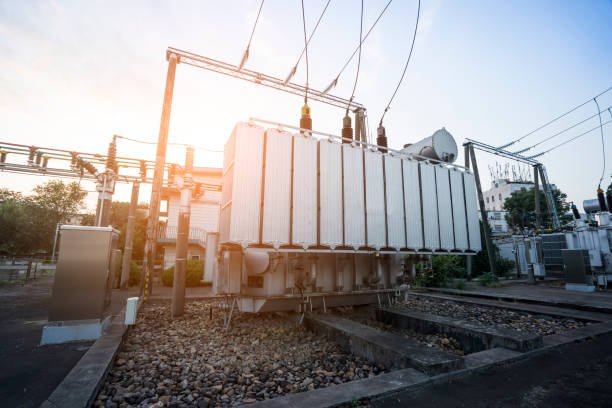
Power transformers are among the largest and heaviest pieces of electrical equipment transported worldwide. Unlike standard industrial products, they often weigh from several tons to hundreds of tons and require specialized handling, dedicated transportation equipment, and carefully planned delivery routes. Even after manufacturing and factory testing are completed, transportation and global logistics can significantly influence the final delivery schedule. Port congestion, shipping capacity, customs clearance, heavy-haul permits, weather conditions, and local infrastructure limitations can all delay delivery. Understanding these logistics challenges allows buyers to develop realistic project schedules and reduce the risk of costly installation delays.
Transportation and global logistics affect transformer delivery by influencing shipping schedules, transit times, customs clearance, heavy-haul transportation, route planning, and final site access. Delays in ports, limited availability of specialized transport equipment, regulatory approvals, adverse weather, and international supply chain disruptions can all extend delivery times. Early logistics planning and close coordination between manufacturers, freight providers, and customers are essential for ensuring on-time delivery.
Once a power transformer leaves the factory, delivery timing depends only on the shipping company.False
Transformer delivery depends on many factors beyond ocean or land transportation, including export documentation, customs clearance, heavy-haul permits, route surveys, port operations, weather conditions, and site readiness.
Why is transformer transportation more complex than ordinary freight?
Power transformers are oversized and high-value assets that require specialized logistics throughout the delivery process.
Transportation planning must consider:
- Equipment dimensions
- Total weight
- Center of gravity
- Road and bridge limitations
- Port handling capabilities
- Site access conditions
- Safety requirements
Unlike standard cargo, transformers often require customized transportation plans before manufacturing is completed.
| Transportation Characteristic | Impact on Delivery |
|---|---|
| Oversized dimensions | Requires special permits |
| Heavy weight | Limits transportation routes |
| High equipment value | Requires careful handling |
| Sensitive internal components | Specialized securing methods |
| Custom design | Individual logistics planning |
1. Heavy-Haul Transportation Requirements
Most power transformers cannot be transported using conventional trucks.
Specialized equipment may include:
- Multi-axle hydraulic trailers
- Heavy-duty tractors
- Rail transport systems
- Barge transportation
- Heavy-lift cranes
Transport providers must select equipment that matches the transformer's weight and dimensions while complying with local transportation regulations.
2. Route Surveys and Infrastructure Limitations
Before shipment, logistics teams often perform detailed route surveys.
These surveys evaluate:
- Bridge load capacity
- Road width
- Tunnel clearance
- Turning radius
- Overhead power lines
- Railway crossings
- Traffic restrictions
If an existing route cannot accommodate the transformer, an alternative route or temporary infrastructure modifications may be required.
| Route Consideration | Possible Impact |
|---|---|
| Bridge capacity | Route modification |
| Low overhead clearance | Alternate transportation path |
| Narrow roads | Escort vehicles required |
| Weight restrictions | Permit delays |
3. Port Operations and Ocean Shipping
International transformer deliveries often depend on ocean freight.
Potential challenges include:
- Port congestion
- Limited heavy-lift vessel availability
- Container terminal delays
- Cargo handling schedules
- Crane availability
- Vessel routing changes
Because many transformers are transported as breakbulk or project cargo rather than standard containers, shipping schedules are often less frequent.
4. Customs Clearance and Documentation
International shipments require accurate documentation before customs authorities can release equipment.
Typical documents include:
- Commercial invoices
- Packing lists
- Certificates of origin
- Export licenses
- Import permits
- Inspection certificates
- Bills of lading
Incomplete or inaccurate documentation may result in customs delays that affect the overall project schedule.
5. Weather and Seasonal Conditions
Weather can influence transportation by sea, rail, and road.
Potential weather-related disruptions include:
- Hurricanes
- Heavy rainfall
- Flooding
- Snowstorms
- Ice
- High winds
- Extreme heat
Adverse weather may temporarily suspend port operations, restrict road transport, or delay vessel departures.
6. Global Shipping Capacity
Global shipping demand varies throughout the year.
Factors affecting shipping availability include:
- Seasonal trade patterns
- Large infrastructure projects
- Vessel capacity
- Fuel costs
- International trade activity
Limited vessel availability can extend booking times for oversized transformer shipments.
| Logistics Factor | Effect on Delivery |
|---|---|
| Limited vessel capacity | Longer shipping schedule |
| Port congestion | Increased transit time |
| Customs inspections | Delayed cargo release |
| Fuel price fluctuations | Higher transportation costs |
7. Inland Transportation Challenges
After arriving at the destination port, transformers must often travel long distances to the installation site.
Potential challenges include:
- Mountain roads
- Remote substations
- Urban traffic restrictions
- Weight-limited bridges
- Narrow access roads
- Temporary road closures
In some cases, transformers are transferred between ships, barges, railways, and heavy-haul vehicles before reaching the project site.
8. Site Readiness
Even if the transformer arrives on schedule, delivery may be delayed if the installation site is not prepared.
Site readiness includes:
- Completed foundations
- Access roads
- Crane availability
- Storage areas
- Receiving equipment
- Safety clearances
Poor coordination between construction and logistics teams can increase project delays.
9. Security and Cargo Protection
Power transformers represent high-value investments that require careful protection during transportation.
Protective measures include:
- Shock monitoring
- Tilt indicators
- Moisture protection
- Secure fastening
- Protective packaging
- Continuous shipment tracking
Proper handling reduces the risk of mechanical damage that could delay commissioning.
10. Supply Chain Coordination
Successful transformer delivery depends on close coordination among multiple parties.
These typically include:
- Transformer manufacturer
- Raw material suppliers
- Freight forwarders
- Shipping companies
- Customs brokers
- Heavy-haul transport providers
- Installation contractors
- Project owners
Effective communication helps identify potential delays before they affect the project schedule.
| Project Participant | Primary Responsibility |
|---|---|
| Manufacturer | Production and shipment preparation |
| Freight forwarder | International transportation coordination |
| Customs broker | Import and export clearance |
| Heavy-haul carrier | Inland transportation |
| Customer | Site preparation and receiving |
How can buyers reduce transportation risks?
Careful planning significantly improves delivery reliability.
Recommended practices include:
- Place transformer orders early.
- Confirm transportation requirements during the design stage.
- Perform route surveys before shipment.
- Prepare all customs documentation in advance.
- Coordinate site readiness with delivery schedules.
- Select experienced logistics providers.
- Maintain regular communication throughout transportation.
These measures help minimize unexpected delays and improve overall project execution.
Why is early logistics planning important?
Transportation planning should begin long before manufacturing is complete.
Early planning allows project teams to:
- Reserve heavy-haul equipment.
- Secure shipping space.
- Obtain transportation permits.
- Schedule cranes.
- Coordinate customs procedures.
- Prepare installation sites.
Starting logistics planning early reduces scheduling conflicts and provides greater flexibility if unexpected issues arise.
Which projects face the greatest logistics challenges?
Some transformer applications require particularly complex transportation planning.
| Application | Logistics Challenge |
|---|---|
| Utility transmission substations | Large transformer size and weight |
| Offshore wind projects | Marine transportation coordination |
| Hydroelectric power stations | Remote site access |
| Mining operations | Difficult terrain |
| Mountain substations | Limited road infrastructure |
| Urban substations | Restricted transportation routes |
These projects often require detailed engineering studies before transportation begins.
Which standards help ensure safe transportation?
Transformer transportation should follow recognized international standards as well as manufacturer recommendations for lifting, handling, packaging, and shipping.
The most widely recognized technical guidance is published by:
- International Electrotechnical Commission
- Institute of Electrical and Electronics Engineers
These standards support:
- Safe handling procedures
- Transportation preparation
- Factory testing before shipment
- Equipment protection
- Inspection after delivery
Following these recommendations helps ensure that transformers arrive in the same condition as when they left the factory.
What Strategies Can Buyers Use to Reduce Power Transformer Supply Chain Risks?
Power transformer procurement has become increasingly challenging due to longer manufacturing schedules, limited production capacity, raw material shortages, specialized component availability issues, and global logistics uncertainties. For utilities, industrial companies, renewable energy developers, and infrastructure operators, a delayed transformer delivery can postpone commissioning, increase project costs, and affect overall business performance. Because power transformers are highly customized and require long production cycles, buyers cannot rely on short-term purchasing decisions to avoid supply chain disruptions. A proactive procurement strategy that addresses technical planning, supplier selection, material availability, logistics coordination, and project management is essential for reducing risks and improving delivery reliability.
Buyers can reduce power transformer supply chain risks by ordering early, selecting reliable manufacturers, finalizing technical specifications before production, diversifying suppliers, monitoring critical materials, maintaining clear communication, planning transportation in advance, and using condition-based project management. A proactive procurement approach helps minimize delays caused by manufacturing capacity limitations, material shortages, logistics disruptions, and unexpected market changes.
The best way to reduce power transformer supply chain risk is to wait until the installation deadline is confirmed before placing an order.False
Power transformers often require long engineering, manufacturing, testing, and transportation periods. Early procurement provides more flexibility and reduces the risk of production delays caused by limited factory capacity or material shortages.
Why do power transformer buyers need supply chain risk strategies?
Power transformers are not standard off-the-shelf products.
Most units are manufactured according to specific project requirements, including:
- Voltage ratings
- Power capacity
- Cooling method
- Insulation level
- Short-circuit requirements
- Efficiency specifications
- Environmental conditions
- Monitoring systems
A typical transformer project involves multiple supply chain stages:
- Engineering design
- Material procurement
- Component manufacturing
- Transformer assembly
- Factory testing
- Transportation
- Installation and commissioning
A delay at any stage can affect the final project schedule.
| Supply Chain Stage | Common Risk | Possible Impact |
|---|---|---|
| Engineering | Specification changes | Design delays |
| Material sourcing | Shortages | Production delays |
| Component supply | Long supplier lead times | Assembly delays |
| Manufacturing | Factory backlog | Extended delivery |
| Testing | Limited test capacity | Shipment delays |
| Transportation | Logistics problems | Site delivery delays |
1. Start Procurement Planning Early
Early planning is one of the most effective ways to reduce transformer supply chain risks.
Many buyers underestimate the time required for:
- Technical discussions
- Design approval
- Material procurement
- Manufacturing scheduling
- Factory testing
- Transportation preparation
Waiting until a project is close to installation creates unnecessary pressure and reduces available supplier options.
Early procurement allows buyers to:
- Reserve manufacturing capacity
- Secure critical materials
- Avoid peak demand periods
- Allow time for unexpected delays
| Procurement Timing | Supply Chain Risk |
|---|---|
| Early planning | Lower risk |
| Moderate planning | Manageable risk |
| Last-minute ordering | High risk |
2. Select an Experienced Transformer Manufacturer
Supplier selection plays a major role in delivery reliability.
A capable manufacturer should have:
- Proven transformer production experience
- Stable raw material suppliers
- Qualified engineering teams
- Modern manufacturing facilities
- Reliable quality control systems
- Strong project management capability
The lowest purchase price does not always provide the lowest overall project cost. A supplier with weak supply chain management may create delays that exceed the initial cost savings.
| Supplier Capability | Importance |
|---|---|
| Manufacturing capacity | Ensures production availability |
| Engineering expertise | Reduces design delays |
| Supplier network | Improves material security |
| Testing capability | Supports timely shipment |
| Project management | Improves communication |
3. Finalize Technical Specifications Early
One of the most common causes of transformer delays is late design modification.
Changes after production begins may affect:
- Core design
- Winding configuration
- Cooling system
- Bushings
- Tap changer selection
- Protection equipment
- Monitoring systems
To reduce risk, buyers should finalize:
- Electrical requirements
- Mechanical requirements
- Environmental conditions
- Applicable standards
- Testing requirements
- Documentation requirements
Early technical alignment reduces engineering revisions and improves production efficiency.
4. Avoid Unnecessary Customization
Customization is often required for power transformers, but excessive customization increases supply chain complexity.
Additional customization may require:
- Special materials
- Unique components
- Additional engineering
- Additional testing
- Longer approval processes
Where possible, buyers should consider proven transformer designs that already have established manufacturing processes.
| Design Approach | Supply Chain Impact |
|---|---|
| Standardized design | Lower risk |
| Moderate customization | Manageable risk |
| Highly customized design | Higher risk |
5. Confirm Critical Material Availability
Before production begins, buyers should work with manufacturers to confirm the availability of key materials.
Important materials include:
- Grain-oriented electrical steel
- Copper
- Aluminum
- Insulation paper
- Transformer oil
- Structural steel
Understanding material availability helps identify potential risks before they affect the production schedule.
6. Use Multiple Qualified Suppliers When Possible
Supplier diversification can reduce dependence on a single source.
This strategy applies to:
- Transformer components
- Transportation providers
- Service contractors
- Material suppliers
However, supplier diversification must maintain quality requirements.
Qualified suppliers should meet:
- Technical standards
- Quality requirements
- Delivery expectations
- Manufacturing capability
7. Monitor Manufacturing Progress Regularly
Continuous project communication improves supply chain visibility.
Buyers should request updates on:
- Engineering completion
- Material arrival
- Manufacturing milestones
- Assembly progress
- Testing schedules
- Shipping preparation
Regular communication allows problems to be identified before they create major delays.
| Project Monitoring Activity | Benefit |
|---|---|
| Progress meetings | Better visibility |
| Manufacturing reports | Early problem detection |
| Milestone tracking | Schedule control |
| Factory visits | Quality confirmation |
8. Plan Factory Testing Early
Factory testing is a critical stage before shipment.
Required tests may include:
- Transformer turns ratio testing
- Winding resistance testing
- Insulation testing
- Temperature rise testing
- Partial discharge testing
- Routine performance testing
Large transformers may require customer witness testing, which can create scheduling challenges if not planned early.
9. Develop a Transportation Plan Before Shipment
Transportation should not be considered only after manufacturing is completed.
Early logistics planning should address:
- Shipping method
- Route selection
- Heavy-haul permits
- Port requirements
- Crane availability
- Site access
Large transformers may require months of preparation before delivery.
| Logistics Planning Item | Risk Reduction Benefit |
|---|---|
| Route survey | Avoids transportation problems |
| Permit preparation | Prevents regulatory delays |
| Shipping booking | Secures transport capacity |
| Site coordination | Ensures smooth installation |
10. Maintain Flexible Project Scheduling
Rigid project schedules increase the impact of supply chain disruptions.
Buyers should include reasonable time allowances for:
- Manufacturing variations
- Shipping delays
- Testing adjustments
- Weather events
- Regulatory approvals
Flexible scheduling reduces pressure on suppliers and improves project success.
11. Use Digital Monitoring and Project Management Tools
Modern supply chain management increasingly uses digital tools to improve visibility.
Useful technologies include:
- Production tracking systems
- Digital documentation platforms
- Remote factory inspections
- Online project dashboards
These tools help stakeholders identify risks earlier and make faster decisions.
12. Establish Long-Term Supplier Relationships
Long-term relationships with reliable manufacturers provide several advantages.
Benefits include:
- Better production priority
- Improved communication
- Greater supply chain transparency
- Faster technical support
- More predictable pricing
For organizations purchasing multiple transformers, strategic supplier partnerships can significantly reduce procurement risks.
13. Consider Local or Regional Manufacturing Options
Depending on project requirements, regional suppliers may reduce certain risks.
Potential advantages include:
- Shorter transportation distances
- Easier communication
- Reduced customs complexity
- Faster service response
However, supplier selection should always consider technical capability, quality, and production capacity.
14. Maintain Proper Documentation and Compliance Planning
Incomplete documentation can delay manufacturing, shipment, or commissioning.
Important documents include:
- Technical specifications
- Test reports
- Certificates
- Shipping documents
- Compliance records
- Installation manuals
Preparing documentation requirements early helps avoid administrative delays.
Recommended Supply Chain Risk Reduction Strategy
| Strategy | Main Benefit |
|---|---|
| Early ordering | Secures production capacity |
| Reliable manufacturer selection | Improves delivery confidence |
| Early specification approval | Reduces engineering delays |
| Material availability checks | Prevents production interruptions |
| Supplier diversification | Reduces dependency risks |
| Logistics planning | Prevents delivery delays |
| Regular communication | Improves project control |
| Flexible scheduling | Absorbs unexpected disruptions |
Which industries need stronger transformer supply chain strategies?
Some applications have a much higher cost of delay.
| Industry | Why Risk Management Is Important |
|---|---|
| Electric utilities | Transformer failures affect large networks |
| Renewable energy | Delays postpone energy generation |
| Data centers | Power availability is critical |
| Manufacturing | Production interruptions are costly |
| Mining | Remote locations complicate logistics |
| Infrastructure projects | Schedule delays affect multiple systems |
Which standards support reliable transformer procurement?
Power transformer procurement should follow internationally recognized technical and quality standards.
Important standards are published by:
- International Electrotechnical Commission
- Institute of Electrical and Electronics Engineers
These standards support:
- Transformer design requirements
- Manufacturing quality
- Testing procedures
- Performance verification
- Reliability evaluation
Following recognized standards helps buyers maintain quality while managing supply chain challenges.
How Will Future Energy Demand Influence Power Transformer Availability?
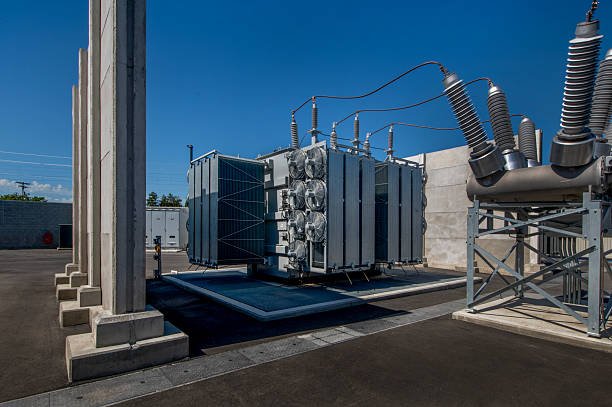
Global electricity demand is rising at an unprecedented pace as countries modernize power grids, expand renewable energy generation, electrify transportation, and invest in digital infrastructure. At the same time, many existing transformers are approaching the end of their service life and require replacement. These trends are creating sustained pressure on transformer manufacturers, suppliers, and logistics networks worldwide. As demand continues to outpace manufacturing expansion in many regions, buyers may face longer lead times, increased competition for production capacity, and higher procurement costs. Understanding how future energy demand affects transformer availability enables utilities, industrial companies, and project developers to make informed procurement decisions and reduce long-term supply risks.
Future energy demand will significantly influence power transformer availability by increasing global demand for new transmission and distribution infrastructure, renewable energy integration, industrial electrification, electric vehicle charging networks, and data centers. As transformer demand grows faster than manufacturing capacity in many markets, buyers should expect longer lead times, greater competition for production slots, and increased importance of early procurement and strategic supplier partnerships.
Future electricity demand will have little effect on power transformer availability because manufacturing capacity can immediately increase to match demand.False
Expanding transformer manufacturing capacity requires significant investment, specialized equipment, skilled labor, and qualified supply chains. Production capacity typically cannot increase as quickly as global electricity infrastructure demand.
Why is global energy demand increasing?
Electricity has become the primary energy source supporting economic growth and technological development.
Major drivers of increasing electricity demand include:
- Population growth
- Urbanization
- Industrial expansion
- Digital transformation
- Renewable energy deployment
- Transportation electrification
- Building electrification
These developments require significant investments in electrical transmission and distribution systems.
| Growth Driver | Effect on Transformer Demand |
|---|---|
| Urban development | Expansion of distribution networks |
| Industrial growth | Higher-capacity substations |
| Renewable energy | New grid interconnections |
| Electric vehicles | Additional distribution capacity |
| Data centers | High-capacity power infrastructure |
| Grid modernization | Replacement and expansion projects |
1. Expansion of Renewable Energy
Renewable energy is one of the largest contributors to future transformer demand.
Projects include:
- Utility-scale solar farms
- Onshore wind farms
- Offshore wind installations
- Battery energy storage systems
- Hybrid renewable power plants
Each project requires transformers for:
- Voltage step-up
- Grid interconnection
- Power collection
- Distribution
As renewable installations increase, demand for medium- and high-voltage transformers will continue to grow.
2. Modernization of Aging Power Grids
Many transmission and distribution systems were built decades ago.
Utilities are replacing aging transformers to improve:
- Reliability
- Energy efficiency
- Grid resilience
- Operational safety
- Capacity for future loads
Large replacement programs increase demand in addition to new infrastructure construction.
3. Rapid Growth of Data Centers
Cloud computing, artificial intelligence, and digital services are driving unprecedented growth in data center construction.
Modern data centers require:
- High-capacity substations
- Redundant transformer systems
- High-efficiency power distribution
- Continuous electrical reliability
As more facilities are built, demand for reliable power transformers continues to rise.
| Industry | Transformer Requirement |
|---|---|
| Cloud computing | Large power transformers |
| Artificial intelligence | High-capacity substations |
| Telecommunications | Reliable distribution transformers |
| Financial services | Redundant power infrastructure |
4. Electrification of Transportation
Governments worldwide are encouraging the transition from fossil fuels to electricity.
Examples include:
- Electric vehicle charging networks
- Electrified rail systems
- Electric buses
- Port electrification
- Airport infrastructure
These projects require substantial upgrades to electrical networks and transformer installations.
5. Industrial Electrification
Manufacturers are increasingly replacing fossil fuel processes with electric technologies.
Industrial investments include:
- Electric furnaces
- Heat pumps
- Automated production systems
- Hydrogen production facilities
These applications often require higher-capacity transformers and upgraded substations.
6. Increasing Peak Electricity Demand
Future electricity consumption is expected to increase not only in total energy usage but also during peak demand periods.
Higher peak loads require:
- Larger transformers
- Additional substations
- Improved grid flexibility
- Enhanced voltage regulation
Utilities must install additional transformer capacity to maintain reliable service.
7. Limited Manufacturing Capacity
Although demand continues to grow, transformer manufacturing capacity cannot expand immediately.
Building new manufacturing facilities requires:
- Significant capital investment
- Specialized machinery
- Skilled technical personnel
- High-voltage testing laboratories
- Qualified supplier networks
As a result, production capacity may remain constrained even as demand increases.
| Manufacturing Constraint | Impact on Availability |
|---|---|
| Limited factory capacity | Longer production queues |
| Skilled labor shortages | Reduced manufacturing output |
| Testing facility limitations | Extended delivery schedules |
| Equipment investment requirements | Slow capacity expansion |
8. Continued Pressure on Raw Material Supply
Growing transformer demand also increases demand for essential raw materials.
Critical materials include:
- Grain-oriented electrical steel
- Copper
- Aluminum
- Transformer oil
- Electrical insulation paper
- Structural steel
Competition for these materials may increase procurement lead times and manufacturing costs.
9. Greater Importance of Supply Chain Resilience
Future supply chains will likely place greater emphasis on:
- Supplier diversification
- Regional manufacturing
- Strategic inventory
- Long-term purchasing agreements
- Digital supply chain monitoring
Manufacturers and buyers that strengthen supply chain resilience will be better positioned to manage market fluctuations.
10. Digital Grid Technologies
Modern electrical grids increasingly incorporate:
- Smart substations
- Digital monitoring
- Predictive maintenance
- Remote asset management
- Intelligent protection systems
These technologies often require transformers equipped with advanced monitoring and communication capabilities, increasing engineering complexity and manufacturing requirements.
11. Sustainability and Environmental Requirements
Environmental regulations continue to influence transformer design.
Manufacturers are investing in:
- Higher-efficiency cores
- Lower-loss designs
- Environmentally friendly insulating fluids
- Improved recyclable materials
- Reduced carbon emissions during manufacturing
Meeting these requirements may increase engineering effort while improving long-term operational performance.
12. Global Competition for Production Capacity
As countries invest simultaneously in power infrastructure, manufacturers may receive more orders than available production capacity.
Competition for manufacturing slots may increase among:
- Electric utilities
- Renewable energy developers
- Industrial companies
- Data center operators
- Government infrastructure projects
Buyers who secure production capacity early are generally better positioned to avoid delivery delays.
| Market Trend | Expected Effect |
|---|---|
| Grid expansion | Higher transformer demand |
| Renewable energy investment | Longer order backlogs |
| Data center construction | Increased competition for capacity |
| Industrial electrification | Greater demand for large transformers |
| Infrastructure modernization | Sustained manufacturing utilization |
How can buyers prepare for future transformer demand?
Organizations can reduce procurement risks by adopting long-term planning strategies.
Recommended actions include:
- Forecast transformer requirements several years in advance.
- Finalize technical specifications early.
- Develop long-term partnerships with qualified manufacturers.
- Monitor market conditions and material availability.
- Include realistic delivery schedules in project planning.
- Standardize transformer designs where practical.
- Coordinate procurement across multiple projects.
These measures improve procurement certainty and reduce exposure to future supply constraints.
Why are long-term supplier partnerships becoming more valuable?
Long-term relationships with experienced manufacturers provide several advantages.
Benefits include:
- Better production planning
- Improved communication
- More predictable scheduling
- Stable technical support
- Greater supply chain transparency
- Faster response to project changes
Strategic partnerships are becoming increasingly important as global transformer demand continues to grow.
Which standards support future transformer reliability?
Power transformers should continue to be designed and manufactured according to internationally recognized standards.
The most widely adopted standards are published by:
- International Electrotechnical Commission
- Institute of Electrical and Electronics Engineers
These standards provide guidance for:
- Transformer design
- Material selection
- Manufacturing quality
- Factory testing
- Performance verification
- Operational reliability
Compliance with these standards helps ensure that increasing production demand does not compromise transformer quality.
Conclusion
The availability of power transformers is increasingly influenced by global supply chain conditions rather than manufacturing alone. Material shortages, limited factory capacity, transportation challenges, labor constraints, and rapidly growing demand for electrical infrastructure have all contributed to longer lead times and greater procurement uncertainty. Organizations that plan purchases early, work with experienced and diversified manufacturers, standardize specifications where possible, and maintain close communication throughout the procurement process are better positioned to secure reliable transformer supplies. A proactive supply chain strategy not only minimizes project delays but also helps ensure long-term operational resilience in an evolving global energy market.
FAQ
Q1: What supply chain risks affect power transformer availability?
Power transformer availability is influenced by a complex global supply chain involving raw materials, specialized manufacturing, transportation, and skilled labor. Disruptions at any stage can significantly increase lead times and project costs.
Major supply chain risks include:
Shortages of grain-oriented electrical steel (GOES)
Copper and aluminum price volatility
Limited global manufacturing capacity
Supply disruptions for insulating materials
Transportation and logistics delays
Skilled labor shortages
Geopolitical tensions and trade restrictions
Rising global demand for electrical infrastructure
As power grids expand and modernize, these challenges have made transformer procurement more competitive and time-sensitive.
Q2: Why is grain-oriented electrical steel (GOES) critical?
GOES is a specialized magnetic steel used to manufacture transformer cores. It offers high magnetic permeability and low core losses, making it essential for efficient transformer operation.
Supply risks include:
Limited number of global manufacturers
High energy costs during production
Long production cycles
Export restrictions in some regions
Increasing worldwide demand
A shortage of GOES can delay transformer manufacturing and increase equipment costs.
Q3: How do copper and aluminum markets impact transformer production?
Copper and aluminum are the primary materials used for transformer windings.
Market fluctuations can affect:
Manufacturing costs
Material availability
Procurement budgets
Delivery schedules
Factors influencing these markets include:
Mining output
Global industrial demand
Energy prices
Currency exchange rates
International trade policies
Many manufacturers mitigate these risks through long-term supply contracts and diversified sourcing strategies.
Q4: Why are transformer manufacturing lead times increasing?
Several factors have extended transformer lead times in recent years, including:
Growing investment in renewable energy projects
Expansion of transmission and distribution networks
Aging grid infrastructure replacement
Increased demand from data centers and industrial electrification
Limited production capacity at transformer factories
Longer delivery times for critical components
For large power transformers, lead times of 12 to 24 months have become increasingly common, depending on the voltage class and level of customization.
Q5: How do transportation and logistics affect transformer availability?
Power transformers are large, heavy, and high-value assets that require specialized transportation.
Potential logistics challenges include:
Heavy-haul transport permit requirements
Limited availability of specialized trailers
Port congestion
Shipping container shortages
Rail transport constraints
Weather-related delays
Customs clearance procedures
International shipments may also require detailed route planning due to bridge, road, and weight restrictions.
Q6: How do geopolitical and regulatory factors influence the supply chain?
Global events can significantly affect transformer production and delivery.
Examples include:
Trade tariffs
Export controls
Economic sanctions
Regional conflicts
Political instability
Environmental regulations
Changes in import/export policies
These factors may reduce material availability, increase production costs, or delay international shipments.
Q7: What strategies can buyers use to reduce supply chain risks?
Organizations can improve procurement resilience by adopting proactive purchasing strategies.
Best practices include:
Order transformers well in advance of project deadlines
Finalize technical specifications early
Qualify multiple approved suppliers
Consider standardized transformer designs where appropriate
Monitor raw material market trends
Maintain strategic spare transformer inventory for critical assets
Coordinate manufacturing, testing, and transportation schedules
Develop long-term partnerships with reputable manufacturers
These measures help reduce the impact of market volatility and production bottlenecks.
Q8: How is the transformer industry adapting to future supply chain challenges?
Manufacturers and utilities are investing in more resilient and efficient supply chains through:
Expansion of transformer manufacturing capacity
Increased domestic and regional production
Automation and digital manufacturing technologies
Diversified sourcing of critical materials
Predictive supply chain analytics
Improved inventory management
Sustainable material development
Enhanced collaboration between manufacturers, utilities, and logistics providers
As global electricity demand continues to grow, these initiatives will help improve transformer availability, reduce procurement risks, and support the modernization of power infrastructure.
References
IEC 60076 – Power Transformers
https://webstore.iec.ch/publication/602
International Energy Agency (IEA) – Electricity Grids and Secure Energy Transitions
https://www.iea.org/reports/electricity-grids-and-secure-energy-transitions
IEEE Power & Energy Society – Transformer Engineering and Supply Chain Research
https://ieeexplore.ieee.org
Electrical Engineering Portal – Power Transformer Manufacturing and Procurement Challenges
https://electrical-engineering-portal.com
U.S. Department of Energy – Building a Better Grid Initiative
https://www.energy.gov/gdo/building-better-grid-initiative