
Power transformers are critical components in electrical infrastructure, and their safety, performance, and reliability must be verified through rigorous testing. These tests are governed by international and regional standards such as IEC, IEEE, and ANSI. Each standard defines test types, procedures, and acceptance criteria for different transformer classes and applications. This article outlines the major applicable testing standards and their roles.
What Is IEC 60076 and Why Is It Widely Adopted?
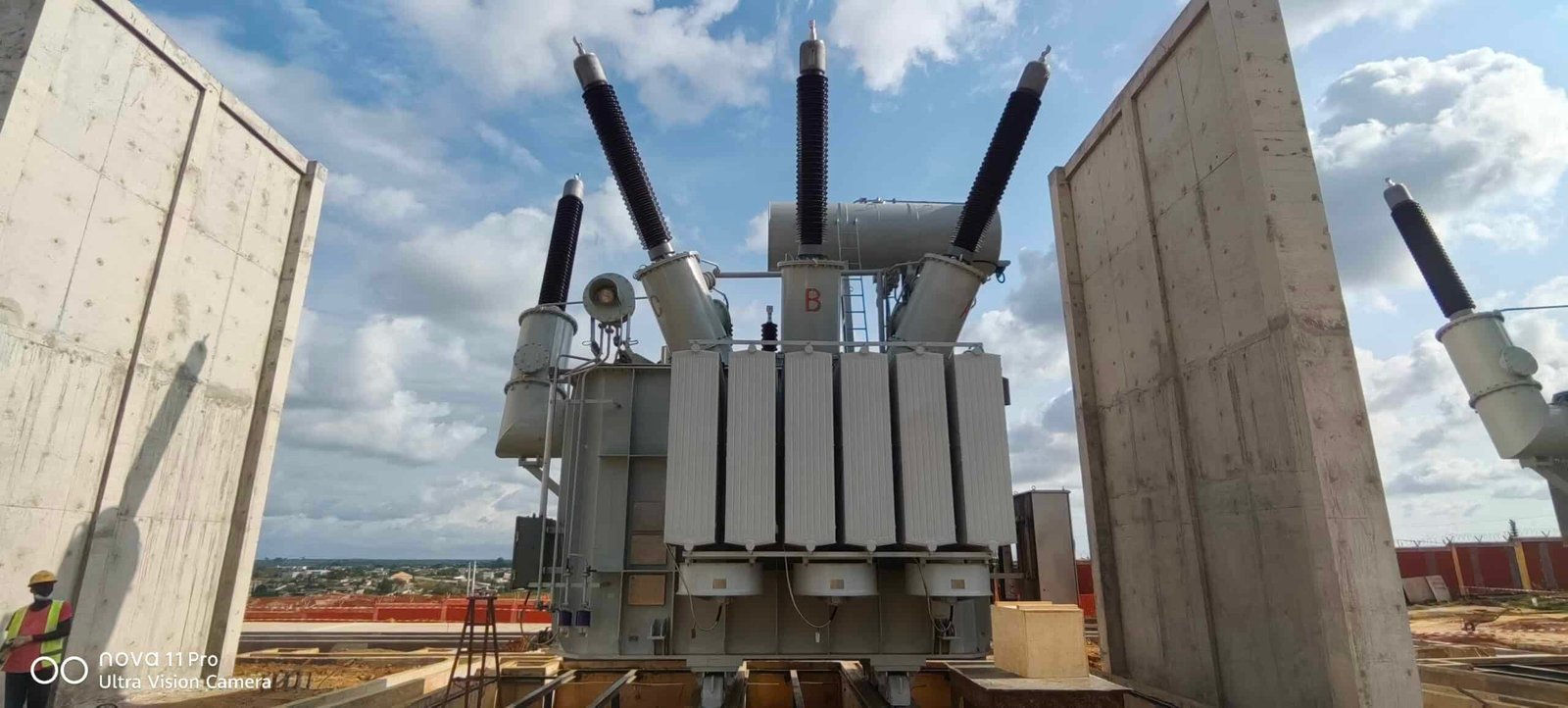 !
!
In the transformer industry, product safety, reliability, and international interoperability depend heavily on adhering to recognized standards. Without unified benchmarks, comparing performance, conducting quality tests, or even sourcing components across borders would be chaotic and costly. Enter IEC 60076, a globally accepted suite of standards that defines the essential characteristics, performance requirements, test procedures, and design criteria for power transformers. Manufacturers, utilities, and regulators all rely on this standard to ensure transformers meet strict, internationally aligned benchmarks for quality and safety.
IEC 60076 is a series of international standards issued by the International Electrotechnical Commission (IEC) that governs the design, performance, testing, and safety of power transformers. Widely adopted across the globe, it ensures consistent transformer specifications, facilitates international trade, guarantees performance reliability, and enables manufacturers and users to comply with uniform technical and safety requirements. It covers aspects such as temperature rise, insulation levels, loss measurement, dielectric testing, and special transformer types.
Compliance with IEC 60076 is often mandatory for grid integration, export contracts, and certification purposes.
IEC 60076 sets the international standard for power transformer design and testing.True
It ensures consistent and interoperable specifications for power transformers across different markets.
IEC 60076 only applies to dry-type transformers.False
The standard covers both oil-immersed and dry-type transformers, as well as specialized variants like traction and reactors.
Products built to IEC 60076 are easier to certify and trade internationally.True
Compliance streamlines quality assurance and allows for harmonized global manufacturing and procurement.
1. Overview of IEC 60076 Standard Series
The IEC 60076 series comprises multiple parts, each addressing a specific aspect of transformer performance or type.
| Part | Title | Description |
|---|---|---|
| IEC 60076-1 | General | Core definitions, ratings, and testing |
| IEC 60076-2 | Temperature rise | Thermal performance under load |
| IEC 60076-3 | Insulation levels and dielectric tests | High-voltage withstand and test protocols |
| IEC 60076-4 | Guide to lightning impulse tests | Transient response evaluation |
| IEC 60076-5 | Ability to withstand short circuit | Mechanical integrity during faults |
| IEC 60076-6 | Reactors | Special inductive equipment |
| IEC 60076-7 | Loading guide | Thermal loading limits and longevity impacts |
| IEC 60076-10 | Determination of sound levels | Acoustic emission limits |
| IEC 60076-11 | Dry-type transformers | Design and testing of air-cooled/dry units |
| IEC 60076-14 | Liquid-immersed power transformers using natural esters | Alternative fluid guidance |
The series continues to evolve, adapting to emerging technologies and insulation fluids.
2. Why Is IEC 60076 So Widely Adopted?
| Reason | Explanation |
|---|---|
| Global Harmonization | Accepted in over 80 countries, it forms the foundation for national transformer standards. |
| Design Uniformity | Enables manufacturers worldwide to build products to a common baseline. |
| Ease of Procurement | Buyers can source transformers internationally without technical mismatches. |
| Safety Assurance | Testing protocols and insulation levels reduce fire, arc, and fault risk. |
| Interoperability | Ensures compatibility across different grid networks, voltages, and equipment. |
| Legal and Regulatory Compliance | Many public tenders and grid codes require IEC 60076 certification. |
Example:
A transformer specified for export to Europe or the Middle East must meet IEC 60076 for legal acceptance, irrespective of the country of manufacture.
3. Key Technical Parameters Defined in IEC 60076
| Parameter | Defined Standard |
|---|---|
| Rated voltage and current | IEC 60076-1 |
| Temperature rise limit | IEC 60076-2 |
| Impulse withstand voltage | IEC 60076-3 |
| Total losses and tolerances | IEC 60076-1 |
| Short-circuit mechanical strength | IEC 60076-5 |
| Maximum permissible sound level | IEC 60076-10 |
| Acceptable oil/insulation properties | IEC 60076-14 (esters) or related fluid standards |
Chart: Comparison of Common Standards
| Standard | Focus | Global Use | Industry |
|---|---|---|---|
| IEC 60076 | Design, test, rating | Global | Utilities, OEMs |
| IEEE C57 | Design, insulation coordination | Americas | Utilities, engineers |
| GB 1094 | Chinese adaptation of IEC | China | Manufacturers, EPCs |
| IS 2026 | Indian adaptation of IEC | India | Public sector, OEMs |
IEC is often the default requirement in international transformer tenders.
4. Real-World Application: IEC 60076 in Procurement and Grid Integration
| Project | 220 kV Substation Transformer (Qatar) |
|---|---|
| Specification Requirement | IEC 60076-1/2/3 compliance |
| Delivered Transformer | 80 MVA, ONAN/ONAF, oil-immersed |
| Tests Performed | Type test (temperature rise), routine test (ratio, impedance, loss), dielectric test (impulse) |
| Result | Approved by national utility, successfully energized |
| Value | Compliance enabled quick commissioning and warranty clearance |
5. Typical Tests Mandated by IEC 60076
| Test Category | Examples |
|---|---|
| Routine Tests | Ratio, resistance, impedance, no-load/load loss, insulation resistance |
| Type Tests | Temperature rise, lightning impulse, sound level |
| Special Tests | Partial discharge, short-circuit withstand, harmonics, ferroresonance check |
All results must fall within tolerances defined in IEC 60076-1 and others.
6. IEC 60076 and Sustainability Trends
The standard is evolving to address new transformer fluids (natural esters), environmental noise control, and energy efficiency.
- Eco-design directive (EU) now references IEC 60076 loss limits.
- Renewable grid transformers increasingly require ester-filled, IEC 60076-14-compliant units.
Digitally monitored transformers must meet IEC testing for sensors and communication interfaces.
How Do IEEE/ANSI Standards Differ from IEC Standards in Transformer Design and Testing?
When it comes to specifying transformers, the global industry follows two main sets of standards: IEC (International Electrotechnical Commission) and IEEE/ANSI (Institute of Electrical and Electronics Engineers / American National Standards Institute). Both frameworks aim to ensure safety, performance, and reliability—but they are not identical, and their differences can cause confusion or delays during design, procurement, or testing phases. For multinational projects or cross-border sourcing, understanding these distinctions is critical for ensuring technical compatibility and regulatory compliance.
IEEE/ANSI standards differ from IEC standards primarily in their approach to transformer ratings, test methods, terminology, construction practices, and safety margins. IEEE/ANSI standards are commonly used in North America and follow imperial units, with conservative thermal and insulation design. IEC standards dominate internationally, especially in Europe, Asia, and the Middle East, with metric units and harmonized performance criteria. Though both ensure safe and efficient transformer operation, their design assumptions and test philosophies reflect regional grid conditions and engineering culture.
Knowing which standard applies—and how it impacts design and testing—is vital for successful transformer deployment.
IEEE and IEC standards are interchangeable without adaptation.False
Each standard follows distinct design philosophies, units, and test conditions. Interchange requires technical reconciliation.
IEEE/ANSI standards use Fahrenheit and imperial units.True
IEEE standards use imperial units for temperature, dimension, and capacity. IEC uses metric (SI) units.
IEC standards are more commonly used in international projects outside North America.True
IEC 60076 is the global standard in most markets including Asia, Europe, Africa, and the Middle East.
1. Overview: What Are These Standards Bodies?
| Standard Body | Region | Primary Focus |
|---|---|---|
| IEC | International (Europe, Asia, Middle East, Africa) | Standardization for global harmonization |
| IEEE/ANSI | North America (USA, Canada, parts of Latin America) | Safety, reliability, robustness in utility systems |
Key Publications:
- IEC 60076 series (transformers)
- IEEE C57 series (ANSI/IEEE Std C57.12.00, C57.91, etc.)
2. Design Philosophies: Conservative vs. Efficient
| Aspect | IEC | IEEE/ANSI |
|---|---|---|
| Safety Margins | Optimized, precise | Conservative, larger margins |
| Thermal Design | Based on ambient 20°C, rise 55–65°C | Based on ambient 30°C, rise 65–80°C |
| Efficiency Focus | Higher efficiency, lower losses | Emphasizes durability under severe conditions |
| Transformer Size | Compact | Bulkier (larger clearances, cooling surfaces) |
| Service Factor | Standard is 1.0 | Often 1.1 or higher |
IEC designs are typically more compact, while IEEE favors over-engineering for robustness.
3. Testing Methodology: How Are They Different?
| Test Type | IEC 60076 | IEEE C57 |
|---|---|---|
| Impulse Test | Full lightning impulse + chopped wave | Full wave only, less frequent chopped |
| Temperature Rise Test | Oil at 20°C ambient | Oil at 30°C ambient |
| Short Circuit Withstand | Mandatory for ≥3150 kVA | Optional unless requested |
| Sound Level Test | Required (IEC 60076-10) | Optional |
| No-Load Loss Tolerance | ±15% | +10%, -0% (stricter lower bound) |
| Load Loss Tolerance | ±15% | ±6% (tighter margin) |
| Dielectric Test | 3-level classification (LI, SI, AC) | BIL levels based on system voltage |
| Routine Tests | Mandatory (ratio, resistance, loss, impedance) | Same but frequency and thresholds vary |
Chart: IEC vs IEEE Rating Plate Comparison
| Parameter | IEC Format | IEEE/ANSI Format |
|---|---|---|
| Voltage | kV (line-line) | kV (line-neutral for some) |
| Frequency | 50 Hz (standard) | 60 Hz (standard) |
| Temp Rise | 55°C, 65°C | 65°C, 75°C, 85°C |
| Cooling Class | ONAN, ONAF, ODAF | KNAN, KNAF, KDAF |
| Short-Circuit Duration | 2 s | 2 s (if tested) |
| Insulation Level | LI/AC/SI (e.g., 850/360/70) | BIL (e.g., 1100 kV) |
4. Unit Systems and Terminology
| Factor | IEC | IEEE/ANSI |
|---|---|---|
| Voltage | kilovolts (kV) | kilovolts (kV) |
| Power | kVA, MVA | kVA, MVA |
| Temperature | Celsius (°C) | Fahrenheit (°F) |
| Distance | mm | inches |
| Tap notation | ±2x2.5% | +2, -4 taps of 2.5% |
| Vector Group | Dyn11, YNyn0, etc. | Polarity, connection diagrams only |
| Impedance tolerance | ±10% | Specified ± value or per order |
5. Application-Specific Design Choices
| Application | Preferred Standard | Why |
|---|---|---|
| Export to Europe/Asia | IEC | Local compliance and design match |
| North American utilities | IEEE/ANSI | Grid codes and test expectations |
| Data centers with international consultants | Either (IEC more common) | Alignment with global efficiency standards |
| Nuclear or defense projects | Often IEEE | Emphasis on durability, strict testing |
IEC standards are often required by international tenders, while IEEE applies to UL/CSA-listed equipment.
6. Can You Convert Between IEEE and IEC?
Yes, but with design and testing alignment:
| Area | Conversion Needed |
|---|---|
| Voltage rating and BIL | Must match equivalent impulse level |
| Tap changer specification | Align step sizes and range |
| Cooling class | Translate between IEC and IEEE nomenclature |
| Oil type and temperature classes | Match based on service duty |
| Sound level | Must be tested per desired standard |
Transformer manufacturers must state which standard the unit complies with, especially for multi-national installations.
Real-World Case Study: Failed IEC-IEEE Specification Match
| Project | 132 kV Industrial Transformer (South America) |
|---|---|
| Error | Buyer specified IEC unit for IEEE grid |
| Consequence | BIL mismatch (IEC LI level lower), transformer failed impulse test |
| Resolution | New unit ordered, revised to IEEE Std C57.12.00 |
| Cost Impact | $75,000 in redesign + 12 weeks delay |
| Lesson | Always match standards to grid and inspection requirements! |
What Are the Key Routine, Type, and Special Tests Defined by Transformer Standards?
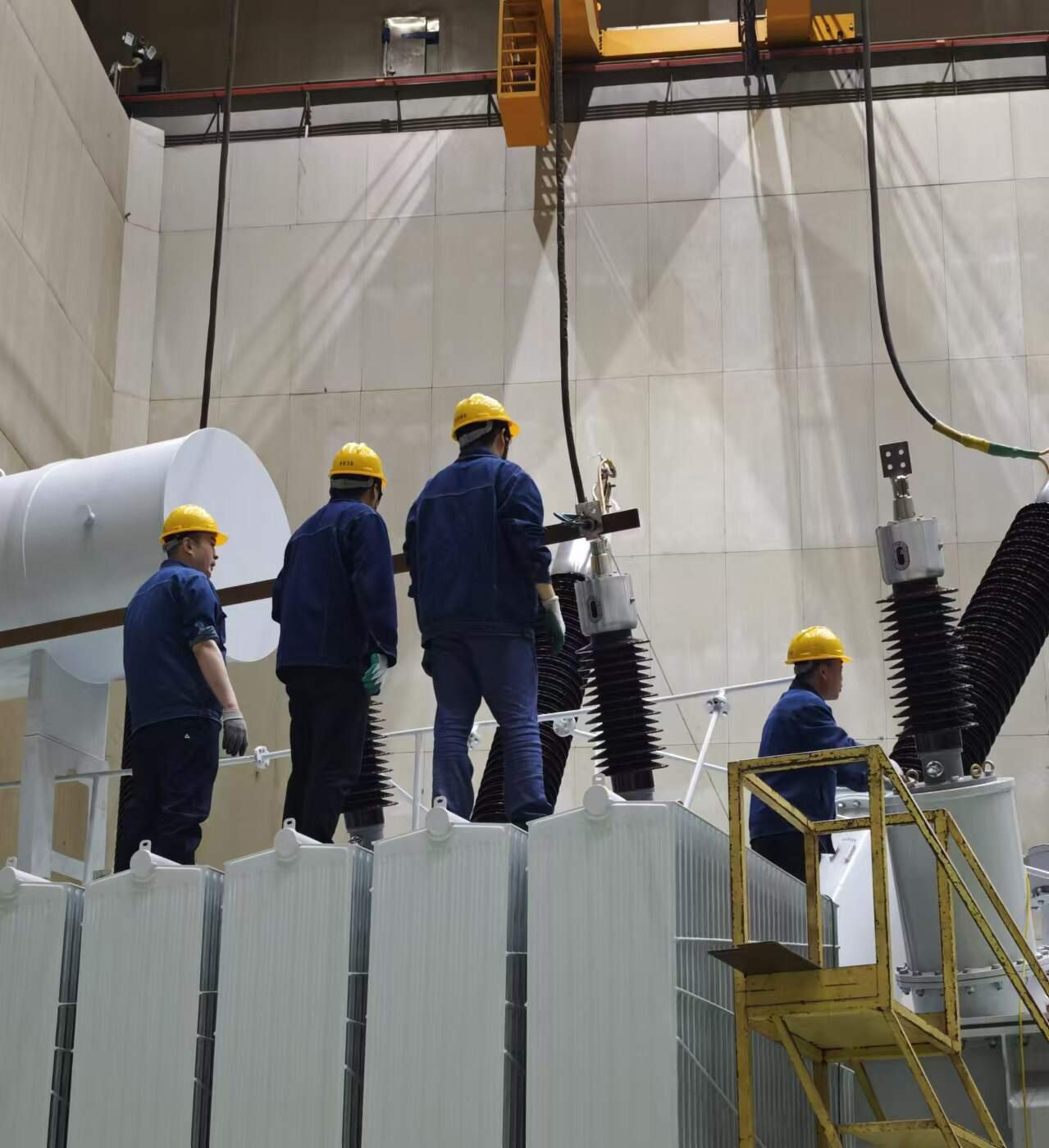
In the transformer manufacturing process, testing is the final gate that determines if a unit is ready for deployment—or if it poses unacceptable operational risks. Whether governed by IEC 60076, IEEE C57, or local adaptations like IS 2026 or GB 1094, transformer testing is not optional. It ensures conformity with design specifications, electrical safety, mechanical robustness, and long-term reliability. Standards divide testing into three categories—Routine, Type, and Special Tests—each serving a specific role. Understanding these test classifications is vital for buyers, operators, inspectors, and engineers who need transformers to function flawlessly under real-world grid conditions.
Routine, type, and special tests are categories defined by international transformer standards such as IEC 60076 and IEEE C57 to ensure safety, quality, and performance. Routine tests are mandatory for every transformer and verify core functional parameters. Type tests are conducted on prototype units to validate design integrity and compliance. Special tests are carried out upon agreement between buyer and manufacturer to assess application-specific or non-standard conditions such as harmonics, partial discharge, or seismic endurance. These tests collectively ensure that transformers meet contractual, regulatory, and operational expectations.
Testing is not just quality assurance—it's regulatory, safety-critical, and deeply tied to transformer performance.
Routine tests are mandatory for every transformer unit produced.True
Routine tests verify electrical and mechanical integrity of each individual transformer before it leaves the factory.
Type tests are performed on every transformer sold.False
Type tests are conducted on a representative prototype to validate design compliance, not on every production unit.
Special tests are application-driven and agreed between buyer and manufacturer.True
Special tests are not standard but performed based on project-specific needs such as harmonics or seismic conditions.
1. Routine Tests: Mandatory for Every Unit
Routine tests ensure basic functionality and compliance with design parameters for each transformer before shipment.
| Test Name | Purpose | Standard Reference |
|---|---|---|
| Ratio Test | Verifies turns ratio between primary and secondary | IEC 60076-1 / IEEE C57.12.90 |
| Winding Resistance | Confirms conductor and joint integrity | IEC 60076-1 |
| Vector Group Verification | Checks phase displacement and winding configuration | IEC 60076-1 |
| Insulation Resistance | Measures insulation resistance between windings and ground | IEC 60076-1 |
| Dielectric Test (Applied Voltage) | Confirms ability to withstand rated AC voltage | IEC 60076-3 |
| Induced Voltage Test | Ensures inter-turn insulation under twice nominal voltage | IEC 60076-3 |
| No-Load and Load Losses | Confirms efficiency and loss limits | IEC 60076-1 / IEEE C57.12.90 |
| Impedance Voltage | Measures voltage drop under rated current | IEC 60076-1 |
| Polarity and Phase Check | Ensures correct polarity and phase sequencing | IEEE C57.12.90 |
Chart: Sample Routine Test Matrix
| Transformer Size | Ratio Test | Loss Test | Insulation Test |
|---|---|---|---|
| 100 kVA | ✔ | ✔ | ✔ |
| 5 MVA | ✔ | ✔ | ✔ |
| 100 MVA | ✔ | ✔ | ✔ |
These tests are mandatory and must be passed before delivery.
2. Type Tests: Performed on a Representative Unit
Type tests verify whether a design meets the standard requirements. They're typically conducted on the first unit of a design series.
| Type Test | Purpose | IEC/IEEE Reference |
|---|---|---|
| Temperature Rise Test | Evaluates thermal performance under full load | IEC 60076-2 / IEEE C57.91 |
| Dielectric Impulse Test (Lightning and Switching) | Simulates high-voltage surges from lightning or switching | IEC 60076-3 |
| Short Circuit Withstand Test | Proves mechanical integrity during fault currents | IEC 60076-5 |
| Sound Level Measurement | Ensures compliance with acoustic limits | IEC 60076-10 |
| No-Load Current and Harmonics | Evaluates magnetizing current and waveform quality | IEC 60076-1 |
Example: Lightning Impulse Test Procedure (IEC 60076-3)
- Apply 1.2/50 µs waveform
- Standard LI (Lightning Impulse) level varies by rated voltage:
| Rated Voltage (kV) | Impulse Withstand (kV) |
|---|---|
| 66 | 325 |
| 132 | 550 |
| 220 | 1050 |
| 400 | 1425 |
Failing any of these requires design modification and retesting.
3. Special Tests: Based on Application Demands
Special tests are agreed upon between buyer and manufacturer to address non-standard performance requirements.
| Special Test | Description | IEC Reference |
|---|---|---|
| Partial Discharge Test | Detects insulation flaws via micro-arcing | IEC 60076-11 |
| Zero Sequence Impedance | Required for grounding and system stability | IEC 60076-8 |
| Dielectric Loss Factor (Tan δ) | Assesses insulation aging | IEC 60076-1 |
| Frequency Response Analysis (FRA) | Checks mechanical displacement of windings | IEC 60076-18 |
| Capacitance and Dissipation Factor | Measures insulation degradation in bushings | IEC 60137 |
| Harmonic Content Measurement | For power quality-sensitive installations | Project-Specific |
| Seismic or Shock Test | Validates performance under earthquake | IEEE 693 / IEC 60068 |
| EMC Compliance Test | Required for grid or substation communications | IEC 61000 series |
Table: Example Use Cases for Special Tests
| Application | Required Special Test |
|---|---|
| Urban data center | Tan δ, PD, sound level |
| Grid transformer (GIS) | Zero sequence, FRA |
| Seismic zone | Earthquake/shock withstand |
| Renewable substation | Harmonic & overload loading tests |
4. Factory Acceptance Test (FAT) Documentation
All tests are compiled into a Factory Test Report, often witnessed by:
- Utility/customer engineers
- Third-party inspectors (SGS, TÜV, Bureau Veritas)
- Quality assurance authorities
Each test is documented with:
| Item | Content |
|---|---|
| Test ID | Unique identifier and date |
| Method | IEC/IEEE procedure reference |
| Equipment Used | Calibration traceability |
| Results | Numeric data with graphs |
| Conclusion | Pass/Fail with comments |
5. Typical Testing Timeline (Per Transformer Size)
| Transformer Rating | Routine Tests | Type Tests (if applicable) | Total Test Duration |
|---|---|---|---|
| 500 kVA | 3–4 hours | N/A | 4 hours |
| 10 MVA | 1–2 days | 2 days | 3–4 days |
| 100 MVA | 3 days | 5–7 days | 7–10 days |
Delays often occur due to failed insulation or thermal tests—highlighting the need for precision manufacturing.
Real-World Case Study: Temperature Rise Test Saves Utility
| Project | 50 MVA Transformer for Desert Grid |
|---|---|
| Issue | Initial design failed temp rise test at 55°C ambient |
| Correction | Redesigned cooling fans + larger radiators |
| Result | Passed test, deployed successfully |
| Benefit | Avoided overheating, extended transformer life |
| Lesson | Type testing validates real-world survivability before installation |
Which Standards Apply to On-load Tap Changers and Accessories?
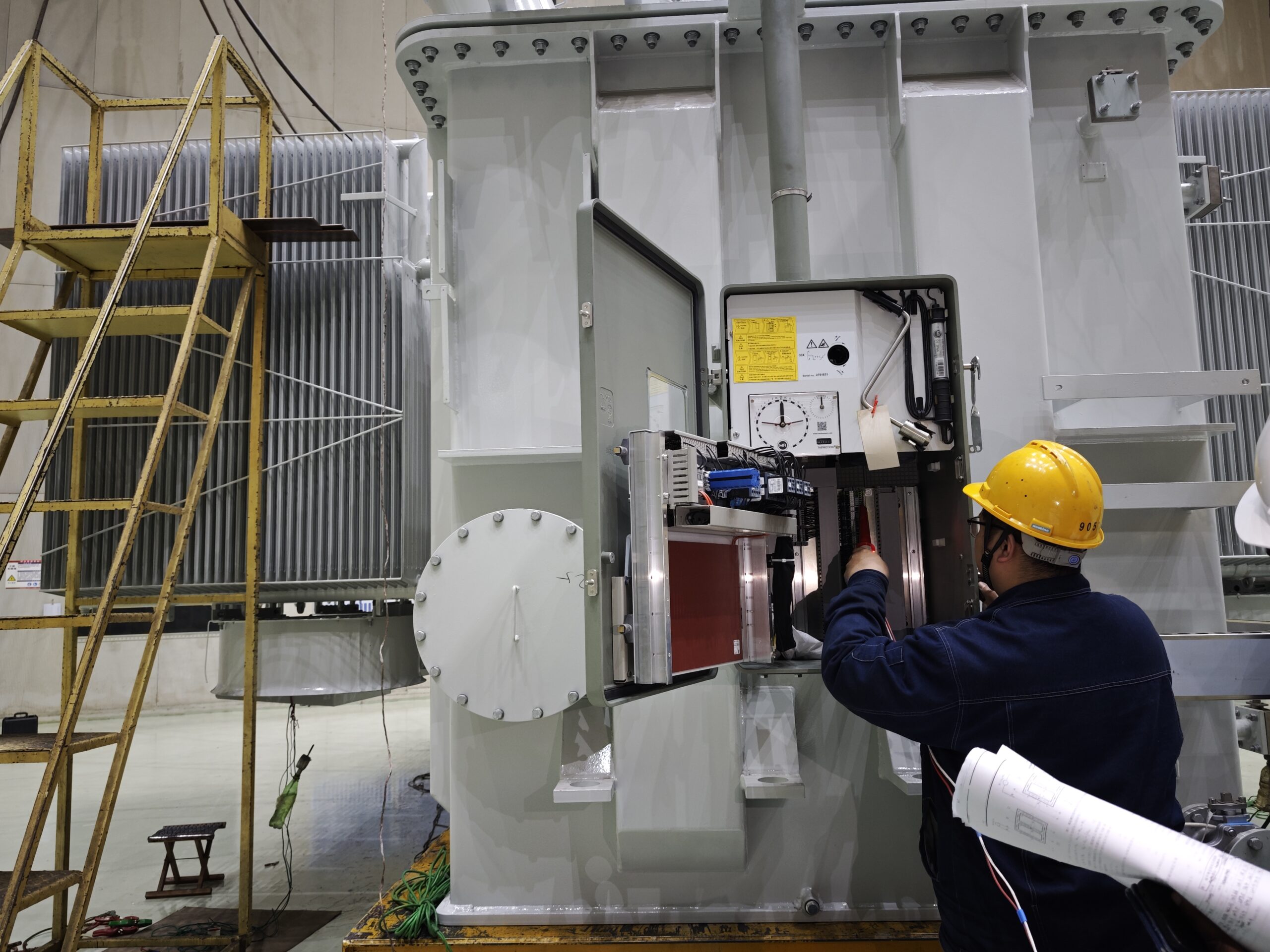
On-load tap changers (OLTCs) and their associated control accessories play a critical role in ensuring voltage stability and grid reliability in real-time operation. Because OLTCs are mechanical and electrical switching devices exposed to significant thermal and dielectric stress, their design, testing, and performance must meet stringent international standards. Failing to meet these standards can result in arcing damage, loss of voltage regulation, transformer failure, or even electrical fires. Whether in manufacturing, procurement, or system integration, understanding the relevant standards is crucial for safety, compatibility, and warranty validation.
The primary standards governing on-load tap changers (OLTCs) and their accessories are IEC 60214-1 and IEEE C57.131. IEC 60214-1 covers design, testing, and performance requirements for OLTCs used in liquid-filled transformers, including mechanical endurance, switching performance, and dielectric strength. IEEE C57.131 provides equivalent guidance for OLTCs used in North America. Additional standards like IEC 60214-2 govern tap changer control devices, while IEC 60076-1 and IEC 60076-3 define transformer-wide electrical and insulation coordination for tap changers.
These standards ensure OLTC systems operate reliably across all load conditions, voltage levels, and environmental settings.
IEC 60214-1 defines the general requirements for on-load tap changers.True
This standard outlines design, construction, testing, and performance of OLTCs used in liquid-filled transformers.
IEEE C57.131 is the North American standard for off-load tap changers.False
IEEE C57.131 applies to on-load tap changers (OLTCs), not off-load or no-load types.
IEC 60214-2 covers tap changer control devices and monitoring systems.True
IEC 60214-2 defines functional requirements for motor drives, electronic controls, and monitoring accessories for OLTCs.
1. Key Standards Governing OLTCs and Accessories
| Standard | Scope | Region |
|---|---|---|
| IEC 60214-1:2014 | OLTCs for liquid-immersed transformers: design, construction, testing | Global |
| IEC 60214-2:2014 | Control devices, monitoring, motor drives for OLTCs | Global |
| IEEE C57.131-2012 | Performance and testing of OLTCs in North America | North America |
| IEC 60076-1 / -3 | Transformer-wide insulation coordination, dielectric tests including tap positions | Global |
| IEEE C57.12.00 / C57.12.90 | General transformer standards also covering tap changer coordination | North America |
| IEC 60354 | Loading guide with tap changer considerations | Global |
| IEC 60296 / 61099 | Insulating oils used in tap changers | Global |
These standards collectively ensure mechanical durability, electrical endurance, arc suppression, oil compatibility, and digital control integration of OLTCs.
2. IEC 60214-1: Core Requirements for OLTC Design and Testing
IEC 60214-1 applies to OLTCs used in oil-filled transformers for:
- Voltage regulation under load
- Mechanical switching during energized conditions
- Installation inside or outside transformer tank
Key Parameters Defined:
| Parameter | Description |
|---|---|
| Rated through-current | Continuous current OLTC can switch (typically up to 2500 A) |
| Step voltage and number of steps | Tap steps per regulation range (e.g., ±10% in 17 steps) |
| Short-circuit making/breaking capacity | Ability to interrupt fault current |
| Endurance class | M-class (mechanical) and E-class (electrical) test cycles |
| Insulation level | Dielectric strength of tap positions under impulse and AC stress |
Endurance Test Classes:
| Class | Requirement | Application |
|---|---|---|
| M0/E0 | No endurance | Prototype or testing only |
| M1/E1 | 300,000 operations | Standard grid use |
| M2/E2 | 500,000+ operations | Heavy-duty industrial/regulatory load centers |
3. IEC 60214-2: Tap Changer Control and Monitoring
This standard governs the auxiliary systems that support OLTC operation:
| Accessory | Function |
|---|---|
| Motor drive unit | Operates selector switch mechanism |
| Position indicator | Displays current tap position digitally or mechanically |
| Voltage regulation relay | Automatically selects appropriate tap under varying load |
| Tap position sensors | Interface with SCADA or control systems |
| Monitoring modules | Track operations, temperature, moisture, arc energy |
Typical Control System Functions:
- Tap position memory after power failure
- Lockout during maintenance
- Maximum tap change per hour logic
- Integration with IEC 61850 (for digital substations)
4. IEEE C57.131: North American OLTC Standard
IEEE C57.131 complements IEC 60214-1 with additional testing and design emphasis tailored to ANSI/NEMA-based grids.
Key Differences vs IEC:
| Feature | IEEE C57.131 | IEC 60214-1 |
|---|---|---|
| Voltage units | kV (line-to-neutral) | kV (line-to-line) |
| Endurance test scope | Greater emphasis on arcing contact life | Balanced M/E classes |
| BIL levels | Based on ANSI BIL charts | IEC LI levels |
| Cooling system | Air-cooled options included | Primarily liquid-immersed OLTCs |
IEEE focuses more on extreme-duty cycles, especially for high-fault or industrial grids.
5. Testing Requirements for OLTCs
| Test Type | Description | Standard |
|---|---|---|
| Routine Test | Tap position accuracy, dielectric withstand | IEC 60214-1 |
| Type Test | Temperature rise, short-circuit withstand | IEC 60214-1, IEEE C57.131 |
| Endurance Test | Mechanical (M) and electrical (E) cycles | IEC 60214-1 |
| Impulse Test at Tap Terminals | Dielectric strength under impulse voltage | IEC 60076-3 |
| Partial Discharge | Assesses insulation performance | IEC 60270 |
| Oil Compatibility | Confirms insulating fluid is compatible with diverter switch | IEC 60296 / 61099 |
Diagram: OLTC Testing and Monitoring System Overview
[Voltage Regulator Relay] ──> [Motor Drive Unit]
                                  ↓
[Tap Selector Switch] ──> [Diverter Switch] ──> [Main Winding Tap Connection]
                                  ↓
[Tap Position Sensor] ──> [SCADA / Local HMI]
                                  ↓
[Monitoring System: Arc Energy, Cycles, Alarms]
6. Accessory Standards and Their Interplay
| Component | Relevant Standards |
|---|---|
| Breather for OLTC oil tank | IEC 60076-22 |
| Insulating oil (mineral or ester) | IEC 60296, IEC 61099 |
| Gasket and sealing compounds | IEC 62086 |
| Moisture monitoring sensor | IEC 61620 |
| Tap changer bushings | IEC 60137 (bushing design) |
Control interfaces often follow IEC 61850 or Modbus standards for SCADA integration.
7. Compliance and Inspection Documentation
OLTCs delivered with transformers must include:
- Declaration of conformity with IEC or IEEE standards
- Routine test certificate (as per IEC 60214-1 or C57.131)
- Drawings and wiring diagrams
- Instruction manual for operation and maintenance
- Endurance test report (if requested)
Third-party certification by KEMA, TÜV, UL, or local utilities is often required for grid interconnection.
Are There Environmental or Efficiency Standards to Consider for Transformers?
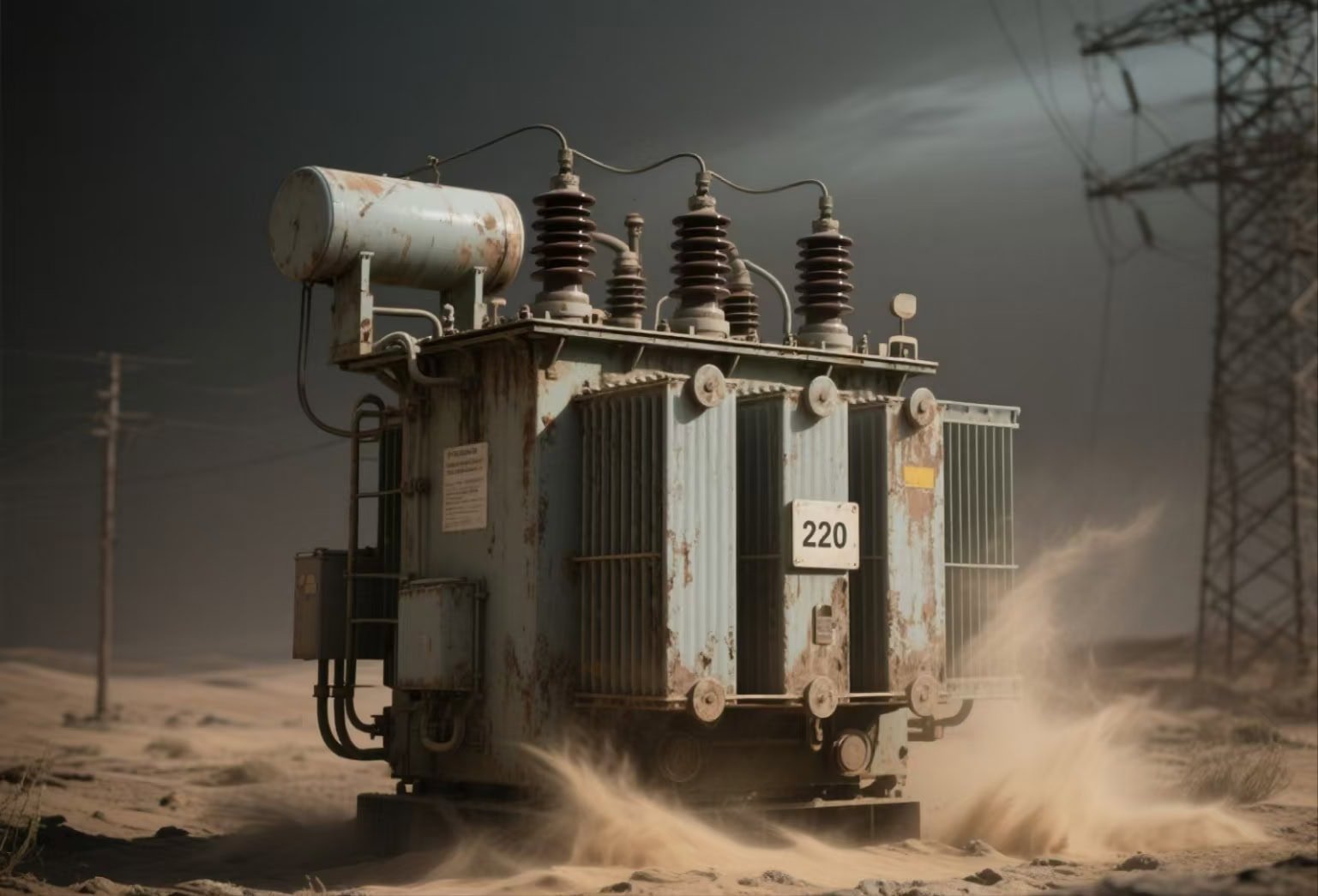
Today’s power transformers aren’t just evaluated by their voltage class, insulation level, or load capacity—they’re also measured by their environmental footprint and energy efficiency. As utilities strive to cut greenhouse gas emissions, meet decarbonization targets, and comply with energy regulations, transformers must now align with international environmental and efficiency standards. Failing to meet these standards can lead to regulatory penalties, rejected bids, or operational restrictions—especially in highly regulated markets like the EU, US, and parts of Asia. From Ecodesign mandates to low-loss core requirements, these standards shape how transformers are designed, built, and operated in modern power systems.
Yes, there are multiple environmental and efficiency standards that apply to power transformers. Key among them are the European Union’s Ecodesign Directive (EU 548/2014), U.S. Department of Energy (DOE) efficiency rules, and voluntary guidelines such as Energy Star and ISO 14001. These standards focus on reducing no-load and load losses, eliminating toxic materials like PCBs, improving recyclability, and minimizing noise emissions. Compliance is often mandatory for grid integration, especially in regions with strict sustainability policies or green procurement requirements.
Environmental and efficiency compliance is not just a technical requirement—it’s a market necessity.
The EU Ecodesign Directive sets mandatory efficiency requirements for transformers.True
Regulation EU 548/2014 requires all transformers sold in the EU to meet minimum energy efficiency levels.
Transformers filled with PCB oil are still widely approved for new installations.False
PCBs are banned in most countries due to toxicity and environmental persistence. Transformers must be PCB-free.
Efficiency standards for transformers vary by country and application.True
While standards like IEC 60076-20 exist globally, national regulations define specific efficiency thresholds.
1. Global Overview of Environmental and Efficiency Standards
| Region | Standard | Description |
|---|---|---|
| EU | EU Ecodesign Regulation (EU 548/2014) | Mandates minimum efficiency for power transformers (Tier 1 and Tier 2) |
| US | DOE 10 CFR Part 431 | Defines minimum transformer efficiency for distribution and power transformers |
| Global | IEC 60076-20 | Guides loss measurement, efficiency testing, and eco-design parameters |
| ISO | ISO 14001 | Environmental management system standards for transformer manufacturers |
| All regions | RoHS / REACH / PCB bans | Restrict use of hazardous materials like PCBs, lead, cadmium |
Table: Key Requirements by Market
| Market | Efficiency Target | Material Restrictions | Mandatory Since |
|---|---|---|---|
| EU | ≥ Tier 2 by 2021 | PCB-free, RoHS | 2015 (Tier 1), 2021 (Tier 2) |
| USA | DOE minimum loss tables | PCB banned | 2016 |
| Middle East | IEC 60076-20 compliance | PCB-free | Varies |
| India | BEE Star-rated for DTs | Restriction on PCB | 2015 onward |
2. EU Ecodesign Directive: Regulation (EU) 548/2014
The most widely recognized efficiency law for transformers:
- Applies to ≥1 kVA transformers in the EU
- Specifies minimum energy performance standards (MEPS)
Two tiers:
- Tier 1 (2015) – Basic minimum efficiency
- Tier 2 (2021) – Stricter loss limits
Table: Tier 2 Efficiency Example (Distribution Transformers)
| Rated Power (kVA) | No-load Loss (W) | Load Loss at 75°C (W) |
|---|---|---|
| 100 | ≤160 | ≤1850 |
| 630 | ≤630 | ≤7200 |
| 2500 | ≤1300 | ≤21600 |
Note: Losses must be certified at 75°C per IEC 60076.
Non-compliant units cannot be sold in the EU unless exempted for mobile, offshore, or legacy purposes.
3. U.S. DOE Transformer Efficiency Standards
DOE rules under 10 CFR Part 431 apply to:
- Low-voltage dry-type (LVLT)
- Medium-voltage dry-type (MVLT)
- Liquid-immersed distribution transformers
Test Standard: IEEE C57.12.00 & C57.12.90
Efficiency values are determined at 35% load, and penalties apply for exceeding loss limits.
| Transformer Class | Efficiency Target (Example) |
|---|---|
| 75 kVA LV Dry | 98.55% |
| 500 kVA Liquid | 98.84% |
| 2500 kVA Liquid | 99.30% |
DOE compliance is verified by certified labs and required for federal procurement.
4. Hazardous Substance Standards: PCBs, RoHS, REACH
| Regulation | Region | What It Bans |
|---|---|---|
| Stockholm Convention | Global | PCBs in new equipment |
| RoHS Directive | EU | Lead, cadmium, mercury in components |
| REACH Regulation | EU | Restricts persistent organic pollutants |
PCB-Free Certification
Required for shipping or installing transformers in:
- EU
- North America
- China
- Middle East
- Australia
Transformers must be labeled as “PCB-free (<2 ppm)” and tested by certified labs (e.g., GC-MS).
5. IEC 60076-20: Guide for Efficiency Evaluation
IEC 60076-20 complements Ecodesign and DOE laws by offering:
- Methodologies to calculate total losses
- Evaluation of lifecycle efficiency (total cost of ownership)
- Guidelines for loss capitalization (economic value of efficiency)
Formula: Total Cost of Ownership (TCO)
TCO = Purchase Price + (A × No-load Losses) + (B × Load Losses)
Where:
A = Capitalization of energy for no-load loss ($/W)
B = Capitalization of energy for load loss ($/W)
Used by utilities to justify high-efficiency transformers with premium materials (e.g., amorphous core).
6. Environmental Noise and Cooling Efficiency
| Aspect | Standard | Requirement |
|---|---|---|
| Noise Emission | IEC 60076-10 | Defines acceptable sound levels based on MVA rating |
| Cooling Efficiency | IEC 60076-2 | Assesses energy used for forced-air/oil cooling |
| SFRA Testing | IEC 60076-18 | Validates winding integrity after shipping (optional) |
Sound-level testing is mandatory in many urban or industrial installations.
7. Sustainable Manufacturing and Recyclability
Certified manufacturers often follow:
- ISO 14001: Environmental Management Systems
- Eco-labeling: Energy Star (North America), EU Ecolabel
- Recyclability targets: Over 90% of transformer mass must be recyclable
- Sustainable sourcing: Steel, copper, insulating oil with reduced environmental impact
Transformers now include eco-passports documenting carbon footprint and disposal plans.
Real-World Case Study: EU Bid Rejection Due to Ecodesign Non-Compliance
| Project | 630 kVA Ground-Mounted Transformer |
|---|---|
| Supplier Error | Offered Tier 1 compliant unit after 2021 deadline |
| Impact | Bid disqualified by EU utility buyer |
| Resolution | New Tier 2 compliant unit sourced at higher cost |
| Lesson | Always check regional efficiency phase-in dates and loss tables |
How Should FAT (Factory Acceptance Test) Be Conducted According to Standards?
A transformer might look perfect externally—but without a proper Factory Acceptance Test (FAT), there's no way to guarantee its electrical integrity, mechanical robustness, or regulatory compliance. FAT is the most critical checkpoint before a transformer leaves the factory floor. Poor FAT execution can result in commissioning delays, catastrophic failures in the field, or contractual disputes. International standards like IEC 60076, IEEE C57.12.00/90, and client-specific specifications govern how FAT should be conducted, what tests are mandatory, and how results must be documented. For project owners, engineers, and quality inspectors, understanding this process is essential for ensuring safe delivery, warranty activation, and system integration.
A Factory Acceptance Test (FAT) for transformers should be conducted according to standards such as IEC 60076-1/3/5 and IEEE C57.12.90. FAT includes a sequence of routine, type, and possibly special tests carried out in a controlled factory environment, witnessed by the client or a third-party inspector. The purpose is to verify compliance with technical specifications, safety standards, and design guarantees. FAT must follow a detailed procedure, using calibrated equipment, documented protocols, and result verification per tolerance limits set by the applicable standards. A formal FAT report is issued upon successful completion.
A well-conducted FAT is the best insurance policy before transformer shipment.
Factory Acceptance Testing is required by both IEC and IEEE transformer standards.True
Standards like IEC 60076 and IEEE C57.12.90 mandate FAT to ensure each transformer complies with safety, performance, and design parameters.
FAT is typically conducted after the transformer is delivered to site.False
FAT is performed in the manufacturing facility before delivery to validate all functional and safety aspects.
FAT can include routine, type, and special tests depending on the transformer type and project scope.True
The exact FAT scope depends on contractual requirements, transformer size, and criticality.
1. Standards Governing FAT Procedures
| Standard | Title | Scope |
|---|---|---|
| IEC 60076-1 | Power transformers – General | Routine test requirements |
| IEC 60076-3 | Insulation levels and dielectric tests | AC and impulse withstand tests |
| IEC 60076-5 | Ability to withstand short circuit | Short-circuit tests |
| IEEE C57.12.00 | General Requirements for Liquid-Immersed Distribution Transformers | Design & test protocols |
| IEEE C57.12.90 | Test Code for Transformers | FAT methods, measurement accuracy |
| IEC 60076-19-1 | Digital interface (if applicable) | For smart transformers and IEC 61850 |
2. Standard FAT Test Scope by Transformer Type
| Test | Oil-Immersed Power Transformer | Dry-Type Transformer | Reference |
|---|---|---|---|
| Ratio Test | ✔ | ✔ | IEC 60076-1 / IEEE C57.12.90 |
| Polarity / Phase Check | ✔ | ✔ | IEC 60076-1 |
| Insulation Resistance | ✔ | ✔ | IEC 60076-1 |
| Winding Resistance | ✔ | ✔ | IEC 60076-1 |
| Impedance Voltage | ✔ | ✔ | IEC 60076-1 |
| No-Load / Load Losses | ✔ | ✔ | IEC 60076-1 |
| Dielectric Withstand (Applied Voltage) | ✔ | ✔ | IEC 60076-3 |
| Induced Overvoltage | ✔ | ✔ | IEC 60076-3 |
| Partial Discharge (PD) | Optional | Mandatory | IEC 60270 |
| Temperature Rise (if type test) | Optional | Optional | IEC 60076-2 |
| Sound Level (if type test) | Optional | Optional | IEC 60076-10 |
| Short-Circuit (type or special) | Optional | Optional | IEC 60076-5 |
3. FAT Sequence and Execution Process
Pre-Test Preparation
- Review transformer GA drawing, nameplate, wiring diagrams
- Confirm test equipment is calibrated (with traceable certs)
- Set up transformer on test pad with earthing and lifting secured
- Fill transformer with oil (if required) and allow stabilization
Witness Planning
- Invite client or third-party inspector (SGS, TÜV, DNV)
- Share FAT plan in advance
- Keep test acceptance criteria pre-agreed and documented
4. Example: FAT Flow for 40 MVA Oil-Immersed Transformer
| Sequence | Test | Standard | Pass Criteria |
|---|---|---|---|
| 1 | Ratio Test | IEC 60076-1 | Within ±0.5% of design |
| 2 | Resistance (Winding) | IEC 60076-1 | <5% deviation across phases |
| 3 | Vector Group | IEC 60076-1 | Matches nameplate (e.g., Dyn11) |
| 4 | No-load Losses | IEC 60076-1 | ≤ specified watts (Tier 2 if in EU) |
| 5 | Load Losses | IEC 60076-1 | Measured @ 75°C, within tolerance |
| 6 | Impedance Voltage | IEC 60076-1 | ±10% of design value |
| 7 | Dielectric Test (AC) | IEC 60076-3 | No breakdown @ applied voltage |
| 8 | Induced Voltage Test | IEC 60076-3 | 2x rated voltage for 60 sec |
| 9 | Insulation Resistance | IEC 60076-1 | IR > 1000 MΩ typical |
| 10 | Final Inspection | Visual, nameplate, painting | No defect or deviation |
5. FAT Acceptance Criteria per IEC/IEEE
| Parameter | IEC Tolerance | IEEE Tolerance |
|---|---|---|
| Turns Ratio | ±0.5% | ±0.5% |
| Resistance (temp corrected) | ±2% | ±2% |
| No-Load Loss | +15%, -0% | +10%, -0% |
| Load Loss | ±15% | ±6% |
| Impedance Voltage | ±10% | ±7.5% |
| PD Level | ≤ 500 pC | ≤ 100 pC (dry-type) |
Pass/fail thresholds are defined by the applicable standard or contract specification.
6. FAT Documentation and Deliverables
| Document | Content |
|---|---|
| FAT Report | Detailed test results, traceability, signatures |
| Calibration Certificates | Instruments used in FAT |
| Wiring Diagram | Final version with tap changer positions |
| Transformer Nameplate Drawing | Verified vs actual plate |
| Visual Inspection Checklist | Paint, gaskets, bushings, earthing, labels |