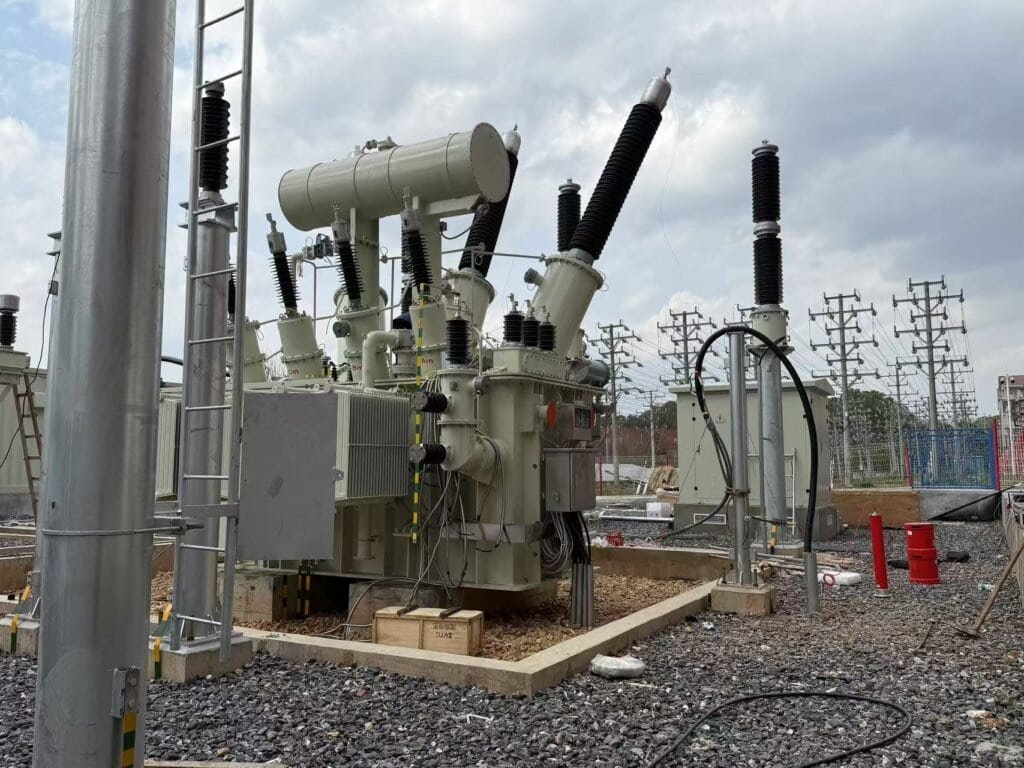
Transporting a power transformer from the manufacturer to the installation site can introduce significant risks because transformers are heavy, high-value, and mechanically sensitive pieces of equipment. Improper lifting, excessive vibration, impact, moisture exposure, poor securing, or unsuitable routes can damage bushings, radiators, conservators, core and winding assemblies, or other components before commissioning. Transportation problems can also cause delivery delays, insurance disputes, and costly repairs. Understanding these risks in advance helps buyers and manufacturers develop a safer and more reliable logistics plan.
The main transportation risks for power transformers include mechanical shock and vibration, improper lifting or handling, inadequate load securing, moisture and weather exposure, road or route restrictions, damage to accessories, delays, and insufficient insurance coverage. Buyers can mitigate these risks through proper packaging and preservation, engineered lifting and securing procedures, route surveys, impact and tilt monitoring where appropriate, qualified transport providers, pre-shipment inspections, and clear contractual responsibilities for transportation and delivery.
Transformer transportation should be treated as an extension of the quality-control process rather than simply a logistics activity. The transport method, route, packaging, preservation system, handling equipment, and delivery inspection should all be planned according to the transformer's dimensions, weight, construction, and sensitivity.
What Transportation Risks Exist for Power Transformers?
Transporting a power transformer is not simply a matter of moving heavy equipment from a factory to a project site. Transformers are precision electrical assets containing fragile insulation systems, windings, bushings, cooling components, control equipment, and, for liquid-filled units, insulating fluid that must be protected throughout the journey. Poor route planning, excessive vibration, impact, moisture ingress, improper lifting, inadequate packaging, or delayed delivery can cause damage that may not become obvious until installation or energization. The main transportation risks for power transformers include mechanical shock, vibration, tipping, improper lifting, moisture and contamination, temperature exposure, damage to bushings and accessories, oil leakage or contamination, unsuitable routes, clearance restrictions, inadequate packaging, storage delays, and incomplete transportation documentation. Buyers should control these risks through engineering review, route surveys, qualified heavy-haul contractors, appropriate packaging and securing, shock and tilt monitoring, weather protection, receiving inspection, and documented acceptance procedures.
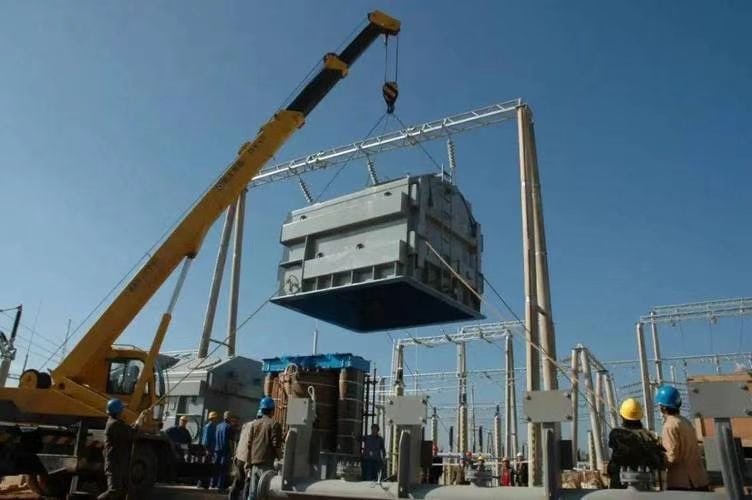
A power transformer that arrives at the site without visible external damage is necessarily safe to energize.False
Internal mechanical or insulation damage can occur from excessive shock, vibration, tilting or handling without obvious external damage, so receiving inspection and appropriate electrical and mechanical checks are important before energization.
What Are the Main Transportation Risks?
Power-transformer transportation risks can be grouped into several categories:
| Risk Category | Typical Problem | Potential Consequence |
|---|---|---|
| Shock | Sudden impact or braking | Internal mechanical damage |
| Vibration | Road or rail vibration | Loosening or fatigue |
| Tilting | Excessive inclination | Internal movement or fluid displacement |
| Lifting | Incorrect rigging | Structural or accessory damage |
| Moisture | Rain or condensation | Insulation deterioration |
| Contamination | Dust or foreign material | Insulation or connection problems |
| Bushings | Impact or poor protection | Cracking or electrical failure |
| Oil | Leakage or contamination | Insulation/cooling problems |
| Route | Bridges, curves, gradients | Delivery obstruction or damage |
| Clearance | Height/width restrictions | Collision risk |
| Packaging | Insufficient protection | Accessory damage |
| Storage | Long uncontrolled storage | Moisture, corrosion or deterioration |
| Documentation | Missing shipping records | Difficult acceptance and claims |
The risk profile depends heavily on transformer size, construction, transportation mode and site conditions.
Why Is Mechanical Shock a Major Concern?
A transformer can be extremely heavy while containing components that are mechanically sensitive.
During transportation, the transformer may experience:
- Acceleration
- Deceleration
- Road impacts
- Sudden braking
- Uneven pavement
- Rail vibration
- Loading and unloading shocks
These forces can affect internal components even when the tank itself remains intact.
Potentially affected components include:
- Windings
- Clamping structures
- Leads
- Core assembly
- Insulation structures
- Internal connections
For this reason, heavy transformers should be transported using equipment and procedures appropriate to their mass and mechanical sensitivity.
How Can Vibration Damage a Transformer?
Vibration is different from a single impact because it may continue for many hours.
Repeated vibration can contribute to:
- Fastener loosening
- Structural fatigue
- Accessory damage
- Cable or control-component movement
- Mechanical stress on bushings
- Movement of inadequately secured components
The transport plan should therefore consider both maximum shock and cumulative vibration exposure.
Why Is Tilting Important?
Large transformers may have specified transportation orientation and allowable inclination.
Excessive tilting can create problems involving:
- Internal component movement
- Fluid displacement
- Accessory loading
- Bushing stress
- Conservator or expansion-system behavior
For liquid-filled transformers, orientation may also affect fluid distribution around internal components.
Therefore, transport documentation should define acceptable tilt limits and monitoring requirements.
Can Incorrect Lifting Damage a Transformer?
Yes.
A transformer should be lifted only from designated lifting points using an approved rigging arrangement.
Incorrect lifting can produce forces that the structure was not designed to withstand.
Potential problems include:
- Tank deformation
- Lifting-lug damage
- Bushing damage
- Accessory damage
- Foundation-interface damage
The manufacturer should provide appropriate lifting information, including:
- Lifting points
- Center of gravity
- Total shipping weight
- Rigging requirements
- Lifting orientation
- Restrictions on lifting methods
A heavy transformer can be lifted safely from any convenient structural point if the lifting equipment has sufficient capacity.False
Lifting points and load paths are engineered for specific forces and orientations. Using inappropriate lifting points can damage the transformer even when the crane or rigging has adequate rated capacity.
Why Are Bushings Particularly Vulnerable?
Bushings can be among the more fragile external components of a transformer.
They may be susceptible to:
- Impact
- Excessive vibration
- Incorrect lifting
- Poor packaging
- Collision with structures
- Improper temporary support
Depending on the transformer design, bushings may be installed at the factory or shipped separately.
The transportation plan should clearly identify how bushings and other sensitive accessories are protected.
How Should Sensitive Accessories Be Transported?
Some components may be removed before shipment and installed at the site.
Examples can include:
- Bushings
- Radiators
- Cooling fans
- Conservator components
- Control cabinets
- Monitoring equipment
- Tap-changer accessories
The procurement contract should specify:
Factory-installed components + separately shipped components + installation responsibility + inspection responsibility
This prevents missing or damaged components from becoming a commissioning surprise.
What Risks Exist for Oil-Immersed Transformers?
Liquid-filled transformers introduce additional transportation considerations.
Potential risks include:
- Oil leakage
- Moisture ingress
- Contamination
- Pressure changes
- Damage to seals
- Damage to valves
- Incorrect fluid level
- Improper storage after delivery
The buyer and logistics provider should understand the transformer's shipping configuration and any requirements for fluid level, pressure, sealing and storage.
Why Is Moisture Ingress Dangerous?
Transformer insulation is highly sensitive to moisture.
During transportation, moisture can enter through:
- Damaged seals
- Improper covers
- Open connections
- Condensation
- Rain exposure
- Poor storage
Moisture can reduce insulation performance and accelerate aging.
For sensitive equipment, environmental protection during transport should therefore be treated as an electrical-reliability requirement rather than simply a packaging issue.
What About Dry-Type Transformers?
Dry-type transformers do not have insulating liquid, but they are not immune to transportation damage.
Important risks include:
- Mechanical shock
- Vibration
- Moisture
- Dust
- Damage to windings
- Damage to resin or insulation surfaces
- Enclosure damage
- Cooling-duct contamination
If a dry-type transformer is exposed to moisture or contamination, appropriate inspection and drying procedures may be required before energization.
How Can Weather Affect Transportation?
Weather can introduce additional hazards.
Heavy rain, snow, extreme heat, freezing temperatures and high humidity can affect:
- Insulation
- Packaging
- Control equipment
- Coatings
- Seals
- Corrosion protection
Transport schedules should therefore account for weather conditions rather than assuming the equipment will always remain under controlled conditions.
Why Is Route Planning Essential?
A large transformer cannot necessarily follow the same route as ordinary heavy cargo.
A route survey may need to identify:
- Bridge capacity
- Road width
- Turning radius
- Maximum gradients
- Road surface
- Low bridges
- Overhead lines
- Tunnels
- Traffic restrictions
- Construction zones
- Railway crossings
- Weak road sections
A route that appears feasible on a map may be unsuitable for actual transformer dimensions and axle loads.
How Do Clearance Restrictions Create Risk?
Transformers can be extremely tall and wide.
Potential clearance issues include:
- Bridges
- Overhead electrical lines
- Traffic signals
- Signs
- Trees
- Tunnels
- Building entrances
The transportation contractor should verify the complete transport envelope, including the trailer and any temporary protection structures.
Why Does Trailer Selection Matter?
The transport platform must be appropriate for the transformer's:
- Total weight
- Dimensions
- Center of gravity
- Axle loading
- Ground-clearance requirements
- Route characteristics
Specialized multi-axle trailers, modular transporters or other heavy-haul systems may be necessary for large units.
The correct equipment reduces excessive mechanical stress during transport.
How Can Shock and Tilt Monitoring Help?
Shock and tilt indicators can provide evidence of transportation conditions.
They can help determine whether the transformer experienced:
- Excessive acceleration
- Severe impact
- Abnormal inclination
This information can be useful during receiving inspection.
If a shipment exceeds predefined transportation limits, the buyer can investigate before installation.
Shock and tilt monitoring is unnecessary because transport damage can always be identified through visual inspection.False
Internal mechanical damage may not produce obvious external signs. Transportation monitoring provides additional evidence of whether the equipment experienced potentially damaging conditions.
What Should Buyers Check When the Transformer Arrives?
Receiving inspection should be systematic.
Inspect:
- Tank condition
- Paint and coatings
- Bushings
- Terminals
- Valves
- Radiators
- Control cabinets
- Cooling equipment
- Accessories
- Shipping indicators
- Packaging
- Seals
- Oil leakage where applicable
Also compare the delivered equipment against the shipping documents and packing list.
Should the Transformer Be Energized Immediately After Delivery?
Not automatically.
The transformer should first undergo the required receiving, installation and commissioning checks.
Depending on the transformer type and project, these may include:
- Visual inspection
- Mechanical inspection
- Insulation-related testing
- Ratio verification
- Winding resistance
- Oil testing
- DGA where applicable
- Bushing checks
- Grounding verification
- Control-system checks
The exact commissioning program should follow the manufacturer's requirements and project procedures.
What Happens if a Transportation Problem Is Discovered?
The buyer should document the condition immediately.
Useful evidence includes:
- Photographs
- Shipping indicator readings
- Damage descriptions
- Delivery records
- Packing-list discrepancies
- Witness statements
- Transport documentation
Do not simply repair visible damage and proceed without determining whether internal components could also have been affected.
How Can Storage Create Additional Transportation Risk?
Delivery does not necessarily mean immediate installation.
A transformer may remain in storage for days or months.
During this period, risks include:
- Moisture
- Condensation
- Corrosion
- Dust
- Unauthorized access
- Temperature cycling
- Mechanical damage
- Incorrect fluid condition
The storage plan should therefore be part of the logistics plan.
What Transportation Information Should Be Defined in the Purchase Contract?
Buyers should specify:
| Contract Item | Recommended Requirement |
|---|---|
| Shipping weight | Clearly documented |
| Dimensions | Shipping and installation dimensions |
| Center of gravity | Provided |
| Lifting points | Clearly identified |
| Transport orientation | Defined |
| Tilt limits | Defined |
| Shock limits | Defined where applicable |
| Packaging | Specified |
| Weather protection | Defined |
| Accessories | Factory/shipped separately identified |
| Route survey | Responsibility defined |
| Insurance | Responsibility defined |
| Receiving inspection | Procedure defined |
| Damage notification | Time and evidence requirements |
| Storage | Conditions defined |
| Delivery acceptance | Criteria defined |
This creates a much stronger basis for managing transportation risk.
Who Should Be Responsible for Transportation Damage?
Responsibility should be established contractually before shipment.
The contract should clarify responsibility among:
- Manufacturer
- Freight contractor
- Buyer
- Site contractor
- Insurance provider
The exact allocation depends on the agreed delivery terms.
The important principle is:
Do not leave transportation risk ownership undefined.
How Can Buyers Evaluate a Heavy-Haul Contractor?
For large transformers, the logistics contractor should have relevant experience.
Evaluate:
- Similar transformer shipments
- Heavy-haul equipment
- Route-survey capability
- Rigging experience
- Safety record
- Permitting capability
- Shock/tilt monitoring
- Emergency response
- Insurance coverage
- Site coordination
Experience transporting ordinary heavy machinery does not necessarily equal experience transporting high-value electrical transformers.
What Is a Practical Transportation Risk-Control Process?
A reliable process can be organized as follows:
1. Define shipping configuration
Confirm dimensions, weight, center of gravity and shipping orientation.
2. Develop the transport plan
Select appropriate trailers, lifting equipment and protection.
3. Survey the route
Verify bridges, clearances, curves, gradients and road conditions.
4. Define weather controls
Establish requirements for rain, humidity and temperature exposure.
5. Secure the transformer
Use engineered tie-down and support arrangements.
6. Monitor transportation
Use appropriate shock and tilt indicators where justified.
7. Inspect upon arrival
Document external condition and shipping-monitor readings.
8. Investigate abnormalities
Do not ignore excessive shock, tilt or visible damage.
9. Store correctly if necessary
Maintain required environmental and equipment conditions.
10. Complete commissioning checks
Verify that the transformer is suitable for energization.
What Are the Most Common Buyer Mistakes?
Buyers should avoid:
- Treating transformer transportation as ordinary freight
- Providing incomplete shipping dimensions
- Ignoring center-of-gravity information
- Failing to survey the route
- Assuming standard trailers are adequate
- Leaving lifting responsibility unclear
- Failing to protect bushings and accessories
- Ignoring weather exposure
- Omitting shock/tilt monitoring for critical shipments
- Failing to inspect immediately after delivery
- Energizing without appropriate receiving checks
- Leaving storage requirements undefined
- Failing to document transportation damage
- Not assigning transportation risk contractually
Buyer Takeaway
Power-transformer transportation risks arise from the combination of high equipment value, large physical dimensions, mechanical sensitivity and strict electrical-performance requirements. The most important risks are shock, vibration, excessive tilting, improper lifting, moisture, contamination, accessory damage, oil leakage, route restrictions and uncontrolled storage. These risks can be reduced through accurate shipping data, engineered securing, route surveys, qualified heavy-haul contractors, weather protection, transportation monitoring, receiving inspection and clearly defined contractual responsibilities.
A practical logistics chain is:
Engineering data → transport plan → route survey → qualified carrier → secure loading → monitored transport → receiving inspection → controlled storage → commissioning
The key procurement principle is that transportation is part of transformer quality assurance. A transformer that leaves the factory in perfect condition still needs to arrive at the site in the same condition.
How Can Mechanical Shock and Vibration Damage Power Transformers During Transportation?
Power transformers are heavy machines, but their internal electrical structures are carefully engineered and positioned. During transportation, sudden braking, potholes, road joints, lifting operations, rail movement, and repeated vibration can expose the transformer to mechanical forces that are very different from normal operating conditions. Damage may occur without obvious deformation of the tank and may only become apparent during testing or energization. Mechanical shock can create short-duration, high-force stresses that shift, deform, or loosen transformer components, while continuous vibration can cause fatigue, fastener loosening, insulation abrasion, lead movement, and damage to accessories. Buyers can reduce these risks by defining transportation limits, using suitable trailers and securing systems, protecting sensitive components, monitoring shock and tilt, inspecting the transformer after delivery, and completing appropriate commissioning tests before energization.

A power transformer cannot suffer significant internal damage during transportation unless its external tank is visibly deformed.False
Windings, leads, clamping structures, insulation components and connections can experience damaging shock or vibration without producing obvious external tank deformation.
What Is the Difference Between Shock and Vibration?
The two hazards are related but should be evaluated differently.
Mechanical shock is usually a short-duration event involving a rapid change in acceleration. Examples include:
- Sudden braking
- A severe road impact
- Dropping during lifting
- Collision
- Trailer impact
- Harsh loading or unloading
Vibration is repeated mechanical movement over a period of time.
Examples include:
- Continuous road vibration
- Engine and trailer vibration
- Rail transportation
- Repeated road joints
- Long-distance heavy-haul movement
| Characteristic | Shock | Vibration |
|---|---|---|
| Duration | Very short | Extended |
| Typical cause | Impact or sudden acceleration | Road/transport movement |
| Main concern | Peak mechanical stress | Fatigue and loosening |
| Potential effect | Component displacement | Repeated movement |
| Detection | Shock recorder | Vibration monitoring where required |
| Typical control | Speed, securing, route quality | Suspension, securing, route selection |
Both should be considered in a transformer transportation plan.
Why Can a Heavy Transformer Still Be Mechanically Sensitive?
Weight does not automatically mean mechanical robustness in every direction.
Inside a transformer are precisely arranged components such as:
- Windings
- Core
- Clamping structures
- Insulation cylinders
- Pressboard components
- Leads
- Connections
- Magnetic shielding
- Internal supports
These components must maintain their designed geometry.
An external impact can produce an acceleration force on the internal mass.
Conceptually:
Force = mass × acceleration
Therefore, even a moderate acceleration can create substantial forces when the transported mass is very large.
For this reason, transportation engineering must consider not only the transformer's total weight but also how acceleration is transmitted through the structure.
How Can Shock Affect Transformer Windings?
Transformer windings must maintain carefully controlled clearances.
A severe shock can potentially cause:
- Winding displacement
- Clamping movement
- Axial movement
- Radial movement
- Lead displacement
- Mechanical deformation
Even a relatively small change in winding geometry can affect electrical clearances or mechanical strength.
This is particularly important because transformer windings must withstand electromagnetic forces during short-circuit events. A transport-related displacement can reduce the mechanical margin available for future electrical faults.
Can Transportation Shock Damage Insulation?
Yes.
Transformer insulation systems contain components that depend on correct positioning and mechanical integrity.
Potentially affected components include:
- Insulation cylinders
- Pressboard barriers
- Spacers
- Winding insulation
- Lead insulation
- Support structures
Shock can cause cracking, displacement, compression or abrasion.
In a liquid-filled transformer, the insulating fluid may continue to provide electrical insulation, making a mechanically damaged component difficult to identify visually.
This is one reason why appropriate post-transport testing is important.
How Can Vibration Cause Long-Term Damage?
Vibration can create repeated small movements.
Even when each individual movement is not severe, thousands or millions of cycles can produce fatigue.
Potential problems include:
- Loose fasteners
- Fatigue at brackets
- Connection movement
- Cable fatigue
- Accessory damage
- Insulation rubbing
- Structural wear
The risk depends on vibration amplitude, frequency, duration and the mechanical characteristics of the transformer and transport system.
Can Leads and Connections Move During Transport?
Yes.
Internal transformer leads connect windings to bushings, tap-changing equipment and other components.
Repeated vibration or a severe shock can place mechanical stress on these connections.
Possible consequences include:
- Loose connections
- Insulation damage
- Lead displacement
- Reduced electrical clearance
- Increased local heating after energization
These problems may not be visible from outside the transformer.
Why Are Bushings Especially Vulnerable?
Bushings can be sensitive to mechanical forces because they often extend beyond the main transformer tank.
They may be damaged by:
- Direct impact
- Excessive vibration
- Poor packaging
- Incorrect lifting
- Trailer movement
- Contact with nearby objects
Where practical, sensitive bushings may be protected or transported separately according to the manufacturer's shipping design.
How Can Poor Securing Increase Shock?
A transformer that is inadequately secured can move relative to its transport platform.
This creates additional:
- Acceleration
- Sliding
- Impact
- Oscillation
The securing system should therefore be engineered for the transformer's shipping mass, center of gravity and expected transportation forces.
Tie-down arrangements should follow the manufacturer's transportation and lifting requirements rather than being improvised at the site.
More tie-down straps always make transformer transportation safer.False
Securing must be engineered for the transformer's structure and transport forces. Incorrect restraint locations or excessive local forces can themselves create mechanical damage.
Why Does Center of Gravity Matter?
Large transformers can have an uneven mass distribution.
The center of gravity may be influenced by:
- Core and winding arrangement
- Tank dimensions
- Cooling equipment
- Conservator configuration
- Shipping accessories
- Temporary transport structures
If the center of gravity is misunderstood, the transformer may experience unexpected loading during:
- Braking
- Cornering
- Inclines
- Loading
- Unloading
This can increase tipping and structural risk.
How Can Sudden Braking Damage a Transformer?
Sudden braking creates longitudinal acceleration or deceleration.
The transformer's large mass produces significant inertial forces.
These forces are transferred through:
Transformer structure → support points → trailer → restraints
If the restraint system is inadequate, the transformer may shift.
If the restraint system is improperly positioned, excessive localized force can instead be transferred into parts of the tank or support structure.
Therefore, safe transportation requires a balance between sufficient restraint and correct load distribution.
Can Road Conditions Increase Vibration?
Absolutely.
Road conditions can have a major influence on the mechanical environment.
Potential vibration sources include:
- Potholes
- Expansion joints
- Uneven pavement
- Rough construction roads
- Railroad crossings
- Poor-quality shoulders
- Sharp curves
- Sudden gradients
Route selection can therefore be a mechanical-protection measure.
A longer but smoother route may sometimes present lower transportation risk than a shorter route with severe road conditions.
Why Is Trailer Suspension Important?
The trailer is part of the mechanical protection system.
Appropriate heavy-haul equipment can help control:
- Axle loading
- Suspension movement
- Ground pressure
- Trailer stability
- Load distribution
For large transformers, specialized multi-axle equipment or modular transport systems may be required.
The transport contractor should select equipment based on the actual transformer weight, dimensions and route.
How Can Shock and Tilt Recorders Help?
Transportation monitoring devices can provide evidence of what happened during shipment.
Depending on project requirements, monitoring may record:
- Shock events
- Acceleration
- Tilt
- Orientation changes
If a recorded event exceeds an agreed transportation limit, the buyer can initiate an engineering assessment before energization.
This is especially valuable because external visual inspection alone cannot reliably reveal all internal mechanical damage.
Should Buyers Set Transportation Shock Limits?
For valuable or critical transformers, defining transportation criteria in advance is useful.
The buyer and manufacturer should agree on:
- Maximum permissible shock
- Maximum permissible tilt
- Monitoring method
- Recorder location
- Data retention
- Acceptance procedure
- Engineering review after an abnormal event
The exact limits should come from the manufacturer's transportation engineering requirements and project conditions rather than from arbitrary generic numbers.
What Happens After an Excessive Shock Event?
An abnormal transportation event should trigger a documented assessment.
A practical sequence is:
Recorder alert → shipment inspection → manufacturer notification → engineering assessment → additional testing if required → acceptance decision
Depending on the severity and transformer design, the manufacturer may recommend:
- Detailed visual inspection
- Mechanical inspection
- Electrical testing
- Oil testing
- Internal inspection
- Additional diagnostic evaluation
The transformer should not automatically be rejected, but an abnormal event should not simply be ignored.
How Can Buyers Detect Hidden Transportation Damage?
A combination of inspection and testing is more reliable than visual inspection alone.
Potential checks include:
| Check | What It Can Help Identify |
|---|---|
| External inspection | Tank/accessory damage |
| Bushing inspection | Cracks or displacement |
| Fastener inspection | Loosening |
| Oil inspection | Leakage or contamination |
| Winding resistance | Connection/winding abnormalities |
| Ratio test | Winding/connection issues |
| Insulation testing | Insulation condition |
| Oil diagnostics | Moisture or contamination where applicable |
| Shock-record review | Transportation events |
| Internal inspection | Mechanical displacement where justified |
The exact testing program should follow the transformer design and manufacturer's recommendations.
Why Should Receiving Inspection Be Documented?
The receiving inspection establishes the condition of the transformer when responsibility transfers to the buyer or another party.
Record:
- Delivery date
- Equipment identification
- External condition
- Accessory condition
- Shipping indicators
- Packaging
- Leakage
- Photographs
- Missing components
- Transport documentation
This documentation is also important if a warranty or insurance claim later becomes necessary.
Can Improper Unloading Create More Risk Than Road Transport?
Yes.
The unloading stage can introduce severe mechanical forces.
Potential hazards include:
- Incorrect crane positioning
- Uneven lifting
- Sudden lowering
- Improper rigging
- Excessive tilt
- Trailer instability
The manufacturer's lifting instructions should be followed carefully.
The lifting team should understand:
- Center of gravity
- Designated lifting points
- Rigging configuration
- Equipment capacity
- Ground conditions
How Should Dry-Type and Oil-Immersed Transformers Be Considered Differently?
Both types can suffer mechanical transportation damage, but their vulnerabilities are not identical.
Oil-immersed transformers require additional attention to:
- Tank integrity
- Valves
- Seals
- Oil leakage
- Moisture ingress
- Shipping fluid condition
- Conservator-related components
Dry-type transformers require particular attention to:
- Windings
- Resin or insulation surfaces
- Enclosures
- Cooling passages
- Moisture
- Dust
- Mechanical support
The shipping configuration should therefore be designed specifically for the transformer type.
What Procurement Requirements Should Buyers Include?
Transportation requirements should be included in the purchase specification.
Useful requirements include:
- Shipping dimensions
- Shipping weight
- Center of gravity
- Lifting points
- Transport orientation
- Maximum tilt
- Shock requirements
- Securing requirements
- Packaging
- Weather protection
- Monitoring requirements
- Receiving inspection
- Storage requirements
This prevents transportation from becoming an undefined responsibility after the purchase order is issued.
Who Should Be Responsible for Transportation Engineering?
Responsibility should be clearly assigned.
A typical arrangement may involve:
Manufacturer: provides shipping data, lifting points and transportation restrictions.
Transport contractor: develops the heavy-haul plan and route survey.
Buyer: provides destination and site information and confirms contractual requirements.
Installer: coordinates unloading, positioning and commissioning.
The exact responsibilities depend on the contract.
What Are the Most Common Transportation Mistakes?
Buyers and logistics teams should avoid:
- Treating the transformer as ordinary heavy cargo
- Ignoring manufacturer shipping instructions
- Failing to verify the center of gravity
- Using unsuitable restraint points
- Choosing a trailer based only on weight capacity
- Skipping route surveys
- Ignoring road quality
- Failing to protect bushings
- Leaving accessories unsecured
- Ignoring moisture exposure
- Not monitoring critical shipments
- Failing to inspect immediately after delivery
- Energizing before appropriate commissioning checks
- Failing to document abnormal transport events
What Is a Reliable Shock-and-Vibration Control Process?
A practical process is:
1. Establish transportation limits.
Obtain manufacturer requirements for shock, tilt and orientation.
2. Confirm shipping configuration.
Verify weight, dimensions, center of gravity and sensitive components.
3. Engineer the transport system.
Select the appropriate trailer, suspension and restraint arrangement.
4. Survey the route.
Identify bridges, clearances, curves, gradients and poor road sections.
5. Protect sensitive equipment.
Secure or separately package bushings and accessories as required.
6. Monitor the shipment.
Use shock and tilt recording where justified.
7. Control unloading.
Follow approved lifting and rigging procedures.
8. Perform receiving inspection.
Document the condition immediately.
9. Investigate abnormal events.
Involve the manufacturer if transportation limits are exceeded.
10. Complete commissioning tests.
Verify the transformer before energization.
Buyer Takeaway
Mechanical shock and vibration can damage power transformers by moving windings, stressing leads and connections, loosening structural components, damaging insulation, affecting bushings and creating fatigue in accessories. The absence of visible tank damage does not prove that the transformer experienced no internal mechanical stress. Reliable transportation therefore requires engineered securing, appropriate heavy-haul equipment, route planning, protection of sensitive components, shock and tilt monitoring, documented receiving inspection and appropriate commissioning tests.
The essential chain is:
Manufacturer shipping data → engineered transport → route survey → controlled loading → monitored transportation → controlled unloading → receiving inspection → commissioning
For buyers, transportation should be treated as part of the transformer's quality-assurance process, not merely as a logistics activity.
How Can Improper Lifting, Securing, and Handling Increase Power Transformer Transportation Risks?
Power transformers can withstand substantial operating forces, but their transportation requires a carefully controlled mechanical process. Improper lifting points, poorly balanced loads, inadequate restraints, uncontrolled tilting, or rough handling can transfer forces into tanks, windings, bushings, insulation structures, and accessories in ways the transformer was not designed to withstand. The consequences may include visible structural damage, hidden internal displacement, oil leakage, accessory failure, commissioning problems, and expensive project delays. Improper lifting, securing, and handling increase power transformer transportation risks by creating uncontrolled mechanical forces, excessive shock and vibration, tilting, sliding, structural stress, and damage to sensitive components. Buyers can reduce these risks by following manufacturer-approved lifting points and shipping configurations, engineering the restraint system, verifying the center of gravity, using qualified lifting and transport personnel, monitoring shock and tilt, protecting accessories, and performing documented receiving inspections before commissioning.

If a crane has enough lifting capacity, a power transformer can be lifted safely from any convenient point on its tank.False
Transformer tanks and lifting structures are designed for specific load paths. Lifting from non-approved points can create local deformation, excessive stress, tilting or damage to internal and external components.
A properly rated tie-down system can compensate for an incorrect transformer lifting or shipping configuration.False
Restraints control movement during transportation but cannot correct an unsuitable load path, incorrect center of gravity, improper orientation or damage introduced during lifting and handling.
Why Are Lifting, Securing, and Handling Separate Risks?
These activities occur at different stages and create different mechanical hazards.
Lifting transfers the transformer's weight through designated structural load paths.
Securing prevents movement during transportation.
Handling covers loading, unloading, positioning, temporary movement and other physical operations.
A transformer can be safely transported but damaged during loading. Conversely, a correctly loaded transformer can be damaged by inadequate restraints during the journey.
| Activity | Main Risk | Possible Result |
|---|---|---|
| Lifting | Incorrect load path | Tank or structural damage |
| Rigging | Uneven loading | Tilting or deformation |
| Loading | Sudden movement | Shock damage |
| Securing | Insufficient restraint | Sliding or shifting |
| Transportation | Vibration | Fatigue or loosening |
| Unloading | Excessive tilt | Mechanical or accessory damage |
| Positioning | Impact | Tank, bushing or connection damage |
| Storage handling | Poor support | Structural or environmental damage |
A reliable logistics plan must control all of these stages rather than concentrating only on road transportation.
Why Must Manufacturer Lifting Points Be Followed?
Transformer lifting points are part of the mechanical design.
They are positioned to transfer the equipment's weight through an appropriate structural path.
The manufacturer should provide information such as:
- Designated lifting lugs
- Shipping weight
- Center of gravity
- Approved lifting arrangement
- Lifting orientation
- Rigging restrictions
- Temporary supports
- Component-removal requirements
Using an apparently convenient tank feature instead of the specified lifting points can introduce forces into areas that were never designed to carry the complete transformer weight.
How Can Incorrect Rigging Cause Uneven Loading?
A large transformer may have a nonuniform mass distribution.
The center of gravity can be affected by:
- Core and winding arrangement
- Tank geometry
- Cooling equipment
- Conservator equipment
- Bushings
- Accessories
- Shipping configuration
If lifting slings are not arranged correctly, one side may carry more load than intended.
This can cause:
- Excessive tilt
- Uneven structural loading
- Sling displacement
- Unstable lifting
- Damage to external components
The lifting plan should therefore be based on actual transformer geometry and manufacturer-provided information.
Why Is Center of Gravity So Important?
The center of gravity determines how the transformer behaves when lifted or transported.
If the center of gravity is not correctly understood, the equipment may:
- Rotate unexpectedly
- Tilt
- Become unstable
- Load one lifting point disproportionately
- Shift during braking
This is especially important for large transformers where even a small change in orientation can create substantial mechanical effects.
The center of gravity is mainly a crane-operator concern and has little relevance once the transformer is loaded on a trailer.False
Center-of-gravity location affects lifting stability, trailer load distribution, braking forces, cornering behavior and the risk of tipping or shifting during transportation.
Can Improper Lifting Damage Internal Components Without Damaging the Tank?
Yes.
This is one of the most important risks to understand.
The transformer tank can remain visually intact while internal components experience mechanical stress.
Potentially affected components include:
- Windings
- Core supports
- Clamping structures
- Leads
- Insulation barriers
- Spacers
- Internal connections
A sudden force can shift these components or alter their designed position.
Because these parts are enclosed, the damage may not be obvious during a basic external inspection.
How Can Winding Movement Affect Transformer Reliability?
Transformer windings are manufactured and clamped with carefully controlled geometry.
Their position determines:
- Electrical clearances
- Mechanical support
- Leakage-field distribution
- Short-circuit withstand capability
Transportation-related movement can reduce mechanical margins.
This is particularly concerning because a transformer must also withstand electromagnetic forces during system faults.
A winding that has been weakened or displaced during handling may therefore have reduced resilience during subsequent operation.
Why Are Bushings Vulnerable During Handling?
Bushings can extend significantly beyond the transformer tank and may contain fragile insulating structures.
During lifting and transportation, they can be exposed to:
- Impact
- Sling contact
- Excessive vibration
- Improper temporary support
- Collision with surrounding equipment
If bushings are shipped separately, the packaging and storage requirements should be clearly defined.
Sensitive components should never be treated as ordinary mechanical attachments.
How Can Poor Securing Increase Transportation Forces?
A transformer must remain properly positioned on its transport platform.
If restraints are inadequate, the equipment can:
- Slide
- Shift sideways
- Move longitudinally
- Rock
- Rotate
Movement can increase shock loads and create secondary impacts.
However, more restraint is not automatically safer. Restraints must be applied at suitable locations and designed for the transformer's structure.
Excessive or incorrectly positioned restraint forces can themselves damage the tank or support structures.
Why Is Tie-Down Engineering Important?
The restraint system should account for:
- Transformer weight
- Center of gravity
- Trailer geometry
- Expected braking forces
- Cornering
- Road gradients
- Vibration
- Transport orientation
- Restraint-point strength
The goal is to prevent unacceptable movement while distributing forces through appropriate structural load paths.
Adding more chains or straps always makes a transformer safer during transportation.False
The number, location, direction and rated capacity of restraints must be engineered. Incorrect restraint placement can introduce excessive localized forces or inappropriate load paths.
Can Sudden Braking Damage a Transformer?
Yes.
When the transport vehicle brakes suddenly, the transformer tends to continue moving because of inertia.
The resulting load is transferred through:
Transformer → supports → restraints → trailer
If the restraint system is inadequate, the transformer may shift.
If the restraints are incorrectly positioned, the resulting force may be concentrated in unsuitable areas.
This is why transportation planning should consider acceleration and braking conditions rather than only the transformer's static weight.
How Does Rough Handling During Loading Increase Risk?
Loading and unloading can produce larger mechanical events than normal road movement.
Potential causes include:
- Sudden crane movement
- Abrupt lowering
- Forklift contact
- Trailer movement
- Improper alignment
- Uneven ground
- Incorrect rigging release
A single uncontrolled event can create a high mechanical load.
Handling should therefore proceed at controlled speeds with clear communication among the crane operator, rigging team, transport driver and site personnel.
Why Can Improper Trailer Selection Increase Handling Risk?
Trailer selection is not determined by weight capacity alone.
The equipment should also accommodate:
- Transformer dimensions
- Axle loading
- Center of gravity
- Ground clearance
- Restraint locations
- Route geometry
- Suspension requirements
A trailer may technically carry the weight while still being unsuitable for stable and controlled transformer transportation.
How Do Uneven Road Conditions Interact With Securing?
Road conditions can generate vertical and lateral forces.
Examples include:
- Potholes
- Road joints
- Construction surfaces
- Sharp curves
- Steep gradients
- Railway crossings
These conditions can amplify vibration and shock.
A properly engineered transport system should therefore combine:
Suitable trailer + suitable restraints + appropriate speed + suitable route
rather than relying on restraints alone.
How Should Sensitive Components Be Protected?
The transport configuration should identify components that need special treatment.
These may include:
- Bushings
- Radiators
- Cooling fans
- Pumps
- Control cabinets
- Conservator components
- Monitoring equipment
- Valves
- Instruments
Protection may involve:
- Removal
- Separate packaging
- Reinforcement
- Protective covers
- Dedicated support
- Controlled installation after delivery
The exact arrangement should follow the manufacturer's shipping design.
What Special Risks Apply to Oil-Immersed Transformers?
Oil-immersed transformers introduce additional handling concerns.
Potential problems include:
- Tank leakage
- Damaged valves
- Seal damage
- Fluid contamination
- Moisture ingress
- Incorrect shipping configuration
- Damage to conservator components
If the transformer is shipped with insulating fluid, the buyer should confirm the manufacturer's requirements for:
- Fluid level
- Pressure
- Sealing
- Orientation
- Temperature exposure
- Inspection after delivery
What About Dry-Type Transformers?
Dry-type transformers avoid liquid leakage but still require careful handling.
Potential risks include:
- Winding movement
- Insulation damage
- Resin cracking or damage
- Enclosure deformation
- Cooling-duct contamination
- Moisture exposure
- Accessory damage
Therefore, “oil-free” does not mean “handling risk-free.”
How Can Shock and Tilt Monitoring Improve Control?
Monitoring devices can provide objective information about transportation conditions.
Depending on project requirements, they can record:
- Shock events
- Acceleration
- Tilt
- Orientation changes
If a shipment experiences an abnormal event, the buyer can notify the manufacturer and determine whether additional inspection or testing is necessary.
This is particularly useful for high-value and critical transformers.
What Should Buyers Do If the Transformer Experiences an Excessive Shock?
Do not automatically proceed with installation.
A sensible process is:
Detect abnormal event → document event → inspect equipment → notify manufacturer → engineering assessment → perform additional checks if required → approve or correct
The manufacturer should help determine the appropriate response.
The severity of the event, transformer design and recorded conditions should guide the decision.
What Should Be Checked After Transportation?
Receiving inspection should include both the transformer and its shipping configuration.
Check:
| Inspection Area | What to Examine |
|---|---|
| Tank | Deformation, scratches or impact |
| Paint/coating | Damage or corrosion exposure |
| Bushings | Cracks, movement or impact |
| Valves | Damage or leakage |
| Radiators | Deformation or leakage |
| Accessories | Missing or damaged components |
| Restraints | Condition and displacement |
| Shipping indicators | Shock/tilt readings |
| Packaging | Damage or water ingress |
| Documentation | Packing list and shipping records |
| Oil-filled equipment | Leakage and fluid condition |
Photographs should be taken before unloading when practical.
Why Should Damage Be Documented Immediately?
Transportation damage can involve multiple parties.
Depending on the contract, responsibility may involve:
- Manufacturer
- Carrier
- Buyer
- Installer
- Insurance provider
Immediate documentation helps establish the condition at delivery.
Useful records include:
- Photographs
- Delivery notes
- Shock-monitor data
- Tilt-monitor data
- Packaging condition
- Missing-component reports
- Witness records
This can simplify warranty or insurance assessment.
How Should Buyers Define Handling Responsibilities in the Contract?
The purchase contract should clearly identify who is responsible for:
- Factory loading
- Transportation
- Route survey
- Insurance
- Unloading
- Temporary storage
- Positioning
- Accessory installation
- Site testing
- Commissioning
A responsibility matrix is particularly useful for large projects.
What Transportation Requirements Should Be Included in the Purchase Specification?
Buyers should consider specifying:
Shipping data
- Shipping weight
- Dimensions
- Center of gravity
- Lifting points
Mechanical controls
- Approved lifting arrangement
- Transport orientation
- Maximum tilt
- Restraint requirements
- Shock requirements
Protection
- Weather protection
- Bushing protection
- Accessory packaging
- Moisture control
Verification
- Shock and tilt monitoring
- Receiving inspection
- Damage-reporting procedure
- Post-transport testing
What Is a Reliable Lifting and Handling Workflow?
A practical workflow is:
1. Review manufacturer shipping drawings.
Confirm weight, dimensions, center of gravity and lifting points.
2. Prepare a lifting plan.
Select appropriate crane capacity, rigging and personnel.
3. Inspect lifting equipment.
Verify slings, shackles, spreader beams and other equipment.
4. Control the lifting operation.
Lift smoothly and avoid sudden movement.
5. Position the transformer correctly.
Confirm orientation and support arrangement.
6. Engineer the securing system.
Use approved restraint locations and appropriate load paths.
7. Verify the transport configuration.
Check restraints, covers, accessories and clearance.
8. Monitor transportation.
Use shock and tilt recording when justified.
9. Control unloading.
Repeat the same discipline used during loading.
10. Inspect before commissioning.
Document condition and complete required checks.
What Are the Most Common Buyer Mistakes?
Avoid:
- Using convenient rather than approved lifting points
- Failing to verify the center of gravity
- Treating static weight as the only lifting consideration
- Selecting trailers based only on rated capacity
- Improvising tie-down locations
- Over-tightening restraints
- Leaving bushings inadequately protected
- Ignoring separately shipped accessories
- Allowing uncontrolled crane movement
- Failing to monitor critical shipments
- Skipping receiving inspection
- Energizing after visible impact without investigation
- Leaving transportation responsibilities unclear
Buyer Takeaway
Improper lifting, securing and handling can increase power-transformer transportation risks by introducing uncontrolled forces, excessive tilt, shock, vibration, sliding and localized structural loading. These forces can damage tanks, windings, insulation structures, leads, bushings and accessories, sometimes without producing obvious external evidence. Reliable handling requires manufacturer-approved lifting points, verified center-of-gravity information, engineered rigging and restraints, suitable transport equipment, controlled loading and unloading, sensitive-component protection, shock and tilt monitoring where appropriate, and documented receiving inspection.
The safest process is:
Review shipping data → plan lifting → verify rigging → lift smoothly → position correctly → engineer restraints → monitor transport → unload carefully → inspect → test → commission.
The central procurement principle is simple: the transformer should be treated as precision electrical equipment throughout the entire logistics process, not merely as a heavy load.
How Do Moisture, Weather, and Environmental Exposure Affect Power Transformers During Transportation?
Moisture, rain, condensation, temperature changes, dust, salt, and corrosive atmospheres can expose a power transformer to environmental conditions that differ significantly from those in its controlled factory environment. The danger is not limited to visible corrosion or wet packaging: moisture can reduce insulation performance, condensation can form inside enclosures, contaminants can settle on insulating surfaces, and temperature cycling can stress seals and protective materials. These problems may remain unnoticed until installation or commissioning. During transportation, moisture and environmental exposure can degrade insulation, promote corrosion, contaminate components, damage seals and coatings, and create conditions that increase the risk of electrical or mechanical problems. Buyers can reduce these risks by defining shipping configurations, using appropriate sealing and weather protection, controlling storage, protecting sensitive components, monitoring environmental conditions when justified, and performing documented inspection and commissioning tests before energization.

A transformer is adequately protected from moisture during transportation as long as rain cannot directly reach the outside of the tank.False
Moisture can enter through openings, seals, condensation and temperature cycling, and environmental exposure can also affect bushings, control cabinets, insulation surfaces and accessories.
Why Is Moisture a Major Transportation Risk?
Transformer insulation systems depend on controlled moisture levels.
Moisture can affect:
- Solid insulation
- Paper insulation
- Pressboard
- Resin systems
- Bushings
- Terminal insulation
- Control equipment
For liquid-filled transformers, moisture can also affect the condition of the insulating fluid and the overall dielectric system.
The critical point is that moisture damage does not necessarily appear as obvious water accumulation. A transformer can experience humid air exposure, condensation or gradual moisture ingress without looking visibly wet.
How Can Condensation Form Inside a Transformer?
Condensation becomes possible when equipment temperature changes.
For example, a transformer transported from a warm factory into a cold or humid environment may experience temperature cycling. If internal surfaces fall below the relevant dew-point conditions, moisture can condense.
Potential locations include:
- Enclosures
- Control cabinets
- Terminal boxes
- Instrument compartments
- Protected internal spaces
Repeated temperature cycling can make this problem more significant.
Therefore, simply covering the transformer with a waterproof sheet does not guarantee that condensation cannot occur.
How Does Moisture Affect Transformer Insulation?
Moisture can reduce the dielectric performance of many insulation systems and accelerate aging.
For oil-paper insulation systems, moisture is particularly important because water can distribute between solid insulation and insulating liquid depending on temperature and equilibrium conditions.
For dry-type transformers, moisture may affect:
- Insulation surfaces
- Resin systems
- Windings
- Enclosures
- Cooling passages
The appropriate response depends on transformer construction and manufacturer requirements.
A transformer that has been exposed to humid weather will always suffer permanent insulation damage.False
Environmental exposure does not automatically mean permanent damage. The severity depends on duration, temperature, construction, sealing, moisture level and subsequent inspection or drying procedures.
Can Rain Damage a Transformer During Transportation?
Rain creates both direct and indirect risks.
Direct exposure can affect:
- Bushings
- Control cabinets
- Terminals
- Instruments
- Protective covers
- Electrical connectors
Water can also accumulate in packaging or damaged protective covers.
Heavy rain combined with wind can drive moisture into areas that would remain protected under static conditions.
For long-distance transportation, weather protection should therefore account for the actual shipping duration and route rather than assuming brief exposure.
How Does Humidity Differ From Rain?
Humidity can be just as important as visible rainfall.
A transformer may be transported under:
- High relative humidity
- Coastal air
- Fog
- Nighttime condensation
- Temperature cycling
Even without direct rain, humid air can enter poorly sealed compartments.
This is particularly relevant to:
- Control cabinets
- Terminal compartments
- Monitoring equipment
- Separately packaged accessories
What Happens in Coastal Environments?
Coastal transportation can introduce salt-laden air.
Salt contamination is problematic because it can:
- Promote corrosion
- Deposit conductive contaminants
- Attack coatings
- Affect exposed metallic surfaces
- Increase maintenance requirements
If a transformer is transported through a marine or coastal environment, packaging and environmental protection should reflect the increased exposure risk.
Can Dust and Dirt Affect Transformer Reliability?
Yes.
Dust can enter:
- Cooling passages
- Enclosures
- Terminal compartments
- Control equipment
- Insulating surfaces
Some industrial environments may also contain:
- Cement dust
- Chemical particulates
- Metal particles
- Carbon-containing dust
- Other contaminants
Contamination can interfere with cooling and, depending on location and material, potentially affect insulation performance.
How Does Temperature Affect Transportation?
Temperature can affect both materials and equipment.
During transportation, transformers may experience:
- High daytime temperatures
- Low nighttime temperatures
- Rapid temperature changes
- Freezing conditions
- Solar heating
Temperature cycling can affect:
- Seals
- Gaskets
- Coatings
- Enclosures
- Insulating materials
- Fluid volume
- Pressure conditions
For liquid-filled transformers, fluid expansion and contraction should be considered in the shipping configuration.
Why Is Temperature Cycling More Important Than a Single Temperature?
A transformer may tolerate a particular temperature for a limited period, yet repeated transitions between hot and cold conditions can create additional stress.
The cycle may be:
Heating → expansion → cooling → contraction → condensation risk
Repeated cycles can also place stress on seals and interfaces.
Consequently, transportation planning should consider both temperature extremes and duration.
Can Freezing Conditions Create Problems?
Yes, depending on transformer design and shipping configuration.
Low temperatures can affect:
- Seals
- Gaskets
- Protective materials
- Certain fluids
- Mechanical components
For liquid-filled equipment, the relevant fluid's low-temperature characteristics should be considered.
The manufacturer should confirm any special cold-weather shipping requirements.
How Can Environmental Exposure Affect Transformer Coatings?
Paint and protective coatings provide corrosion protection.
Transportation can expose the transformer to:
- Rain
- Salt
- Mud
- Road spray
- Dust
- Chemicals
If coatings are scratched or damaged, exposed metal may become vulnerable to corrosion.
Small coating damage should therefore be documented and repaired according to the manufacturer's recommendations.
Why Are Seals and Gaskets Important?
Seals protect sensitive spaces from environmental ingress.
They can be affected by:
- Temperature cycling
- Mechanical vibration
- Incorrect handling
- Aging
- Compression changes
- Physical damage
A seal that looks intact may still require inspection if the transformer experienced unusual transport conditions.
How Does Moisture Affect Dry-Type Transformers?
Dry-type transformers eliminate liquid leakage risk, but environmental exposure remains important.
Moisture may affect:
- Windings
- Resin insulation
- Surface insulation
- Enclosures
- Cooling channels
- Terminal areas
If a dry-type transformer arrives after prolonged humid exposure, it should not automatically be energized without appropriate inspection.
Depending on the condition and manufacturer's instructions, drying or additional testing may be necessary.
What Additional Environmental Risks Apply to Oil-Immersed Transformers?
Liquid-filled transformers require additional control of:
- Tank sealing
- Oil leakage
- Fluid contamination
- Moisture ingress
- Valves
- Conservator systems
- Pressure conditions
A transportation plan should clearly identify whether the transformer is shipped:
- Fully filled
- Partially filled
- Under a specified protective condition
- With certain accessories removed
The manufacturer's shipping instructions should control the configuration.
Can Environmental Exposure Damage Transformer Accessories?
Yes.
Accessories may be more vulnerable than the main tank.
Examples include:
- Buchholz-type protection equipment
- Pressure devices
- Temperature indicators
- Control cabinets
- Fans
- Pumps
- Monitoring instruments
- Cable connections
- Valves
These components should be appropriately covered, sealed, packaged or removed for shipment when required.
How Should Sensitive Bushings Be Protected?
Bushings deserve special attention because they combine electrical insulation with mechanical vulnerability.
During transportation, protection may involve:
- Protective covers
- Reinforced packaging
- Separate shipment
- Temporary supports
- Impact protection
The exact method depends on the bushing and transformer design.
A buyer should confirm the shipping arrangement before dispatch rather than discovering at site that a sensitive component was inadequately protected.
How Can Environmental Exposure Combine With Mechanical Shock?
Environmental and mechanical risks can reinforce one another.
For example:
Vibration → seal loosening → moisture ingress → insulation deterioration
or:
Impact → coating damage → rain exposure → corrosion
or:
Rough transport → accessory damage → loss of enclosure sealing → contamination
This is why transportation risks should be evaluated as an integrated system.
Can Packaging Prevent All Moisture Problems?
No.
Packaging can significantly reduce environmental exposure, but it is not a substitute for correct transformer sealing and shipping configuration.
Packaging should be evaluated for:
- Rain resistance
- Wind resistance
- Condensation
- Ventilation requirements
- Mechanical durability
- UV exposure
- Transportation duration
The objective is to control the complete environmental condition around the transformer.
Should Buyers Use Moisture Indicators?
For sensitive shipments, moisture indicators or related monitoring methods can provide additional evidence.
They may help identify:
- Unexpected humidity exposure
- Water ingress
- Packaging failure
- Environmental excursions
Monitoring requirements should be based on the transformer's design and project risk rather than applied mechanically to every shipment.
What Should Happen If a Transformer Gets Wet?
The first step is do not assume that drying the outside is sufficient.
The buyer should:
- Document the exposure.
- Inspect covers and seals.
- Inspect electrical compartments.
- Notify the manufacturer when appropriate.
- Determine whether moisture could have entered sensitive areas.
- Follow the manufacturer's drying and testing recommendations.
- Complete required commissioning checks.
The correct treatment depends on the transformer construction and exposure severity.
How Can Buyers Control Transportation Weather Risk?
A practical control strategy is:
| Risk | Preventive Measure | Verification |
|---|---|---|
| Rain | Weather-resistant covering | Visual inspection |
| Humidity | Sealing and moisture control | Moisture inspection |
| Condensation | Temperature/environment management | Enclosure inspection |
| Salt air | Corrosion protection | Coating inspection |
| Dust | Sealed compartments | Cleanliness inspection |
| Heat | Appropriate shipping configuration | Condition review |
| Cold | Manufacturer-approved protection | Temperature review |
| UV | Suitable protective materials | Cover inspection |
| Road spray | Lower-body protection | Exterior inspection |
| Long storage | Controlled storage conditions | Periodic inspection |
Why Is Storage Part of Environmental Protection?
Transportation does not end when the truck arrives.
A transformer may remain at the project site before installation.
During storage, it can be exposed to:
- Rain
- Humidity
- Dust
- Condensation
- Temperature cycling
- Salt air
- Corrosive environments
Therefore, buyers should define storage requirements before delivery.
This is especially important when construction delays cause the transformer to remain outdoors for an extended period.
What Should Buyers Inspect Upon Delivery?
Receiving inspection should cover both mechanical and environmental condition.
Check:
- Tank
- Coatings
- Bushings
- Enclosures
- Control cabinets
- Seals
- Terminals
- Accessories
- Protective covers
- Moisture indicators
- Evidence of water ingress
- Evidence of corrosion
- Packaging condition
For oil-filled transformers, also inspect for leakage and confirm the shipping condition.
Should Environmental Exposure Trigger Additional Testing?
Potentially.
If there is evidence of significant moisture, water ingress, contamination or abnormal storage conditions, the manufacturer should determine whether additional testing is necessary.
Possible checks may include:
- Insulation-related testing
- Winding resistance
- Ratio testing
- Oil testing
- Moisture assessment
- Visual internal inspection where justified
The exact program should be determined by transformer type and manufacturer's requirements.
What Should the Procurement Contract Specify?
Environmental protection should be addressed before the purchase order is finalized.
Useful requirements include:
- Shipping configuration
- Weather protection
- Sealing requirements
- Moisture-control requirements
- Accessory packaging
- Maximum storage exposure
- Environmental limitations
- Receiving inspection
- Damage notification
- Post-transport testing
- Responsibility for environmental damage
This prevents disputes when environmental exposure occurs during transportation or storage.
What Are the Most Common Environmental-Protection Mistakes?
Buyers should avoid:
- Assuming a waterproof cover eliminates condensation
- Ignoring humidity
- Leaving electrical compartments poorly sealed
- Failing to protect bushings
- Ignoring coastal salt exposure
- Transporting through corrosive environments without planning
- Leaving the transformer outdoors without storage controls
- Failing to inspect for water ingress
- Energizing after significant moisture exposure without assessment
- Treating environmental protection as packaging only
- Leaving environmental responsibilities undefined in the contract
What Is a Reliable Environmental Transportation Process?
A practical process is:
1. Define environmental exposure.
Identify climate, route, humidity, temperature and coastal or industrial conditions.
2. Confirm shipping configuration.
Determine how the transformer and accessories should be sealed and protected.
3. Protect sensitive components.
Give special attention to bushings, control cabinets, terminals and monitoring equipment.
4. Prepare weather-resistant packaging.
Control rain, dust, wind and environmental contamination.
5. Control transportation duration.
Consider exposure over the entire journey.
6. Plan storage.
Define acceptable conditions if installation is delayed.
7. Inspect upon arrival.
Document moisture, corrosion, coating and accessory condition.
8. Investigate abnormal exposure.
Consult the manufacturer when water ingress or severe environmental exposure is suspected.
9. Complete appropriate testing.
Verify the transformer before energization.
Buyer Takeaway
Moisture, weather and environmental exposure can affect power transformers during transportation through insulation degradation, condensation, corrosion, contamination, seal deterioration, coating damage, accessory failure and changes in the condition of insulating fluids. The risks apply to both oil-immersed and dry-type transformers, although the specific vulnerabilities differ. The most effective protection combines appropriate shipping configuration, sealing, weather-resistant covers, sensitive-component protection, controlled storage, documented receiving inspection and manufacturer-guided commissioning checks.
The key sequence is:
Assess environment → define shipping configuration → seal and protect → transport under control → inspect on arrival → manage storage → test before energization.
The important procurement principle is that environmental protection is part of transformer reliability assurance. A transformer can leave the factory in excellent condition yet arrive with reduced reliability if moisture and environmental exposure are not properly controlled.
How Can Route Planning, Logistics, and Insurance Reduce Power Transformer Transportation Risks?
Moving a power transformer from a manufacturing facility to an electrical substation involves far more than choosing a truck and arranging a delivery date. Large transformers are heavy, oversized, high-value assets that can be exposed to bridges with limited capacity, restricted clearances, sharp turns, steep gradients, rough roads, traffic constraints, weather exposure, handling errors, and unexpected delays. If these risks are not identified before shipment, a seemingly minor logistics problem can become equipment damage, project delay, insurance disputes, or an extended commissioning schedule. Route planning, disciplined logistics, and appropriate insurance reduce power transformer transportation risks by identifying physical and regulatory hazards before shipment, selecting suitable transport equipment and contractors, controlling loading and unloading, maintaining documented custody of the transformer, and providing financial protection against defined transportation losses. The strongest approach is integrated: engineering data supports route planning, route planning supports logistics execution, and insurance protects the financial exposure that remains after physical risk controls are applied.

Transportation insurance can replace the need for route surveys and proper transformer handling procedures.False
Insurance transfers defined financial risk but does not prevent mechanical damage, delivery obstruction, project delays or commissioning problems. Physical risk controls must be implemented before shipment.
A shorter transportation route is always the lowest-risk route for a power transformer.False
Route risk depends on bridge capacity, road condition, turning radius, gradients, overhead clearance, traffic restrictions and other factors. A longer but better-engineered route can sometimes be substantially safer.
Why Should Route Planning Start Before Shipment?
Route planning should begin when the transformer purchase and shipping configuration are being engineered, not when the transformer is already waiting at the factory.
A large transformer creates a transportation envelope that includes more than the transformer itself. The logistics team must consider:
- Transformer length
- Transformer width
- Transformer height
- Shipping weight
- Trailer dimensions
- Axle configuration
- Center of gravity
- Ground clearance
- Turning radius
- Required lifting equipment
- Temporary protection
- Accessory configuration
A route that is suitable for an ordinary heavy vehicle may be completely unsuitable for a transformer.
The planning process should therefore begin with accurate manufacturer information. If dimensions or shipping weights change after the route has been surveyed, the route analysis may need to be repeated.
What Information Does a Route Survey Need?
A professional route survey should identify physical, regulatory and operational constraints.
| Route Factor | What Should Be Evaluated | Transportation Risk |
|---|---|---|
| Bridge capacity | Structural and axle-load limits | Structural failure or route restriction |
| Road width | Available transport envelope | Collision or obstruction |
| Turning radius | Curves and intersections | Trailer encroachment |
| Vertical clearance | Bridges, tunnels and overhead structures | Impact |
| Horizontal clearance | Buildings, barriers and roadside structures | Collision |
| Gradient | Uphill/downhill sections | Traction and braking risk |
| Road condition | Potholes, joints, construction | Shock and vibration |
| Railway crossings | Surface and geometry | Impact or clearance problems |
| Overhead lines | Electrical and physical clearance | Collision/electrical hazard |
| Traffic | Congestion and restrictions | Delay and handling risk |
| Weather | Rain, wind, flooding, ice | Environmental and operational risk |
| Permits | Oversize/heavy-haul requirements | Legal delay |
| Emergency access | Alternative stopping locations | Incident-response risk |
The survey should be based on the actual transport configuration, not simply the transformer's factory dimensions.
Why Is Bridge Capacity Critical?
Large power transformers can impose substantial concentrated loads on roads and bridges.
The transport team must consider:
- Total gross vehicle weight
- Axle loads
- Axle spacing
- Trailer configuration
- Bridge structural condition
- Applicable transportation restrictions
A bridge may have sufficient capacity for a particular gross weight but still require detailed assessment because load distribution matters.
For critical shipments, bridge analysis should be completed before the transport date.
How Do Road Conditions Affect Transformer Reliability?
Road quality directly affects the mechanical environment experienced by the transformer.
Potential sources of shock and vibration include:
- Potholes
- Expansion joints
- Rough pavement
- Temporary construction surfaces
- Railway crossings
- Sharp road transitions
- Uneven shoulders
The transport contractor can reduce exposure through:
- Route selection
- Speed control
- Appropriate suspension
- Proper trailer configuration
- Careful driving
- Temporary road improvements where necessary
The objective is not simply to prevent an accident. It is also to reduce unnecessary mechanical stress on the transformer.
Why Is Vertical Clearance More Complicated Than Transformer Height?
The transformer height is only one part of the clearance calculation.
The total transport envelope may include:
Transformer + trailer + support structure + temporary protection
The route team must evaluate this complete height against:
- Bridges
- Tunnels
- Signs
- Traffic lights
- Overhead lines
- Utility structures
- Building entrances
Road gradients can also change the effective clearance geometry.
A route that appears to have adequate static clearance may not provide sufficient clearance when the trailer enters a slope or uneven road section.
How Can Turning Radius Create Risk?
A large transformer transport vehicle can require significantly more road space than ordinary traffic.
At intersections and curves, the trailer may:
- Swing outward
- Track differently from the tractor
- Cross adjacent lanes
- Approach roadside structures
- Encounter barriers
The route survey should therefore examine actual vehicle movement rather than relying solely on standard road maps.
Where necessary, logistics planners can evaluate swept paths and identify locations requiring:
- Traffic control
- Temporary obstruction removal
- Road widening
- Police or escort support
- Temporary parking arrangements
What Role Do Permits and Regulatory Planning Play?
Oversized and heavy transformer shipments may require special transportation permissions depending on jurisdiction.
Regulatory planning can involve:
- Oversize permits
- Weight restrictions
- Route approvals
- Escort requirements
- Traffic-control requirements
- Travel-time restrictions
- Utility coordination
A permit problem discovered shortly before shipment can delay a project even when the physical route is otherwise suitable.
Therefore, regulatory requirements should be incorporated into the logistics schedule from the beginning.
How Does Logistics Planning Reduce Handling Risk?
Good logistics planning creates a controlled sequence from factory departure to final installation.
A typical chain is:
Factory preparation → loading → securing → departure → route monitoring → intermediate controls → site arrival → unloading → positioning → inspection
Each transition creates an opportunity for damage.
The logistics plan should assign responsibility for each stage.
| Stage | Primary Control |
|---|---|
| Factory loading | Approved lifting plan |
| Trailer positioning | Stable loading area |
| Securing | Engineered restraints |
| Departure | Pre-trip inspection |
| Route movement | Controlled speed and escort |
| Road obstacles | Route-management plan |
| Weather | Environmental controls |
| Emergency stop | Predefined safe locations |
| Site arrival | Site-access verification |
| Unloading | Approved lifting/handling procedure |
| Positioning | Foundation and alignment control |
| Acceptance | Inspection and documentation |
This approach prevents gaps between different contractors.
Why Is the Transport Contractor Important?
A carrier should be selected for relevant transformer experience, not merely general heavy-haul experience.
Buyers should evaluate:
- Previous transformer shipments
- Similar shipping weights
- Similar dimensions
- Heavy-haul equipment
- Route-survey capability
- Rigging capability
- Safety management
- Driver experience
- Emergency procedures
- Monitoring capability
- Insurance arrangements
Experience with industrial machinery is useful, but a transformer has additional electrical and mechanical sensitivities.
How Does Transportation Monitoring Support Logistics?
Monitoring can provide evidence about what happened during shipment.
Depending on project requirements, devices may monitor:
- Shock
- Acceleration
- Tilt
- Orientation
- Environmental conditions
The benefit is particularly strong when the transformer is expensive or critical to grid operation.
If an abnormal event occurs, the team can stop and investigate rather than discovering a potential problem during commissioning.
Should the Buyer Plan for Emergency Events?
Yes.
A reliable logistics plan should not assume that everything will proceed normally.
Potential events include:
- Vehicle breakdown
- Severe weather
- Road closure
- Traffic accident
- Bridge restriction
- Construction obstruction
- Permit issue
- Mechanical problem
- Unexpected site-access restriction
The plan should identify:
- Safe stopping locations
- Alternative routes
- Emergency contacts
- Recovery equipment
- Communication procedures
- Manufacturer contacts
- Insurance contacts
This reduces the chance that an unexpected event turns into uncontrolled handling.
How Can Weather Affect Logistics?
Weather can influence both the physical route and transformer condition.
Rain may create:
- Slippery roads
- Reduced braking performance
- Flooding
- Water exposure
- Reduced visibility
Extreme heat can increase concerns involving equipment and working conditions.
Cold weather can affect:
- Roads
- Seals
- Certain fluids
- Handling procedures
Weather should therefore be incorporated into transport scheduling and contingency planning.
What Does Insurance Actually Protect?
Insurance is a financial risk-transfer mechanism, not a physical protection system.
Depending on the policy and contract, coverage may address defined risks such as:
- Accidental physical damage
- Loss during transportation
- Certain handling incidents
- Certain transit-related events
However, coverage is subject to:
- Policy wording
- Exclusions
- Deductibles
- Limits
- Valuation basis
- Notification requirements
- Documentation requirements
- Applicable transportation terms
Buyers should never assume that “insured” means “every transportation problem is covered.”
Why Should Buyers Review Insurance Before Shipment?
Insurance arrangements should be established before the transformer begins its journey.
The buyer should understand:
- Who purchases the policy
- Who is insured
- When coverage begins
- When coverage ends
- What value is insured
- What risks are covered
- What exclusions apply
- What deductible applies
- What evidence is required for a claim
- Who must be notified after an incident
This is particularly important for high-value transformers because the financial exposure can be substantial.
How Should the Insured Value Be Considered?
The value of a transformer is not necessarily limited to its factory purchase price.
Depending on the policy structure, the financial exposure may involve:
- Equipment value
- Freight
- Handling
- Installation
- Taxes or duties
- Engineering costs
- Replacement logistics
- Other defined project expenses
The appropriate valuation should be established with the relevant insurance professionals and contract parties.
Why Are Insurance Exclusions Important?
An insurance policy can contain exclusions or conditions that materially affect the buyer's protection.
Potential areas requiring careful review include:
- Improper packing
- Inadequate securing
- Delay
- Wear and tear
- Mechanical breakdown
- Defective design
- Pre-existing damage
- Unapproved handling
- Storage outside specified conditions
The exact treatment depends on the policy.
This is why procurement teams should review insurance terms alongside the transportation method rather than treating insurance as a separate administrative matter.
What Happens if Shock or Damage Occurs During Transportation?
The response should be documented and controlled.
A practical sequence is:
Stop or stabilize → protect the transformer → document the event → inspect → notify relevant parties → preserve evidence → assess damage → determine corrective action
Useful evidence includes:
- Photographs
- Shock-monitor readings
- Tilt-monitor readings
- Delivery records
- Transport logs
- Packaging condition
- Witness statements
- Damage reports
The manufacturer should be involved when internal damage may be possible.
Why Should Buyers Avoid Immediate Repairs After Transit Damage?
A quick repair may remove visible evidence of the original event.
Before corrective work, buyers should establish:
- What happened
- When it happened
- Which component was affected
- Whether internal damage is possible
- Who is responsible
- Whether insurance notification is required
Preserving evidence is especially important when a claim or warranty investigation may follow.
How Does Route Planning Support Insurance Claims?
Good route and logistics documentation creates a traceable record.
Useful documentation can include:
- Route survey
- Transport plan
- Loading records
- Securing photographs
- Shipping condition report
- Shock and tilt records
- Delivery records
- Receiving inspection
- Damage photographs
This can help establish the transformer’s condition before, during and after transportation.
How Should Transportation and Insurance Responsibilities Be Allocated?
The purchase contract should define responsibilities clearly.
For example:
| Responsibility | Party to Define Contractually |
|---|---|
| Shipping engineering data | Manufacturer |
| Route survey | Buyer/carrier/manufacturer as agreed |
| Transport permits | Carrier or designated logistics party |
| Loading | Manufacturer/carrier as agreed |
| Securing | Carrier/logistics contractor |
| Transit insurance | Buyer/carrier/other agreed party |
| Route escort | Logistics contractor |
| Unloading | Site contractor/carrier as agreed |
| Storage | Buyer/site contractor |
| Receiving inspection | Buyer/site team |
| Damage notification | Defined contract procedure |
| Warranty assessment | Manufacturer |
| Insurance claim | Policyholder/authorized party |
The important point is not which party is always responsible. It is that responsibility must be explicit.
How Can Buyers Integrate Route Planning and Insurance?
These three functions should not be managed independently.
A strong risk-control model is:
Engineering data
↓
Route survey
↓
Transport equipment selection
↓
Handling and securing plan
↓
Risk assessment
↓
Insurance review
↓
Shipment monitoring
↓
Receiving inspection
↓
Commissioning
This integrated approach creates a stronger chain of accountability.
What Should Buyers Include in the Procurement Specification?
Transportation requirements should be established before the transformer is manufactured.
Useful requirements include:
Technical shipping information
- Shipping dimensions
- Shipping weight
- Center of gravity
- Lifting points
- Approved shipping orientation
Mechanical requirements
- Maximum allowable tilt
- Securing requirements
- Shock-control requirements
- Lifting procedure
- Unloading procedure
Logistics requirements
- Route survey
- Bridge analysis
- Clearance survey
- Permit management
- Escort requirements
- Emergency plan
Environmental requirements
- Weather protection
- Moisture control
- Storage requirements
- Coastal or corrosive-environment controls
Insurance and documentation
- Insurance responsibility
- Coverage requirements
- Insured value
- Damage notification
- Evidence requirements
- Receiving inspection
- Acceptance procedure
What Are the Most Common Logistics Mistakes?
Buyers should avoid:
- Choosing the shortest route without engineering analysis
- Starting route planning too late
- Using outdated transformer dimensions
- Ignoring trailer dimensions
- Failing to evaluate axle loads
- Overlooking vertical clearance
- Ignoring road condition
- Failing to coordinate permits
- Selecting carriers only on freight price
- Leaving emergency routes undefined
- Treating insurance as a substitute for risk control
- Assuming all damage is automatically insured
- Failing to document loading condition
- Not using transportation monitoring for critical shipments
- Failing to inspect the transformer immediately after delivery
What Is a Practical Transportation Risk Matrix?
Buyers can use a simple matrix to prioritize controls.
| Risk | Likelihood | Potential Impact | Priority Control |
|---|---|---|---|
| Bridge restriction | Medium | Very High | Structural route survey |
| Low clearance | Medium | Very High | Clearance survey |
| Rough road | Medium | High | Route/speed control |
| Trailer instability | Low/Medium | Very High | Engineered transport |
| Improper securing | Low/Medium | Very High | Approved restraint plan |
| Weather exposure | Medium | Medium/High | Protective measures |
| Permit delay | Medium | Medium | Early regulatory planning |
| Vehicle breakdown | Low/Medium | Medium | Emergency plan |
| Handling damage | Low/Medium | Very High | Qualified rigging |
| Transit accident | Low | Very High | Carrier controls + insurance |
| Storage exposure | Medium | High | Controlled storage |
| Documentation failure | Medium | High | Defined records |
The objective is not to eliminate every conceivable risk. It is to identify significant risks and apply proportionate controls.
How Should Buyers Evaluate a Logistics Provider?
A practical supplier evaluation can combine technical capability, safety and commercial reliability.
Consider assigning scores to:
| Evaluation Area | Example Considerations |
|---|---|
| Transformer experience | Similar units transported |
| Heavy-haul capability | Suitable trailers and equipment |
| Route engineering | Survey and clearance capability |
| Rigging | Qualified personnel and procedures |
| Safety | Safety-management record |
| Monitoring | Shock/tilt monitoring |
| Contingency | Breakdown and route-diversion planning |
| Communication | Real-time status reporting |
| Documentation | Complete transport records |
| Insurance | Appropriate coverage and limits |
| Delivery performance | Relevant track record |
| Commercial terms | Transparent pricing and responsibilities |
Price should be considered, but it should not dominate the selection.
Why Is Logistics Price Alone a Poor Selection Criterion?
A low freight quotation may omit important controls.
Potentially excluded items include:
- Route survey
- Bridge assessment
- Escort services
- Permit fees
- Special lifting equipment
- Protective packaging
- Monitoring
- Temporary road work
- Storage
- Emergency support
A lower initial price can therefore produce higher total project risk.
Buyers should compare complete logistics scope, not just transportation cost.
How Can Buyers Reduce Total Transportation Risk?
The strongest approach is layered protection:
Layer 1 — Engineering:
Accurate weight, dimensions, center of gravity and lifting information.
Layer 2 — Route planning:
Survey bridges, roads, clearances, curves, gradients and restrictions.
Layer 3 — Logistics execution:
Use suitable equipment, qualified personnel, engineered securing and controlled handling.
Layer 4 — Monitoring:
Record shock, tilt and relevant environmental conditions when justified.
Layer 5 — Documentation:
Maintain evidence of equipment condition and transportation events.
Layer 6 — Insurance:
Transfer defined residual financial risks.
No single layer replaces the others.
Buyer Takeaway
Route planning, logistics and insurance reduce power-transformer transportation risks in different but complementary ways. Route planning prevents avoidable physical and regulatory problems by identifying bridge, clearance, road, turning, gradient, weather and access constraints before shipment. Logistics controls the actual movement of the transformer through suitable trailers, engineered securing, qualified lifting personnel, monitoring, communication and contingency planning. Insurance provides financial protection against covered transportation losses but does not prevent damage or replace proper engineering and handling.
For procurement teams, the preferred sequence is:
Accurate transformer data → route survey → transport engineering → qualified logistics provider → securing and handling controls → monitored shipment → documented receiving inspection → insurance-backed risk transfer → commissioning
The most important principle is that insurance should be the final layer of transportation risk management, not the first. Preventing an accident, avoiding excessive shock, protecting the transformer from environmental exposure and delivering it in commissioning-ready condition are far more valuable than relying on a claim after damage occurs.
How Should Buyers Inspect Power Transformers After Transportation and Before Installation?
A power transformer that has completed transportation should not be treated as automatically ready for installation. Long-distance movement can expose the transformer to shock, vibration, tilting, moisture, temperature cycling, contamination, rough handling, and accidental impact. Some problems are immediately visible, while others can remain hidden inside the tank, winding assembly, insulation system, bushings, or control equipment. Skipping a proper receiving inspection can turn a transportation incident into a much more expensive commissioning failure. Buyers should inspect power transformers after transportation by first verifying shipping records and shock/tilt indicators, then checking the tank, bushings, terminals, accessories, cooling system, seals, coatings, grounding points, and packaging for damage or moisture. For liquid-filled transformers, buyers should also check for oil leakage, fluid condition, pressure or shipping configuration as applicable. Any abnormality should be documented and reviewed with the manufacturer before installation, followed by the applicable electrical, insulation, oil, mechanical, and functional tests required by the transformer design and project specification.

A transformer can be installed immediately after delivery if its external appearance is satisfactory.False
Transportation can cause hidden mechanical, insulation, accessory or moisture-related problems that may not be visible externally. Receiving inspection and applicable pre-installation testing should be completed before energization.
The receiving inspection should begin only after the transformer has been unloaded and placed on its foundation.False
Important evidence such as packaging condition, shipping restraints, impact marks and shock or tilt indicators can be most useful before unloading, so the condition should be documented as early as practical.
What Is the Purpose of a Post-Transportation Transformer Inspection?
The receiving inspection has three primary objectives:
- Confirm that the transformer arrived in the expected condition.
- Identify transportation-related damage before installation.
- Establish whether additional inspection or testing is necessary.
It is both a quality-control activity and a risk-management activity.
The inspection should compare the transformer's actual condition with:
- Factory documentation
- Shipping drawings
- Packing lists
- Shipping photographs
- Transportation records
- Shock-monitor records
- Tilt-monitor records
- Purchase specifications
- Manufacturer instructions
This comparison is more reliable than simply walking around the transformer and looking for obvious damage.
When Should the Inspection Begin?
The inspection should begin as soon as the transformer arrives.
Where practical, document its condition before unloading.
This allows the buyer to record:
- Trailer condition
- Transformer position
- Tie-down condition
- Protective covers
- Packaging
- Shock indicators
- Tilt indicators
- Visible impact marks
- Evidence of shifting
Photographs taken at this stage can be valuable because unloading itself creates another handling stage.
What Documents Should Buyers Check First?
Documentation should be reviewed alongside the physical equipment.
| Document or Record | Purpose |
|---|---|
| Factory test documentation | Establish original equipment condition |
| Shipping drawing | Confirm transport configuration |
| Packing list | Verify accessories |
| Shipping weight | Confirm logistics data |
| Center-of-gravity information | Support handling verification |
| Lifting instructions | Confirm correct unloading method |
| Transport records | Establish movement history |
| Shock records | Identify abnormal acceleration |
| Tilt records | Identify excessive inclination |
| Delivery record | Establish custody condition |
| Purchase specification | Confirm acceptance requirements |
| Manufacturer instructions | Define inspection/testing requirements |
If important documentation is missing, the buyer should resolve the issue before proceeding with installation.
How Should the Transformer Tank Be Inspected?
The tank should be examined systematically.
Look for:
- Dents
- Deformation
- Scratches
- Impact marks
- Cracked coatings
- Corrosion
- Damaged weld areas
- Damaged fittings
- Distorted covers
- Damaged valves
Particular attention should be given to areas close to:
- Lifting points
- Trailer supports
- Tie-down points
- Bushings
- Radiators
- Valves
- Corners and projections
A small dent does not automatically indicate internal damage, but it should be documented and evaluated according to the manufacturer's requirements.
Why Should Coatings Be Inspected?
The paint or protective coating is part of the transformer's environmental protection.
Transportation can cause coating damage through:
- Chains
- Straps
- Handling equipment
- Road debris
- Impact
- Packaging movement
Exposed metal may become vulnerable to corrosion, particularly in humid, coastal or industrial environments.
The location and extent of coating damage should be documented and repaired using an appropriate system.
How Should Bushings Be Inspected?
Bushings require particularly careful inspection.
Check for:
- Cracks
- Chips
- Scratches
- Impact marks
- Loose mounting
- Abnormal movement
- Damaged terminals
- Contamination
- Damaged protective packaging
Do not assume that a bushing is acceptable simply because it is still attached to the transformer.
If there is evidence of impact, the manufacturer should determine whether additional electrical or mechanical testing is necessary.
What Should Be Checked on Terminals and Connections?
Inspect:
- High-voltage terminals
- Low-voltage terminals
- Neutral terminals
- Grounding terminals
- Cable connections
- Link arrangements
- Temporary shipping protections
Look for:
- Bending
- Looseness
- Deformation
- Corrosion
- Contamination
- Missing hardware
Any component that appears displaced should be investigated before installation.
How Should Accessories Be Verified?
Compare the delivered accessories against the packing list and approved drawings.
Potential components include:
- Radiators
- Fans
- Pumps
- Conservator components
- Control cabinets
- Temperature indicators
- Pressure devices
- Monitoring instruments
- Valves
- Bushings
- Tap-changer components
A missing accessory can delay installation even if the transformer itself appears perfect.
How Can Buyers Detect Moisture Exposure?
Moisture inspection should cover more than visible water.
Look for:
- Wet packaging
- Condensation
- Water marks
- Corrosion
- Damaged covers
- Open or compromised enclosures
- Moisture indicators
- Water accumulation
Pay particular attention to:
- Control cabinets
- Terminal boxes
- Instrument compartments
- Bushings
- Electrical connectors
If there is no visible water inside the transformer enclosure, moisture exposure can be ruled out.False
Condensation and humid-air exposure may occur without visible standing water. Moisture assessment should consider shipping configuration, environmental history, seals, indicators and applicable diagnostic testing.
What Should Be Checked on Oil-Immersed Transformers?
For liquid-filled transformers, the receiving inspection should include the liquid-containing system.
Check for:
- Oil leakage
- Damaged valves
- Damaged seals
- Tank deformation
- Abnormal fluid level where applicable
- Conservator condition
- Pressure condition where applicable
- Breather or expansion-system condition
- Shipping protection
Do not automatically add or remove insulating fluid without following the manufacturer's instructions.
The correct fluid condition depends on the transformer's shipping configuration and design.
Should Transformer Oil Be Tested After Transportation?
When applicable, yes.
The appropriate tests depend on:
- Transformer design
- Shipping condition
- Exposure history
- Project requirements
- Manufacturer requirements
Possible oil checks may address:
- Dielectric strength
- Moisture
- Acidity
- Dissipation factor
- Contamination
- Other relevant fluid properties
For critical transformers, oil diagnostics can provide useful evidence about whether transportation or storage affected the insulating system.
What About Dry-Type Transformers?
Dry-type transformers require a somewhat different inspection approach.
Check:
- Windings
- Resin insulation
- Insulation surfaces
- Enclosure
- Terminals
- Cooling passages
- Fans
- Control equipment
- Mounting structure
Particular attention should be given to moisture and contamination.
If the transformer has experienced prolonged exposure to high humidity, rain or condensation, the manufacturer should determine whether drying or additional insulation testing is necessary.
How Should Shock and Tilt Indicators Be Reviewed?
If transportation monitoring devices were installed, record their readings before resetting or removing them.
Check:
- Maximum shock event
- Event time
- Direction where available
- Maximum tilt
- Duration
- Whether predefined limits were exceeded
An abnormal reading should be linked to the transportation log whenever possible.
This helps distinguish:
Normal transportation → abnormal event → potential inspection requirement
from
Normal transportation → normal receiving condition
What Does a High Shock Reading Mean?
A high shock reading does not automatically prove that the transformer is damaged.
However, it is a reason to investigate.
The appropriate response may include:
- External inspection
- Manufacturer consultation
- Mechanical assessment
- Electrical testing
- Internal inspection where justified
The manufacturer should interpret the event in relation to the transformer's construction and transportation limits.
How Should the Cooling System Be Inspected?
Inspect:
- Radiators
- Fans
- Pumps
- Cooling controls
- Valves
- Pipes
- Connections
Look for:
- Physical damage
- Leakage
- Bent components
- Loose fasteners
- Damaged cables
- Contamination
For forced cooling systems, functional testing should be completed before operation.
Why Should Control Cabinets Be Inspected Separately?
Control cabinets can be more vulnerable to environmental exposure than the main tank.
Inspect for:
- Water ingress
- Condensation
- Dust
- Damaged terminals
- Loose wiring
- Broken components
- Corrosion
- Damaged door seals
The cabinet should remain appropriately protected until installation and commissioning.
What Should Be Checked on Grounding Components?
Verify:
- Grounding terminals
- Grounding pads
- Grounding conductors where supplied
- Connection hardware
Look for:
- Mechanical damage
- Corrosion
- Missing bolts
- Deformation
- Contamination
Reliable grounding is essential after installation, so damaged grounding provisions should be corrected before commissioning.
How Should Buyers Inspect the Transformer Base and Supports?
Inspect:
- Base structure
- Mounting points
- Wheels or skids where applicable
- Transport supports
- Foundation interface
- Temporary supports
Check for evidence of:
- Impact
- Shifting
- Deformation
- Cracking
- Uneven loading
The foundation itself should also be verified before final positioning.
What Electrical Tests May Be Needed Before Installation?
The exact test program depends on transformer type and project requirements.
Possible tests include:
| Test | Main Purpose |
|---|---|
| Insulation resistance | Assess insulation condition |
| Winding resistance | Check winding and connection condition |
| Turns ratio | Verify winding ratio |
| Excitation-related testing | Evaluate magnetic circuit where applicable |
| Power/dissipation factor testing | Assess insulation condition where specified |
| Oil testing | Assess insulating fluid |
| Bushing testing | Assess bushing insulation where applicable |
| Grounding checks | Verify grounding provisions |
| Functional checks | Verify control and auxiliary systems |
These tests should be performed using appropriate procedures and equipment.
Why Is Winding Resistance Useful After Transportation?
Winding resistance testing can provide evidence about winding and connection condition.
An unexpected result may indicate:
- Connection problems
- Tap-changer contact problems
- Winding abnormalities
It should not be interpreted in isolation. Test results should be compared with factory data and applicable acceptance criteria.
Why Is a Turns-Ratio Test Valuable?
A ratio test can help verify that the transformer winding relationship remains consistent with the intended design.
Unexpected results may justify investigation of:
- Connections
- Tap-changer position
- Winding condition
- Test setup
Again, comparison with factory and project acceptance data is important.
Should the Transformer Be Opened After Every Shipment?
No.
Opening a transformer is not automatically necessary after ordinary transportation.
However, internal inspection may become appropriate if there is evidence of:
- Severe shock
- Excessive tilt
- Major impact
- Unusual mechanical noise
- Tank deformation
- Suspected internal displacement
- Significant oil leakage
- Manufacturer-recommended investigation
The decision should be based on evidence and manufacturer guidance.
What If the Transformer Shows No External Damage?
It can proceed through the normal acceptance process, but the absence of visible damage should not eliminate required commissioning checks.
A good principle is:
Visual inspection confirms external condition; testing provides additional evidence of electrical and functional condition.
The required testing level depends on the transformer and project specification.
How Should Transportation Damage Be Documented?
Use a structured receiving inspection report.
Include:
- Transformer identification
- Delivery date
- Transport route
- Carrier
- Shipping condition
- Photographs
- Shock-monitor readings
- Tilt-monitor readings
- Visible damage
- Moisture evidence
- Oil leakage
- Missing accessories
- Packaging condition
- Inspector name
- Manufacturer notification
- Corrective-action status
Photographs should show both the overall equipment and detailed problem areas.
What Should Buyers Do If Damage Is Found?
Do not immediately install or repair the affected area without evaluation.
A practical sequence is:
Document → isolate the issue → notify manufacturer → assess severity → determine testing → correct damage → reinspect → accept
For potentially significant internal damage, energization should wait until the appropriate assessment is complete.
Who Should Participate in the Inspection?
For important transformers, the receiving inspection may involve:
- Buyer
- Manufacturer representative
- Transport contractor
- Installation contractor
- Quality inspector
- Commissioning engineer
- Insurance representative when required
The exact participants depend on the project and contract.
The benefit of involving the manufacturer is that some transportation damage requires knowledge of the transformer's internal construction to interpret correctly.
What Are the Most Common Inspection Mistakes?
Buyers should avoid:
- Inspecting only the tank
- Ignoring bushings
- Ignoring separately shipped accessories
- Failing to review shock and tilt indicators
- Not photographing the transformer before unloading
- Ignoring wet packaging
- Assuming no oil leakage means no internal problem
- Failing to compare equipment against factory records
- Skipping required electrical tests
- Repairing damage before documenting it
- Energizing before resolving abnormal findings
- Leaving storage conditions uncontrolled
- Treating receiving inspection as a paperwork exercise
What Is a Practical Post-Transportation Inspection Checklist?
A buyer can use the following sequence:
Before unloading
- Verify transformer identity.
- Photograph the equipment.
- Photograph shipping restraints.
- Check packaging.
- Record shock and tilt indicators.
- Check for obvious impact or shifting.
After unloading
- Inspect tank and coatings.
- Inspect bushings.
- Inspect terminals.
- Inspect valves and seals.
- Check cooling equipment.
- Verify accessories.
- Inspect control cabinets.
- Check grounding provisions.
- Check for moisture and contamination.
- Check oil condition where applicable.
Before installation
- Compare condition with factory records.
- Review abnormal transportation events.
- Complete applicable electrical tests.
- Complete applicable oil tests.
- Verify accessories.
- Resolve defects.
- Obtain manufacturer acceptance where required.
How Should Inspection Findings Be Classified?
A simple classification system can make decisions easier.
| Finding | Typical Response |
|---|---|
| No abnormality | Continue normal acceptance process |
| Minor coating damage | Document and repair |
| Missing accessory | Locate before installation |
| Wet packaging | Investigate moisture exposure |
| Damaged bushing | Manufacturer assessment |
| Oil leakage | Identify source and assess fluid condition |
| Abnormal shock | Engineering review |
| Excessive tilt | Engineering review |
| Tank deformation | Manufacturer assessment |
| Electrical test abnormality | Investigate before energization |
| Suspected internal displacement | Detailed assessment |
The exact acceptance criteria should come from the project specification and manufacturer.
How Does Receiving Inspection Connect With Warranty?
Good documentation protects both buyer and manufacturer.
A documented receiving condition can establish:
- When damage was identified
- Whether damage existed at delivery
- Whether transportation conditions were abnormal
- Whether additional testing was performed
- Whether corrective action was authorized
This can greatly simplify warranty discussions.
How Does Inspection Relate to Insurance?
If transportation damage is suspected, insurance notification requirements may apply.
The buyer should preserve:
- Photographs
- Shipping documents
- Transport records
- Shock data
- Tilt data
- Delivery records
- Inspection reports
Do not dispose of damaged packaging or alter damaged equipment before evidence requirements have been considered.
What Is the Recommended Acceptance Workflow?
A reliable workflow is:
1. Verify identity and documents.
Confirm that the delivered transformer matches the purchase order and shipping records.
2. Inspect before unloading.
Record external condition, restraints and monitoring devices.
3. Unload under controlled conditions.
Use approved lifting points and handling procedures.
4. Perform detailed external inspection.
Inspect tank, bushings, terminals, accessories and cooling equipment.
5. Check environmental condition.
Look for moisture, condensation, contamination and corrosion.
6. Check liquid condition where applicable.
Inspect for leakage and follow fluid-testing requirements.
7. Review transportation monitoring.
Record shock and tilt data.
8. Compare with factory information.
Look for significant changes or abnormal test results.
9. Perform applicable pre-installation tests.
Use the project and manufacturer test program.
10. Resolve abnormalities before energization.
Do not allow schedule pressure to override equipment acceptance.
Buyer Takeaway
Power transformers should be inspected systematically after transportation and before installation because transportation can introduce both visible and hidden damage. The receiving process should begin before unloading when practical, with photographs, shipping-record verification and shock/tilt readings. The detailed inspection should then cover the tank, coatings, bushings, terminals, grounding points, cooling system, valves, seals, control cabinets, accessories and environmental condition. Oil-immersed transformers require additional attention to leakage and insulating-fluid condition, while dry-type transformers require careful inspection of windings, insulation, enclosures, cooling passages and moisture exposure.
The essential sequence is:
Document before unloading → inspect externally → verify accessories → assess moisture/liquid condition → review shock and tilt → perform applicable tests → resolve abnormalities → accept for installation.
The most important rule is simple: do not let a delivery date become an energization date automatically. A properly documented receiving inspection gives the buyer an opportunity to identify transportation-related problems while they are still manageable.
Conclusion
Transportation is a critical stage in the power transformer supply chain, and inadequate handling can compromise equipment before it reaches the installation site. Mechanical shock, vibration, moisture, improper securing, handling errors, route constraints, and logistics delays are among the main risks that buyers should address. A comprehensive transportation plan should define handling procedures, preservation requirements, route conditions, monitoring, insurance, and responsibilities between the manufacturer, carrier, and buyer. By conducting a thorough inspection upon delivery and documenting the transformer's condition, buyers can identify potential transportation damage early and protect the reliability of their transformer investment.
FAQ
Q1: What are the main transportation risks for power transformers?
Power transformers are large, heavy, and sensitive electrical assets, so transportation introduces risks that do not normally apply to smaller electrical equipment. The main risks include mechanical damage, excessive vibration, shock, moisture ingress, contamination, improper lifting, packaging failure, transportation delays, and route restrictions.
Mechanical impact can occur during loading, unloading, road transportation, rail movement, or lifting operations. Sudden shocks may damage bushings, radiators, cooling equipment, tap changers, internal connections, or other components.
Vibration is another concern. Long-distance transportation over poor roads can expose the transformer to repeated vibration. Excessive movement may loosen components or create mechanical stress.
Moisture is particularly important because transformer insulation must remain dry. Rain, condensation, humidity, or damaged packaging can allow moisture to enter areas that need to remain protected.
Large transformers can also create significant logistics challenges. Their dimensions and weight may require special vehicles, permits, route surveys, bridge assessments, traffic management, and specialized lifting equipment.
Delivery delays create another risk. Large transformers often have long manufacturing lead times, and transportation problems near the end of a project can delay installation and energization.
Other risks include:
Incorrect lifting procedures
Insufficient securing during transit
Packaging damage
Missing accessories
Improper storage after delivery
Theft or unauthorized access
Customs or documentation delays
Extreme weather
Inadequate insurance coverage
A strong transportation plan should therefore be developed before the transformer leaves the factory.
It should define the shipping method, lifting points, center of gravity, securing method, environmental protection, route, inspection procedures, insurance, delivery responsibilities, and site-handling requirements.
The goal is to ensure that the transformer arrives mechanically sound, electrically protected, dry, complete, and ready for installation.
Q2: How can vibration and shock damage a power transformer during transportation?
Vibration and shock can subject a transformer to mechanical forces that exceed those experienced during normal stationary operation.
During road transportation, uneven surfaces, potholes, sudden braking, acceleration, and turning can generate significant dynamic loads. Rail and sea transportation can introduce additional vibration and movement.
Potentially affected components include:
Bushings
Tap changers
Radiators
Fans and pumps
Control cabinets
Internal leads
Connections
Clamping structures
Accessories
Mounting brackets
The transformer's active part is particularly important. The core and windings are assembled and mechanically secured to withstand expected operating forces, but transportation introduces different loading conditions.
For this reason, manufacturers should establish appropriate transportation procedures based on the specific transformer design.
Monitoring equipment such as shock and tilt indicators or data loggers can provide evidence of transportation conditions. These devices can record whether predefined acceleration or orientation limits were exceeded.
Buyers should also ensure that the transformer is properly secured to the transportation platform. The securing arrangement should account for the transformer's weight distribution and center of gravity.
Lifting operations create another potential source of shock. Cranes and lifting equipment must use the designated lifting points and follow the manufacturer's handling instructions.
After delivery, the transformer should be inspected for signs of impact or movement.
Depending on the transformer and project requirements, post-transport inspections may include checking:
External damage
Bushings
Connections
Radiators
Accessories
Oil or fluid leakage
Pressure or gas conditions
Transport indicators
Internal conditions where required
If a serious shock event is recorded, additional testing or engineering assessment may be appropriate before energization.
Therefore, transportation should be treated as an engineered process rather than simply moving the transformer from the factory to the site.
Q3: What weather and environmental risks should be considered during transformer transportation?
Environmental exposure can affect transformer condition during transportation, especially when equipment is moved across regions with significantly different climates.
Moisture is one of the most important risks. Water entering transformer components or exposed insulation can reduce insulation performance and increase the risk of problems during commissioning.
Rain, humidity, condensation, and temperature changes can all contribute to moisture exposure.
Salt contamination can also be a concern during coastal transportation or storage. Salt deposits can affect external insulation and metallic components.
Other environmental risks include:
Extreme heat
Freezing temperatures
Heavy rain
Snow and ice
Dust
Sand
Salt spray
Corrosive atmospheres
Strong winds
Flooding
Packaging should be selected according to the transportation method and expected environmental exposure.
Sensitive components may require sealed or weather-resistant protection. Openings should remain properly protected during transit, and temporary covers should not interfere with required pressure or ventilation arrangements.
Storage after delivery is equally important. A transformer that arrives safely can still be damaged if it is left exposed to rain, condensation, flooding, or contamination before installation.
The buyer and supplier should establish clear requirements for:
Maximum storage duration
Weather protection
Temporary sealing
Orientation
Temperature limits
Humidity control
Inspection frequency
Fluid-level monitoring where applicable
For international shipments, the transportation route should be considered from both mechanical and environmental perspectives.
A well-designed logistics plan therefore protects the transformer not only during movement but also during loading, unloading, temporary storage, and site preparation.
Q4: What logistics and route-planning challenges affect power transformer transportation?
Large power transformers can be difficult to transport because their weight, dimensions, center of gravity, and handling requirements may exceed ordinary transportation limits.
Before shipment, logistics teams should perform a detailed route survey.
The survey may examine:
Bridge weight limits
Road width
Road surface condition
Sharp turns
Steep grades
Low-clearance structures
Tunnels
Overhead power lines
Traffic restrictions
Railway crossings
Port facilities
Temporary road closures
Construction zones
A transformer may require a specialized heavy-haul trailer, modular transporter, railcar, or barge depending on its dimensions and destination.
Permits may also be required for oversized or overweight transportation. Approval from transportation authorities can affect the project schedule.
The final mile is particularly important. A transformer may travel successfully across a country but encounter difficulties when entering the substation or plant.
Site access should therefore be assessed before shipment.
Important questions include:
Can the delivery vehicle reach the transformer foundation?
Is there enough space for turning?
Can the site support the transporter's weight?
Is a crane available?
Are the lifting points accessible?
Are overhead obstructions present?
Is temporary road reinforcement required?
Is there adequate space for unloading and temporary storage?
Weather can also affect heavy-haul operations. Severe weather may require changes to the transportation schedule.
International projects introduce additional risks, including customs clearance, port handling, import documentation, shipping schedules, and coordination between multiple logistics providers.
A comprehensive route plan can identify these issues before shipment and reduce the probability of costly last-minute changes.
References
IEC 60076-1 – Power Transformers: General
https://webstore.iec.ch/en/publication/603
IEC 60076-5 – Power Transformers: Ability to Withstand Short Circuit
https://webstore.iec.ch/en/publication/607
IEC 60076-7 – Loading Guide for Mineral-Oil-Immersed Power Transformers
https://webstore.iec.ch/en/publication/608
IEEE Standards Association – Transformer Standards
https://standards.ieee.org
U.S. Department of Energy – Electricity Delivery and Grid Systems
https://www.energy.gov/oe