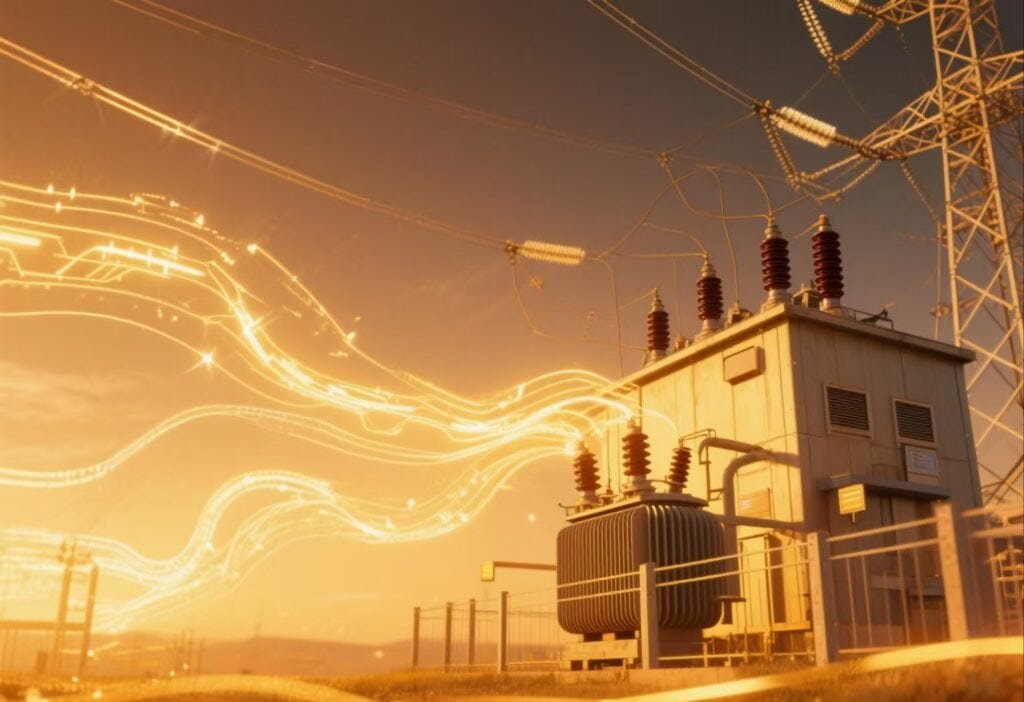
In industrial environments, power transformers are essential infrastructure that ensure machinery, systems, and processes receive stable and appropriate voltage levels. Their role extends beyond basic voltage conversion—they contribute to operational reliability, energy efficiency, and safety in demanding settings like manufacturing, mining, petrochemicals, and heavy industries.
How Do Power Transformers Support Industrial Operations?
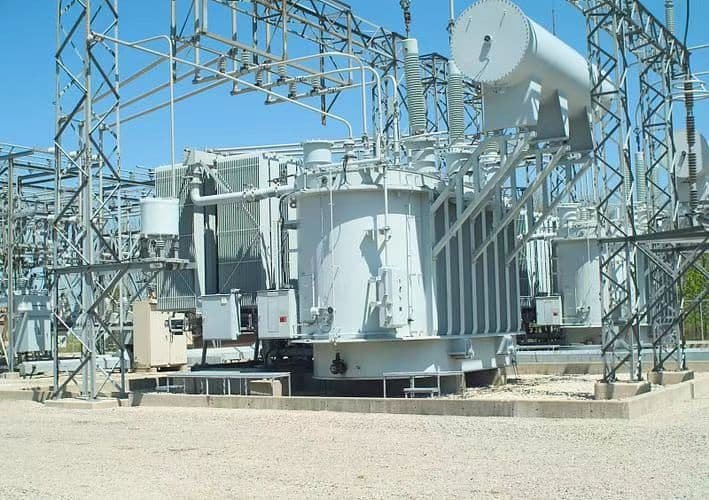
In today’s industrialized economy, uptime and power quality are everything. Industries depend on stable, high-capacity, and precisely controlled electricity to operate complex machinery, maintain production continuity, and meet safety and compliance requirements. Power transformers are the backbone of this reliability—quietly stepping down grid voltages and delivering tailored energy profiles to drive productivity.
Power transformers support industrial operations by stepping down high-voltage power from transmission lines to usable medium- or low-voltage levels, ensuring stable energy supply, reducing losses, isolating electrical faults, enabling process control, and optimizing operational efficiency. They are vital for running motors, drives, heating elements, and automation systems in steel, chemical, automotive, mining, oil & gas, and manufacturing sectors.
Without reliable transformers, energy-intensive processes would be susceptible to overloads, brownouts, and production halts.
Industries can run large-scale equipment directly from high-voltage transmission lines without transformers.False
Transformers are required to step down high-voltage transmission power to safer, usable voltage levels for industrial machinery. Running equipment directly from transmission lines is unsafe and unfeasible.
🔌 Key Roles of Power Transformers in Industrial Settings
| Function | Role in Industrial Operation |
|---|---|
| Voltage Step-Down | Reduces 66–220 kV grid voltage to 33/11/6.6/0.4 kV |
| Load Management | Supports high inrush loads like motors and furnaces |
| Power Quality Assurance | Prevents flicker, harmonic distortion, and brownouts |
| Safety Isolation | Electrically separates grid and process systems |
| Process Control | Feeds VFDs, PLCs, and critical automation systems |
| Redundancy Support | N+1 transformer configurations ensure no single point failure |
| Surge and Overvoltage Handling | Protects sensitive drives from lightning/switching spikes |
🏭 Applications Across Industrial Sectors
| Industry | Transformer Application Example |
|---|---|
| Steel Plants | Arc furnaces, rolling mills, and DC drive systems |
| Chemical Refineries | Continuous-process reactors, compressor motors |
| Oil & Gas | Offshore platforms, pump stations, drilling rigs |
| Data Centers | UPS input transformers, isolation transformers |
| Mining | Crushers, conveyors, ventilation systems |
| Cement | Kilns, grinders, packaging lines |
| Textile & Automotive | Assembly robots, dryers, precision control systems |
📊 Transformer Ratings for Industrial Loads
| Industry Size | Typical Transformer Capacity | Voltage Levels (Input → Output) |
|---|---|---|
| Small Factory | 500 kVA – 2.5 MVA | 33 kV → 0.415 kV |
| Mid-Sized Industry | 5 MVA – 10 MVA | 66 kV → 11 kV or 6.6 kV |
| Large Steel Plant / Refinery | 20 MVA – 100 MVA | 132–220 kV → 11 kV / 6.6 kV |
Transformer ratings must align with peak demand, fault tolerance, and expansion capacity.
🔧 Industrial Transformer Features
| Feature | Benefit for Industrial Use |
|---|---|
| OLTC (On-load Tap Changer) | Maintains voltage stability under load variation |
| Copper Windings | Withstands high current and overloads |
| Forced Cooling (ONAF/ODAF) | Supports continuous high load duty |
| Wide Tap Range | Adapts to poor grid quality or fluctuating supply |
| Low Impedance | Minimizes voltage drops under dynamic load |
| Custom Vector Group | Reduces harmonic distortion, isolates sensitive loads |
🧠 Transformer Reliability = Industrial Uptime
| Without Transformer Reliability | With Reliable Transformer System |
|---|---|
| Voltage dips halt production | Stable voltage = uninterrupted workflows |
| Poor tap response causes flicker | OLTC stabilizes PLCs and sensitive controls |
| Overheated units reduce life | Forced cooling preserves long-term performance |
| Oil aging unchecked = failure | Online monitoring prevents costly outages |
A 4-hour outage at a mid-sized factory can cost \$40,000–\$500,000 in lost production and rework.
📘 Standards & Compliance
| Standard / Code | Relevance to Industrial Power Transformers |
|---|---|
| IEC 60076 Series | Electrical and thermal performance standards |
| IEEE C57.12 / C57.91 | Loading guides and overload limits |
| ISO 9001 / 14001 | Quality and environmental controls in transformer supply |
| NFPA 70 / NEC | Industrial electrical safety and grounding |
| ISO 50001 | Energy management strategy for industrial operations |
💬 Case Study
In a Southeast Asian steel mill, upgrading from a 40-year-old 15 MVA transformer to a new 25 MVA copper-wound unit with OLTC and ester fluid:
- Increased output by 18%
- Reduced monthly voltage sags from 22 to zero
- Improved energy efficiency by 7.2%
- Enabled ISO 50001 certification
Why Is Voltage Transformation Critical in Industrial Settings?
Modern industrial operations run on complex systems powered by electricity, but not all electricity is equal. From robotic arms and induction motors to lighting grids and data servers, each system demands different voltages, power qualities, and response characteristics. This makes voltage transformation not just beneficial—but absolutely critical—for safe, reliable, and efficient operation in industrial environments.
Voltage transformation is critical in industrial settings because it enables the safe conversion of high-voltage utility power to the appropriate lower voltage levels required by machinery and systems, reduces transmission losses, enhances energy efficiency, and protects sensitive equipment. It allows simultaneous operation of diverse loads—from heavy motors to precision electronics—within a unified, optimized electrical architecture.
Without proper voltage transformation, industries face risks of equipment damage, safety hazards, energy waste, and operational downtime.
Industrial systems can directly use transmission-level voltages like 132 kV without transformation.False
High-voltage transmission power must be stepped down to safer, usable voltages such as 11 kV or 415 V for industrial machinery. Direct use would damage equipment and pose safety hazards.
🔌 Functions of Voltage Transformation in Industrial Infrastructure
| Function | Benefit for Industrial Operations |
|---|---|
| High-to-Low Voltage Step-Down | Converts 66–220 kV utility supply to 33 kV, 11 kV, 415 V |
| Voltage Segregation | Supplies different voltages to motors, lights, controls |
| Energy Loss Reduction | High-voltage transmission minimizes I²R losses |
| System Isolation & Safety | Prevents high voltage exposure to operational areas |
| Power Factor Management | Optimized transformer loading supports PF correction |
| Process Control | Supports VFDs, PLCs, sensors requiring regulated voltage |
🏭 Real-World Voltage Transformation Needs
| Application | Required Voltage Levels | Source Voltage |
|---|---|---|
| Large Induction Motors | 6.6 kV or 11 kV | Transformed from 132 kV |
| Machine Tools / Robots | 415 V | Transformed from 33 kV |
| Lighting Circuits | 230–240 V | Step-down from 415 V |
| Data Servers / Labs | 208 V / 120 V | Via isolation transformers |
| Welding Units | 3-phase 400–600 V | OLTC-regulated supplies |
📊 Voltage Step-Down Example in a Medium Industry
| Stage | Voltage Level (Typical) | Equipment Served |
|---|---|---|
| Primary Supply | 66 kV or 132 kV | From utility or captive substation |
| Main Transformer Output | 11 kV | Heavy motors, furnaces |
| Auxiliary Transformers | 415 V | Drives, PLCs, conveyor belts, packaging lines |
| Control Transformers | 24 V / 12 V | Sensors, relays, SCADA interfaces |
A properly designed voltage hierarchy ensures voltage stability, equipment safety, and system efficiency.
⚡ Why One Voltage Doesn’t Fit All
| System Type | Required Voltage | Why Not Higher or Lower? |
|---|---|---|
| Motor Drives | 6.6 kV / 11 kV | Lower voltage = high current → large cables & heat |
| Control Panels | 24 V / 110 V | Higher voltages unsafe for humans |
| General Loads | 415 V / 230 V | Ideal for power tools, HVAC, lighting |
| HVAC Compressors | 400–600 V | Precision voltage to avoid phase loss |
Voltage mismatch can lead to frequent tripping, overheating, or premature component failure.
🔧 Role of Transformers in Voltage Adaptation
| Transformer Type | Voltage Function |
|---|---|
| Power Transformer | 132 kV → 33/11 kV for primary plant feeds |
| Distribution Transformer | 11 kV → 415 V for general factory floor use |
| Isolation Transformer | Galvanic isolation, 415 V → 208/120 V |
| Auto Transformer | Voltage adjustment for variable equipment |
| Rectifier Transformer | AC → DC for plating or welding processes |
🛡️ Safety & Efficiency Benefits of Proper Voltage Transformation
| Benefit | Description |
|---|---|
| Minimizes Fire Risk | Reduces conductor overheating and arc faults |
| Prevents Overvoltage | Matches voltage to equipment ratings |
| Improves Efficiency | Avoids energy waste from over/under voltage |
| Protects Electronics | Prevents damage to VFDs, PLCs, HMIs |
| Enables Selective Protection | Voltage zones support targeted circuit breakers |
📘 Standards for Voltage Management
| Standard / Code | Relevance |
|---|---|
| IEC 60076 Series | Transformer voltage design and insulation coordination |
| IEEE 141 / 242 | Voltage regulation, distribution planning |
| NFPA 70 / NEC | Safe voltage segregation and conductor sizing |
| ISO 50001 | Voltage optimization as part of energy management |
💬 Field Example
A paper mill in Eastern Europe experienced recurring VFD faults and flicker due to under-voltage from shared 11 kV feeders. After installing dedicated 11/0.415 kV isolation transformers and OLTC-regulated step-down transformers, power quality improved dramatically. The plant reported:
- 34% fewer electrical faults
- 8.3% reduction in energy losses
- 100% uptime for critical drives over 18 months
What Types of Transformers Are Used in Industries?
Industrial facilities are power-hungry ecosystems operating across a wide spectrum of voltages, loads, and processes. From driving high-torque motors to powering precision electronics, these environments demand multiple transformer types—each tailored to a specific electrical function. Selecting the right type of transformer is essential to ensure safety, energy efficiency, reliability, and process continuity.
Industries use a variety of transformer types including power transformers, distribution transformers, isolation transformers, autotransformers, rectifier transformers, and furnace transformers. Each type fulfills a specific role such as voltage transformation, galvanic isolation, harmonic filtering, or rectification—supporting equipment from heavy drives to PLC-controlled automation systems.
Understanding these types helps in designing efficient, robust, and future-ready industrial power systems.
Only one type of transformer is used in industrial power systems.False
Industrial facilities commonly use multiple types of transformers—each optimized for specific voltage, safety, or control requirements.
🏭 1. Power Transformers
| Attribute | Specification |
|---|---|
| Purpose | Step down utility high voltage (HV) to medium voltage (MV) for plant feeders |
| Typical Ratings | 5 MVA to 200 MVA |
| Voltage Range | 220 kV/132 kV → 33 kV/11 kV |
| Cooling Methods | ONAN, ONAF, OFAF, OFWF |
| Usage | Steel plants, chemical refineries, power-intensive zones |
Acts as the first point of entry for power to the industrial campus.
⚡ 2. Distribution Transformers
| Attribute | Specification |
|---|---|
| Purpose | Step down MV to low voltage (LV) for factory floor distribution |
| Typical Ratings | 100 kVA to 5 MVA |
| Voltage Range | 11 kV → 415 V / 400 V |
| Mounting | Pad, pole, or indoor mounting |
| Usage | Drives, lights, HVAC, production lines |
Ensures tailored voltage delivery close to usage point.
🛡️ 3. Isolation Transformers
| Attribute | Specification |
|---|---|
| Purpose | Electrically separates supply and load circuits to prevent leakage current and reduce noise |
| Typical Ratings | 1 kVA to 250 kVA |
| Voltage Range | 415 V → 415 V or 240 V → 240 V |
| Features | Galvanic isolation, electrostatic shields |
| Usage | PLCs, data centers, lab equipment, sensitive electronics |
Critical for safety, surge suppression, and signal integrity.
🔁 4. Autotransformers
| Attribute | Specification |
|---|---|
| Purpose | Economical voltage change (small step-up/down) without isolation |
| Typical Ratings | 1 kVA to 50 MVA |
| Voltage Range | 11 kV ↔ 6.6 kV, 400 V ↔ 230 V |
| Features | Single winding, reduced copper usage |
| Usage | Motor soft starting, HVAC, lighting |
Lower cost and smaller size where isolation is not mandatory.
🔌 5. Rectifier Transformers
| Attribute | Specification |
|---|---|
| Purpose | Supply DC power by integrating with diode or thyristor rectifier |
| Typical Ratings | 500 kVA to 20 MVA |
| Voltage Range | 11 kV / 6.6 kV → DC link voltage |
| Features | Harmonic suppression, phase shift, cooling for rectifier load |
| Usage | Electroplating, aluminum smelting, EV charging, DC motors |
Converts AC to DC for process industries and green transport infrastructure.
🔥 6. Furnace Transformers
| Attribute | Specification |
|---|---|
| Purpose | Provide high current, low voltage power for electric arc and induction furnaces |
| Typical Ratings | 3 MVA to 100 MVA |
| Voltage Range | 33 kV / 11 kV → 100–600 V (secondary) |
| Features | Heavy-duty OLTC, withstands frequent short circuits |
| Usage | Steelmaking, foundries, glass melting |
Built for rugged duty under cyclic, nonlinear loads.
📊 Comparison Table of Industrial Transformer Types
| Transformer Type | Voltage Conversion | Isolation | Common Use Case |
|---|---|---|---|
| Power Transformer | HV → MV | Yes | Substation interface |
| Distribution Transformer | MV → LV | Yes | Plant floor, utility supplies |
| Isolation Transformer | Same V (galvanic only) | Yes | Sensitive equipment protection |
| Autotransformer | MV ↔ MV / LV ↔ LV | No | Motor starting, minor voltage shift |
| Rectifier Transformer | AC → DC (via converter) | Yes | Electrochemical, welding, EV charging |
| Furnace Transformer | MV → High-Current LV | Yes | EAF, ladle, induction furnaces |
🧠 Choosing the Right Transformer
| Consideration | Transformer Type |
|---|---|
| High voltage grid interface | Power Transformer |
| Factory floor distribution | Distribution Transformer |
| Equipment safety isolation | Isolation Transformer |
| Limited space, low cost | Autotransformer |
| DC power requirements | Rectifier Transformer |
| High thermal/electrical duty | Furnace Transformer |
📘 Standards and Design Guides
| Standard | Applies To |
|---|---|
| IEC 60076 Series | Design of power, distribution, and specialty transformers |
| IEEE C57 Standards | Testing and application for power system transformers |
| ISO 9001 / 14001 | Manufacturing quality and environmental practices |
💬 Case Example
An automotive plant operating on a 132 kV grid used:
- 25 MVA Power Transformer (132/33 kV)
- 6 MVA Distribution Transformers (33/0.415 kV)
- Isolation Transformers for PLCs, robots
- Rectifier Transformers in paint shops (DC drives)
This diversified transformer setup enabled safe, scalable, and segmented energy delivery across the facility.
How Do Transformers Enhance Safety in Industrial Facilities?
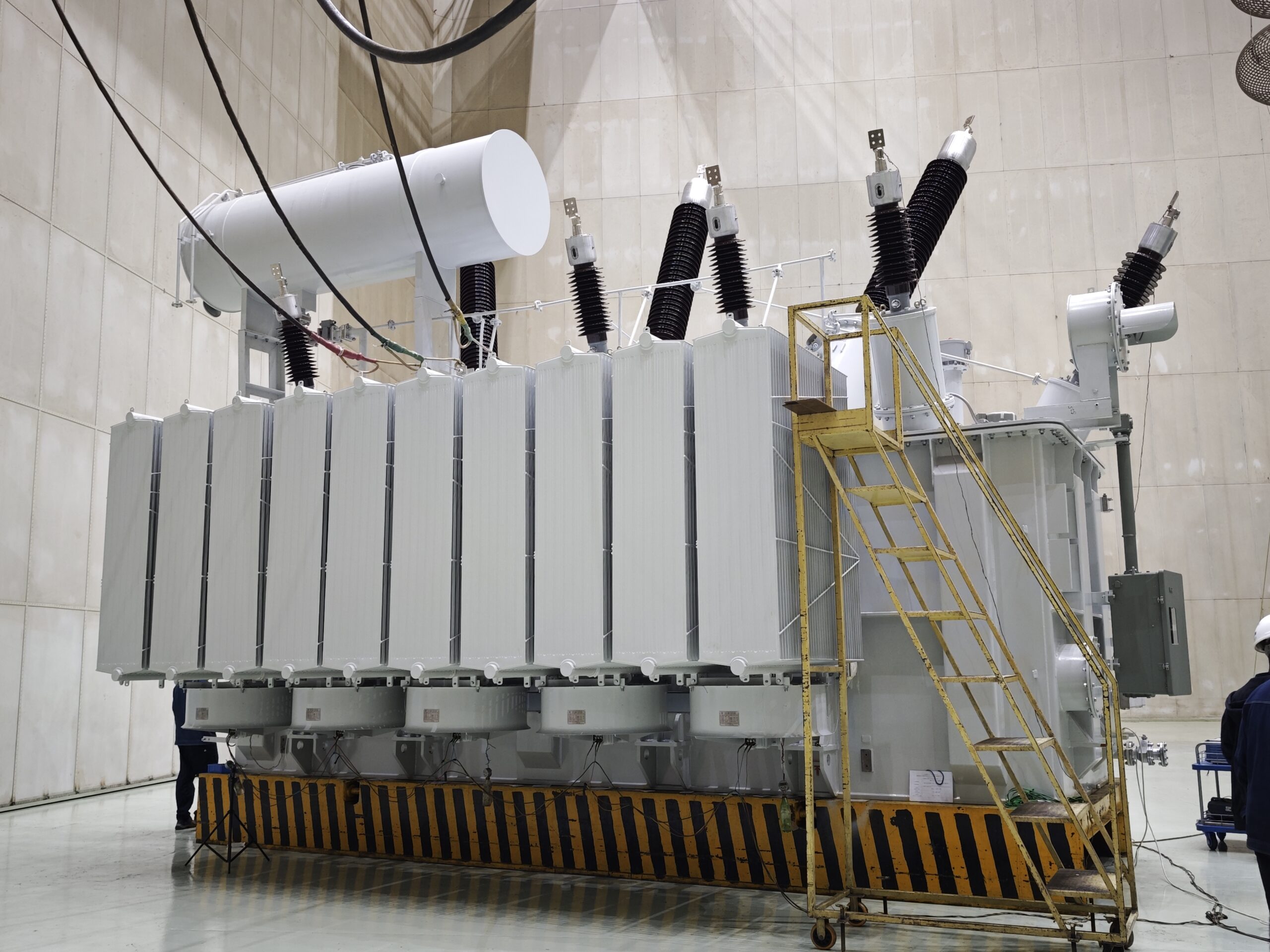
Industrial environments are fraught with electrical hazards—arc flashes, overloads, equipment faults, and fire risks. A fault in the power distribution system can lead to catastrophic downtime, injuries, or even loss of life. In this high-stakes context, transformers are not just passive power devices—they are critical safety components, providing structured voltage delivery, fault isolation, grounding, and fire risk mitigation.
Transformers enhance safety in industrial facilities by stepping down high transmission voltages to safe operating levels, electrically isolating circuits to prevent shock and fault propagation, containing flammable materials in fire-safe designs, grounding faults safely, and enabling selective protection through their impedance and zoning characteristics. Monitoring and design standards further reduce the risk of catastrophic failure.
With proper transformer selection and installation, industrial facilities can ensure safe power distribution, reduced electrical risks, and compliance with stringent safety regulations.
Transformers serve only power conversion purposes and do not contribute to facility safety.False
Transformers play a key role in industrial safety by controlling voltage, isolating faults, minimizing fire risks, and supporting protective systems.
🛡️ How Transformers Contribute to Electrical Safety
| Safety Feature | Transformer Role |
|---|---|
| Voltage Step-Down | Reduces HV (e.g., 132 kV) to safer levels like 11 kV or 415 V |
| Galvanic Isolation | Separates primary grid from industrial equipment circuits |
| Ground Fault Limitation | Localizes and controls ground fault currents |
| Short Circuit Containment | Limits prospective fault current via impedance design |
| Surge Protection Coordination | Integrates with arresters and surge relays |
| Zone-Based Fault Management | Supports selective tripping via transformer-fed subnets |
By segmenting power systems and managing energy flow, transformers contain hazards rather than letting them cascade.
🔥 Fire & Thermal Safety Mechanisms
| Design Feature | Safety Function |
|---|---|
| Oil Conservator & Breather | Manages pressure, prevents air/moisture ingress |
| Buchholz Relay | Detects internal arcing or gas buildup |
| Pressure Relief Device (PRD) | Vents overpressure safely in faults |
| Oil Containment Bunds | Prevents flammable oil leakage in fire incidents |
| Thermal Sensors (RTDs) | Early warning for overheating in windings |
| Fire-Resistant Fluids (Ester Oil) | Reduces flashpoint risk to <300 °C |
Natural ester fluids are self-extinguishing, reducing the need for large fire-suppression systems.
⚡ Isolation and Fault Zone Segregation
| Transformer Type | Isolation Role |
|---|---|
| Distribution Transformers | Separate industrial load zones |
| Isolation Transformers | Protect sensitive control circuits |
| Rectifier Transformers | Isolate DC systems from AC faults |
| Delta-Wye Connections | Block zero-sequence and ground fault propagation |
Isolation prevents transients or faults from spreading across sections, preserving both equipment and human safety.
⚙️ Protection and Monitoring Integration
| System | Transformer Safety Role |
|---|---|
| Differential Protection (87T) | Detects internal short circuits |
| Oil Level Monitors | Prevents dry running and overheating |
| Winding Temperature Relays | Triggers alarms before thermal failure |
| Thermal Imaging | Identifies bushing hot spots before insulation damage |
| SCADA Integration | Remote alarm and shutdown capabilities |
Sensors and relays turn transformers into active safety assets, not just passive devices.
🧰 Transformer Safety Features – Overview Table
| Feature/Function | Safety Benefit |
|---|---|
| Voltage Step-Down | Prevents exposure to lethal high voltage |
| Galvanic Isolation | Eliminates shock paths and neutral faults |
| Controlled Impedance | Limits short-circuit currents |
| Surge Withstand Capacity | Protects against lightning/switching spikes |
| Fire-Safe Fluids & Barriers | Reduces risk of ignition |
| Fault Detection Relays | Enables pre-emptive shutdown |
📘 Safety Standards and Compliance
| Standard / Code | Safety Coverage Area |
|---|---|
| IEC 60076-11 | Dry-type transformer safety and insulation |
| IEEE C57.12.90 | Transformer test procedures (including safety) |
| NFPA 70 / NEC | Installation, grounding, and fire safety |
| ISO 45001 | Occupational safety in electrical system design |
| FM/UL 1561/1562 | Transformer fire resistance and containment |
💬 Case Example
A chemical plant in Latin America experienced a transformer tank rupture due to oil degradation and lack of thermal monitoring. The replacement unit used:
- Natural ester oil
- Thermal sensors on all windings
- Dual Buchholz + PRD protection
Over five years, there were no thermal or gas-related incidents, and the transformer now functions as a predictive safety node within the plant’s SCADA system.
What Role Do Transformers Play in Energy Management?
As global industries strive to reduce costs and carbon footprints, energy management has become a mission-critical priority. Every kilowatt counts—and the humble transformer plays a far greater role in this mission than just voltage transformation. Strategically selected, operated, and monitored transformers can dramatically improve energy efficiency, reduce losses, balance loads, and enable real-time optimization across facilities.
Transformers play a vital role in energy management by optimizing voltage levels for equipment efficiency, reducing I²R losses through appropriate winding and core designs, supporting load balancing across distribution systems, enabling integration with energy monitoring and smart grid systems, and facilitating power quality improvements. They are both passive and intelligent assets in modern energy strategies.
When transformers are matched to load profiles and equipped with monitoring systems, they become powerful tools for cost savings, sustainability, and grid resilience.
Transformers cannot impact energy efficiency and are irrelevant to energy management.False
Transformers directly affect energy loss, voltage optimization, and system efficiency. Their core design and real-time performance are essential to energy management.
🔋 Core Functions of Transformers in Energy Optimization
| Energy Management Role | How Transformers Support It |
|---|---|
| Voltage Optimization | Deliver exact voltage needed to reduce equipment losses |
| Loss Minimization | Lower no-load and load losses via design choices |
| Load Balancing | Distribute power evenly across phases and zones |
| Power Quality Improvement | Isolate harmonics, manage transients, stabilize voltage |
| Smart Monitoring Integration | Provide real-time load, loss, and condition data |
| Demand-Side Management (DSM) | Support dynamic voltage control and system reconfiguration |
Transformers act as both regulators and sensors in modern energy ecosystems.
📉 How Transformer Losses Affect Energy Cost
| Loss Type | Source | Impact on Energy Efficiency |
|---|---|---|
| No-Load Losses | Core magnetization (even unloaded) | Affects base energy usage |
| Load Losses | Winding resistance, eddy currents | Scales with load; major cost driver |
| Stray Losses | Leakage flux and tank eddies | Design-dependent, often underestimated |
| Cooling System Loss | Fan/pump energy usage | Adds parasitic energy consumption |
A 2 MVA transformer with 1.5% loss can waste 30,000–50,000 kWh/year, costing \$3,000–\$6,000/year in typical industrial rates.
🧠 Transformer Monitoring for Intelligent Energy Use
| Monitored Parameter | Energy Management Benefit |
|---|---|
| Load Current & Power Factor | Identifies over/underloading or imbalance |
| Voltage & THD | Supports power quality correction and voltage tuning |
| Oil & Winding Temperature | Informs optimal loading and loss control |
| Loss/Efficiency Logs | Enables loss benchmarking and upgrade ROI tracking |
| Tap Position Data | Tracks energy use per voltage adjustment |
Integrated with SCADA or EMS, transformers deliver actionable energy metrics in real time.
🏭 Transformer-Based Energy Efficiency Strategies
| Strategy | Transformer Contribution |
|---|---|
| Right-Sizing Units | Minimizes oversizing-related no-load losses |
| OLTC with Voltage Control | Optimizes system voltage based on load behavior |
| Parallel Transformer Operation | Balances efficiency across multiple load zones |
| Low-Loss Core & Windings | Uses CRGO or amorphous steel + low-resistance coils |
| Natural Ester Fluids | Supports low-loss cooling and eco compliance |
Using energy-efficient transformers can cut transformer-related losses by 20–40%.
📊 Example – Transformer Upgrade ROI in Energy Terms
| Item | Legacy Transformer | High-Efficiency Transformer |
|---|---|---|
| Core Loss (W) | 3,200 | 1,850 |
| Load Loss at Rated (W) | 12,500 | 8,200 |
| Annual Energy Loss (kWh) | 87,000 | 53,800 |
| Annual Loss Cost (@ $0.12/kWh) | $10,440 | $6,456 |
| Payback Period | — | ~3.8 years (CAPEX: $15,000) |
Transformer efficiency upgrades can yield double-digit returns within 4–5 years.
⚙️ Integrating Transformers into Smart Energy Systems
| Smart Function | Transformer Role |
|---|---|
| Dynamic Load Adjustment | Via tap changers or load-sharing |
| Voltage Optimization Algorithms | Tap positioning feedback via EMS |
| Condition-Based Maintenance | Alerts from thermal/oil/insulation sensors |
| Peak Demand Shaving | Staggered loading with transformer zoning |
| Remote Shutdown / Load Shedding | Automated transformer disconnection via SCADA |
Modern smart transformers are IoT-enabled, secure, and interoperable with demand response platforms.
📘 Standards & Programs for Efficient Transformers
| Guideline / Regulation | Description |
|---|---|
| DOE 2016/2021 Efficiency Standards | Mandated efficiency levels for dry/oil units |
| IEC 60076-20 | Efficiency classifications and labeling |
| ISO 50001 | Energy management system integration |
| EcoDesign (EU) | Regulates losses and eco-impact of transformers |
| Green Premium / ETL Labels | Recognize ultra-efficient transformers |
💬 Field Example
A global chemical plant upgraded 10 aging 3 MVA transformers (loss: \~15 kW/unit) with Tier 2 low-loss models (loss: \~9 kW/unit), and added:
- OLTC control via SCADA
- Harmonic filters at transformer bus
- Load balancing via transformer zoning
Results after 12 months:
- 34% drop in transformer-related losses
- 6.2% reduction in plant-wide energy cost
- Full ROI achieved in 3.6 years
How Do Customized Transformers Meet Specific Industrial Needs?
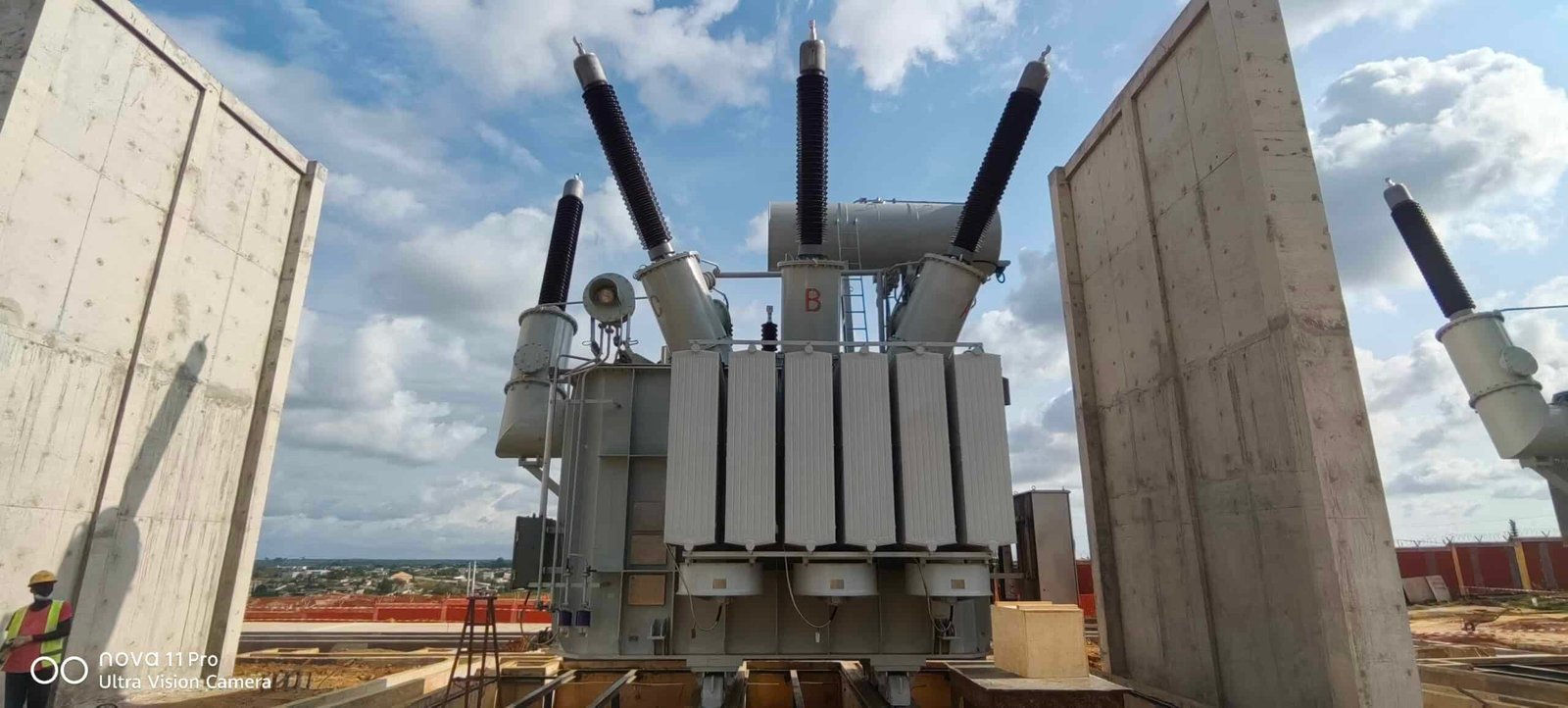
Industrial operations span a vast array of sectors—from steel, mining, and oil & gas to pharmaceuticals and data centers. Each comes with unique electrical demands, environmental challenges, and safety requirements. Standard, off-the-shelf transformers often fail to meet these diverse demands. That’s why customized transformers are engineered solutions—tailored to deliver optimal performance, efficiency, and reliability under specific operating conditions.
Customized transformers meet specific industrial needs by aligning voltage levels, cooling systems, insulation materials, enclosures, vector group configurations, harmonic suppression, and monitoring capabilities with the precise requirements of each application. This ensures optimal load performance, longevity, safety compliance, and integration with complex systems.
Customization transforms the transformer from a standard device into a critical, high-performing asset designed for your exact environment and process needs.
All industrial applications can use the same standard transformer design.False
Industrial applications vary significantly in voltage, frequency, load type, cooling needs, and environmental exposure—requiring tailored transformer designs.
🏭 Why Customization Matters: Industry Variability
| Industry | Unique Electrical Needs |
|---|---|
| Steel Mills | High short-circuit strength, arc furnace cycles |
| Chemical Plants | Explosion-proof, corrosion-resistant designs |
| Data Centers | Isolation, redundant feeding, harmonic filtering |
| Oil & Gas Rigs | Offshore rating, compact footprint |
| Mining | Shock-resistant, trailer-mountable units |
| Textiles / Pharma | Low noise, high accuracy voltage regulation |
Customized transformers address load profiles, ambient conditions, and safety compliance that vary drastically from one sector to another.
⚙️ Key Areas of Transformer Customization
| Parameter | Custom Options |
|---|---|
| Voltage Rating | Primary: 6.6 kV to 220 kV; Secondary: 0.4 kV to 33 kV |
| Power Rating | 50 kVA to 250 MVA; based on demand profile |
| Cooling System | ONAN, ONAF, OFAF, dry-type, or custom air/oil circuit |
| Core Type & Material | CRGO, amorphous, or split-core for harmonics |
| Enclosure Type | IP54/IP65/NEMA 3R/Ex-proof/Seismic braced |
| Frequency | 50 Hz, 60 Hz, or dual-rated |
| Vector Group Configuration | Dy11, Yyn0, Dd5, or custom phase-shift requirements |
| Tap Changer | On-load (OLTC) or off-load (NLTC), remote-controlled |
| Temperature Monitoring | RTDs, thermistors, IoT-integrated sensors |
| Protection Devices | PRDs, Buchholz relay, gas detectors, arc sensors |
🔧 Customization Benefits by Design Feature
| Feature | Customization Option | Benefit |
|---|---|---|
| Core Design | Low-loss, split-phase, or skewed flux | Reduces core loss, suppresses noise |
| Winding Arrangement | Interleaved, zig-zag, reinforced | Handles surge, balances load currents |
| Cooling Radiators | Modular, removable, redundant fans | Supports high thermal loads |
| Bushing Placement | Side, top, angled, or cable box | Matches site layout, improves safety access |
| Tank Shape | Vertical, compact, mobile-mount | Adapts to space or transport constraints |
Every parameter of a custom transformer is matched to the site, application, and expected load cycle.
🧠 Customization for Smart Energy Systems
| Integration Feature | Customization Approach |
|---|---|
| SCADA/EMS Connectivity | Built-in Modbus, IEC 61850, or SNMP |
| Digital Twin Ready | Asset ID, condition sensors, load event tracking |
| Adaptive Load Sharing | Parallel transformer config with load balancing |
| Efficiency Optimization | Loss calculators and real-time efficiency analytics |
Custom transformers support real-time control and smart diagnostics, vital for digitalized industrial facilities.
📊 Example: Customized Transformer for Mining
| Feature | Specification |
|---|---|
| Power Rating | 2.5 MVA |
| Voltage | 11 kV / 3.3 kV |
| Cooling | ONAN with extended radiators for high altitude |
| Enclosure | IP65, sand-resistant, vibration-proof |
| Accessories | Surge arresters, dry bushings, oil gauge relays |
| Transport Mode | Skid-mounted for haul-truck compatibility |
Designed to operate in harsh terrain, mobile duty cycles, and fluctuating temperature extremes.
📘 Standards Addressing Custom Transformer Design
| Standard / Code | Focus Area |
|---|---|
| IEC 60076 Series | Electrical and mechanical customization guidelines |
| IEEE C57 Standards | Application-specific transformer configurations |
| API 618 / 673 | Oil & gas and compressor transformer specs |
| NEMA TR 1 / ANSI C57 | Industrial distribution transformer customization |
| ISO 12944 / IEC 60529 | Environmental protection (IP/NEMA rating standards) |
💬 Field Example
A paper mill in Southeast Asia needed a compact 5.5 MVA transformer to feed two redundant 2.5 MVA lines plus UPS loads, all in a flood-prone zone. We supplied:
- 33/6.6 kV dual-secondary unit with Dy11 and Yd5 vector groups
- Custom tank with IP66 ingress rating and 1.2 m freeboard base
- Ester fluid cooling for environmental compliance
Result: zero unplanned outages during monsoon season and 15% higher operational uptime than legacy system.
Conclusion
Power transformers are indispensable to industrial operations, ensuring power is delivered at the right voltage, safely, and efficiently. Their reliability directly affects production uptime and process continuity. Whether stepping down high-voltage supply lines or stabilizing energy across a facility, power transformers are a foundational element of modern industrial infrastructure.
FAQ
Q1: Why are power transformers essential in industrial settings?
A1: Power transformers enable industries to:
Step down high-voltage grid power to safe, usable levels for equipment
Step up internal generation power (e.g., from CHP, solar) to grid-compatible levels
Stabilize voltage supply to avoid fluctuations that damage sensitive machinery
They serve as a bridge between utility supply and industrial operations, ensuring power availability, safety, and stability.
Q2: What types of industries use power transformers?
A2: Common industries include:
Manufacturing plants (metal, automotive, chemical)
Oil & gas refineries
Mining and cement processing
Data centers and electronics
Steel mills and paper mills
Each application demands custom transformer specifications based on load profile, environmental conditions, and voltage needs.
Q3: How do power transformers enhance efficiency in industrial facilities?
A3: Transformers reduce energy waste by:
Operating at optimized voltage levels to match load requirements
Using low-loss designs to minimize I²R and core losses
Supporting power factor correction and reactive power management
This leads to lower electricity bills, better equipment lifespan, and increased process uptime.
Q4: What features are important in industrial transformer design?
A4: Industrial transformers must offer:
Robust insulation and cooling systems for high load demands
High fault withstand capacity for process continuity
Tap changers (on-load/off-load) to adjust voltage
Resistance to dust, moisture, and chemicals
Ease of integration with plant monitoring and SCADA systems
Q5: How do transformers support industrial power systems and safety?
A5: Power transformers provide:
Voltage isolation to protect people and machinery
Overcurrent protection when integrated with breakers/relays
Load distribution across different plant sections
Compatibility with back-up power systems (e.g., diesel generators, UPS)
They ensure operational reliability and compliance with electrical safety standards.
References
"Role of Transformers in Industrial Plants" – https://www.electrical4u.com/transformers-in-industry
"IEEE: Industrial Power Systems Guide" – https://ieeexplore.ieee.org/document/6123467
"Hitachi Energy: Industrial Grid Interface Solutions" – https://www.hitachienergy.com/industries
"Energy Central: Transformer Use in Industrial Load Management" – https://www.energycentral.com/c/ee/industrial-power-transformers
"NREL: Energy Efficiency in Industrial Power Systems" – https://www.nrel.gov/docs/fy21ost/industrial-transformer-guide.pdf
"ScienceDirect: Electrical Infrastructure for Manufacturing Facilities" – https://www.sciencedirect.com/industrial-power-transformers-analysis