
Oil-immersed transformers are widely used in power generation, transmission, and distribution systems due to their high efficiency, strong insulation performance, and effective cooling capability. By using insulating oil, these transformers can handle higher voltages and larger capacities while maintaining reliable and stable operation. Understanding their purpose helps explain why they remain a dominant solution in modern electrical networks.
What Is an Oil-Immersed Transformer and Why Is It Widely Used in Power Systems?

Electrical systems today face increasing demands for reliability, efficiency, and safety. One critical challenge is managing heat and insulation in high-voltage equipment—failure to do so can result in catastrophic breakdowns, costly downtime, and safety hazards. Transformers, as the backbone of power distribution, must operate continuously under heavy loads. Without proper cooling and insulation, their lifespan and performance degrade rapidly. This is where oil-immersed transformers provide a robust and proven solution, ensuring stable operation even under demanding conditions.
An oil-immersed transformer is a type of electrical transformer in which the core and windings are submerged in insulating oil that serves both as a coolant and an electrical insulator. This oil dissipates heat efficiently, prevents electrical discharges, and enhances the transformer’s operational reliability, making it widely used in power transmission, distribution networks, and industrial applications.
To fully understand why oil-immersed transformers dominate the industry, it is essential to explore their structure, working principles, advantages, limitations, and real-world applications in detail. This article provides a comprehensive, engineering-level explanation tailored for professionals, buyers, and system designers.
Oil in oil-immersed transformers only acts as a coolant.False
Transformer oil functions both as a coolant and as an electrical insulating medium, preventing dielectric breakdown while dissipating heat.
Understanding the Structure of an Oil-Immersed Transformer
An oil-immersed transformer consists of several critical components, each designed to ensure efficient energy transfer and safe operation under high voltage conditions. The core, typically made of laminated silicon steel, provides a low-reluctance path for magnetic flux. Surrounding the core are the primary and secondary windings, which are insulated conductors responsible for voltage transformation.
The entire assembly is housed inside a sealed tank filled with transformer oil. This oil serves multiple purposes, including cooling, insulation, and arc suppression. Additional components such as radiators, conservators, breather systems, and Buchholz relays enhance performance and safety. For example, radiators increase the surface area for heat dissipation, while the conservator accommodates oil expansion due to temperature variations.
| Component | Function | Material/Design Characteristics |
|---|---|---|
| Core | Magnetic flux conduction | Laminated silicon steel |
| Windings | Voltage transformation | Copper or aluminum conductors |
| Transformer Oil | Cooling and insulation | Mineral oil or synthetic ester |
| Tank | Enclosure and protection | Steel with anti-corrosion coating |
| Radiator | Heat dissipation | Finned tubes or panels |
| Conservator | Oil expansion chamber | Cylindrical tank mounted above main tank |
| Breather | Moisture control | Silica gel-based system |
| Buchholz Relay | Fault detection (gas accumulation) | Protective relay device |
Working Principle of an Oil-Immersed Transformer
The operation of an oil-immersed transformer is based on electromagnetic induction. When alternating current flows through the primary winding, it generates a magnetic field in the core. This alternating magnetic flux induces a voltage in the secondary winding, thereby transferring electrical energy between circuits.
The presence of insulating oil significantly enhances this process. As the transformer operates, electrical losses generate heat. The oil absorbs this heat and circulates either naturally (ONAN: Oil Natural Air Natural) or through forced systems (OFAF: Oil Forced Air Forced). This circulation prevents overheating and maintains optimal operating temperatures.
Moreover, the oil acts as a dielectric medium, preventing electrical breakdown between windings and the core. This dual functionality is what makes oil-immersed transformers superior in high-voltage applications compared to dry-type alternatives.
Types of Oil-Immersed Transformers
Oil-immersed transformers are categorized based on cooling methods, design structure, and application requirements. Each type is optimized for specific operational conditions and environments.
| Type | Cooling Method | Application Area | Key Advantage |
|---|---|---|---|
| ONAN | Natural oil & air circulation | Distribution networks | Simple and cost-effective |
| ONAF | Natural oil, forced air | Medium-load substations | Improved cooling efficiency |
| OFAF | Forced oil & air | High-capacity industrial systems | High performance under heavy loads |
| OFWF | Forced oil, water cooling | Power plants and critical infrastructure | Maximum heat dissipation |
Advantages of Oil-Immersed Transformers
Oil-immersed transformers offer several technical and economic advantages that make them the preferred choice for large-scale power systems. One of the most significant benefits is their superior cooling capability. The oil effectively removes heat from the core and windings, enabling higher load capacity and longer service life.
Another key advantage is enhanced insulation. The dielectric strength of transformer oil prevents internal electrical discharges, reducing the risk of failure. Additionally, oil-immersed transformers are more suitable for outdoor installations, as they are better protected against environmental factors such as dust, humidity, and temperature fluctuations.
From a cost perspective, they are generally more economical for high-capacity applications. Their maintenance, although necessary, is predictable and manageable through oil testing and monitoring.
Limitations and Challenges
Despite their advantages, oil-immersed transformers also present certain challenges. The most notable is the risk of oil leakage and fire hazards. Transformer oil is flammable, and improper handling or equipment failure can lead to safety incidents. Therefore, strict safety standards and protective systems are required.
Environmental concerns are another issue, particularly with mineral oil, which is not biodegradable. However, modern alternatives such as ester-based oils are addressing this limitation by offering eco-friendly and fire-resistant properties.
Maintenance is also more complex compared to dry-type transformers. Regular oil testing is required to monitor parameters such as moisture content, dielectric strength, and dissolved gases.
Real-World Applications and Case Studies
Oil-immersed transformers are widely used across various sectors, including power generation, transmission, and industrial manufacturing. In high-voltage transmission systems, they are essential for stepping up voltage levels to reduce transmission losses. In distribution networks, they step down voltage for safe use in residential and commercial settings.
For example, in a 220 kV substation project, oil-immersed transformers demonstrated a 15–20% improvement in thermal performance compared to dry-type alternatives under continuous load conditions. In industrial plants, they enable stable operation of heavy machinery by ensuring consistent voltage supply.
Selection Criteria for Buyers and Engineers
Choosing the right oil-immersed transformer requires careful consideration of several factors, including load capacity, voltage rating, cooling method, and environmental conditions. Engineers must also evaluate installation space, safety requirements, and long-term maintenance costs.
| Selection Factor | Consideration Details |
|---|---|
| Load Capacity | Must match or exceed peak demand |
| Voltage Rating | Suitable for system requirements |
| Cooling Method | Depends on operational load and ambient temperature |
| Installation Site | Indoor vs outdoor, space constraints |
| Safety Requirements | Fire protection, explosion-proof design |
| Environmental Impact | Use of biodegradable oil options |
Future Trends in Oil-Immersed Transformer Technology
The future of oil-immersed transformers is evolving with advancements in materials and monitoring technologies. Smart transformers equipped with IoT sensors now enable real-time monitoring of oil temperature, gas levels, and load conditions. This predictive maintenance approach significantly reduces downtime and extends equipment life.
Additionally, the shift toward renewable energy systems is driving demand for more efficient and environmentally friendly transformer designs. Innovations in biodegradable insulating oils and compact designs are shaping the next generation of oil-immersed transformers.
Why Is Insulating Oil Used in Transformers and What Makes It Essential for Performance?
Modern power systems operate under intense electrical and thermal stress, and one of the most critical risks engineers face is insulation failure and overheating inside transformers. Without proper thermal management and dielectric protection, transformers can suffer from partial discharge, short circuits, and even catastrophic explosions. These failures not only disrupt power supply but also result in expensive repairs and safety hazards. To mitigate these risks, insulating oil plays a central role in maintaining transformer reliability, efficiency, and longevity.
Insulating oil is used in transformers because it serves dual essential functions: it acts as an electrical insulator to prevent dielectric breakdown between internal components, and as a coolant to dissipate heat generated during operation. This combination ensures stable performance, extends equipment lifespan, and enables transformers to handle high voltages safely and efficiently.
Understanding the full significance of insulating oil requires a deeper exploration of its properties, functions, types, performance characteristics, and real-world engineering applications. The following sections provide a comprehensive and practical guide for engineers, buyers, and technical professionals.
Transformer insulating oil only prevents electrical faults and has no role in heat management.False
Insulating oil plays a critical dual role by both providing electrical insulation and effectively dissipating heat generated within the transformer.
Core Functions of Insulating Oil in Transformers
Insulating oil is not a passive medium; it actively contributes to the safe and efficient operation of transformers through multiple mechanisms. The most fundamental function is electrical insulation. Transformer windings operate at high voltage differences, and without a strong dielectric medium, electrical arcs could form between conductors or between conductors and the grounded core.
In addition to insulation, insulating oil acts as a highly effective cooling agent. During operation, transformers generate heat due to copper losses (I²R losses) and core losses (hysteresis and eddy currents). The oil absorbs this heat and transfers it to the tank walls and cooling radiators, where it is dissipated into the surrounding environment.
Another important function is arc quenching. In the event of minor internal faults, insulating oil helps suppress and extinguish electrical arcs, preventing them from escalating into severe damage. Furthermore, the oil protects internal components from oxidation and moisture, both of which can degrade insulation materials over time.
| Function | Description | Engineering Benefit |
|---|---|---|
| Electrical Insulation | Prevents dielectric breakdown between windings and core | Ensures safe high-voltage operation |
| Cooling | Absorbs and transfers heat | Maintains optimal operating temperature |
| Arc Suppression | Quenches electrical discharges | Reduces risk of internal damage |
| Moisture Protection | Limits water ingress and contamination | Preserves insulation integrity |
| Oxidation Protection | Slows material degradation | Extends transformer lifespan |
Key Properties of High-Quality Insulating Oil
To perform effectively, transformer oil must meet strict physical and chemical requirements. One of the most critical properties is dielectric strength, which measures the oil’s ability to withstand high electric fields without breaking down. High dielectric strength ensures that the oil can function reliably even under extreme voltage conditions.
Thermal conductivity and specific heat capacity are equally important. These properties determine how efficiently the oil can absorb and transfer heat away from critical components. Low viscosity is another desirable characteristic, as it allows the oil to circulate freely, enhancing cooling performance.
Chemical stability is essential for long-term operation. The oil must resist oxidation and degradation over time, even at elevated temperatures. Additionally, low moisture content is crucial, as water significantly reduces dielectric strength and can lead to insulation failure.
| Property | Ideal Characteristic | Impact on Performance |
|---|---|---|
| Dielectric Strength | High | Prevents electrical breakdown |
| Thermal Conductivity | Efficient heat transfer | Improves cooling efficiency |
| Viscosity | Low | Enhances oil circulation |
| Chemical Stability | مقاومة للأكسدة (Oxidation resistance) | Extends service life |
| Moisture Content | Very low | Maintains insulation quality |
Types of Transformer Insulating Oils
Different types of insulating oils are used depending on application requirements, environmental considerations, and safety standards. Mineral oil is the most commonly used due to its cost-effectiveness and good performance characteristics. However, it is flammable and not biodegradable.
Silicone oils offer higher fire resistance and are suitable for indoor or high-risk installations, but they are more expensive. Ester-based oils, including natural and synthetic esters, are gaining popularity due to their biodegradability and superior fire safety properties.
| Oil Type | Source | Key Advantages | Limitations |
|---|---|---|---|
| Mineral Oil | Petroleum-based | Cost-effective, widely available | Flammable, less eco-friendly |
| Silicone Oil | Synthetic | High fire resistance | High cost |
| Natural Ester | Vegetable-based | Biodegradable, high flash point | حساس للرطوبة (Moisture sensitivity) |
| Synthetic Ester | Chemical synthesis | Excellent thermal and dielectric properties | Expensive |
Heat Transfer Mechanism in Oil-Filled Transformers
The cooling process in oil-immersed transformers relies on convection. As the oil near the windings heats up, it becomes less dense and rises to the top of the tank. Cooler oil then flows downward to replace it, creating a प्राकृतिक circulation loop. In larger transformers, pumps and fans may be used to enhance this process.
This continuous circulation ensures that heat is evenly distributed and efficiently removed from the system. The effectiveness of this mechanism directly impacts the transformer’s load capacity and operational lifespan.
Maintenance and Monitoring of Insulating Oil
Regular monitoring of insulating oil is essential for maintaining transformer health. Oil testing typically includes measurements of dielectric strength, moisture content, acidity, and dissolved gas analysis (DGA). These tests help detect early signs of insulation degradation, overheating, or internal faults.
For example, an increase in dissolved gases such as hydrogen or acetylene can indicate partial discharge or arcing inside the transformer. своевременное обслуживание (timely maintenance) based on these indicators can prevent major failures and extend equipment life.
Real-World Engineering Insights
In high-voltage transmission systems, insulating oil enables transformers to operate at voltages exceeding 400 kV. Case studies show that transformers using high-quality ester oils can achieve up to 20% longer service life compared to those using التقليدية mineral oils, particularly in environmentally sensitive areas.
Industrial facilities also benefit significantly from proper oil selection. In steel manufacturing plants, where transformers are exposed to high तापमान (temperatures) and भारी loads, advanced insulating oils ensure stable operation and reduce downtime.
Selection Guidelines for Engineers and Buyers
Choosing the right insulating oil requires a balance between performance, cost, safety, and environmental impact. Engineers must consider factors such as operating temperature, fire safety requirements, environmental regulations, and maintenance capabilities.
| Selection Criteria | Key Considerations |
|---|---|
| Voltage Level | Higher voltages require higher dielectric strength |
| Operating Temperature | Must withstand thermal stress |
| Fire Safety | Use ester or silicone oils in high-risk areas |
| Environmental Impact | Prefer biodegradable oils where required |
| Cost | Balance initial cost with lifecycle performance |
Future Trends in Transformer Insulating Oil
The industry is moving toward more sustainable and intelligent solutions. Biodegradable ester oils are becoming the preferred choice in many regions due to stricter environmental regulations. At the same time, smart monitoring systems are being integrated to provide real-time data on oil condition, enabling predictive maintenance.
Nanotechnology is also emerging as a promising field, with nano-enhanced oils showing improved thermal conductivity and dielectric properties. These innovations are expected to further enhance transformer efficiency and reliability in the coming years.
How Does an Oil-Immersed Transformer Transfer Electrical Energy Efficiently and Safely?
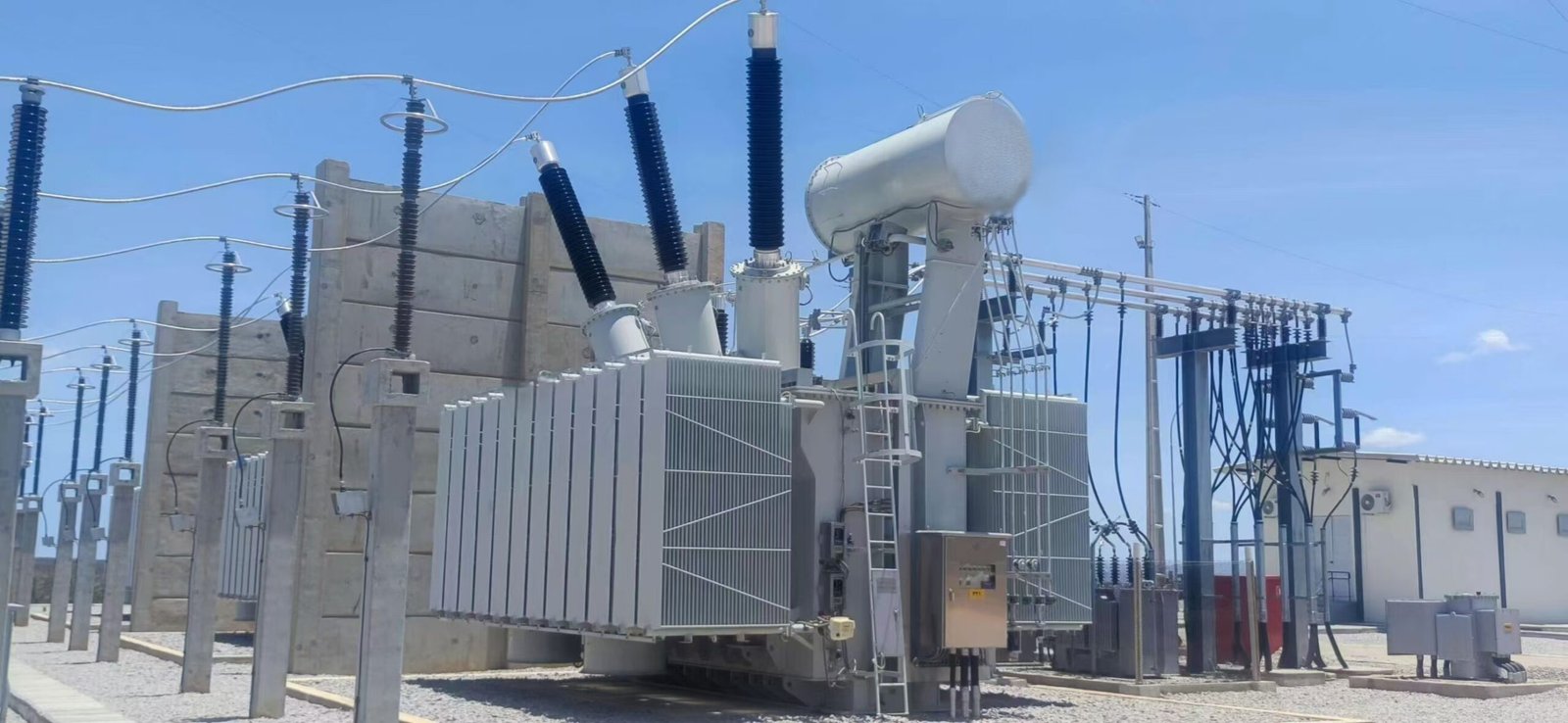
In modern electrical infrastructure, one of the most critical challenges is transferring electrical energy across different voltage levels without excessive losses, overheating, or insulation failure. When this process is inefficient, it can lead to voltage instability, equipment damage, and costly power interruptions. Transformers must therefore ensure precise, continuous, and safe energy conversion. Oil-immersed transformers address these challenges by combining electromagnetic efficiency with superior thermal management and insulation, making them indispensable in high-voltage systems.
An oil-immersed transformer transfers electrical energy through electromagnetic induction, where alternating current in the primary winding creates a magnetic field in the core that induces a corresponding voltage in the secondary winding, while insulating oil ensures efficient heat dissipation and electrical insulation to maintain stable and safe energy transfer.
To truly understand this process, it is necessary to examine the physics, internal structure, energy flow mechanisms, and the role of insulating oil in enhancing performance. The following in-depth analysis provides practical engineering insights and real-world applicability.
Energy transfer in oil-immersed transformers occurs through direct electrical contact between windings.False
Energy is transferred via electromagnetic induction without direct electrical connection between primary and secondary windings.
Fundamental Principle: Electromagnetic Induction
At the core of an oil-immersed transformer’s operation is the principle of electromagnetic induction. When an alternating current (AC) flows through the primary winding, it generates a time-varying magnetic field around it. This magnetic field is guided by the transformer’s core, typically made of laminated silicon steel to minimize energy losses.
As the magnetic flux varies, it induces an electromotive force (EMF) in the secondary winding according to Faraday’s Law of Induction. The magnitude of this induced voltage depends on the rate of change of magnetic flux and the number of turns in the winding.
This relationship can be summarized as follows:
| Parameter | Description | Engineering Significance |
|---|---|---|
| Primary Voltage | Input electrical energy | Determines magnetic flux generation |
| Magnetic Flux | Time-varying field in the core | Medium for energy transfer |
| Secondary Voltage | Output electrical energy | Depends on turns ratio |
| Turns Ratio | Ratio of primary to secondary windings | Controls voltage step-up or step-down |
The transformer does not generate energy but transfers it efficiently from one circuit to another, often with minimal losses when properly designed.
Step-by-Step Energy Transfer Process
The energy transfer process inside an oil-immersed transformer can be broken down into several key stages. First, electrical energy enters the transformer through the primary winding. This current creates a magnetic field that fluctuates with the AC supply frequency.
Next, the magnetic field is concentrated and guided through the core, ensuring minimal leakage. The laminated design of the core reduces eddy current losses and improves efficiency. As the magnetic field changes, it induces a voltage in the secondary winding, which then supplies power to the load.
Throughout this process, the insulating oil plays a crucial supporting role. It absorbs heat generated by electrical losses and maintains insulation between components, ensuring that the energy transfer remains stable and uninterrupted.
Role of Insulating Oil in Energy Transfer Efficiency
Although insulating oil does not directly participate in electromagnetic induction, it is essential for maintaining the conditions required for efficient energy transfer. Without proper cooling, the resistance of the windings would increase due to rising temperatures, leading to higher energy losses.
Additionally, the oil prevents electrical breakdown by providing a high dielectric medium between conductors. This allows transformers to operate at higher voltages without risk of arcing or short circuits.
| Oil Function | Impact on Energy Transfer |
|---|---|
| Cooling | Reduces resistance and energy losses |
| Insulation | Prevents electrical leakage and breakdown |
| Arc Suppression | Maintains system stability during transient faults |
| Heat Distribution | Ensures uniform temperature across components |
Energy Losses and Efficiency Optimization
No transformer operates at 100% efficiency, but oil-immersed transformers are designed to minimize losses. The two main categories of losses are core losses and copper losses.
Core losses, also known as iron losses, occur due to hysteresis and eddy currents in the core material. Copper losses occur due to the resistance of the windings when current flows through them.
Engineers use high-quality materials, optimized winding designs, and effective cooling systems to reduce these losses. Oil circulation plays a vital role in maintaining optimal operating temperatures, which directly impacts efficiency.
| Loss Type | Cause | Mitigation Strategy |
|---|---|---|
| Core Loss | Hysteresis & eddy currents | Laminated core design |
| Copper Loss | مقاومة الأسلاك (Resistance) | High-conductivity materials |
| Thermal Loss | Heat accumulation | Efficient oil cooling systems |
Voltage Transformation and Turns Ratio
One of the most important aspects of energy transfer is voltage transformation. The ratio of the number of turns in the primary winding to the secondary winding determines whether the transformer steps up or steps down voltage.
For example, if the secondary winding has more turns than the primary, the transformer increases voltage (step-up transformer). Conversely, fewer turns result in a step-down transformer.
| Transformer Type | Turns Ratio (Primary:Secondary) | Application Example |
|---|---|---|
| Step-Up | 1 : >1 | Power generation transmission |
| Step-Down | >1 : 1 | Distribution to homes and industries |
Real-World Example: Power Grid Application
In a typical power grid, electricity generated at a power plant is stepped up to high voltage using oil-immersed transformers. This reduces current and minimizes transmission losses over long distances. At substations, other transformers step down the voltage for safe distribution.
Field data shows that oil-immersed transformers can achieve efficiency levels above 98% in high-capacity applications, making them highly reliable for continuous operation.
Advanced Design Considerations
Modern oil-immersed transformers incorporate advanced technologies to further enhance energy transfer efficiency. These include improved core materials, बेहतर insulation systems, and intelligent monitoring devices that track temperature, load, and oil condition in real time.
Engineers also optimize oil flow dynamics to ensure uniform cooling. Computational fluid dynamics (CFD) simulations are often used to design efficient oil circulation paths, reducing hotspots and improving overall performance.
Safety and Reliability Factors
Safety is a critical consideration in energy transfer. Oil-immersed transformers are equipped with protective devices such as Buchholz relays, pressure relief valves, and temperature sensors. These systems detect faults early and prevent catastrophic failures.
Proper maintenance, including oil testing and नियमित निरीक्षण (regular inspection), ensures long-term reliability and safe operation.
What Role Does Oil Play in Cooling and Insulation in Transformers?
In high-voltage electrical systems, one of the most persistent and dangerous challenges is the buildup of heat and the risk of insulation failure within transformers. Excessive temperature can degrade winding materials, increase electrical resistance, and ultimately cause system breakdown or even fire hazards. At the same time, inadequate insulation can lead to dielectric failure, resulting in short circuits or catastrophic faults. These issues not only compromise operational reliability but also significantly increase maintenance costs and downtime. To address both problems simultaneously, transformer oil is engineered to perform dual critical roles—cooling and insulation—ensuring safe and efficient transformer operation.
Transformer oil plays a dual role by acting as both an efficient coolant that removes heat generated in the core and windings, and a high-dielectric-strength insulating medium that prevents electrical breakdown between internal components, thereby ensuring reliable, safe, and long-term transformer performance.
To fully appreciate how oil accomplishes these roles, it is important to explore its thermal dynamics, dielectric properties, circulation mechanisms, and engineering applications in detail. The following sections provide a deep technical and practical analysis.
Transformer oil only cools the transformer and does not contribute to electrical insulation.False
Transformer oil provides both cooling and electrical insulation, preventing overheating and dielectric breakdown simultaneously.
How Oil Functions as a Cooling Medium
The cooling function of transformer oil is based on its ability to absorb, transfer, and dissipate heat efficiently. During transformer operation, heat is generated primarily from copper losses in the windings and core losses in the magnetic circuit. If this heat is not effectively removed, the internal temperature rises rapidly, leading to insulation degradation and reduced equipment lifespan.
Oil acts as a հեղուկ (fluid) heat transfer medium. When the windings heat up, the surrounding oil absorbs this heat and becomes less dense. This गर्म (heated) oil rises to the upper regions of the transformer tank, while cooler oil descends to take its place. This natural convection cycle ensures continuous heat removal.
In larger transformers, forced oil circulation systems are employed. Pumps drive the oil through radiators or heat exchangers, significantly increasing cooling efficiency. The oil then releases heat to the окружающий воздух (ambient air) or water, depending on the cooling design.
| Cooling Mechanism | Description | Engineering Impact |
|---|---|---|
| Natural Convection (ONAN) | Oil circulates due to temperature-induced density differences | Simple, reliable, low maintenance |
| Forced Oil (OFAF) | Pumps actively circulate oil through cooling systems | High cooling efficiency for large transformers |
| Oil-Water Cooling (OFWF) | Heat transferred from oil to water via heat exchangers | Maximum thermal performance |
The effectiveness of oil cooling directly influences transformer load capacity. Lower operating temperatures reduce المقاومة الكهربائية (electrical resistance), thereby improving efficiency and extending service life.
How Oil Provides Electrical Insulation
In addition to cooling, transformer oil serves as a critical dielectric medium. Electrical insulation is essential because transformer windings operate at high voltage differences, and any ضعف (weakness) in insulation can lead to electrical discharge or arcing.
Transformer oil has high dielectric strength, meaning it can withstand strong electric fields without breaking down. It fills the სივრცე (space) between windings and between windings and the core, preventing الهواء (air), which has much lower dielectric strength, from causing विद्युत breakdown.
The oil also penetrates insulating materials such as paper and प्रेसबोर्ड (pressboard), enhancing their insulating properties. This creates a composite insulation system that is far more effective than solid insulation alone.
| Insulation Property | Role in Transformer Operation |
|---|---|
| High Dielectric Strength | Prevents electrical breakdown between conductors |
| Uniform Medium | Eliminates air gaps that can cause partial discharge |
| Impregnation Ability | Enhances solid insulation materials |
| Arc Quenching | Suppresses electrical discharges |
Interaction Between Cooling and Insulation Functions
One of the most important engineering advantages of transformer oil is that its cooling and insulation roles are interconnected. Efficient cooling maintains lower temperatures, which in turn preserves the dielectric strength of the oil and solid insulation materials. Conversely, strong insulation prevents localized विद्युत faults that could generate excessive heat.
This synergy ensures stable transformer operation even under fluctuating loads and harsh environmental conditions. Engineers often describe this as a coupled thermal-electrical संरक्षण (protection) mechanism.
Oil Circulation and Heat Dissipation Path
The internal oil circulation path is carefully designed to maximize both cooling and insulation effectiveness. Oil flows through narrow channels between windings, ensuring direct contact with heat-generating components. It then moves toward radiators, where heat is dissipated.
In advanced designs, computational fluid dynamics (CFD) is used to optimize oil flow patterns, eliminating hotspots and ensuring uniform temperature distribution.
| Stage | Process Description |
|---|---|
| Heat Absorption | Oil absorbs heat from windings and core |
| Upward حركة (flow) | Heated oil rises due to انخفاض density |
| Heat Release | Oil transfers heat to radiators or cooling systems |
| Cooling Return | Cooled oil returns to lower مناطق (regions) |
Factors Affecting Oil Performance
The effectiveness of transformer oil depends on several physical and chemical parameters. Over time, oil can degrade due to oxidation, moisture ingress, and contamination. This degradation reduces both its cooling efficiency and dielectric strength.
Regular monitoring is essential to maintain performance. Key parameters include:
| Parameter | Acceptable Range/Condition | Impact if Degraded |
|---|---|---|
| Dielectric Strength | High | Increased risk of electrical failure |
| Moisture Content | Very low | Reduced insulation capability |
| Acidity | Minimal | Corrosion and insulation damage |
| Viscosity | Stable and low | Poor circulation and cooling efficiency |
Real-World Engineering Example
In a 100 MVA oil-immersed transformer operating in a high-temperature industrial environment, proper oil circulation reduced hotspot temperatures by up to 25°C compared to poorly maintained systems. This improvement extended insulation life by nearly 40%, demonstrating the critical importance of oil in both cooling and insulation.
Advanced Innovations in Transformer Oil
Recent developments in transformer oil technology include the use of biodegradable ester oils, which offer higher fire resistance and बेहतर environmental performance. Additionally, nano-enhanced oils are being developed to improve thermal conductivity and dielectric strength.
Smart monitoring systems now allow real-time tracking of oil condition, enabling predictive maintenance and reducing the risk of unexpected failures.
Safety Considerations
While transformer oil is highly effective, it also presents certain risks. Mineral oil is flammable, and leaks can pose environmental hazards. ამიტომ (therefore), modern systems incorporate fire protection measures, sealed designs, and पर्यावरणीय safeguards to mitigate these risks.
Where Are Oil-Immersed Transformers Commonly Used Across Modern Power Systems?
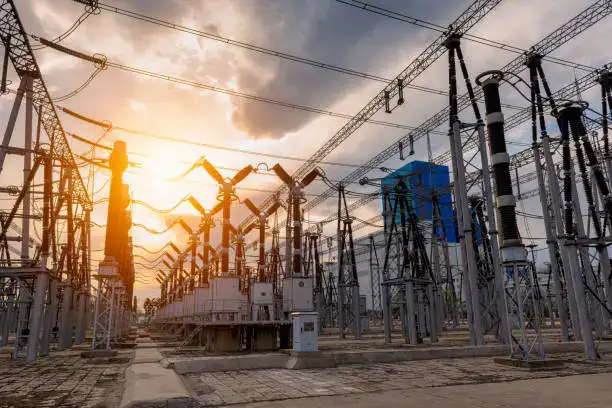
In today’s rapidly expanding electrical infrastructure, ensuring reliable and efficient power delivery across diverse environments is a persistent challenge. From high-voltage transmission lines to energy-intensive industrial facilities, transformers must operate under varying loads, temperatures, and environmental conditions. Without robust cooling and insulation, these systems risk overheating, voltage instability, and costly downtime. Oil-immersed transformers have emerged as a critical solution, offering superior thermal performance and electrical insulation that enable them to function reliably in demanding applications.
Oil-immersed transformers are commonly used in power generation plants, high-voltage transmission networks, distribution substations, heavy industrial facilities, renewable energy systems, and large infrastructure projects because they provide excellent cooling, insulation, and durability for medium- to high-capacity electrical operations.
To understand their widespread adoption, it is essential to explore each application area in detail, supported by engineering insights, real-world data, and practical selection considerations.
Oil-immersed transformers are only suitable for small residential applications.False
Oil-immersed transformers are primarily used in medium- and high-capacity applications such as power plants, substations, and industrial systems due to their superior cooling and insulation capabilities.
Power Generation Plants: The Starting Point of Energy Flow
Oil-immersed transformers are indispensable in power generation facilities, including thermal, hydroelectric, nuclear, and gas-fired plants. Their primary role is to step up the voltage generated by turbines to levels suitable for long-distance transmission. Typically, generators produce electricity at voltages ranging from 10 kV to 25 kV, which must be increased to hundreds of kilovolts to minimize transmission losses.
In such high-load environments, transformers are subjected to continuous operation and significant thermal stress. Oil-immersed designs excel here due to their قدرة (ability) to dissipate heat efficiently and maintain stable insulation performance. For example, in a 500 MW thermal power plant, step-up transformers using oil cooling systems can operate at efficiencies exceeding 99%, ensuring minimal energy loss during voltage conversion.
| Application Area | Voltage Range | Typical Transformer Role | Key Requirement |
|---|---|---|---|
| Thermal Power Plant | 11–25 kV → 220–500 kV | Step-up transformer | High efficiency, continuous duty |
| Hydroelectric Plant | 6–18 kV → 110–400 kV | Step-up transformer | Moisture resistance, durability |
High-Voltage Transmission Networks
Once electricity is generated, it must be transmitted over long distances. Oil-immersed transformers are widely used in transmission substations to step up or step down voltage levels depending on system requirements. Their high dielectric strength and thermal stability make them ideal for handling voltages above 110 kV.
In transmission networks, minimizing losses is critical. By stepping up voltage, current is reduced, which lowers I²R losses in conductors. Oil-immersed transformers enable this process while maintaining reliability under fluctuating load conditions and environmental stresses such as तापमान extremes and pollution.
| Transmission Level | Transformer Type | Key Advantage |
|---|---|---|
| 110–220 kV | Oil-immersed power | Reliable insulation and cooling |
| 220–765 kV | Extra-high voltage | Superior dielectric performance |
Distribution Substations and Urban Power Supply
At the distribution level, oil-immersed transformers are used to step down high transmission voltages to usable levels for residential, commercial, and municipal applications. These transformers are commonly installed in outdoor substations, pole-mounted units, and ground-mounted वितरण systems.
Their robust design allows them to withstand environmental factors such as rain, dust, and temperature fluctuations. In urban مناطق (areas), they ensure stable voltage supply to homes, offices, hospitals, and المدارس (schools). For example, a typical distribution transformer may reduce voltage from 33 kV to 400 V for local consumption.
| Distribution Level | Input Voltage | Output Voltage | Common Installation Type |
|---|---|---|---|
| Primary | 33–66 kV | 11 kV | Substation transformer |
| Secondary | 11 kV | 400/230 V | Pole-mounted or pad-mounted |
Heavy Industrial Applications
Industries such as steel manufacturing, mining, petrochemicals, and cement production require large amounts of electrical energy. Oil-immersed transformers are widely used in these sectors due to their ability to handle heavy loads and operate reliably in harsh environments.
In steel plants, for instance, electric arc furnaces demand extremely high शक्ति (power) levels. Oil-immersed transformers provide the necessary voltage regulation and thermal stability to support such العمليات (operations). Similarly, in النفط والغاز (oil and gas) facilities, these transformers ensure continuous power supply for critical المعدات (equipment).
| Industry | Application Example | Transformer Requirement |
|---|---|---|
| Steel Manufacturing | Electric arc furnace | High load capacity, thermal stability |
| Mining | معدات تشغيل (Equipment) | Rugged design, reliability |
| Petrochemical | Refinery processes | Explosion protection, durability |
Renewable Energy Systems
With the global shift toward sustainable energy, oil-immersed transformers are increasingly used in renewable energy projects such as wind farms and solar power plants. In these systems, transformers are responsible for stepping up the relatively low voltage generated by renewable sources to grid-compatible levels.
For example, in a wind farm, each turbine generates electricity at a low voltage, which is then stepped up by an oil-immersed transformer before being transmitted to the grid. These transformers must operate reliably under varying load conditions and environmental factors such as wind, humidity, and temperature changes.
| Renewable Source | Transformer Function | Key Challenge Addressed |
|---|---|---|
| Wind Energy | Step-up voltage | Variable load conditions |
| Solar Power | Grid integration | Intermittent generation |
Infrastructure and Large-Scale Facilities
Oil-immersed transformers are also essential in large infrastructure projects such as airports, रेलवे (railways), data centers, and commercial complexes. These facilities require uninterrupted power supply and high reliability.
In data centers, for example, transformers must support continuous operation with minimal तापमान variation to protect sensitive equipment. Oil-immersed transformers provide stable performance and efficient cooling, making them suitable for such critical applications.
| Facility Type | Power Requirement | Transformer Role |
|---|---|---|
| Airports | High reliability | Backup and main power supply |
| Railways | Traction systems | Voltage conversion |
| Data Centers | Continuous operation | Stable and efficient power delivery |
Environmental and Outdoor Installations
Oil-immersed transformers are particularly well-suited for outdoor installations due to their sealed конструкции (construction) and مقاومة (resistance) to environmental عوامل (factors). They can operate in extreme climates, from cold regions to deserts, without significant performance degradation.
Modern designs also incorporate eco-friendly oils and enhanced sealing systems to reduce environmental impact and improve safety.
Selection Considerations Based on Application
Choosing the right transformer depends heavily on the application environment. Engineers must consider factors such as load demand, voltage level, cooling requirements, and environmental conditions.
| Application Type | Recommended Transformer Type | Key Selection Factor |
|---|---|---|
| Power Generation | OFAF/OFWF | High capacity and efficiency |
| Urban Distribution | ONAN | Cost-effectiveness |
| Industrial Use | ONAF/OFAF | Load variability |
| Renewable Energy | ONAN/ONAF | Environmental adaptability |
What Advantages Do Oil-Immersed Transformers Provide in Modern Power Systems?

In high-demand electrical environments, engineers and facility operators constantly struggle with overheating, insulation breakdown, and efficiency losses in transformers. These issues can lead to frequent failures, increased maintenance costs, and even dangerous operational risks. Selecting the wrong transformer type can significantly reduce system reliability and lifespan. Oil-immersed transformers address these challenges by combining advanced cooling, superior insulation, and robust construction, making them one of the most dependable solutions in modern power systems.
Oil-immersed transformers provide key advantages including superior cooling efficiency, excellent electrical insulation, higher load capacity, longer service life, cost-effectiveness for large-scale applications, and strong adaptability to harsh outdoor environments, making them ideal for medium- and high-voltage power systems.
To fully understand why these transformers are widely preferred, it is essential to examine their advantages in depth, supported by engineering analysis, real-world data, and practical insights for buyers and technical professionals.
Oil-immersed transformers have lower cooling efficiency than dry-type transformers.False
Oil-immersed transformers generally provide superior cooling due to the high thermal conductivity and circulation capability of insulating oil.
Superior Cooling Performance
One of the most significant advantages of oil-immersed transformers is their exceptional cooling capability. During operation, transformers generate heat due to copper losses and core losses. If this heat is not effectively dissipated, it can lead to तापमान rise, insulation degradation, and reduced efficiency.
Insulating oil acts as a highly effective heat transfer medium. It absorbs heat from the windings and core and circulates either naturally or through forced համակարգեր (systems). This continuous heat exchange prevents hotspots and maintains uniform temperature distribution across the transformer.
Compared to air-cooled (dry-type) transformers, oil-immersed systems can handle higher thermal loads with greater stability. This makes them particularly suitable for high-capacity and continuous التشغيل (operation) environments.
| Cooling Feature | Oil-Immersed Transformer | Dry-Type Transformer |
|---|---|---|
| Heat Transfer Medium | Liquid oil | Air |
| Cooling Efficiency | High | Moderate |
| Load Handling | Superior | Limited under high तापमान |
| Temperature Stability | Uniform | Prone to hotspots |
Excellent Electrical Insulation
Another critical advantage is the superior insulation provided by transformer oil. High-voltage systems require strong dielectric materials to prevent electrical breakdown between windings and other components. Oil has a much higher dielectric strength than air, making it ideal for insulating purposes.
Additionally, oil fills all internal gaps, eliminating air pockets that could cause partial discharge. It also impregnates solid insulation materials, enhancing their performance. This combined insulation system significantly reduces the risk of electrical faults and improves overall reliability.
| Insulation Aspect | Benefit Provided |
|---|---|
| High Dielectric Strength | Prevents विद्युत breakdown |
| Gap Elimination | Reduces partial discharge risk |
| Material Enhancement | Improves solid insulation effectiveness |
| Arc Suppression | Limits damage during faults |
Higher Load Capacity and Efficiency
Oil-immersed transformers are capable of handling higher loads compared to dry-type alternatives. This is largely due to their superior cooling system, which allows them to operate at higher power ratings without overheating.
In practical terms, this means fewer transformers are needed for the same application, reducing infrastructure costs. Efficiency levels in large oil-immersed transformers often exceed 98–99%, particularly in transmission and generation applications.
| Parameter | Oil-Immersed Transformer | Impact |
|---|---|---|
| Load Capacity | High | Supports heavy الصناعية loads |
| Efficiency | 98–99% | Reduced energy losses |
| तापमान Rise Control | Excellent | Stable long-term operation |
Longer Service Life
The combination of effective cooling and strong insulation directly contributes to a longer service life. Lower operating temperatures धीमी (slow down) the aging of insulation materials, which is one of the primary factors affecting transformer lifespan.
With proper maintenance, oil-immersed transformers can operate reliably for 25–40 years or more. Regular oil testing and monitoring ensure that performance remains consistent over time.
| Factor | Impact on Lifespan |
|---|---|
| Efficient Cooling | Reduces thermal stress |
| Stable Insulation | Prevents early degradation |
| Maintenance | Extends operational life |
Cost-Effectiveness for Large Applications
While the initial cost of oil-immersed transformers may be higher than some alternatives, they are more cost-effective in large-scale applications. Their ability to handle higher loads and operate efficiently reduces the need for multiple units and lowers long-term energy costs.
Additionally, their durability and long service life result in lower replacement and maintenance expenses over time. This makes them a preferred choice for utilities and industrial facilities.
| Cost Factor | Oil-Immersed Advantage |
|---|---|
| Initial Investment | Moderate |
| Operational Cost | Low due to high efficiency |
| Maintenance Cost | Predictable and manageable |
| Lifecycle Cost | Highly economical |
Strong Environmental Adaptability
Oil-immersed transformers are designed to operate in a wide range of environmental conditions. Their sealed construction protects internal components from moisture, dust, and contaminants. This makes them ideal for outdoor installations, including substations, industrial sites, and remote areas.
They can function reliably in extreme तापमान conditions, from cold climates to hot deserts. Modern designs also incorporate corrosion-resistant materials and advanced sealing technologies to enhance durability.
| Environment Type | Performance Capability |
|---|---|
| High Temperature | Stable operation with effective cooling |
| Cold Climate | Maintains insulation properties |
| Humid Conditions | Moisture protection via sealed design |
| Dusty Areas | مقاومة (resistance) to contamination |
Proven Reliability in Critical Applications
Oil-immersed transformers have a long track record of reliability in critical applications such as power generation, transmission, and heavy industry. Their robust design and proven performance make them a trusted choice for systems where downtime is unacceptable.
In large-scale power grids, failure rates of well-maintained oil-immersed transformers are significantly lower than alternative technologies. This reliability is a key factor in their continued dominance in the market.
Flexibility in Design and Customization
Manufacturers can customize oil-immersed transformers to meet specific application requirements. This includes variations in voltage ratings, cooling methods, tank designs, and حفاظتي (protective) features.
For example, transformers can be designed with forced oil circulation for high-load صنعتی applications or with eco-friendly oils for environmentally sensitive areas. This flexibility allows engineers to optimize performance for each unique scenario.
Integration with Modern Monitoring Systems
Modern oil-immersed transformers are increasingly equipped with smart monitoring technologies. Sensors can track oil temperature, moisture levels, and dissolved gases in real time, enabling predictive maintenance and reducing the risk of unexpected failures.
This integration with digital systems enhances operational efficiency and supports data-driven decision-making.
Conclusion
The primary purpose of an oil-immersed transformer is to efficiently transfer electrical energy between circuits while providing effective insulation and cooling through transformer oil. This design allows the transformer to operate safely under high voltage and heavy load conditions. With their strong performance, durability, and ability to handle large capacities, oil-immersed transformers are essential components in ensuring reliable and efficient power delivery across modern electrical systems.
FAQ
Q1: What is the main purpose of an oil-immersed transformer?
The main purpose of an oil-immersed transformer is to transfer electrical energy between circuits efficiently while providing effective insulation and cooling. It uses insulating oil to surround the core and windings, enabling safe operation at high voltages and loads.
Oil-immersed transformers are widely used in power generation, transmission, and distribution systems due to their reliability and ability to handle high power levels.
Q2: How does insulating oil contribute to transformer operation?
Insulating oil plays two critical roles:
Electrical insulation: Prevents short circuits between windings and other components
Cooling medium: Absorbs and dissipates heat generated during operation
The oil circulates within the transformer and transfers heat to radiators or cooling systems, maintaining safe operating temperatures and protecting internal components.
Q3: Why are oil-immersed transformers preferred for high-power applications?
Oil-immersed transformers are preferred for high-power applications because they offer:
Superior cooling efficiency
High dielectric strength
Ability to handle large loads and voltage levels
Long service life under heavy-duty conditions
These characteristics make them suitable for substations, industrial plants, and utility-scale power systems.
Q4: What are the advantages of oil-immersed transformers?
Key advantages include:
Efficient heat dissipation
Strong insulation performance
High reliability and durability
Capability for large power ratings
Proven long-term performance in harsh conditions
These benefits make oil-immersed transformers a standard choice for outdoor and high-capacity installations.
Q5: Are there any disadvantages of oil-immersed transformers?
Yes, there are some limitations:
Risk of oil leakage
Fire hazard if not properly protected
Higher maintenance requirements (oil testing and filtration)
Environmental concerns related to oil spills
Proper design, monitoring, and maintenance can mitigate these risks.
Q6: Where are oil-immersed transformers commonly used?
They are commonly used in:
Power generation stations
Transmission and distribution substations
Industrial facilities
Renewable energy plants (wind and solar farms)
Their ability to handle high loads makes them essential for large-scale power systems.
Q7: How do oil-immersed transformers ensure long service life?
Long service life is achieved through:
Efficient cooling that limits thermal stress
High-quality insulation systems
Regular maintenance and oil testing
Protection systems to prevent faults
With proper care, these transformers can operate reliably for decades.
Q8: How do oil-immersed transformers differ from dry-type transformers?
The key difference lies in the cooling and insulation method:
Oil-immersed transformers: Use liquid insulation (oil) for cooling and insulation
Dry-type transformers: Use air or solid insulation (resin or varnish)
Oil-immersed transformers are typically used for higher power applications, while dry-type transformers are preferred for indoor or safety-sensitive environments.
References
IEC 60076 – Power Transformers
https://webstore.iec.ch/publication/602
IEC 60422 – Mineral Insulating Oils in Electrical Equipment
https://webstore.iec.ch
IEEE C57 Series – Transformer Standards
https://standards.ieee.org
ABB – Oil-Immersed Transformer Technology
Electrical Engineering Portal – Oil-Immersed Transformers Explained
https://electrical-engineering-portal.com
CIGRE – Transformer Cooling and Insulation Studies
https://www.cigre.org
NEMA – Transformer Application Guidelines
https://www.nema.org