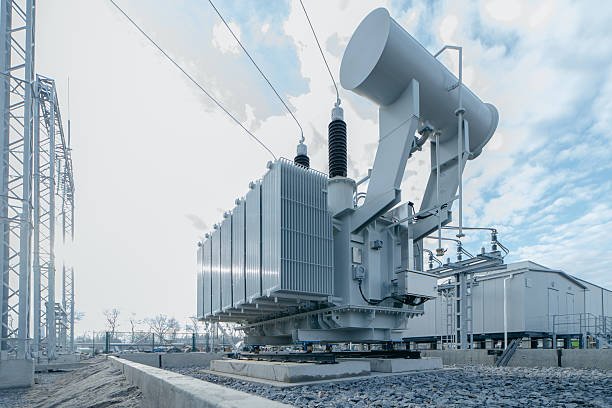
Transformer losses directly affect energy efficiency, operating costs, and long-term equipment performance. Over time, losses can increase due to aging, improper loading, poor maintenance, and degradation of core and insulation materials. Understanding how transformer losses occur—and how they can be reduced throughout the transformer’s service life—is essential for utilities and industrial users aiming to improve efficiency, reliability, and sustainability.
What Types of Losses Occur in Power Transformers?
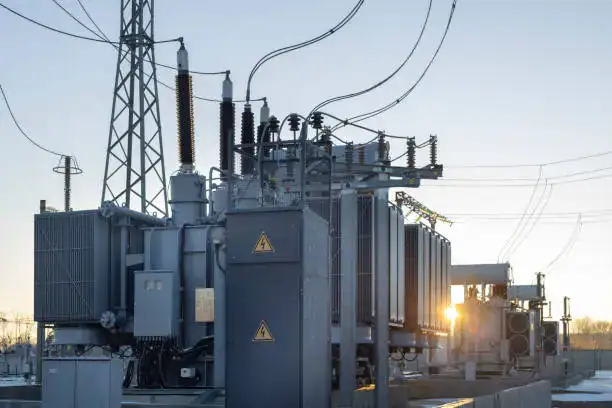
Power transformers are designed to operate with extremely high efficiency, yet no transformer is completely loss-free. Even small losses, when accumulated over years of continuous operation, can lead to significant energy waste, higher operating costs, and increased thermal stress. Understanding where these losses come from is essential for selecting, operating, and maintaining transformers effectively.
Power transformer losses mainly include core (no-load) losses, load (copper) losses, stray losses, and dielectric losses, each arising from different physical mechanisms during operation.
Transformer losses are unavoidable because they are inherent to magnetic, electrical, and insulation materials.True
Even with advanced materials and design, magnetic hysteresis, electrical resistance, and dielectric effects always produce some energy loss.
Core Losses (No-Load Losses)
Core losses occur whenever the transformer is energized, regardless of load level.
They mainly consist of:
- Hysteresis losses caused by repeated magnetization and demagnetization of the core
- Eddy current losses induced within the core material
These losses depend on:
- Core material quality
- Magnetic flux density
- Supply voltage and frequency
Core losses are relatively constant and dominate efficiency at light-load conditions.
Copper Losses (Load Losses)
Copper losses are caused by electrical resistance in the windings.
Key characteristics include:
- Proportional to the square of load current (I²R losses)
- Increase significantly at higher load levels
- Affected by conductor material, cross-sectional area, and temperature
As the transformer heats up, winding resistance rises, further increasing copper losses.
Stray Losses
Stray losses occur outside the main windings and core.
They result from:
- Leakage flux inducing currents in structural parts
- Eddy currents in tank walls, clamps, and magnetic shields
- Circulating currents in parallel conductors
Although smaller than core and copper losses, stray losses become more significant in large, high-capacity transformers.
Dielectric Losses
Dielectric losses occur in insulation systems subjected to alternating electric fields.
They are influenced by:
- Insulation material properties
- Moisture content and aging
- Operating voltage and temperature
While typically small, dielectric losses can increase as insulation degrades over time.
Auxiliary Losses
Auxiliary losses are associated with supporting equipment rather than the transformer’s electromagnetic function.
Examples include:
- Cooling fans
- Oil pumps
- Control and monitoring systems
These losses affect overall system efficiency, especially in large power transformers with forced cooling.
Loss Distribution at Different Load Levels
Transformer loss behavior changes with load:
| Load Condition | Dominant Loss Type |
|---|---|
| No load / light load | Core losses |
| Medium load | Balanced core and copper losses |
| High load | Copper and stray losses |
This explains why transformers are most efficient near their rated load.
How Does Proper Transformer Sizing Reduce Losses Over Time?
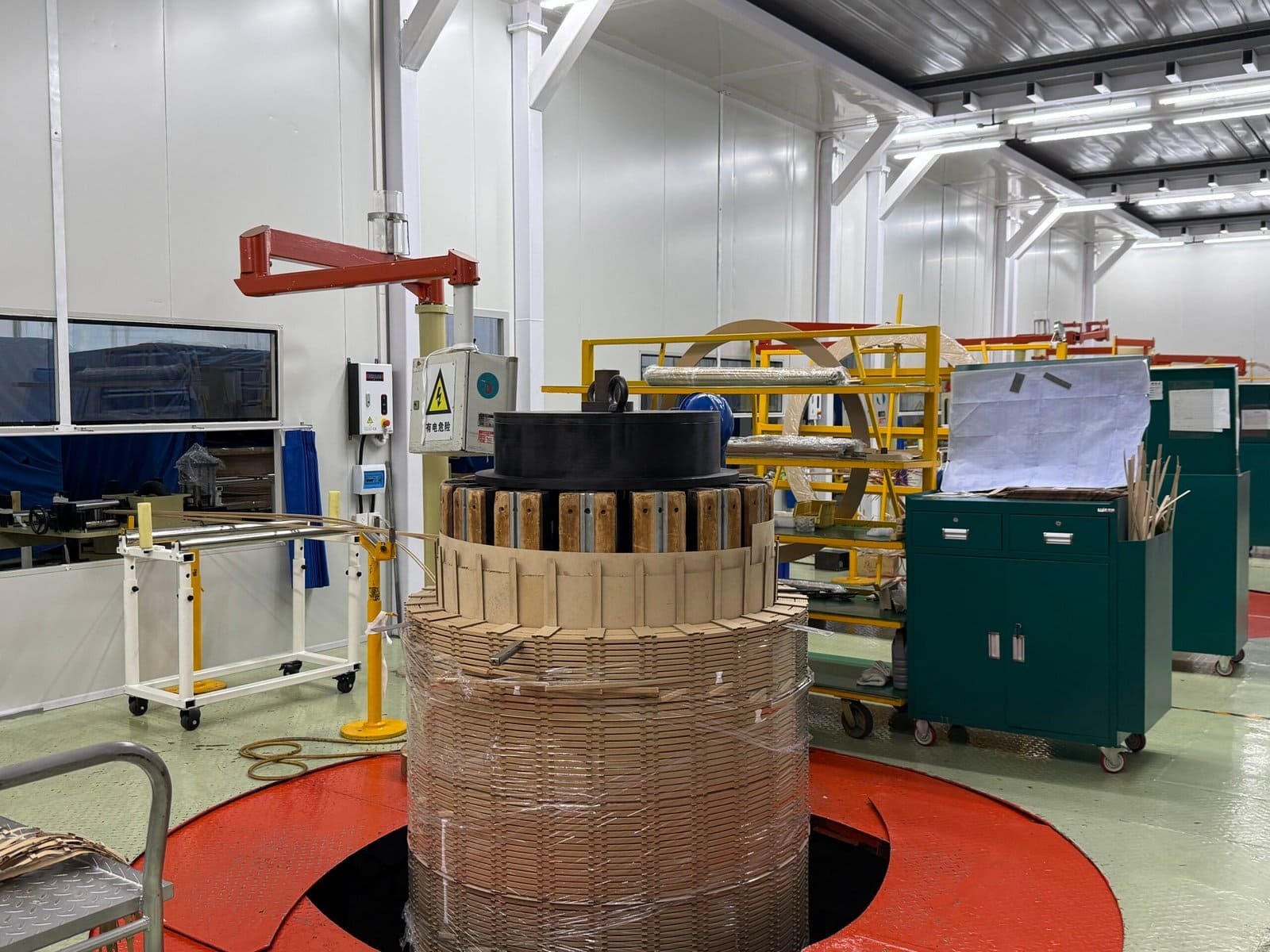
Incorrect transformer sizing is one of the most common yet costly mistakes in power system design. An undersized transformer suffers from chronic overloading, overheating, and accelerated aging, while an oversized transformer wastes energy through unnecessary no-load losses over decades of operation. Both scenarios quietly increase losses, operating costs, and failure risk throughout the transformer’s life.
Proper transformer sizing reduces losses over time by balancing no-load and load losses, keeping operation within the optimal efficiency range, and minimizing thermal stress that degrades performance and insulation.
Transformer losses are minimized when the unit operates close to its designed load range.True
Core losses dominate at light load, while copper losses dominate at high load, so proper sizing keeps total losses at their minimum point.
Matching Capacity to Actual Load Profile
Transformer efficiency is not constant; it varies with load.
Correct sizing considers:
- Average operating load, not just peak demand
- Daily and seasonal load variations
- Future load growth without excessive oversizing
When a transformer is sized to operate near 60–80% of rated capacity for most of its service life, total losses are minimized.
Reducing Excessive No-Load Losses in Oversized Transformers
Oversized transformers operate far below rated load for long periods.
This leads to:
- Constant core losses that do not decrease with load
- Poor utilization of installed capacity
- Higher lifetime energy waste despite low current
Since no-load losses occur 24/7 whenever the transformer is energized, even a slightly oversized unit can generate significant cumulative losses over decades.
Preventing High Copper Losses from Undersizing
Undersized transformers operate closer to or above rated current.
Consequences include:
- Rapid increase in I²R (copper) losses
- Higher winding temperatures and resistance
- Increased stray losses and hot-spot formation
These losses grow exponentially with current, making chronic overloading one of the fastest ways to degrade efficiency.
Limiting Thermal Stress and Aging
Temperature is a critical factor in loss growth over time.
Proper sizing:
- Keeps winding and core temperatures within design limits
- Prevents resistance increase due to overheating
- Slows insulation aging and moisture generation
Lower operating temperatures preserve original loss characteristics throughout the transformer’s lifespan.
Maintaining Optimal Cooling System Performance
Cooling systems are designed for specific thermal loads.
Correct sizing ensures:
- Cooling equipment operates efficiently
- Fans and pumps are not overused or underutilized
- Auxiliary losses remain proportionate to actual load
This improves both electrical and system-level efficiency.
Improving Voltage Regulation and Power Quality
Incorrect sizing affects voltage performance.
Proper sizing:
- Reduces excessive voltage drop under load
- Prevents overvoltage at light load
- Minimizes circulating currents and harmonics
Better voltage regulation indirectly reduces losses in both the transformer and downstream equipment.
Extending Service Life and Delaying Replacement
Losses tend to increase as transformers age.
Well-sized transformers:
- Experience slower insulation degradation
- Maintain stable core and winding characteristics
- Avoid early loss escalation caused by thermal damage
This preserves efficiency over decades and delays costly replacement.
Why Is Load Management Important for Loss Reduction?
In real-world power systems, transformers rarely operate at a perfectly steady load. Daily peaks, seasonal demand changes, and unexpected overloads all affect how efficiently a transformer performs. Without effective load management, even a well-designed transformer can suffer from excessive losses, overheating, and premature aging, quietly increasing operating costs year after year.
Load management is critical for loss reduction because it keeps transformer operation within the optimal efficiency range, limits excessive copper losses, controls temperature rise, and prevents long-term degradation that increases losses over time.
Poor load management increases transformer losses primarily by raising current-related copper losses.True
Copper losses grow with the square of the load current, so unmanaged peak loads can dramatically increase total energy losses.
Controlling Current-Dependent Copper Losses
The most load-sensitive losses in a transformer are copper losses.
Effective load management:
- Avoids sustained operation near or above rated current
- Reduces I²R losses that increase rapidly with load
- Prevents sudden thermal spikes during peak demand
Even small reductions in peak load can lead to disproportionately large reductions in total energy loss.
Keeping Operation Near the Optimal Efficiency Point
Every transformer has a load range where total losses are minimized.
Load management helps by:
- Maintaining average load within the designed efficiency zone
- Preventing long periods of very light or excessive loading
- Balancing load between parallel transformers when available
Operating close to this optimal point minimizes the combined impact of core and copper losses.
Reducing Thermal Stress and Loss Escalation
Temperature directly affects loss behavior.
Good load management:
- Limits winding temperature rise
- Prevents resistance increase caused by overheating
- Reduces additional stray and dielectric losses
Lower operating temperatures help preserve original loss characteristics throughout the transformer’s service life.
Preventing Accelerated Insulation Aging
Insulation aging is strongly temperature-dependent.
By controlling load:
- Hot-spot temperatures remain within design limits
- Insulation deterioration slows down
- Moisture generation and partial discharge risks are reduced
This prevents gradual efficiency degradation caused by aging-related loss increases.
Minimizing Auxiliary and Cooling Losses
Cooling systems consume energy and respond to load conditions.
Load management:
- Reduces unnecessary operation of fans and pumps
- Keeps cooling equipment within efficient operating ranges
- Lowers auxiliary power consumption
This improves not only transformer efficiency but also overall substation energy performance.
Improving Voltage Regulation and System Stability
Poorly managed loads affect voltage behavior.
Effective load control:
- Reduces excessive voltage drop at high load
- Prevents overvoltage at light load
- Limits circulating currents and harmonics
Stable voltage conditions reduce secondary losses in connected equipment and distribution networks.
Supporting Long-Term Asset Optimization
Load management is also a strategic asset management tool.
It enables:
- Deferred transformer upgrades or replacements
- Better utilization of installed capacity
- Predictable loss performance over decades
Well-managed loads allow transformers to deliver high efficiency consistently throughout their lifecycle.
How Do Improved Materials and Design Help Minimize Losses?

As power systems grow larger and more energy-efficient, even small improvements in transformer loss performance can translate into substantial economic and environmental benefits over decades of operation. Modern power transformers achieve far lower losses than older designs not because of fundamental changes in operating principles, but because of continuous advances in materials science, electromagnetic design, and manufacturing precision.
Improved materials and optimized design minimize transformer losses by reducing magnetic hysteresis, electrical resistance, stray flux effects, and thermal stress throughout the operating lifecycle.
Advances in core and winding materials are the primary drivers behind modern low-loss transformer designs.True
Improved magnetic steels, conductor materials, and insulation systems directly reduce core, copper, and stray losses.
Advanced Core Materials Reduce No-Load Losses
Core losses are strongly dependent on magnetic material properties.
Modern transformers use:
- High-permeability grain-oriented silicon steel
- Laser-scribed or domain-refined core laminations
- Amorphous metal cores for ultra-low-loss applications
These materials reduce hysteresis and eddy-current losses by allowing magnetic domains to align and reverse more efficiently.
Optimized Core Geometry and Flux Control
Material improvements are paired with better design.
Loss reduction is achieved through:
- Optimized flux density selection
- Step-lap core joints to reduce localized saturation
- Precise lamination stacking to minimize air gaps
These design techniques reduce localized heating and unnecessary magnetic excitation.
High-Conductivity Winding Materials
Electrical losses are minimized through conductor selection.
Modern designs favor:
- High-purity copper with low resistivity
- Optimized aluminum alloys where weight or cost is critical
- Larger conductor cross-sections to reduce current density
Lower resistance directly reduces I²R losses, especially at high load.
Advanced Winding Design and Arrangement
Losses also depend on how windings are constructed.
Improved designs include:
- Continuously transposed conductors to limit circulating currents
- Optimized winding spacing to reduce leakage flux
- Symmetrical winding layouts for uniform electromagnetic fields
These measures reduce stray losses and uneven heating.
Improved Insulation Systems and Thermal Performance
Insulation materials influence both losses and longevity.
Modern insulation systems:
- Maintain stable dielectric properties over time
- Withstand higher temperatures without degradation
- Reduce dielectric losses under high electric stress
Better insulation allows higher efficiency operation without sacrificing reliability.
Enhanced Cooling and Thermal Design
Losses generate heat, and heat increases losses.
Modern designs improve thermal performance by:
- Using optimized oil or air flow paths
- Enhancing radiator and cooling surface efficiency
- Lowering hot-spot temperatures to reduce resistance rise
Effective cooling stabilizes electrical parameters and prevents loss escalation.
Precision Manufacturing and Quality Control
Design intent must be accurately realized.
Loss reduction depends on:
- Tight manufacturing tolerances
- Consistent lamination alignment
- Accurate conductor placement and tension
Precision reduces unintended air gaps, vibration, and stray losses.
What Role Does Maintenance Play in Controlling Transformer Losses?
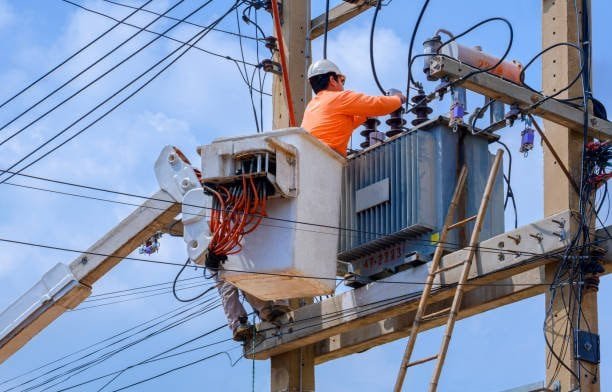
Even the most efficiently designed power transformer will not maintain its original performance without proper maintenance. Over time, contamination, thermal stress, mechanical loosening, and insulation aging can all increase losses that were initially well controlled. Effective maintenance is therefore not just about preventing failures—it is a critical tool for keeping transformer losses low throughout the equipment’s entire service life.
Maintenance plays a key role in controlling transformer losses by preserving insulation quality, ensuring effective cooling, maintaining electrical connections, and preventing conditions that cause loss escalation over time.
Poor maintenance leads to higher transformer losses primarily by increasing resistance and thermal stress.True
Degraded insulation, dirty cooling systems, and loose connections raise operating temperatures and electrical losses.
Preserving Cooling System Efficiency
Cooling performance has a direct impact on losses.
Regular maintenance ensures:
- Radiators and cooling fins remain clean and unobstructed
- Fans and oil pumps operate correctly
- Airflow and oil circulation are not restricted
When cooling efficiency declines, winding temperatures rise, resistance increases, and copper losses grow even at the same load.
Maintaining Insulation Condition
Insulation health affects both losses and reliability.
Maintenance activities include:
- Monitoring moisture content in oil or solid insulation
- Preventing contamination by dust, acids, or sludge
- Detecting partial discharge or insulation degradation early
Healthy insulation minimizes dielectric losses and prevents localized heating that increases overall loss levels.
Preventing Oil Degradation and Contamination
For oil-immersed transformers, oil condition is critical.
Proper oil maintenance:
- Preserves dielectric strength
- Maintains good heat transfer properties
- Prevents sludge formation that restricts cooling
Degraded oil reduces cooling efficiency and accelerates loss growth.
Ensuring Good Electrical Connections
Loose or corroded connections introduce unwanted resistance.
Maintenance helps by:
- Retightening bolted joints and terminals
- Detecting hot spots through thermal inspection
- Preventing oxidation and contact degradation
Even small increases in contact resistance can significantly raise localized losses and temperatures.
Reducing Stray and Mechanical Losses
Mechanical issues can indirectly increase losses.
Regular inspection:
- Ensures core clamping remains tight
- Prevents vibration and lamination movement
- Reduces stray flux heating in structural parts
Stable mechanical integrity keeps magnetic and electrical losses within design limits.
Supporting Accurate Monitoring and Load Control
Maintenance also enables effective loss management.
By maintaining sensors and monitoring systems:
- Temperature and load data remain accurate
- Abnormal loss trends are detected early
- Corrective action can be taken before losses escalate
This helps preserve long-term efficiency.
Extending Efficient Service Life
Losses tend to increase as transformers age.
Consistent maintenance:
- Slows insulation aging
- Prevents gradual resistance increase
- Maintains original design efficiency for longer
This delays efficiency degradation and reduces lifetime energy waste.
How Can Monitoring and Modern Technologies Reduce Long-Term Losses?
In traditional power systems, transformer losses were often treated as fixed and unavoidable, only evaluated during factory testing or periodic inspections. Today, this mindset has changed. With transformers operating continuously for decades, even small, unnoticed increases in losses can result in significant energy waste, higher operating costs, and accelerated aging. Modern monitoring and digital technologies now play a decisive role in identifying, controlling, and reducing long-term transformer losses before they become irreversible.
Monitoring and modern technologies reduce long-term transformer losses by providing real-time visibility into load, temperature, insulation health, and operating conditions, enabling proactive control, optimized operation, and early intervention.
Continuous monitoring helps reduce transformer losses by detecting abnormal operating conditions early.True
Early detection allows corrective actions before overheating, insulation degradation, or resistance increase cause permanent loss growth.
Real-Time Load and Temperature Monitoring
Losses are strongly influenced by load and temperature.
Modern monitoring systems:
- Track real-time current, voltage, and load profiles
- Measure winding and hot-spot temperatures continuously
- Identify overloads and unbalanced loading conditions
By keeping operation within optimal ranges, operators can reduce excessive copper losses and prevent thermal stress that increases losses over time.
Early Detection of Insulation Degradation
Insulation aging directly contributes to rising losses.
Advanced diagnostics enable:
- Continuous monitoring of partial discharge activity
- Detection of moisture ingress and insulation contamination
- Trending of dielectric parameters over time
Early identification of insulation deterioration allows timely maintenance, preventing dielectric losses and localized heating from escalating.
Oil Condition and Dissolved Gas Monitoring
For oil-immersed transformers, oil health is critical to loss control.
Modern online oil monitoring:
- Tracks dissolved gases linked to overheating or electrical faults
- Detects oil oxidation and moisture accumulation
- Identifies cooling inefficiencies before temperature rises
Maintaining oil quality preserves heat transfer efficiency and stabilizes electrical losses.
Smart Cooling Control and Energy Optimization
Cooling systems influence both electrical and auxiliary losses.
Intelligent control systems:
- Adjust fan and pump operation based on actual load and temperature
- Avoid unnecessary cooling energy consumption
- Prevent overheating that increases winding resistance
This balances transformer efficiency with cooling system energy use.
Digital Twins and Predictive Analytics
Advanced platforms now use data-driven models.
These technologies:
- Compare real-time performance with digital transformer models
- Predict loss trends under different load scenarios
- Identify inefficiencies before they become measurable failures
Predictive insights help optimize operating strategies to minimize lifetime losses.
Improved Asset Management and Load Planning
Monitoring data supports strategic decision-making.
Operators can:
- Balance loads across parallel transformers
- Plan upgrades based on actual loss performance
- Avoid chronic overloading or underutilization
This ensures transformers operate near their optimal efficiency point over long periods.
Extending Efficient Service Life
Losses tend to increase as transformers age.
Modern technologies:
- Slow efficiency degradation by controlling thermal and electrical stress
- Enable condition-based maintenance instead of reactive repair
- Preserve original design efficiency for longer
This reduces cumulative energy losses across the transformer’s lifecycle.
Conclusion
Reducing transformer losses over time requires a combination of good design, correct capacity selection, effective load management, and consistent maintenance. Advances in materials, cooling systems, and intelligent monitoring further help control both no-load and load losses as transformers age. By proactively managing these factors, operators can extend transformer lifespan, lower energy costs, and maintain high efficiency throughout long-term operation.
FAQ
Q1: What types of losses occur in transformers over time?
Transformer losses are mainly divided into core (no-load) losses and load (copper) losses. Core losses occur due to hysteresis and eddy currents in the magnetic core and remain relatively constant whenever the transformer is energized. Copper losses occur in the windings and increase with load current.
Over time, additional losses may arise due to aging insulation, poor cooling, contamination, loose connections, and mechanical deformation, which degrade efficiency beyond the original design values.
Q2: How can core losses be reduced over the transformer’s lifetime?
Core losses can be minimized through both design choices and operational practices:
Using high-grade silicon steel or amorphous metal cores
Maintaining proper operating voltage within rated limits
Avoiding sustained overvoltage conditions
Ensuring core clamping structures remain tight
Periodic inspections help detect vibration, overheating, or magnetic imbalance that could increase hysteresis or eddy current losses over time.
Q3: How can copper (winding) losses be reduced in long-term operation?
Copper losses increase with current and temperature. They can be reduced by:
Operating the transformer near its optimal load range
Preventing overloading and unbalanced loads
Maintaining low-resistance connections
Ensuring effective cooling to limit winding temperature rise
Good thermal management is critical, as higher temperatures increase conductor resistance and accelerate insulation aging.
Q4: What role does cooling and maintenance play in loss reduction?
Efficient cooling directly reduces losses by controlling operating temperature. Best practices include:
Regular inspection of cooling systems (radiators, fans, pumps)
Cleaning air passages in dry type transformers
Monitoring oil quality and circulation in oil-filled units
Removing sludge or moisture that restricts heat transfer
Routine maintenance prevents gradual efficiency degradation and ensures losses remain close to design values.
Q5: Can transformer loading strategy reduce losses over time?
Yes. Operating a transformer too lightly wastes energy due to dominant core losses, while overloading increases copper losses and thermal stress. Loss reduction strategies include:
Matching transformer size to actual load profiles
Using multiple transformers with load sharing
Switching transformers on or off based on demand
Smart load management ensures the transformer operates near its maximum efficiency point.
Q6: How do modern monitoring and diagnostics help reduce losses?
Condition monitoring systems help identify loss-related issues early. These include:
Temperature and hotspot monitoring
Dissolved gas analysis (DGA)
Partial discharge detection
Online load and efficiency tracking
Early detection allows corrective action before losses increase significantly or cause failure.
Q7: Can retrofitting or upgrading reduce transformer losses?
Yes. Loss reduction over time can be achieved by:
Replacing aging transformers with high-efficiency or amorphous core models
Retrofitting advanced cooling or monitoring systems
Upgrading insulation and winding materials during refurbishment
Although upgrades involve capital cost, reduced energy losses often deliver long-term economic and environmental benefits.
Q8: Why is reducing transformer losses important in the long run?
Reducing transformer losses leads to:
Lower energy consumption
Reduced operating costs
Improved grid efficiency
Lower carbon emissions
Extended transformer service life
Over decades of operation, even small efficiency improvements can result in substantial energy savings and sustainability gains.
References
IEC 60076 – Power Transformers
https://webstore.iec.ch/publication/602
IEEE C57 Series – Transformer Loss and Efficiency Standards
https://standards.ieee.org
ANSI C57.12.90 – Transformer Loss Measurement
https://www.nema.org
Electrical Engineering Portal – Transformer Losses Explained
https://electrical-engineering-portal.com
EPRI – Transformer Energy Efficiency Research
https://www.epri.com
U.S. Department of Energy – Reducing Electrical Losses
https://www.energy.gov