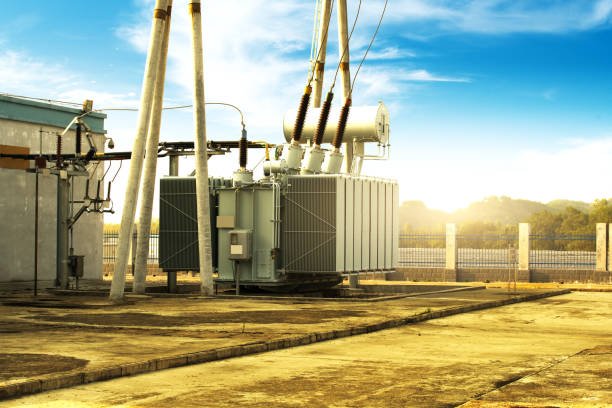
Transformer oil is a critical component in oil-immersed transformers, providing both electrical insulation and heat dissipation. Removing all the oil from a transformer severely affects its ability to operate safely and efficiently. Without oil, the transformer loses its primary cooling and insulating medium, creating serious risks of overheating, insulation failure, and catastrophic damage.
What Functions Does Transformer Oil Perform?
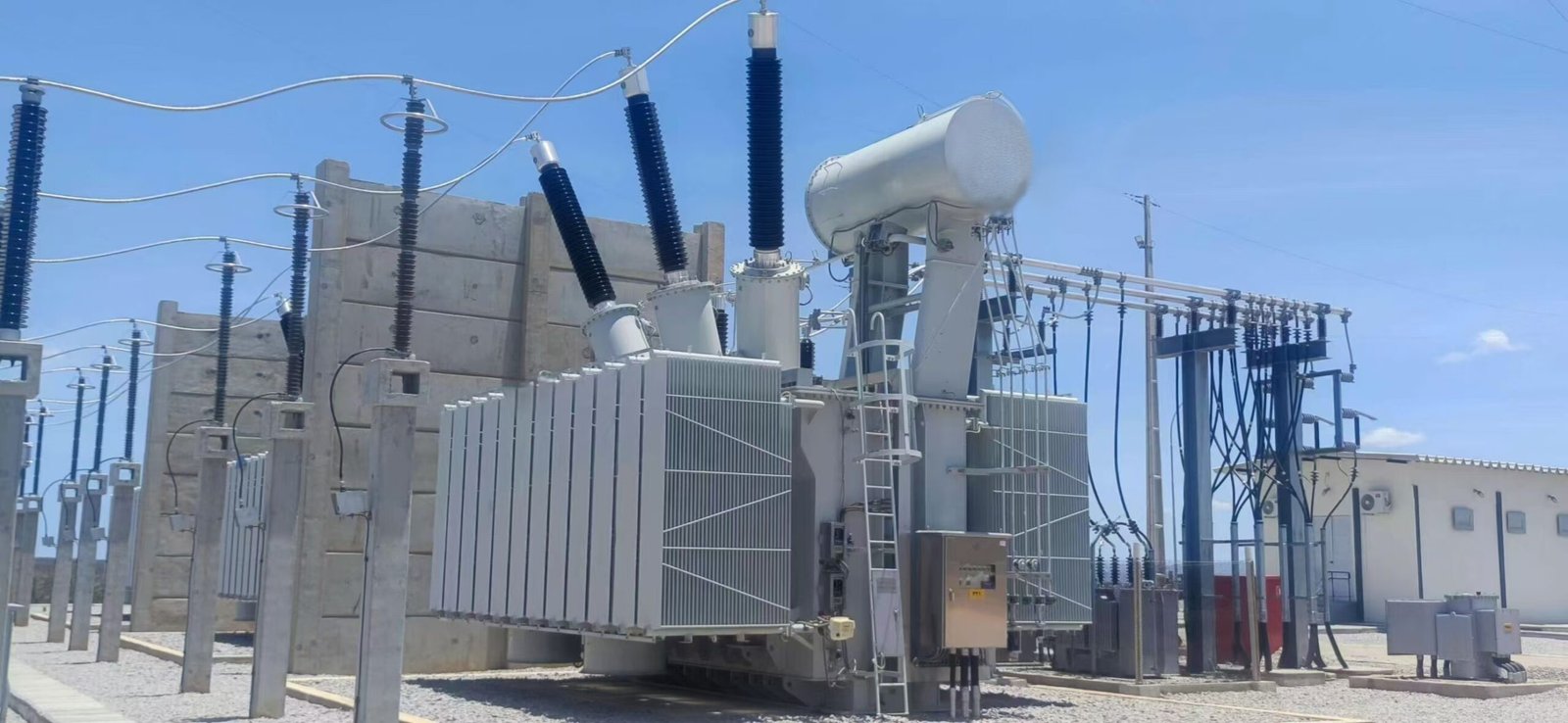
Transformer oil is one of the most critical materials used inside oil-filled transformers because it performs multiple essential functions simultaneously. Unlike ordinary industrial lubricants or cooling fluids, transformer oil is specially engineered to provide electrical insulation, heat dissipation, arc suppression, oxidation protection, and internal component preservation under continuous high-voltage and high-temperature operating conditions. Without transformer oil, modern medium-voltage and high-voltage transformers could not safely operate in utility substations, industrial plants, renewable energy systems, or transmission networks.
Inside a transformer, enormous electrical and thermal stresses are continuously generated during operation. Windings carry high currents, magnetic cores produce losses, and insulation systems experience strong electric fields. Transformer oil acts as both a dielectric medium and a thermal transfer agent, helping maintain stable operating temperatures while preventing electrical breakdown between energized components.
In addition to insulation and cooling, transformer oil also protects internal cellulose insulation materials from moisture, oxygen, contamination, and accelerated aging. Because transformers are expected to operate reliably for 20–40 years, oil quality and performance directly affect transformer lifespan, operational safety, maintenance intervals, and overall system reliability.
Transformer oil performs several critical functions including electrical insulation, heat dissipation, arc suppression, moisture protection, oxidation control, and preservation of internal insulation materials to ensure safe, efficient, and reliable transformer operation over long service periods.
The performance of transformer oil is therefore fundamental to transformer efficiency, dielectric strength, thermal stability, and long-term operational durability.
Transformer oil is mainly used for lubrication and has little influence on transformer insulation or cooling performance.False
Transformer oil is essential for electrical insulation, heat dissipation, moisture protection, and dielectric stability inside oil-filled transformers.
Why Transformer Oil Is Necessary
Oil-filled transformers generate both electrical and thermal stress during operation.
Main Internal Operating Challenges
| Operating Condition | Potential Risk |
|---|---|
| High voltage | Electrical breakdown |
| High current | Heat generation |
| Thermal aging | Insulation degradation |
| Moisture contamination | Dielectric failure |
| Arc formation | Internal damage |
Transformer oil helps manage all of these risks simultaneously.
Electrical Insulation Function of Transformer Oil
One of the primary functions of transformer oil is dielectric insulation.
Why Electrical Insulation Is Critical
Transformer windings operate at different voltage potentials and must remain electrically isolated.
Oil as a Dielectric Medium
| Function | Purpose |
|---|---|
| Prevent short circuits | Electrical separation |
| Maintain dielectric strength | Safe high-voltage operation |
| Reduce electric field stress | Insulation protection |
Transformer oil fills the spaces between energized components and prevents electrical discharge.
Dielectric Strength of Transformer Oil
Dielectric strength refers to the oil’s ability to resist electrical breakdown.
Why Dielectric Strength Matters
| Condition | Risk |
|---|---|
| Moisture contamination | Reduced insulation capability |
| Particle contamination | Partial discharge formation |
| Aging oil | Dielectric degradation |
High dielectric strength is essential for transformer reliability.
Heat Dissipation and Cooling Function
Transformers continuously generate heat during operation.
Main Heat Sources
| Heat Source | Description |
|---|---|
| Copper losses | Winding resistance heating |
| Core losses | Magnetic hysteresis and eddy current losses |
Transformer Copper Loss Equation
P_{cu}=I^2R
As load current increases, heat generation rises significantly.
How Transformer Oil Removes Heat
Transformer oil absorbs heat from windings and transfers it to cooling radiators.
Cooling Process
| Step | Function |
|---|---|
| Heat absorption | Oil contacts hot windings |
| Oil circulation | Heat transport |
| Radiator cooling | Heat release to ambient air |
This continuous circulation stabilizes transformer temperature.
Oil Circulation Methods
Natural Oil Circulation
| Cooling Method | Description |
|---|---|
| ONAN | Oil Natural Air Natural |
Hot oil rises naturally while cooler oil sinks.
Forced Oil Circulation
| Cooling Method | Description |
|---|---|
| OFAF | Oil Forced Air Forced |
Pumps actively circulate oil for large transformers.
Arc Suppression Function
Internal electrical faults can generate dangerous arcs.
Why Arc Suppression Is Important
Electrical arcs can:
- Damage insulation
- Generate explosive gas
- Cause catastrophic transformer failure
Transformer oil helps suppress and extinguish arcs.
How Oil Suppresses Electrical Arcs
| Oil Property | Function |
|---|---|
| High dielectric strength | Resist arc formation |
| Cooling capability | Reduce arc temperature |
| Gas absorption | Limit fault expansion |
Special insulating oils are formulated to improve arc resistance.
Moisture Protection Function
Moisture is one of the most damaging contaminants inside transformers.
Why Moisture Is Dangerous
| Moisture Effect | Result |
|---|---|
| Reduced dielectric strength | Increased breakdown risk |
| Cellulose insulation degradation | Reduced lifespan |
| Partial discharge increase | Insulation failure |
Transformer oil helps isolate insulation from atmospheric moisture.
Oil and Cellulose Insulation Protection
Most transformer winding insulation is cellulose-based paper.
Why Cellulose Protection Matters
Cellulose insulation ages rapidly when exposed to:
- Heat
- Oxygen
- Water
Transformer oil slows this aging process.
Oxidation Protection Function
Transformer oil also protects internal materials from oxidation.
Oxidation Risks
| Oxidation Effect | Consequence |
|---|---|
| Acid formation | Corrosion |
| Sludge generation | Cooling blockage |
| Insulation deterioration | Reduced reliability |
Oil inhibitors are often added to improve oxidation stability.
Gas Absorption and Fault Detection
Transformer oil absorbs gases generated during faults.
Why Gas Analysis Matters
Different internal faults generate specific gases.
Common Fault Gases
| Gas | Possible Fault |
|---|---|
| Hydrogen | Partial discharge |
| Acetylene | Arcing |
| Methane | Thermal overheating |
Oil analysis helps detect transformer problems early.
Dissolved Gas Analysis (DGA)
DGA is one of the most important transformer diagnostic techniques.
DGA Purpose
| Function | Benefit |
|---|---|
| Detect internal faults | Prevent catastrophic failure |
| Monitor aging | Predict maintenance needs |
| Assess insulation condition | Improve reliability |
Corrosion Protection Function
Transformer oil helps protect internal metallic surfaces.
Corrosion Risks
| Source | Effect |
|---|---|
| Moisture | Rust formation |
| Oxidation acids | Metal degradation |
Proper oil maintenance reduces corrosion risk.
Insulation Coordination Support
Transformer oil works together with solid insulation systems.
Combined Insulation Structure
| Material | Function |
|---|---|
| Oil | Liquid dielectric insulation |
| Paper | Winding insulation |
| Pressboard | Mechanical support |
This oil-paper insulation system is fundamental to transformer reliability.
Thermal Stability and Temperature Control
Transformer oil stabilizes internal operating temperatures.
Why Thermal Stability Matters
Excessive temperature accelerates insulation aging.
Types of Transformer Oil
Different transformer applications use different oil types.
Common Insulating Oils
| Oil Type | Characteristics |
|---|---|
| Mineral oil | Standard industrial use |
| Natural ester | Biodegradable |
| Synthetic ester | Enhanced fire safety |
Oil selection depends on safety and environmental requirements.
Environmental and Fire Safety Considerations
Transformer oil selection is increasingly influenced by environmental laws.
Fire Safety Factors
| Oil Type | Fire Resistance |
|---|---|
| Mineral oil | Lower fire point |
| Ester fluids | Higher fire resistance |
Environmentally sensitive areas often prefer biodegradable ester oils.
Oil Maintenance and Monitoring
Transformer oil quality must be monitored regularly.
Common Oil Tests
| Test | Purpose |
|---|---|
| Dielectric strength test | Insulation performance |
| Moisture analysis | Water contamination detection |
| Acidity test | Oil aging evaluation |
| DGA | Fault diagnosis |
Proper oil maintenance significantly extends transformer lifespan.
Real-World Engineering Example
A utility transformer operating in a high-load industrial substation experienced increasing operating temperature.
Oil Analysis Results
| Test Result | Diagnosis |
|---|---|
| Increased moisture | Seal degradation |
| Elevated acetylene gas | Minor arcing activity |
| Reduced dielectric strength | Aging insulation oil |
After oil filtration and maintenance, transformer reliability was restored.
Key Functions of Transformer Oil
| Function | Engineering Importance |
|---|---|
| Electrical insulation | Prevent dielectric breakdown |
| Heat dissipation | Control operating temperature |
| Arc suppression | Improve fault safety |
| Moisture protection | Preserve insulation integrity |
| Oxidation control | Reduce aging |
| Gas absorption | Enable fault diagnostics |
| Corrosion protection | Extend equipment life |
What Happens to Insulation Without Transformer Oil?

Transformer insulation systems are designed to operate as a coordinated combination of solid insulation materials and liquid dielectric insulation. In oil-filled transformers, transformer oil is not merely an auxiliary cooling medium—it is a fundamental part of the insulation structure itself. The oil works together with cellulose paper, pressboard, and insulation barriers to maintain dielectric strength, distribute electric fields, remove heat, suppress partial discharges, and protect insulation materials from moisture and oxidation.
When transformer oil is absent, contaminated, severely degraded, or leaked from the transformer, the entire insulation system becomes unstable. Electrical stress concentrations rapidly increase, cooling efficiency collapses, moisture contamination accelerates, and insulation aging becomes dramatically faster. Without transformer oil, even a properly designed transformer can experience overheating, dielectric breakdown, internal arcing, insulation carbonization, and catastrophic failure in a relatively short period of time.
The absence of transformer oil is therefore one of the most dangerous conditions for oil-filled transformers because insulation reliability depends heavily on the interaction between liquid and solid dielectric materials.
Without transformer oil, transformer insulation rapidly loses dielectric strength, overheating increases dramatically, moisture contamination accelerates, partial discharges become more severe, and insulation materials degrade much faster, eventually leading to electrical breakdown, arcing, and catastrophic transformer failure.
Transformer oil is therefore not optional—it is a critical structural and dielectric component of the entire transformer insulation system.
Transformer insulation can continue operating normally even if transformer oil is lost or severely degraded.False
Transformer oil is essential for dielectric insulation, cooling, moisture protection, and electric field distribution. Without it, insulation rapidly deteriorates and may fail catastrophically.
Why Transformer Insulation Depends on Oil
Oil-filled transformers use a combined insulation structure.
Main Insulation Components
| Insulation Material | Function |
|---|---|
| Transformer oil | Liquid dielectric insulation |
| Cellulose paper | Winding insulation |
| Pressboard | Mechanical and electrical support |
These materials are designed to operate together as a unified dielectric system.
Electrical Insulation Failure Without Oil
One of the first major problems after oil loss is dielectric weakness.
Why Dielectric Strength Decreases
Transformer oil fills microscopic air gaps between energized components.
Without oil:
- Air replaces dielectric liquid
- Electric field stress increases
- Breakdown voltage decreases dramatically
Dielectric Strength Comparison
| Medium | Approximate Dielectric Strength |
|---|---|
| Transformer oil | High |
| Dry air | Much lower |
Air cannot provide the same insulation capability as transformer oil.
Increased Risk of Electrical Breakdown
Without oil, insulation distances may become insufficient.
Possible Electrical Failures
| Failure Type | Consequence |
|---|---|
| Flashover | External discharge |
| Internal arcing | Severe winding damage |
| Partial discharge | Accelerated insulation aging |
Even localized oil loss can create dangerous weak points.
Partial Discharge Intensification
Partial discharge activity increases rapidly when oil insulation is compromised.
What Is Partial Discharge?
Partial discharge is localized electrical discharge within insulation systems.
Why Oil Prevents Partial Discharge
| Oil Function | Benefit |
|---|---|
| Fills voids | Eliminates discharge zones |
| Stabilizes electric field | Reduces stress concentration |
Without oil, voids become discharge initiation points.
Heat Dissipation Collapse Without Oil
Transformer oil is also the primary cooling medium.
Heat Generation in Transformers
P_{cu}=I^2R
As load current increases, winding heat rises significantly.
Why Cooling Fails Without Oil
Transformer oil normally absorbs and transfers heat away from windings.
Without oil:
| Problem | Result |
|---|---|
| No heat transfer medium | Rapid overheating |
| Hot spot formation | Insulation carbonization |
| Thermal runaway | Catastrophic failure |
Temperature can rise extremely quickly after oil loss.
Hot Spot Temperature Escalation
Transformer winding hot spots become dangerous without adequate cooling.
Hot Spot Risks
| Condition | Consequence |
|---|---|
| Excessive winding temperature | Cellulose degradation |
| Thermal stress | Mechanical weakening |
| Carbon formation | Electrical tracking |
Accelerated Cellulose Insulation Aging
Most transformer solid insulation is cellulose-based paper.
Why Cellulose Is Vulnerable
Cellulose insulation degrades under:
- Heat
- Oxygen
- Moisture
Transformer oil normally slows this aging process.
Insulation Life Reduction
Temperature strongly affects insulation lifespan.
Thermal Aging Relationship
As temperature rises, insulation life decreases exponentially.
Moisture Contamination Without Oil
Transformer oil acts as a moisture barrier.
Why Moisture Is Dangerous
| Moisture Effect | Result |
|---|---|
| Reduced dielectric strength | Electrical breakdown risk |
| Increased conductivity | Leakage current |
| Cellulose hydrolysis | Structural degradation |
Without oil, moisture contamination accelerates rapidly.
Oxidation and Oxygen Exposure
Transformer oil helps isolate insulation from atmospheric oxygen.
Without Oil Protection
| Oxidation Effect | Consequence |
|---|---|
| Cellulose oxidation | Brittleness |
| Insulation embrittlement | Mechanical failure |
| Chemical degradation | Reduced dielectric performance |
Mechanical Instability of Windings
Oil also provides mechanical support and damping.
Mechanical Functions of Oil
| Function | Benefit |
|---|---|
| Vibration damping | Reduced mechanical stress |
| Thermal stabilization | Controlled expansion |
Without oil, winding structures become more vulnerable during faults.
Arc Formation and Catastrophic Failure
One of the most severe consequences of oil loss is internal arcing.
Why Arcing Becomes More Likely
Without oil insulation:
- Electric field intensity rises
- Weak insulation zones form
- Air ionization increases
Electromagnetic Stress During Faults
F ∝ I²
Fault currents generate enormous electromagnetic forces.
Combined Failure Mechanism
| Failure Stage | Result |
|---|---|
| Oil loss | Insulation weakening |
| Overheating | Material degradation |
| Partial discharge | Insulation erosion |
| Internal arc | Catastrophic transformer failure |
Gas Formation and Internal Pressure Increase
Severe insulation failure can produce combustible gases.
Dangerous Fault Gases
| Gas | Source |
|---|---|
| Hydrogen | Partial discharge |
| Acetylene | Arcing |
| Methane | Thermal overheating |
These gases may increase internal pressure and explosion risk.
Fire and Explosion Hazard
Oil loss combined with electrical faults creates major fire risks.
Fire Hazard Mechanisms
| Condition | Danger |
|---|---|
| Internal arcing | Ignition source |
| Hot surfaces | Thermal ignition |
| Gas accumulation | Explosion risk |
Transformer protection systems are designed to detect these conditions quickly.
Real-World Engineering Example
A utility transformer experienced gradual oil leakage due to gasket deterioration.
Initial Symptoms
| Observation | Interpretation |
|---|---|
| Rising operating temperature | Reduced cooling efficiency |
| Increased partial discharge | Insulation stress |
| Gas generation | Internal overheating |
Final Outcome
Without immediate maintenance:
- Winding insulation carbonized
- Internal arcing developed
- Transformer suffered catastrophic failure
The damage required complete transformer replacement.
Why Oil and Insulation Must Work Together
Transformer insulation is a combined dielectric system.
Combined Insulation Structure
| Material | Primary Role |
|---|---|
| Oil | Liquid dielectric and cooling |
| Cellulose paper | Winding insulation |
| Pressboard | Structural insulation support |
Removing oil destabilizes the entire system.
Key Consequences of Operating Without Transformer Oil
| Problem | Engineering Impact |
|---|---|
| Reduced dielectric strength | Electrical breakdown |
| Loss of cooling | Overheating |
| Increased moisture exposure | Insulation degradation |
| Partial discharge intensification | Accelerated aging |
| Oxidation exposure | Cellulose damage |
| Internal arcing | Catastrophic failure |
How Does Removing Oil Affect Cooling Performance?
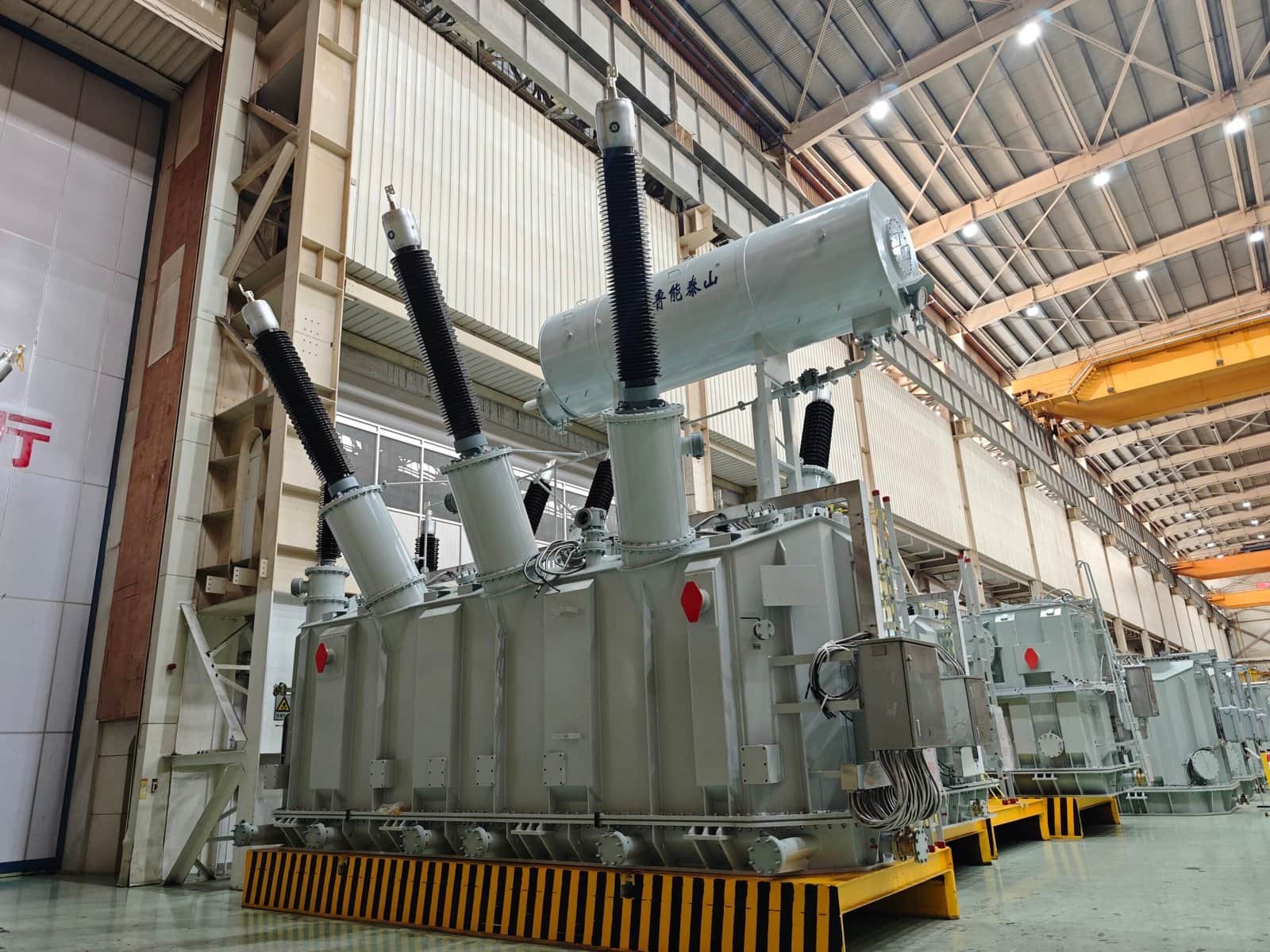
Transformer cooling performance depends heavily on the presence and circulation of transformer oil. In oil-filled transformers, transformer oil is not simply a secondary cooling fluid—it is the primary thermal transfer medium responsible for carrying heat away from the windings and magnetic core. During operation, electrical losses continuously generate heat inside the transformer, and without effective cooling, internal temperatures can rise rapidly to dangerous levels.
When transformer oil is removed, severely degraded, or lost through leakage, the cooling system becomes critically compromised. Heat generated in the windings can no longer be transferred efficiently to radiators or external cooling surfaces. As a result, internal hot spots develop quickly, insulation aging accelerates dramatically, and the transformer may experience thermal runaway, dielectric failure, internal arcing, or catastrophic damage.
Cooling failure caused by oil loss is therefore one of the most dangerous operating conditions for oil-filled transformers because thermal management is directly linked to insulation lifespan, electrical reliability, efficiency, and operational safety.
Removing transformer oil severely reduces cooling performance because oil is the primary medium responsible for absorbing, circulating, and dissipating heat from transformer windings and core components. Without oil, overheating, thermal hot spots, insulation degradation, and catastrophic transformer failure can occur rapidly.
Transformer oil is therefore a fundamental part of both the transformer insulation system and the thermal management system.
Transformer oil mainly provides insulation and has minimal impact on transformer cooling performance.False
Transformer oil is the primary cooling medium in oil-filled transformers and is essential for heat absorption, circulation, and thermal dissipation.
Why Transformers Generate Heat
Transformers continuously generate heat during normal operation.
Main Sources of Transformer Heat
| Heat Source | Cause |
|---|---|
| Copper loss | Winding resistance |
| Core loss | Magnetic hysteresis and eddy currents |
| Stray losses | Leakage flux heating |
Without proper cooling, this heat accumulates rapidly.
Copper Loss and Heat Generation
Winding current produces resistive heating.
Transformer Copper Loss Equation
P_{cu}=I^2R
This relationship shows:
- Heat generation increases with current
- Higher load causes significantly higher temperature rise
Core Loss and Continuous Heating
Even unloaded transformers generate heat.
Core Loss Sources
| Core Loss Type | Description |
|---|---|
| Hysteresis loss | Magnetic domain switching |
| Eddy current loss | Induced circulating currents |
These losses occur continuously whenever the transformer is energized.
How Transformer Oil Removes Heat
Transformer oil acts as a heat transfer medium.
Cooling Process Inside the Transformer
| Cooling Step | Function |
|---|---|
| Heat absorption | Oil contacts hot windings |
| Oil circulation | Heat transport through tank |
| Radiator cooling | Heat release to ambient air |
This continuous thermal cycle maintains stable operating temperature.
Natural Oil Circulation Cooling
Many transformers use natural oil convection.
ONAN Cooling System
| Cooling Type | Meaning |
|---|---|
| ONAN | Oil Natural Air Natural |
How Natural Circulation Works
- Hot oil becomes less dense and rises
- Cooler oil sinks downward
- Continuous circulation transfers heat naturally
Without oil, this thermal circulation completely stops.
Forced Oil Cooling Systems
Large transformers often use active cooling.
Forced Cooling Methods
| Cooling Method | Function |
|---|---|
| ONAF | Oil Natural Air Forced |
| OFAF | Oil Forced Air Forced |
Pumps and fans improve cooling efficiency under high load.
What Happens When Oil Is Removed
Removing oil causes immediate thermal instability.
Initial Cooling Failure Effects
| Problem | Result |
|---|---|
| Heat transfer stops | Rapid temperature rise |
| No thermal circulation | Hot spots form |
| Cooling radiators inactive | Heat accumulates internally |
Transformer temperatures can increase dangerously within a short time.
Thermal Hot Spot Formation
Hot spots are localized overheating areas inside the transformer.
Why Hot Spots Are Dangerous
| Hot Spot Effect | Consequence |
|---|---|
| Cellulose degradation | Reduced insulation life |
| Carbonization | Electrical tracking |
| Thermal stress | Mechanical weakening |
Hot spots are one of the main causes of transformer failure.
Winding Temperature Escalation
Windings are especially vulnerable without oil cooling.
Winding Overheating Risks
| Condition | Impact |
|---|---|
| Excessive conductor temperature | Insulation damage |
| Uneven temperature distribution | Mechanical stress |
| Thermal expansion | Coil deformation |
Thermal Aging of Insulation
Insulation lifespan decreases rapidly as temperature rises.
Thermal Aging Relationship
This means:
- Small temperature increases greatly reduce insulation life
- Severe overheating may destroy insulation within hours or days
Cooling Efficiency Collapse
Transformer oil has high thermal capacity and circulation capability.
Without Oil
| Missing Function | Consequence |
|---|---|
| Heat absorption | Local overheating |
| Thermal transport | Internal heat accumulation |
| Radiator transfer | Ineffective cooling surfaces |
Air alone cannot replace oil cooling performance.
Why Air Cannot Replace Transformer Oil
Air has much lower thermal transfer capability.
Cooling Medium Comparison
| Property | Transformer Oil | Air |
|---|---|---|
| Thermal conductivity | High | Low |
| Heat capacity | High | Very low |
| Dielectric strength | High | Low |
Transformers designed for oil cooling cannot safely operate without oil.
Increased Insulation Stress
Cooling failure directly affects dielectric reliability.
Why Overheating Damages Insulation
Heat causes:
- Cellulose dehydration
- Mechanical embrittlement
- Oxidation acceleration
- Dielectric strength reduction
Moisture and Oxidation Acceleration
Without oil protection:
| Problem | Effect |
|---|---|
| Oxygen exposure | Faster oxidation |
| Moisture ingress | Dielectric degradation |
Oil normally acts as a protective barrier.
Internal Arcing Risk
Overheated insulation becomes electrically unstable.
Why Arcing Develops
| Failure Mechanism | Result |
|---|---|
| Thermal degradation | Weak insulation zones |
| Dielectric breakdown | Arc initiation |
| Arc propagation | Catastrophic failure |
Electromagnetic Stress During Faults
Short-circuit conditions become even more dangerous when cooling is compromised.
Electromagnetic Force Relationship
F ∝ I²
Fault currents create enormous mechanical stress on overheated windings.
Gas Generation and Pressure Rise
Overheating decomposes insulation materials.
Common Fault Gases
| Gas | Possible Cause |
|---|---|
| Hydrogen | Partial discharge |
| Acetylene | Arcing |
| Methane | Thermal overheating |
Gas accumulation may increase explosion risk.
Fire Hazard Increase
Cooling failure significantly increases fire risk.
Fire Development Mechanisms
| Condition | Hazard |
|---|---|
| Overheated conductors | Ignition source |
| Internal arcing | Fire initiation |
| Combustible gas buildup | Explosion risk |
Real-World Engineering Example
A large industrial transformer experienced gradual oil leakage due to radiator seal failure.
Initial Warning Signs
| Observation | Engineering Interpretation |
|---|---|
| Rising oil temperature | Reduced cooling efficiency |
| Increased hot-spot temperature | Local overheating |
| Fan overoperation | Cooling system overload |
Final Outcome
Because the oil leak was not corrected quickly:
- Thermal runaway developed
- Cellulose insulation carbonized
- Internal arc fault occurred
- Transformer suffered catastrophic failure
Why Oil Cooling Is Essential for Transformer Reliability
Transformer oil performs multiple simultaneous thermal functions.
Main Cooling Functions of Oil
| Function | Importance |
|---|---|
| Heat absorption | Remove winding heat |
| Thermal transport | Transfer heat to radiators |
| Temperature stabilization | Prevent hot spots |
| Insulation cooling | Extend lifespan |
Without these functions, transformer operation becomes unstable.
Key Effects of Removing Transformer Oil
| Cooling Failure Effect | Engineering Consequence |
|---|---|
| Heat accumulation | Rapid overheating |
| Hot spot formation | Insulation aging |
| Loss of thermal circulation | Cooling collapse |
| Reduced dielectric stability | Electrical breakdown |
| Increased fire risk | Safety hazard |
What Electrical and Thermal Risks Occur Without Oil?
Transformer oil is one of the most critical components inside oil-filled transformers because it simultaneously performs electrical insulation, thermal cooling, arc suppression, moisture protection, and insulation preservation functions. The entire transformer insulation and thermal management system is designed around the presence of transformer oil. When oil is removed, severely degraded, or lost due to leakage, both electrical stability and thermal control rapidly deteriorate, creating extremely dangerous operating conditions.
Without transformer oil, transformers lose a substantial portion of their dielectric strength and cooling capability. Electrical stress becomes concentrated in weak insulation zones, while heat generated inside the windings and magnetic core can no longer be effectively dissipated. This combination of electrical and thermal instability accelerates insulation aging, increases the risk of partial discharge and internal arcing, and may eventually lead to catastrophic transformer failure, fire hazards, or explosion events.
The absence of transformer oil therefore creates a chain reaction of interconnected failures involving dielectric breakdown, overheating, gas generation, insulation carbonization, and mechanical instability.
Without transformer oil, transformers face severe electrical and thermal risks including dielectric breakdown, partial discharge intensification, overheating, insulation degradation, hot-spot formation, internal arcing, thermal runaway, gas generation, and catastrophic failure due to the loss of both insulation and cooling functions.
Transformer oil is therefore essential for maintaining both electrical reliability and thermal stability inside oil-filled transformers.
A transformer can continue operating safely for extended periods even after significant transformer oil loss.False
Transformer oil is essential for both dielectric insulation and cooling. Significant oil loss can rapidly lead to overheating, insulation breakdown, arcing, and catastrophic transformer failure.
Why Transformer Oil Is Critical
Transformer oil supports two major operating requirements simultaneously:
| Primary Function | Purpose |
|---|---|
| Electrical insulation | Prevent dielectric breakdown |
| Thermal cooling | Remove internal heat |
Without oil, both systems become unstable.
Electrical Risks Without Transformer Oil
Electrical insulation reliability decreases dramatically after oil loss.
Why Electrical Failure Develops
Transformer windings operate at different voltage potentials and require strong dielectric separation.
Transformer oil normally:
- Fills insulation gaps
- Reduces electric field stress
- Prevents ionization
- Suppresses electrical discharge
Without oil, these protections disappear.
Reduced Dielectric Strength
Dielectric strength is the ability of insulation to resist electrical breakdown.
Dielectric Medium Comparison
| Insulating Medium | Relative Dielectric Strength |
|---|---|
| Transformer oil | Very high |
| Air | Much lower |
When oil is removed, air replaces the dielectric medium, greatly reducing insulation capability.
Increased Risk of Electrical Breakdown
Electrical stress becomes concentrated at insulation weak points.
Potential Electrical Failures
| Failure Type | Consequence |
|---|---|
| Flashover | Surface discharge |
| Internal breakdown | Winding fault |
| Arc formation | Catastrophic damage |
Even partial oil loss can create dangerous discharge zones.
Partial Discharge Intensification
Partial discharge activity increases significantly without oil insulation.
What Causes Partial Discharge
Partial discharge occurs when localized electric fields exceed insulation capability.
Why Oil Prevents Partial Discharge
| Oil Function | Benefit |
|---|---|
| Fills microscopic voids | Eliminates discharge zones |
| Stabilizes electric field | Reduces stress concentration |
Without oil, air gaps become highly vulnerable to discharge activity.
Electrical Field Distortion
Transformer oil helps distribute electric fields evenly.
Without Oil
| Problem | Result |
|---|---|
| Uneven electric field | Localized stress concentration |
| Increased ionization | Arc initiation risk |
Internal Arcing Risk
One of the most severe electrical dangers is internal arcing.
Why Arcing Occurs
Without oil insulation:
- Breakdown voltage decreases
- Insulation weakens
- Ionized air paths develop
Arc Fault Consequences
| Arc Effect | Damage |
|---|---|
| Extreme temperature | Insulation destruction |
| Pressure rise | Tank damage |
| Gas generation | Explosion risk |
Internal arcs can destroy transformers within seconds.
Thermal Risks Without Transformer Oil
Transformer oil is also the primary cooling medium.
Why Cooling Is Necessary
Transformers continuously generate heat during operation.
Copper Loss and Heating
Winding current produces resistive heat.
Copper Loss Equation
P_{cu}=I^2R
As load current increases, heat generation rises rapidly.
Core Loss and Continuous Heating
Transformer cores also generate heat continuously.
Core Loss Sources
| Loss Type | Cause |
|---|---|
| Hysteresis loss | Magnetic domain switching |
| Eddy current loss | Induced circulating currents |
Even unloaded transformers produce heat.
Cooling Failure After Oil Removal
Without oil, thermal transfer collapses.
Cooling Failure Mechanisms
| Missing Function | Consequence |
|---|---|
| Heat absorption | Local overheating |
| Oil circulation | Heat accumulation |
| Radiator heat transfer | Cooling inefficiency |
Thermal Hot Spot Formation
Hot spots develop rapidly inside windings.
Why Hot Spots Are Dangerous
| Hot Spot Effect | Consequence |
|---|---|
| Cellulose degradation | Reduced insulation life |
| Carbonization | Conductive tracking |
| Thermal stress | Mechanical deformation |
Thermal Runaway
Overheating can trigger self-accelerating failure.
Thermal Runaway Process
| Stage | Result |
|---|---|
| Cooling loss | Temperature rise |
| Insulation degradation | Higher losses |
| Increased heating | Further temperature increase |
This cycle can escalate very quickly.
Insulation Aging Acceleration
Temperature has a major influence on insulation lifespan.
Thermal Aging Relationship
Even moderate overheating can dramatically shorten insulation life.
Cellulose Insulation Degradation
Most transformer winding insulation is cellulose-based.
Why Cellulose Is Vulnerable
Cellulose deteriorates under:
- High temperature
- Moisture exposure
- Oxygen contact
Transformer oil normally protects against all three.
Moisture Contamination Risks
Oil acts as a moisture barrier.
Without Oil Protection
| Moisture Effect | Result |
|---|---|
| Reduced dielectric strength | Electrical instability |
| Hydrolysis of cellulose | Structural weakening |
| Increased conductivity | Leakage current |
Oxidation and Chemical Degradation
Transformer oil limits oxygen exposure.
Oxidation Effects
| Oxidation Process | Consequence |
|---|---|
| Cellulose oxidation | Brittleness |
| Acid formation | Corrosion |
| Sludge production | Cooling blockage |
Mechanical Risks Without Oil
Oil also provides mechanical damping.
Mechanical Support Functions
| Oil Function | Benefit |
|---|---|
| Vibration damping | Reduced mechanical stress |
| Thermal stabilization | Controlled expansion |
Without oil, fault forces become more destructive.
Electromagnetic Stress During Faults
Short-circuit conditions create enormous forces.
Electromagnetic Force Relationship
F ∝ I²
Overheated and weakened windings become highly vulnerable to mechanical deformation.
Gas Generation and Explosion Risk
Electrical and thermal failures decompose insulation materials.
Common Fault Gases
| Gas | Possible Cause |
|---|---|
| Hydrogen | Partial discharge |
| Acetylene | Arcing |
| Methane | Thermal overheating |
Gas accumulation may create dangerous internal pressure.
Fire Hazard Escalation
Combined electrical and thermal failures increase fire risk significantly.
Fire Development Factors
| Condition | Hazard |
|---|---|
| Internal arcs | Ignition source |
| Overheated insulation | Combustible material |
| Gas buildup | Explosion potential |
Real-World Engineering Example
A utility transformer experienced unnoticed oil leakage due to aging seals.
Initial Warning Signs
| Observation | Engineering Interpretation |
|---|---|
| Rising winding temperature | Reduced cooling efficiency |
| Increased dissolved gas levels | Insulation stress |
| Partial discharge activity | Dielectric weakening |
Failure Outcome
As oil level continued decreasing:
- Hot spots intensified
- Insulation carbonized
- Internal arcing developed
- Transformer failed catastrophically
Why Oil Is Essential for Electrical and Thermal Stability
Transformer oil performs multiple integrated functions.
Combined Functions of Transformer Oil
| Function | Importance |
|---|---|
| Dielectric insulation | Prevent electrical breakdown |
| Heat transfer | Remove internal heat |
| Arc suppression | Improve fault safety |
| Moisture isolation | Protect insulation |
| Oxidation protection | Slow aging |
Removing oil destabilizes the entire transformer system.
Key Electrical and Thermal Risks Without Oil
| Risk Type | Engineering Consequence |
|---|---|
| Dielectric breakdown | Electrical failure |
| Partial discharge | Accelerated aging |
| Internal arcing | Catastrophic damage |
| Overheating | Thermal instability |
| Hot-spot formation | Insulation carbonization |
| Thermal runaway | Rapid failure escalation |
| Gas generation | Explosion hazard |
Can a Transformer Operate Safely Without Oil?
Transformer oil is one of the most essential components inside oil-filled transformers because it performs multiple critical functions simultaneously. It acts as a dielectric insulating medium, a cooling fluid, an arc suppression material, a moisture barrier, and a protective agent for internal insulation systems. The entire electrical and thermal design of an oil-filled transformer is based on the assumption that transformer oil is continuously present and functioning correctly.
When transformer oil is removed, severely degraded, or lost through leakage, the transformer immediately begins losing both dielectric strength and cooling capability. Electrical insulation becomes unstable, heat dissipation collapses, partial discharges intensify, and internal temperatures rise rapidly. Under these conditions, transformer insulation deteriorates much faster, and the risk of electrical breakdown, internal arcing, fire, or catastrophic transformer failure increases dramatically.
For this reason, conventional oil-filled transformers are not designed to operate safely without oil. Attempting to energize or continue operating an oil-filled transformer after significant oil loss creates severe electrical and thermal hazards that may destroy the transformer within a short period of time.
A conventional oil-filled transformer cannot operate safely without oil because transformer oil is essential for electrical insulation, heat dissipation, arc suppression, and insulation protection. Without oil, overheating, dielectric breakdown, internal arcing, and catastrophic failure can occur rapidly.
Only transformers specifically designed as dry-type transformers can operate safely without insulating oil.
Oil-filled transformers can continue operating normally even if most transformer oil is removed.False
Oil-filled transformers rely on transformer oil for both insulation and cooling. Significant oil loss can rapidly lead to overheating, dielectric failure, internal arcing, and catastrophic damage.
Why Transformer Oil Is Essential
Oil-filled transformers are engineered around a combined oil-paper insulation system.
Main Functions of Transformer Oil
| Function | Purpose |
|---|---|
| Electrical insulation | Prevent dielectric breakdown |
| Thermal cooling | Remove internal heat |
| Arc suppression | Reduce fault damage |
| Moisture protection | Preserve insulation quality |
| Oxidation reduction | Slow insulation aging |
Without oil, all of these functions become compromised.
Electrical Insulation Problems Without Oil
Transformer windings operate at different voltage potentials and require strong dielectric separation.
How Oil Provides Electrical Insulation
Transformer oil:
- Fills insulation gaps
- Prevents ionization
- Stabilizes electric fields
- Increases breakdown voltage
Without oil, air replaces the dielectric medium.
Dielectric Strength Reduction
Air has much lower dielectric strength than transformer oil.
Insulating Medium Comparison
| Medium | Relative Dielectric Strength |
|---|---|
| Transformer oil | Very high |
| Air | Much lower |
This creates a much greater risk of electrical breakdown.
Electrical Risks Without Oil
Major Electrical Failure Modes
| Failure Type | Consequence |
|---|---|
| Partial discharge | Accelerated insulation aging |
| Flashover | Surface electrical discharge |
| Internal arcing | Severe transformer damage |
| Dielectric breakdown | Catastrophic failure |
Even partial oil loss can create dangerous insulation weak points.
Partial Discharge Intensification
Partial discharge activity increases rapidly when oil insulation is absent.
Why Partial Discharge Occurs
| Condition | Result |
|---|---|
| Air gaps inside insulation | Localized ionization |
| Electric field concentration | Discharge formation |
Transformer oil normally eliminates these weak discharge zones.
Internal Arcing Risk
One of the most dangerous consequences of oil loss is internal arcing.
Why Arcing Becomes More Likely
Without oil:
- Breakdown voltage decreases
- Electric field stress rises
- Insulation weakens rapidly
Arc Fault Effects
| Arc Effect | Engineering Consequence |
|---|---|
| Extremely high temperature | Insulation destruction |
| Pressure rise | Tank damage |
| Gas generation | Explosion risk |
Internal arc faults can destroy transformers within seconds.
Cooling Performance Collapse
Transformer oil is also the primary cooling medium.
Why Cooling Is Necessary
Transformers continuously generate heat during operation.
Copper Loss and Heat Generation
P_{cu}=I^2R
As load current increases, winding heat rises significantly.
Core Loss and Continuous Heating
Transformer cores also generate heat continuously.
Core Loss Types
| Core Loss | Cause |
|---|---|
| Hysteresis loss | Magnetic domain switching |
| Eddy current loss | Induced circulating currents |
Even unloaded transformers generate thermal energy.
How Oil Removes Heat
Transformer oil absorbs heat from the windings and transfers it to cooling radiators.
Oil Cooling Process
| Step | Function |
|---|---|
| Heat absorption | Oil contacts hot components |
| Oil circulation | Heat transport |
| Radiator cooling | Heat release to ambient air |
Without oil, this thermal cycle stops completely.
Thermal Risks Without Oil
Major Thermal Failure Mechanisms
| Thermal Problem | Consequence |
|---|---|
| Heat accumulation | Rapid overheating |
| Hot-spot formation | Insulation carbonization |
| Thermal runaway | Accelerated failure |
Transformer temperatures can rise dangerously within minutes.
Thermal Aging of Insulation
Transformer insulation lifespan is highly temperature dependent.
Thermal Aging Relationship
Higher operating temperatures dramatically shorten insulation life.
Cellulose Insulation Degradation
Most transformer winding insulation is cellulose-based paper.
Why Cellulose Is Vulnerable
Cellulose degrades under:
- Heat
- Oxygen exposure
- Moisture contamination
Transformer oil normally protects against all three factors.
Moisture Contamination Risks
Transformer oil also acts as a moisture barrier.
Without Oil Protection
| Moisture Effect | Result |
|---|---|
| Reduced dielectric strength | Electrical instability |
| Hydrolysis of cellulose | Mechanical weakening |
| Increased leakage current | Insulation deterioration |
Mechanical Stability Problems
Oil provides mechanical damping and thermal stabilization.
Mechanical Support Functions
| Oil Function | Benefit |
|---|---|
| Vibration damping | Reduced mechanical stress |
| Temperature stabilization | Controlled expansion |
Without oil, windings become more vulnerable during faults.
Electromagnetic Stress During Faults
Fault currents generate enormous mechanical forces.
Electromagnetic Force Relationship
F ∝ I²
Overheated and weakened windings may deform or collapse during short-circuit conditions.
Gas Generation and Explosion Hazard
Severe overheating and arcing decompose insulation materials.
Common Fault Gases
| Gas | Possible Cause |
|---|---|
| Hydrogen | Partial discharge |
| Acetylene | Arcing |
| Methane | Thermal overheating |
Gas accumulation may create dangerous internal pressure.
Fire Hazard Without Oil Stability
Electrical and thermal instability increase fire risk dramatically.
Fire Development Conditions
| Condition | Hazard |
|---|---|
| Internal arcing | Ignition source |
| Carbonized insulation | Combustible material |
| Overheated conductors | Thermal ignition |
Can Dry-Type Transformers Operate Without Oil?
Yes—but only because they are specifically designed for it.
Dry-Type Transformer Characteristics
| Feature | Description |
|---|---|
| Air insulation | No liquid dielectric |
| Resin insulation systems | Encapsulated windings |
| Air cooling | Natural or forced ventilation |
Dry-type transformers are fundamentally different from oil-filled transformers.
Oil-Filled vs Dry-Type Transformers
| Feature | Oil-Filled Transformer | Dry-Type Transformer |
|---|---|---|
| Cooling medium | Transformer oil | Air |
| Main insulation | Oil-paper system | Resin/air insulation |
| Fire behavior | Oil-related fire risk | Lower flammability |
| Cooling efficiency | Higher | Lower |
An oil-filled transformer cannot simply “operate as dry-type” after oil removal.
Real-World Engineering Example
A utility transformer experienced a major oil leak caused by radiator flange failure.
Initial Symptoms
| Observation | Interpretation |
|---|---|
| Rising winding temperature | Cooling reduction |
| Increased dissolved gases | Insulation stress |
| Partial discharge activity | Dielectric weakening |
Final Failure
Because operation continued after significant oil loss:
- Hot spots intensified
- Insulation carbonized
- Internal arcing developed
- Transformer failed catastrophically
Key Risks of Operating Without Oil
| Risk Category | Engineering Consequence |
|---|---|
| Dielectric failure | Electrical breakdown |
| Cooling collapse | Overheating |
| Partial discharge | Accelerated insulation aging |
| Internal arcing | Catastrophic damage |
| Thermal runaway | Rapid failure escalation |
| Fire hazard | Safety risk |
What Damage Can Result from Running a Transformer Without Oil?
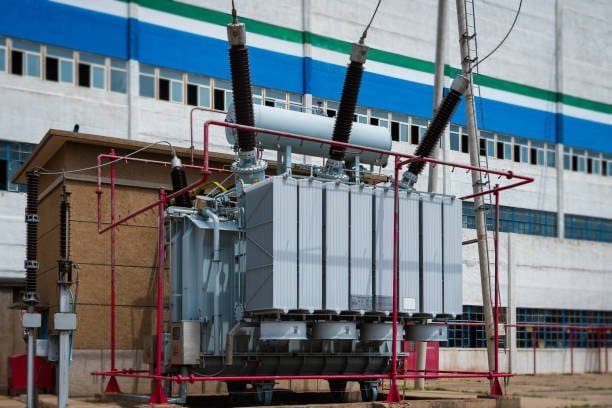
Running an oil-filled transformer without transformer oil is one of the most dangerous operating conditions in power systems. Transformer oil is not simply a cooling liquid—it is a critical part of the transformer’s electrical insulation system, thermal management system, arc suppression mechanism, and insulation preservation structure. The entire internal design of an oil-filled transformer depends on the continuous presence of insulating oil to maintain safe electrical clearances, stabilize operating temperatures, and protect solid insulation materials from thermal and environmental degradation.
When a transformer operates without sufficient oil, both electrical and thermal stresses increase rapidly. Cooling circulation collapses, dielectric strength decreases dramatically, insulation temperatures rise uncontrollably, and electrical discharge activity intensifies. As these failures interact with one another, the transformer may experience insulation carbonization, winding deformation, internal arcing, mechanical damage, gas generation, fire hazards, and eventually catastrophic destruction.
In many cases, operating without oil can destroy a transformer permanently within a very short time, especially under medium-load or high-load conditions.
Running a transformer without oil can cause severe damage including overheating, insulation breakdown, partial discharge, winding deformation, internal arcing, thermal runaway, gas generation, fire hazards, and catastrophic transformer failure due to the loss of both cooling and dielectric insulation.
Transformer oil is therefore an essential operational component rather than an optional fluid.
An oil-filled transformer can safely continue operating for long periods even after most transformer oil is lost.False
Transformer oil is essential for cooling and electrical insulation. Significant oil loss can rapidly lead to overheating, dielectric failure, arcing, and catastrophic transformer damage.
Why Transformer Oil Is Essential
Transformer oil performs several critical functions simultaneously.
Main Functions of Transformer Oil
| Function | Purpose |
|---|---|
| Electrical insulation | Prevent dielectric breakdown |
| Thermal cooling | Remove internal heat |
| Arc suppression | Limit electrical fault damage |
| Moisture protection | Preserve insulation quality |
| Oxidation reduction | Slow aging of materials |
Removing oil destabilizes all of these systems.
Electrical Damage Without Transformer Oil
One of the first major risks is insulation failure.
Why Electrical Damage Occurs
Transformer oil normally:
- Fills insulation gaps
- Prevents ionization
- Stabilizes electric fields
- Suppresses electrical discharge
Without oil, air replaces the liquid dielectric medium.
Reduced Dielectric Strength
Air has much lower dielectric strength than transformer oil.
Insulating Medium Comparison
| Medium | Relative Dielectric Strength |
|---|---|
| Transformer oil | Very high |
| Air | Much lower |
This significantly increases the risk of electrical breakdown.
Partial Discharge Damage
Partial discharge activity intensifies rapidly without oil.
What Is Partial Discharge?
Partial discharge is localized electrical discharge within insulation systems.
Why It Becomes Dangerous
| Effect | Damage |
|---|---|
| Insulation erosion | Reduced dielectric reliability |
| Heat generation | Local hot spots |
| Chemical degradation | Faster insulation aging |
Partial discharge can progressively destroy winding insulation.
Insulation Carbonization
Overheating and electrical discharge can carbonize insulation materials.
Why Carbonization Is Dangerous
Carbonized insulation becomes electrically conductive.
Carbonization Effects
| Problem | Consequence |
|---|---|
| Conductive tracking | Arc propagation |
| Reduced insulation resistance | Electrical instability |
| Structural weakening | Mechanical failure |
Carbonization is often irreversible.
Internal Arcing Damage
One of the most destructive consequences of oil loss is internal arcing.
Why Arcing Develops
Without oil:
- Breakdown voltage decreases
- Electric field stress increases
- Weak insulation zones form
Arc Fault Effects
| Arc Effect | Transformer Damage |
|---|---|
| Extremely high temperature | Melting of conductors |
| Pressure shock | Tank deformation |
| Explosive gas formation | Explosion hazard |
Internal arcs can completely destroy a transformer within seconds.
Thermal Damage Without Oil Cooling
Transformer oil is also the primary cooling medium.
Heat Generation Inside Transformers
Transformers continuously generate heat during operation.
Copper Loss Heating
P_{cu}=I^2R
As current increases, heat generation rises rapidly.
Core Loss Heating
Transformer cores also generate continuous heat.
Core Loss Sources
| Core Loss Type | Cause |
|---|---|
| Hysteresis loss | Magnetic domain switching |
| Eddy current loss | Induced currents in core steel |
Even unloaded transformers generate thermal energy.
Cooling Failure After Oil Loss
Without oil, heat transfer stops almost immediately.
Cooling Failure Mechanisms
| Missing Cooling Function | Consequence |
|---|---|
| Heat absorption | Local overheating |
| Oil circulation | Heat accumulation |
| Radiator cooling | Thermal inefficiency |
Temperature rise becomes uncontrollable.
Hot Spot Formation
Localized overheating areas develop rapidly inside the transformer.
Hot Spot Damage
| Hot Spot Effect | Result |
|---|---|
| Cellulose degradation | Reduced insulation life |
| Conductor overheating | Mechanical weakening |
| Thermal stress | Winding deformation |
Hot spots are one of the leading causes of transformer failure.
Thermal Runaway
Cooling failure can trigger self-accelerating overheating.
Thermal Runaway Process
| Stage | Result |
|---|---|
| Cooling loss | Rising temperature |
| Insulation degradation | Higher losses |
| Increased heat generation | Further temperature rise |
This cycle can escalate very quickly.
Winding Damage and Deformation
High temperature weakens winding mechanical strength.
Winding Failure Risks
| Failure Type | Consequence |
|---|---|
| Coil deformation | Electrical imbalance |
| Conductor warping | Short-circuit vulnerability |
| Insulation collapse | Internal fault development |
Cellulose Insulation Destruction
Most transformer winding insulation is cellulose-based.
Why Cellulose Is Vulnerable
Cellulose degrades under:
- Heat
- Oxygen exposure
- Moisture contamination
Transformer oil normally protects against these conditions.
Thermal Aging of Insulation
Insulation life decreases exponentially with temperature rise.
Thermal Aging Relationship
Even moderate overheating dramatically shortens transformer lifespan.
Moisture and Oxidation Damage
Oil also protects insulation from moisture and oxygen.
Without Oil Protection
| Environmental Risk | Damage |
|---|---|
| Moisture ingress | Reduced dielectric strength |
| Oxidation | Insulation brittleness |
| Acid formation | Corrosion and sludge |
Mechanical Damage During Faults
Oil helps dampen mechanical forces inside the transformer.
Why Mechanical Stress Increases
Overheated windings become weaker and less stable.
Electromagnetic Force Relationship
F ∝ I²
Short-circuit currents create enormous mechanical forces.
Possible Mechanical Damage
| Damage Type | Consequence |
|---|---|
| Winding displacement | Insulation failure |
| Structural distortion | Reduced reliability |
| Coil collapse | Catastrophic fault |
Gas Generation and Explosion Risk
Thermal and electrical decomposition produce combustible gases.
Common Fault Gases
| Gas | Fault Indication |
|---|---|
| Hydrogen | Partial discharge |
| Acetylene | Arcing |
| Methane | Thermal overheating |
Gas accumulation can create dangerous pressure buildup.
Fire Hazard Escalation
Operating without oil significantly increases fire risk.
Fire Hazard Mechanisms
| Condition | Risk |
|---|---|
| Internal arcs | Ignition source |
| Carbonized insulation | Combustible material |
| Gas buildup | Explosion potential |
Catastrophic Transformer Failure
Severe electrical and thermal damage may ultimately destroy the transformer completely.
Catastrophic Failure Sequence
| Failure Stage | Result |
|---|---|
| Oil loss | Cooling and insulation weakening |
| Overheating | Insulation degradation |
| Partial discharge | Dielectric erosion |
| Internal arc | Transformer destruction |
Real-World Engineering Example
A large industrial transformer experienced unnoticed oil leakage caused by aging radiator seals.
Early Warning Signs
| Observation | Engineering Interpretation |
|---|---|
| Rising winding temperature | Cooling degradation |
| Increased gas levels | Insulation stress |
| Partial discharge activity | Electrical instability |
Final Failure Outcome
Because operation continued without adequate oil:
- Windings overheated severely
- Cellulose insulation carbonized
- Internal arcing developed
- Transformer tank was damaged by pressure rise
- Complete transformer replacement became necessary
Key Damage Caused by Running Without Oil
| Damage Type | Engineering Consequence |
|---|---|
| Dielectric breakdown | Electrical failure |
| Partial discharge | Accelerated insulation aging |
| Overheating | Thermal instability |
| Hot spots | Insulation carbonization |
| Winding deformation | Mechanical failure |
| Internal arcing | Catastrophic destruction |
| Gas generation | Explosion risk |
| Fire hazard | Safety threat |
Conclusion
If all the oil is removed from an oil-immersed transformer, the transformer can no longer provide effective insulation or cooling. This leads to rapid overheating, increased risk of short circuits, insulation breakdown, and severe internal damage. In most cases, operating a transformer without oil is unsafe and can result in permanent failure or fire hazards. Proper oil management is therefore essential for reliable and safe transformer operation.
FAQ
Q1: What happens if all the oil is removed from an oil-immersed transformer?
If all the oil is removed from an oil-immersed transformer, the transformer will quickly become unsafe and inoperable. The oil performs two critical functions:
Electrical insulation
Heat dissipation (cooling)
Without oil, the transformer loses its primary insulation barrier and cooling medium, leading to rapid overheating, insulation failure, and potentially catastrophic damage.
Q2: Why is transformer oil essential for insulation?
Transformer oil has high dielectric strength, which helps prevent electrical breakdown between energized components.
Without oil:
Air gaps increase the risk of arcing
Windings and core insulation become exposed
Dielectric strength drops dramatically
Short circuits and flashovers may occur
The transformer’s internal insulation system is designed to work together with the oil.
Q3: How does removing oil affect transformer cooling?
Oil circulates inside the transformer and transfers heat away from the core and windings.
If the oil is removed:
Heat cannot dissipate effectively
Winding temperatures rise rapidly
Insulation materials degrade quickly
Components may burn or melt under load
Even short operation without oil can cause irreversible thermal damage.
Q4: Can a transformer operate temporarily without oil?
In most cases, no. Oil-immersed transformers are specifically designed to operate with insulating oil.
Running the transformer without oil can result in:
Immediate overheating
Severe insulation stress
Internal electrical faults
Permanent equipment failure
Only specially designed dry-type transformers can safely operate without liquid insulation.
Q5: What damage can occur inside the transformer?
Removing all oil may cause:
Winding insulation burnout
Core overheating
Internal arcing and flashovers
Mechanical deformation from excessive heat
Complete transformer failure
The longer the transformer operates without oil, the more extensive the damage becomes.
Q6: What safety hazards can occur if oil is removed?
Major safety risks include:
Electrical explosion or arc flash
Fire caused by overheating
Exposure of energized components
Failure of protection systems
For this reason, transformers should never be energized when oil levels are below safe operating limits.
Q7: How is oil level monitored in transformers?
Oil-filled transformers use several monitoring devices:
Oil level gauges
Conservator tanks
Temperature sensors
Buchholz relays
These systems help operators detect oil loss or abnormal conditions before serious damage occurs.
Q8: What should be done if a transformer loses oil?
If significant oil loss occurs:
Immediately de-energize the transformer
Inspect for leaks or mechanical damage
Repair faulty seals or components
Refill with properly treated insulating oil
Perform insulation and dielectric testing before re-energizing
Prompt action helps prevent permanent damage and safety hazards.
References
IEC 60076 – Power Transformers
https://webstore.iec.ch/publication/602
IEC 60422 – Mineral Insulating Oils in Electrical Equipment
https://webstore.iec.ch
IEEE C57 Series – Transformer Maintenance Standards
https://standards.ieee.org
Electrical Engineering Portal – Transformer Oil Importance Explained
https://electrical-engineering-portal.com
CIGRE – Transformer Insulation and Cooling Studies
https://www.cigre.org
IEEE Power & Energy Society – Transformer Reliability Research
https://ieeexplore.ieee.org