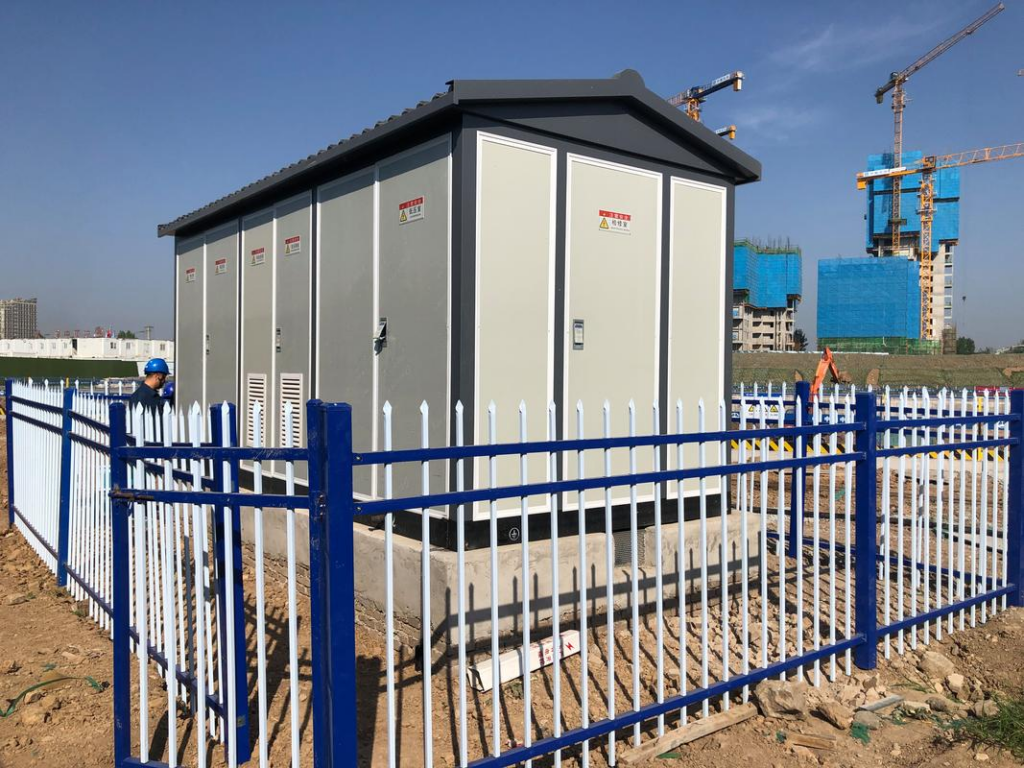
In modern electrical distribution networks, the efficient and reliable distribution of electricity to end-users is crucial. Box transformers (also known as compact substations or distribution transformers) are integral components in the distribution system, designed to step down high-voltage electricity from the transmission network to a lower voltage suitable for end-users, such as homes and businesses. These transformers are housed in robust, often weatherproof enclosures, allowing them to be deployed in a variety of environments, including urban and rural areas.
In this article, we will explore the role of box transformers in distribution networks, their benefits, and how they contribute to efficient power distribution and grid reliability.
What is a Box Transformer?
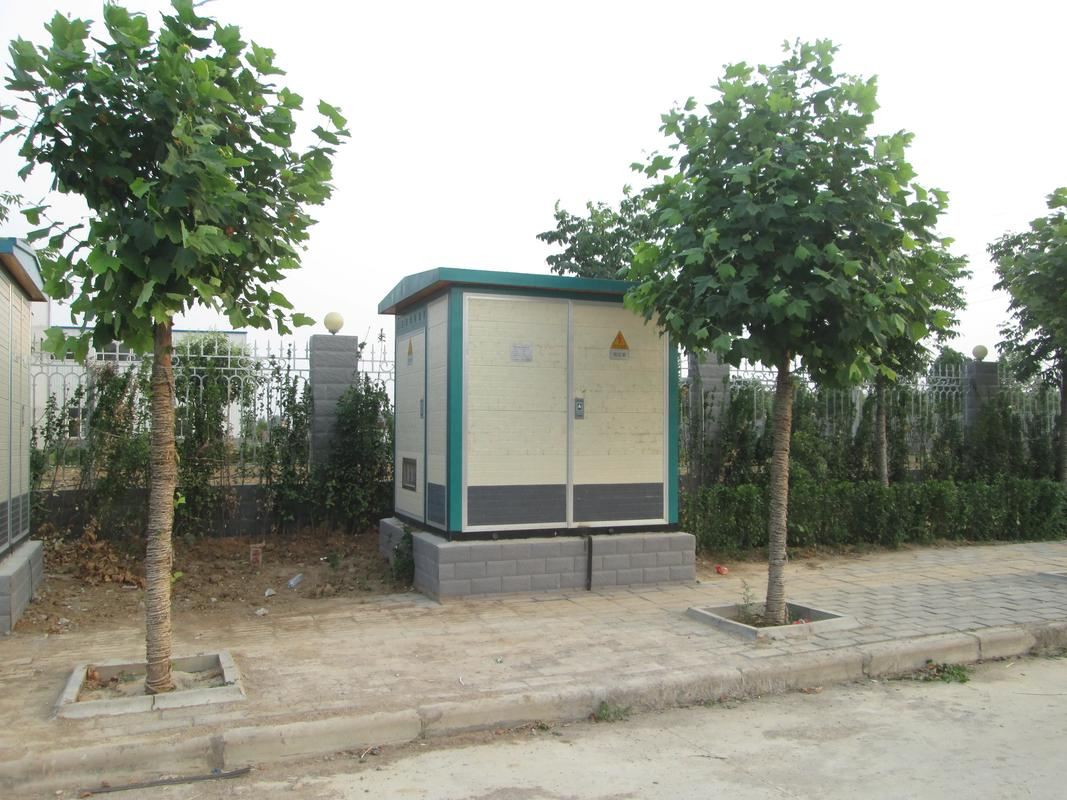
A Box Transformer is a type of electrical transformer that is enclosed in a compact, weatherproof box-like casing, providing a robust and secure solution for electrical power distribution. These transformers are primarily designed for medium to low-voltage applications and are commonly used in industrial, commercial, and residential settings. Their enclosed nature offers protection against environmental elements, ensuring optimal functionality even in challenging outdoor conditions.
The box transformer is often a critical part of electrical distribution networks, where reliable voltage conversion is necessary to supply electricity to various parts of a facility or neighborhood. The enclosure protects sensitive components like windings, bushings, and tap changers, ensuring that these components remain shielded from external weather conditions such as rain, dust, and snow.
In this article, we will explore what a box transformer is, its key features, applications, and how it differs from other types of transformers.
What is a Box Transformer?
A Box Transformer is an electrical transformer that is housed in a solid, often metal, enclosure. This enclosure, resembling a box, provides not only protection against environmental conditions but also enhances safety and reduces maintenance costs. Box transformers are used to step down or step up voltage levels in power distribution systems, particularly in areas where space constraints or harsh conditions necessitate a compact and durable solution.
These transformers come in different designs, with some being sealed to keep moisture, dust, and other pollutants out, while others are ventilated to allow air circulation for cooling. The main purpose of the box transformer is to protect sensitive electrical components from weather-induced damage, while still allowing them to function efficiently and safely.
Key Features of Box Transformers
Compact Enclosure:
The most distinguishing feature of a box transformer is its compact, robust enclosure. This box-like casing is typically made of steel, aluminum, or weather-resistant materials, providing protection against rain, dust, and extreme temperatures. The compact nature of the transformer also allows it to be installed in tight spaces, both indoors and outdoors.Sealed or Ventilated Design:
Some box transformers are designed with a sealed enclosure, which helps prevent the ingress of moisture or contaminants, thereby extending the life of internal components. Others may feature a ventilated design to allow natural air circulation for cooling purposes. The choice between sealed or ventilated designs depends on the application and the environmental conditions where the transformer will be used.Oil or Dry-Type Design:
Box transformers can either be oil-filled or dry-type:- Oil-filled box transformers use transformer oil for cooling and insulation, and they are typically housed in a sealed box to prevent oil leakage.
- Dry-type box transformers are cooled by natural air circulation and do not use oil. These are more common in urban or residential environments where oil leakage poses a safety concern.
Weather Resistance:
Due to their sealed nature, box transformers are designed to be resistant to the elements. They can withstand rain, snow, extreme temperatures, and wind. This makes them suitable for outdoor installations, such as in distribution stations, industrial complexes, and utility substations.Voltage Regulation:
Box transformers often come equipped with tap changers or voltage regulators to adjust the output voltage according to load fluctuations. This feature ensures that the transformer provides a stable and reliable voltage output, which is especially important in environments with variable load demands.Safety Features:
Many box transformers are equipped with safety features, such as overcurrent protection, grounding systems, and lockable enclosures to prevent unauthorized access. These features are essential for ensuring the safety of personnel working near the transformer and reducing the risk of electrical hazards.
Applications of Box Transformers
Box transformers are versatile and can be used in various industries and settings, where reliability, safety, and space efficiency are essential. Here are some of the key applications:
Urban Power Distribution:
Box transformers are ideal for urban power distribution systems, where space is often limited, and outdoor conditions are unpredictable. These transformers are commonly installed in residential areas, commercial buildings, and neighborhood electrical grids to step down high-voltage electricity to safer, usable levels for homes and businesses.Industrial Applications:
In industrial settings, box transformers are used to power machinery, equipment, and lighting systems. They provide the necessary voltage conversion from high-voltage electricity to usable levels, ensuring efficient power distribution within factories and industrial plants.Substations and Distribution Stations:
Box transformers are commonly deployed in distribution substations or transformer stations. They step down the transmission voltage to distribution voltage levels suitable for local electricity grids.Renewable Energy Systems:
In solar power systems or wind farms, box transformers are used to convert and regulate the voltage from solar panels or wind turbines before it is transmitted to the grid. Their ability to operate in harsh outdoor conditions makes them a popular choice for renewable energy installations.Utility Companies:
Utility companies use box transformers for maintaining power distribution networks, particularly in remote areas or locations that experience extreme weather conditions. These transformers are critical in ensuring that electrical systems remain operational even in challenging environments.
Differences Between Box Transformers and Other Types of Transformers
While box transformers are designed for specific applications, they differ from other types of transformers in several key aspects:
Design and Enclosure:
Unlike pad-mounted transformers, which are typically installed on concrete pads and can be exposed to external conditions, box transformers have a sealed and protected enclosure that offers enhanced weather resistance and safety.Cooling System:
Some box transformers are equipped with oil-based cooling systems, while others are dry-type and rely on natural air for cooling. This makes box transformers more versatile than traditional oil-cooled transformers in environments where oil leakage may pose a safety risk.Compactness:
Box transformers are typically more compact and space-efficient than other types of transformers. This makes them suitable for installations in tight or confined spaces, such as urban environments, where traditional transformer designs may not be feasible.
How Do Box Transformers Function in Distribution Networks?
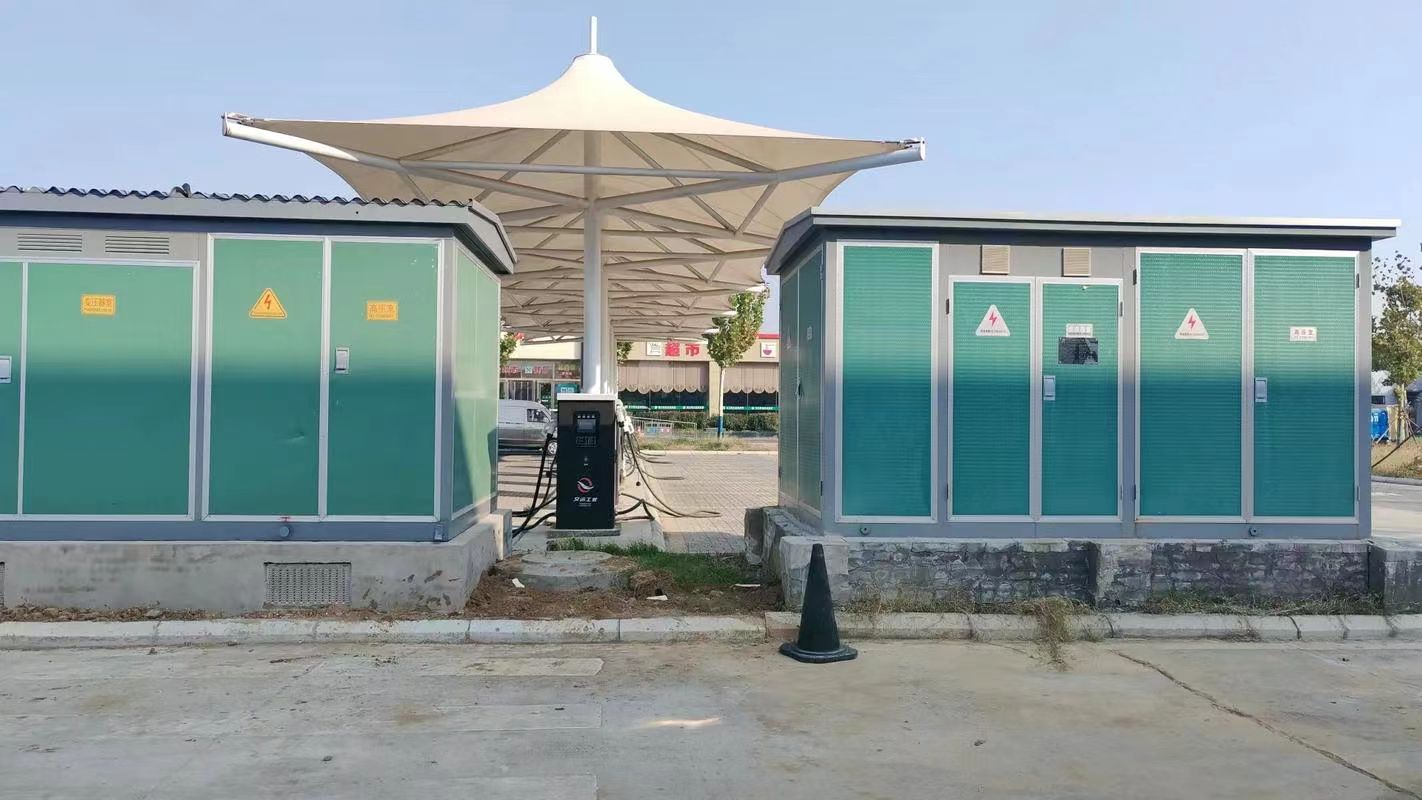
In electrical distribution networks, transformers play a critical role in the efficient and safe delivery of power. Box transformers are widely used in these systems, offering a compact, robust, and weatherproof solution for voltage conversion in urban, industrial, and rural settings. Their main job is to step down high-voltage electricity from the transmission system to lower, usable levels that can be safely delivered to homes, businesses, and industrial facilities.
In this article, we will explore how box transformers function within distribution networks, their operational principles, and the importance of their features in maintaining efficient power distribution.
What is the Role of Box Transformers in Distribution Networks?
A distribution network typically involves the transportation of electricity from the high-voltage transmission lines to local end-users. To make this power safe for consumers, the voltage must first be reduced to levels that household appliances and industrial equipment can handle. Box transformers are crucial in this voltage step-down process. Here's how they function within distribution networks:
Voltage Conversion:
Power from the transmission lines is often at high voltage levels, typically between 110kV and 765kV, to minimize transmission losses over long distances. However, this high voltage cannot be used by homes and businesses directly. Box transformers step this high voltage down to medium or low voltage levels, commonly ranging from 400V to 33kV, depending on the network's requirements.Distribution Points:
Box transformers are often strategically placed at key distribution points in the network, such as neighborhood transformer stations or industrial substations, to reduce the voltage to a level suitable for local distribution grids. These grids then deliver the stepped-down electricity to homes, schools, factories, and commercial establishments.Ensuring Safe Power Delivery:
The transformer’s role in lowering the voltage is crucial for protecting electrical appliances, as delivering high voltage directly to users would result in damage to devices and pose serious safety hazards. By reducing voltage, box transformers make electrical power safe and usable for consumers.
How Do Box Transformers Operate in Distribution Systems?
The core function of box transformers within distribution systems is to convert high voltage to a lower, usable voltage. Here's how the process works:
Step-Down of Voltage:
Box transformers are equipped with primary windings and secondary windings made of copper or aluminum. The high-voltage electrical current enters through the primary windings, where it creates a magnetic field that induces a current in the secondary windings. This process is known as electromagnetic induction and is the fundamental principle of transformer operation.- The primary winding is connected to the high-voltage power line, while the secondary winding is connected to the local distribution grid.
- The number of turns in each winding determines the voltage ratio between the primary and secondary sides. A higher number of turns on the primary winding compared to the secondary reduces the voltage.
Cooling and Safety Mechanisms:
Transformers generate heat during operation due to electrical losses and resistive heating in the windings. To maintain safe operation, box transformers incorporate cooling systems, typically either air-cooled or oil-cooled systems. The oil-filled box transformers use transformer oil for cooling and insulation, while dry-type box transformers rely on air circulation to dissipate heat.- Overload protection and safety features, such as fuses and relays, ensure that the transformer does not exceed safe operating conditions, reducing the risk of faults or damage.
Load Handling:
Distribution networks experience fluctuating loads based on time of day, weather, and seasonal usage patterns. Box transformers are designed to handle these load variations. Many are equipped with tap changers to adjust the voltage output based on real-time demand, providing consistent voltage levels to users.- Automatic Voltage Regulation (AVR) may be integrated to adjust the transformer’s output based on the voltage and load conditions, ensuring steady delivery of electricity.
Power Delivery to the Local Grid:
Once the transformer steps down the voltage to the desired level, the electricity is delivered to the local distribution grid, where it is then routed to homes, businesses, and industries. The grid consists of a network of lower-voltage feeder lines that carry the power to specific areas. This process ensures that the power reaches consumers in a safe and reliable manner.
Importance of Box Transformers in Distribution Networks
Box transformers are indispensable to the efficiency, safety, and reliability of electrical distribution networks. Below are the key reasons why they are so important:
Space Efficiency:
The compact design of box transformers makes them suitable for installation in areas where space is limited, such as in urban environments or substations. This is particularly useful in dense residential neighborhoods where space for larger equipment is scarce.Weatherproof and Durable:
The weatherproof enclosures of box transformers provide protection from environmental factors like rain, snow, and dust. This makes them suitable for both indoor and outdoor installations, ensuring that transformers can continue operating even in harsh weather conditions. The sealed design also protects the internal components from corrosion, which can significantly extend the transformer’s lifespan.Safe Power Distribution:
By stepping down high-voltage electricity to safe levels, box transformers ensure that electrical power is suitable for residential and industrial use. Without this vital conversion process, electrical devices would be at risk of damage or failure due to excessive voltage.Cost-Effectiveness:
Box transformers are often cost-effective compared to other transformer types due to their ability to be installed in more compact spaces, reducing the need for expansive substations. The durable, sealed design also minimizes maintenance costs by preventing environmental damage.Improved Grid Stability:
The integration of automatic tap changers and voltage regulators helps maintain grid stability by adapting to changes in load demand. This ensures that users experience consistent and reliable power delivery without voltage fluctuations.
Applications of Box Transformers in Distribution Networks
Box transformers are used in various distribution networks and applications. Some key areas where they are implemented include:
Urban Residential Areas:
Box transformers are often deployed in residential neighborhoods to step down high-voltage electricity from the main transmission lines, making it safe for household use. Their compact design allows for easy integration into urban settings where space is at a premium.Industrial Sites and Commercial Buildings:
In industrial and commercial sectors, box transformers are used to supply reliable and consistent power to machinery, HVAC systems, and other electrical loads. These areas often require transformers capable of handling higher loads, and box transformers fit these needs due to their durability and scalability.Renewable Energy Systems:
Box transformers are also found in solar power and wind energy installations, where they step down the voltage generated by renewable sources for integration into the electrical grid.Utility Substations:
In utility substations, box transformers serve as essential components that step down the transmission voltage to distribution-level voltage, ensuring that electricity is safely and reliably transmitted to local grids.
What Are the Advantages of Using Box Transformers?
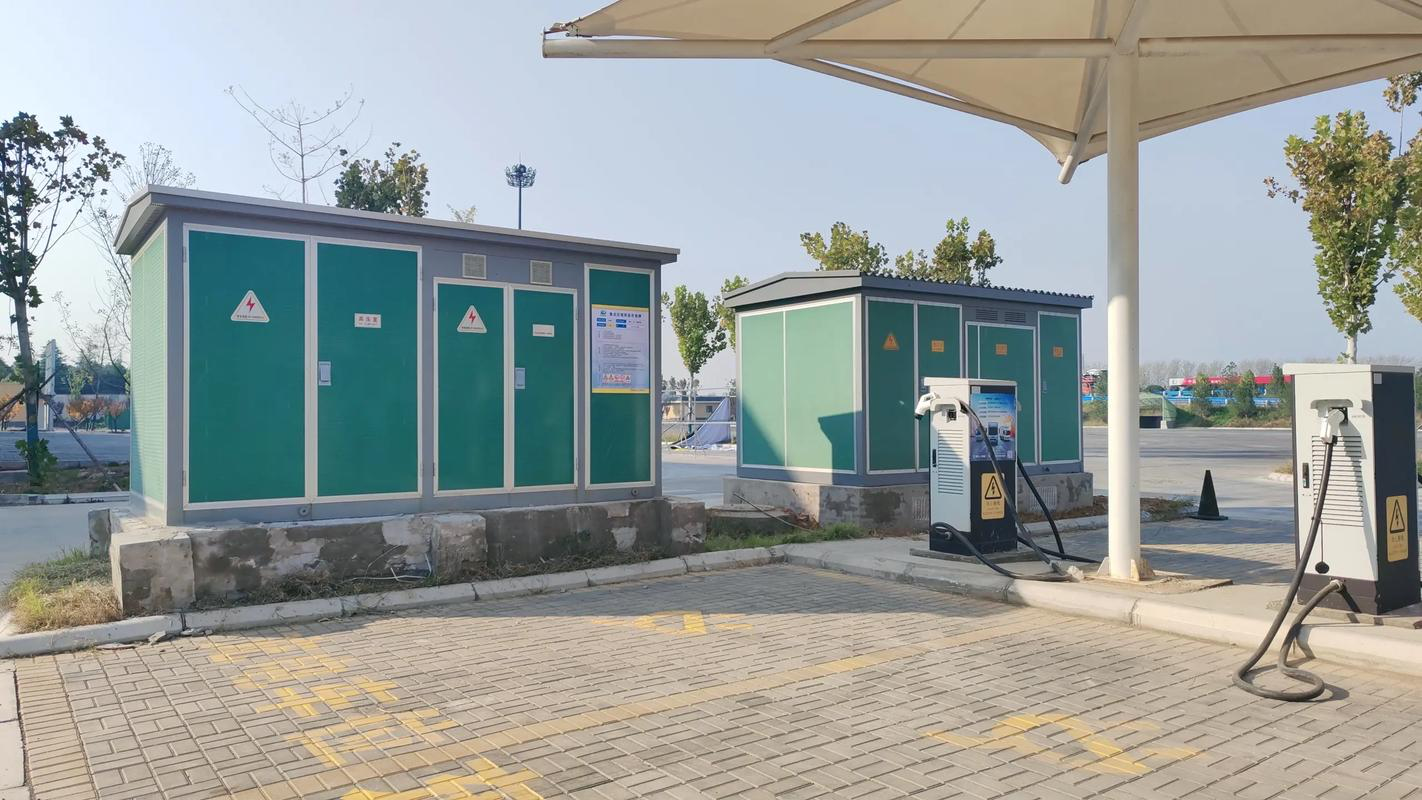
In the ever-evolving landscape of power distribution, box transformers have emerged as an essential component of electrical infrastructure. These transformers are designed to convert high-voltage electricity from transmission lines into safe, usable voltage levels for local distribution to homes, businesses, and industries. As the need for efficient and reliable power delivery grows, box transformers offer several advantages that make them ideal for urban, industrial, and rural power systems.
This article will explore the key advantages of using box transformers, highlighting their role in improving electrical distribution networks and their specific benefits in various applications.
Why Are Box Transformers Beneficial for Power Distribution?
Box transformers are widely favored in distribution systems due to their versatility, efficiency, and reliability. Below are the primary advantages they offer:
1. Compact and Space-Efficient Design
One of the most significant advantages of box transformers is their compact design. Unlike traditional transformers that require large spaces for installation, box transformers are designed to be small and self-contained, making them ideal for areas where space is limited.
- Urban Installations: In densely populated urban areas, available land for electrical infrastructure is often scarce. Box transformers’ small footprint allows them to be easily installed in residential neighborhoods or industrial zones without taking up much real estate.
- Substation Space Savings: Box transformers can fit into existing substations or smaller sites where larger transformers would be impractical, offering space savings and reducing the need for extensive infrastructure upgrades.
This compactness helps save both space and costs, making them ideal for locations where installation area is restricted or where minimal disruption is desired.
2. Weatherproof and Durable
Box transformers are built with weatherproof enclosures, making them well-suited for outdoor installations. These enclosures are designed to protect the transformer from various environmental elements such as rain, snow, dust, and extreme temperatures.
- Protection from Environmental Conditions: The sealed design ensures that the internal components of the transformer, including windings and insulation materials, remain protected from moisture and contaminants, significantly extending their lifespan.
- Reduced Maintenance Needs: With the transformer housed in a robust casing, there is a lower risk of environmental damage. This contributes to reduced maintenance costs and increased reliability, especially in areas prone to harsh weather.
For both urban and rural settings, box transformers can continue to function reliably despite challenging environmental conditions.
3. Enhanced Safety Features
Box transformers incorporate several built-in safety mechanisms to ensure their safe operation. These features not only protect the transformer from overloads and faults but also help safeguard the surrounding infrastructure and users.
- Overload Protection: Box transformers are equipped with fuses, circuit breakers, and relays to protect against overloads, preventing potential failures and fire hazards caused by excessive current.
- Automatic Tap Changing: Many box transformers come with automatic tap changers to adjust the voltage output based on real-time load conditions. This ensures that users receive a stable voltage without risk of overload.
- Thermal Protection: Box transformers feature over-temperature protection systems to monitor and control the temperature of the transformer, ensuring it operates within safe limits and reducing the risk of overheating.
These safety measures help maintain the transformer’s integrity, protect the grid, and enhance the safety of end-users.
4. Low Installation and Operational Costs
Compared to other types of transformers, box transformers offer significant cost benefits in both installation and operation. Their compact design and robust enclosure reduce the overall installation cost, as they do not require extensive foundations or complex external structures.
- Installation: Due to their smaller size and simplified design, box transformers can be easily installed in both residential and commercial areas without the need for large, expensive installations.
- Maintenance Costs: With fewer parts exposed to the elements and an overall sealed construction, box transformers typically require less frequent maintenance. This helps lower operational costs over the lifespan of the equipment.
Box transformers are therefore not only cost-effective to install but also offer long-term savings in terms of maintenance and repairs.
5. Versatility and Wide Application
Box transformers are incredibly versatile and can be applied across various sectors, including residential, industrial, and commercial settings. Their ability to provide reliable power distribution in different environments makes them indispensable for a wide range of applications.
- Urban Power Systems: Box transformers are commonly used in cities and towns to step down high-voltage electricity to a level suitable for household and business consumption.
- Industrial Sites: In industrial plants, box transformers are used to step down voltage for machinery, power systems, and equipment, ensuring that operations run smoothly and safely.
- Renewable Energy Integration: Box transformers are also used in solar and wind energy systems, where they step down voltage from renewable energy generation units to levels that can be safely integrated into the power grid.
This adaptability makes box transformers essential components in the efficient distribution of electricity to various user segments.
6. Improved Grid Stability and Efficiency
Box transformers enhance the overall performance and stability of the distribution grid by ensuring that voltage is maintained within safe operational limits. By integrating automatic voltage regulation (AVR) systems, these transformers can respond dynamically to changes in load demand, ensuring that voltage fluctuations are minimized.
- Voltage Regulation: As the load on the distribution system changes (e.g., due to increased demand during peak hours), box transformers can adjust their output to maintain consistent voltage levels, which helps in avoiding power quality issues like brownouts or voltage spikes.
- Energy Efficiency: Box transformers are designed to minimize energy losses by optimizing the step-down voltage conversion process, improving the efficiency of the entire power distribution network.
These features help ensure steady power supply and contribute to the overall stability of the electrical grid, improving the quality of service for end-users.
7. Flexible Power Distribution
Box transformers also allow for greater flexibility in how power is distributed. They can be used to create localized power distribution systems, especially in areas where centralized substations may not be practical.
- Decentralized Distribution: Box transformers can be deployed closer to end-users, reducing the distance electricity needs to travel, which helps minimize transmission losses.
- Load Balancing: In cases where grid load balancing is required, box transformers can be strategically placed in different parts of the distribution network to help manage load distribution, ensuring that certain areas do not experience excessive power surges or outages.
This flexible power distribution is particularly valuable for large industrial parks or isolated communities where the central distribution system may not always meet power needs efficiently.
How Do Box Transformers Contribute to Grid Stability?
Box transformers play a critical role in ensuring the stability and efficiency of the power grid. These compact, self-contained transformers step down high-voltage electricity from transmission lines to the appropriate levels for distribution to homes, businesses, and industries. They are an essential part of power distribution networks, particularly in urban, rural, and industrial settings where maintaining a stable power supply is paramount.
This article will explore how box transformers contribute to grid stability, and how their design and functionality help enhance the overall reliability of the electrical distribution system.
How Do Box Transformers Help Maintain Grid Stability?
Box transformers offer several key advantages that ensure a stable, reliable, and efficient power grid. They play an instrumental role in voltage regulation, fault isolation, load distribution, and reliability enhancement.
1. Voltage Regulation and Load Balancing
One of the primary ways in which box transformers contribute to grid stability is through their ability to regulate voltage levels and manage fluctuating load demands.
Voltage Stabilization: Box transformers are equipped with built-in features like automatic tap changers (ATC), which allow them to adjust voltage levels in real time. By dynamically modifying the output voltage based on load conditions, box transformers ensure that the power supplied to customers remains within optimal levels, preventing issues such as over-voltage or under-voltage.
Load Demand Management: During periods of high demand, such as during peak hours, box transformers adjust the voltage and help ensure that the distribution grid does not experience voltage sag or spikes. This is crucial for maintaining consistent power delivery across the network and avoiding potential disruptions to industrial and commercial operations.
Minimizing Transmission Losses: By stepping down voltage closer to the point of consumption, box transformers help reduce the amount of power loss that typically occurs during transmission over long distances. This is especially important for maintaining grid stability, as reducing losses enhances the efficiency of the entire electrical system.
2. Enhanced Fault Isolation
Box transformers are designed to function efficiently even during fault conditions. They contribute significantly to maintaining grid stability by isolating faults and preventing them from affecting the broader distribution network.
Built-In Protection Mechanisms: Box transformers are equipped with various protection mechanisms, such as circuit breakers, fuses, and relays, that isolate faults from the rest of the grid. In the event of a short circuit or overload, the transformer can automatically disconnect the affected circuit, preventing a complete system outage and allowing the rest of the grid to continue functioning smoothly.
Preventing Cascading Failures: By containing and isolating faults within localized sections of the grid, box transformers help to prevent cascading failures, where a fault in one part of the network leads to widespread outages. This is particularly important in preventing blackouts in urban or industrial areas where power demand is high and the loss of electricity can have serious consequences.
3. Supporting Decentralized Power Distribution
In modern power distribution systems, grid stability often relies on a more decentralized approach to electricity delivery. Box transformers are instrumental in enabling this model by facilitating the creation of smaller, more localized distribution networks.
Reduced Transmission Distance: Box transformers are often placed closer to end-users, minimizing the distance that electricity needs to travel before reaching consumers. This reduces the possibility of voltage fluctuations and power losses that can occur in long-distance transmission systems, improving the overall efficiency of the grid.
Local Load Balancing: By strategically placing box transformers in different parts of a grid, utilities can better balance the load across the network. This local load balancing ensures that no single part of the grid is overwhelmed, thus improving the overall performance of the entire system.
Integration with Renewable Energy: In distributed energy systems, box transformers are often used to step down voltage from renewable energy sources, such as solar panels or wind turbines, before it is integrated into the grid. This ensures that electricity from renewable sources can be efficiently and safely added to the grid, enhancing both its sustainability and stability.
4. Enhancing Reliability and Reducing Outages
Box transformers help maintain grid stability by increasing the reliability of the entire power system. Their sealed construction and weatherproof design allow them to perform optimally even in harsh environments, reducing the risk of transformer failure and enhancing the resilience of the grid.
Reduced Downtime: Box transformers are less prone to environmental damage, such as moisture infiltration, dust, or corrosion, which can impair the function of other types of transformers. This ensures that the power distribution system remains operational with minimal interruptions, even in challenging weather conditions.
Predictive Maintenance: With the advent of intelligent monitoring systems, box transformers can be equipped with sensors to continuously monitor their health and predict potential failures before they occur. This proactive approach to maintenance helps utilities address issues before they result in major faults or outages, further enhancing the reliability and stability of the grid.
5. Supporting Smart Grid Systems
Box transformers play an important role in the development of smart grids, which are designed to enhance the intelligence and flexibility of power distribution systems. These transformers can integrate with advanced grid management technologies to improve grid monitoring, control, and optimization.
Real-Time Data Transmission: Box transformers equipped with smart sensors and communication devices allow for real-time transmission of data about voltage levels, load demand, and other operational parameters. This data-driven approach helps grid operators monitor system performance continuously, improving the decision-making process and ensuring grid stability.
Demand Response: Box transformers are critical in implementing demand response programs, which help balance supply and demand across the grid. By using advanced communication technologies, utilities can adjust the operation of transformers based on real-time grid conditions, preventing overloading and improving power quality.
6. Flexible Integration with Distributed Energy Resources (DERs)
As more renewable energy sources are integrated into the power grid, box transformers play a key role in maintaining stability by managing the unique characteristics of Distributed Energy Resources (DERs).
Voltage Regulation for DERs: Box transformers can help regulate the voltage output from solar panels, wind turbines, and other renewable sources before they are fed into the grid. This ensures that the energy from these sources is compatible with the existing grid infrastructure, preventing damage to both the DERs and the grid itself.
Grid Stability with Variable Power Sources: Renewable energy sources like wind and solar can fluctuate based on weather conditions, which can lead to voltage instability if not properly managed. Box transformers, when integrated with smart grid systems, can help mitigate these fluctuations and contribute to overall grid stability by ensuring that the voltage levels remain within the required thresholds.
What Are the Common Applications of Box Transformers in Distribution Networks?

Box transformers are pivotal in modern distribution networks due to their versatility, compact design, and ability to handle various electrical loads efficiently. They are commonly used in numerous applications within urban, industrial, and residential power distribution systems. This article will explore the key applications of box transformers, showcasing their role in different environments and their contribution to reliable, efficient power delivery.
1. Urban Power Distribution Systems
Box transformers are widely used in urban power distribution networks to step down high-voltage electricity from the transmission lines to usable levels for homes, businesses, and industries. Their compact, weatherproof design makes them ideal for installation in dense urban environments where space is limited.
Space Efficiency: In urban settings, space for electrical infrastructure can be scarce. Box transformers offer a compact design that allows them to fit into smaller spaces, such as city streets or commercial properties, without compromising their performance.
Enhanced Safety: Box transformers are often installed in substations or near residential complexes, where safety is a priority. Their sealed and robust construction ensures the transformers are protected from environmental factors like moisture, dust, and vandalism, offering increased safety compared to traditional open transformers.
Voltage Regulation in Dense Areas: In high-demand urban areas, box transformers provide voltage stabilization, ensuring that power is supplied at the correct voltage for sensitive electronic equipment in homes and businesses. This helps to avoid voltage fluctuations, which can damage appliances and disrupt daily operations.
2. Industrial Power Supply
Box transformers are an essential component of industrial power supply systems. Industries require large amounts of power, often at different voltage levels for various machinery, processes, and operations. Box transformers can efficiently step down voltage levels to meet the specific requirements of manufacturing plants, factories, and production facilities.
High Power Handling: Box transformers can be designed to handle higher capacities required by industrial operations. Their ability to provide reliable voltage regulation is crucial to ensure that large industrial equipment operates without interruptions or damage due to electrical supply issues.
Localized Power Distribution: In factories and large facilities, box transformers can be strategically placed near heavy machinery or production lines, ensuring a steady and uninterrupted power supply to critical equipment. This improves the efficiency and reliability of industrial operations by minimizing the risk of downtime due to power disruptions.
Energy Efficiency: Box transformers in industrial settings help reduce transmission losses, as they step down high-voltage power closer to the point of use. This results in more efficient energy use and reduced operational costs.
3. Residential Power Distribution
Box transformers are often used in residential power distribution networks to supply electricity to homes and small communities. These transformers step down the voltage from the high-voltage transmission lines to the standard residential voltage, typically 120V or 240V.
Safety and Reliability: The enclosed nature of box transformers ensures that they are safe for residential areas, protecting the equipment and surrounding environment from potential hazards such as electrical faults or environmental damage. By preventing short circuits or power surges, box transformers help ensure that household electrical systems operate safely and efficiently.
Low Maintenance Requirements: Residential transformers typically need minimal maintenance due to the sealed, durable design of box transformers. This makes them an ideal choice for residential areas where frequent maintenance is not practical, allowing for continuous service without regular interventions.
Aesthetic Considerations: In residential communities, box transformers' compact size and aesthetic design allow them to blend seamlessly into the landscape, avoiding disruption to the neighborhood's appearance.
4. Remote and Rural Power Distribution
Box transformers are also commonly used in remote or rural areas where conventional substation setups may not be feasible due to distance or lack of infrastructure. These compact transformers provide a reliable solution for distributing electricity to areas that are geographically isolated or have fewer power distribution resources.
Decentralized Power Distribution: Box transformers in rural areas can be installed near off-grid or isolated communities to supply local power without the need for extensive transmission lines. This decentralized approach improves the reliability of the grid and reduces the risk of power loss due to long-distance transmission.
Cost-Effective Solution: In remote locations where building large substations would be costly, box transformers offer a cost-effective alternative by providing localized power distribution in a smaller, more efficient package. This reduces installation and maintenance costs.
Supporting Renewable Energy Integration: In rural or off-grid locations, box transformers are also used to integrate renewable energy sources, such as solar panels or wind turbines, into the local power distribution network. They ensure that power generated from renewable sources is efficiently stepped down to usable levels and safely fed into the grid.
5. Integration with Renewable Energy Systems
Box transformers are becoming increasingly important in the integration of renewable energy sources into the power grid, especially for solar and wind energy. These transformers help step down the high voltage generated by renewable sources to a level that is compatible with the grid, ensuring efficient and safe integration.
Renewable Energy Substations: Box transformers are often used in solar and wind energy substations to convert the energy generated by these sources into usable electricity. By efficiently stepping down the voltage, they enable the integration of renewable power into the distribution network, contributing to sustainability and reducing reliance on non-renewable energy sources.
Grid Stability and Voltage Regulation: Box transformers help maintain grid stability when integrating renewable energy, which can often be variable depending on weather conditions. By regulating voltage and managing fluctuations in power output, they ensure that the grid remains stable and reliable, even with intermittent renewable power.
Energy Storage Integration: In some cases, box transformers are used in combination with battery storage systems to smooth out power supply from renewable sources. The transformers manage the flow of electricity to and from the storage systems, ensuring efficient power delivery when needed.
6. Commercial and Retail Installations
For commercial and retail installations, box transformers are used to supply power to shopping malls, office buildings, hotels, and other large facilities. These installations typically require stable and reliable power to operate lighting, HVAC systems, elevators, and other essential services.
Voltage Step-Down for Commercial Operations: Commercial properties often need different voltage levels for various equipment. Box transformers ensure that the right voltage is provided, supporting the proper operation of both high-voltage equipment and low-voltage systems.
Cost-Efficient Power Management: By reducing energy losses and ensuring stable voltage, box transformers help commercial entities save on energy costs. This is especially important in large buildings with high energy consumption.
Space-Saving Solution: For commercial buildings with limited space, box transformers offer a compact, integrated solution for electrical distribution. Their space-efficient design is particularly advantageous in dense urban environments where large electrical equipment would be impractical.
7. Mining and Oil & Gas Operations
Box transformers also find applications in mining, oil, and gas operations, where robust power distribution is required to support heavy machinery, lighting systems, and equipment in harsh environments.
Power for Mining Equipment: Box transformers are crucial in ensuring that mining operations run smoothly by providing reliable electrical power to heavy mining equipment and machinery. The transformers step down high-voltage power to suitable levels for machinery operation.
Harsh Environmental Conditions: In remote and rugged environments like oilfields or mines, box transformers are designed to withstand harsh conditions such as extreme temperatures, dust, and moisture. Their sealed and durable design helps them function reliably in such conditions.
Efficient Power Distribution: By providing localized power distribution and stepping down voltage closer to the equipment, box transformers improve the overall energy efficiency and reliability of operations in mining and oil/gas industries.
How Are Box Transformers Designed for Durability and Safety?
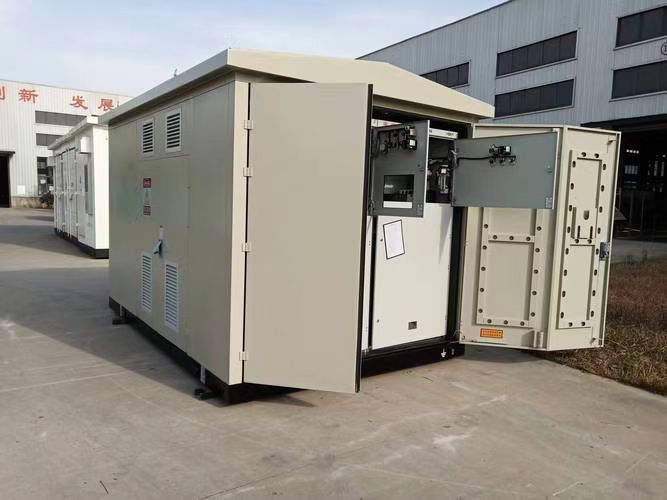
Box transformers are integral to modern power distribution systems, offering a compact and efficient solution for stepping down high voltage to lower, usable levels. However, ensuring their durability and safety is of utmost importance, as these devices often work in demanding environments and face potential risks like temperature fluctuations, moisture, and physical impacts. This article will delve into the key design elements that contribute to the durability and safety of box transformers, ensuring that they perform reliably for years.
1. Robust Enclosure for Physical Protection
One of the primary factors that ensure the durability of box transformers is their enclosure design. Box transformers are typically housed in strong, weather-resistant casings made of materials like steel, aluminum, or corrosion-resistant alloys. This enclosure protects the transformer from external physical damage, such as impacts, vibrations, and environmental hazards, while also maintaining the integrity of the internal components.
Material Selection: The casing is often made from high-strength steel that provides protection against both physical and environmental stressors. Steel is resistant to impacts, ensuring that the transformer remains intact even in the event of accidental collisions or rough handling during installation.
Corrosion Resistance: The exterior casing is typically coated with a corrosion-resistant finish to withstand exposure to moisture, chemicals, and extreme weather conditions. This helps to prevent rusting or deterioration that could impair the transformer's performance or shorten its lifespan.
Weatherproof Design: Box transformers are built to withstand outdoor environments, so they are designed to be waterproof and dustproof. The enclosures typically comply with IP (Ingress Protection) standards, ensuring that no moisture or contaminants can penetrate the box and damage the internal components.
2. Insulation for Safe Operation
Insulation plays a critical role in ensuring both safety and performance in box transformers. Proper insulation prevents short circuits, electrical failures, and other issues that can lead to transformer malfunctions or hazards.
High-Quality Insulating Materials: Box transformers use premium insulating materials like polyester resin, epoxy resin, and oil-filled systems to ensure electrical isolation and heat resistance. These materials help to maintain the voltage separation between the windings and the core, protecting the transformer from electrical faults and reducing the risk of hazardous arcing or overheating.
Dielectric Strength: Insulating materials within the transformer are chosen for their dielectric strength, which is the ability to withstand high voltages without breaking down. This allows box transformers to operate at high-efficiency levels while preventing electrical breakdowns and minimizing safety risks.
3. Heat Dissipation and Ventilation
Heat management is critical in transformer design because excessive temperature can degrade insulation materials and compromise the reliability of the system. Box transformers are designed with built-in mechanisms to dissipate heat effectively, ensuring the transformer operates within safe temperature ranges.
Ventilation Design: Many box transformers are equipped with ventilation grills or cooling fins that allow air to circulate inside the enclosure. This airflow helps to dissipate heat generated by the transformer’s operation, preventing the temperature from rising to dangerous levels.
Oil Cooling Systems: For higher-power transformers, oil cooling may be employed, where the transformer oil absorbs heat generated by the core and windings, transferring it to the external environment via natural or forced convection.
Temperature Monitoring: Some modern box transformers come equipped with temperature sensors that monitor internal temperatures and allow for remote monitoring. These sensors can trigger alarms or shutdowns in case of overheating, providing an additional safety layer.
4. Safety Mechanisms Against Faults
Box transformers are also equipped with various safety features designed to prevent and mitigate the effects of electrical faults or abnormal conditions, ensuring that the transformer remains operational and safe.
Pressure Relief Valves: For oil-filled transformers, pressure relief valves are included to release pressure build-up caused by internal faults or extreme temperature changes. This prevents the transformer from becoming over-pressurized, which could lead to oil leaks or transformer rupture.
Overcurrent Protection: Transformers are equipped with fuses or circuit breakers to protect the unit from overload conditions. These devices automatically disconnect the transformer from the power supply if excessive current is detected, thus avoiding damage to the transformer’s internal components.
Grounding and Short-Circuit Protection: Proper grounding systems and short-circuit protection features help prevent dangerous situations, ensuring that any electrical faults are safely directed to the ground, reducing the risk of fire or electrocution.
Temperature-Activated Shutoffs: Box transformers often have automatic shutoff mechanisms that are triggered if the transformer detects an unsafe temperature. This feature helps to prevent thermal damage and keeps the transformer from failing due to overheating.
5. Compact and Modular Design
The compactness and modular design of box transformers also contribute to their overall durability. Their design allows for easy installation and integration into various environments, including urban areas, industrial sites, and remote locations.
Space-Efficient: Box transformers are designed to be smaller and more compact than traditional outdoor transformers. This reduces the space needed for installation and enables them to fit into tighter locations without compromising their safety and performance.
Modular Configuration: Many box transformers are modular in nature, meaning they can be easily expanded or modified to meet specific power needs. This modular approach ensures that the transformers can adapt to different power requirements over time, extending their service life and maintaining safety.
6. Sealed and Waterproof Features
A crucial design element for enhancing safety and durability in box transformers is the sealed construction. This ensures that the internal components are protected from external factors such as water, dust, and contaminants.
Waterproof Seals: Box transformers are designed with gasketed seals around doors and joints to prevent water ingress, especially in outdoor or semi-exposed installations. This design prevents moisture from reaching sensitive electrical components and causing potential short circuits or damage.
Dustproof Design: The sealed construction also keeps dust and dirt away from the internal parts of the transformer, ensuring that these contaminants do not accumulate and interfere with the transformer's operations.
7. Compliance with Safety Standards
Box transformers are designed to comply with international safety standards, ensuring that they meet or exceed industry benchmarks for durability, safety, and performance.
IEC Standards: Box transformers are often designed to adhere to international standards such as those set by the International Electrotechnical Commission (IEC). These standards include rigorous testing and certification processes for transformers to guarantee that they are safe for use in various environments.
ANSI Standards: In regions like North America, box transformers are designed to meet ANSI (American National Standards Institute) safety standards, which ensure that they are built to withstand local environmental conditions and operational requirements.
Conclusion
Box transformers play a crucial role in the power distribution network by transforming high-voltage electricity from the transmission lines into low-voltage electricity that can be safely used by homes, businesses, and industries. Their compact and weather-resistant design allows them to be installed in a wide range of environments, including densely populated urban areas or remote rural locations.
One of the main advantages of box transformers is their space efficiency and ease of installation. The protective housing ensures the transformer remains safe from environmental elements and accidental damage. They also contribute significantly to grid stability by providing voltage regulation and balancing loads across the network, which is vital for preventing outages and maintaining consistent service.
Box transformers are essential for modern smart grid systems and the distribution of electricity in both urban and industrial settings, offering increased reliability and safety. By understanding their role and design, engineers and operators can ensure that the transformers are deployed and maintained effectively, ensuring optimal performance across the electrical grid.
FAQ
Q1: What is a box transformer and how does it function in distribution networks?
A1: A box transformer is a compact, enclosed transformer used in electrical distribution networks to step down high voltage from transmission lines to lower, usable levels for residential or commercial use. It provides safety, space efficiency, and protects electrical components from environmental factors.
Q2: How do box transformers improve power distribution efficiency?
A2: Box transformers improve power distribution efficiency by reducing the voltage to safe, usable levels for end consumers. They ensure that electrical power is transmitted with minimal loss, maintaining voltage stability and improving the overall performance of the distribution network.
Q3: What are the main benefits of using box transformers in distribution systems?
A3: The main benefits of box transformers include space efficiency, enhanced safety, ease of installation, and protection of transformer components from external environmental conditions. They are also cost-effective, require less maintenance, and can be located closer to residential or commercial areas.
Q4: Where are box transformers typically located in distribution networks?
A4: Box transformers are typically located in urban or suburban areas, near commercial and residential buildings, or underground in vaults. Their compact design allows them to be placed in areas with limited space, providing a reliable power supply to local communities or businesses.
Q5: How do box transformers contribute to electrical safety in distribution networks?
A5: Box transformers enhance electrical safety by securely containing transformer components in a weatherproof enclosure, protecting them from the elements, physical damage, and unauthorized access. This minimizes the risk of electrical hazards and ensures reliable and safe power distribution.
References
"Role of Box Transformers in Electrical Distribution Systems" - https://www.energycentral.com/c/ee/box-transformers-distribution-networks - Energy Central
"How Box Transformers Improve Power Distribution" - https://www.transformertech.com/box-transformers - Transformer Tech
"The Function and Benefits of Box Transformers" - https://www.electrical4u.com/box-transformer-functions - Electrical4U
"Box Transformers: Compact Solutions for Power Distribution" - https://www.powergrid.com/box-transformer-benefits - PowerGrid
"Box Transformers and Their Role in Urban Power Distribution" - https://www.sciencedirect.com/topics/engineering/box-transformers - ScienceDirect
"Electrical Safety and Box Transformers in Distribution Systems" - https://www.reliabilityweb.com/articles/entry/safety-box-transformers - Reliability Web
"Understanding Distribution Transformers and Box Models" - https://www.powermag.com/distribution-transformers-box-models - Power Magazine
"Key Benefits of Box Transformers in Smart Distribution Grids" - https://www.smartgridnews.com/box-transformers-smart-grids - Smart Grid News