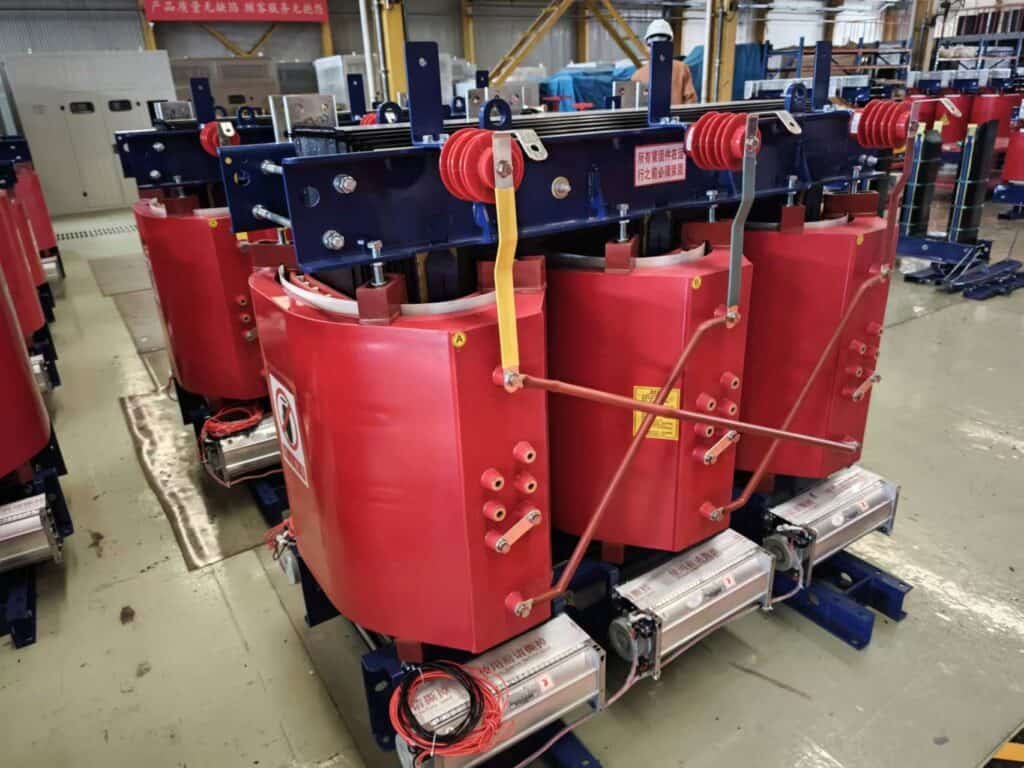
Regular maintenance is essential for ensuring the safe, efficient, and long-lasting operation of dry-type transformers. Although these transformers require less maintenance compared to oil-immersed units, they still need periodic inspections, cleaning, testing, and monitoring to prevent failures, minimize downtime, and maintain performance. Understanding the specific routine maintenance tasks helps facility managers, engineers, and operators implement effective maintenance strategies that protect equipment and extend service life.
What Visual Inspections Should Be Performed Regularly?
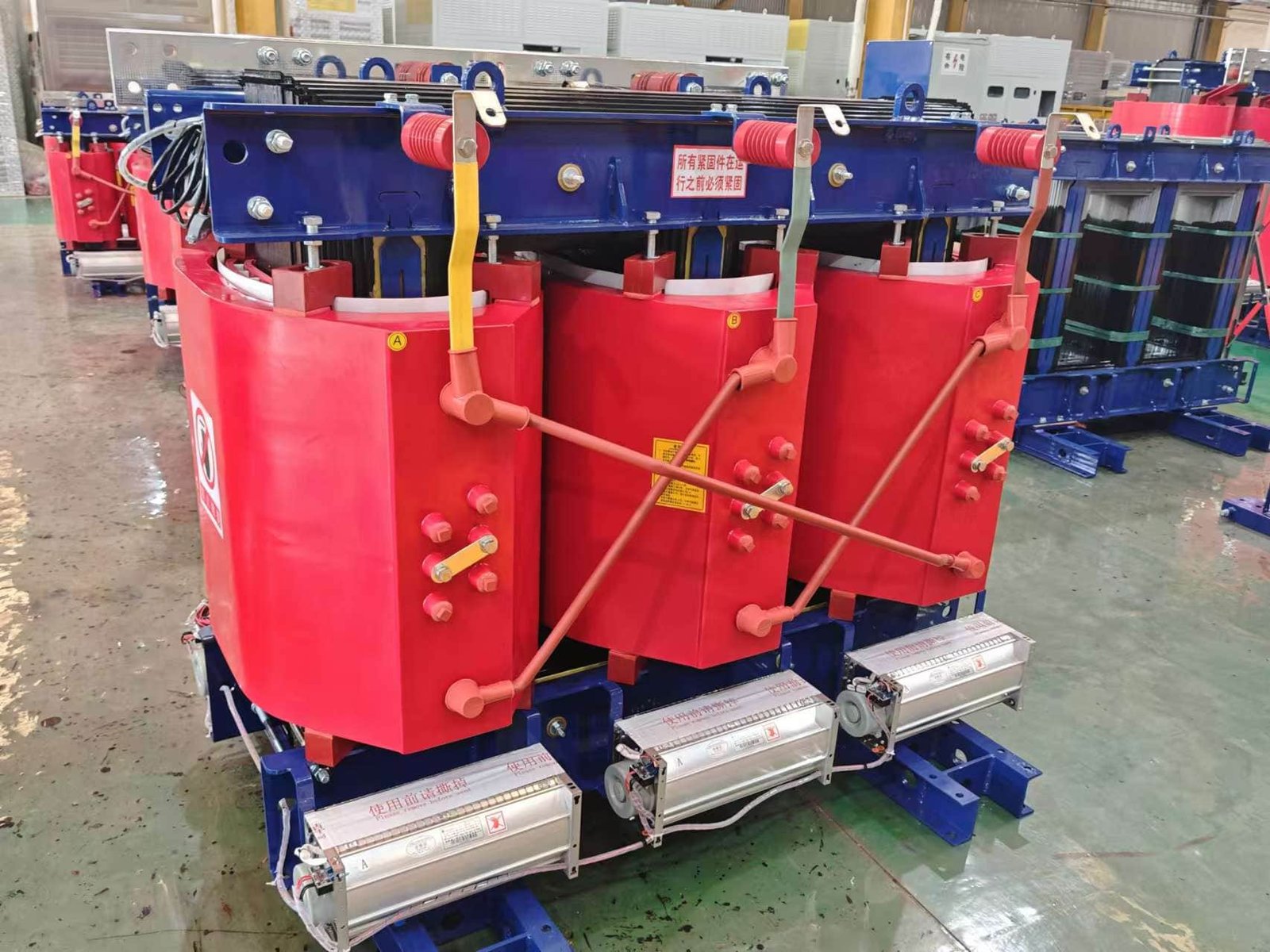
Routine visual inspections are the first and most accessible line of defense in transformer health monitoring. While advanced diagnostics like DGA, partial discharge testing, and thermal imaging provide deeper insights, many early warning signs of deterioration can be detected simply by looking for physical abnormalities. Consistent visual assessments help prevent minor issues from escalating into costly failures, unplanned outages, or safety hazards.
Regular visual inspections reveal early symptoms of aging, contamination, overheating, or mechanical stress—allowing operators to take corrective action before reliability is compromised.
These observations form the foundation of preventive maintenance and improve both operational stability and asset longevity.
Visual inspections alone are enough to ensure long-term transformer health.False
They are essential but must be combined with electrical, thermal, and chemical diagnostics for full accuracy.
Most critical failure symptoms can be detected visually before internal faults develop.True
Overheating, oil leakage, corrosion, insulation deterioration, and loose connections often show visible signs early.
Inspecting Bushings for Cracks, Contamination, and Discharge Marks
Bushings are among the most vulnerable components of both dry-type and oil-immersed transformers. Regular inspection should focus on:
- Surface cracks or hairline fractures indicating dielectric stress
- Chalky residues, moisture, or surface contamination that increase leakage current
- Oil seepage around gaskets or terminals
- Discoloration or carbonized spots from partial discharge activity
- Corrosion of metal flanges or terminals
Bushing failures can escalate quickly, making their condition a top priority during every inspection round.
Checking for Oil Leaks and Changes in Oil Condition (Oil-Immersed Units)
For oil-immersed transformers, oil condition is directly linked to insulation health and cooling performance. Visual checks should include:
- Leaks around radiators, flanges, valves, and gaskets
- Oil level in the conservator tank relative to temperature
- Cloudiness or darkening visible through the sight glass
- Moisture condensation inside the breather or silica gel saturation
- Weeping around weld seams or bolted joints
Even small leaks can degrade dielectric strength or create fire hazards over time.
Examining Cooling Systems for Blockage, Corrosion, and Abnormal Operation
Cooling systems are critical for preventing thermal stress. Regular inspections should focus on:
- Fan or pump condition (noise, vibration, cleanliness)
- Radiator fins for dust, mud, or vegetation obstruction
- Corrosion on radiators or pipe connections
- Airflow blockages in dry-type units
- Signs of overheating, such as paint discoloration or hot spots
Any cooling impairment directly affects winding temperatures and insulation aging.
Inspecting Terminal Connections and Hardware Integrity
Loose, corroded, or overheated connections are common sources of failures. Visual checks should cover:
- Signs of arcing or burnt marks
- Loose bolts, terminal screws, and clamps
- Oxidation or discoloration on conductors
- Cable insulation cracking or brittleness
- Grounding conductor integrity and corrosion
A single loose connection can lead to severe temperature rise or catastrophic fault.
Evaluating the Condition of Enclosures and External Structures
The physical housing of the transformer protects critical components. Inspections should review:
- Paint or coating deterioration (rust, blistering, peeling)
- Structural deformation from mechanical impact or thermal expansion
- Water ingress points such as seams and covers
- Ventilation pathways for dry-type transformers
- Rodent or insect intrusion, especially in outdoor units
- Foundation settlement or uneven support
Structural defects can compromise safety and allow moisture intrusion.
Identifying Signs of Overheating or Electrical Distress
Visual symptoms of electrical or thermal stress include:
- Burn marks on terminals, resin, or insulation boards
- Deformed or melted components
- Swelling in coils or cast resin surfaces
- Abnormal odors, particularly scorch or burnt varnish
- Discolored temperature indicators or blown fuses in control panels
- Smoke residue around vents or bushings
These signals often point to deeper electrical issues requiring immediate diagnosis.
Reviewing Accessories and Monitoring Devices for Correct Operation
Many auxiliary devices provide early alerts. Regular inspection should ensure:
- Oil level gauges function properly
- Temperature indicators match expected operating conditions
- Pressure relief devices are intact and not leaking
- Tap changers show no fluid seepage or mechanical misalignment
- Silica gel breathers maintain correct color and dryness
- Cable boxes remain sealed and moisture-free
Faulty instrumentation can mask underlying issues.
Checking the Surrounding Environment for External Risks
The surrounding area can introduce hazards that impact transformer performance. Inspect:
- Vegetation growth that may obstruct airflow or contact the enclosure
- Accumulated dust, sand, or pollution
- Water pooling or flooding risks around the foundation
- Nearby equipment vibration or heat sources
- Rodent activity around cable trenches
- Signs of vandalism or unauthorized access
Environmental risks can accelerate degradation or trigger faults.
How Should Dust and Contaminants Be Removed from the Transformer?
Routine removal of dust and contaminants is essential for maintaining transformer efficiency, reducing thermal stress, and preventing premature insulation aging. In dry-type units especially, accumulated dust restricts airflow and increases hot-spot temperatures, while in oil-immersed transformers contaminants can compromise cooling surfaces and accelerate corrosion. Neglecting these issues can lead to overheating, reduced lifespan, or sudden faults, making proper cleaning procedures a critical part of preventive maintenance.
Effective transformer cleaning requires safe, non-abrasive methods such as vacuuming, controlled compressed air, and approved solvent wiping—ensuring heat dissipation is restored without damaging insulation, windings, or protective coatings.
This approach preserves performance, extends service life, and prevents avoidable failures caused by contamination.
Cleaning a transformer with high-pressure air improves performance.False
High-pressure air can damage insulation, dislodge components, or drive dust deeper into windings. Only low-pressure, controlled airflow should be used.
Removing dust regularly reduces temperature rise and prevents overheating.True
Dust accumulation blocks airflow and increases thermal resistance, causing higher operating temperatures.
The Importance of Proper Cleaning for Transformer Health
Keeping transformer surfaces clean ensures proper heat dissipation, minimizes dielectric stress, and provides early visibility of developing issues such as cracks, rust, or leakage. Dust, moisture, and pollutants can create conductive paths, accelerate insulation deterioration, or attract pests. Regular cleaning not only restores optimal cooling but also helps technicians identify abnormalities during inspections.
Recommended Procedures for Dry-Type Transformers
Dry-type transformers are especially sensitive to dust because their cooling relies on unobstructed airflow over exposed windings and resin surfaces. Proper cleaning steps include:
1. Vacuum Cleaning as the Primary Method
A non-metallic, industrial vacuum should be used to gently remove surface dust from:
- Coil surfaces
- Cooling ducts
- Air vents
- Terminal compartments
- Enclosure inner walls
Vacuuming prevents debris from circulating, reduces contamination risk, and avoids abrasive damage.
2. Low-Pressure Air for Tight Spaces
Controlled compressed air—typically below 2 bar (30 psi)—can be applied to:
- Narrow ventilation paths
- Winding gaps
- Corners inaccessible by vacuum
Air must always be dry and oil-free to avoid contamination.
3. Wiping with Approved Cleaners
For sticky residue or industrial pollutants:
- Use lint-free cloths
- Apply non-flammable, non-corrosive solvents approved by the manufacturer
- Avoid acetone or aggressive chemicals that may attack resin or varnish
Surface wiping improves heat dissipation and removes contaminant films.
4. Inspecting After Cleaning
Once surfaces are clean:
- Check for discoloration (overheating)
- Identify cracks in cast resin
- Look for loosened fasteners exposed during cleaning
A clean transformer reveals issues more clearly.
Cleaning Procedures for Oil-Immersed Transformers
While internal components cannot be cleaned visually in the same way, the exterior still requires regular cleaning to maintain proper heat exchange and prevent corrosion.
1. Radiator Surface Cleaning
Dust and mud reduce the heat transfer efficiency of radiators. Recommended methods include:
- Soft brushing to remove loose debris
- Low-pressure water rinsing when permitted
- Non-corrosive detergent solutions for industrial grime
- Avoiding high-pressure water, which can damage fins or push water into seals
2. Conservator and Tank Exterior Maintenance
Surfaces should be cleaned with:
- Mild detergents
- Damp cloths
- Corrosion-prevention coatings if paint has deteriorated
Clear surfaces improve heat dissipation and allow easier spotting of oil leaks.
3. Breather and Air Intake Cleaning
Dust around breathers or vents reduces airflow and can introduce moisture. Cleaning includes:
- Wiping intake openings
- Replacing saturated silica gel
- Ensuring air path is unobstructed
A clean breather helps maintain oil dielectric strength.
Considerations for Safe and Effective Cleaning
Proper cleaning must follow strict safety practices:
- Disconnect and lockout/tagout before cleaning
- Avoid moisture near electrical terminals
- Never use flammable cleaning agents
- Ensure grounding and static discharge precautions
- Use personal protective equipment such as gloves and goggles
Careless cleaning can cause more damage than dirt if done improperly.
When Professional Cleaning Is Required
Specialized techniques may be necessary when contamination is severe:
- Chemical cleaning of radiator internals
- Dry ice blasting for stubborn surface contamination
- Partial discharge cleaning for resin-surface tracking
- Oil purification and degassing for contaminated insulating oil
Professional intervention is recommended when deposits affect cooling or electrical performance.
What Electrical Tests Are Necessary to Ensure Safe Operation?
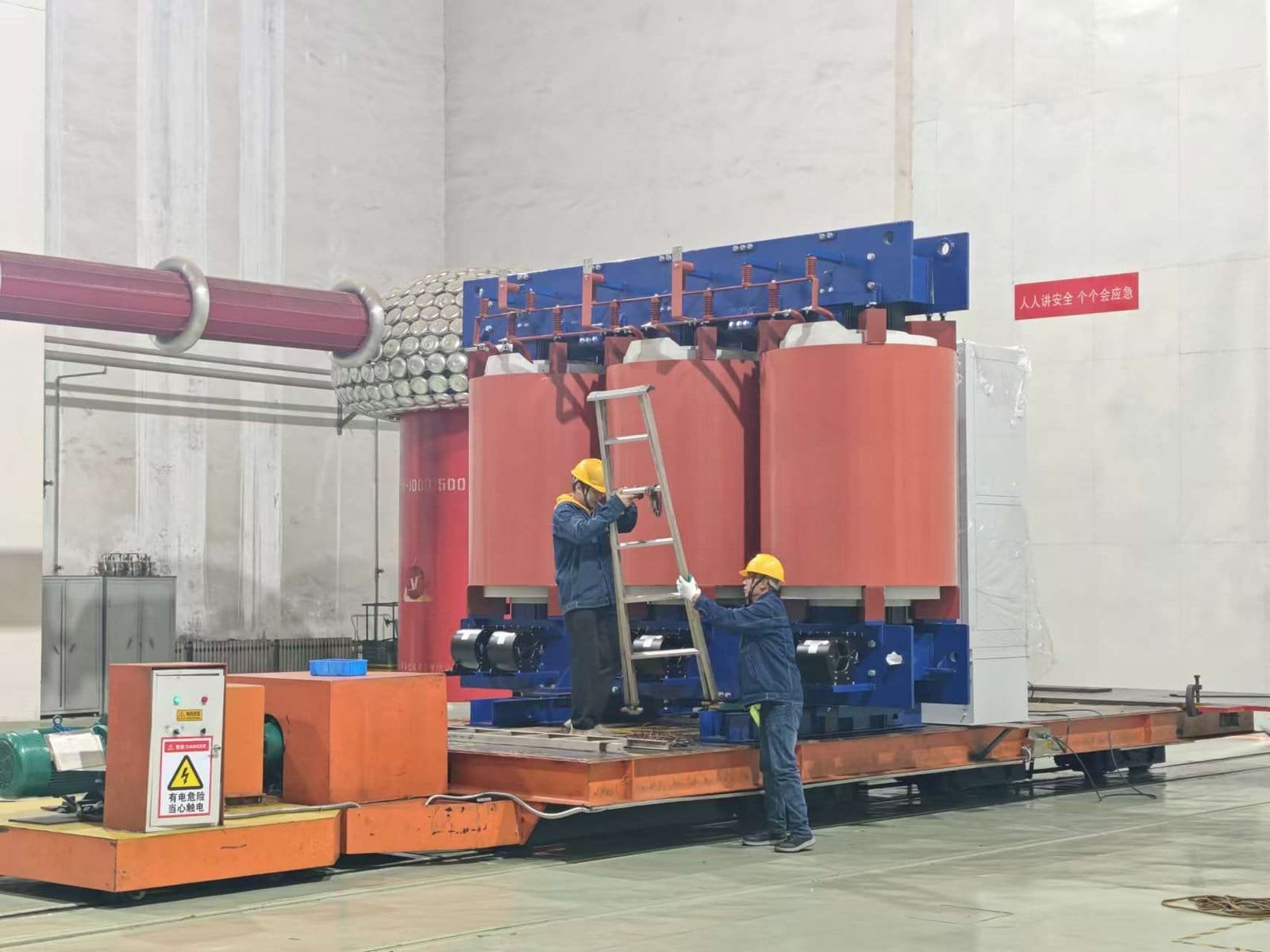
Reliable transformer operation depends not only on visual inspections but also on a structured program of electrical testing that detects internal faults, insulation aging, winding deterioration, and abnormal thermal behavior. These tests provide data that visual checks cannot uncover, ensuring early detection of hidden risks and preventing catastrophic failures, unplanned outages, and costly repairs.
Safe transformer operation requires essential electrical tests such as insulation resistance measurement, dielectric tests, winding resistance testing, turns ratio testing, power factor/tan-delta analysis, and partial discharge assessment—all of which verify insulation strength, winding integrity, and overall dielectric performance.
Together, these diagnostics form the backbone of preventive maintenance and long-term asset reliability.
Dielectric testing is only required for new transformers.False
Dielectric tests must also be performed periodically during service to monitor insulation aging and detect moisture or contamination.
Electrical tests can detect faults long before they become visible or cause operational failure.True
Tests like DGA, power factor, and partial discharge reveal internal deterioration early.
Insulation Resistance (IR) Testing for Dielectric Strength
Insulation resistance testing is one of the most fundamental evaluations. Using a megohmmeter, technicians measure the resistance between windings and between windings and ground. This test identifies:
- Moisture ingress
- Insulation degradation
- Surface contamination
- Early-stage dielectric breakdown
A healthy insulation system shows high and stable resistance values.
Polarization Index (PI) to Assess Insulation Aging
Polarization Index evaluates time-dependent insulation behavior. A low PI value usually indicates:
- Moisture absorption
- Contaminated insulation
- Deteriorated paper or varnish
- Poor thermal history
PI is particularly important for aging transformers to assess long-term insulation health.
Transformer Turns Ratio (TTR) for Winding Accuracy
Turns Ratio testing compares actual turns ratios with design values to verify:
- Correct voltage transformation
- Shorted turns
- Open windings
- Improper tap changer alignment
A deviation of even 0.5% may signal winding faults or tap changer issues.
Winding Resistance Testing for Connection Integrity
Winding resistance measurement detects:
- Loose or corroded joints
- Broken strands
- Overheating damage
- Tap changer contact degradation
Changes in resistance over time indicate developing abnormalities.
Power Factor / Tan Delta for Insulation Dissipation Monitoring
Power Factor (PF) and Tan Delta testing measure dielectric losses, which increase with:
- Moisture
- Contamination
- Insulation deterioration
- Partial discharge activity
This is one of the most reliable long-term indicators of insulation health.
Partial Discharge (PD) Testing for Early Electrical Faults
Partial discharge activity reveals early-stage defects such as:
- Voids in insulation
- Sharp edges or protrusions
- Resin cracks in dry-type transformers
- Degraded paper insulation
- Contamination on surfaces
Modern PD tests include offline, online, and UHF monitoring options.
Dielectric Withstand (Hi-Pot) Testing for Insulation Limits
Hi-Pot applies elevated voltage to confirm that insulation can safely withstand stress. It detects:
- Weak insulation sections
- Contamination-related leakage paths
- Hidden insulation punctures
This test ensures compliance before energization.
Frequency Response Analysis (FRA) for Internal Mechanical Stability
FRA detects mechanical issues by analyzing winding frequency response curves:
- Deformed windings
- Core displacement
- Shorted turns
- Mechanical shock from transport
It is especially important after short-circuit events or earthquake exposure.
Dissolved Gas Analysis (DGA) for Oil-Immersed Transformers
DGA reveals internal faults by identifying gas generation patterns. It detects:
- Overheating
- Arcing
- Partial discharge
- Cellulose decomposition
It is the most powerful diagnostic tool for oil-filled units.
How Should Ventilation and Cooling Systems Be Checked and Maintained?
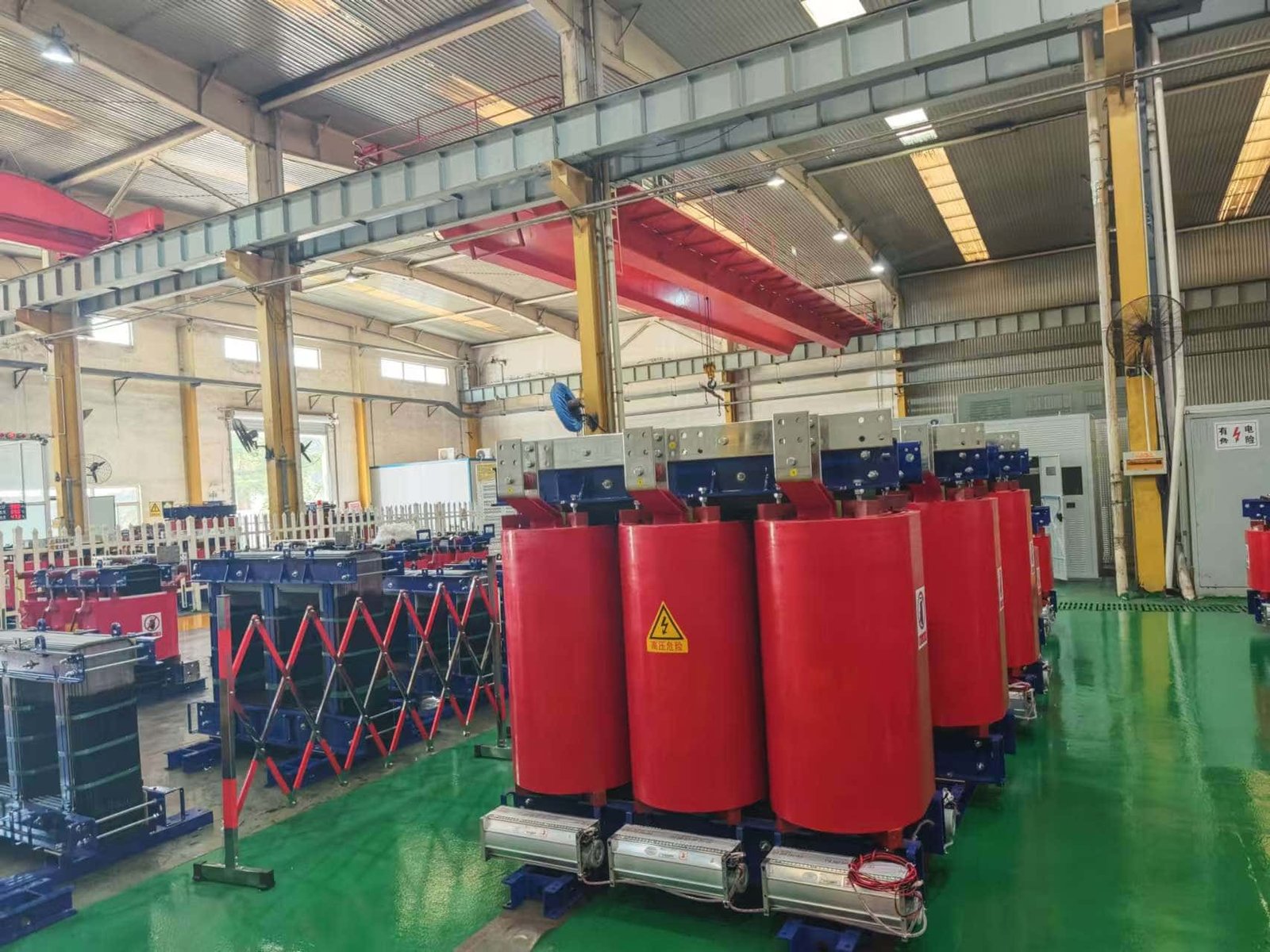
Reliable cooling is essential for maintaining transformer efficiency, preventing thermal stress, and ensuring long-term insulation health. Whether in dry-type or oil-immersed transformers, overheating accelerates aging, reduces loading capacity, and increases the risk of failure. That is why regular inspection and maintenance of ventilation and cooling systems are critical parts of any preventive maintenance strategy.
Proper cooling system maintenance involves routine inspection of airflow paths, fan and pump operation, radiator cleanliness, temperature controls, and environmental conditions—ensuring the transformer dissipates heat effectively under all loading scenarios.
Consistent monitoring of these components prevents hotspots, reduces insulation aging rates, and secures stable transformer performance.
Cooling systems only need attention when temperature alarms are triggered.False
Cooling components must be inspected routinely because many failures develop gradually and show early symptoms before alarms activate.
Blocked airflow and dirty radiators can significantly increase transformer operating temperature.True
Reduced heat dissipation forces the transformer to operate at higher winding temperatures, accelerating insulation aging.
Ensuring Clear and Effective Ventilation Paths (Dry-Type Transformers)
Dry-type transformers depend entirely on airflow over windings and cores. Ventilation checks should include:
- Inspecting all air ducts and vents for dust, debris, or obstruction
- Removing dust buildup that restricts natural air movement
- Ensuring the room or enclosure maintains adequate clearance for air intake and exhaust
- Checking for blocked louvers, screens, or protective grilles
- Verifying ambient room temperature remains within design limits
Moisture, dust, or restricted airflow can raise operating temperatures dramatically.
Checking Cooling Fans and Forced-Air Systems
For both dry-type and oil-filled transformers equipped with forced cooling:
- Verify fan operation through manual testing and control panel activation
- Check for abnormal vibration or noise, indicating bearing wear
- Inspect electrical connections for overheating or looseness
- Examine fan blades for dirt buildup, imbalance, or damage
- Ensure fan automatic control modes (ON/OF/FA/FAO) operate correctly
Fan failure is one of the most common causes of sudden temperature rise.
Maintaining Radiators and Heat Exchangers (Oil-Immersed Transformers)
Radiators and heat exchangers must remain clean and unobstructed. Maintenance includes:
- Cleaning radiator surfaces to remove dirt, dust, oil film, or vegetation
- Checking for corrosion or flaking paint that reduces thermal conductivity
- Inspecting weld seams and gasket areas for early oil seepage
- Ensuring radiator valves are fully open and not partially closed
- Verifying oil circulation in forced-oil cooling systems
Cooling efficiency can drop significantly when radiators are clogged or corroded.
Assessing Pumps in OFAF/OFOA Cooling Systems
Oil circulation pumps should be monitored for:
- Smooth, vibration-free operation
- Proper oil flow as indicated by flow meters
- Leak-free seals and joints
- Correct pump motor current draw, which indicates mechanical health
- Reliable automatic start/stop functionality tied to temperature sensors
A failing pump can cause dangerously rapid temperature escalation.
Inspecting Temperature Sensors and Control Devices
Accurate temperature monitoring is essential. Checks should include:
- Verifying WTI (Winding Temperature Indicator) accuracy
- Checking OTI (Oil Temperature Indicator) readings
- Testing alarm and trip setpoints for proper operation
- Inspecting PT100 or RTD sensors for secure connections
- Confirming SCADA integration if remote monitoring is used
Faulty sensors give misleading data and undermine thermal protection.
Monitoring Ambient Conditions and Heat Dissipation Environment
Environmental factors have a major impact on cooling, including:
- Room ventilation for indoor units (airflow circulation must be adequate)
- Outdoor clearance around radiators and fans
- Absence of nearby heat sources (steam pipes, generators, compressors)
- Humidity control for dry-type transformers
- Dust and pollution levels that accumulate on cooling surfaces
Poor environmental conditions can reduce cooling effectiveness even when the equipment is healthy.
Checking Cooling Mode Transitions in ONAN/ONAF/OFAF Systems
Transformers with multiple cooling modes must switch smoothly between them:
- Confirm ONAN → ONAF transitions occur at the correct temperature
- Verify second-stage fans engage reliably
- Check pump activation temperatures for OFAF systems
- Ensure timers, relays, and control circuitry function correctly
Failure of automatic switching can cause thermal overload during high-demand periods.
Ensuring Cleanliness for Maximum Heat Dissipation
Dirt, dust, and contamination act as thermal insulation. Regular cleaning includes:
- Vacuuming dry-type air passages
- Wiping fan blades, grilles, and louvers
- Removing mud, insects, and plant debris from radiators
- Avoiding high-pressure washing, which can damage fins or seals
Clean surfaces ensure maximum cooling efficiency.
What Mechanical Components Require Periodic Tightening or Adjustment?
Mechanical stability is essential for maintaining reliable transformer performance. Over time, vibration, thermal expansion, load cycling, and environmental conditions can gradually loosen mechanical components. Even small amounts of loosening can lead to increased electrical resistance, overheating, noise, or structural stress. Regular tightening and adjustment of key mechanical parts help maintain operational integrity and prevent premature failure.
Below is a detailed breakdown of the mechanical components that require periodic inspection, tightening, and adjustment to ensure transformer longevity and safe operation.
Fasteners, Bolts, and Structural Connections
Mechanical fasteners are among the most critical items to check. Key areas include:
- Core frame bolts that keep the laminated core tightly clamped
- Coil clamping hardware securing LV and HV windings
- Tank bolts and structural braces for oil-immersed transformers
- Dry-type transformer frame assemblies and mounting brackets
- Base plate, skid, and anchoring bolts securing the transformer to the foundation
Loose structural hardware can cause noise, vibration, and internal displacement, increasing the risk of failure under short-circuit forces.
Terminal Connections and Busbar Assemblies
High-current mechanical joints must remain tight to avoid hotspots:
- LV and HV terminal bolted connections
- Busbar joints for indoor dry-type units
- Cable lug terminations
- Clamp-type connectors and flexible connectors
- Surge arrester and grounding bar connections
Any loosening raises contact resistance, leading to localized heating or potentially catastrophic failure.
Cooling System Assemblies
Cooling components contain moving and structural parts that require periodic adjustment:
- Fan mounting brackets and fasteners
- Fan motor alignment and shaft couplings
- Radiator support bolts and flange connections
- Heat exchanger mounting bolts
- Oil pump brackets and vibration dampers in OFAF systems
Proper mechanical stability ensures smooth airflow and efficient heat dissipation.
Tap Changer Mechanisms
Tap changers—both on-load (OLTC) and off-circuit (OCTC)—contain mechanical parts that need periodic attention:
- Handle and locking mechanism bolts for off-load tap changers
- Drive linkages, gears, and shafts in OLTC systems
- Selector switch mechanical stops
- Motor drive coupling alignment
- Position indicator linkage adjustments
Mechanical wear or looseness can lead to misalignment or improper switching, affecting voltage regulation.
Core & Coil Clamping Systems
Mechanical tension reduces with aging and load cycles. This affects:
- Core compression clamps
- Yoke bolts
- Winding support blocks and pressure plates
- Tie rods, spacers, and bracing structures
Maintaining proper compression prevents vibration, minimizes acoustic noise, and reduces mechanical stress during fault events.
Bushings and Mounting Hardware
Bushings must remain mechanically stable to avoid dielectric stress and mechanical misalignment:
- Bushing flange bolts
- Top terminal nuts
- Support brackets and insulator stacks
- Conductor fastening hardware
Loose bushing components can lead to partial discharge, contamination ingress, or mechanical cracking.
Enclosure, Doors, and Protective Covers
For dry-type and indoor transformers, enclosure components need periodic tightening:
- Door hinges and latches
- Air intake and exhaust grille frames
- Protective screens, covers, and panels
- Vibration dampers and rubber mounts
Secure enclosures protect against foreign objects, maintain ventilation stability, and ensure personnel safety.
Foundation, Supports, and Anti-Vibration Elements
Mechanical settlement or external vibration can loosen:
- Anchor bolts securing the transformer to the foundation
- Rollers, skids, and position locks
- Anti-vibration pads or neoprene mounts
- Base frame alignment bolts
These components are essential for stability, especially in seismic zones or industrial environments with heavy machinery.
Internal Connections (Performed by Specialists Only)
Internal mechanical inspections—performed during major outages—cover:
- Winding support structures
- Internal tap changer drive systems
- Lead support brackets
- Spacer blocks and tie rods
These require expert technicians due to the need for tank entry or coil access.
How Often Should Temperature, Load, and Insulation Conditions Be Monitored?

Regular monitoring of temperature, load, and insulation health is essential for ensuring reliable transformer operation, preventing accelerated aging, and avoiding unexpected failures. Each parameter behaves differently under electrical and environmental stress, so the monitoring frequency must match its criticality and rate of change. Below is a detailed, practical guide to how often each factor should be checked to maintain optimal transformer performance.
Temperature Monitoring Frequency
Temperature is one of the quickest-changing and most important health indicators of a transformer. Overheating accelerates insulation aging, reduces lifespan, and increases the risk of faults. Monitoring frequency depends on the equipment type and operational conditions.
Continuous monitoring
Modern dry-type and oil-filled transformers typically use sensors to track hot-spot, winding, and top-oil temperatures in real time. Continuous monitoring is strongly recommended for:
• High-load transformers
• Mission-critical facilities
• High-temperature environments
• Units near end-of-lifeDaily or weekly manual checks
When continuous sensors are not available, temperature gauges should be reviewed:
• Daily for major industrial or utility transformers
• Weekly for lightly-loaded commercial unitsSeasonal reviews
Temperature trends should be analyzed every 3–6 months to evaluate thermal aging, detect abnormal patterns, and adjust rating assumptions.
Consistent temperature monitoring helps prevent thermal runaway conditions and ensures the cooling system operates effectively.
Load Monitoring Frequency
Load conditions determine how much thermal and electrical stress the transformer experiences. Overloading—whether sudden or prolonged—accelerates insulation wear and can trigger protective trips or failures.
Continuous monitoring
Recommended for:
• Power distribution networks
• Industrial loads with significant fluctuation
• Renewable energy plants (wind/solar, where load cycles are irregular)
Real-time load monitoring enables operators to prevent overloads and estimate transformer life consumption.Daily or weekly checks
For smaller or non-critical transformers, load readings should be verified:
• Daily if loads are variable or near-rated levels
• Weekly if loads are stable and significantly below capacityAnnual load studies
Every 12 months, operators should evaluate:
• Load growth
• Demand peaks
• Harmonics
• Load factor and utilization rate
This assessment helps in planning upgrades and preventing long-term overloads.
Regular load observation is key to optimizing transformer efficiency and predicting long-term insulation aging.
Insulation Condition Monitoring Frequency
Insulation health determines the remaining life of a transformer. Degradation often occurs slowly, but when moisture, thermal stress, or contaminants accumulate, failure can be sudden. Monitoring intervals depend on transformer type and criticality.
Continuous or automated monitoring (where available)
Sensors can track partial discharge (PD), humidity, and insulation resistance in advanced dry-type systems. This is ideal for high-risk installations.Monthly to quarterly tests
Dry-type transformers benefit from:
• Visual reviews of insulation surfaces
• Surface cleanliness checks
• PD activity scans in high-voltage units
• Insulation humidity monitoringMonthly is preferred in dusty, humid, or corrosive environments; quarterly in clean, climate-controlled facilities.
Annual insulation testing
Every 12 months, comprehensive tests are recommended:
• Insulation resistance (IR or megger test)
• Polarization index (PI)
• Tan delta / dissipation factor (if applicable)
• Partial discharge testing
• Infrared thermography to detect insulation hot spotsOil-filled transformers also require dielectric strength testing and oil quality analysis during annual checks.
Major condition assessment every 3–5 years
For aging or mission-critical units, a deeper assessment should be performed, such as:
• Winding resistance
• Frequency response analysis (FRA)
• DGA (for oil units)
• Advanced PD localization
Regular insulation monitoring reduces long-term failure risk and extends transformer service life.
Summary of Recommended Monitoring Frequency
| Parameter | Continuous | Weekly/Daily | Monthly/Quarterly | Annually | 3–5 Years |
|---|---|---|---|---|---|
| Temperature | ✔ Recommended | Daily/Weekly | Seasonal trend | Trend review | – |
| Load | ✔ Recommended | Daily/Weekly | – | Load study | – |
| Insulation | Possible (PD/humidity sensors) | – | Monthly–Quarterly | Full tests | Major diagnostics |
Conclusion
Routine maintenance of dry-type transformers focuses on keeping the unit clean, ensuring proper cooling, verifying electrical integrity, and monitoring operating conditions. Regular inspections help detect early signs of wear, while periodic electrical testing ensures insulation strength and reliable performance. Proper ventilation maintenance and mechanical tightening further reduce the risk of overheating or vibration-related issues. By implementing a structured maintenance schedule, operators can significantly extend transformer lifespan, improve operational reliability, and reduce unexpected failures or costly repairs.
FAQ
Q1: What criteria should you use to evaluate dry type transformer suppliers?
Selecting the right dry type transformer supplier requires a structured evaluation process focused on quality, reliability, and long-term value. Begin by assessing the supplier’s manufacturing experience, including the number of years in operation, market reputation, and expertise in cast resin or VPI (Vacuum Pressure Impregnation) technology. Suppliers with proven track records in medium-voltage and high-capacity transformers are generally more dependable.
Next, inspect technical product quality, including core materials, insulation systems, temperature class, efficiency rating, and compliance with international standards such as IEC 60076-11, IEEE, or UL. Review the supplier’s testing capabilities—routine, type, and special tests—to ensure they meet rigorous performance requirements. Also consider the availability of digital monitoring features, which are increasingly important for modern installations.
Finally, assess production capacity, on-time delivery history, after-sales support, and warranty terms. Suppliers with global service networks, spare parts availability, and quick response times provide greater long-term reliability. The evaluation should balance technical excellence with support capabilities and cost-effectiveness.
Q2: Why are certifications important when choosing a transformer supplier?
Certifications verify that a supplier adheres to consistent manufacturing standards and provides reliable, safe products. Key certifications include:
ISO 9001: Quality management system
ISO 14001: Environmental management
ISO 45001: Occupational health & safety
IEC 60076 series: International transformer performance standards
UL/CSA certifications: Needed for North American markets
These certifications indicate that the supplier follows controlled processes, prioritizes safety, and meets internationally recognized benchmarks. Compliance with fire-resistance codes (EN, IEC, IEEE) and resin class certification is vital for public buildings, data centers, and metro systems. A certified supplier minimizes risks and ensures regulatory compatibility.
Q3: How do pricing and cost structure influence supplier selection?
Price is important but should not be the sole deciding factor. Evaluate total life-cycle cost, which includes efficiency, losses, cooling performance, reliability, maintenance needs, and expected lifespan. Low-cost suppliers may compromise on core materials, insulation, copper purity, or testing—leading to higher lifetime operating costs and failures.
Request detailed quotes that break down:
Core material grade
Copper vs. aluminum winding
Resin type
Efficiency class
Accessories and digital monitoring options
Delivery and installation cost
Comparing these factors ensures you’re not just getting a lower price but a better long-term economic value. Premium suppliers often provide more durable and efficient units with lower operating losses, leading to long-term savings.
Q4: How can supplier reliability and service support be assessed?
Reliability is critical for mission-critical applications such as hospitals, data centers, and industrial plants. Evaluate the supplier’s:
Delivery performance records
Service response time
Local technical support availability
Warranty terms and claim history
Spare parts availability
Customer reviews and case studies
Also consider whether the supplier offers site installation, commissioning support, and technical training. Reliable suppliers usually maintain strong communication throughout the project, offer post-installation checkups, and provide predictable long-term support.
Q5: What questions should you ask before finalizing a supplier?
Before placing an order, ask suppliers targeted questions to ensure transparency and compatibility:
What standards do your transformers comply with?
What insulation materials and resin technology do you use?
What are the testing procedures and reports provided?
What are your production and delivery lead times?
What is covered under the warranty, and for how long?
Do you provide installation, after-sales service, and spare parts?
Can we visit your factory or arrange a third-party inspection?
The answers to these questions will clarify technical performance, production capability, and the supplier’s reliability.
References
IEC 60076-11 – Dry Type Transformer Requirements — https://www.iec.ch
IEEE Transformer Supplier Evaluation Guidelines — https://ieeexplore.ieee.org
ISO 9001 Quality Management Standard — https://www.iso.org
Schneider Electric Vendor Selection Criteria — https://www.se.com
NEMA Transformer Purchasing Guidelines — https://www.nema.org
Statista – Transformer Manufacturing Market Data — https://www.statista.com