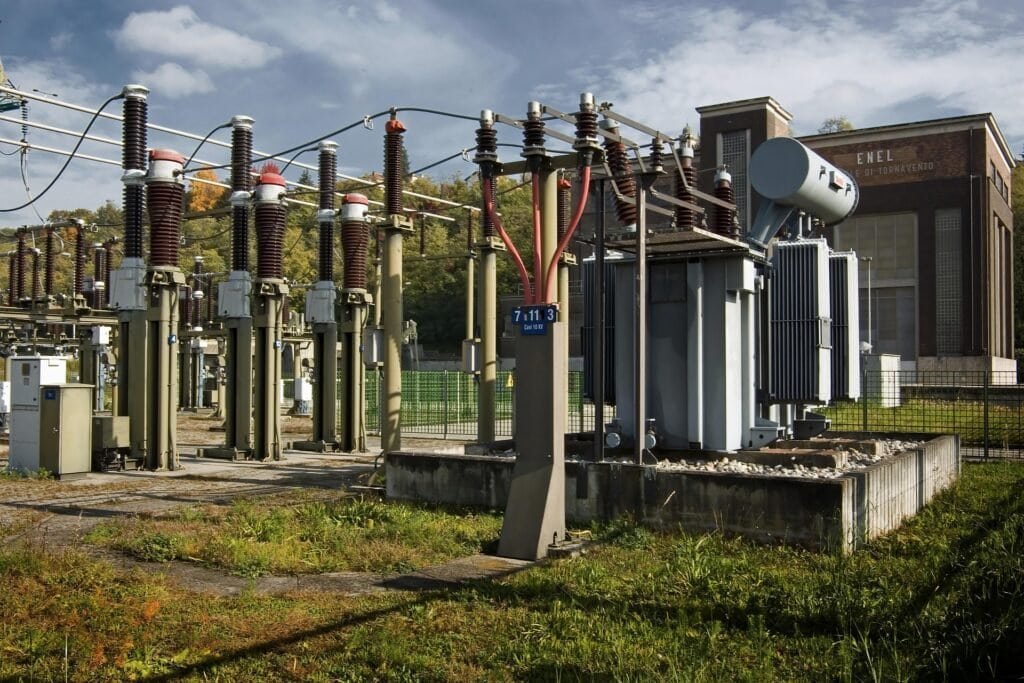
Choosing the wrong transformer cooling method can lead to excessive operating temperatures, accelerated insulation aging, reduced efficiency, and unexpected maintenance costs. Because transformer cooling directly affects equipment reliability, service life, and load capacity, selecting a suitable method requires more than simply comparing oil-immersed and dry-type designs. Understanding the operating environment, load profile, installation conditions, and maintenance requirements helps you make a reliable, cost-effective decision.
To select the right transformer cooling method, evaluate the transformer's rated capacity, expected load, ambient temperature, installation environment, fire-safety requirements, maintenance resources, and applicable standards. Common methods include natural air cooling (AN), forced air cooling (AF), natural oil circulation with natural air cooling (ONAN), natural oil circulation with forced air cooling (ONAF), and forced oil circulation systems. Dry-type transformers are often suitable for indoor installations where fire safety and reduced fluid-related maintenance are priorities, while oil-immersed transformers are commonly selected for higher capacities and demanding power distribution applications.
As a transformer manufacturer and supplier, we recommend matching the cooling method to actual operating conditions rather than selecting solely by initial purchase price or rated capacity. The following guide explains the key factors, compares common cooling methods, and outlines how to choose a solution that balances performance, safety, and lifecycle cost.
What Factors Should You Consider When Selecting the Right Transformer Cooling Method?
Selecting the wrong transformer cooling method can lead to excessive winding temperatures, accelerated insulation aging, reduced load capacity, and unexpected maintenance costs. A cooling system that is suitable for a small indoor distribution transformer may be inadequate for a large power transformer operating continuously under heavy loads or in a hot outdoor environment. To avoid these problems, buyers and engineers should evaluate the transformer's rated capacity, loading profile, installation environment, cooling technology, reliability requirements, and total lifecycle cost before making a decision.
The right transformer cooling method depends primarily on transformer capacity, expected load and overload conditions, ambient temperature, installation environment, insulation system, maintenance requirements, noise limits, and lifecycle cost. Oil-immersed transformers commonly use natural oil circulation with natural air cooling (ONAN) or forced cooling such as ONAF, while dry-type transformers typically rely on natural air cooling (AN) or forced air cooling (AF). The final choice should comply with the applicable transformer standards, manufacturer ratings, and project specifications.
Understanding these factors helps purchasers compare transformer designs based on actual operating needs rather than initial price alone. The following guide explains how to evaluate cooling options, avoid common selection mistakes, and specify a transformer that can operate reliably throughout its service life.
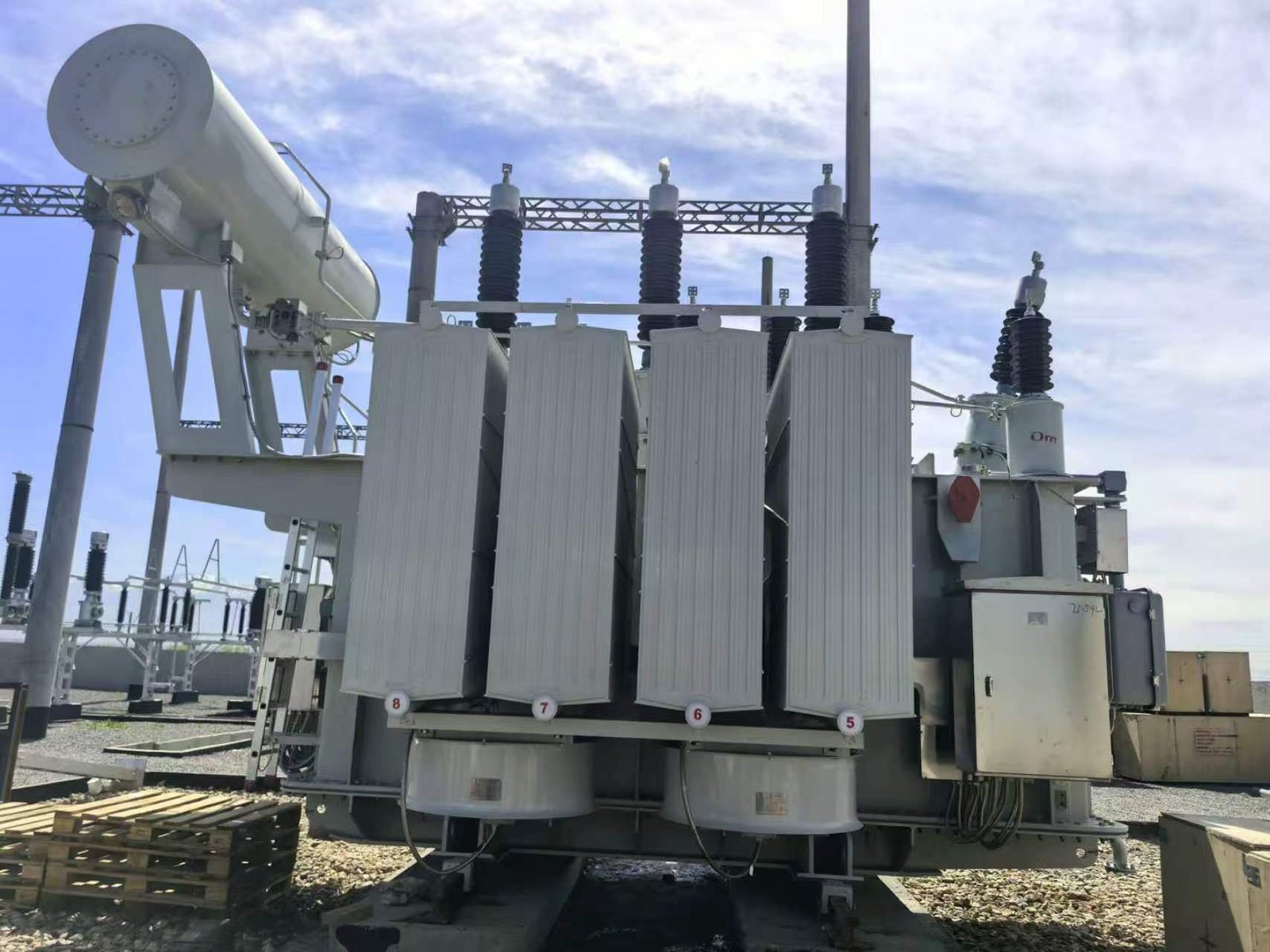
1. Transformer Capacity and Heat Generation
The transformer's rated capacity is one of the first factors to consider when selecting a cooling method. Electrical losses generate heat during operation, primarily through winding resistance, core losses, and additional stray losses. The cooling system must transfer this heat away from the active parts and insulation so that temperatures remain within the limits of the selected design.
Small and medium-sized transformers may be adequately cooled by natural convection and radiation, depending on their design and operating conditions. As transformer capacity and losses increase, more heat must be removed. Larger transformers may therefore require radiators, cooling fans, oil pumps, or combinations of these technologies.
However, transformer capacity alone does not determine the required cooling method. Two transformers with the same kVA or MVA rating may have different losses, winding designs, temperature limits, and cooling requirements. Buyers should evaluate the manufacturer's rated output for each specified cooling arrangement rather than assume that every cooling upgrade produces the same increase in capacity.
| Transformer characteristic | Cooling consideration | What buyers should verify |
|---|---|---|
| Rated kVA or MVA | Establishes the design operating capacity | Rated output under the specified cooling mode |
| Winding and core losses | Determines the amount of heat generated | Guaranteed or specified losses |
| Continuous loading | Determines sustained thermal demand | Continuous-load capability at the actual ambient temperature |
| Cyclic or variable loading | Creates changing thermal conditions | Permitted load cycle and thermal assessment |
| Emergency overload requirement | May require additional temporary heat-removal capability | Manufacturer-approved overload limits and duration |
For example, an oil-immersed transformer rated for a given capacity under ONAN cooling may have a higher specified rating when operating with fans under ONAF cooling. This is only valid when the manufacturer explicitly assigns that rating to the relevant cooling mode; adding fans to a transformer does not automatically authorize a higher load.
2. Available Cooling Technologies
Transformer cooling methods differ according to the insulating medium, heat-transfer mechanism, equipment complexity, and maintenance needs. A practical selection should begin with the transformer construction: oil-immersed and dry-type transformers generally use different cooling arrangements.
Oil-immersed transformer cooling
Oil-immersed transformers use insulating liquid to provide both electrical insulation and heat transfer. The liquid carries heat away from the core and windings to radiators or other heat exchangers, where the heat is released into the surrounding air or transferred to another cooling medium.
Common cooling designations include:
- ONAN — Oil Natural, Air Natural: Oil circulates through the transformer and radiators by natural convection, while heat is released to the surrounding air without fans.
- ONAF — Oil Natural, Air Forced: Oil circulation remains natural, while fans force air across the radiators to improve heat dissipation.
- OFAF — Oil Forced, Air Forced: Pumps circulate oil and fans force air across the heat exchangers.
- OFWF — Oil Forced, Water Forced: Pumps circulate oil through heat exchangers, while water provides the external cooling medium.
These designations describe common arrangements, but actual terminology and permissible ratings should be checked against the manufacturer's documentation and applicable standards.
Dry-type transformer cooling
Dry-type transformers use air or another approved gas as the cooling medium and do not depend on insulating oil for their main insulation system.
- AN — Air Natural: Heat is removed through natural air circulation and convection.
- AF — Air Forced: Fans increase airflow through the designated cooling passages, improving heat transfer where the transformer is designed for forced-air operation.
Dry-type cooling can be attractive for indoor installations where liquid containment is undesirable or where project-specific fire and environmental requirements favor a dry construction. Nevertheless, dry-type transformers still require suitable ventilation, environmental protection, and compliance with applicable fire and electrical safety requirements.
| Cooling method | Typical construction | Main advantage | Important consideration |
|---|---|---|---|
| ONAN | Oil-immersed | Simple, low auxiliary power demand | Depends on natural circulation and radiator performance |
| ONAF | Oil-immersed | Improved heat removal with fans | Requires fan controls, power, and maintenance |
| OFAF | Oil-immersed | Stronger controlled heat transfer | More auxiliary equipment and potential failure points |
| OFWF | Oil-immersed | Effective heat removal in suitable installations | Requires reliable water supply, heat exchangers, and leak management |
| AN | Dry-type | Simple cooling with few auxiliary components | Requires adequate natural airflow |
| AF | Dry-type | Increased airflow for designs rated for forced-air cooling | Fan failure and blocked air passages must be considered |
Adding cooling fans automatically increases the rated capacity of any transformer.False
Additional cooling increases capacity only when the transformer is designed, tested, and rated for the corresponding cooling arrangement and operating conditions.
3. Ambient Temperature and Installation Environment
The surrounding environment directly affects how effectively a transformer can release heat. A cooling system that performs adequately in a cool, well-ventilated room may be insufficient in a hot enclosure, a dusty industrial facility, or an outdoor substation exposed to high solar loading.
Before selecting the cooling method, establish the expected ambient temperature range, altitude, ventilation conditions, humidity, contamination levels, and available installation space. Higher ambient temperatures reduce the temperature difference available to transfer heat from the transformer to the surroundings. At high altitude, reduced air density can also affect cooling performance and may require manufacturer-specified derating or design adjustments.
Installation conditions should be reviewed carefully:
- Indoor installations: Check room ventilation, heat accumulation, air inlet and outlet arrangements, and the effect of other equipment operating nearby.
- Outdoor substations: Evaluate ambient extremes, solar heating, rain, wind, dust, and access for maintenance.
- Dusty or corrosive environments: Assess radiator fouling, fan protection, corrosion-resistant finishes, and cleaning intervals.
- High-humidity environments: Confirm suitable enclosure protection and measures to reduce condensation where required.
- Water-cooled installations: Verify water quality, pressure, temperature, flow availability, corrosion control, and the consequences of a cooling-water interruption.
| Environmental factor | Potential effect | Recommended evaluation |
|---|---|---|
| High ambient temperature | Reduces heat-rejection capability | Check temperature-rise limits and rated capacity |
| High altitude | Can reduce air-cooling effectiveness | Confirm manufacturer derating requirements |
| Dust and industrial pollution | Can obstruct airflow and radiator surfaces | Specify suitable protection and maintenance access |
| Restricted indoor ventilation | Causes heat to accumulate around equipment | Calculate or assess room ventilation requirements |
| High humidity or condensation | May affect insulation and auxiliary equipment | Review enclosure design and moisture-control measures |
| Limited cooling-water reliability | Can interrupt heat removal | Assess alarms, interlocks, backup provisions, and operating response |
The cooling method should be selected for the actual installation environment, not solely for standard laboratory or nameplate conditions.
4. Load Profile, Overload Capability, and Temperature Limits
A transformer rarely operates at exactly the same load throughout its entire service life. Commercial buildings may have predictable daily peaks, while industrial facilities can have large motor starts, fluctuating process loads, or extended periods of high demand. Renewable-energy and traction applications may introduce additional variations.
The engineer should evaluate both the magnitude and duration of expected loading. Continuous loading, cyclic loading, and emergency overloads produce different thermal conditions. Winding hot-spot temperature, top-oil temperature in oil-immersed designs, and the thermal behavior of insulation materials are important to assessing the impact of loading.
The cooling method must not be used as a substitute for a proper load study. A fan-assisted arrangement may improve heat removal, but it does not eliminate the thermal effects of high current, ambient temperature, harmonics, or restricted airflow. Similarly, a temporary overload capability must be explicitly supported by the manufacturer's thermal assessment and operating limits.
For variable-load applications, buyers should request information about:
- The rated output available under each cooling stage.
- Fan or pump activation thresholds and control logic.
- Temperature monitoring and alarm settings.
- Permitted overload magnitude and duration.
- Cooling-system response to a failed fan, pump, or auxiliary supply.
- Any derating needed for harmonics, altitude, enclosure conditions, or unusual duty cycles.
A well-selected cooling arrangement supports the expected operating profile without relying on unverified assumptions about temporary overload capability.
5. Reliability, Maintenance, and Auxiliary Power
Cooling equipment can improve thermal performance but also introduces components that may need inspection, servicing, or replacement. Natural cooling generally has fewer auxiliary components, while forced-air and forced-liquid systems may include fans, pumps, motors, controls, sensors, valves, and protective devices.
The right choice depends partly on how much operational complexity the site can support. A remote installation with limited maintenance access may favor a simpler arrangement if its thermal performance is sufficient. A high-capacity transformer may require forced cooling because the heat load cannot be managed economically through natural cooling alone.
Buyers should consider the following maintenance and reliability questions:
- Can fans or pumps be inspected and replaced without excessive downtime?
- Is the cooling equipment supplied with alarms or status monitoring?
- Does the transformer have a defined response to loss of a cooling stage?
- Is the auxiliary power supply reliable, and is backup power necessary?
- Are spare parts available for the expected service life?
- Can radiators, filters, air passages, and heat exchangers be cleaned safely?
| Selection criterion | Natural cooling | Forced cooling |
|---|---|---|
| Auxiliary power | Usually minimal | Required for fans and/or pumps |
| Component count | Generally lower | Generally higher |
| Heat-removal capability | Limited by natural heat transfer and design | Can be increased within the design rating |
| Maintenance | Often simpler | Requires maintenance of moving equipment and controls |
| Response to auxiliary failure | No fan or pump failure mode in the cooling path | Must consider loss of forced cooling and resulting load limits |
A complete evaluation should also account for the cost of auxiliary electricity, planned maintenance, replacement parts, and the consequences of reduced capacity if forced cooling becomes unavailable.
6. Noise, Space, Safety, and Lifecycle Cost
Transformer cooling decisions should balance thermal performance with practical site constraints. Fans can create additional noise, while radiators, pumps, and heat exchangers require space and suitable access. Water-cooled systems may offer useful heat-transfer performance but require supporting infrastructure and additional safeguards.
Safety requirements depend on the transformer design, insulation medium, location, and local regulations. Oil-immersed equipment may require specific arrangements for fire protection, liquid containment, drainage, or separation. Dry-type transformers can avoid insulating-oil containment needs, but they are not automatically risk-free: their fire performance, enclosure, ventilation, and installation clearances still need to satisfy the project requirements.
Lifecycle cost should include more than the initial equipment price. Compare:
- Transformer price under the selected cooling configuration.
- Auxiliary electricity consumption.
- Installation and commissioning requirements.
- Routine inspection and maintenance.
- Expected replacement costs for fans, pumps, and control components.
- Space, ventilation, and cooling-water infrastructure costs.
- The cost of downtime or reduced capacity following a cooling-system failure.
A more complex cooling system may be justified when it enables a required transformer rating or improves operation under demanding conditions. Conversely, specifying forced cooling when it is not needed may add avoidable costs and maintenance obligations.
7. A Practical Checklist for Selecting Transformer Cooling
Before requesting a quotation, prepare a clear technical specification. This helps manufacturers compare the same operating conditions and prevents cooling arrangements from being compared using different assumptions.
| Information to provide | Why it matters |
|---|---|
| Rated capacity and primary/secondary voltages | Establishes the electrical design basis |
| Oil-immersed or dry-type construction preference | Narrows the applicable cooling options |
| Normal load, peak load, and load cycle | Determines expected thermal demand |
| Ambient temperature and site altitude | Affects cooling performance and possible derating |
| Indoor/outdoor location and enclosure conditions | Defines ventilation and environmental requirements |
| Required overload capability | Identifies additional thermal-performance needs |
| Noise and space limits | Constrains fans, radiators, and cooling equipment |
| Monitoring, redundancy, and availability requirements | Defines the required level of cooling-system reliability |
| Applicable standards and project specifications | Establishes compliance and acceptance criteria |
Ask the manufacturer to identify the rated capacity for each cooling stage, the conditions under which that rating applies, and the permitted operating limits if forced cooling fails. This makes the proposal easier to evaluate technically and commercially.
What Are the Different Transformer Cooling Methods and How Do They Compare?
Choosing the wrong transformer cooling method can lead to excessive operating temperatures, accelerated insulation aging, reduced load capacity, and avoidable maintenance expenses. A cooling system suitable for a small distribution transformer may not provide sufficient heat removal for a large power transformer operating continuously under heavy loads. To select the right solution, engineers and buyers need to understand how transformer cooling methods work, how they differ in performance and complexity, and which applications suit each arrangement.
The main transformer cooling methods include ONAN (Oil Natural, Air Natural), ONAF (Oil Natural, Air Forced), OFAF (Oil Forced, Air Forced), and OFWF (Oil Forced, Water Forced) for common oil-immersed designs, as well as AN (Air Natural) and AF (Air Forced) for dry-type transformers. Natural cooling offers simplicity and low auxiliary power demand, while forced-air, forced-oil, and water-assisted systems can provide greater heat-removal capability when the transformer is designed and rated for them. The best method depends on transformer capacity, loading, ambient conditions, installation environment, reliability requirements, and lifecycle cost.
For procurement teams, comparing transformer cooling methods is not simply a matter of identifying the most powerful cooling system. The objective is to select a configuration that meets the required transformer rating and operating duty while maintaining safety, reliability, and reasonable ownership costs. This guide compares the principal methods and explains what to check before specifying a transformer.
1. How Does Transformer Cooling Work?
Transformers generate heat mainly through winding resistance losses, core losses, and additional stray losses. If this heat is not removed effectively, winding and insulation temperatures can rise beyond their intended operating limits. Excessive temperature accelerates insulation deterioration and can shorten transformer service life.
Transformer cooling transfers heat from the active parts—especially the core and windings—to a cooling medium, usually air or an insulating liquid. In oil-immersed transformers, the liquid absorbs heat and carries it to radiators or heat exchangers. In dry-type transformers, air circulates through designated ventilation passages and removes heat directly from the windings and core surfaces.
Cooling methods are commonly classified according to two questions:
- Does the cooling medium circulate naturally or through forced equipment such as pumps?
- Is heat transferred to the surrounding air naturally or with fans, or is a liquid heat exchanger used?
The answer determines the cooling arrangement, its auxiliary equipment, and the conditions under which the transformer can achieve its specified rating.
2. Oil-Immersed Transformer Cooling Methods
Oil-immersed transformers use an insulating liquid for electrical insulation and heat transfer. The liquid transports heat from the windings and core to the tank, radiators, or dedicated heat exchangers.
ONAN: Oil Natural, Air Natural
ONAN cooling relies on natural circulation of the insulating liquid and natural air movement around the radiators. Heated liquid rises, transfers heat to the cooling surfaces, and returns as it cools. No cooling fans or oil pumps are required for the basic cooling process.
Advantages
- Simple construction and relatively low auxiliary power demand.
- Fewer moving components.
- Generally straightforward maintenance.
- Suitable for many distribution transformers and applications where natural heat transfer is sufficient.
Limitations
- Heat-removal capability depends on radiator design, ambient conditions, and natural circulation.
- It may not meet the required rating for designs with higher heat losses or demanding load profiles.
ONAN is often attractive when simplicity and reliability are priorities and the manufacturer's specified rating meets the project's thermal requirements.
ONAF: Oil Natural, Air Forced
ONAF cooling uses natural liquid circulation but adds fans to force air across the radiators. Increasing airflow improves heat transfer from the radiator surfaces to the surrounding environment.
Advantages
- Greater heat-removal capability than the corresponding natural-air arrangement, when designed for ONAF operation.
- Can support a higher specified transformer rating or additional loading capacity.
- Avoids the need for forced liquid circulation in the cooling circuit.
Limitations
- Requires fan motors, controls, auxiliary power, and maintenance.
- Fan failure can reduce available cooling capability.
- Noise levels may increase during fan operation.
ONAF is commonly used in larger oil-immersed distribution and power transformers when additional cooling capacity is needed without introducing oil pumps.
OFAF: Oil Forced, Air Forced
OFAF cooling uses pumps to circulate the insulating liquid through the transformer and cooling equipment, while fans force air across the radiators or heat exchangers. Forced circulation improves control of heat transport through the cooling system.
Advantages
- Supports substantial heat removal in appropriately designed transformers.
- Allows active control of cooling equipment according to operating conditions.
- Can suit high-capacity power transformers with significant thermal loads.
Limitations
- More equipment and control complexity than natural-circulation systems.
- Requires maintenance of pumps, fans, valves, and related components.
- Pump or fan failures may require alarms, operating restrictions, or load reduction.
OFAF is appropriate where the required transformer rating and heat losses justify forced liquid and air circulation.
OFWF: Oil Forced, Water Forced
OFWF cooling uses pumps to circulate insulating liquid through heat exchangers, where water removes the heat. The water typically remains separate from the insulating liquid through the heat exchanger.
Advantages
- Can provide high heat-removal capability in suitable installations.
- Can reduce reliance on large radiator banks and surrounding-air conditions.
- May be suitable for facilities with dependable cooling-water infrastructure.
Limitations
- Requires water supply, circulation equipment, heat exchangers, and associated controls.
- Water quality, corrosion, leakage, and water-system reliability require attention.
- Cooling-water interruption can affect the transformer's operating capability.
OFWF is generally considered when the installation and operating duty justify the additional infrastructure. The specific cooling arrangement and required safeguards should be confirmed with the manufacturer.
3. Dry-Type Transformer Cooling Methods
Dry-type transformers use air or another approved gas as the cooling medium rather than relying on insulating oil. Their cooling design must provide adequate airflow around the windings and core while maintaining the specified temperature limits.
AN: Air Natural
AN cooling relies on natural air circulation and convection. Heat dissipates from the transformer's surfaces and designated ventilation passages without fan assistance.
Advantages
- Simple cooling arrangement.
- Low auxiliary power demand.
- No cooling fans are required for normal operation.
- Suitable for dry-type designs whose rated capacity can be maintained with natural airflow.
Limitations
- Requires suitable ventilation and adequate space around the transformer.
- Heat accumulation can reduce performance in poorly ventilated rooms or enclosures.
- Not suitable for every capacity, winding design, or operating duty.
AF: Air Forced
AF cooling uses fans to increase airflow through the transformer's designated cooling passages. It improves heat transfer when the transformer is designed for forced-air operation.
Advantages
- Greater heat-removal capability than the corresponding natural-air arrangement.
- May support a higher specified rating for some dry-type transformers.
- Can help manage demanding loading conditions when properly engineered.
Limitations
- Requires fan power, maintenance, and control equipment.
- Fan failure or blocked air passages can reduce cooling effectiveness.
- Fan noise and air-filter or ventilation requirements may affect installation planning.
AF should not be assumed to increase the rating of every dry-type transformer. Buyers must verify the manufacturer's declared capacity for each cooling configuration.
4. How Do the Main Transformer Cooling Methods Compare?
The following table summarizes common cooling arrangements. Actual performance, ratings, and equipment configurations vary by transformer design and manufacturer.
| Cooling method | Construction | Liquid circulation | Air or water cooling | Main advantage | Main consideration |
|---|---|---|---|---|---|
| ONAN | Oil-immersed | Natural | Natural air | Simple and low auxiliary demand | Limited by natural heat transfer |
| ONAF | Oil-immersed | Natural | Forced air | Increased heat dissipation through fans | Fan maintenance and failure response |
| OFAF | Oil-immersed | Forced by pumps | Forced air | Enhanced heat transport and heat rejection | More components and auxiliary power |
| OFWF | Oil-immersed | Forced by pumps | Water-cooled heat exchanger | High heat-removal capability in suitable installations | Water-system infrastructure and reliability |
| AN | Dry-type | Not applicable | Natural air | Simple, low-maintenance cooling arrangement | Requires sufficient ventilation |
| AF | Dry-type | Not applicable | Forced air | Improved heat transfer through increased airflow | Fan power, noise, and maintenance |
All transformer cooling methods provide the same rated capacity as long as the transformer has the same kVA rating.False
Available capacity depends on the transformer's thermal design, losses, cooling configuration, ambient conditions, and manufacturer-specified rating for that cooling mode.
5. Which Cooling Method Is Best for Different Applications?
There is no universally best transformer cooling method. The correct choice depends on the required capacity, load profile, installation environment, and operational priorities.
| Application or requirement | Cooling methods worth evaluating | Selection priorities |
|---|---|---|
| Distribution transformer with moderate thermal demand | ONAN or AN | Simplicity, reliability, and adequate rated capacity |
| Oil-immersed transformer requiring additional cooling | ONAF | Fan-assisted radiator performance and backup operating limits |
| High-capacity power transformer | ONAF or OFAF, depending on design | Heat losses, thermal limits, load profile, and cooling redundancy |
| Facility with suitable cooling-water infrastructure | OFWF | Water availability, heat-exchanger design, and maintenance |
| Indoor installation favoring dry-type construction | AN or AF | Ventilation, fire and environmental requirements, and available space |
| Installation with limited maintenance access | Natural-cooling arrangements where adequate | Fewer moving components and manageable thermal performance |
These are starting points rather than fixed rules. A transformer engineer should confirm the suitability of each method against the actual operating conditions and applicable standards.
6. What Should Buyers Check Before Selecting a Cooling Method?
Before requesting quotations, buyers should prepare a clear technical specification covering the following items:
- Rated capacity and voltage: State the required kVA or MVA rating, primary and secondary voltages, phase configuration, and frequency.
- Load profile: Identify continuous load, peak demand, cyclic loading, harmonics, and any specified overload duty.
- Ambient conditions: Provide expected ambient temperatures, altitude, indoor or outdoor location, ventilation conditions, and exposure to dust or corrosive substances.
- Cooling-stage ratings: Request the rated capacity for each offered cooling configuration and the conditions under which each rating applies.
- Cooling-system reliability: Define alarm requirements, fan or pump monitoring, redundancy expectations, and the response to loss of a cooling stage.
- Maintenance and auxiliary power: Compare fan and pump power consumption, routine maintenance, spare parts, and expected service requirements.
- Safety and compliance: Confirm that the transformer design, insulation medium, cooling equipment, and installation arrangement meet applicable standards and project requirements.
Buyers should also request relevant temperature-rise test information, routine test documentation, cooling control descriptions, and the manufacturer's instructions for operation during cooling-system failure. These documents help verify that the proposed equipment matches the required service conditions.
How Does Transformer Capacity and Load Profile Affect the Choice of Cooling Method?
Selecting a transformer cooling method based only on the nameplate capacity can lead to poor thermal performance, unnecessary equipment costs, or insufficient capacity during peak demand. Two transformers with the same kVA rating may experience very different temperature conditions because their losses, load cycles, ambient temperatures, and operating requirements differ. If the cooling system cannot remove heat at the rate it is generated, insulation aging accelerates and the transformer may need to operate at a reduced load. The solution is to evaluate rated capacity together with the actual load profile and the manufacturer's thermal design before choosing a cooling arrangement.
Transformer capacity determines the general amount of heat the cooling system may need to remove, while the load profile determines how that heat develops over time. Smaller or moderately loaded transformers may use natural cooling, such as ONAN for oil-immersed transformers or AN for dry-type transformers, when their rated capacity is adequate. Higher losses, sustained heavy loading, or demanding operating cycles may require fan-assisted cooling, such as ONAF or AF, or forced-oil systems such as OFAF. The correct choice must be based on the manufacturer's ratings, ambient conditions, temperature limits, and specified duty cycle—not capacity alone.
Understanding this relationship helps buyers avoid both under-specifying and over-specifying cooling equipment. The following guide explains how capacity and loading affect transformer temperature, when additional cooling may be beneficial, and what information engineers should provide when selecting a transformer.
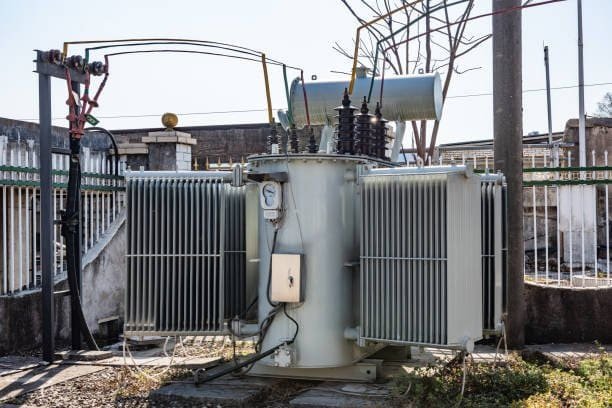
1. Why Does Transformer Capacity Matter for Cooling?
A transformer converts electrical power between voltage levels, but it is not perfectly efficient. Its core and windings generate heat through core losses, winding resistance losses, and additional stray losses. The cooling system must transfer this heat to the surrounding environment while keeping temperatures within the limits established by the transformer design and insulation system.
As rated capacity increases, the transformer often has greater total losses and a larger thermal load to manage. However, the relationship is not strictly proportional to kVA or MVA. Actual losses depend on the core design, winding resistance, conductor materials, operating voltage, current, and other construction details.
For this reason, engineers should compare the guaranteed or specified losses and the manufacturer's thermal ratings rather than select cooling equipment using capacity alone.
| Transformer capacity and design consideration | Cooling implication | What buyers should check |
|---|---|---|
| Lower-capacity transformer with modest losses | Natural cooling may be sufficient | Rated capacity under the specified natural-cooling mode |
| Higher-capacity transformer with greater total losses | More heat must be removed | Radiator or heat-exchanger capability and temperature-rise limits |
| Transformer with high winding losses under heavy loading | Winding temperature may become the limiting factor | Load-dependent losses and thermal assessment |
| Transformer designed for multiple cooling stages | Capacity may vary by operating mode | Manufacturer's rating for each cooling designation |
For oil-immersed transformers, ONAN cooling uses natural oil circulation and natural air movement. For dry-type transformers, AN cooling uses natural air circulation. These methods can provide reliable service when the transformer is designed for them and the installation conditions allow adequate heat dissipation.
As cooling demand increases, a manufacturer may offer fan-assisted or forced-liquid cooling. Such systems should only be used within their specified operating ratings.
2. How Does the Load Profile Affect Transformer Temperature?
A load profile describes how a transformer's electrical demand changes over time. It may include low-load periods, regular operating hours, short peaks, cyclic demand, and occasional overloads. This information matters because transformer temperature does not change instantaneously with every load variation.
When load rises, winding losses generally increase approximately with the square of current, assuming winding resistance remains constant. Core losses are influenced primarily by voltage, frequency, and core design and are comparatively less dependent on load when these conditions remain stable.
A transformer that operates near its rated load continuously may experience a higher sustained temperature than one that reaches the same load briefly and then has enough time to cool. However, short peaks cannot automatically be considered harmless: their effect depends on their magnitude, duration, preceding load, cooling condition, ambient temperature, and the transformer's thermal time constants.
Consider three typical loading patterns:
- Steady loading: Demand remains relatively constant for long periods. The cooling system must remove heat continuously at the corresponding operating condition.
- Cyclic loading: Demand rises and falls predictably. Engineers need to evaluate both peak temperatures and the time available for cooling between peaks.
- Intermittent peak loading: Demand occasionally rises above the usual level. The transformer may need additional cooling or a manufacturer-approved loading plan, depending on peak magnitude and duration.
| Load profile | Main thermal concern | Cooling-selection approach |
|---|---|---|
| Low and relatively steady load | Avoid unnecessary cooling complexity | Consider natural cooling if the rated capacity and conditions are adequate |
| High continuous load | Sustained temperature rise | Verify continuous rating and heat-removal capability |
| Repeated daily peaks | Cumulative heating and incomplete cooling between peaks | Assess the full load cycle and thermal response |
| Short, high-demand events | Winding hot-spot temperature | Evaluate peak magnitude and duration using manufacturer-approved methods |
| Variable industrial demand | Frequent changes in current and losses | Consider monitoring, cooling controls, and the specified operating duty |
The key point is that peak load and average load provide different information. Average load alone may not reveal the highest winding temperature, while peak load alone may not describe how much thermal recovery occurs before the next peak.
3. When Is Natural Cooling Sufficient?
Natural cooling is often attractive because it has relatively few moving parts and requires little or no auxiliary power for cooling. In oil-immersed transformers, ONAN relies on natural circulation of the insulating liquid and natural airflow around radiators. In dry-type transformers, AN relies on natural air circulation around the windings and core.
Natural cooling may be appropriate when:
- The transformer is rated for the required continuous load under the specified ambient conditions.
- The load profile does not exceed its approved thermal capability.
- Radiators or ventilation passages can dissipate the expected heat.
- The installation provides adequate airflow and maintenance access.
- The project does not require additional capacity available only through a forced-cooling stage.
For example, a distribution transformer supplying a relatively stable building load may operate satisfactorily with ONAN cooling if its rating and environmental conditions are suitable. A dry-type transformer in a well-ventilated electrical room may similarly use AN cooling when its design supports the required load.
Natural cooling should not be assumed to be adequate simply because the transformer's rated capacity appears large relative to the average load. The manufacturer must verify the rating for the actual operating conditions, including ambient temperature and installation constraints.
4. When Should Buyers Consider Forced Cooling?
Forced cooling can increase heat transfer by adding fans, pumps, or other cooling equipment. It is useful when natural heat dissipation is insufficient for the required transformer rating or operating duty.
Common arrangements include:
- ONAF: Natural oil circulation with forced-air cooling through radiator fans.
- AF: Forced-air cooling for dry-type transformers designed and rated for that arrangement.
- OFAF: Forced oil circulation combined with forced-air cooling.
- OFWF: Forced oil circulation with water-assisted heat removal through heat exchangers.
The appropriate method depends on the transformer's design and the heat-removal requirement. For instance, an oil-immersed transformer may have a specified ONAN rating and a higher specified ONAF rating. The higher rating is valid only if the manufacturer explicitly establishes it for that cooling mode.
Forced cooling introduces additional considerations. Fans and pumps consume auxiliary power, require maintenance, and may fail. Buyers should therefore determine the permitted operating condition when a cooling stage is unavailable. If continued operation is required following a fan or pump failure, the manufacturer should define the applicable reduced-load rating, alarm logic, and operating restrictions.
Adding cooling fans automatically increases the rated capacity of any transformer.False
Forced cooling can increase a transformer's specified capacity only when the transformer is designed, tested, and rated for the corresponding cooling arrangement and operating conditions.
5. How Do Capacity and Load Profile Work Together?
Capacity and loading must be assessed together rather than as separate selection criteria. The rated capacity establishes the design reference, while the load profile describes the actual demand imposed on the transformer. The cooling method must support the required operating profile without exceeding thermal limits.
A practical assessment should consider:
- Continuous demand: How much load will the transformer carry during normal operation?
- Peak demand: What is the maximum expected load, and how long will it last?
- Peak frequency: How often do high-load events occur?
- Cooling recovery: Does the transformer have enough time to cool between peaks?
- Ambient temperature: Does the surrounding environment reduce the available cooling margin?
- Cooling-stage availability: Can the transformer meet its required load if a fan, pump, or auxiliary supply fails?
- Future expansion: Will expected load growth change the cooling requirement during the transformer's service life?
| Selection factor | Why it matters | Recommended action |
|---|---|---|
| Rated capacity | Defines the transformer's design rating | Specify the required kVA or MVA |
| Continuous load | Determines sustained heat generation | Confirm continuous thermal capability |
| Peak load and duration | Influences winding hot-spot temperature | Provide the maximum load and its duration |
| Load cycle | Determines heat accumulation and recovery | Supply representative time-based load data |
| Ambient conditions | Affect heat rejection | Provide temperature range and site conditions |
| Cooling failure requirements | Affect operational resilience | Define alarm, backup, and reduced-load requirements |
| Future load growth | May change long-term thermal demand | Evaluate the anticipated operating profile over the planned service life |
This approach helps prevent the common mistake of choosing a cooling system solely because it is standard for a particular transformer size.
6. What Information Should Buyers Provide to the Manufacturer?
To obtain a technically suitable proposal, buyers should provide the transformer capacity, voltage ratio, phase configuration, frequency, installation location, expected ambient conditions, and load profile. Where available, a time-based load curve is more useful than a single average-load figure because it shows how demand varies throughout the day or operating cycle.
Buyers should also state whether the transformer must support emergency loading, whether cooling redundancy is required, and whether there are constraints on noise, space, auxiliary power, or maintenance access.
The manufacturer can then assess the required cooling arrangement, determine the rating available under each cooling stage, and identify any derating or operating restrictions. Technical documentation should clearly state the cooling designation, rated output for the specified mode, temperature-rise requirements, monitoring provisions, and operating response to cooling-system failure.
How Do Installation Environment and Fire-Safety Requirements Influence Transformer Cooling Method Selection?
Choosing a transformer cooling method without considering the installation environment and fire-safety requirements can result in overheating, excessive maintenance, installation delays, or unacceptable safety risks. An oil-immersed transformer may provide effective heat dissipation, but its insulating liquid can introduce additional containment and fire-protection requirements. A dry-type transformer may be preferable for certain indoor locations, yet it still needs sufficient ventilation and appropriate fire protection. The right decision requires engineers to assess the transformer's thermal requirements together with the building layout, environmental exposure, fire-risk assessment, and applicable regulations.
Installation environment and fire-safety requirements influence transformer cooling selection by determining which cooling arrangements can safely remove heat under actual site conditions. Oil-immersed transformers may use ONAN, ONAF, or forced-oil cooling, but the installation may need liquid containment, separation, and fire-protection measures. Dry-type transformers commonly use AN or AF cooling and can be suitable where avoiding insulating-liquid containment is a priority, but they still require adequate ventilation, suitable enclosures, and compliance with applicable fire and electrical codes. The final choice depends on transformer design, site conditions, operating duty, and project requirements.
For buyers, the important point is that cooling method, transformer construction, and installation safety cannot be specified independently. A suitable transformer must meet the required capacity while fitting the physical environment and the site's risk-management strategy. This article explains how to evaluate these factors and what information to provide when requesting a transformer quotation.
1. Why Does the Installation Environment Matter?
Transformer cooling works by transferring heat from the core and windings to a surrounding medium, usually air or an insulating liquid. The effectiveness of this process depends partly on the temperature and conditions around the transformer.
An outdoor transformer may experience high solar exposure, rain, dust, salt, corrosion, and seasonal temperature changes. An indoor transformer may operate in a confined room where ventilation is restricted and heat from other electrical equipment accumulates. These differences can affect the cooling system's ability to maintain acceptable operating temperatures.
Before selecting a cooling arrangement, engineers should assess:
- Ambient temperature: High surrounding temperatures reduce the available temperature difference for heat rejection.
- Ventilation: Restricted airflow can reduce cooling effectiveness and increase room temperature.
- Altitude: Lower air density at high elevations can reduce air-cooling performance; manufacturer guidance may require derating.
- Dust and pollution: Deposits can obstruct air passages and foul radiator surfaces.
- Humidity and condensation: Moisture can affect insulation and auxiliary equipment.
- Corrosive exposure: Coastal or industrial environments may require additional material and coating protection.
- Installation space: Radiators, fans, ventilation openings, and service access need sufficient clearance.
| Site condition | Potential cooling impact | What to assess |
|---|---|---|
| High ambient temperature | Reduced heat-rejection margin | Transformer rating at the specified ambient temperature |
| Poor indoor ventilation | Heat accumulation | Room airflow and ventilation capacity |
| High altitude | Reduced air-cooling effectiveness | Manufacturer derating requirements |
| Dusty environment | Blocked ventilation and dirty radiators | Enclosure protection and cleaning access |
| Coastal or corrosive location | Corrosion of cooling equipment | Protective finishes and material selection |
| Restricted space | Obstructed airflow and maintenance access | Layout, clearances, and service requirements |
The cooling method should therefore be evaluated for the actual installation, rather than selected from transformer capacity alone.
2. How Do Indoor and Outdoor Locations Affect Cooling Selection?
Indoor transformer installations
Indoor transformers are commonly installed in commercial buildings, factories, data centers, electrical rooms, and other facilities where space, ventilation, and fire safety are important.
Dry-type transformers are often considered for these applications because they do not use insulating oil as their main insulation and cooling medium. This can simplify certain liquid-containment requirements, depending on the design and local rules.
However, dry-type construction does not eliminate the need for thermal management. The room must provide adequate airflow, and the transformer must have sufficient space around its ventilation openings. If the transformer uses forced-air cooling, fan power, controls, maintenance, and failure response must also be considered.
Key checks include:
- Room ventilation and heat-removal capacity.
- Transformer enclosure and ingress-protection requirements.
- Required clearances around the equipment.
- Fire performance of the transformer and surrounding materials.
- Access for inspection, cleaning, and replacement.
- Noise restrictions and fan operating conditions.
Outdoor transformer installations
Outdoor substations often provide more flexibility for locating radiators and arranging airflow. Oil-immersed transformers using ONAN or ONAF cooling are common options, subject to the required rating and site conditions.
Outdoor installation still requires careful fire and environmental planning. Depending on the transformer design and applicable regulations, measures may include liquid containment, drainage management, separation from buildings or adjacent equipment, protective barriers, and fire detection or suppression systems.
The equipment must also be suitable for outdoor exposure. Radiators, fans, electrical connections, and control cabinets need appropriate protection against weather, corrosion, and contamination.
| Installation type | Cooling methods to evaluate | Main considerations |
|---|---|---|
| Commercial electrical room | Dry-type AN or AF | Ventilation, fire requirements, noise, and available space |
| Industrial facility | Dry-type or oil-immersed | Process heat, dust, corrosion, and maintenance access |
| Outdoor utility substation | Oil-immersed ONAN or ONAF | Weather exposure, liquid management, separation, and fire protection |
| Data center or critical facility | Project-specific dry-type or oil-immersed design | Reliability, room cooling, monitoring, and continuity requirements |
| Coastal or corrosive site | Environmentally protected transformer design | Corrosion resistance, enclosure protection, and inspection access |
These are common options to evaluate, not universal rules. The final choice must reflect the transformer's tested design and the project's installation requirements.
3. How Do Fire-Safety Requirements Affect Oil-Immersed and Dry-Type Transformers?
The insulating medium is an important part of transformer fire-risk assessment.
Oil-immersed transformers use insulating liquid for electrical insulation and heat transfer. Depending on the liquid type, transformer construction, and installation, a leak or fire can introduce additional hazards. The project may therefore need to address liquid containment, separation, fire protection, and emergency response.
Dry-type transformers avoid insulating oil in their main insulation system. This can make them attractive in some indoor applications where liquid containment is difficult or undesirable. However, dry-type transformers are not automatically fireproof. Their insulation materials, enclosure, ventilation, and surrounding installation still need to meet the project's fire-performance requirements.
Fire-safety factors to check
- Insulating-liquid characteristics: Confirm the type of liquid and its relevant fire and environmental properties.
- Liquid containment: Determine whether a bund, collection pit, drainage control, or other containment provision is required.
- Equipment separation: Assess required separation from buildings, escape routes, other transformers, and nearby equipment.
- Fire detection and suppression: Identify systems required by the risk assessment and applicable regulations.
- Transformer materials: Verify the fire-performance requirements for insulation, enclosures, and other materials.
- Emergency access: Ensure that responders and maintenance personnel can reach the equipment safely.
- Ventilation design: Confirm that cooling airflow is compatible with fire barriers and other protective provisions.
A dry-type transformer automatically eliminates the need for fire-safety measures.False
Dry-type transformers avoid insulating oil in their main insulation system, but they can still require fire-risk assessment, ventilation, suitable clearances, detection, and other protective measures under applicable regulations.
4. How Does the Cooling Method Affect Fire Protection and Heat Management?
Cooling arrangements influence the equipment layout, auxiliary systems, and maintenance requirements that must be included in the safety plan.
Oil-immersed transformers may use several cooling configurations:
- ONAN — Oil Natural, Air Natural: Natural liquid circulation and natural airflow across the radiators.
- ONAF — Oil Natural, Air Forced: Natural liquid circulation with fans forcing air across the radiators.
- OFAF — Oil Forced, Air Forced: Pumps circulate the liquid while fans force air through the cooling equipment.
- OFWF — Oil Forced, Water Forced: Pumps circulate the liquid through heat exchangers, where water removes the heat.
Dry-type transformers commonly use:
- AN — Air Natural: Natural air circulation through the transformer.
- AF — Air Forced: Fans increase airflow through designated cooling passages.
| Cooling method | Main thermal benefit | Fire and installation considerations |
|---|---|---|
| ONAN | Natural heat transfer with few auxiliary components | Oil-related containment and fire-risk provisions may apply |
| ONAF | Increased radiator heat transfer through forced airflow | Requires fan power, controls, maintenance, and failure planning |
| OFAF | Forced liquid circulation and forced-air heat rejection | Requires pump and fan monitoring and additional maintenance |
| OFWF | Heat removal through a water-cooled heat exchanger | Requires reliable water infrastructure and leakage safeguards |
| AN | Natural airflow for dry-type equipment | Requires adequate ventilation and suitable enclosure design |
| AF | Increased airflow through dry-type windings | Requires fan maintenance, auxiliary power, and airflow monitoring |
A forced-cooling system may improve heat removal, but it also adds equipment that can fail. The project specification should state what happens if a fan, pump, or auxiliary supply becomes unavailable. The manufacturer should provide the applicable reduced-load rating and operating instructions for that condition.
5. How Do Ventilation and Transformer Layout Influence Cooling Performance?
Ventilation is essential for both oil-immersed and dry-type transformers. Air must reach the intended cooling surfaces and carry heat away without excessive obstruction or recirculation.
In an indoor electrical room, the engineer should assess the total heat generated by the transformer and nearby equipment. A room that is too small or poorly ventilated can become hot enough to reduce the transformer's cooling margin.
In outdoor installations, radiators and cooling fans need space for effective airflow. Nearby walls, fences, other transformers, and structures can obstruct natural airflow or cause heated air to recirculate.
Before finalizing the layout, verify that:
- Manufacturer-specified clearances are maintained.
- Air inlets and outlets are not blocked.
- Room ventilation can remove the expected heat.
- Enclosures provide the required environmental protection without restricting cooling.
- Radiators, fans, pumps, and heat exchangers can be inspected and serviced safely.
- Ventilation changes do not compromise fire-rated walls or other safety barriers.
If the site has severe ventilation or space limitations, the project team may need to reconsider the transformer location, room design, enclosure, or cooling arrangement.
6. How Should Buyers Balance Cooling Performance, Fire Safety, and Lifecycle Cost?
The lowest initial purchase price does not always produce the lowest total ownership cost. Natural cooling may reduce auxiliary power consumption and maintenance complexity, but it must still meet the required thermal duty. Forced cooling may provide additional heat-removal capability, but it introduces fans, pumps, controls, and associated maintenance.
Similarly, dry-type construction may reduce certain liquid-related installation requirements, while oil-immersed designs may be suitable for other capacity ranges and operating conditions. Neither option is universally superior.
Buyers should compare the complete installation cost, including:
| Cost or operational factor | Why it matters |
|---|---|
| Transformer purchase price | Establishes the initial equipment cost |
| Cooling equipment | Fans, pumps, radiators, and heat exchangers affect cost and complexity |
| Installation provisions | Ventilation, containment, foundations, and separation can add project costs |
| Auxiliary power | Forced cooling may increase operating electricity consumption |
| Maintenance | Moving equipment and cooling systems require inspection and servicing |
| Fire protection | Detection, suppression, separation, and containment may be required |
| Downtime risk | Cooling-system failure can restrict transformer loading or availability |
| Future expansion | Increased demand may change the required cooling capacity |
The manufacturer should identify the rated capacity for each cooling stage, the environmental conditions assumed for that rating, and the operating restrictions that apply if forced cooling is unavailable.
7. What Should Buyers Include in the Transformer Specification?
To obtain a suitable technical proposal, provide the manufacturer with:
- Required transformer capacity, voltage levels, phase configuration, and frequency.
- Normal, peak, and emergency load requirements.
- Indoor or outdoor installation location.
- Ambient temperature range and site altitude.
- Ventilation, enclosure, and available-space limitations.
- Insulating-medium preferences or project restrictions.
- Fire-safety, containment, and separation requirements.
- Cooling redundancy, alarms, and monitoring expectations.
- Applicable standards, local codes, and project specifications.
- Maintenance and lifecycle-cost priorities.
Request documentation showing the cooling designation, rated capacity under each cooling mode, relevant temperature-rise information, cooling controls, and the manufacturer's instructions for cooling-system failure. This makes it easier to verify that the transformer and its installation provisions meet the project requirements.
How Do Maintenance Requirements, Energy Efficiency, and Lifecycle Costs Compare Across Transformer Cooling Methods?
Choosing a transformer cooling method based only on its purchase price or cooling capacity can create higher operating costs over the equipment's service life. A natural-cooling transformer may have fewer components to maintain, while a fan- or pump-assisted design may offer greater heat-removal capability but require auxiliary power, inspections, and replacement parts. These differences affect energy consumption, reliability, maintenance budgets, and the total cost of ownership. Buyers should therefore compare cooling methods across the entire lifecycle rather than focus on the initial quotation alone.
Natural cooling methods such as ONAN for oil-immersed transformers and AN for dry-type transformers generally have lower auxiliary power consumption and fewer moving components. Forced-air methods such as ONAF and AF can improve heat dissipation but require fan power and maintenance. More complex arrangements such as OFAF and OFWF may provide greater cooling capability, but pumps, heat exchangers, controls, and supporting systems add maintenance and operating costs. The most economical option is the cooling method that meets the required thermal duty with acceptable energy use, reliability, and lifecycle cost.
The right comparison depends on transformer capacity, loading profile, site conditions, operating hours, maintenance resources, and the manufacturer's rated performance. This guide explains how the main cooling methods compare and how buyers can assess their long-term economic impact.
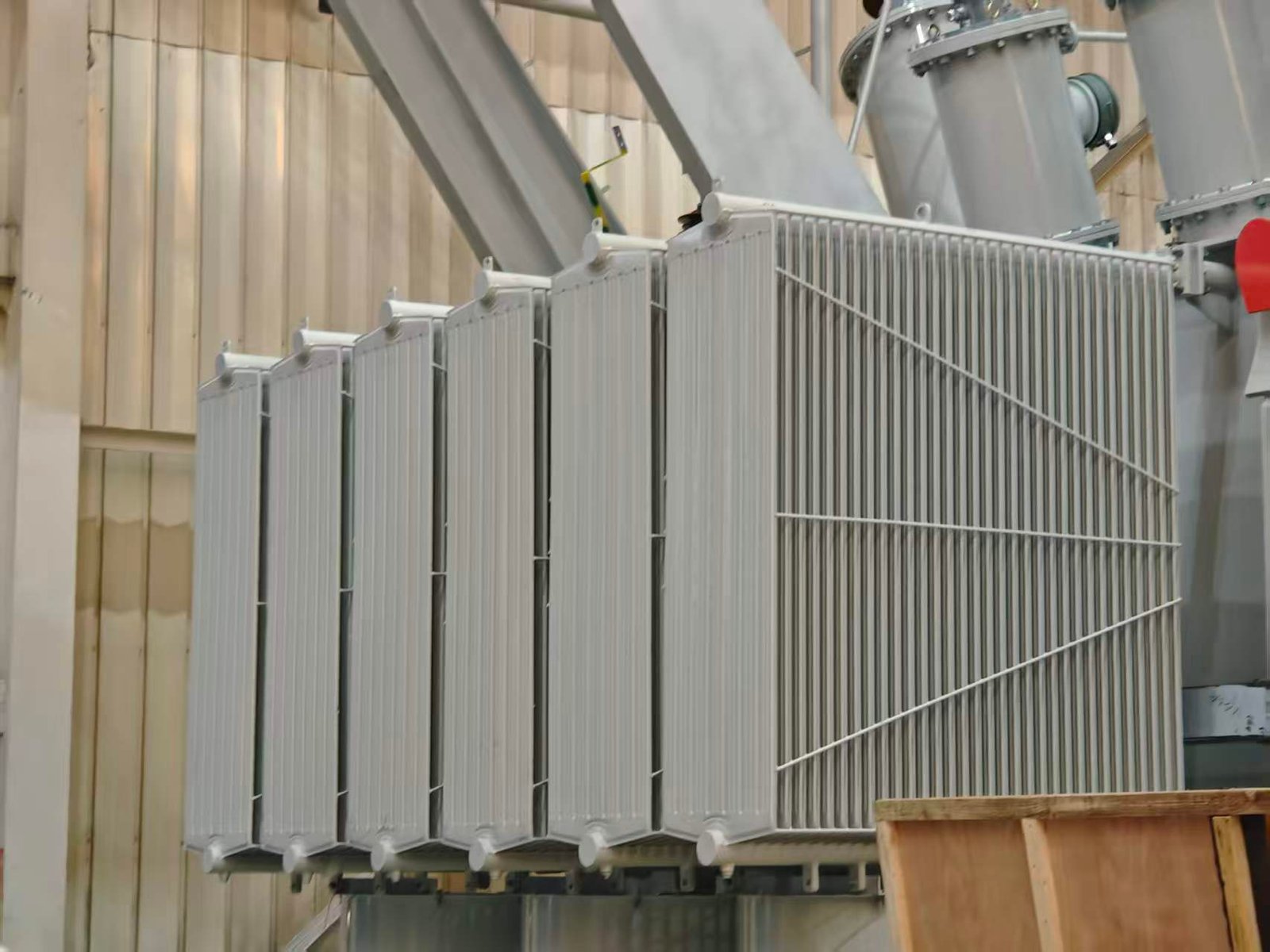
1. Why Should Buyers Compare Cooling Methods Over the Transformer Lifecycle?
A transformer generates heat through core losses, winding resistance losses, and additional stray losses. Its cooling system must remove this heat while maintaining acceptable operating temperatures. However, the cooling system itself can consume energy and require maintenance.
Natural cooling generally relies on convection and has relatively few auxiliary components. Forced cooling adds equipment such as fans, pumps, motors, controls, and heat exchangers. These components can improve heat transfer but introduce additional costs and potential failure points.
A lifecycle comparison should include:
- Initial transformer and cooling-equipment purchase price.
- Auxiliary electricity consumption.
- Routine inspection and preventive maintenance.
- Fan, pump, valve, and control-system replacement.
- Cooling-system reliability and potential downtime.
- Cooling-related derating if equipment becomes unavailable.
- Installation infrastructure and future expansion requirements.
The comparison should also distinguish between transformer losses and cooling-system energy consumption. Core and winding losses are part of the transformer's electrical efficiency, while fan and pump consumption is additional auxiliary energy use. Both should be considered when evaluating overall operating costs.
2. How Do Maintenance Requirements Compare?
Maintenance needs vary with the number and complexity of cooling-system components, the operating environment, and the manufacturer's instructions.
Natural cooling: ONAN and AN
ONAN means Oil Natural, Air Natural. The insulating liquid circulates naturally through the transformer and radiators, while surrounding air removes heat without fan assistance.
AN means Air Natural and is commonly used for dry-type transformers. Heat is removed through natural air circulation and convection.
These methods generally have fewer moving components, which can reduce routine mechanical maintenance. Nevertheless, natural cooling does not mean maintenance-free operation. Oil-immersed transformers still require appropriate inspection and testing of the insulating liquid, radiators, seals, and other components. Dry-type transformers require inspection for dust accumulation, ventilation obstruction, insulation condition, and signs of overheating.
Forced-air cooling: ONAF and AF
ONAF means Oil Natural, Air Forced. The insulating liquid circulates naturally, while fans force air across the radiators.
AF means Air Forced and uses fans to increase airflow through a dry-type transformer designed for forced-air cooling.
These arrangements require additional maintenance, including fan inspection, motor checks, control verification, and cleaning of airflow passages. Fan failure can reduce the available cooling capability, so alarm systems and operating procedures should be defined.
Forced-oil cooling: OFAF
OFAF means Oil Forced, Air Forced. Pumps circulate the insulating liquid, while fans force air across radiators or heat exchangers.
This arrangement provides greater control over heat transport but requires maintenance of both pumping and air-cooling equipment. Pumps, motors, valves, seals, sensors, and controls introduce additional components that must be monitored.
Water-assisted cooling: OFWF
OFWF means Oil Forced, Water Forced. The insulating liquid is pumped through heat exchangers, where water removes the heat. The oil and water remain separated within the heat exchanger in a properly designed system.
Maintenance includes inspection of pumps, heat exchangers, water circuits, valves, and leakage-control equipment. Water quality and corrosion management can also be important.
| Cooling method | Main equipment requiring attention | Relative maintenance complexity |
|---|---|---|
| ONAN | Radiators, oil system, seals, and insulating liquid | Generally lower |
| ONAF | ONAN components plus fans, motors, and controls | Moderate |
| OFAF | Pumps, fans, valves, sensors, and heat exchangers | Higher |
| OFWF | Pumps, water circuits, heat exchangers, and leakage controls | Higher |
| AN | Ventilation passages, insulation surfaces, and enclosure | Generally lower |
| AF | AN components plus fans, motors, and controls | Moderate |
These are relative comparisons, not fixed maintenance schedules. Actual requirements depend on transformer design, environment, operating conditions, and manufacturer recommendations.
3. How Energy Efficiency Differs Across Cooling Methods
Energy efficiency should be evaluated at two levels: transformer electrical efficiency and cooling-system auxiliary consumption.
Transformer electrical efficiency is primarily influenced by core losses and load-dependent winding losses. Cooling equipment does not eliminate these losses. Instead, it consumes additional power to help remove the heat they generate.
Natural cooling methods generally have lower auxiliary energy demand because they do not require cooling fans or oil pumps for normal operation. Forced-air systems consume electricity to operate fans. Forced-oil systems also consume electricity through pumps, and water-cooled systems may require additional pumping and water-treatment infrastructure.
However, it would be inaccurate to conclude that natural cooling is always the most energy-efficient overall choice. If a transformer is undersized for its actual duty, it may operate at excessive temperatures or require load restrictions. A properly designed forced-cooling transformer may provide the required capacity more effectively, even though its cooling equipment consumes additional energy.
| Cooling method | Typical auxiliary power demand | Energy-efficiency consideration |
|---|---|---|
| ONAN | Very low for cooling equipment | Natural circulation avoids normal fan and pump consumption |
| ONAF | Fan power required | Additional heat dissipation comes with fan energy use |
| OFAF | Fan and pump power required | Greater heat-transfer capability adds auxiliary consumption |
| OFWF | Pumping and water-system power required | Heat removal depends on the efficiency of the complete cooling-water system |
| AN | Very low for cooling equipment | Natural airflow reduces auxiliary demand |
| AF | Fan power required | Increased airflow requires additional electricity |
For a fair comparison, buyers should request the auxiliary power ratings of fans and pumps, expected operating hours, and control logic. Some systems operate cooling equipment in stages, activating fans or pumps only when temperature or load conditions require them. Such control strategies can reduce unnecessary energy consumption.
A transformer with natural cooling always has a higher overall energy efficiency than one with forced cooling.False
Natural cooling usually requires less auxiliary power, but overall efficiency also depends on transformer core and winding losses, loading, cooling-system operation, and the manufacturer's design.
4. How Does the Cooling Method Affect Lifecycle Cost?
Lifecycle cost includes more than the initial purchase price. A cooling method that costs less initially may require more operating restrictions or may not provide sufficient thermal capacity. Conversely, a more complex cooling system may increase purchase and maintenance costs but be justified by the required transformer rating or operating duty.
A practical lifecycle-cost assessment should consider four main categories.
Initial investment
The purchase price includes the transformer, cooling equipment, controls, and any accessories required for the selected arrangement. Forced cooling may add fans, pumps, radiators, heat exchangers, and control panels. Water-cooled systems may also require site infrastructure.
Operating energy
Auxiliary energy consumption depends on fan and pump ratings, operating hours, control strategy, and electricity price. For a transformer operating continuously, even relatively small auxiliary loads can accumulate over many years.
Maintenance and replacement
Fans, pumps, motors, valves, and control components may need periodic servicing or replacement. Natural-cooling arrangements generally have fewer moving components, although they still require routine transformer maintenance.
Downtime and operating risk
A cooling-system failure can reduce the transformer's available capacity or require a controlled shutdown, depending on its design and operating limits. The financial impact of reduced capacity or interruption may be significant in critical industrial and utility applications.
| Lifecycle-cost category | Natural cooling | Forced cooling |
|---|---|---|
| Initial equipment cost | Often lower | Often higher due to additional equipment |
| Auxiliary electricity | Generally lower | Higher when fans or pumps operate |
| Mechanical maintenance | Generally simpler | More components to inspect and service |
| Replacement parts | Fewer cooling-system components | Fans, motors, pumps, and controls may require replacement |
| Cooling-system failure exposure | Fewer moving-component failure modes | More potential failure points |
| Capacity flexibility | Limited to the natural-cooling rating | May offer additional manufacturer-rated cooling stages |
A sound economic comparison should use the same transformer duty, ambient conditions, and required availability for every option. Comparing an ONAN transformer with a forced-cooled transformer at different rated capacities can produce misleading results.
5. How Can Buyers Estimate Cooling-System Operating Costs?
Buyers can estimate annual cooling-system electricity consumption using the rated auxiliary power and expected operating hours.
For a simple estimate:
[\E_{\mathrm{annual}}=P_{\mathrm{aux}}\times t]
Where:
- (E_{\mathrm{annual}}) is annual auxiliary energy consumption in kWh.
- (P_{\mathrm{aux}}) is the auxiliary power demand in kW.
- (t) is the annual operating time in hours.
For example, assume a cooling system has a combined fan and pump demand of 2 kW and operates for 3,000 hours per year.
[\E_{\mathrm{annual}}=2\times3,000=6,000\text{ kWh}]
If the electricity price is $0.15 per kWh, the estimated annual auxiliary electricity cost is:
[\6,000\times0.15=$900]
This is an illustrative calculation, not a typical consumption figure for every transformer. Actual energy use depends on the equipment ratings, operating stages, temperature controls, and load profile. If fans or pumps operate only during certain periods, use their expected operating hours rather than assuming continuous operation.
6. How Do Reliability and Maintenance Resources Affect the Choice?
The best cooling method must match the maintenance capabilities and reliability expectations of the site.
For installations with limited maintenance access, natural cooling may be attractive when it can meet the required thermal rating. Fewer moving components can simplify routine servicing. However, a natural-cooling design should not be selected if it cannot support the required load.
Critical facilities may accept the added complexity of forced cooling when it is needed to meet capacity requirements. In these cases, buyers should consider:
- Fan and pump status monitoring.
- Temperature alarms and protective controls.
- Redundant cooling equipment where justified.
- Backup auxiliary power requirements.
- Spare-parts availability.
- Approved reduced-load operation following cooling failure.
- Maintenance access and safe isolation procedures.
The manufacturer should clearly state whether the transformer can continue operating if a cooling stage fails and what load restrictions apply. Buyers should never assume that a transformer can maintain its full forced-cooling rating after losing fans or pumps.
7. What Should Buyers Check Before Ordering a Transformer?
Before comparing quotations, provide the manufacturer with a consistent technical specification. This helps ensure that each cooling option is evaluated under the same conditions.
| Information to provide | Why it matters |
|---|---|
| Transformer capacity and voltage levels | Establishes the electrical design basis |
| Continuous and peak loading | Defines the thermal duty |
| Load cycle and annual operating hours | Helps estimate cooling demand and auxiliary energy use |
| Ambient temperature and altitude | Affects thermal performance |
| Indoor or outdoor installation | Influences ventilation and environmental protection |
| Preferred cooling arrangement | Identifies the configurations to evaluate |
| Auxiliary power requirements | Supports energy-cost calculations |
| Maintenance resources and access | Helps assess practical service requirements |
| Redundancy and availability needs | Defines acceptable cooling-system failure response |
| Applicable standards and project specifications | Establishes design and acceptance requirements |
Ask manufacturers to provide rated output under each cooling mode, auxiliary power consumption, temperature-rise information, cooling control logic, and maintenance recommendations. These details are essential for comparing lifecycle costs accurately.
How Can You Confirm the Right Transformer Cooling Method Meets Applicable Standards and Project Requirements?
Selecting a transformer cooling method that appears suitable on paper does not guarantee that the complete transformer will comply with project specifications or applicable standards. A cooling designation such as ONAN, ONAF, AN, or AF describes a particular heat-removal arrangement, but it does not independently confirm the transformer's rated capacity, temperature-rise performance, insulation capability, fire-safety provisions, or operating limits. If these details are not verified before purchase, the transformer may require redesign, additional testing, installation modifications, or operating restrictions after delivery.
To confirm that a transformer cooling method meets applicable standards and project requirements, buyers should identify the governing standards and project specifications, verify the manufacturer's declared ratings for each cooling mode, review temperature-rise and routine test documentation, confirm cooling-system controls and failure-response limits, and check installation, fire-safety, and environmental requirements. The final design should be supported by an approved technical data sheet, drawings, test records, and written manufacturer confirmation.
A reliable verification process connects the cooling method to the transformer's actual duty and installation conditions. This article provides a practical framework for reviewing standards, technical documents, testing evidence, and supplier commitments before placing an order or accepting a transformer.
1. Identify the Applicable Standards and Project Requirements First
The first step is to establish which standards and project documents govern the transformer. Requirements vary with the transformer's application, voltage class, location, utility or industrial owner, and local regulations. A transformer supplied for a utility substation may have different specifications from one used in a commercial building or an industrial plant.
Common standards and regulatory references may include:
- IEC 60076 series: International standards covering power transformers, including general requirements, temperature-rise considerations, insulation, and other design and test requirements.
- IEEE C57 series: Standards and guides used for power transformers in many North American applications.
- Local electrical and building codes: Requirements applicable to installation, grounding, clearances, ventilation, fire protection, and access.
- Utility or owner specifications: Additional requirements for ratings, cooling stages, monitoring, testing, documentation, and acceptance.
- Environmental and fire-safety regulations: Requirements related to insulating liquids, containment, emissions, fire risk, and site protection where applicable.
The exact editions, clauses, and applicable documents should be confirmed with the project engineer, owner, or authority having jurisdiction. Do not assume that one standard or cooling designation automatically satisfies every project requirement.
Prepare a compliance matrix that links each requirement to the supplier's evidence.
| Requirement category | What to establish | Evidence to request |
|---|---|---|
| Transformer design | Applicable standard and edition | Manufacturer's compliance statement and design data |
| Cooling arrangement | Required cooling designation and operating stages | Cooling-system description and approved drawings |
| Rated capacity | Capacity available under each cooling mode | Nameplate data and guaranteed technical schedule |
| Temperature performance | Applicable temperature-rise limits | Design calculations and relevant test reports |
| Insulation system | Required insulation levels and materials | Insulation data and test documentation |
| Fire safety | Project-specific fire and liquid-management provisions | Risk assessment information, drawings, and declarations |
| Installation | Ventilation, access, clearances, and grounding | General arrangement and installation drawings |
| Testing and acceptance | Required factory and site tests | Inspection and test plan, test reports, and acceptance records |
2. Verify the Cooling Designation and Rated Capacity
Cooling designations identify how the transformer transfers heat. For common oil-immersed transformers, examples include ONAN, ONAF, OFAF, and OFWF. Dry-type transformers commonly use AN or AF.
However, a cooling designation alone does not establish the transformer's capacity. A manufacturer may offer different rated outputs for different cooling stages, and those ratings must be explicitly stated.
For example, an oil-immersed transformer may have a specified ONAN rating and a higher ONAF rating. The higher rating is valid only when the transformer is designed, evaluated, and rated for operation with the specified fans. Adding fans to a transformer does not automatically authorize an increase in its rated capacity.
Buyers should verify:
- The required cooling designation.
- Whether the transformer has one cooling stage or multiple stages.
- The rated kVA or MVA available under each stage.
- The ambient temperature and installation conditions assumed for each rating.
- The permitted operating condition when a fan, pump, or auxiliary supply is unavailable.
- Whether cooling stages operate automatically, manually, or through a defined control sequence.
| Cooling designation | Cooling arrangement | Verification point |
|---|---|---|
| ONAN | Natural oil circulation, natural air cooling | Confirm the required rating is available without forced cooling |
| ONAF | Natural oil circulation, forced-air cooling | Confirm fan-assisted rating, fan quantity, and control sequence |
| OFAF | Forced oil circulation, forced-air cooling | Verify pump and fan ratings, monitoring, and failure response |
| OFWF | Forced oil circulation, water-assisted heat exchange | Confirm water-system requirements and heat-exchanger performance |
| AN | Natural air cooling for dry-type transformers | Confirm capacity under natural ventilation |
| AF | Forced-air cooling for dry-type transformers | Confirm fan-assisted rating and permitted operation if fans fail |
The manufacturer's approved technical schedule should state the cooling mode associated with every guaranteed rating.
3. Check Temperature-Rise Requirements and Thermal Performance
Temperature-rise performance is one of the most important ways to verify that a cooling method is appropriate. Transformer losses generate heat in the core and windings. The cooling system must remove that heat while keeping the winding and insulation temperatures within the limits of the design and applicable standard.
The relevant thermal criteria depend on transformer construction, insulation system, cooling method, and the standard being applied. For oil-immersed designs, top-liquid temperature rise and winding temperature rise may be relevant. Winding hot-spot temperature is also important because localized high temperatures can accelerate insulation aging. Dry-type designs have their own temperature-rise and insulation-system requirements.
Ask the manufacturer to provide:
- The guaranteed temperature-rise values.
- The test method and reference conditions.
- The rated load and cooling stage used for the test.
- The ambient temperature assumptions.
- The insulation system and thermal classification, where applicable.
- Any derating required for site altitude or unusual ambient conditions.
Temperature-rise testing should be performed in accordance with the applicable standard and the agreed inspection and test plan. If the project requires operation under unusual conditions, such as high ambient temperature, high altitude, harmonics, or cyclic loading, the manufacturer should explain how those conditions affect the rating and thermal assessment.
A transformer cooling designation by itself proves that the transformer meets the project's temperature-rise requirements.False
The cooling designation describes the cooling arrangement, but compliance must be verified using the transformer's declared ratings, thermal design, applicable test results, and project operating conditions.
4. Confirm Cooling-System Controls and Failure Response
A cooling method that uses fans, pumps, or heat exchangers must be evaluated as a complete system. The equipment must operate as intended, and the project should define what happens if a cooling stage becomes unavailable.
For forced cooling, review:
- Fan and pump ratings and quantities.
- Motor supply voltage and auxiliary power requirements.
- Temperature sensors and monitoring points.
- Automatic start and stop settings.
- Alarm and trip logic, where specified.
- Manual control and maintenance isolation provisions.
- Redundancy requirements.
- Permitted load after loss of a fan, pump, or auxiliary supply.
A transformer with multiple cooling stages may be designed to continue operating at a reduced rating if forced cooling fails. The permitted reduced-load value and operating duration must be provided by the manufacturer. Buyers should not assume that the transformer can continue at its full forced-cooling rating after a cooling-system failure.
| Cooling-system feature | What to verify | Why it matters |
|---|---|---|
| Fans | Quantity, rating, protection, and control | Confirms the forced-air arrangement |
| Oil pumps | Flow, pressure, monitoring, and redundancy | Confirms forced-liquid circulation |
| Temperature sensors | Locations, ranges, and accuracy requirements | Supports thermal monitoring |
| Control panel | Automatic sequence, alarms, and manual operation | Ensures the cooling system responds correctly |
| Auxiliary supply | Voltage, load, and backup requirements | Supports reliable cooling operation |
| Failure response | Reduced rating and operating instructions | Prevents operation beyond approved thermal limits |
5. Review Fire-Safety and Environmental Requirements
Cooling-system compliance also depends on the insulating medium and installation environment. Oil-immersed transformers may require liquid containment, fire protection, separation, and drainage provisions depending on the insulating liquid, transformer design, location, and applicable regulations.
Dry-type transformers avoid insulating oil in their main insulation system, but they are not automatically fireproof. Their insulation materials, enclosure, ventilation, and installation must still meet the project's fire and electrical safety requirements.
Verify that the technical proposal addresses:
- Insulating-liquid type and relevant fire characteristics.
- Liquid containment and spill-management provisions, where required.
- Fire separation and access arrangements.
- Fire detection or suppression systems specified by the project.
- Enclosure protection and environmental suitability.
- Ventilation and heat removal in the actual room or outdoor location.
- Corrosion protection for radiators, fans, and other exposed components.
Fire-safety requirements are often determined by local codes and the authority having jurisdiction. The transformer supplier should provide the equipment information needed for the project engineer to complete the installation risk assessment, but the supplier's product declaration does not replace the site's overall fire-safety design.
6. Check Factory Tests, Inspection Records, and Site Acceptance
A compliant design should be supported by appropriate inspection and test evidence. The exact tests depend on the transformer type, rating, applicable standard, and purchase specification.
A typical verification process may include:
Design review: Confirm the cooling arrangement, ratings, thermal limits, and installation assumptions before manufacturing.
Factory inspection: Check radiators, fans, pumps, pipework, valves, sensors, wiring, and control panels against the approved drawings.
Routine tests: Review the routine electrical tests required by the applicable transformer standard and project specification.
Temperature-rise test: Confirm that the agreed test evidence demonstrates the required thermal performance for the specified cooling mode. The test arrangement and rating should be clearly identified.
Functional checks: Verify fan and pump operation, automatic start and stop sequences, alarms, temperature indications, and control logic.
Site acceptance: Confirm that the installed transformer has the required ventilation, clearances, grounding, auxiliary supplies, fire provisions, and cooling-system connections.
| Verification stage | Main checks | Typical records |
|---|---|---|
| Design review | Cooling designation, ratings, and thermal assumptions | Approved technical schedule and drawings |
| Factory inspection | Cooling equipment and assembly | Inspection reports and equipment records |
| Factory testing | Electrical and specified thermal performance | Routine and agreed type or special test reports |
| Functional testing | Fans, pumps, sensors, alarms, and controls | Functional test records |
| Site acceptance | Installation, ventilation, grounding, and protection | Site inspection and commissioning reports |
Not every project requires every type of test. The purchase specification and inspection and test plan should define which tests are mandatory, which are optional, and whether witnessing or third-party inspection is required.
7. Use a Compliance Matrix Before Approving the Purchase
A compliance matrix helps prevent important requirements from being overlooked. It should identify each requirement, the supplier's response, the supporting evidence, and whether the item is accepted, rejected, or requires clarification.
A practical matrix may include:
| Item | Project requirement | Supplier response | Evidence | Review status |
|---|---|---|---|---|
| Cooling designation | Specified cooling method | To be completed | Cooling-system drawing | Pending |
| Rated capacity | Required rating for each cooling stage | To be completed | Nameplate and technical schedule | Pending |
| Temperature rise | Project and standard limits | To be completed | Test report | Pending |
| Cooling controls | Required automatic operation and alarms | To be completed | Control schematic and functional test | Pending |
| Failure response | Approved reduced-load condition | To be completed | Manufacturer's operating instructions | Pending |
| Fire safety | Site-specific protective provisions | To be completed | Drawings and compliance documentation | Pending |
| Installation | Ventilation, access, grounding, and clearances | To be completed | General arrangement and installation drawings | Pending |
Do not approve a transformer based solely on a general statement such as "complies with IEC" or "meets international standards." The supplier should identify the applicable standard and edition, explain any deviations, and provide the evidence required by the project specification.
Conclusion
Selecting the right transformer cooling method requires balancing thermal performance, load demands, environmental conditions, safety, maintenance, and long-term operating costs. A properly selected cooling system helps control temperature rise, protect insulation, maintain reliable operation, and support the transformer's intended service life. The final choice should be verified against the manufacturer's technical data, the applicable transformer standards, and the project's operating requirements.
FAQ
Q1: What are the main types of transformer cooling methods?
The main methods include natural air cooling, forced air cooling, natural oil circulation, and forced oil circulation. Common systems include AN, AF, ONAN, ONAF, OFAF, and OFWF, depending on transformer design.
Q2: How do you choose the right transformer cooling method?
Consider transformer capacity, load profile, ambient temperature, installation environment, ventilation, maintenance needs, and operating costs. The selected method must meet the required thermal performance.
Q3: What is the difference between ONAN and ONAF cooling?
ONAN uses natural oil circulation and natural air cooling. ONAF adds fans to increase heat dissipation, allowing the transformer to handle higher loads under specified operating conditions.
Q4: Is oil cooling better than air cooling for transformers?
Neither is universally better. Oil cooling is common for larger power transformers, while air cooling is widely used in dry-type transformers and indoor installations where avoiding insulating liquid is important.
Q5: Does transformer cooling affect service life?
Yes. Effective cooling controls winding and insulation temperatures, helping slow thermal aging. Poor heat dissipation or prolonged overheating can accelerate insulation deterioration and shorten transformer service life.
References
- IEC 60076-1 — Power Transformers: General
https://webstore.iec.ch/en/publication/588 - IEC 60076-2 — Power Transformers: Temperature Rise for Liquid-Immersed Transformers
https://webstore.iec.ch/en/publication/604 - IEC 60076-7 — Loading Guide for Mineral-Oil-Immersed Power Transformers
https://webstore.iec.ch/en/publication/608 - IEEE C57.12.00 — General Requirements for Liquid-Immersed Distribution, Power, and Regulating Transformers
https://standards.ieee.org/ieee/C57.12.00/6962/ - IEEE C57.12.01 — General Requirements for Dry-Type Distribution and Power Transformers
https://standards.ieee.org/ieee/C57.12.01/6775/ - IEEE C57.91 — Guide for Loading Mineral-Oil-Immersed Transformers
https://standards.ieee.org/ieee/C57.91/ - Eaton — Secondary Unit Substations Design Guide
https://www.eaton.com/content/dam/eaton/products/design-guides---consultant-audience/eaton-secondary-unit-substation-design-guide-dg022017en.pdf - IEEMA — Power Transformer Standardisation Manual
https://ieema.org/newsite/wp-content/uploads/2020/07/TManual-Chapter-01.pdf - IEC 60076-5 — Power Transformers: Ability to Withstand Short Circuit
https://webstore.iec.ch/en/publication/607 - IEEE Technology Navigator — Power Transformers
https://technav.ieee.org/topic/power-transformers/