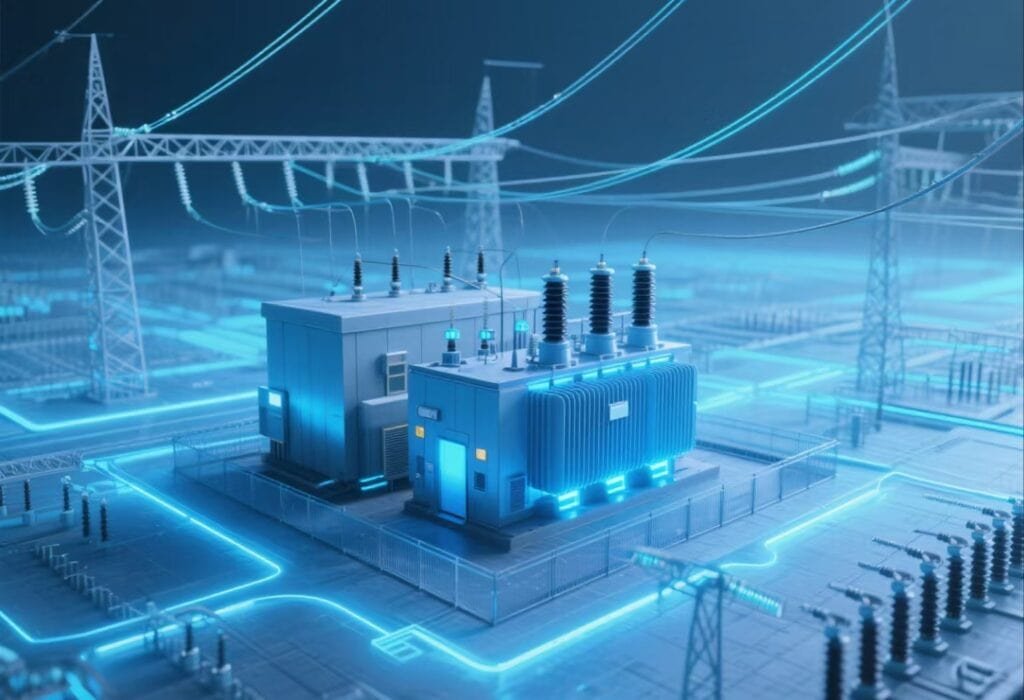
As power systems become more digitalized and interconnected, traditional transformers are evolving into intelligent assets capable of monitoring, communication, and automated control. Smart transformer technology combines conventional transformer functions with sensors, data analytics, and communication systems to improve efficiency, reliability, and grid management. Understanding how transformers can be converted into smart devices highlights their growing role in modern smart grids and energy systems.
What Is a Smart Transformer?
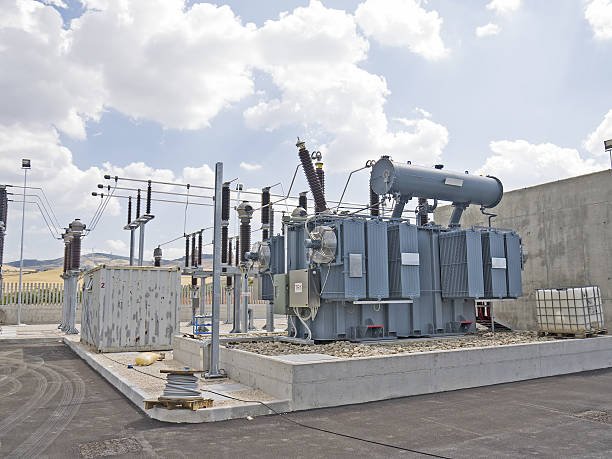
Traditional power transformers were primarily designed to perform voltage conversion between electrical systems. While they remain essential for power transmission and distribution, modern electrical grids are becoming far more complex due to renewable energy integration, distributed generation, electric vehicles, energy storage systems, bidirectional power flow, and increasing demand for real-time grid management. Conventional transformers alone cannot fully address the dynamic control, monitoring, communication, and automation requirements of modern smart grids. This challenge has led to the development of smart transformers.
Smart transformers are advanced transformer systems equipped with digital monitoring, communication technologies, sensors, automation functions, and intelligent control capabilities that allow them to actively participate in grid management rather than functioning only as passive voltage conversion devices. They can monitor operating conditions in real time, communicate with grid control systems, optimize voltage regulation, improve power quality, support renewable energy integration, detect faults automatically, and enhance overall grid efficiency and reliability.
A smart transformer is an intelligent transformer system that combines traditional voltage transformation with digital monitoring, automated control, communication technology, real-time diagnostics, and smart grid integration to improve electrical system efficiency, reliability, flexibility, and energy management.
Smart transformers are becoming increasingly important in modern electrical infrastructure because future power systems require adaptive, automated, and digitally connected energy networks.
Smart transformers only perform basic voltage conversion like conventional transformers and do not contribute to grid automation or digital control.False
Smart transformers include advanced sensors, communication systems, automated voltage regulation, fault diagnostics, and digital grid management functions beyond conventional voltage transformation.
Why Smart Transformers Are Needed
Modern electrical systems are evolving rapidly.
Challenges in Modern Power Grids
| Grid Challenge | Impact |
|---|---|
| Renewable energy variability | Voltage instability |
| Distributed energy resources | Bidirectional power flow |
| Electric vehicle charging | Dynamic load changes |
| Power quality demands | Harmonic management |
| Aging infrastructure | Reliability concerns |
Traditional transformers alone cannot fully manage these dynamic conditions.
Basic Function of a Conventional Transformer
Conventional transformers primarily perform voltage conversion through electromagnetic induction.
Electromagnetic Induction Equation
E=4.44fN\Phi
Where:
- (E) = induced voltage
- (f) = frequency
- (N) = winding turns
- (\Phi) = magnetic flux
Smart transformers still perform this function but add digital intelligence and automation capabilities.
Main Components of a Smart Transformer
Smart transformers combine electrical hardware with digital technologies.
Core Components
| Component | Function |
|---|---|
| Power transformer core | Voltage conversion |
| Sensors | Real-time monitoring |
| Communication modules | Data transmission |
| Control processors | Intelligent decision-making |
| Protection systems | Fault detection |
These components allow transformers to interact actively with the grid.
Real-Time Monitoring Capabilities
One of the key features of smart transformers is continuous monitoring.
Parameters Monitored
| Parameter | Purpose |
|---|---|
| Voltage | Grid stability |
| Current | Load analysis |
| Temperature | Thermal protection |
| Oil condition | Insulation health |
| Partial discharge | Fault detection |
Real-time monitoring enables predictive maintenance and operational optimization.
Intelligent Voltage Regulation
Smart transformers dynamically regulate voltage.
Transformer Voltage Ratio Principle
\frac{V_1}{V_2}=\frac{N_1}{N_2}
Smart systems automatically adjust tap changers to maintain voltage stability.
Benefits of Intelligent Voltage Regulation
| Benefit | Result |
|---|---|
| Stable customer voltage | Improved power quality |
| Reduced voltage fluctuations | Equipment protection |
| Dynamic load compensation | Better grid efficiency |
Integration with Smart Grids
Smart transformers are designed for digital grid infrastructure.
Smart Grid Functions
| Function | Purpose |
|---|---|
| Two-way communication | Grid coordination |
| Automated load balancing | System optimization |
| Renewable integration | Flexible energy flow |
| Fault isolation | Improved reliability |
They serve as active nodes within intelligent power networks.
Renewable Energy Integration
Renewable energy systems require flexible transformer operation.
Renewable Energy Challenges
| Challenge | Smart Transformer Solution |
|---|---|
| Intermittent generation | Dynamic voltage regulation |
| Bidirectional power flow | Adaptive control |
| Harmonics from inverters | Power quality management |
Smart transformers improve renewable integration significantly.
Bidirectional Power Flow Management
Traditional grids were designed for one-way energy flow.
Modern Distributed Energy Systems
Today, electricity can flow:
- From grid to consumer
- From consumer to grid
This occurs with:
- Rooftop solar systems
- Battery storage systems
- Electric vehicles
Smart transformers manage this complexity automatically.
Power Quality Improvement
Smart transformers help maintain high power quality.
Common Power Quality Problems
| Problem | Cause |
|---|---|
| Voltage sag | Heavy load changes |
| Harmonics | Power electronics |
| Flicker | Variable industrial loads |
| Reactive power imbalance | Poor load coordination |
Smart Transformer Solutions
| Function | Improvement |
|---|---|
| Harmonic filtering | Cleaner waveforms |
| Voltage stabilization | Improved reliability |
| Reactive power compensation | Better efficiency |
Fault Detection and Predictive Maintenance
Smart transformers continuously analyze operating conditions.
Common Diagnostic Functions
| Diagnostic Feature | Purpose |
|---|---|
| Thermal analysis | Detect overheating |
| Dissolved gas analysis | Internal fault detection |
| Partial discharge monitoring | Insulation assessment |
| Load trend analysis | Predict overload risk |
Predictive maintenance reduces unexpected failures.
Internet of Things (IoT) Integration
Smart transformers often operate within IoT-enabled infrastructure.
IoT Functions
| Function | Benefit |
|---|---|
| Remote monitoring | Reduced inspection cost |
| Cloud analytics | Advanced diagnostics |
| Automated alerts | Faster fault response |
Artificial Intelligence and Data Analytics
Modern smart transformers increasingly use AI-based analysis.
AI Applications
| AI Function | Purpose |
|---|---|
| Failure prediction | Maintenance optimization |
| Load forecasting | Grid planning |
| Energy optimization | Efficiency improvement |
AI enhances transformer reliability and operational intelligence.
Role in Electric Vehicle Charging Infrastructure
Electric vehicle growth places new demands on electrical systems.
EV Charging Challenges
| Challenge | Smart Transformer Role |
|---|---|
| Rapid load fluctuation | Dynamic voltage control |
| Peak demand spikes | Load balancing |
| Distributed charging stations | Network coordination |
Smart transformers help stabilize EV charging networks.
Energy Efficiency Improvements
Smart transformers improve system-wide efficiency.
Efficiency Equation
\eta=\frac{P{out}}{P{in}}\times100%
Efficiency Benefits
| Benefit | Result |
|---|---|
| Reduced losses | Lower operational cost |
| Better load management | Improved utilization |
| Optimized voltage control | Energy savings |
Smart Transformer Cooling and Thermal Management
Thermal management is critical for reliability.
Heat Sources in Transformers
| Source | Cause |
|---|---|
| Copper losses | Current flow |
| Core losses | Magnetic hysteresis |
| Harmonic losses | Power electronics |
Copper Loss Equation
P_{cu}=I^2R
Smart cooling systems optimize temperature control dynamically.
Cybersecurity in Smart Transformers
Digital connectivity introduces cybersecurity concerns.
Main Cybersecurity Risks
| Risk | Potential Impact |
|---|---|
| Unauthorized access | Grid disruption |
| Data manipulation | Incorrect operation |
| Communication attacks | System instability |
Modern smart transformers include secure communication protocols.
Applications of Smart Transformers
Smart transformers are increasingly used across multiple sectors.
Common Applications
| Application | Purpose |
|---|---|
| Smart grids | Automated grid control |
| Renewable energy plants | Flexible integration |
| Industrial facilities | Intelligent load management |
| Data centers | Reliable power quality |
| EV charging networks | Dynamic energy distribution |
Difference Between Conventional and Smart Transformers
Comparison Table
| Feature | Conventional Transformer | Smart Transformer |
|---|---|---|
| Voltage conversion | Yes | Yes |
| Real-time monitoring | Limited | Advanced |
| Communication capability | Minimal | Integrated |
| Automated control | Limited | Extensive |
| Predictive maintenance | No | Yes |
| Smart grid integration | Limited | Full support |
Future Development of Smart Transformers
Smart transformer technology continues evolving rapidly.
Future Trends
| Trend | Expected Development |
|---|---|
| AI integration | Autonomous optimization |
| Advanced sensors | Improved diagnostics |
| Renewable compatibility | Better energy flexibility |
| Digital substations | Fully automated grids |
Smart transformers will become increasingly central to future electrical systems.
Key Functions of Smart Transformers
| Function | Main Benefit |
|---|---|
| Real-time monitoring | Improved reliability |
| Intelligent voltage regulation | Better power quality |
| Fault diagnostics | Predictive maintenance |
| Renewable integration | Flexible operation |
| Smart grid communication | Automated coordination |
| Energy optimization | Higher efficiency |
How Are Traditional Transformers Upgraded with Smart Technologies?
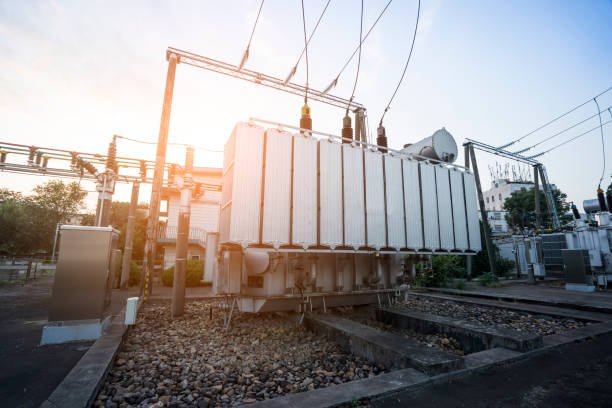
Traditional power transformers were originally designed as passive electrical devices whose primary function was voltage transformation through electromagnetic induction. For decades, transformers operated with limited monitoring capability, relying heavily on periodic manual inspections, offline testing, scheduled maintenance, and operator experience to detect faults or deterioration. While these conventional transformers remain fundamentally reliable, modern electrical systems now demand significantly higher levels of automation, efficiency, reliability, predictive maintenance, and real-time operational intelligence. The rapid growth of renewable energy, smart grids, electric vehicles, distributed generation, and digital substations has accelerated the need to modernize existing transformer infrastructure.
Rather than replacing all conventional transformers with entirely new smart transformers, many utilities and industries are upgrading traditional transformers by integrating advanced digital technologies, intelligent sensors, communication systems, automated diagnostics, online monitoring platforms, and smart grid interfaces. These upgrades transform passive transformers into intelligent assets capable of real-time condition monitoring, automated fault detection, remote operation, predictive maintenance, and dynamic grid interaction.
Traditional transformers are upgraded with smart technologies by integrating digital sensors, online monitoring systems, IoT communication modules, intelligent controllers, automated diagnostics, predictive analytics, and smart grid connectivity to improve reliability, operational efficiency, fault detection, and real-time power system management.
These upgrades significantly extend transformer lifespan while improving grid intelligence and operational performance.
Traditional transformers must be completely replaced in order to achieve smart grid functionality and digital monitoring capabilities.False
Many traditional transformers can be upgraded with smart technologies such as sensors, monitoring systems, communication devices, and digital controllers without requiring complete transformer replacement.
Why Traditional Transformers Need Smart Upgrades
Modern power systems are becoming increasingly complex and dynamic.
Challenges Facing Conventional Transformers
| Modern Grid Challenge | Impact on Traditional Transformers |
|---|---|
| Renewable energy variability | Voltage fluctuations |
| Distributed energy resources | Bidirectional power flow |
| Aging infrastructure | Higher failure risk |
| Increased load demand | Thermal stress |
| Power quality requirements | Harmonic challenges |
Traditional transformers were not originally designed to manage these advanced operational conditions.
Limitations of Conventional Transformer Operation
Traditional transformers typically rely on periodic maintenance and limited monitoring.
Common Limitations
| Limitation | Operational Consequence |
|---|---|
| Manual inspections | Delayed fault detection |
| Limited diagnostics | Unexpected failures |
| No remote monitoring | Higher maintenance cost |
| Reactive maintenance | Increased downtime |
Smart upgrades solve many of these operational limitations.
Core Principle of Transformer Operation Remains Unchanged
Even after digital upgrades, transformers still operate according to electromagnetic induction principles.
Electromagnetic Induction Equation
E=4.44fN\Phi
Where:
- (E) = induced voltage
- (f) = frequency
- (N) = winding turns
- (\Phi) = magnetic flux
Smart technologies enhance monitoring and control but do not replace the transformer’s fundamental electrical function.
Integration of Intelligent Sensors
Sensors are among the most important smart upgrade technologies.
Common Transformer Sensors
| Sensor Type | Monitoring Function |
|---|---|
| Temperature sensors | Thermal condition monitoring |
| Current sensors | Load analysis |
| Voltage sensors | Grid stability monitoring |
| Moisture sensors | Insulation condition |
| Gas sensors | Internal fault detection |
These sensors provide continuous real-time operating data.
Online Dissolved Gas Analysis (DGA)
One major smart upgrade involves online DGA systems.
Why Dissolved Gas Analysis Is Important
Internal transformer faults generate characteristic gases inside transformer oil.
Common Fault Gases
| Gas | Possible Fault Type |
|---|---|
| Hydrogen | Partial discharge |
| Acetylene | Arcing |
| Methane | Thermal fault |
| Ethylene | Severe overheating |
Online DGA systems continuously monitor transformer health without shutdown.
Thermal Monitoring Systems
Temperature is one of the most critical transformer operating parameters.
Transformer Thermal Aging Relationship
genui{"math_block_widget_always_prefetch_v2":{"content":"L\propto e^{-kT}"}}
Higher operating temperatures accelerate insulation aging significantly.
Smart Thermal Monitoring Benefits
| Benefit | Operational Improvement |
|---|---|
| Hot-spot detection | Prevent overheating |
| Dynamic loading | Improved utilization |
| Cooling optimization | Longer lifespan |
Load Monitoring and Intelligent Load Management
Smart upgrades allow transformers to monitor loading continuously.
Load Monitoring Functions
| Function | Benefit |
|---|---|
| Real-time current analysis | Overload prevention |
| Load forecasting | Capacity planning |
| Dynamic rating | Improved efficiency |
Utilities can safely optimize transformer utilization using real-time data.
Voltage Regulation and Smart Tap Changers
Modernized transformers often include automated tap changer control systems.
Transformer Voltage Ratio Equation
\frac{V_1}{V_2}=\frac{N_1}{N_2}
Smart tap changer systems automatically adjust voltage according to load conditions.
Benefits of Smart Voltage Regulation
| Benefit | Result |
|---|---|
| Stable grid voltage | Improved power quality |
| Reduced voltage fluctuations | Equipment protection |
| Adaptive regulation | Better renewable integration |
IoT and Communication Module Integration
Internet of Things (IoT) technologies enable transformer connectivity.
Communication Technologies Used
| Technology | Function |
|---|---|
| Ethernet | Substation communication |
| Wireless modules | Remote monitoring |
| Fiber optic systems | High-speed data transfer |
| SCADA integration | Centralized control |
Smart transformers become part of digitally connected grid infrastructure.
SCADA and Remote Monitoring Systems
Supervisory Control and Data Acquisition (SCADA) systems integrate upgraded transformers into centralized networks.
SCADA Functions
| Function | Purpose |
|---|---|
| Real-time monitoring | Grid visibility |
| Alarm management | Rapid fault response |
| Remote diagnostics | Reduced inspection cost |
| Data logging | Trend analysis |
Remote operation improves system efficiency significantly.
Predictive Maintenance Technology
Traditional maintenance schedules are increasingly replaced by predictive maintenance systems.
Difference Between Maintenance Approaches
| Maintenance Type | Method |
|---|---|
| Reactive maintenance | Repair after failure |
| Preventive maintenance | Fixed inspection intervals |
| Predictive maintenance | Condition-based intervention |
Predictive systems reduce downtime and maintenance cost.
Artificial Intelligence and Data Analytics
Modern transformer upgrades increasingly include AI-based analysis.
AI Applications in Transformer Monitoring
| AI Function | Benefit |
|---|---|
| Failure prediction | Early warning |
| Load optimization | Efficiency improvement |
| Pattern recognition | Fault identification |
AI systems can analyze large operating datasets automatically.
Partial Discharge Monitoring Systems
Partial discharge is a major indicator of insulation degradation.
Why Partial Discharge Monitoring Matters
| Problem | Consequence |
|---|---|
| Insulation voids | Dielectric weakening |
| Electrical tracking | Internal damage |
| Progressive insulation failure | Transformer breakdown |
Smart monitoring systems detect discharge activity before catastrophic failure occurs.
Smart Cooling System Control
Cooling systems can also be automated.
Smart Cooling Functions
| Function | Benefit |
|---|---|
| Automatic fan control | Energy savings |
| Dynamic oil pump operation | Temperature stability |
| Thermal optimization | Extended insulation life |
Cooling performance directly affects transformer reliability.
Harmonic and Power Quality Monitoring
Modern electrical systems often contain high harmonic distortion.
Common Harmonic Sources
| Source | Example |
|---|---|
| Solar inverters | Renewable energy systems |
| Variable frequency drives | Industrial motor control |
| EV charging stations | Power electronics |
Smart monitoring systems continuously analyze waveform quality.
Cybersecurity Protection for Smart Transformers
Digital upgrades increase cybersecurity requirements.
Cybersecurity Risks
| Risk | Potential Impact |
|---|---|
| Unauthorized access | Grid instability |
| Data corruption | Incorrect operation |
| Communication disruption | Loss of monitoring |
Modern smart upgrades include secure communication protocols and encryption systems.
Retrofitting Existing Transformer Fleets
Many utilities modernize aging transformer infrastructure gradually.
Advantages of Retrofitting
| Benefit | Result |
|---|---|
| Lower cost | Avoid full replacement |
| Extended transformer life | Improved asset utilization |
| Faster modernization | Reduced infrastructure disruption |
Retrofitting is often more economical than replacing transformers entirely.
Applications of Smart-Upgraded Transformers
Common Applications
| Application | Smart Upgrade Benefit |
|---|---|
| Utility substations | Grid automation |
| Industrial facilities | Predictive maintenance |
| Renewable energy plants | Dynamic voltage regulation |
| Smart cities | Energy management |
Efficiency Improvements from Smart Upgrades
Smart monitoring improves transformer efficiency.
Efficiency Equation
\eta=\frac{P{out}}{P{in}}\times100%
Efficiency Benefits
| Improvement | Operational Result |
|---|---|
| Load optimization | Reduced losses |
| Cooling optimization | Lower energy consumption |
| Early fault detection | Reduced degradation |
Real-World Example of Smart Transformer Upgrades
A conventional substation transformer may receive:
| Smart Upgrade | Function |
|---|---|
| Online DGA system | Fault monitoring |
| Wireless communication module | Remote access |
| Thermal sensors | Temperature analysis |
| Intelligent tap changer controller | Automated voltage regulation |
These upgrades significantly improve operational intelligence.
Key Smart Technologies Used to Upgrade Traditional Transformers
| Smart Technology | Main Purpose |
|---|---|
| Digital sensors | Real-time monitoring |
| IoT communication systems | Remote connectivity |
| Online DGA | Fault diagnostics |
| AI analytics | Predictive maintenance |
| Smart cooling control | Thermal optimization |
| Automated tap changers | Voltage stabilization |
| SCADA integration | Centralized management |
What Sensors and Monitoring Systems Are Used in Smart Transformers?
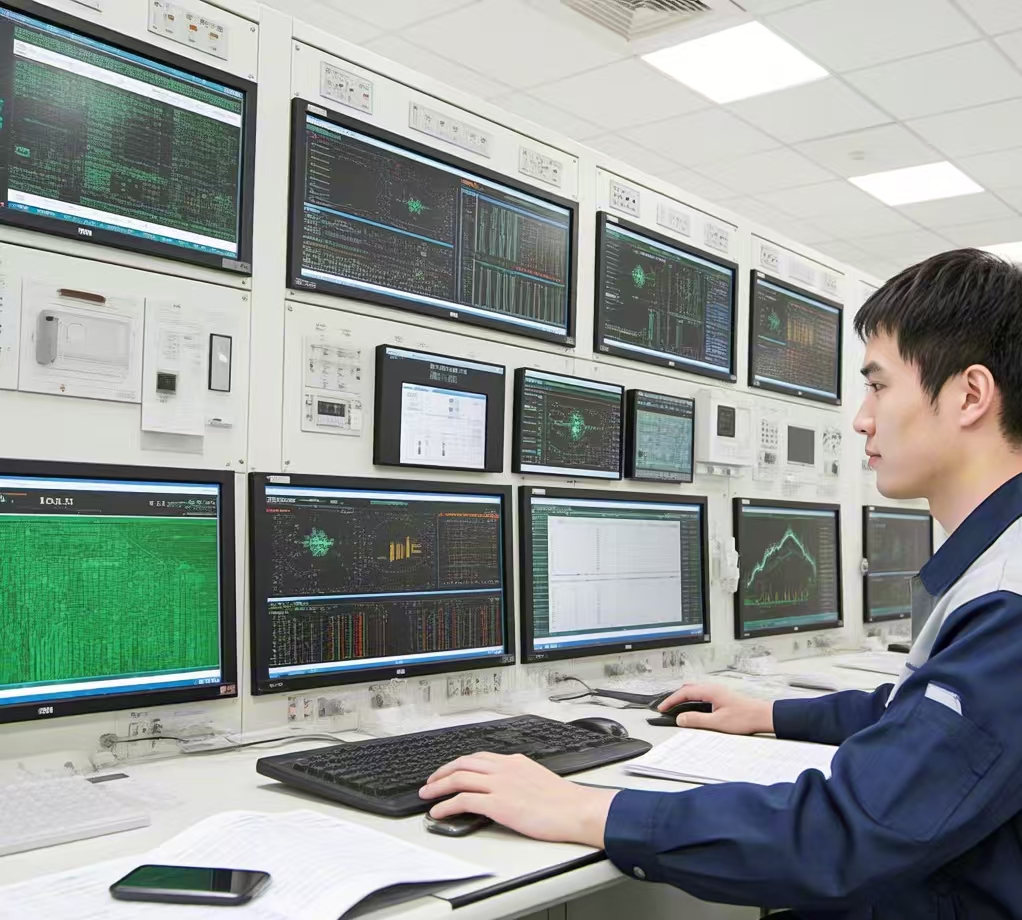
Modern electrical grids are evolving toward highly automated, data-driven, and intelligent energy systems where real-time monitoring and predictive maintenance are essential for reliability and efficiency. Traditional transformers were primarily monitored through periodic manual inspections and offline testing, which often failed to detect hidden internal faults before serious damage occurred. As utilities and industries increasingly depend on uninterrupted power supply, renewable energy integration, smart grids, and remote infrastructure management, transformers must now operate as intelligent digital assets capable of continuously monitoring their own condition and communicating with centralized control systems.
Smart transformers achieve this capability by incorporating advanced sensors and online monitoring systems that continuously collect operational data related to electrical performance, thermal behavior, insulation condition, oil quality, vibration, harmonics, load conditions, and internal fault indicators. These systems enable real-time diagnostics, automated alarms, predictive maintenance, fault localization, and dynamic operational optimization. Instead of waiting for failure to occur, operators can identify deterioration trends early and take preventive action before catastrophic transformer damage develops.
Smart transformers use advanced sensors and monitoring systems such as temperature sensors, dissolved gas analysis systems, partial discharge monitors, moisture sensors, vibration detectors, load monitoring devices, oil level sensors, bushing monitoring systems, harmonic analyzers, and IoT communication platforms to provide real-time condition monitoring, predictive diagnostics, and intelligent grid management.
These technologies are transforming transformer maintenance from reactive repair into proactive asset management.
Smart transformers rely only on manual inspections and periodic offline testing to evaluate transformer condition.False
Smart transformers continuously use online sensors and automated monitoring systems to analyze operating conditions in real time and detect faults before failures occur.
Why Smart Transformers Require Advanced Monitoring Systems
Modern transformers operate under increasingly complex electrical conditions.
Challenges in Modern Power Systems
| Challenge | Monitoring Requirement |
|---|---|
| Renewable energy fluctuations | Dynamic voltage analysis |
| Heavy industrial loads | Thermal monitoring |
| Harmonic distortion | Power quality analysis |
| Aging infrastructure | Predictive diagnostics |
| Remote installations | Online monitoring |
Continuous monitoring significantly improves reliability and operational efficiency.
Core Purpose of Transformer Monitoring
Transformer monitoring systems are designed to detect abnormal operating conditions before catastrophic failure occurs.
Main Monitoring Objectives
| Objective | Benefit |
|---|---|
| Early fault detection | Prevent major failure |
| Condition assessment | Maintenance planning |
| Efficiency optimization | Reduced losses |
| Safety enhancement | Risk reduction |
Temperature Monitoring Systems
Temperature is one of the most critical transformer health indicators.
Why Temperature Monitoring Is Important
Transformer insulation aging accelerates rapidly at elevated temperatures.
Thermal Aging Relationship
genui{"math_block_widget_always_prefetch_v2":{"content":"L\propto e^{-kT}"}}
Where:
- (L) = insulation life
- (T) = operating temperature
Higher temperatures drastically reduce insulation lifespan.
Types of Transformer Temperature Sensors
Common Temperature Sensors
| Sensor Type | Monitoring Area |
|---|---|
| RTD sensors | Oil temperature |
| Thermocouples | Winding temperature |
| Fiber optic sensors | Hot-spot temperature |
| Infrared sensors | Surface heating |
Fiber Optic Temperature Monitoring
Fiber optic systems are widely used in smart transformers.
Advantages of Fiber Optic Sensors
| Benefit | Reason |
|---|---|
| Immune to electromagnetic interference | Accurate measurement |
| Direct winding hot-spot measurement | Precise thermal analysis |
| High reliability | Long-term monitoring |
Hot-spot monitoring is critical because winding insulation failure often begins locally.
Dissolved Gas Analysis (DGA) Systems
DGA is one of the most important transformer diagnostic technologies.
Why Gases Form Inside Transformers
Internal electrical or thermal faults decompose insulating oil and cellulose materials, producing gases.
Common Fault Gases
| Gas | Possible Fault Type |
|---|---|
| Hydrogen | Partial discharge |
| Methane | Low-energy thermal fault |
| Ethylene | High-temperature overheating |
| Acetylene | Arcing fault |
Online DGA Monitoring Systems
Traditional DGA required manual oil sampling, but smart transformers use online DGA systems.
Online DGA Benefits
| Benefit | Operational Advantage |
|---|---|
| Continuous monitoring | Real-time fault detection |
| Early warning capability | Prevent catastrophic failure |
| Remote diagnostics | Reduced maintenance cost |
Partial Discharge Monitoring Systems
Partial discharge (PD) is a major indicator of insulation deterioration.
What Causes Partial Discharge
| Cause | Description |
|---|---|
| Insulation voids | Air gaps in insulation |
| Surface contamination | Leakage paths |
| Electrical stress concentration | Localized dielectric breakdown |
PD Monitoring Technologies
Common PD Detection Methods
| Method | Function |
|---|---|
| UHF sensors | Detect electromagnetic emissions |
| Acoustic sensors | Detect sound waves |
| Electrical coupling sensors | Detect discharge pulses |
Early PD detection significantly improves transformer reliability.
Moisture Monitoring Systems
Moisture is highly damaging to transformer insulation systems.
Why Moisture Is Dangerous
| Problem | Consequence |
|---|---|
| Reduced dielectric strength | Increased breakdown risk |
| Accelerated insulation aging | Shorter lifespan |
| Bubble formation under heat | Internal flashover |
Moisture Sensor Functions
Modern moisture sensors continuously monitor:
- Oil moisture content
- Relative humidity
- Insulation water activity
This allows operators to manage insulation condition proactively.
Oil Level and Oil Pressure Monitoring
Oil-filled transformers require continuous oil system supervision.
Oil Monitoring Functions
| Parameter | Importance |
|---|---|
| Oil level | Cooling and insulation integrity |
| Oil pressure | Leak detection |
| Oil flow | Cooling performance |
Sudden oil loss can lead to severe transformer failure.
Load and Current Monitoring Systems
Smart transformers continuously monitor electrical loading.
Current Monitoring Benefits
| Benefit | Purpose |
|---|---|
| Overload prevention | Thermal protection |
| Load balancing | System optimization |
| Dynamic capacity rating | Improved utilization |
Electrical Power Relationship
P=VI
Monitoring voltage and current allows accurate real-time power calculation.
Voltage Monitoring Systems
Voltage stability is essential for grid reliability.
Voltage Monitoring Functions
| Function | Benefit |
|---|---|
| Voltage fluctuation detection | Power quality improvement |
| Overvoltage protection | Equipment safety |
| Grid stability analysis | Reliable operation |
Bushing Monitoring Systems
Bushings are critical transformer components and common failure points.
What Bushing Monitoring Measures
| Parameter | Purpose |
|---|---|
| Capacitance variation | Insulation degradation |
| Power factor | Dielectric condition |
| Leakage current | Fault detection |
Online monitoring helps prevent catastrophic bushing failures.
Vibration and Acoustic Monitoring
Mechanical abnormalities often indicate internal transformer problems.
Vibration Monitoring Applications
| Detected Problem | Possible Cause |
|---|---|
| Core looseness | Mechanical displacement |
| Winding movement | Fault stress |
| Cooling fan imbalance | Mechanical wear |
Harmonic and Power Quality Monitoring
Modern grids contain increasing harmonic distortion.
Common Harmonic Sources
| Source | Example |
|---|---|
| Solar inverters | Renewable energy systems |
| Variable frequency drives | Industrial automation |
| EV charging stations | Power electronics |
Harmonic Monitoring Benefits
| Benefit | Purpose |
|---|---|
| Harmonic analysis | Power quality assessment |
| Thermal loss evaluation | Efficiency management |
| Grid compatibility | Stability improvement |
Transformer Efficiency Monitoring
Smart systems continuously evaluate transformer performance.
Efficiency Equation
\eta=\frac{P{out}}{P{in}}\times100%
Continuous efficiency analysis helps optimize loading and reduce energy loss.
Cooling System Monitoring
Cooling system failure is a major reliability risk.
Cooling Components Monitored
| Component | Monitoring Function |
|---|---|
| Cooling fans | Operational status |
| Oil pumps | Flow verification |
| Heat exchangers | Thermal performance |
Smart Tap Changer Monitoring
Tap changers are mechanically complex and require supervision.
OLTC Monitoring Parameters
| Parameter | Purpose |
|---|---|
| Contact wear | Maintenance planning |
| Motor current | Mechanical condition |
| Switching operation count | Lifecycle analysis |
SCADA and IoT Communication Systems
Smart transformers communicate with centralized monitoring systems.
Communication Technologies
| Technology | Function |
|---|---|
| SCADA integration | Centralized control |
| IoT gateways | Cloud connectivity |
| Wireless communication | Remote access |
| Fiber optic communication | High-speed data transfer |
Artificial Intelligence and Predictive Analytics
Modern smart transformers increasingly use AI-based diagnostics.
AI Functions
| AI Capability | Benefit |
|---|---|
| Failure prediction | Preventive maintenance |
| Pattern recognition | Fault classification |
| Load forecasting | Grid optimization |
AI systems improve operational intelligence dramatically.
Cybersecurity Monitoring
Digitally connected transformers require cybersecurity protection.
Cybersecurity Functions
| Function | Purpose |
|---|---|
| Access control | Unauthorized access prevention |
| Encryption | Secure communication |
| Intrusion detection | System protection |
Real-World Smart Transformer Monitoring Architecture
A modern smart transformer may include:
| Monitoring System | Main Function |
|---|---|
| Online DGA | Internal fault detection |
| Fiber optic sensors | Winding hot-spot monitoring |
| PD monitoring system | Insulation analysis |
| IoT communication gateway | Remote connectivity |
| SCADA integration | Centralized control |
Key Sensors and Monitoring Systems Used in Smart Transformers
| Monitoring Technology | Main Purpose |
|---|---|
| Temperature sensors | Thermal monitoring |
| DGA systems | Fault gas analysis |
| PD sensors | Insulation condition |
| Moisture sensors | Insulation protection |
| Oil monitoring systems | Cooling and dielectric integrity |
| Load monitoring devices | Overload prevention |
| Harmonic analyzers | Power quality management |
| Vibration sensors | Mechanical fault detection |
| SCADA communication | Remote monitoring |
| AI analytics | Predictive diagnostics |
How Do Smart Transformers Improve Grid Efficiency and Reliability?
Modern electrical grids are becoming increasingly complex due to rapid urbanization, renewable energy integration, electric vehicle expansion, distributed energy resources, industrial automation, and growing electricity demand. Traditional power grids were originally designed for one-way electricity flow from centralized power plants to consumers. However, today’s energy systems must handle bidirectional power flow, fluctuating renewable generation, dynamic load variations, high power quality requirements, and real-time operational optimization. Conventional transformers, while effective for voltage conversion, have limited monitoring, automation, and adaptive control capabilities. As a result, utilities and industries are increasingly adopting smart transformers to improve overall grid efficiency and reliability.
Smart transformers are advanced transformer systems equipped with digital sensors, automated control systems, communication technologies, real-time diagnostics, predictive analytics, and intelligent grid management functions. Unlike conventional transformers that operate passively, smart transformers actively interact with the electrical network to regulate voltage dynamically, optimize energy flow, reduce losses, detect faults early, support renewable integration, improve power quality, and enable predictive maintenance. These capabilities significantly enhance grid efficiency, operational stability, and system reliability.
Smart transformers improve grid efficiency and reliability by enabling real-time monitoring, intelligent voltage regulation, automated fault detection, predictive maintenance, renewable energy integration, load balancing, harmonic mitigation, and dynamic power management across modern smart grid systems.
They are becoming essential components of future intelligent energy infrastructure.
Smart transformers only perform basic voltage conversion and do not significantly improve power grid efficiency or reliability.False
Smart transformers actively improve grid efficiency and reliability through intelligent monitoring, automated control, predictive diagnostics, renewable energy management, and dynamic voltage regulation.
Why Modern Grids Need Smart Transformers
Electrical grids are evolving from static systems into highly dynamic digital energy networks.
Challenges Facing Modern Power Grids
| Grid Challenge | Operational Impact |
|---|---|
| Renewable energy variability | Voltage instability |
| Distributed generation | Bidirectional power flow |
| Electric vehicle charging | Peak load fluctuations |
| Aging infrastructure | Increased failure risk |
| Harmonic distortion | Power quality degradation |
Traditional transformers alone cannot fully manage these conditions efficiently.
Basic Transformer Function Still Remains Essential
Even smart transformers still rely on electromagnetic induction principles.
Electromagnetic Induction Equation
E=4.44fN\Phi
Where:
- (E) = induced voltage
- (f) = frequency
- (N) = winding turns
- (\Phi) = magnetic flux
Smart technologies enhance control and monitoring capabilities around this core electrical function.
Real-Time Monitoring Improves Operational Visibility
One of the biggest advantages of smart transformers is continuous real-time monitoring.
Parameters Continuously Monitored
| Parameter | Operational Importance |
|---|---|
| Voltage | Grid stability |
| Current | Load analysis |
| Temperature | Thermal protection |
| Oil condition | Insulation health |
| Harmonics | Power quality |
Real-time visibility allows utilities to detect abnormalities immediately.
Intelligent Voltage Regulation
Voltage stability is critical for efficient power system operation.
Transformer Voltage Ratio Principle
\frac{V_1}{V_2}=\frac{N_1}{N_2}
Smart transformers use automated tap changers and intelligent controls to regulate voltage dynamically.
Benefits of Smart Voltage Regulation
| Benefit | Result |
|---|---|
| Stable consumer voltage | Improved equipment performance |
| Reduced voltage fluctuation | Better power quality |
| Dynamic grid adaptation | Enhanced reliability |
Reduction of Electrical Losses
One of the main goals of smart grids is improving energy efficiency.
Electrical Loss Equation
P_{loss}=I^2R
Smart transformers optimize load distribution and voltage levels to reduce current and minimize losses.
Efficiency Improvements
| Smart Function | Efficiency Benefit |
|---|---|
| Dynamic voltage optimization | Lower transmission losses |
| Load balancing | Reduced overload conditions |
| Harmonic mitigation | Lower thermal losses |
Load Balancing and Dynamic Power Management
Power demand fluctuates continuously throughout the day.
Challenges of Uneven Loading
| Problem | Impact |
|---|---|
| Overloaded feeders | Thermal stress |
| Uneven phase loading | Voltage imbalance |
| Peak demand spikes | System instability |
Smart transformers dynamically balance loads across the network.
Predictive Maintenance Improves Reliability
Traditional maintenance often relies on fixed inspection schedules.
Difference Between Maintenance Approaches
| Maintenance Type | Method |
|---|---|
| Reactive maintenance | Repair after failure |
| Preventive maintenance | Scheduled inspection |
| Predictive maintenance | Condition-based monitoring |
Smart transformers continuously analyze condition data to predict failures before they occur.
Online Dissolved Gas Analysis (DGA)
Smart transformers often include online DGA systems.
Why DGA Improves Reliability
Internal faults generate gases inside transformer oil.
Common Diagnostic Gases
| Gas | Possible Fault |
|---|---|
| Hydrogen | Partial discharge |
| Acetylene | Arcing |
| Methane | Thermal overheating |
Online DGA enables early fault detection and prevents catastrophic failure.
Thermal Monitoring and Hot-Spot Protection
Transformer insulation life depends heavily on temperature.
Thermal Aging Relationship
genui{"math_block_widget_always_prefetch_v2":{"content":"L\propto e^{-kT}"}}
Where:
- (L) = insulation lifespan
- (T) = operating temperature
Smart thermal monitoring systems continuously protect transformers from overheating.
Renewable Energy Integration
Renewable energy systems introduce variable power generation.
Renewable Integration Challenges
| Challenge | Smart Transformer Solution |
|---|---|
| Solar intermittency | Dynamic voltage regulation |
| Wind variability | Adaptive power flow control |
| Bidirectional energy flow | Intelligent coordination |
Smart transformers help stabilize renewable-heavy grids.
Bidirectional Power Flow Management
Traditional grids were designed for one-way power flow.
Today, distributed energy resources create reverse energy flow conditions.
Common Distributed Energy Sources
| Source | Grid Impact |
|---|---|
| Rooftop solar | Reverse power injection |
| Battery storage | Variable charging/discharging |
| EV charging stations | Dynamic load behavior |
Smart transformers manage bidirectional energy flow automatically.
Harmonic Mitigation and Power Quality Improvement
Modern electronic loads create harmonics that degrade power quality.
Common Harmonic Sources
| Source | Example |
|---|---|
| Solar inverters | Renewable systems |
| Variable frequency drives | Industrial motors |
| EV chargers | Fast charging systems |
Harmonic Problems
| Problem | Consequence |
|---|---|
| Additional heating | Reduced transformer life |
| Voltage distortion | Equipment malfunction |
| Increased losses | Lower efficiency |
Smart transformers continuously monitor and mitigate harmonic conditions.
Automated Fault Detection and Isolation
Grid reliability depends on rapid fault response.
Smart Fault Detection Functions
| Function | Benefit |
|---|---|
| Fault localization | Faster restoration |
| Automated alarms | Reduced response time |
| Remote diagnostics | Lower maintenance cost |
SCADA and IoT Integration
Smart transformers are connected to digital grid management systems.
Communication Technologies
| Technology | Purpose |
|---|---|
| SCADA systems | Centralized control |
| IoT communication | Remote monitoring |
| Fiber optic networks | High-speed data transfer |
Utilities gain full visibility across the electrical network.
Artificial Intelligence and Data Analytics
AI significantly enhances smart transformer operation.
AI Applications
| AI Function | Operational Improvement |
|---|---|
| Failure prediction | Preventive maintenance |
| Load forecasting | Better grid planning |
| Pattern recognition | Fault diagnosis |
AI allows transformers to become self-optimizing assets.
Improved Renewable Hosting Capacity
Smart transformers increase the amount of renewable energy grids can safely accommodate.
Benefits to Renewable Integration
| Benefit | Result |
|---|---|
| Better voltage control | Stable renewable connection |
| Dynamic reactive power management | Improved grid stability |
| Adaptive load balancing | Higher renewable penetration |
Resilience During Grid Disturbances
Smart transformers improve grid resilience during abnormal events.
Disturbances Managed
| Event | Smart Response |
|---|---|
| Voltage sag | Dynamic regulation |
| Frequency deviation | System stabilization |
| Load surge | Adaptive balancing |
Smart Cooling System Optimization
Cooling systems significantly affect transformer efficiency.
Smart Cooling Functions
| Function | Benefit |
|---|---|
| Automated fan control | Reduced energy consumption |
| Dynamic cooling adjustment | Thermal optimization |
| Predictive cooling maintenance | Reliability improvement |
Cybersecurity and Grid Protection
Digital infrastructure requires strong cybersecurity.
Cybersecurity Features
| Feature | Purpose |
|---|---|
| Encrypted communication | Secure data transmission |
| Access control systems | Unauthorized access prevention |
| Intrusion detection | Network protection |
Real-World Example of Smart Grid Operation
A modern smart grid transformer may:
| Smart Function | Operational Role |
|---|---|
| Monitor load conditions | Prevent overload |
| Regulate voltage automatically | Maintain grid stability |
| Detect insulation faults | Prevent transformer failure |
| Communicate with utility control center | Improve coordination |
Key Ways Smart Transformers Improve Grid Efficiency and Reliability
| Smart Capability | Grid Benefit |
|---|---|
| Real-time monitoring | Faster fault detection |
| Dynamic voltage regulation | Improved power quality |
| Predictive maintenance | Reduced downtime |
| Renewable energy management | Better grid flexibility |
| Harmonic mitigation | Lower losses |
| Automated fault response | Faster restoration |
| Load balancing | Improved efficiency |
Efficiency Performance Monitoring
Transformer efficiency remains a critical metric.
Efficiency Equation
\eta=\frac{P{out}}{P{in}}\times100%
Smart systems continuously optimize operating conditions to maximize efficiency.
What Role Do Communication and Data Analytics Play?
Modern electrical grids are no longer simple power delivery networks that only transmit electricity from centralized power plants to consumers. Today’s power systems are becoming highly digitalized, decentralized, and intelligent due to the rapid growth of renewable energy integration, distributed energy resources, electric vehicles, smart cities, industrial automation, and advanced energy management systems. In this evolving environment, transformers are no longer passive electrical devices limited to voltage conversion. Instead, smart transformers are increasingly functioning as intelligent nodes within interconnected digital power networks. Communication technologies and data analytics are the foundation that enables this transformation.
Communication systems allow smart transformers to exchange operational data continuously with utilities, substations, cloud platforms, and centralized control systems. Data analytics platforms process this information in real time to identify patterns, predict failures, optimize load management, improve energy efficiency, enhance power quality, and automate grid operations. Together, communication and data analytics enable utilities and industries to move from reactive maintenance and static operation toward predictive, adaptive, and fully intelligent energy management.
Communication systems and data analytics play critical roles in smart transformers by enabling real-time data exchange, remote monitoring, predictive maintenance, automated control, fault diagnostics, grid optimization, renewable energy coordination, and intelligent decision-making across modern digital power networks.
Without advanced communication and analytics capabilities, smart transformers could not fully support modern smart grid infrastructure.
Communication systems and data analytics are optional features that have little impact on smart transformer performance or grid management.False
Communication technologies and data analytics are essential for real-time monitoring, predictive maintenance, automated control, and intelligent smart grid operation in modern transformer systems.
Why Communication and Data Analytics Are Essential in Smart Grids
Modern electrical systems are becoming increasingly dynamic and decentralized.
Challenges in Modern Power Networks
| Challenge | Operational Requirement |
|---|---|
| Renewable energy variability | Real-time coordination |
| Distributed energy resources | Continuous communication |
| Electric vehicle charging | Dynamic load management |
| Aging infrastructure | Predictive diagnostics |
| High reliability expectations | Automated fault response |
Traditional transformer systems cannot efficiently manage these challenges without digital communication and analytics.
Transformation from Passive Equipment to Intelligent Grid Assets
Conventional transformers primarily performed voltage conversion.
Conventional Transformer Function
Transformer operation is based on electromagnetic induction.
E=4.44fN\Phi
Where:
- (E) = induced voltage
- (f) = frequency
- (N) = winding turns
- (\Phi) = magnetic flux
Smart transformers still rely on this principle but add communication and analytical intelligence.
Role of Communication Systems in Smart Transformers
Communication technologies allow transformers to exchange information continuously.
Main Communication Functions
| Function | Purpose |
|---|---|
| Real-time data transmission | System monitoring |
| Remote control | Operational management |
| Alarm reporting | Fault response |
| Grid coordination | Load balancing |
Communication converts isolated transformers into networked intelligent assets.
Types of Communication Technologies Used
Smart transformers use multiple communication technologies depending on application requirements.
Common Communication Technologies
| Technology | Application |
|---|---|
| SCADA communication | Utility control centers |
| Ethernet networks | Substation automation |
| Fiber optic systems | High-speed data transfer |
| Wireless communication | Remote monitoring |
| IoT gateways | Cloud integration |
SCADA Integration
Supervisory Control and Data Acquisition (SCADA) systems are central to smart transformer communication.
SCADA Functions
| Function | Operational Benefit |
|---|---|
| Centralized monitoring | Full grid visibility |
| Remote operation | Faster response |
| Historical data collection | Trend analysis |
| Alarm management | Fault handling |
SCADA allows utilities to monitor transformer fleets across wide geographic areas.
Internet of Things (IoT) Connectivity
IoT technologies greatly expand transformer communication capabilities.
IoT Functions in Smart Transformers
| Function | Benefit |
|---|---|
| Continuous sensor connectivity | Real-time diagnostics |
| Cloud communication | Remote analytics |
| Automated notifications | Rapid maintenance response |
IoT enables scalable digital infrastructure management.
Real-Time Data Collection
Communication systems continuously gather operational information.
Common Data Collected
| Parameter | Importance |
|---|---|
| Voltage | Grid stability |
| Current | Load analysis |
| Temperature | Thermal protection |
| Oil condition | Insulation health |
| Harmonics | Power quality |
The quality of analytics depends on the accuracy and frequency of this data collection.
Role of Data Analytics in Smart Transformers
Data analytics transforms raw operational data into actionable intelligence.
Main Analytical Objectives
| Objective | Operational Value |
|---|---|
| Fault prediction | Prevent failures |
| Load optimization | Improve efficiency |
| Trend identification | Long-term planning |
| Performance evaluation | Reliability improvement |
Predictive Maintenance Through Data Analytics
Traditional maintenance often relies on fixed inspection schedules.
Maintenance Strategy Comparison
| Maintenance Type | Approach |
|---|---|
| Reactive maintenance | Repair after failure |
| Preventive maintenance | Time-based inspection |
| Predictive maintenance | Condition-based analytics |
Data analytics enables predictive maintenance by identifying early signs of deterioration.
Online Dissolved Gas Analysis (DGA) Analytics
Smart transformers continuously analyze fault gases.
Common Fault Gases
| Gas | Possible Internal Fault |
|---|---|
| Hydrogen | Partial discharge |
| Methane | Thermal overheating |
| Acetylene | Electrical arcing |
Analytics platforms interpret gas trends to predict transformer failure risk.
Thermal Data Analytics
Temperature strongly affects transformer lifespan.
Thermal Aging Relationship
genui{"math_block_widget_always_prefetch_v2":{"content":"L\propto e^{-kT}"}}
Where:
- (L) = insulation life
- (T) = operating temperature
Analytics systems estimate insulation aging and remaining transformer life.
Load Forecasting and Grid Optimization
Data analytics helps utilities optimize transformer loading.
Load Forecasting Benefits
| Benefit | Operational Improvement |
|---|---|
| Peak demand prediction | Capacity planning |
| Load balancing | Reduced overload risk |
| Dynamic asset utilization | Higher efficiency |
Transformer Efficiency Optimization
Communication systems provide continuous operational feedback.
Efficiency Equation
\eta=\frac{P{out}}{P{in}}\times100%
Analytics systems optimize transformer operation to maximize efficiency.
Harmonic Analysis and Power Quality Monitoring
Modern electrical systems contain increasing harmonic distortion.
Common Harmonic Sources
| Source | Example |
|---|---|
| Solar inverters | Renewable systems |
| Variable frequency drives | Industrial systems |
| EV chargers | Transportation infrastructure |
Role of Analytics in Harmonic Management
| Function | Benefit |
|---|---|
| Harmonic trend analysis | Early detection |
| Power quality assessment | Improved reliability |
| Thermal loss estimation | Better efficiency |
Renewable Energy Coordination
Renewable energy introduces highly variable power generation.
Renewable Integration Challenges
| Challenge | Communication & Analytics Solution |
|---|---|
| Solar intermittency | Real-time adjustment |
| Wind variability | Dynamic voltage regulation |
| Bidirectional energy flow | Automated coordination |
Smart transformers rely heavily on communication systems to coordinate renewable resources.
Fault Detection and Automated Alarming
Communication systems rapidly report abnormal operating conditions.
Common Automated Alarms
| Alarm Type | Purpose |
|---|---|
| Overtemperature | Thermal protection |
| Gas accumulation | Internal fault warning |
| Overload | Capacity protection |
| Partial discharge | Insulation failure detection |
Rapid communication reduces response time significantly.
Artificial Intelligence and Machine Learning
AI technologies are increasingly integrated into transformer analytics platforms.
AI Applications
| AI Capability | Benefit |
|---|---|
| Failure prediction | Improved reliability |
| Pattern recognition | Advanced diagnostics |
| Anomaly detection | Early fault identification |
| Self-optimization | Efficiency improvement |
AI allows transformers to become adaptive and self-learning assets.
Cloud-Based Transformer Analytics
Cloud platforms provide scalable monitoring infrastructure.
Cloud Analytics Benefits
| Benefit | Operational Advantage |
|---|---|
| Centralized data storage | Easier management |
| Remote accessibility | Global monitoring |
| Large-scale analytics | Fleet optimization |
Dynamic Voltage Regulation
Communication systems coordinate transformer voltage regulation in real time.
Transformer Voltage Relationship
\frac{V_1}{V_2}=\frac{N_1}{N_2}
Automated tap changer systems use analytics to maintain stable voltage.
Smart Grid Coordination
Communication systems allow transformers to cooperate with other grid assets.
Coordinated Grid Assets
| Asset | Coordination Purpose |
|---|---|
| Renewable energy systems | Power balancing |
| Battery storage systems | Load shifting |
| EV charging stations | Demand management |
Cybersecurity in Communication Networks
Digitally connected transformers require cybersecurity protection.
Cybersecurity Risks
| Risk | Potential Consequence |
|---|---|
| Unauthorized access | Grid instability |
| Data manipulation | Incorrect operation |
| Communication disruption | Monitoring failure |
Modern communication systems use encryption and secure authentication protocols.
Real-World Example of Communication and Analytics Operation
A smart transformer may:
| Smart Function | Operational Role |
|---|---|
| Send temperature data to cloud platform | Thermal analysis |
| Report dissolved gas trends | Fault prediction |
| Coordinate with renewable systems | Voltage stabilization |
| Automatically trigger alarms | Rapid fault response |
Key Roles of Communication and Data Analytics in Smart Transformers
| Technology Function | Main Benefit |
|---|---|
| Real-time communication | Operational visibility |
| Predictive analytics | Failure prevention |
| Remote monitoring | Reduced maintenance cost |
| Automated diagnostics | Faster response |
| AI-based optimization | Improved efficiency |
| Grid coordination | Enhanced stability |
| Power quality analytics | Better reliability |
What Challenges and Future Opportunities Exist for Smart Transformers?
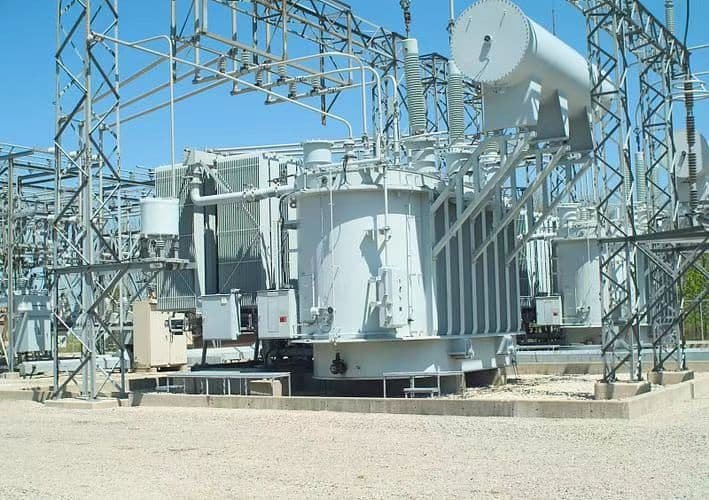
The global electrical industry is undergoing one of the most significant transformations in its history. Rapid renewable energy expansion, electrification of transportation, distributed generation, smart cities, industrial automation, and increasing electricity demand are fundamentally reshaping modern power systems. Traditional electrical grids, originally designed for centralized one-way energy flow, are no longer sufficient to handle the dynamic complexity of modern energy networks. As a result, smart transformers have emerged as critical technologies for enabling intelligent, adaptive, and digitally connected power infrastructure.
Smart transformers combine conventional voltage transformation with advanced digital technologies such as real-time sensors, communication systems, artificial intelligence, automated diagnostics, predictive maintenance, cloud analytics, and smart grid integration. These capabilities greatly improve grid efficiency, reliability, power quality, renewable energy coordination, and operational flexibility. However, despite their enormous advantages, smart transformers also face significant technical, economic, cybersecurity, and infrastructure challenges that must be overcome before widespread adoption can fully mature.
At the same time, ongoing advances in artificial intelligence, edge computing, IoT networks, renewable energy systems, power electronics, digital substations, and autonomous grid technologies are creating major future opportunities for smart transformer innovation. The future electrical grid will increasingly depend on intelligent transformers capable of self-monitoring, self-optimization, autonomous decision-making, and deep integration with decentralized energy systems.
Smart transformers face challenges related to high costs, cybersecurity risks, interoperability, complex data management, aging infrastructure integration, and technical standardization, while future opportunities include AI-driven automation, renewable energy optimization, autonomous grid control, predictive maintenance, digital substations, EV infrastructure support, and fully intelligent smart grid development.
These technologies are expected to become foundational components of future energy systems worldwide.
Smart transformer technology is already fully mature and no major technical, economic, or operational challenges remain for future deployment.False
Smart transformers still face major challenges including cybersecurity, infrastructure integration, high implementation cost, interoperability, and complex digital management despite their growing importance in modern power systems.
Why Smart Transformers Are Becoming Increasingly Important
Modern power systems are becoming more decentralized and digitally managed.
Main Drivers Behind Smart Transformer Development
| Industry Trend | Impact on Grid Systems |
|---|---|
| Renewable energy expansion | Variable power generation |
| Electric vehicle growth | Dynamic load behavior |
| Distributed generation | Bidirectional power flow |
| Smart cities | Intelligent infrastructure demand |
| Industrial automation | Higher power quality requirements |
These trends require far more intelligent transformer systems than traditional infrastructure can provide.
Basic Transformer Principles Still Apply
Even advanced smart transformers continue to rely on electromagnetic induction.
Electromagnetic Induction Equation
E=4.44fN\Phi
Where:
- (E) = induced voltage
- (f) = frequency
- (N) = winding turns
- (\Phi) = magnetic flux
Smart technologies enhance monitoring and control around this core principle.
Major Challenges Facing Smart Transformers
High Initial Investment Costs
One of the largest barriers to smart transformer adoption is cost.
Why Smart Transformers Are Expensive
| Cost Factor | Description |
|---|---|
| Advanced sensors | Real-time monitoring systems |
| Communication infrastructure | Digital networking |
| AI and analytics platforms | Software integration |
| Cybersecurity systems | Data protection |
Smart transformers are significantly more expensive than conventional transformers.
Infrastructure Modernization Challenges
Many existing electrical grids were built decades ago.
Problems with Aging Infrastructure
| Challenge | Operational Impact |
|---|---|
| Outdated substations | Limited compatibility |
| Legacy communication systems | Integration difficulty |
| Old transformer fleets | Retrofit complexity |
Integrating modern digital transformers into legacy systems can be difficult and costly.
Cybersecurity Risks
Digital connectivity introduces major cybersecurity concerns.
Main Cybersecurity Threats
| Threat | Potential Consequence |
|---|---|
| Unauthorized access | Grid instability |
| Data manipulation | Incorrect operation |
| Malware attacks | Operational disruption |
| Communication interception | Loss of control |
As smart transformers become increasingly connected, cybersecurity becomes critically important.
Massive Data Management Requirements
Smart transformers continuously generate enormous volumes of operational data.
Common Data Sources
| Data Type | Example |
|---|---|
| Thermal data | Temperature trends |
| Electrical data | Voltage and current |
| Diagnostic data | Dissolved gas analysis |
| Power quality data | Harmonic distortion |
Managing, storing, and analyzing this data requires advanced digital infrastructure.
Interoperability and Standardization Problems
Different manufacturers often use different communication protocols and system architectures.
Interoperability Challenges
| Problem | Impact |
|---|---|
| Proprietary software | Limited compatibility |
| Communication protocol mismatch | Integration difficulty |
| Inconsistent standards | Higher engineering complexity |
Global standardization remains a major challenge for widespread adoption.
Complexity of System Integration
Smart transformers must integrate with many external systems.
Connected Systems
| System | Integration Requirement |
|---|---|
| SCADA platforms | Real-time monitoring |
| Renewable energy systems | Dynamic coordination |
| Energy storage systems | Bidirectional control |
| EV charging infrastructure | Load balancing |
Managing this complexity requires sophisticated engineering.
Reliability of Digital Components
Traditional transformers are highly durable and can operate for decades.
However, smart transformers rely on sensitive electronic systems.
Digital Reliability Concerns
| Component | Potential Issue |
|---|---|
| Sensors | Calibration drift |
| Communication modules | Network failure |
| Embedded processors | Software malfunction |
Maintaining long-term digital reliability remains an important engineering challenge.
Power Electronics Thermal Stress
Many smart transformers use advanced power electronic components.
Main Thermal Challenges
| Source | Effect |
|---|---|
| Switching losses | Heat generation |
| Harmonic currents | Additional thermal stress |
| Dynamic load fluctuation | Temperature cycling |
Advanced cooling systems are required.
Harmonic Distortion Challenges
Modern digital grids contain large amounts of harmonics.
Common Harmonic Sources
| Source | Example |
|---|---|
| Solar inverters | Renewable systems |
| Variable frequency drives | Industrial automation |
| EV fast chargers | Transportation electrification |
Harmonics increase transformer losses and thermal stress.
Electrical Loss Management
Efficiency remains a major challenge.
Transformer Loss Equation
P_{loss}=I^2R
Smart transformers must continuously optimize operating conditions to minimize losses.
Future Opportunities for Smart Transformers
Artificial Intelligence Integration
AI will play a transformative role in future smart transformer systems.
Future AI Applications
| AI Capability | Future Benefit |
|---|---|
| Self-learning diagnostics | Autonomous maintenance |
| Failure prediction | Near-zero downtime |
| Load forecasting | Dynamic optimization |
| Autonomous decision-making | Self-healing grids |
AI will significantly improve operational intelligence.
Autonomous Smart Grid Development
Future electrical grids may become highly autonomous.
Autonomous Grid Functions
| Function | Description |
|---|---|
| Self-healing networks | Automatic fault isolation |
| Dynamic energy routing | Optimized power flow |
| Autonomous voltage control | Improved stability |
Smart transformers will become active decision-making nodes within these systems.
Renewable Energy Expansion
Renewable energy growth creates enormous opportunities for smart transformers.
Renewable Energy Challenges
| Challenge | Smart Transformer Opportunity |
|---|---|
| Solar intermittency | Dynamic voltage regulation |
| Wind variability | Adaptive load balancing |
| Distributed generation | Intelligent coordination |
Electric Vehicle Infrastructure Growth
EV charging infrastructure is expanding rapidly worldwide.
EV Challenges
| Challenge | Smart Transformer Role |
|---|---|
| Rapid charging demand | Dynamic load management |
| Peak load fluctuations | Real-time balancing |
| Distributed charging stations | Network optimization |
Digital Substation Development
Future substations will become increasingly digitalized.
Features of Digital Substations
| Feature | Benefit |
|---|---|
| Automated operation | Reduced labor cost |
| Real-time diagnostics | Faster response |
| Cloud integration | Centralized management |
Smart transformers are key components of digital substations.
Edge Computing Opportunities
Edge computing allows local real-time data processing.
Benefits of Edge Computing
| Benefit | Operational Improvement |
|---|---|
| Faster decision-making | Lower latency |
| Reduced cloud dependence | Improved reliability |
| Local AI analytics | Autonomous operation |
Predictive Maintenance Evolution
Predictive maintenance will become increasingly advanced.
Future Maintenance Technologies
| Technology | Future Capability |
|---|---|
| AI diagnostics | Automated failure prevention |
| Digital twins | Virtual transformer simulation |
| Real-time analytics | Continuous optimization |
Advanced Materials and Cooling Systems
Future transformer materials may significantly improve performance.
Emerging Technologies
| Technology | Potential Benefit |
|---|---|
| Nanofluids | Improved cooling |
| Advanced insulation materials | Higher thermal endurance |
| Amorphous cores | Reduced losses |
Improved Grid Resilience
Climate change and extreme weather increase the need for resilient grids.
Grid Resilience Functions
| Function | Smart Transformer Role |
|---|---|
| Storm response | Dynamic rerouting |
| Fault isolation | Prevent cascading failure |
| Backup coordination | Improved recovery |
Smart Cities and Urban Electrification
Urban infrastructure is becoming increasingly electrified.
Smart City Applications
| Application | Transformer Function |
|---|---|
| Intelligent buildings | Energy management |
| Smart transportation | EV infrastructure support |
| Urban renewable integration | Dynamic coordination |
Bidirectional Energy Flow Management
Future energy systems will rely heavily on decentralized generation.
Distributed Energy Sources
| Source | Grid Impact |
|---|---|
| Rooftop solar | Reverse power flow |
| Battery systems | Flexible storage |
| Vehicle-to-grid systems | Dynamic load interaction |
Smart transformers are essential for managing this complexity.
Advanced Power Quality Management
Future grids require increasingly strict power quality standards.
Power Quality Challenges
| Issue | Smart Transformer Solution |
|---|---|
| Harmonics | Active filtering |
| Voltage instability | Dynamic regulation |
| Reactive power imbalance | Intelligent compensation |
Cloud and Big Data Analytics Expansion
Large-scale transformer analytics will continue evolving.
Big Data Applications
| Application | Benefit |
|---|---|
| Fleet-wide monitoring | Asset optimization |
| Failure pattern analysis | Improved reliability |
| Operational benchmarking | Efficiency improvement |
Efficiency Optimization Opportunities
Transformer efficiency will remain a major focus.
Efficiency Equation
\eta=\frac{P{out}}{P{in}}\times100%
Advanced analytics and AI will optimize efficiency continuously.
Future Smart Transformer Ecosystem
Future smart transformers may integrate:
| Technology | Future Role |
|---|---|
| AI diagnostics | Autonomous operation |
| IoT connectivity | Real-time communication |
| Cloud analytics | Centralized intelligence |
| Edge computing | Local control |
| Cybersecurity systems | Infrastructure protection |
Key Challenges and Future Opportunities for Smart Transformers
| Area | Main Challenge | Future Opportunity |
|---|---|---|
| Digitalization | System complexity | Autonomous operation |
| Cybersecurity | Network vulnerability | Secure intelligent grids |
| Renewable integration | Power variability | Dynamic energy optimization |
| Data analytics | Massive data processing | AI-driven optimization |
| Infrastructure modernization | Legacy compatibility | Fully digital substations |
| EV expansion | Load fluctuation | Intelligent charging coordination |
Conclusion
Yes, transformers can be converted into smart devices by integrating digital monitoring systems, intelligent sensors, communication networks, and automated control technologies. These upgrades enable real-time condition monitoring, predictive maintenance, remote management, and improved energy efficiency. As smart grids and renewable energy systems continue to expand, smart transformers are becoming increasingly important for enhancing grid stability, operational reliability, and intelligent power management.
FAQ
Q1: Can transformers be converted into smart devices?
Yes. Traditional transformers can be converted into smart devices by integrating:
IoT sensors
Digital monitoring systems
Communication modules
Intelligent control and analytics software
These upgrades enable real-time monitoring, predictive maintenance, and automated grid management.
Q2: What technologies are used to make transformers smart?
Smart transformer systems commonly use:
Internet of Things (IoT) sensors
SCADA integration
Artificial intelligence (AI) analytics
Cloud-based monitoring platforms
Wireless communication systems
These technologies continuously collect and analyze transformer operating data.
Q3: What parameters can smart transformers monitor?
Smart transformers can monitor:
Oil and winding temperature
Load current and voltage
Dissolved gas levels (DGA)
Partial discharge activity
Oil moisture and insulation condition
Cooling system performance
Real-time data improves operational visibility and fault detection.
Q4: How do smart transformers improve maintenance?
Smart transformers support predictive maintenance, which helps operators identify problems before failures occur.
Benefits include:
Reduced downtime
Lower maintenance costs
Early fault detection
Extended transformer lifespan
Improved asset management
This approach is more efficient than traditional scheduled maintenance.
Q5: What role do smart transformers play in smart grids?
In smart grids, intelligent transformers help:
Balance power demand dynamically
Support renewable energy integration
Improve voltage regulation
Enable remote operation and diagnostics
Enhance grid reliability and efficiency
They are key components in modern digital energy infrastructure.
Q6: Can existing transformers be retrofitted with smart technology?
Yes. Many existing transformers can be upgraded through retrofit solutions such as:
External sensor installation
Online monitoring systems
Digital protection relays
Communication gateways
This allows utilities and industries to modernize infrastructure without replacing the entire transformer.
Q7: What are the challenges of converting transformers into smart devices?
Common challenges include:
Integration with legacy systems
Cybersecurity risks
Initial investment costs
Data management complexity
Need for reliable communication infrastructure
Proper planning and secure digital architecture are essential.
Q8: What is the future of smart transformer technology?
Future developments include:
AI-driven autonomous diagnostics
Advanced digital twins
Self-healing grid integration
Edge computing for faster analytics
Greater renewable energy compatibility
Smart transformers are expected to become increasingly important in modern sustainable power systems.
References
IEC 61850 – Communication Networks for Power Utility Automation
https://webstore.iec.ch
IEC 60076 – Power Transformers
https://webstore.iec.ch/publication/602
IEEE Smart Grid Standards
https://standards.ieee.org
Electrical Engineering Portal – Smart Transformers Explained
https://electrical-engineering-portal.com
CIGRE – Digital Substation and Smart Grid Studies
https://www.cigre.org
IEEE Power & Energy Society – Smart Transformer Research
https://ieeexplore.ieee.org