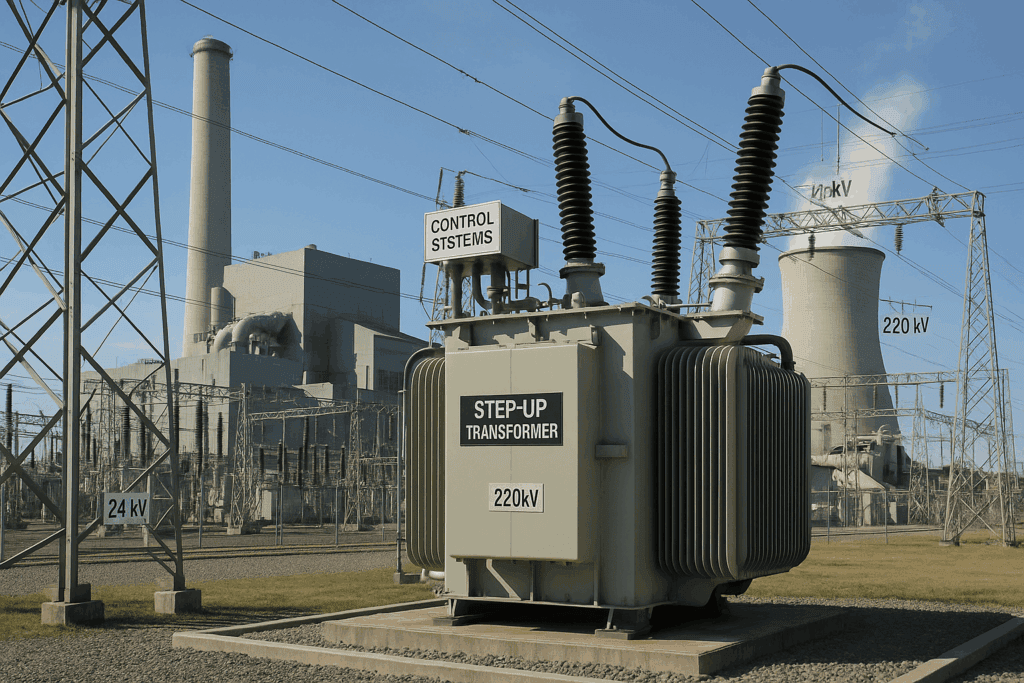
Power transformer procurement involves significant capital investment, long production cycles, and complex technical requirements, making cost control a major challenge for buyers. Simply selecting the lowest-priced supplier may lead to quality risks, delivery delays, higher maintenance expenses, and increased lifecycle costs. Strategic sourcing provides a more comprehensive approach by optimizing supplier selection, material management, contract planning, and procurement processes. By adopting a strategic sourcing strategy, organizations can reduce total procurement costs while ensuring reliable transformer quality, timely delivery, and long-term operational value.
Strategic sourcing can reduce power transformer procurement costs by optimizing supplier selection, negotiating long-term agreements, improving specification management, reducing supply chain risks, consolidating purchases, evaluating total lifecycle costs, and building strong partnerships with qualified manufacturers. This approach helps buyers achieve better pricing, improve delivery reliability, minimize quality risks, and maximize the overall value of their transformer investments.
Because power transformers are customized and long-life assets, procurement decisions should consider more than the initial purchase price. A strategic sourcing approach allows buyers to balance cost, quality, delivery time, and technical performance to achieve sustainable savings throughout the transformer lifecycle.
How Can Strategic Sourcing Reduce Power Transformer Procurement Costs?
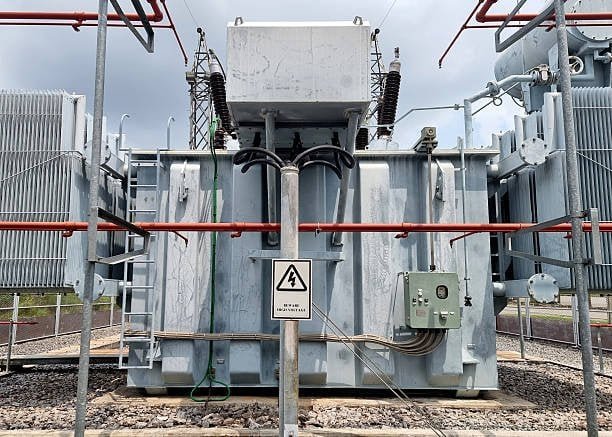
Power transformer procurement represents a significant investment for utilities, industrial facilities, renewable energy developers, and infrastructure projects. However, many buyers focus only on the purchase price and overlook the broader factors that influence the total cost of ownership, including material prices, supplier capability, production efficiency, transportation expenses, maintenance requirements, and long-term operational reliability. Inefficient sourcing decisions can lead to higher procurement costs, delayed project schedules, and increased lifecycle expenses. Strategic sourcing provides a systematic approach that helps buyers optimize supplier selection, control material risks, improve negotiation outcomes, and achieve better value throughout the transformer procurement process.
Strategic sourcing reduces power transformer procurement costs by optimizing supplier selection, improving purchasing planning, securing favorable material prices, reducing supply chain risks, standardizing specifications, improving supplier relationships, and evaluating total lifecycle costs instead of focusing only on the initial purchase price. A well-planned sourcing strategy helps buyers obtain reliable transformers at competitive costs while maintaining quality and delivery performance.
Strategic sourcing can reduce power transformer procurement costs by improving supplier management, reducing supply chain risks, and optimizing purchasing decisions.True
Strategic sourcing evaluates suppliers, materials, production capabilities, and lifecycle value to achieve cost savings without compromising transformer reliability.
The power transformer supply chain involves many cost factors, including electrical steel, copper, insulation materials, manufacturing labor, testing, transportation, installation, and maintenance. Because transformers are long-term assets with service lives often exceeding 30 years, the lowest purchase price does not always represent the lowest overall cost. Strategic sourcing allows buyers to make informed decisions by balancing price, quality, technical capability, delivery reliability, and long-term performance.
What Is Strategic Sourcing in Power Transformer Procurement?
Strategic sourcing is a procurement approach that goes beyond traditional purchasing methods. Instead of selecting suppliers only based on quotation prices, buyers analyze the entire supply chain and supplier capabilities.
Strategic sourcing typically includes:
- Market analysis
- Supplier evaluation
- Cost structure analysis
- Contract optimization
- Risk management
- Long-term supplier cooperation
| Traditional Purchasing | Strategic Sourcing |
|---|---|
| Focuses mainly on price | Evaluates total value |
| Short-term supplier relationships | Long-term partnerships |
| Reactive purchasing | Planned procurement |
| Limited supplier analysis | Comprehensive supplier evaluation |
For power transformers, strategic sourcing is especially valuable because transformers require customized engineering and specialized manufacturing capabilities.
How Does Supplier Selection Reduce Transformer Procurement Costs?
Selecting the right manufacturer is one of the most effective ways to reduce procurement costs.
A qualified transformer supplier can reduce costs through:
- Efficient manufacturing processes
- Stable material sourcing
- Reduced production risks
- Lower failure rates
- Better technical support
Buyers should evaluate suppliers based on:
| Supplier Evaluation Factor | Cost Impact |
|---|---|
| Manufacturing experience | Reduces production risks |
| Factory capacity | Improves delivery reliability |
| Testing capability | Prevents quality issues |
| Engineering expertise | Reduces redesign costs |
| Supply chain strength | Controls material risks |
Choosing a technically capable transformer manufacturer can reduce long-term costs by minimizing failures, delays, and maintenance requirements.True
Supplier quality affects not only purchase cost but also installation, operation, and maintenance expenses throughout the transformer lifecycle.
A supplier offering a lower initial price but lacking technical capability may create higher costs through delays, repairs, or early replacement.
How Can Strategic Sourcing Control Raw Material Costs?
Raw materials account for a significant portion of power transformer manufacturing costs.
Major cost-sensitive materials include:
| Material | Cost Influence |
|---|---|
| Copper | Major winding cost factor |
| Electrical steel | Core manufacturing cost |
| Insulation materials | Reliability and performance cost |
| Transformer oil | Cooling and insulation cost |
| Steel components | Tank manufacturing cost |
Strategic sourcing helps control material costs through:
- Early procurement planning
- Supplier diversification
- Long-term agreements
- Market monitoring
For example, copper and electrical steel prices can fluctuate significantly. Buyers who plan procurement strategically can reduce exposure to sudden price increases.
How Does Volume Purchasing Reduce Transformer Costs?
Large organizations purchasing multiple transformers can benefit from volume sourcing strategies.
Advantages include:
- Better supplier pricing
- Reduced administrative costs
- Improved production planning
- More efficient logistics
| Purchasing Approach | Cost Effect |
|---|---|
| Individual project orders | Higher negotiation difficulty |
| Group procurement | Better pricing opportunities |
| Long-term agreements | Greater cost stability |
Utilities and industrial groups can often achieve better commercial terms by consolidating transformer requirements.
How Can Standardization Reduce Procurement Expenses?
Standardization is an effective but often overlooked cost reduction strategy.
When buyers use standardized transformer specifications, manufacturers can reduce:
- Engineering time
- Design modifications
- Production complexity
- Inventory requirements
Standardization may include:
- Common voltage ratings
- Standard accessories
- Unified technical specifications
- Repeatable designs
| Standardization Benefit | Result |
|---|---|
| Reduced engineering effort | Lower design costs |
| Faster production | Shorter lead time |
| Simplified maintenance | Lower operating expenses |
However, standardization should not compromise application requirements. The transformer must still meet electrical and environmental conditions.
How Can Early Procurement Planning Reduce Costs?
Early sourcing decisions provide several advantages.
Starting procurement early allows buyers to:
- Compare more suppliers
- Avoid urgent purchasing
- Reserve production capacity
- Lock in material availability
Late procurement often creates additional costs because buyers may face:
- Limited supplier choices
- Higher prices
- Expedited manufacturing fees
- Transportation premiums
| Procurement Timing | Cost Impact |
|---|---|
| Early planning | Better pricing and availability |
| Normal procurement | Standard market conditions |
| Emergency purchase | Higher costs and limited options |
Strategic sourcing requires procurement planning before project deadlines become critical.
How Does Supplier Relationship Management Improve Pricing?
Long-term relationships with reliable manufacturers can create significant value.
Benefits include:
- Better communication
- Faster problem resolution
- Improved forecasting
- More flexible commercial terms
Supplier relationships can help buyers negotiate:
- Better pricing
- Improved warranty conditions
- Faster technical support
- More favorable delivery schedules
| Relationship Type | Typical Result |
|---|---|
| One-time transaction | Limited cooperation |
| Preferred supplier relationship | Better coordination |
| Strategic partnership | Long-term value creation |
How Can Buyers Reduce Supply Chain Risks Through Strategic Sourcing?
Supply chain disruptions can increase transformer procurement costs.
Common risks include:
- Material shortages
- Supplier capacity limitations
- Transportation problems
- Global market fluctuations
Strategic sourcing reduces these risks through:
- Multiple supplier evaluation
- Supplier qualification
- Material availability checks
- Risk assessment
| Supply Chain Risk | Strategic Solution |
|---|---|
| Material shortage | Alternative supplier planning |
| Production delay | Capacity evaluation |
| Price volatility | Long-term agreements |
| Logistics problems | Early transportation planning |
Reducing risk helps prevent unexpected project costs.
How Does Total Cost of Ownership Analysis Reduce Transformer Costs?
A transformer’s purchase price is only one part of its total cost.
Total cost of ownership includes:
| Cost Category | Examples |
|---|---|
| Purchase cost | Transformer price |
| Installation cost | Transport and installation |
| Operating cost | Energy losses |
| Maintenance cost | Inspection and repairs |
| Replacement cost | Future investment |
A transformer with a slightly higher purchase price may provide lower lifetime costs because of:
- Lower losses
- Higher efficiency
- Longer service life
- Better reliability
Evaluating total cost of ownership provides a more accurate assessment of transformer value than comparing purchase price alone.True
Operating losses, maintenance requirements, and reliability significantly influence the overall economic performance of a transformer.
How Can Buyers Use Technical Evaluation to Reduce Hidden Costs?
Technical evaluation is essential for avoiding future expenses.
Important technical factors include:
- Transformer efficiency
- Load losses
- No-load losses
- Insulation quality
- Cooling performance
- Mechanical strength
| Technical Factor | Long-Term Cost Effect |
|---|---|
| Lower losses | Reduced electricity costs |
| Better insulation | Longer lifespan |
| Stronger structure | Lower failure risk |
| Efficient cooling | Improved reliability |
A technically superior transformer can provide significant savings over decades of operation.
How Can Strategic Sourcing Improve Contract Negotiations?
A strong sourcing strategy gives buyers better negotiation positions.
Negotiation areas may include:
- Transformer price
- Payment terms
- Delivery schedule
- Warranty conditions
- Service support
| Contract Item | Cost Benefit |
|---|---|
| Clear specifications | Reduces disputes |
| Performance guarantees | Protects investment |
| Warranty terms | Reduces repair risks |
| Delivery commitments | Prevents delay costs |
Good contracts help ensure that cost savings are achieved without increasing project risk.
How Can Buyers Evaluate Potential Transformer Suppliers?
A comprehensive supplier evaluation should include:
| Evaluation Area | Key Questions |
|---|---|
| Technical capability | Can the supplier meet specifications? |
| Manufacturing experience | How many similar projects completed? |
| Quality system | What inspections are performed? |
| Delivery performance | Can schedules be maintained? |
| Service capability | Is technical support available? |
A supplier’s previous project experience is often a strong indicator of future performance.
How Does Strategic Sourcing Support Renewable Energy Projects?
Renewable energy projects often require large numbers of transformers with strict schedules.
Strategic sourcing helps renewable projects by:
- Securing transformer availability
- Managing long lead times
- Controlling project budgets
- Supporting expansion plans
Applications include:
- Solar power plants
- Wind farms
- Battery energy storage systems
- Grid connection projects
| Renewable Application | Sourcing Requirement |
|---|---|
| Solar plants | Reliable distribution transformers |
| Wind farms | High-capacity transformers |
| Energy storage | Flexible transformer solutions |
Early sourcing is particularly important because transformer demand in renewable energy markets can fluctuate significantly.
What Mistakes Should Buyers Avoid During Transformer Procurement?
Common procurement mistakes include:
| Mistake | Consequence |
|---|---|
| Choosing only lowest price | Higher lifecycle costs |
| Ignoring supplier capacity | Delivery delays |
| Late technical decisions | Production delays |
| Poor specification management | Design changes |
| Ignoring maintenance costs | Higher operating expenses |
Strategic sourcing helps buyers avoid these problems by taking a broader view of procurement.
What Questions Should Buyers Ask Manufacturers During Strategic Sourcing?
Before selecting a supplier, buyers should ask:
| Question | Purpose |
|---|---|
| What is included in the transformer price? | Understand cost structure |
| How are material costs managed? | Evaluate price stability |
| What is the manufacturing capacity? | Confirm delivery ability |
| What testing is included? | Verify quality |
| What after-sales support is provided? | Reduce future risks |
These questions help buyers make informed purchasing decisions.
How Does Supplier Evaluation Help Reduce Power Transformer Purchasing Risks?
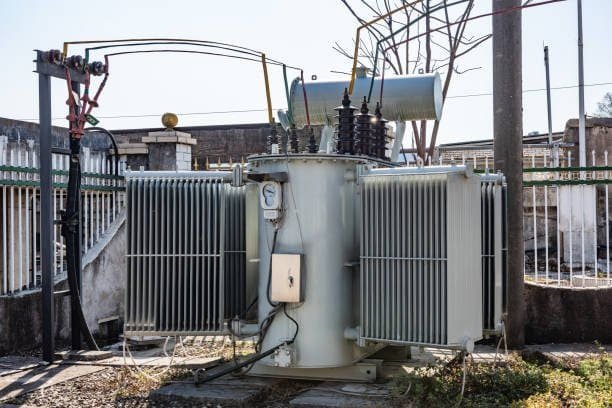
Purchasing a power transformer is a major investment decision that directly affects the reliability, safety, and long-term operating cost of electrical infrastructure. However, many purchasing risks cannot be identified by comparing quotations alone. A supplier offering the lowest price may lack sufficient manufacturing capacity, quality control systems, engineering experience, or after-sales support, creating risks such as delivery delays, premature failures, unexpected maintenance costs, and project interruptions. Supplier evaluation provides buyers with a structured method to assess transformer manufacturers before purchase, helping them identify capable partners, reduce uncertainty, and ensure that the selected supplier can deliver reliable equipment that meets technical and commercial requirements.
Supplier evaluation reduces power transformer purchasing risks by assessing a manufacturer’s technical capability, production capacity, quality management system, financial stability, supply chain reliability, testing capability, delivery performance, and after-sales service. A comprehensive supplier evaluation process helps buyers avoid unreliable suppliers, reduce project delays, improve transformer quality, and achieve better long-term value from their investment.
Supplier evaluation is an important risk management method because it allows buyers to verify a transformer supplier’s ability to meet quality, delivery, and technical requirements before signing a purchase contract.True
Evaluating suppliers before procurement reduces uncertainty and helps buyers select manufacturers with proven capabilities.
Power transformers are highly engineered products with service lives that can exceed 30 years. A manufacturing defect, unsuitable design, or poor-quality component may not appear immediately after installation but can lead to serious operational problems later. Therefore, supplier evaluation should consider not only the transformer’s purchase price but also the manufacturer’s ability to consistently produce reliable equipment throughout the entire project lifecycle.
Why Is Supplier Evaluation Important in Power Transformer Procurement?
The power transformer supply chain involves many technical and commercial risks.
Common purchasing risks include:
| Risk Category | Potential Problem | Business Impact |
|---|---|---|
| Quality risk | Manufacturing defects or poor materials | Equipment failure and repair costs |
| Delivery risk | Production delays | Project commissioning delays |
| Technical risk | Incorrect design or specifications | Performance problems |
| Financial risk | Supplier instability | Contract execution issues |
| Service risk | Limited support after delivery | Longer downtime |
A supplier evaluation process allows buyers to identify these risks before committing significant resources.
Unlike standard products, power transformers require close cooperation between buyers and manufacturers during:
- Technical specification review
- Engineering approval
- Manufacturing
- Factory testing
- Installation
- Commissioning
A qualified supplier can support every stage effectively.
What Are the Main Areas Evaluated During Transformer Supplier Selection?
A complete supplier evaluation should examine multiple dimensions.
| Evaluation Area | Key Purpose |
|---|---|
| Technical capability | Confirm engineering competence |
| Manufacturing capacity | Verify production ability |
| Quality management | Ensure consistent product quality |
| Testing capability | Confirm performance verification |
| Supply chain management | Reduce material risks |
| Financial condition | Evaluate business stability |
| Service capability | Ensure long-term support |
Focusing on only one factor, such as price, can expose buyers to significant risks.
How Does Technical Capability Evaluation Reduce Purchasing Risks?
Technical capability is one of the most important supplier evaluation criteria because transformer design directly affects reliability.
Buyers should evaluate:
- Engineering team experience
- Transformer design capability
- Application knowledge
- Simulation and calculation methods
- Ability to customize solutions
Important technical areas include:
| Technical Capability | Risk Reduced |
|---|---|
| Electrical design expertise | Incorrect performance |
| Thermal analysis capability | Overheating problems |
| Mechanical design ability | Structural failures |
| Insulation design experience | Dielectric failures |
A transformer supplier’s engineering capability directly influences product reliability because transformer performance depends heavily on electrical, thermal, and mechanical design accuracy.True
Professional engineering ensures that transformer designs meet operating conditions and industry requirements.
An experienced engineering team can identify potential problems before manufacturing begins.
How Does Manufacturing Capacity Evaluation Reduce Delivery Risks?
A supplier may have strong technical knowledge but insufficient production capacity.
Manufacturing capacity evaluation examines:
- Factory size
- Production equipment
- Workforce capability
- Current order volume
- Production scheduling system
| Manufacturing Factor | Importance |
|---|---|
| Production equipment | Determines manufacturing efficiency |
| Skilled workers | Ensures process quality |
| Factory capacity | Supports delivery schedules |
| Production planning | Reduces delays |
A supplier with limited capacity may experience:
- Long production queues
- Material management problems
- Testing bottlenecks
Evaluating manufacturing capability helps buyers select suppliers who can meet project timelines.
How Does Quality Management Evaluation Reduce Transformer Failure Risks?
A strong quality management system is essential for producing reliable transformers.
Buyers should evaluate whether suppliers have:
- Incoming material inspections
- Production quality controls
- Process documentation
- Final testing procedures
- Corrective action systems
| Quality Control Stage | Purpose |
|---|---|
| Material inspection | Verify component quality |
| Production inspection | Prevent manufacturing errors |
| Assembly inspection | Ensure correct construction |
| Factory testing | Confirm final performance |
A supplier with weak quality controls may deliver transformers with hidden defects.
How Does Factory Testing Capability Affect Supplier Reliability?
Transformer testing capability is a critical evaluation factor.
A professional manufacturer should have facilities for:
- Routine tests
- Type tests
- Special tests
- Customer acceptance tests
Common transformer tests include:
| Test | Purpose |
|---|---|
| Winding resistance test | Verify winding condition |
| Ratio test | Confirm voltage relationship |
| Loss measurement | Evaluate efficiency |
| Temperature rise test | Confirm cooling performance |
| Partial discharge test | Detect insulation problems |
| Impulse test | Verify surge withstand capability |
Suppliers without adequate testing capability may rely on external facilities, potentially increasing delivery risks.
How Does Supplier Experience Reduce Procurement Risks?
Experience with similar transformer projects is a strong indicator of supplier reliability.
Buyers should review:
- Previous transformer projects
- Similar voltage ratings
- Similar capacity ranges
- Industry applications
- Customer references
| Experience Type | Benefit |
|---|---|
| Utility projects | Understands grid requirements |
| Industrial projects | Handles customized needs |
| Renewable projects | Supports variable applications |
| Export projects | Understands international standards |
Experienced suppliers are more likely to anticipate technical challenges and prevent problems.
How Does Supply Chain Evaluation Reduce Material Risks?
Transformer manufacturing depends on reliable access to specialized materials.
Important materials include:
- Electrical steel
- Copper conductors
- Insulation materials
- Transformer oil
- Steel components
Evaluating a supplier’s supply chain capability helps reduce transformer procurement risks caused by material shortages and production interruptions.True
Reliable suppliers maintain qualified material sources and better control procurement schedules.
Buyers should evaluate:
| Supply Chain Factor | Risk Reduction Benefit |
|---|---|
| Qualified suppliers | Stable material quality |
| Multiple sourcing options | Lower shortage risk |
| Inventory management | Faster production |
| Procurement planning | Better delivery control |
A strong supply chain improves both cost control and schedule reliability.
How Does Financial Stability Evaluation Protect Buyers?
The financial condition of a transformer supplier affects project security.
Financially unstable suppliers may experience:
- Production interruptions
- Supplier payment problems
- Delayed deliveries
- Reduced service capability
Buyers can evaluate:
- Company history
- Financial performance
- Business stability
- Long-term operation capability
| Financial Evaluation | Purpose |
|---|---|
| Company history | Understand stability |
| Market reputation | Evaluate reliability |
| Business scale | Assess capability |
A financially stable manufacturer is more likely to support customers throughout the transformer lifecycle.
How Does After-Sales Service Evaluation Reduce Long-Term Risks?
Power transformers require support after delivery.
Important services include:
- Installation guidance
- Commissioning support
- Technical consultation
- Spare parts supply
- Warranty service
| Service Capability | Customer Benefit |
|---|---|
| Fast technical response | Reduced downtime |
| Spare parts availability | Easier maintenance |
| Field support | Faster problem resolution |
| Warranty support | Lower repair costs |
A transformer supplier’s responsibility does not end when the product leaves the factory.
How Can Buyers Evaluate Supplier Certifications and Compliance?
Certifications provide evidence of a supplier’s quality systems and technical standards.
Important certifications and compliance areas may include:
| Certification or Standard | Purpose |
|---|---|
| Quality management certification | Demonstrates process control |
| IEC compliance | Confirms international requirements |
| IEEE compliance | Supports technical reliability |
| Environmental standards | Shows responsible manufacturing |
Compliance with international standards improves confidence in supplier capability.
How Does Supplier Evaluation Help Control Total Ownership Costs?
Supplier evaluation helps buyers look beyond initial purchase price.
The total cost of a transformer includes:
| Cost Category | Example |
|---|---|
| Purchase cost | Equipment price |
| Installation cost | Transportation and commissioning |
| Operating cost | Energy losses |
| Maintenance cost | Inspection and repairs |
| Failure cost | Downtime and replacement |
A reliable supplier may offer a higher initial price but lower lifetime costs through:
- Better efficiency
- Fewer failures
- Longer service life
- Stronger technical support
What Supplier Evaluation Mistakes Should Buyers Avoid?
Buyers should avoid several common mistakes.
| Mistake | Result |
|---|---|
| Selecting only the lowest price | Higher long-term risks |
| Ignoring factory capability | Delivery problems |
| Skipping technical review | Design issues |
| Not checking references | Unknown supplier performance |
| Ignoring after-sales support | Future service difficulties |
A complete evaluation process provides a more balanced purchasing decision.
What Questions Should Buyers Ask Transformer Suppliers?
Before selecting a supplier, buyers should ask:
| Question | Purpose |
|---|---|
| How many similar transformers have you manufactured? | Verify experience |
| What testing facilities are available? | Confirm quality capability |
| How is production scheduled? | Evaluate delivery reliability |
| Which materials are used? | Check component quality |
| What support is available after delivery? | Evaluate lifecycle service |
These questions help buyers compare suppliers objectively.
How Can Digital Supplier Evaluation Improve Procurement Decisions?
Modern procurement teams increasingly use digital tools to evaluate suppliers.
Digital evaluation can include:
- Supplier performance databases
- Production tracking systems
- Quality record analysis
- Delivery performance monitoring
| Digital Method | Benefit |
|---|---|
| Supplier scorecards | Objective comparison |
| Quality databases | Performance tracking |
| Project monitoring | Risk identification |
Data-driven supplier evaluation improves purchasing decisions and reduces uncertainty.
Why Do Long-Term Agreements Lower Power Transformer Procurement Costs?
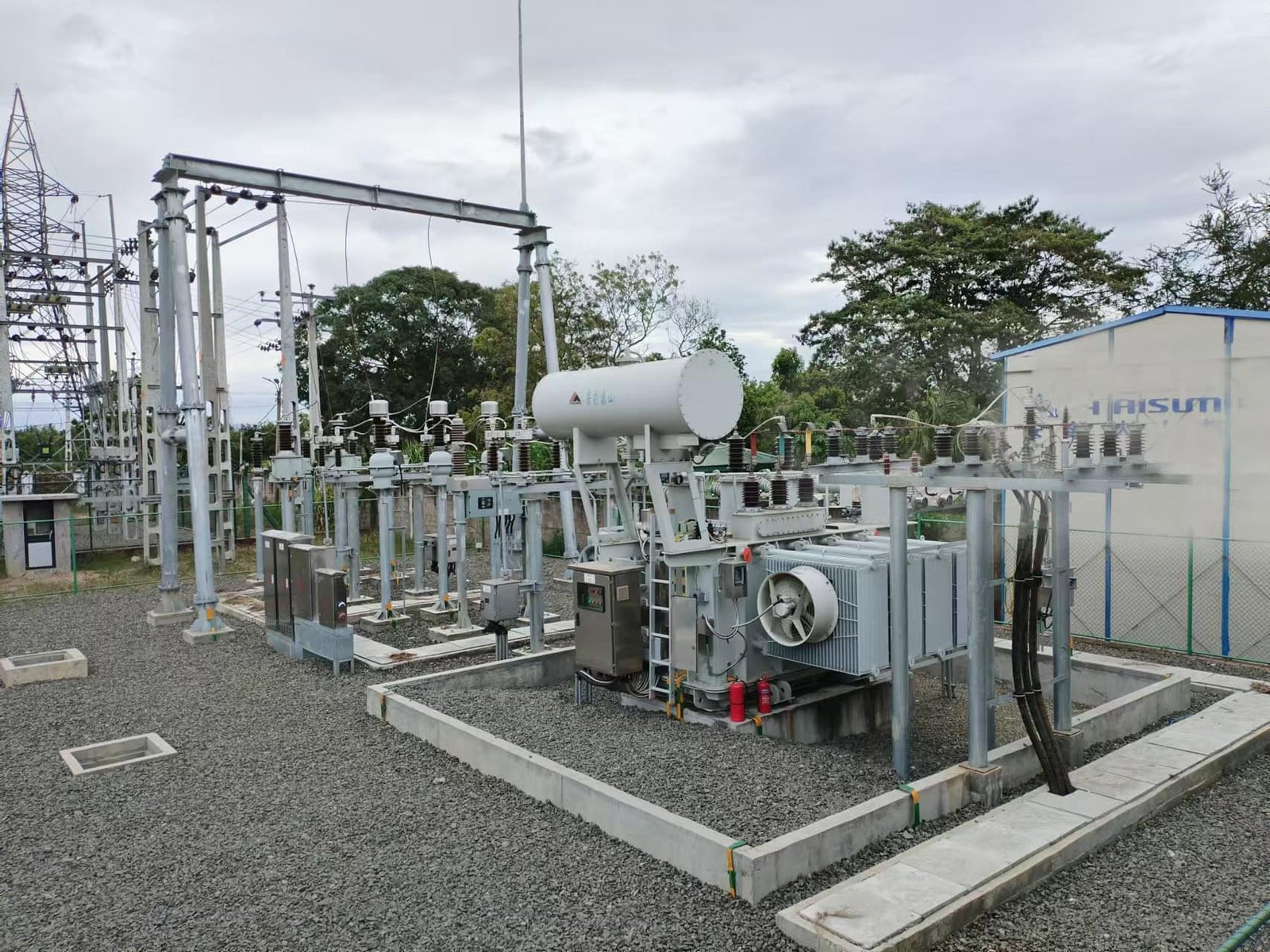
Power transformer procurement involves complex engineering, specialized materials, long production cycles, and significant financial investment. For utilities, industrial companies, renewable energy developers, and infrastructure operators, purchasing transformers through repeated short-term transactions can expose projects to price fluctuations, supply shortages, inconsistent quality, and uncertain delivery schedules. Long-term agreements provide a strategic procurement approach by creating stable cooperation between buyers and manufacturers, allowing both parties to improve planning, reduce risks, optimize resources, and achieve lower total procurement costs. Instead of negotiating every transformer purchase independently, buyers can establish predictable supply conditions, while manufacturers can better manage production capacity and material sourcing.
Long-term agreements lower power transformer procurement costs by improving price stability, enabling volume-based negotiations, reducing supply chain risks, improving production planning, lowering administrative costs, increasing supplier cooperation, and supporting lifecycle cost optimization. By creating a stable partnership between buyers and manufacturers, long-term agreements help achieve competitive pricing while maintaining transformer quality and delivery reliability.
Long-term agreements can reduce power transformer procurement costs by improving supply predictability, strengthening supplier relationships, and allowing manufacturers to optimize production planning.True
Stable procurement relationships help manufacturers manage resources more efficiently and allow buyers to reduce uncertainty-related costs.
Power transformers are not ordinary purchased components. Each transformer requires careful coordination between engineering teams, material suppliers, production departments, testing laboratories, logistics providers, and installation contractors. Long-term agreements create a framework for this cooperation, allowing buyers and suppliers to work together more efficiently. The cost benefits are generated not only from lower purchase prices but also from reduced delays, fewer technical changes, improved reliability, and lower long-term operating expenses.
What Are Long-Term Agreements in Power Transformer Procurement?
A long-term agreement is a procurement contract between a buyer and transformer manufacturer covering multiple purchases or a defined cooperation period.
These agreements may include:
- Multiple transformer orders
- Fixed pricing mechanisms
- Preferred supplier arrangements
- Capacity reservation
- Standardized technical requirements
- Service commitments
| Agreement Type | Application |
|---|---|
| Framework agreement | Future transformer purchases |
| Supply agreement | Continuous transformer demand |
| Strategic partnership | Long-term cooperation |
| Volume contract | Large-scale procurement |
Unlike one-time purchases, long-term agreements create a structured relationship where both parties can plan resources more effectively.
How Do Long-Term Agreements Improve Price Stability?
One of the biggest advantages of long-term agreements is reducing exposure to market price fluctuations.
Power transformer costs are strongly influenced by raw materials such as:
| Material | Cost Influence |
|---|---|
| Copper | Winding cost |
| Electrical steel | Core cost |
| Insulation materials | Manufacturing cost |
| Transformer oil | Cooling and insulation cost |
| Steel products | Tank fabrication cost |
Material prices can change significantly due to:
- Global supply conditions
- Energy prices
- Transportation costs
- Market demand
Long-term agreements allow buyers and suppliers to establish pricing mechanisms, reducing sudden cost increases.
| Short-Term Purchasing | Long-Term Agreement |
|---|---|
| Current market price exposure | More predictable pricing |
| Frequent negotiations | Defined pricing structure |
| Higher uncertainty | Better budget planning |
This stability is especially valuable for large infrastructure projects with multi-year construction schedules.
How Do Volume Commitments Reduce Transformer Purchase Prices?
Long-term agreements often include volume commitments, which provide manufacturers with greater order visibility.
Higher purchasing volumes allow manufacturers to reduce costs through:
- Better material purchasing
- More efficient production scheduling
- Reduced setup costs
- Improved workforce planning
Volume commitments in long-term transformer agreements can help manufacturers achieve economies of scale, which may reduce procurement costs for buyers.True
Predictable order quantities allow suppliers to optimize manufacturing processes and resource utilization.
| Procurement Model | Cost Effect |
|---|---|
| Single transformer purchase | Limited negotiation advantage |
| Multiple transformer order | Improved pricing |
| Long-term volume agreement | Stronger cost optimization |
For utilities and companies requiring multiple transformers, long-term agreements can create significant savings opportunities.
How Do Long-Term Agreements Reduce Supply Chain Risks?
Power transformer manufacturing depends on reliable access to specialized materials and components.
Supply chain risks include:
- Electrical steel shortages
- Copper supply delays
- Component availability issues
- Transportation disruptions
Long-term agreements help manufacturers plan procurement earlier.
Benefits include:
| Supply Chain Improvement | Result |
|---|---|
| Advance material planning | Reduced shortages |
| Supplier coordination | Better availability |
| Production forecasting | Improved delivery reliability |
Manufacturers can reserve materials based on expected future demand, reducing unexpected production interruptions.
How Does Better Production Planning Reduce Transformer Costs?
Transformer manufacturing requires significant factory resources.
Production planning involves:
- Engineering allocation
- Manufacturing equipment scheduling
- Testing facility planning
- Labor management
When manufacturers receive predictable long-term orders, they can optimize production.
| Production Benefit | Cost Impact |
|---|---|
| Better factory utilization | Lower manufacturing costs |
| Reduced idle time | Improved efficiency |
| Planned testing schedules | Lower delays |
| Optimized procurement | Reduced material costs |
This efficiency can be reflected in more competitive transformer pricing.
How Do Long-Term Relationships Reduce Engineering Costs?
Power transformers often require technical coordination between buyers and suppliers.
Engineering activities include:
- Specification review
- Design approval
- Drawing confirmation
- Performance discussions
- Technical modifications
Repeated cooperation allows manufacturers to better understand customer requirements.
| Engineering Benefit | Result |
|---|---|
| Familiar specifications | Faster design process |
| Standardized requirements | Reduced engineering effort |
| Existing technical knowledge | Fewer revisions |
Over multiple projects, reduced engineering workload can lower overall procurement costs.
How Does Standardization Through Long-Term Agreements Save Money?
Long-term agreements often encourage buyers to standardize transformer specifications.
Standardization may involve:
- Common ratings
- Similar accessories
- Unified documentation
- Consistent testing requirements
Benefits include:
| Standardization Advantage | Cost Reduction |
|---|---|
| Reusable designs | Lower engineering costs |
| Simplified manufacturing | Faster production |
| Common spare parts | Lower maintenance costs |
| Easier training | Reduced operational expenses |
However, standardization should still allow necessary customization for specific applications.
How Do Long-Term Agreements Reduce Administrative Costs?
Repeated transformer purchases require significant administrative work.
Short-term procurement involves:
- Supplier searches
- Technical evaluations
- Contract negotiations
- Documentation reviews
Long-term agreements reduce repeated procurement activities.
| Administrative Activity | Long-Term Agreement Benefit |
|---|---|
| Supplier qualification | Completed once |
| Contract negotiation | Reduced frequency |
| Documentation process | Simplified |
| Project coordination | Improved |
Lower administrative workload reduces indirect procurement costs.
How Do Long-Term Agreements Improve Supplier Cooperation?
A long-term partnership encourages manufacturers to provide better support.
Improved cooperation may include:
- Faster technical responses
- Priority production scheduling
- Better problem-solving
- More flexible project support
| Supplier Relationship | Typical Result |
|---|---|
| One-time transaction | Limited cooperation |
| Regular supplier relationship | Better communication |
| Strategic partnership | Maximum cooperation |
Manufacturers are more willing to invest resources in customers with predictable long-term demand.
How Do Long-Term Agreements Improve Delivery Reliability?
Transformer delivery delays can create major project costs.
Long-term agreements help improve delivery by allowing manufacturers to:
- Reserve production capacity
- Plan material purchases
- Schedule engineering resources
- Coordinate testing
| Delivery Improvement | Customer Benefit |
|---|---|
| Reserved capacity | Reduced waiting time |
| Predictable production | Better project planning |
| Early material preparation | Lower delay risk |
For large power transformers, delivery reliability can be as important as purchase price.
How Do Long-Term Agreements Support Quality Improvement?
Long-term cooperation allows manufacturers and buyers to continuously improve product quality.
Quality improvement activities may include:
- Reviewing previous project performance
- Improving specifications
- Sharing operational feedback
- Optimizing designs
Long-term supplier relationships can improve transformer quality because manufacturers gain better understanding of customer requirements and operating conditions.True
Continuous cooperation enables suppliers to apply lessons learned and improve future transformer designs.
| Quality Improvement | Long-Term Benefit |
|---|---|
| Shared experience | Better designs |
| Performance feedback | Continuous improvement |
| Consistent standards | Stable product quality |
How Do Long-Term Agreements Reduce Lifecycle Costs?
Procurement savings should not only consider the purchase price.
A transformer’s lifecycle cost includes:
| Cost Category | Example |
|---|---|
| Purchase cost | Initial transformer price |
| Installation cost | Transportation and commissioning |
| Operating cost | Energy losses |
| Maintenance cost | Inspection and repair |
| Failure cost | Downtime expenses |
Long-term agreements can support lifecycle cost reduction through:
- Better transformer selection
- Improved efficiency
- Reliable maintenance support
- Easier spare parts management
A slightly higher initial investment may produce lower total ownership costs over decades.
How Can Buyers Structure Effective Long-Term Transformer Agreements?
A successful agreement should clearly define:
| Contract Element | Purpose |
|---|---|
| Technical specifications | Ensure consistent requirements |
| Pricing mechanism | Manage cost changes |
| Delivery schedule | Control project planning |
| Quality requirements | Maintain performance |
| Warranty terms | Protect investment |
| Service obligations | Ensure support |
Clear agreements reduce misunderstandings and improve cooperation.
What Risks Should Buyers Consider With Long-Term Agreements?
Although long-term agreements provide many benefits, buyers should manage potential risks.
Possible concerns include:
| Risk | Management Method |
|---|---|
| Supplier dependency | Maintain supplier evaluation |
| Market price changes | Include review mechanisms |
| Technology changes | Allow specification updates |
| Demand changes | Define flexible quantities |
A well-designed agreement balances stability with flexibility.
How Should Buyers Select Partners for Long-Term Agreements?
Supplier selection is critical because long-term agreements create extended cooperation.
Buyers should evaluate:
- Manufacturing capability
- Technical expertise
- Financial stability
- Quality performance
- Previous project experience
- Service capability
| Evaluation Factor | Importance |
|---|---|
| Engineering capability | Ensures technical success |
| Factory capacity | Supports delivery |
| Quality system | Reduces failures |
| Service support | Protects lifecycle value |
A strong supplier relationship is the foundation of successful long-term procurement.
How Can Specification Optimization Improve Transformer Cost Efficiency?

Power transformer procurement costs are often influenced not only by raw material prices and manufacturing expenses but also by how accurately the transformer specifications match the actual application requirements. Many buyers unintentionally increase project costs by selecting excessive capacity margins, unnecessary accessories, overly conservative technical parameters, or complex designs that provide little practical benefit. Specification optimization helps customers define the right transformer requirements by balancing performance, reliability, safety, and cost. Through careful engineering analysis, buyers can avoid overdesign, simplify manufacturing, reduce lead times, and achieve better total cost efficiency throughout the transformer lifecycle.
Specification optimization improves transformer cost efficiency by ensuring that transformer capacity, voltage ratings, efficiency levels, cooling systems, insulation requirements, accessories, and protection features are correctly matched to actual operating conditions. Optimized specifications reduce unnecessary material consumption, simplify manufacturing, shorten production schedules, lower purchase costs, and improve long-term operating economics without compromising transformer reliability.
Optimizing transformer specifications can reduce procurement costs by eliminating unnecessary design requirements while maintaining required electrical performance and reliability.True
Proper specification design prevents overengineering and allows manufacturers to provide solutions that match actual application needs.
Power transformers are customized electrical assets, and every technical requirement affects the final cost. A higher capacity rating requires larger cores and windings; stricter efficiency requirements may require premium materials; advanced cooling systems may increase manufacturing complexity; and additional accessories may increase both purchase and maintenance costs. Therefore, specification optimization should be considered an essential part of transformer procurement strategy rather than simply a technical documentation process.
Why Does Transformer Specification Have a Major Impact on Cost?
Transformer specifications determine almost every aspect of the manufacturing process.
Key specification factors include:
| Specification Factor | Cost Influence |
|---|---|
| Rated capacity | Determines core and winding size |
| Voltage level | Affects insulation design |
| Efficiency requirements | Influences material selection |
| Cooling method | Affects structural complexity |
| Impedance value | Changes winding design |
| Accessories | Adds equipment and installation costs |
| Environmental requirements | May require special materials |
A transformer designed with unnecessarily high specifications may increase:
- Material consumption
- Manufacturing difficulty
- Testing requirements
- Transportation costs
- Installation expenses
Specification optimization ensures that customers pay for performance they actually need.
How Can Proper Capacity Selection Reduce Transformer Costs?
Transformer capacity is one of the largest cost drivers.
Selecting the correct capacity requires analyzing:
- Current load demand
- Future expansion plans
- Load growth rate
- Operating conditions
- Safety margins
An oversized transformer may appear safer, but it can create unnecessary costs.
| Capacity Selection | Cost Impact |
|---|---|
| Undersized transformer | Risk of overload and reduced lifespan |
| Correctly sized transformer | Balanced cost and performance |
| Excessively oversized transformer | Higher purchase and operating costs |
An oversized transformer increases costs because it requires:
- More electrical steel
- More copper or aluminum
- Larger tank structures
- Higher transportation requirements
Proper capacity optimization provides sufficient reserve capacity without unnecessary investment.
How Does Voltage Specification Optimization Reduce Manufacturing Costs?
Voltage ratings directly influence insulation system design.
Higher voltage levels require:
- Larger insulation distances
- More insulation materials
- Advanced electric field control
- Additional testing procedures
| Voltage Requirement | Cost Effect |
|---|---|
| Standard voltage level | Lower manufacturing complexity |
| Higher insulation level | Increased material requirements |
| Excessive insulation margin | Additional unnecessary costs |
Customers should define insulation requirements according to actual system conditions rather than selecting maximum available ratings without technical justification.
How Can Efficiency Specification Optimization Improve Cost Performance?
Transformer efficiency requirements influence both initial cost and operating expenses.
Higher efficiency transformers usually require:
- Premium electrical steel
- Lower-loss materials
- Optimized winding designs
- Improved manufacturing accuracy
However, excessive efficiency requirements may significantly increase purchase costs.
Transformer efficiency specifications should be optimized based on lifecycle economics because higher efficiency can reduce operating losses but may increase initial investment.True
The best efficiency level depends on electricity prices, operating hours, loading conditions, and expected service life.
A lifecycle cost analysis helps determine the most economical efficiency level.
| Efficiency Approach | Result |
|---|---|
| Minimum requirement only | Lower initial cost |
| Optimized efficiency | Best cost-performance balance |
| Maximum efficiency | Higher investment but lower losses |
How Does Cooling System Optimization Reduce Transformer Costs?
Cooling systems affect both transformer price and maintenance requirements.
Common cooling methods include:
| Cooling Type | Application |
|---|---|
| ONAN | Natural oil and air cooling |
| ONAF | Oil natural and air forced cooling |
| OFAF | Oil forced and air forced cooling |
| OFWF | Oil forced and water forced cooling |
A more advanced cooling system may improve thermal performance but increase:
- Equipment cost
- Maintenance requirements
- Auxiliary power consumption
Specification optimization ensures that the cooling system matches actual operating conditions.
For example:
- A naturally cooled transformer may be sufficient for moderate loads.
- A forced cooling system may be justified for high-load applications.
Selecting the correct cooling method avoids unnecessary investment.
How Can Impedance Specification Optimization Improve Cost Efficiency?
Transformer impedance affects:
- Short-circuit performance
- Voltage regulation
- Parallel operation capability
A higher impedance value may improve fault current limitation but can also affect voltage performance.
A poorly selected impedance specification may require:
- Additional winding design changes
- More complex calculations
- Increased manufacturing difficulty
| Impedance Requirement | Cost Effect |
|---|---|
| Application-matched impedance | Optimized design |
| Excessive requirements | Higher manufacturing cost |
Engineers should select impedance values based on system requirements rather than using unnecessarily strict values.
How Does Accessory Selection Influence Transformer Costs?
Transformer accessories can significantly affect total purchase cost.
Common accessories include:
- On-load tap changers
- Buchholz relays
- Temperature indicators
- Oil level gauges
- Online monitoring systems
- Cooling controls
| Accessory Type | Cost Influence |
|---|---|
| Basic protection devices | Standard cost |
| Advanced monitoring systems | Higher investment |
| Customized control systems | Additional engineering |
Specification optimization means selecting accessories that provide real operational value.
For example, online monitoring may be highly beneficial for critical grid transformers but unnecessary for smaller applications.
How Can Standardization Reduce Transformer Manufacturing Costs?
Standardized specifications help manufacturers improve production efficiency.
Benefits include:
- Reusable engineering designs
- Simplified manufacturing processes
- Reduced documentation effort
- Faster production scheduling
| Standardization Benefit | Cost Reduction |
|---|---|
| Common designs | Lower engineering cost |
| Standard accessories | Reduced procurement cost |
| Unified testing procedures | Improved efficiency |
Large organizations with multiple transformer requirements can achieve significant savings through standard specifications.
How Does Environmental Specification Optimization Reduce Costs?
Transformers installed in different environments require different designs.
Environmental factors include:
- Ambient temperature
- Altitude
- Humidity
- Coastal corrosion
- Indoor or outdoor installation
Over-specifying environmental protection can increase costs unnecessarily.
| Environment | Appropriate Optimization |
|---|---|
| Normal indoor installation | Standard protection |
| Outdoor installation | Weather-resistant design |
| Coastal area | Corrosion protection |
| High altitude | Modified cooling design |
The goal is to provide sufficient protection without unnecessary additional features.
How Can Specification Optimization Reduce Manufacturing Lead Time?
Complex specifications often increase production time.
Additional requirements may require:
- New engineering calculations
- Special material procurement
- Modified production procedures
- Additional testing
Optimized specifications help manufacturers:
- Use proven designs
- Prepare materials faster
- Reduce engineering revisions
- Improve production scheduling
| Specification Approach | Lead Time Effect |
|---|---|
| Clear optimized requirements | Faster production |
| Excessive customization | Longer manufacturing |
| Frequent changes | Significant delays |
Shorter lead times can reduce project costs by avoiding construction delays.
How Does Early Engineering Collaboration Improve Specification Optimization?
Early cooperation between buyers and manufacturers is essential.
Manufacturers can help buyers evaluate:
- Actual load requirements
- Suitable transformer ratings
- Cost-effective designs
- Alternative solutions
Early technical discussions can prevent:
- Overdesign
- Specification conflicts
- Manufacturing changes
| Collaboration Stage | Benefit |
|---|---|
| Early consultation | Better technical decisions |
| Design review | Reduced errors |
| Final approval | Faster production |
How Can Buyers Use Lifecycle Cost Analysis for Specification Decisions?
The cheapest transformer is not always the most economical option.
Lifecycle cost analysis considers:
| Cost Element | Example |
|---|---|
| Initial purchase | Transformer price |
| Energy losses | No-load and load losses |
| Maintenance | Inspection and repair |
| Downtime | Production losses |
| Replacement | Future investment |
A specification that increases initial cost may reduce total ownership cost over decades.
For example:
- Higher efficiency may reduce electricity expenses.
- Better insulation may extend service life.
- Improved monitoring may prevent failures.
What Common Specification Mistakes Increase Transformer Costs?
Buyers should avoid:
| Mistake | Cost Consequence |
|---|---|
| Excessive capacity margin | Higher equipment cost |
| Unnecessary accessories | Increased purchase price |
| Overly strict requirements | More complex manufacturing |
| Poor load analysis | Incorrect sizing |
| Frequent specification changes | Production delays |
A well-prepared specification is one of the most effective cost-control tools.
What Information Should Buyers Provide for Specification Optimization?
Manufacturers need accurate project information, including:
| Information | Purpose |
|---|---|
| Load profile | Select correct capacity |
| Voltage system | Design insulation |
| Installation environment | Determine protection |
| Future expansion plans | Select reserve margin |
| Operating conditions | Optimize cooling |
Complete information allows engineers to design the most economical transformer solution.
How Can Specification Optimization Improve Long-Term Reliability?
Cost efficiency should never compromise reliability.
Optimized specifications ensure:
- Correct thermal performance
- Appropriate insulation strength
- Suitable mechanical design
- Reliable protection systems
A properly optimized transformer specification improves both cost efficiency and reliability because the design is matched to actual operating requirements.True
Correct specifications prevent both overdesign and underdesign, creating a balanced transformer solution.
The best transformer design is not the one with the highest specifications but the one that provides the required performance at the lowest total cost.
How Does Supply Chain Management Affect Power Transformer Procurement Expenses?
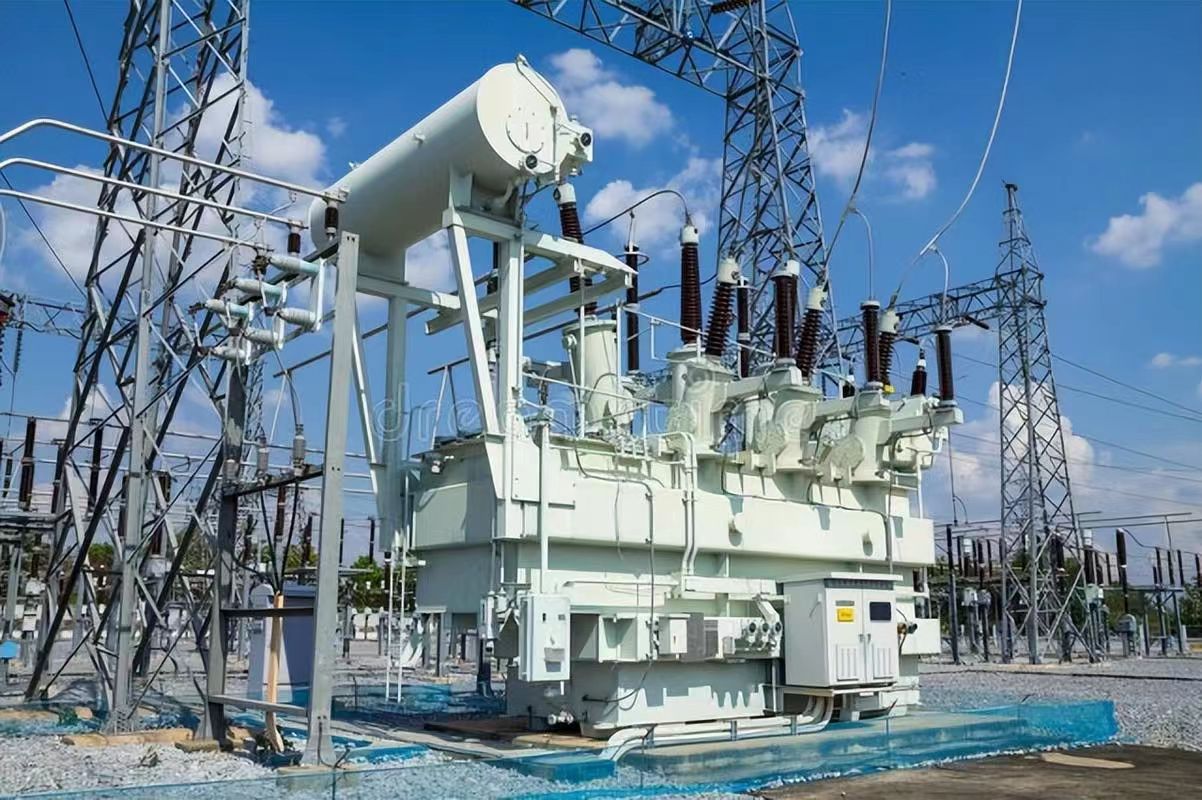
Power transformer procurement costs are influenced by far more than the transformer’s factory price. Behind every transformer delivery is a complex supply chain involving electrical steel suppliers, copper manufacturers, insulation material providers, component manufacturers, logistics companies, and testing organizations. Poor supply chain management can increase procurement expenses through material shortages, production delays, emergency purchasing, transportation problems, and project schedule disruptions. For utilities, industrial users, and renewable energy developers, understanding how supply chain management affects transformer costs is essential for controlling budgets while ensuring reliable equipment delivery.
Supply chain management directly affects power transformer procurement expenses by controlling material availability, supplier reliability, production efficiency, transportation costs, inventory planning, and delivery risks. Effective supply chain management reduces unexpected cost increases, prevents production delays, improves purchasing efficiency, and helps buyers achieve lower total procurement costs without sacrificing transformer quality or reliability.
Effective supply chain management can reduce power transformer procurement expenses by improving material planning, supplier coordination, production scheduling, and risk control.True
Transformer costs depend heavily on specialized materials and manufacturing coordination, making supply chain efficiency a key cost factor.
Power transformers are highly customized electrical products that require long manufacturing cycles and specialized resources. A delay in receiving one critical component can interrupt the entire production process. For example, a shortage of grain-oriented electrical steel may delay core manufacturing, while delayed bushings or tap changers may prevent final assembly. Therefore, supply chain management is not simply a purchasing activity; it is a strategic approach that influences transformer cost, delivery reliability, and lifecycle value.
Why Is Supply Chain Management Important in Transformer Procurement?
Power transformer manufacturing depends on a global network of suppliers and processes.
The supply chain typically includes:
| Supply Chain Stage | Main Activities |
|---|---|
| Raw material sourcing | Electrical steel, copper, insulation materials |
| Component procurement | Bushings, tap changers, cooling equipment |
| Manufacturing planning | Production scheduling and resource allocation |
| Quality control | Material and component inspection |
| Logistics management | Transportation and delivery coordination |
Each stage can influence final procurement expenses.
Poor supply chain management may cause:
- Higher material prices
- Production interruptions
- Extended delivery periods
- Additional storage costs
- Emergency transportation expenses
Effective supply chain management helps ensure that every required resource is available at the correct time and cost.
How Do Raw Material Prices Affect Transformer Procurement Costs?
Raw materials represent a significant portion of transformer manufacturing costs.
The most important materials include:
| Material | Function | Cost Impact |
|---|---|---|
| Copper | Transformer windings | High |
| Electrical steel | Magnetic core | High |
| Insulation paper | Electrical insulation | Medium |
| Transformer oil | Cooling and insulation | Medium |
| Steel plates | Tank fabrication | Medium |
Copper and electrical steel prices have a significant influence on power transformer procurement costs because they are major components of transformer construction.True
Windings and cores require large quantities of these materials, making price fluctuations directly affect transformer manufacturing costs.
Supply chain management helps control material cost risks through:
- Early purchasing
- Supplier agreements
- Market monitoring
- Alternative sourcing strategies
| Material Management Strategy | Cost Benefit |
|---|---|
| Advance procurement | Reduces price fluctuation risk |
| Supplier diversification | Improves availability |
| Long-term contracts | Provides price stability |
How Does Supplier Selection Influence Transformer Costs?
The quality and reliability of suppliers directly affect procurement expenses.
A strong supplier network helps manufacturers maintain:
- Stable material supply
- Consistent quality
- Competitive pricing
- Reliable delivery schedules
Supplier evaluation should consider:
| Supplier Factor | Cost Impact |
|---|---|
| Production capability | Reduces delays |
| Quality performance | Prevents defects |
| Financial stability | Improves reliability |
| Delivery history | Reduces schedule risks |
A low-cost supplier with poor reliability may create higher overall expenses through delays and quality problems.
How Does Supply Chain Planning Reduce Material Shortages?
Power transformer components often have long procurement cycles.
Examples include:
- High-voltage bushings
- On-load tap changers
- Specialized electrical steel
- Custom cooling equipment
Poor planning may result in:
- Production stoppages
- Extended delivery times
- Higher purchasing costs
Supply chain planning reduces these risks by forecasting demand and securing materials early.
| Planning Method | Result |
|---|---|
| Demand forecasting | Better purchasing decisions |
| Material reservation | Reduced shortage risk |
| Supplier coordination | Improved delivery reliability |
How Does Inventory Management Affect Transformer Procurement Expenses?
Inventory management is a balance between availability and cost.
Too little inventory may cause:
- Production delays
- Emergency purchases
- Higher prices
Too much inventory may create:
- Storage costs
- Capital occupation
- Material aging risks
| Inventory Strategy | Advantage |
|---|---|
| Just-in-time supply | Lower storage cost |
| Strategic inventory | Better supply security |
| Critical component stock | Prevents production interruptions |
For transformer manufacturers, maintaining appropriate inventory levels for critical materials is essential.
How Does Supply Chain Management Reduce Production Delays?
Transformer manufacturing requires precise coordination between multiple production stages.
A typical process includes:
- Core manufacturing
- Winding production
- Insulation assembly
- Tank fabrication
- Final assembly
- Factory testing
A delay in one stage can affect the entire schedule.
| Production Risk | Supply Chain Solution |
|---|---|
| Missing components | Early procurement |
| Supplier delays | Alternative suppliers |
| Material quality issues | Incoming inspection |
Better supply chain management improves production continuity.
How Does Logistics Management Affect Transformer Costs?
Power transformers are large and heavy products requiring specialized transportation.
Logistics costs depend on:
- Transformer weight
- Transportation distance
- Route restrictions
- Lifting requirements
- Special permits
| Logistics Factor | Cost Influence |
|---|---|
| Oversized dimensions | Requires special transport |
| Long distance delivery | Increases freight costs |
| Poor planning | Creates delays |
Supply chain management reduces logistics expenses through:
- Early transportation planning
- Route evaluation
- Carrier selection
- Delivery scheduling
How Do Supply Chain Delays Increase Total Procurement Costs?
A delayed transformer can create costs beyond the equipment price.
Additional expenses may include:
| Delay Cost | Example |
|---|---|
| Construction delay | Idle installation teams |
| Project financing cost | Extended loan periods |
| Temporary power solutions | Rental equipment |
| Contract penalties | Schedule violations |
Supply chain delays can increase total transformer procurement costs because they may create indirect expenses related to project delays, temporary solutions, and additional logistics.True
The financial impact of delayed transformer delivery often exceeds the direct manufacturing cost increase.
Therefore, supply chain reliability is a major factor in total project economics.
How Does Long-Term Supplier Cooperation Reduce Costs?
Long-term cooperation between transformer manufacturers and suppliers can create significant cost advantages.
Benefits include:
- Better pricing agreements
- Improved material availability
- Faster technical communication
- Priority production support
| Supplier Relationship | Cost Effect |
|---|---|
| One-time purchase | Limited benefits |
| Regular cooperation | Improved efficiency |
| Strategic partnership | Maximum optimization |
Strong supplier relationships allow manufacturers to manage costs more effectively.
How Does Global Supply Chain Management Affect Transformer Pricing?
Many transformer components are sourced internationally.
Global supply chains are affected by:
- Currency changes
- Trade policies
- Shipping conditions
- Regional supply shortages
| Global Factor | Possible Impact |
|---|---|
| Currency fluctuation | Material cost changes |
| Shipping disruption | Delivery delays |
| Trade restrictions | Supplier limitations |
Effective supply chain management requires monitoring international market conditions and preparing alternatives.
How Does Quality Control in the Supply Chain Reduce Costs?
Quality problems in supplied components can create expensive consequences.
Examples include:
- Defective electrical steel
- Poor insulation materials
- Faulty accessories
Quality issues may cause:
- Production rework
- Testing failures
- Delivery delays
- Warranty problems
Supply chain quality management includes:
| Quality Activity | Purpose |
|---|---|
| Supplier qualification | Select reliable vendors |
| Incoming inspection | Verify materials |
| Component testing | Prevent defects |
High-quality supply chains reduce hidden costs.
How Can Strategic Procurement Improve Transformer Cost Efficiency?
Strategic procurement combines supply chain management with long-term planning.
Key strategies include:
- Forecasting future transformer demand
- Negotiating supplier agreements
- Standardizing specifications
- Evaluating total costs
| Strategy | Cost Improvement |
|---|---|
| Demand planning | Better purchasing timing |
| Supplier evaluation | Lower quality risks |
| Standardization | Reduced complexity |
| Contract management | Better price control |
Strategic procurement transforms purchasing from a short-term transaction into long-term cost optimization.
How Does Digital Supply Chain Management Improve Cost Control?
Modern manufacturers use digital tools to improve supply chain visibility.
Digital systems can track:
- Material availability
- Supplier performance
- Production progress
- Delivery schedules
| Digital Tool | Benefit |
|---|---|
| ERP systems | Better resource planning |
| Supplier platforms | Improved communication |
| Tracking systems | Real-time visibility |
Improved information flow allows faster response to potential delays.
What Supply Chain Risks Should Transformer Buyers Evaluate?
Buyers should evaluate supplier supply chain capabilities before purchasing.
Important questions include:
| Evaluation Question | Purpose |
|---|---|
| Where are key materials sourced? | Understand supply risks |
| Are alternative suppliers available? | Evaluate flexibility |
| How are delays managed? | Assess risk control |
| Are materials reserved early? | Confirm planning ability |
A supplier with strong supply chain management provides greater procurement confidence.
How Can Buyers Reduce Supply Chain-Related Transformer Costs?
Buyers can reduce procurement expenses by:
- Starting procurement early
- Selecting experienced suppliers
- Using long-term agreements
- Avoiding unnecessary customization
- Approving specifications quickly
- Monitoring production progress
| Buyer Action | Cost Benefit |
|---|---|
| Early ordering | Reduces urgency costs |
| Supplier evaluation | Avoids unreliable vendors |
| Specification optimization | Reduces unnecessary expenses |
| Regular communication | Prevents delays |
How Can Buyers Achieve the Best Total Value When Sourcing Power Transformers?

Sourcing a power transformer is a long-term investment decision that affects electrical reliability, operating efficiency, maintenance costs, and project profitability for decades. Many buyers focus heavily on the initial purchase price, but the lowest quotation does not always represent the best value. A transformer with a lower upfront cost may have higher energy losses, shorter service life, increased maintenance requirements, or greater failure risks. Achieving the best total value requires a balanced sourcing strategy that considers technical performance, supplier capability, lifecycle costs, reliability, delivery performance, and long-term operational benefits.
Buyers can achieve the best total value when sourcing power transformers by evaluating suppliers based on total lifecycle cost, optimizing technical specifications, selecting reliable manufacturers, balancing initial price with long-term performance, improving procurement planning, reviewing quality systems, and considering efficiency, maintenance, and service support throughout the transformer’s operating life.
The best value power transformer is not necessarily the lowest-priced option because lifecycle costs, reliability, efficiency, and maintenance requirements significantly affect total ownership expenses.True
A transformer operates for decades, so operating losses, failures, and maintenance costs can exceed the initial purchase price difference.
Power transformers are critical infrastructure assets designed for continuous operation over many years. A purchasing decision made today can influence energy costs, system availability, and maintenance requirements for decades. Therefore, successful buyers should approach transformer sourcing as a value optimization process rather than a simple price comparison exercise. By applying strategic procurement methods, customers can obtain transformers that deliver reliable performance while achieving the lowest possible total cost of ownership.
Why Is Total Value More Important Than Purchase Price?
The initial transformer purchase price is only one component of the overall investment.
The total value of a transformer includes:
| Cost Element | Description |
|---|---|
| Initial purchase cost | Transformer manufacturing price |
| Installation cost | Transportation and commissioning expenses |
| Operating cost | Energy losses during service |
| Maintenance cost | Inspection and repair expenses |
| Failure cost | Downtime and replacement risks |
A transformer that costs less initially may create higher expenses through:
- Higher no-load losses
- Higher load losses
- Frequent maintenance
- Shorter service life
- Unexpected failures
A value-based sourcing strategy evaluates the complete economic impact rather than only the quotation amount.
How Can Buyers Evaluate Transformer Suppliers for Maximum Value?
Supplier selection is one of the most important factors influencing transformer value.
Buyers should evaluate manufacturers based on:
| Supplier Evaluation Factor | Value Impact |
|---|---|
| Engineering capability | Ensures suitable design |
| Manufacturing experience | Reduces production risks |
| Quality system | Improves reliability |
| Testing capability | Confirms performance |
| Service support | Reduces lifecycle risks |
A transformer supplier’s technical capability and quality management system directly influence the long-term reliability and economic value of the transformer.True
Professional design, manufacturing control, and testing reduce failure risks and improve operating performance.
A reliable supplier provides value through consistent quality, technical support, and predictable delivery—not only through competitive pricing.
How Does Lifecycle Cost Analysis Improve Transformer Sourcing Decisions?
Lifecycle cost analysis helps buyers compare different transformer options more accurately.
Important lifecycle factors include:
| Factor | Economic Effect |
|---|---|
| Purchase price | Initial investment |
| Energy efficiency | Long-term electricity savings |
| Maintenance requirements | Operating expenses |
| Reliability | Reduced downtime |
| Service life | Delayed replacement investment |
For example, a transformer with premium electrical steel and improved winding design may have a higher purchase price but significantly lower energy losses over 30 years of operation.
The best sourcing decision is the option that minimizes total ownership cost while meeting performance requirements.
How Can Buyers Optimize Transformer Specifications?
Correct specifications are essential for achieving maximum value.
Overly conservative specifications can increase costs through:
- Larger transformer size
- Excessive insulation requirements
- Unnecessary accessories
- More complex manufacturing
Under-specification can cause:
- Overloading
- Reduced lifespan
- Higher failure risks
| Specification Area | Optimization Goal |
|---|---|
| Capacity | Match actual load requirements |
| Voltage rating | Meet system conditions |
| Efficiency level | Balance cost and savings |
| Cooling system | Match thermal requirements |
| Accessories | Select necessary functions |
Working with experienced manufacturers during specification development helps buyers avoid unnecessary expenses.
How Does Transformer Efficiency Affect Total Value?
Transformer efficiency directly influences long-term operating costs.
The main losses include:
| Loss Type | Source |
|---|---|
| No-load loss | Transformer core |
| Load loss | Transformer windings |
Although losses may appear small, transformers operate continuously, making efficiency a major economic factor.
A high-efficiency transformer can provide:
- Lower electricity consumption
- Reduced operating expenses
- Lower environmental impact
- Better long-term return on investment
Improving transformer efficiency can reduce long-term operating costs because transformers continuously consume energy through core and winding losses.True
Even small efficiency improvements can produce significant savings over decades of continuous operation.
Buyers should evaluate efficiency based on expected loading conditions and electricity costs.
How Can Buyers Balance Transformer Price and Quality?
Price is important, but excessive focus on initial cost can create hidden risks.
A balanced evaluation should consider:
| Evaluation Factor | Importance |
|---|---|
| Price | Budget control |
| Quality | Reliability |
| Efficiency | Operating savings |
| Delivery | Project schedule |
| Service | Long-term support |
The lowest-priced transformer may not provide the best economic outcome if it requires:
- More frequent maintenance
- Higher energy consumption
- Additional repairs
A competitive transformer should provide the best combination of price, performance, and reliability.
How Does Supplier Manufacturing Capability Affect Total Value?
A manufacturer’s production capability influences both cost and reliability.
Important capabilities include:
- Modern production equipment
- Skilled engineering teams
- Automated manufacturing processes
- Advanced testing facilities
| Manufacturing Capability | Customer Benefit |
|---|---|
| Efficient production | Competitive pricing |
| Strong quality control | Fewer failures |
| Advanced testing | Higher confidence |
| Experienced workers | Better workmanship |
Manufacturers with strong production systems can provide better value because they reduce quality risks and improve delivery reliability.
How Can Factory Testing Improve Transformer Value?
Factory testing ensures that the transformer performs according to design requirements before delivery.
Important tests include:
| Test | Purpose |
|---|---|
| Winding resistance test | Verify winding condition |
| Ratio test | Confirm voltage transformation |
| Loss measurement | Evaluate efficiency |
| Insulation test | Confirm dielectric strength |
| Temperature rise test | Verify cooling performance |
| Partial discharge test | Detect insulation problems |
Strong testing capability reduces the risk of receiving equipment with hidden defects.
How Does Long-Term Supplier Cooperation Create Better Value?
Long-term relationships between buyers and manufacturers can improve procurement outcomes.
Benefits include:
- Better technical communication
- Faster problem resolution
- Improved customization support
- More predictable pricing
| Relationship Type | Value Level |
|---|---|
| One-time purchase | Limited cooperation |
| Regular supplier | Improved coordination |
| Strategic partnership | Maximum value |
Long-term cooperation allows manufacturers to better understand customer requirements and continuously improve solutions.
How Can Buyers Reduce Procurement Risks Through Early Planning?
Early planning improves both cost control and delivery reliability.
Buyers should begin sourcing activities early to:
- Compare suppliers
- Confirm technical requirements
- Reserve production capacity
- Secure materials
| Early Planning Activity | Benefit |
|---|---|
| Specification review | Avoids redesign |
| Supplier evaluation | Reduces selection risk |
| Production planning | Improves delivery |
| Logistics preparation | Prevents delays |
Late procurement often creates higher costs due to limited options and urgent manufacturing requirements.
How Does Supply Chain Reliability Affect Transformer Value?
A strong supply chain supports stable transformer pricing and delivery.
Important supply chain factors include:
| Factor | Impact |
|---|---|
| Material availability | Prevents production delays |
| Supplier network | Improves flexibility |
| Inventory management | Reduces shortages |
| Logistics planning | Controls delivery costs |
A manufacturer with reliable supply chain management can provide more predictable project outcomes.
How Can Buyers Evaluate Transformer Warranty and Service Value?
Warranty and service support are important parts of total transformer value.
Buyers should evaluate:
- Warranty duration
- Coverage conditions
- Technical support availability
- Spare parts supply
- Response time
| Service Factor | Value Benefit |
|---|---|
| Strong warranty | Lower repair risk |
| Technical support | Faster problem solving |
| Spare parts availability | Easier maintenance |
A supplier’s responsibility should continue throughout the transformer’s operating life.
How Do Environmental Requirements Influence Transformer Value?
Transformers operate in different environments, and proper design selection affects both cost and reliability.
Environmental factors include:
- Temperature
- Humidity
- Altitude
- Pollution level
- Coastal conditions
| Environment | Required Optimization |
|---|---|
| Normal conditions | Standard design |
| High temperature | Enhanced cooling |
| Coastal areas | Corrosion protection |
| High altitude | Modified thermal design |
Selecting appropriate environmental protection avoids both unnecessary costs and premature failures.
What Procurement Mistakes Reduce Transformer Value?
Common sourcing mistakes include:
| Mistake | Result |
|---|---|
| Selecting only lowest price | Higher lifecycle costs |
| Ignoring efficiency | Increased energy expenses |
| Poor specification planning | Design problems |
| Weak supplier evaluation | Quality risks |
| Ignoring service support | Higher maintenance costs |
Avoiding these mistakes helps buyers maximize investment returns.
What Questions Should Buyers Ask Before Purchasing a Transformer?
Before selecting a transformer supplier, buyers should ask:
| Question | Purpose |
|---|---|
| What is the expected service life? | Evaluate durability |
| What are the transformer losses? | Estimate operating costs |
| What testing is performed? | Confirm quality |
| What support is provided after delivery? | Assess lifecycle service |
| What similar projects have been completed? | Verify experience |
These questions help buyers make informed decisions based on value rather than price alone.
How Can Buyers Create a Strategic Transformer Sourcing Process?
A successful sourcing process should include:
- Define actual technical requirements
- Evaluate qualified manufacturers
- Compare lifecycle costs
- Review quality and testing systems
- Negotiate balanced contracts
- Monitor manufacturing progress
- Prepare installation and commissioning
| Procurement Stage | Value Improvement |
|---|---|
| Planning | Reduces unnecessary costs |
| Supplier evaluation | Improves reliability |
| Technical optimization | Balances performance and price |
| Lifecycle analysis | Maximizes long-term return |
Conclusion
Strategic sourcing is an effective way to reduce power transformer procurement costs while maintaining quality, reliability, and long-term performance. By carefully evaluating suppliers, optimizing technical specifications, managing material risks, establishing long-term partnerships, and considering total lifecycle costs, buyers can achieve greater value than through price-focused purchasing alone. A well-planned sourcing strategy helps organizations secure reliable transformers, avoid costly delays, control budgets, and build a more resilient supply chain for future electrical infrastructure projects.
FAQ
Q1: How can strategic sourcing reduce power transformer procurement costs?
Strategic sourcing reduces power transformer procurement costs by applying a structured approach to supplier selection, purchasing decisions, material management, and long-term supplier relationships. Unlike traditional purchasing methods that focus only on the initial price, strategic sourcing evaluates the complete procurement lifecycle to achieve better value.
Key cost reduction methods include:
Selecting qualified suppliers through competitive evaluation
Negotiating long-term supply agreements
Consolidating purchases across multiple projects
Optimizing technical specifications
Managing raw material risks
Evaluating total cost of ownership (TCO)
Improving delivery planning
Power transformers are complex, high-value assets with long manufacturing cycles. Strategic sourcing helps buyers reduce unnecessary costs while maintaining quality, reliability, and compliance with technical standards.
For example, selecting a supplier based only on the lowest quotation may create future costs through delays, poor performance, or higher maintenance requirements. Strategic sourcing balances purchase price with manufacturing capability, reliability, warranty support, and lifecycle performance.
Q2: How does supplier selection influence transformer procurement costs?
Choosing the right transformer supplier is one of the most important elements of strategic sourcing. A reliable supplier can reduce costs by improving manufacturing efficiency, minimizing delays, and reducing quality-related expenses.
Supplier evaluation should consider:
Manufacturing experience
Production capacity
Quality management systems
Previous project references
Compliance with IEC and IEEE standards
Factory testing capabilities
Supply chain stability
After-sales service capability
A supplier with proven transformer manufacturing experience may provide better long-term value even if the initial quotation is not the lowest.
Poor supplier selection can lead to:
Production delays
Failed factory acceptance tests
Additional engineering costs
Installation problems
Warranty disputes
Higher maintenance expenses
Strategic sourcing focuses on selecting suppliers that provide reliable performance throughout the transformer lifecycle.
Q3: Can bulk purchasing reduce power transformer costs?
Yes. Bulk purchasing and project-based procurement strategies can reduce transformer costs, especially for utilities, infrastructure developers, and industrial companies with repeated transformer requirements.
Benefits include:
Improved negotiation power
Lower administrative costs
More predictable pricing
Better production scheduling
Reduced supplier management effort
Long-term framework agreements allow buyers and manufacturers to plan production capacity and material requirements more efficiently.
However, bulk purchasing should be carefully managed because transformers are often customized according to:
Voltage levels
Power ratings
Cooling systems
Installation conditions
Grid requirements
A strategic sourcing approach standardizes specifications where possible while maintaining necessary customization.
Q4: How does strategic sourcing manage raw material price risks?
Raw materials represent a significant portion of transformer manufacturing costs. Strategic sourcing helps manage price volatility by improving visibility and supplier coordination.
Important materials include:
Copper or aluminum conductors
Grain-oriented electrical steel
Transformer oil
Insulation materials
Structural steel components
Cost management strategies include:
Long-term supplier agreements
Early material reservations
Price adjustment mechanisms
Multiple supplier qualification
Inventory planning
For large transformer projects, early procurement planning can reduce exposure to sudden increases in commodity prices and supply shortages.
Q5: How can optimizing transformer specifications reduce procurement costs?
Over-specification is a common source of unnecessary transformer costs. Strategic sourcing helps buyers define technical requirements that match actual operating needs.
Cost optimization opportunities include:
Selecting appropriate efficiency levels
Avoiding unnecessary accessories
Standardizing transformer designs
Reviewing cooling requirements
Optimizing capacity selection
Evaluating copper versus aluminum windings
Matching standards to project requirements
For example, specifying a transformer with excessive capacity or unnecessary features increases initial investment without providing additional operational benefits.
However, cost optimization should never compromise:
Safety
Reliability
Required performance
Regulatory compliance
Expected service life
Q6: How does total cost of ownership improve transformer purchasing decisions?
Strategic sourcing considers the total cost of ownership (TCO) rather than only the purchase price.
Transformer lifecycle costs include:
Initial purchase price
Transportation costs
Installation expenses
Energy losses
Maintenance costs
Spare parts
Downtime risks
Replacement costs
A transformer with a slightly higher purchase price may provide better value if it has:
Lower energy losses
Higher reliability
Longer service life
Reduced maintenance requirements
Evaluating lifecycle costs helps buyers select transformers that deliver the best economic performance over decades of operation.
Q7: How does strategic sourcing improve transformer delivery schedules?
Power transformer delivery delays can significantly affect infrastructure projects. Strategic sourcing reduces schedule risks through early planning and supplier coordination.
Effective strategies include:
Early supplier engagement
Production capacity reservation
Clear technical specifications
Regular project reviews
Supply chain monitoring
Advance ordering of long-lead components
Because large power transformers may require 12–24 months or more for manufacturing, proactive procurement planning is essential.
Strategic supplier relationships allow buyers to receive better visibility into:
Manufacturing progress
Material availability
Testing schedules
Shipping arrangements
Q8: What are the best practices for strategic sourcing of power transformers?
Successful transformer sourcing requires a combination of technical evaluation, supplier management, and cost analysis.
Best practices include:
Define clear technical specifications
Prequalify experienced manufacturers
Compare suppliers using total value, not only price
Conduct factory audits
Review test capabilities
Negotiate warranty terms
Establish long-term supplier relationships
Monitor market conditions
Plan procurement early
Evaluate lifecycle costs
By implementing strategic sourcing practices, organizations can reduce procurement costs while improving transformer quality, delivery reliability, and long-term operational performance.
References
IEC 60076 – Power Transformers
https://webstore.iec.ch/publication/602
IEEE C57 Series – Power Transformer Standards
https://standards.ieee.org
CIPS – Strategic Procurement and Supplier Management Resources
https://www.cips.org
McKinsey & Company – Procurement and Supply Chain Management Insights
https://www.mckinsey.com/capabilities/operations/our-insights
Deloitte – Supply Chain and Strategic Sourcing Research
https://www.deloitte.com