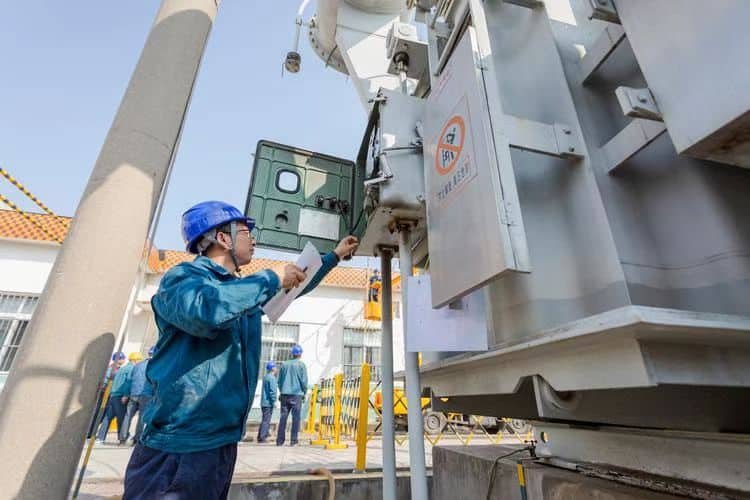
Transformer efficiency is a critical performance metric that affects both operating costs and environmental impact. As energy demand rises, minimizing transformer losses and optimizing efficiency becomes essential for utilities, industrial users, and renewable energy systems. This article explores how efficiency is measured and the best strategies to optimize transformer performance throughout its lifecycle.
What Is Transformer Efficiency and How Is It Calculated?

Transformer efficiency is a critical performance metric that determines how well a transformer converts input electrical energy into output without unnecessary losses. In high-demand sectors like power utilities, data centers, and industrial manufacturing, even a 1% difference in transformer efficiency can mean substantial energy savings or losses over time. With increasing pressure from governments and industry regulators to improve energy utilization, understanding transformer efficiency—how it's calculated, what affects it, and how to optimize it—has become essential for engineers, procurement officers, and facility managers alike.
Transformer efficiency is the ratio of output power to input power, calculated as: Efficiency (%) = (Output Power / Input Power) × 100. Since transformers do not have moving parts, their losses come mainly from core (iron) losses and copper (winding) losses. These losses reduce the amount of electrical power delivered compared to what is supplied. High-efficiency transformers minimize these losses, saving energy and operational costs.
Whether you’re specifying a new transformer, benchmarking existing assets, or aiming for compliance with eco-efficiency standards like DOE or EU Ecodesign, efficiency is the metric that ties it all together.
Transformer efficiency is defined as the ratio of output power to input power, expressed as a percentage.True
This definition helps quantify how much power is lost during the transformation process.
Transformer losses are caused by mechanical friction.False
Transformers are static devices; losses are mainly electrical—iron losses in the core and copper losses in the windings.
High transformer efficiency reduces electricity consumption and lowers operational costs.True
Efficient transformers reduce waste heat and energy losses, contributing to energy savings.
Key Concepts of Transformer Efficiency
What Is Transformer Efficiency?
Efficiency is the measure of how well the transformer performs its primary function—transferring electrical energy from one circuit to another without losses.
$$
\text{Efficiency} (\%) = \left( \frac{\text{Output Power}}{\text{Input Power}} \right) \times 100
$$
Since transformers do not generate power, any difference between input and output is considered a loss.
Components of Transformer Losses
| Loss Type | Description | Affected By |
|---|---|---|
| Core (Iron) Losses | Occur in the magnetic core due to hysteresis and eddy currents | Voltage, frequency, core material, and design |
| Copper (I²R) Losses | Caused by resistance in windings when current flows | Load current, temperature, and conductor size |
| Stray Losses | Leakage flux induces currents in structural parts | Load configuration |
| Dielectric Losses | Minor losses due to insulation | High voltage operation |
| Load vs No-Load Losses | Load losses vary with load; no-load losses are constant | Load factor |
Efficiency Formula at Load
$$
\text{Efficiency} (\%) = \left( \frac{V_2 \cdot I_2 \cdot \cos\phi}{V_2 \cdot I2 \cdot \cos\phi + P{cu} + P_{core}} \right) \times 100
$$
Where:
- $V_2$ = Output voltage
- $I_2$ = Output current
- $\cos\phi$ = Power factor
- $P_{cu}$ = Copper loss (load-dependent)
- $P_{core}$ = Core loss (constant)
Table: Example Transformer Losses & Efficiency
| Rating (kVA) | Load (%) | Copper Loss (W) | Core Loss (W) | Efficiency (%) |
|---|---|---|---|---|
| 500 | 100% | 3,200 | 1,100 | 98.2% |
| 500 | 75% | 1,800 | 1,100 | 98.5% |
| 500 | 50% | 800 | 1,100 | 98.1% |
| 500 | 25% | 200 | 1,100 | 96.5% |
Note how efficiency peaks between 60–80% load, where both copper and core losses are relatively optimized.
Chart: Transformer Efficiency vs Load
Efficiency (%)
|
|                          Peak
|                         ●●●●●
|                     ●●●●     ●●●●
|                 ●●●             ●●●
|            ●●●                     ●●●
|       ●●●                               ●●●
|____________________________________________________
            0%      25%     50%     75%     100%
                            Load (%)
Transformers are often sized for optimal efficiency at typical load, not maximum load.
Impact of Transformer Design on Efficiency
| Design Element | Influence on Efficiency |
|---|---|
| Core Material (CRGO, Amorphous) | Lower hysteresis and eddy current losses |
| Conductor Size & Shape | Larger conductors reduce I²R losses |
| Winding Configuration | Shorter paths and improved cooling enhance efficiency |
| Cooling Type (ONAN, ONAF) | Efficient heat removal reduces copper losses |
| No-Load Design Optimizations | Reduced flux leakage = better no-load performance |
Regulatory Standards & Efficiency Classes
| Region | Standard | Efficiency Class |
|---|---|---|
| USA | DOE 10 CFR Part 431 | NEMA TP-1 / TP-2 |
| EU | Ecodesign Directive (EU) 548/2014 | Tier 1 and Tier 2 |
| India | BEE Star Rating | 1-star to 5-star based on % losses |
| Global | IEC 60076-20 | Energy performance benchmarks |
High-efficiency transformers often carry certifications or labels confirming they meet or exceed regulatory thresholds.
Case Study: Transformer Efficiency Savings
| Scenario | Standard Transformer | High-Efficiency Transformer |
|---|---|---|
| Rating | 1000 kVA | 1000 kVA |
| Load | 80% | 80% |
| Losses | 6.5 kW | 4.0 kW |
| Hours/year | 8,760 | 8,760 |
| Energy lost | 56,940 kWh | 35,040 kWh |
| Energy cost @ $0.12/kWh | $6,832.80 | $4,204.80 |
| Annual Savings | — | $2,628.00 |
Tips for Maximizing Transformer Efficiency
- Operate near optimal load (60–80%) to reduce overall losses.
- Select high-efficiency core materials (e.g., amorphous steel).
- Minimize cable and connection losses during installation.
- Use forced cooling to keep copper losses low in high-temperature regions.
- Regularly maintain bushings, oil, and windings to prevent degradation.
- Retrofitting with low-loss windings or replacing aging units can yield long-term savings.
What Are the Types of Transformer Losses?
Transformer losses are the unavoidable byproducts of energy conversion and transmission through electromagnetic induction. While transformers are among the most efficient electrical devices—often achieving efficiencies above 98%—even this small percentage of loss, when scaled across thousands of transformers or over long operation periods, results in significant energy and financial waste. For grid operators, industrial users, and equipment manufacturers, a deep understanding of the types, causes, and characteristics of transformer losses is crucial to improve efficiency, system design, and cost optimization.
The main types of transformer losses are classified into core (iron) losses and copper (winding) losses. Core losses consist of hysteresis and eddy current losses and occur even without load; they depend on the voltage and frequency. Copper losses result from the resistance in transformer windings when current flows and vary with the square of the load current. Additional losses include stray losses, dielectric losses, and losses due to harmonics or poor maintenance. Identifying and managing these losses improves transformer efficiency and reduces operating costs.
Understanding loss classification helps in design selection, maintenance planning, and energy regulation compliance.
Transformer losses are classified into core losses and copper losses.True
This classification helps isolate constant no-load losses from variable load-dependent losses.
All transformer losses occur only under load.False
Core losses occur even when the transformer is energized but not supplying a load.
Reducing core and copper losses increases transformer efficiency.True
Minimizing both loss types reduces energy waste and improves performance.
Main Types of Transformer Losses
1. Core (Iron) Losses – No-Load Losses
Core losses occur in the magnetic core and are present even when the transformer is energized but not supplying load.
| Type | Description | Dependency |
|---|---|---|
| Hysteresis Loss | Due to the lag between magnetic flux and magnetizing force as the core is magnetized and demagnetized | Depends on material type and frequency |
| Eddy Current Loss | Circulating currents induced in the core by alternating magnetic fields cause heat dissipation | Depends on voltage, frequency, core thickness, and resistivity |
$$
P{\text{core}} = P{\text{hysteresis}} + P_{\text{eddy current}}
$$
Minimization Techniques:
- Use of CRGO (cold-rolled grain-oriented steel)
- Switching to amorphous core materials
- Laminating the core to reduce eddy paths
2. Copper (Winding) Losses – Load Losses
These losses are caused by the electrical resistance of the windings and only occur when the transformer supplies current.
| Formula | $P_{cu} = I^2 \cdot R$ |
|---|
| Factor | Impact |
|---|---|
| Load current (I) | Increases losses quadratically |
| Winding resistance (R) | Varies with conductor material, size, and temperature |
| Ambient temperature | Resistance increases with heat |
Minimization Techniques:
- Using low-resistance copper conductors
- Efficient winding design (shorter paths, better spacing)
- Enhanced cooling to limit temperature rise
Additional Loss Categories
| Loss Type | Description | Influencing Factors |
|---|---|---|
| Stray Losses | Induced eddy currents in non-magnetic parts like tank walls and clamps | Load current, design geometry |
| Dielectric Losses | Power loss in transformer insulation | Voltage stress, humidity, age of insulation |
| Magnetostriction Losses | Mechanical vibration and acoustic noise in core | Depends on flux density and core material |
| Harmonic Losses | Increased losses due to non-sinusoidal load currents | Common in data centers, VFD-fed motors |
| Brush/contact Losses | In tap changers, when applicable | Contact resistance, wear and tear |
Table: Transformer Loss Components and Characteristics
| Loss Type | Load Dependent? | Heat Generated? | Constant/Variable? |
|---|---|---|---|
| Core Loss | ❌ No | ✅ Yes | Constant (with voltage/frequency) |
| Copper Loss | ✅ Yes | ✅ Yes | Variable (I² dependent) |
| Stray Loss | ✅ Yes | ✅ Yes | Variable |
| Dielectric Loss | ❌ No | ✅ Yes (minimal) | Slightly variable |
| Harmonic Loss | ✅ Yes | ✅ Yes | Variable |
| Magnetostriction | ❌ No | ❌ (mostly vibration) | Varies with design |
Chart: Core vs Copper Loss vs Load
Loss (Watts)
|
|          Core Losses (flat line)
|          ------------------------
|        /
|       /
|      /
|     / Copper Losses (I² dependent)
|    /
|---|------------------------------------
     0    25%   50%   75%   100%   125% Load
Key Insight: Total losses are minimized at optimal load levels—usually around 70–80% of rated capacity.
Regulatory Considerations
| Standard | Relevance |
|---|---|
| IEC 60076-1 | Defines total losses and testing methods |
| DOE 2016 Rule (US) | Maximum allowable losses by transformer type |
| EU Ecodesign 548/2014 | Classifies losses for Tier 1 and Tier 2 compliance |
| BIS IS 1180 (India) | Star-rated transformers based on % loss |
| IEEE C57.12.00 | Performance specs including loss limits |
All these standards require loss declarations at 50% and 100% load with corresponding heat run and efficiency tests.
Real-World Case Study: Loss Reduction Impact
| Site | Transformer Rating | Original Loss | After Optimization |
|---|---|---|---|
| Industrial Plant (EU) | 1000 kVA | 5.5 kW total loss | 3.2 kW total loss |
| Loss Type | Copper-heavy | Core + copper reduced | |
| Upgrade | CRGO to amorphous core, better winding | Reduced power loss by 2.3 kW | |
| Energy Savings | ~20,148 kWh/year | Cost saving: ~$2,800/year |
Maintenance to Minimize Long-Term Losses
- Oil Treatment – Keeps insulation effective, reducing dielectric losses.
- Bushing & Contact Inspections – Prevents arcing and local heating.
- Thermal Imaging – Detects hot spots in windings and core.
- DGA Testing – Indicates overheating or core damage.
- Regular Load Analysis – Avoids overloads and unbalanced loading.
How Are Transformer Losses Measured in Practice?
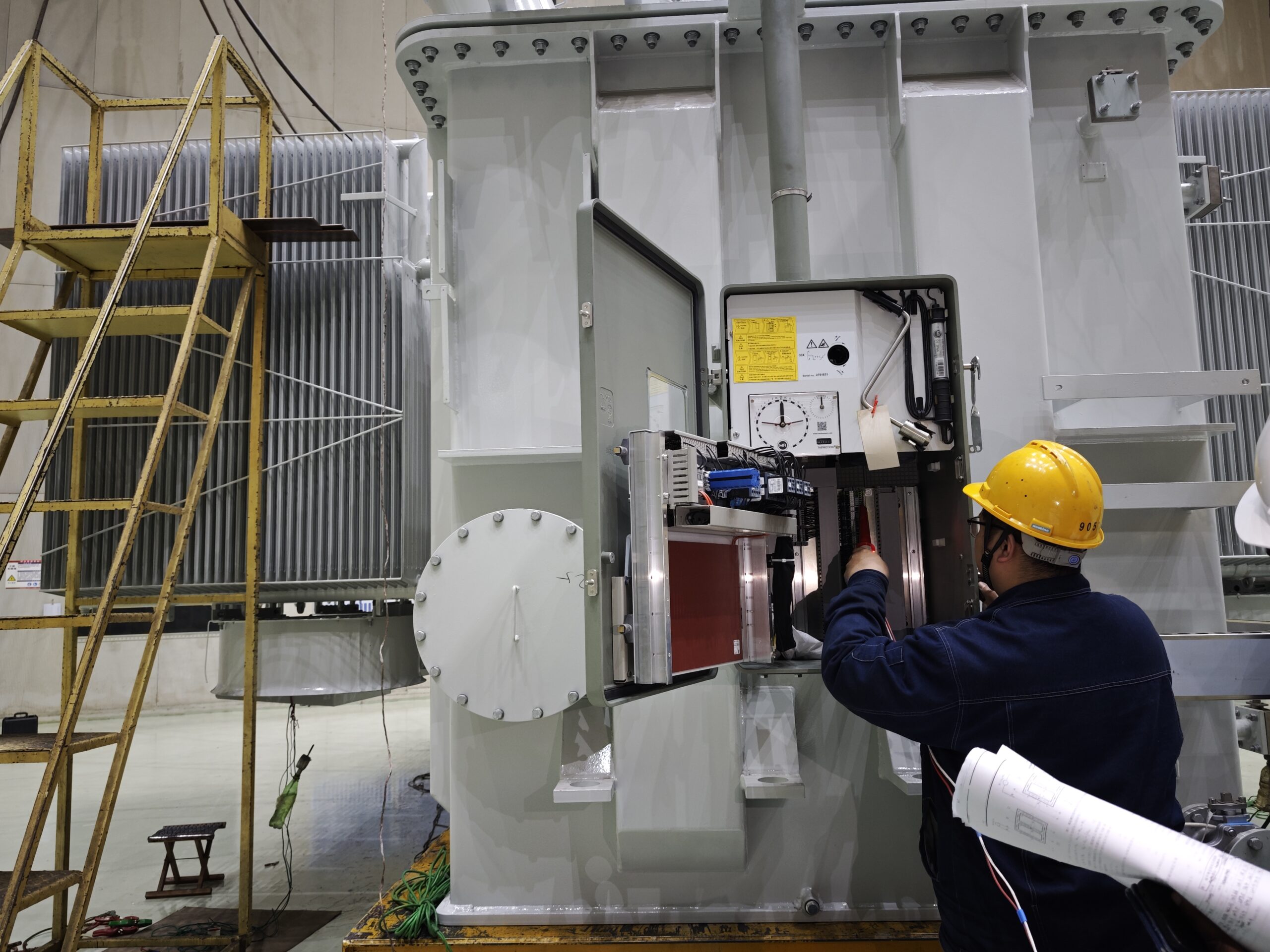
Transformer losses, while often less than 2–3% of total power handled, translate into thousands of kilowatt-hours of wasted energy annually. For operators, manufacturers, and utilities, accurately measuring these losses is critical for performance verification, regulatory compliance, and cost-efficiency calculations. Transformer loss testing—whether conducted in a factory, laboratory, or field—requires high-precision instruments, standardized procedures, and expert interpretation. It also plays a central role in validating that the unit meets standards like IEC 60076, IEEE C57, and DOE CFR 431.
Transformer losses are measured in practice using standardized tests that isolate core (no-load) and copper (load) losses. No-load losses are measured by applying rated voltage to the primary winding under open-circuit conditions, while load losses are measured by circulating rated current through the windings with the secondary shorted. Precision instruments such as power analyzers, current transformers, and voltage dividers are used to record real-time electrical parameters. Infrared cameras and temperature sensors are also employed to assess thermal impact. These results are corrected to standard temperatures and compared against efficiency or regulatory benchmarks.
Without accurate loss measurement, even the most advanced transformer design cannot be validated.
Transformer loss measurement involves separate testing for no-load and load losses under controlled conditions.True
Each type of loss behaves differently and must be isolated to ensure accuracy.
Power analyzers and calibrated instruments are required to accurately measure transformer losses.True
Transformer testing requires high-precision tools due to low power factor and fluctuating magnetic effects.
Transformer losses can be reliably estimated without testing.False
Accurate measurement is essential for validation, certification, and regulatory compliance. Estimations are not acceptable for standards conformance.
1. Types of Transformer Losses and Corresponding Tests
| Loss Type | Measurement Test | Condition |
|---|---|---|
| Core (No-load) Loss | Open-circuit test | Apply rated voltage at rated frequency, secondary open |
| Copper (Load) Loss | Short-circuit test | Apply voltage to circulate rated current with secondary shorted |
| Stray Losses | Derived from SC test + FEM simulations | Impact of leakage flux on non-core parts |
| Dielectric Loss | Insulation resistance & dielectric dissipation tests | Low, usually indirect measurement |
| Harmonic/Distortion Loss | FFT-based harmonic analysis during operation | For non-linear loads |
2. Open-Circuit Test: Measuring Core Losses
Objective: Quantify iron losses (hysteresis + eddy current)
| Parameter | Measurement Tool |
|---|---|
| Voltage (V) | Precision voltmeter or voltage divider |
| Current (I₀) | Clamp ammeter or CT (very low current) |
| Power (P₀) | True RMS power analyzer or wattmeter (high accuracy) |
Test Setup:
- Rated voltage applied to LV winding.
- HV winding open.
- Power factor is very low (\~0.1–0.3), requiring very sensitive meters.
Formula:
$$\text{Core Loss} = V \cdot I_0 \cdot \cos\phi$$
Corrected to 20°C or 25°C as per standards (IEC 60076-1).
3. Short-Circuit Test: Measuring Copper Losses
Objective: Quantify winding (I²R) losses under load
| Parameter | Measurement Tool |
|---|---|
| Voltage (V) | Low voltage source to circulate full-load current |
| Current (I) | High-accuracy current transformers (CTs) |
| Power (Pₛₒₗ) | High-precision wattmeter or digital power analyzer |
Test Setup:
- Apply voltage to LV winding.
- HV winding shorted via test connection.
- Voltage applied is 5–10% of rated voltage to avoid core saturation.
Formula:
$$\text{Copper Loss} = V \cdot I \cdot \cos\phi \approx I^2 R$$
Corrected to 75°C or 85°C based on rated winding temperature rise.
4. Loss Correction and Temperature Normalization
| Loss Type | Correction Reference |
|---|---|
| Core Loss | Reference temp 20–25°C |
| Copper Loss | Reference temp 75–85°C |
Use standard correction formulas to normalize to IEC or ANSI conditions, ensuring cross-lab consistency.
Table: Instrumentation Required for Accurate Loss Testing
| Instrument | Purpose | Required Accuracy |
|---|---|---|
| Power Analyzer | True RMS P, V, I, PF, harmonics | Class 0.1 or better |
| Infrared Camera | Detect local heating, hotspots | Thermal sensitivity <0.1°C |
| Current Transformer (CT) | Accurate load current measurement | 0.2S or 0.5 class |
| Voltage Divider | Scaled voltage input for analyzers | <0.1% error |
| Resistance Bridge | Winding resistance (pre/post heat run) | Milliohm resolution |
| Temperature Sensor | Ambient + winding temp monitoring | ±0.5°C tolerance |
5. Real-Time Loss Monitoring (For In-Service Transformers)
| Method | Tool | Application |
|---|---|---|
| Thermal Imaging | IR Camera | Detect loss-related heating over time |
| SCADA Load Curves | Energy meters | Correlate load profile with energy loss trends |
| DGA (Dissolved Gas Analysis) | Oil lab test | Indirect indicator of core or insulation overheating |
| Online Efficiency Monitoring | IoT sensors + cloud AI | Continuous loss tracking and alerts |
Advanced digital monitoring enables predictive maintenance based on measured efficiency and thermal data.
6. Standards Governing Transformer Loss Measurement
| Standard | Scope |
|---|---|
| IEC 60076-1 & 60076-20 | General test and loss measurement protocols |
| IEEE C57.12.90 | US-based transformer testing methods |
| DOE 10 CFR Part 431 (Efficiency Standards) | Defines permissible loss levels and test certification for distribution transformers |
| EU Ecodesign 548/2014 | Tier 1 and Tier 2 loss limits for power transformers |
| IS 1180 & 2026 (India) | Star rating tests and permissible losses |
All manufacturers must test and certify losses before delivery or grid connection.
7. Example: Factory Loss Testing Report
| Parameter | Measured Value | Standard Reference |
|---|---|---|
| Rated Power | 1000 kVA | — |
| Core Loss (No-Load) | 850 W @ 25°C | IEC 60076-1 |
| Copper Loss (Load) | 7,200 W @ 85°C | IEC 60076-1 |
| Total Loss @ 100% Load | 8,050 W | — |
| Efficiency @ 100% Load | 98.23% | Verified |
| Temperature Rise | 65 K | Within limits |
Visual Flowchart: Loss Measurement Sequence
[Install Sensors]
     ↓
[Perform Open-Circuit Test]
     ↓
[Record Core Loss + Normalize Temp]
     ↓
[Perform Short-Circuit Test]
     ↓
[Record Load Loss + Normalize Temp]
     ↓
[Calculate Total Losses & Efficiency]
     ↓
[Generate Test Certificate]
What Design Features Help Improve Efficiency?
As global energy efficiency standards tighten and the cost of electricity continues to rise, transformer designers are under pressure to minimize energy losses while maintaining reliability, compactness, and cost-effectiveness. Transformer efficiency directly influences lifetime operating costs, regulatory compliance, thermal management, and sustainability ratings. Modern innovations in materials, winding geometry, magnetic path optimization, and cooling mechanisms are being deployed to achieve high-efficiency transformer designs. Knowing which features yield the most impact helps both manufacturers and users make better investment decisions.
Design features that improve transformer efficiency include the use of high-grade core materials such as CRGO or amorphous steel to reduce core losses, optimized winding configurations to lower copper losses, reduced magnetic leakage through improved core geometry, and enhanced cooling systems to limit resistance rise. Additional features like compact magnetic paths, foil or interleaved windings, and load-matching design further reduce I²R losses and improve performance. High-efficiency designs also incorporate low-loss insulation, precision lamination stacking, and real-time thermal monitoring to prevent derating.
Engineering for efficiency starts with materials and ends with measurable performance benefits.
Transformer efficiency improves significantly with better core and winding materials.True
Advanced core alloys and larger, lower-resistance windings reduce losses and boost performance.
Cooling systems have no impact on transformer efficiency.False
Efficient cooling limits temperature rise, which in turn reduces winding resistance and copper losses.
Compact core geometry and minimized flux leakage help reduce no-load and stray losses.True
Shorter magnetic paths and improved flux control directly enhance efficiency.
Key Efficiency-Oriented Design Features in Transformers
1. Use of High-Grade Magnetic Core Materials
| Material | Core Loss Reduction | Common Applications |
|---|---|---|
| CRGO Steel (Cold Rolled Grain Oriented) | 25–40% lower losses than standard silicon steel | Power & distribution transformers |
| Amorphous Steel | 70–80% lower core losses vs CRGO | Energy-efficient distribution transformers |
| Nano-crystalline Alloys | Ultra-low loss for special transformers | High-frequency or specialty units |
Key Benefits:
- Reduced hysteresis and eddy current losses
- Better flux control at high magnetic densities
- Improved energy efficiency at partial loads
2. Optimized Winding Design
| Design Element | Efficiency Impact |
|---|---|
| Larger conductor cross-section | Lower I²R losses |
| Short winding lengths | Minimizes resistance path |
| Foil or strip windings | Reduces eddy currents in conductors |
| Interleaved windings | Minimizes leakage reactance |
| Low-leakage geometry | Improves voltage regulation and efficiency |
Case Study: Switching from round to rectangular copper strips in a 1600 kVA transformer reduced winding loss by up to 12% due to improved surface contact and reduced skin effect.
3. Compact Magnetic Path Geometry
| Feature | Efficiency Contribution |
|---|---|
| Short magnetic paths | Reduces core reluctance |
| Balanced limb flux | Minimizes saturation and localized heating |
| Step-lap lamination | Decreases joint flux leakage and vibration |
| Uniform core cross-section | Prevents magnetic bottlenecks |
Advanced CAD and FEA simulation tools allow precise modeling of magnetic field intensity and losses during design phase.
4. Advanced Cooling and Thermal Management
While not traditionally seen as part of "efficiency design," thermal control significantly affects resistive losses.
| Cooling System | Efficiency Contribution |
|---|---|
| ONAN (Oil Natural Air Natural) | Basic passive cooling |
| ONAF (Oil Natural Air Forced) | Reduces hotspot temperature and I²R |
| KNAN (K-Class oil natural) | Environmentally safer with high thermal stability |
| Smart cooling fans or pumps | Adaptive control maintains optimal thermal balance |
Lower winding temperatures = lower resistance = higher efficiency.
Table: Efficiency Impact of Key Design Enhancements
| Design Feature | Estimated Loss Reduction (%) | Affects |
|---|---|---|
| Amorphous core | 60–75% | Core losses |
| Foil winding | 5–10% | Copper losses |
| Larger cross-section copper | 5–15% | Load losses |
| Optimized cooling | 3–7% | Copper loss (via temp control) |
| Interleaving windings | 2–5% | Leakage losses |
| Step-lap stacking | 1–3% | Core and stray losses |
5. Dielectric and Structural Enhancements
| Feature | Efficiency Role |
|---|---|
| High-grade insulation paper/oil | Maintains dielectric strength at high temperatures |
| Thermally upgraded cellulose (TUC) | Withstands high heat, delays aging |
| Low-dielectric loss materials | Reduces energy dissipation in insulation |
| Shielded construction | Minimizes stray magnetic losses in steel tank or clamps |
Modern insulation systems not only improve efficiency but extend service life under thermal stress.
6. Precision Assembly and Material Handling
| Precision Feature | Impact |
|---|---|
| Tight lamination stacking (≤0.02 mm gaps) | Reduces air pockets and flux leaks |
| High-pressure coil drying | Ensures moisture-free winding insulation |
| Cleanroom winding assembly | Prevents contamination that can reduce dielectric performance |
| Laser-cut laminations | Improve magnetic fit and reduce vibration losses |
Manufacturing consistency is critical—minor inconsistencies can result in thermal hotspots and energy loss.
7. Digital Design and Monitoring Integration
Smart transformers and IoT-integrated units enable real-time efficiency optimization.
| Smart Feature | Role in Efficiency |
|---|---|
| Load sensing | Prevents underloading or overloading |
| Temperature monitoring | Adjusts fan speed or load sharing |
| Loss tracking dashboard | Guides maintenance or upgrade timing |
| Predictive analytics | Avoids energy loss due to degradation |
Visual Summary: Efficiency-Centric Transformer Design Stack
[ Smart Monitoring ]           ← Data-driven optimization
[ Thermal Management ]         ← Fans, sensors, oil flow control
[ Winding Design ]             ← Low-resistance, foil, interleaved
[ Core Geometry ]              ← Step-lap, short magnetic paths
[ Core Material ]              ← CRGO, amorphous, nano alloys
[ Precision Manufacturing ]    ← Tight tolerance, clean insulation
Regulatory Push for Efficiency-Driven Design
| Standard | Efficiency Requirement |
|---|---|
| EU Ecodesign (548/2014) | Tier 1 & Tier 2 loss ceilings |
| DOE 10 CFR 431 (USA) | Max total losses at 35%, 50%, and 100% load |
| BEE Star Rating (India) | Transformer star rating based on total loss |
| IEC 60076-20 | Energy performance calculation for power transformers |
These standards force design innovation in core materials, winding techniques, and thermal controls.
What Operational Practices Enhance Efficiency?

Designing an efficient transformer is only the beginning. How that transformer is operated over its service life determines whether it performs close to its rated efficiency or suffers avoidable energy losses. Suboptimal loading, poor maintenance, elevated temperatures, unbalanced phases, and harmonic distortion can quietly erode transformer efficiency over time. In today’s energy-conscious world—where every wasted kilowatt-hour counts—implementing smart, consistent, and data-driven operational practices is essential to achieving peak transformer performance.
Operational practices that enhance transformer efficiency include maintaining optimal load levels (ideally between 60–80%), performing routine oil and thermal inspections, balancing three-phase loads, managing power factor, mitigating harmonics, and enabling real-time monitoring through SCADA or IoT systems. These practices reduce core and copper losses, minimize overheating, and prevent performance degradation. Proactive maintenance, load scheduling, and predictive analytics are key to maximizing efficiency across the transformer’s lifetime.
Efficiency is not just built into transformers—it must be sustained through disciplined operation.
Maintaining optimal loading on transformers improves efficiency and reduces energy losses.True
Operating at or near the transformer's design load range minimizes both core and copper losses.
Harmonics in the load current do not affect transformer efficiency.False
Harmonics cause additional eddy current losses and heating, reducing efficiency and life expectancy.
Regular maintenance of transformer insulation and cooling systems helps sustain high efficiency.True
Degraded insulation or poor cooling increases winding resistance and energy loss.
1. Maintain Optimal Load Range
Operating transformers at too low or too high a load reduces overall energy efficiency.
| Load Range | Typical Efficiency (%) | Notes |
|---|---|---|
| 25–40% | 94–96% | Core losses dominate |
| 60–80% | 97–99% | Optimal balance between core and copper loss |
| 100%+ | 96–97% | Copper loss increases sharply |
Best Practice: Use load scheduling or parallel operation to keep each transformer within 60–80% load range.
2. Balance Three-Phase Loads
Unbalanced loads cause neutral current flow, voltage asymmetry, and elevated winding temperatures.
| Parameter | Balanced System | Unbalanced System |
|---|---|---|
| Voltage per phase | Equal | Varies significantly |
| Winding temperature | Stable | May overheat on 1–2 phases |
| Efficiency | High | Degraded due to imbalance loss |
Best Practice: Monitor phase loads via SCADA or load analyzers and redistribute large single-phase loads across phases.
3. Monitor and Manage Operating Temperature
Elevated temperature = higher winding resistance = more copper loss = lower efficiency.
| Component | Efficiency Impact of Heat |
|---|---|
| Copper winding | I²R loss increases by ~0.4% per °C |
| Insulation | Accelerated aging, increasing dielectric losses |
| Cooling system | Poor circulation reduces performance under load |
Best Practice:
- Clean radiator fins and oil ducts regularly
- Monitor oil and winding temperatures via RTDs
- Use ONAF cooling during peak seasons
4. Mitigate Harmonics and Non-Linear Loads
Non-sinusoidal currents (from VFDs, UPS, EV chargers) cause:
- Additional eddy current and stray flux losses
- Heating in structural parts (clamps, tank)
- Noise and vibration, reducing lifespan
| Harmonic Level (THD-I) | Efficiency Risk |
|---|---|
| <5% | Minimal |
| 5–10% | Moderate loss rise |
| >10% | High—requires filtering |
Best Practice:
- Install harmonic filters (passive or active)
- Use K-rated or derated transformers in high-THD zones
- Monitor THD via power quality analyzers
5. Implement Regular Predictive Maintenance
Unaddressed degradation leads to insulation breakdown, oil contamination, and heat rise—all impacting efficiency.
| Maintenance Area | Frequency | Benefit |
|---|---|---|
| Oil DGA + moisture | Annually | Detects overheating or arcing early |
| Winding resistance | Every 2–3 years | Identifies rising I²R losses |
| Thermal imaging | Bi-annually | Detects hotspots and poor cooling zones |
| Insulation testing | 3-yearly | Prevents dielectric loss surges |
Best Practice: Digitize all data and compare trends over time to predict issues before losses accumulate.
6. Utilize SCADA and IoT Monitoring
Real-time monitoring enables data-driven operational optimization.
| Parameter Tracked | Action Triggered |
|---|---|
| Load trends | Load balancing or transfer |
| Oil temperature | Activate cooling, adjust load |
| Voltage unbalance | Alert for load redistribution |
| Power factor | Capacitor bank tuning |
| Energy losses | Transformer swap or derating plan |
Best Practice: Integrate IoT sensors with SCADA platforms to build predictive loss analytics dashboards.
Table: Operational Practices and Their Efficiency Impact
| Practice | Primary Efficiency Gain | Estimated Impact |
|---|---|---|
| Load Optimization | Reduces total loss | 1–3% |
| Cooling Maintenance | Lowers copper loss | 1–2% |
| Harmonic Filtering | Reduces stray & eddy losses | 1–5% |
| Load Balancing | Prevents overheat loss | 1–3% |
| Oil Management | Keeps insulation effective | 0.5–2% |
| Real-Time Monitoring | Enables timely actions | Variable |
Case Study: Operational Efficiency Upgrade
| Site | Urban Distribution Substation |
|---|---|
| Action Taken | Load rebalancing, thermal cleaning, SCADA integration |
| Pre-efficiency | 96.7% |
| Post-efficiency | 98.4% |
| Annual Energy Loss Saved | ~14,000 kWh |
| Annual Cost Saved @ \$0.15/kWh | $2,100 |
ROI achieved in under 6 months through operational changes alone—no hardware upgrades.
Visual Diagram: Operation-Efficiency Feedback Loop
[Data Acquisition]
     ↓
[Condition Monitoring]
     ↓
[Loss Analysis]
     ↓
[Action (Load Shift, Cooling, Filtering)]
     ↓
[Improved Efficiency]
     ↓
[Reduced Operational Costs]
     ↓
[Feedback for Continuous Improvement]
7. Power Factor Management
Low power factor causes overloading and efficiency loss.
| Power Factor | Efficiency Consequence |
|---|---|
| 1.0 | Ideal, full power utilization |
| 0.9 | Acceptable, minor losses |
| 0.7 or less | Major reactive power burden, overheating risk |
Best Practice: Use automatic capacitor banks or synchronous condensers to maintain PF > 0.95.
How Does Monitoring and Maintenance Support Efficiency?
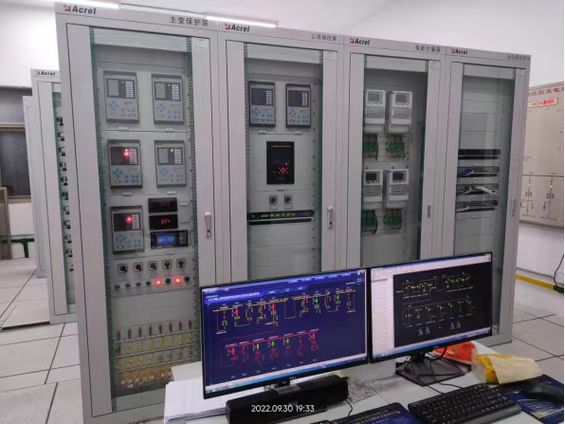
Transformers are built for longevity, often expected to run for 30–50 years. However, without proper monitoring and maintenance, even the most efficiently designed units can suffer performance degradation, increased energy losses, and premature failure. Efficiency loss is often invisible until it becomes expensive—through excessive heating, insulation breakdown, or unexpected outages. The combination of intelligent monitoring systems and proactive maintenance strategies is the most effective way to preserve transformer performance, reduce operational costs, and avoid unplanned downtime.
Monitoring and maintenance support transformer efficiency by enabling early detection of issues such as overloading, overheating, insulation degradation, and harmonic distortion. Real-time monitoring tools track temperature, load profiles, oil quality, and partial discharge, while routine maintenance ensures cooling systems, connections, and insulation remain in optimal condition. Together, they prevent loss-inducing failures, extend transformer life, and ensure the transformer operates within its most efficient range.
Efficiency isn't static—it's a continuous outcome of active oversight and maintenance discipline.
Monitoring systems and maintenance practices can significantly reduce transformer energy losses.True
They detect inefficiencies early, allowing corrective actions that restore or preserve optimal performance.
Transformer efficiency is unaffected by oil condition or temperature.False
Poor oil quality and elevated temperatures increase resistive and dielectric losses, reducing efficiency.
Digital monitoring enables real-time efficiency management of transformers.True
IoT and SCADA tools provide instant feedback on conditions affecting performance, allowing operators to act quickly.
1. Role of Real-Time Monitoring in Sustaining Efficiency
Real-time transformer monitoring systems use IoT sensors, SCADA platforms, and advanced analytics to track key parameters continuously.
| Parameter | Why It Matters for Efficiency |
|---|---|
| Load Profile | Ensures operation within optimal efficiency range (60–80%) |
| Winding & Oil Temperature | Elevated temps increase copper losses |
| Oil Quality (DGA & Moisture) | Poor dielectric fluid leads to heating and insulation loss |
| Partial Discharge Activity | Early sign of internal breakdown impacting efficiency |
| Harmonic Distortion (THD) | Causes eddy current and stray flux losses |
| Voltage Unbalance | Increases phase losses and hotspot formation |
Best Practice: Integrate data into a central dashboard for visual tracking, automated alerts, and long-term analytics.
2. Maintenance Practices That Protect Efficiency
Routine and preventive maintenance addresses degradation before it causes cascading energy inefficiencies.
| Maintenance Task | Efficiency Impact |
|---|---|
| Oil Filtration/Replacement | Removes contaminants and moisture, reducing dielectric and thermal losses |
| Bushing Cleaning & Testing | Ensures low contact resistance and avoids partial discharge |
| Radiator and Fan Inspection | Ensures adequate cooling, limits I²R loss escalation |
| Winding Resistance Testing | Detects imbalance or degradation, enabling early intervention |
| Infrared Thermography | Identifies hotspots caused by poor contacts or load imbalance |
| Tap Changer Maintenance | Ensures minimal contact loss and stable voltage regulation |
Tip: Perform DGA (Dissolved Gas Analysis) annually and thermography at least semi-annually.
3. Efficiency Loss Mechanisms Without Maintenance
| Degradation Type | Effect on Efficiency |
|---|---|
| Oil contamination | Reduces cooling and insulation, causing heat rise and higher copper losses |
| Corroded bushings | Cause arcing and increased resistive loss |
| Clogged radiators | Prevents heat dissipation, raising winding resistance |
| Uncalibrated sensors | Misrepresents load or temp, leading to mismanagement |
| Load imbalances | Increase core and copper losses due to asymmetric loading |
Neglecting maintenance can result in 2–5% extra energy loss—a significant cost over time.
Table: Maintenance Intervals and Efficiency Benefits
| Activity | Recommended Interval | Efficiency Benefit |
|---|---|---|
| Oil Sampling & DGA | Yearly | Maintains dielectric performance, limits heating |
| IR Thermography | Every 6 months | Identifies energy-wasting hotspots |
| Bushing Tightness Check | Annually | Reduces contact resistance |
| Load Balancing Audit | Quarterly | Minimizes overload or underload zones |
| Winding Resistance Test | Every 3–5 years | Detects early coil deterioration |
| Cooling System Check | Quarterly | Prevents thermal loss escalation |
4. Case Study: Efficiency Recovery via Predictive Maintenance
| Site | Industrial Power Station |
|---|---|
| Issue Detected | Increasing energy loss despite steady load |
| Monitoring Insight | Abnormal oil temperature rise via IoT sensor |
| Root Cause | Partial blockage in radiator fins and pump degradation |
| Action Taken | Cooling system overhauled + oil filtered |
| Result | Efficiency improved from 96.3% to 98.1% |
| Annual Energy Savings | 11,280 kWh ($1,690 saved @ $0.15/kWh) |
Predictive maintenance paid off within 4 months through loss avoidance and longer asset life.
5. Smart Monitoring Tools for Efficiency Preservation
| Tool | Function |
|---|---|
| IoT Sensor Nodes | Real-time voltage, current, temperature, oil moisture |
| Edge Computing Devices | Analyze data locally for quick alerts |
| SCADA Interface | Central control and visualization |
| Mobile Inspection Apps | Digital maintenance checklists, camera inputs, logs |
| AI Analytics Platform | Forecasting, anomaly detection, lifetime efficiency trend mapping |
With smart tech, efficiency KPIs can be tracked like a financial portfolio—in real-time, from anywhere.
Chart: Efficiency Decay Without Maintenance (Simulation)
Efficiency (%)
|
| 100 ─────────────────────────
|     \
|      \
|       \
|        \
|         \
|          \───────> Without maintenance (drops 1.5–3% in 3–5 years)
|------------------------------------------
             Time (Years)
6. Regulatory Alignment Through Monitoring & Maintenance
| Standard | Relevance |
|---|---|
| IEC 60076-1 | Loss measurement and correction guidelines |
| ISO 55000 | Asset management, monitoring alignment |
| DOE CFR 431 | Periodic efficiency verification |
| EU Ecodesign 548/2014 | Tiered efficiency compliance over time |
| NFPA 70B | Maintenance best practices for electrical systems |
Adhering to these regulations requires documented monitoring and maintenance programs.
Conclusion
Maximizing transformer efficiency is not only a matter of design—it is a continuous process involving smart selection, precise operation, and proactive maintenance. By understanding the sources of loss and applying both engineering improvements and operational discipline, organizations can lower energy costs, extend equipment life, and reduce their environmental footprint. Investing in high-efficiency transformers and managing them intelligently ensures long-term performance and sustainability.
FAQ
Q1: How is transformer efficiency measured?
A1: Transformer efficiency is measured using the formula:
Efficiency (%) = (Output Power ÷ Input Power) × 100
To get accurate results:
Measure no-load loss (core loss) through the Open Circuit Test
Measure load loss (copper loss) through the Short Circuit Test
Use wattmeters, voltmeters, and ammeters during test loading
Evaluate temperature effects as resistance increases with heat
Efficiencies for modern transformers typically range between 98% and 99.75%.
Q2: What are the main causes of efficiency loss in transformers?
A2: Transformer losses are classified into:
Core (no-load) losses: Occur from magnetic hysteresis and eddy currents in the core, even without load
Copper (load) losses: Caused by I²R heating in the windings under load
Stray losses: From leakage flux inducing currents in structural parts
Dielectric losses: Occur in insulation and dielectric materials
Cooling system energy consumption also impacts total operational efficiency
Q3: What strategies can optimize transformer efficiency?
A3: Optimization methods include:
Using amorphous metal or CRGO steel cores to reduce core losses
Employing high-conductivity copper or aluminum windings
Improved insulation and tight core-limb assembly
Upgrading to efficient cooling systems (ONAF, OFAF, etc.)
Smart load management to reduce partial-load inefficiencies
Voltage regulation optimization using on-load tap changers (OLTC)
Q4: How does real-time monitoring improve efficiency?
A4: Digital monitoring enables:
Thermal profiling to prevent overload and hot spots
Load tracking for better load distribution
Harmonic analysis to reduce waveform distortion losses
Predictive maintenance to avoid underperformance due to aging
Systems like SCADA and IoT sensors allow operators to make informed decisions to optimize transformer operation.
Q5: Are there standards and tools to guide transformer efficiency optimization?
A5: Yes. Key references include:
IEEE C57.120 – Loss evaluation guide
DOE and EcoDesign standards – For minimum efficiency benchmarks
Doble testing systems – For real-world loss measurement
Energy audits and load flow analysis – For field-based optimization
Using these tools ensures compliance and cost-effective performance.
References
"Transformer Efficiency and Loss Calculation" – https://www.electrical4u.com/transformer-efficiency
"IEEE C57.120: Guide for Loss Evaluation of Power Transformers" – https://ieeexplore.ieee.org/document/7964097
"NREL: Transformer Loss Testing and Improvement" – https://www.nrel.gov/docs/fy22ost/transformer-testing.pdf
"Doble: Loss Testing and Efficiency Tools" – https://www.doble.com/transformer-loss-testing
"ScienceDirect: Advanced Transformer Efficiency Strategies" – https://www.sciencedirect.com/transformer-efficiency-research