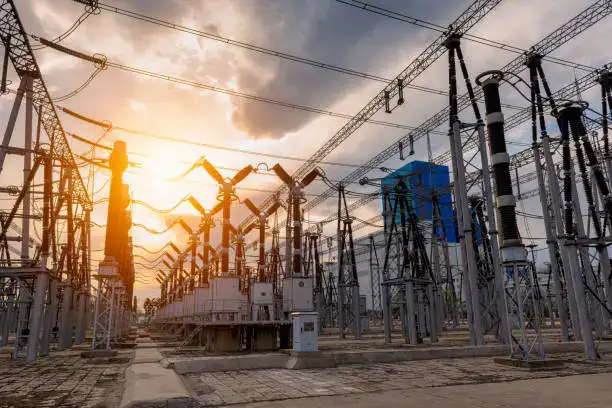
Transformers are essential connection points within modern power systems, enabling electricity to move efficiently from generation sources to end users. Without proper transformer interconnection, power networks would face voltage instability, excessive transmission losses, equipment damage, and unreliable electricity supply. As power systems become more complex with renewable energy integration, industrial expansion, and smart grid development, understanding how transformers connect with different network levels is increasingly important for engineers and project planners.
Transformers interconnect with power systems by stepping voltage levels up or down between generation, transmission, distribution, and end-use networks. They connect through high-voltage, medium-voltage, and low-voltage circuits while using components such as bushings, switchgear, protection systems, and control equipment to ensure safe and reliable power transfer. Proper transformer interconnection requires matching voltage ratings, capacity, frequency, phase configuration, and protection requirements with the overall power system design.
A transformer is not an isolated device but a key link within the entire electrical network. Understanding its role in system interconnection helps buyers and engineers select suitable transformer designs and ensure reliable operation across different power applications.
How Do Transformers Interconnect with Power Systems?
Transformers are essential components in modern electrical networks because they enable efficient power transmission, distribution, and utilization across different voltage levels. However, many users and project engineers need a clear understanding of how transformers integrate with generators, transmission lines, substations, distribution networks, and electrical loads. Incorrect transformer selection, improper connection methods, or poor system coordination can lead to voltage instability, increased losses, equipment damage, and reduced power system reliability.
Transformers interconnect with power systems by transferring electrical energy between different voltage levels through electromagnetic induction, connecting generation systems to transmission networks, transmission systems to distribution grids, and distribution networks to end-user loads. Proper transformer interconnection requires correct voltage ratios, phase relationships, impedance matching, protection coordination, grounding design, and system compatibility to ensure safe, efficient, and reliable power delivery.
Transformers connect different voltage levels in power systems to support efficient electricity transmission and distribution.True
Transformers increase or decrease voltage levels, allowing electrical energy to move efficiently from generation sources to consumers.
Transformers directly generate electrical power in a power system.False
Transformers only transfer electrical energy between circuits through electromagnetic induction and do not generate electricity.
Transformer interconnection design must consider protection, grounding, voltage compatibility, and phase relationships.True
These factors determine safe operation and reliable integration with the electrical network.
Understanding transformer interconnection is fundamental for designing reliable power systems. From large utility substations to industrial facilities, transformers act as critical links that allow electricity to travel efficiently over long distances and reach different types of consumers. A well-designed transformer connection improves system stability, reduces energy losses, and supports continuous electrical operation.
What Role Do Transformers Play in Power Systems?
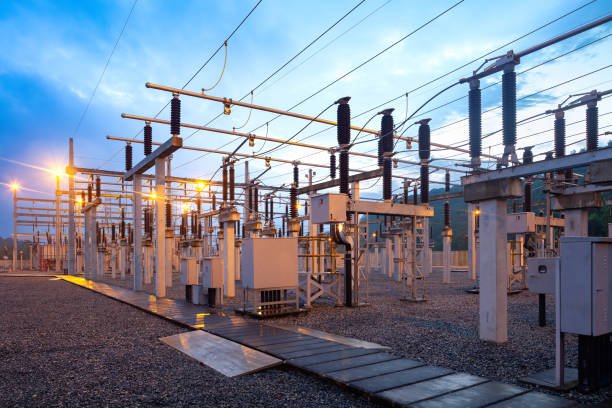
A transformer is a static electrical device that transfers energy between circuits by electromagnetic induction. Its primary function is to modify voltage levels while maintaining power transfer.
In a typical power system, transformers perform several important roles:
| Transformer Function | System Benefit |
|---|---|
| Voltage increase | Enables efficient long-distance transmission |
| Voltage reduction | Provides safe distribution levels |
| Electrical isolation | Improves safety and protection |
| Impedance transformation | Supports system coordination |
| Network connection | Links different grid sections |
Without transformers, modern interconnected power networks would be far less efficient and practical.
How Are Transformers Connected Between Power Generation and Transmission Systems?
The first major connection point occurs between generators and high-voltage transmission networks.
Power plants typically generate electricity at medium voltage levels because generator design limitations make extremely high voltages impractical.
The connection process usually includes:
| System Stage | Transformer Role |
|---|---|
| Generator output | Receives generated electrical power |
| Step-up transformer | Increases voltage for transmission |
| Transmission line | Transfers power over long distances |
| Receiving substation | Reduces voltage for regional networks |
A step-up transformer allows electricity to be transmitted at higher voltages, reducing current and minimizing transmission losses.
How Do Step-Up Transformers Improve Transmission Efficiency?
Transmission losses are strongly related to electrical current. Increasing voltage allows the same amount of power to be transmitted with lower current.
The relationship can be represented as:
Higher transmission voltage provides several advantages:
| Advantage | Result |
|---|---|
| Lower current | Reduced conductor losses |
| Smaller conductor requirements | Lower infrastructure costs |
| Longer transmission distance | Improved grid flexibility |
| Better efficiency | Reduced energy waste |
Large power transformers at generating stations are therefore critical for economical electricity transmission.
How Do Transformers Connect Transmission Networks to Distribution Systems?
After electricity reaches regional substations, transformers reduce voltage levels for distribution.
A typical connection structure includes:
| Network Section | Transformer Function |
|---|---|
| Extra-high voltage grid | Bulk power transfer |
| Transmission substation | Voltage reduction |
| Distribution substation | Medium-voltage supply |
| Local transformer | Customer voltage supply |
Each transformer stage ensures that voltage levels match the requirements of the next part of the electrical network.
What Are the Main Types of Transformer Interconnections in Power Systems?
Different system applications require different transformer connection arrangements.
Common configurations include:
| Transformer Application | Typical Connection |
|---|---|
| Power plant output | Generator step-up transformer |
| Transmission substation | High-voltage transformer |
| Distribution network | Distribution transformer |
| Industrial facility | Utility-to-load transformer |
| Renewable energy project | Collection system transformer |
The correct transformer arrangement depends on system voltage, capacity, reliability requirements, and operating conditions.
How Do Transformers Connect to Electrical Loads?
At the final stage of power delivery, transformers connect distribution networks to consumers.
Typical applications include:
| Customer Type | Transformer Application |
|---|---|
| Residential buildings | Low-voltage distribution transformer |
| Commercial facilities | Medium-capacity transformer |
| Manufacturing plants | Industrial power transformer |
| Data centers | High-reliability transformer systems |
| Renewable facilities | Grid connection transformer |
These transformers ensure that supplied voltage matches equipment requirements.
Why Are Transformer Voltage Ratings Important During Interconnection?
Voltage compatibility is one of the most important factors in transformer integration.
Buyers must consider:
| Voltage Parameter | Importance |
|---|---|
| Primary voltage | Matches incoming system |
| Secondary voltage | Matches load requirements |
| Frequency rating | Ensures electrical compatibility |
| Insulation level | Supports safe operation |
| Voltage regulation | Maintains stable output |
Incorrect voltage selection can create operational problems and equipment damage.
How Do Transformer Phase Connections Affect Power System Integration?
Transformer phase relationships determine how equipment operates together.
Common three-phase connections include:
| Connection Type | Application |
|---|---|
| Delta-delta | Industrial applications |
| Delta-star | Distribution systems |
| Star-star | High-voltage networks |
| Star-delta | Industrial and transmission systems |
Phase displacement must be considered when connecting transformers in parallel or integrating them into existing grids.
How Are Transformers Connected in Parallel Within Power Systems?
Power systems often use multiple transformers in parallel to improve reliability and increase capacity.
Parallel operation requires:
| Requirement | Purpose |
|---|---|
| Same voltage ratio | Prevent circulating currents |
| Same polarity | Ensure correct connection |
| Compatible impedance | Balance load sharing |
| Same phase sequence | Maintain system stability |
| Similar vector group | Ensure phase compatibility |
Improper parallel connection can cause serious electrical problems.
How Does Transformer Impedance Affect System Performance?
Transformer impedance influences fault current, voltage regulation, and load distribution.
Important effects include:
| Impedance Effect | System Impact |
|---|---|
| Lower impedance | Higher fault current |
| Higher impedance | Greater voltage drop |
| Balanced impedance | Better load sharing |
Engineers must select transformer impedance according to system requirements.
What Protection Systems Are Required for Transformer Interconnection?
Protection systems ensure transformers operate safely during abnormal conditions.
Common protection devices include:
| Protection Device | Function |
|---|---|
| Differential relay | Detects internal faults |
| Overcurrent relay | Protects against excessive current |
| Buchholz relay | Detects internal gas formation |
| Temperature protection | Monitors overheating |
| Surge protection | Limits transient voltage |
Protection coordination is essential when integrating transformers into larger networks.
How Does Grounding Affect Transformer Interconnection?
Grounding design influences safety and system stability.
Important grounding considerations include:
| Grounding Element | Purpose |
|---|---|
| Neutral grounding | Controls fault currents |
| Transformer tank grounding | Personnel safety |
| System grounding | Improves protection operation |
| Lightning grounding | Reduces surge risks |
Proper grounding prevents dangerous voltage conditions and improves protection performance.
How Do Transformers Support Renewable Energy Power Systems?
Modern renewable energy systems rely heavily on transformers.
Applications include:
| Renewable Source | Transformer Role |
|---|---|
| Solar farms | Increase voltage for grid connection |
| Wind farms | Connect generation units to transmission systems |
| Battery storage | Manage voltage conversion |
| Microgrids | Enable network integration |
Transformers help renewable energy sources connect safely with existing power infrastructure.
How Do Smart Transformers Improve Power System Interconnection?
Modern transformers increasingly include monitoring and digital technologies.
Features include:
| Smart Function | Benefit |
|---|---|
| Online temperature monitoring | Detect thermal issues |
| Oil condition monitoring | Evaluate insulation health |
| Load monitoring | Optimize operation |
| Remote diagnostics | Improve maintenance planning |
Digital transformer technologies improve system visibility and reliability.
What Engineering Studies Are Required Before Transformer Connection?
Before connecting transformers to power systems, engineers typically perform:
| Study | Purpose |
|---|---|
| Load flow analysis | Verify voltage performance |
| Short-circuit analysis | Evaluate fault conditions |
| Protection coordination study | Ensure relay operation |
| Harmonic analysis | Assess power quality |
| Stability analysis | Confirm system behavior |
These studies reduce risks before energization.
How Does Transformer Interconnection Affect Power System Reliability?
Proper transformer integration improves:
| Reliability Factor | Improvement |
|---|---|
| Voltage stability | Consistent power quality |
| Fault response | Faster protection |
| Energy efficiency | Lower losses |
| Network flexibility | Better power management |
| Equipment life | Reduced operating stress |
A well-designed transformer connection supports stable electrical operation.
What Common Problems Occur During Transformer Interconnection?
Poor planning or incorrect installation can cause:
| Problem | Possible Cause |
|---|---|
| Voltage instability | Incorrect transformer ratio |
| Overheating | Insufficient cooling design |
| Protection failure | Incorrect relay settings |
| Excessive losses | Poor transformer selection |
| Parallel operation problems | Phase mismatch |
Proper engineering review prevents these issues.
How Can Buyers Ensure Successful Transformer Integration?
Buyers should follow a structured process:
| Step | Action |
|---|---|
| 1 | Define system requirements |
| 2 | Select appropriate transformer type |
| 3 | Confirm voltage and phase compatibility |
| 4 | Review protection requirements |
| 5 | Verify supplier technical capability |
| 6 | Conduct factory and site testing |
| 7 | Complete commissioning |
| 8 | Monitor operation performance |
This approach ensures reliable transformer integration.
How Do Transformers Connect Power Generation, Transmission, and Distribution Networks?
Modern power systems depend on transformers to connect different stages of electricity delivery, from power generation plants to high-voltage transmission networks and finally to distribution systems that supply homes, businesses, and industrial facilities. Without transformers, electrical energy could not be efficiently transported over long distances or safely delivered to end users. However, improper transformer selection, incorrect voltage matching, or poor system integration can create serious issues such as excessive power losses, voltage instability, equipment damage, and reduced grid reliability.
Transformers connect power generation, transmission, and distribution networks by changing voltage levels through electromagnetic induction while maintaining efficient power transfer. Step-up transformers increase generator voltage for long-distance transmission, transmission substations use transformers to reduce voltage for regional networks, and distribution transformers further lower voltage levels for consumers. Through proper voltage matching, phase coordination, protection systems, and grounding design, transformers create a reliable link between every stage of the electrical power system.
Transformers connect generation, transmission, and distribution networks by converting electrical energy between different voltage levels.True
Transformers enable efficient movement of electricity by increasing or decreasing voltage while transferring power between circuits.
Electricity can be transmitted over long distances efficiently without transformers.False
High-voltage transformers are essential for reducing transmission current and minimizing power losses over long distances.
Transformer interconnection requires coordination of voltage ratings, protection systems, and grounding methods.True
These engineering factors ensure safe and stable operation within power networks.
Transformers serve as the connecting points that allow electrical networks to operate as a complete system. From a generator terminal to the final consumer connection, each transformer performs a specific function based on voltage requirements, power capacity, reliability expectations, and grid design. Understanding these connections helps utilities, industries, and project developers select suitable transformer solutions and improve overall system performance.
What Is the Role of Transformers in the Power System Structure?
An electrical power system is generally divided into three major stages:
| Power System Stage | Main Function | Transformer Role |
|---|---|---|
| Generation | Produces electrical energy | Raises generator voltage |
| Transmission | Moves electricity over long distances | Maintains high-voltage transfer |
| Distribution | Delivers electricity to users | Reduces voltage to usable levels |
Transformers act as bridges between these stages, allowing electricity to move efficiently from where it is generated to where it is consumed.
How Do Transformers Connect Power Generation Systems?
Electric generators typically produce electricity at medium voltage levels because generator insulation, mechanical design, and economic factors limit practical output voltage.
A typical generation connection includes:
| Component | Function |
|---|---|
| Generator | Produces electrical power |
| Generator step-up transformer (GSU) | Raises voltage |
| Switchgear | Controls and protects circuits |
| Transmission line | Transfers electricity |
The generator output is connected to a step-up transformer that increases voltage before electricity enters the transmission network.
Why Are Step-Up Transformers Used at Power Plants?
Step-up transformers increase voltage to improve transmission efficiency.
The relationship between power, voltage, and current means that increasing voltage reduces the current required for the same power transfer.
Higher voltage transmission provides several advantages:
| Advantage | Result |
|---|---|
| Lower current | Reduced line losses |
| Smaller conductor size | Lower infrastructure cost |
| Improved efficiency | Less energy waste |
| Longer transmission distance | Greater grid flexibility |
Large power plants commonly use generator transformers rated from hundreds of MVA to more than 1,000 MVA depending on system requirements.
How Do Transformers Connect to Transmission Networks?
After electricity leaves the generating station, it enters the transmission network through high-voltage transformers.
The transmission connection typically includes:
| Equipment | Purpose |
|---|---|
| Step-up transformer | Raises voltage |
| Transmission substation | Controls power flow |
| High-voltage lines | Transport electricity |
| Protection equipment | Prevents system damage |
Transmission transformers allow power systems to move large amounts of electricity across regions.
What Voltage Levels Are Used in Transmission Systems?
Transmission voltage varies depending on country, grid design, and power demand.
Common levels include:
| System Type | Typical Voltage Range |
|---|---|
| Regional transmission | 69 kV–138 kV |
| High-voltage transmission | 230 kV–345 kV |
| Extra-high voltage | 400 kV–765 kV |
| Ultra-high voltage | Above 800 kV |
Transformers enable power networks to transition between these voltage levels.
How Do Transformers Connect Transmission and Distribution Networks?
Electricity cannot be delivered directly from high-voltage transmission lines to consumers. Voltage must be reduced through substations.
The connection process includes:
| Stage | Transformer Function |
|---|---|
| Transmission substation | Reduces extra-high voltage |
| Distribution substation | Converts to medium voltage |
| Local transformer | Provides consumer voltage |
This multi-stage voltage reduction ensures electricity is delivered safely and efficiently.
How Do Distribution Transformers Connect to End Users?
Distribution transformers provide the final voltage conversion before electricity reaches customers.
Typical applications include:
| Customer Type | Transformer Application |
|---|---|
| Residential users | Low-voltage distribution transformers |
| Commercial buildings | Medium-capacity transformers |
| Factories | Industrial transformers |
| Infrastructure facilities | Dedicated transformer systems |
These transformers convert distribution voltage into levels suitable for electrical equipment.
What Are the Main Transformer Types Used in Power Networks?
Different network locations require different transformer designs.
| Transformer Type | Application |
|---|---|
| Generator transformer | Power plant connection |
| Transmission transformer | Grid voltage conversion |
| Substation transformer | Network interconnection |
| Distribution transformer | Consumer supply |
| Auxiliary transformer | Station service power |
Each transformer type is designed for specific operating conditions.
How Do Transformer Voltage Ratios Affect Network Connection?
Voltage ratio is one of the most important transformer selection factors.
Buyers and engineers must verify:
| Parameter | Importance |
|---|---|
| Primary voltage | Matches incoming system |
| Secondary voltage | Matches connected network |
| Frequency | Ensures compatibility |
| Tap changer range | Maintains voltage stability |
| Insulation level | Supports safe operation |
Incorrect voltage ratios can cause inefficient operation or equipment failure.
How Do Phase Connections Affect Transformer Integration?
Power systems commonly use three-phase transformers.
Important connection configurations include:
| Connection | Typical Application |
|---|---|
| Delta-delta | Industrial systems |
| Star-delta | Distribution applications |
| Delta-star | Utility networks |
| Star-star | High-voltage systems |
Phase displacement and vector groups must be considered when connecting transformers in parallel or integrating new equipment.
How Are Transformers Connected in Parallel?
Power networks often operate multiple transformers together to improve reliability and increase capacity.
Parallel operation requires:
| Requirement | Reason |
|---|---|
| Same voltage ratio | Prevent circulating current |
| Same polarity | Ensure correct connection |
| Compatible impedance | Balance load sharing |
| Same phase sequence | Maintain stability |
| Matching vector group | Avoid phase conflicts |
Incorrect parallel operation can damage transformers and reduce system reliability.
How Do Transformers Support Grid Stability?
Transformers influence important power system characteristics.
They support:
| System Function | Transformer Contribution |
|---|---|
| Voltage control | Maintains voltage levels |
| Power transfer | Enables network connections |
| Load balancing | Supports demand changes |
| Fault management | Works with protection systems |
| Renewable integration | Connects new energy sources |
Reliable transformer operation is essential for stable electrical networks.
How Do Protection Systems Integrate with Transformers?
Transformers require coordinated protection systems.
Common protection equipment includes:
| Protection Device | Function |
|---|---|
| Differential protection | Detects internal faults |
| Overcurrent protection | Limits excessive current |
| Buchholz relay | Detects internal gas faults |
| Temperature protection | Prevents overheating |
| Surge arresters | Protect against voltage surges |
Protection coordination ensures transformers operate safely within the grid.
Why Is Grounding Important for Transformer Connections?
Grounding affects safety, protection operation, and system stability.
Important grounding elements include:
| Grounding Method | Purpose |
|---|---|
| Neutral grounding | Controls fault current |
| Tank grounding | Protects personnel |
| System grounding | Improves protection response |
| Lightning grounding | Reduces surge impact |
Proper grounding design is essential for reliable transformer operation.
How Do Transformers Connect Renewable Energy Sources to the Grid?
Renewable energy projects require transformers to integrate variable generation into power networks.
Applications include:
| Renewable Source | Transformer Function |
|---|---|
| Solar farms | Increase voltage for grid connection |
| Wind farms | Connect turbines to collection systems |
| Battery storage | Manage energy conversion |
| Microgrids | Enable flexible operation |
Transformers are critical components in modern renewable energy infrastructure.
What Engineering Studies Are Needed Before Transformer Installation?
Before connecting transformers, engineers typically perform:
| Study | Purpose |
|---|---|
| Load flow analysis | Verify voltage performance |
| Short-circuit analysis | Calculate fault conditions |
| Protection coordination | Confirm relay settings |
| Harmonic analysis | Evaluate power quality |
| Stability analysis | Assess system behavior |
These studies ensure that transformers operate correctly after energization.
What Common Transformer Interconnection Problems Should Be Avoided?
Poor integration can create operational problems.
| Problem | Possible Cause |
|---|---|
| Voltage fluctuations | Incorrect transformer ratio |
| Overheating | Insufficient cooling design |
| Protection failure | Incorrect settings |
| Unequal loading | Poor parallel coordination |
| Excessive losses | Improper transformer selection |
Professional engineering and testing help prevent these issues.
How Can Buyers Ensure Proper Transformer Integration?
Buyers should evaluate:
| Evaluation Area | Key Consideration |
|---|---|
| Technical specifications | System compatibility |
| Manufacturer capability | Engineering experience |
| Testing procedures | Performance verification |
| Installation process | Correct commissioning |
| Long-term support | Reliable operation |
Selecting the right transformer supplier is as important as selecting the correct transformer design.
What Electrical Requirements Must Be Considered When Interconnecting Transformers with Power Systems?
Interconnecting transformers with power systems requires careful electrical planning because transformers directly influence voltage stability, power quality, protection performance, and overall grid reliability. A transformer that is incorrectly matched with the electrical network may experience excessive losses, overheating, abnormal circulating currents, insulation stress, or protection failures. These risks become more significant in large utility, industrial, renewable energy, and commercial power systems where transformers must operate continuously under changing load conditions.
The main electrical requirements for interconnecting transformers with power systems include correct voltage ratings, frequency compatibility, phase sequence and vector group matching, transformer impedance selection, load capacity, short-circuit withstand capability, insulation coordination, grounding design, protection coordination, power quality considerations, and system stability analysis. Proper evaluation of these requirements ensures that transformers operate safely, efficiently, and reliably within generation, transmission, and distribution networks.
Voltage matching is a fundamental electrical requirement when connecting transformers to power systems.True
Incorrect voltage ratios can cause abnormal operation, equipment stress, and poor system performance.
Transformer impedance has no effect on power system performance after installation.False
Transformer impedance affects fault current levels, voltage regulation, and load sharing between transformers.
Protection coordination is necessary to safely integrate transformers into electrical networks.True
Proper protection settings help isolate faults and prevent transformer damage.
Transformer interconnection is not only a mechanical installation process; it is an electrical integration task that requires detailed engineering analysis. From selecting the correct transformer rating to coordinating protection devices, every electrical parameter must be compatible with the existing power system. A well-designed transformer connection improves efficiency, reduces operational risks, and extends equipment service life.
Why Are Electrical Requirements Important for Transformer Interconnection?
Transformers operate as critical links between different sections of a power network. They connect:
| Power System Section | Transformer Function |
|---|---|
| Generator and transmission grid | Step up voltage |
| Transmission and distribution network | Reduce voltage levels |
| Distribution system and consumers | Provide usable supply voltage |
| Industrial systems and equipment | Match operational voltage requirements |
Each connection point requires careful electrical coordination.
Important electrical considerations include:
| Requirement | Purpose |
|---|---|
| Voltage compatibility | Ensures correct operation |
| Frequency matching | Prevents magnetic stress |
| Phase coordination | Enables correct synchronization |
| Impedance matching | Controls fault and load behavior |
| Protection coordination | Improves safety |
How Does Voltage Matching Affect Transformer Connection?
Voltage compatibility is the first requirement when connecting a transformer to a power system.
Engineers must verify:
| Voltage Parameter | Importance |
|---|---|
| Primary voltage | Matches incoming network voltage |
| Secondary voltage | Matches downstream system requirements |
| Rated voltage ratio | Ensures correct transformation |
| Tap changer range | Maintains voltage regulation |
| Insulation voltage level | Supports safe operation |
For example, a transformer designed for a 110 kV transmission network cannot be directly connected to a 132 kV system without confirming design margins and insulation requirements.
What Voltage Levels Are Commonly Used in Transformer Interconnections?
Transformer applications determine required voltage levels.
| Application | Typical Voltage Levels |
|---|---|
| Generator step-up transformer | 6.6 kV–35 kV input, high-voltage output |
| Transmission transformer | 110 kV–765 kV systems |
| Distribution transformer | 10 kV–35 kV input, low-voltage output |
| Industrial transformer | Medium-voltage to low-voltage conversion |
The transformer must match both the electrical source and connected load.
How Does Frequency Compatibility Affect Transformer Performance?
Transformers are designed for specific operating frequencies.
Common power system frequencies include:
| Region/System | Frequency |
|---|---|
| Many countries | 50 Hz |
| North America and some regions | 60 Hz |
Frequency affects transformer magnetic flux conditions.
Incorrect frequency operation may cause:
| Problem | Effect |
|---|---|
| Excessive flux density | Core saturation risk |
| Higher losses | Reduced efficiency |
| Increased temperature | Insulation stress |
| Abnormal current | Equipment protection issues |
Frequency compatibility must be confirmed before energization.
How Do Phase Sequence and Vector Groups Affect Transformer Interconnection?
Three-phase transformers require correct phase relationships.
Important parameters include:
| Parameter | Purpose |
|---|---|
| Phase sequence | Ensures correct rotation order |
| Vector group | Defines phase displacement |
| Polarity | Ensures correct connection |
| Winding arrangement | Determines system compatibility |
Common transformer vector groups include:
| Vector Group Example | Application |
|---|---|
| Dyn11 | Distribution networks |
| YNd1 | Transmission systems |
| Yy0 | High-voltage applications |
Incorrect vector group selection can prevent parallel operation and create dangerous circulating currents.
How Does Transformer Impedance Affect Power System Operation?
Transformer impedance is a key electrical parameter influencing system behavior.
Important effects include:
| Impedance Characteristic | System Impact |
|---|---|
| Low impedance | Higher fault current |
| High impedance | Greater voltage drop |
| Matching impedance | Better parallel operation |
| Proper impedance | Improved stability |
Engineers select impedance based on:
- Fault level requirements
- Voltage regulation needs
- Parallel transformer operation
- Protection coordination
How Is Transformer Capacity Matched with System Load?
The transformer rating must match present and future electrical demand.
Important capacity factors include:
| Factor | Consideration |
|---|---|
| Maximum load | Prevents overload |
| Load growth | Supports future expansion |
| Load diversity | Improves utilization |
| Emergency loading | Provides temporary capacity |
| Cooling capability | Supports thermal performance |
A transformer should not operate continuously beyond its designed thermal limits.
How Does Short-Circuit Withstand Capability Affect Transformer Selection?
Transformers must withstand electrical and mechanical forces during faults.
Short-circuit capability depends on:
| Factor | Importance |
|---|---|
| Winding strength | Resists mechanical stress |
| Clamping structure | Maintains winding position |
| Impedance design | Limits fault current |
| Protection response | Reduces fault duration |
Short-circuit withstand capability is especially important in high-capacity power transformers.
What Insulation Requirements Must Be Considered?
Transformer insulation systems protect against electrical breakdown.
Key insulation considerations include:
| Insulation Requirement | Purpose |
|---|---|
| Basic insulation level (BIL) | Protects against surges |
| Power frequency withstand | Handles normal overvoltage |
| Partial discharge performance | Detects insulation defects |
| Oil quality | Maintains dielectric strength |
| Clearance and creepage distance | Prevents flashover |
Insulation design must match system voltage and environmental conditions.
How Does Insulation Coordination Protect Transformers?
Insulation coordination ensures that transformers can withstand expected electrical stresses.
Engineers consider:
| Stress Source | Protection Method |
|---|---|
| Lightning surges | Surge arresters |
| Switching surges | Controlled switching |
| Temporary overvoltage | System grounding |
| Internal faults | Protection relays |
Proper coordination reduces insulation failure risks.
Why Is Grounding Design Important for Transformer Interconnection?
Grounding affects safety and system fault behavior.
Common grounding requirements include:
| Grounding Element | Function |
|---|---|
| Neutral grounding | Controls fault current |
| Transformer tank grounding | Protects personnel |
| System grounding | Stabilizes voltage |
| Lightning grounding | Reduces surge impact |
The grounding method depends on network design and voltage level.
How Does Transformer Neutral Connection Affect System Performance?
Neutral connections influence fault behavior and protection operation.
Common neutral arrangements include:
| Neutral Method | Application |
|---|---|
| Solid grounding | Strong fault current path |
| Resistance grounding | Limits fault current |
| Reactance grounding | Controls system conditions |
| Ungrounded systems | Special applications |
Engineers select neutral grounding based on safety and protection requirements.
How Are Transformer Protection Requirements Determined?
Protection systems must coordinate with the electrical network.
Typical transformer protection includes:
| Protection Device | Function |
|---|---|
| Differential relay | Detects internal faults |
| Overcurrent relay | Protects against excessive current |
| Overvoltage protection | Limits voltage stress |
| Buchholz relay | Detects internal oil faults |
| Temperature relay | Prevents overheating |
Protection settings must coordinate with upstream and downstream devices.
How Does Relay Coordination Affect Transformer Integration?
Protection coordination ensures faults are cleared correctly.
Engineers evaluate:
| Coordination Factor | Purpose |
|---|---|
| Relay settings | Correct fault response |
| Time-current curves | Selective protection |
| Breaker operation | Fast isolation |
| Backup protection | System security |
Poor coordination may cause unnecessary outages or transformer damage.
How Do Harmonics Affect Transformer Interconnection?
Modern electrical systems may contain harmonic-producing loads.
Sources include:
- Variable frequency drives
- Power electronics
- Renewable energy converters
- Industrial equipment
Harmonics can cause:
| Effect | Result |
|---|---|
| Additional losses | Reduced efficiency |
| Heating | Lower transformer capacity |
| Insulation stress | Reduced lifespan |
| Voltage distortion | Power quality issues |
Special transformer designs may be required for harmonic-rich environments.
How Do Renewable Energy Systems Influence Transformer Requirements?
Renewable energy connections create additional electrical considerations.
Important factors include:
| Requirement | Reason |
|---|---|
| Variable power flow | Renewable generation changes |
| Voltage regulation | Maintains grid stability |
| Harmonic control | Manages inverter effects |
| Reactive power management | Supports grid operation |
Solar and wind projects often require specially designed transformers.
What Power Quality Factors Should Be Evaluated?
Power quality affects transformer operation and connected equipment.
Important parameters include:
| Parameter | Importance |
|---|---|
| Voltage variation | Maintains equipment safety |
| Frequency variation | Protects transformer operation |
| Harmonic distortion | Controls losses |
| Voltage imbalance | Protects three-phase systems |
| Flicker | Improves customer power quality |
Power quality studies help determine suitable transformer specifications.
What Electrical Studies Are Required Before Transformer Connection?
Before energization, engineers typically perform:
| Study | Purpose |
|---|---|
| Load flow study | Verify voltage performance |
| Short-circuit study | Calculate fault levels |
| Protection coordination study | Confirm relay settings |
| Harmonic study | Evaluate power quality |
| Stability study | Assess network behavior |
These studies ensure reliable transformer integration.
How Can Buyers Verify Transformer Electrical Compatibility?
Buyers should review technical documents before purchase.
Important documents include:
| Document | Purpose |
|---|---|
| Transformer specification sheet | Confirm ratings |
| Electrical drawings | Verify connections |
| Test reports | Confirm performance |
| Protection requirements | Ensure coordination |
| System studies | Validate application |
Proper document review prevents integration problems.
What Testing Should Be Completed Before Transformer Energization?
Commissioning tests verify electrical readiness.
Typical tests include:
| Test | Purpose |
|---|---|
| Insulation resistance test | Check insulation condition |
| Turns ratio test | Confirm voltage ratio |
| Winding resistance test | Verify windings |
| Power factor test | Evaluate insulation |
| Oil testing | Confirm dielectric quality |
| Protection testing | Verify relay operation |
Testing ensures safe startup.
How Do Protection and Control Systems Support Transformer Interconnection?
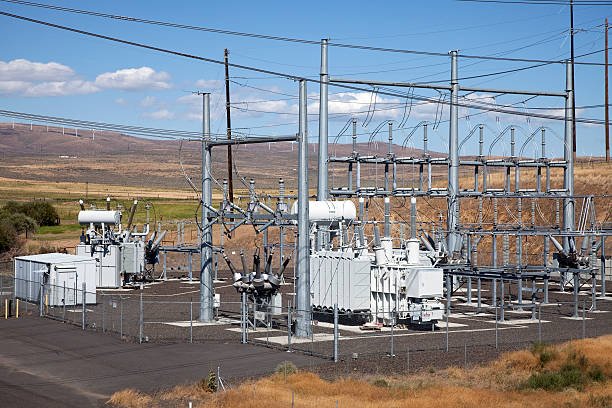
Protection and control systems are essential components when interconnecting transformers with power systems because they ensure safe operation, rapid fault response, and stable electrical performance. A transformer is a critical connection point between generators, transmission networks, distribution systems, and industrial loads, meaning any internal fault or abnormal operating condition can affect large sections of the electrical network. Without properly designed protection and control systems, transformers may experience severe damage, extended outages, unstable voltage conditions, or unsafe operating conditions.
Protection and control systems support transformer interconnection by detecting abnormal electrical conditions, isolating faults, regulating operating parameters, coordinating with grid equipment, and maintaining system stability. Transformer protection devices such as differential relays, overcurrent protection, Buchholz relays, temperature monitoring systems, and surge protection work together with control systems including tap changers, monitoring platforms, and automation systems to ensure reliable integration into generation, transmission, and distribution networks.
Transformer protection systems help detect and isolate faults to prevent equipment damage and improve power system reliability.True
Protection relays and monitoring devices identify abnormal conditions and trigger appropriate protective actions.
Transformer control systems only monitor transformer temperature and do not affect voltage regulation.False
Control systems also manage voltage regulation, tap changer operation, load conditions, and communication with power system automation.
Protection coordination between transformers and network equipment is required for safe power system operation.True
Proper coordination ensures faults are cleared selectively without unnecessary system interruptions.
Transformer interconnection is not complete when electrical connections are physically installed. The transformer must also communicate with the surrounding power network through coordinated protection, monitoring, and control systems. These systems allow operators to maintain stable voltage, respond quickly to faults, optimize transformer performance, and extend equipment service life.
Why Are Protection and Control Systems Important in Transformer Interconnection?
Transformers operate under continuously changing electrical conditions, including variations in load demand, voltage levels, and system faults. Protection and control systems provide the intelligence needed to manage these conditions.
Their main functions include:
| Function | Purpose |
|---|---|
| Fault detection | Identify abnormal conditions |
| Equipment protection | Prevent transformer damage |
| Voltage regulation | Maintain stable output voltage |
| System coordination | Integrate with grid protection |
| Condition monitoring | Support predictive maintenance |
| Remote operation | Improve operational efficiency |
Without these systems, transformer operation would rely only on passive electrical equipment and manual intervention.
How Do Protection Systems Prevent Transformer Damage?
Transformer protection systems continuously monitor electrical and mechanical conditions. When abnormal situations occur, protection devices send signals to circuit breakers or alarms.
Common transformer risks include:
| Fault Type | Possible Cause | Protection Response |
|---|---|---|
| Internal winding fault | Insulation failure | Disconnect transformer |
| Short circuit | Network disturbance | Interrupt fault current |
| Overload | Excessive demand | Alarm or reduce loading |
| Overheating | Cooling failure | Trigger protection |
| Oil fault | Internal deterioration | Activate alarm |
Fast protection response minimizes damage and reduces downtime.
What Is the Role of Transformer Differential Protection?
Differential protection is one of the most important transformer protection methods.
It works by comparing current entering and leaving the transformer.
| Feature | Function |
|---|---|
| Current transformers (CTs) | Measure transformer currents |
| Differential relay | Compares current values |
| Trip signal | Opens circuit breakers during faults |
Differential protection is highly effective for detecting:
- Winding faults
- Phase-to-phase faults
- Internal insulation failures
- Bushing-related faults
Because transformer internal faults can develop rapidly, differential protection is typically considered the primary protection method.
How Does Overcurrent Protection Support Transformer Interconnection?
Overcurrent protection protects transformers from excessive current caused by external or internal faults.
Important settings include:
| Parameter | Purpose |
|---|---|
| Pickup current | Defines protection threshold |
| Time delay | Coordinates with other protection |
| Current transformer ratio | Ensures accurate measurement |
| Coordination settings | Avoids unnecessary trips |
Overcurrent protection works together with upstream and downstream devices to maintain selective fault isolation.
How Do Buchholz Relays Protect Oil-Immersed Transformers?
Oil-immersed transformers often use Buchholz relays for detecting internal problems.
The relay monitors gas accumulation and oil movement inside the transformer conservator system.
| Condition | Relay Response |
|---|---|
| Small internal fault | Alarm |
| Severe internal fault | Trip transformer |
| Gas generation | Indicates insulation problems |
| Oil surge | Detects serious faults |
Buchholz protection provides early warning before catastrophic failures occur.
How Do Temperature Protection Systems Improve Transformer Reliability?
Transformer temperature directly affects insulation aging and service life.
Temperature monitoring systems measure:
| Monitoring Point | Purpose |
|---|---|
| Top oil temperature | Evaluate cooling performance |
| Winding temperature | Prevent overheating |
| Ambient temperature | Adjust operating conditions |
| Cooling equipment status | Verify heat removal |
Temperature protection helps prevent thermal damage caused by overload or cooling system failures.
How Do Surge Protection Devices Support Transformer Safety?
Transformers are vulnerable to transient overvoltages caused by lightning and switching operations.
Surge protection includes:
| Device | Function |
|---|---|
| Metal oxide surge arrester | Limits overvoltage |
| Shielding system | Reduces lightning impact |
| Grounding network | Provides discharge path |
Proper surge protection protects transformer insulation and improves long-term reliability.
How Do Control Systems Regulate Transformer Voltage?
Transformer control systems maintain voltage within acceptable limits.
The main control device is the tap changer.
Types include:
| Tap Changer Type | Application |
|---|---|
| Off-circuit tap changer | Manual voltage adjustment |
| On-load tap changer (OLTC) | Automatic voltage regulation |
OLTC systems adjust transformer turns ratio while the transformer remains energized.
Benefits include:
| Benefit | Result |
|---|---|
| Stable voltage | Better power quality |
| Load compensation | Improved network performance |
| Reduced voltage fluctuations | Improved equipment protection |
How Do On-Load Tap Changers Support Grid Operation?
On-load tap changers are especially important in transmission and distribution networks.
They help manage:
- Daily load changes
- Renewable energy fluctuations
- Voltage deviations
- Network operating conditions
A typical OLTC control system includes:
| Component | Function |
|---|---|
| Voltage sensor | Measures system voltage |
| Controller | Determines adjustment |
| Motor drive | Changes tap position |
| Position indicator | Provides feedback |
This creates automatic voltage control.
How Do Transformer Control Systems Communicate with Power Networks?
Modern transformers are integrated into digital power systems through communication systems.
Common technologies include:
| System | Function |
|---|---|
| SCADA | Remote monitoring and control |
| RTU | Data collection |
| IEC 61850 communication | Substation automation |
| Intelligent electronic devices | Protection and control integration |
Digital communication improves response speed and operational visibility.
How Does Protection Coordination Affect Transformer Interconnection?
Transformer protection must coordinate with the entire electrical network.
Coordination involves:
| Coordination Area | Purpose |
|---|---|
| Generator protection | Prevent unnecessary trips |
| Transmission protection | Maintain grid stability |
| Distribution protection | Ensure selective isolation |
| Circuit breakers | Disconnect faults quickly |
Poor coordination can cause:
- Larger-than-required outages
- Incorrect fault isolation
- Transformer stress
- Reduced system reliability
What Protection Settings Must Be Reviewed Before Transformer Connection?
Before energization, engineers should verify:
| Setting | Review Purpose |
|---|---|
| Differential relay settings | Confirm internal fault protection |
| Overcurrent settings | Coordinate fault clearing |
| Voltage protection settings | Prevent abnormal operation |
| Frequency protection | Maintain system stability |
| Temperature alarms | Protect thermal limits |
Incorrect settings may prevent protection systems from operating correctly.
How Do Control Systems Support Parallel Transformer Operation?
Multiple transformers are often operated in parallel to increase capacity and improve reliability.
Control systems help manage:
| Function | Purpose |
|---|---|
| Load sharing | Balance transformer loading |
| Voltage control | Maintain network voltage |
| Tap coordination | Prevent circulating currents |
| Monitoring | Detect abnormal operation |
Parallel operation requires precise coordination between protection and control systems.
How Do Protection Systems Support Renewable Energy Transformer Connections?
Renewable energy projects create additional transformer protection requirements because power flow can change rapidly.
Important considerations include:
| Renewable Application | Protection Requirement |
|---|---|
| Solar farms | Inverter fault coordination |
| Wind farms | Variable power protection |
| Battery storage | Bidirectional power flow control |
| Microgrids | Flexible protection schemes |
Advanced protection systems help renewable projects operate reliably with the grid.
How Do Monitoring Systems Improve Transformer Maintenance?
Modern transformer control systems often include condition monitoring.
Common monitored parameters include:
| Parameter | Maintenance Benefit |
|---|---|
| Oil temperature | Detect thermal stress |
| Dissolved gas analysis | Identify insulation problems |
| Load current | Monitor operating stress |
| Partial discharge | Detect insulation defects |
| Moisture level | Evaluate insulation condition |
Real-time data supports predictive maintenance strategies.
What Role Does Automation Play in Transformer Interconnection?
Automation improves transformer operation by reducing manual intervention.
Automation functions include:
| Automation Feature | Benefit |
|---|---|
| Automatic voltage control | Maintains stable output |
| Remote switching | Improves safety |
| Alarm management | Faster response |
| Data recording | Supports analysis |
| Fault reporting | Improves troubleshooting |
Automated systems are especially valuable in large substations.
What Tests Verify Protection and Control System Performance?
Before transformer energization, protection and control systems should be tested.
Common tests include:
| Test | Purpose |
|---|---|
| Relay functional test | Verify protection logic |
| CT polarity test | Confirm measurement accuracy |
| Trip circuit test | Verify breaker operation |
| Communication test | Confirm data exchange |
| OLTC operation test | Verify voltage control |
| Alarm test | Confirm monitoring functions |
Commissioning tests ensure reliable system integration.
How Can Buyers Evaluate Transformer Protection and Control Capability?
When selecting transformer suppliers, buyers should review:
| Evaluation Area | Questions |
|---|---|
| Protection design | Can the supplier provide complete schemes? |
| Control systems | Are automation interfaces available? |
| Testing capability | Are protection systems verified? |
| Standards compliance | Does equipment meet IEC/IEEE requirements? |
| Technical support | Is commissioning assistance available? |
Supplier capability directly affects long-term transformer reliability.
How Are Transformers Integrated with Renewable Energy and Industrial Power Systems?
Renewable energy projects and industrial facilities increasingly depend on transformers to connect different electrical systems, regulate voltage levels, and maintain reliable power delivery. However, integrating transformers into these applications involves complex electrical challenges, including variable power generation, high load fluctuations, harmonic distortion, protection coordination, and strict reliability requirements. Poor transformer selection or incorrect system integration can lead to efficiency losses, equipment failures, unstable voltage, and costly operational interruptions.
Transformers are integrated with renewable energy and industrial power systems by converting voltage levels, connecting generation sources or industrial equipment to electrical grids, managing power flow, supporting protection systems, and improving system reliability. In renewable applications, transformers connect solar, wind, and energy storage systems to utility networks. In industrial applications, transformers supply suitable voltages for heavy machinery, production equipment, and critical electrical loads while maintaining safety, efficiency, and power quality.
Transformers are essential for connecting renewable energy sources and industrial facilities to electrical power networks.True
Transformers provide voltage conversion and electrical compatibility between different power system components.
Renewable energy systems can always connect directly to utility grids without transformers.False
Most renewable energy projects require transformers to match generator output voltage with grid voltage levels and interconnection requirements.
Industrial transformers must consider load characteristics, power quality, and protection requirements during system integration.True
Industrial electrical systems often involve large motors, variable loads, and sensitive equipment requiring coordinated transformer design.
Transformers have become increasingly important as power systems evolve toward renewable generation, smart grids, and highly automated industrial operations. Successful integration requires more than selecting a transformer with the correct voltage ratio. Engineers must consider capacity, efficiency, cooling methods, insulation systems, protection coordination, communication capabilities, and long-term operating conditions to ensure reliable performance.
What Role Do Transformers Play in Modern Energy Systems?
Transformers act as electrical connection points between different sections of a power network.
Typical applications include:
| Application Area | Transformer Function |
|---|---|
| Solar power plants | Increase inverter output voltage for grid connection |
| Wind farms | Connect turbine generators to collection systems |
| Battery energy storage | Manage charging and discharging voltage levels |
| Manufacturing plants | Supply appropriate industrial voltages |
| Data centers | Provide reliable power conversion |
| Mining facilities | Support high-power equipment operation |
Without transformers, many renewable and industrial power systems could not operate efficiently or safely.
How Are Transformers Integrated into Renewable Energy Systems?
Renewable energy sources usually generate electricity at voltage levels that differ from utility grid requirements. Transformers provide the necessary voltage conversion.
A typical renewable energy connection includes:
| System Component | Function |
|---|---|
| Renewable generator | Produces electrical energy |
| Power converter/inverter | Converts electrical characteristics |
| Step-up transformer | Raises voltage |
| Switchgear | Controls and protects connection |
| Grid connection point | Transfers energy to utility network |
The transformer acts as the bridge between renewable generation equipment and the electrical grid.
How Do Solar Power Transformers Support Grid Connection?
Solar photovoltaic (PV) systems produce electricity through DC generation and inverter conversion.
A typical solar transformer system includes:
| Component | Purpose |
|---|---|
| PV panels | Generate DC power |
| Inverters | Convert DC to AC |
| Medium-voltage transformer | Increase AC voltage |
| Collection system | Combine multiple generation units |
| Substation transformer | Connect to transmission grid |
Solar transformers must handle:
- Variable generation output
- Frequent power changes
- Harmonic currents from inverters
- Outdoor environmental conditions
How Are Wind Power Transformers Used in Renewable Projects?
Wind turbines generate electricity at relatively low voltage levels, requiring transformers to increase voltage before grid transmission.
Wind power transformer systems commonly include:
| Equipment | Function |
|---|---|
| Turbine generator | Produces electrical energy |
| Turbine transformer | Raises voltage |
| Wind farm collector network | Combines turbine outputs |
| Substation transformer | Connects to utility grid |
Wind transformers must withstand:
- Variable mechanical operation
- Frequent load changes
- Harsh weather environments
- Remote installation conditions
How Do Battery Energy Storage Systems Use Transformers?
Energy storage systems require bidirectional power conversion.
Transformers support:
| Function | Benefit |
|---|---|
| Grid connection | Matches utility voltage |
| Charging operation | Controls incoming power |
| Discharging operation | Transfers stored energy |
| Isolation | Improves safety |
Battery storage transformers must be designed for changing power flow directions and rapid operating cycles.
How Do Transformers Support Industrial Power Systems?
Industrial facilities often require reliable and customized transformer solutions because electrical loads can be large and highly variable.
Industrial transformer applications include:
| Industry | Transformer Application |
|---|---|
| Manufacturing | Machine power supply |
| Steel production | High-current industrial loads |
| Chemical plants | Continuous process power |
| Data centers | High-reliability power supply |
| Oil and gas | Heavy-duty electrical systems |
| Transportation | Infrastructure power systems |
Industrial transformers provide stable voltage for demanding electrical equipment.
What Electrical Requirements Must Be Considered for Renewable Integration?
Renewable energy systems introduce unique electrical requirements.
Important factors include:
| Requirement | Purpose |
|---|---|
| Voltage ratio | Match grid connection requirements |
| Power rating | Handle generation capacity |
| Frequency compatibility | Maintain system stability |
| Harmonic performance | Reduce power quality issues |
| Reactive power capability | Support grid operation |
| Protection coordination | Ensure safe fault response |
Transformer design must consider both normal and abnormal operating conditions.
How Do Renewable Energy Transformers Manage Variable Power Output?
Unlike conventional power plants, renewable sources often experience rapid output changes.
Examples include:
- Solar output changes due to cloud movement
- Wind output changes due to weather conditions
- Battery systems switching between charging and discharging
Transformers must support:
| Challenge | Solution |
|---|---|
| Variable loading | Appropriate thermal design |
| Voltage fluctuations | Voltage regulation systems |
| Changing power flow | Advanced control systems |
| Frequent operation changes | Robust insulation design |
Proper transformer selection improves renewable system stability.
How Does Transformer Efficiency Affect Renewable Energy Projects?
Transformer losses directly affect renewable energy profitability.
Important efficiency factors include:
| Factor | Impact |
|---|---|
| No-load losses | Continuous energy consumption |
| Load losses | Operating efficiency |
| Core materials | Reduce magnetic losses |
| Winding design | Improve performance |
| Cooling efficiency | Maintain temperature |
High-efficiency transformers help maximize renewable energy output.
What Transformer Designs Are Commonly Used in Renewable Applications?
Renewable projects use various transformer designs.
| Transformer Type | Application |
|---|---|
| Oil-immersed transformer | Large solar and wind projects |
| Dry-type transformer | Indoor renewable installations |
| Pad-mounted transformer | Distributed energy systems |
| Converter transformer | Large renewable integration |
| Substation transformer | Grid connection points |
Selection depends on capacity, environment, and reliability requirements.
How Are Transformers Integrated into Industrial Distribution Systems?
Industrial facilities typically receive medium-voltage power and convert it to usable levels.
A common industrial structure includes:
| Stage | Transformer Function |
|---|---|
| Utility connection | Receives incoming power |
| Main transformer | Reduces voltage |
| Distribution panels | Supply electrical zones |
| Equipment transformers | Provide specialized voltage |
This arrangement allows efficient power distribution throughout the facility.
How Do Industrial Transformers Handle Heavy Loads?
Industrial loads often include:
- Motors
- Furnaces
- Compressors
- Pumps
- Welding equipment
- Automated production systems
These loads create challenges such as:
| Challenge | Transformer Requirement |
|---|---|
| Motor starting current | Higher short-term capacity |
| Harmonics | Improved thermal design |
| Continuous operation | High reliability |
| Load variation | Proper capacity margin |
Transformer design must match actual industrial operating conditions.
How Does Power Quality Affect Transformer Integration?
Power quality is critical in both renewable and industrial applications.
Important parameters include:
| Parameter | Effect |
|---|---|
| Voltage variation | Equipment stress |
| Harmonic distortion | Transformer heating |
| Voltage imbalance | Three-phase problems |
| Frequency variation | Magnetic stress |
| Transients | Insulation damage |
Power quality analysis helps determine suitable transformer specifications.
How Do Protection Systems Support Renewable and Industrial Transformers?
Protection systems ensure safe transformer operation.
Common protection devices include:
| Protection Device | Function |
|---|---|
| Differential relay | Detect internal faults |
| Overcurrent relay | Protect against excessive current |
| Surge arrester | Protect insulation |
| Temperature relay | Prevent overheating |
| Buchholz relay | Detect oil faults |
Protection must coordinate with grid and facility systems.
How Do Control Systems Improve Transformer Operation?
Modern transformers increasingly include intelligent monitoring and control.
Control functions include:
| Control Feature | Benefit |
|---|---|
| OLTC control | Maintains voltage |
| Remote monitoring | Improves visibility |
| Load monitoring | Optimizes operation |
| Condition monitoring | Supports predictive maintenance |
| Digital communication | Enables automation |
These technologies improve reliability and reduce maintenance costs.
How Do Transformers Support Microgrids and Distributed Energy Systems?
Microgrids combine renewable generation, storage, and local loads.
Transformers support:
| Microgrid Function | Transformer Role |
|---|---|
| Grid connection | Voltage matching |
| Island operation | Stable local supply |
| Energy exchange | Bidirectional power transfer |
| Load management | Reliable distribution |
As distributed energy grows, transformer flexibility becomes increasingly important.
What Factors Should Buyers Consider When Selecting Renewable and Industrial Transformers?
Buyers should evaluate:
| Selection Factor | Importance |
|---|---|
| Rated capacity | Prevents overload |
| Voltage level | Ensures compatibility |
| Efficiency rating | Reduces operating cost |
| Cooling method | Controls temperature |
| Environmental conditions | Ensures durability |
| Protection requirements | Improves safety |
| Supplier capability | Ensures quality |
A complete evaluation prevents future operational problems.
How Can Proper Transformer Integration Improve System Reliability?
Well-designed transformer integration provides:
| Benefit | Result |
|---|---|
| Stable voltage | Improved equipment operation |
| Reduced losses | Higher efficiency |
| Better protection | Reduced downtime |
| Flexible operation | Easier system expansion |
| Longer service life | Lower lifecycle costs |
Transformers are therefore fundamental to reliable renewable and industrial power systems.
How Can Engineers Ensure Reliable Transformer Interconnection in Power System Projects?
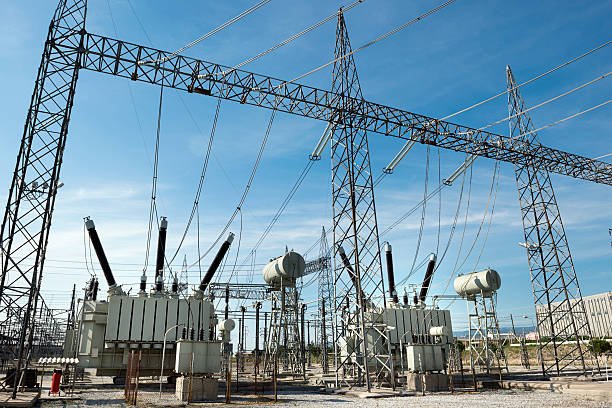
Transformer interconnection is one of the most critical stages in power system engineering because transformers serve as the connection points between generation sources, transmission networks, distribution systems, renewable energy facilities, and industrial loads. A transformer that is incorrectly designed, improperly matched, or poorly commissioned can create serious operational problems, including voltage instability, excessive losses, protection failures, equipment overheating, and unexpected power outages. These risks can increase project costs and reduce the long-term reliability of the entire electrical network.
Engineers can ensure reliable transformer interconnection in power system projects by completing detailed system studies, selecting transformers with compatible electrical ratings, verifying phase relationships, coordinating protection and control systems, designing proper grounding schemes, performing factory and site testing, managing installation quality, and conducting comprehensive commissioning before energization. A systematic engineering approach ensures that transformers operate safely, efficiently, and reliably within generation, transmission, distribution, renewable energy, and industrial power networks.
Transformer interconnection reliability depends on electrical compatibility, protection coordination, testing, and commissioning procedures.True
These engineering processes confirm that transformers can safely operate within the power system.
Transformer installation alone guarantees reliable operation without additional electrical studies or testing.False
Power system studies, protection verification, and commissioning tests are necessary to identify and prevent integration problems.
Grounding and protection coordination are essential parts of transformer interconnection design.True
Proper grounding and protection improve safety, fault response, and system stability.
Reliable transformer interconnection requires coordination between electrical design, equipment selection, manufacturing quality, installation practices, and operational management. Engineers must evaluate the complete power system environment rather than treating the transformer as an isolated component. By applying structured engineering methods, project teams can reduce risks and achieve stable long-term performance.
Why Is Reliable Transformer Interconnection Important?
Transformers are essential links in modern electrical systems. They connect different voltage levels and allow electricity to move efficiently from generation facilities to end users.
Typical transformer connection points include:
| Power System Location | Transformer Function |
|---|---|
| Power plants | Increase generator voltage |
| Transmission substations | Adjust high-voltage levels |
| Distribution substations | Reduce voltage for local networks |
| Industrial facilities | Supply equipment-specific voltages |
| Renewable energy plants | Connect generation to the grid |
A failure at any transformer connection point can affect large portions of the electrical system.
What Should Engineers Analyze Before Transformer Interconnection?
Before installing and connecting a transformer, engineers should perform detailed electrical studies.
Important studies include:
| Engineering Study | Purpose |
|---|---|
| Load flow analysis | Verify voltage levels and power flow |
| Short-circuit analysis | Determine fault current levels |
| Protection coordination study | Confirm relay operation |
| Harmonic analysis | Evaluate power quality |
| Stability analysis | Assess system response |
These studies help determine whether the transformer design is suitable for the existing network.
How Does Transformer Selection Affect Interconnection Reliability?
Selecting the correct transformer specification is the foundation of reliable operation.
Engineers should evaluate:
| Selection Parameter | Importance |
|---|---|
| Rated capacity | Prevents overload |
| Primary voltage | Matches supply system |
| Secondary voltage | Matches connected loads |
| Frequency rating | Ensures magnetic compatibility |
| Impedance | Controls fault and voltage behavior |
| Cooling method | Maintains thermal performance |
| Insulation level | Protects against electrical stress |
Incorrect transformer selection can create problems even if installation is performed correctly.
How Are Transformer Voltage Ratings Verified?
Voltage compatibility must be confirmed before connecting transformers to power systems.
Engineers review:
| Voltage Parameter | Verification Purpose |
|---|---|
| Rated primary voltage | Matches incoming network |
| Rated secondary voltage | Matches downstream system |
| Tap range | Supports voltage regulation |
| Insulation coordination | Handles overvoltage conditions |
| System voltage variation | Ensures operational margin |
Voltage mismatch may cause excessive current, poor voltage regulation, or equipment damage.
How Do Engineers Ensure Frequency Compatibility?
Transformers are designed for specific operating frequencies, commonly 50 Hz or 60 Hz.
Frequency affects transformer performance because it influences magnetic flux conditions.
Engineers verify:
| Factor | Reason |
|---|---|
| System frequency | Prevents core saturation |
| Transformer design frequency | Maintains efficiency |
| Frequency variation limits | Protects insulation |
Operating a transformer outside its designed frequency range may increase losses and temperature.
How Do Phase Relationships Affect Transformer Interconnection?
Three-phase transformer systems require correct phase coordination.
Engineers verify:
| Electrical Parameter | Purpose |
|---|---|
| Phase sequence | Ensures correct rotation |
| Polarity | Prevents incorrect connections |
| Vector group | Defines phase displacement |
| Winding configuration | Ensures system compatibility |
Common vector groups include:
| Vector Group | Typical Application |
|---|---|
| Dyn11 | Distribution systems |
| YNd1 | Transmission applications |
| Yy0 | High-voltage systems |
Incorrect phase relationships can prevent parallel operation and create circulating currents.
How Does Transformer Impedance Influence System Performance?
Transformer impedance affects both normal operation and fault conditions.
Important considerations include:
| Impedance Factor | System Impact |
|---|---|
| Low impedance | Higher fault current |
| High impedance | Greater voltage drop |
| Matching impedance | Better parallel operation |
| Correct impedance selection | Improved stability |
Engineers select impedance based on system short-circuit levels, voltage regulation requirements, and load characteristics.
How Do Protection Systems Improve Transformer Reliability?
Protection systems detect abnormal conditions and isolate faults before major damage occurs.
Common transformer protection includes:
| Protection Device | Function |
|---|---|
| Differential relay | Detect internal faults |
| Overcurrent relay | Protect against excessive current |
| Buchholz relay | Detect oil-insulated transformer faults |
| Temperature protection | Prevent overheating |
| Surge arrester | Protect insulation |
Protection systems must be coordinated with upstream and downstream electrical equipment.
How Is Protection Coordination Achieved?
Protection coordination ensures that only the affected section of the power system is disconnected during a fault.
Engineers evaluate:
| Coordination Element | Purpose |
|---|---|
| Relay settings | Ensure correct fault response |
| Breaker operation time | Minimize interruption |
| Current transformer ratios | Provide accurate measurement |
| Backup protection | Maintain system security |
Poor coordination can result in unnecessary shutdowns or transformer damage.
How Do Control Systems Support Transformer Operation?
Control systems maintain stable transformer performance under changing operating conditions.
Important control functions include:
| Control Function | Benefit |
|---|---|
| On-load tap changer control | Maintains voltage |
| Remote monitoring | Improves visibility |
| Load measurement | Supports operation decisions |
| Alarm management | Enables quick response |
| Digital communication | Integrates with automation systems |
Modern transformer control systems often connect with SCADA and substation automation platforms.
How Does Grounding Design Affect Transformer Interconnection?
Grounding is essential for electrical safety and system stability.
Engineers consider:
| Grounding Element | Function |
|---|---|
| Neutral grounding | Controls fault current |
| Transformer tank grounding | Protects personnel |
| Substation grounding grid | Provides safe fault paths |
| Lightning grounding | Reduces surge risks |
The grounding method depends on voltage level, system configuration, and protection requirements.
How Can Engineers Manage Transformer Parallel Operation?
Many power systems use multiple transformers operating in parallel.
Successful parallel operation requires:
| Requirement | Purpose |
|---|---|
| Same voltage ratio | Prevent circulating current |
| Same polarity | Ensure correct connection |
| Similar impedance | Balance loading |
| Same phase sequence | Maintain synchronization |
| Compatible vector group | Avoid phase conflicts |
Proper engineering prevents unequal loading and system instability.
What Role Does Transformer Testing Play Before Energization?
Testing verifies that transformers meet design requirements before connection.
Important tests include:
| Test | Purpose |
|---|---|
| Insulation resistance test | Check insulation condition |
| Turns ratio test | Verify voltage transformation |
| Winding resistance test | Confirm winding quality |
| Impedance test | Verify electrical characteristics |
| Oil test | Evaluate dielectric condition |
| Protection test | Confirm relay performance |
Testing reduces commissioning risks and prevents early failures.
How Do Factory Acceptance Tests Support Transformer Projects?
Factory Acceptance Tests (FAT) allow engineers to verify transformer performance before shipment.
Typical FAT includes:
| FAT Item | Verification |
|---|---|
| No-load loss test | Core efficiency |
| Load loss test | Operating losses |
| Temperature rise test | Cooling capability |
| Dielectric tests | Insulation strength |
| Impulse tests | Surge withstand capability |
FAT provides confidence that the transformer meets project requirements.
How Does Installation Quality Affect Transformer Reliability?
Even a well-designed transformer can fail if installation is poor.
Important installation factors include:
| Installation Area | Requirement |
|---|---|
| Foundation | Proper mechanical support |
| Cable connection | Correct termination |
| Oil handling | Prevent contamination |
| Grounding connection | Ensure safety |
| Mechanical assembly | Maintain alignment |
Professional installation is essential for long-term performance.
How Should Transformers Be Commissioned After Installation?
Commissioning confirms that the transformer is ready for operation.
A commissioning process typically includes:
| Commissioning Stage | Purpose |
|---|---|
| Visual inspection | Confirm installation quality |
| Electrical testing | Verify performance |
| Protection testing | Confirm safety functions |
| Control testing | Verify automation |
| Energization procedure | Ensure safe startup |
Proper commissioning prevents operational problems after connection.
How Can Digital Monitoring Improve Transformer Reliability?
Modern transformer monitoring systems provide continuous operational information.
Common monitoring parameters include:
| Monitoring Data | Maintenance Benefit |
|---|---|
| Oil temperature | Detect overheating |
| Load current | Monitor stress |
| Dissolved gas analysis | Identify insulation problems |
| Partial discharge | Detect internal defects |
| Moisture level | Evaluate insulation health |
Condition monitoring supports predictive maintenance and improves asset management.
How Can Renewable Energy Projects Improve Transformer Interconnection Reliability?
Renewable projects create additional challenges because generation levels change continuously.
Engineers should consider:
| Renewable Challenge | Engineering Solution |
|---|---|
| Variable power output | Proper transformer capacity |
| Inverter harmonics | Harmonic evaluation |
| Bidirectional power flow | Advanced protection |
| Voltage fluctuations | Voltage regulation systems |
| Remote locations | Reliable monitoring |
These considerations are essential for solar, wind, and battery storage projects.
How Can Industrial Projects Ensure Transformer Reliability?
Industrial power systems often include demanding electrical loads.
Engineers should evaluate:
| Industrial Requirement | Reason |
|---|---|
| Motor starting current | Prevent voltage dips |
| Harmonic loads | Reduce heating |
| Continuous operation | Improve reliability |
| Critical loads | Ensure power availability |
| Expansion plans | Support future demand |
Industrial transformer systems require application-specific engineering.
What Are the Best Practices for Reliable Transformer Interconnection?
A reliable transformer project should follow these practices:
| Best Practice | Benefit |
|---|---|
| Complete system studies | Reduce design risks |
| Select qualified suppliers | Improve equipment quality |
| Verify specifications | Ensure compatibility |
| Conduct inspections | Control manufacturing quality |
| Test protection systems | Improve safety |
| Perform commissioning | Confirm readiness |
| Monitor operation | Support long-term reliability |
Conclusion
Transformers play a fundamental role in connecting different sections of power systems by adapting voltage levels, controlling energy flow, and improving transmission efficiency. From stepping up generator output for long-distance transmission to reducing voltage for safe consumer use, transformers enable reliable electricity delivery across the entire power network. Successful interconnection requires careful consideration of voltage compatibility, transformer capacity, protection systems, grounding methods, and operational requirements. By selecting properly designed transformers and implementing effective integration strategies, organizations can achieve stable, efficient, and reliable power system performance.
FAQ
Q1: What role do transformers play in power generation systems?
In power generation systems, transformers connect generators to the electrical grid by increasing the generated voltage to transmission levels.
Power generators typically produce electricity at medium voltage levels, such as:
6.6 kV
11 kV
13.8 kV
20 kV
Transmission networks operate at much higher voltages, such as:
110 kV
220 kV
400 kV
500 kV
A generator step-up transformer (GSU) increases the generator output voltage so electricity can travel long distances with reduced losses.
The transformer connection includes:
Generator terminals
Transformer primary winding
Transformer secondary winding
High-voltage transmission equipment
Proper transformer selection ensures that generated power can be safely delivered to the grid.
Q2: How do transformers connect transmission and distribution networks?
Transformers create the connection between high-voltage transmission systems and lower-voltage distribution systems.
Transmission networks carry electricity over long distances at high voltage to minimize losses. Before electricity reaches consumers, transformers reduce the voltage through several stages.
Typical voltage conversion stages include:
Transmission Substation
Example:
400 kV → 220 kV
Regional Substation
Example:
220 kV → 66 kV or 33 kV
Distribution Substation
Example:
33 kV → 11 kV
Consumer Supply Transformer
Example:
11 kV → 400 V/230 V
This step-by-step voltage reduction allows electricity to be delivered safely and efficiently to different types of users.
Q3: What are the main components used to connect transformers to power systems?
Transformer interconnection requires multiple electrical and mechanical components to ensure safe operation.
Key components include:
High-Voltage Connections
Bushings
Busbars
Circuit breakers
Disconnect switches
Protection Equipment
Differential protection relays
Overcurrent protection
Buchholz relays
Surge arresters
Measurement Equipment
Current transformers (CTs)
Voltage transformers (VTs)
Monitoring sensors
Control Systems
Tap changer controls
Supervisory control systems
Digital monitoring systems
These components allow transformers to operate safely while protecting the power network from faults.
Q4: How are transformers protected when connected to power systems?
Protection systems are essential because transformers are critical and expensive power system assets.
Common transformer protection methods include:
Differential Protection
Detects internal transformer faults by comparing current entering and leaving the transformer.
Overcurrent Protection
Protects against excessive current caused by external faults.
Overvoltage Protection
Uses surge arresters to protect insulation from lightning and switching surges.
Temperature Protection
Monitors:
Oil temperature
Winding temperature
Gas Protection
For oil-filled transformers, Buchholz relays detect internal faults by monitoring gas formation.
Protection systems quickly isolate damaged transformers to prevent wider grid disturbances.
Q5: How are transformers connected in renewable energy power systems?
Transformers play a major role in connecting renewable energy sources to electrical grids.
Common applications include:
Solar Power Plants
Solar inverters produce electricity at low voltage, which transformers increase for grid connection.
Typical connection:
Solar panels → Inverter → Step-up transformer → Grid
Wind Power Plants
Wind turbines generate electricity at medium voltage, which transformers increase for collection and transmission.
Typical connection:
Wind turbine generator → Transformer → Collection network → Grid
Transformers used in renewable energy projects must handle:
Variable power output
Frequent load changes
Harmonic effects from power electronics
Outdoor environmental conditions
Q6: How do transformers support grid stability and power quality?
Transformers contribute to grid stability by controlling voltage levels and maintaining reliable power delivery.
Functions include:
Voltage Regulation
On-load tap changers adjust transformer ratios to maintain stable output voltage.
Power Flow Management
Transformers help control how electricity moves between interconnected networks.
Electrical Isolation
Transformers separate sections of the power system to improve safety and reliability.
Fault Limitation
Transformer impedance helps limit fault currents.
Advanced transformers may also integrate:
Online monitoring
Smart sensors
Digital control systems
These technologies improve grid visibility and operational efficiency.
Q7: What factors should be considered when connecting transformers to power systems?
Proper transformer interconnection requires careful engineering analysis.
Important considerations include:
Electrical Requirements
Voltage ratio
Power rating
Frequency
Phase connection
Vector group
System Conditions
Short-circuit levels
Load characteristics
Grid stability requirements
Protection Requirements
Relay settings
Grounding arrangements
Surge protection
Installation Conditions
Indoor or outdoor location
Environmental conditions
Cooling requirements
Standards Compliance
Transformers should meet applicable standards such as:
IEC 60076
IEEE C57 series
Local grid codes
Correct transformer interconnection ensures safe operation, efficient energy transfer, and long-term reliability.
References
IEC 60076 – Power Transformers
https://webstore.iec.ch/publication/602
IEEE C57 Series – Power Transformer Standards
https://standards.ieee.org
U.S. Department of Energy – Electricity Transmission and Distribution Resources
https://www.energy.gov
Electrical Engineering Portal – Transformer Applications and Power Systems
https://electrical-engineering-portal.com