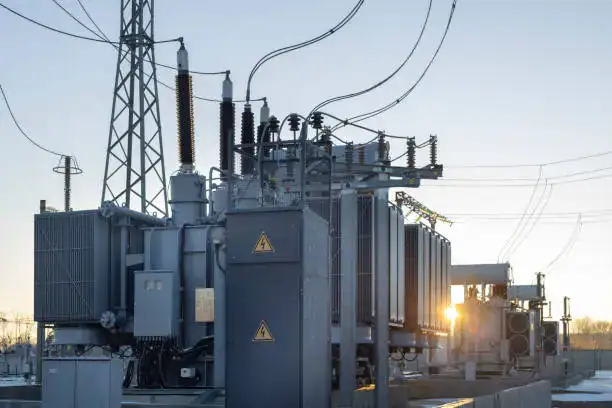
A power transformer is a long-term asset designed to operate reliably for decades when properly designed, installed, and maintained. Understanding the full lifecycle of a transformer—from initial design and manufacturing to operation, maintenance, and eventual retirement—helps utilities and industrial users make informed decisions on investment, asset management, and sustainability. A lifecycle perspective also supports better planning for performance optimization and cost control.
What Are the Key Stages in the Transformer Lifecycle?
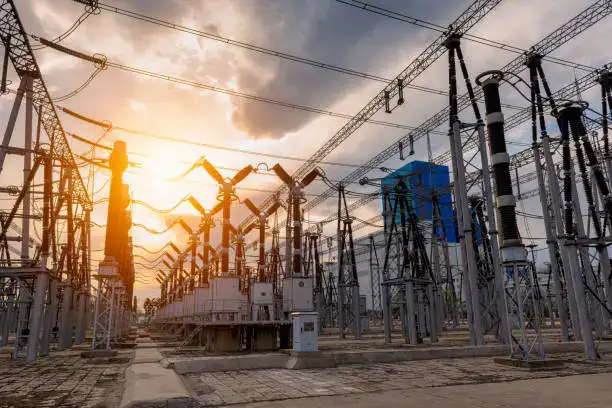
Power transformers are long-term strategic assets that often operate for 30–50 years or more. Their performance, efficiency, reliability, and total cost are not determined at a single moment, but shaped gradually across a full lifecycle that begins long before energization and continues well after decommissioning. Understanding these lifecycle stages is essential for utilities, industrial users, and investors seeking to control losses, manage risk, and maximize asset value.
The transformer lifecycle consists of planning and design, manufacturing, transportation and installation, commissioning, operation and maintenance, life extension or refurbishment, and finally decommissioning and recycling.
Most transformer lifecycle costs and performance outcomes are determined during the early design and specification stage.True
Design decisions influence losses, reliability, maintenance needs, and service life long before the transformer is installed.
Planning and Specification Stage
The lifecycle begins with system-level planning.
Key activities include:
- Load analysis and future growth forecasting
- Selection of voltage levels, capacity, and efficiency class
- Definition of applicable IEC, IEEE, or regional standards
- Environmental, safety, and site condition assessment
Decisions made at this stage largely determine long-term efficiency, losses, and maintenance requirements.
Design and Engineering Stage
Once specifications are defined, detailed engineering begins.
This stage covers:
- Core and winding design optimization
- Selection of materials for conductors, insulation, and core steel
- Thermal, mechanical, and short-circuit strength calculations
- Loss optimization and efficiency balancing
A well-engineered design minimizes losses, improves reliability, and extends service life.
Manufacturing and Factory Testing
Manufacturing transforms design into a physical asset.
Critical steps include:
- Core cutting, stacking, and clamping
- Winding fabrication and insulation application
- Assembly, drying, and oil filling (for oil-immersed units)
- Routine and type testing such as loss measurement, impedance, and dielectric tests
Quality control at this stage directly affects lifetime loss stability and failure risk.
Transportation, Installation, and Site Assembly
Improper handling can compromise performance before operation begins.
This stage involves:
- Specialized transportation and packaging
- Site preparation and foundation alignment
- Final assembly, oil processing, and accessory installation
Careful installation prevents mechanical stress, oil contamination, and insulation damage that could increase losses later.
Commissioning and Energization
Commissioning confirms readiness for long-term service.
Activities include:
- Pre-energization inspections and electrical checks
- Functional testing of cooling and protection systems
- Initial energization under controlled conditions
Correct commissioning ensures the transformer starts its life within optimal operating parameters.
Operation and Routine Maintenance
This is the longest and most critical lifecycle stage.
It includes:
- Continuous operation under varying load conditions
- Regular inspection, testing, and oil analysis
- Monitoring of temperature, load, and insulation health
Good maintenance preserves efficiency, controls loss growth, and prevents premature aging.
Monitoring, Life Extension, and Refurbishment
As the transformer ages, condition-based decisions become essential.
Options include:
- Online monitoring and diagnostics
- Oil regeneration or insulation drying
- Cooling system upgrades or tap changer refurbishment
These actions can significantly extend service life while maintaining acceptable loss performance.
Decommissioning and End-of-Life Management
Eventually, technical or economic limits are reached.
This stage involves:
- Safe de-energization and dismantling
- Oil treatment and material recycling
- Disposal in compliance with environmental regulations
Recycling copper, steel, and oil reduces environmental impact and lifecycle carbon footprint.
How Does Design and Manufacturing Influence Transformer Lifespan?

Power transformers are expected to operate reliably for several decades, often 30 to 50 years or more. While operating conditions and maintenance play important roles, the true lifespan of a transformer is largely determined long before it is energized. Fundamental decisions made during the design and manufacturing stages directly shape how the transformer ages, how well it withstands electrical and thermal stress, and how resistant it is to long-term degradation.
Transformer lifespan is primarily influenced by design quality and manufacturing precision, which determine thermal performance, insulation aging rate, mechanical strength, and long-term loss stability.
Most transformer aging mechanisms are predetermined by design and manufacturing quality rather than by normal operation alone.True
Design margins, material selection, and manufacturing accuracy define how well a transformer tolerates thermal, electrical, and mechanical stress over decades.
Design Determines Thermal Aging Rate
Thermal stress is the dominant aging factor in transformers.
During design, engineers define:
- Rated temperature rise and hot-spot limits
- Cooling method and heat dissipation paths
- Current density in windings
A well-designed transformer operates with lower hot-spot temperatures under the same load, significantly slowing insulation aging and extending service life.
Insulation System Design Sets the Aging Clock
Insulation is the life-limiting component of most transformers.
Design choices affect:
- Insulation class and thermal endurance
- Electric field distribution and stress control
- Resistance to partial discharge and moisture
Proper insulation design ensures uniform stress distribution and prevents localized degradation that shortens lifespan.
Core and Magnetic Design Affect Long-Term Stability
Magnetic design influences both losses and aging.
Optimized core design:
- Reduces localized overheating
- Prevents saturation during voltage fluctuations
- Minimizes vibration and mechanical fatigue
Stable magnetic behavior helps preserve structural integrity and insulation condition over time.
Mechanical Design Ensures Structural Endurance
Transformers are subjected to significant mechanical forces.
Good mechanical design provides:
- Strong winding clamping to withstand short-circuit forces
- Robust core support to prevent movement and loosening
- Vibration control to reduce fatigue
Mechanical stability prevents insulation damage and conductor deformation that can lead to early failure.
Manufacturing Quality Preserves Design Intent
Even the best design fails if manufacturing quality is poor.
High-quality manufacturing ensures:
- Accurate conductor placement and insulation thickness
- Tight core assembly with minimal air gaps
- Proper drying and impregnation of insulation systems
Manufacturing defects often remain hidden for years before causing accelerated aging or failure.
Moisture Control and Drying Processes
Moisture is one of the most destructive aging factors.
Manufacturing processes must:
- Thoroughly dry insulation before oil filling
- Prevent contamination during assembly
- Seal the transformer effectively
Low initial moisture content dramatically extends insulation life.
Testing Validates Long-Term Reliability
Factory testing confirms that design and manufacturing targets are met.
These tests:
- Verify loss levels and thermal performance
- Detect insulation weaknesses early
- Confirm mechanical and dielectric strength
Thorough testing reduces the risk of premature aging and unexpected failure in service.
Design Margins Enable Life Extension
Well-designed transformers include aging margins.
These margins:
- Allow occasional overloads without permanent damage
- Support future load growth
- Enable refurbishment and life-extension programs
Transformers with adequate design margins remain serviceable long after their nominal design life.
What Happens During Transportation, Installation, and Commissioning?

For a power transformer, the journey from factory to reliable long-term operation is a critical phase in its lifecycle. Even a perfectly designed and manufactured transformer can suffer hidden damage or premature aging if transportation, installation, or commissioning are poorly executed. These stages form the bridge between design intent and real-world performance, directly influencing losses, reliability, and service life.
During transportation, installation, and commissioning, the transformer is protected, positioned, assembled, tested, and energized in a controlled manner to ensure that its mechanical integrity, insulation condition, and electrical performance meet design expectations before entering long-term service.
Improper transportation or installation can significantly shorten transformer lifespan even before it enters service.True
Mechanical shocks, moisture ingress, and incorrect assembly can damage insulation and internal structures, accelerating aging and losses.
Transportation from Factory to Site
Transportation is the first major risk point after manufacturing.
Key activities include:
- Specialized packaging to protect against vibration, shock, and moisture
- Shock and tilt monitoring to detect excessive mechanical stress
- Controlled oil level or dry-gas filling depending on transport distance
- Route planning to avoid excessive vibration and handling
During transport, the goal is to preserve internal alignment, insulation dryness, and mechanical clamping achieved at the factory.
Site Preparation and Foundation Readiness
Before installation, the site must be properly prepared.
This includes:
- Constructing a level, load-bearing foundation
- Verifying clearances for cooling, safety, and maintenance
- Preparing oil containment systems and grounding networks
- Ensuring environmental conditions match design assumptions
Proper site preparation prevents structural stress, cooling restrictions, and safety risks.
Installation and Mechanical Assembly
Installation converts a transported unit into a fully assembled transformer.
Typical steps involve:
- Positioning the transformer accurately on its foundation
- Installing radiators, conservators, bushings, and accessories
- Reconnecting cooling systems, protection devices, and sensors
- Ensuring correct torque and alignment of all mechanical joints
Careful assembly avoids oil leaks, misalignment, and vibration-related losses.
Oil Filling, Processing, and Drying
For oil-immersed transformers, oil treatment is a critical stage.
This process includes:
- Vacuum drying of insulation to remove residual moisture
- Vacuum oil filling to prevent air entrapment
- Oil filtration and degassing to achieve required dielectric strength
Proper oil processing ensures effective insulation, cooling efficiency, and low dielectric losses from the start.
Pre-Commissioning Inspections and Tests
Before energization, extensive checks are performed.
These typically cover:
- Insulation resistance and polarization index tests
- Ratio, vector group, and winding resistance measurements
- Functional checks of tap changers and protection systems
- Verification of cooling system operation
These tests confirm that transportation and installation have not compromised the transformer.
Commissioning and Initial Energization
Commissioning marks the transition to live operation.
Key actions include:
- Controlled initial energization, often at no-load
- Monitoring inrush current, noise, and vibration
- Gradual loading while observing temperature and voltage behavior
This stage verifies stable electromagnetic performance under real operating conditions.
Baseline Data Collection for Future Monitoring
Commissioning establishes reference values.
Operators record:
- Initial loss levels and temperatures
- Oil and insulation condition parameters
- Load and voltage behavior
These baselines are essential for long-term condition monitoring and loss management.
Risk Control and Long-Term Impact
Errors at this stage often have delayed consequences.
Proper execution:
- Prevents early insulation aging
- Maintains original loss characteristics
- Reduces failure risk during early years of operation
Conversely, hidden damage during transport or installation may only appear years later as rising losses or insulation breakdown.
How Is a Transformer Operated and Maintained During Service Life?
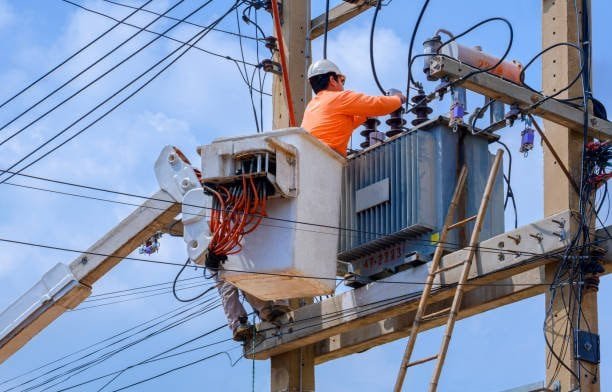
Once a power transformer is commissioned and energized, its longest and most value-critical phase begins: service life operation. This stage can span several decades, during which the transformer must continuously deliver reliable power under changing load, environmental, and system conditions. How the transformer is operated and maintained during this period largely determines whether it reaches its expected lifespan efficiently or suffers from rising losses, frequent faults, and premature failure.
A transformer is operated and maintained during its service life through controlled loading, continuous condition monitoring, regular inspection, preventive maintenance, and timely corrective actions to preserve efficiency, reliability, and insulation health.
Proper operation and maintenance can extend transformer service life well beyond its nominal design expectancy.True
By controlling thermal stress, moisture, and mechanical degradation, maintenance slows insulation aging and loss escalation.
Load Control and Operating Discipline
Daily operation directly affects transformer aging and losses.
Good operating practice includes:
- Keeping average load within the designed operating range
- Avoiding sustained overloading and frequent peak excursions
- Balancing loads across parallel transformers
- Managing harmonics and unbalanced currents
Controlled loading minimizes copper losses, limits temperature rise, and prevents accelerated insulation aging.
Temperature and Thermal Management
Temperature is the dominant aging factor in transformers.
During operation:
- Winding and oil temperatures are continuously monitored
- Cooling systems are adjusted according to load
- Hot-spot temperatures are kept within design limits
Effective thermal management stabilizes electrical resistance and slows long-term degradation.
Routine Visual and Mechanical Inspections
Regular inspections detect early signs of deterioration.
These inspections typically check:
- Oil leaks, corrosion, and abnormal noise or vibration
- Condition of bushings, gaskets, and seals
- Tightness of electrical and mechanical connections
- Cleanliness of cooling surfaces
Early detection prevents small defects from turning into major failures.
Electrical Testing and Performance Monitoring
Electrical condition must be tracked throughout service life.
Key monitoring and testing activities include:
- Load, voltage, and current trend analysis
- Winding resistance and insulation resistance testing
- Partial discharge monitoring where applicable
- Loss and efficiency trend evaluation
These data reveal gradual changes that indicate developing problems or rising losses.
Oil and Insulation Condition Management
For oil-immersed transformers, oil health is central to maintenance.
Ongoing oil management involves:
- Dissolved gas analysis to detect overheating or faults
- Moisture and acidity monitoring
- Oil filtration or regeneration when required
Maintaining oil quality preserves insulation strength and cooling efficiency.
Cooling System Maintenance
Cooling components must operate reliably to control losses.
Maintenance actions include:
- Cleaning radiators and air passages
- Inspecting fans, pumps, and control circuits
- Verifying correct automatic operation
Efficient cooling prevents thermal runaway and loss escalation.
Condition-Based and Predictive Maintenance
Modern transformers increasingly rely on data-driven maintenance.
Advanced approaches include:
- Online monitoring of temperature, load, and insulation parameters
- Trend analysis and predictive diagnostics
- Maintenance scheduling based on condition rather than fixed intervals
This reduces unnecessary interventions while preventing unexpected failures.
Managing Aging and Life Extension
As transformers age, maintenance strategy evolves.
Life-extension measures may include:
- Oil regeneration and insulation drying
- Tap changer refurbishment
- Cooling system upgrades
These actions can restore performance and delay replacement while controlling losses.
Documentation and Asset Management
Accurate records support long-term reliability.
Operators maintain:
- Operating history and load profiles
- Test results and maintenance logs
- Event and fault records
This information supports informed decisions about refurbishment, derating, or replacement.
What Factors Lead to Aging, Upgrades, or Life Extension?
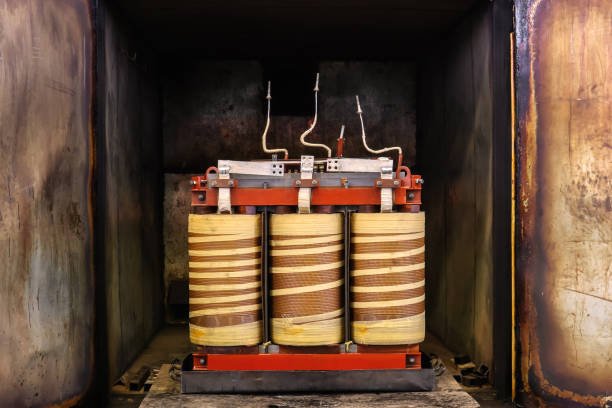
Power transformers are designed for long service lives, often several decades, but they do not age at a uniform or predictable rate. Some units reach the end of their economic or technical life early, while others continue operating reliably far beyond their original design expectancy. The difference lies in a combination of operating conditions, environmental stress, design margins, and maintenance strategy. These same factors also determine whether a transformer should be upgraded, refurbished, or replaced.
Transformer aging, upgrade decisions, and life extension are driven by thermal stress, insulation condition, loading history, environmental exposure, technological obsolescence, and economic considerations.
Transformer insulation aging is the primary factor that limits service life.True
Thermal and electrical stress gradually degrade insulation, and once insulation reaches its end-of-life condition, reliable operation can no longer be ensured.
Thermal Stress and Loading History
Temperature is the dominant aging driver.
Key influences include:
- Sustained or frequent overloading
- High hot-spot temperatures
- Poor cooling performance
Elevated temperature accelerates insulation chemical degradation, increasing losses and reducing dielectric strength. Well-managed loading slows aging and supports life extension.
Insulation Condition and Moisture Content
Insulation health determines remaining life.
Aging is accelerated by:
- Moisture ingress
- Oil oxidation and acid formation
- Partial discharge activity
When insulation degradation becomes significant, upgrades or refurbishment may be required to restore acceptable performance.
Electrical and Mechanical Stress
Transformers experience repeated stress during operation.
Important factors include:
- Short-circuit events and fault currents
- Voltage surges and switching transients
- Vibration and mechanical loosening
Cumulative stress weakens winding support and insulation, influencing decisions on reinforcement or replacement.
Environmental and Site Conditions
External conditions strongly affect aging rate.
Harsh environments may include:
- High ambient temperatures
- Pollution, dust, or corrosive atmospheres
- High humidity or flooding risk
Transformers in such conditions often age faster unless upgraded with enhanced protection or cooling.
Design Margins and Original Build Quality
Not all transformers age the same way.
Transformers with:
- Conservative thermal design margins
- High-quality materials
- Robust mechanical construction
Are better candidates for life extension and upgrades compared to lightly designed or cost-optimized units.
Technological Obsolescence
Even healthy transformers may become obsolete.
Drivers include:
- New efficiency standards and loss regulations
- Higher system reliability and monitoring expectations
- Environmental requirements for oil and materials
Upgrades may be needed to meet modern regulatory or operational requirements.
Monitoring Results and Diagnostic Trends
Condition assessment data guides decisions.
Key indicators include:
- Rising operating temperatures and losses
- Deteriorating oil or insulation test results
- Increasing fault frequency or maintenance demand
Stable trends support life extension, while negative trends signal the need for refurbishment or replacement.
Economic and Strategic Considerations
Technical condition alone does not decide outcomes.
Operators evaluate:
- Cost of refurbishment versus replacement
- Remaining service life versus investment recovery
- Impact on system reliability and downtime
Life extension is justified when technical condition and economics align.
Common Upgrade and Life Extension Actions
When conditions allow, operators may implement:
- Oil regeneration and insulation drying
- Cooling system enhancement
- Tap changer refurbishment
- Monitoring system installation
These measures slow aging and improve performance without full replacement.
When and How Is a Transformer Decommissioned or Replaced?
Power transformers are designed as long-life assets, but no transformer can operate indefinitely. Over time, aging, rising losses, changing system requirements, and economic pressures eventually make continued operation impractical or unsafe. Knowing when a transformer should be decommissioned and how the replacement process is managed is essential for maintaining grid reliability, controlling costs, and minimizing environmental and operational risk.
A transformer is decommissioned or replaced when technical condition, safety risk, efficiency performance, or economic factors indicate that continued operation is no longer viable, and the process involves planned shutdown, safe dismantling, material recovery, and commissioning of a new unit.
Transformer replacement decisions are based on both technical condition and economic lifecycle analysis.True
Even technically operable transformers may be replaced when losses, maintenance cost, or efficiency penalties exceed replacement benefits.
When a Transformer Should Be Decommissioned or Replaced
The decision is rarely triggered by a single factor, but by a combination of indicators.
Common triggers include:
- Severe insulation aging with low remaining life
- Repeated faults, overheating, or gas generation
- Rising losses that exceed modern efficiency standards
- Inability to support increased load or voltage requirements
- Obsolete design that no longer meets safety or environmental regulations
In many cases, a transformer is replaced before catastrophic failure to avoid unplanned outages.
End-of-Life Indicators from Condition Monitoring
Modern diagnostics play a key role in timing decisions.
Critical warning signs include:
- Rapid deterioration in dissolved gas analysis results
- High moisture content in insulation
- Persistent hot-spot temperature excursions
- Increasing partial discharge activity
- Escalating maintenance frequency
When trends show accelerating degradation, replacement planning begins.
Economic Threshold for Replacement
Even a functioning transformer may be uneconomical to keep.
Economic drivers include:
- High energy losses compared to modern low-loss designs
- Rising maintenance and repair costs
- Risk-adjusted cost of unexpected failure
- Penalties for non-compliance with efficiency or environmental standards
Lifecycle cost analysis often reveals that replacement is cheaper than continued operation.
Planning the Decommissioning Process
Decommissioning is a controlled and regulated activity.
Key planning steps involve:
- Scheduling outage windows to minimize system impact
- Preparing environmental and safety procedures
- Coordinating replacement transformer delivery and installation
- Securing permits and regulatory approvals
Proper planning prevents downtime escalation and environmental incidents.
Safe De-Energization and Dismantling
Physical decommissioning follows strict procedures.
Typical actions include:
- Controlled shutdown and isolation from the grid
- Draining and treating insulating oil
- Disconnecting electrical and auxiliary systems
- Mechanical dismantling of the transformer unit
Safety and environmental protection are top priorities during this stage.
Oil Handling, Recycling, and Disposal
Oil management is a critical component.
Depending on condition:
- Oil may be filtered and reused
- Regenerated for other applications
- Disposed of according to environmental regulations
Special handling is required for contaminated or PCB-containing oils.
Material Recovery and Environmental Compliance
Transformers contain valuable recyclable materials.
Recovery typically includes:
- Copper or aluminum windings
- Core steel and structural metals
- Insulation materials
Recycling reduces environmental impact and offsets replacement cost.
Replacement and Commissioning of the New Transformer
Replacement is usually coordinated closely with decommissioning.
This stage includes:
- Installation of the new transformer
- Oil processing and system integration
- Testing and commissioning
- Transfer of load and operational data
Modern replacements often deliver lower losses, better monitoring, and higher reliability.
Strategic Benefits of Timely Replacement
Planned replacement offers long-term advantages.
These include:
- Improved efficiency and reduced carbon footprint
- Lower maintenance burden
- Enhanced safety and environmental protection
- Compatibility with modern grid automation
Replacing at the right time avoids emergency failures and uncontrolled outages.
Conclusion
The lifecycle of a transformer spans several decades and includes design, manufacturing, installation, operation, maintenance, and eventual retirement or replacement. Each stage plays a critical role in determining overall reliability, efficiency, and total cost of ownership. By managing the transformer lifecycle proactively—through proper design choices, regular maintenance, condition monitoring, and timely upgrades—operators can maximize performance, extend service life, and ensure safe and sustainable power system operation.
FAQ
Q1: What does the lifecycle of a transformer include?
The lifecycle of a transformer refers to the full sequence of stages a transformer passes through from concept to retirement. It typically includes design and specification, manufacturing, testing, transportation, installation, commissioning, operation, maintenance, refurbishment, and end-of-life disposal or recycling.
Understanding the lifecycle helps utilities and industrial users optimize performance, reduce total cost of ownership, manage risks, and plan replacements effectively. A well-managed transformer lifecycle can extend service life beyond 40 years while maintaining safety and efficiency.
Q2: What happens during the design and specification stage?
The lifecycle begins with design and specification, where operational requirements are defined. Key considerations include:
Rated power (kVA/MVA) and voltage levels
Load profile and efficiency requirements
Cooling method (ONAN, ONAF, dry type, etc.)
Environmental and seismic conditions
Applicable standards (IEC, IEEE, ANSI)
Accurate specification at this stage is critical, as design decisions strongly influence efficiency, reliability, maintenance needs, and lifespan throughout the transformer’s life.
Q3: How is a transformer manufactured and tested?
During manufacturing, the core, windings, insulation system, tank, and cooling components are assembled under controlled conditions. After assembly, transformers undergo routine, type, and special tests, such as:
Winding resistance and ratio tests
No-load and load loss tests
Insulation resistance and dielectric tests
Temperature rise tests
These tests verify compliance with standards and confirm the transformer can operate safely under rated conditions.
Q4: What occurs during installation and commissioning?
After transportation to site, the transformer is installed, assembled, and commissioned. This stage includes:
Visual and mechanical inspection
Oil filling and vacuum treatment (for oil-filled units)
Electrical tests and protection checks
Initial energization and load introduction
Proper commissioning ensures that the transformer starts its service life without hidden defects that could accelerate aging or failure.
Q5: How long is the operational service life of a transformer?
The operational phase is the longest stage of the lifecycle, typically lasting 25–50 years or more. During this period, the transformer continuously converts electrical energy while being subjected to thermal, electrical, and mechanical stresses.
Service life depends heavily on:
Loading patterns
Operating temperature
Insulation condition
Maintenance quality
Transformers operating within design limits and well maintained often exceed their nominal lifespan.
Q6: What role does maintenance play in extending transformer life?
Maintenance is essential for controlling aging and losses over time. Effective maintenance includes:
Routine inspections and testing
Oil analysis and filtration
Cooling system servicing
Monitoring of temperature and partial discharge
Condition-based and predictive maintenance strategies help detect problems early, reducing failures and extending transformer life while minimizing downtime.
Q7: When is refurbishment or life extension considered?
As transformers age, refurbishment may be more cost-effective than replacement. Common life-extension actions include:
Oil regeneration or replacement
Bushing replacement
Cooling system upgrades
OLTC overhaul
These measures can add 10–20 years of additional service life when the core and windings remain in good condition.
Q8: What marks the end-of-life stage for a transformer?
End-of-life occurs when the transformer is no longer reliable, economical, or compliant with modern standards. This may result from severe insulation degradation, repeated failures, or capacity limitations.
At this stage, transformers are:
Decommissioned safely
Drained of oil and hazardous materials
Dismantled and recycled
Most transformer materials, including steel, copper, and oil, are highly recyclable, reducing environmental impact.
Q9: Why is lifecycle management important for transformers?
Lifecycle management helps organizations:
Reduce unplanned outages
Optimize maintenance spending
Improve asset reliability
Plan timely replacements
Lower environmental impact
A lifecycle-based approach ensures transformers deliver maximum value throughout their service life.
References
IEC 60076 – Power Transformers
https://webstore.iec.ch/publication/602
IEEE C57 Series – Transformer Lifecycle and Maintenance Standards
https://standards.ieee.org
CIGRE – Transformer Life Management Guides
https://www.cigre.org
EPRI – Transformer Aging and Life Assessment
https://www.epri.com
Electrical Engineering Portal – Transformer Service Life
https://electrical-engineering-portal.com
U.S. Department of Energy – Grid Asset Management
https://www.energy.gov