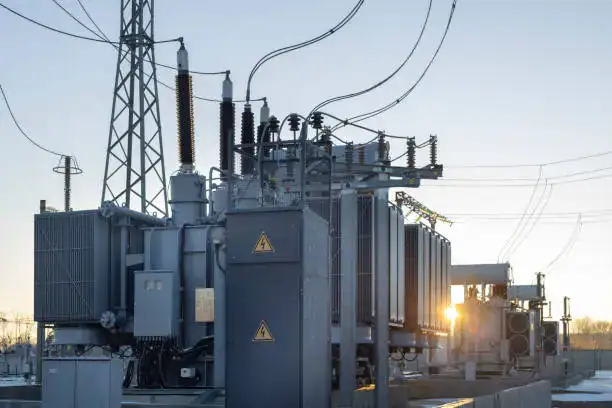
Load balancing is a critical factor in maintaining the efficiency, reliability, and stability of transformer systems. When electrical loads are unevenly distributed across transformer phases or connected transformers, the result can be increased losses, overheating, voltage fluctuations, reduced equipment lifespan, and unnecessary stress on the power system. For utilities, industrial facilities, and commercial applications, achieving proper load balance is essential for maximizing transformer performance and preventing premature failures. Understanding how load balancing is achieved helps engineers design more reliable electrical networks and operate transformers more efficiently.
Load balancing in transformers is achieved by evenly distributing electrical loads across phases, properly sizing transformers, balancing single-phase and three-phase loads, using parallel transformer configurations when required, monitoring load conditions, and adjusting power distribution based on demand. Effective load balancing reduces current imbalance, minimizes losses, prevents overheating, improves voltage stability, and extends transformer service life.
A well-balanced transformer system requires careful planning during design as well as continuous monitoring during operation. By applying proper load management strategies, operators can improve energy efficiency, enhance system reliability, and ensure transformers operate within their designed limits.
How Is Load Balancing Achieved in Transformers?
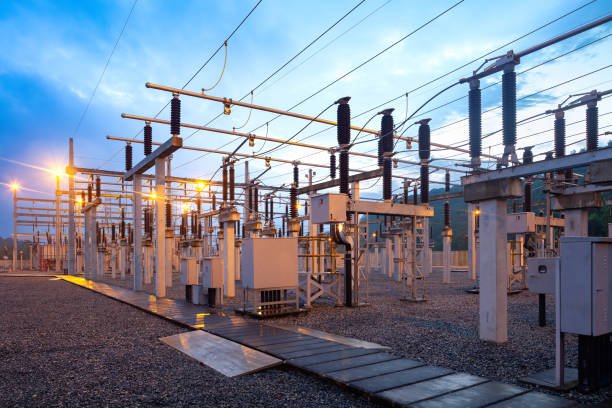
Load balancing is one of the most important practices for maintaining the efficiency, reliability, and service life of transformer systems. When electrical loads are unevenly distributed across transformer phases or between multiple transformers, the system can experience excessive current flow, increased losses, overheating, voltage imbalance, and accelerated insulation aging. These problems can reduce transformer performance and create unnecessary operating costs. By applying proper load assessment, phase balancing techniques, intelligent monitoring, and system design strategies, operators can ensure transformers operate closer to their optimal conditions while improving long-term reliability.
Load balancing in transformers is achieved by distributing electrical loads evenly across transformer phases or parallel transformer units to maintain balanced current flow, reduce losses, prevent overheating, and improve voltage stability. This is accomplished through proper system design, phase load measurement, load redistribution, transformer sizing, automatic monitoring systems, and regular maintenance inspections. Effective load balancing extends transformer lifespan and improves overall power system efficiency.
A transformer with an unbalanced load will always fail immediately.False
Load imbalance usually causes gradual problems such as increased losses, overheating, voltage imbalance, and accelerated aging. Failure may occur over time if the condition is not corrected.
Why is load balancing important for transformer operation?
Transformers are designed to operate efficiently when electrical loads are distributed properly.
A balanced transformer system provides:
- Lower winding temperatures
- Reduced electrical losses
- Improved voltage regulation
- Better energy efficiency
- Longer insulation life
- Higher system reliability
An unbalanced system forces certain transformer components to operate under greater stress than others.
| Load Condition | Transformer Impact |
|---|---|
| Balanced load | Efficient operation |
| Moderate imbalance | Increased losses and heating |
| Severe imbalance | Reduced reliability and accelerated aging |
What causes transformer load imbalance?
Load imbalance occurs when electrical demand is not evenly distributed.
Common causes include:
- Unequal single-phase loads
- Rapidly changing industrial loads
- Poor circuit distribution
- Incorrect phase connections
- Uneven renewable energy generation
- Different operating schedules among equipment
For three-phase transformer systems, imbalance often occurs when one phase carries significantly more current than the others.
How is phase load balancing performed?
The most common method is redistributing single-phase and three-phase loads among transformer phases.
The process includes:
- Measuring phase currents
- Identifying overloaded phases
- Moving circuits between phases
- Rechecking current distribution
- Monitoring long-term performance
Electrical engineers typically use power quality analyzers or smart monitoring devices to evaluate phase loading.
| Phase Condition | Recommended Action |
|---|---|
| One phase overloaded | Transfer loads to lighter phases |
| All phases heavily loaded | Increase transformer capacity |
| Rapid fluctuation | Install monitoring systems |
| Persistent imbalance | Redesign distribution layout |
How do engineers measure transformer load balance?
Accurate measurement is essential before making adjustments.
Common measurements include:
- Phase current
- Phase voltage
- Power factor
- Real power
- Reactive power
- Harmonic distortion
The load imbalance percentage is commonly evaluated by comparing the maximum deviation from the average phase current.
Monitoring should be performed during:
- Peak demand periods
- Normal operating conditions
- Seasonal load changes
How does transformer sizing affect load balancing?
Selecting the correct transformer capacity is fundamental to maintaining balanced operation.
An undersized transformer may experience:
- Excessive loading
- Higher temperature rise
- Increased losses
- Reduced lifespan
An oversized transformer may result in:
- Higher investment cost
- Increased no-load losses
- Lower efficiency during light loads
Proper transformer sizing ensures the equipment operates within its most efficient range.
Why does phase sequence matter?
Correct phase sequence ensures that three-phase systems operate properly.
Incorrect phase connections can cause:
- Motor rotation problems
- Uneven current distribution
- Equipment malfunction
- Increased transformer stress
During installation and maintenance, technicians verify phase sequence using appropriate testing equipment.
How do multiple transformers achieve load sharing?
In systems using multiple transformers operating in parallel, load balancing requires careful matching.
Important requirements include:
- Same voltage ratio
- Similar impedance values
- Compatible vector groups
- Matching frequency ratings
- Similar transformer designs
When these conditions are satisfied, transformers can share loads more evenly.
| Parallel Operation Requirement | Purpose |
|---|---|
| Matching voltage ratio | Prevent circulating currents |
| Similar impedance | Achieve proper load sharing |
| Compatible vector group | Maintain phase relationship |
| Same frequency | Ensure synchronized operation |
How does automatic load balancing improve performance?
Modern electrical systems increasingly use intelligent control technologies.
Automatic systems can:
- Monitor real-time loading
- Detect imbalance conditions
- Adjust power distribution
- Optimize transformer operation
These systems are especially useful in:
- Data centers
- Smart grids
- Renewable energy plants
- Large industrial facilities
What role does smart monitoring play?
Condition monitoring systems provide continuous visibility into transformer operation.
Important monitored parameters include:
- Phase currents
- Transformer temperature
- Voltage imbalance
- Power quality
- Harmonic levels
Early detection allows operators to correct imbalance before it damages equipment.
| Monitoring Parameter | Purpose |
|---|---|
| Current measurement | Identify uneven loading |
| Temperature monitoring | Detect overheating |
| Voltage monitoring | Maintain stability |
| Harmonic analysis | Identify power quality issues |
How does load imbalance affect transformer efficiency?
Uneven loading increases transformer losses.
Effects include:
- Higher copper losses
- Increased heat generation
- Reduced efficiency
- Greater energy consumption
Balanced operation reduces unnecessary energy waste and improves the transformer's economic performance.
How does load balancing extend transformer lifespan?
Transformer lifespan is strongly influenced by temperature and insulation aging.
Balanced loading helps:
- Reduce hot spots
- Maintain uniform temperature
- Slow insulation deterioration
- Reduce mechanical stress
Because insulation aging accelerates at higher temperatures, maintaining balanced loads directly contributes to longer transformer life.
How are industrial transformer loads balanced?
Industrial facilities often have complex and rapidly changing electrical demand.
Typical strategies include:
- Grouping similar loads together
- Installing power monitoring systems
- Adjusting production schedules
- Using automatic control systems
- Installing dedicated transformers for heavy equipment
Industries with large motors, welding equipment, furnaces, and variable-speed drives require particularly careful load management.
How are renewable energy transformer loads balanced?
Renewable energy projects create unique load balancing challenges because power generation can fluctuate.
Examples include:
- Solar generation changes with sunlight
- Wind generation varies with weather conditions
- Battery systems create bidirectional power flow
Solutions include:
- Advanced energy management systems
- Smart transformer controls
- Grid balancing technologies
- Energy storage integration
What maintenance practices support load balancing?
Regular maintenance helps identify developing imbalance issues.
Recommended practices include:
- Measuring phase currents
- Inspecting connections
- Checking transformer temperatures
- Reviewing load records
- Testing protection systems
Loose connections and aging components can create unexpected current imbalance.
| Maintenance Practice | Benefit |
|---|---|
| Current measurement | Identify imbalance |
| Connection inspection | Prevent resistance heating |
| Temperature checks | Detect overload conditions |
| Load analysis | Improve system planning |
What are the consequences of poor load balancing?
Long-term load imbalance can lead to:
- Excessive heating
- Increased losses
- Reduced efficiency
- Insulation aging
- Voltage problems
- Premature transformer failure
The impact is especially significant in high-capacity transformers where small inefficiencies can create substantial energy losses.
How can buyers select transformers that support effective load balancing?
When purchasing transformers, buyers should evaluate:
| Selection Factor | Importance |
|---|---|
| Correct capacity rating | Prevent overload |
| High efficiency design | Reduce losses |
| Advanced monitoring options | Improve visibility |
| Strong thermal design | Handle load variations |
| Quality manufacturing | Improve reliability |
| Parallel operation capability | Support expansion |
Which international standards guide transformer performance and reliability?
Transformer design, testing, and operation are commonly based on international standards developed by:
- International Electrotechnical Commission
- Institute of Electrical and Electronics Engineers
These standards address:
- Transformer performance
- Temperature rise limits
- Loading conditions
- Electrical testing
- Reliability requirements
Following recognized standards helps ensure transformers operate safely under expected load conditions.
Why Is Proper Load Balancing Important for Transformer Performance?

Proper load balancing is a critical factor in maintaining transformer efficiency, reliability, and long-term operating performance. Power transformers are designed to distribute electrical energy under specific load conditions, but uneven loading between phases or transformer units can create excessive thermal stress, higher electrical losses, voltage instability, and premature component aging. For utilities, industrial facilities, renewable energy projects, commercial buildings, and critical infrastructure, maintaining balanced transformer loading is essential for reducing operating costs and preventing unexpected equipment failures.
Proper load balancing is important for transformer performance because it reduces overheating, minimizes energy losses, improves voltage stability, prevents insulation aging, increases efficiency, and extends transformer service life. By evenly distributing electrical loads across transformer phases or parallel transformer units, operators can maximize capacity utilization, reduce maintenance requirements, and ensure more reliable power delivery.
Transformer efficiency and service life are unaffected by load imbalance as long as the total transformer capacity is not exceeded.False
Even when total capacity is within limits, load imbalance can create phase-specific overheating, increased losses, voltage imbalance, and accelerated insulation aging that reduce transformer reliability.
What is transformer load balancing?
Transformer load balancing refers to the process of distributing electrical demand evenly across the available phases or transformer units.
In a three-phase power system, balanced operation means:
- Phase currents are approximately equal.
- Phase voltages remain stable.
- Transformer windings experience similar thermal conditions.
- Electrical losses are minimized.
An unbalanced system occurs when one or more phases carry significantly different loads.
| Operating Condition | Result |
|---|---|
| Balanced loading | Maximum efficiency and reliability |
| Slight imbalance | Increased losses and temperature variation |
| Severe imbalance | Reduced capacity and accelerated aging |
Why does load balance affect transformer efficiency?
Transformer efficiency depends on minimizing energy losses during operation.
The primary losses include:
- Core losses
- Copper losses
- Stray load losses
When loads are unevenly distributed, certain windings carry higher currents, increasing copper losses and heat generation.
Improving load balance helps:
- Reduce unnecessary power consumption
- Improve energy efficiency
- Lower operating costs
- Increase available transformer capacity
How does load imbalance increase transformer temperature?
Temperature is one of the most important factors affecting transformer lifespan.
When one phase is overloaded:
- Current increases in that winding.
- Copper losses rise.
- Localized hot spots develop.
- Insulation aging accelerates.
Even if the average transformer load appears acceptable, individual overloaded phases can experience excessive thermal stress.
| Temperature Impact | Long-Term Effect |
|---|---|
| Normal temperature | Expected service life |
| Moderate overheating | Faster insulation aging |
| Severe hot spots | Increased failure risk |
Why is insulation protection related to load balancing?
The insulation system is usually the life-limiting component of a power transformer.
Excessive heating caused by imbalance accelerates:
- Cellulose paper degradation
- Oil oxidation
- Dielectric strength reduction
- Mechanical weakening
Maintaining balanced loads reduces thermal stress and helps preserve insulation integrity.
How does load balancing improve voltage stability?
Uneven loading can cause voltage differences between phases.
Voltage imbalance may affect:
- Motors
- Industrial equipment
- Electronic systems
- Renewable energy equipment
Proper load distribution helps maintain stable voltage levels and improves the performance of connected equipment.
What problems can occur when transformer loads are unbalanced?
Long-term load imbalance can create several operational issues.
Common problems include:
- Increased winding temperature
- Higher energy losses
- Reduced transformer efficiency
- Lower usable capacity
- Increased maintenance frequency
- Shorter equipment lifespan
| Problem | Cause | Result |
|---|---|---|
| Overheating | Excessive phase current | Insulation aging |
| Increased losses | Unequal current distribution | Higher operating cost |
| Voltage imbalance | Uneven phase loading | Equipment stress |
| Reduced capacity | Thermal limitations | Lower reliability |
How does load balancing extend transformer lifespan?
Transformer lifespan is closely linked to operating temperature and insulation condition.
Balanced loading helps by:
- Reducing thermal hotspots
- Maintaining uniform winding temperatures
- Limiting insulation deterioration
- Reducing mechanical stress
A transformer operating under balanced conditions can often achieve or exceed its expected service life of 30 to 50 years.
Why is load balancing especially important for industrial applications?
Industrial facilities often have complex electrical loads, including:
- Large motors
- Welding equipment
- Furnaces
- Variable frequency drives
- Production machinery
These loads can change rapidly and create significant phase imbalance.
Industrial operators use:
- Load monitoring systems
- Power quality analyzers
- Automated controls
- Distribution optimization
to maintain stable transformer operation.
Why does load balancing matter in renewable energy systems?
Renewable energy projects create unique challenges because generation levels fluctuate.
Examples include:
- Solar power variation throughout the day
- Wind power changes due to weather
- Battery energy storage charging and discharging
Balanced transformer loading helps renewable systems:
- Improve grid stability
- Reduce thermal stress
- Increase energy conversion efficiency
- Support reliable power delivery
How is proper transformer load balancing achieved?
Effective load balancing requires a combination of engineering design and operational management.
Common methods include:
Load measurement
- Monitor phase currents and voltages.
- Identify overloaded phases.
Load redistribution
- Move single-phase circuits between phases.
- Balance connected equipment.
Transformer selection
- Choose correct capacity and configuration.
Parallel transformer management
- Ensure proper impedance matching.
Continuous monitoring
- Detect imbalance conditions early.
| Method | Purpose |
|---|---|
| Phase current measurement | Identify imbalance |
| Circuit redistribution | Equalize phase loading |
| Smart monitoring | Provide real-time information |
| Proper sizing | Prevent overload |
What role does transformer design play in load balancing?
A transformer designed for reliable operation includes features that support stable performance.
Important design considerations include:
- Correct winding configuration
- Appropriate impedance selection
- Strong thermal design
- Advanced cooling systems
- Accurate load rating
A well-designed transformer performs more reliably under changing load conditions.
How do monitoring systems help maintain balanced operation?
Modern transformer monitoring systems provide continuous operational data.
They can track:
- Phase current
- Load percentage
- Temperature rise
- Voltage variation
- Power quality
This allows operators to identify imbalance before it causes serious damage.
| Monitoring Parameter | Benefit |
|---|---|
| Phase current | Detect uneven loading |
| Temperature | Identify thermal stress |
| Voltage quality | Maintain stable output |
| Load history | Support future planning |
How often should transformer load balance be checked?
Inspection frequency depends on:
- Transformer importance
- Load variability
- Operating environment
- Equipment age
Critical transformers in utilities, factories, and data centers often require continuous monitoring, while smaller installations may use periodic inspections.
What should buyers consider when selecting transformers?
To maximize performance, buyers should evaluate:
| Selection Factor | Importance |
|---|---|
| Rated capacity | Prevent excessive loading |
| Efficiency level | Reduce energy losses |
| Cooling capability | Control temperature |
| Monitoring options | Improve maintenance decisions |
| Voltage compatibility | Ensure stable operation |
| Manufacturer quality | Improve reliability |
Which standards support transformer reliability?
Transformer performance and reliability are commonly designed according to international standards from:
- International Electrotechnical Commission
- Institute of Electrical and Electronics Engineers
These standards address:
- Transformer loading
- Temperature limits
- Electrical performance
- Testing requirements
- Reliability evaluation
Compliance ensures transformers are designed to operate safely under expected electrical conditions.
How Are Phase Loads Balanced in Three-Phase Transformers?
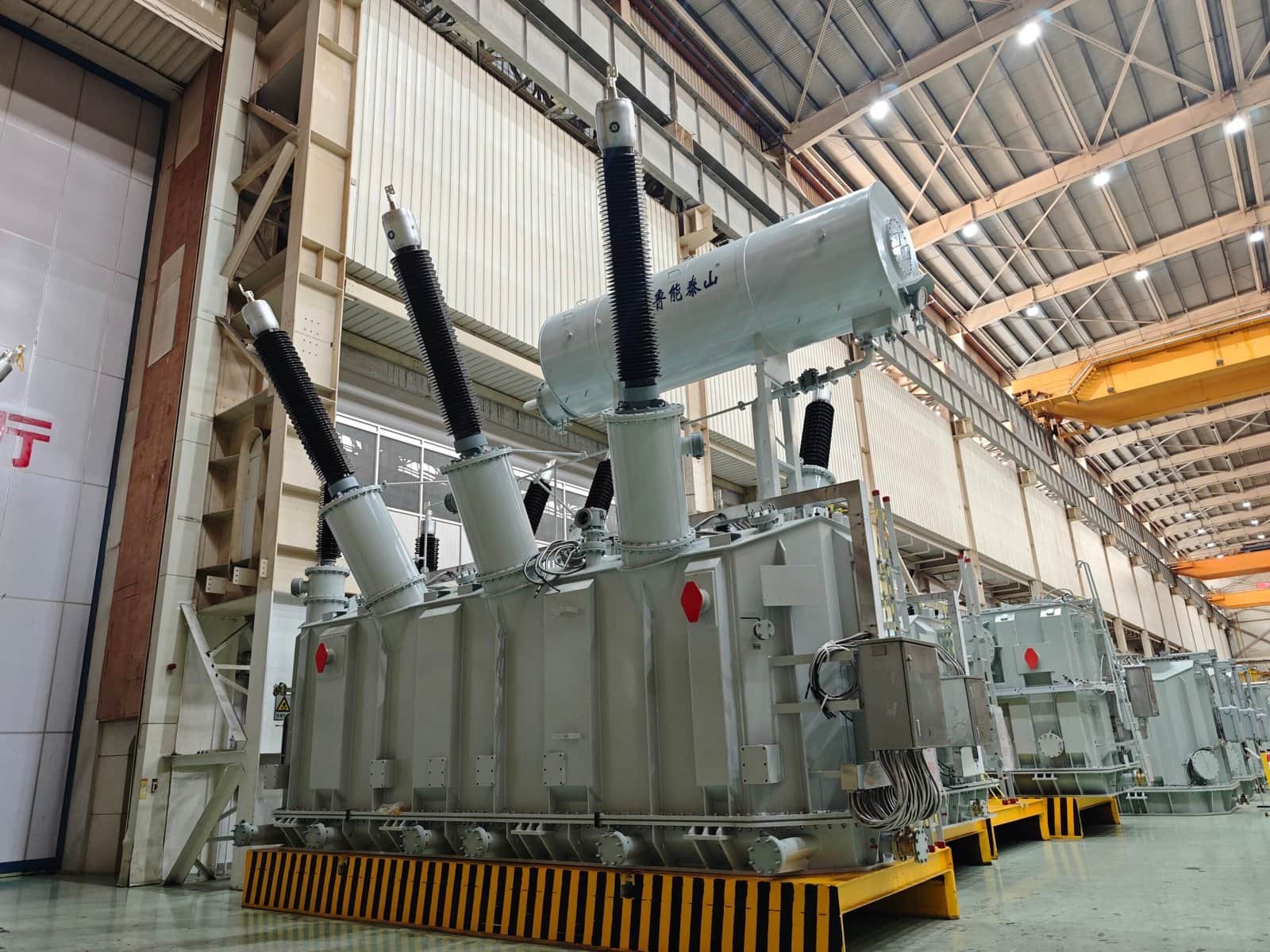
Three-phase transformers are the foundation of modern power distribution systems because they efficiently transmit and distribute electrical energy for industrial facilities, utility networks, renewable energy projects, commercial buildings, and infrastructure applications. However, even a properly designed transformer can experience reduced efficiency and reliability when electrical loads are unevenly distributed among the three phases. Phase imbalance increases current stress, creates uneven temperature rise, increases losses, reduces available capacity, and accelerates insulation aging. Understanding how phase loads are balanced allows operators and engineers to maintain stable transformer performance, improve energy efficiency, and extend equipment service life.
Phase loads in three-phase transformers are balanced by measuring phase currents and voltages, identifying uneven loading conditions, redistributing single-phase and three-phase loads across phases, selecting appropriate transformer configurations, and using monitoring systems to maintain balanced operation. Proper phase balancing reduces overheating, minimizes losses, improves voltage stability, increases transformer efficiency, and extends the lifespan of transformer insulation and components.
Three-phase transformer loads naturally remain balanced regardless of how electrical equipment is connected.False
Three-phase systems can become unbalanced when single-phase loads, uneven industrial equipment, or changing demand patterns place different amounts of current on each phase. Active monitoring and load redistribution are required to maintain balance.
What is phase load balancing in a three-phase transformer?
Phase load balancing is the process of distributing electrical demand evenly across the three phases of a transformer system.
In an ideal balanced three-phase system:
- Phase currents are equal.
- Phase voltages are equal.
- Power factor conditions are similar.
- Transformer windings experience uniform heating.
When one phase carries more current than the others, the transformer operates under unbalanced conditions.
| Phase Condition | Transformer Performance |
|---|---|
| Balanced phases | Maximum efficiency and reliability |
| Slight imbalance | Increased losses and temperature differences |
| Severe imbalance | Reduced capacity and accelerated aging |
Why does phase imbalance occur in three-phase transformers?
Phase imbalance can develop due to many operating conditions.
Common causes include:
- Uneven distribution of single-phase loads
- Large motors starting frequently
- Welding equipment operation
- Variable frequency drives
- Seasonal load changes
- Incorrect circuit allocation
- Expansion of electrical systems without redesign
In industrial and commercial facilities, new equipment additions often create imbalance if engineers do not reassess phase loading.
How do engineers measure phase imbalance?
The first step in balancing transformer phases is accurate measurement.
Engineers typically evaluate:
- Phase current
- Phase voltage
- Load percentage
- Power factor
- Harmonic distortion
Measurements should be taken during:
- Normal operating periods
- Peak demand periods
- Different production cycles
A power quality analyzer or transformer monitoring system can provide detailed information about phase performance.
| Measurement | Purpose |
|---|---|
| Phase current | Identify overloaded phases |
| Phase voltage | Detect voltage imbalance |
| Power factor | Evaluate efficiency |
| Harmonic analysis | Identify nonlinear loads |
How are loads redistributed between phases?
The most common balancing method is moving electrical circuits from heavily loaded phases to lightly loaded phases.
The process includes:
- Measuring existing phase loading.
- Identifying overloaded or underloaded phases.
- Reviewing connected circuits.
- Moving appropriate loads.
- Repeating measurements after adjustment.
For example, if Phase A carries significantly higher current than Phases B and C, some single-phase circuits connected to Phase A may be transferred to the lower-loaded phases.
What types of loads require special balancing attention?
Different electrical loads affect transformer phases differently.
Important examples include:
Residential and commercial loads
These often contain many single-phase devices:
- Lighting systems
- Office equipment
- HVAC systems
- Computers
Poor distribution of these loads can easily create phase imbalance.
Industrial loads
Industrial facilities often contain:
- Motors
- Pumps
- Compressors
- Heating systems
- Welding equipment
Large equipment can create significant current variations during operation.
Renewable energy loads
Renewable systems may introduce changing power flow conditions:
- Solar inverter output
- Battery storage systems
- Wind generation equipment
These applications require advanced monitoring and control.
How does phase balancing reduce transformer losses?
Transformer losses increase when phase currents are uneven.
The main effect is increased copper loss in overloaded windings.
Balanced phase loading helps:
- Reduce current concentration
- Lower heat generation
- Improve efficiency
- Reduce electricity waste
| Loss Type | Effect of Imbalance |
|---|---|
| Copper loss | Increases with higher phase current |
| Thermal loss | Creates hot spots |
| Stray loss | May increase under uneven conditions |
| Total efficiency | Decreases |
How does phase imbalance affect transformer temperature?
Temperature distribution is directly related to current distribution.
When one phase is overloaded:
- That winding generates more heat.
- Local hot spots develop.
- Insulation ages faster.
Even if the total transformer load remains below its rated capacity, one overloaded phase can experience excessive thermal stress.
Why is phase balancing important for transformer lifespan?
Transformer insulation aging is strongly affected by temperature.
Balanced phase loads help maintain:
- Uniform winding temperature
- Stable oil temperature
- Lower thermal stress
- Longer insulation life
This allows transformers to achieve their expected service life, often 30 to 50 years or more.
How are parallel transformers balanced?
When multiple transformers operate in parallel, load sharing must also be controlled.
Important requirements include:
| Requirement | Purpose |
|---|---|
| Same voltage ratio | Prevent circulating currents |
| Similar impedance | Achieve equal load sharing |
| Compatible vector group | Maintain phase relationship |
| Same frequency rating | Ensure synchronization |
Poor matching between parallel transformers can cause one unit to carry excessive load.
How do automatic systems maintain phase balance?
Modern power systems increasingly use intelligent monitoring and control technologies.
Automatic systems can:
- Measure phase currents continuously
- Detect imbalance conditions
- Generate alarms
- Support load redistribution decisions
- Optimize transformer operation
These systems are especially valuable in:
- Smart grids
- Data centers
- Manufacturing plants
- Renewable energy installations
How do harmonic currents affect phase balance?
Nonlinear loads can create harmonic currents that affect transformer performance.
Examples include:
- Power electronics
- Variable speed drives
- Computer systems
- Inverters
Harmonics can cause:
- Additional heating
- Increased losses
- Reduced transformer capacity
Engineers may use harmonic analysis to determine whether special transformer designs are required.
What maintenance practices support phase balancing?
Regular inspections help maintain balanced operation.
Recommended practices include:
- Measuring phase currents
- Checking electrical connections
- Reviewing load growth
- Monitoring temperature
- Testing protection systems
Loose connections can create uneven resistance and localized heating.
| Maintenance Activity | Benefit |
|---|---|
| Current measurement | Detect imbalance early |
| Connection inspection | Prevent overheating |
| Thermal scanning | Identify hot spots |
| Load analysis | Support system optimization |
How should transformers be selected to support balanced operation?
Transformer selection plays an important role in long-term phase balance.
Buyers should consider:
| Selection Factor | Importance |
|---|---|
| Correct capacity rating | Prevent overload |
| Suitable winding configuration | Support system requirements |
| High efficiency design | Reduce losses |
| Strong thermal performance | Manage load variation |
| Monitoring capability | Enable condition assessment |
What role does transformer winding configuration play?
The winding connection affects how loads behave.
Common configurations include:
- Delta-delta
- Delta-wye
- Wye-wye
- Wye-delta
The correct configuration depends on:
- Voltage requirements
- Grounding needs
- Load characteristics
- System protection requirements
Proper selection improves system stability and load distribution.
Which international standards guide three-phase transformer performance?
Three-phase transformer design, testing, and operation are commonly based on international standards from:
- International Electrotechnical Commission
- Institute of Electrical and Electronics Engineers
These standards cover:
- Transformer ratings
- Temperature rise limits
- Electrical testing
- Insulation requirements
- Performance verification
Compliance helps ensure reliable operation under balanced and unbalanced load conditions.
How Do Parallel Transformers Help Achieve Better Load Distribution?
Parallel transformers are an important solution for improving power system flexibility, reliability, and load distribution capacity. As electrical demand increases in utilities, industrial facilities, renewable energy installations, and large commercial projects, a single transformer may not always provide the required capacity, redundancy, or operational flexibility. Connecting multiple transformers in parallel allows the total electrical load to be shared between units, reducing individual transformer stress and improving system availability. However, achieving effective load distribution requires careful engineering design, proper transformer matching, and continuous monitoring to ensure each transformer carries its appropriate share of the load.
Parallel transformers improve load distribution by allowing multiple transformers to share the total electrical demand according to their capacity and impedance characteristics. When properly designed and connected, parallel transformers reduce individual loading stress, improve system reliability, increase available capacity, provide redundancy during maintenance or failures, and help maintain stable voltage performance. Successful parallel operation requires matching voltage ratios, impedance values, phase relationships, and frequency ratings between transformers.
Any two transformers can be connected in parallel as long as their voltage ratings are the same.False
Parallel transformers require matching electrical characteristics, including voltage ratio, impedance, vector group, polarity, and frequency. Incorrect matching can create circulating currents and uneven load sharing.
What does parallel operation of transformers mean?
Parallel operation means connecting two or more transformers to the same electrical bus so that they operate together to supply a common load.
Instead of one transformer carrying the entire demand, the load is divided among multiple units.
For example:
- Transformer A supplies part of the load.
- Transformer B supplies the remaining load.
- Total system capacity increases.
This approach is commonly used in:
- Utility substations
- Manufacturing plants
- Data centers
- Renewable energy projects
- Large commercial facilities
| Transformer Arrangement | Result |
|---|---|
| Single transformer | Limited capacity and no redundancy |
| Parallel transformers | Higher capacity and improved reliability |
| Multiple parallel units | Flexible expansion and maintenance capability |
Why do parallel transformers improve load distribution?
The main advantage of parallel transformers is that they divide electrical loading between multiple units.
This provides several benefits:
- Lower loading percentage per transformer
- Reduced thermal stress
- Improved efficiency
- Longer insulation life
- Better operational flexibility
When demand increases, additional transformers can share the load instead of forcing one transformer to operate near its maximum rating.
How is load shared between parallel transformers?
Load sharing depends primarily on transformer impedance.
Transformers with lower impedance naturally carry more load, while transformers with higher impedance carry less.
For proper load distribution:
- Transformer ratings should be similar.
- Percentage impedance should be closely matched.
- Voltage ratios should be identical.
A mismatch can cause one transformer to become overloaded while another remains lightly loaded.
| Parameter | Impact on Load Sharing |
|---|---|
| Impedance | Determines current sharing |
| Voltage ratio | Prevents circulating currents |
| Phase angle | Ensures correct power flow |
| Capacity rating | Defines load contribution |
What are the main advantages of parallel transformers?
1. Increased power capacity
Parallel operation allows systems to handle higher electrical demand.
Instead of installing one extremely large transformer, operators can install multiple smaller units.
Advantages include:
- Easier transportation
- Simplified installation
- Flexible expansion
- Reduced replacement complexity
2. Improved reliability
Parallel transformers provide redundancy.
If one transformer requires maintenance or experiences a fault:
- Remaining transformers can continue supplying part of the load.
- Critical systems can remain energized.
- Downtime is reduced.
This is especially important for:
- Hospitals
- Data centers
- Industrial production facilities
- Utility networks
3. Better efficiency during changing loads
Electrical demand changes throughout the day.
Parallel transformers allow operators to optimize efficiency by:
- Operating fewer transformers during light loads
- Adding transformers during peak demand
This prevents oversized transformers from operating inefficiently at low loading conditions.
| Load Condition | Parallel Transformer Strategy |
|---|---|
| Low demand | Operate fewer units |
| Medium demand | Operate selected units |
| High demand | Use all available units |
What conditions are required for parallel transformers?
Successful parallel operation requires several technical conditions.
Important requirements include:
Same voltage ratio
Transformers must have matching primary-to-secondary voltage ratios.
Different ratios create circulating currents even when no external load exists.
Same frequency
Transformers must operate at the same frequency, such as:
- 50 Hz
- 60 Hz
Frequency mismatch can create abnormal operation and increased losses.
Same polarity
Correct polarity ensures transformer voltages add properly.
Incorrect polarity can create dangerous fault conditions.
Compatible vector group
The phase relationship between primary and secondary windings must match.
Compatible vector groups ensure proper synchronization.
Similar impedance
Matching impedance values provide balanced load sharing.
Large impedance differences cause uneven loading.
How do parallel transformers reduce overheating?
Transformer temperature is strongly influenced by loading level.
When one transformer carries excessive current:
- Copper losses increase.
- Winding temperature rises.
- Insulation aging accelerates.
Parallel operation distributes current among multiple transformers, reducing thermal stress.
genui{"physics_electricity_magnetism_learning_block_staging":{"type_id":"RESISTORS_IN_PARALLEL_EQUIVALENT","locale_override":"en-US"}}
Although transformers do not behave exactly like simple resistors, the principle of parallel current distribution helps explain why multiple units can share electrical demand more effectively.
How do parallel transformers extend service life?
Transformer lifespan is mainly limited by insulation aging.
Operating transformers below their maximum thermal limits helps:
- Reduce hot spots
- Slow cellulose degradation
- Maintain oil quality
- Reduce mechanical stress
By sharing load demand, parallel transformers allow each unit to operate under more favorable conditions.
How are parallel transformers used in utility systems?
Electric utilities commonly use parallel transformers at substations to manage changing grid demand.
Applications include:
- Transmission substations
- Distribution substations
- Renewable energy interconnection points
Benefits include:
- Increased grid capacity
- Improved reliability
- Easier maintenance planning
- Future expansion capability
How do industrial facilities benefit from parallel transformers?
Industrial facilities often have large and variable electrical demand.
Examples include:
- Steel plants
- Chemical facilities
- Mining operations
- Manufacturing plants
Parallel transformers help industries by providing:
- Higher power availability
- Reduced production interruption risk
- Flexible load management
- Improved maintenance scheduling
How do renewable energy projects use parallel transformers?
Renewable energy projects often experience variable generation levels.
Parallel transformers support:
- Solar farms
- Wind power plants
- Battery storage systems
Advantages include:
- Flexible capacity management
- Better grid integration
- Improved reliability during changing generation conditions
What problems occur when parallel transformers are poorly designed?
Incorrect parallel operation can create serious issues.
Potential problems include:
- Unequal load sharing
- Circulating currents
- Excessive losses
- Transformer overheating
- Reduced efficiency
- Premature failure
| Problem | Cause |
|---|---|
| Uneven loading | Different impedance values |
| Circulating current | Voltage ratio mismatch |
| Overheating | One transformer overloaded |
| Poor reliability | Incorrect configuration |
How can operators monitor parallel transformer performance?
Modern monitoring systems help ensure proper load distribution.
Important parameters include:
- Individual transformer load percentage
- Winding temperature
- Oil temperature
- Current distribution
- Voltage balance
- Dissolved gases
Continuous monitoring allows operators to identify uneven loading early.
| Monitoring Parameter | Purpose |
|---|---|
| Load current | Verify sharing |
| Temperature | Detect overload |
| Oil condition | Monitor insulation |
| Voltage measurements | Confirm system stability |
What maintenance practices support parallel transformers?
Regular maintenance ensures reliable operation.
Recommended activities include:
- Checking load sharing
- Testing transformer protection systems
- Performing oil analysis
- Inspecting cooling systems
- Testing electrical connections
- Reviewing operating records
Proper maintenance prevents small problems from affecting the entire transformer group.
How should buyers select transformers for parallel operation?
Before purchasing transformers intended for parallel operation, buyers should evaluate:
| Selection Factor | Importance |
|---|---|
| Matching voltage ratio | Prevent circulating currents |
| Similar impedance | Achieve balanced loading |
| Compatible vector group | Ensure synchronization |
| Correct capacity | Meet system demand |
| High efficiency design | Reduce operating costs |
| Monitoring capability | Improve reliability |
Which standards guide parallel transformer design?
Parallel transformer applications are typically designed according to international standards from:
- International Electrotechnical Commission
- Institute of Electrical and Electronics Engineers
These standards address:
- Transformer ratings
- Electrical performance
- Testing procedures
- Insulation requirements
- Parallel operating conditions
Compliance ensures transformers operate safely and reliably as part of a combined system.
What Monitoring Methods Are Used to Maintain Transformer Load Balance?
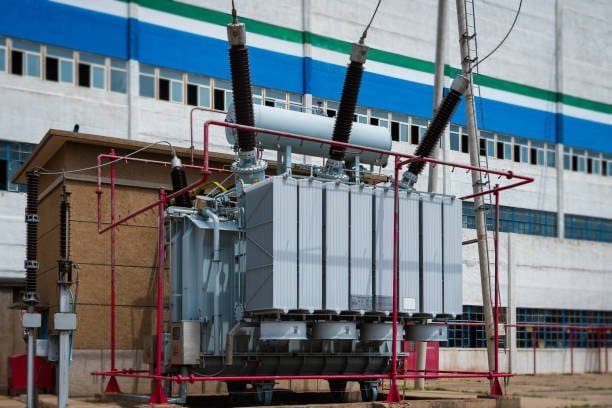
Maintaining transformer load balance is essential for ensuring efficient operation, preventing overheating, reducing energy losses, and extending equipment service life. In modern electrical systems, transformers often supply complex and rapidly changing loads from industrial machinery, commercial facilities, renewable energy systems, and smart grid networks. Without effective monitoring, uneven phase loading or unequal transformer loading can develop unnoticed, causing excessive thermal stress, voltage instability, and accelerated insulation aging. Advanced monitoring methods allow operators to identify imbalance conditions early, optimize load distribution, and maintain reliable transformer performance throughout the equipment lifecycle.
Transformer load balance is maintained through monitoring methods such as real-time current measurement, phase voltage monitoring, power quality analysis, transformer temperature monitoring, thermal imaging, smart transformer monitoring systems, supervisory control and data acquisition (SCADA) systems, and periodic electrical inspections. These methods help detect phase imbalance, uneven transformer loading, overheating risks, and abnormal operating conditions so corrective actions can be taken before reliability problems occur.
Monitoring only transformer total load is sufficient to identify all transformer load balance problems.False
Total load measurements cannot reveal phase imbalance or unequal current distribution between transformer units. Individual phase current, voltage, temperature, and power quality monitoring are required for accurate load balance assessment.
Why is transformer load balance monitoring important?
A transformer may operate below its rated capacity while still experiencing harmful imbalance.
For example, in a three-phase transformer:
- Phase A may be heavily loaded.
- Phase B may have moderate loading.
- Phase C may be lightly loaded.
The total transformer load may appear acceptable, but the overloaded phase can experience:
- Increased copper losses
- Higher winding temperature
- Insulation deterioration
- Reduced efficiency
- Shorter service life
Continuous monitoring provides visibility into actual operating conditions.
| Monitoring Goal | Benefit |
|---|---|
| Detect phase imbalance | Prevent overheating |
| Track load changes | Optimize operation |
| Monitor temperature | Protect insulation |
| Analyze power quality | Reduce electrical stress |
How does phase current monitoring maintain load balance?
Phase current monitoring is one of the most direct methods for evaluating transformer loading.
Current sensors measure:
- Phase A current
- Phase B current
- Phase C current
Engineers compare these values to determine whether the transformer phases are evenly loaded.
If one phase carries significantly more current than the others, operators can:
- Redistribute circuits
- Adjust operating schedules
- Modify system configuration
| Current Monitoring Result | Possible Action |
|---|---|
| Balanced current | Continue normal operation |
| Moderate imbalance | Investigate load distribution |
| Severe imbalance | Redistribute loads immediately |
How does voltage monitoring help identify imbalance?
Voltage monitoring evaluates whether transformer output remains stable across all phases.
Voltage imbalance may indicate:
- Uneven phase loading
- Poor connections
- System faults
- Distribution problems
Maintaining balanced voltage improves the performance of connected equipment, especially motors and sensitive electronic systems.
What role do power quality analyzers play?
Power quality analyzers provide detailed information about transformer electrical performance.
They measure:
- Voltage imbalance
- Current imbalance
- Harmonics
- Power factor
- Frequency variations
- Transient events
These devices are especially valuable in industrial environments where nonlinear loads can affect transformer operation.
| Parameter | Monitoring Purpose |
|---|---|
| Current imbalance | Detect uneven phase loading |
| Voltage imbalance | Maintain stable supply |
| Harmonics | Identify additional heating risks |
| Power factor | Improve efficiency |
How does temperature monitoring support load balance?
Temperature monitoring provides indirect information about transformer loading conditions.
Important measurements include:
- Top oil temperature
- Winding temperature
- Hot-spot temperature
- Ambient temperature
An overloaded phase or uneven transformer loading often produces abnormal temperature patterns.
Temperature monitoring helps operators:
- Identify thermal stress
- Prevent overheating
- Protect insulation systems
Why is thermal imaging used for transformer load monitoring?
Infrared thermal imaging is a non-contact inspection method used to identify abnormal heating.
Thermal cameras can detect:
- Hot terminals
- Uneven phase temperatures
- Cooling system problems
- Loose connections
A thermal scan can reveal imbalance problems before they cause equipment failure.
| Thermal Finding | Possible Cause |
|---|---|
| One hot phase | Uneven load distribution |
| Hot connection point | Loose electrical connection |
| Excessive radiator temperature | Cooling issue |
| Uneven winding heat pattern | Internal imbalance |
How do smart transformer monitoring systems improve load management?
Modern transformers increasingly include intelligent monitoring systems that collect operational data continuously.
These systems can monitor:
- Load current
- Temperature
- Oil condition
- Voltage levels
- Power quality
- Transformer status
Benefits include:
- Real-time visibility
- Automatic alarms
- Predictive maintenance
- Better load management decisions
How does SCADA monitoring maintain transformer balance?
Supervisory Control and Data Acquisition (SCADA) systems are widely used in utility and industrial power networks.
SCADA systems allow operators to:
- View transformer loading remotely
- Compare multiple transformer units
- Monitor phase conditions
- Receive abnormal condition alarms
- Adjust operating strategies
This is particularly useful for substations and large electrical networks.
How do online monitoring systems detect transformer imbalance?
Online monitoring systems continuously collect data while the transformer remains energized.
Typical monitored parameters include:
- Phase current
- Load percentage
- Winding temperature
- Oil temperature
- Dissolved gases
- Voltage quality
Continuous data analysis helps identify gradual changes that may indicate developing imbalance.
| Online Monitoring Feature | Application |
|---|---|
| Real-time current data | Load distribution analysis |
| Temperature tracking | Thermal protection |
| Alarm systems | Early fault detection |
| Historical trends | Long-term condition assessment |
How does dissolved gas analysis support load balance monitoring?
Dissolved gas analysis (DGA) does not directly measure load balance, but it helps identify damage caused by poor loading conditions.
Excessive loading can create thermal stress that produces gases such as:
- Hydrogen
- Methane
- Ethylene
- Carbon monoxide
Regular DGA testing helps confirm whether transformer loading has caused internal deterioration.
What role does load management software play?
Advanced energy management platforms analyze transformer operating data and provide recommendations.
They can:
- Identify overloaded phases
- Predict future loading conditions
- Optimize transformer utilization
- Support expansion planning
These systems are increasingly important for:
- Smart grids
- Data centers
- Renewable energy plants
- Large industrial facilities
How are multiple parallel transformers monitored for load sharing?
When transformers operate in parallel, monitoring must verify that each transformer carries its appropriate share of the load.
Important measurements include:
- Individual transformer current
- Load percentage
- Temperature rise
- Power contribution
Unequal loading between parallel transformers may indicate:
- Different impedance values
- Incorrect configuration
- Control issues
| Monitoring Item | Purpose |
|---|---|
| Individual transformer current | Verify load sharing |
| Temperature comparison | Detect overload |
| Voltage measurement | Confirm compatibility |
| Load history | Optimize operation |
How often should transformer load balance be monitored?
Monitoring frequency depends on system importance and operating conditions.
Typical approaches include:
| Application | Recommended Monitoring Approach |
|---|---|
| Critical infrastructure | Continuous monitoring |
| Utility substations | Online monitoring and periodic testing |
| Industrial plants | Regular measurement and analysis |
| Small commercial systems | Scheduled inspections |
High-value or mission-critical transformers generally require more advanced monitoring solutions.
What maintenance actions should follow monitoring results?
Monitoring is only effective when operators respond to identified issues.
Corrective actions may include:
- Redistributing electrical loads
- Tightening connections
- Repairing cooling systems
- Adjusting operating schedules
- Upgrading transformer capacity
A monitoring program should always include clear response procedures.
How can buyers select transformers with better monitoring capability?
When purchasing a new transformer, buyers should evaluate available monitoring features.
Important options include:
| Feature | Long-Term Benefit |
|---|---|
| Temperature sensors | Prevent thermal damage |
| Current monitoring | Detect imbalance |
| Online DGA | Identify internal faults |
| Digital communication | Enable remote management |
| Smart controllers | Improve operational decisions |
Which standards support transformer monitoring and reliability?
Transformer monitoring, testing, and performance evaluation are commonly based on international standards developed by:
- International Electrotechnical Commission
- Institute of Electrical and Electronics Engineers
These standards provide guidance for:
- Transformer loading evaluation
- Condition monitoring
- Electrical testing
- Thermal performance
- Reliability assessment
Following recognized standards helps operators maintain safe and efficient transformer operation.
How Can Engineers Optimize Transformer Loading for Long-Term Reliability?

Transformer loading optimization is one of the most important engineering strategies for maintaining reliable power system operation over decades. A transformer that operates continuously under excessive load, frequent overload conditions, or severe load imbalance experiences accelerated thermal stress, increased electrical losses, and faster insulation deterioration. Conversely, a transformer that is significantly oversized may operate inefficiently and increase unnecessary investment costs. Engineers optimize transformer loading by balancing capacity, operating conditions, thermal performance, efficiency requirements, and future demand growth to achieve the best combination of reliability and economic performance.
Engineers optimize transformer loading for long-term reliability by selecting the correct transformer capacity, maintaining balanced phase loading, controlling operating temperatures, monitoring load conditions, avoiding excessive overloads, improving cooling performance, analyzing load profiles, and applying predictive maintenance strategies. These practices reduce thermal stress, protect insulation systems, minimize losses, and help transformers achieve their expected service life of 30 to 50 years or more.
Operating a transformer at its maximum rated capacity continuously provides the best long-term efficiency and reliability.False
Continuous operation near maximum capacity increases thermal stress, accelerates insulation aging, and reduces service life. Optimized loading requires balancing efficiency, capacity utilization, and thermal limits.
Why is transformer loading optimization important?
Transformer loading directly affects:
- Temperature rise
- Energy losses
- Insulation aging
- Mechanical stress
- Maintenance requirements
- Service life
A transformer is not simply a device that transfers electrical power. It is a thermal and electrical system whose performance depends heavily on how much load it carries and how consistently that load changes over time.
| Loading Condition | Long-Term Effect |
|---|---|
| Light loading | Lower stress but possible efficiency loss |
| Optimized loading | Best balance of efficiency and reliability |
| Heavy loading | Increased temperature and aging |
| Continuous overload | Accelerated deterioration |
How do engineers determine the optimal transformer loading level?
Engineers begin by analyzing the actual electrical demand profile rather than selecting transformer capacity based only on peak load.
Important factors include:
- Average load
- Maximum demand
- Daily load variation
- Seasonal changes
- Future expansion requirements
- Emergency operating conditions
Load studies help engineers select transformers that operate efficiently under normal conditions while maintaining enough reserve capacity for future requirements.
Why is transformer capacity selection critical?
Correct transformer sizing is one of the first steps in optimizing loading.
A transformer that is too small may experience:
- Excessive current
- Higher copper losses
- Overheating
- Reduced insulation life
A transformer that is too large may experience:
- Higher purchase cost
- Increased no-load losses
- Lower efficiency at light loads
Engineers typically consider both present and future demand when selecting transformer ratings.
| Capacity Selection | Result |
|---|---|
| Undersized transformer | High thermal stress |
| Correctly sized transformer | Optimized performance |
| Oversized transformer | Higher investment and idle losses |
How does load distribution improve transformer reliability?
Uneven load distribution creates additional stress on specific transformer components.
Engineers optimize loading by:
- Balancing three-phase currents
- Redistributing single-phase circuits
- Managing parallel transformer operation
- Monitoring phase conditions
Balanced loading ensures:
- Uniform winding temperature
- Lower losses
- Better voltage stability
- Longer insulation life
How does thermal management affect transformer loading?
Temperature is one of the most important limitations affecting transformer loading.
When transformer loading increases:
- Winding current increases.
- Copper losses increase.
- Heat generation rises.
- Insulation aging accelerates.
Engineers optimize loading by ensuring the cooling system can remove generated heat effectively.
Important cooling considerations include:
- Radiator performance
- Fan operation
- Oil circulation
- Ambient temperature
- Heat dissipation design
Why is insulation protection central to loading optimization?
The insulation system is usually the limiting factor in transformer lifespan.
High temperatures accelerate chemical degradation of cellulose insulation.
Excessive loading can cause:
- Reduced mechanical strength
- Lower dielectric performance
- Increased failure probability
By controlling loading conditions, engineers slow insulation aging and extend transformer service life.
How do engineers use temperature monitoring to optimize loading?
Modern transformer systems use temperature monitoring to evaluate real-time operating conditions.
Common measurements include:
- Top oil temperature
- Winding temperature
- Hot-spot temperature
- Ambient temperature
Temperature data helps engineers determine whether additional loading is safe.
| Temperature Monitoring | Engineering Decision |
|---|---|
| Normal temperature | Continue operation |
| Rising temperature | Investigate loading or cooling |
| Excessive temperature | Reduce load or improve cooling |
How does load profile analysis improve transformer operation?
Electrical demand changes throughout the day.
Engineers analyze:
- Peak demand periods
- Low-demand periods
- Production schedules
- Seasonal patterns
This allows operators to:
- Adjust transformer loading strategies
- Avoid unnecessary stress
- Improve energy efficiency
For large systems, load profile analysis supports long-term planning and capacity management.
How can parallel transformers optimize loading?
Parallel transformers provide flexibility by distributing demand among multiple units.
Advantages include:
- Reduced individual transformer loading
- Improved redundancy
- Easier maintenance scheduling
- Better response to demand changes
When demand is low, some transformers may be removed from service to improve efficiency. During peak periods, additional units can be energized.
What role does transformer efficiency play in loading optimization?
Transformer efficiency varies with loading level.
Losses include:
- No-load losses
- Load losses
Operating too lightly wastes energy through constant core losses, while operating too heavily increases copper losses and thermal stress.
Engineers seek the loading range where:
- Energy losses are minimized.
- Reliability remains high.
- Capacity is effectively utilized.
| Loading Strategy | Benefit |
|---|---|
| Avoid unnecessary overload | Protect insulation |
| Maintain balanced loading | Reduce losses |
| Operate efficiently | Lower energy costs |
| Preserve reserve capacity | Improve reliability |
How do engineers manage transformer overload conditions?
Occasional overloads may be acceptable if carefully controlled.
Engineers evaluate:
- Duration of overload
- Previous loading history
- Cooling capability
- Ambient temperature
- Transformer age
Short-term overload capability is different from continuous overload operation.
Proper monitoring ensures temporary overloads do not cause excessive damage.
How does condition monitoring support optimized loading?
Condition monitoring provides continuous information about transformer health.
Typical monitored parameters include:
- Load current
- Temperature
- Oil condition
- Dissolved gases
- Moisture content
- Vibration levels
These measurements allow engineers to adjust loading based on actual transformer condition.
What is the role of dissolved gas analysis in loading optimization?
Dissolved Gas Analysis (DGA) helps determine whether operating conditions are causing internal stress.
Increasing levels of gases such as:
- Hydrogen
- Methane
- Ethylene
- Carbon monoxide
may indicate:
- Thermal stress
- Insulation degradation
- Electrical faults
DGA trends help engineers decide whether loading levels should be reduced.
How do cooling systems enable higher transformer loading?
Advanced cooling systems allow transformers to safely handle higher loads.
Cooling improvements include:
- Larger radiator surfaces
- Forced oil circulation
- Cooling fans
- Heat exchanger systems
Effective cooling reduces hot spots and allows better utilization of transformer capacity.
| Cooling Method | Application |
|---|---|
| Natural cooling | Smaller transformers |
| Forced air cooling | Higher loading requirements |
| Forced oil cooling | Large power transformers |
| Advanced cooling control | Variable load systems |
How can digital technologies improve transformer loading optimization?
Smart grid technologies have improved transformer asset management.
Digital systems provide:
- Real-time load information
- Automated alerts
- Predictive analysis
- Remote operation
Artificial intelligence and data analytics can also identify abnormal loading trends before failures occur.
What maintenance practices support optimized transformer loading?
Maintenance ensures the transformer can safely handle its intended load.
Recommended practices include:
- Oil testing
- Cooling system inspection
- Electrical testing
- Connection checks
- Thermal imaging
- Load analysis
| Maintenance Activity | Loading Benefit |
|---|---|
| Oil analysis | Protect insulation |
| Cooling inspection | Prevent overheating |
| Thermal scanning | Identify hot spots |
| Electrical testing | Verify condition |
How should engineers plan future transformer loading?
Long-term planning should consider:
- Population growth
- Industrial expansion
- Renewable energy integration
- Electric vehicle charging demand
- Grid modernization
Engineers should avoid selecting transformers only for current needs and should evaluate future loading scenarios.
Which standards guide transformer loading practices?
Transformer loading and reliability assessments are commonly based on international standards developed by:
- International Electrotechnical Commission
- Institute of Electrical and Electronics Engineers
These standards provide guidance for:
- Transformer loading capability
- Temperature limits
- Insulation aging evaluation
- Performance testing
- Reliability assessment
Compliance helps ensure transformers are operated within safe and predictable conditions.
Conclusion
Load balancing is essential for achieving efficient and reliable transformer operation. By distributing electrical loads evenly across phases, selecting properly rated transformers, managing parallel transformer operation, and continuously monitoring system performance, operators can reduce electrical stress and improve equipment lifespan. Poor load balance can lead to overheating, increased losses, and premature transformer aging, while effective load management helps maintain stable voltage, improve energy efficiency, and maximize the value of electrical infrastructure investments. A well-designed and properly managed transformer system ensures dependable power delivery while supporting long-term operational reliability.
FAQ
Q1: How is load balancing achieved in transformers?
Load balancing in transformers is achieved by distributing electrical loads evenly across transformer phases and ensuring that the transformer operates within its designed capacity. Proper load balancing reduces overheating, improves efficiency, minimizes voltage fluctuations, and extends transformer service life.
Common methods used to achieve load balancing include:
Equal distribution of single-phase loads across phases
Proper transformer sizing
Load monitoring and analysis
Phase rearrangement
Automatic load management systems
Parallel transformer operation control
A balanced transformer system operates more efficiently because each winding carries a similar amount of current, reducing unnecessary losses and thermal stress.
Q2: Why is load balancing important for transformer performance?
Balanced loading is essential because transformers are designed to operate efficiently when their phases carry relatively equal currents.
Poor load balance can cause:
Uneven winding temperatures
Increased copper losses
Higher neutral current
Reduced transformer capacity
Voltage imbalance
Excessive heating
Accelerated insulation aging
In industrial and commercial facilities, unbalanced loads can reduce equipment reliability and increase energy costs.
Q3: How does phase balancing work in transformers?
Three-phase transformers rely on balanced current flow between the three phases:
Phase A
Phase B
Phase C
Phase balancing involves measuring the current on each phase and redistributing connected loads to achieve similar current levels.
For example:
Before balancing:
Phase A: 500 A
Phase B: 300 A
Phase C: 200 A
After redistribution:
Phase A: 340 A
Phase B: 330 A
Phase C: 330 A
This reduces stress on individual windings and improves transformer efficiency.
Q4: What causes transformer load imbalance?
Several factors can create uneven loading conditions, including:
Unequal distribution of single-phase loads
Addition of new electrical equipment
Seasonal load changes
Industrial machinery startup cycles
Electric vehicle charging stations
Renewable energy generation fluctuations
Poor system planning
Regular load assessments help identify imbalance issues before they affect transformer performance.
Q5: How can engineers detect transformer load imbalance?
Engineers use several methods to monitor and identify load imbalance.
Common techniques include:
Current Measurements
Measuring phase currents helps determine whether loads are evenly distributed.
Power Quality Analysis
Power analyzers evaluate:
Voltage imbalance
Current imbalance
Harmonic distortion
Power factor
Transformer Monitoring Systems
Advanced monitoring equipment can track:
Load percentage
Winding temperature
Hot-spot temperature
Phase currents
Energy consumption trends
Early detection allows operators to correct imbalance before equipment damage occurs.
Q6: How does transformer sizing affect load balancing?
Selecting the correct transformer capacity is essential for maintaining balanced operation.
An undersized transformer may experience:
Continuous overload
Excessive temperature rise
Reduced efficiency
Shortened insulation life
An oversized transformer may result in:
Higher initial costs
Increased no-load losses
Lower operating efficiency at light loads
Proper sizing considers:
Maximum demand
Load growth projections
Load diversity
Starting currents
Future expansion requirements
Q7: Can multiple transformers be used to improve load balancing?
Yes. In some applications, multiple transformers operate in parallel to distribute electrical loads more effectively.
Advantages include:
Increased system capacity
Improved reliability
Better load distribution
Easier maintenance planning
Reduced stress on individual units
However, parallel operation requires careful matching of:
Voltage ratios
Impedance values
Vector groups
Phase relationships
Incorrect parallel operation can create circulating currents and reduce system efficiency.
Q8: What are the best practices for maintaining transformer load balance?
Effective load management requires continuous monitoring and periodic adjustments.
Recommended practices include:
Perform regular phase current measurements
Analyze load profiles over time
Redistribute single-phase loads when necessary
Monitor transformer temperature
Use smart monitoring systems
Maintain accurate electrical drawings
Consider future load growth during system design
Correct harmonic issues caused by nonlinear loads
Follow transformer manufacturer recommendations
Proper load balancing improves transformer reliability, reduces energy losses, and helps achieve longer operational life while maintaining stable power quality.
References
IEC 60076 – Power Transformers
https://webstore.iec.ch/publication/602
IEEE C57 Series – Power Transformer Standards
https://standards.ieee.org
IEEE 1159 – Recommended Practice for Monitoring Electric Power Quality
https://standards.ieee.org
IEEE 519 – Recommended Practice and Requirements for Harmonic Control in Electric Power Systems
https://standards.ieee.org
Electrical Engineering Portal – Transformer Loading and Phase Balancing Guide
https://electrical-engineering-portal.com