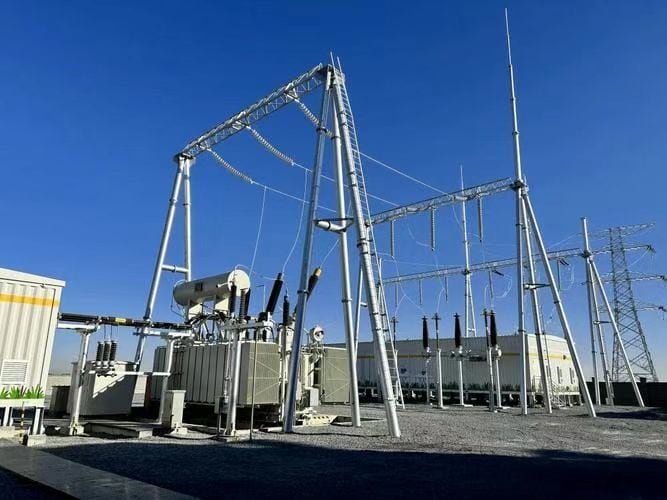
Manufacturing quality has a direct influence on how reliably a power transformer performs throughout its service life. Even a well-designed transformer can experience premature failure if materials are improperly processed, insulation is contaminated, windings are poorly assembled, or manufacturing tolerances are not controlled. Such defects can lead to overheating, partial discharge, mechanical damage, insulation deterioration, unexpected outages, and expensive repairs. For buyers, evaluating manufacturing quality before shipment is therefore essential to protecting a long-term investment.
High manufacturing quality can significantly extend the lifespan of power transformers by ensuring accurate core and winding assembly, clean and properly dried insulation systems, reliable electrical connections, effective sealing, precise mechanical construction, and rigorous factory testing. Consistent quality control reduces defects and abnormal stresses that accelerate insulation aging, overheating, moisture ingress, and mechanical deterioration, helping transformers achieve reliable long-term service.
Manufacturing quality should be evaluated throughout the production process rather than only through the final product inspection. Material control, process management, factory testing, and documentation all contribute to the transformer's expected service life and long-term reliability.
How Does Manufacturing Quality Impact the Lifespan of Power Transformers?
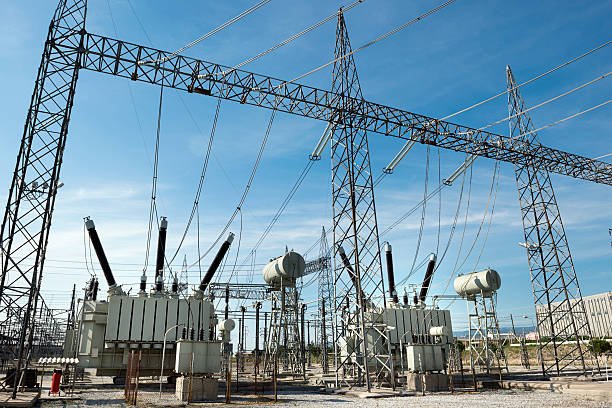
A power transformer may have an excellent electrical design and high-quality materials, yet still experience premature problems if manufacturing processes are poorly controlled. Small defects in core assembly, winding geometry, insulation, drying, connections, or final testing can remain hidden during commissioning and become serious problems after years of thermal, electrical, and mechanical stress. Manufacturing quality affects power-transformer lifespan by determining how accurately the intended electrical, thermal, mechanical, and insulation design is converted into the finished product. Consistent core assembly, precise winding, reliable insulation processing, effective moisture removal, controlled assembly, and comprehensive factory testing can reduce defects, control losses and temperature rise, improve dielectric and short-circuit performance, and significantly increase long-term service reliability.
A power transformer with high-quality materials will have a long service life regardless of manufacturing quality.False
Manufacturing defects such as poor winding geometry, damaged insulation, inadequate drying, poor connections, core assembly errors, or insufficient testing can significantly reduce transformer reliability even when the specified materials are high quality.
Why Is Manufacturing Quality So Important for Transformer Lifespan?
Transformer service life depends on much more than the nameplate rating.
During operation, a transformer is continuously exposed to:
- Electrical stress
- Thermal cycling
- Short-circuit forces
- Magnetic vibration
- Mechanical vibration
- Moisture
- Environmental contamination
- Load changes
- Aging of insulation
Manufacturing quality determines how well the transformer can withstand these stresses.
A useful way to view the relationship is:
Design quality → manufacturing accuracy → factory test performance → field reliability → service life
If manufacturing introduces defects between the design stage and final assembly, the expected performance may not be achieved.
Which Manufacturing Processes Most Affect Transformer Life?
Several manufacturing stages deserve particular attention.
| Manufacturing Stage | Main Quality Risk | Possible Long-Term Effect |
|---|---|---|
| Core cutting and assembly | Burrs, incorrect joints, damaged laminations | Increased core loss and heating |
| Winding | Dimensional or mechanical errors | Uneven stresses, higher losses |
| Conductor insulation | Damage or poor application | Electrical breakdown risk |
| Drying | Residual moisture | Reduced insulation life |
| Assembly | Incorrect clearances or connections | Dielectric/mechanical problems |
| Tank sealing | Leakage or poor sealing | Moisture ingress, fluid loss |
| Factory testing | Inadequate verification | Hidden defects reaching site |
The most important point is that manufacturing quality is systematic. A transformer does not become reliable because of one excellent component; reliability results from consistent control across the complete production process.
How Does Core Manufacturing Affect Transformer Lifespan?
The transformer core provides the magnetic path through which alternating flux flows.
Core manufacturing quality influences:
- No-load loss
- Magnetic flux distribution
- Localized heating
- Mechanical vibration
- Acoustic noise
- Overall efficiency
The core is typically constructed from thin electrical-steel laminations. These laminations require careful handling and assembly.
Problems such as damaged lamination insulation, excessive burrs, poor joints, or mechanical stress can increase local losses.
Higher core loss produces additional heat throughout the transformer's operating life.
Therefore:
Poor core manufacturing → higher loss → higher heat → greater thermal stress
This can affect both efficiency and long-term reliability.
How Does Winding Quality Affect Transformer Reliability?
Winding manufacturing is one of the most critical production processes.
Windings must maintain accurate:
- Radial dimensions
- Axial dimensions
- Conductor positioning
- Insulation distances
- Mechanical support
- Clamping arrangements
During a short circuit, transformer windings can experience extremely high electromagnetic forces.
If the winding structure is properly manufactured and supported, those forces can be controlled.
If there are manufacturing inconsistencies, such as inadequate mechanical support or dimensional deviations, the winding may experience excessive movement.
Potential consequences include:
- Conductor deformation
- Insulation damage
- Turn-to-turn faults
- Loss of dielectric clearance
- Reduced short-circuit withstand
This is why winding precision is directly related to transformer service reliability.
Why Is Insulation Processing Critical?
The insulation system is one of the transformer’s most important protective barriers.
For oil-filled transformers, the insulation system commonly includes solid insulation and insulating liquid. For dry-type transformers, solid insulation systems and encapsulation materials are used depending on construction.
Manufacturing must control:
- Insulation cleanliness
- Material handling
- Insulation dimensions
- Drying
- Vacuum treatment where applicable
- Assembly environment
- Moisture exposure
Even small amounts of moisture can have an important effect on insulation performance and aging.
How Does Moisture Affect Transformer Lifespan?
Moisture is particularly harmful to many transformer insulation systems.
It can contribute to:
- Lower dielectric strength
- Faster insulation aging
- Bubble formation under severe thermal conditions
- Increased electrical discharge risk
- Reduced mechanical strength of cellulose-based insulation
This is why transformer manufacturers use controlled drying processes before final filling and sealing.
For critical liquid-filled transformers, vacuum drying and controlled fluid processing are important parts of production quality.
How Does Vacuum Drying Improve Transformer Reliability?
Vacuum drying is used to remove moisture from insulation and other internal components.
A properly controlled drying process helps ensure that the transformer enters service with the intended insulation condition.
Quality control should consider:
- Drying temperature
- Vacuum level
- Drying duration
- Moisture measurement
- Handling after drying
The process must also prevent the transformer from absorbing moisture again before final sealing or fluid filling.
How Do Manufacturing Defects Affect Temperature?
Manufacturing defects can increase transformer losses or restrict heat transfer.
Examples include:
- Poor conductor connections
- Incorrect conductor dimensions
- Core assembly problems
- Localized stray-flux concentrations
- Poor cooling-path geometry
Additional heat may then create local hot spots.
This is important because transformer temperature should not be considered only as a whole-unit average.
A localized hot spot can experience much greater thermal stress than the measured average temperature suggests.
How Does Manufacturing Quality Affect Transformer Efficiency?
Manufacturing quality can influence both core and load losses.
For the core, quality affects:
- Lamination condition
- Joint accuracy
- Core assembly
- Magnetic stress
For the windings, quality affects:
- Conductor length
- Connection resistance
- Winding geometry
- Stray-flux behavior
Therefore, two transformers using nominally similar materials can produce different measured losses if manufacturing quality differs.
This is one reason buyers should pay attention to factory test results, not only design descriptions.
Why Are Electrical Connections Important?
Transformer connections must carry high currents reliably for many years.
Poor connections can develop increased resistance.
Higher resistance creates additional heat, which can further degrade the connection.
This creates another thermal feedback mechanism:
Poor connection → higher resistance → local heating → material degradation → still higher resistance
High-quality manufacturing therefore requires controlled:
- Connection surfaces
- Torque
- Brazing or joining
- Contact pressure
- Insulation
- Mechanical support
Final electrical testing should help identify abnormal resistance or connection problems before shipment.
How Does Factory Testing Protect Transformer Lifespan?
Factory testing is not simply documentation for the customer.
It is an important quality-control mechanism for detecting manufacturing problems.
Depending on the transformer and applicable standards, testing may include:
- Winding resistance
- Voltage ratio
- Insulation resistance
- Dielectric tests
- No-load loss
- Load loss
- Impedance
- Partial-discharge testing where applicable
- Temperature-related tests
- Functional tests for accessories
Routine testing confirms that the individual transformer meets specified requirements.
Type testing and special testing provide additional evidence about the design's ability to withstand specified stresses.
What Is the Difference Between Routine and Type Tests?
This distinction is important for buyers.
Routine tests are generally performed on individual production units to verify manufacturing conformity.
Type tests demonstrate that a representative design meets specified performance requirements.
A transformer supplier should be able to explain which tests are routine, which are type tests, and which additional tests are available for a particular project.
For high-value transformers, buyers may specify additional witnessed or special testing when justified by the application.
How Should Buyers Evaluate a Supplier's Manufacturing Quality?
Buyers should look beyond brochures and certificates.
Useful evaluation areas include:
- Factory production capability
- Transformer assembly environment
- Winding equipment
- Core-processing equipment
- Vacuum drying capability
- Insulation handling procedures
- Quality-control checkpoints
- Test equipment
- Calibration management
- Nonconformance procedures
- Traceability systems
- Previous project performance
A factory audit can often reveal more about manufacturing capability than a general marketing statement.
What Manufacturing Documents Should Buyers Request?
For important power-transformer projects, buyers can request appropriate quality documentation such as:
| Documentation | What It Helps Verify |
|---|---|
| Quality plan | Production inspection and control points |
| Manufacturing procedure | Process consistency |
| Material certificates | Material conformity |
| Core and winding records | Production traceability |
| Drying records | Moisture-control process |
| Calibration certificates | Test-equipment accuracy |
| Routine test reports | Individual transformer performance |
| Type-test reports | Design validation |
| Nonconformance records | Quality-management maturity |
| Final inspection records | Shipment readiness |
The exact documentation should match project importance and contractual requirements.
How Does Traceability Improve Long-Term Reliability?
Traceability allows manufacturers to identify the origin and processing history of important components.
For example, records may connect:
Material batch → production process → inspection result → transformer serial number → final test report
If a problem appears later in service, traceability helps engineers determine what happened and whether similar units may be affected.
This is particularly valuable for large utility and industrial transformer fleets.
Can Manufacturing Quality Reduce Maintenance Costs?
Yes.
A transformer manufactured with consistent dimensions, reliable connections, effective moisture control, and verified electrical performance is less likely to develop avoidable manufacturing-related defects.
This can reduce:
- Unexpected inspections
- Corrective maintenance
- Emergency repairs
- Outage risk
- Replacement costs
- Troubleshooting time
However, good manufacturing does not eliminate the need for routine condition monitoring and maintenance.
How Should Buyers Connect Manufacturing Quality With Lifespan?
A useful procurement model is:
Manufacturing quality → fewer defects → lower thermal/electrical stress → slower degradation → fewer failures → longer useful service life
This is particularly important because the cost of transformer failure can be much greater than the purchase price difference between two suppliers.
Failure may cause:
- Production interruption
- Grid outages
- Equipment damage
- Emergency replacement
- Transportation costs
- Installation delays
- Safety risks
Therefore, paying for verified manufacturing quality can be economically justified even when the initial quotation is not the lowest.
How Do Core and Winding Manufacturing Quality Affect Power Transformer Lifespan?

A power transformer can be designed with excellent electrical parameters and premium materials, yet its actual service life can still be shortened by poor core or winding manufacturing. Small deviations in lamination assembly, winding dimensions, conductor positioning, insulation treatment, or mechanical clamping may not cause an immediate failure, but they can increase losses, hot-spot temperatures, vibration, and mechanical stress over thousands of operating cycles. Core and winding manufacturing quality directly affects power transformer lifespan because these processes determine magnetic performance, load losses, thermal behavior, dielectric strength, and short-circuit withstand capability. Accurate core assembly, controlled winding geometry, proper insulation processing, effective drying, reliable clamping, and comprehensive factory testing help ensure that the transformer can withstand long-term electrical, thermal, and mechanical stresses.
High-quality core and winding materials are sufficient to guarantee a long power transformer lifespan.False
Material quality is important, but manufacturing accuracy determines whether the materials achieve their intended magnetic, electrical, thermal, and mechanical performance. Defects in assembly, winding, insulation, drying, or clamping can reduce reliability even when materials meet specifications.
How Does Core Manufacturing Quality Affect Transformer Life?
The transformer core continuously carries alternating magnetic flux whenever the transformer is energized. Its manufacturing quality therefore affects the transformer's no-load loss, temperature rise, vibration, noise, and long-term thermal condition.
Modern power transformer cores commonly use laminated grain-oriented electrical steel. The laminations must be cut, handled, stacked, and joined accurately. The insulation between laminations must also remain intact.
Important manufacturing controls include:
- Lamination cutting accuracy
- Burr control
- Core-joint accuracy
- Lamination insulation condition
- Stacking pressure
- Core clamping
- Mechanical stress control
- Core grounding
Poor core assembly can create localized magnetic-flux concentrations. These areas may experience higher losses and localized heating than expected from the overall transformer design.
This creates an important relationship:
Core manufacturing defect → higher local loss → localized heating → greater thermal stress → accelerated aging
For a transformer expected to operate continuously for decades, even relatively small additional losses can accumulate into significant energy consumption and thermal stress.
Why Are Core Joints So Important?
Core joints are particularly sensitive areas because the magnetic flux must transition between sections of the core.
A properly engineered joint provides a controlled magnetic path with minimal additional loss.
Manufacturing problems such as inaccurate overlap, damaged laminations, excessive mechanical stress, or poor assembly can increase local flux distortion.
The result may include:
- Higher no-load loss
- Increased local temperature
- Additional vibration
- Higher audible noise
- Reduced efficiency
Therefore, buyers should not evaluate electrical steel only by its material grade. How the steel is processed and assembled is equally important.
How Does Winding Manufacturing Quality Affect Transformer Lifespan?
Winding manufacturing is even more closely connected with thermal and mechanical reliability because the windings carry load current and must withstand significant electromagnetic forces.
A high-quality winding requires accurate control of:
- Conductor positioning
- Radial dimensions
- Axial dimensions
- Insulation distances
- Winding tension
- Inter-layer insulation
- End insulation
- Mechanical support
- Clamping pressure
The winding must maintain its geometry during normal operation and during short-circuit events.
During a short circuit, electromagnetic forces can become extremely high. If the winding structure has inadequate mechanical support or manufacturing deviations, conductors can move or deform.
Possible consequences include:
- Turn-to-turn insulation damage
- Winding deformation
- Loss of dielectric clearance
- Conductor displacement
- Localized overheating
- Partial discharge
- Internal short circuits
These problems can significantly shorten transformer service life.
How Does Winding Geometry Influence Heat Generation?
Winding geometry affects both resistance and heat distribution.
The basic resistive-loss relationship is:
[P_{\text{loss}}\approx I^2R]
The conductor must therefore be sized and arranged so that current density, resistance, and heat distribution remain within the design limits.
Manufacturing accuracy matters because the actual winding must reproduce the calculated design dimensions.
If conductor placement differs significantly from the intended geometry, the transformer may experience changes in:
- Resistance
- Leakage flux
- Stray loss
- Cooling paths
- Local current density
- Hot-spot temperature
A transformer that passes a basic electrical test can still benefit from highly controlled winding production because long-term thermal and mechanical performance depends on dimensional consistency.
Why Is Insulation Processing Critical to Winding Life?
The winding insulation system is one of the main determinants of transformer reliability.
Insulation must withstand electrical voltage, temperature, mechanical movement, and environmental stresses.
During manufacturing, attention should be given to:
- Cleanliness
- Insulation thickness
- Insulation positioning
- Drying
- Vacuum treatment where applicable
- Moisture control
- Mechanical compression
- Handling procedures
For oil-filled transformers using cellulose-based insulation, moisture control is particularly important.
Residual moisture can reduce dielectric strength and accelerate insulation aging. During severe thermal conditions, moisture can also contribute to gas or bubble formation within insulation systems.
Therefore:
Better drying and moisture control → stronger insulation system → slower aging → greater service-life margin
How Does Winding Clamping Affect Transformer Lifespan?
Winding clamping is a key mechanical-quality issue.
The windings must be held firmly enough to resist movement but without creating excessive mechanical stress.
If clamping is insufficient, windings may move during:
- Short circuits
- Transport
- Thermal expansion and contraction
- Electromagnetic vibration
If clamping is excessive or uneven, it can also create mechanical stress or damage insulation.
High-quality manufacturers therefore control:
- Clamping dimensions
- Compression
- Support structures
- Axial restraint
- Radial restraint
- Mechanical tolerances
The objective is to maintain winding geometry throughout the transformer's operating life.
How Do Core and Winding Quality Work Together?
Core and winding manufacturing should not be evaluated independently.
The core determines magnetic performance and contributes to no-load losses.
The windings determine current-carrying performance and contribute significantly to load losses.
Both generate heat, and both must maintain mechanical integrity.
| Manufacturing Area | Main Performance Effect | Long-Term Risk if Poorly Controlled |
|---|---|---|
| Core laminations | Core loss | Excess heating and efficiency reduction |
| Core joints | Flux distribution | Localized loss and vibration |
| Winding geometry | Resistance and leakage flux | Higher losses and hot spots |
| Conductor insulation | Dielectric strength | Turn-to-turn or ground faults |
| Winding clamping | Mechanical strength | Deformation during short circuit |
| Drying | Moisture level | Accelerated insulation aging |
| Connections | Electrical resistance | Localized overheating |
| Final testing | Defect detection | Hidden defects entering service |
This is why experienced transformer manufacturers treat core, winding, insulation, and assembly as one integrated production system.
How Can Buyers Evaluate Core and Winding Manufacturing Quality?
A buyer should look beyond the supplier's catalog and ask how the transformer is actually manufactured.
Useful questions include:
- What electrical-steel grades are used?
- How are core laminations cut and inspected?
- How are core joints controlled?
- What equipment is used for winding?
- How are winding dimensions verified?
- How is conductor tension controlled?
- How are windings mechanically clamped?
- What drying and vacuum processes are used?
- How is moisture controlled?
- Which routine tests are performed on every transformer?
- What type-test or special-test evidence is available?
- How are manufacturing records and materials traced?
A factory audit can be particularly valuable for large transformers because it allows buyers to observe actual production processes rather than relying only on supplier statements.
What Factory Tests Help Confirm Manufacturing Quality?
Testing cannot replace good manufacturing, but it provides an important verification layer.
Depending on the transformer and applicable standards, routine tests can include:
- Winding resistance
- Voltage ratio
- Insulation-related tests
- No-load loss
- Load loss
- Impedance
- Dielectric tests
- Functional tests
For higher-voltage or critical applications, buyers may also consider additional testing such as partial-discharge testing or other project-specific tests.
The measured loss values are particularly useful because unexpected increases in no-load or load loss can indicate manufacturing deviations.
How Does Manufacturing Quality Reduce Lifecycle Costs?
Manufacturing quality has an economic effect as well as a technical effect.
A poorly manufactured transformer may experience:
Higher losses → higher electricity consumption → higher operating cost
It may also experience:
Higher temperature or mechanical stress → faster degradation → greater maintenance and replacement risk
By contrast, consistent manufacturing can help achieve the performance assumed during the original transformer design.
For a transformer expected to operate for 20–30 years or longer, avoiding one major internal failure can be far more valuable than a relatively small difference in initial purchase price.
How Does Insulation Manufacturing Quality Influence Power Transformer Aging and Reliability?
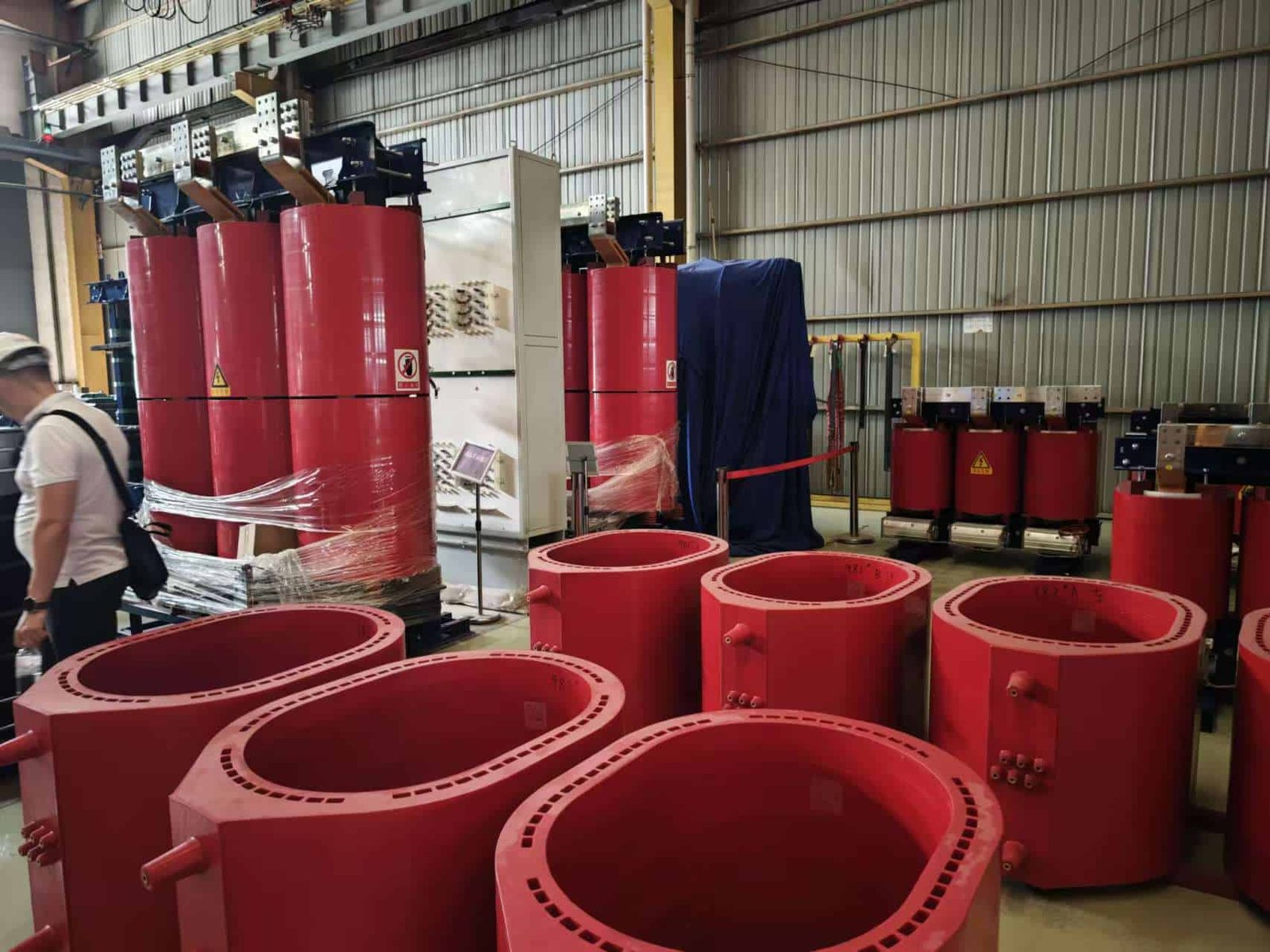
Power transformer insulation is one of the most critical systems determining whether a transformer can operate reliably for decades or develop premature electrical and thermal problems. Even when high-grade insulation materials are selected, poor manufacturing practices such as inadequate drying, contamination, incorrect insulation dimensions, poor handling, or uncontrolled moisture can weaken the insulation system before the transformer is energized. Insulation manufacturing quality influences power transformer aging and reliability by controlling moisture content, dielectric strength, insulation cleanliness, mechanical integrity, thermal stability, and resistance to partial discharge and electrical stress. High-quality insulation processing, especially accurate insulation placement, controlled drying and vacuum treatment, clean assembly, and effective factory testing, helps slow insulation aging and reduces the probability of internal electrical failure.
Transformer insulation aging is determined mainly by operating years, so manufacturing quality has only a minor influence.False
Insulation aging depends on thermal, electrical, mechanical, and moisture conditions. Manufacturing quality establishes the initial condition of the insulation system, and defects or residual moisture can accelerate degradation throughout the transformer's operating life.
Why Is Insulation Manufacturing So Important?
A transformer insulation system must perform several functions simultaneously. It must electrically separate conductors operating at different potentials, maintain sufficient clearances, withstand temporary overvoltages, tolerate thermal cycling, and retain adequate mechanical strength.
In an oil-filled power transformer, the insulation system typically includes solid materials such as paper and pressboard together with insulating liquid. In dry-type transformers, manufacturers may use combinations of resin, fiberglass, insulation paper, pressboard, and other solid insulation systems depending on the construction.
The quality of these materials matters, but manufacturing determines their actual condition inside the completed transformer.
For example, a high-quality insulation material can still become a reliability risk if it is exposed unnecessarily to moisture or contamination during assembly.
How Does Moisture Accelerate Transformer Aging?
Moisture is one of the most important variables in transformer insulation aging.
For cellulose-based insulation, excessive moisture can contribute to faster deterioration of the insulating material and reduce dielectric performance. Moisture can also become particularly problematic at elevated temperatures.
The manufacturing objective is therefore to remove moisture before the transformer enters service and prevent it from being reintroduced during subsequent assembly.
Important manufacturing controls include:
- Controlled insulation storage
- Clean handling procedures
- Vacuum drying
- Temperature control
- Drying duration
- Moisture verification
- Controlled assembly environment
- Proper sealing after drying
A transformer that begins service with a well-dried insulation system has a stronger starting condition for long-term operation.
How Does Vacuum Drying Influence Reliability?
Vacuum drying is an important manufacturing process for many liquid-filled power transformers.
The purpose is to remove moisture from the insulation and internal components before final assembly and filling.
Poorly controlled drying can leave residual moisture, while inadequate handling after drying can allow moisture to return.
A reliable manufacturing process should therefore control the complete sequence rather than focusing only on the final drying step:
Drying → moisture verification → controlled assembly → vacuum processing → sealing/filling
For critical transformers, buyers can request appropriate manufacturing records showing that the specified drying and moisture-control procedures were completed.
How Does Insulation Cleanliness Affect Transformer Aging?
Insulation must be manufactured and assembled in a clean environment.
Dust, fibers, metallic particles, moisture, and other contaminants can create localized electrical weaknesses.
This is especially important in high-voltage transformer manufacturing because electrical stress is not distributed perfectly uniformly throughout every part of the insulation system.
Contamination can contribute to localized field enhancement or partial discharge under suitable conditions.
Therefore, good insulation manufacturing requires:
- Clean work areas
- Controlled material handling
- Appropriate protective packaging
- Foreign-object control
- Inspection before assembly
- Careful cleaning of components
The objective is simple: the insulation system should enter the transformer in a clean, controlled condition.
How Does Insulation Geometry Affect Electrical Reliability?
Insulation dimensions are carefully calculated during transformer design.
The actual manufacturing process must reproduce those dimensions accurately.
Important parameters can include:
- Radial insulation distance
- Axial insulation distance
- Paper thickness
- Pressboard barriers
- End insulation
- Oil ducts
- Creepage and clearance distances
- Shielding arrangements
A dimensional error can reduce the intended dielectric margin.
This is why insulation manufacturing quality is not simply a question of material grade. Dimensional accuracy is also a major part of electrical reliability.
What Is the Relationship Between Heat and Insulation Aging?
Transformer insulation is strongly affected by temperature.
During normal operation, transformer losses generate heat. Higher loading generally increases winding losses, and poor cooling can increase the temperature of the insulation system.
When insulation is exposed to excessive temperature for extended periods, aging accelerates.
This creates an important connection between the subjects discussed throughout a transformer design program:
Core and winding losses → heat generation → insulation temperature → insulation aging → remaining service-life margin
Consequently, insulation manufacturing quality should be evaluated together with transformer thermal design.
How Can Manufacturing Reduce Partial-Discharge Risk?
Partial discharge is a localized electrical discharge that does not completely bridge the insulation between conductors.
Its causes can vary, but manufacturing quality is important because voids, contamination, incorrect insulation placement, sharp conductive features, and dimensional irregularities can create local electrical stress concentrations.
High-quality manufacturing therefore aims to minimize potential weak points through:
- Accurate insulation placement
- Smooth conductor surfaces
- Clean assembly
- Controlled drying
- Proper barriers and spacers
- Appropriate electrical clearances
- Suitable testing
For high-voltage applications, buyers should discuss whether partial-discharge testing is appropriate for the transformer specification.
How Does Mechanical Insulation Quality Affect Transformer Life?
Insulation is not exposed only to electrical stress.
Transformer windings and insulation also experience mechanical forces during short circuits and thermal expansion and contraction during normal operation.
If insulation components are poorly positioned or inadequately supported, they can move during operation.
Mechanical movement can eventually damage insulation or change the designed electrical clearances.
This is why high-quality manufacturing must control:
| Insulation Manufacturing Factor | Reliability Benefit |
|---|---|
| Correct dimensions | Maintains designed dielectric clearances |
| Proper compression | Reduces unwanted movement |
| Accurate barriers | Controls electrical field distribution |
| Clean assembly | Reduces contamination risks |
| Effective drying | Reduces moisture-related aging |
| Careful handling | Prevents hidden mechanical damage |
| Proper sealing | Limits moisture re-entry |
How Should Buyers Evaluate Insulation Manufacturing Quality?
Buyers should ask suppliers how the insulation system is actually manufactured, not only which materials are specified.
Useful questions include:
- What insulation materials are used?
- How are insulation materials stored?
- How is moisture controlled before assembly?
- What vacuum-drying process is used?
- How are insulation dimensions inspected?
- How is contamination controlled?
- How long are dried components allowed to remain exposed before final assembly?
- What vacuum treatment is applied before filling?
- Which dielectric and partial-discharge tests are performed?
- How are manufacturing records maintained?
These questions can help distinguish a supplier with a mature manufacturing process from one that simply purchases good materials.
How Does Insulation Manufacturing Quality Reduce Lifecycle Risk?
The economic value of insulation quality becomes particularly clear when considering transformer failure consequences.
An internal insulation failure can result in:
- Transformer outage
- Emergency repair
- Production interruption
- Replacement transformer costs
- Transportation costs
- Installation delays
- Secondary equipment damage
- Safety risks
For a large industrial or utility transformer, these consequences can greatly exceed the initial price difference between suppliers.
Therefore, buyers should consider insulation manufacturing quality as a risk-management investment, not merely a production detail.
How Do Assembly, Sealing, and Moisture Control Affect Power Transformer Lifespan?
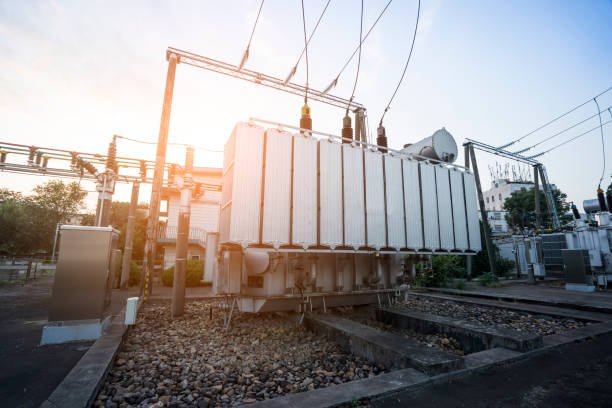
A power transformer can leave the factory with excellent core steel, carefully manufactured windings, and compliant electrical ratings, yet still suffer premature aging if final assembly, sealing, or moisture control is poorly managed. Once moisture enters the insulation system, it can reduce dielectric strength, accelerate insulation deterioration, and increase thermal and electrical stress. Poor assembly can also create incorrect clearances, loose connections, contamination, or mechanical weaknesses that may only become apparent after years of operation. High-quality assembly, effective sealing, and strict moisture control protect power transformer lifespan by preserving insulation dryness, maintaining designed electrical clearances, preventing contamination and moisture ingress, and ensuring that internal components remain mechanically stable throughout thermal cycling and fault conditions.
Once a transformer is dried at the factory, moisture control is no longer important during its service life.False
A transformer can absorb moisture through leaks, defective seals, breathing systems, maintenance activities, or other pathways. Moisture control therefore remains important from factory processing through installation and operation.
Why Are Final Assembly Processes Important for Transformer Reliability?
Final assembly is the stage where the core, windings, insulation, leads, shields, cooling components, tank, bushings, and accessories become one complete transformer.
At this stage, manufacturing tolerances established during individual component production must be maintained.
Important assembly controls include:
- Correct winding positioning
- Correct insulation clearances
- Secure lead connections
- Proper mechanical clamping
- Correct grounding
- Clean internal surfaces
- Correct installation of barriers and spacers
- Accurate bushing installation
- Proper gasket and flange preparation
- Controlled internal foreign-object prevention
A small assembly error can have consequences disproportionate to its physical size.
For example, an incorrectly positioned insulation barrier may reduce the intended dielectric margin. A poorly tightened connection may develop localized heating. A foreign metallic particle may create an electrical weak point.
Therefore, final assembly should be regarded as a reliability-critical manufacturing process, rather than simply the last mechanical step before testing.
How Can Poor Assembly Accelerate Transformer Aging?
Transformer components expand and contract as operating temperature changes.
The windings, core supports, insulation structures, leads, and tank therefore experience repeated mechanical and thermal stresses.
If assembly is accurate and components are properly secured, the transformer can accommodate these changes within the intended design limits.
If assembly quality is poor, thermal cycling can gradually cause:
- Connection loosening
- Insulation movement
- Mechanical deformation
- Abrasion of insulation
- Changes in electrical clearances
- Localized heating
- Increased vibration
These problems may accumulate slowly rather than producing an immediate failure.
This is one reason a transformer that passes initial commissioning tests can still require high-quality manufacturing to achieve its intended decades-long service life.
Why Is Internal Cleanliness Important During Assembly?
Internal cleanliness is particularly important for high-voltage transformers.
Before the tank is closed and sealed, manufacturers need to control foreign materials such as:
- Metal particles
- Wire fragments
- Dust
- Fibers
- Welding debris
- Moisture
- Contaminated insulation material
Foreign conductive particles can potentially become locations of enhanced electrical stress.
Therefore, high-quality transformer factories typically establish controlled cleaning and inspection procedures before final closure.
A practical buyer question is:
“How does the manufacturer verify internal cleanliness before final sealing?”
The answer can reveal a great deal about the maturity of the supplier's manufacturing process.
How Does Sealing Protect Transformer Lifespan?
Sealing is critical because the transformer insulation system must remain protected from external moisture and contaminants after the manufacturing process is completed.
A transformer tank may contain dry solid insulation and carefully processed insulating liquid when it leaves the factory. If seals, gaskets, valves, bushings, or flange connections are defective, the transformer may gradually be exposed to the environment.
Potential sources of moisture ingress include:
- Tank seals
- Flanges
- Valves
- Bushings
- Conservator systems
- Breathers
- Inspection covers
- Pipe connections
- Damaged gaskets
The severity depends on transformer design and environmental conditions.
What Happens When Moisture Enters a Transformer?
Moisture can migrate between insulating liquid and solid insulation depending on temperature and operating conditions.
For transformers using cellulose-based insulation, this is particularly important because moisture can accelerate degradation of the solid insulation.
Potential effects include:
- Reduced dielectric strength
- Faster insulation aging
- Increased risk of partial discharge
- Reduced mechanical strength
- Greater sensitivity to thermal stress
- Increased fault risk
Moisture can therefore influence both electrical reliability and mechanical longevity.
The critical point is that moisture should not be treated as merely a fluid-quality problem. It is an insulation-life problem.
How Does Moisture Affect Cellulose Insulation?
Cellulose-based transformer insulation can degrade through chemical and thermal processes.
Moisture can accelerate these processes and contribute to a reduction in the insulation's mechanical properties.
This matters because the solid insulation supports the windings mechanically as well as electrically.
As insulation ages, its ability to withstand short-circuit forces can decline.
Consequently:
Moisture → accelerated insulation aging → reduced mechanical strength → lower fault withstand margin
This is why moisture control has a direct connection to transformer lifespan.
How Does Factory Drying Prepare a Transformer for Long-Term Operation?
Before final assembly or filling, manufacturers may use controlled drying and vacuum processes to remove moisture from solid insulation and internal components.
The exact process depends on transformer design, size, insulation system, and manufacturing technology.
Important process variables can include:
| Process Parameter | Why It Matters |
|---|---|
| Drying temperature | Determines moisture-removal effectiveness |
| Vacuum level | Supports moisture extraction |
| Drying duration | Allows moisture to migrate from internal insulation |
| Insulation exposure time | Controls moisture reabsorption |
| Moisture verification | Confirms process effectiveness |
| Final sealing | Prevents re-entry after drying |
A strong manufacturer does not simply “heat the transformer until it is dry.” The drying process is normally controlled and documented.
Why Is the Period Between Drying and Sealing Important?
This is a particularly important manufacturing detail.
Once insulation has been dried, it can begin to absorb moisture again if exposed to ambient air.
Therefore, the time and environmental conditions between:
final drying → assembly → vacuum treatment → sealing or fluid filling
should be controlled.
A poorly managed process can partially undermine the benefits of an otherwise effective drying procedure.
Buyers evaluating suppliers should therefore ask how dried transformers are protected before final closure.
How Does Vacuum Filling Help Protect Insulation?
For liquid-filled transformers, vacuum processing may be used during filling to minimize the presence of air and moisture.
The objective is to create a stable insulation system in which the solid insulation and insulating liquid have appropriate dielectric properties.
Proper vacuum processing can help reduce:
- Entrapped air
- Moisture exposure
- Gas pockets
- Dielectric weak points
The exact vacuum and filling procedure should follow the transformer's design and applicable manufacturing standards.
How Does Sealing Affect Transformer Breathing?
Transformer designs differ significantly.
Some liquid-filled transformers use conservator systems and breathers, while other designs may use sealed tanks or other arrangements.
The breathing system must prevent moisture and contaminants from entering the transformer while accommodating changes in fluid volume.
For conservator-equipped transformers, the condition and design of the breather are therefore important.
If a moisture-absorbing breather becomes saturated or is poorly maintained, its protective function can decline.
This demonstrates an important lifecycle principle:
Good factory sealing is necessary, but operational moisture protection must also be maintained.
How Do Gaskets and Flanges Affect Reliability?
Gaskets are relatively inexpensive compared with the transformer itself, but their reliability can have major consequences.
Incorrect gasket selection, poor installation, uneven compression, or damaged sealing surfaces can lead to leaks or moisture ingress.
Manufacturing quality should therefore control:
- Gasket material
- Gasket dimensions
- Surface cleanliness
- Bolt tightening
- Flange alignment
- Compression
- Leak testing
The same principle applies to valves, inspection covers, cable entries, bushings, and other interfaces.
How Can Poor Sealing Cause Long-Term Problems?
A sealing defect may not immediately produce an obvious failure.
Instead, moisture may enter slowly.
The transformer can continue operating while insulation gradually deteriorates.
This makes sealing defects particularly dangerous because the damage mechanism can remain hidden.
A simplified progression is:
Poor sealing → gradual moisture ingress → insulation degradation → reduced dielectric/mechanical margin → increased failure risk
This may occur over years, which makes prevention much more economical than corrective repair.
How Should Buyers Evaluate Assembly and Moisture Control?
Buyers should request evidence that the supplier has controlled procedures for:
- Internal cleanliness
- Core and winding assembly
- Insulation installation
- Drying
- Vacuum treatment
- Fluid processing
- Sealing
- Leak testing
- Moisture measurement
- Final inspection
Useful documentation may include:
- Manufacturing quality plans
- Drying records
- Vacuum records
- Moisture test records
- Leak-test records
- Assembly inspection reports
- Material traceability
- Routine test reports
For large utility or industrial transformers, buyers may also conduct or commission factory inspections.
What Factory Tests Help Verify Final Assembly Quality?
Factory testing cannot directly prove every aspect of long-term sealing quality, but it can identify important manufacturing deviations.
Depending on the transformer specification, tests may include:
- Winding resistance
- Voltage ratio
- No-load loss
- Load loss
- Impedance
- Insulation-related tests
- Dielectric tests
- Partial-discharge testing where specified
- Leak testing
- Functional checks of accessories
Measured winding resistance, impedance, dielectric performance, and loss values can provide useful evidence that the internal assembly is consistent with the intended design.
How Does Moisture Control Reduce Lifecycle Costs?
Moisture-related degradation can eventually result in expensive corrective action.
Potential costs include:
- Oil processing
- Drying or refurbishment
- Insulation repair
- Emergency outage
- Transformer replacement
- Production losses
- Equipment damage
- Transportation and installation
For a large power transformer, these costs can far exceed the additional investment required for a mature manufacturing and moisture-control process.
Therefore, buyers should evaluate moisture control as part of total lifecycle risk, not simply as a factory-process detail.
How Do Factory Testing and Quality Control Reduce Power Transformer Failure Risks?

A power transformer can contain high-quality core steel, carefully manufactured windings, and a well-designed insulation system, yet hidden production defects can still create serious problems after installation. A poor connection, incorrect winding dimension, residual moisture, damaged insulation, excessive core loss, or inadequate sealing may pass unnoticed during a superficial inspection and later develop into overheating, partial discharge, insulation deterioration, or even catastrophic failure. Factory testing and quality control reduce power transformer failure risks by detecting manufacturing defects before shipment, verifying that electrical and mechanical performance matches the approved design, controlling critical production processes, and creating documented evidence that the finished transformer satisfies the specified requirements.
Passing routine factory tests guarantees that a power transformer will never fail during service.False
Factory tests can identify many manufacturing and assembly defects, but they cannot eliminate every operational risk. Transformer reliability also depends on installation, loading, cooling, environment, maintenance, protection, and long-term insulation aging.
Why Should Buyers Care About Factory Testing?
Factory testing is the final technical verification before a transformer leaves the manufacturer's control.
It provides an opportunity to identify defects while the transformer is still in a controlled environment, where correction is generally much easier and less expensive than after installation.
A well-structured quality program typically connects:
Design verification → material inspection → process control → assembly inspection → factory testing → final acceptance → shipment
This approach is more effective than relying only on the final electrical test.
What Quality-Control Stages Are Most Important?
| Quality-Control Stage | What Is Checked | Failure Risk Addressed |
|---|---|---|
| Incoming material inspection | Steel, conductor, insulation, accessories | Nonconforming materials |
| Core manufacturing | Lamination, joints, assembly | Excessive core loss and heating |
| Winding inspection | Dimensions, tension, insulation | Deformation and electrical weakness |
| Drying process | Moisture removal | Accelerated insulation aging |
| Final assembly | Clearances, connections, cleanliness | Dielectric and mechanical defects |
| Sealing | Gaskets, valves, tank integrity | Moisture ingress and leakage |
| Routine testing | Electrical performance | Manufacturing defects |
| Final inspection | Documentation and physical condition | Shipment errors |
The strength of the system comes from controlling defects before they accumulate.
Which Routine Tests Help Detect Transformer Problems?
The exact test program depends on transformer type, voltage class, rating, and applicable standards, but routine testing commonly verifies parameters such as:
- Winding resistance
- Voltage ratio
- Polarity and phase relationship where applicable
- No-load loss and current
- Load loss
- Impedance
- Dielectric performance
- Insulation-related characteristics
- Functional operation of accessories
These tests help confirm that the manufactured transformer corresponds to its approved technical specification.
For example, an unexpected winding-resistance result may indicate a connection or conductor problem. Abnormal no-load loss may point toward core-related issues. An impedance deviation can indicate a winding or dimensional problem.
How Does No-Load Loss Testing Support Quality Control?
No-load loss testing is valuable because it verifies the magnetic performance of the finished transformer.
If the measured no-load loss is significantly different from the guaranteed value, engineers may investigate:
- Core material
- Lamination condition
- Core joints
- Assembly accuracy
- Magnetic flux conditions
- Manufacturing deviations
This matters for lifecycle economics as well as quality.
A transformer that consistently produces higher-than-expected no-load loss will consume additional energy whenever it remains energized.
How Does Load-Loss Testing Protect Buyers?
Load-loss testing verifies the transformer's current-dependent losses.
Load loss is strongly related to conductor resistance and electromagnetic stray effects. Under simplified conditions, resistive loss follows the relationship:
[P_{\text{loss}}\approx I^2R]
Therefore, poor winding connections, inappropriate conductor dimensions, or manufacturing deviations can contribute to excessive losses and heating.
Testing gives buyers a measured performance value rather than relying solely on a supplier's design calculation.
Why Is Winding Resistance Testing Important?
Winding resistance testing can provide useful information about conductor connections and winding continuity.
Abnormal results may indicate:
- Poor electrical connections
- Incorrect conductor paths
- Contact problems
- Winding abnormalities
- Phase-to-phase inconsistencies
For a large power transformer, this type of verification is especially valuable because a small connection defect can become a localized hot spot during operation.
How Does Impedance Testing Help Detect Manufacturing Problems?
Transformer impedance is influenced by winding geometry and leakage flux.
Consequently, significant deviation from the specified impedance can indicate that the physical winding arrangement does not correspond to the intended design.
This makes impedance testing useful for verifying consistency between:
Electrical design ↔ winding geometry ↔ finished transformer
It is also important for system protection and parallel operation, so a correct impedance value has both manufacturing and system-level significance.
What About Dielectric and Insulation Testing?
Dielectric testing is particularly important for medium- and high-voltage transformers because insulation must withstand normal operating voltage as well as specified test stresses.
Depending on the applicable requirements, testing may address:
- Applied voltage withstand
- Induced voltage withstand
- Insulation condition
- Partial discharge where specified
- Other project-specific dielectric characteristics
These tests can expose weaknesses associated with insulation assembly, clearances, moisture, contamination, or other manufacturing conditions.
How Can Partial-Discharge Testing Reduce Risk?
For applicable high-voltage transformer designs, partial-discharge testing can provide valuable information about localized insulation weaknesses.
Partial discharge may be associated with conditions such as:
- Voids
- Contamination
- Poor insulation placement
- Local electric-field concentration
- Manufacturing irregularities
Early identification gives manufacturers an opportunity to investigate and correct potential defects before shipment.
However, buyers should interpret partial-discharge results according to the applicable standard and project acceptance criteria rather than treating one numerical value as a universal indicator of transformer quality.
Why Is Moisture Control Part of Factory Quality?
Electrical testing alone cannot compensate for poor moisture control.
For transformers using cellulose-based insulation, residual moisture can accelerate aging and affect dielectric performance.
Quality control should therefore include the manufacturing processes surrounding:
- Insulation storage
- Drying
- Vacuum treatment
- Assembly
- Fluid processing
- Sealing
The important principle is that moisture control must continue from drying through final sealing.
How Does Quality Control Reduce Mechanical Failure Risks?
Electrical tests are only one part of transformer quality.
The transformer must also withstand mechanical forces during short circuits, transportation, vibration, and thermal expansion.
Quality control therefore needs to verify:
- Winding dimensions
- Clamping arrangements
- Mechanical supports
- Lead positioning
- Core clamping
- Tank assembly
- Connection security
A transformer can have acceptable electrical test results and still require strong mechanical quality control to maintain its long-term short-circuit withstand capability.
How Should Buyers Review Factory Test Documentation?
Buyers should not simply ask whether a supplier “has factory testing.”
They should review whether the supplier can provide traceable test documentation.
| Document | Buyer Should Check |
|---|---|
| Routine test report | Actual measured values |
| Type-test report | Applicability to proposed design |
| Material certificates | Material conformity |
| Calibration records | Test-equipment validity |
| Quality inspection records | Production traceability |
| Drying records | Moisture-control process |
| Leak-test records | Tank and sealing integrity |
| Final inspection report | Shipment condition |
| Nonconformance records | Corrective-action capability |
The key is traceability.
A reliable supplier should be able to connect the transformer serial number with its manufacturing records, test results, materials, and quality inspections.
What Is the Difference Between Routine and Type Testing?
Routine testing focuses on the individual transformer being supplied.
Type testing demonstrates that a particular design or representative construction satisfies specified requirements under defined test conditions.
Buyers should therefore avoid assuming that a type-test report automatically proves every production unit has identical performance.
For major projects, the strongest quality system combines:
Validated design + controlled manufacturing + routine testing + appropriate special testing
How Can Factory Acceptance Testing Improve Procurement?
For high-value power transformers, buyers may establish a formal Factory Acceptance Test (FAT) procedure.
A FAT can define:
- Tests to be performed
- Test standards
- Acceptance criteria
- Measurement conditions
- Required instruments
- Witness requirements
- Documentation requirements
- Treatment of failed tests
- Retest procedures
This makes acceptance objective rather than dependent on informal supplier assurances.
Can Quality Control Eliminate Transformer Failure?
No.
Factory quality control reduces manufacturing-related failure risks, but transformer reliability also depends on field conditions.
Important operational factors include:
- Actual loading
- Ambient temperature
- Cooling performance
- Installation quality
- System short circuits
- Surge protection
- Moisture ingress
- Maintenance
- Condition monitoring
A well-manufactured transformer still needs appropriate operation and maintenance.
How Can Buyers Verify Manufacturing Quality Before Purchasing Power Transformers?
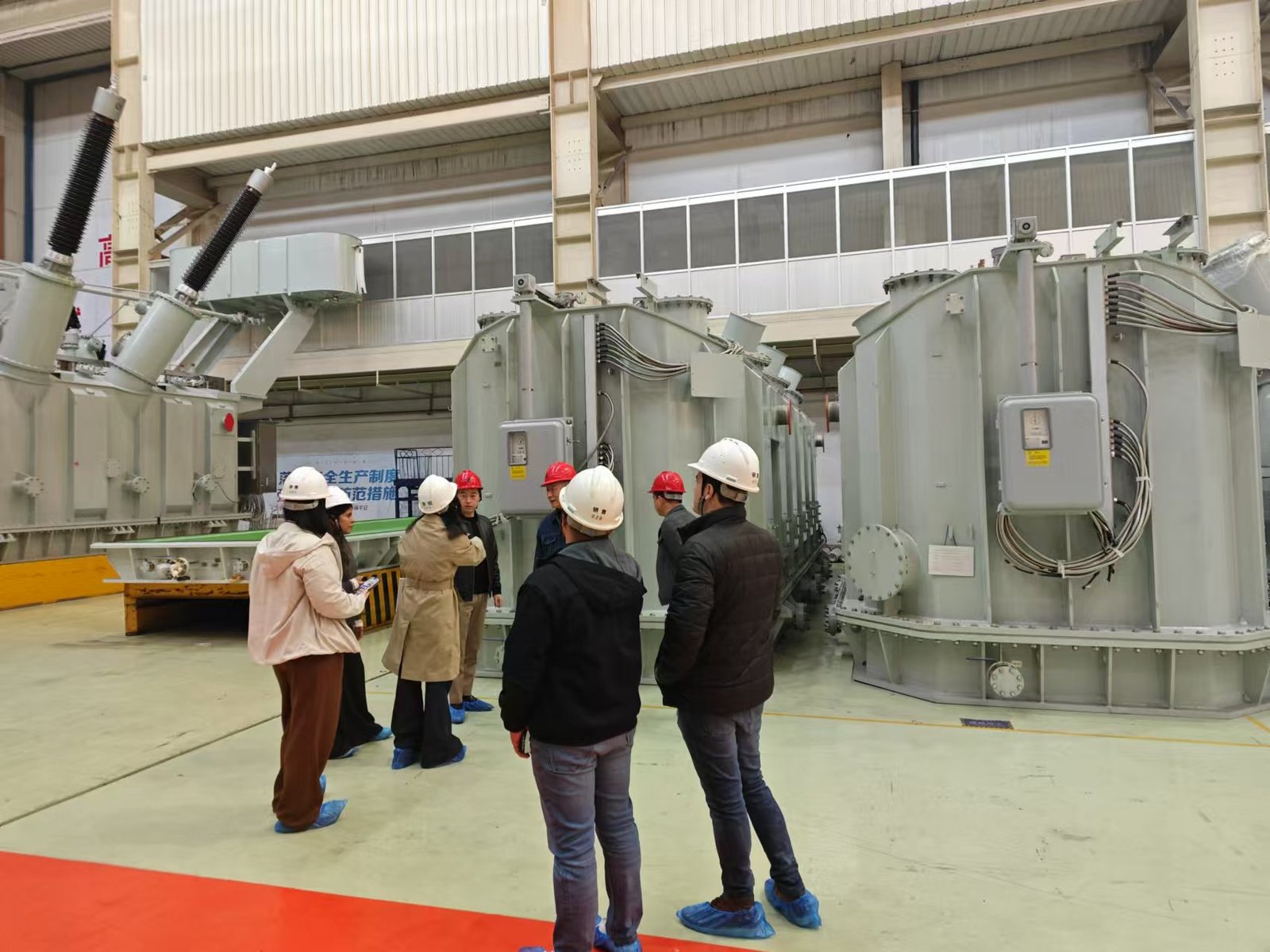
Buying a power transformer based only on a datasheet, quotation, or supplier certificate can create significant risks because many manufacturing-quality problems are not visible from external specifications. A transformer may have the correct MVA rating and voltage ratio but still contain weaknesses in core assembly, winding geometry, insulation drying, sealing, connections, or testing. These defects can later appear as excessive losses, overheating, insulation aging, abnormal noise, partial discharge, or mechanical deformation. Buyers can verify manufacturing quality before purchasing power transformers by combining supplier qualification, factory audits, material and process documentation, production-equipment inspection, quality-system verification, representative test reports, and a clearly defined Factory Acceptance Test (FAT). The strongest evaluation verifies not only what the supplier promises, but also how the transformer is actually manufactured, inspected, tested, and documented.
A power transformer supplier's ISO certificate alone proves that its transformers have high manufacturing quality.False
A management-system certification demonstrates that an organization operates a documented quality system within a defined scope, but it does not by itself prove that every transformer design, production process, material, or finished unit meets a buyer's specific technical requirements.
What Should Buyers Verify Before Comparing Transformer Prices?
The first mistake buyers should avoid is starting with price.
Before comparing quotations, establish whether each supplier has the technical and manufacturing capability to produce the required transformer consistently.
A useful preliminary qualification should cover:
| Evaluation Area | What Buyers Should Verify |
|---|---|
| Factory capability | Actual transformer production capacity |
| Product experience | Similar MVA and voltage-class projects |
| Core manufacturing | Cutting, stacking, joint and inspection capability |
| Winding manufacturing | Equipment, dimensional control and experience |
| Insulation processing | Drying, vacuum and moisture-control capability |
| Assembly | Cleanliness, clearances and connection control |
| Testing | Routine, type and special-test capabilities |
| Quality system | Inspection, traceability and corrective actions |
| Documentation | Complete manufacturing and test records |
| Service history | References, warranty and failure response |
This process separates a real manufacturing supplier from a company that mainly assembles products from outsourced components or relies heavily on third-party production.
How Can Buyers Verify the Supplier's Factory Capability?
A supplier's website may show impressive factory photographs, but buyers should verify what equipment is actually available and what processes are performed internally.
For a power transformer manufacturer, useful factory-audit points include:
- Core cutting equipment
- Core stacking and assembly facilities
- Automatic or controlled winding equipment
- Conductor processing equipment
- Insulation preparation areas
- Vacuum drying equipment
- Transformer tank fabrication facilities
- Vacuum oil filling equipment
- Electrical testing laboratory
- Calibration systems
- Clean assembly areas
- Storage facilities for insulation materials
The goal is not to count machines.
The important question is:
Can the factory's equipment and processes consistently reproduce the required transformer design?
For example, a supplier may claim extensive experience with large power transformers, but if its winding equipment is designed primarily for smaller distribution transformers, buyers should investigate how large units are actually produced.
Why Is a Factory Audit Valuable?
A factory audit allows buyers to compare the supplier's documented procedures with actual production practices.
During an audit, buyers can observe:
- How raw materials enter the factory.
- How materials are inspected.
- How production batches are identified.
- How core laminations are processed.
- How windings are manufactured.
- How insulation is stored and protected.
- How drying is performed.
- How assembly cleanliness is maintained.
- How finished transformers are tested.
- How nonconforming products are handled.
A strong factory should have a logical flow from incoming inspection to final testing, with traceability throughout.
How Can Buyers Evaluate Core Manufacturing Quality?
Core quality directly influences no-load losses, magnetic performance, vibration, and efficiency.
Buyers should ask about:
- Electrical-steel grade
- Supplier and material certification
- Lamination thickness
- Cutting accuracy
- Burr control
- Core-joint construction
- Lamination insulation
- Core clamping
- Core grounding
- Core-loss verification
The important distinction is between material quality and manufacturing quality.
A supplier can purchase excellent grain-oriented electrical steel but still produce a poor core if cutting, handling, stacking, or joint assembly is uncontrolled.
Buyers should therefore request both material certificates and evidence of core-processing quality.
How Can Buyers Verify Winding Manufacturing Quality?
Winding quality is one of the strongest indicators of a manufacturer's technical maturity.
Buyers should investigate:
- Winding equipment
- Conductor dimensions
- Winding tension control
- Radial and axial dimensional tolerances
- Inter-layer insulation
- End insulation
- Lead positioning
- Mechanical support
- Clamping procedures
- Winding inspection records
This matters because transformer windings must withstand both normal operating stresses and substantial electromagnetic forces during short-circuit events.
A winding that is electrically acceptable at the factory but mechanically weak can still develop problems during service.
Why Should Buyers Examine Insulation and Drying Processes?
Insulation quality is strongly influenced by manufacturing conditions.
For oil-filled power transformers, buyers should pay particular attention to:
- Cellulose insulation storage
- Moisture protection
- Drying process
- Vacuum treatment
- Insulation cleanliness
- Assembly exposure time
- Oil processing
- Final sealing
Residual moisture can accelerate insulation aging and reduce dielectric reliability.
Therefore, asking simply “What insulation material do you use?” is not enough.
A better question is:
“How do you control moisture from insulation storage through drying, assembly, vacuum processing, and final sealing?”
The supplier's answer can reveal whether moisture management is an established process or merely a general quality claim.
How Can Buyers Verify Manufacturing Traceability?
Traceability is one of the most useful indicators of a mature quality system.
Ideally, a supplier should be able to connect the finished transformer serial number with:
Raw materials → manufacturing records → inspection results → assembly records → test results
For example, the supplier should be able to identify the material certificates associated with the core and conductors used in a specific transformer.
Traceability becomes particularly important if a problem appears years after commissioning.
Without adequate records, it may be difficult to determine whether the issue originated from:
- Material variation
- Production process
- Assembly
- Installation
- Operation
A strong traceability system makes investigation much more effective.
Which Quality Documents Should Buyers Request?
Buyers should request documents appropriate to the project before signing the final purchase agreement.
Typical documentation may include:
| Document | Purpose |
|---|---|
| Quality manual or quality plan | Shows quality-management structure |
| Material certificates | Verifies specified materials |
| Manufacturing procedures | Demonstrates process control |
| Inspection and Test Plan | Defines production checkpoints |
| Core inspection records | Verifies core manufacturing |
| Winding inspection records | Verifies winding production |
| Drying records | Demonstrates moisture-control process |
| Calibration certificates | Supports measurement reliability |
| Routine test reports | Verifies individual transformer performance |
| Type-test reports | Supports design validation |
| FAT procedure | Defines customer acceptance process |
| Final inspection report | Confirms shipment condition |
Not every project requires every document, but important utility and industrial transformers generally justify a more comprehensive documentation package.
How Important Are Type-Test Reports?
Type-test reports can provide valuable evidence that a transformer design has been subjected to defined tests.
However, buyers should verify applicability.
A type-test report for one transformer should not automatically be treated as proof for every transformer a supplier manufactures.
Buyers should compare:
- MVA rating
- Voltage class
- Winding configuration
- Insulation system
- Cooling method
- Impedance
- Core and winding design
- Applicable standards
- Test conditions
The closer the tested design is to the proposed transformer, the more useful the report becomes as supporting evidence.
Why Should Buyers Review Routine Test Reports?
Routine tests provide evidence about the individual production unit.
Depending on the applicable standards and specification, these can include:
- Winding resistance
- Voltage ratio
- No-load loss
- Load loss
- Impedance
- Dielectric tests
- Insulation-related tests
- Functional checks
- Partial-discharge testing where specified
Buyers should pay attention to actual measured values, not simply whether the report contains a “PASS” statement.
For example, actual no-load loss and load-loss values can help buyers compare manufacturing performance between suppliers.
What Should Buyers Look for in Loss-Test Results?
Transformer efficiency is strongly influenced by core and winding losses.
Buyers should compare:
- Guaranteed no-load loss
- Guaranteed load loss
- Reference temperature
- Test tolerances
- Measurement conditions
A low quoted loss figure can look attractive, but it must be interpreted consistently across suppliers.
If two suppliers use different reference conditions or testing methods, their numbers may not be directly comparable.
Therefore, buyers should establish a common technical basis before comparing loss guarantees.
How Can Buyers Evaluate the Supplier's Testing Laboratory?
Testing capability is another useful indicator of manufacturing maturity.
A supplier should be able to demonstrate suitable equipment for measuring the parameters required by the project.
Buyers can ask:
- Which tests are performed internally?
- Which tests are outsourced?
- What is the maximum transformer rating the laboratory can test?
- What voltage levels can be tested?
- How are instruments calibrated?
- How often is calibration performed?
- Are test procedures documented?
- Can customers witness testing?
A supplier that outsources critical tests is not automatically unreliable. However, buyers should understand which processes are controlled internally and which depend on external laboratories.
How Can Buyers Use a Factory Acceptance Test?
For major power transformers, the FAT should be defined before production is completed.
The FAT specification should identify:
- Required tests
- Applicable standards
- Acceptance criteria
- Test conditions
- Required test instruments
- Customer witness points
- Documentation requirements
- Nonconformance procedures
- Retesting requirements
This creates an objective method for deciding whether the transformer is ready for shipment.
A good FAT should not be improvised after the transformer has already been manufactured.
Should Buyers Inspect the Transformer During Production?
For critical projects, staged inspection can be more valuable than a single final inspection.
Possible inspection points include:
Material inspection → core assembly → winding → insulation/drying → final assembly → testing
This allows buyers or third-party inspectors to verify important processes before they become inaccessible.
For example, once the tank has been sealed, it may be difficult to independently verify certain internal assembly details.
Why Are Customer References Important?
Past project references provide evidence that the manufacturer can deliver reliable products under real operating conditions.
However, buyers should seek comparable references, not simply a long customer list.
Useful reference characteristics include:
- Similar MVA rating
- Similar voltage level
- Similar cooling system
- Similar insulation system
- Similar application
- Similar environmental conditions
- Comparable operating duration
Where possible, buyers can ask reference customers about:
- Delivery performance
- Commissioning experience
- Transformer performance
- Warranty claims
- Technical support
- Response to problems
- Spare-parts availability
A supplier with fewer but highly relevant references may be more suitable than one with many unrelated installations.
How Can Buyers Identify Warning Signs?
Several warning signs deserve additional investigation.
1. The supplier avoids factory visits.
A factory visit is not always possible, but repeated refusal to provide credible evidence of production capability should raise questions.
2. Test reports are incomplete.
Missing values, unclear test conditions, or generic certificates make technical comparison difficult.
3. Type-test reports do not match the proposed design.
Buyers should investigate the differences rather than accepting the report automatically.
4. No clear material traceability exists.
This makes future quality investigation more difficult.
5. The supplier focuses almost entirely on price.
Power transformers are long-life assets, so an unusually low initial price should be evaluated against technical specifications and lifecycle costs.
6. Quality procedures are described only in general terms.
Reliable suppliers should be able to explain concrete inspection and manufacturing controls.
What Is the Best Way to Score Transformer Suppliers?
Buyers can create a weighted supplier-quality scorecard rather than making the decision based on one criterion.
| Category | Example Evaluation Weight |
|---|---|
| Technical capability | 20% |
| Manufacturing capability | 20% |
| Quality-control system | 15% |
| Testing capability | 15% |
| Relevant project references | 10% |
| Documentation and traceability | 10% |
| Service and warranty | 5% |
| Commercial competitiveness | 5% |
The exact weighting should be adjusted according to project risk.
For a critical utility transformer, manufacturing and testing capability may deserve substantially more weight than commercial price.
For a smaller standardized transformer, procurement efficiency may have greater importance.
Conclusion
Manufacturing quality is a fundamental factor determining the reliability and service life of power transformers. High-quality materials, precise manufacturing processes, effective insulation treatment, accurate assembly, reliable sealing, and comprehensive factory testing can prevent defects that would otherwise accelerate aging and cause premature failures. Buyers should therefore evaluate a manufacturer's quality management system, production processes, testing capabilities, and inspection records rather than focusing solely on purchase price. A transformer manufactured under strict quality controls can provide more dependable operation, lower lifecycle costs, and greater long-term value.
FAQ
Q1: How does manufacturing quality affect the lifespan of power transformers?
Manufacturing quality has a direct influence on the reliability, operating performance, and expected service life of a power transformer. A transformer can have an excellent design and high-quality materials, but poor manufacturing practices can introduce defects that gradually develop into serious failures.
Several manufacturing stages are particularly important.
Material control ensures that the core steel, winding conductors, insulation materials, transformer oil or other insulating media meet the required specifications. Incorrect or contaminated materials can increase losses, weaken insulation, or accelerate aging.
Core manufacturing also matters. Improper cutting, excessive mechanical stress, inaccurate stacking, or poor joint construction can increase core losses and excitation current.
Winding quality is equally important. Conductors must be positioned accurately and adequately supported. Poor winding alignment or insufficient mechanical reinforcement can make the transformer more vulnerable to forces generated during short circuits.
Insulation processing is another critical factor. Moisture, contamination, trapped air, or inadequate drying can reduce dielectric strength and accelerate insulation deterioration.
For oil-immersed transformers, vacuum treatment and oil processing are particularly important because moisture and gas can significantly affect insulation performance.
Finally, factory testing helps identify manufacturing problems before the transformer reaches the customer's site.
Quality manufacturing therefore reduces the likelihood of:
Insulation breakdown
Winding deformation
Excessive losses
Overheating
Oil leakage
Mechanical failure
Premature aging
The effect is not always immediately visible. A small manufacturing defect may remain dormant for years before thermal, electrical, or mechanical stress causes it to develop into a failure.
For this reason, buyers should evaluate a manufacturer's quality management system, production controls, inspection procedures, factory acceptance testing, and traceability rather than judging a transformer only by its nameplate specifications.
Good manufacturing quality does not guarantee an unlimited lifespan, but it substantially improves the probability that the transformer will achieve its intended service life.
Q2: Which manufacturing defects can shorten a power transformer's service life?
Several manufacturing defects can reduce transformer service life because they introduce electrical, thermal, or mechanical weaknesses.
One of the most serious categories is insulation defects. Examples include inadequate drying, contamination, incorrect insulation dimensions, damaged insulation, or voids and weak points in insulation systems. These defects can reduce dielectric strength and increase the risk of partial discharge or insulation breakdown.
Winding defects can also create long-term problems. Incorrect conductor positioning, insufficient mechanical support, poor brazed or welded connections, and inadequate clamping can increase the risk of winding movement during fault conditions.
Core defects may cause excessive losses or abnormal magnetic behavior. Poor lamination handling, damaged insulation between laminations, incorrect stacking, and excessive mechanical stress can affect core performance.
For liquid-filled transformers, tank and sealing defects can lead to oil leakage. Moisture may subsequently enter the transformer, potentially accelerating insulation aging.
Other possible manufacturing problems include:
Poor electrical connections
Incorrect tap-changer assembly
Contaminated insulating fluid
Inadequate vacuum treatment
Incorrect torque on mechanical fasteners
Poor grounding connections
Defective bushings
Inaccurate dimensional assembly
The important point is that many defects are preventable through effective quality control.
A mature manufacturing process normally includes inspection checkpoints throughout production instead of relying only on a final inspection.
For example, quality control may verify materials when they arrive, inspect the core during assembly, check winding dimensions after winding, monitor insulation drying, verify connections before tank closure, and perform electrical tests after final assembly.
Buyers can reduce risk by requesting inspection and test plans, manufacturing quality records, material certificates, and factory acceptance test results.
A transformer should therefore be evaluated not only by its final test report but also by how consistently the manufacturer controls the production process.
Q3: Why are insulation and drying quality important for transformer lifespan?
Insulation is one of the most important factors determining transformer reliability because it separates conductors operating at different electrical potentials and prevents unwanted current paths.
The insulation system is exposed to electrical, thermal, and mechanical stresses throughout the transformer's life. Manufacturing defects can reduce its ability to withstand these stresses.
For oil-immersed transformers, moisture is particularly important. Water can reduce the dielectric strength of insulation and influence the aging behavior of cellulose materials. Moisture can also contribute to the formation of bubbles under certain high-temperature conditions, creating additional dielectric risk.
This is why transformer manufacturers use controlled drying and vacuum processes before final assembly and oil filling.
The objective is to remove moisture and contaminants from:
Paper insulation
Pressboard
Windings
Core components
Other internal insulating materials
Insulation must also be handled carefully during assembly. Dirt, metallic particles, moisture, and physical damage can create localized weak points.
Once the transformer is in service, thermal stress can gradually accelerate insulation aging. If manufacturing has already introduced moisture or defects, the available reliability margin may be reduced from the beginning.
Dry-type transformers have different insulation systems, but manufacturing quality remains equally important. Resin curing, winding encapsulation, insulation placement, and thermal design all need to be controlled carefully.
For buyers, useful quality requirements include:
Controlled drying procedures
Moisture limits
Insulation resistance testing
Dielectric tests
Partial-discharge testing where applicable
Material traceability
Controlled assembly environments
A high-quality insulation system does more than prevent immediate electrical failure. It provides the transformer with greater tolerance against years of thermal and electrical stress.
Therefore, insulation processing should be treated as a major transformer-life factor rather than a routine manufacturing detail.
Q4: How do factory testing and quality control improve transformer reliability?
Factory testing helps verify that a completed transformer satisfies its specified electrical and mechanical requirements before shipment.
Testing cannot compensate for poor manufacturing, but it can identify many defects before the transformer enters service.
Depending on the transformer design and applicable standards, factory testing may evaluate:
Winding resistance
Voltage ratio
Polarity and phase relationship
No-load losses
Load losses
Impedance
Dielectric withstand
Insulation performance
Temperature-related characteristics
Partial discharge
Tap-changer operation
Routine tests are generally performed on individual transformers, while additional type or special tests may be required depending on the project specification.
Quality control should also extend beyond electrical testing. Manufacturers can inspect dimensions, connections, mechanical assembly, material certificates, oil quality, welds, and other production characteristics.
For major projects, buyers may conduct or appoint inspectors to witness selected manufacturing stages and factory acceptance tests.
This can provide additional confidence that the transformer supplied is consistent with the approved design.
A strong factory quality program typically follows a sequence such as:
Incoming material inspection → controlled manufacturing → in-process inspection → assembly verification → final testing → documentation review → shipment approval
This approach is more effective than relying entirely on a final test because it attempts to prevent defects before they reach the completed transformer.
Buyers should therefore examine both the manufacturer's testing capability and its broader quality-control process.
Useful documentation may include:
Inspection and test plans
Material certificates
Calibration records
Test reports
Quality-control records
Nonconformance reports
Factory acceptance test procedures
Effective testing and quality control reduce the probability that hidden manufacturing problems will become field failures, helping the transformer achieve its intended reliability and service life.
References
IEC 60076 – Power Transformers
https://webstore.iec.ch/en/publication/602
IEC 60076-1 – Power Transformers: General
https://webstore.iec.ch/en/publication/603
IEC 60076-3 – Insulation Levels, Dielectric Tests and External Clearances
https://webstore.iec.ch/en/publication/605
IEC 60076-5 – Ability to Withstand Short Circuit
https://webstore.iec.ch/en/publication/607
IEEE C57 Series – Transformers
https://standards.ieee.org
U.S. Department of Energy – Large Power Transformer Resilience
https://www.energy.gov
NEMA – Electrical Standards and Products
https://www.nema.org