
The cost of a power transformer is influenced by multiple technical, market, and design-related factors. Understanding these elements helps project managers, engineers, and procurement teams make informed purchasing decisions while maintaining performance and quality standards. From raw material prices to energy efficiency design, every factor plays a critical role in determining the final cost. This article explores the top factors that affect transformer pricing and offers practical insights on how to optimize your investment without compromising on reliability.
What Are the Key Raw Materials That Influence Transformer Cost?

In the world of power transformer manufacturing, raw materials account for nearly 70–80% of total production cost. Every fluctuation in the global metals market, every change in insulation technology, and every design optimization directly affects the final transformer price. For engineers, procurement teams, and energy planners, understanding which raw materials dominate cost and why is essential for accurate budgeting, fair supplier comparison, and lifecycle optimization.
The key raw materials influencing power transformer cost include electrical steel (core), copper or aluminum (windings), transformer oil, insulation materials, and structural steel for tanks and frames. Their global market prices, purity, and technical properties directly determine both the cost and performance of the transformer.
Selecting the right combination of these materials ensures an ideal balance between cost, efficiency, and reliability — especially for long-term grid and industrial applications.
Transformer material costs are dominated by the cost of the tank and accessories.False
More than 60% of a transformer's material cost typically comes from copper/aluminum windings and electrical steel core, not from structural components.
1. Electrical Steel (Core Material)
The transformer core is made from grain-oriented electrical steel (GOES) or non-grain-oriented steel (NGO), depending on efficiency requirements. This material determines core losses, magnetization current, and overall energy performance.
| Type | Typical Grade | Core Loss (W/kg at 1.5 T) | Approx. Cost Share (%) |
|---|---|---|---|
| Conventional GOES | M4 (0.27 mm) | 1.35 | 20–25% |
| High-grade GOES | M2 (0.23 mm) | 1.05 | 25–30% |
| Amorphous Alloy | Fe–Si–B (0.025 mm) | 0.25 | 30–35% |
The higher the magnetic performance, the lower the energy loss, but the higher the material price.
For instance, amorphous steel offers 70–80% lower no-load loss than conventional GOES, but its raw material cost can be 1.8–2.2× higher, making it suitable for eco-efficient distribution transformers.
Using lower-grade core steel always reduces overall cost.False
Lower-grade steel increases core loss and operating temperature, leading to higher lifetime energy costs and reduced efficiency.
2. Conductors: Copper vs. Aluminum
The windings—made from either electrolytic copper (Cu-ETP) or aluminum (Al-99.7%)—carry the electrical current and are a major cost driver.
| Material | Conductivity (% IACS) | Density (g/cm³) | Relative Cost | Typical Application |
|---|---|---|---|---|
| Copper | 100 | 8.9 | 1.0 (Base) | High-performance, compact designs |
| Aluminum | 61 | 2.7 | 0.55 | Lightweight, cost-optimized designs |
Although aluminum windings cost less, they require larger cross-sections to match copper’s conductivity. This increases the size of the transformer tank, insulation volume, and oil requirement.
The global copper market price—usually between USD 8,000–10,000 per ton (as of 2025)—is the single largest variable affecting transformer pricing trends.
| Impact of Conductor Material on Transformer Cost | Copper Wound | Aluminum Wound |
|---|---|---|
| Initial Material Cost | Higher | Lower |
| Electrical Losses | Lower | Slightly higher |
| Weight | Heavier | Lighter |
| Efficiency | Better | Moderate |
| Maintenance | Lower | Higher contact resistance risk |
A well-designed aluminum transformer can still meet IEC 60076 efficiency standards, but copper remains preferred for power and critical grid transformers due to thermal and mechanical advantages.
3. Transformer Oil
For oil-immersed transformers, insulating oil serves two essential functions:
- Electrical insulation, preventing breakdown between windings.
- Thermal conduction, transferring heat from core and windings to cooling radiators.
| Oil Type | Dielectric Strength (kV/mm) | Flash Point (°C) | Relative Cost | Features |
|---|---|---|---|---|
| Mineral Oil (Naphthenic) | 12–15 | 145 | 1.0 | Economical, widely used |
| Synthetic Ester | 15–17 | 260 | 1.8 | Biodegradable, high fire point |
| Natural Ester (Vegetable-based) | 17–19 | 300 | 2.0 | Renewable, eco-friendly |
Oil cost can vary from USD 1.5 to 3.0 per liter, depending on purity and fire safety rating. The move toward bio-based oils is increasing costs but improving sustainability.
Synthetic esters are less thermally stable than mineral oils.False
Synthetic esters have higher thermal and oxidation stability, allowing higher operating temperatures and longer insulation life.
4. Insulation Materials
Transformer insulation determines dielectric strength, moisture resistance, and longevity. Materials vary by transformer type (oil-filled or dry-type).
| Material | Application | Thermal Class (°C) | Approx. Cost Share (%) |
|---|---|---|---|
| Kraft Paper | Winding insulation | 105 | 3–5% |
| Pressboard | Spacer and barrier | 105 | 3–5% |
| Epoxy Resin | Dry-type casting | 155 | 8–10% |
| Nomex / Aramid Paper | High-temp insulation | 180 | 10–15% |
Using high-grade aramid paper or epoxy resin raises the cost but extends service life by up to 30 years in harsh operating environments.
5. Structural and Auxiliary Materials
Though less visible, structural materials are vital for mechanical integrity and protection.
| Component | Material | Approx. Cost Share (%) | Function |
|---|---|---|---|
| Tank & Frame | Mild steel (3–10 mm thick) | 10–15% | Structural protection |
| Radiators & Coolers | Galvanized steel / aluminum | 3–5% | Cooling |
| Bushings | Porcelain or epoxy | 2–4% | HV/LV connections |
| Fasteners & Clamps | Stainless steel | 1–2% | Assembly reliability |
While these don’t dominate total cost, fluctuations in steel prices and galvanization costs can impact the overall quotation—especially for large units.
6. Global Market Price Influence (2020–2025 Trends)
| Material | 2020 Avg. Price (USD/ton) | 2025 Avg. Price (USD/ton) | Trend (5-Year) | Primary Influence |
|---|---|---|---|---|
| Copper | 6,500 | 9,500 | ↑ Up 46% | Global electrification demand |
| Electrical Steel | 1,800 | 2,400 | ↑ Up 33% | Renewable grid expansion |
| Aluminum | 1,700 | 2,300 | ↑ Up 35% | Automotive and grid markets |
| Mineral Oil | 1,200 | 1,500 | ↑ Up 25% | Crude oil price and logistics |
| Ester Oil | 2,500 | 3,000 | ↑ Up 20% | Sustainability regulations |
These materials’ prices are closely tied to energy transition trends, supply chain disruptions, and geopolitical factors.
7. Material Cost Composition of a Typical Power Transformer (by % of Total Cost)
| Component | Material Type | Share of Total Cost (%) |
|---|---|---|
| Core | Electrical steel | 25 |
| Windings | Copper / Aluminum | 35 |
| Insulation | Paper, pressboard, resin | 8 |
| Oil | Mineral / Ester | 7 |
| Tank, frame, and fittings | Steel, bushings, paint | 15 |
| Assembly & Miscellaneous | Hardware, gaskets, accessories | 10 |
Total raw material contribution: ≈ 80% of total transformer manufacturing cost.
8. Impact of Material Quality on Performance and Lifecycle Cost
Cheaper materials may reduce upfront prices but increase long-term losses and maintenance costs.
| Decision Factor | Low-Cost Material Impact | High-Quality Material Impact |
|---|---|---|
| Core Steel | Higher losses | Better efficiency |
| Conductor | Higher resistance and heat | Lower operating loss |
| Oil | Faster degradation | Longer service interval |
| Insulation | Shorter life, risk of failure | Longer reliability |
| Tank Steel | Corrosion risk | Superior protection |
Selecting materials based solely on upfront cost often leads to higher total cost of ownership (TCO)—a common procurement mistake.
9. Case Study: 100 MVA, 220/66 kV ONAF Transformer
| Material | Weight (kg) | Unit Cost (USD/kg) | Cost (USD) | % of Total Material Cost |
|---|---|---|---|---|
| Copper | 25,000 | 9.0 | 225,000 | 37% |
| Core Steel | 18,000 | 2.4 | 43,200 | 23% |
| Transformer Oil | 9,000 | 1.6 | 14,400 | 8% |
| Insulation | 4,000 | 3.5 | 14,000 | 7% |
| Tank and Structure | 30,000 | 1.8 | 54,000 | 25% |
| Total Material Cost | 86,000 kg | — | 350,600 USD | 100% |
This analysis highlights that fluctuations in copper or steel prices alone can shift the final transformer price by ±10–15%.
How Do Capacity and Voltage Ratings Affect Transformer Pricing?
The capacity (kVA/MVA) and voltage rating of a power transformer are the two most decisive parameters influencing its total cost. These ratings determine not only the electrical performance but also the physical size, insulation strength, cooling requirements, and manufacturing complexity. As the required voltage or power capacity increases, every part of the transformer — from its core and windings to insulation and tank — must scale accordingly, leading to exponential cost growth rather than linear increments.
In general, transformer pricing increases proportionally with capacity (kVA/MVA) and exponentially with voltage rating, due to the higher insulation requirements, winding complexity, and design precision needed to withstand elevated electrical stresses.
Understanding how these parameters interact is critical for project budgeting, supplier comparison, and technical specification alignment in grid, industrial, and renewable energy projects.
Transformer cost increases linearly with voltage and capacity.False
While transformer capacity affects cost roughly linearly, voltage rating increases cost exponentially due to insulation, testing, and design complexity.
1. Understanding Capacity Rating (kVA or MVA)
The kVA/MVA rating represents the apparent power the transformer can handle safely without overheating. It directly determines:
- Size of the core and windings
- Amount of copper/aluminum used
- Cooling system capacity
| Capacity Range | Typical Application | Approx. Cost (USD/unit) | Cost Scaling |
|---|---|---|---|
| 25–500 kVA | Commercial, light industrial | 3,000 – 25,000 | Linear |
| 1–10 MVA | Distribution & small substations | 30,000 – 180,000 | Linear |
| 20–100 MVA | Transmission & heavy industry | 200,000 – 1.2M | Moderate exponential |
| 200–400 MVA | Grid & generation step-up | 1.5M – 3.5M+ | Exponential |
The relationship between MVA rating and cost is approximately:
[\text{Cost} \propto (\text{MVA})^{0.9 \text{ to } 1.1}]
This near-linear relationship applies when voltage level remains constant. However, when voltage increases, the cost multiplier becomes greater than 1.3 due to insulation, bushing, and tank scaling.
2. How Voltage Rating Influences Cost
Voltage ratings — especially primary (HV) and secondary (LV) values — are a dominant cost factor because they determine:
- Insulation level (thicker barriers, higher dielectric strength oil or resin).
- Creepage distances and clearances in design.
- Bushing and tap changer specifications.
- Testing voltage levels (higher cost in type and routine tests).
| Voltage Class | Typical System Use | Insulation Level (kV BIL) | Approx. Cost Multiplier |
|---|---|---|---|
| ≤ 11 kV | Low voltage distribution | 75 | 1.0 |
| 33 kV | Regional distribution | 170 | 1.3 |
| 66 kV | Sub-transmission | 325 | 1.8 |
| 132 kV | Transmission | 550 | 2.3 |
| 220 kV | High transmission | 1050 | 3.0 |
| 400 kV | Extra-high voltage | 1425 | 4.5–5.0 |
A 50 MVA transformer designed for 132/33 kV can cost nearly 2× more than one rated at 33/11 kV, even with the same MVA capacity. The increase arises mainly from the dielectric and mechanical design complexity.
Voltage increase mainly affects conductor material usage.False
Voltage increases affect insulation systems, bushings, clearances, and testing requirements far more than conductor material volume.
3. Combined Impact: Capacity × Voltage Interaction
When both capacity and voltage rise, the cost effect compounds.
| Example Configuration | Capacity | Voltage Class | Estimated Price (USD) | Relative Cost Factor |
|---|---|---|---|---|
| 5 MVA, 33/11 kV | 5 MVA | 33 kV | 65,000 | 1.0 |
| 10 MVA, 33/11 kV | 10 MVA | 33 kV | 100,000 | 1.5 |
| 20 MVA, 66/11 kV | 20 MVA | 66 kV | 190,000 | 2.9 |
| 50 MVA, 132/33 kV | 50 MVA | 132 kV | 400,000 | 6.1 |
| 100 MVA, 220/66 kV | 100 MVA | 220 kV | 850,000 | 13.0 |
As seen, doubling both MVA and voltage can quadruple or quintuple the price, largely because of exponential growth in insulation, testing voltage, tank volume, and cooling system size.
4. Cost Composition Differences by Rating
| Cost Element | Low Voltage (<33 kV) | High Voltage (>132 kV) | Cost Impact Explanation |
|---|---|---|---|
| Core & Windings | 65% | 50% | Higher-voltage units allocate more cost to insulation and testing |
| Insulation & Bushings | 10% | 20% | Thicker layers, longer creepage paths |
| Tank & Cooling | 10% | 15% | Larger tanks, ONAF/OFWF systems |
| Testing & Quality Control | 3% | 10% | High-voltage impulse, PD, and heat-run tests |
| Accessories (Tap changers, sensors) | 12% | 5% | More complex in HV but relatively smaller proportion |
Thus, insulation and testing costs dominate in high-voltage designs, while conductor and core costs dominate in lower-voltage units.
5. Cooling System Class and Thermal Rating Influence
Larger capacity transformers require enhanced cooling systems (ONAN → ONAF → OFAF → ODAF), each step adding cost.
| Cooling Type | Approx. Power Range (MVA) | Relative Cost Multiplier | Comment |
|---|---|---|---|
| ONAN (Oil Natural Air Natural) | ≤10 | 1.0 | Passive cooling |
| ONAF (Oil Natural Air Forced) | 10–60 | 1.2 | Fan-assisted cooling |
| OFAF (Oil Forced Air Forced) | 60–200 | 1.4 | Pump & fan system |
| ODAF / OFWF | >200 | 1.6–1.8 | Water or directed oil cooling |
A 100 MVA ODAF transformer may cost 20–30% more than an ONAN unit of similar voltage class due to auxiliary systems and monitoring sensors.
6. Example Case Study: 20 MVA vs. 50 MVA Comparison
| Parameter | 20 MVA, 33/11 kV | 50 MVA, 132/33 kV |
|---|---|---|
| Cooling Type | ONAF | ONAF / OFAF |
| Core Weight | 12,000 kg | 22,000 kg |
| Copper Weight | 8,500 kg | 17,500 kg |
| Tank Volume | 9,000 L | 22,000 L |
| Oil Volume | 5,000 L | 13,000 L |
| Efficiency (%) | 99.35 | 99.50 |
| Approx. Cost (USD) | 190,000 | 400,000 |
| Cost per MVA (USD/MVA) | 9,500 | 8,000 |
Although the total cost rises, the cost per MVA decreases for larger units because material usage scales more efficiently with size — a principle known as economy of scale in transformer design.
7. Testing and Certification Costs
As voltage and capacity increase, so do testing voltage levels and certification complexity.
| Test Type | Low Voltage (≤33 kV) | High Voltage (≥132 kV) | Relative Cost Factor |
|---|---|---|---|
| Routine Tests | Basic electrical & insulation | Impulse & PD tests | 1.0 → 3.0× |
| Type Tests | Temperature rise | Full impulse withstand | 1.5 → 4.0× |
| Special Tests | Noise, vibration, moisture | Advanced partial discharge | 2.0 → 5.0× |
Testing infrastructure itself (e.g., high-voltage test bays, impulse generators) adds significant factory overhead, reflected in the price of large and high-voltage units.
8. The Engineering Perspective: Balancing Cost vs. Voltage
Design engineers often face the trade-off between efficiency, insulation class, and cost. A transformer rated for higher voltage requires thicker insulation but delivers lower operating losses and higher grid compatibility.
| Voltage Class | Typical Efficiency (%) | Design Complexity | Relative Cost Index |
|---|---|---|---|
| 11–33 kV | 98.8–99.2 | Moderate | 1.0 |
| 66–132 kV | 99.3–99.5 | High | 2.0 |
| 220–400 kV | 99.6–99.8 | Very High | 4.0 |
Thus, even a small efficiency improvement from 99.2% → 99.6% may save hundreds of megawatt-hours over the transformer’s lifetime — easily offsetting its higher upfront cost.
Why Do Design Specifications and Standards Impact Overall Cost?
In transformer manufacturing, design specifications and international standards are more than just paperwork — they define the engineering rigor, safety level, material quality, and testing requirements that ultimately determine how much a transformer costs. Every specification detail — from insulation class and cooling method to seismic withstand or noise limits — adds layers of engineering and production complexity. This means that two transformers with identical kVA ratings may have drastically different prices depending on which standards and specifications they’re built to meet.
In short, transformer design specifications and compliance with IEC, IEEE, ANSI, or customer-specific standards significantly influence overall cost by dictating material selection, insulation level, testing requirements, and quality assurance scope. Higher specification levels translate into greater reliability, longer service life, and increased manufacturing cost.
For procurement teams, understanding how specifications affect pricing helps make informed trade-offs between upfront investment and long-term performance.
Transformer standards mainly serve as documentation with no real effect on cost.False
No explanation available.
1. The Link Between Design Standards and Cost Drivers
Every recognized transformer standard — IEC 60076, IEEE C57, ANSI C57.12, or EN 50588 — defines specific performance and safety benchmarks that manufacturers must meet. Compliance ensures interchangeability, reliability, and user safety, but also introduces cost factors like:
| Cost Driver | Specification Impact | Resulting Cost Increase (%) |
|---|---|---|
| Insulation Level | Higher dielectric strength required | +10–25% |
| Efficiency Class | Premium core and winding materials | +8–15% |
| Cooling Method | Forced cooling systems (OFAF/ODAF) | +12–20% |
| Testing Requirements | More comprehensive factory tests | +5–10% |
| Accessories & Monitoring | Sensors, OLTC, temperature control | +10–30% |
| Seismic / Environmental | Mechanical reinforcement, painting | +5–12% |
Thus, a transformer designed for IEC 60076-10 noise limits, IEC 60076-3 insulation coordination, and EU EcoDesign efficiency levels can cost 25–40% more than a basic, locally built unit of the same MVA rating.
2. Design Specifications That Affect Material and Construction
Design specifications dictate the engineering configuration of the transformer, including winding type, insulation system, and tank design.
| Specification Category | Example Parameter | Cost Implication |
|---|---|---|
| Thermal Design | Temperature rise 55°C vs 65°C | Lower rise = more copper & core area (+10–15%) |
| Loss Evaluation | Low-loss (Ck < 0.1) vs standard | High-grade core steel (+15–25%) |
| Dielectric Design | BIL 1050 kV vs 550 kV | Higher insulation and clearances (+20–35%) |
| Mechanical Design | Short-circuit withstand | Stronger clamping and support (+5–10%) |
| Noise Level | 55 dB vs 65 dB | Better core stacking, damping pads (+5%) |
| Environmental | C5-M paint system | Multi-layer epoxy coating (+3–5%) |
For example, specifying a lower temperature rise design (55°C instead of 65°C) improves life expectancy by 30% but may increase cost by 10–12% due to additional copper and larger cooling area.
Reducing temperature rise requirements lowers manufacturing cost.False
No explanation available.
3. Effect of Efficiency and Loss Standards on Cost
Efficiency standards like EU EcoDesign (Tier 2) or DOE 2023 require reduced no-load and load losses, pushing manufacturers to use higher-grade electrical steel and more copper.
| Loss Class (IEC 60076-20) | Core Material | Efficiency (%) | Relative Cost Factor |
|---|---|---|---|
| AA0 | M5/M4 grade | 98.9 | 1.0 |
| AA1 | M3 grade | 99.1 | 1.1 |
| AA2 | M2 grade | 99.3 | 1.25 |
| AA3 (Eco Premium) | Amorphous core | 99.5 | 1.5–1.7 |
While an amorphous core unit may cost 40% more, it can reduce no-load losses by up to 70%, providing significant lifetime savings.
4. Testing and Quality Assurance Requirements
Higher design standards demand stricter factory acceptance testing (FAT), type tests, and special tests, all of which require skilled labor and advanced testing facilities.
| Test Category | Examples (IEC 60076-3, 60076-10, 60076-11) | Typical Added Cost (%) |
|---|---|---|
| Routine Tests | Ratio, impedance, insulation resistance | Baseline |
| Type Tests | Temperature rise, induced voltage, short circuit | +5–10% |
| Special Tests | Partial discharge, sound level, moisture analysis | +8–15% |
Testing requirements increase further when clients request witness tests, third-party inspections (e.g., SGS, TUV), or extended type tests, as they involve longer production cycles and additional documentation.
5. Compliance with IEC vs. IEEE vs. ANSI: Comparative Impact
| Standard | Design Emphasis | Testing Rigor | Relative Cost Impact |
|---|---|---|---|
| IEC 60076 | Global standard, efficiency & safety | High | +20–30% |
| IEEE C57 | North America focus, operational reliability | Moderate | +15–25% |
| ANSI C57.12 | Manufacturing precision, interchangeability | Moderate | +15–20% |
| Local/Custom | Simplified design | Low | Baseline (0%) |
Transformers for international or export projects almost always follow IEC/IEEE, meaning they must meet additional testing and certification requirements that increase total manufacturing cost.
6. Accessory and Monitoring System Specifications
Higher specification levels often include advanced accessories that add to both cost and operational intelligence:
| Accessory Type | Function | Cost Impact (USD) |
|---|---|---|
| On-load tap changer (OLTC) | Regulates voltage dynamically | +8,000–20,000 |
| Winding temperature indicators | Prevent overheating | +1,000–2,000 |
| Buchholz relay | Gas detection for oil faults | +500–1,200 |
| Digital monitoring (IoT sensors) | Predictive maintenance | +2,000–5,000 |
| Nitrogen cushion or conservator | Oil system protection | +1,500–3,000 |
While these add to the initial price, they improve safety, reliability, and operational control, especially in critical grid applications.
7. Custom Design vs. Standardized Design
Custom-designed transformers — for offshore platforms, renewable substations, or industrial furnaces — require tailored engineering, unique mechanical structures, and special testing, all of which increase cost and lead time.
| Design Category | Typical Use | Engineering Hours | Relative Cost Multiplier |
|---|---|---|---|
| Standard Design | Grid/distribution use | 120 | 1.0 |
| Semi-Custom | Industrial or renewable | 200–250 | 1.2–1.4 |
| Fully Custom | Offshore, converter duty, traction | 350–500 | 1.5–1.8 |
The engineering cost difference alone can reach 5–10% of the total unit price.
8. Environmental and Safety Standards Influence
Modern specifications often include environmental, fire-safety, and noise emission limits that add design and production costs.
| Specification | Requirement | Added Cost (%) |
|---|---|---|
| Fire safety (IEC 60076-14) | Ester fluid or sealed tank | +5–8% |
| Environmental compliance (RoHS, REACH) | Non-toxic materials | +3–5% |
| Noise emission (≤55 dB) | Core optimization | +3–6% |
| Seismic withstand | Reinforced tank and supports | +4–7% |
Such features are essential in urban substations or renewable power stations, where environmental and acoustic compliance are non-negotiable.
9. Case Study: Comparing Two Design Levels for a 20 MVA, 66/11 kV Transformer
| Specification Level | Design Basis | Approx. Cost (USD) | Relative Cost Factor |
|---|---|---|---|
| Basic Design | Local standard, ONAN cooling, standard losses | 170,000 | 1.0 |
| Premium IEC Design | IEC 60076, EcoDesign efficiency, ONAF cooling, low noise | 240,000 | 1.4 |
While the IEC-compliant unit costs ~40% more, it offers 15% lower losses, extended lifespan, and reduced operational risk, resulting in better long-term ROI.
How Does Manufacturing Location and Logistics Affect Pricing?

In today’s global power transformer market, manufacturing location and logistics efficiency play decisive roles in determining overall pricing. When a transformer project involves long-distance shipping, customs regulations, and heavy-lift transportation, the total delivered cost can fluctuate dramatically — sometimes accounting for 15–30% of the total budget. This means that even two identical transformers built to the same specification can vary significantly in price depending on where they are produced and how they are delivered.
In summary, manufacturing location affects transformer pricing through differences in labor cost, taxation, energy prices, and material availability, while logistics influences cost via transportation, insurance, customs duties, packaging, and handling of oversized cargo. Selecting the right manufacturing hub and logistics strategy can reduce total cost of ownership without compromising quality or delivery reliability.
By understanding these cost components, project managers and procurement teams can better evaluate supplier offers and avoid hidden transportation expenses.
Transformer logistics costs usually account for less than 5% of total cost.False
No explanation available.
1. Influence of Manufacturing Location on Cost Structure
Manufacturing location determines production cost drivers such as labor rates, electricity tariffs, import duties on materials, and supply chain efficiency.
| Region | Labor Cost Index | Steel/Copper Cost (USD/t) | Electricity Cost (USD/kWh) | Relative Transformer Price |
|---|---|---|---|---|
| China | 1.0 | 1,050 / 9,200 | 0.09 | Baseline (1.0) |
| India | 0.8 | 1,100 / 9,400 | 0.11 | 0.95 |
| Europe | 2.0 | 1,350 / 10,500 | 0.23 | 1.3–1.4 |
| USA | 2.2 | 1,250 / 10,200 | 0.17 | 1.3 |
| Middle East | 1.5 | 1,200 / 9,800 | 0.10 | 1.1 |
For instance, a 50 MVA transformer manufactured in Europe can cost 30–40% more than one made in Asia due to higher labor and energy costs. However, Western manufacturers often provide superior certification, traceability, and warranty, which may justify the premium for critical grid applications.
Transformers produced in low-cost regions always have lower lifecycle cost.False
No explanation available.
2. Supply Chain and Component Sourcing Impact
Location also affects raw material accessibility. Transformer cores, copper conductors, and insulation paper are globally traded commodities, but logistics and import duties vary by region.
| Material | Global Price Variance | Typical Import Tariff Range (%) | Impact on Production Cost |
|---|---|---|---|
| Cold-Rolled Grain-Oriented Steel (CRGO) | ±8% | 3–7% | Moderate |
| Copper Wire Rod | ±10% | 5–10% | High |
| Mineral Oil | ±5% | 0–3% | Low |
| Insulating Paper (Kraft/Nomex) | ±6% | 3–5% | Moderate |
Manufacturers in regions close to raw material hubs (India, China, South Korea) or with free trade agreements (FTA) can maintain competitive pricing and faster lead times. Meanwhile, those importing materials across continents face higher inventory and freight expenses.
3. The Hidden Weight of Logistics Costs
Shipping a large power transformer — often exceeding 100 tons and 8 meters in length — is a complex, costly operation. Costs include packaging, inland transport, port handling, sea freight, insurance, and special permits.
| Cost Component | Typical Range (USD) | Cost Share of Total Transformer Price (%) |
|---|---|---|
| Factory to Port Transport | 10,000–40,000 | 3–5% |
| Export Packaging | 5,000–15,000 | 1–2% |
| Ocean Freight | 20,000–80,000 | 5–10% |
| Customs and Duties | 10,000–30,000 | 2–5% |
| Insurance & Inspection | 5,000–12,000 | 1–2% |
| Site Offloading & Installation | 15,000–50,000 | 3–8% |
A single 220 kV, 100 MVA transformer shipment from Asia to Europe can exceed $150,000 in logistics expenses, representing nearly 20% of the total delivered price.
4. Packaging and Protection Requirements
Transformers are sensitive to moisture, dust, and mechanical shock. Therefore, export packaging — including vacuum-sealed wrapping, anti-corrosion film, and wooden crates — is critical for maintaining product integrity.
| Packaging Type | Protection Level | Added Cost (%) | Typical Application |
|---|---|---|---|
| Basic Shrink Wrap | Low | 0.5% | Domestic shipment |
| Sealed Wooden Crate | Medium | 1–2% | Regional export |
| Vacuum Foil + Desiccant | High | 2–3% | Long-distance sea transport |
| Steel Frame Crate + Shock Sensors | Very High | 3–5% | Critical export / Marine climate |
Using basic packaging for all transformer exports is adequate.False
No explanation available.
5. Transportation Infrastructure and Route Challenges
Manufacturers located near ports, highways, or rail corridors can offer lower logistics costs and faster deliveries. Conversely, inland factories far from shipping routes may face delays and surcharges for oversized transport.
| Factory Location Type | Typical Distance to Port (km) | Average Delivery Time (Days) | Freight Cost Impact (%) |
|---|---|---|---|
| Coastal Industrial Zone | <100 | 7–10 | Baseline |
| Inland Industrial Area | 300–600 | 10–20 | +10–15% |
| Remote Manufacturing Hub | >1000 | 20–30 | +20–25% |
For instance, a manufacturer in coastal China or India can load directly at port using heavy cranes, while an inland plant in Central Europe might require complex multi-modal transport involving rail, river barge, and truck, significantly raising costs.
6. Regional Regulations, Taxes, and Trade Policies
Import tariffs, VAT exemptions, and free trade agreements (FTAs) all influence transformer pricing.
| Policy Factor | Example | Effect on Pricing |
|---|---|---|
| Import Tariffs | 5–15% for electrical equipment | Increases CIF cost |
| VAT / GST Refunds | Export incentives | Reduces factory cost |
| Free Trade Agreements | ASEAN, RCEP, EU-Med | Eliminates duties |
| Country of Origin Rules | “Made in EU” preference | May command price premium |
Hence, project location and procurement jurisdiction can alter landed costs by tens of thousands of dollars, even before installation.
7. Environmental and Energy Policies
Energy-intensive manufacturing in Europe or North America must comply with strict CO₂ reduction and waste recycling standards, adding cost but ensuring ESG compliance.
| Region | Environmental Compliance Level | Added Cost (%) | Benefit |
|---|---|---|---|
| Europe | Very High (EU ETS, REACH) | +5–10% | ESG credit, lower emissions |
| Asia-Pacific | Moderate | +2–4% | Cost-effective |
| Middle East / Africa | Variable | +0–3% | Flexible sourcing |
Some global buyers now include carbon footprint criteria in tender evaluations, which can make locally produced, eco-certified transformers more competitive despite higher unit cost.
8. Case Study: Comparative Delivered Cost
| Parameter | Manufacturer A (India) | Manufacturer B (Europe) | Manufacturer C (China) |
|---|---|---|---|
| Base Manufacturing Cost | $210,000 | $260,000 | $190,000 |
| Freight to Project Site (Middle East) | $30,000 | $15,000 | $35,000 |
| Customs & Duties | $18,000 | $20,000 | $25,000 |
| Total Delivered Price (CIF) | $258,000 | $295,000 | $250,000 |
| Lead Time (weeks) | 22 | 26 | 18 |
While the Chinese transformer offers the lowest delivered price, the Indian unit provides the best trade-off between cost and delivery lead time, whereas the European product may appeal to buyers prioritizing documentation, traceability, and long-term reliability.
9. Strategic Procurement and Localization Benefits
Smart project developers often mitigate high logistics costs by localizing final assembly or testing near the project site.
Advantages include:
- Avoiding oversized freight challenges
- Reducing import duties through CKD/SKD (completely knocked down) kits
- Creating local employment and goodwill
- Faster after-sales service and warranty handling
These strategies can reduce total project cost by 10–15% and improve alignment with local content regulations.
What Role Do Cooling Methods and Accessories Play in Price Differences?

The cooling system and optional accessories of a power transformer are key determinants of both its price and performance. While capacity and voltage define the transformer’s core size, the cooling configuration — whether ONAN, ONAF, OFAF, or ODAF — along with accessories such as fans, pumps, temperature sensors, Buchholz relays, and online monitoring units, can significantly increase the overall cost. For large power transformers, the combined cost of advanced cooling and accessories can represent 15–25% of the total unit price.
In short, the choice of transformer cooling method and the selection of accessories directly affect price because they influence material usage, design complexity, power losses, installation requirements, and operational reliability. More sophisticated cooling systems and intelligent accessories increase cost but ensure higher efficiency, safety, and service life.
Understanding how these factors contribute to price helps buyers make informed technical and financial decisions without compromising reliability or long-term performance.
Cooling systems have little effect on transformer cost.False
No explanation available.
1. Understanding Transformer Cooling Methods
Cooling is essential to dissipate the heat generated by copper (load) losses and core (no-load) losses. Different cooling types require specific mechanical components and control systems, each adding a unique cost layer.
| Cooling Method | Full Form | System Description | Typical Application | Relative Cost Factor |
|---|---|---|---|---|
| ONAN | Oil Natural Air Natural | Passive oil and air flow, no fans | Distribution transformers (≤10 MVA) | 1.0 |
| ONAF | Oil Natural Air Forced | Fans increase heat dissipation | Medium power transformers (≤60 MVA) | 1.2–1.3 |
| OFAF | Oil Forced Air Forced | Pumps circulate oil, fans force air | Large transformers (≤200 MVA) | 1.4–1.6 |
| ODAF | Oil Directed Air Forced | Directed flow via ducts and pumps | Extra high-voltage or HVDC transformers | 1.6–1.8 |
| OFWF | Oil Forced Water Forced | Water-cooled heat exchangers | Hydro/nuclear power stations | 1.8–2.0 |
The price difference between an ONAN and OFWF design of identical capacity can exceed 50–70%, mainly due to pump assemblies, radiators, control panels, and protection devices.
2. Cost Breakdown of Cooling Equipment
Cooling system components contribute directly to material and assembly cost.
| Component | Function | Typical Cost Range (USD) | Cost Impact on Total Transformer Price (%) |
|---|---|---|---|
| Radiators | Oil-to-air heat dissipation | 4,000–12,000 | 3–8% |
| Fans (4–8 units) | Air circulation | 2,000–5,000 | 2–3% |
| Oil Pumps (for OFAF/ODAF) | Circulate oil through ducts | 3,000–10,000 | 3–5% |
| Heat Exchangers (for OFWF) | Oil-to-water cooling | 10,000–25,000 | 6–10% |
| Control Panel | Fan/pump automation | 2,000–4,000 | 2–3% |
| Sensors (RTDs/PT100) | Temperature monitoring | 800–1,500 | 1% |
Thus, moving from a passive ONAN design to a fully forced OFAF system can add USD 20,000–40,000 depending on transformer rating and site conditions.
3. Efficiency, Noise, and Operational Trade-offs
While advanced cooling systems raise upfront costs, they improve load capability and lifespan, often leading to lower operational costs.
| Cooling Type | Cooling Efficiency (kW/°C) | Additional Noise (dB) | Maintenance Frequency | Cost Efficiency (Lifetime) |
|---|---|---|---|---|
| ONAN | Low | Silent | Low | High |
| ONAF | Medium | +5 dB | Moderate | High |
| OFAF | High | +8–10 dB | Moderate | Very High |
| OFWF | Very High | +10 dB | High | Very High |
Transformers using ONAF or OFAF cooling can carry 25–40% more load for short durations without overheating — a major advantage in grid stability.
Forced cooling systems are used only for aesthetic or non-functional reasons.False
No explanation available.
4. Influence of Cooling System on Transformer Design
The cooling type directly impacts tank size, oil volume, and mechanical strength.
| Cooling Type | Oil Volume (L) | Tank Weight (kg) | Radiator Surface Area (m²) | Design Complexity |
|---|---|---|---|---|
| ONAN | 4,000 | 6,500 | 50 | Low |
| ONAF | 5,500 | 7,200 | 65 | Medium |
| OFAF | 6,800 | 8,000 | 80 | High |
| OFWF | 7,200 | 8,400 | N/A (heat exchanger) | Very High |
Larger tanks and added auxiliaries increase both raw material consumption and fabrication labor, directly raising total cost.
5. Key Accessories Affecting Price
Beyond cooling, transformer accessories such as monitoring instruments and protection devices also contribute significantly to pricing.
| Accessory | Function | Typical Added Cost (USD) | Cost Impact on Total (%) |
|---|---|---|---|
| Buchholz Relay | Gas detection for oil faults | 400–1,200 | 0.5–1% |
| Pressure Relief Device | Prevent tank rupture | 300–800 | 0.3–0.7% |
| Winding & Oil Temperature Indicators | Protect against overheating | 800–1,500 | 1% |
| Oil Level Gauge | Indicates oil level | 150–400 | 0.2% |
| Silica Gel Breather | Controls moisture in conservator | 100–300 | 0.1% |
| Conservator Bladder | Isolates oil from air | 500–1,000 | 0.5% |
| Online Dissolved Gas Analyzer (DGA) | Monitors insulation health | 5,000–15,000 | 3–5% |
| Smart Monitoring System | IoT-based real-time diagnostics | 2,000–6,000 | 2–3% |
When a transformer includes full digital monitoring and automation, its price can rise by 10–20%, but this also improves fault detection and predictive maintenance capabilities.
6. Example: Cost Impact Comparison of Cooling and Accessories
| Specification | Basic Design (ONAN) | Enhanced Design (ONAF + Accessories) | Premium Design (OFAF + Smart Monitoring) |
|---|---|---|---|
| Base Transformer Cost | $180,000 | $180,000 | $180,000 |
| Cooling System | $0 | +$25,000 | +$45,000 |
| Accessories | $5,000 | +$12,000 | +$25,000 |
| Total Cost | $185,000 | $217,000 | $250,000 |
| Load Capacity | 100% | 125% | 140% |
| Expected Lifespan | 25 yrs | 28 yrs | 30 yrs |
The premium design costs roughly 35% more, but offers longer life, better monitoring, and greater operational reliability, ideal for high-demand substations.
7. Maintenance and Lifecycle Considerations
While advanced cooling and accessories increase initial cost, they reduce maintenance frequency and energy losses, improving total cost of ownership (TCO).
| Feature | Maintenance Interval | Energy Savings (%) | ROI Period (Years) |
|---|---|---|---|
| ONAN | 24 months | 0 | Baseline |
| ONAF | 18 months | 5 | 6–8 |
| OFAF | 12 months | 10 | 5–6 |
| Digital Monitoring + OFAF | 12 months | 15 | 4–5 |
Over the transformer’s lifetime, the additional capital cost can be recovered through lower cooling losses and fewer unplanned outages.
8. Environmental and Noise Implications
Modern cooling designs must comply with IEC 60076-10 for noise and EcoDesign for energy efficiency. Fans and pumps require vibration damping, noise suppression, and automatic fan sequencing — features that enhance comfort and environmental compliance but increase cost by 3–6%.
All cooling systems have identical environmental and noise performance.False
No explanation available.
9. Case Study: Transformer for a Coastal Power Plant (25 MVA, 132/11 kV)
| Parameter | Option A: ONAN | Option B: ONAF + Accessories | Option C: OFAF + Smart System |
|---|---|---|---|
| Cooling Type | ONAN | ONAF | OFAF |
| Fans / Pumps | None | 8 fans | 2 pumps + 8 fans |
| Control Type | Manual | Semi-automatic | Fully automatic |
| Accessories | Basic | Standard + OLTC monitor | Full suite + DGA |
| Unit Price (USD) | 210,000 | 245,000 | 285,000 |
| Noise Level (dB) | 55 | 60 | 62 |
| Peak Load Handling | 100% | 125% | 140% |
Result: The OFAF version costs ~35% more but provides 40% higher peak capacity, making it ideal for high ambient temperature and continuous-duty environments such as coastal plants.
How Can Buyers Save Money Without Sacrificing Quality or Performance?
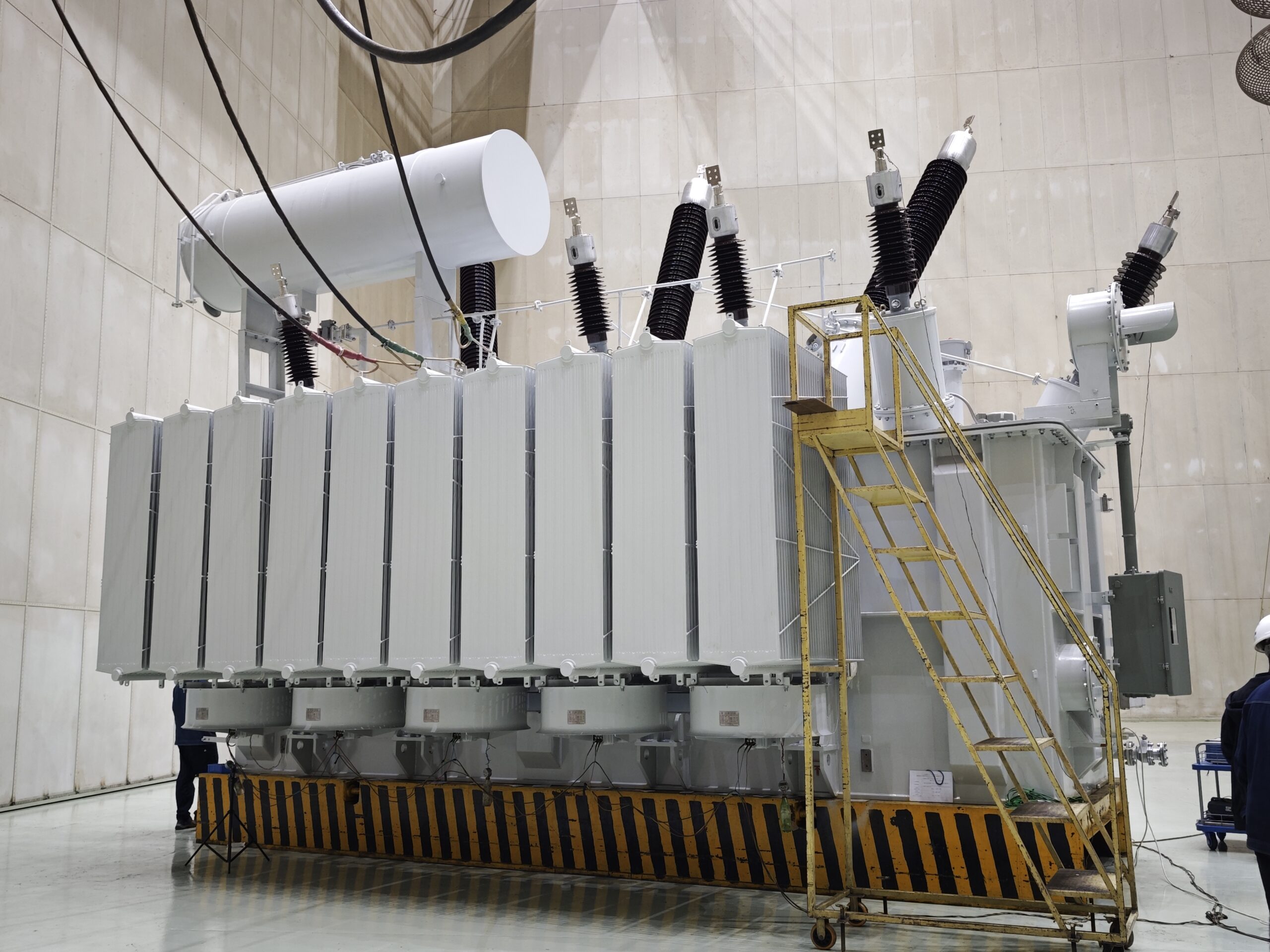
In power transformer procurement, buyers often face the delicate balance between cost control and quality assurance. Choosing the lowest bid can lead to reliability issues, higher losses, or maintenance costs later on — while premium options may strain project budgets unnecessarily.
The goal is to optimize total cost of ownership (TCO) by targeting long-term performance, reliability, and energy efficiency, rather than focusing only on the upfront purchase price.
In short, buyers can save money without sacrificing quality by specifying performance-based requirements, standardizing designs, leveraging competitive sourcing, and ensuring transparency in technical evaluation.
1. Standardize Specifications and Avoid Overdesign
Overly customized or conservative specifications often inflate transformer cost without real performance benefits.
| Specification Area | Common Cost Driver | Optimization Tip |
|---|---|---|
| Cooling System | Over-specifying OFAF instead of ONAF | Match cooling type to actual load profile |
| Insulation Level | Choosing 245 kV design for 220 kV service | Align insulation class with system voltage + margin |
| Efficiency | Demanding ultra-low losses beyond IEC class | Specify losses based on lifecycle economics |
| Accessories | Installing full automation in basic substations | Select accessories critical to protection and monitoring |
A properly standardized design — especially across multiple projects — can save 8–12% through reduced engineering time, streamlined production, and bulk component sourcing.
More customized designs always lead to better transformer performance.False
No explanation available.
2. Evaluate Total Cost of Ownership (TCO)
Low purchase price ≠ low operating cost.
Transformers with better efficiency and lower losses may cost more initially but save thousands of dollars annually in energy losses.
| Transformer Rating | Design Type | Initial Cost (USD) | Total Losses (kW) | Annual Energy Cost (USD) | 10-Year TCO (USD) |
|---|---|---|---|---|---|
| 10 MVA | Standard | 95,000 | 60 | 31,500 | 410,000 |
| 10 MVA | Low-Loss Design | 105,000 | 50 | 26,200 | 367,000 |
The low-loss transformer costs 10% more upfront but saves over $40,000 in 10 years, proving that efficiency-focused purchasing reduces lifetime cost.
3. Use Competitive Sourcing with Technical Evaluation
Instead of awarding contracts based on price alone, buyers should implement a two-stage evaluation:
- Technical Compliance Review: Shortlist suppliers meeting IEC and performance standards.
- Commercial Comparison: Compare prices only among technically qualified bids.
This ensures low prices without compromising material quality or electrical performance.
Tip: Request a price breakdown by component (core, copper, tank, accessories) to identify unbalanced quotations or hidden trade-offs.
4. Optimize Core and Conductor Materials
Transformer core steel and winding conductors are major cost drivers.
Buyers can achieve savings by balancing material grade and performance.
| Material | Premium Option | Optimized Option | Savings Potential |
|---|---|---|---|
| Core Steel | HiB CRGO (0.23 mm) | CRGO (0.27 mm) | 3–5% |
| Winding | Pure Copper | Aluminum (for <33 kV units) | 8–12% |
| Insulation Oil | Synthetic Ester | Mineral Oil | 2–4% |
For medium-voltage distribution transformers, substituting aluminum windings or standard CRGO steel can cut cost by up to 10% while maintaining IEC performance standards.
5. Avoid Paying for Non-Essential Accessories
Accessories improve monitoring and safety, but some add little value in low-risk installations.
| Accessory | Value for Cost | Recommendation |
|---|---|---|
| Buchholz Relay | High | Always include for oil-immersed units |
| Online DGA System | Medium (High-cost) | Use for 66 kV+ or critical loads only |
| Smart IoT Sensors | Medium | Optional; use in large substations |
| Conservator Bladder | High | Essential for outdoor operation |
| Fan Control Panel | High | Include only in ONAF/OFAF designs |
By selecting functionally necessary accessories, buyers can save 5–10% per unit while keeping safety intact.
6. Negotiate Based on Technical Understanding
Informed buyers negotiate from a position of strength.
Understand material indices (copper, steel prices), design types, and test requirements before price talks.
Negotiation Checklist:
- Benchmark prices with multiple IEC-certified suppliers.
- Ask for adjustment clauses if metal indices drop.
- Offer longer delivery windows for better pricing.
- Combine multiple units in one order for volume discounts (3–7%).
7. Collaborate with the Manufacturer Early
Early engagement with the manufacturer during specification design prevents cost escalation.
Benefits of early technical consultation:
- Identify overspecified parameters.
- Optimize material grades.
- Ensure manufacturability within local standards.
- Reduce redesign and testing costs later.
This engineering alignment can save up to 10% while ensuring full compliance with IEC 60076 requirements.
8. Leverage Regional Manufacturing and Logistics Efficiency
Transport and logistics can add 5–15% to transformer cost — especially for large power units.
Choosing a regional or in-country manufacturer minimizes freight, packaging, and import duties.
| Region | Approx. Logistics Share of Total Cost | Savings Potential (Local Sourcing) |
|---|---|---|
| Asia-Pacific | 6–10% | 4–6% |
| Middle East | 8–12% | 5–8% |
| Africa | 10–15% | 8–10% |
When possible, specify local testing and commissioning instead of overseas FAT to save travel and handling costs.
9. Ensure Compliance Without Paying Extra for Redundant Tests
Some suppliers include multiple certifications or duplicate tests beyond IEC or local grid standards.
Focus only on required compliance:
- IEC 60076 Series (main performance and test standard)
- IEC 60214 (tap changers)
- IEC 60529 (protection levels)
Avoid optional type tests if previous valid test reports exist for an identical design. This can reduce cost by 2–5% without affecting compliance.
10. Build Long-Term Supplier Partnerships
Consistent sourcing from reliable transformer manufacturers yields better pricing and technical cooperation.
Benefits include:
- Priority production slots.
- Price stability across projects.
- Faster delivery and after-sales support.
- Access to design improvements.
A strategic supplier partnership can deliver lifetime value, reducing both risk and procurement cost.
Conclusion
Transformer pricing is not determined by a single factor—it is a balance between material costs, engineering design, operational requirements, and logistics. By understanding how these elements interact, buyers can better assess quotations and negotiate effectively. Choosing the right specifications, comparing manufacturers wisely, and considering long-term efficiency and maintenance costs are key strategies for achieving the best value. Investing in a transformer should focus not only on initial price but also on lifecycle performance, reliability, and total ownership cost.
FAQ
Q1: What are the top 5 factors that influence transformer prices?
The key factors that affect transformer pricing are:
Power Rating (kVA/MVA): Larger transformers require more materials and engineering, increasing cost.
Material Type: Copper windings and high-grade core steel add value but raise prices compared to aluminum alternatives.
Efficiency Standards: Higher efficiency designs (IEC, DOE, or EU Tier 2) reduce lifetime energy loss but increase initial cost.
Cooling and Insulation System: ONAN, ONAF, OFWF, or dry-type cooling methods impact both production and maintenance expenses.
Customization & Testing: Special voltage ratings, protection systems, and compliance testing (IEC 60076, IEEE C57) raise overall cost.
Q2: How do raw material costs impact transformer prices?
Materials like copper, silicon steel, transformer oil, and insulation paper make up over 60% of total transformer cost. When commodity prices fluctuate, manufacturers adjust pricing accordingly. For example, a 20% rise in copper prices can raise transformer prices by 10–15%. Long-term contracts and bulk purchasing can help buyers lock in stable pricing.
Q3: Why do efficiency and standards compliance increase transformer cost?
Meeting higher efficiency standards like IEC 60076-20 or DOE 2016 requires premium-grade materials, better insulation, and superior core designs. Although this raises upfront cost, it lowers lifetime energy losses and maintenance costs, offering higher ROI and environmental benefits.
Q4: What are the best ways to save money when buying transformers?
Compare multiple quotations from certified manufacturers.
Choose standard models instead of over-customized designs.
Evaluate Total Cost of Ownership (TCO) rather than just upfront price.
Consider aluminum-wound options for non-critical loads.
Negotiate warranties, testing inclusions, and logistics upfront to avoid hidden costs.
Q5: How do logistics and installation costs affect total transformer pricing?
Transporting large transformers can cost 5–10% of total project value, depending on distance and weight. Additional costs arise from crane handling, foundation preparation, and commissioning. Early coordination with the supplier on packaging, route surveys, and delivery schedules can significantly reduce logistical expenses.
References
IEC 60076 – Power Transformers: General Requirements: https://webstore.iec.ch
IEEE C57 – Power Transformer Design and Testing: https://ieeexplore.ieee.org
DOE – Transformer Efficiency Standards and Cost Analysis: https://www.energy.gov
Electrical4U – Transformer Price Factors Explained: https://www.electrical4u.com
EEP – Cost Components in Transformer Manufacturing: https://electrical-engineering-portal.com
NEMA – Transformer Design and Manufacturing Standards: https://www.nema.org