
Transformer safety is governed by a wide range of international, national, and industry standards designed to ensure reliable operation, protect personnel, and minimize risks to equipment and the environment. These regulations cover transformer design, manufacturing, testing, installation, operation, and maintenance. Compliance with safety standards is essential for achieving safe, efficient, and legally compliant transformer performance throughout its service life.
What International Standards Govern Transformer Safety?
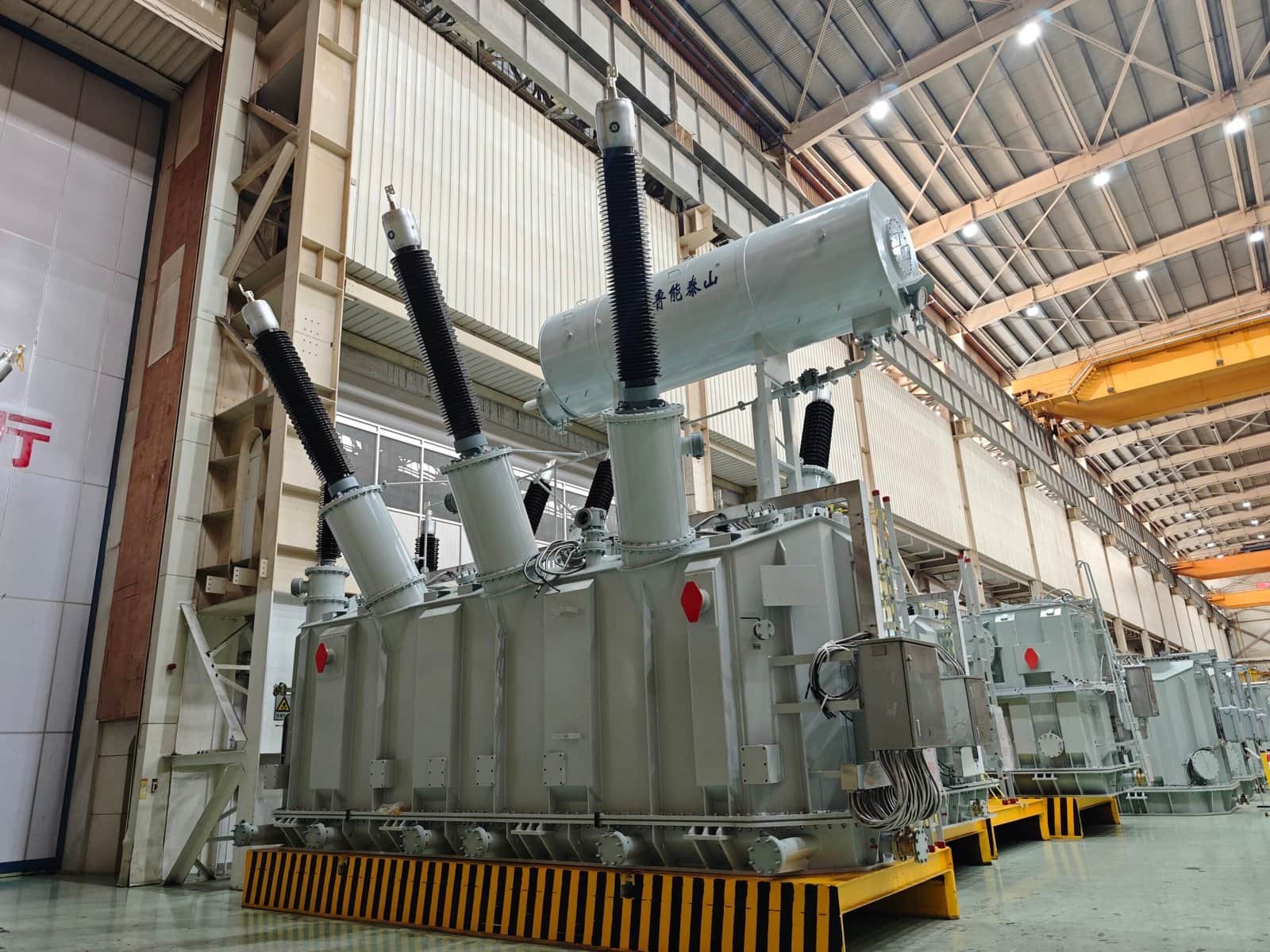
Transformer safety is a fundamental requirement in electrical power systems because transformers operate under high voltages, carry substantial electrical loads, and serve as critical assets in generation, transmission, distribution, industrial, and renewable energy applications. A transformer failure can lead to equipment damage, power outages, fire hazards, environmental incidents, and safety risks for personnel. To minimize these risks, international organizations have developed comprehensive standards that govern transformer design, manufacturing, testing, installation, operation, and maintenance.
These standards establish uniform requirements for insulation performance, temperature limits, dielectric strength, short-circuit withstand capability, environmental protection, fire safety, efficiency, and quality assurance. Compliance with recognized international standards helps manufacturers deliver reliable products while ensuring utilities, industries, and project developers receive equipment that meets accepted safety and performance criteria.
Among the most influential organizations in transformer standardization are the International Electrotechnical Commission, the Institute of Electrical and Electronics Engineers, the International Organization for Standardization, and various regional regulatory bodies. Together, these organizations provide the framework that governs transformer safety throughout the equipment lifecycle.
Transformer safety is primarily governed by international standards such as IEC 60076, IEEE C57 series, IEC 60071, IEC 60296, IEC 60529, ISO 9001, and related standards covering transformer design, insulation coordination, testing, environmental protection, fire safety, and quality management. These standards ensure transformers operate safely, reliably, and efficiently under specified conditions.
Compliance with these standards significantly reduces operational risks and improves long-term transformer reliability.
Transformer safety is determined primarily by local installation practices, and international design and testing standards have little influence on overall safety performance.False
International standards establish critical safety requirements for transformer design, insulation, testing, temperature limits, short-circuit performance, and quality assurance, making them fundamental to transformer safety.
Why Transformer Safety Standards Are Important
Transformers operate in demanding electrical environments.
Key Safety Objectives
| Objective | Purpose |
|---|---|
| Prevent electrical failure | Protect personnel and equipment |
| Minimize fire risk | Improve facility safety |
| Ensure insulation integrity | Prevent breakdowns |
| Maintain operational reliability | Reduce outages |
Standards help achieve these objectives consistently across the industry.
The Role of International Standards
Standards create common engineering requirements.
Benefits of Standardization
| Benefit | Impact |
|---|---|
| Consistent quality | Improved reliability |
| Global compatibility | Easier procurement |
| Verified safety performance | Reduced risk |
| Uniform testing methods | Reliable comparison |
IEC Standards for Transformer Safety
The IEC framework is the most widely adopted transformer standard system globally.
What Is IEC?
The International Electrotechnical Commission develops international standards for electrical and electronic technologies.
IEC 60076 Series
IEC 60076 is the primary international transformer standard.
Main Areas Covered
| Topic | Description |
|---|---|
| Transformer ratings | Performance requirements |
| Temperature limits | Thermal safety |
| Dielectric performance | Insulation protection |
| Testing procedures | Verification requirements |
Key Parts of IEC 60076
| Standard | Scope |
|---|---|
| IEC 60076-1 | General requirements |
| IEC 60076-2 | Temperature rise |
| IEC 60076-3 | Insulation levels and dielectric tests |
| IEC 60076-5 | Short-circuit withstand capability |
| IEC 60076-7 | Loading guidance |
Why IEC 60076 Is Important
It provides the foundation for transformer safety and performance evaluation.
IEC 60071 Insulation Coordination
Insulation failures are among the most serious transformer hazards.
Purpose of IEC 60071
| Function | Benefit |
|---|---|
| Define insulation levels | Prevent breakdowns |
| Coordinate surge protection | Improve reliability |
| Establish dielectric margins | Enhance safety |
Insulation Coordination Concept
Proper insulation coordination ensures that transformer insulation can withstand expected overvoltages.
Dielectric Stress Relationship
V=E\times d
Where:
- (V) = voltage withstand capability
- (E) = dielectric strength
- (d) = insulation distance
Standards ensure sufficient dielectric margins for safe operation.
IEC 60296 Transformer Oil Standard
Transformer oil is a critical insulation and cooling medium.
Scope of IEC 60296
| Requirement | Purpose |
|---|---|
| Oil quality | Reliable insulation |
| Chemical properties | Long-term stability |
| Dielectric strength | Electrical safety |
Why Oil Standards Matter
Poor oil quality can significantly reduce transformer safety and lifespan.
IEC 60529 Ingress Protection Standard
Environmental protection contributes directly to safety.
Purpose of IEC 60529
The standard defines IP (Ingress Protection) ratings.
Common Applications
| Equipment | Protection Objective |
|---|---|
| Control cabinets | Dust and moisture resistance |
| Monitoring systems | Environmental durability |
| Auxiliary devices | Operational reliability |
IEC 62271 and Substation Safety
Many transformers operate within high-voltage substations.
Relevant Safety Areas
| Area | Importance |
|---|---|
| Electrical clearances | Personnel protection |
| Switching coordination | Equipment safety |
| Arc containment | Hazard reduction |
IEEE Transformer Safety Standards
IEEE standards are widely used throughout North America and many international projects.
What Is IEEE?
The Institute of Electrical and Electronics Engineers develops technical standards for electrical systems and equipment.
IEEE C57 Series
The IEEE C57 series is the principal transformer standard family.
Main Topics Covered
| Topic | Description |
|---|---|
| Design requirements | Safety and performance |
| Testing procedures | Quality verification |
| Loading guidance | Thermal protection |
| Application recommendations | Operational safety |
Important IEEE C57 Standards
| Standard | Purpose |
|---|---|
| IEEE C57.12.00 | General requirements |
| IEEE C57.12.90 | Test procedures |
| IEEE C57.91 | Loading guide |
| IEEE C57.104 | Dissolved gas analysis |
Why IEEE Standards Are Important
They provide detailed guidance for transformer application, maintenance, and diagnostics.
Short-Circuit Withstand Standards
Short circuits create extreme mechanical and thermal forces.
Why Short-Circuit Testing Matters
Transformers must survive fault conditions without catastrophic failure.
Short-Circuit Force Relationship
F\propto I^2
Where:
- (F) = mechanical force
- (I) = fault current
Large fault currents produce substantial winding forces.
IEC 60076-5 Requirements
| Requirement | Purpose |
|---|---|
| Mechanical strength | Prevent winding deformation |
| Thermal withstand | Avoid insulation damage |
| Fault survival | Maintain safety |
Fire Safety Standards
Fire prevention is a critical transformer safety objective.
Key Fire Safety Measures
| Measure | Purpose |
|---|---|
| Fire-resistant fluids | Risk reduction |
| Containment systems | Environmental protection |
| Fire barriers | Facility safety |
Environmental Protection Standards
Environmental safety is increasingly important.
Key Environmental Concerns
| Concern | Risk |
|---|---|
| Oil leaks | Soil contamination |
| Fire incidents | Air pollution |
| Equipment failures | Environmental damage |
ISO Quality Management Standards
Quality management contributes directly to safety performance.
ISO 9001
International Organization for Standardization ISO 9001 is widely adopted by transformer manufacturers.
Key Benefits
| Benefit | Impact |
|---|---|
| Consistent manufacturing | Improved reliability |
| Documented processes | Better quality control |
| Continuous improvement | Reduced defects |
Factory Testing Requirements
Safety standards require extensive factory testing.
Common Routine Tests
| Test | Purpose |
|---|---|
| Ratio test | Verify voltage performance |
| Resistance test | Confirm winding integrity |
| Insulation resistance | Assess insulation condition |
| Dielectric tests | Validate safety margins |
Type Testing Requirements
Type tests validate transformer design.
Typical Type Tests
| Test | Objective |
|---|---|
| Temperature rise test | Thermal verification |
| Lightning impulse test | Surge withstand validation |
| Short-circuit test | Mechanical robustness |
Special Testing Standards
Some applications require additional testing.
Common Special Tests
| Test | Purpose |
|---|---|
| Partial discharge testing | Detect insulation defects |
| Sound level testing | Noise compliance |
| Vacuum leak testing | Sealing integrity |
Safety Standards for Renewable Energy Transformers
Renewable energy projects often impose additional requirements.
Common Applications
| Application | Requirement |
|---|---|
| Wind farms | Environmental durability |
| Solar plants | Thermal performance |
| Hydroelectric stations | High reliability |
Utility Specifications
Utilities frequently supplement international standards.
Utility Requirements
| Requirement | Purpose |
|---|---|
| Additional testing | Reliability assurance |
| Enhanced monitoring | Condition assessment |
| Customized protection | Asset security |
Occupational Safety Considerations
Transformer safety extends beyond equipment design.
Personnel Protection Measures
| Measure | Purpose |
|---|---|
| Grounding systems | Shock prevention |
| Lockout procedures | Safe maintenance |
| Arc-flash protection | Worker safety |
Common Compliance Mistakes
| Mistake | Consequence |
|---|---|
| Ignoring insulation requirements | Increased failure risk |
| Inadequate testing | Undetected defects |
| Poor maintenance practices | Reduced safety |
| Non-compliant installation | Operational hazards |
Major International Transformer Safety Standards
| Standard | Primary Focus |
|---|---|
| IEC 60076 | Transformer design and testing |
| IEC 60071 | Insulation coordination |
| IEC 60296 | Transformer oil quality |
| IEC 60529 | Environmental protection |
| IEEE C57 Series | Design, testing, and operation |
| ISO 9001 | Quality management |
| Utility specifications | Project-specific requirements |
How Do IEC and IEEE Standards Address Transformer Requirements?
Power transformers are among the most critical assets in electrical power systems, and their performance directly affects grid reliability, industrial productivity, and energy security. To ensure consistent safety, reliability, efficiency, and interoperability, international standards organizations have developed comprehensive requirements governing transformer design, manufacturing, testing, installation, and operation. The two most influential standards systems are those published by the International Electrotechnical Commission and the Institute of Electrical and Electronics Engineers.
Although IEC and IEEE standards share many common objectives, they were developed in different regions and engineering traditions. IEC standards are widely adopted throughout Europe, Asia, Africa, the Middle East, and many international projects, while IEEE standards are predominant in North America and are also referenced globally. Both frameworks establish requirements for transformer ratings, insulation systems, dielectric testing, temperature limits, short-circuit performance, efficiency, environmental protection, and quality assurance.
For transformer manufacturers, utilities, engineering firms, and project developers, understanding how IEC and IEEE standards address transformer requirements is essential for equipment selection, specification development, regulatory compliance, and successful project execution.
IEC and IEEE standards address transformer requirements by defining specifications for ratings, insulation levels, dielectric performance, temperature rise limits, short-circuit withstand capability, testing procedures, loading guidelines, efficiency, environmental considerations, and quality assurance. While their methodologies sometimes differ, both standards aim to ensure transformer safety, reliability, and long-term operational performance.
Proper application of these standards helps reduce technical risk and improve transformer lifecycle performance.
IEC and IEEE transformer standards use completely different safety principles and produce fundamentally incompatible transformer designs.False
IEC and IEEE standards share similar engineering objectives and safety principles. While specific requirements and methodologies may differ, both standards aim to ensure reliable and safe transformer operation.
Why Transformer Standards Are Necessary
Transformers operate under demanding electrical and environmental conditions.
Primary Objectives of Standards
| Objective | Benefit |
|---|---|
| Safety assurance | Protect personnel and equipment |
| Performance consistency | Reliable operation |
| Quality verification | Reduced failure risk |
| International compatibility | Simplified procurement |
Standards provide a common engineering framework across the industry.
Overview of IEC Standards
The IEC system is the most widely adopted international framework.
What Is IEC?
The International Electrotechnical Commission develops global standards for electrical and electronic technologies.
Key IEC Transformer Standards
| Standard | Scope |
|---|---|
| IEC 60076 | Power transformers |
| IEC 60071 | Insulation coordination |
| IEC 60296 | Transformer insulating oil |
| IEC 60529 | Ingress protection |
| IEC 61850 | Digital substation communication |
Overview of IEEE Standards
IEEE standards are widely used in North America and many international projects.
What Is IEEE?
The Institute of Electrical and Electronics Engineers develops technical standards for electrical systems and equipment.
Key IEEE Transformer Standards
| Standard | Scope |
|---|---|
| IEEE C57.12.00 | General transformer requirements |
| IEEE C57.12.90 | Test procedures |
| IEEE C57.91 | Loading guide |
| IEEE C57.104 | Dissolved gas analysis |
| IEEE C57.152 | Diagnostic testing |
Transformer Rating Requirements
Both IEC and IEEE define transformer ratings.
Main Rating Parameters
| Parameter | Purpose |
|---|---|
| Power rating | Capacity determination |
| Voltage rating | System compatibility |
| Frequency | Operational performance |
| Cooling class | Thermal capability |
IEC Rating Approach
IEC generally expresses transformer capacity in kilovolt-amperes (kVA) or megavolt-amperes (MVA) under specified operating conditions.
IEEE Rating Approach
IEEE follows a similar approach but may use different assumptions regarding loading and temperature rise limits.
Temperature Rise Requirements
Thermal performance is a critical transformer requirement.
Why Temperature Matters
Excessive temperature accelerates insulation aging.
Heat Transfer Principle
Q=hA(T_s-T_a)
Where:
- (Q) = heat dissipation
- (h) = heat transfer coefficient
- (A) = cooling surface area
- (T_s) = transformer surface temperature
- (T_a) = ambient temperature
Both IEC and IEEE establish temperature-rise limits to protect insulation systems.
Temperature Requirements Comparison
| Topic | IEC | IEEE |
|---|---|---|
| Temperature limits | Defined | Defined |
| Cooling classifications | Detailed | Detailed |
| Thermal testing | Required | Required |
Insulation System Requirements
Insulation is one of the most important transformer safety elements.
Purpose of Insulation Standards
| Objective | Benefit |
|---|---|
| Prevent breakdowns | Improved safety |
| Withstand surges | Reliable operation |
| Maintain dielectric integrity | Long service life |
IEC Insulation Requirements
IEC primarily references IEC 60076-3 and IEC 60071.
Key Topics
| Topic | Description |
|---|---|
| Insulation levels | Voltage withstand capability |
| Dielectric testing | Performance verification |
| Insulation coordination | System protection |
IEEE Insulation Requirements
IEEE C57 standards establish similar insulation performance criteria.
Focus Areas
| Area | Purpose |
|---|---|
| Basic insulation levels | Equipment protection |
| Impulse withstand capability | Surge resistance |
| Dielectric testing | Verification |
Dielectric Testing Requirements
Both standards require extensive dielectric testing.
Common Dielectric Tests
| Test | Purpose |
|---|---|
| Applied voltage test | Insulation verification |
| Induced voltage test | Winding assessment |
| Lightning impulse test | Surge validation |
Insulation Coordination
Proper insulation coordination prevents electrical failures.
Voltage Withstand Concept
V=E\times d
Where:
- (V) = withstand voltage
- (E) = dielectric strength
- (d) = insulation distance
Both IEC and IEEE use insulation coordination principles to establish safe operating margins.
Short-Circuit Withstand Requirements
Transformers must survive fault conditions.
Why Short-Circuit Standards Matter
Fault currents generate extreme mechanical forces.
Fault Force Relationship
F\propto I^2
Where:
- (F) = mechanical force
- (I) = short-circuit current
Higher fault currents create significantly larger forces.
IEC Short-Circuit Requirements
IEC 60076-5 addresses short-circuit withstand capability.
IEEE Short-Circuit Requirements
IEEE standards contain similar provisions for mechanical and thermal fault endurance.
Testing Requirements
Factory testing is mandatory under both systems.
Routine Tests
| Test | Purpose |
|---|---|
| Ratio measurement | Verify voltage ratio |
| Winding resistance | Check winding integrity |
| Insulation resistance | Assess dielectric condition |
| No-load loss test | Verify core performance |
Type Tests
Type tests validate transformer design.
Common Type Tests
| Test | Purpose |
|---|---|
| Temperature-rise test | Thermal verification |
| Lightning impulse test | Surge performance |
| Short-circuit test | Mechanical validation |
Special Tests
Project specifications often require additional testing.
Examples
| Test | Application |
|---|---|
| Partial discharge testing | High-voltage transformers |
| Sound level testing | Urban installations |
| Vacuum leak testing | Sealed transformers |
Loading Guidelines
Transformer loading affects lifespan and reliability.
IEC Loading Guidance
IEC 60076-7 provides recommendations for transformer loading.
IEEE Loading Guidance
IEEE C57.91 is a widely used loading guide.
Common Loading Considerations
| Factor | Impact |
|---|---|
| Ambient temperature | Thermal stress |
| Load profile | Aging rate |
| Cooling effectiveness | Capacity utilization |
Efficiency Requirements
Energy efficiency has become increasingly important.
Efficiency Objectives
| Objective | Benefit |
|---|---|
| Lower losses | Reduced operating cost |
| Reduced emissions | Sustainability |
| Improved lifecycle economics | Better asset value |
Environmental Requirements
Both standards address environmental performance.
Environmental Topics
| Topic | Purpose |
|---|---|
| Oil containment | Environmental protection |
| Noise limits | Community impact reduction |
| Material durability | Extended service life |
High-Altitude Requirements
Both IEC and IEEE recognize altitude effects.
Altitude-Related Considerations
| Issue | Impact |
|---|---|
| Reduced cooling | Thermal performance |
| Lower dielectric strength | Insulation performance |
| Increased clearances | Safety requirements |
Digital Monitoring and Smart Transformers
Modern transformer standards increasingly support digital technologies.
Monitoring Areas
| Parameter | Purpose |
|---|---|
| Temperature | Thermal management |
| Moisture | Insulation protection |
| Dissolved gases | Fault diagnosis |
| Load conditions | Asset optimization |
Quality Management Requirements
Manufacturing quality directly affects transformer reliability.
Common Practices
| Practice | Benefit |
|---|---|
| Process control | Consistent quality |
| Documentation | Traceability |
| Inspection programs | Defect reduction |
Major Differences Between IEC and IEEE Standards
| Topic | IEC Approach | IEEE Approach |
|---|---|---|
| Global adoption | International | Primarily North American |
| Standard structure | IEC series | IEEE C57 series |
| Test methodologies | Slightly different procedures | Slightly different procedures |
| Terminology | IEC conventions | IEEE conventions |
| Engineering philosophy | Similar objectives | Similar objectives |
Similarities Between IEC and IEEE Standards
| Area | Common Objective |
|---|---|
| Safety | Protect personnel and equipment |
| Reliability | Ensure dependable operation |
| Testing | Verify performance |
| Insulation | Prevent failures |
| Thermal performance | Control aging |
Selecting IEC or IEEE Compliance
Project requirements often determine which standard applies.
Selection Factors
| Factor | Consideration |
|---|---|
| Utility specification | Primary requirement |
| Project location | Regional preference |
| Regulatory framework | Compliance obligation |
| Customer preference | Procurement requirement |
What Safety Regulations Apply to Transformer Installation and Operation?
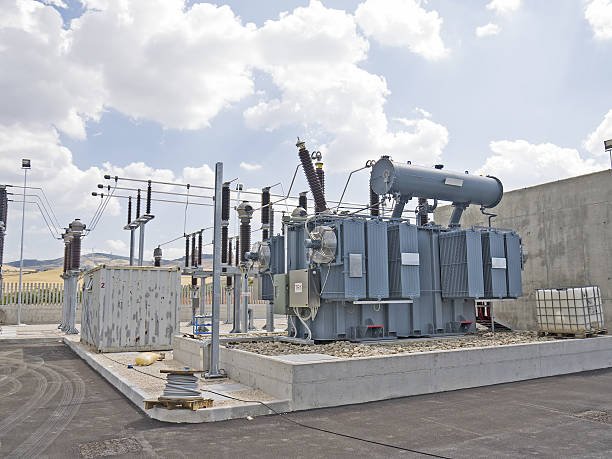
Transformers are critical components of electrical power systems, but they also present significant safety risks if improperly installed, operated, or maintained. High voltages, large fault currents, insulating oil, elevated temperatures, and electromagnetic forces can create hazards including electric shock, arc flash incidents, fire, explosions, environmental contamination, and equipment damage. To minimize these risks, governments, regulatory agencies, utilities, and international standards organizations have established comprehensive safety regulations governing transformer installation and operation.
These regulations cover every stage of a transformer's lifecycle, including site selection, foundation design, grounding, electrical clearances, fire protection, environmental safeguards, commissioning, routine operation, maintenance, and emergency response. Compliance helps protect personnel, ensure system reliability, reduce environmental risks, and maintain legal and regulatory obligations.
The specific regulations that apply vary by country and industry sector, but most requirements are based on internationally recognized standards developed by organizations such as the International Electrotechnical Commission, the Institute of Electrical and Electronics Engineers, the National Fire Protection Association, and national electrical authorities.
Transformer installation and operation are governed by safety regulations covering grounding, electrical clearances, insulation coordination, fire protection, arc-flash protection, environmental containment, equipment testing, maintenance procedures, lockout/tagout practices, and worker safety. These requirements are defined through standards such as IEC 61936, IEC 60076, IEEE C57, NFPA 70, NFPA 70E, and applicable national electrical codes.
Following these regulations is essential for ensuring safe and reliable transformer operation throughout its service life.
Transformer safety regulations apply primarily during manufacturing, while installation and operation are largely left to operator discretion.False
Comprehensive regulations govern transformer installation, commissioning, operation, maintenance, fire protection, grounding, personnel safety, and environmental protection throughout the transformer's lifecycle.
Why Transformer Safety Regulations Are Necessary
Transformers operate under conditions that can create serious hazards.
Major Transformer Hazards
| Hazard | Potential Consequence |
|---|---|
| Electric shock | Injury or fatality |
| Arc flash | Severe burns |
| Fire | Property damage |
| Oil leakage | Environmental contamination |
| Equipment failure | Power outages |
Safety regulations are designed to control these risks.
International Safety Framework
Transformer safety requirements are derived from multiple standards and regulations.
Key Regulatory Areas
| Area | Purpose |
|---|---|
| Electrical safety | Personnel protection |
| Fire safety | Risk reduction |
| Environmental protection | Pollution prevention |
| Operational safety | Reliable performance |
IEC Standards for Installation Safety
IEC standards are widely used internationally.
IEC 61936
One of the most important standards for high-voltage installations is International Electrotechnical Commission IEC 61936.
Main Topics Covered
| Topic | Purpose |
|---|---|
| Substation design | Safe installation |
| Grounding systems | Shock protection |
| Electrical clearances | Flashover prevention |
| Equipment arrangement | Operational safety |
IEC 60076 and Operational Safety
IEC 60076 provides transformer-specific requirements.
Safety Areas Covered
| Area | Description |
|---|---|
| Temperature limits | Thermal protection |
| Dielectric testing | Insulation safety |
| Short-circuit withstand | Mechanical integrity |
IEEE Standards for Safe Operation
IEEE standards provide detailed guidance for transformer applications.
Relevant IEEE Standards
| Standard | Focus |
|---|---|
| IEEE C57 Series | Transformer requirements |
| IEEE 80 | Grounding systems |
| IEEE 1584 | Arc-flash analysis |
Grounding Requirements
Grounding is one of the most important safety measures.
Why Grounding Is Necessary
Grounding provides a controlled path for fault currents.
Benefits of Proper Grounding
| Benefit | Result |
|---|---|
| Shock protection | Personnel safety |
| Fault current dissipation | Equipment protection |
| Voltage stabilization | Reliable operation |
Grounding Fundamentals
Ground resistance should be maintained within acceptable limits according to local regulations and utility requirements.
Electrical Clearance Requirements
Safe spacing prevents electrical breakdown.
Purpose of Electrical Clearances
| Objective | Benefit |
|---|---|
| Prevent flashovers | Improved reliability |
| Protect workers | Enhanced safety |
| Maintain insulation integrity | Reduced failures |
Insulation Coordination
Proper insulation coordination protects transformer equipment.
Voltage Withstand Principle
V=E\times d
Where:
- (V) = withstand voltage
- (E) = dielectric strength
- (d) = insulation distance
Regulations ensure adequate insulation margins under normal and fault conditions.
Fire Protection Regulations
Transformer fires can have severe consequences.
Common Fire Risks
| Source | Risk |
|---|---|
| Internal faults | Oil ignition |
| Electrical arcing | Fire initiation |
| Overheating | Thermal damage |
Fire Protection Requirements
| Requirement | Purpose |
|---|---|
| Fire barriers | Fire containment |
| Oil containment pits | Spill control |
| Fire suppression systems | Hazard mitigation |
NFPA Standards
In many regions, fire protection requirements reference standards from the National Fire Protection Association.
NFPA 70 (National Electrical Code)
Main Objectives
| Objective | Benefit |
|---|---|
| Safe installation practices | Reduced risk |
| Equipment protection | Improved reliability |
| Personnel safety | Accident prevention |
NFPA 70E and Electrical Safety
NFPA 70E focuses on workplace electrical safety.
Topics Covered
| Topic | Purpose |
|---|---|
| Arc-flash protection | Worker safety |
| PPE requirements | Injury prevention |
| Safe work procedures | Hazard control |
Arc-Flash Safety Requirements
Arc flashes are among the most dangerous electrical hazards.
Arc-Flash Energy Relationship
E\propto I^2t
Where:
- (E) = incident energy
- (I) = fault current
- (t) = fault duration
Reducing fault duration significantly lowers hazard levels.
Arc-Flash Protection Measures
| Measure | Purpose |
|---|---|
| Protective relays | Rapid fault clearing |
| Arc-resistant equipment | Personnel protection |
| PPE | Injury reduction |
Environmental Protection Regulations
Transformers often contain large volumes of insulating oil.
Environmental Risks
| Risk | Impact |
|---|---|
| Oil spills | Soil contamination |
| Water contamination | Environmental damage |
| Fire runoff | Regulatory concerns |
Environmental Protection Measures
| Measure | Purpose |
|---|---|
| Oil containment systems | Spill control |
| Drainage management | Environmental protection |
| Leak monitoring | Early detection |
Site Selection Requirements
Location significantly affects transformer safety.
Site Considerations
| Consideration | Importance |
|---|---|
| Flood risk | Equipment protection |
| Fire exposure | Hazard reduction |
| Access routes | Emergency response |
Mechanical Installation Requirements
Mechanical integrity is essential for safe operation.
Installation Considerations
| Item | Purpose |
|---|---|
| Foundation strength | Structural support |
| Seismic resistance | Stability |
| Equipment anchoring | Mechanical security |
Commissioning Safety Procedures
Commissioning verifies proper installation.
Common Commissioning Activities
| Activity | Purpose |
|---|---|
| Insulation testing | Safety verification |
| Grounding verification | Shock protection |
| Functional testing | Operational readiness |
Operational Safety Requirements
Safe operation requires continuous monitoring.
Key Operational Parameters
| Parameter | Purpose |
|---|---|
| Oil temperature | Thermal protection |
| Winding temperature | Insulation protection |
| Load current | Capacity management |
Maintenance Safety Regulations
Maintenance activities introduce additional risks.
Lockout/Tagout Procedures
Lockout/tagout systems prevent accidental energization.
Purpose of Lockout/Tagout
| Benefit | Result |
|---|---|
| Worker protection | Reduced accidents |
| Equipment isolation | Safe maintenance |
| Regulatory compliance | Legal adherence |
Personal Protective Equipment Requirements
PPE is essential when working near energized equipment.
Common PPE Items
| Equipment | Protection |
|---|---|
| Arc-rated clothing | Burn protection |
| Insulated gloves | Shock protection |
| Face shields | Arc-flash protection |
| Safety helmets | Impact protection |
Monitoring and Alarm Systems
Modern transformers often include advanced monitoring systems.
Typical Safety Monitoring Functions
| Function | Purpose |
|---|---|
| Gas detection | Fault identification |
| Temperature monitoring | Thermal protection |
| Pressure monitoring | Failure prevention |
Emergency Response Planning
Safety regulations often require documented emergency procedures.
Emergency Scenarios
| Scenario | Required Response |
|---|---|
| Fire | Immediate suppression measures |
| Oil leak | Environmental containment |
| Electrical fault | Isolation procedures |
Renewable Energy Safety Requirements
Renewable energy projects often include additional transformer safety requirements.
Common Applications
| Project | Safety Focus |
|---|---|
| Wind farms | Lightning protection |
| Solar plants | Remote monitoring |
| Battery systems | Fire coordination |
Utility-Specific Requirements
Utilities frequently impose additional safety rules.
Typical Utility Requirements
| Requirement | Purpose |
|---|---|
| Enhanced grounding | System protection |
| Additional testing | Reliability assurance |
| Expanded monitoring | Asset management |
Common Compliance Mistakes
| Mistake | Consequence |
|---|---|
| Inadequate grounding | Shock hazards |
| Insufficient clearances | Flashovers |
| Poor maintenance practices | Equipment failure |
| Missing fire protection systems | Increased risk |
Major Safety Regulations and Standards
| Standard | Primary Focus |
|---|---|
| IEC 61936 | High-voltage installations |
| IEC 60076 | Transformer requirements |
| IEEE C57 Series | Transformer application |
| IEEE 80 | Grounding systems |
| IEEE 1584 | Arc-flash analysis |
| NFPA 70 | Electrical installations |
| NFPA 70E | Workplace electrical safety |
How Are Testing and Certification Requirements Defined?
Testing and certification are essential parts of transformer manufacturing and deployment because they verify that a transformer meets specified safety, performance, reliability, and regulatory requirements before being placed into service. Without standardized testing and certification procedures, utilities, industrial facilities, renewable energy developers, and infrastructure operators would have no consistent method for evaluating transformer quality or confirming compliance with contractual and regulatory obligations.
Testing requirements are typically established through international standards, national regulations, utility specifications, customer requirements, and industry best practices. Certification requirements are often linked to these testing standards and may involve independent third-party verification by accredited organizations. Together, testing and certification provide confidence that transformers can safely withstand electrical, thermal, mechanical, and environmental stresses encountered during operation.
Organizations such as the International Electrotechnical Commission, the Institute of Electrical and Electronics Engineers, the International Organization for Standardization, certification bodies, utilities, and government agencies all play important roles in defining transformer testing and certification requirements.
Transformer testing and certification requirements are defined through international standards, national regulations, utility specifications, project contracts, and industry guidelines. These requirements establish which tests must be performed, acceptable performance criteria, documentation requirements, quality assurance procedures, and certification processes necessary to verify transformer safety and compliance.
Proper testing and certification help reduce operational risk, improve reliability, and ensure regulatory compliance throughout the transformer's service life.
Transformer certification is based primarily on manufacturer declarations, and extensive testing is generally optional for most power transformers.False
Transformer certification relies heavily on documented testing, compliance verification, quality management systems, and often third-party assessments to demonstrate conformity with applicable standards and specifications.
Why Testing and Certification Are Necessary
Transformers operate under demanding electrical and environmental conditions.
Primary Objectives
| Objective | Benefit |
|---|---|
| Verify safety | Protect personnel and equipment |
| Confirm performance | Ensure specification compliance |
| Demonstrate reliability | Reduce failure risk |
| Meet regulations | Legal compliance |
Testing provides measurable evidence that design requirements have been achieved.
Sources of Testing Requirements
Transformer testing requirements originate from multiple sources.
Main Sources
| Source | Purpose |
|---|---|
| International standards | Global consistency |
| National regulations | Legal compliance |
| Utility specifications | Operational requirements |
| Customer contracts | Project-specific expectations |
Each source may impose additional testing obligations.
International Standards Organizations
International standards establish the foundation for transformer testing programs.
Major Standards Bodies
| Organization | Role |
|---|---|
| International Electrotechnical Commission | Global transformer standards |
| Institute of Electrical and Electronics Engineers | Transformer requirements and testing |
| International Organization for Standardization | Quality management systems |
These organizations define technical requirements and testing methodologies.
IEC Testing Requirements
IEC standards are widely adopted globally.
IEC 60076 Series
IEC 60076 is the principal transformer standard.
Testing Topics Covered
| Topic | Purpose |
|---|---|
| Electrical testing | Verify performance |
| Thermal testing | Confirm temperature limits |
| Dielectric testing | Validate insulation |
| Mechanical testing | Assess durability |
IEC Test Categories
IEC standards generally divide testing into several categories.
Main Categories
| Category | Description |
|---|---|
| Routine tests | Performed on every transformer |
| Type tests | Performed on representative designs |
| Special tests | Conducted when specified |
IEEE Testing Requirements
IEEE standards provide a similar framework.
Important IEEE Standards
| Standard | Scope |
|---|---|
| IEEE C57.12.00 | General transformer requirements |
| IEEE C57.12.90 | Test code |
| IEEE C57.91 | Loading guidance |
Purpose of IEEE Testing
The objective is to verify transformer safety, performance, and reliability under defined operating conditions.
Routine Testing Requirements
Routine tests are conducted on every manufactured transformer.
Common Routine Tests
| Test | Purpose |
|---|---|
| Turns ratio test | Verify voltage transformation |
| Winding resistance test | Assess winding condition |
| Insulation resistance test | Evaluate insulation health |
| No-load loss test | Verify core performance |
| Load loss test | Confirm efficiency characteristics |
Why Routine Tests Are Important
Routine tests identify manufacturing defects before shipment.
Dielectric Testing Requirements
Dielectric testing verifies insulation integrity.
Common Dielectric Tests
| Test | Purpose |
|---|---|
| Applied voltage test | Insulation verification |
| Induced voltage test | Internal insulation evaluation |
| Lightning impulse test | Surge withstand validation |
Voltage Withstand Principle
V=E\times d
Where:
- (V) = withstand voltage
- (E) = dielectric strength
- (d) = insulation distance
Dielectric testing confirms that insulation systems meet required safety margins.
Temperature-Rise Testing
Thermal performance is a critical certification criterion.
Purpose of Temperature Testing
| Objective | Benefit |
|---|---|
| Verify cooling effectiveness | Prevent overheating |
| Confirm insulation protection | Extend service life |
| Validate rating claims | Operational reliability |
Typical Measurements
| Parameter | Purpose |
|---|---|
| Top-oil temperature | Cooling assessment |
| Winding temperature | Thermal evaluation |
| Ambient temperature | Test normalization |
Short-Circuit Testing
Fault conditions create significant mechanical stress.
Importance of Short-Circuit Verification
Transformers must withstand expected fault currents without catastrophic damage.
Mechanical Force Relationship
F\propto I^2
Where:
- (F) = electromagnetic force
- (I) = fault current
Short-circuit tests verify structural integrity under extreme conditions.
Type Testing Requirements
Type tests validate transformer designs rather than individual units.
Common Type Tests
| Test | Purpose |
|---|---|
| Temperature-rise test | Thermal verification |
| Lightning impulse test | Insulation validation |
| Short-circuit withstand test | Mechanical verification |
Special Testing Requirements
Projects often require additional tests.
Examples of Special Tests
| Test | Application |
|---|---|
| Partial discharge testing | High-voltage transformers |
| Sound level testing | Urban installations |
| Vacuum leak testing | Sealed units |
| Frequency response analysis | Mechanical assessment |
Factory Acceptance Testing (FAT)
Many customers witness testing before shipment.
FAT Objectives
| Objective | Benefit |
|---|---|
| Verify compliance | Contract assurance |
| Review test results | Quality confirmation |
| Witness critical tests | Increased confidence |
Site Acceptance Testing (SAT)
Testing continues after installation.
Typical SAT Activities
| Activity | Purpose |
|---|---|
| Insulation testing | Installation verification |
| Functional checks | Operational readiness |
| Protection system testing | Safety validation |
Certification Bodies
Certification may involve independent organizations.
Common Certification Functions
| Function | Purpose |
|---|---|
| Compliance verification | Standards confirmation |
| Documentation review | Regulatory assurance |
| Audit activities | Quality assessment |
Third-Party Certification
Independent certification increases confidence in product compliance.
Benefits
| Benefit | Impact |
|---|---|
| Increased credibility | Customer confidence |
| Reduced risk | Improved reliability |
| Regulatory acceptance | Easier approval |
Quality Management Requirements
Certification often extends beyond product testing.
ISO 9001
International Organization for Standardization ISO 9001 is commonly required in transformer manufacturing.
Quality System Objectives
| Objective | Purpose |
|---|---|
| Process control | Consistent production |
| Documentation | Traceability |
| Continuous improvement | Enhanced quality |
Environmental and Safety Certifications
Additional certifications may be required depending on project requirements.
Common Areas
| Area | Purpose |
|---|---|
| Environmental management | Sustainability |
| Occupational safety | Worker protection |
| Hazardous materials compliance | Regulatory adherence |
Utility-Specific Certification Requirements
Utilities frequently impose requirements beyond international standards.
Examples
| Requirement | Purpose |
|---|---|
| Additional testing | Reliability assurance |
| Enhanced documentation | Asset management |
| Witness inspections | Quality verification |
Renewable Energy Project Requirements
Renewable energy projects often include customized certification criteria.
Common Applications
| Project Type | Typical Requirement |
|---|---|
| Wind farms | Environmental testing |
| Solar plants | Thermal verification |
| Hydroelectric facilities | Reliability validation |
Documentation Requirements
Certification relies heavily on documentation.
Common Documents
| Document | Purpose |
|---|---|
| Test reports | Compliance evidence |
| Design drawings | Technical verification |
| Material certificates | Traceability |
| Quality records | Manufacturing validation |
Accreditation Requirements
Testing laboratories often require accreditation.
Common Accreditation Objectives
| Objective | Benefit |
|---|---|
| Measurement accuracy | Reliable results |
| Technical competence | Confidence in testing |
| International recognition | Global acceptance |
Common Challenges in Certification
| Challenge | Impact |
|---|---|
| Evolving standards | Additional testing |
| Utility-specific requirements | Increased complexity |
| International projects | Multiple compliance frameworks |
| Documentation management | Administrative burden |
Typical Testing and Certification Process
| Stage | Activity |
|---|---|
| Design review | Standards assessment |
| Manufacturing | Quality control |
| Routine testing | Unit verification |
| Type testing | Design validation |
| FAT | Customer witnessing |
| Certification review | Compliance confirmation |
| SAT | Installation verification |
Key Standards Referenced During Certification
| Standard | Primary Focus |
|---|---|
| IEC 60076 | Transformer design and testing |
| IEEE C57 Series | Testing and performance |
| ISO 9001 | Quality management |
| Utility specifications | Project-specific compliance |
| National electrical regulations | Legal requirements |
What Environmental and Fire Safety Regulations Affect Transformers?
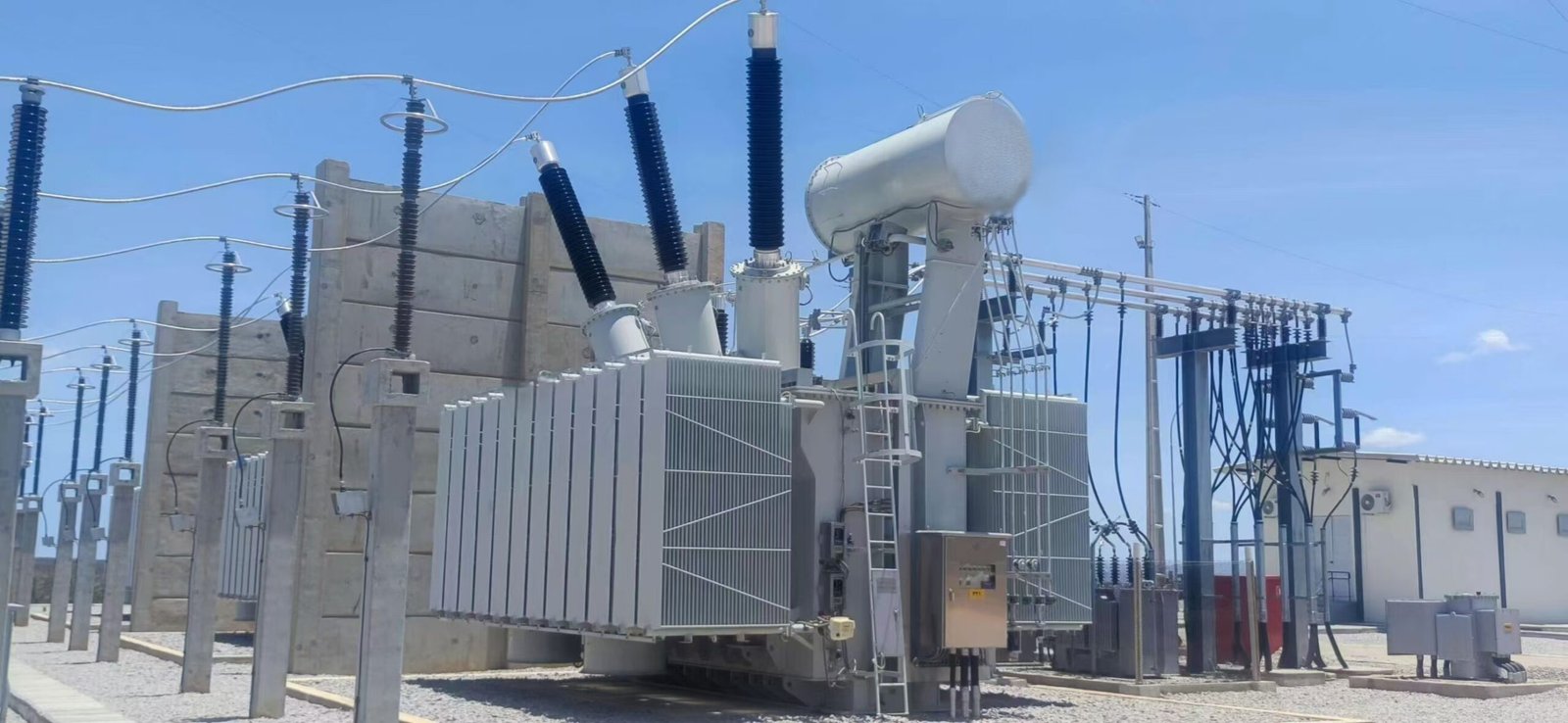
Transformers are essential components of modern power systems, but they also present environmental and fire safety risks that must be carefully managed throughout their lifecycle. Many transformers contain large volumes of insulating oil, operate under high electrical stress, and are installed near critical infrastructure, industrial facilities, renewable energy plants, and populated areas. A transformer failure can potentially result in oil spills, soil and water contamination, fire outbreaks, explosions, toxic emissions, and prolonged power interruptions.
To mitigate these risks, governments, utilities, insurers, and international standards organizations have developed comprehensive environmental and fire safety regulations. These regulations govern transformer design, installation, operation, maintenance, containment systems, fire protection measures, insulating fluids, environmental monitoring, emergency response planning, and equipment disposal. Compliance not only protects people and the environment but also reduces operational risks and liability exposure.
The most influential regulations and standards originate from organizations such as the International Electrotechnical Commission, the National Fire Protection Association, the International Organization for Standardization, environmental protection agencies, utility authorities, and national electrical safety regulators.
Environmental and fire safety regulations affecting transformers address oil containment, spill prevention, fire protection systems, insulating fluid selection, hazardous material management, environmental monitoring, emergency response planning, and equipment disposal. Key standards include IEC 60076, IEC 61936, NFPA 70, NFPA 850, ISO 14001, and applicable national environmental regulations.
These requirements help ensure that transformers operate safely while minimizing environmental impact and fire-related risks.
Transformer environmental and fire safety requirements apply only after a failure occurs and have little influence on transformer design or installation.False
Environmental and fire safety regulations influence transformer design, site selection, containment systems, insulation fluid choices, fire protection equipment, monitoring systems, and operational procedures long before a transformer is energized.
Why Environmental and Fire Safety Regulations Are Necessary
Transformers contain materials and energy sources that can pose significant risks.
Primary Risks
| Risk | Potential Consequence |
|---|---|
| Oil leakage | Soil and water contamination |
| Transformer fire | Property damage |
| Electrical arcing | Fire initiation |
| Equipment explosion | Personnel injury |
| Smoke emissions | Environmental impact |
Regulations are designed to reduce the likelihood and severity of these events.
Major Regulatory Objectives
Environmental and fire safety standards pursue several goals.
Key Objectives
| Objective | Purpose |
|---|---|
| Prevent environmental contamination | Protect ecosystems |
| Minimize fire hazards | Improve safety |
| Protect personnel | Reduce injuries |
| Ensure operational continuity | Improve reliability |
Environmental Regulations Affecting Transformers
Environmental protection requirements are becoming increasingly stringent worldwide.
Main Environmental Concerns
| Concern | Regulatory Focus |
|---|---|
| Oil spills | Containment systems |
| Water contamination | Drainage control |
| Soil pollution | Leak prevention |
| Waste disposal | Proper handling |
Oil Containment Requirements
Many transformers contain mineral insulating oil.
Why Oil Containment Is Required
A tank rupture or leak can release large quantities of oil.
Typical Containment Measures
| Measure | Purpose |
|---|---|
| Bund walls | Spill containment |
| Oil collection pits | Leak control |
| Drainage systems | Environmental protection |
| Separation tanks | Oil-water management |
Containment Capacity Requirements
Many regulations require containment systems to hold the full oil volume plus additional capacity for rainwater or firefighting runoff.
Environmental Management Standards
Environmental management systems support compliance.
ISO 14001
International Organization for Standardization ISO 14001 is widely used for environmental management.
Benefits
| Benefit | Impact |
|---|---|
| Environmental risk control | Reduced incidents |
| Regulatory compliance | Easier audits |
| Continuous improvement | Better performance |
Hazardous Material Regulations
Certain older transformers contained hazardous substances.
Historical Concern
| Material | Regulatory Issue |
|---|---|
| PCB fluids | Environmental hazard |
Many countries now strictly regulate or prohibit PCB-containing equipment.
Transformer Fluid Selection
Fluid selection significantly affects environmental and fire safety performance.
Common Transformer Fluids
| Fluid Type | Environmental Characteristics |
|---|---|
| Mineral oil | Widely used |
| Natural ester fluid | Biodegradable |
| Synthetic ester fluid | Enhanced fire safety |
| Silicone fluid | Specialized applications |
Environmental Benefits of Ester Fluids
Natural ester fluids are increasingly used because of their biodegradability and lower environmental impact.
Fire Safety Regulations
Fire safety is a major consideration for transformer installations.
Why Transformer Fires Occur
| Cause | Description |
|---|---|
| Internal faults | Insulation failure |
| Electrical arcing | Ignition source |
| Overheating | Thermal degradation |
| External events | Fire exposure |
Fire Protection Standards
Several standards address transformer fire safety.
Important Standards
| Standard | Scope |
|---|---|
| IEC 61936 | High-voltage installations |
| NFPA 850 | Fire protection recommendations |
| NFPA 70 | Electrical installation safety |
| IEC 60076 | Transformer design requirements |
NFPA 850
The National Fire Protection Association NFPA 850 provides guidance for fire protection in power-generating facilities and substations.
Areas Covered
| Area | Purpose |
|---|---|
| Fire separation distances | Fire prevention |
| Fire suppression systems | Hazard mitigation |
| Risk assessment | Safety planning |
Firewalls and Separation Distances
Physical separation reduces fire propagation risk.
Common Protection Measures
| Measure | Benefit |
|---|---|
| Firewalls | Fire containment |
| Equipment spacing | Reduced exposure |
| Barrier systems | Improved protection |
Fire Suppression Systems
Large transformers often require dedicated fire protection systems.
Common Systems
| System | Application |
|---|---|
| Water spray systems | Cooling and suppression |
| Deluge systems | Large installations |
| Foam systems | Oil fire protection |
| Clean agent systems | Indoor applications |
Fire Classification of Transformer Fluids
Different insulating fluids have different fire characteristics.
Typical Comparison
| Fluid | Fire Point |
|---|---|
| Mineral oil | Lower |
| Natural ester fluid | Higher |
| Synthetic ester fluid | Higher |
Higher fire-point fluids can reduce overall fire risk.
Arc-Flash Safety Regulations
Electrical arcs can initiate transformer fires and endanger personnel.
Arc Energy Relationship
E\propto I^2t
Where:
- (E) = incident energy
- (I) = fault current
- (t) = fault duration
Reducing fault-clearing time lowers fire and personnel risks.
Arc-Flash Protection Measures
| Measure | Purpose |
|---|---|
| Protective relays | Rapid fault isolation |
| Arc-resistant equipment | Personnel protection |
| PPE requirements | Injury reduction |
Environmental Monitoring Requirements
Modern regulations increasingly emphasize continuous monitoring.
Common Monitoring Systems
| System | Purpose |
|---|---|
| Oil leak detection | Spill prevention |
| Temperature monitoring | Fire prevention |
| Gas analysis | Fault detection |
| Pressure monitoring | Failure prevention |
Stormwater and Drainage Regulations
Transformer installations must prevent contamination of water systems.
Typical Requirements
| Requirement | Purpose |
|---|---|
| Controlled drainage | Pollution prevention |
| Oil-water separators | Environmental protection |
| Spill barriers | Runoff control |
Indoor Transformer Fire Regulations
Indoor installations require additional precautions.
Safety Measures
| Measure | Purpose |
|---|---|
| Fire-rated rooms | Fire containment |
| Ventilation systems | Heat removal |
| Smoke detection | Early warning |
Utility and Insurance Requirements
Utilities and insurers often impose stricter requirements than regulations alone.
Common Additional Requirements
| Requirement | Purpose |
|---|---|
| Enhanced fire suppression | Risk reduction |
| Additional inspections | Reliability assurance |
| Specialized monitoring | Early fault detection |
Renewable Energy Project Requirements
Renewable energy facilities often include project-specific environmental safeguards.
Typical Applications
| Project Type | Key Concern |
|---|---|
| Solar plants | Remote monitoring |
| Wind farms | Environmental protection |
| Hydroelectric facilities | Water contamination prevention |
Transformer Disposal Regulations
End-of-life management is heavily regulated.
Disposal Requirements
| Component | Requirement |
|---|---|
| Insulating oil | Proper treatment |
| Metal components | Recycling |
| Hazardous materials | Controlled disposal |
Emergency Response Planning
Many regulations require documented emergency procedures.
Common Emergency Scenarios
| Scenario | Response |
|---|---|
| Oil spill | Containment and cleanup |
| Transformer fire | Suppression and isolation |
| Explosion event | Site evacuation |
Common Compliance Mistakes
| Mistake | Potential Consequence |
|---|---|
| Inadequate oil containment | Environmental penalties |
| Insufficient fire separation | Fire spread |
| Poor maintenance practices | Increased failure risk |
| Lack of monitoring systems | Delayed incident detection |
Key Environmental and Fire Safety Standards
| Standard | Primary Focus |
|---|---|
| IEC 60076 | Transformer design and safety |
| IEC 61936 | High-voltage installations |
| NFPA 850 | Fire protection guidance |
| NFPA 70 | Electrical safety |
| ISO 14001 | Environmental management |
| National environmental regulations | Pollution control |
Environmental vs. Fire Safety Requirements
| Category | Main Objective |
|---|---|
| Environmental regulations | Pollution prevention |
| Fire safety regulations | Hazard mitigation |
| Combined requirements | Asset and personnel protection |
How Do Manufacturers Ensure Compliance with Safety Standards?
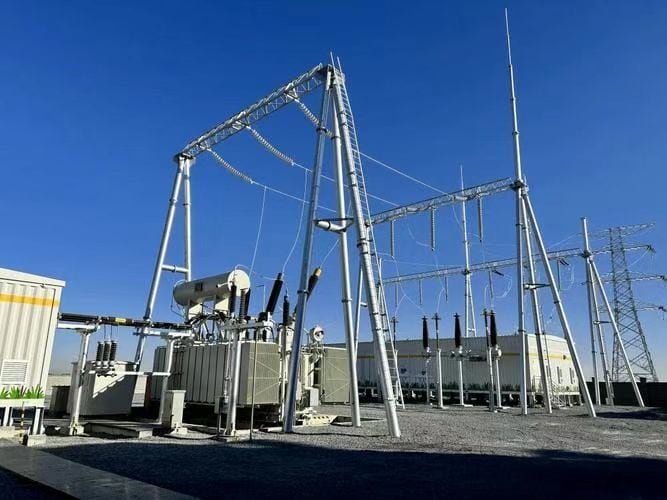
Transformer manufacturers operate in a highly regulated industry where safety, reliability, and performance are critical requirements. A transformer that fails to comply with recognized safety standards can expose utilities, industrial facilities, renewable energy projects, and infrastructure operators to serious risks, including electrical failures, fires, environmental incidents, equipment damage, and personnel injuries. Consequently, manufacturers must implement rigorous processes throughout design, production, testing, and quality assurance to ensure that every transformer meets applicable standards and customer specifications.
Compliance is not achieved through a single inspection or test. Instead, it involves a comprehensive framework that integrates engineering design controls, material verification, manufacturing procedures, quality management systems, factory testing, certification programs, documentation control, and continuous improvement practices. International standards such as those developed by the International Electrotechnical Commission, the Institute of Electrical and Electronics Engineers, and the International Organization for Standardization provide the foundation for these compliance activities.
As transformer technologies evolve and regulations become more demanding, manufacturers increasingly rely on advanced testing equipment, digital monitoring systems, automated production controls, and third-party audits to maintain compliance and demonstrate product quality.
Manufacturers ensure compliance with transformer safety standards through standardized design processes, quality management systems, material verification, production controls, routine and type testing, third-party certification, factory audits, comprehensive documentation, and continuous improvement programs aligned with IEC, IEEE, ISO, and regulatory requirements.
These practices help guarantee that transformers meet safety, reliability, performance, and environmental expectations before entering service.
Transformer safety compliance is determined primarily by final factory testing, and manufacturing processes have little impact on certification outcomes.False
Compliance depends on the entire manufacturing lifecycle, including design controls, supplier qualification, production quality, process management, testing, audits, and documentation, not solely final testing.
Why Compliance Management Is Critical
Transformers are expected to operate reliably for decades under demanding electrical and environmental conditions.
Compliance Objectives
| Objective | Benefit |
|---|---|
| Ensure personnel safety | Reduce accident risks |
| Improve reliability | Minimize outages |
| Meet regulatory requirements | Legal compliance |
| Protect investments | Extend asset life |
A systematic compliance approach reduces technical and operational risks.
Understanding Applicable Standards
The first step toward compliance is identifying applicable standards.
Common Standards Referenced by Manufacturers
| Standard | Primary Purpose |
|---|---|
| IEC 60076 | Transformer design and testing |
| IEEE C57 Series | Transformer requirements |
| ISO 9001 | Quality management |
| IEC 60071 | Insulation coordination |
| IEC 60296 | Insulating oil requirements |
Manufacturers must understand which standards apply to specific products and markets.
Design Compliance Engineering
Compliance begins during transformer design.
Design Review Objectives
| Objective | Purpose |
|---|---|
| Verify ratings | Ensure performance |
| Validate insulation design | Electrical safety |
| Confirm thermal capability | Temperature control |
| Review mechanical strength | Structural integrity |
Engineering teams evaluate all design parameters against applicable standards.
Electrical Design Verification
Electrical design directly affects safety performance.
Key Design Areas
| Area | Safety Impact |
|---|---|
| Insulation system | Dielectric reliability |
| Clearances | Flashover prevention |
| Short-circuit strength | Fault survivability |
| Grounding provisions | Personnel protection |
Insulation Coordination Analysis
Manufacturers perform insulation coordination studies to verify voltage withstand capability.
Basic Insulation Principle
V=E\times d
Where:
- (V) = withstand voltage
- (E) = dielectric strength
- (d) = insulation distance
Proper insulation design ensures compliance with dielectric requirements.
Thermal Design Validation
Transformer insulation life depends heavily on temperature control.
Thermal Engineering Objectives
| Objective | Benefit |
|---|---|
| Limit hot-spot temperatures | Longer insulation life |
| Improve cooling efficiency | Enhanced reliability |
| Meet rating requirements | Operational performance |
Heat Dissipation Evaluation
Q=hA(T_s-T_a)
Where:
- (Q) = heat dissipation
- (h) = heat transfer coefficient
- (A) = cooling area
- (T_s) = transformer surface temperature
- (T_a) = ambient temperature
Thermal modeling helps verify compliance before manufacturing begins.
Material Qualification Programs
Materials significantly influence transformer safety and reliability.
Critical Materials
| Material | Function |
|---|---|
| Electrical steel | Core construction |
| Copper conductors | Current carrying |
| Insulation paper | Dielectric protection |
| Transformer oil | Cooling and insulation |
Manufacturers establish qualification procedures for each material category.
Supplier Approval Processes
Reliable suppliers are essential for compliance.
Supplier Evaluation Criteria
| Criterion | Purpose |
|---|---|
| Quality capability | Consistency |
| Certification status | Compliance assurance |
| Traceability systems | Material verification |
| Production controls | Risk reduction |
Approved supplier programs help prevent nonconforming materials from entering production.
Quality Management Systems
Quality management systems form the backbone of compliance programs.
ISO 9001 Requirements
The International Organization for Standardization ISO 9001 standard is widely implemented by transformer manufacturers.
Key Quality System Elements
| Element | Purpose |
|---|---|
| Process control | Consistent production |
| Documentation | Traceability |
| Corrective actions | Problem resolution |
| Continuous improvement | Quality enhancement |
Manufacturing Process Control
Production activities must follow documented procedures.
Typical Process Controls
| Process | Control Method |
|---|---|
| Core assembly | Inspection procedures |
| Winding production | Dimensional verification |
| Insulation installation | Quality checkpoints |
| Tank fabrication | Weld inspections |
These controls ensure consistency throughout manufacturing.
Traceability Requirements
Traceability is critical for demonstrating compliance.
Traceability Objectives
| Objective | Benefit |
|---|---|
| Material identification | Quality verification |
| Defect investigation | Root cause analysis |
| Regulatory compliance | Documentation support |
Manufacturers often maintain detailed records for decades.
In-Process Inspections
Inspections occur throughout production.
Common Inspection Points
| Stage | Inspection Focus |
|---|---|
| Incoming materials | Material quality |
| Core assembly | Dimensional accuracy |
| Winding assembly | Mechanical integrity |
| Final assembly | Overall compliance |
Factory Testing Programs
Testing provides objective evidence of compliance.
Categories of Transformer Testing
| Category | Purpose |
|---|---|
| Routine tests | Verify every unit |
| Type tests | Validate designs |
| Special tests | Meet project requirements |
Routine Testing
Routine tests are performed on every transformer manufactured.
Typical Routine Tests
| Test | Purpose |
|---|---|
| Ratio test | Verify transformation ratio |
| Resistance test | Assess winding condition |
| Insulation resistance test | Check dielectric integrity |
| Loss measurements | Verify efficiency |
Dielectric Testing
Dielectric testing verifies insulation performance.
Common Dielectric Tests
| Test | Objective |
|---|---|
| Applied voltage test | Insulation validation |
| Induced voltage test | Internal dielectric assessment |
| Impulse test | Surge withstand verification |
These tests confirm compliance with insulation standards.
Temperature-Rise Testing
Temperature-rise tests verify thermal design performance.
Measured Parameters
| Parameter | Purpose |
|---|---|
| Top-oil temperature | Cooling evaluation |
| Winding temperature | Thermal protection |
| Ambient temperature | Test normalization |
Short-Circuit Compliance Testing
Short circuits create severe mechanical forces.
Electromagnetic Force Relationship
F\propto I^2
Where:
- (F) = mechanical force
- (I) = fault current
Manufacturers verify that transformers can withstand these forces safely.
Factory Acceptance Testing (FAT)
Customers often witness compliance testing.
FAT Objectives
| Objective | Benefit |
|---|---|
| Verify specifications | Customer assurance |
| Witness testing | Transparency |
| Review documentation | Compliance confirmation |
Third-Party Certification
Independent certification bodies provide additional verification.
Common Certification Activities
| Activity | Purpose |
|---|---|
| Product assessment | Compliance validation |
| Factory audits | Process evaluation |
| Documentation review | Standards verification |
Internal Audits
Manufacturers conduct regular internal audits.
Audit Focus Areas
| Area | Objective |
|---|---|
| Production processes | Compliance verification |
| Documentation systems | Record accuracy |
| Quality controls | Process effectiveness |
Employee Training Programs
Compliance depends on knowledgeable personnel.
Training Topics
| Topic | Purpose |
|---|---|
| Standards requirements | Technical understanding |
| Safety procedures | Risk reduction |
| Quality practices | Consistency |
Documentation Control Systems
Documentation is a key compliance requirement.
Common Compliance Documents
| Document | Purpose |
|---|---|
| Design records | Engineering evidence |
| Test reports | Performance verification |
| Material certificates | Traceability |
| Inspection reports | Quality confirmation |
Environmental Compliance Programs
Manufacturers must also comply with environmental requirements.
Environmental Focus Areas
| Area | Objective |
|---|---|
| Waste management | Pollution prevention |
| Oil handling | Environmental protection |
| Hazardous substances control | Regulatory compliance |
Continuous Improvement Programs
Compliance is an ongoing process.
Improvement Methods
| Method | Benefit |
|---|---|
| Root cause analysis | Problem prevention |
| Corrective actions | Defect reduction |
| Process optimization | Quality improvement |
Digital Compliance Tools
Modern manufacturers increasingly use digital technologies.
Common Applications
| Technology | Function |
|---|---|
| Manufacturing execution systems | Production tracking |
| Digital quality records | Documentation management |
| Automated inspections | Error reduction |
Common Compliance Challenges
| Challenge | Impact |
|---|---|
| Evolving standards | Additional requirements |
| Global market differences | Multiple certifications |
| Supply chain variability | Material risks |
| Documentation complexity | Administrative burden |
Compliance Lifecycle Overview
| Stage | Compliance Activity |
|---|---|
| Design | Standards verification |
| Procurement | Supplier qualification |
| Manufacturing | Process control |
| Inspection | Quality verification |
| Testing | Performance validation |
| Certification | Compliance confirmation |
| Delivery | Documentation support |
Conclusion
Transformer safety is governed by a combination of international standards, national regulations, and industry-specific requirements. Standards such as IEC, IEEE, ANSI, and local electrical codes establish guidelines for design, testing, installation, and operation to ensure safe and reliable performance. By complying with these regulations and implementing proper maintenance and protection measures, manufacturers and operators can minimize risks, enhance reliability, and ensure long-term transformer safety in power systems.
FAQ
Q1: What regulations govern transformer safety?
Transformer safety is governed by a combination of international standards, national regulations, and industry guidelines that ensure safe design, manufacturing, installation, operation, and maintenance.
The most widely recognized standards include:
IEC standards (International Electrotechnical Commission)
IEEE standards (Institute of Electrical and Electronics Engineers)
ANSI standards (American National Standards Institute)
OSHA workplace safety regulations
Environmental regulations for insulating oils and hazardous materials
Compliance helps prevent electrical accidents, equipment failures, and environmental risks.
Q2: What IEC standards apply to transformer safety?
The IEC publishes several important transformer standards, including:
IEC 60076 – Power Transformers
IEC 60076-11 – Dry-Type Transformers
IEC 60529 – Degrees of Protection (IP Code)
IEC 60296 – Unused Mineral Insulating Oils for Transformers
IEC 60422 – Maintenance and Supervision of Insulating Oils
These standards establish requirements for insulation, testing, temperature rise, protection, and operational safety.
Q3: What IEEE and ANSI standards regulate transformers?
In North America, transformer safety is primarily governed by the IEEE C57 series and ANSI requirements.
Key examples include:
IEEE C57.12.00 – General Requirements for Liquid-Immersed Transformers
IEEE C57.12.01 – General Requirements for Dry-Type Transformers
IEEE C57.91 – Transformer Loading Guide
ANSI C57 standards for performance and safety criteria
These standards address design, testing, protection, and service life considerations.
Q4: How does OSHA influence transformer safety?
In the United States, the Occupational Safety and Health Administration (OSHA) regulates workplace electrical safety.
OSHA requirements include:
Lockout/tagout procedures
Arc flash protection
Electrical hazard training
Personal protective equipment (PPE) usage
Safe maintenance practices
These regulations help protect personnel working around transformers and high-voltage equipment.
Q5: What environmental regulations affect transformers?
Environmental regulations focus on preventing pollution and managing hazardous materials.
Important areas include:
Transformer oil handling and disposal
Spill containment requirements
PCB (polychlorinated biphenyl) restrictions
Recycling and end-of-life equipment management
Emissions and sustainability requirements
Compliance reduces environmental impact and legal liability.
Q6: Why is factory testing required by safety standards?
Factory testing verifies that a transformer meets all applicable safety and performance requirements before shipment.
Common tests include:
Insulation resistance testing
Dielectric withstand testing
Temperature rise testing
Ratio and polarity verification
Short-circuit impedance measurement
These tests ensure the transformer can operate safely under expected service conditions.
Q7: How do safety regulations influence transformer installation?
Installation regulations typically address:
Grounding and earthing requirements
Clearance distances
Fire protection systems
Ventilation and cooling arrangements
Access and maintenance safety
Proper installation is essential for maintaining compliance and preventing accidents.
Q8: Why is regulatory compliance important for transformer operators?
Compliance provides several benefits:
Improved personnel safety
Reduced equipment failure risk
Enhanced grid reliability
Environmental protection
Legal and insurance compliance
Following recognized standards ensures transformers operate safely throughout their service life.
References
IEC 60076 – Power Transformers
https://webstore.iec.ch/publication/602
IEC 60076-11 – Dry-Type Transformers
https://webstore.iec.ch
IEEE C57 Series – Transformer Standards
https://standards.ieee.org
ANSI Transformer Standards Overview
https://www.ansi.org
Occupational Safety and Health Administration (OSHA)
https://www.osha.gov
National Fire Protection Association (NFPA 70 & NFPA 70E)
https://www.nfpa.org
U.S. Environmental Protection Agency – Transformer and PCB Regulations
https://www.epa.gov
CIGRE – Transformer Safety and Reliability Publications
https://www.cigre.org