
Transformer synchronization is a critical requirement in power systems, especially when transformers operate in parallel or are connected to interconnected grids. Proper synchronization ensures that voltage levels, phase relationships, and operating conditions are aligned, allowing transformers to share load safely and efficiently. Without synchronization, serious electrical disturbances, equipment damage, and system instability can occur.
What Does Transformer Synchronization Mean?
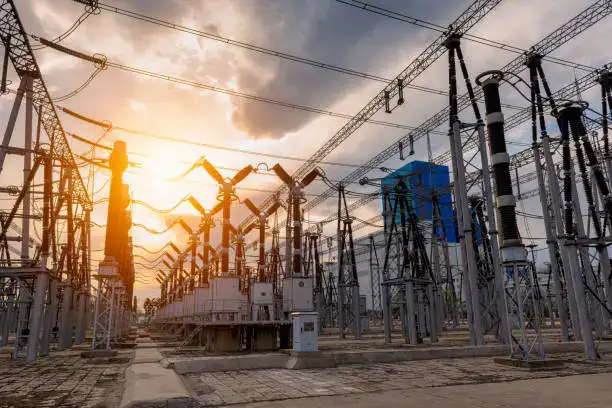
In modern power systems, transformers rarely operate in isolation. They are often connected in parallel to share load, improve reliability, or increase system capacity. If this parallel operation is not carefully controlled, serious electrical problems can occur instantly. Transformer synchronization is the principle that ensures multiple transformers operate together safely and efficiently without causing circulating currents, voltage instability, or equipment damage.
Transformer synchronization means matching key electrical characteristics—such as voltage ratio, phase sequence, phase angle, and impedance—so that two or more transformers can operate in parallel without electrical conflict.
Proper transformer synchronization is essential for safe and stable parallel operation.True
When synchronized parameters match, transformers share load correctly and avoid circulating currents and thermal stress.
Purpose of Transformer Synchronization
The main goal of synchronization is stable parallel operation.
It allows:
- Load sharing between transformers
- Increased system capacity and redundancy
- Improved operational flexibility
- Maintenance of one unit while others remain energized
Without synchronization, parallel operation becomes unsafe.
Why Synchronization Is Necessary
Each transformer has unique electrical characteristics.
If transformers are not synchronized:
- Circulating currents flow between units
- Unequal load sharing occurs
- Excessive heating and losses develop
- Protection systems may trip or fail
Synchronization ensures electrical compatibility before connection.
Key Parameters Involved in Synchronization
Transformer synchronization depends on several critical factors.
The most important include:
- Voltage ratio (secondary voltage magnitude)
- Phase sequence
- Phase displacement (vector group)
- Percentage impedance and impedance angle
- Tap changer position
All of these must be compatible for proper operation.
Voltage Ratio Matching
Voltage mismatch is the most common synchronization issue.
If secondary voltages differ:
- Circulating current flows even without load
- One transformer may become overloaded
- Efficiency and reliability are reduced
Tap changers are often used to fine-tune voltage matching.
Phase Sequence and Phase Angle
Correct phase alignment is essential in three-phase systems.
Synchronization requires:
- Identical phase sequence (ABC or ACB)
- Compatible vector groups
- Matching phase displacement angles
Even small phase-angle differences can cause large circulating currents.
Impedance Matching and Load Sharing
Impedance determines how load is shared.
When impedance values differ:
- Lower-impedance transformer carries more load
- Higher-impedance transformer remains underutilized
- Thermal stress becomes uneven
Ideally, percentage impedance should be closely matched.
Role of Vector Group Compatibility
Vector group defines winding connection and phase shift.
For synchronization:
- Vector groups must be identical or compatible
- Phase displacement must match exactly
- Incorrect vector groups make parallel operation impossible
This is a fundamental design consideration.
Synchronization vs. Generator Synchronization
Transformer synchronization is often confused with generator synchronization.
Key difference:
- Transformer synchronization focuses on matching static electrical parameters
- Generator synchronization also involves frequency and rotational phase
Transformers do not generate frequency, but phase relationships are still critical.
Operational Risks of Poor Synchronization
Improper synchronization leads to serious risks.
These include:
- Overheating and insulation damage
- Increased losses and reduced efficiency
- Nuisance tripping of protection systems
- Premature transformer failure
Many transformer failures during commissioning are caused by synchronization errors.
Standards and Best Practices
International standards guide synchronization.
Best practices include:
- Verifying nameplate data
- Performing phase angle and ratio tests
- Checking impedance tolerance
- Using proper protection coordination
Following standards ensures safe and repeatable results.
Why Is Synchronization Required for Parallel Operation?
Parallel operation of transformers is widely used to increase capacity, improve reliability, and provide operational flexibility in power systems. However, simply connecting two transformers to the same bus is not enough. Without proper synchronization, parallel operation can immediately create internal electrical conflicts that lead to overheating, excessive losses, instability, or even catastrophic failure. Synchronization is therefore not optional—it is a fundamental requirement for safe and efficient parallel operation.
Synchronization is required for parallel operation to ensure that transformers share load correctly, avoid circulating currents, maintain voltage stability, and operate without thermal or mechanical stress.
Transformer synchronization is required to prevent circulating currents and unequal load sharing during parallel operation.True
Matching voltage, phase, and impedance ensures transformers operate cooperatively instead of electrically opposing each other.
Preventing Circulating Currents
The most critical reason for synchronization is to eliminate circulating currents.
If transformers are not synchronized:
- Small voltage or phase differences exist between secondaries
- Current flows between transformers even with no external load
- Energy is wasted as heat inside windings and core
These circulating currents can quickly overheat a transformer without delivering useful power.
Ensuring Proper Load Sharing
Parallel transformers are intended to divide load.
Synchronization ensures:
- Load is shared in proportion to transformer ratings
- No single unit is overloaded while others remain lightly loaded
- Thermal stress is evenly distributed
Impedance matching is especially important for stable load sharing.
Maintaining Voltage Stability
Unsynchronized transformers fight each other electrically.
Consequences include:
- Voltage fluctuations at the bus
- Poor voltage regulation
- Increased system losses
Proper synchronization aligns voltage magnitude and phase, maintaining stable system voltage.
Avoiding Excessive Heating and Insulation Stress
Electrical mismatch leads directly to heat.
Without synchronization:
- Windings experience unnecessary current
- Insulation temperature rises rapidly
- Aging accelerates and lifespan shortens
Synchronization protects insulation health and long-term reliability.
Protecting Against Mechanical and Fault Stress
Parallel transformers must withstand fault conditions together.
Synchronization ensures:
- Balanced fault current contribution
- Predictable protection operation
- Reduced mechanical stress during short circuits
Unsynchronized units may experience unequal and damaging forces.
Preventing Protection System Maloperation
Protection systems assume correct synchronization.
Without it:
- Differential and overcurrent relays may trip unnecessarily
- Fault detection becomes unreliable
- Coordination between devices is compromised
Synchronization aligns transformer behavior with protection logic.
Ensuring Vector Group and Phase Compatibility
Three-phase systems depend on phase relationships.
Synchronization confirms:
- Correct phase sequence
- Compatible vector groups
- Matching phase displacement angles
Incorrect phase relationships make safe parallel operation impossible.
Improving Operational Flexibility and Reliability
Synchronized transformers allow:
- Seamless load transfer
- Redundant operation
- Maintenance without system interruption
This flexibility is only possible when synchronization conditions are met.
Economic and Asset Protection Reasons
Poor synchronization increases lifecycle cost.
Impacts include:
- Higher losses and energy waste
- Increased maintenance
- Premature transformer replacement
Synchronization protects both system performance and capital investment.
What Electrical Parameters Must Be Matched During Synchronization?
When transformers are operated in parallel, they effectively become part of the same electrical machine. Any mismatch between them immediately creates internal electrical stress, even if the external load is small. This is why transformer synchronization is not a single check, but a systematic verification of multiple electrical parameters that together ensure safe, stable, and efficient parallel operation.
During transformer synchronization, voltage ratio, phase sequence, phase displacement (vector group), percentage impedance, impedance angle, and tap position must be matched to prevent circulating currents and ensure proper load sharing.
Matching key electrical parameters is essential to prevent circulating currents and unequal load sharing in parallel transformers.True
Differences in voltage, phase, or impedance cause transformers to electrically oppose each other, leading to overheating and losses.
Voltage Ratio (Secondary Voltage Magnitude)
Voltage ratio is the most critical parameter.
If voltage ratios do not match:
- Circulating current flows even with no load
- One transformer may continuously supply another
- Excessive heating and losses occur
Voltage differences should typically be within ±0.5% for safe parallel operation. Tap changers are used to fine-tune this match.
Phase Sequence
Phase sequence defines the order of phase rotation.
For synchronization:
- Phase sequence must be identical (e.g., ABC–ABC)
- A reversed sequence (ABC–ACB) causes phase-to-phase faults
Phase sequence mismatch leads to immediate short-circuit conditions when connected in parallel.
Phase Displacement and Vector Group
Vector group defines winding connections and phase shift.
Synchronization requires:
- Identical vector groups, or
- Vector groups with zero phase displacement difference
For example:
- Dyn11 cannot be paralleled with Dyn1
- YNd1 cannot be paralleled with Dyn11
Even a 30° phase angle difference makes parallel operation impossible.
Percentage Impedance (%Z)
Impedance determines how load current divides.
If % impedance differs significantly:
- Lower-impedance transformer carries more load
- Higher-impedance unit remains underloaded
- Overheating occurs in the lower-impedance transformer
As a rule of thumb, impedance mismatch should be within ±10% of each other.
Impedance Angle (X/R Ratio)
Impedance is not just magnitude, but also angle.
Mismatch in impedance angle causes:
- Unequal active and reactive power sharing
- Additional circulating reactive currents
- Reduced efficiency
Similar core and winding design usually ensure compatible impedance angles.
Tap Changer Position
Tap position directly affects voltage ratio.
Before synchronization:
- Tap positions must be identical or adjusted to equal secondary voltage
- OLTC-controlled transformers must be coordinated
Mismatched taps are a common cause of circulating currents during commissioning.
Rated Power and Capacity Considerations
While not a synchronization parameter, rating affects operation.
Best practice:
- Transformers should have similar kVA ratings
- Large rating differences complicate load sharing
Unequal ratings can still work if impedance is correctly proportioned, but control becomes more complex.
Frequency (System Condition)
Transformers do not generate frequency, but:
- Both must be connected to the same frequency system
- Parallel operation across different frequencies is impossible
This is normally inherent in grid-connected systems.
Zero-Sequence and Grounding Compatibility
Grounding affects fault behavior.
Synchronization requires:
- Compatible neutral grounding methods
- Similar zero-sequence impedance paths
Mismatched grounding can cause unbalanced currents during earth faults.
Practical Verification Before Parallel Operation
Engineers typically verify:
- Nameplate data comparison
- Ratio and phase angle tests
- Polarity and vector group confirmation
- Impedance and tap position checks
Testing is essential, even when nameplates appear identical.
What Problems Occur If Transformers Are Not Synchronized?
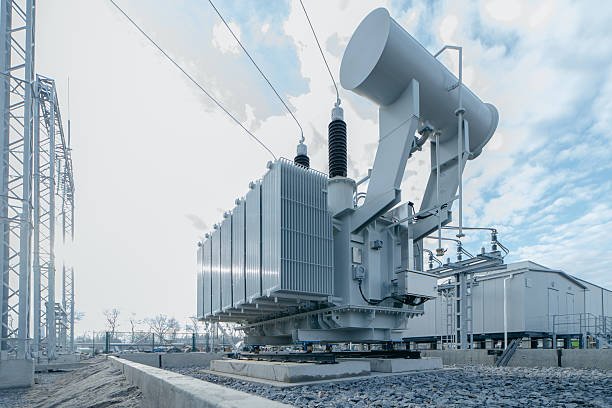
In power systems, operating transformers in parallel without proper synchronization is one of the most dangerous and costly mistakes that can be made. While the transformers may appear to be operating normally at first, electrical mismatches immediately create hidden stresses that escalate into overheating, instability, protection malfunctions, and sudden failures. Many transformer incidents during commissioning and expansion projects can be traced directly to poor or incomplete synchronization.
If transformers are not synchronized, circulating currents, unequal load sharing, excessive heating, voltage instability, protection malfunctions, and premature transformer failure will occur.
Lack of proper synchronization between parallel transformers leads to circulating currents and accelerated equipment damage.True
Electrical mismatches force transformers to oppose each other, creating internal losses and thermal stress even without external load.
Circulating Currents Between Transformers
The most immediate problem is circulating current.
When transformers are unsynchronized:
- Small voltage or phase differences exist at the secondary
- Current flows directly from one transformer to another
- No useful load is supplied
These currents generate heat continuously and can overload windings even at zero external load.
Unequal Load Sharing
Parallel transformers are designed to share load proportionally.
Without synchronization:
- One transformer may carry most of the load
- Another may remain lightly loaded
- The overloaded unit overheats and ages rapidly
Impedance mismatch is a common cause of this imbalance.
Excessive Heating and Insulation Damage
Electrical mismatch directly increases losses.
Consequences include:
- Elevated winding hot-spot temperatures
- Accelerated insulation aging
- Reduced dielectric strength
Thermal damage caused by poor synchronization often remains invisible until sudden failure occurs.
Voltage Instability and Poor Regulation
Unsynchronized transformers do not produce identical output voltage.
This results in:
- Voltage fluctuations at the common bus
- Poor voltage regulation under changing load
- Power quality issues for connected equipment
Sensitive industrial loads may trip or malfunction as a result.
Increased Core and Copper Losses
Circulating and unbalanced currents increase losses.
This leads to:
- Higher no-load and load losses
- Reduced overall system efficiency
- Increased operating cost and energy waste
Losses accumulate continuously over the transformer’s service life.
Protection System Maloperation
Protection systems assume synchronized operation.
If transformers are not synchronized:
- Differential protection may falsely detect faults
- Overcurrent relays may trip unnecessarily
- Coordination between protection devices is disrupted
This can cause nuisance outages or failure to clear real faults.
Mechanical Stress During Fault Conditions
Short-circuit forces increase when transformers are mismatched.
Effects include:
- Unequal fault current contribution
- Excessive mechanical stress on windings
- Increased risk of winding deformation
Mechanical damage often leads to irreversible transformer failure.
Phase-to-Phase Faults in Severe Cases
Incorrect phase sequence or vector group mismatch is catastrophic.
This can cause:
- Direct phase-to-phase short circuits
- Extremely high fault currents
- Immediate transformer damage
Such errors often occur during initial commissioning if checks are skipped.
Reduced Reliability and Asset Life
Unsynchronized operation shortens transformer life.
Long-term consequences include:
- Premature insulation failure
- Increased maintenance frequency
- Early transformer replacement
This significantly increases total lifecycle cost.
Safety and Operational Risks
Transformer failures create serious hazards.
Risks include:
- Fire and explosion due to overheating
- Extended outages affecting critical loads
- Personnel safety threats during fault events
Synchronization errors can therefore become safety incidents.
How Does Synchronization Affect Load Sharing and Efficiency?
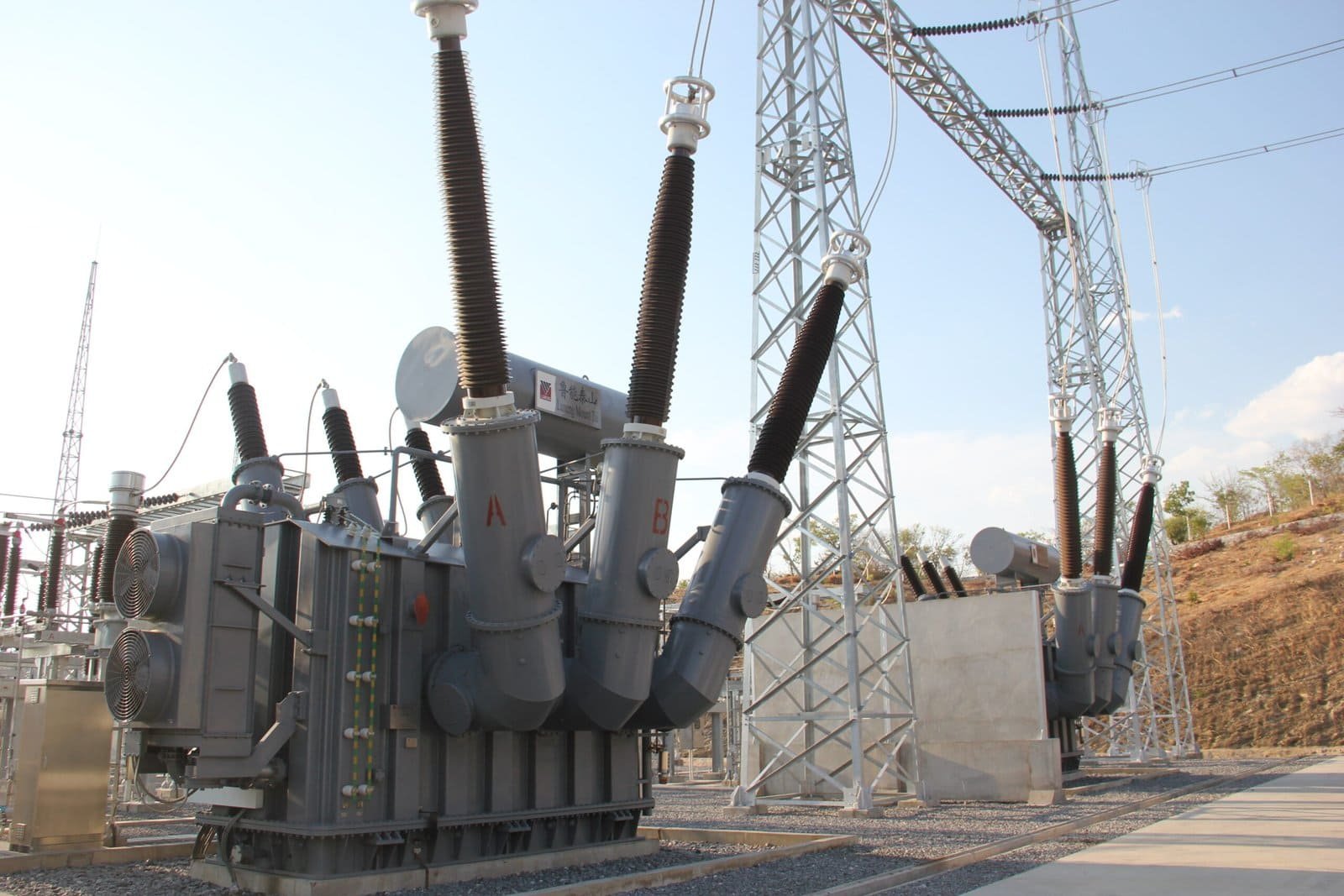
When transformers are operated in parallel, the goal is not just to increase capacity, but to ensure that all units work together harmoniously over decades of service. Poor synchronization does not always cause immediate failure, which makes it especially dangerous: instead, it quietly degrades efficiency, overloads individual units, and accelerates aging. Proper synchronization is therefore one of the most important determinants of whether parallel transformers deliver their expected technical and economic benefits.
Transformer synchronization directly determines how evenly load is shared and how efficiently electrical energy is transferred, by preventing circulating currents, balancing impedance-driven load division, and minimizing unnecessary losses.
Proper synchronization ensures balanced load sharing and maximizes efficiency in parallel transformer operation.True
When voltage, phase, and impedance are matched, transformers divide load proportionally and avoid circulating currents that waste energy.
How Synchronization Governs Load Sharing
In parallel operation, load sharing is primarily controlled by transformer impedance.
When transformers are properly synchronized:
- Secondary voltages are equal
- Phase angles are aligned
- Impedance magnitudes and angles are compatible
Under these conditions, load current divides naturally in proportion to each transformer’s rated capacity and impedance design.
If synchronization is poor:
- One transformer may carry a disproportionate share of the load
- Another may remain underutilized
- The overloaded unit reaches thermal limits prematurely
Thus, synchronization is the foundation of predictable and fair load sharing.
Voltage Matching and Its Effect on Load Division
Voltage ratio mismatch is the most common cause of poor load sharing.
Even small voltage differences cause:
- One transformer to “push” current into another
- Circulating currents with no useful output
- Distorted load sharing under all operating conditions
Proper synchronization, often achieved through correct tap settings, ensures that voltage-driven circulating currents are eliminated so that load current only flows to the external load.
Impedance Matching and Proportional Load Sharing
Impedance determines how much current a transformer carries.
With good synchronization:
- Transformers with similar % impedance share load evenly
- Transformers with different ratings share load according to design
Without synchronization:
- Lower-impedance units carry excessive current
- Higher-impedance units are underloaded
- Thermal stress becomes uneven and unpredictable
This directly affects both efficiency and equipment life.
Impact on Efficiency Through Loss Reduction
Synchronization has a strong influence on efficiency.
When transformers are synchronized:
- Circulating currents are minimized or eliminated
- Copper losses are reduced
- Core losses remain at design levels
When synchronization is poor:
- Circulating currents add continuous copper losses
- Additional heat increases resistance and losses further
- Overall system efficiency drops, even at light load
These losses accumulate continuously over the transformer’s lifetime.
Efficiency at Partial and Variable Load
Many power systems operate far below peak load most of the time.
With proper synchronization:
- Load is distributed optimally at all load levels
- Each transformer operates near its most efficient region
- No-load and load losses are minimized collectively
Poor synchronization is especially damaging at light load, where circulating currents may exceed useful load current, drastically reducing efficiency.
Thermal Effects and Secondary Efficiency Losses
Heat is the enemy of efficiency.
Unsynchronized operation leads to:
- Localized overheating in overloaded transformers
- Increased winding resistance
- Higher copper losses for the same delivered power
This creates a feedback loop where poor synchronization causes heat, and heat further reduces efficiency.
Effect on Reactive Power and Power Factor
Synchronization also influences reactive power behavior.
When properly synchronized:
- Magnetizing currents remain stable
- Reactive power demand is minimized
- System power factor improves
With poor synchronization:
- Additional reactive circulating currents appear
- Power factor degrades
- Upstream system losses increase
These effects extend beyond the transformers themselves to the entire network.
Long-Term Impact on Transformer Aging
Efficiency and aging are closely linked.
Balanced load sharing achieved through synchronization:
- Keeps winding temperatures within design limits
- Slows insulation aging
- Extends transformer service life
Poor synchronization concentrates stress in one unit, leading to premature failure and reduced fleet reliability.
Economic Consequences of Poor Synchronization
From a lifecycle perspective, synchronization has clear financial implications.
Good synchronization delivers:
- Lower energy losses
- Reduced cooling and maintenance costs
- Longer asset life
Poor synchronization results in:
- Higher operating costs
- Increased maintenance
- Early transformer replacement
The efficiency penalty often far exceeds the cost of proper synchronization checks.
How Is Transformer Synchronization Achieved in Practice?
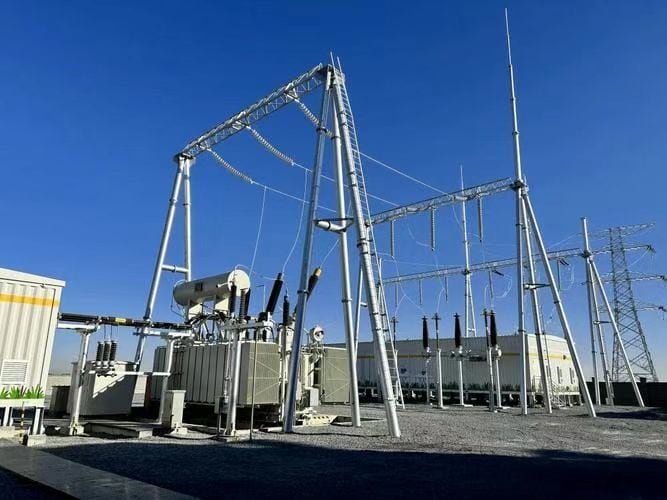
In real power systems, transformer synchronization is not a theoretical concept—it is a carefully controlled engineering process carried out during design, factory testing, site installation, and commissioning. Because parallel transformers immediately interact electrically once connected, synchronization must be achieved deliberately and verified step by step to avoid hidden risks that could damage equipment or disrupt the grid.
Transformer synchronization is achieved in practice by matching nameplate parameters, verifying electrical characteristics through testing, adjusting tap changers, and confirming phase and impedance compatibility before parallel connection.
Transformer synchronization in practice relies on systematic verification of voltage, phase, and impedance before parallel operation.True
Field testing and controlled adjustments ensure transformers operate cooperatively without circulating currents or imbalance.
Nameplate and Design-Level Matching
Synchronization begins long before installation.
At the design and procurement stage, engineers ensure:
- Identical or compatible voltage ratios
- Matching vector groups and phase displacement
- Similar percentage impedance and impedance angle
- Comparable rated power and cooling class
Ordering transformers with compatible specifications is the most reliable way to simplify synchronization later.
Verification of Vector Group and Phase Sequence
Before any parallel connection, phase relationships must be confirmed.
In practice, this involves:
- Checking nameplate vector group markings
- Performing phase sequence tests on site
- Verifying phase displacement using phase angle meters
Incorrect vector group or phase sequence makes synchronization impossible and must be corrected before energization.
Voltage Ratio and Polarity Testing
Voltage matching is essential to prevent circulating currents.
Field tests include:
- Ratio tests using transformer turns-ratio testers
- Polarity tests to confirm correct winding orientation
- Comparison of secondary voltages under identical conditions
These tests confirm that both transformers produce the same voltage at corresponding taps.
Tap Changer Adjustment and Coordination
Tap changers are the primary tool for fine tuning synchronization.
In practice:
- All transformers are set to identical tap positions
- Secondary voltages are measured and compared
- On-load tap changers (OLTCs) are coordinated or interlocked
Even a single tap-step difference can cause continuous circulating current, so tap coordination is critical.
Impedance Verification and Load Sharing Checks
Impedance determines how load is divided.
Practical steps include:
- Reviewing factory impedance test results
- Confirming % impedance values are within acceptable tolerance
- Performing trial load sharing tests after parallel connection
If impedance mismatch is excessive, load sharing will be uneven even if voltages match.
No-Load Parallel Energization
Before applying load, transformers are often energized in parallel at no load.
This step allows engineers to:
- Measure circulating current
- Observe abnormal heating or noise
- Confirm stable voltage behavior
Ideally, circulating current should be negligible. Any abnormal current indicates synchronization issues.
Load Application and Monitoring
Once no-load operation is confirmed, load is applied gradually.
During this phase:
- Load current on each transformer is monitored
- Temperature rise is observed
- Voltage regulation and stability are checked
Balanced current sharing confirms successful synchronization.
Protection System Coordination
Synchronization also involves protection systems.
In practice:
- Differential protection settings are verified
- Overcurrent and earth fault relays are coordinated
- CT polarity and ratios are checked
Protection systems must reflect synchronized operation to avoid nuisance tripping.
Use of Modern Monitoring and Automation
Modern substations increasingly rely on automation.
Advanced tools include:
- Digital relays with synchronization logic
- SCADA systems for real-time load sharing data
- Online temperature and current monitoring
These systems continuously verify that synchronization remains intact during operation.
Documentation and Commissioning Records
Final synchronization confirmation is documented.
Commissioning records typically include:
- Test results for ratio, phase, and impedance
- Tap positions and OLTC settings
- Load sharing measurements
Proper documentation ensures traceability and future maintenance confidence.
Conclusion
Transformers must be synchronized to ensure safe parallel operation, stable power flow, and reliable system performance. Matching key parameters such as voltage ratio, phase sequence, vector group, and impedance prevents circulating currents, overheating, and mechanical stress. Proper synchronization not only protects transformer assets but also enhances grid stability, operational flexibility, and overall power system efficiency.
FAQ
Q1: What does it mean to synchronize transformers?
Transformer synchronization refers to ensuring that two or more transformers operating together—typically in parallel—have compatible electrical characteristics. This includes matching voltage ratio, phase sequence, phase angle, frequency, polarity, and impedance.
Proper synchronization allows transformers to operate as a single system, sharing load safely and efficiently. Without synchronization, parallel operation can lead to serious electrical and mechanical problems.
Q2: Why is synchronization required for parallel transformer operation?
Synchronization is required because transformers connected in parallel must deliver power at the same voltage and phase angle. If these parameters differ, the transformers will attempt to drive current into each other rather than supplying the load.
This can cause:
Circulating currents
Overheating
Excessive losses
Nuisance protection trips
Premature transformer failure
Synchronization ensures stable load sharing and reliable system operation.
Q3: What happens if transformers are not synchronized?
Unsynchronized transformers can experience severe operating issues, including:
Circulating currents even with no external load
Unequal load sharing, overloading one transformer
Voltage fluctuations and power quality problems
Increased thermal stress and insulation aging
Possible damage to windings and protection equipment
In extreme cases, improper synchronization can cause catastrophic transformer failure.
Q4: Which parameters must match for transformer synchronization?
Key parameters that must be compatible include:
Voltage ratio: Secondary voltages must be equal
Phase sequence: Phase order must be identical
Phase angle (vector group): Phase displacement must match
Frequency: Must be identical (normally fixed by the grid)
Polarity: Correct instantaneous voltage direction
Percentage impedance: Similar values for proper load sharing
Mismatch in any of these parameters can compromise parallel operation.
Q5: Why is vector group important in transformer synchronization?
The vector group defines the phase relationship between primary and secondary windings. Transformers with different vector groups have different phase displacements, making them incompatible for parallel operation.
For example, a Dyn11 transformer cannot be paralleled with a Dyn5 transformer because their phase angles differ by 60°. Matching vector groups ensure phase alignment and prevent circulating currents.
Q6: How does synchronization affect load sharing between transformers?
Proper synchronization ensures that transformers share load proportionally to their rated capacity and impedance. If impedances are similar, load is evenly distributed.
If synchronization is poor:
One transformer may become overloaded
Another may remain underutilized
System efficiency and reliability decrease
Balanced load sharing extends transformer life and improves operational efficiency.
Q7: Are distribution transformers required to be synchronized?
Synchronization is only required when transformers operate in parallel. Single, standalone transformers do not need synchronization with others.
In distribution networks, synchronization is critical when:
Two transformers feed a common bus
Redundancy or load growth requires parallel operation
Reliability and continuity of supply are priorities
Utilities often standardize transformer specifications to simplify synchronization.
Q8: How is transformer synchronization verified before commissioning?
Synchronization is verified through testing and inspection, including:
Polarity tests
Voltage ratio measurements
Phase sequence and phase angle checks
Vector group confirmation
Impedance comparison
These tests are performed during factory testing, site commissioning, or before energizing transformers in parallel.
References
IEC 60076 – Power Transformers
https://webstore.iec.ch/publication/602
IEEE C57.153 – Guide for Establishing Power Transformer Parallel Operation
https://standards.ieee.org
Schneider Electric – Transformer Paralleling Guidelines
https://www.se.com
Electrical Engineering Portal – Parallel Operation of Transformers
https://electrical-engineering-portal.com
CIGRE – Power Transformer System Compatibility Studies
https://www.cigre.org
NEMA – Transformer Application and Installation Guides
https://www.nema.org
U.S. Department of Energy – Power System Reliability Fundamentals
https://www.energy.gov