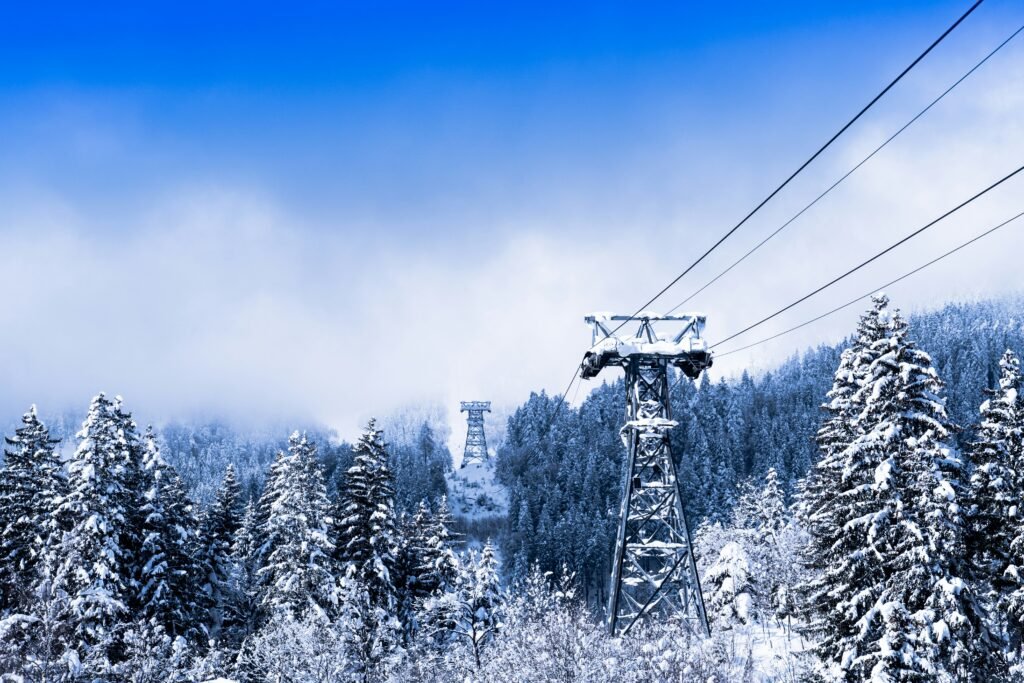
Transformers installed in Arctic or extremely cold environments must operate reliably under harsh conditions such as very low temperatures, snow, ice, and strong winds. These environments present unique challenges for insulation systems, cooling performance, and mechanical components. To ensure safe and stable operation, transformers designed for Arctic conditions require special materials, protective features, and operational considerations.
What Challenges Do Arctic Conditions Present for Transformers?
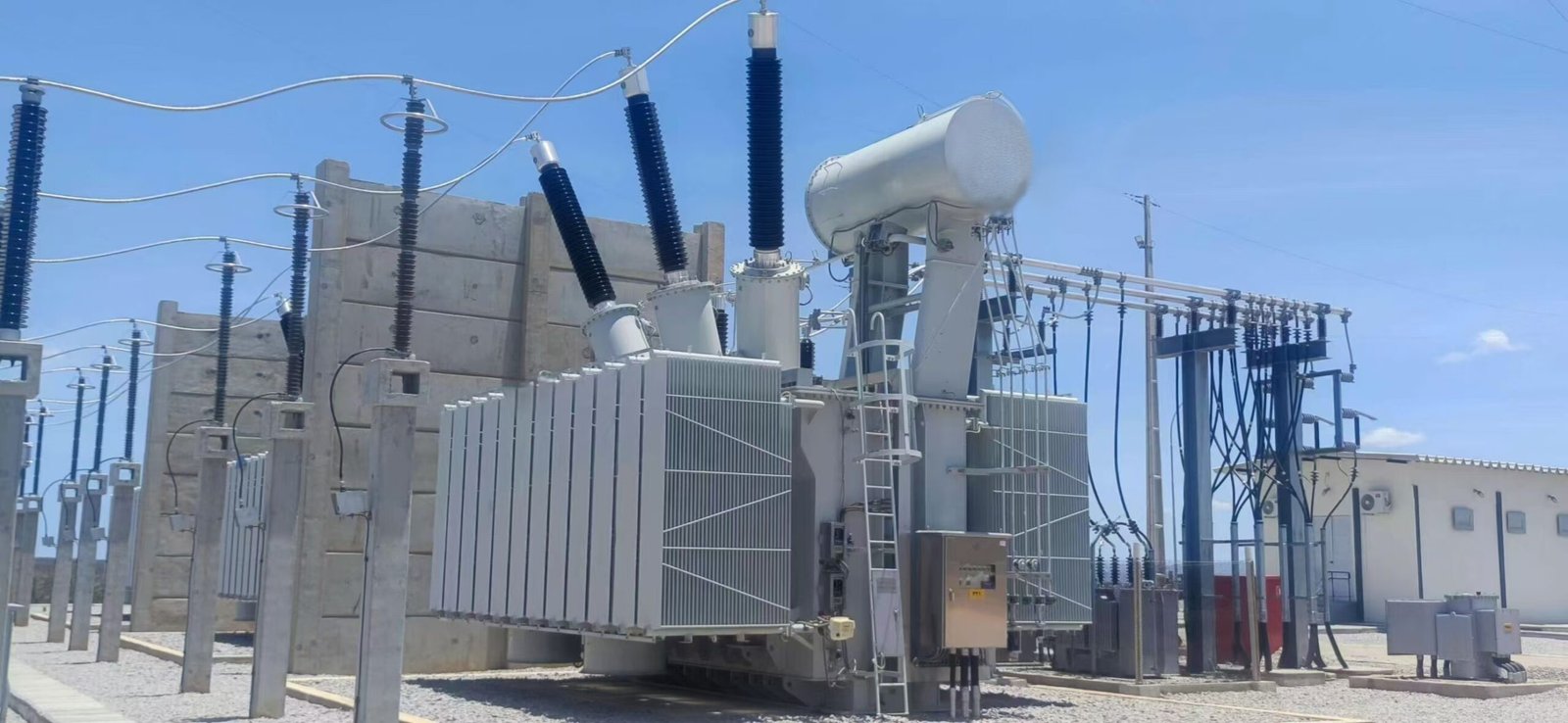
Operating electrical infrastructure in Arctic environments presents significant engineering challenges. Transformers installed in polar regions or extremely cold climates must function reliably under conditions that are far more severe than those encountered in typical temperate environments. Extremely low temperatures, ice accumulation, strong winds, and limited accessibility can all affect transformer performance, reliability, and maintenance.
Arctic conditions challenge transformer operation through extreme cold temperatures, oil viscosity changes, insulation stress, mechanical contraction, icing, limited cooling efficiency control, and difficulties in maintenance and monitoring. To ensure reliable operation in such environments, transformers must be specifically designed and adapted for low-temperature performance.
Transformers operate the same way in Arctic climates as they do in moderate climates without any design adjustments.False
Transformers operating in Arctic conditions require special design considerations to handle extremely low temperatures, oil viscosity changes, and environmental stresses.
Understanding these challenges helps manufacturers and utilities design transformers capable of operating safely in harsh polar environments.
1. Extremely Low Ambient Temperatures
One of the most obvious challenges in Arctic environments is extremely low ambient temperature.
Temperatures in Arctic regions can fall below −40°C or even −60°C. These extreme conditions affect several transformer components:
- Insulating oil becomes more viscous
- Cooling performance changes
- Mechanical components contract
- Insulation materials become less flexible
Low temperatures can also slow the transformer’s thermal response during startup, making temperature management more complex.
2. Increased Oil Viscosity
Transformer oil acts as both an insulating medium and a cooling fluid. However, at very low temperatures, the viscosity of insulating oil increases significantly.
Higher oil viscosity can cause:
- Reduced oil circulation inside the transformer
- Slower heat transfer from windings to radiators
- Increased difficulty during startup
Poor oil circulation can create localized hot spots when the transformer begins operating under load.
For Arctic applications, special low-temperature insulating oils or synthetic esters are often used to maintain fluidity.
3. Insulation Material Stress
Insulation systems inside transformers are composed of materials such as cellulose paper, pressboard, and polymer components.
Extreme cold temperatures can cause these materials to become brittle or less flexible.
Potential problems include:
- Micro-cracking in insulation layers
- Reduced mechanical resilience
- Increased susceptibility to electrical stress
Over long periods, these stresses can weaken insulation integrity and reduce reliability.
4. Thermal Expansion and Mechanical Contraction
Transformers experience mechanical expansion when heated and contraction when cooled. In Arctic climates, large temperature variations can produce significant mechanical stress.
These temperature-related stresses can affect:
- Windings
- Core clamping structures
- Tank walls
- Bushings
Repeated thermal cycling between very low ambient temperatures and operating temperatures can gradually loosen mechanical components or affect structural stability.
5. Ice and Snow Accumulation
Arctic regions experience heavy snow, ice accumulation, and freezing precipitation.
Ice buildup can affect transformer operation in several ways:
- Blocking airflow around cooling radiators
- Adding weight to external structures
- Increasing mechanical stress on bushings and connectors
In severe cases, ice accumulation can interfere with cooling performance or cause physical damage to external components.
6. Reduced Cooling System Efficiency
Transformer cooling systems are designed based on expected ambient temperature ranges.
In Arctic environments, extremely cold air may seem beneficial for cooling, but it can introduce several complications:
- Fans and pumps may struggle to operate at low temperatures
- Oil circulation may slow due to high viscosity
- Radiator efficiency may change due to ice buildup
Cooling systems must therefore be designed with special considerations for cold-start conditions.
7. Cold Start Conditions
Starting a transformer that has been idle in extremely cold conditions can be challenging.
Cold-start problems include:
- Thickened insulating oil
- Slow internal heat transfer
- Increased mechanical stress
To address these issues, some installations use pre-heating systems or controlled energization procedures.
8. Limited Maintenance Accessibility
Arctic installations are often located in remote areas where maintenance access is difficult.
Factors affecting maintenance include:
- Extreme weather conditions
- Limited transportation infrastructure
- Restricted availability of skilled technicians
Because of these limitations, transformers used in Arctic environments must be highly reliable and require minimal maintenance.
9. Material and Component Durability
Components such as gaskets, seals, bushings, and electrical connectors must withstand extreme cold without losing functionality.
In low temperatures:
- Rubber seals may harden and crack
- Lubricants may become ineffective
- Electrical contacts may contract
Special materials and cold-resistant components are required to maintain reliable operation.
10. Monitoring and Protection Challenges
Monitoring systems and electronic protection devices must also function reliably in cold environments.
Challenges include:
- Reduced battery performance in monitoring equipment
- Sensor inaccuracies due to temperature extremes
- Communication system disruptions
To address these issues, Arctic transformers often include enhanced monitoring systems and insulated control enclosures.
How Are Transformers Designed to Operate in Extremely Low Temperatures?
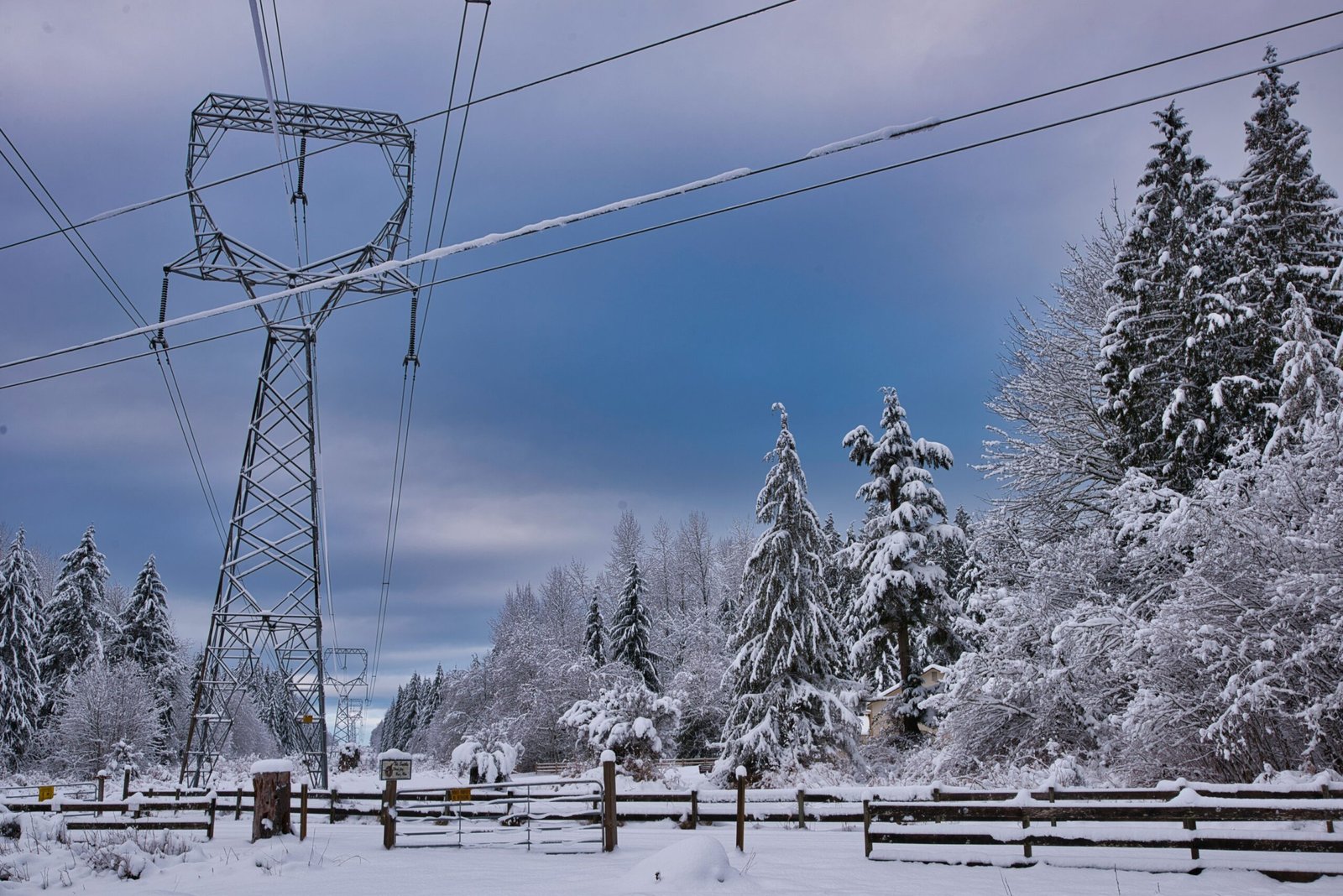
Transformers installed in Arctic regions, high-altitude locations, or extremely cold climates must operate reliably under conditions far outside the normal temperature range experienced in most power systems. Temperatures below −40°C can significantly affect insulating oil viscosity, insulation flexibility, mechanical structures, and electrical performance. Without specialized engineering adaptations, these extreme conditions could lead to poor cooling performance, mechanical damage, insulation failure, or startup difficulties.
Transformers designed for extremely low temperatures incorporate special insulation materials, low-temperature insulating oils, reinforced mechanical structures, cold-resistant components, improved sealing systems, and controlled heating or monitoring systems to ensure reliable operation in harsh cold environments.
Standard transformers designed for moderate climates can operate safely in Arctic environments without any special modifications.False
Transformers intended for extremely cold environments require special design features such as low-temperature oil, reinforced insulation materials, and cold-resistant components to ensure reliable operation.
Understanding how these design adaptations work helps explain how transformers can function safely in some of the coldest environments on Earth.
1. Use of Low-Temperature Insulating Oils
One of the most critical design considerations for cold-climate transformers is the selection of insulating oil.
Transformer oil must remain fluid enough to circulate effectively and transfer heat from the windings to the cooling system. At extremely low temperatures, conventional mineral oils can become highly viscous or even partially solidify.
To prevent this problem, manufacturers may use:
- Special low-pour-point mineral oils
- Synthetic ester insulating fluids
- Silicone-based insulating oils
These fluids are formulated to maintain acceptable viscosity and flow characteristics at temperatures as low as −50°C or lower.
Maintaining proper oil flow ensures that heat generated inside the transformer can still be removed efficiently.
2. Reinforced Insulation Materials
Transformer insulation systems must remain mechanically stable and electrically reliable at very low temperatures.
Cold environments can cause certain insulation materials to become brittle or lose flexibility. To address this, manufacturers select insulation materials with enhanced cold resistance, including:
- High-grade cellulose insulation with controlled moisture content
- Cold-resistant pressboard materials
- Polymer insulation systems designed for low-temperature performance
These materials maintain their dielectric properties and structural strength even under extreme cold conditions.
3. Structural Design for Thermal Contraction
Materials used in transformers—such as copper, steel, and insulation—expand when heated and contract when cooled.
In extremely cold climates, large temperature variations can cause significant mechanical contraction. Transformers designed for these environments include structural features that accommodate thermal movement without causing damage.
Important design considerations include:
- Flexible winding supports
- Reinforced core clamping structures
- Stress-relieved tank designs
These features help prevent mechanical deformation and maintain internal alignment of transformer components.
4. Cold-Resistant Gaskets and Sealing Systems
Transformer tanks must remain sealed to prevent moisture ingress and oil leakage. However, conventional rubber gaskets may harden or crack at extremely low temperatures.
To maintain sealing performance in Arctic conditions, transformers use specialized sealing materials such as:
- Fluoropolymer gaskets
- Low-temperature elastomers
- Silicone-based sealing compounds
These materials remain flexible and maintain sealing integrity even under severe cold conditions.
5. Enhanced Cooling System Design
Cooling systems must function effectively despite the challenges posed by cold environments.
Key design adaptations include:
- Larger oil circulation pathways to accommodate increased oil viscosity
- Radiator designs that prevent ice accumulation
- Cold-resistant cooling fans and pump motors
In some cases, heaters may be installed in the cooling system to ensure that oil circulation begins smoothly during cold starts.
6. Cold-Start Operating Strategies
Starting a transformer that has been exposed to extremely low temperatures for long periods requires careful management.
Cold-start strategies may include:
- Preheating systems to warm insulating oil
- Gradual energization procedures
- Monitoring oil temperature before full loading
These measures help ensure that oil viscosity decreases to safe levels before the transformer begins operating under heavy load.
7. Use of Cold-Resistant Electrical Components
Electrical components such as bushings, connectors, and tap changers must also function reliably in cold environments.
Design improvements may include:
- Bushings with low-temperature insulating materials
- Contact materials resistant to thermal contraction
- Lubricants designed for low-temperature operation
These modifications ensure stable electrical connections and prevent mechanical malfunction.
8. Advanced Monitoring and Control Systems
Transformers operating in remote Arctic locations often incorporate advanced monitoring technologies to track operating conditions continuously.
These systems may monitor:
- Oil temperature
- Load levels
- insulation condition
- cooling system performance
Real-time monitoring helps operators detect abnormal conditions early and maintain reliable operation despite harsh environmental conditions.
9. Protective Enclosures and Environmental Shields
To protect transformers from snow, ice, and strong winds, installations in cold regions often include specialized protective structures.
These may include:
- Insulated enclosures
- Wind shields
- Snow-resistant radiator layouts
Such features help maintain stable operating conditions and reduce environmental stress on the equipment.
What Insulation and Oil Types Are Suitable for Arctic Environments?
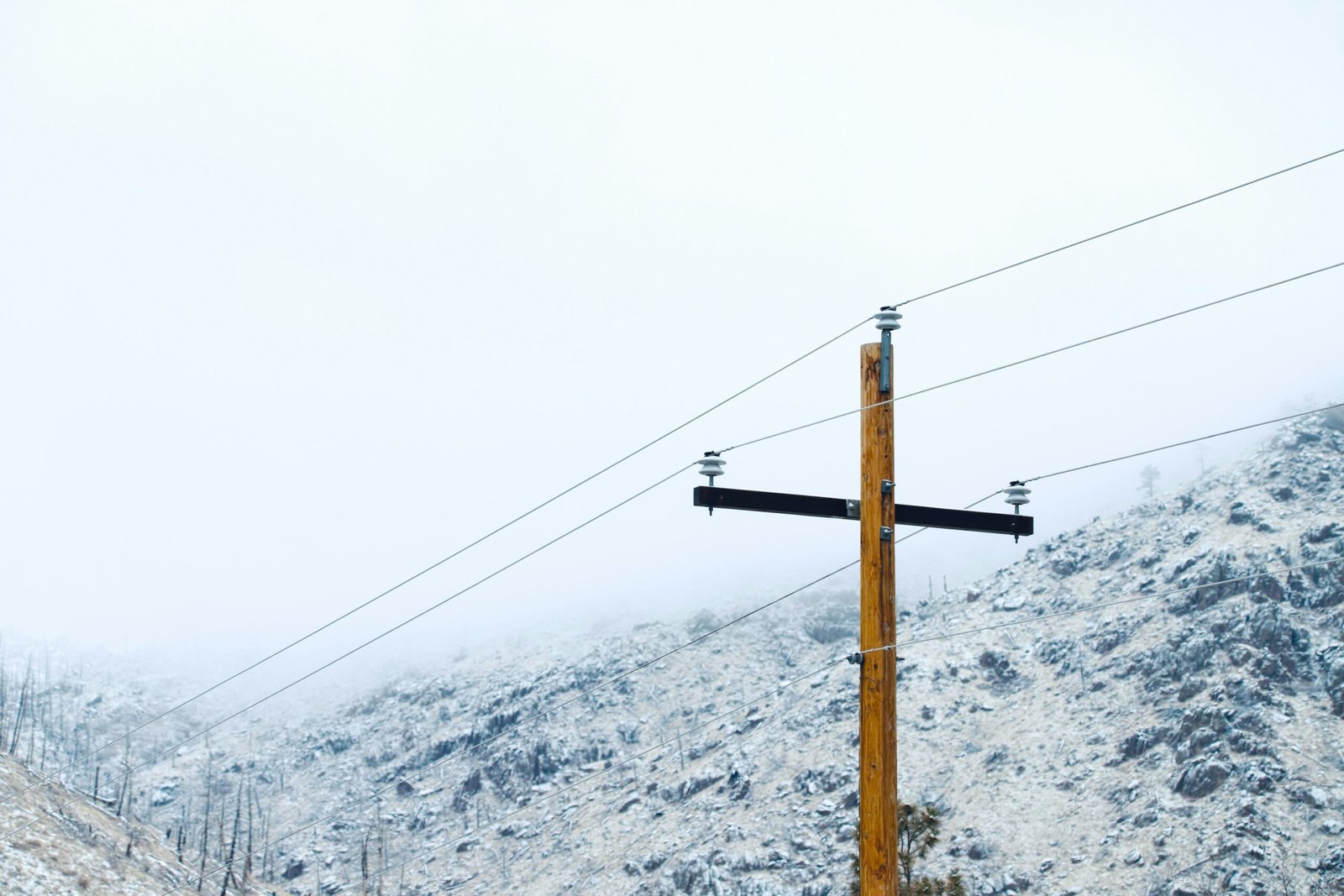
Electrical transformers operating in Arctic and extremely cold regions must withstand temperatures that may fall below −40 °C and sometimes approach −60 °C. Under these conditions, standard insulation materials and conventional insulating oils may lose flexibility, become brittle, or develop high viscosity that limits cooling performance. These effects can reduce dielectric strength, impair oil circulation, and increase the risk of insulation damage or electrical failure.
Insulation and oil types suitable for Arctic environments include specially treated cellulose insulation, low-temperature pressboard, polymer-based insulation materials, and insulating oils such as low-pour-point mineral oils, synthetic esters, and silicone-based fluids. These materials are selected for their ability to maintain electrical insulation properties, mechanical stability, and proper fluid flow at extremely low temperatures.
Standard transformer oils perform well at extremely low Arctic temperatures without any modification.False
Conventional mineral oils may become highly viscous or partially solidify at very low temperatures, so special low-temperature insulating fluids are required for Arctic operation.
Understanding the types of insulation systems and insulating fluids used in Arctic transformers helps explain how reliable operation is maintained in severe cold climates.
1. Low-Temperature Mineral Insulating Oils
Mineral oil has traditionally been the most widely used insulating fluid in transformers. However, conventional mineral oils may have relatively high pour points, meaning they begin to solidify at low temperatures.
For Arctic environments, manufacturers use low-pour-point mineral oils that are specially refined and processed to maintain fluidity at extremely low temperatures.
Important characteristics include:
- Low pour point (often below −50 °C)
- Reduced viscosity at low temperatures
- High dielectric strength
- Good thermal stability
These oils allow adequate circulation even in cold climates, ensuring effective cooling and insulation.
2. Synthetic Ester Insulating Fluids
Synthetic ester fluids are increasingly used in transformers designed for harsh environments.
These fluids offer several advantages in Arctic applications:
- Excellent low-temperature flow characteristics
- High dielectric strength
- Good thermal stability
- Improved environmental safety compared to mineral oil
Synthetic esters maintain relatively low viscosity even at very low temperatures, which supports better oil circulation during cold starts.
They are also biodegradable, making them suitable for environmentally sensitive Arctic regions.
3. Silicone-Based Insulating Fluids
Silicone insulating fluids are another option for extremely cold environments.
Silicone oils have unique properties that make them suitable for special applications:
- Very low pour points
- Stable viscosity across a wide temperature range
- High thermal stability
- Good fire resistance
These fluids can operate effectively in extreme temperature conditions where traditional oils may struggle.
However, they are typically more expensive and are used mainly in specialized transformers.
4. Treated Cellulose Paper Insulation
Solid insulation in transformers commonly consists of cellulose-based insulation paper wrapped around the windings.
For Arctic applications, this insulation is carefully processed to ensure:
- Extremely low moisture content
- High mechanical strength
- Stable dielectric properties at low temperatures
Proper drying and impregnation with insulating oil allow cellulose insulation to maintain its electrical performance even under severe cold conditions.
5. Low-Temperature Pressboard Insulation
Pressboard is widely used as structural insulation inside transformers. It forms barriers, spacers, and supports within the winding assembly.
For Arctic environments, pressboard materials must be able to withstand:
- Mechanical stress caused by thermal contraction
- Low-temperature brittleness
- Long-term electrical stress
Specially manufactured pressboard with improved density and mechanical resilience is used to maintain structural stability.
6. Polymer-Based Insulation Materials
Some modern transformers incorporate polymer insulation systems designed to perform reliably at low temperatures.
Examples include:
- Epoxy resin insulation
- Aramid fiber insulation (such as Nomex-type materials)
- Advanced composite insulation systems
These materials provide high dielectric strength and maintain flexibility even when exposed to very low temperatures.
Polymer insulation can also resist moisture and chemical degradation more effectively than traditional materials.
7. Oil-Impregnated Insulation Systems
Transformer insulation systems typically rely on a combination of solid insulation and insulating oil.
The oil fills microscopic gaps between insulation layers, eliminating air pockets and improving dielectric strength.
In Arctic transformers, oil impregnation must be especially thorough to ensure:
- No trapped air pockets
- Uniform electric field distribution
- Effective heat transfer
Vacuum drying and vacuum oil filling processes are used to achieve this high level of insulation quality.
8. Key Properties Required for Arctic Insulation Systems
Insulation materials and oils used in Arctic transformers must meet several critical requirements.
| Property | Importance |
|---|---|
| Low-temperature flexibility | Prevents cracking and brittleness |
| Low viscosity oil | Ensures proper circulation and cooling |
| High dielectric strength | Maintains electrical insulation |
| Thermal stability | Withstands temperature variations |
| Mechanical durability | Handles contraction and expansion |
These properties ensure that transformers remain reliable despite harsh environmental conditions.
How Do Heating and Protection Systems Prevent Cold-Related Failures?
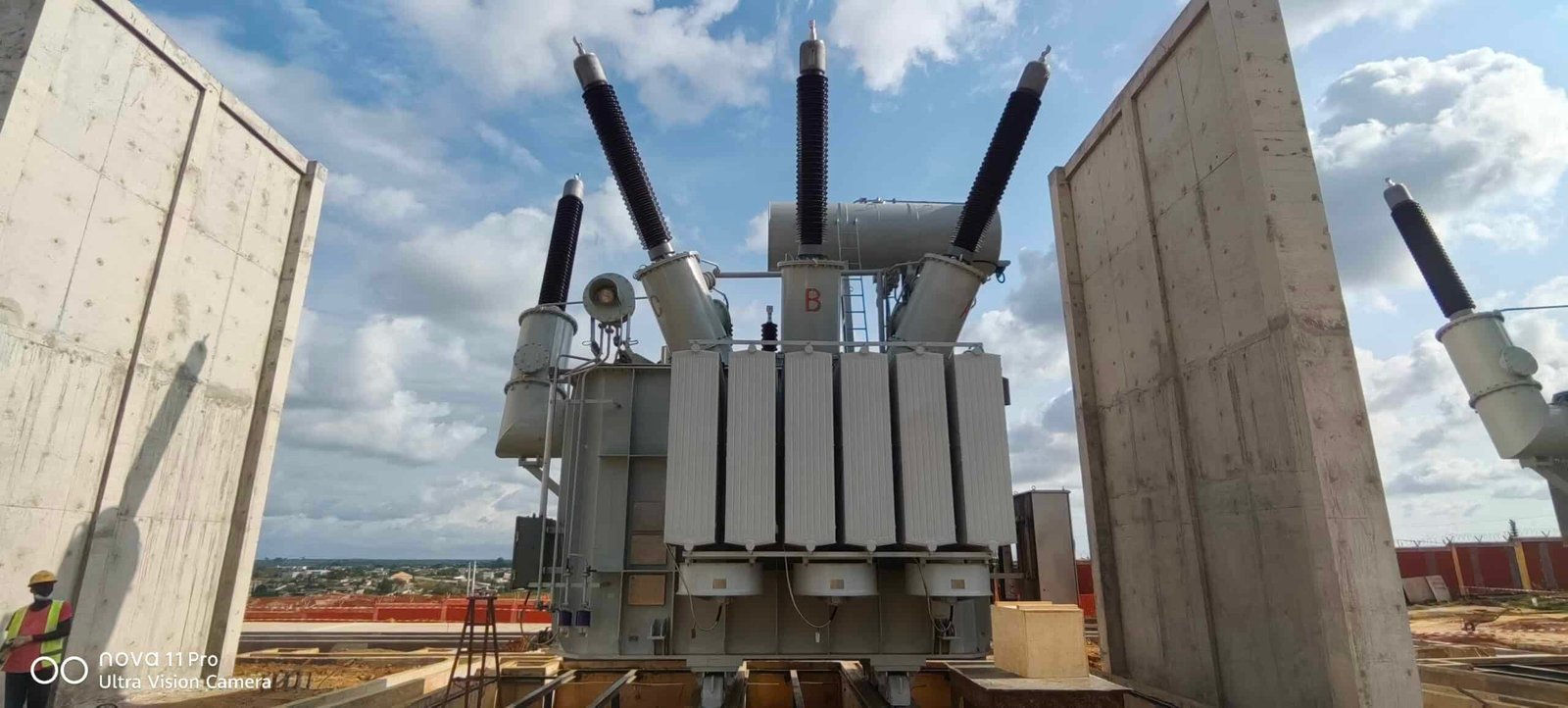
Transformers installed in extremely cold climates—such as Arctic regions, high-altitude locations, or northern industrial areas—face significant operational challenges. Extremely low temperatures can increase oil viscosity, reduce insulation flexibility, impair mechanical components, and slow internal heat circulation. These effects can lead to cold-start difficulties, reduced cooling performance, and potential mechanical or electrical failures if not properly addressed. To ensure stable operation in such environments, transformers are often equipped with specialized heating and protection systems.
Heating and protection systems prevent cold-related transformer failures by maintaining minimum operating temperatures, ensuring oil fluidity, protecting insulation materials, enabling safe startup conditions, and continuously monitoring environmental and operating parameters. These systems help maintain the transformer within safe operating limits despite extreme ambient temperatures.
Transformers installed in cold climates do not require heating systems because low temperatures naturally improve cooling performance.False
Although cold air may assist cooling, extremely low temperatures can thicken insulating oil, impair component operation, and create startup problems, so heating systems are often required.
Understanding how heating and protection systems function helps explain how transformers remain reliable even in harsh polar or sub-Arctic environments.
1. Oil Heating Systems
One of the most critical components in cold-climate transformer operation is the oil heating system. Transformer oil acts as both an insulating medium and a cooling fluid. When ambient temperatures fall below certain levels, the viscosity of the oil increases significantly, which can reduce circulation and impair heat transfer.
Oil heaters maintain the oil temperature above a minimum threshold to preserve its fluidity. These heaters are typically installed inside the transformer tank or in external oil circulation lines. The heating system activates automatically when the oil temperature falls below a preset value.
Maintaining adequate oil temperature provides several benefits. Oil circulation remains effective, allowing heat generated by windings to dissipate properly. Cooling systems can operate normally once the transformer begins carrying load. In addition, warm oil improves the transformer’s ability to start safely after long idle periods in extreme cold.
2. Tank and Enclosure Heating
In addition to heating the oil directly, some transformers use tank or enclosure heating systems to stabilize the temperature of external components and internal structures.
These heaters may include electric heating elements installed within control cabinets, radiator compartments, or transformer enclosures. Their function is to prevent excessive cooling of critical components such as monitoring devices, tap changers, and control electronics.
Maintaining a slightly elevated internal temperature also helps prevent condensation from forming inside the equipment. Condensation can introduce moisture into insulation materials and lead to long-term degradation.
3. Preheating Systems for Cold Starts
Cold-start conditions present a unique challenge for transformers in Arctic environments. If the transformer has remained idle in extremely low temperatures, the oil may become highly viscous and internal components may contract.
To address this issue, many installations incorporate preheating systems that warm the transformer before energization. These systems gradually raise the oil temperature until it reaches a safe operating level.
The relationship between heat energy and temperature rise can be conceptually expressed as:
Q = m c ΔT
Where
Q = heat energy applied
m = mass of the oil or component
c = specific heat capacity
ΔT = temperature increase
By applying controlled heat energy, the system increases the oil temperature gradually, allowing safe startup without excessive mechanical stress or poor oil circulation.
4. Temperature Monitoring and Control Systems
Heating systems rely on accurate monitoring devices to determine when heating is necessary. Transformers designed for cold environments are equipped with multiple temperature sensors located in critical areas.
These sensors typically monitor:
• Top oil temperature
• Winding temperature
• Ambient temperature
• Cooling system components
Temperature controllers use this data to automatically activate or deactivate heating systems. Maintaining precise temperature control prevents overheating while ensuring the transformer never becomes excessively cold.
5. Protection of Auxiliary Equipment
Auxiliary components such as cooling fans, pumps, and tap changers can also be affected by extremely low temperatures. Mechanical parts may stiffen, lubricants may thicken, and electronic control systems may malfunction.
Heating and protection systems help prevent these issues by maintaining the temperature of auxiliary equipment above critical thresholds.
For example, heater elements may be installed in motor housings or control cabinets to ensure that moving parts remain functional and electronic circuits operate reliably.
6. Anti-Condensation Protection
Large temperature fluctuations between day and night or between operating and idle conditions can cause condensation to form inside transformer enclosures. Moisture introduced by condensation can degrade insulation materials and reduce dielectric strength.
Heating systems help prevent condensation by maintaining internal surfaces slightly warmer than the surrounding air. This reduces the likelihood that water vapor will condense on electrical components.
Anti-condensation heaters are commonly installed in control cabinets, relay panels, and monitoring equipment compartments.
7. Ice and Snow Protection Measures
Cold-climate transformers may also incorporate protection systems that prevent ice accumulation on critical components.
Design measures may include:
• Heated radiator surfaces
• Snow-resistant enclosure structures
• Protective shields around bushings and connectors
Heating elements can also prevent ice from blocking ventilation paths or interfering with cooling equipment. By maintaining clear airflow and component accessibility, these systems help ensure reliable operation.
8. Remote Monitoring and Alarm Systems
Transformers located in Arctic regions are often installed in remote areas where maintenance access is limited. For this reason, advanced monitoring systems are commonly integrated into the transformer design.
These monitoring systems can detect abnormal conditions such as:
• Low oil temperature
• Heater failure
• Cooling system malfunction
• Excessive ambient temperature drop
If a problem occurs, alarm signals can be transmitted to remote control centers. Operators can then take corrective actions before a serious failure develops.
9. Coordinated Protection Logic
Modern transformer protection systems may incorporate control logic that coordinates heating systems with operational conditions. For example, the transformer may not be allowed to energize until oil temperature rises above a safe threshold.
This coordinated control prevents energizing the transformer when oil circulation is insufficient or insulation materials are excessively cold.
The combination of heating, monitoring, and protection ensures that the transformer operates within safe thermal and mechanical limits at all times.
What Installation and Maintenance Practices Are Required in Arctic Regions?
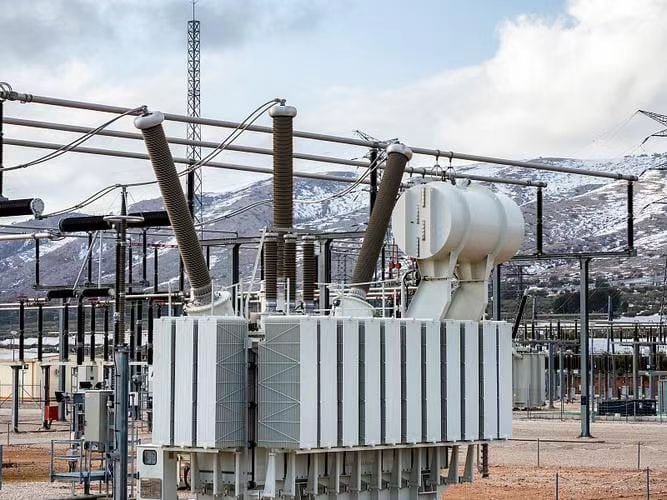
Transformers installed in Arctic and sub-Arctic regions operate under some of the harshest environmental conditions on Earth. Extremely low temperatures, strong winds, snow accumulation, ice formation, and remote site locations create unique challenges for installation and long-term operation. Standard installation and maintenance procedures used in moderate climates are often insufficient in these environments. Without specialized practices, transformers may suffer from cold-start problems, insulation degradation, mechanical stress, and limited accessibility for repairs.
Installation and maintenance practices in Arctic regions focus on cold-resistant site preparation, specialized foundations, environmental protection structures, proper oil handling, preheating procedures, remote monitoring systems, and scheduled inspections designed to ensure reliable transformer operation in extreme cold.
Transformers installed in Arctic regions require the same installation and maintenance procedures as those used in temperate climates.False
Arctic installations require specialized procedures to address extreme temperatures, ice buildup, remote accessibility, and oil viscosity issues that do not occur in moderate climates.
Understanding these practices helps utilities and engineers maintain reliable power infrastructure in remote northern environments.
1. Cold-Climate Site Selection and Preparation
Proper site selection is the first step in ensuring reliable transformer operation in Arctic regions. Environmental conditions must be carefully evaluated before installation.
Key considerations include:
• Wind exposure levels
• Snow drift patterns
• Ground stability and permafrost conditions
• Accessibility for maintenance crews
Permafrost, which is permanently frozen soil, presents a particular challenge. Construction activities or heat generated by electrical equipment can cause thawing, leading to ground movement or structural instability.
To prevent this problem, transformer sites are often designed to minimize heat transfer to the ground and maintain stable soil conditions.
2. Specialized Foundations for Permafrost
Transformers installed in Arctic regions frequently require specially engineered foundations.
Common foundation solutions include:
• Elevated steel platform structures
• Thermally insulated concrete foundations
• Pile-supported foundations extending below the active thaw layer
These designs prevent heat from the transformer from melting permafrost beneath the installation. Maintaining stable ground conditions ensures the transformer remains properly aligned and mechanically supported.
3. Protective Enclosures and Wind Shields
Extreme winds and blowing snow can significantly affect transformer cooling systems and external components.
To reduce environmental exposure, installations often include protective structures such as:
• Wind barriers around radiator systems
• Insulated transformer enclosures
• Snow deflection walls
These structures reduce ice accumulation, protect sensitive equipment, and maintain stable airflow around cooling radiators.
Proper environmental shielding also improves maintenance access during severe weather conditions.
4. Low-Temperature Oil Handling and Filling Procedures
Transformer insulating oil behaves differently at very low temperatures. Increased viscosity can complicate oil filling and maintenance operations.
During installation, oil handling procedures may include:
• Preheating the insulating oil before filling
• Performing oil filling under controlled temperature conditions
• Using vacuum oil filling equipment to ensure proper impregnation
Maintaining the correct oil temperature during installation ensures proper oil circulation and prevents air pockets within the insulation system.
5. Cold Start and Commissioning Procedures
Transformers installed in Arctic regions must be commissioned carefully to avoid cold-start issues.
Special procedures often include:
• Gradual energization during initial startup
• Preheating oil using installed heater systems
• Monitoring winding and oil temperatures during startup
These procedures ensure that oil viscosity remains within safe limits and that internal components do not experience sudden thermal stress.
Cold-start management is particularly important after long shutdown periods during winter months.
6. Regular Inspection of Cooling Systems
Cooling systems are especially vulnerable to Arctic conditions. Ice and snow can obstruct airflow through radiators or interfere with cooling fans.
Routine maintenance inspections should focus on:
• Clearing ice or snow accumulation from radiator surfaces
• Checking fan motor operation at low temperatures
• Inspecting oil circulation pumps for proper performance
Maintaining unobstructed cooling pathways ensures that the transformer can dissipate heat effectively during operation.
7. Inspection of Seals and Gaskets
Seals and gaskets can become brittle or crack in extremely cold environments. If sealing components fail, moisture or air may enter the transformer tank.
Routine inspections should verify:
• Integrity of tank gaskets
• Condition of bushing seals
• Tightness of flange connections
Cold-resistant gasket materials are typically used, but periodic inspection remains essential to prevent leaks or contamination.
8. Monitoring Oil Condition and Moisture Levels
In Arctic environments, maintaining oil quality is critical because moisture contamination may lead to insulation degradation.
Maintenance practices often include periodic oil analysis to measure:
• Moisture content
• Dissolved gas levels
• Dielectric strength
• Acidity and oxidation products
Regular oil testing helps detect early signs of insulation deterioration or internal faults.
Because transformer sites may be remote, oil samples may be collected less frequently but analyzed more thoroughly.
9. Remote Monitoring and Diagnostic Systems
Many Arctic transformer installations are located in remote areas where routine manual inspections are difficult.
Modern installations therefore incorporate remote monitoring systems that track operating conditions continuously.
These systems typically monitor:
• Oil temperature
• Winding temperature
• load conditions
• dissolved gas levels
• cooling system status
Data can be transmitted to centralized control centers where engineers monitor equipment health and detect potential problems early.
Remote diagnostics significantly reduce the need for frequent on-site inspections.
10. Maintenance Scheduling for Remote Locations
Maintenance planning in Arctic regions must account for limited accessibility. Severe weather, long distances, and limited transportation infrastructure can restrict maintenance operations.
As a result, maintenance strategies often emphasize:
• Preventive maintenance rather than reactive repairs
• Scheduling inspections during favorable weather periods
• Keeping spare parts available at nearby service locations
Careful maintenance planning helps ensure that transformers remain reliable even when emergency repair access is limited.
11. Personnel Safety Considerations
Working conditions in Arctic environments can pose serious risks to maintenance personnel.
Installation and maintenance plans must include safety measures such as:
• Cold-weather protective equipment for technicians
• Safe access pathways during snow and ice conditions
• Emergency communication systems
Ensuring technician safety is essential for maintaining reliable service in remote and extreme environments.
Where Are Arctic-Rated Transformers Commonly Used?
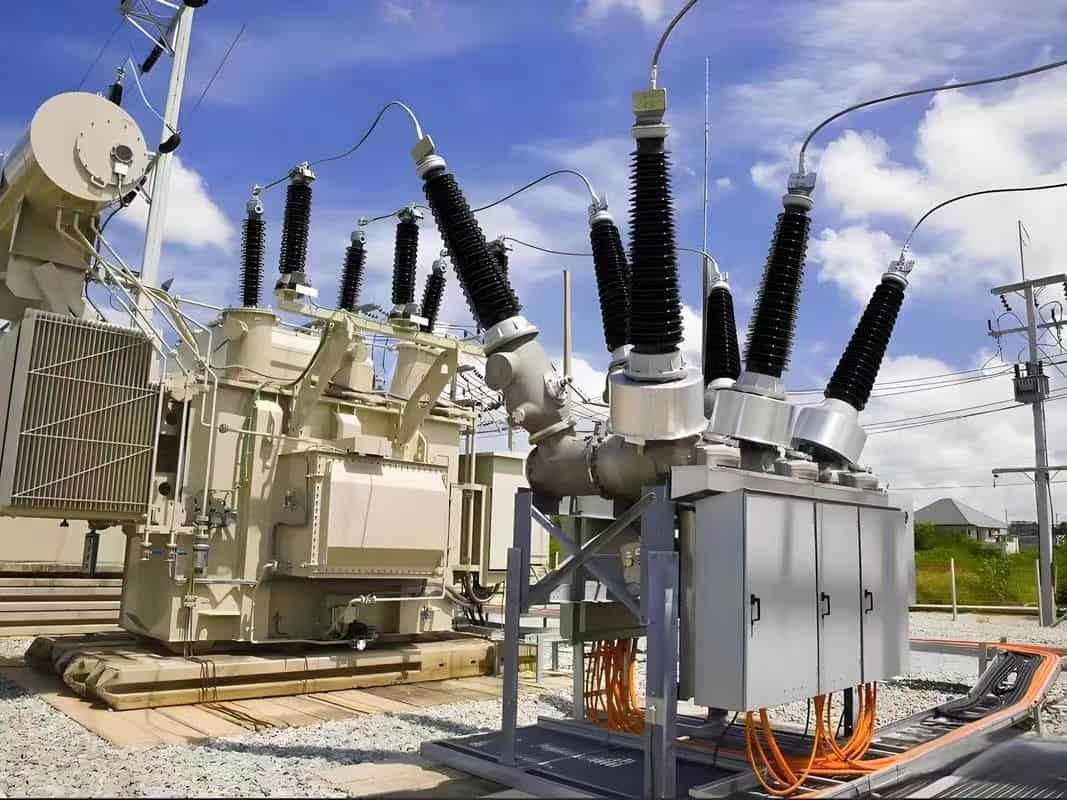
Electrical infrastructure operating in extremely cold climates must remain reliable despite harsh environmental conditions such as temperatures below −40 °C, heavy snow, ice accumulation, and limited maintenance access. Standard transformers designed for temperate regions may experience oil viscosity problems, insulation brittleness, or mechanical stress when exposed to such environments. To ensure stable power supply in these regions, specially engineered Arctic-rated transformers are used. These transformers incorporate cold-resistant insulation, low-temperature insulating fluids, reinforced mechanical structures, and heating systems that allow them to operate safely in severe climates.
Arctic-rated transformers are commonly used in industries and infrastructure located in extremely cold regions, including oil and gas facilities, mining operations, remote power stations, Arctic research bases, northern communities, and renewable energy installations such as wind farms. These applications require dependable electrical equipment capable of continuous operation despite extreme weather conditions.
Arctic-rated transformers are only used in scientific research stations and have no industrial applications.False
Arctic-rated transformers are widely used in industrial sectors such as oil and gas, mining, renewable energy, and remote power systems in cold climates.
Understanding where these specialized transformers are deployed helps highlight their importance in supporting modern infrastructure in cold environments.
1. Oil and Gas Production Facilities
One of the most common applications for Arctic-rated transformers is in oil and gas exploration and production sites located in northern regions.
These facilities often operate in remote Arctic territories where temperatures can fall far below −40 °C. Electrical power is required for:
• drilling equipment
• pumping systems
• processing plants
• pipeline compressors
Transformers in these environments must provide reliable voltage conversion and power distribution despite severe cold conditions. Failure of electrical equipment in such remote locations could disrupt critical energy production operations.
Because oil and gas infrastructure often operates continuously, transformers must maintain stable performance with minimal maintenance requirements.
2. Mining Operations in Cold Regions
Large mining operations in northern climates also rely heavily on Arctic-rated transformers. Mining sites located in regions such as northern Canada, Alaska, Scandinavia, and Siberia require large amounts of electrical power for equipment and processing systems.
Typical mining equipment powered through transformers includes:
• crushers and grinding mills
• ventilation systems
• conveyor systems
• ore processing facilities
Mining operations often run around the clock, even during the coldest winter months. Transformers used in these facilities must tolerate extreme temperature fluctuations while maintaining reliable electrical performance.
3. Remote Northern Communities
Many small communities located in Arctic and sub-Arctic regions depend on local power generation systems for electricity.
In these remote areas, transformers are essential for distributing electricity from local power plants to residential, commercial, and public facilities.
These power systems may include:
• diesel generator power stations
• small hydroelectric plants
• hybrid renewable microgrids
Because these communities may be located far from major infrastructure networks, electrical equipment must be highly reliable and capable of operating for long periods without immediate maintenance support.
Arctic-rated transformers help ensure stable electricity supply for essential services such as hospitals, schools, and communication systems.
4. Arctic Research and Scientific Stations
Scientific research stations located in polar regions require dependable electrical systems to support research operations.
These stations conduct studies in fields such as:
• climate science
• atmospheric research
• glaciology
• environmental monitoring
Electrical equipment at these stations powers laboratories, communication systems, heating systems, and data collection equipment.
Because these facilities operate in extremely remote and isolated locations, transformers must function reliably despite extreme cold, limited maintenance access, and prolonged winter darkness.
5. Renewable Energy Installations
Renewable energy projects in cold regions are becoming increasingly common, particularly in northern countries with strong wind resources.
Arctic-rated transformers are widely used in:
• wind farms located in cold climates
• remote solar installations
• hybrid renewable energy microgrids
Wind turbines installed in Arctic regions require transformers to step up generated power to transmission voltage levels.
Because renewable installations are often located in exposed environments, transformers must withstand both extreme cold and severe weather conditions while maintaining efficient electrical performance.
6. Northern Transmission and Distribution Networks
Electrical transmission and distribution infrastructure extending into northern territories requires transformers capable of operating reliably in low-temperature environments.
Utilities use Arctic-rated transformers for:
• substation voltage transformation
• regional distribution networks
• power transmission lines connecting remote locations
These transformers help maintain stable grid operation despite seasonal temperature variations and harsh weather conditions.
Reliable power transmission is particularly important in regions where power lines span long distances across sparsely populated terrain.
7. Military and Strategic Installations
Some military facilities located in northern regions also rely on Arctic-rated transformers to support critical infrastructure.
These installations may include:
• radar stations
• communications facilities
• remote monitoring stations
• air defense systems
Reliable electrical power is essential for maintaining operational readiness in such environments.
Transformers used in these facilities must meet strict reliability standards because equipment failures could compromise mission-critical operations.
8. Industrial Facilities in Cold Climates
Industrial plants operating in cold regions—such as processing plants, manufacturing facilities, and logistics centers—often require transformers capable of handling low-temperature conditions.
Examples include:
• natural resource processing plants
• cold-storage facilities
• transportation hubs
• remote manufacturing operations
These industrial installations depend on stable electrical power to maintain production efficiency and safety.
9. Offshore Arctic Energy Platforms
Offshore energy platforms located in Arctic waters also require specialized electrical equipment.
Transformers used in offshore installations must withstand:
• extremely low air temperatures
• cold seawater environments
• strong winds and ice accumulation
These transformers supply power to drilling equipment, pumps, and platform support systems.
Reliable electrical infrastructure is essential for maintaining safe offshore operations.
10. Transportation and Infrastructure Projects
Major infrastructure projects in northern regions—such as railways, pipelines, and transportation hubs—also use Arctic-rated transformers.
Electrical systems supporting these projects may include:
• railway electrification systems
• pipeline pumping stations
• remote communication networks
Transformers ensure stable voltage supply to these critical infrastructure systems even during severe winter conditions.
Conclusion
Yes, transformers can work effectively in Arctic conditions when they are specifically designed for extreme cold environments. By using low-temperature insulating materials, special transformer oils, heating systems, and protective enclosures, manufacturers can ensure reliable operation even in temperatures far below freezing. Proper installation and maintenance further help maintain performance and longevity, allowing transformers to support power systems in remote and challenging Arctic regions.
FAQ
Q1: Can transformers operate in Arctic conditions?
Yes, transformers can operate reliably in Arctic conditions if they are specifically designed for extremely low temperatures. Standard transformers may face operational challenges in subzero environments, but cold-climate models use special materials, insulation systems, and heating solutions to ensure stable performance.
These transformers are widely used in regions with harsh winters, such as northern power grids, offshore installations, mining operations, and renewable energy facilities.
Q2: What challenges do transformers face in Arctic environments?
Arctic environments present several technical challenges for transformer operation, including:
Extremely low ambient temperatures
Oil viscosity increases at low temperatures
Reduced flexibility of insulation materials
Ice accumulation on external components
Limited maintenance accessibility
These conditions can affect cooling performance, mechanical integrity, and electrical insulation if the transformer is not properly engineered for cold climates.
Q3: How are transformers modified for cold climates?
Transformers designed for Arctic environments include several specialized features:
Low-temperature insulating materials
Special transformer oils with low pour points
Cold-resistant sealing systems
Heating elements inside the transformer enclosure
Enhanced insulation for external components
These design modifications allow transformers to start and operate safely even in temperatures well below −40°C.
Q4: What types of insulating fluids are used in cold environments?
In cold climates, transformer oils must remain fluid at extremely low temperatures. Common options include:
Low-temperature mineral oils
Synthetic ester fluids
Natural ester insulating oils with improved cold-flow properties
These fluids maintain proper circulation and cooling performance despite freezing conditions.
Q5: How do heating systems help transformers operate in Arctic regions?
Many cold-climate transformers include built-in heating systems such as:
Oil heaters to maintain fluid flow
Cabinet or enclosure heaters to prevent condensation
Temperature-controlled heating elements for critical components
These systems help maintain internal temperature levels necessary for safe energization and operation.
Q6: Do transformers require special installation practices in Arctic regions?
Yes, installation in extreme climates requires careful planning. Key considerations include:
Elevated foundations to prevent snow and ice buildup
Weatherproof enclosures
Adequate insulation and ventilation
Protection against wind and ice loads
Proper installation ensures reliable operation and reduces maintenance challenges in remote or harsh environments.
Q7: Are dry-type transformers suitable for Arctic conditions?
Dry-type transformers can operate in cold environments, but they may require protective enclosures to prevent moisture ingress and ice formation. Oil-immersed transformers are often preferred for large outdoor installations because insulating oil provides additional thermal stability.
However, dry-type transformers are commonly used in indoor Arctic facilities such as research stations and industrial plants.
Q8: Where are Arctic-rated transformers commonly used?
Transformers designed for Arctic conditions are used in several industries and applications, including:
Remote northern power grids
Oil and gas facilities
Mining operations
Wind power installations in cold regions
Polar research stations
Their specialized design ensures reliable electricity supply even under extreme weather conditions.
References
IEC 60076 – Power Transformers
https://webstore.iec.ch/publication/602
IEEE C57 Series – Transformer Environmental Performance Standards
https://standards.ieee.org
Electrical Engineering Portal – Transformer Operation in Cold Climates
https://electrical-engineering-portal.com
CIGRE – Transformer Performance in Extreme Environments
https://www.cigre.org
NEMA – Transformer Environmental Ratings and Guidelines
https://www.nema.org
IEEE Power & Energy Society – Cold Climate Power System Research
https://ieeexplore.ieee.org