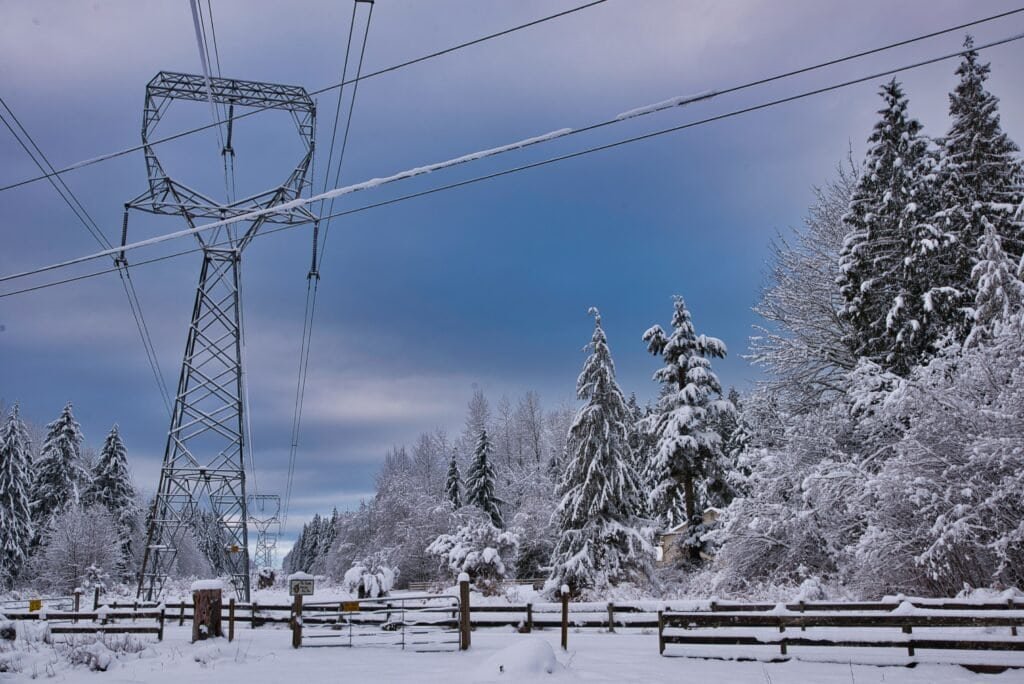
Transformers are commonly installed in mountainous and high-altitude regions where environmental conditions differ significantly from those at sea level. Reduced air density, lower atmospheric pressure, and greater temperature variations can affect cooling performance, insulation strength, and overall operating reliability. To ensure safe and efficient operation, transformers used at high altitudes often require special design considerations and performance adjustments.
What Challenges Do High-Altitude Environments Present for Transformers?
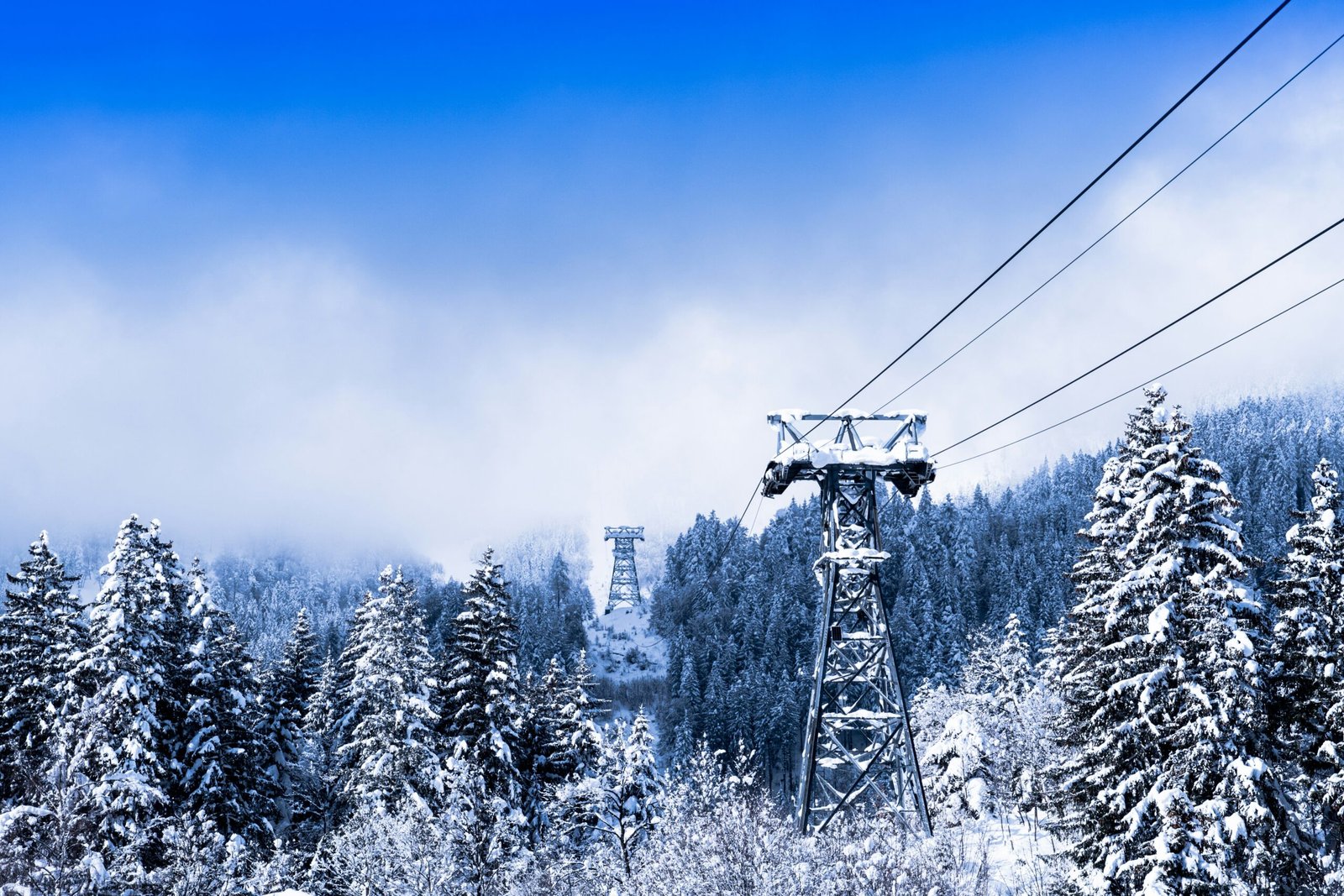
High-altitude environments present unique challenges for power transformers because the atmospheric conditions at elevated locations differ significantly from those at sea level. As altitude increases, air pressure and air density decrease, which directly affects transformer cooling performance, insulation strength, dielectric clearances, and overall operational reliability. Transformers installed in mountainous regions, plateau substations, mining operations, hydroelectric facilities, wind farms, and remote transmission networks must therefore be specially designed or derated to operate safely under these conditions.
The two most significant challenges at high altitude are reduced cooling efficiency and decreased dielectric strength of air. Lower air density weakens natural and forced air cooling, causing transformers to operate at higher temperatures under the same load conditions. At the same time, thinner air provides less insulation between energized components, increasing the risk of flashovers and electrical discharges. In addition, high-altitude installations often experience large temperature fluctuations, intense ultraviolet radiation, snow, ice, strong winds, and difficult maintenance conditions.
To address these challenges, transformer manufacturers incorporate enhanced insulation systems, larger electrical clearances, upgraded cooling designs, special bushings, and environmental protection measures. Proper engineering ensures reliable transformer operation even at elevations exceeding 1,000 meters, 3,000 meters, or higher.
High-altitude environments challenge transformers by reducing cooling effectiveness, lowering air insulation strength, increasing temperature rise, requiring larger electrical clearances, exposing equipment to stronger UV radiation, and creating demanding environmental conditions that can affect reliability and lifespan.
Careful transformer design and application engineering are essential to maintain safe and efficient operation at elevated altitudes.
Transformers perform exactly the same at high altitudes as they do at sea level because altitude has little effect on cooling or insulation performance.False
High altitude reduces air density and atmospheric pressure, which decreases cooling efficiency and dielectric strength, requiring special transformer design considerations and possible derating.
Why Altitude Affects Transformer Performance
Atmospheric conditions change significantly as elevation increases.
Major Changes with Increasing Altitude
| Parameter | High-Altitude Effect |
|---|---|
| Air density | Decreases |
| Atmospheric pressure | Decreases |
| Oxygen concentration | Decreases |
| UV intensity | Increases |
| Cooling effectiveness | Reduces |
These changes directly influence transformer operation.
What Is Considered High Altitude?
Industry standards define specific altitude thresholds.
Typical Altitude Classifications
| Elevation | Classification |
|---|---|
| 0–1000 m | Standard installation |
| 1000–3000 m | High altitude |
| Above 3000 m | Very high altitude |
Most transformer standards use 1000 meters as the reference altitude.
Reduced Air Density and Cooling Performance
Cooling is one of the most significant concerns at high elevations.
Why Cooling Is Affected
Lower air density reduces the amount of heat that can be removed through convection.
Heat Dissipation Challenges
| Condition | Result |
|---|---|
| Lower air density | Reduced cooling |
| Reduced convection | Higher temperatures |
| Higher winding temperature | Faster insulation aging |
Natural Cooling Performance
Natural air cooling becomes less effective as altitude increases.
ONAN Transformers at High Altitude
ONAN (Oil Natural Air Natural) transformers rely heavily on ambient air for heat dissipation.
Heat Transfer Relationship
Q=hA(T_s-T_a)
Where:
- (Q) = heat transfer rate
- (h) = heat transfer coefficient
- (A) = cooling area
- (T_s) = transformer surface temperature
- (T_a) = ambient temperature
At high altitude, the heat transfer coefficient (h) decreases because of reduced air density.
Increased Temperature Rise
Reduced cooling causes higher operating temperatures.
Consequences of Higher Temperature
| Effect | Impact |
|---|---|
| Faster insulation aging | Reduced lifespan |
| Lower overload capability | Reduced flexibility |
| Higher thermal stress | Increased failure risk |
Transformer Derating Requirements
Some transformers require derating at elevated altitudes.
Why Derating Is Necessary
Derating reduces loading to compensate for decreased cooling effectiveness.
Typical Derating Considerations
| Factor | Purpose |
|---|---|
| Reduced loading | Lower temperature rise |
| Enhanced cooling | Maintain performance |
| Larger radiator surfaces | Improve heat transfer |
Reduced Dielectric Strength of Air
Air acts as an insulating medium around transformer components.
What Happens at High Altitude?
As atmospheric pressure decreases, the dielectric strength of air also decreases.
Electrical Insulation Challenges
| Challenge | Consequence |
|---|---|
| Lower breakdown voltage | Increased flashover risk |
| Reduced insulation margin | Greater electrical stress |
| Easier arc formation | Safety concerns |
Flashover Risk
External insulation systems become more vulnerable.
Components Most Affected
| Component | Concern |
|---|---|
| Bushings | Flashover risk |
| Air clearances | Reduced insulation strength |
| Terminal connections | Increased discharge risk |
Increased Clearance Requirements
High-altitude transformers often require larger electrical clearances.
Purpose of Additional Clearance
Greater spacing compensates for reduced dielectric strength.
Clearance Design Considerations
| Design Factor | Benefit |
|---|---|
| Increased spacing | Improved insulation margin |
| Larger bushing dimensions | Better reliability |
| Enhanced creepage distance | Reduced contamination risk |
Bushing Design for High Altitude
Bushings require special attention.
Common Design Enhancements
| Feature | Benefit |
|---|---|
| Increased creepage distance | Better insulation |
| Improved profile design | Reduced flashover risk |
| Composite materials | Enhanced performance |
Partial Discharge Risks
Lower air pressure can increase partial discharge activity.
Why Partial Discharge Occurs
Weak insulation regions become more susceptible to localized electrical discharges.
Consequences of Partial Discharge
| Effect | Result |
|---|---|
| Insulation erosion | Reduced lifespan |
| Gas generation | Diagnostic concern |
| Electrical deterioration | Increased failure probability |
UV Radiation Exposure
Ultraviolet radiation increases with altitude.
Why UV Levels Increase
The thinner atmosphere absorbs less ultraviolet energy.
Effects of UV Exposure
| Effect | Component Impact |
|---|---|
| Material aging | Polymer degradation |
| Coating deterioration | Reduced protection |
| Seal degradation | Moisture ingress risk |
Extreme Temperature Variations
Mountain environments often experience large daily temperature swings.
Common Challenges
| Condition | Impact |
|---|---|
| Hot daytime temperatures | Thermal expansion |
| Cold nighttime temperatures | Thermal contraction |
Thermal Cycling Effects
Repeated expansion and contraction can stress transformer components.
Snow and Ice Accumulation
Many high-altitude installations operate in cold climates.
Snow and Ice Risks
| Risk | Consequence |
|---|---|
| Added weight | Mechanical stress |
| Insulator contamination | Flashover risk |
| Blocked ventilation | Reduced cooling |
Wind Exposure
Mountain locations often experience strong winds.
Wind-Related Challenges
| Challenge | Impact |
|---|---|
| Structural loading | Mechanical stress |
| Dust transport | Surface contamination |
| Temperature fluctuations | Cooling variation |
Renewable Energy Installations at High Altitude
Many renewable projects are located in mountainous regions.
Common Applications
| Project Type | Transformer Application |
|---|---|
| Hydroelectric plants | Generator step-up transformers |
| Mountain wind farms | Collection transformers |
| High-altitude solar farms | Grid interconnection transformers |
Mining and Industrial Applications
Remote mining facilities frequently operate at high elevations.
Mining Challenges
| Challenge | Transformer Requirement |
|---|---|
| Heavy loading | Enhanced cooling |
| Remote location | High reliability |
| Harsh climate | Environmental protection |
Enhanced Cooling Designs
Manufacturers often modify cooling systems for altitude.
Common Cooling Improvements
| Improvement | Benefit |
|---|---|
| Larger radiators | Greater heat transfer area |
| Additional fans | Improved airflow |
| Higher cooling capacity | Lower operating temperature |
Insulation System Enhancements
High-altitude transformers often use upgraded insulation designs.
Typical Enhancements
| Enhancement | Purpose |
|---|---|
| Larger clearances | Improved dielectric performance |
| Enhanced bushings | Flashover prevention |
| Improved insulation coordination | System reliability |
Monitoring Systems for High-Altitude Transformers
Advanced monitoring improves operational reliability.
Common Monitoring Parameters
| Parameter | Purpose |
|---|---|
| Winding temperature | Thermal protection |
| Oil temperature | Cooling evaluation |
| Load current | Capacity management |
| Partial discharge activity | Insulation assessment |
Transportation and Installation Challenges
Remote mountain locations create logistical difficulties.
Common Challenges
| Challenge | Impact |
|---|---|
| Difficult access | Increased transportation cost |
| Limited infrastructure | Installation complexity |
| Harsh weather | Construction delays |
Maintenance Considerations
Maintenance can be more difficult at high altitude.
Maintenance Challenges
| Challenge | Effect |
|---|---|
| Remote locations | Longer response times |
| Severe weather | Restricted access |
| Reduced oxygen levels | Worker limitations |
Relevant International Standards
High-altitude transformer design follows established standards.
Common Standards
| Standard | Organization |
|---|---|
| IEC 60076 | Transformer standards |
| IEEE C57 series | Transformer requirements |
| IEC insulation coordination standards | Clearance design |
Common Design Mistakes
| Mistake | Consequence |
|---|---|
| Ignoring altitude effects | Overheating |
| Inadequate clearances | Flashovers |
| Insufficient cooling | Reduced lifespan |
| Poor UV protection | Material degradation |
Key High-Altitude Transformer Challenges
| Challenge | Primary Impact |
|---|---|
| Reduced air density | Lower cooling efficiency |
| Reduced dielectric strength | Higher flashover risk |
| Increased temperature rise | Faster insulation aging |
| Strong UV radiation | Material degradation |
| Snow and ice | Mechanical and insulation issues |
| Remote locations | Maintenance difficulties |
How Does Reduced Air Density Affect Transformer Cooling?
Power transformers depend on efficient heat dissipation to maintain safe operating temperatures and ensure long service life. In high-altitude environments, reduced air density significantly affects the cooling process because there are fewer air molecules available to absorb and carry away heat from transformer surfaces. As elevation increases, the atmosphere becomes thinner, reducing both natural and forced-air cooling effectiveness. Consequently, transformers operating at high altitudes tend to run hotter than identical units operating at sea level under the same electrical load.
Higher operating temperatures are a serious concern because transformer insulation aging is highly temperature dependent. Excessive heat accelerates the degradation of paper insulation, reduces oil life, increases thermal stress on windings, and shortens overall transformer lifespan. For this reason, transformer manufacturers often modify cooling systems, increase radiator sizes, add cooling equipment, or apply load derating when transformers are installed at elevated locations.
The cooling challenge becomes especially important in mountainous transmission substations, hydroelectric plants, mining operations, renewable energy projects, and remote industrial facilities located above 1,000 meters. Understanding how reduced air density influences transformer cooling is essential for proper transformer selection, design, and operation.
Reduced air density decreases the effectiveness of transformer cooling because fewer air molecules are available to absorb and transfer heat. This lowers natural and forced convection performance, increases transformer operating temperatures, accelerates insulation aging, and may require enhanced cooling systems or load derating at high altitudes.
Proper thermal design is critical to maintaining reliable transformer operation in high-altitude applications.
Transformer cooling performance remains essentially unchanged at high altitudes because transformer heat is removed mainly through oil circulation rather than interaction with ambient air.False
Although oil circulates heat internally, the final heat dissipation process depends heavily on ambient air. Reduced air density lowers cooling effectiveness and increases transformer operating temperatures.
Why Transformer Cooling Is Important
Transformers generate heat whenever they operate.
Major Sources of Transformer Heat
| Heat Source | Description |
|---|---|
| Copper losses | Current flowing through windings |
| Core losses | Magnetic losses in the core |
| Stray losses | Eddy currents and leakage flux effects |
If this heat is not removed efficiently, temperatures rise to damaging levels.
How Transformer Cooling Works
Transformer cooling is a multi-stage heat transfer process.
Basic Cooling Sequence
| Step | Process |
|---|---|
| 1 | Heat generated in windings and core |
| 2 | Heat transferred to insulating oil |
| 3 | Oil transports heat to radiators |
| 4 | Radiators transfer heat to ambient air |
The final stage depends directly on atmospheric conditions.
What Happens to Air Density at High Altitude?
Air density decreases as elevation increases.
Typical Air Density Changes
| Altitude | Relative Air Density |
|---|---|
| Sea level | 100% |
| 1000 m | Approximately 89% |
| 2000 m | Approximately 79% |
| 3000 m | Approximately 70% |
| 4000 m | Approximately 62% |
Fewer air molecules are available for cooling as altitude rises.
Why Air Density Matters
Air acts as the cooling medium that removes heat from transformer surfaces.
Cooling Mechanism
The more air molecules available to absorb heat, the more effective the cooling process becomes.
Heat Transfer Fundamentals
Transformer cooling relies heavily on convection.
Heat Transfer Equation
Q=hA(T_s-T_a)
Where:
- (Q) = heat transfer rate
- (h) = heat transfer coefficient
- (A) = cooling surface area
- (T_s) = transformer surface temperature
- (T_a) = ambient temperature
At high altitude, the heat transfer coefficient (h) decreases because of reduced air density.
Natural Convection Cooling
Many transformers rely partially or entirely on natural air circulation.
What Is Natural Convection?
Natural convection occurs when warm air rises and cooler air replaces it.
Effect of Reduced Air Density on Natural Convection
| Effect | Consequence |
|---|---|
| Weaker buoyancy forces | Reduced airflow |
| Less heat transport | Higher temperatures |
| Slower cooling | Increased thermal stress |
Natural cooling systems are particularly sensitive to altitude.
Impact on ONAN Transformers
ONAN transformers use Oil Natural Air Natural cooling.
ONAN Cooling Characteristics
| Feature | Dependence on Air Density |
|---|---|
| Natural oil circulation | Moderate |
| Natural air circulation | High |
As air density decreases, ONAN cooling becomes less effective.
Impact on ONAF Transformers
ONAF transformers use Oil Natural Air Forced cooling.
Role of Cooling Fans
Cooling fans increase airflow across radiators.
Why Fans Cannot Fully Eliminate Altitude Effects
Even when airflow increases, each cubic meter of air contains fewer molecules at high altitude.
Cooling Limitation
| Condition | Result |
|---|---|
| Higher airflow | Partial compensation |
| Lower air density | Reduced cooling capacity |
Forced-air cooling helps but cannot completely overcome atmospheric limitations.
Higher Transformer Operating Temperatures
Reduced cooling leads directly to higher temperatures.
Temperature Rise Effects
| Effect | Impact |
|---|---|
| Higher oil temperature | Faster aging |
| Higher winding temperature | Insulation stress |
| Hot-spot increase | Reduced reliability |
Winding Hot Spots
The winding hot spot is typically the hottest area within a transformer.
Why Hot Spots Matter
Insulation degradation occurs most rapidly at the hottest locations.
Insulation Aging and Temperature
Transformer life expectancy depends heavily on operating temperature.
Temperature and Aging Relationship
| Temperature Increase | Effect on Insulation Life |
|---|---|
| Small increase | Moderate aging acceleration |
| Large increase | Significant lifespan reduction |
Oil Temperature Increase
Cooling limitations affect oil temperatures throughout the transformer.
Consequences of Elevated Oil Temperature
| Consequence | Result |
|---|---|
| Increased oxidation | Reduced oil quality |
| Faster chemical degradation | Shorter oil life |
| Lower dielectric performance | Reduced reliability |
Transformer Derating at High Altitude
Manufacturers may recommend reduced loading.
What Is Derating?
Derating means operating the transformer below its rated capacity.
Purpose of Derating
| Objective | Benefit |
|---|---|
| Reduce heat generation | Lower temperatures |
| Maintain insulation life | Improved reliability |
| Compensate for cooling loss | Safe operation |
Enhanced Cooling System Designs
Transformers for high-altitude service often include upgraded cooling systems.
Common Cooling Improvements
| Improvement | Benefit |
|---|---|
| Larger radiators | Increased heat dissipation area |
| Additional cooling fans | Greater airflow |
| Higher-capacity pumps | Improved oil circulation |
Larger Radiator Surfaces
Increasing cooling surface area helps offset reduced air density.
Why Larger Radiators Help
A larger value of cooling area improves heat transfer capability.
Cooling Surface Area Relationship
| Surface Area | Cooling Capacity |
|---|---|
| Small radiator area | Lower cooling capability |
| Larger radiator area | Improved heat dissipation |
Forced Cooling Solutions
Additional cooling equipment may be required.
Common Cooling Methods
| Cooling Type | Description |
|---|---|
| ONAF | Oil Natural Air Forced |
| OFAF | Oil Forced Air Forced |
| OFWF | Oil Forced Water Forced |
Higher-performance cooling systems are often preferred at high altitude.
Renewable Energy Applications
Many renewable energy projects are located in mountainous regions.
Typical High-Altitude Installations
| Application | Location |
|---|---|
| Hydroelectric plants | Mountain valleys |
| Wind farms | Elevated ridges |
| Solar farms | High plateaus |
Cooling design becomes especially important in these projects.
Mining and Industrial Sites
Mining operations frequently operate at high elevations.
Challenges
| Challenge | Cooling Impact |
|---|---|
| Continuous heavy loads | Increased heat generation |
| Remote locations | Maintenance limitations |
| Thin atmosphere | Reduced cooling effectiveness |
Monitoring Transformer Temperature
Continuous monitoring improves operational reliability.
Common Temperature Measurements
| Measurement | Purpose |
|---|---|
| Top oil temperature | Cooling evaluation |
| Winding temperature | Thermal protection |
| Ambient temperature | Environmental analysis |
Smart Monitoring Systems
Modern transformers use digital thermal monitoring.
Monitoring Benefits
| Benefit | Result |
|---|---|
| Early overheating detection | Improved reliability |
| Better load management | Optimized operation |
| Predictive maintenance | Reduced failures |
Standards and High-Altitude Operation
International standards recognize altitude effects.
Common Standards
| Standard | Organization |
|---|---|
| IEC 60076 | Transformer standards |
| IEEE C57 Series | Transformer requirements |
These standards provide guidance for altitude correction factors and design considerations.
Common Design Mistakes
| Mistake | Consequence |
|---|---|
| Ignoring altitude effects | Overheating |
| Insufficient cooling area | Excessive temperature rise |
| No derating analysis | Reduced lifespan |
| Poor temperature monitoring | Undetected thermal stress |
Key Effects of Reduced Air Density on Cooling
| Effect | Transformer Impact |
|---|---|
| Lower heat transfer coefficient | Reduced cooling efficiency |
| Reduced natural convection | Higher operating temperature |
| Less effective fan cooling | Increased thermal stress |
| Elevated winding temperatures | Faster insulation aging |
| Higher oil temperatures | Reduced oil life |
| Increased need for derating | Lower usable capacity |
What Impact Does High Altitude Have on Insulation Performance?
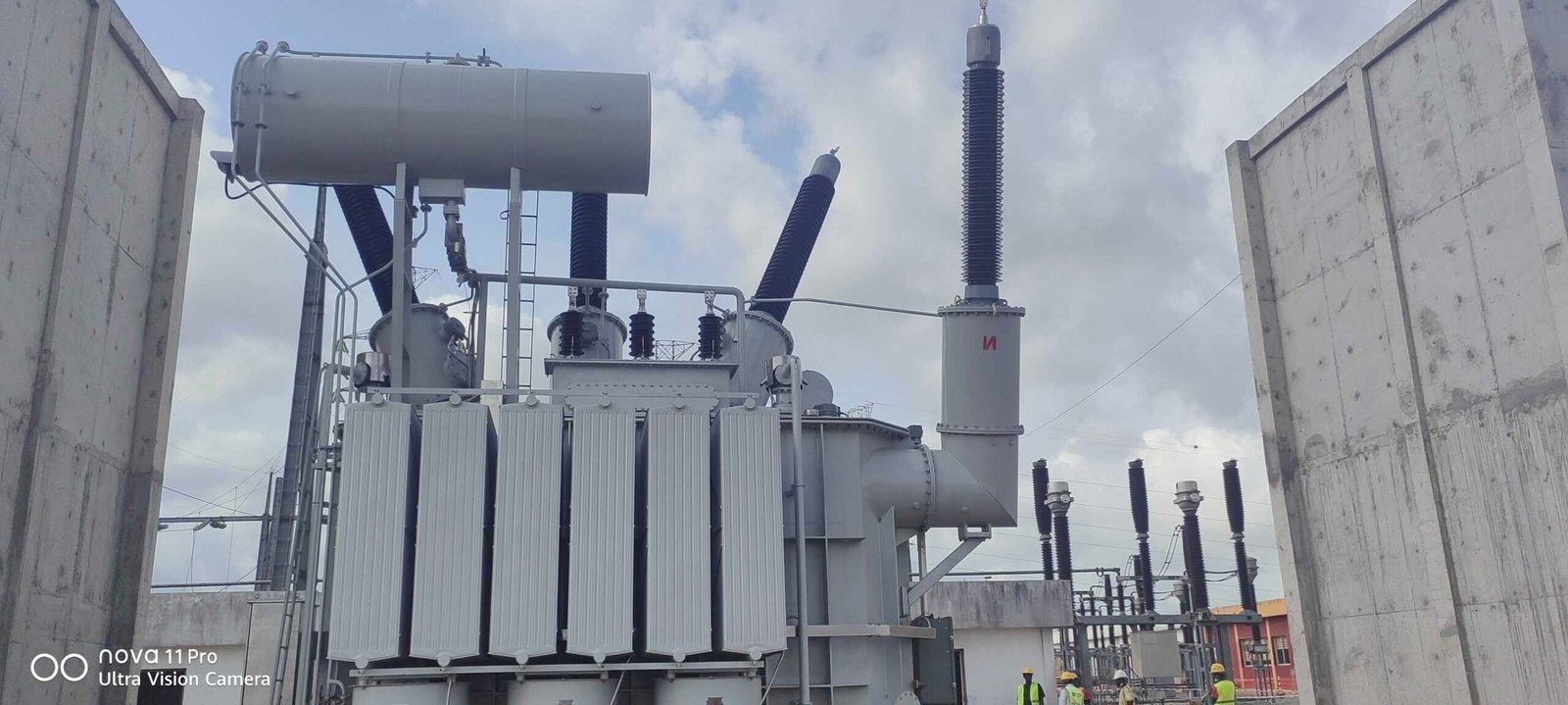
High altitude has a significant impact on transformer insulation performance because atmospheric pressure and air density decrease as elevation increases. Air is not only the medium surrounding transformer components but also an important part of the external insulation system. When air becomes thinner at higher elevations, its dielectric strength decreases, making it easier for electrical discharges, flashovers, and insulation breakdowns to occur. As a result, transformers operating in mountainous regions, high plateaus, mining sites, hydroelectric stations, and renewable energy installations often require enhanced insulation designs to maintain safe and reliable operation.
The effect of altitude is most noticeable in external insulation systems such as bushings, terminals, air clearances, and exposed energized components. Internal insulation systems, which are primarily immersed in transformer oil and solid insulation materials, are generally less affected directly by altitude. However, higher operating temperatures caused by reduced cooling efficiency can indirectly accelerate insulation aging throughout the transformer.
To compensate for reduced dielectric strength at high elevations, manufacturers typically increase electrical clearances, enhance creepage distances, use specialized bushings, improve insulation coordination, and apply altitude correction factors during design. These measures help maintain adequate insulation margins and reduce the risk of electrical failures.
High altitude reduces the dielectric strength of air, increasing the risk of flashovers, electrical discharges, and insulation breakdowns. To maintain reliability, transformers installed at elevated locations often require larger electrical clearances, enhanced bushings, increased creepage distances, and specialized insulation designs.
Proper insulation engineering is essential for ensuring transformer safety and performance in high-altitude environments.
High altitude affects transformer cooling but has little or no impact on insulation performance because insulation is provided entirely by transformer oil and solid insulating materials.False
Air forms an important part of the transformer's external insulation system. Reduced air density at high altitude lowers dielectric strength and increases the risk of flashovers and electrical discharges.
Why Air Is Important for Transformer Insulation
Air serves as a natural insulating medium around energized components.
Functions of Air Insulation
| Function | Purpose |
|---|---|
| Electrical separation | Prevents flashovers |
| Dielectric barrier | Supports voltage withstand capability |
| External insulation support | Protects exposed conductors |
When air properties change, insulation performance changes as well.
What Happens to Air at High Altitude?
Atmospheric pressure decreases as elevation increases.
Typical Atmospheric Changes
| Altitude | Relative Air Density |
|---|---|
| Sea level | 100% |
| 1000 m | Approximately 89% |
| 2000 m | Approximately 79% |
| 3000 m | Approximately 70% |
| 4000 m | Approximately 62% |
Lower density means fewer air molecules are available to resist electrical breakdown.
What Is Dielectric Strength?
Dielectric strength is the maximum electric field an insulating medium can withstand before breakdown occurs.
Air Dielectric Strength
Under normal atmospheric conditions, air provides effective electrical insulation between energized components.
High Altitude and Dielectric Strength
As atmospheric pressure decreases, air becomes less effective as an insulator.
Effects of Reduced Dielectric Strength
| Effect | Consequence |
|---|---|
| Lower breakdown voltage | Easier discharge initiation |
| Reduced insulation margin | Higher electrical stress |
| Increased flashover risk | Reduced reliability |
Why Electrical Breakdown Occurs More Easily
Electrical discharges require fewer ionization events in low-density air.
Breakdown Mechanism
At higher elevations, electrons can travel greater distances between air molecules, making ionization and discharge development easier.
Impact on External Insulation
External insulation systems experience the greatest altitude-related effects.
Components Most Affected
| Component | Altitude Sensitivity |
|---|---|
| Bushings | High |
| Air clearances | High |
| Terminal connections | High |
| Surge arresters | Moderate to high |
Flashover Risk at High Altitude
Flashovers occur more easily when dielectric strength decreases.
What Is Flashover?
A flashover is an electrical discharge across the surface of an insulator or through air between energized components.
Conditions That Increase Flashover Risk
| Condition | Impact |
|---|---|
| Reduced air pressure | Lower breakdown voltage |
| Pollution contamination | Increased surface conductivity |
| Moisture | Enhanced leakage currents |
Air Clearance Requirements
Electrical clearances must often be increased for high-altitude installations.
Why Larger Clearances Are Needed
Greater distances help compensate for the reduced insulating capability of air.
Typical Clearance Design Objectives
| Objective | Benefit |
|---|---|
| Increased spacing | Improved dielectric margin |
| Reduced electric field stress | Enhanced reliability |
| Lower flashover probability | Improved safety |
Insulation Coordination at High Altitude
Insulation coordination ensures all equipment can withstand expected voltage stresses.
Main Goals
| Goal | Purpose |
|---|---|
| Prevent insulation failure | System protection |
| Maintain safety margins | Reliable operation |
| Coordinate surge protection | Equipment security |
Effect on Bushings
Bushings are among the most altitude-sensitive transformer components.
Why Bushings Are Vulnerable
Bushings rely heavily on surrounding air insulation.
High-Altitude Bushing Enhancements
| Enhancement | Benefit |
|---|---|
| Larger creepage distance | Improved insulation |
| Extended sheds | Better contamination resistance |
| Composite materials | Enhanced performance |
Creepage Distance Requirements
Creepage distance becomes increasingly important.
What Is Creepage Distance?
Creepage distance is the shortest path along an insulating surface between conductive parts.
Benefits of Increased Creepage Distance
| Benefit | Result |
|---|---|
| Reduced surface discharge | Improved reliability |
| Better pollution performance | Lower flashover risk |
| Enhanced insulation margin | Greater safety |
Partial Discharge Activity
High altitude can increase partial discharge susceptibility.
What Is Partial Discharge?
Partial discharge is a localized electrical discharge that does not completely bridge the insulation gap.
Causes of Increased Partial Discharge
| Cause | Effect |
|---|---|
| Reduced air pressure | Easier ionization |
| Localized electric fields | Discharge initiation |
| Insulation defects | Accelerated deterioration |
Consequences of Partial Discharge
| Effect | Result |
|---|---|
| Insulation erosion | Reduced lifespan |
| Gas generation | Diagnostic concern |
| Progressive degradation | Increased failure risk |
Internal Insulation Systems
Internal insulation is less directly affected by altitude.
Typical Internal Insulation Materials
| Material | Function |
|---|---|
| Transformer oil | Dielectric insulation |
| Kraft paper | Winding insulation |
| Pressboard | Structural insulation |
These materials operate in controlled internal environments.
Indirect Effects on Internal Insulation
Although altitude has limited direct impact on internal insulation, indirect effects can be significant.
Temperature-Related Aging
Reduced cooling effectiveness at high altitude increases operating temperatures.
Thermal Aging Relationship
Higher temperatures accelerate insulation degradation.
Heat Transfer and Thermal Stress
Q=hA(T_s-T_a)
Where:
- (Q) = heat transfer rate
- (h) = heat transfer coefficient
- (A) = cooling surface area
- (T_s) = transformer surface temperature
- (T_a) = ambient temperature
At high altitude, reduced air density lowers the heat transfer coefficient, increasing insulation temperatures.
Surge Withstand Capability
Altitude affects impulse voltage performance.
Why Surge Performance Changes
Lower air density reduces external insulation withstand levels during transient events.
Surge-Related Challenges
| Challenge | Impact |
|---|---|
| Lightning impulses | Increased stress |
| Switching surges | Reduced insulation margin |
| Temporary overvoltages | Greater flashover risk |
UV Radiation Effects
Ultraviolet exposure increases with altitude.
Impact on Insulation Materials
| Material | Potential Effect |
|---|---|
| Polymer insulators | Surface aging |
| Rubber components | Cracking and degradation |
| Coatings | Reduced lifespan |
Environmental Contamination
Many high-altitude locations experience dust, snow, and ice.
Combined Insulation Challenges
| Factor | Effect |
|---|---|
| Dust contamination | Leakage current |
| Ice accumulation | Surface conductivity changes |
| Moisture | Increased flashover probability |
Monitoring Insulation Condition
Advanced monitoring improves reliability.
Common Monitoring Technologies
| Technology | Purpose |
|---|---|
| Partial discharge monitoring | Insulation assessment |
| Moisture monitoring | Dielectric health |
| Thermal monitoring | Temperature management |
Design Solutions for High Altitude
Manufacturers apply several design modifications.
Common Engineering Measures
| Measure | Benefit |
|---|---|
| Increased air clearances | Better insulation performance |
| Larger bushings | Improved withstand capability |
| Enhanced insulation coordination | Higher reliability |
| Improved surge protection | Reduced failure risk |
International Standards and Altitude Corrections
Transformer standards recognize altitude effects.
Common Standards
| Standard | Organization |
|---|---|
| IEC 60076 | Transformer design requirements |
| IEEE C57 Series | Transformer application guidance |
| IEC insulation coordination standards | Clearance calculations |
Common Design Mistakes
| Mistake | Consequence |
|---|---|
| Ignoring altitude correction factors | Insufficient insulation margin |
| Standard sea-level clearances | Increased flashover risk |
| Inadequate bushing selection | Reduced reliability |
| Poor insulation coordination | System vulnerability |
Key Effects of High Altitude on Insulation Performance
| Effect | Transformer Impact |
|---|---|
| Reduced air dielectric strength | Lower withstand voltage |
| Increased flashover probability | Reliability concerns |
| Greater partial discharge activity | Accelerated insulation aging |
| Larger clearance requirements | Design modifications |
| Increased creepage distance needs | Enhanced insulation systems |
| Higher operating temperatures | Faster insulation degradation |
How Are Transformers Designed or Derated for High-Altitude Operation?
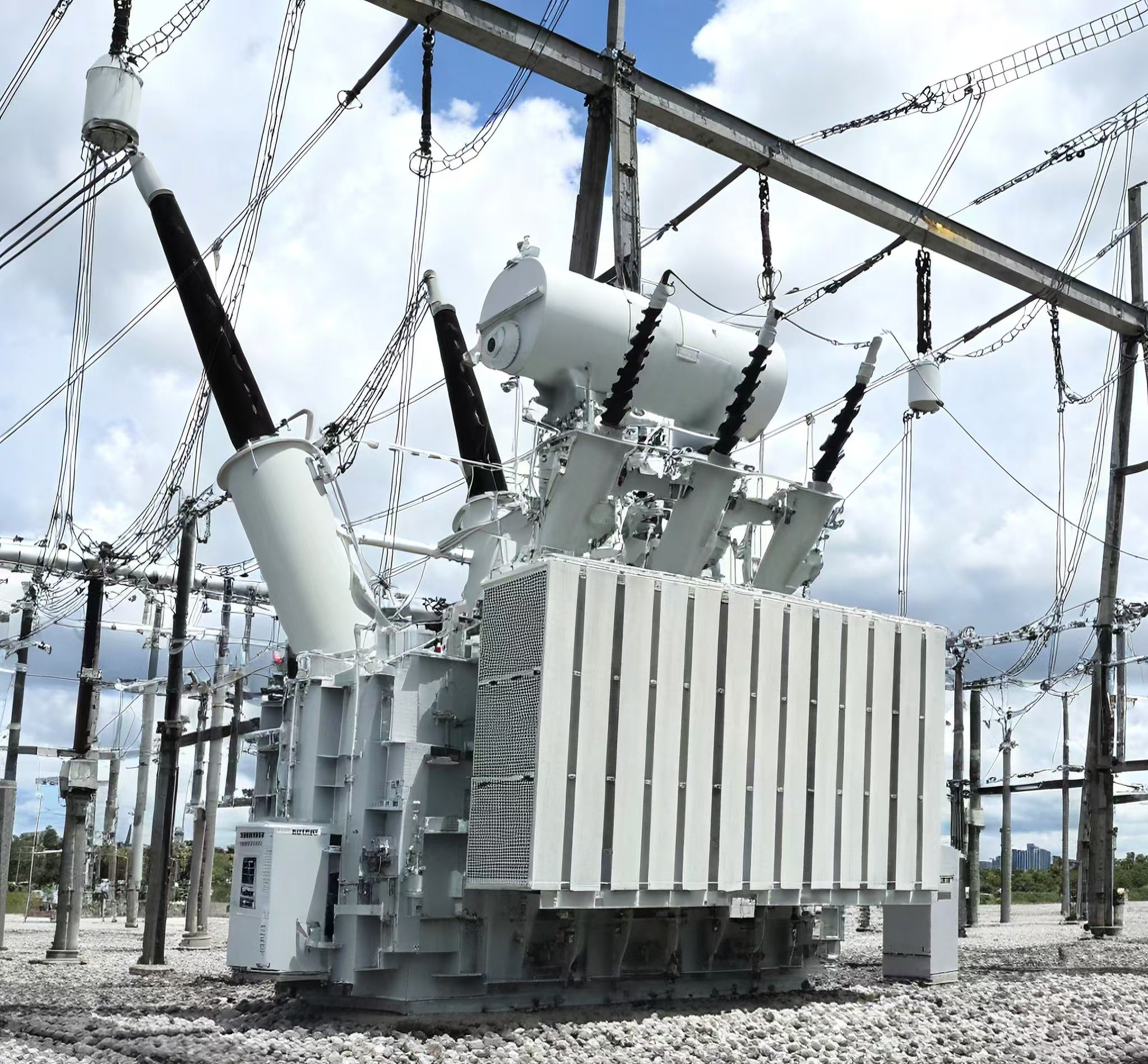
Power transformers installed at high altitudes must be specially designed or derated because atmospheric conditions differ significantly from those at sea level. Reduced air density, lower atmospheric pressure, decreased dielectric strength, stronger ultraviolet radiation, and more extreme environmental conditions can affect both thermal and electrical performance. Without proper design modifications, a transformer that operates safely at sea level may experience excessive temperatures, reduced insulation margins, accelerated aging, or increased flashover risk when installed at higher elevations.
International standards such as the International Electrotechnical Commission IEC 60076 series and Institute of Electrical and Electronics Engineers IEEE C57 standards recognize the effects of altitude and provide guidance for transformer application above standard reference elevations. In most cases, installations above 1,000 meters require engineering evaluation to determine whether design modifications, cooling enhancements, insulation upgrades, or load derating are necessary.
Manufacturers typically address altitude-related challenges through two approaches. The first is designing a transformer specifically for high-altitude service using enhanced cooling and insulation systems. The second is derating a standard transformer by reducing its allowable load to compensate for reduced cooling capability and insulation margins.
Transformers are designed or derated for high-altitude operation by increasing cooling capacity, enlarging radiator surfaces, enhancing insulation clearances, improving bushing designs, applying altitude correction factors, and reducing allowable loading when necessary to maintain safe operating temperatures and dielectric performance.
Proper altitude adaptation ensures reliable operation, preserves insulation life, and minimizes the risk of thermal or electrical failures.
Any transformer designed for sea-level operation can be installed at any altitude without modification or derating because transformer ratings are independent of atmospheric conditions.False
High altitude affects cooling efficiency and air insulation strength. Transformers often require design modifications or derating to maintain safe temperatures and dielectric performance.
Why High Altitude Affects Transformer Design
Atmospheric properties change significantly as elevation increases.
Key Environmental Changes
| Parameter | High-Altitude Effect |
|---|---|
| Air density | Decreases |
| Atmospheric pressure | Decreases |
| Dielectric strength of air | Decreases |
| UV radiation | Increases |
| Cooling effectiveness | Reduces |
These changes directly influence transformer thermal and electrical performance.
Standard Altitude Assumptions
Most transformer ratings are based on standard installation conditions.
Typical Reference Conditions
| Standard | Reference Altitude |
|---|---|
| IEC standards | Up to 1000 m |
| IEEE standards | Approximately 1000 m |
Installations above these elevations often require special consideration.
Why Derating Is Necessary
A transformer generates heat whenever it carries load.
Sources of Transformer Losses
| Loss Type | Description |
|---|---|
| Copper losses | Current-dependent winding losses |
| Core losses | Magnetic losses |
| Stray losses | Leakage flux effects |
At high altitude, heat removal becomes less effective.
Reduced Cooling Performance
Lower air density weakens heat dissipation.
Heat Transfer Relationship
Q=hA(T_s-T_a)
Where:
- (Q) = heat transfer rate
- (h) = heat transfer coefficient
- (A) = cooling surface area
- (T_s) = transformer surface temperature
- (T_a) = ambient temperature
As altitude increases, the heat transfer coefficient (h) decreases, reducing cooling effectiveness.
Consequences of Reduced Cooling
| Effect | Impact |
|---|---|
| Higher winding temperatures | Faster insulation aging |
| Increased oil temperature | Reduced oil life |
| Higher hot-spot temperatures | Reliability concerns |
What Is Transformer Derating?
Derating means reducing the allowable loading below the nameplate rating.
Purpose of Derating
| Objective | Benefit |
|---|---|
| Lower heat generation | Reduced temperature rise |
| Maintain insulation life | Improved reliability |
| Prevent overheating | Safe operation |
Typical Derating Approaches
Manufacturers determine derating factors based on altitude and cooling method.
Factors Affecting Derating
| Factor | Influence |
|---|---|
| Installation altitude | Major |
| Cooling type | Significant |
| Ambient temperature | Important |
| Load profile | Important |
Designing for High Altitude Instead of Derating
Many customers prefer full-rated operation at high elevations.
Engineering Solution
Rather than reducing load, manufacturers can increase cooling and insulation capabilities.
Enhanced Cooling System Design
Cooling modifications are among the most common adaptations.
Larger Radiator Banks
Increasing radiator surface area improves heat dissipation.
| Modification | Benefit |
|---|---|
| Larger radiators | Increased cooling area |
| Additional radiators | Better thermal performance |
| Improved oil circulation | Enhanced heat transfer |
Additional Cooling Fans
Forced-air cooling helps compensate for lower air density.
ONAF Cooling Enhancements
| Upgrade | Advantage |
|---|---|
| Additional fans | Greater airflow |
| Higher-capacity fans | Improved cooling |
| Intelligent fan control | Better efficiency |
Forced Oil Cooling Systems
Large transformers may use advanced cooling methods.
Common Cooling Types
| Cooling Class | Description |
|---|---|
| ONAN | Oil Natural Air Natural |
| ONAF | Oil Natural Air Forced |
| OFAF | Oil Forced Air Forced |
| OFWF | Oil Forced Water Forced |
Higher-performance cooling systems reduce the need for derating.
Increased Electrical Clearances
Altitude affects dielectric performance as well as cooling.
Why Air Clearances Must Increase
Reduced atmospheric pressure lowers air insulation strength.
Clearance Design Adjustments
| Adjustment | Benefit |
|---|---|
| Larger phase spacing | Improved insulation |
| Increased conductor clearance | Reduced flashover risk |
| Enhanced terminal spacing | Greater safety margin |
High-Altitude Bushing Design
Bushings are especially sensitive to altitude effects.
Common Bushing Modifications
| Feature | Purpose |
|---|---|
| Increased creepage distance | Improved contamination performance |
| Larger external profile | Better dielectric withstand |
| Composite insulation | Enhanced reliability |
Insulation Coordination Adjustments
High-altitude installations require careful insulation coordination.
Objectives of Insulation Coordination
| Objective | Purpose |
|---|---|
| Maintain dielectric margins | Reliability |
| Prevent flashovers | Safety |
| Coordinate surge protection | Equipment protection |
Surge Protection Enhancements
Lightning and switching surges can become more critical at altitude.
Common Protective Measures
| Measure | Benefit |
|---|---|
| Improved surge arresters | Voltage control |
| Enhanced insulation margins | Reduced failure risk |
| Better grounding systems | System stability |
Managing Partial Discharge Risks
Lower air pressure increases discharge susceptibility.
Partial Discharge Control Measures
| Measure | Benefit |
|---|---|
| Improved field grading | Reduced stress |
| Enhanced insulation design | Better durability |
| Quality manufacturing processes | Fewer defects |
UV-Resistant Materials
Ultraviolet radiation intensity increases with elevation.
Components Requiring UV Protection
| Component | Protection Method |
|---|---|
| Polymer insulators | UV stabilizers |
| Gaskets | Weather-resistant materials |
| Coatings | UV-resistant finishes |
Thermal Monitoring for High Altitude
Monitoring systems help ensure safe operation.
Common Monitoring Parameters
| Parameter | Purpose |
|---|---|
| Winding temperature | Thermal protection |
| Top-oil temperature | Cooling assessment |
| Load current | Capacity management |
| Ambient temperature | Environmental analysis |
Smart Monitoring Systems
Digital monitoring enables condition-based operation.
Monitoring Benefits
| Benefit | Result |
|---|---|
| Early overheating detection | Improved reliability |
| Better load management | Increased utilization |
| Predictive maintenance | Reduced outages |
Renewable Energy Applications
Many renewable energy projects are located at elevated sites.
Common High-Altitude Renewable Installations
| Application | Typical Location |
|---|---|
| Wind farms | Mountain ridges |
| Solar plants | High plateaus |
| Hydroelectric stations | Mountain valleys |
Transformers for these projects often include altitude-specific designs.
Mining and Industrial Applications
Mining facilities frequently require customized transformers.
Mining-Specific Considerations
| Challenge | Design Response |
|---|---|
| Heavy continuous loads | Enhanced cooling |
| Remote operation | Increased reliability |
| High elevation | Specialized insulation |
Factory Testing for High-Altitude Designs
Manufacturers validate performance through extensive testing.
Typical Tests
| Test | Purpose |
|---|---|
| Temperature-rise test | Thermal verification |
| Lightning impulse test | Insulation validation |
| Partial discharge test | Dielectric assessment |
| Routine electrical tests | Quality assurance |
International Standards
Transformer altitude adaptations are guided by industry standards.
Relevant Standards
| Standard | Organization |
|---|---|
| IEC 60076 | Transformer design and testing |
| IEEE C57 Series | Transformer application guidance |
| IEC 60071 | Insulation coordination |
Common Design Mistakes
| Mistake | Consequence |
|---|---|
| Ignoring altitude corrections | Overheating |
| Standard clearances at high altitude | Flashovers |
| Inadequate cooling capacity | Reduced lifespan |
| Lack of monitoring | Undetected thermal issues |
Comparison: Derating vs. High-Altitude Design
| Aspect | Derated Transformer | High-Altitude Designed Transformer |
|---|---|---|
| Load capacity | Reduced | Full rated capacity |
| Cooling system | Standard | Enhanced |
| Insulation design | Standard | Modified |
| Initial cost | Lower | Higher |
| Operational flexibility | Limited | Greater |
Key High-Altitude Design Measures
| Design Measure | Purpose |
|---|---|
| Larger radiators | Improve cooling |
| Additional fans | Increase airflow |
| Forced oil circulation | Enhance heat transfer |
| Increased clearances | Improve dielectric strength |
| Specialized bushings | Reduce flashover risk |
| UV-resistant materials | Extend service life |
| Advanced monitoring | Protect equipment |
What Standards and Guidelines Apply to High-Altitude Installations?
High-altitude transformer installations require careful compliance with international standards and engineering guidelines because reduced atmospheric pressure, lower air density, increased ultraviolet radiation, and harsher environmental conditions can significantly affect transformer performance. Standard transformer ratings and insulation designs are typically based on reference conditions near sea level, making altitude corrections essential when equipment is installed in mountainous regions, mining operations, hydroelectric facilities, renewable energy projects, and remote transmission networks located above 1,000 meters.
To ensure safe and reliable operation, several international organizations have developed standards addressing transformer design, insulation coordination, dielectric clearances, temperature rise, testing requirements, and environmental considerations for elevated installations. The most widely recognized standards come from the International Electrotechnical Commission and the Institute of Electrical and Electronics Engineers. These standards provide guidance on how transformer performance changes with altitude and specify methods for compensating for reduced cooling effectiveness and decreased dielectric strength.
By following these standards, manufacturers, utilities, engineering consultants, and project developers can ensure that transformers operate safely, meet performance expectations, and achieve their intended service life even in challenging high-altitude environments.
The primary standards governing high-altitude transformer installations include IEC 60076, IEC 60071, IEEE C57 series standards, and related insulation coordination and environmental design guidelines. These standards address cooling derating, dielectric clearances, insulation performance, testing requirements, and altitude correction factors necessary for reliable operation at elevated locations.
Proper application of these standards helps prevent overheating, flashovers, insulation failures, and premature transformer aging.
There are no special international standards for high-altitude transformer installations because altitude has minimal effect on transformer performance.False
International standards specifically address altitude effects because reduced air density and atmospheric pressure significantly influence transformer cooling, insulation performance, and dielectric clearances.
Why Standards Are Necessary for High-Altitude Installations
Atmospheric conditions change substantially with elevation.
Key Altitude-Related Challenges
| Challenge | Impact on Transformer |
|---|---|
| Reduced air density | Lower cooling efficiency |
| Reduced air pressure | Lower dielectric strength |
| Increased UV radiation | Material aging |
| Temperature extremes | Thermal stress |
| Severe weather exposure | Environmental degradation |
Standards provide engineering methods for addressing these challenges.
IEC Standards for High-Altitude Transformers
The IEC framework is widely used worldwide.
What Is IEC?
The International Electrotechnical Commission develops international standards for electrical equipment, systems, and technologies.
IEC 60076 Series
IEC 60076 is the primary transformer standard.
Scope of IEC 60076
| Topic | Coverage |
|---|---|
| Transformer ratings | Performance requirements |
| Temperature rise | Thermal limits |
| Testing procedures | Factory verification |
| Insulation requirements | Dielectric performance |
Altitude Considerations in IEC 60076
IEC 60076 recognizes that standard ratings are generally based on installations up to 1,000 meters above sea level.
Key Altitude Guidance
| Parameter | Consideration |
|---|---|
| Cooling performance | May require correction |
| Temperature rise | May increase |
| Loading capability | May require derating |
IEC 60071 Insulation Coordination
Insulation coordination becomes increasingly important at high altitude.
Purpose of IEC 60071
| Objective | Benefit |
|---|---|
| Prevent insulation failure | Improved reliability |
| Coordinate protective devices | Better system protection |
| Define insulation levels | Enhanced safety |
Why IEC 60071 Matters at High Altitude
Reduced atmospheric pressure lowers the dielectric strength of air.
Insulation Coordination Considerations
| Consideration | Impact |
|---|---|
| Air clearances | Must often increase |
| Flashover withstand levels | Require evaluation |
| Surge protection | Enhanced importance |
IEC 60071 and Altitude Correction
The standard provides methods for adjusting insulation requirements based on installation elevation.
Air Clearance Requirements
Electrical clearances are critical for transformer safety.
Typical Clearance Factors
| Factor | Influence |
|---|---|
| Operating voltage | Major |
| Altitude | Major |
| Pollution level | Significant |
| Environmental conditions | Important |
IEC 60529 and Environmental Protection
Environmental protection ratings are important in mountain installations.
Purpose of IEC 60529
IEC 60529 defines ingress protection (IP) ratings.
Common Applications
| Component | Protection Objective |
|---|---|
| Control cabinets | Dust and moisture protection |
| Monitoring systems | Environmental durability |
| Auxiliary equipment | Operational reliability |
IEEE Standards for High-Altitude Installations
IEEE standards are widely used throughout North America and many international projects.
IEEE C57 Series
The IEEE C57 family addresses transformer design and application.
Main Areas Covered
| Area | Description |
|---|---|
| Transformer ratings | Capacity definitions |
| Application guidance | Installation considerations |
| Thermal performance | Temperature limits |
| Dielectric performance | Insulation requirements |
Altitude Guidance in IEEE Standards
IEEE standards recognize reduced cooling capability and insulation performance at higher elevations.
Key Concerns
| Concern | Impact |
|---|---|
| Cooling effectiveness | Reduced |
| Air dielectric strength | Lower |
| Insulation margins | Require evaluation |
IEEE C57.12 Standards
Several IEEE C57.12 documents provide detailed transformer requirements.
Relevant Topics
| Topic | Application |
|---|---|
| Design requirements | Manufacturing |
| Testing procedures | Verification |
| Insulation performance | Reliability |
IEEE C57 Application Guides
Application guides help engineers adapt transformers to site-specific conditions.
Common Recommendations
| Recommendation | Purpose |
|---|---|
| Evaluate cooling | Prevent overheating |
| Assess insulation | Avoid flashovers |
| Consider derating | Improve reliability |
Thermal Performance Standards
Cooling performance is one of the most important high-altitude concerns.
Why Thermal Standards Matter
Reduced air density weakens convective cooling.
Heat Transfer Relationship
Q=hA(T_s-T_a)
Where:
- (Q) = heat transfer rate
- (h) = heat transfer coefficient
- (A) = cooling surface area
- (T_s) = transformer surface temperature
- (T_a) = ambient temperature
As altitude increases, the heat transfer coefficient (h) decreases, requiring thermal design adjustments.
Temperature Rise Requirements
Transformer standards define maximum allowable temperature rises.
Typical Objectives
| Objective | Purpose |
|---|---|
| Protect insulation | Extend lifespan |
| Prevent overheating | Improve safety |
| Maintain ratings | Ensure performance |
Dielectric Testing Standards
Testing verifies insulation capability.
Common Dielectric Tests
| Test | Purpose |
|---|---|
| Applied voltage test | Insulation verification |
| Induced voltage test | Winding insulation assessment |
| Lightning impulse test | Surge withstand validation |
Partial Discharge Standards
Partial discharge testing is especially important for high-voltage transformers.
Benefits of Partial Discharge Testing
| Benefit | Result |
|---|---|
| Detect insulation defects | Improved reliability |
| Validate manufacturing quality | Reduced failure risk |
Bushing Standards
Bushings require special attention at high altitude.
Relevant Design Considerations
| Consideration | Purpose |
|---|---|
| Creepage distance | Surface insulation |
| Air clearance | Dielectric protection |
| Pollution performance | Reliability enhancement |
Environmental Standards
Many high-altitude installations experience severe environmental conditions.
Environmental Factors Covered
| Factor | Concern |
|---|---|
| Snow and ice | Mechanical loading |
| UV radiation | Material degradation |
| Wind exposure | Structural stress |
| Dust contamination | Insulation performance |
Utility and Grid Operator Specifications
Many utilities develop additional requirements beyond international standards.
Typical Utility Requirements
| Requirement | Objective |
|---|---|
| Enhanced clearances | Improved safety |
| Additional testing | Reliability assurance |
| Specialized coatings | Environmental protection |
Renewable Energy Project Requirements
High-altitude renewable energy installations often include project-specific standards.
Typical Applications
| Project Type | Transformer Requirement |
|---|---|
| Wind farms | Enhanced cooling |
| Solar plants | Environmental durability |
| Hydroelectric stations | High reliability |
Mining Industry Standards
Mining operations frequently require customized specifications.
Mining Challenges
| Challenge | Requirement |
|---|---|
| Remote operation | Reliability |
| High load factors | Thermal capability |
| Elevated locations | Altitude adaptation |
Factory Testing and Acceptance Standards
Compliance is verified through testing.
Typical Factory Tests
| Test Type | Purpose |
|---|---|
| Routine tests | Manufacturing verification |
| Type tests | Design validation |
| Special tests | Project-specific requirements |
Site Acceptance and Commissioning
Standards also influence installation practices.
Common Commissioning Activities
| Activity | Objective |
|---|---|
| Insulation testing | Verify condition |
| Functional testing | Confirm operation |
| Monitoring system verification | Ensure performance |
Common Compliance Mistakes
| Mistake | Consequence |
|---|---|
| Ignoring altitude corrections | Overheating |
| Using sea-level clearances | Flashover risk |
| Inadequate insulation coordination | Reduced reliability |
| Failure to review utility requirements | Compliance issues |
Key Standards for High-Altitude Transformer Installations
| Standard | Primary Focus |
|---|---|
| IEC 60076 | Transformer design and ratings |
| IEC 60071 | Insulation coordination |
| IEC 60529 | Environmental protection |
| IEEE C57 Series | Transformer application and design |
| Utility specifications | Project-specific requirements |
| Renewable energy standards | Specialized applications |
Which Applications Commonly Require High-Altitude Transformers?
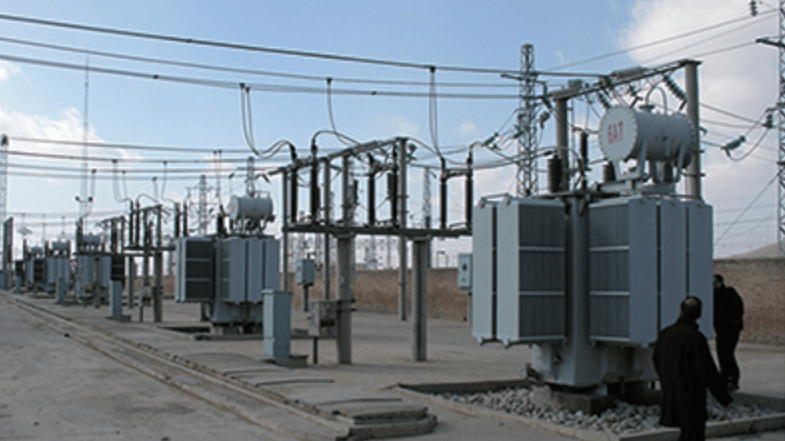
Power transformers are installed in a wide variety of environments, but some applications operate at elevations where standard transformer designs may not perform optimally. High-altitude locations present unique engineering challenges because reduced air density affects cooling performance, lower atmospheric pressure decreases air insulation strength, and harsh environmental conditions can accelerate equipment stress. As a result, transformers used in these applications are often specially designed or derated to ensure reliable operation.
The growing expansion of renewable energy projects, mining operations, transmission infrastructure, and remote industrial facilities has increased demand for transformers capable of operating at elevations above 1,000 meters. In some regions of Asia, South America, North America, Africa, and Europe, transformers are routinely installed at altitudes exceeding 3,000 meters and occasionally above 5,000 meters. These installations require careful attention to thermal performance, insulation coordination, environmental protection, and maintenance accessibility.
Understanding which industries and applications commonly require high-altitude transformers helps utilities, developers, and engineers select the most appropriate transformer design for long-term reliability and operational efficiency.
High-altitude transformers are commonly used in hydroelectric power plants, wind farms, solar power stations, mining operations, mountain transmission substations, railway electrification systems, remote industrial facilities, military installations, and telecommunications infrastructure located above approximately 1,000 meters elevation.
These applications depend on specialized transformer designs to maintain safe and efficient operation under challenging environmental conditions.
High-altitude transformers are only used in remote mountain transmission substations and have little application in other industries.False
High-altitude transformers are widely used in renewable energy projects, mining operations, industrial facilities, transportation systems, telecommunications infrastructure, and many other applications located at elevated elevations.
Why Certain Applications Require High-Altitude Transformers
Many industries operate in mountainous or elevated regions where natural resources, transportation routes, or infrastructure needs exist.
Common High-Altitude Challenges
| Challenge | Impact on Transformer |
|---|---|
| Reduced air density | Lower cooling efficiency |
| Reduced air pressure | Lower dielectric strength |
| Strong UV radiation | Material aging |
| Snow and ice | Mechanical stress |
| Remote access | Maintenance challenges |
Applications in these environments require specialized equipment.
Hydroelectric Power Stations
Hydroelectric projects are among the most common users of high-altitude transformers.
Why Hydroelectric Plants Are Often Located at High Elevation
Mountainous terrain provides favorable conditions for water storage and hydraulic head.
Typical Transformer Applications
| Transformer Type | Function |
|---|---|
| Generator step-up transformer | Connect generators to transmission grid |
| Auxiliary transformer | Supply plant loads |
| Station service transformer | Support facility operations |
Hydroelectric Installation Challenges
| Challenge | Impact |
|---|---|
| Remote locations | Maintenance complexity |
| Elevation | Cooling and insulation concerns |
| Severe weather | Environmental protection requirements |
Wind Energy Projects
Many wind farms are constructed on elevated ridges and mountain ranges.
Why Wind Farms Favor High Locations
Higher elevations often provide stronger and more consistent wind resources.
Wind Farm Transformer Applications
| Application | Transformer Function |
|---|---|
| Turbine transformer | Voltage conversion |
| Collection transformer | Energy aggregation |
| Substation transformer | Grid interconnection |
High-Altitude Wind Farm Considerations
| Factor | Importance |
|---|---|
| Temperature variation | Thermal design |
| Reduced cooling | Transformer rating |
| Lightning exposure | Surge protection |
Solar Power Plants
Large solar installations are frequently developed on high plateaus and desert regions.
Common High-Elevation Solar Locations
| Region Type | Example Characteristics |
|---|---|
| Mountain plateaus | High solar irradiance |
| Elevated deserts | Strong sunlight |
| Remote valleys | Available land |
Solar Transformer Applications
| Transformer Type | Purpose |
|---|---|
| Inverter transformer | Medium-voltage connection |
| Collection transformer | Power aggregation |
| Main step-up transformer | Transmission interconnection |
Mining Operations
Mining is one of the largest industrial sectors requiring high-altitude transformers.
Why Mines Operate at High Altitude
Many mineral deposits are located in mountainous regions.
Common Mining Regions
| Region | Typical Elevation |
|---|---|
| Andes Mountains | Very high |
| Rocky Mountains | High |
| Tibetan Plateau | Extremely high |
Mining Transformer Applications
| Application | Purpose |
|---|---|
| Process plant transformers | Industrial power supply |
| Distribution transformers | Site electrification |
| Substation transformers | Utility interconnection |
Mining-Specific Challenges
| Challenge | Impact |
|---|---|
| Heavy continuous loads | Increased heating |
| Dust contamination | Insulation concerns |
| Remote operation | Reliability requirements |
Mountain Transmission Substations
Transmission networks frequently cross elevated terrain.
Purpose of Mountain Substations
| Function | Description |
|---|---|
| Voltage transformation | Grid operation |
| Power routing | Transmission support |
| Regional supply | Energy distribution |
High-Altitude Transmission Benefits
Elevated substations often provide strategic locations for connecting generation resources and transmission corridors.
Railway Electrification Systems
Railway networks often traverse mountain regions.
Transformer Applications in Railways
| Application | Purpose |
|---|---|
| Traction substations | Voltage conversion |
| Auxiliary power systems | Station services |
| Distribution systems | Infrastructure support |
Why Railways Need High-Altitude Transformers
Rail lines crossing mountain ranges require reliable power systems despite environmental challenges.
Remote Industrial Facilities
Many industrial facilities operate far from urban centers.
Typical Industries
| Industry | Reason for High-Altitude Operation |
|---|---|
| Cement production | Raw material location |
| Metal processing | Mining proximity |
| Chemical production | Resource availability |
Industrial Transformer Applications
| Transformer Type | Function |
|---|---|
| Power transformer | Main facility supply |
| Distribution transformer | Internal power distribution |
Telecommunications Infrastructure
Telecommunications networks often require equipment on elevated sites.
Typical High-Altitude Telecom Installations
| Facility | Purpose |
|---|---|
| Cellular towers | Communications coverage |
| Microwave stations | Signal transmission |
| Data relay sites | Network connectivity |
Transformer Requirements
Reliable power supply is critical because maintenance access may be limited.
Military Installations
Defense infrastructure frequently occupies elevated strategic locations.
Typical Applications
| Application | Purpose |
|---|---|
| Radar stations | Surveillance |
| Communications facilities | Command systems |
| Remote bases | Operational support |
Airport and Aviation Facilities
Some airports operate in mountainous regions.
Transformer Applications
| Application | Purpose |
|---|---|
| Airfield power systems | Operational support |
| Terminal facilities | Electrical supply |
| Navigation equipment | Aviation safety |
Oil and Gas Infrastructure
Certain oil and gas operations are located in elevated terrain.
Typical Applications
| Application | Transformer Role |
|---|---|
| Processing facilities | Power conversion |
| Pumping stations | Equipment supply |
| Remote production sites | Electrical distribution |
Research and Scientific Facilities
Many observatories and scientific stations are located at high elevations.
Why High Elevation Is Preferred
| Facility Type | Reason |
|---|---|
| Astronomical observatories | Clear atmosphere |
| Atmospheric research stations | Data collection |
| Environmental monitoring centers | Observation capability |
Transformer Requirements
Reliable operation is essential because equipment downtime can interrupt research activities.
Renewable Energy Hybrid Projects
Hybrid energy systems increasingly operate in mountainous areas.
Common Configurations
| Energy Source | Transformer Application |
|---|---|
| Solar + storage | Grid integration |
| Wind + storage | Collection systems |
| Hydro + solar | Energy balancing |
Utility Distribution Networks
Communities located in mountainous regions require reliable electrical infrastructure.
Distribution Applications
| Application | Purpose |
|---|---|
| Community substations | Voltage reduction |
| Rural electrification | Power delivery |
| Regional distribution | Network support |
Cross-Border Transmission Projects
International transmission corridors often cross mountain ranges.
Examples of Challenges
| Challenge | Requirement |
|---|---|
| Extreme elevation | Specialized design |
| Long transmission distances | High reliability |
| Harsh climate | Environmental protection |
Cooling Requirements Across Applications
Because reduced air density affects cooling, many high-altitude transformers incorporate enhanced thermal designs.
Heat Transfer Consideration
Q=hA(T_s-T_a)
Where:
- (Q) = heat transfer rate
- (h) = heat transfer coefficient
- (A) = cooling surface area
- (T_s) = transformer surface temperature
- (T_a) = ambient temperature
At high elevations, the heat transfer coefficient decreases, requiring larger cooling systems or transformer derating.
Common Design Features for High-Altitude Applications
| Feature | Purpose |
|---|---|
| Larger radiators | Improve cooling |
| Additional fans | Increase airflow |
| Increased clearances | Improve insulation |
| Enhanced bushings | Reduce flashover risk |
| UV-resistant materials | Extend service life |
Industries Most Likely to Use High-Altitude Transformers
| Industry | Frequency of High-Altitude Installations |
|---|---|
| Hydroelectric power | Very high |
| Mining | Very high |
| Wind energy | High |
| Solar energy | High |
| Transmission utilities | High |
| Railways | Moderate |
| Telecommunications | Moderate |
| Military facilities | Moderate |
Key Benefits of Specialized High-Altitude Transformers
| Benefit | Result |
|---|---|
| Reliable cooling | Lower temperatures |
| Improved insulation | Reduced flashovers |
| Longer service life | Better asset value |
| Enhanced environmental resistance | Greater durability |
| Improved reliability | Fewer outages |
Conclusion
Yes, transformers can operate effectively in high-altitude regions when they are properly designed for the environment. Because reduced air density decreases cooling efficiency and insulation withstand capability, manufacturers may apply derating factors, enhanced insulation systems, larger cooling surfaces, or specialized designs. With appropriate engineering and compliance with relevant standards, transformers can provide reliable and long-lasting performance in mountainous areas, mining operations, hydroelectric projects, and remote high-altitude power networks.
FAQ
Q1: Can transformers operate in high-altitude regions?
Yes, transformers can operate in high-altitude regions, but they often require special design considerations and derating measures. Standard transformers are typically designed for installations up to 1,000 meters (3,280 feet) above sea level. Above this elevation, reduced air density affects cooling performance and insulation strength.
To ensure reliable operation, manufacturers may modify transformer designs for high-altitude applications.
Q2: Why does altitude affect transformer performance?
As altitude increases, air becomes thinner and less effective at:
Dissipating heat
Providing electrical insulation
Cooling external surfaces
This can lead to higher operating temperatures and increased risk of insulation stress if the transformer is not properly adapted.
Q3: How does high altitude impact transformer cooling?
Cooling efficiency decreases because lower air density reduces natural and forced convection.
Potential effects include:
Higher winding temperatures
Reduced cooling capacity of radiators
Increased thermal stress on insulation
To compensate, manufacturers may increase cooling surface area, use larger radiators, or install enhanced cooling systems.
Q4: What is transformer derating at high altitude?
Derating means reducing the transformer's allowable load to prevent overheating.
For installations above standard altitude limits, engineers may:
Lower the maximum operating load
Select a transformer with a higher kVA rating
Upgrade the cooling system
The exact derating factor depends on altitude, transformer type, and applicable standards.
Q5: How does altitude affect transformer insulation?
At higher elevations, the dielectric strength of air decreases.
This may cause:
Reduced insulation margins
Increased risk of external flashover
Greater electrical stress on bushings and terminals
To address this, transformers may use larger electrical clearances and upgraded insulation designs.
Q6: Are dry-type transformers more affected by altitude than oil-filled transformers?
Generally, yes.
Dry-type transformers rely heavily on air for cooling and insulation, making them more sensitive to altitude-related effects. Oil-filled transformers benefit from insulating oil, which provides internal cooling and insulation independent of air density.
As a result, dry-type transformers often require greater derating or design modifications at high elevations.
Q7: What design modifications are used for high-altitude transformers?
Common adaptations include:
Enhanced insulation distances
Larger cooling radiators
Forced-air or forced-oil cooling systems
Higher-rated insulation materials
Improved enclosure ventilation
These modifications help maintain performance and reliability under reduced atmospheric pressure.
Q8: Where are high-altitude transformers commonly used?
High-altitude transformers are frequently installed in:
Mountainous utility substations
Hydroelectric power stations
Mining operations
Wind farms in elevated regions
Remote transmission networks
They play a crucial role in delivering reliable power to communities and industries located at high elevations.
References
IEC 60076-1 – Power Transformers: General Requirements
https://webstore.iec.ch/publication/602
IEC 60076-11 – Dry-Type Transformers
https://webstore.iec.ch
IEEE C57 Series – Transformer Standards and Application Guides
https://standards.ieee.org
Electrical Engineering Portal – Altitude Effects on Transformers
https://electrical-engineering-portal.com
CIGRE – Transformer Performance Under Environmental Stress
https://www.cigre.org
NEMA – Transformer Application and Installation Standards
https://www.nema.org