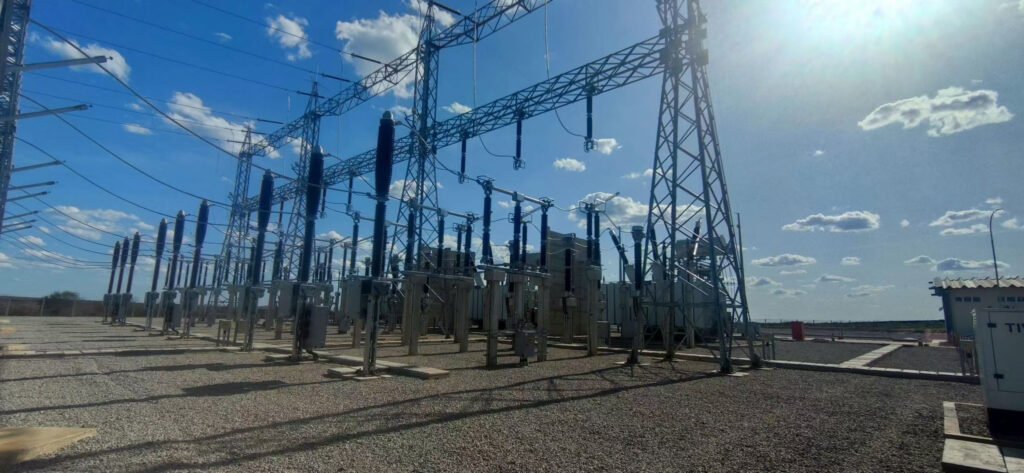
Transformers are used worldwide in diverse electrical systems, each with its own technical standards, grid requirements, environmental conditions, and regulatory rules. To ensure safe, reliable, and efficient operation, transformers must often be adapted to meet local standards and application requirements. These adaptations influence everything from voltage ratings and insulation levels to testing procedures and installation design.
What Local Standards and Regulations Affect Transformer Design?
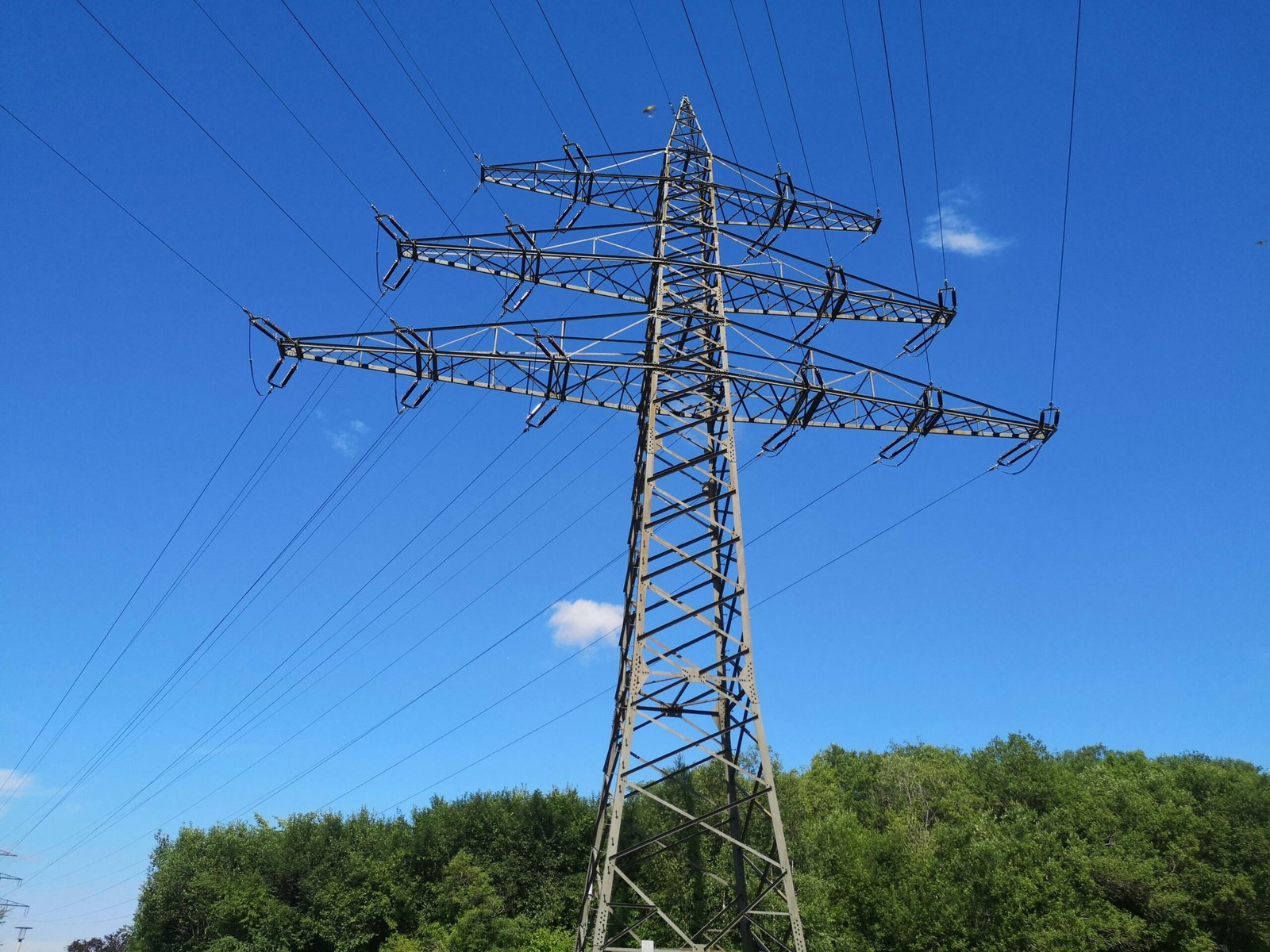
Transformer design is not determined solely by electrical performance requirements. Every transformer used in industrial facilities, utility substations, renewable energy systems, commercial buildings, transportation infrastructure, and power distribution networks must comply with a wide range of local standards, international regulations, environmental requirements, safety rules, and utility specifications. These standards govern nearly every aspect of transformer engineering, including insulation design, temperature rise limits, cooling systems, dielectric strength, efficiency performance, short-circuit withstand capability, fire safety, environmental protection, testing procedures, installation practices, and operational reliability.
Because transformers operate as critical components within national electrical infrastructure, governments, utility operators, and international engineering organizations impose strict regulations to ensure that transformers are safe, efficient, environmentally responsible, and compatible with existing grid systems. Failure to comply with these standards can lead to equipment rejection, legal penalties, operational failures, increased safety risks, higher maintenance costs, or catastrophic electrical accidents.
Transformer design is affected by local and international standards covering electrical safety, insulation systems, thermal performance, efficiency, environmental protection, testing procedures, fire safety, short-circuit strength, electromagnetic compatibility, and installation requirements.
Understanding these regulations is essential for manufacturers, utility companies, engineers, project developers, industrial operators, and procurement teams involved in transformer specification and selection.
Transformer design standards only regulate voltage ratings and have little impact on transformer safety or reliability.False
Transformer standards regulate insulation systems, temperature rise, efficiency, environmental safety, short-circuit capability, testing procedures, and many other factors critical to transformer reliability and operational safety.
Why Standards and Regulations Matter in Transformer Design
Transformer standards exist to ensure:
- Electrical safety
- Operational reliability
- Grid compatibility
- Energy efficiency
- Environmental protection
- Long-term performance consistency
Without standardized engineering requirements, transformer performance and safety would vary significantly between manufacturers and regions.
Main Categories of Transformer Standards
| Standard Category | Main Purpose |
|---|---|
| Electrical safety | Prevent electrical hazards |
| Thermal performance | Control overheating |
| Efficiency regulations | Reduce energy losses |
| Environmental rules | Limit pollution and hazardous materials |
| Testing standards | Verify performance |
| Installation codes | Ensure safe deployment |
Each category influences transformer engineering design.
International Standards Organizations
Several major international organizations define transformer standards.
IEC Standards
The International Electrotechnical Commission (IEC) is widely used globally.
| IEC Standard | Purpose |
|---|---|
| IEC 60076 | Power transformer requirements |
| IEC 60296 | Transformer insulating oil |
| IEC 60529 | Enclosure protection ratings |
IEC standards dominate in Europe, Asia, Africa, and many international projects.
IEEE and ANSI Standards
In North America, transformer design is heavily influenced by IEEE and ANSI standards.
| Standard | Purpose |
|---|---|
| IEEE C57 series | Transformer performance and testing |
| ANSI transformer standards | Electrical compatibility |
These standards are commonly used in the United States and parts of Latin America.
National and Regional Regulatory Standards
Different countries often adopt localized transformer regulations.
Examples of Regional Standards
| Country/Region | Common Standards |
|---|---|
| United States | IEEE / ANSI / DOE |
| European Union | IEC / EcoDesign |
| China | GB standards |
| India | BIS standards |
| Japan | JIS standards |
Manufacturers must adapt designs to local market requirements.
Voltage and Insulation Standards
Transformer insulation systems are strictly regulated.
Why Insulation Standards Matter
Transformers operate under high electrical stress.
Key Insulation Requirements
| Parameter | Importance |
|---|---|
| Dielectric strength | Prevents breakdown |
| Impulse withstand level | Lightning protection |
| Partial discharge limits | Insulation longevity |
Oil-filled transformers especially depend on proper insulation coordination.
Basic Voltage Transformation Principle
Transformer Efficiency Equation
Fault currents generate enormous electromagnetic forces.
How Are Voltage, Frequency, and Insulation Requirements Adapted?
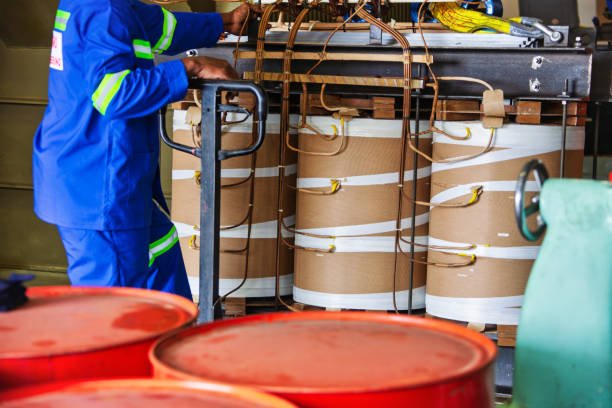
Modern transformers are among the most technically sophisticated pieces of equipment in the global electrical power industry because they must operate safely and reliably under dramatically different electrical grid conditions, environmental environments, utility regulations, and industrial operating demands. Unlike standardized consumer devices, transformers cannot simply be manufactured using one universal design and installed everywhere. Every transformer must be specifically adapted to local voltage levels, operating frequencies, insulation coordination requirements, environmental stresses, lightning exposure conditions, altitude limitations, thermal conditions, grounding methods, harmonic environments, and national engineering standards.
This adaptation process is essential because even relatively small differences in electrical system characteristics can significantly affect transformer behavior. Incorrect adaptation may lead to magnetic core saturation, excessive heat generation, insulation degradation, partial discharge activity, voltage instability, increased energy losses, shortened operational lifespan, catastrophic dielectric failure, or total system instability. As power systems become increasingly interconnected and modern industrial facilities introduce more nonlinear loads, renewable energy integration, and complex grid conditions, transformer adaptation has become even more critical than in traditional electrical infrastructure.
Oil-filled transformers are especially sensitive to proper voltage, frequency, and insulation coordination because they operate in medium-voltage, high-voltage, and ultra-high-voltage systems where dielectric stress and thermal management become dominant engineering concerns. Engineers must therefore optimize winding geometry, conductor insulation, core dimensions, cooling structures, oil dielectric performance, creepage distances, and impulse withstand capability according to the target application.
Voltage, frequency, and insulation requirements are adapted in transformer design by modifying winding structures, magnetic core dimensions, insulation coordination systems, dielectric clearances, cooling methods, oil insulation properties, surge protection capability, and environmental protection features to ensure safe, efficient, and reliable operation under local electrical and environmental conditions.
This adaptation process is one of the most important stages in transformer engineering because it determines long-term operational reliability, energy efficiency, electrical safety, and compliance with international and local power system standards.
A transformer designed for one country's electrical grid can operate safely and efficiently anywhere in the world without redesign.False
Transformers must be specifically adapted to local voltage, frequency, insulation, environmental, and regulatory conditions to ensure safe operation, efficiency, and long-term reliability.
Why Transformer Adaptation Is Necessary
Electrical power systems differ substantially across countries, industries, and utility networks.
Major Global Grid Variations
| Electrical Parameter | Typical Variations |
|---|---|
| Operating voltage | Low to ultra-high voltage |
| Frequency | 50 Hz or 60 Hz |
| Grounding method | Solid, resistance, or isolated grounding |
| Lightning activity | Regional climate differences |
| Pollution severity | Coastal, industrial, desert environments |
| Altitude | Sea level to mountainous regions |
| Harmonic distortion | Industrial and renewable systems |
A transformer designed for one grid may perform poorly or fail prematurely in another if these differences are ignored.
Voltage Adaptation in Transformer Design
Voltage adaptation is the foundation of transformer engineering.
Why Voltage Levels Differ Globally
Electrical systems are developed according to national infrastructure history, utility standards, transmission distances, and industrial demand.
Common Voltage Categories
| System Type | Typical Voltage Range |
|---|---|
| Residential distribution | Low voltage |
| Commercial distribution | Medium voltage |
| Industrial systems | Medium to high voltage |
| Transmission networks | High voltage |
| Bulk power transfer | Extra-high voltage |
Transformers must therefore be specifically designed for the intended operating voltage.
Why Must Transformers Meet Different Testing and Certification Standards?
Transformers are not “plug-and-play” electrical devices. They are long-life, high-value, high-risk assets that operate continuously inside critical power infrastructure such as transmission grids, substations, renewable energy plants, industrial factories, transportation systems, and data centers. Because of this role, any design weakness, manufacturing inconsistency, or insulation failure can lead to cascading consequences—grid outages, equipment explosions, fire hazards, environmental damage, and severe economic losses.
Unlike simple electrical equipment, transformers must operate safely under extreme and combined stresses: high voltage, thermal cycling, fault currents, lightning impulses, harmonic distortion, environmental pollution, humidity, and long-term aging. These stresses vary significantly across countries, climates, grid systems, and industrial applications. Therefore, a transformer cannot be safely deployed based on design alone—it must be verified through standardized testing and certified according to strict regional and international requirements.
Testing and certification standards exist to ensure that every transformer delivered into the field is not only theoretically designed correctly, but also practically proven to survive real-world electrical and environmental conditions over decades of operation.
Transformers must meet different testing and certification standards to guarantee electrical safety, insulation reliability, thermal endurance, mechanical strength, environmental compliance, grid compatibility, and long-term operational stability under region-specific power system conditions and regulatory requirements.
These standards are not optional—they are the engineering and legal foundation that ensures transformers remain safe, efficient, and reliable in global power systems.
Transformer testing and certification standards are mainly administrative procedures that do not affect real engineering performance.False
Transformer testing and certification directly validate insulation strength, thermal behavior, short-circuit withstand capability, efficiency performance, and safety under real operating conditions.
Why Transformer Standards Cannot Be Universal
Electrical power systems are not globally identical. Each region has different engineering conditions that directly influence transformer design.
Key Global Differences Affecting Transformers
| Parameter | Variation Across Regions | Engineering Impact |
|---|---|---|
| Voltage level | 6 kV to 1000 kV+ | Insulation design |
| Frequency | 50 Hz / 60 Hz | Core design |
| Climate | Arctic to tropical | Cooling system |
| Pollution level | Clean to heavy industrial | Creepage distance |
| Lightning activity | Low to extreme | Impulse protection |
| Grid reliability | Stable vs unstable | Overload tolerance |
Because of these differences, a single global “one-standard transformer” is impossible.
Purpose of Transformer Testing and Certification
Transformer testing and certification are designed to answer one critical question:
“Will this transformer survive real operating conditions safely for 20–40 years?”
Main Objectives
| Objective | Engineering Meaning |
|---|---|
| Safety assurance | Prevent explosions, fires, failures |
| Performance validation | Confirm electrical design accuracy |
| Durability verification | Ensure long service life |
| Grid compatibility | Match local power systems |
| Regulatory compliance | Meet legal requirements |
Electrical Safety Verification
Transformers operate at extremely high voltages where insulation failure is catastrophic.
Why Electrical Testing Is Critical
Electrical stress can cause:
- Dielectric breakdown
- Internal arc faults
- Partial discharge activity
- Insulation puncture
Testing ensures insulation can withstand real operating voltage plus safety margins.
Dielectric Strength and Insulation Testing
One of the most important certification areas is insulation performance.
Key Insulation Tests
| Test Type | Purpose |
|---|---|
| Insulation resistance test | Detect moisture or degradation |
| Dielectric withstand test | Confirm voltage endurance |
| Partial discharge test | Detect internal defects |
| Impulse voltage test | Simulate lightning strikes |
These tests ensure that insulation will not fail under electrical stress.
Basic Insulation Level (BIL)
BIL defines the transformer’s ability to withstand lightning and switching surges.
Higher voltage systems require higher insulation coordination.
Thermal Performance and Temperature Rise Testing
Heat is one of the primary causes of transformer aging and failure.
Why Thermal Testing Matters
As current increases:
P_{cu}=I^2R
- Copper losses increase rapidly
- Temperature rises
- Insulation aging accelerates
Temperature Rise Test Verifies
| Parameter | Purpose |
|---|---|
| Winding temperature | Prevent insulation overheating |
| Oil temperature | Ensure cooling efficiency |
| Hot-spot temperature | Determine insulation lifespan |
Efficiency Verification and Loss Validation
Energy efficiency is now a regulated requirement in many countries.
Transformer Efficiency Equation
\eta=\frac{P{out}}{P{in}}\times100%
Testing ensures that:
- Core losses are within limits
- Copper losses are controlled
- Energy waste is minimized
This directly affects lifetime operating cost.
Mechanical Strength and Short-Circuit Testing
One of the most destructive transformer events is a short circuit.
Electromagnetic Force Relationship
F\propto I^2
This means:
| Current Increase | Force Increase |
|---|---|
| 2× | 4× |
| 3× | 9× |
| 5× | 25× |
Why This Is Dangerous
Short-circuit forces can:
- Deform windings
- Break insulation structures
- Displace coils
- Cause catastrophic failure
Testing ensures the transformer can survive fault conditions safely.
Cooling System Certification
Transformers must maintain stable temperature under load.
Cooling Types Tested
| Cooling Mode | Description |
|---|---|
| ONAN | Natural oil and air cooling |
| ONAF | Forced air cooling |
| OFAF | Forced oil circulation |
Testing confirms cooling performance under maximum load conditions.
Environmental Compliance Requirements
Modern standards require environmental responsibility.
Key Environmental Risks
| Risk | Impact |
|---|---|
| Oil leakage | Soil and water contamination |
| Fire hazards | Safety risk |
| PCB contamination | Toxic exposure |
Certification ensures compliance with environmental protection laws.
Fire Safety Certification
Oil-filled transformers contain flammable insulating oil.
Fire Protection Requirements
| Safety Feature | Purpose |
|---|---|
| Pressure relief device | Prevent explosion |
| Oil containment pit | Prevent leakage spread |
| Fire barriers | Limit fire propagation |
Urban installations require stricter fire standards.
Electromagnetic Compatibility (EMC)
Transformers must not interfere with nearby electrical systems.
EMC Purpose
- Prevent communication interference
- Ensure grid stability
- Maintain power quality
This is especially important in modern digital infrastructure.
Why Different Regions Require Different Standards
Regional Standard Systems
| Region | Standard System |
|---|---|
| Europe | IEC + EcoDesign |
| USA | IEEE + DOE |
| China | GB standards |
| India | BIS standards |
Each system reflects local grid design, safety expectations, and regulatory policy.
Factory Acceptance and Type Testing
Testing Categories
| Test Type | Purpose |
|---|---|
| Routine tests | Every unit verification |
| Type tests | Design validation |
| Special tests | Customer-specific requirements |
This ensures consistency across mass production.
Real-World Engineering Example
A 220 kV oil-filled transformer for a renewable energy substation required multi-standard certification.
Required Testing
| Category | Requirement |
|---|---|
| IEC 60076 | Global compliance |
| Impulse testing | Lightning protection |
| Thermal testing | Continuous load stability |
| Efficiency certification | EcoDesign compliance |
| Harmonic tolerance | Renewable integration |
Only after passing all tests was the transformer approved for grid connection.
Why Certification Protects Power Systems
| Protection Area | Benefit |
|---|---|
| Electrical safety | Prevent catastrophic failure |
| Grid stability | Ensure reliable power flow |
| Equipment lifespan | Reduce aging and breakdown |
| Regulatory compliance | Legal approval |
| Environmental safety | Reduce pollution risk |
How Are Environmental and Climate Conditions Considered in Transformer Design?
Transformers are long-life electrical assets expected to operate reliably for 20 to 40 years in continuously changing environmental conditions. Unlike controlled laboratory equipment, transformers installed in real power systems are exposed to a wide range of climate stress factors such as extreme heat, freezing cold, high humidity, salt corrosion, industrial pollution, dust storms, heavy rainfall, flooding risk, high altitude, and strong solar radiation. These environmental conditions directly influence insulation aging, cooling efficiency, dielectric strength, mechanical stability, and overall transformer lifespan.
Because transformer performance is strongly dependent on external conditions, environmental and climate considerations are not optional—they are a core part of transformer design, selection, and certification. Engineers must evaluate the installation site carefully and adapt transformer specifications to ensure safe and reliable operation under real-world environmental stress over decades of service life.
Environmental and climate conditions are considered in transformer design by evaluating temperature extremes, humidity levels, pollution severity, altitude, corrosion risk, cooling efficiency, and weather exposure, then adapting insulation systems, cooling structures, materials, sealing methods, and protective designs accordingly to ensure long-term reliability and safety.
This environmental adaptation process is essential for preventing premature aging, insulation failure, overheating, corrosion damage, and unexpected transformer breakdown in harsh operating conditions.
Transformers are designed only based on electrical parameters and are unaffected by environmental or climate conditions.False
Environmental and climate conditions significantly affect transformer insulation aging, cooling performance, corrosion resistance, and long-term reliability, and must be included in design considerations.
Why Environmental Conditions Matter in Transformer Design
Transformers continuously exchange heat and interact with surrounding air, soil, and atmosphere. This makes them highly sensitive to environmental conditions.
Key Environmental Stress Factors
| Environmental Factor | Impact on Transformer |
|---|---|
| High temperature | Accelerated insulation aging |
| Low temperature | Oil viscosity increase |
| High humidity | Moisture contamination |
| Pollution | Surface insulation leakage |
| Salt exposure | Corrosion and flashover risk |
| Dust and sand | Cooling blockage |
| Altitude | Reduced dielectric strength |
Even small environmental variations can significantly affect long-term performance.
Temperature Extremes and Thermal Design Adaptation
Temperature is one of the most critical environmental factors in transformer operation.
Why Temperature Matters
Transformer losses generate continuous heat:
P_{cu}=I^2R
As ambient temperature increases, cooling becomes less efficient and insulation aging accelerates.
High-Temperature Environment Adaptation
In hot climates such as deserts or tropical regions, transformers face severe thermal stress.
Engineering Adaptations for High Heat
| Design Feature | Purpose |
|---|---|
| Enhanced cooling system | Improve heat dissipation |
| Larger radiator surface | Increase cooling efficiency |
| High-temperature insulation class | Resist thermal aging |
| Derated loading design | Prevent overheating |
These measures ensure stable operation even above 40–50°C ambient temperatures.
Low-Temperature and Cold Climate Adaptation
In cold regions, transformer oil and insulation behave differently.
Cold Climate Challenges
| Issue | Effect |
|---|---|
| Oil viscosity increase | Reduced circulation |
| Material contraction | Mechanical stress |
| Cold start difficulty | Delayed operation |
Cold Region Solutions
- Low pour-point transformer oil
- Enhanced heater systems
- Flexible insulation materials
- Cold-resistant sealing gaskets
Humidity and Moisture Control
Moisture is one of the most dangerous factors for transformer insulation systems.
Why Moisture Is Critical
| Moisture Effect | Result |
|---|---|
| Reduced dielectric strength | Insulation breakdown risk |
| Paper insulation degradation | Shorter lifespan |
| Partial discharge increase | Internal fault development |
Moisture Protection Methods
| Protection Technique | Function |
|---|---|
| Hermetically sealed tank | Prevent moisture ingress |
| Breather system (silica gel) | Air drying |
| Nitrogen blanketing | Oxygen and moisture isolation |
| Moisture-resistant insulation paper | Long-term stability |
Oil-filled transformers rely heavily on sealed insulation systems.
Pollution and Environmental Contamination
Industrial and coastal environments introduce severe contamination risks.
Pollution Types
| Pollution Source | Risk |
|---|---|
| Industrial smoke | Surface conductivity increase |
| Chemical vapors | Insulation degradation |
| Coastal salt fog | Flashover risk |
| Dust and sand | Cooling obstruction |
Pollution Mitigation Design
| Design Feature | Purpose |
|---|---|
| Increased creepage distance | Prevent surface flashover |
| Anti-corrosion coating | Protect external surfaces |
| Sealed bushings | Reduce contamination ingress |
Pollution-heavy environments require reinforced insulation coordination.
Altitude Effects on Transformer Performance
High-altitude environments reduce air density and dielectric strength.
Why Altitude Matters
Lower air density reduces:
- Cooling efficiency
- Electrical insulation strength
Altitude Adaptation Requirements
| Altitude Condition | Engineering Adjustment |
|---|---|
| Above 1000 m | Cooling derating |
| Above 2000 m | Increased insulation spacing |
| High mountain regions | Special design verification |
Transformers installed at high altitude require custom insulation coordination.
Solar Radiation and UV Exposure
Outdoor transformers are continuously exposed to sunlight.
UV Impact
| UV Effect | Result |
|---|---|
| Material aging | Insulation degradation |
| Surface cracking | Mechanical weakening |
| Paint deterioration | Corrosion exposure |
UV Protection Measures
- UV-resistant coating
- Weatherproof enclosure materials
- Heat-reflective surface design
These improve long-term durability in outdoor installations.
Rainfall, Flooding, and Water Exposure
Water is a major environmental hazard for transformers.
Water Risks
| Condition | Impact |
|---|---|
| Heavy rain | External insulation stress |
| Flooding | Equipment failure |
| Water ingress | Internal insulation breakdown |
Waterproofing Design Strategies
| Protection Method | Function |
|---|---|
| IP-rated enclosure design | Water protection |
| Elevated installation platform | Flood prevention |
| Sealed bushings | Prevent leakage entry |
Wind, Sand, and Storm Conditions
Desert and coastal regions experience extreme particulate exposure.
Sand and Wind Effects
| Problem | Impact |
|---|---|
| Abrasive dust | Cooling surface damage |
| Blocked radiators | Reduced heat dissipation |
| Mechanical erosion | Surface degradation |
Protective Engineering Solutions
- Wind-resistant enclosure design
- Dust-proof cooling systems
- Enhanced filtration structures
Climate-Based Cooling System Adaptation
Cooling performance depends heavily on environmental air conditions.
Cooling System Types
| Cooling Method | Application |
|---|---|
| ONAN | Moderate climate regions |
| ONAF | High-load or hot regions |
| OFAF | Extreme high-capacity systems |
Cooling systems must be sized based on worst-case ambient temperature.
Thermal Aging and Insulation Life
Transformer insulation life depends heavily on temperature and environment.
What Safety and Installation Requirements Vary by Region?
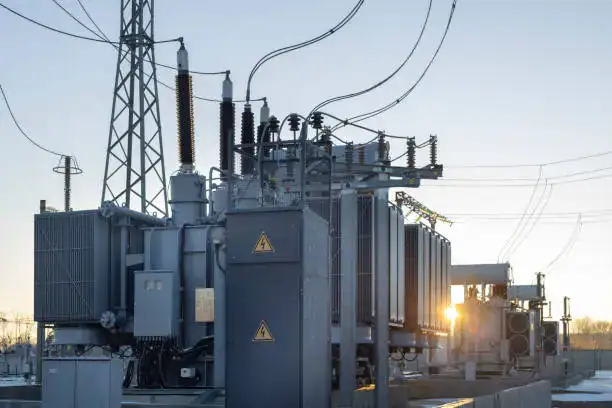
Transformer installation is not governed by a single universal rulebook. Instead, it is regulated by a complex combination of regional safety codes, national electrical standards, utility company requirements, environmental laws, fire protection regulations, construction codes, and occupational safety systems. These requirements differ significantly across countries and regions because electrical grid structures, population density, climate conditions, industrial risk levels, and legal frameworks are not the same worldwide.
As a result, installing a transformer in Europe is not identical to installing one in North America, China, India, the Middle East, or Africa. Each region defines its own requirements for grounding methods, fire safety spacing, oil containment systems, noise limits, enclosure protection levels, clearance distances, seismic resistance, access control, and commissioning procedures. These differences ensure that transformers operate safely within the specific risks and infrastructure constraints of each location.
Safety and installation requirements vary by region due to differences in electrical codes, fire protection laws, environmental conditions, utility standards, grounding practices, seismic requirements, insulation coordination rules, and operational safety expectations that govern how transformers must be installed, protected, and maintained.
Understanding these differences is essential for engineers, contractors, and utilities because non-compliance can result in installation rejection, legal penalties, operational hazards, or catastrophic equipment failure.
Transformer installation safety requirements are identical in all countries and only depend on the transformer design itself.False
Installation safety requirements vary significantly by region due to different electrical codes, fire regulations, environmental laws, utility standards, and infrastructure conditions.
Why Regional Installation Standards Are Necessary
Electrical infrastructure is deeply tied to local conditions.
Key Regional Differences
| Factor | Variation Across Regions |
|---|---|
| Electrical grid design | Voltage levels and grounding systems |
| Population density | Urban vs rural safety requirements |
| Climate conditions | Heat, humidity, snow, storms |
| Seismic activity | Earthquake resistance needs |
| Fire risk level | Urban vs industrial zoning laws |
| Regulatory structure | National and utility-specific codes |
These differences directly influence transformer installation rules.
Electrical Safety Standards and Grid Compatibility
Different regions follow different electrical safety frameworks.
Major Global Standards Systems
| Region | Main Standards |
|---|---|
| Europe | IEC + EN standards |
| United States | NEC + IEEE + NESC |
| China | GB standards |
| India | IS/BIS standards |
| Middle East | IEC + local utility codes |
Each system defines unique installation requirements.
Grounding and Earthing System Differences
Grounding methods vary significantly by region and utility practice.
Common Grounding Types
| System Type | Description |
|---|---|
| Solid grounding | Direct earth connection |
| Resistance grounding | Controlled fault current |
| Isolated system | Minimal grounding |
Regional Variation Impact
| Region | Grounding Preference |
|---|---|
| North America | Solid or resistance grounding |
| Europe | TN/TT systems |
| Industrial plants | Resistance grounding systems |
Incorrect grounding design can lead to fault instability or safety hazards.
Fire Safety and Oil Containment Requirements
Oil-filled transformers require strict fire safety control.
Why Fire Safety Varies
Different regions assess fire risk differently based on:
- Urban density
- Building proximity
- Climate conditions
- Insurance regulations
Fire Protection Requirements
| Safety Feature | Regional Variation |
|---|---|
| Fire wall spacing | Urban vs rural difference |
| Oil containment pit | Mandatory in many regions |
| Fire suppression system | Required in high-risk zones |
| Explosion venting | Utility-dependent design |
Clearance Distance and Installation Spacing
Minimum safe distances vary significantly across regulations.
Why Clearance Matters
Transformers generate:
- High voltage electric fields
- Heat radiation
- Fault arc risks
Typical Clearance Considerations
| Installation Factor | Requirement Variation |
|---|---|
| Phase-to-ground distance | Voltage dependent |
| Transformer-to-building distance | Fire code dependent |
| Access walkway spacing | Maintenance safety rules |
Urban installations often require much stricter spacing than rural substations.
Seismic and Structural Requirements
Earthquake resistance requirements differ by geographic region.
Seismic Design Requirements
| Region | Seismic Requirement Level |
|---|---|
| Japan | Very high seismic design |
| California (USA) | High seismic standards |
| Europe | Moderate requirements |
| Middle East | Low to moderate |
Transformers in seismic zones require reinforced tank structures and anchoring systems.
Environmental Protection and Oil Handling Rules
Oil leakage prevention is heavily regulated in many regions.
Environmental Concerns
| Issue | Regulatory Focus |
|---|---|
| Oil spills | Soil and water protection |
| PCB contamination | Hazardous substance elimination |
| Waste disposal | Environmental compliance |
Oil Containment Requirements
| System | Function |
|---|---|
| Bund walls | Spill containment |
| Drainage systems | Controlled oil recovery |
| Sealed foundations | Ground protection |
Environmental rules are stricter in Europe and North America.
Noise Level Regulations
Transformer noise control varies widely by region.
Noise Sources
| Source | Cause |
|---|---|
| Core vibration | Magnetostriction |
| Cooling fans | Airflow noise |
Regional Noise Limits
| Location Type | Noise Restriction |
|---|---|
| Residential areas | Strict limits |
| Industrial zones | Moderate limits |
| Remote substations | Minimal restrictions |
Urban installations often require low-noise transformer designs.
Climate-Based Installation Requirements
Installation rules are influenced by climate conditions.
Hot Climate Requirements
| Region | Requirement |
|---|---|
| Middle East | High-temperature design |
| Africa | Dust and heat protection |
Cold Climate Requirements
| Region | Requirement |
|---|---|
| Canada | Freeze protection systems |
| Northern Europe | Low-temperature oil systems |
Humid Climate Requirements
| Region | Requirement |
|---|---|
| Southeast Asia | Moisture-proof insulation |
| Coastal regions | Anti-corrosion protection |
Altitude-Based Installation Adjustments
High-altitude installations require special design adaptation.
Why Altitude Matters
| Effect | Impact |
|---|---|
| Lower air density | Reduced cooling efficiency |
| Reduced dielectric strength | Higher insulation stress |
High-altitude regions often require derated transformer capacity.
Access Control and Safety Perimeter Rules
Different regions define different safety access rules.
Common Safety Requirements
| Requirement | Purpose |
|---|---|
| Fencing systems | Unauthorized access prevention |
| Warning signage | Safety awareness |
| Locking mechanisms | Operational security |
Utility companies often impose stricter control than national codes.
Commissioning and Inspection Requirements
Before energization, transformers must pass regional inspection procedures.
Typical Commissioning Steps
| Step | Purpose |
|---|---|
| Visual inspection | Installation verification |
| Electrical testing | Performance validation |
| Insulation testing | Safety confirmation |
| Protection system check | Operational safety |
Some regions require utility engineer witnessing during commissioning.
Electromagnetic Compatibility (EMC) Rules
EMC requirements ensure transformers do not interfere with communication systems.
EMC Considerations
| Issue | Impact |
|---|---|
| Magnetic interference | Communication disruption |
| Harmonic distortion | Power quality issues |
Stricter EMC rules exist in Europe and industrialized urban regions.
Utility-Specific Installation Standards
Utility companies often impose additional rules beyond national regulations.
Utility Requirements May Include
- Higher insulation margins
- Additional testing requirements
- Enhanced grounding systems
- Remote monitoring integration
These ensure grid reliability at system level.
Real-World Example
A 110 kV transformer installation project was executed in three regions:
| Region | Key Requirement Difference |
|---|---|
| Europe | Strict fire containment + EcoDesign compliance |
| Middle East | High-temperature cooling + dust protection |
| North America | Grounding system + NEC compliance |
Although the transformer design was similar, installation requirements differed significantly.
Key Regional Differences in Installation Requirements
| Safety Area | Regional Variation |
|---|---|
| Grounding systems | Utility-dependent design |
| Fire protection | Urban safety laws |
| Environmental protection | Pollution regulations |
| Clearance distances | Voltage and zoning rules |
| Seismic resistance | Geographic requirement |
| Noise control | Population density factor |
How Do Manufacturers Customize Transformers for International Markets?
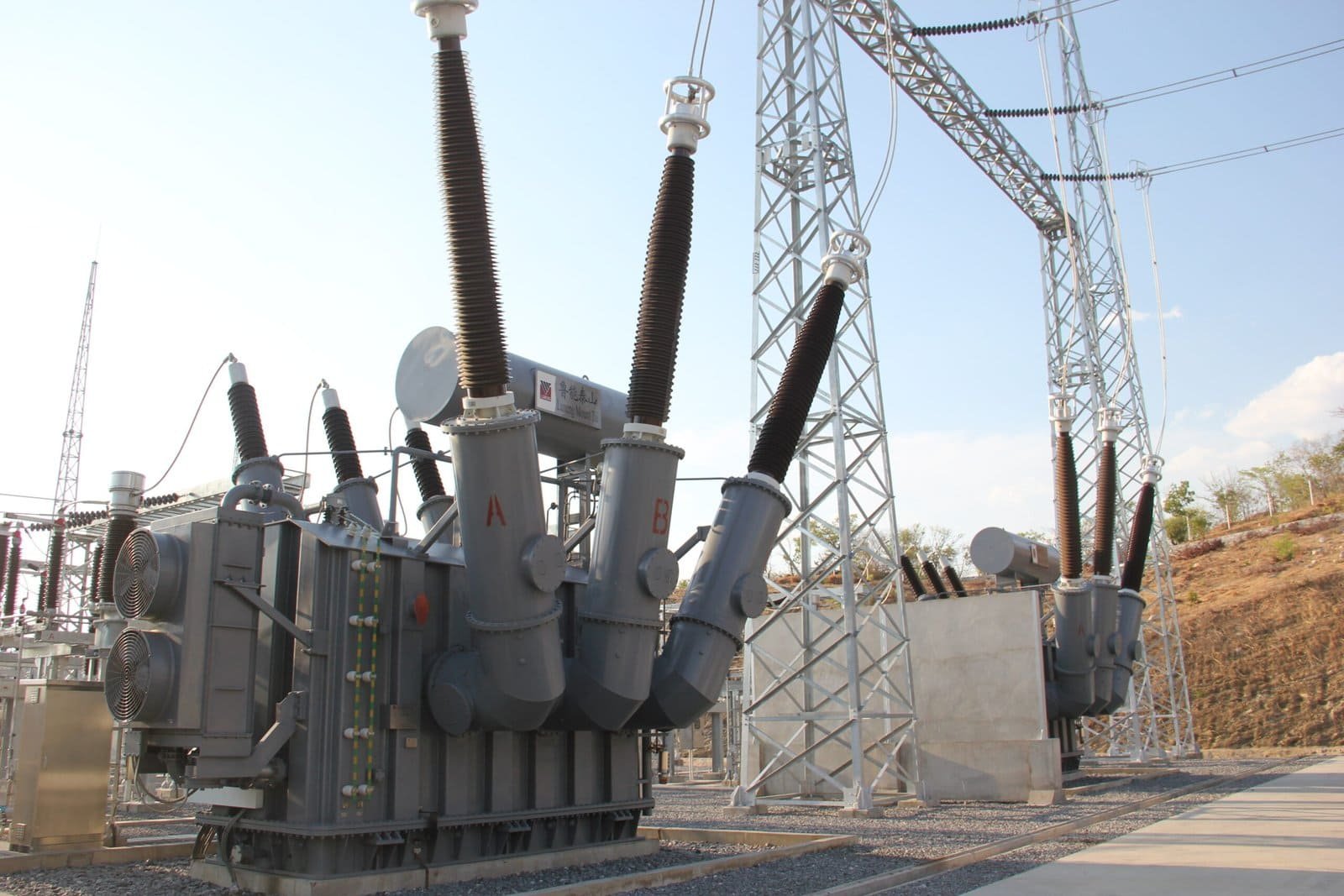
Transformers are not standardized “one-size-fits-all” products. They are highly engineered electrical assets designed to operate within specific power grid conditions, environmental environments, and regulatory frameworks. Because global electrical systems differ significantly in voltage levels, operating frequency, insulation coordination rules, safety standards, climate conditions, and utility requirements, manufacturers must carefully customize every transformer before it can be safely deployed in a specific international market.
A transformer designed for one country may not be directly usable in another without modifications. For example, a unit designed for a 60 Hz North American grid may require core redesign to operate efficiently in a 50 Hz European system. Similarly, a transformer designed for dry inland environments may require corrosion-resistant materials and sealed insulation systems for coastal or tropical regions.
Customization is therefore not optional—it is a core engineering requirement that ensures safe operation, long service life, regulatory compliance, and compatibility with local power systems.
Manufacturers customize transformers for international markets by modifying voltage ratings, frequency design, insulation systems, cooling configurations, mechanical structures, environmental protection features, and certification compliance to match regional grid standards, climate conditions, and regulatory requirements.
This ensures that each transformer is not only electrically functional but also safe, efficient, and legally approved for operation in its destination market.
Transformers manufactured in one country can be used globally without any design changes or modifications.False
Transformers must be customized for voltage, frequency, insulation, environmental, and regulatory differences to ensure safe and reliable operation in different international markets.
Why Transformers Must Be Customized for Global Markets
Electrical systems around the world are not uniform.
Key Global Differences
| Parameter | Variation Across Regions |
|---|---|
| Voltage level | Distribution and transmission standards differ |
| Frequency | 50 Hz vs 60 Hz systems |
| Safety regulations | IEC, IEEE, GB, BIS differences |
| Climate conditions | Arctic, desert, tropical environments |
| Pollution levels | Industrial vs coastal vs rural areas |
| Utility requirements | Different grid codes and reliability expectations |
Because of these differences, transformers must be individually engineered for each target market.
Voltage Customization in Transformer Design
Voltage adaptation is one of the most important customization steps.
Why Voltage Systems Differ
Different countries developed independent power infrastructure systems over time, leading to multiple voltage standards.
Common Global Voltage Systems
| Region | Typical Voltage Standard |
|---|---|
| North America | 120/240 V distribution systems |
| Europe | 230/400 V systems |
| China | 220/380 V systems |
| Industrial networks | Medium and high voltage systems |
Transformer Voltage Ratio Relationship
\frac{V_p}{V_s}=\frac{N_p}{N_s}
Manufacturers adjust winding turns ratio to achieve the required voltage transformation.
Voltage Customization Methods
| Engineering Adjustment | Purpose |
|---|---|
| Winding turns variation | Match voltage ratio |
| Tap changer design | Enable voltage regulation |
| Insulation reinforcement | Ensure dielectric safety |
Higher voltage markets require more insulation and larger spacing between components.
Frequency Adaptation for Different Markets
Transformer frequency design depends on the local grid standard.
Global Frequency Standards
| Frequency | Regions |
|---|---|
| 50 Hz | Europe, Asia, Africa |
| 60 Hz | North America, parts of South America |
Why Frequency Matters in Transformer Design
E=4.44fN\Phi
Frequency directly affects magnetic flux behavior inside the transformer core.
Frequency Customization Effects
| Design Change | Engineering Purpose |
|---|---|
| Core size adjustment | Prevent magnetic saturation |
| Material selection | Reduce core losses |
| Flux density control | Improve thermal stability |
A transformer designed for 60 Hz may overheat if used in a 50 Hz system without redesign.
Insulation System Customization
Insulation systems must be adapted based on voltage level, environmental stress, and safety requirements.
Main Insulation Components
| Component | Function |
|---|---|
| Transformer oil | Cooling and dielectric insulation |
| Paper insulation | Winding protection |
| Pressboard | Structural support |
Dielectric Coordination Adaptation
Higher voltage systems require stronger insulation coordination.
Key Design Factors
| Parameter | Function |
|---|---|
| Creepage distance | Prevent surface flashover |
| Clearance distance | Prevent internal breakdown |
| Oil insulation quality | Maintain dielectric strength |
Environmental Adaptation in Transformer Design
Transformers must be adapted to climate and environmental conditions.
Climate-Based Engineering Adjustments
| Environment | Required Design Change |
|---|---|
| Desert (hot, dusty) | Enhanced cooling + dust protection |
| Cold regions | Low-temperature oil systems |
| Coastal areas | Anti-corrosion protection |
| Tropical regions | Moisture-proof insulation systems |
Cooling System Customization
Cooling systems are selected based on temperature and load conditions.
Cooling Types
| Cooling Method | Application |
|---|---|
| ONAN | Standard distribution transformers |
| ONAF | Medium/high load conditions |
| OFAF | Large power transformers |
Cooling performance must be matched to worst-case environmental conditions.
Mechanical Design Customization
Mechanical structures are modified for transport, seismic, and operational conditions.
Mechanical Engineering Factors
| Requirement | Customization |
|---|---|
| Seismic zones | Reinforced tank structure |
| Long-distance transport | Shock-resistant design |
| Offshore installation | Corrosion-resistant materials |
Efficiency and Loss Optimization
Energy efficiency standards vary between regions.
Transformer Efficiency Equation
\eta=\frac{P{out}}{P{in}}\times100%
Regional Efficiency Regulations
| Region | Efficiency Standard |
|---|---|
| EU | EcoDesign directive |
| USA | DOE efficiency rules |
Manufacturers optimize core materials and winding design to meet these requirements.
Harmonic and Load Condition Adaptation
Modern electrical grids contain nonlinear loads.
Harmonic Sources
| Equipment | Effect |
|---|---|
| VFD drives | High harmonics |
| Solar inverters | Switching distortion |
| UPS systems | Nonlinear current |
Transformers may require thermal derating or reinforced insulation design.
Certification and Testing Customization
Each region requires different certification processes.
Testing Categories
| Test Type | Purpose |
|---|---|
| Type test | Design validation |
| Routine test | Production consistency |
| Special test | Customer-specific requirements |
IEC and IEEE standards often differ in test procedures and limits.
Packaging and Logistics Customization
Export requirements also influence transformer design.
Logistics Factors
| Factor | Customization |
|---|---|
| Shipping size limits | Modular design |
| Transport vibration | Reinforced structure |
| Climate shipping conditions | Protective packaging |
Smart Grid and Monitoring Customization
Modern transformers often include digital monitoring systems.
Smart Features
| Feature | Function |
|---|---|
| Temperature sensors | Thermal monitoring |
| Gas analysis | Fault detection |
| Remote monitoring | Predictive maintenance |
Different countries require different levels of digital integration.
Real-World Engineering Example
A manufacturer produced three versions of a 132 kV transformer for different markets:
| Region | Customization Requirements |
|---|---|
| Europe | IEC compliance + EcoDesign + low noise |
| Middle East | High-temperature cooling + dust protection |
| North America | IEEE compliance + grounding system adaptation |
Each version shared a core design but was heavily customized for local conditions.
Key Customization Areas for International Markets
| Design Area | Purpose |
|---|---|
| Voltage system | Grid compatibility |
| Frequency system | Core performance stability |
| Insulation system | Electrical safety |
| Cooling system | Thermal management |
| Mechanical structure | Transport and seismic safety |
| Environmental protection | Climate adaptation |
| Standards compliance | Legal certification |
| Efficiency optimization | Energy savings |
Conclusion
Transformers are adapted for local standards by modifying their electrical, mechanical, and environmental design parameters to comply with regional regulations and operating conditions. Adjustments may include voltage and frequency matching, insulation coordination, climate protection, and compliance with IEC, IEEE, ANSI, or other national standards. Through careful customization and testing, manufacturers ensure transformers operate safely, efficiently, and reliably in different markets around the world.
FAQ
Q1: How are transformers adapted for local standards?
Transformers are adapted for local standards by modifying their electrical design, insulation levels, mechanical structure, and protection systems to comply with regional regulations and grid requirements.
This ensures compatibility with local voltage levels, frequency (50 Hz or 60 Hz), safety rules, and installation practices defined by standards such as IEC, IEEE, or ANSI.
Q2: Why do local standards matter for transformers?
Local standards are important because different regions have variations in:
Voltage levels (e.g., 110V, 220V, 400kV systems)
Frequency (50 Hz in most countries, 60 Hz in North America)
Safety regulations and insulation requirements
Environmental and efficiency rules
Without compliance, transformers may fail, operate inefficiently, or violate regulatory requirements.
Q3: What standards are commonly used worldwide?
The most widely used transformer standards include:
IEC (International Electrotechnical Commission): Common in Europe, Asia, and many global markets
IEEE/ANSI (Institute of Electrical and Electronics Engineers): Common in North America
CSA (Canadian Standards Association): Used in Canada
GOST: Used in some CIS countries
Manufacturers often design transformers to meet multiple standards for global compatibility.
Q4: How is voltage adaptation handled in transformers?
Voltage adaptation is achieved by:
Adjusting winding turns ratio
Designing multiple voltage tap settings
Configuring transformers for specific grid requirements
This ensures compatibility with local transmission and distribution voltage levels.
Q5: How does frequency affect transformer design?
Frequency impacts core design and efficiency:
50 Hz systems: Common in Europe, Asia, Africa
60 Hz systems: Common in North and parts of South America
Transformers must be designed with appropriate core size and materials to avoid overheating and efficiency loss at different frequencies.
Q6: What insulation differences exist between standards?
Insulation requirements vary by region and standard:
IEC systems often specify insulation levels based on voltage categories
IEEE standards define impulse withstand levels and dielectric strength requirements
Transformers may use different insulation classes, clearances, and materials to meet these requirements.
Q7: How are transformers tested for compliance?
Compliance testing may include:
Type tests (design verification)
Routine factory tests
Dielectric and insulation tests
Temperature rise tests
Short-circuit withstand tests
These tests ensure the transformer meets all applicable local standards before installation.
Q8: Can a transformer be designed for multiple international standards?
Yes. Many modern transformers are designed as multi-standard compliant units, capable of meeting IEC, IEEE, and regional requirements simultaneously.
This is achieved through:
Flexible design engineering
Adjustable voltage configurations
Enhanced insulation systems
Certification and documentation alignment
Such transformers are commonly used in global projects and export markets.
References
IEC 60076 – Power Transformers
https://webstore.iec.ch/publication/602
IEEE C57 Series – Transformer Standards
https://standards.ieee.org
ANSI/IEEE Standards Overview
https://standards.ieee.org
CSA Group – Electrical Equipment Standards
https://www.csagroup.org
Electrical Engineering Portal – IEC vs IEEE Comparison
https://electrical-engineering-portal.com
CIGRE – International Power System Standards
https://www.cigre.org