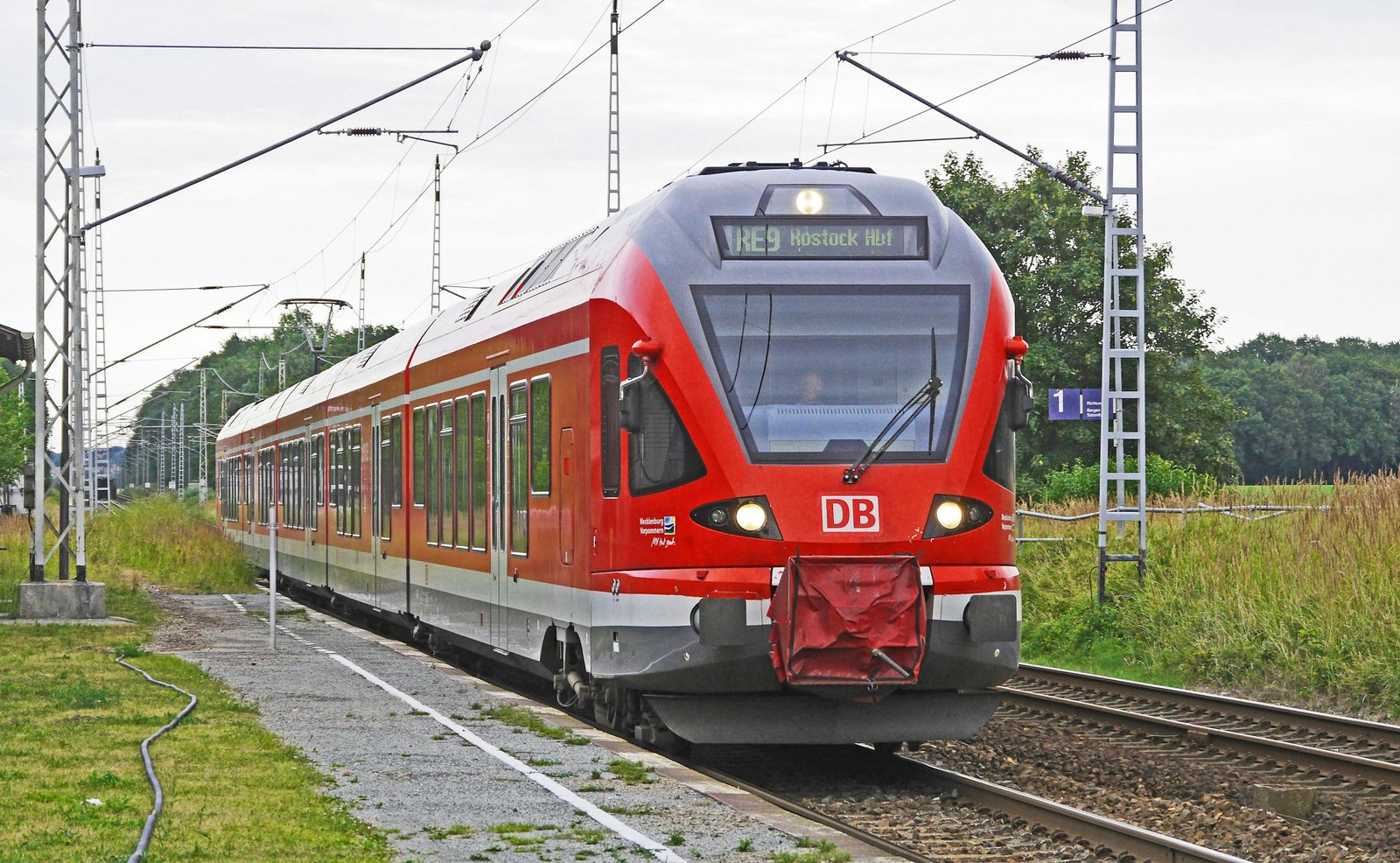
Railway systems require reliable and efficient electrical power to operate trains, signaling equipment, stations, and supporting infrastructure. Transformers play a crucial role in railway electrification by converting voltage levels to meet the specific requirements of traction systems and auxiliary equipment. Their ability to ensure stable power supply and efficient energy transmission makes them essential components in modern railway networks.
What Role Do Transformers Play in Railway Power Systems?
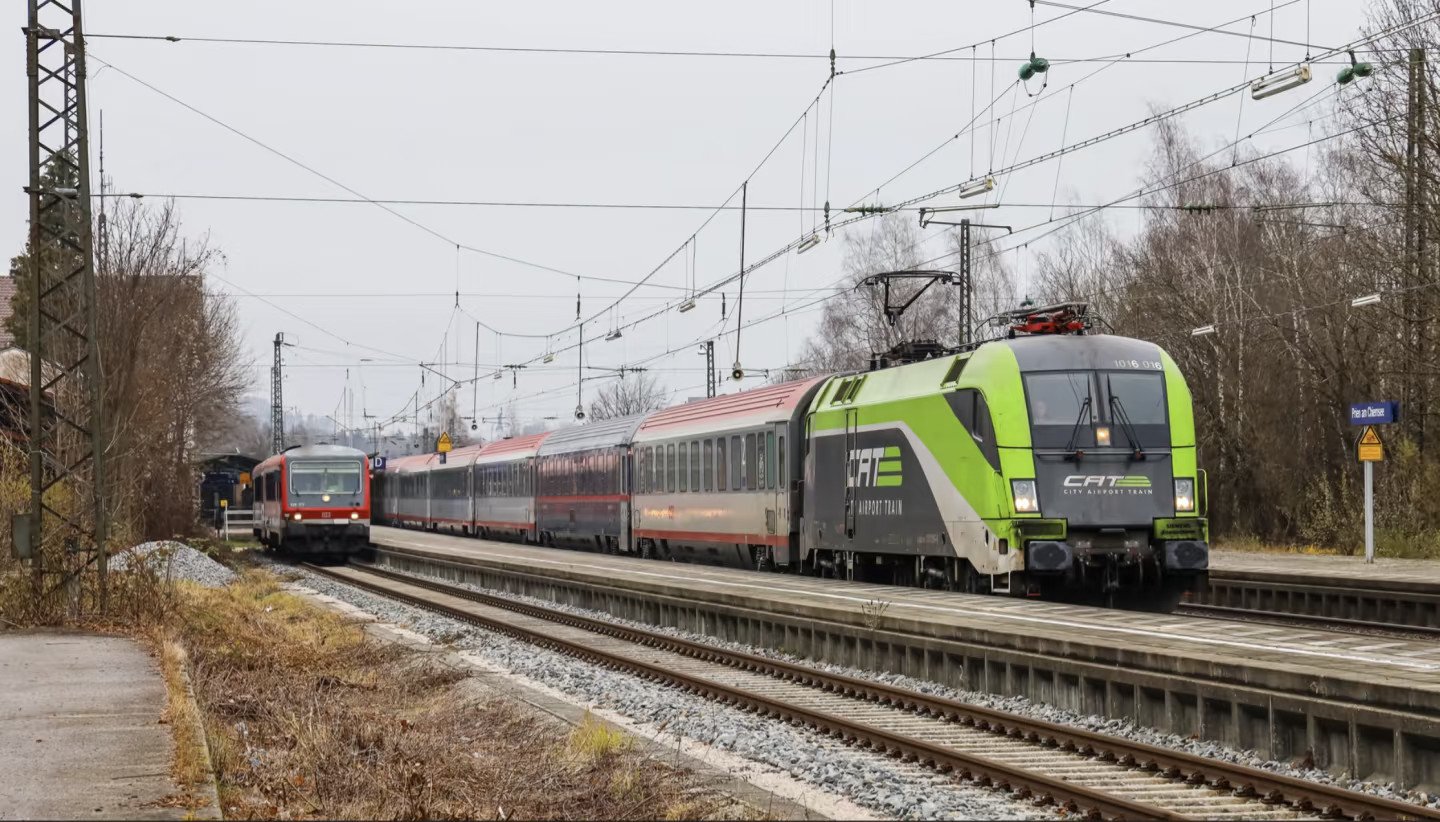
Modern railway systems depend heavily on reliable, efficient, and stable electrical power infrastructure to support train propulsion, signaling systems, station operations, communication networks, lighting, ventilation, safety systems, and maintenance facilities. At the center of this electrical infrastructure are transformers, which play critical roles in voltage conversion, power distribution, traction energy supply, grid isolation, electrical protection, and system stability throughout railway power networks. Without transformers, large-scale railway electrification and modern high-speed rail transportation would not be technically or economically feasible.
Railway power systems operate under unique electrical conditions that differ significantly from ordinary industrial or utility power systems. Electric trains create rapidly changing dynamic loads, large starting currents, regenerative braking energy flows, harmonic distortion, voltage fluctuations, and heavy mechanical vibration. Railway transformers must therefore be specially engineered to withstand severe thermal stress, overload conditions, short-circuit forces, environmental exposure, and continuous operational cycling while maintaining high efficiency and reliable power quality.
Transformers are used throughout railway systems in traction substations, onboard locomotives, signaling systems, auxiliary power networks, station facilities, metro systems, light rail systems, and high-speed rail infrastructure. They ensure that electrical energy from utility grids can be safely converted, distributed, controlled, and utilized by railway equipment operating at different voltage and frequency levels.
Transformers play essential roles in railway power systems by converting utility grid voltage into traction power, supplying energy for electric locomotives and railway infrastructure, stabilizing electrical networks, isolating power systems, supporting regenerative braking, improving power quality, and ensuring safe and reliable railway operation.
As global railway electrification expands, transformer technology continues evolving to support faster, smarter, and more energy-efficient transportation systems.
Railway systems use only direct utility power and do not require specialized transformers for train operation or traction systems.False
Railway systems rely extensively on specialized transformers for voltage conversion, traction power supply, power distribution, system isolation, and operational stability throughout electrified rail networks.
Why Railway Systems Require Transformers
Electrical power supplied by utility grids is not directly suitable for railway traction systems.
Main Reasons Transformers Are Needed
| Requirement | Transformer Function |
|---|---|
| Voltage conversion | Match railway operating voltage |
| Electrical isolation | Improve safety |
| Power distribution | Supply multiple railway loads |
| Grid stabilization | Improve reliability |
Basic Principle of Railway Transformers
Railway transformers operate using electromagnetic induction.
Transformer Voltage Relationship
\frac{V_1}{V_2}=\frac{N_1}{N_2}
Where:
- (V_1) = primary voltage
- (V_2) = secondary voltage
- (N_1) = primary winding turns
- (N_2) = secondary winding turns
This allows efficient voltage transformation throughout railway networks.
Railway Electrification Systems
Types of Railway Electrification
Different railway systems use different electrical standards.
Common Railway Electrification Systems
| System Type | Typical Voltage |
|---|---|
| DC metro systems | 600V–3000V DC |
| AC railway systems | 15kV–25kV AC |
| High-speed rail systems | 25kV AC |
| Light rail systems | 750V DC |
Transformers adapt utility power to these operating requirements.
Railway Traction Substations
Traction substations are critical parts of electrified railways.
Main Functions of Traction Substations
| Function | Purpose |
|---|---|
| Voltage transformation | Supply traction voltage |
| Power distribution | Feed railway lines |
| Grid isolation | Protect railway systems |
Role of Traction Transformers
Traction transformers convert high-voltage utility power into railway traction voltage.
Typical Voltage Conversion
| Utility Voltage | Railway Voltage |
|---|---|
| 110kV | 25kV AC |
| 132kV | 27.5kV AC |
| 220kV | 25kV AC |
Single-Phase Railway Power Systems
Many railway systems operate using single-phase traction power.
Why Single-Phase Systems Are Used
| Advantage | Benefit |
|---|---|
| Simpler locomotive design | Improved efficiency |
| Lower onboard equipment complexity | Reduced maintenance |
Special transformer designs are required to supply single-phase railway loads from three-phase utility grids.
Scott Transformers in Railway Systems
Scott transformers are widely used for railway electrification.
Purpose of Scott Transformers
| Function | Benefit |
|---|---|
| Convert three-phase to two-phase power | Balanced utility loading |
| Reduce grid imbalance | Improved power quality |
Autotransformers in Railway Networks
Modern high-speed rail systems often use autotransformer feeding systems.
Functions of Railway Autotransformers
| Function | Advantage |
|---|---|
| Voltage stabilization | Reduced voltage drop |
| Improved transmission efficiency | Longer feeding distance |
| Reduced power loss | Better system efficiency |
Railway Power Distribution Networks
Transformers distribute electricity throughout railway infrastructure.
Railway Power Distribution Loads
| Load Type | Application |
|---|---|
| Train propulsion | Locomotive traction |
| Signaling systems | Train control |
| Stations | Lighting and HVAC |
| Maintenance depots | Equipment operation |
Onboard Transformer Applications
Locomotive Transformers
Electric locomotives often contain onboard transformers.
Functions of Locomotive Transformers
| Function | Purpose |
|---|---|
| Reduce overhead line voltage | Motor supply |
| Supply auxiliary systems | Train equipment operation |
High-Speed Rail Transformer Requirements
High-speed rail systems require advanced transformer technology.
High-Speed Railway Challenges
| Challenge | Transformer Requirement |
|---|---|
| High power demand | Large capacity |
| Dynamic load variation | Thermal stability |
| Limited installation space | Compact design |
Weight and Space Optimization
Onboard railway transformers must be lightweight.
Lightweight Design Technologies
| Technology | Benefit |
|---|---|
| Aluminum windings | Weight reduction |
| Advanced insulation | Compact size |
| Efficient cooling systems | Higher power density |
Railway Transformer Operating Conditions
Dynamic Load Conditions
Railway loads fluctuate continuously.
Causes of Load Variation
| Cause | Effect |
|---|---|
| Train acceleration | High current demand |
| Regenerative braking | Reverse power flow |
| Multiple train operation | Rapid load fluctuation |
Copper Losses in Railway Transformers
Railway transformers experience high current stress.
Copper Loss Equation
P_{cu}=I^2R
Where:
- (P_{cu}) = copper loss
- (I) = current
- (R) = winding resistance
High traction currents generate substantial thermal stress.
Harmonic Distortion in Railway Systems
Modern railway systems use power electronic converters extensively.
Main Harmonic Sources
| Source | Example |
|---|---|
| Traction inverters | Motor control |
| Rectifiers | DC traction systems |
| Variable frequency drives | Auxiliary systems |
Harmonic Effects on Transformers
| Harmonic Problem | Consequence |
|---|---|
| Increased eddy current loss | Overheating |
| Additional vibration | Mechanical stress |
| Reduced efficiency | Higher operating cost |
Cooling Requirements
Railway transformers require effective thermal management.
Cooling Methods Used
| Cooling Method | Application |
|---|---|
| Oil natural air natural (ONAN) | Outdoor substations |
| Forced oil forced air (OFAF) | High-capacity systems |
| Air-cooled dry-type | Onboard applications |
Regenerative Braking and Transformers
What Is Regenerative Braking?
Modern trains often return energy to the electrical grid during braking.
Regenerative Braking Process
| Step | Description |
|---|---|
| Train decelerates | Motors act as generators |
| Electrical energy generated | Power returned to network |
Transformer Role in Regenerative Systems
Transformers help manage bidirectional power flow.
Functions During Regeneration
| Function | Benefit |
|---|---|
| Voltage stabilization | Grid protection |
| Energy redistribution | Improved efficiency |
Railway Safety and Isolation Functions
Electrical Isolation
Transformers improve railway operational safety.
Isolation Functions
| Function | Safety Benefit |
|---|---|
| Separate utility grid from traction system | Fault containment |
| Ground fault protection | Personnel safety |
Short-Circuit Protection
Railway systems experience high fault currents.
Transformer Protection Systems
| Protection Device | Function |
|---|---|
| Differential relays | Internal fault protection |
| Buchholz relays | Gas detection |
| Overcurrent protection | Fault isolation |
Railway Environmental Challenges
Outdoor Installation Conditions
Railway transformers operate in harsh environments.
Environmental Stress Factors
| Condition | Impact |
|---|---|
| Vibration | Mechanical fatigue |
| Dust and pollution | Insulation contamination |
| Humidity | Corrosion risk |
| Temperature variation | Thermal cycling |
Fire Safety Requirements
Railway systems require high safety standards.
Fire Protection Measures
| Protection Method | Purpose |
|---|---|
| Fire-resistant insulation | Reduced fire risk |
| Dry-type transformers | Indoor safety |
| Fire barriers | Equipment protection |
Smart Railway Transformers
Digital Railway Infrastructure
Modern railways increasingly use smart transformer systems.
Smart Transformer Functions
| Function | Benefit |
|---|---|
| Real-time monitoring | Condition assessment |
| Predictive maintenance | Reduced downtime |
| Remote diagnostics | Faster maintenance |
IoT and SCADA Integration
Railway transformers connect to centralized monitoring systems.
Monitoring Parameters
| Parameter | Purpose |
|---|---|
| Temperature | Thermal management |
| Oil condition | Insulation monitoring |
| Load current | Capacity analysis |
Renewable Energy Integration in Railways
Green Railway Electrification
Many railways now integrate renewable energy sources.
Renewable Integration Applications
| Source | Application |
|---|---|
| Solar energy | Station power |
| Wind energy | Auxiliary systems |
| Energy storage | Grid stabilization |
Transformers enable efficient renewable integration into railway networks.
Future Trends in Railway Transformer Technology
Emerging Technologies
| Technology | Future Benefit |
|---|---|
| Amorphous cores | Reduced losses |
| Smart diagnostics | Predictive reliability |
| Solid-state transformers | Faster power control |
| AI monitoring systems | Autonomous management |
High-Speed Rail Expansion
Global high-speed rail growth increases demand for advanced transformers.
Key Future Requirements
| Requirement | Transformer Need |
|---|---|
| Higher efficiency | Reduced operating cost |
| Greater reliability | Improved network stability |
| Compact design | Space optimization |
Key Roles of Transformers in Railway Power Systems
| Transformer Role | Main Function |
|---|---|
| Voltage conversion | Traction power supply |
| Electrical isolation | System protection |
| Power distribution | Railway infrastructure support |
| Regenerative braking support | Energy recovery |
| Grid stabilization | Power quality improvement |
| Harmonic management | Reliable operation |
| Smart monitoring | Predictive maintenance |
How Do Railway Transformers Support Traction Power Supply?
Modern electrified railway systems depend entirely on stable, efficient, and continuous traction power supply to operate electric locomotives, metro systems, light rail networks, and high-speed trains. At the center of this power infrastructure are railway traction transformers, which perform the critical task of converting high-voltage utility grid electricity into suitable traction voltages required for train propulsion systems. Without traction transformers, electric railway transportation would not be possible because utility transmission voltages cannot be directly used by railway traction equipment.
Railway traction power systems operate under extremely demanding electrical conditions that differ significantly from conventional industrial power systems. Electric trains create rapidly changing dynamic loads, high starting currents, regenerative braking energy flows, harmonics, voltage fluctuations, and severe thermal cycling. Railway transformers must therefore provide highly stable voltage conversion while withstanding overloads, short-circuit forces, vibration, environmental exposure, and continuous operational stress. In addition to supplying power for train movement, traction transformers also help stabilize railway electrical networks, improve power quality, reduce transmission losses, support regenerative braking, isolate traction systems from utility grids, and maintain reliable operation across extensive rail infrastructure.
Traction transformers are installed in traction substations, autotransformer feeding stations, onboard locomotives, metro systems, and high-speed rail networks. They work together with overhead catenary systems, third-rail systems, switchgear, protection devices, and control systems to ensure safe and efficient railway electrification.
Railway transformers support traction power supply by converting utility grid voltage into railway traction voltage, stabilizing electrical networks, distributing power to overhead lines and third rails, supporting regenerative braking, reducing transmission losses, balancing loads, and ensuring reliable power delivery for train propulsion systems.
As railway electrification expands worldwide, traction transformer technology continues evolving toward higher efficiency, smarter monitoring, greater reliability, and improved energy management.
Railway traction systems can operate directly from utility transmission lines without specialized traction transformers or voltage conversion systems.False
Railway traction systems require specialized transformers to convert utility grid voltage into suitable traction power levels while ensuring safe, stable, and efficient railway operation.
Why Railway Traction Systems Need Transformers
Utility transmission voltages are far too high for direct train operation.
Typical Utility and Railway Voltage Levels
| System | Typical Voltage |
|---|---|
| Utility transmission grid | 110kV–500kV |
| Railway traction system | 750V DC–25kV AC |
Transformers perform the necessary voltage conversion safely and efficiently.
Basic Principle of Railway Traction Transformers
Electromagnetic Voltage Transformation
Railway transformers operate using electromagnetic induction.
Transformer Voltage Equation
\frac{V_1}{V_2}=\frac{N_1}{N_2}
Where:
- (V_1) = primary voltage
- (V_2) = secondary voltage
- (N_1) = primary winding turns
- (N_2) = secondary winding turns
This principle enables efficient conversion of utility voltage into railway traction voltage.
Railway Traction Power Architecture
Main Components of Railway Traction Power Systems
| Component | Function |
|---|---|
| Utility grid connection | Power source |
| Traction substation | Voltage conversion |
| Traction transformer | Voltage transformation |
| Overhead catenary system | Power delivery |
| Electric locomotive | Traction energy consumption |
Traction Power Flow Process
Typical Power Flow Sequence
| Step | Description |
|---|---|
| Utility grid supplies high-voltage power | Incoming transmission supply |
| Traction transformer reduces voltage | Railway operating voltage |
| Power distributed to overhead line | Train supply |
| Locomotive converts electrical energy | Mechanical propulsion |
Railway Traction Substations
Purpose of Traction Substations
Traction substations are critical railway electrification facilities.
Main Functions
| Function | Purpose |
|---|---|
| Voltage transformation | Match railway voltage |
| Power distribution | Feed railway network |
| Electrical protection | Fault isolation |
| Load balancing | Grid stability |
Typical Traction Substation Voltages
| Utility Side | Traction Side |
|---|---|
| 132kV | 25kV AC |
| 220kV | 27.5kV AC |
| 66kV | 1.5kV DC |
AC and DC Railway Systems
AC Railway Electrification
Many high-speed railways use AC traction systems.
Advantages of AC Systems
| Advantage | Benefit |
|---|---|
| Lower transmission losses | Higher efficiency |
| Longer feeding distance | Fewer substations |
| Better high-power capability | High-speed rail suitability |
DC Railway Electrification
Metro and urban transit systems often use DC systems.
Typical DC Railway Voltages
| System | Typical Voltage |
|---|---|
| Metro systems | 750V DC |
| Urban rail | 1500V DC |
| Heavy rail DC systems | 3000V DC |
Transformer Role in DC Systems
Even DC systems require transformers.
DC Traction Conversion Process
| Stage | Equipment |
|---|---|
| AC voltage reduction | Traction transformer |
| AC-to-DC conversion | Rectifier system |
Overhead Catenary Power Supply
What Is a Catenary System?
Overhead wires distribute traction power to trains.
Main Components
| Component | Function |
|---|---|
| Contact wire | Current collection |
| Messenger wire | Mechanical support |
| Pantograph | Train current pickup |
Transformer Support for Catenary Systems
Traction transformers supply stable voltage to overhead lines.
Main Functions
| Function | Benefit |
|---|---|
| Voltage stabilization | Reliable train operation |
| Current supply | Continuous propulsion |
| Fault isolation | System protection |
Autotransformer Feeding Systems
Modern High-Speed Rail Feeding Systems
High-speed railways often use autotransformer systems.
Why Autotransformers Are Used
| Benefit | Result |
|---|---|
| Reduced voltage drop | Improved efficiency |
| Longer feeding distance | Fewer substations |
| Lower power loss | Better system performance |
Autotransformer Principle
Autotransformers improve power transmission efficiency along railway lines.
Simplified Voltage Relationship
V{out}=kV{in}
Where:
- (k) = transformation ratio
Dynamic Load Challenges in Railway Systems
Why Railway Loads Are Difficult
Train power demand changes continuously.
Main Dynamic Load Conditions
| Operating Condition | Electrical Effect |
|---|---|
| Train acceleration | High current surge |
| Steady cruising | Stable load |
| Regenerative braking | Reverse power flow |
| Multiple train operation | Rapid load fluctuation |
Transformer Response to Dynamic Loads
Railway transformers must handle frequent load variation safely.
Key Design Requirements
| Requirement | Purpose |
|---|---|
| High overload capability | Acceleration support |
| Thermal stability | Continuous operation |
| Mechanical strength | Short-circuit resistance |
Copper Losses in Railway Transformers
Railway traction systems involve very high currents.
Copper Loss Equation
P_{cu}=I^2R
Where:
- (P_{cu}) = copper loss
- (I) = current
- (R) = winding resistance
Large traction currents create significant thermal stress.
Regenerative Braking Support
What Is Regenerative Braking?
Electric trains can generate power during braking.
Regenerative Braking Process
| Step | Description |
|---|---|
| Train decelerates | Motors become generators |
| Electrical energy produced | Power returned to system |
Transformer Role in Regeneration
Transformers help manage reverse power flow safely.
Benefits of Regenerative Systems
| Benefit | Result |
|---|---|
| Energy recovery | Reduced operating cost |
| Grid support | Improved efficiency |
| Lower heat generation | Reduced brake wear |
Harmonic Management
Harmonics in Railway Systems
Modern trains use power electronic converters extensively.
Harmonic Sources
| Source | Example |
|---|---|
| Inverters | Motor control |
| Rectifiers | DC traction systems |
| Variable frequency drives | Auxiliary systems |
Transformer Harmonic Challenges
| Harmonic Effect | Consequence |
|---|---|
| Increased eddy current loss | Overheating |
| Vibration | Mechanical stress |
| Insulation stress | Reduced lifespan |
Harmonic Mitigation Techniques
| Method | Purpose |
|---|---|
| Special winding design | Harmonic reduction |
| K-factor transformers | Thermal protection |
| Filtering systems | Improved power quality |
Railway Power Quality Support
Voltage Stability Functions
Railway transformers help maintain stable traction voltage.
Voltage Regulation Importance
| Problem | Impact |
|---|---|
| Voltage drop | Reduced train performance |
| Voltage fluctuation | Equipment instability |
Short-Circuit Protection
Railway systems experience extremely high fault currents.
Transformer Protection Systems
| Protection Device | Function |
|---|---|
| Differential relays | Internal fault protection |
| Overcurrent relays | Fault isolation |
| Buchholz relays | Gas fault detection |
Onboard Traction Transformers
Locomotive Transformer Functions
Electric locomotives often contain onboard transformers.
Main Functions
| Function | Purpose |
|---|---|
| Reduce catenary voltage | Motor supply |
| Supply auxiliary systems | Lighting, HVAC, control systems |
High-Speed Train Transformer Requirements
| Requirement | Importance |
|---|---|
| Compact size | Limited installation space |
| Lightweight design | Reduced train mass |
| High efficiency | Energy savings |
Cooling Systems for Railway Transformers
Why Cooling Is Critical
Railway transformers operate under high thermal stress.
Common Cooling Methods
| Cooling Method | Application |
|---|---|
| ONAN | Outdoor substations |
| OFAF | High-capacity transformers |
| Forced-air dry-type cooling | Onboard systems |
Smart Railway Transformer Technologies
Intelligent Monitoring Systems
Modern traction transformers increasingly use smart diagnostics.
Smart Monitoring Functions
| Function | Benefit |
|---|---|
| Real-time temperature monitoring | Thermal protection |
| Load analysis | Capacity optimization |
| Predictive maintenance | Reduced downtime |
SCADA Integration
Railway substations connect to centralized monitoring systems.
SCADA Monitoring Parameters
| Parameter | Purpose |
|---|---|
| Voltage | Power quality |
| Current | Load monitoring |
| Temperature | Thermal management |
Environmental Challenges
Outdoor Railway Operating Conditions
Railway transformers operate in difficult environments.
Environmental Stress Factors
| Condition | Transformer Impact |
|---|---|
| Vibration | Mechanical fatigue |
| Humidity | Corrosion risk |
| Dust and pollution | Insulation contamination |
| Temperature variation | Thermal cycling |
Future Trends in Railway Traction Transformers
Emerging Technologies
| Technology | Future Benefit |
|---|---|
| Solid-state transformers | Faster power control |
| Amorphous cores | Lower losses |
| AI diagnostics | Predictive maintenance |
| Smart grid integration | Improved energy management |
Renewable Energy Integration
Future railways increasingly use renewable power sources.
Renewable Integration Applications
| Source | Railway Application |
|---|---|
| Solar farms | Station supply |
| Wind energy | Grid support |
| Energy storage systems | Load balancing |
Key Roles of Railway Transformers in Traction Power Supply
| Transformer Role | Main Function |
|---|---|
| Voltage conversion | Utility-to-traction power |
| Power distribution | Railway energy supply |
| Voltage stabilization | Reliable operation |
| Regenerative braking support | Energy recovery |
| Harmonic management | Power quality improvement |
| System protection | Fault isolation |
| Grid balancing | Stable network operation |
Why Is Voltage Conversion Important in Railway Electrification?
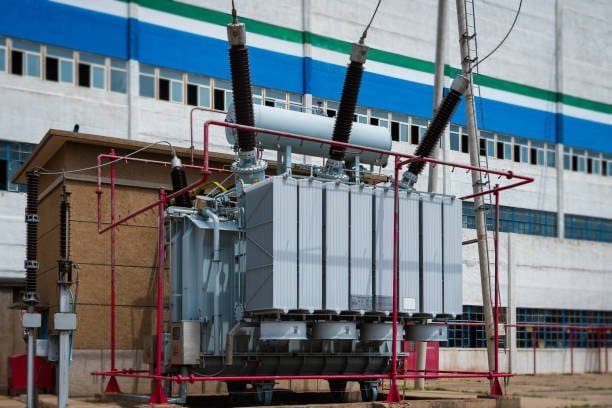
Railway electrification systems require enormous amounts of electrical energy to power electric locomotives, metro systems, light rail networks, freight trains, and high-speed rail infrastructure. However, the electrical energy supplied by utility transmission grids cannot be used directly by railway traction systems because utility voltages are far too high and unsuitable for train propulsion equipment. Voltage conversion therefore becomes one of the most critical functions within railway power systems, allowing electrical energy to be transformed safely and efficiently into voltage levels appropriate for traction motors, signaling systems, onboard equipment, station infrastructure, and auxiliary railway operations.
Voltage conversion is essential not only for compatibility between utility grids and railway equipment but also for improving transmission efficiency, reducing energy losses, stabilizing railway power networks, supporting long-distance power delivery, enabling regenerative braking, and ensuring safe train operation. Railway transformers perform this voltage conversion continuously throughout electrified rail systems, adapting high-voltage transmission power into traction voltages suitable for overhead catenary systems, third rails, and onboard locomotive equipment.
Modern railway systems operate under highly dynamic electrical conditions involving rapid load fluctuations, high acceleration currents, regenerative braking energy flows, harmonics, voltage drops, and varying train densities. Without proper voltage conversion infrastructure, railway electrification systems would suffer from excessive losses, unstable traction voltage, equipment damage, poor efficiency, and unreliable train operation.
Voltage conversion is important in railway electrification because it transforms high-voltage utility grid electricity into safe and efficient traction voltages required for train propulsion, minimizes transmission losses, stabilizes railway power systems, supports long-distance energy delivery, improves operational safety, and ensures reliable railway performance.
As railway systems continue expanding toward higher speeds, heavier loads, and smarter digital infrastructure, advanced voltage conversion technologies become increasingly important for efficient transportation electrification.
Electric railway systems can operate efficiently using direct utility transmission voltage without specialized voltage conversion equipment or transformers.False
Railway systems require voltage conversion through transformers and substations because utility transmission voltages are unsuitable and unsafe for direct train operation and railway traction equipment.
Why Railway Systems Cannot Use Utility Voltage Directly
Utility transmission systems operate at extremely high voltages.
Typical Utility Transmission Voltages
| Transmission System | Typical Voltage |
|---|---|
| Regional transmission grid | 110kV |
| National transmission grid | 220kV |
| Ultra-high-voltage systems | 500kV+ |
These voltage levels are far too high for railway traction systems.
Typical Railway Operating Voltages
Different railway systems require specific traction voltages.
Common Railway Voltages
| Railway System | Typical Voltage |
|---|---|
| Metro systems | 750V DC |
| Urban rail | 1500V DC |
| Mainline AC railways | 25kV AC |
| High-speed rail | 25kV AC |
Voltage conversion bridges the gap between utility transmission and railway operation.
Basic Principle of Voltage Conversion
Electromagnetic Induction
Transformers perform voltage conversion using electromagnetic induction.
Transformer Voltage Equation
\frac{V_1}{V_2}=\frac{N_1}{N_2}
Where:
- (V_1) = primary voltage
- (V_2) = secondary voltage
- (N_1) = primary winding turns
- (N_2) = secondary winding turns
This relationship allows efficient voltage transformation across railway systems.
Importance of High-Voltage Transmission
Why Power Is Transmitted at High Voltage
High-voltage transmission improves efficiency.
Power Transmission Equation
P=VI
Where:
- (P) = power
- (V) = voltage
- (I) = current
For a fixed power level:
- Higher voltage means lower current
- Lower current reduces transmission losses
Transmission Loss Reduction
Copper Loss Equation
P_{cu}=I^2R
Where:
- (P_{cu}) = copper loss
- (I) = current
- (R) = conductor resistance
By increasing transmission voltage, current decreases significantly, reducing energy loss.
Railway Power Supply Architecture
Main Railway Power Components
| Component | Function |
|---|---|
| Utility grid | Power source |
| Traction substation | Voltage conversion |
| Traction transformer | Voltage reduction |
| Catenary system | Train power delivery |
| Electric locomotive | Energy consumption |
Voltage Conversion Flow
Typical Railway Power Flow
| Step | Description |
|---|---|
| Utility grid transmits high-voltage power | Long-distance transmission |
| Traction transformer reduces voltage | Railway traction supply |
| Power distributed to catenary | Train operation |
| Train converts electrical energy | Mechanical propulsion |
Why Different Railway Systems Use Different Voltages
Factors Influencing Railway Voltage Selection
| Factor | Influence |
|---|---|
| Train speed | Higher speed requires higher voltage |
| Transmission distance | Higher voltage reduces losses |
| Urban environment | Safety considerations |
| Infrastructure cost | Equipment optimization |
High-Speed Rail Voltage Requirements
High-speed railways require large power capacity.
High-Speed Rail Characteristics
| Requirement | Electrical Impact |
|---|---|
| High acceleration | Large current demand |
| Long-distance operation | Efficient transmission required |
| High train density | Stable voltage necessary |
Why 25kV AC Is Common in High-Speed Rail
| Advantage | Benefit |
|---|---|
| Lower transmission current | Reduced losses |
| Longer substation spacing | Lower infrastructure cost |
| Better high-power capability | High-speed suitability |
DC Railway Systems and Voltage Conversion
Urban Transit and Metro Systems
Metro systems commonly use DC traction.
Typical DC Voltages
| System | Voltage |
|---|---|
| Light rail | 750V DC |
| Metro | 1500V DC |
| Heavy DC rail | 3000V DC |
Why DC Systems Still Need Transformers
Even DC systems require AC voltage conversion first.
DC Traction Power Process
| Stage | Equipment |
|---|---|
| AC voltage reduction | Transformer |
| AC-to-DC conversion | Rectifier |
Voltage Stability in Railway Systems
Importance of Stable Traction Voltage
Electric trains require stable voltage for reliable operation.
Problems Caused by Voltage Instability
| Problem | Consequence |
|---|---|
| Voltage drop | Reduced train performance |
| Voltage fluctuation | Motor instability |
| Overvoltage | Equipment damage |
Transformer Role in Voltage Regulation
Traction transformers help stabilize railway voltage.
Voltage Regulation Functions
| Function | Benefit |
|---|---|
| Maintain constant output voltage | Reliable propulsion |
| Compensate load variation | Stable operation |
Long-Distance Railway Power Delivery
Railway Feeding Distance Challenges
Railway networks may extend hundreds of kilometers.
Main Transmission Challenges
| Challenge | Electrical Effect |
|---|---|
| Long conductor length | Voltage drop |
| High train power demand | Current increase |
| Multiple train operation | Dynamic loading |
Autotransformer Feeding Systems
Modern railways use autotransformer systems to improve efficiency.
Advantages of Autotransformer Systems
| Benefit | Result |
|---|---|
| Reduced voltage drop | Improved performance |
| Lower power loss | Higher efficiency |
| Longer feeding distance | Fewer substations |
Regenerative Braking and Voltage Conversion
What Is Regenerative Braking?
Modern trains generate electricity during braking.
Regenerative Braking Process
| Step | Description |
|---|---|
| Train slows down | Motors become generators |
| Electrical energy produced | Power returned to network |
Transformer Role During Regeneration
Voltage conversion systems manage bidirectional energy flow.
Benefits of Regenerative Systems
| Benefit | Result |
|---|---|
| Energy recovery | Reduced consumption |
| Grid stabilization | Improved efficiency |
| Lower operating cost | Sustainable transportation |
Railway Safety and Isolation
Electrical Safety Requirements
Railway systems require strong electrical isolation.
Transformer Isolation Functions
| Function | Safety Benefit |
|---|---|
| Separate utility grid from traction system | Fault containment |
| Reduce shock hazard | Personnel protection |
Ground Fault Protection
Voltage conversion systems help improve railway safety.
Protection Devices
| Device | Function |
|---|---|
| Differential relays | Internal fault detection |
| Overcurrent protection | Fault isolation |
| Ground fault relays | Personnel safety |
Harmonics and Voltage Quality
Harmonics in Railway Systems
Modern trains use power electronics extensively.
Harmonic Sources
| Source | Application |
|---|---|
| Inverters | Motor control |
| Rectifiers | DC traction |
| Variable frequency drives | Auxiliary systems |
Harmonic Effects
| Harmonic Problem | Consequence |
|---|---|
| Transformer overheating | Reduced lifespan |
| Voltage distortion | Power quality issues |
| Increased losses | Lower efficiency |
Transformer Harmonic Mitigation
| Method | Benefit |
|---|---|
| Special winding design | Harmonic reduction |
| K-factor transformers | Thermal protection |
| Filtering systems | Improved voltage quality |
Onboard Voltage Conversion
Locomotive Transformers
Many electric trains contain onboard transformers.
Onboard Transformer Functions
| Function | Purpose |
|---|---|
| Reduce catenary voltage | Motor operation |
| Supply auxiliary systems | Lighting, HVAC, controls |
High-Speed Train Transformer Requirements
| Requirement | Importance |
|---|---|
| Compact design | Space limitation |
| Lightweight construction | Reduced train mass |
| High efficiency | Energy savings |
Smart Railway Voltage Control
Intelligent Power Management
Modern railway systems increasingly use smart power networks.
Smart Transformer Functions
| Function | Benefit |
|---|---|
| Real-time voltage monitoring | Improved reliability |
| Predictive maintenance | Reduced downtime |
| Dynamic load balancing | Better efficiency |
SCADA Integration
Railway substations connect to centralized monitoring systems.
Monitored Parameters
| Parameter | Purpose |
|---|---|
| Voltage | Power quality |
| Current | Load analysis |
| Frequency | Grid stability |
Environmental and Operational Challenges
Harsh Railway Operating Conditions
Railway transformers operate under demanding conditions.
Environmental Stress Factors
| Condition | Transformer Impact |
|---|---|
| Vibration | Mechanical fatigue |
| Temperature variation | Thermal cycling |
| Humidity | Corrosion risk |
| Dust and pollution | Insulation contamination |
Future Trends in Railway Voltage Conversion
Emerging Technologies
| Technology | Future Benefit |
|---|---|
| Solid-state transformers | Faster voltage control |
| Smart grids | Intelligent energy management |
| AI diagnostics | Predictive reliability |
| Renewable integration | Sustainable rail systems |
Renewable Energy Integration
Future railways increasingly integrate renewable energy sources.
Renewable Applications
| Source | Railway Use |
|---|---|
| Solar energy | Station supply |
| Wind energy | Grid support |
| Battery storage | Load balancing |
Key Reasons Voltage Conversion Is Important in Railway Electrification
| Function | Main Benefit |
|---|---|
| Voltage reduction | Safe train operation |
| Loss reduction | Higher efficiency |
| Voltage stabilization | Reliable traction power |
| Long-distance transmission | Expanded railway coverage |
| Regenerative energy management | Energy savings |
| Electrical isolation | Improved safety |
| Harmonic control | Better power quality |
What Types of Transformers Are Used in Railways?
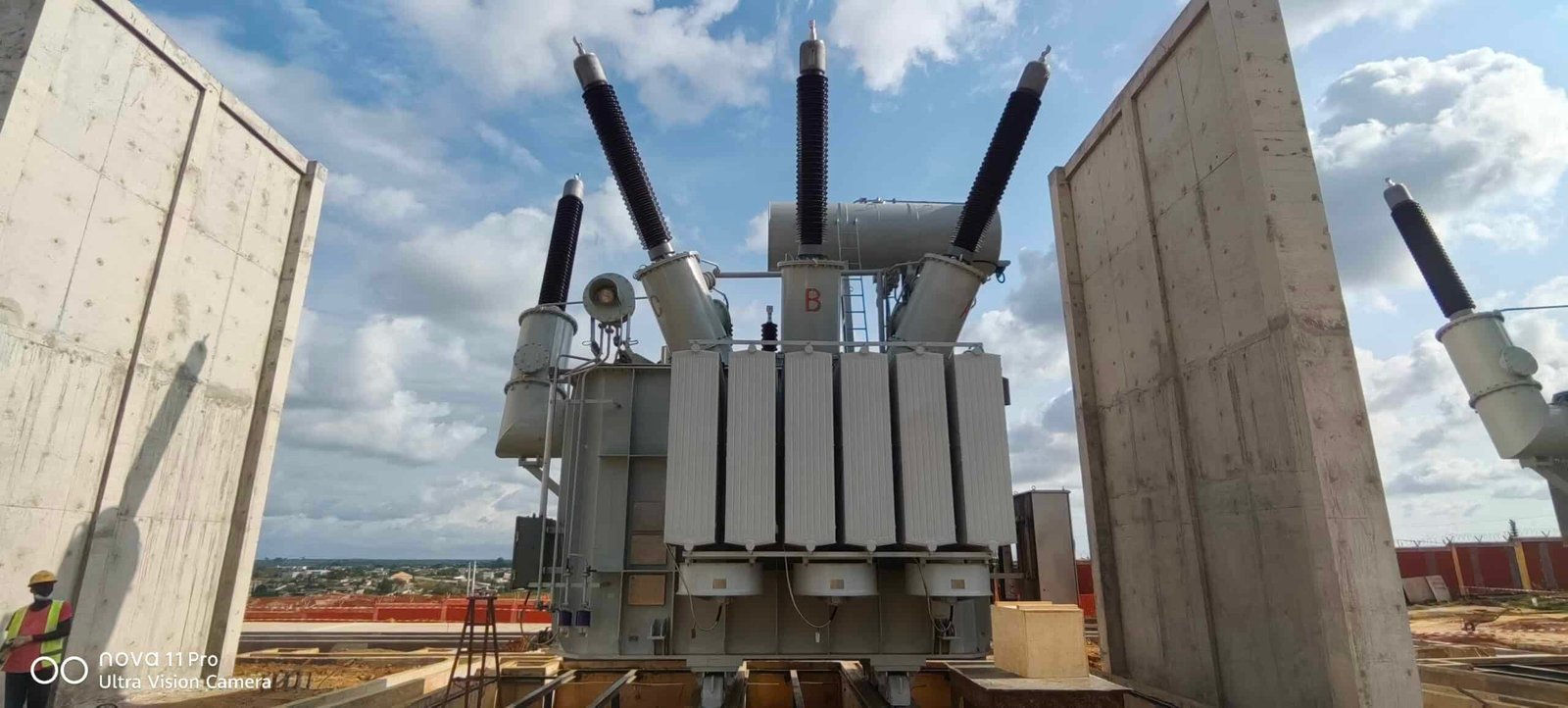
Modern railway systems rely on a wide variety of specialized transformers to support train propulsion, traction power distribution, signaling networks, station infrastructure, auxiliary equipment, regenerative braking systems, and smart railway power management. Unlike conventional utility transformers, railway transformers must operate under extremely demanding conditions that include rapid load fluctuations, high inrush currents, harmonics, regenerative energy flow, vibration, thermal cycling, environmental exposure, and continuous operational stress. Because railway electrification systems vary significantly between metro networks, freight railways, urban transit systems, and high-speed rail infrastructure, different transformer types are required to perform specialized electrical functions throughout railway power systems.
Railway transformers are used in traction substations, onboard locomotives, autotransformer feeding systems, rectifier stations, signaling systems, and auxiliary power networks. Each transformer type is engineered for a specific role such as voltage conversion, power balancing, electrical isolation, harmonic mitigation, regenerative energy handling, or auxiliary equipment supply. Common railway transformer categories include traction transformers, autotransformers, locomotive transformers, auxiliary transformers, rectifier transformers, Scott transformers, grounding transformers, and converter transformers.
These transformers collectively enable safe, efficient, and reliable railway electrification by converting utility transmission voltage into usable traction power, stabilizing electrical networks, minimizing losses, improving power quality, and supporting modern railway operations across extensive transportation infrastructure.
Railway systems use several specialized transformer types including traction transformers, autotransformers, locomotive transformers, auxiliary transformers, rectifier transformers, Scott transformers, grounding transformers, and converter transformers to support voltage conversion, traction power supply, system protection, regenerative braking, power balancing, and railway infrastructure operation.
As rail transportation evolves toward higher speeds, greater efficiency, and smarter digital infrastructure, railway transformer technology continues advancing to meet increasingly complex operational requirements.
Railway electrification systems use only one standard transformer type for all traction, signaling, and power distribution applications.False
Railway systems use multiple specialized transformer types designed for different functions such as traction power supply, onboard voltage conversion, autotransformer feeding, rectification, auxiliary power distribution, and system balancing.
Why Railways Need Different Transformer Types
Railway power systems are highly complex and operate under varying electrical conditions.
Main Railway Electrical Requirements
| Requirement | Transformer Function |
|---|---|
| High-voltage traction supply | Voltage conversion |
| Dynamic train loads | Stable power delivery |
| Regenerative braking | Bidirectional power flow |
| Auxiliary equipment supply | Low-voltage distribution |
| Harmonic control | Power quality improvement |
Different transformer designs are optimized for these different functions.
Traction Transformers
What Is a Traction Transformer?
Traction transformers are the primary transformers used in railway electrification systems.
Main Functions of Traction Transformers
| Function | Purpose |
|---|---|
| Voltage reduction | Utility-to-traction conversion |
| Power distribution | Railway supply |
| Electrical isolation | Safety improvement |
Typical Railway Voltage Conversion
| Utility Voltage | Traction Voltage |
|---|---|
| 110kV | 25kV AC |
| 132kV | 27.5kV AC |
| 220kV | 25kV AC |
Traction transformers are usually installed in railway substations.
How Traction Transformers Work
Traction transformers operate through electromagnetic induction.
Transformer Voltage Relationship
\frac{V_1}{V_2}=\frac{N_1}{N_2}
Where:
- (V_1) = primary voltage
- (V_2) = secondary voltage
- (N_1) = primary turns
- (N_2) = secondary turns
Autotransformers
Role of Autotransformers in Railways
Modern high-speed rail systems often use autotransformer feeding systems.
Functions of Railway Autotransformers
| Function | Benefit |
|---|---|
| Voltage stabilization | Reduced voltage drop |
| Extended feeding distance | Fewer substations |
| Reduced transmission loss | Higher efficiency |
Why High-Speed Railways Use Autotransformers
High-speed trains consume extremely large amounts of power.
High-Speed Railway Challenges
| Challenge | Electrical Impact |
|---|---|
| Long-distance power delivery | Voltage drop |
| Large train current demand | Transmission losses |
| Dense traffic operation | Dynamic loading |
Autotransformer systems improve railway network efficiency significantly.
Autotransformer Principle
Unlike conventional transformers, autotransformers share part of the winding.
Simplified Voltage Equation
V{out}=kV{in}
Where:
- (k) = voltage transformation ratio
Locomotive Transformers
What Are Locomotive Transformers?
Electric locomotives often contain onboard transformers.
Main Functions of Locomotive Transformers
| Function | Purpose |
|---|---|
| Reduce catenary voltage | Supply traction motors |
| Supply auxiliary equipment | HVAC, lighting, controls |
Operating Conditions for Locomotive Transformers
Onboard transformers face severe operating conditions.
Main Challenges
| Challenge | Impact |
|---|---|
| Vibration | Mechanical fatigue |
| Limited installation space | Compact design required |
| High thermal stress | Cooling requirements |
Lightweight Transformer Design
Modern locomotives require lightweight transformers.
Lightweight Technologies
| Technology | Benefit |
|---|---|
| Aluminum windings | Weight reduction |
| Compact insulation systems | Space savings |
| Forced-air cooling | Improved thermal management |
Auxiliary Transformers
Purpose of Auxiliary Transformers
Auxiliary transformers supply non-traction railway loads.
Auxiliary Power Applications
| Application | Function |
|---|---|
| Station lighting | Passenger safety |
| HVAC systems | Climate control |
| Signaling equipment | Railway control |
| Communication systems | Network operation |
Typical Auxiliary Voltages
| System | Voltage |
|---|---|
| Station equipment | 400V AC |
| Control systems | 230V AC |
| Electronics | Low-voltage DC |
Rectifier Transformers
Why Rectifier Transformers Are Needed
DC railway systems require AC-to-DC conversion.
Main Applications
| Railway System | Typical Voltage |
|---|---|
| Metro systems | 750V DC |
| Urban rail | 1500V DC |
| Heavy rail DC systems | 3000V DC |
Functions of Rectifier Transformers
| Function | Purpose |
|---|---|
| Voltage reduction | Match rectifier requirements |
| Harmonic isolation | Improve power quality |
| Phase shifting | Rectification efficiency |
Rectification Process
Rectifier transformers work together with rectifiers.
DC Conversion Sequence
| Step | Process |
|---|---|
| AC utility supply enters transformer | Voltage reduction |
| Rectifier converts AC to DC | Traction supply |
Scott Transformers
What Is a Scott Transformer?
Scott transformers convert three-phase power into two-phase power.
Main Railway Application
| Function | Benefit |
|---|---|
| Phase conversion | Railway power balancing |
| Grid load balancing | Reduced utility imbalance |
Why Scott Transformers Are Important
Many railway systems use single-phase traction loads.
Single-Phase Railway Problems
| Problem | Effect |
|---|---|
| Uneven utility loading | Grid imbalance |
| Voltage asymmetry | Power quality issues |
Scott transformers help balance the utility network.
Grounding Transformers
Purpose of Grounding Transformers
Grounding transformers improve railway electrical safety.
Main Functions
| Function | Purpose |
|---|---|
| Neutral point creation | Ground fault protection |
| Fault current control | Safety improvement |
Grounding Challenges in Railways
Railway systems often use isolated networks.
Grounding Importance
| Issue | Risk |
|---|---|
| Ground fault | Equipment damage |
| Touch voltage | Personnel hazard |
Converter Transformers
Role of Converter Transformers
Modern railways increasingly use power electronic conversion systems.
Applications of Converter Transformers
| Application | Purpose |
|---|---|
| High-speed rail systems | Power conversion |
| Renewable integration | Grid compatibility |
| Static frequency converters | Frequency adaptation |
Converter Transformer Challenges
| Challenge | Effect |
|---|---|
| Harmonics | Additional heating |
| Rapid switching | Insulation stress |
| High-frequency operation | Core loss increase |
Distribution Transformers in Railways
Railway Distribution Networks
Railway facilities require local power distribution.
Distribution Transformer Applications
| Application | Function |
|---|---|
| Railway stations | Local power supply |
| Maintenance depots | Equipment operation |
| Tunnel systems | Ventilation and lighting |
Harmonic Challenges in Railway Transformers
Sources of Railway Harmonics
Modern railway systems use extensive power electronics.
Harmonic Sources
| Source | Application |
|---|---|
| Inverters | Motor drives |
| Rectifiers | DC traction systems |
| Variable frequency drives | Auxiliary systems |
Harmonic Effects on Transformers
| Problem | Consequence |
|---|---|
| Eddy current loss increase | Overheating |
| Additional vibration | Mechanical stress |
| Insulation aging | Reduced lifespan |
Railway Transformer Cooling Systems
Why Cooling Is Critical
Railway transformers operate under high current stress.
Copper Loss Equation
P_{cu}=I^2R
Where:
- (P_{cu}) = copper loss
- (I) = current
- (R) = winding resistance
Common Cooling Methods
| Cooling Method | Application |
|---|---|
| ONAN | Outdoor substations |
| OFAF | High-capacity traction transformers |
| Forced-air dry cooling | Locomotive transformers |
Smart Railway Transformers
Digital Railway Infrastructure
Modern railway transformers increasingly use smart technologies.
Smart Monitoring Functions
| Function | Benefit |
|---|---|
| Temperature monitoring | Thermal protection |
| Load monitoring | Capacity optimization |
| Predictive diagnostics | Reduced downtime |
SCADA Integration
Railway transformers connect to centralized monitoring systems.
Monitored Parameters
| Parameter | Purpose |
|---|---|
| Voltage | Power quality |
| Current | Load analysis |
| Temperature | Condition monitoring |
Environmental Challenges for Railway Transformers
Railway Operating Conditions
Railway transformers operate in harsh environments.
Main Environmental Stresses
| Condition | Impact |
|---|---|
| Vibration | Mechanical fatigue |
| Humidity | Corrosion |
| Dust and pollution | Insulation contamination |
| Temperature variation | Thermal cycling |
Future Trends in Railway Transformer Technology
Emerging Technologies
| Technology | Future Benefit |
|---|---|
| Solid-state transformers | Faster power control |
| Amorphous metal cores | Reduced losses |
| AI monitoring systems | Predictive maintenance |
| Smart grid integration | Intelligent railway power |
Renewable Energy Integration
Future railways increasingly incorporate renewable energy systems.
Renewable Applications
| Source | Railway Use |
|---|---|
| Solar power | Station supply |
| Wind energy | Grid support |
| Battery storage | Load balancing |
Main Types of Transformers Used in Railways
| Transformer Type | Primary Function |
|---|---|
| Traction transformer | Utility-to-traction voltage conversion |
| Autotransformer | Voltage stabilization and long-distance feeding |
| Locomotive transformer | Onboard voltage reduction |
| Auxiliary transformer | Non-traction power supply |
| Rectifier transformer | AC-to-DC conversion support |
| Scott transformer | Phase balancing |
| Grounding transformer | Fault protection |
| Converter transformer | Power electronic conversion |
How Do Transformers Improve Railway Safety and Reliability?
Modern railway systems require extremely high levels of operational safety and reliability because failures in railway electrical infrastructure can lead to train delays, service interruptions, equipment damage, passenger safety risks, large financial losses, and even catastrophic accidents. Electrified railways depend heavily on stable traction power supply, accurate signaling systems, reliable communication networks, and continuous electrical operation under demanding conditions involving dynamic train loads, harsh outdoor environments, vibration, regenerative braking, and rapidly changing power demand. At the center of this infrastructure are transformers, which play essential roles not only in voltage conversion but also in electrical protection, fault isolation, system stabilization, power quality improvement, operational redundancy, and intelligent monitoring.
Railway transformers are designed specifically to withstand severe electrical, thermal, and mechanical stresses while maintaining stable power delivery and protecting critical railway systems from faults and instability. Through electrical isolation, voltage regulation, overload management, harmonic mitigation, grounding support, regenerative braking control, and smart diagnostics, transformers significantly improve both railway operational safety and long-term system reliability.
Modern railway transformer systems are integrated with advanced protection relays, SCADA platforms, online monitoring devices, IoT communication networks, predictive maintenance systems, and automated control technologies. These smart systems continuously monitor transformer condition, temperature, insulation performance, load behavior, fault currents, and power quality to identify developing problems before major failures occur. As railways continue evolving toward high-speed transportation, digital infrastructure, renewable integration, and autonomous operation, transformers remain one of the most critical components supporting safe and reliable railway electrification.
Transformers improve railway safety and reliability by providing voltage conversion, electrical isolation, fault protection, power stabilization, harmonic control, overload management, grounding support, regenerative braking handling, system redundancy, and intelligent condition monitoring throughout railway power networks.
Without specialized railway transformers, modern electrified railway systems could not maintain the safety, stability, and operational continuity required for large-scale transportation infrastructure.
Railway transformers only perform voltage conversion and do not significantly contribute to railway safety, protection, or operational reliability.False
Railway transformers play critical roles in safety and reliability by providing electrical isolation, fault protection, voltage stabilization, harmonic mitigation, overload handling, system monitoring, and operational redundancy throughout railway networks.
Why Railway Safety and Reliability Are Critical
Railway systems operate continuously and transport large numbers of passengers and cargo.
Main Railway Operational Requirements
| Requirement | Importance |
|---|---|
| Continuous power supply | Train operation |
| Stable voltage | Equipment protection |
| Fault isolation | Safety improvement |
| Reliable signaling | Collision prevention |
| Electrical protection | Infrastructure security |
Any electrical instability can affect railway safety immediately.
Voltage Conversion and Safe Power Supply
Why Voltage Conversion Improves Safety
Utility transmission voltages are far too high for direct railway operation.
Typical Railway Voltage Levels
| System | Voltage |
|---|---|
| Utility transmission grid | 110kV–500kV |
| High-speed rail traction | 25kV AC |
| Metro systems | 750V DC |
Transformers safely reduce utility voltage to usable railway operating levels.
Transformer Voltage Principle
Railway transformers use electromagnetic induction for safe voltage conversion.
Voltage Transformation Equation
\frac{V_1}{V_2}=\frac{N_1}{N_2}
Where:
- (V_1) = primary voltage
- (V_2) = secondary voltage
- (N_1) = primary winding turns
- (N_2) = secondary winding turns
This ensures efficient and controlled voltage reduction.
Electrical Isolation for Safety
Importance of Electrical Isolation
Transformers electrically separate railway traction systems from utility grids.
Isolation Benefits
| Benefit | Safety Improvement |
|---|---|
| Fault containment | Reduced failure propagation |
| Shock protection | Personnel safety |
| Ground fault control | Reduced electrical hazard |
Isolation During Fault Conditions
Electrical isolation prevents dangerous fault transfer between systems.
Fault Isolation Functions
| Fault Type | Transformer Protection Role |
|---|---|
| Utility grid fault | Railway protection |
| Railway short circuit | Grid protection |
| Ground fault | Personnel protection |
Voltage Stabilization and Operational Reliability
Why Stable Voltage Matters
Railway traction equipment requires stable voltage for proper operation.
Problems Caused by Voltage Instability
| Problem | Consequence |
|---|---|
| Voltage drop | Reduced train performance |
| Voltage fluctuation | Motor instability |
| Overvoltage | Equipment damage |
Transformer Role in Voltage Regulation
Railway transformers help maintain stable traction voltage.
Voltage Regulation Functions
| Function | Operational Benefit |
|---|---|
| Maintain output voltage | Reliable propulsion |
| Compensate load variation | Stable train operation |
Handling Dynamic Railway Loads
Why Railway Loads Are Difficult
Train loads fluctuate rapidly during operation.
Dynamic Load Conditions
| Condition | Electrical Impact |
|---|---|
| Train acceleration | High current demand |
| Multiple train operation | Load variation |
| Regenerative braking | Reverse power flow |
Transformer Overload Capability
Railway transformers are engineered for short-term overload conditions.
Overload Design Features
| Feature | Benefit |
|---|---|
| High thermal capacity | Load stability |
| Strong mechanical structure | Short-circuit resistance |
| Advanced cooling systems | Temperature control |
Copper Losses and Thermal Protection
Railway traction systems generate large currents.
Copper Loss Equation
P_{cu}=I^2R
Where:
- (P_{cu}) = copper loss
- (I) = current
- (R) = winding resistance
Transformers use advanced cooling and thermal protection to maintain safe operation.
Short-Circuit Protection
Railway Fault Current Challenges
Railway systems can experience extremely high short-circuit currents.
Common Fault Types
| Fault Type | Cause |
|---|---|
| Phase-to-phase fault | Insulation failure |
| Ground fault | Cable damage |
| Overload fault | Excessive train demand |
Transformer Protection Systems
Modern railway transformers include advanced protection devices.
Main Protection Devices
| Protection Device | Function |
|---|---|
| Differential relay | Internal fault detection |
| Overcurrent relay | Overload protection |
| Buchholz relay | Gas fault detection |
| Temperature relay | Thermal protection |
Grounding and Personnel Safety
Why Grounding Is Important
Proper grounding protects passengers and maintenance personnel.
Grounding Functions
| Function | Safety Benefit |
|---|---|
| Fault current path | Reduced shock risk |
| Touch voltage reduction | Personnel protection |
| Lightning protection | Equipment safety |
Grounding Transformers
Grounding transformers help stabilize railway grounding systems.
Grounding Transformer Functions
| Function | Purpose |
|---|---|
| Neutral point creation | Ground fault management |
| Fault current limitation | Safety improvement |
Harmonic Mitigation and Power Quality
Harmonics in Railway Systems
Modern trains use power electronic converters extensively.
Main Harmonic Sources
| Source | Application |
|---|---|
| Inverters | Traction motor control |
| Rectifiers | DC systems |
| Variable frequency drives | Auxiliary equipment |
Harmonic Effects on Railway Reliability
| Harmonic Problem | Operational Impact |
|---|---|
| Transformer overheating | Reduced lifespan |
| Voltage distortion | Equipment malfunction |
| Relay misoperation | Protection failure |
Transformer Harmonic Control
Special transformer designs reduce harmonic problems.
Harmonic Mitigation Techniques
| Method | Benefit |
|---|---|
| K-factor transformers | Thermal protection |
| Harmonic filtering | Power quality improvement |
| Special winding design | Reduced losses |
Regenerative Braking Support
What Is Regenerative Braking?
Modern trains generate electricity while braking.
Regenerative Process
| Step | Description |
|---|---|
| Train decelerates | Motors become generators |
| Energy returned to network | Power recovery |
Transformer Role in Regeneration
Transformers safely manage reverse energy flow.
Reliability Benefits
| Benefit | Result |
|---|---|
| Energy recovery | Lower operating cost |
| Reduced thermal stress | Improved equipment life |
| Grid stabilization | Better system reliability |
Redundancy and Backup Operation
Importance of Redundancy
Railway systems require continuous operation even during equipment failure.
Redundancy Strategies
| Strategy | Reliability Benefit |
|---|---|
| Parallel transformers | Backup power supply |
| Dual substations | Fault tolerance |
| Automatic switching | Reduced downtime |
N-1 Reliability Design
Many railway systems use N-1 redundancy principles.
N-1 Principle
| Condition | Result |
|---|---|
| One transformer fails | System continues operating |
Smart Monitoring Systems
Intelligent Railway Transformers
Modern transformers use advanced digital monitoring technologies.
Smart Monitoring Functions
| Function | Reliability Benefit |
|---|---|
| Real-time temperature monitoring | Thermal protection |
| Moisture detection | Insulation preservation |
| Load monitoring | Capacity optimization |
| Dissolved gas analysis | Early fault detection |
SCADA Integration
Railway transformers connect to centralized monitoring systems.
SCADA Monitoring Parameters
| Parameter | Purpose |
|---|---|
| Voltage | Power quality |
| Current | Load analysis |
| Temperature | Condition monitoring |
| Oil condition | Insulation diagnostics |
Predictive Maintenance and Reliability
Why Predictive Maintenance Matters
Unexpected transformer failures can disrupt railway operation.
Maintenance Strategy Comparison
| Strategy | Approach |
|---|---|
| Reactive maintenance | Repair after failure |
| Preventive maintenance | Scheduled inspection |
| Predictive maintenance | Condition-based monitoring |
AI and Data Analytics
Modern railway systems increasingly use AI diagnostics.
AI Monitoring Capabilities
| Capability | Benefit |
|---|---|
| Trend analysis | Early warning |
| Fault prediction | Reduced outage risk |
| Anomaly detection | Faster response |
Environmental Protection and Reliability
Railway Environmental Challenges
Railway transformers operate in harsh outdoor conditions.
Environmental Stress Factors
| Condition | Impact |
|---|---|
| Vibration | Mechanical fatigue |
| Humidity | Corrosion risk |
| Dust and pollution | Insulation contamination |
| Temperature cycling | Thermal stress |
Protective Transformer Designs
| Design Feature | Reliability Benefit |
|---|---|
| Sealed tanks | Moisture protection |
| Corrosion-resistant coatings | Longer lifespan |
| Reinforced structures | Vibration resistance |
Fire Safety in Railway Systems
Why Fire Protection Is Important
Transformer failures can create severe fire hazards.
Fire Protection Measures
| Method | Purpose |
|---|---|
| Fire-resistant insulation | Reduced ignition risk |
| Dry-type transformers | Indoor safety |
| Fire suppression systems | Damage limitation |
Future Railway Reliability Technologies
Emerging Transformer Technologies
| Technology | Future Benefit |
|---|---|
| Solid-state transformers | Faster fault response |
| Smart grids | Intelligent energy management |
| Digital substations | Automated reliability |
| IoT monitoring | Real-time diagnostics |
Renewable Energy Integration
Railway systems increasingly integrate renewable energy sources.
Renewable Applications
| Source | Railway Use |
|---|---|
| Solar energy | Station supply |
| Wind energy | Grid support |
| Battery storage | Backup stabilization |
Main Ways Transformers Improve Railway Safety and Reliability
| Transformer Function | Safety or Reliability Benefit |
|---|---|
| Voltage conversion | Safe traction supply |
| Electrical isolation | Fault containment |
| Voltage regulation | Stable operation |
| Harmonic mitigation | Improved power quality |
| Overload management | Reliable train operation |
| Grounding support | Personnel protection |
| Smart monitoring | Early fault detection |
| Redundancy support | Reduced downtime |
What Challenges Must Railway Transformers Withstand?
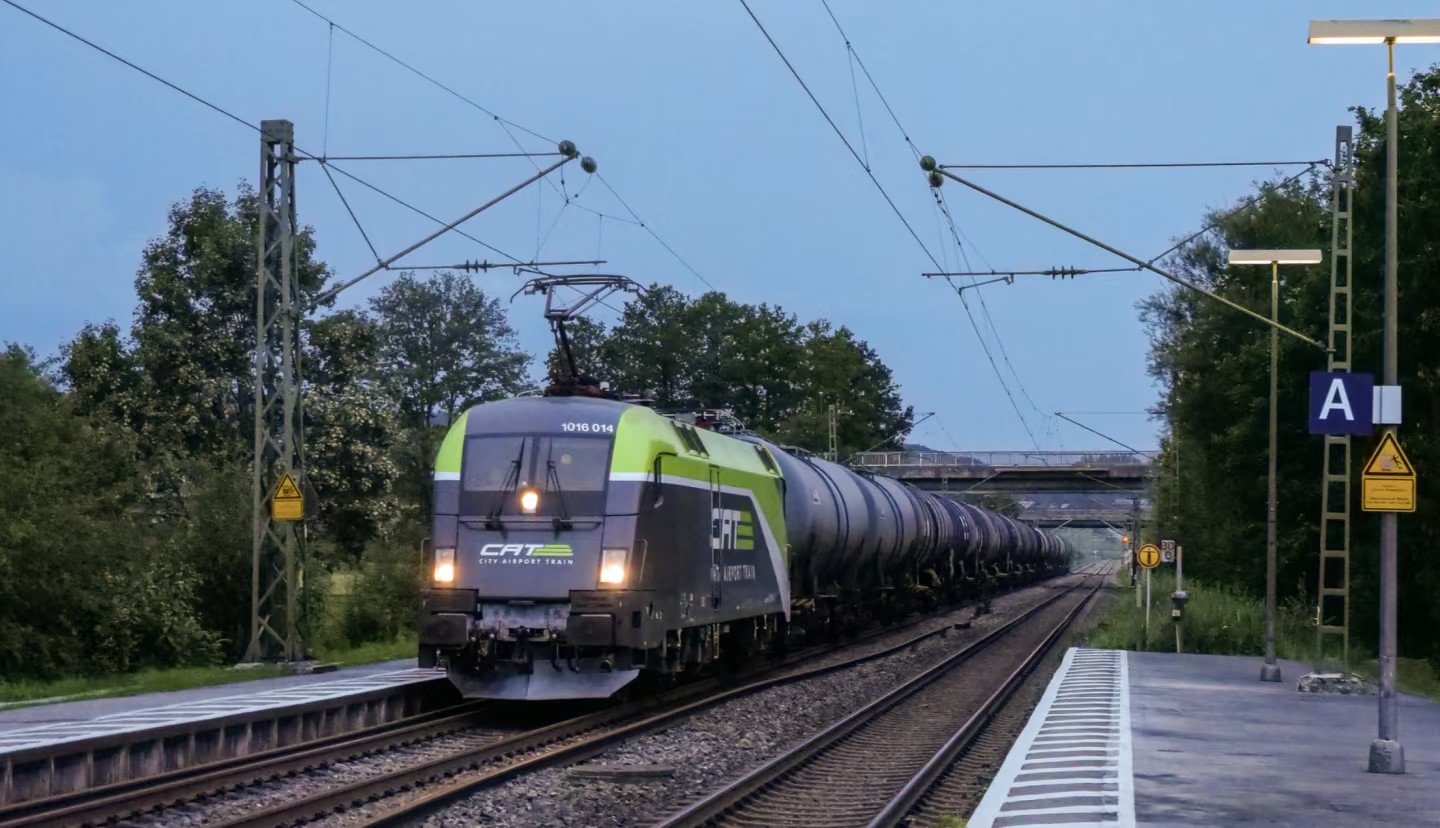
Railway transformers operate in some of the harshest and most demanding electrical environments found in modern power systems. Unlike conventional utility or industrial transformers that often experience relatively stable loads and predictable operating conditions, railway transformers must continuously withstand rapidly changing dynamic loads, severe thermal cycling, high inrush currents, regenerative braking energy flow, harmonics from power electronics, short-circuit stresses, vibration, mechanical shock, environmental contamination, humidity, temperature extremes, and continuous operational cycling. These transformers are critical components of railway electrification systems because any transformer failure can disrupt train operations, affect passenger safety, damage infrastructure, and create major economic losses.
Railway power systems are highly dynamic because train movement constantly changes electrical demand. During acceleration, locomotives draw extremely large currents; during braking, they may return energy back into the network through regenerative braking systems. In addition, modern railways increasingly rely on sophisticated power electronics, inverters, converters, and variable frequency drives that introduce harmonic distortion and additional thermal stress into transformer windings and cores. Railway transformers must therefore be specially engineered with robust insulation systems, reinforced mechanical structures, advanced cooling systems, harmonic-resistant designs, intelligent monitoring technologies, and high short-circuit strength.
These transformers are installed in traction substations, onboard locomotives, metro systems, high-speed rail networks, and autotransformer feeding systems, where they often operate outdoors under severe environmental conditions involving rain, snow, dust, vibration, pollution, salt contamination, and wide temperature fluctuations. To ensure long-term reliability and safety, railway transformers must satisfy extremely demanding electrical, mechanical, thermal, environmental, and operational performance requirements.
Railway transformers must withstand dynamic load fluctuations, high traction currents, thermal stress, regenerative braking energy flow, harmonics, short-circuit forces, vibration, environmental exposure, insulation aging, mechanical shock, and continuous operational cycling while maintaining safe and reliable railway power supply.
As global railway systems continue evolving toward higher speeds, heavier loads, greater efficiency, and smarter electrification infrastructure, railway transformers face increasingly complex operational challenges.
Railway transformers operate under the same stable conditions as ordinary industrial transformers and do not require specialized designs for dynamic railway applications.False
Railway transformers operate under highly demanding conditions involving rapid load variation, vibration, harmonics, regenerative braking, thermal stress, and harsh environmental exposure, requiring specialized railway transformer designs.
Why Railway Transformers Face Severe Operating Conditions
Railway systems create constantly changing electrical demand.
Main Railway Electrical Characteristics
| Characteristic | Transformer Impact |
|---|---|
| Rapid train acceleration | High current surge |
| Regenerative braking | Reverse power flow |
| Multiple train operation | Dynamic loading |
| Power electronics | Harmonic distortion |
Unlike stable industrial loads, railway loads fluctuate continuously.
Dynamic Load Fluctuations
Why Railway Loads Change Rapidly
Train power demand changes according to operational conditions.
Typical Railway Operating Conditions
| Train Condition | Electrical Demand |
|---|---|
| Acceleration | Very high current |
| Constant speed | Moderate load |
| Braking | Regenerative power flow |
| Idle condition | Low auxiliary load |
Impact on Transformers
Rapid load changes create severe thermal and electrical stress.
Main Dynamic Load Challenges
| Challenge | Effect |
|---|---|
| Current fluctuation | Thermal cycling |
| Voltage variation | Regulation stress |
| Rapid load switching | Mechanical fatigue |
High Traction Current Stress
Why Railway Currents Are Extremely Large
Electric locomotives consume massive amounts of power.
Railway Power Demand Examples
| Railway Type | Typical Power Demand |
|---|---|
| Metro train | 1–5 MW |
| Freight locomotive | 5–10 MW |
| High-speed train | 8–20 MW |
These power levels generate extremely high transformer currents.
Copper Losses and Heating
Large currents produce substantial winding losses.
Copper Loss Equation
P_{cu}=I^2R
Where:
- (P_{cu}) = copper loss
- (I) = current
- (R) = winding resistance
Because losses increase with the square of current, even moderate current increases generate major heating.
Thermal Stress and Temperature Cycling
Why Thermal Stress Is Dangerous
Frequent heating and cooling cycles damage insulation systems.
Thermal Cycling Effects
| Effect | Consequence |
|---|---|
| Insulation expansion and contraction | Mechanical fatigue |
| Oil degradation | Reduced dielectric strength |
| Hot spot formation | Accelerated aging |
Railway Transformer Cooling Challenges
Railway transformers require highly effective cooling systems.
Common Cooling Methods
| Cooling Method | Application |
|---|---|
| ONAN | Outdoor substations |
| OFAF | High-capacity traction transformers |
| Forced-air dry cooling | Onboard locomotive transformers |
Harmonic Distortion Challenges
Why Railway Harmonics Occur
Modern railway systems use extensive power electronics.
Harmonic Sources in Railways
| Source | Application |
|---|---|
| Inverters | Traction motor control |
| Rectifiers | DC railway systems |
| Variable frequency drives | Auxiliary systems |
Harmonic Effects on Transformers
Harmonics significantly increase transformer stress.
Main Harmonic Problems
| Problem | Impact |
|---|---|
| Increased eddy current loss | Overheating |
| Core vibration | Mechanical stress |
| Voltage distortion | Power quality issues |
| Additional insulation stress | Reduced lifespan |
Harmonic Heating
High-frequency harmonics create additional core and winding losses.
Eddy Current Loss Relationship
P_e\propto f^2B^2t^2
Where:
- (P_e) = eddy current loss
- (f) = frequency
- (B) = magnetic flux density
- (t) = core lamination thickness
Higher harmonics greatly increase eddy current heating.
Regenerative Braking Stress
What Is Regenerative Braking?
Modern electric trains generate electricity while braking.
Regenerative Process
| Step | Description |
|---|---|
| Train decelerates | Motors become generators |
| Electrical energy returned | Reverse power flow |
Transformer Challenges During Regeneration
Bidirectional power flow creates additional operational complexity.
Main Regenerative Challenges
| Challenge | Impact |
|---|---|
| Reverse current flow | Thermal variation |
| Voltage fluctuation | Stability stress |
| Dynamic energy injection | Control complexity |
Short-Circuit Forces
Railway Fault Current Severity
Railway systems can experience extremely high short-circuit currents.
Common Railway Faults
| Fault Type | Cause |
|---|---|
| Phase-to-phase fault | Insulation failure |
| Ground fault | Cable damage |
| Overload fault | Excessive train demand |
Mechanical Stress During Faults
Fault currents create enormous electromagnetic forces.
Electromagnetic Force Equation
F\propto I^2
Where:
- (F) = electromagnetic force
- (I) = fault current
Short-circuit forces can physically deform transformer windings.
Mechanical Reinforcement Requirements
Railway transformers require reinforced structures.
Mechanical Protection Features
| Feature | Purpose |
|---|---|
| Reinforced windings | Short-circuit resistance |
| Strong clamping systems | Mechanical stability |
| Rigid core support | Vibration resistance |
Vibration and Mechanical Shock
Sources of Railway Vibration
Railway infrastructure generates continuous vibration.
Main Vibration Sources
| Source | Impact |
|---|---|
| Train movement | Mechanical fatigue |
| Track vibration | Structural stress |
| Switching operations | Shock loading |
Onboard Transformer Challenges
Locomotive transformers face especially severe vibration conditions.
Onboard Installation Challenges
| Challenge | Effect |
|---|---|
| Constant movement | Structural fatigue |
| Limited space | Compact design requirement |
| Mechanical shock | Insulation stress |
Environmental Exposure Challenges
Outdoor Railway Installation Conditions
Many railway transformers operate outdoors.
Environmental Stress Factors
| Condition | Impact |
|---|---|
| Rain and humidity | Corrosion risk |
| Snow and ice | Insulation stress |
| Dust and pollution | Surface contamination |
| Salt fog | Accelerated corrosion |
Temperature Extremes
Railway transformers often experience wide temperature variation.
Temperature Challenges
| Condition | Effect |
|---|---|
| Extreme heat | Reduced cooling efficiency |
| Extreme cold | Oil viscosity increase |
| Rapid temperature change | Thermal cycling |
Moisture and Insulation Aging
Why Moisture Is Dangerous
Moisture severely degrades transformer insulation.
Moisture Effects
| Effect | Consequence |
|---|---|
| Reduced dielectric strength | Breakdown risk |
| Insulation aging acceleration | Reduced lifespan |
| Partial discharge activity | Progressive damage |
Insulation Aging
Railway transformers experience accelerated aging due to heavy loading.
Thermal Aging Relationship
Where:
- (L) = insulation lifespan
- (T) = temperature
Higher temperature significantly shortens insulation life.
Space and Weight Limitations
Locomotive Transformer Constraints
Onboard railway transformers must fit into limited space.
Design Challenges
| Challenge | Requirement |
|---|---|
| Limited installation area | Compact design |
| Train weight limits | Lightweight construction |
| High power density | Efficient cooling |
Lightweight Design Technologies
| Technology | Benefit |
|---|---|
| Aluminum windings | Reduced mass |
| Advanced insulation | Compact structure |
| High-efficiency cooling | Higher power density |
Reliability and Continuous Operation
Why Reliability Is Critical
Transformer failure can stop railway operations immediately.
Failure Consequences
| Consequence | Operational Impact |
|---|---|
| Train delay | Service disruption |
| Substation outage | Large network impact |
| Equipment damage | High repair cost |
Redundancy Requirements
Railway systems often use backup transformer arrangements.
Reliability Strategies
| Strategy | Benefit |
|---|---|
| Parallel transformers | Backup operation |
| N-1 design | Fault tolerance |
| Automatic switching | Reduced downtime |
Smart Monitoring Challenges
Need for Continuous Monitoring
Railway transformers require constant condition assessment.
Monitoring Parameters
| Parameter | Purpose |
|---|---|
| Temperature | Thermal protection |
| Oil condition | Insulation monitoring |
| Moisture | Dielectric protection |
| Dissolved gases | Fault detection |
Smart Diagnostic Technologies
| Technology | Function |
|---|---|
| SCADA systems | Centralized monitoring |
| IoT sensors | Real-time diagnostics |
| AI analytics | Predictive maintenance |
Fire and Safety Risks
Why Fire Protection Matters
Transformer failures can create severe fire hazards.
Main Fire Risks
| Risk | Cause |
|---|---|
| Oil ignition | Internal fault |
| Arc flash | Insulation breakdown |
| Overheating | Cooling failure |
Fire Protection Measures
| Protection Method | Purpose |
|---|---|
| Fire-resistant insulation | Reduced ignition risk |
| Dry-type transformers | Indoor safety |
| Fire suppression systems | Damage limitation |
Future Challenges for Railway Transformers
Increasing Railway Electrification Demands
Modern railways continue evolving rapidly.
Emerging Operational Challenges
| Challenge | Transformer Requirement |
|---|---|
| Higher train speeds | Greater power capacity |
| Renewable integration | Bidirectional energy control |
| Smart grids | Intelligent communication |
| Autonomous rail systems | Enhanced reliability |
Future Transformer Technologies
| Technology | Future Benefit |
|---|---|
| Solid-state transformers | Faster power regulation |
| Amorphous cores | Reduced losses |
| Advanced AI monitoring | Predictive reliability |
| Digital substations | Automated operation |
Main Challenges Railway Transformers Must Withstand
| Challenge | Transformer Impact |
|---|---|
| Dynamic load fluctuation | Thermal stress |
| High traction current | Copper loss heating |
| Harmonics | Additional losses |
| Regenerative braking | Bidirectional power flow |
| Short-circuit forces | Mechanical stress |
| Vibration | Structural fatigue |
| Environmental exposure | Corrosion and contamination |
| Insulation aging | Reduced lifespan |
| Space limitations | Compact design challenges |
| Continuous operation | Reliability requirements |
Conclusion
Transformers are used in railways to provide efficient voltage conversion, stable traction power, and reliable electrical distribution for railway operations. They support train propulsion systems, station equipment, signaling networks, and other railway infrastructure. Designed to withstand vibration, fluctuating loads, and harsh operating conditions, railway transformers are essential for ensuring safe, efficient, and dependable railway transportation systems.
FAQ
Q1: Why are transformers used in railways?
Transformers are used in railways to convert and regulate electrical voltage for train traction systems, signaling equipment, and railway infrastructure.
They ensure that electricity supplied from the power grid is transformed into the correct voltage levels required for safe and efficient railway operation.
Q2: What is the role of traction transformers in railways?
Traction transformers are designed to supply power to electric trains by:
Stepping down high-voltage grid power
Providing controlled voltage to traction motors
Supporting stable train acceleration and operation
They are essential components in electric locomotives, metro systems, and high-speed rail networks.
Q3: How do transformers improve railway energy efficiency?
Transformers improve efficiency by:
Reducing transmission losses through high-voltage distribution
Delivering optimized voltage to railway equipment
Supporting regenerative braking systems in modern trains
Efficient voltage management helps reduce overall railway energy consumption.
Q4: Where are transformers installed in railway systems?
Transformers are commonly installed in:
Railway substations
Electric locomotives and train cars
Metro and tram systems
Signaling and communication stations
Trackside power supply systems
They support both traction and auxiliary electrical systems.
Q5: Why do electric trains require transformers?
Electric trains require transformers because overhead lines or third-rail systems often supply electricity at very high voltages.
Transformers:
Reduce voltage to usable levels for traction motors
Isolate electrical systems safely
Ensure stable power supply during acceleration and braking
Without transformers, train electrical equipment could not operate safely.
Q6: How are railway transformers designed differently from standard transformers?
Railway transformers are specifically designed for:
High vibration resistance
Compact and lightweight construction
Frequent load fluctuations
Harsh environmental conditions
High short-circuit strength
These features ensure reliable operation in moving trains and railway environments.
Q7: What types of transformers are used in railways?
Common railway transformer types include:
Traction transformers for train propulsion
Auxiliary transformers for onboard systems
Substation transformers for railway electrification networks
Autotransformers for voltage balancing in rail systems
Each type supports a specific railway function.
Q8: How do transformers support modern railway electrification?
Transformers are vital for modern railway electrification because they:
Enable efficient long-distance power delivery
Support high-speed rail systems
Improve environmental sustainability by reducing diesel usage
Ensure reliable and stable railway operation
They are key components in modern electric transportation infrastructure.
References
IEC 60310 – Railway Applications: Traction Transformers
https://webstore.iec.ch
IEC 60076 – Power Transformers
https://webstore.iec.ch/publication/602
IEEE Railway Electrification Standards
https://standards.ieee.org
Electrical Engineering Portal – Railway Transformer Applications
https://electrical-engineering-portal.com
CIGRE – Railway Power System Studies
https://www.cigre.org
International Union of Railways (UIC) – Railway Electrification Resources
https://uic.org