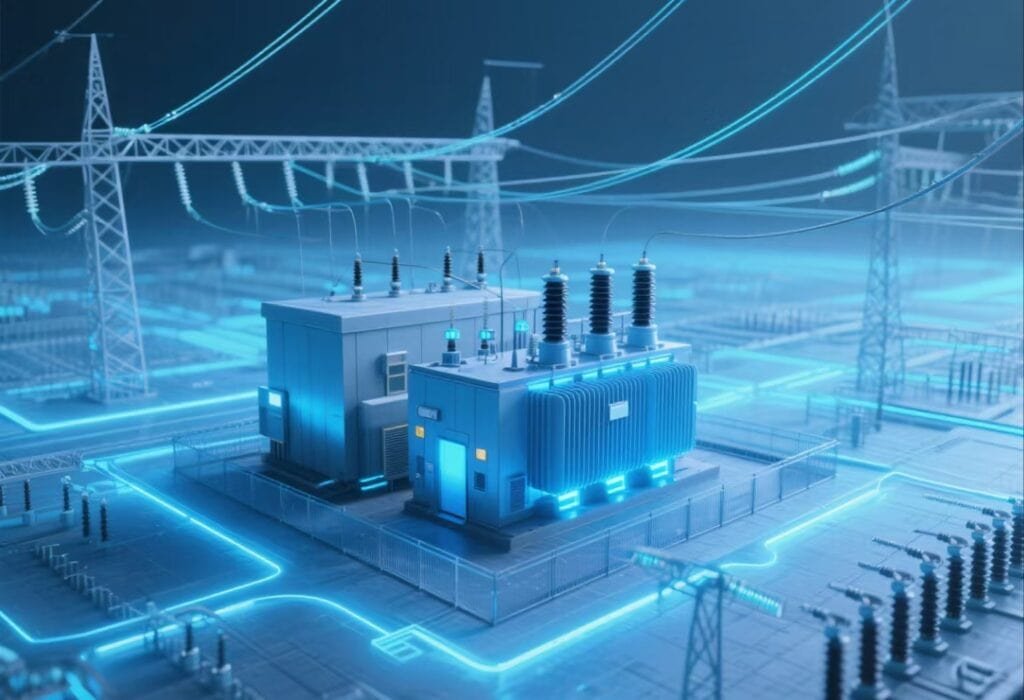
Power transformers are long-term assets at the heart of electrical power systems, designed for decades of service. Understanding the typical lifecycle—from commissioning to decommissioning—helps utilities and industrial operators optimize asset management, plan maintenance, and reduce operational risks. This overview outlines the key phases in a power transformer’s lifecycle and the factors that influence its longevity.
What Is the Expected Service Life of a Power Transformer?
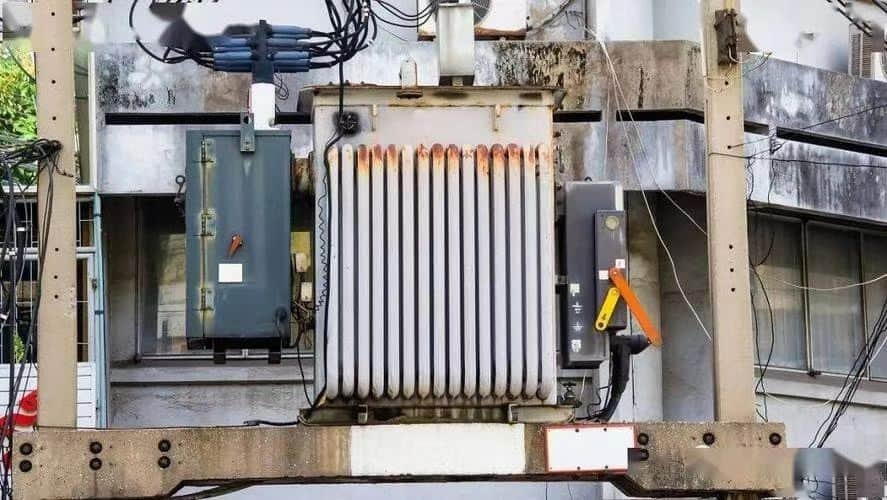
Power transformers are long-term infrastructure investments—mission-critical components expected to deliver stable power for decades under harsh electrical and environmental conditions. However, their lifespan is not indefinite. It is shaped by design quality, operating conditions, insulation degradation, and maintenance discipline.
The expected service life of a power transformer is typically 25 to 40 years, with many units reliably operating beyond 50 years under controlled loading, environmental protection, and proactive maintenance. The primary limiting factor is insulation aging, which accelerates with heat, moisture, and chemical degradation. Advanced diagnostics, smart monitoring, and condition-based maintenance can extend service life significantly.
Understanding and managing aging mechanisms helps asset managers prevent failures, optimize replacement planning, and reduce total lifecycle costs.
Power transformers typically last less than 10 years under normal conditions.False
Under standard operating conditions and preventive maintenance, power transformers often last 25 to 40 years or longer, depending on design and environmental factors.
⏳ Service Life Breakdown: Design vs Real-World Expectation
| Lifecycle Category | Typical Duration (Years) | Key Influences |
|---|---|---|
| Design Life (Nameplate) | 25 | Based on standard thermal and load limits |
| Average Field Life | 30–40 | Depends on oil quality, insulation, and environment |
| Extended Life (Well Managed) | 45–60 | Enabled by refurbishment, re-tanking, or re-drying |
| Early Retirement (<20) | — | Caused by overloads, lightning, poor cooling |
Proper load control and oil/insulation management are the most significant factors in exceeding the 30-year benchmark.
🧪 Key Factors That Influence Transformer Lifespan
| Factor | Effect on Life Expectancy |
|---|---|
| Hot Spot Temperature | High thermal stress rapidly ages cellulose insulation |
| Moisture in Paper | Degrades dielectric strength, accelerates failure |
| Oxygen / Acids in Oil | Leads to sludge, corrosion, and insulation weakening |
| Short Circuit Events | Physically deform windings, increase mechanical stress |
| Ambient Temperature | Elevated ambient causes higher winding hot spots |
| Load Cycles | Frequent overloads and inrush cause thermal spikes |
| Maintenance | Testing, oil filtration, and drying extend insulation life |
📊 Expected Life vs Risk of Failure Chart
| Years in Service | Remaining Life (%) | Risk of Failure (cumulative %) |
|---|---|---|
| 0–10 | 100% | <1% |
| 10–20 | 85–95% | 2–5% |
| 20–30 | 65–80% | 10–15% |
| 30–40 | 40–60% | 20–30% |
| 40–50 | 20–35% | >40% |
🧠 Transformer Components and Their Aging Behavior
| Component | Typical Aging Behavior |
|---|---|
| Insulating Paper | Loss of mechanical strength, oxidized cellulose |
| Transformer Oil | Becomes acidic, loses dielectric and cooling capacity |
| Windings | Hot spots cause annealing or loose turns |
| Bushings | Tracking, moisture ingress, partial discharge |
| Tap Changer Contacts | Arcing erosion, carbon buildup, misalignment |
🧰 Strategies to Extend Transformer Life
| Action | Life Extension Impact |
|---|---|
| Online Monitoring (DGA, Temperature) | Predicts failure before damage occurs |
| Oil Filtration & Drying | Removes moisture, acids, and sludge |
| Load Management | Keeps operating temp within aging limits |
| Thermal Upgrading | Allows paper to survive higher temperatures |
| Periodic Testing (FAT/PD) | Identifies early deterioration |
Digital twins and condition-based monitoring have been shown to extend life by up to 20% when combined with optimized maintenance cycles.
📘 Applicable Standards & Guides
| Standard / Guide | Relevance to Service Life |
|---|---|
| IEC 60076-7 | Loading guide based on thermal aging |
| IEEE C57.91 | Thermal life models for transformers |
| IEC 60422 | Oil maintenance based on aging diagnostics |
| IEEE C57.104 | DGA interpretation for aging and fault classification |
💬 Real-World Example
A 132/33 kV transformer in a European substation was scheduled for decommissioning at year 35. After full diagnostic testing (Furan, DGA, insulation resistance), the utility extended operation by another 10 years under load restrictions and online moisture monitoring—delivering high ROI with no major retrofits.
What Are the Key Lifecycle Phases of a Transformer?
Transformers are long-lived, high-value assets essential to the electrical grid. Managing them effectively requires understanding their entire lifecycle—from concept to disposal. Each phase brings unique technical, operational, and financial responsibilities that influence reliability, performance, and total cost of ownership.
The key lifecycle phases of a transformer include: design and specification, procurement, manufacturing, factory acceptance testing (FAT), transportation and installation, commissioning, operation and monitoring, maintenance, refurbishment or upgrades, and decommissioning. Each stage impacts the transformer's reliability, lifespan, and return on investment.
Lifecycle-focused management ensures safe integration, optimized performance, compliance with standards, and efficient end-of-life handling.
Transformers only have two phases: installation and operation.False
A transformer's lifecycle includes multiple critical stages—design, procurement, testing, installation, operation, maintenance, and decommissioning—each affecting performance and reliability.
🔄 Full Lifecycle Phases of a Transformer
| Phase | Description | Key Focus Areas |
|---|---|---|
| 1. Design & Specification | Customizes transformer to system voltage, load, cooling needs | Efficiency, thermal profile, core material |
| 2. Procurement & Bidding | Supplier selection and contract execution | Compliance, delivery time, warranty, incoterms |
| 3. Manufacturing | Assembly of core, windings, tank, and accessories | Quality control, IEC/IEEE compliance, ISO 9001 |
| 4. Factory Testing (FAT) | Verifies performance under no-load/load/short-circuit | Type, routine, and special test documentation |
| 5. Transportation | Safe movement to installation site | Shock, vibration control, oil filling on site |
| 6. Site Installation | Physical setup and connection to grid | Civil works, grounding, dry-out, gas analysis |
| 7. Commissioning | Energization and operational checks | Ratio testing, temperature rise test, SFRA |
| 8. Operation | Continuous grid service | Voltage regulation, OLTC use, load flow |
| 9. Monitoring & Diagnostics | Ongoing health checks for risk management | DGA, furan analysis, thermal monitoring |
| 10. Maintenance | Preventive and corrective actions | Oil filtration, tap changer cleaning, upgrades |
| 11. Refurbishment / Life Extension | Major component replacement or drying | Core re-lamination, new windings, oil change |
| 12. Decommissioning | End-of-life disassembly and disposal | Safe draining, recycling, disposal certification |
📘 Key Activities by Lifecycle Stage
| Lifecycle Stage | Typical Deliverables or Milestones |
|---|---|
| Design Phase | Electrical drawings, technical spec, vector group decision |
| FAT Phase | Type test report, loss test data, insulation report |
| Installation | Alignment checklist, grounding log, silica gel check |
| Commissioning | Energization record, ratio test result, final approval |
| Monitoring | Online DGA trends, thermal profile, load history log |
| Maintenance | Oil quality report, partial discharge analysis |
| Decommissioning | De-oiling certification, recyclability document |
🧠 Lifecycle Management Framework: IEC 60300 + ISO 55000
| Framework | Focus |
|---|---|
| IEC 60300-3-3 | Reliability centered maintenance (RCM) |
| ISO 55001 | Asset lifecycle and performance management |
| PAS 55 (UK) | Public asset strategy and lifecycle control |
| CIGRÉ TB 445/530 | Transformer aging models and asset risk |
📊 Lifecycle Cost vs Value Contribution
| Phase | Cost % of Total | Contribution to Lifecycle Performance (%) |
|---|---|---|
| Design + Manufacturing | 35% | ~50% (efficiency + longevity) |
| Operation & Monitoring | 10% | ~30% (uptime + diagnostics) |
| Maintenance | 5–10% | ~15% (life extension + reliability) |
| Refurbishment / Upgrade | 5–15% | ~10–20% (post-30 years of service) |
| Decommissioning | <5% | ~5% (regulatory and sustainability) |
Early-stage design and specification decisions have the greatest impact on lifetime energy efficiency and ROI.
🔧 Lifecycle Optimization Strategies
| Strategy | Lifecycle Phase Impacted |
|---|---|
| Specify low-loss core (Tier 2) | Design, Operation (reduced OPEX) |
| Install online monitors | Operation, Maintenance (failure prevention) |
| Perform DGA every 6 months | Monitoring, Maintenance (early detection) |
| Use ester fluids | Operation, Decommissioning (eco-safety) |
| Plan refurbishment after 30 yrs | Extends useful life, delays replacement |
💬 Real-World Experience
In a South American transmission utility, adopting IEC lifecycle planning extended average transformer service life from 29 to 42 years. Smart OLTC retrofits and periodic insulation assessments delayed capital replacements and reduced annual transformer failures by 38%.
What Factors Influence the Actual Lifespan of a Transformer?
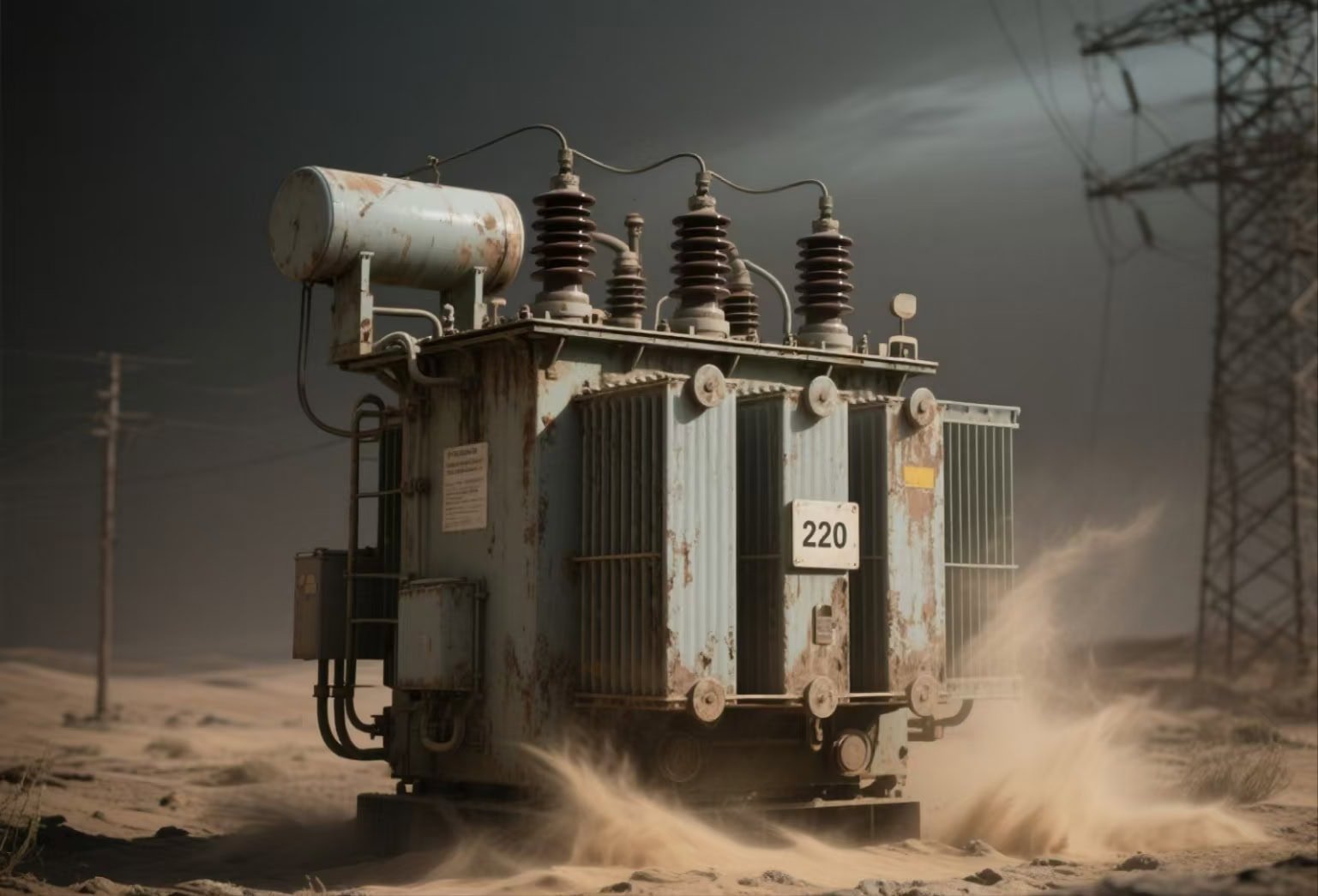
Although power transformers are designed with a nameplate life of 25 to 30 years, many operate well beyond 40 years—while others fail prematurely. What makes the difference? The actual lifespan of a transformer depends not just on its original quality, but on how it is loaded, cooled, monitored, and maintained throughout its service.
The actual lifespan of a transformer is influenced by thermal stress, insulation degradation, moisture content, oil quality, electrical and mechanical stress, environmental exposure, and the rigor of maintenance practices. Among these, the deterioration of cellulose insulation due to heat and moisture is the primary limiting factor. Well-managed transformers with optimized loads, regular diagnostics, and clean insulating oil can exceed 40+ years of service.
Aging is cumulative—and every hour at high temperature or high moisture accelerates irreversible degradation.
Transformer lifespan depends only on its manufacturing quality.False
While manufacturing quality sets the foundation, factors like thermal loading, insulation moisture, and oil condition are critical to actual transformer longevity.
🔍 Primary Factors Affecting Transformer Life
| Factor | Impact on Transformer Longevity |
|---|---|
| Thermal Overload | Exponentially accelerates aging of cellulose insulation |
| Moisture in Insulation | Reduces dielectric strength, causes bubble formation during heat |
| Oil Oxidation & Acidity | Forms sludge, attacks paper and windings |
| Electrical Stress | Short circuits and surges deform windings |
| Mechanical Stress | Transportation shock, vibration, or seismic activity |
| Ambient Environment | Corrosive gases, high temperatures, dust ingress |
| Maintenance & Monitoring | Early problem detection extends operational life |
📊 Thermal Aging Rate Based on Operating Hot Spot Temperature
| Hot Spot Temperature (°C) | Relative Aging Rate | Impact on Insulation Life |
|---|---|---|
| 80 °C | 0.5× | Doubles design life |
| 98 °C (IEC Default) | 1× | Normal design aging |
| 110 °C | 2× | Halves insulation life |
| 130 °C | 6× | Rapid aging, early failure risk |
Every 6–8 °C rise above 98 °C halves insulation life, per Arrhenius aging model.
💧 Moisture & Oil Quality Impacts
| Parameter | Threshold | Consequence When Exceeded |
|---|---|---|
| Moisture in Paper | <2% | >3% leads to PD, aging, flashovers |
| Acid Number in Oil | <0.1 mg KOH/g | Higher = acidic oil, paper damage, sludge |
| Interfacial Tension | >28 mN/m | Low tension = contamination, varnish deposits |
| Dielectric Breakdown (BDV) | >60 kV | Low BDV = higher breakdown risk |
Annual oil testing and filtration can prevent silent deterioration that reduces lifespan.
🔄 Load Profile & Electrical Stress
| Condition | Effect on Life Expectancy |
|---|---|
| Constant Overload (120%+) | Heat + stress = early insulation breakdown |
| Frequent Inrush / Load Swings | Magnetic/mechanical fatigue |
| High Harmonic Content | Increases eddy losses and hot spots |
| Phase Unbalance | Overheats one limb, accelerating localized aging |
🧰 Maintenance Practices That Extend Lifespan
| Practice | Benefit |
|---|---|
| Dissolved Gas Analysis (DGA) | Detects early faults (e.g., arcing, overheating) |
| Furan Content Testing | Tracks cellulose aging and paper health |
| Oil Filtration & Regeneration | Restores dielectric strength, removes sludge |
| Tap Changer Inspection | Prevents arcing and OLTC malfunction |
| Bushing Thermography | Detects hot joints and terminal degradation |
Transformers with annual DGA and biannual oil treatment last 5–10 years longer than unmonitored units.
🏞️ Environmental and Site Factors
| Exposure Type | Recommended Mitigation |
|---|---|
| High Humidity / Rainfall | Use of conservator breather, sealed tank |
| Dust / Sandstorm Area | Pressurized enclosure or air filters |
| Saltwater / Coastal Zone | Epoxy paint, stainless hardware, anti-condensation heaters |
| Seismic Zone | Shock-resistant tank and core support |
📘 Applicable Lifecycle Standards
| Standard / Guide | Relevance |
|---|---|
| IEC 60076-7 | Thermal life evaluation based on hot spot temperature |
| IEEE C57.91 | Aging acceleration curves and life estimation |
| IEC 60422 | Oil maintenance linked to aging performance |
| IEEE C57.104 | Interpretation of fault gases and insulation stress |
💬 Case Insight
An aging study by a European utility found that 36 kV transformers in a wind corridor aged twice as fast due to high salt and wind loading. After retrofitting anti-moisture breathers and upgrading oil treatment schedules, life expectancy improved by 12 years based on updated DGA and furan metrics.
How Does Preventive Maintenance Extend Transformer Life?
Transformers are among the most expensive and mission-critical assets in power systems. While they are designed to last decades, they silently age—especially when subjected to heat, moisture, electrical surges, and oil degradation. Without attention, this aging becomes irreversible. That’s where preventive maintenance plays a crucial role.
Preventive maintenance extends transformer life by detecting early signs of deterioration, improving insulation health, preserving dielectric oil quality, preventing mechanical failures, and reducing the risk of catastrophic breakdowns. Through scheduled inspections, testing, filtration, and corrective action, preventive programs reduce aging rates and maintain the transformer within optimal operating parameters.
Well-maintained transformers routinely operate 10–20 years beyond their nominal design life, reducing capital expenditures and grid disruptions.
Preventive maintenance does not affect the aging or reliability of transformers.False
Preventive maintenance significantly improves transformer lifespan and reliability by reducing thermal and dielectric stress, identifying faults early, and preserving insulation and oil conditions.
🧰 Key Preventive Maintenance Activities
| Maintenance Task | Frequency | Purpose |
|---|---|---|
| Dissolved Gas Analysis (DGA) | Semi-annual | Detect arcing, overheating, insulation breakdown |
| Oil Quality Testing | Annual | Check moisture, acidity, BDV, interfacial tension |
| Furan Testing | 2–5 years | Assess paper insulation aging |
| Thermographic Scanning | Annual or as-needed | Detect hot spots at bushings, connectors |
| Tap Changer Inspection | 2–3 years or load-based | Clean and align contacts to prevent arcing |
| Silica Gel Replacement | Annual | Maintain dry environment in conservator |
| Mechanical Checks | Annual | Detect leaks, corrosion, vibration |
| Partial Discharge (PD) | 3–5 years | Identify insulation voids, tracking |
📉 Life Extension Through Preventive Maintenance
| Without Maintenance | With Preventive Maintenance |
|---|---|
| Hot spot temp uncontrolled | Maintained within 95–105 °C |
| Oil turns acidic/sludgy | Oil filtered, BDV restored |
| Insulation degrades rapidly | Slowed by moisture/oil control |
| Failure risk >20% by 25 yrs | Risk <5%, life extended to 40+ yrs |
| Unpredictable failure mode | Faults detected 6–24 months earlier |
📊 Effect of Maintenance on Aging Rate
| Parameter | No Maintenance | With Maintenance |
|---|---|---|
| Insulation Life Expectancy | ~25–28 years | ~35–45 years |
| DGA Gas Concentration (CO) | High (>300 ppm) | Low (<100 ppm) |
| Oil BDV | Drops to <40 kV | Maintained >60 kV |
| Furan Content | >1.0 ppm (old) | <0.4 ppm (well-preserved) |
| Annual Failure Rate | 2–3% | 0.3–0.5% |
With preventive maintenance, aging can be slowed by 30–50%, dramatically extending transformer life and reliability.
🔄 Maintenance Cycles Based on Transformer Age
| Age Range (Years) | Maintenance Focus Areas |
|---|---|
| 0–5 | Baseline oil test, factory test validation |
| 5–15 | Load trend analysis, DGA baseline building |
| 15–25 | Furan trending, insulation aging checks |
| 25–35 | Tap changer overhauls, life extension plan |
| 35+ | Oil regeneration, bushing replacement, retrofit OLTC controls |
🧪 Common Diagnosed Issues in Preventive Programs
| Detected Condition | Recommended Action |
|---|---|
| High moisture in oil | Vacuum drying, replace breather |
| High CO/CO₂ ratio | Load derating or insulation re-assessment |
| Low BDV + high acidity | Oil regeneration |
| Tap changer carbon tracking | Contact polish/realignment or retrofit |
| Bushing heating | Terminal tightening or replacement |
🏗️ Tools & Technologies for Preventive Maintenance
| Tool / Method | Application |
|---|---|
| Online DGA Monitors | Continuous fault gas tracking |
| Thermal Cameras | Quick heat signature check |
| Moisture Sensors | Real-time tracking inside transformer |
| OLTC Controller Upgrade | Smart tap handling, voltage control |
| Digital Twin Analytics | Predictive lifespan modeling |
💬 Industry Case Study
A 132/33 kV transformer installed in 1992 in a Southeast Asian grid showed high CO₂ and furan levels in 2020. Instead of replacing it, the utility initiated:
- Full oil regeneration
- OLTC contact cleaning
- Insulation dry-out via vacuum dehydration
Result: all life indicators normalized. Transformer remains in operation with a new life forecast of 12–15 additional years.
When Should a Transformer Be Upgraded or Replaced?
Transformers are long-lived assets, often serving for 30–40 years. However, they are not eternal. Performance, safety, and economic efficiency decline over time due to insulation aging, outdated technology, oil degradation, or changing load demands. Eventually, the costs and risks of operating an aging unit outweigh the benefits of keeping it in service.
A transformer should be upgraded or replaced when it shows signs of insulation deterioration, frequent faults, thermal overload, unacceptable risk of failure, outdated efficiency performance, or when system expansion requires higher capacity or smart grid compatibility. Decisions should be based on condition assessment, economic analysis, and safety considerations—not just age alone.
Planned replacement avoids costly unplanned outages and supports energy modernization goals.
Transformers only need replacement after physical failure occurs.False
Waiting for failure leads to costly outages, environmental risk, and safety hazards. Proactive replacement based on condition and performance is best practice.
📋 Key Indicators That a Transformer Should Be Replaced or Upgraded
| Indicator | Description | Recommended Action |
|---|---|---|
| Insulation Paper Degradation | High furan content (>2 ppm), DP < 200 | Replace or re-insulate |
| DGA Fault Gases Rising | CO, C₂H₂, CH₄ above thresholds = incipient failure | Risk-based replacement |
| High Moisture Content | Paper >3%, oil water >30 ppm | Dry-out or replace |
| Overloading / Undersizing | Frequent loading >100% rated | Upgrade to higher rating |
| Inefficiency (High Losses) | Exceeds Tier 2/DOE limits | Replace with low-loss model |
| Outdated Features | No OLTC, no SCADA link, no eco fluid | Smart grid upgrade |
| Frequent Maintenance / Faults | 3+ corrective events/year | Evaluate for replacement |
| Structural Damage / Corrosion | Tank, core, or bushings degraded | Consider re-tanking or new unit |
🧠 Transformer Replacement Decision Framework
| Decision Factor | Evaluate With… |
|---|---|
| Condition-Based Risk | DGA, furan, insulation resistance, leakage |
| Performance Efficiency | Loss analysis vs Tier 2/DOE levels |
| Load Forecasts | Future demand, DER integration, EV charging impact |
| Lifecycle Cost | Compare repair + downtime vs new transformer ROI |
| Safety & Regulatory | Environmental, fire, compliance checks |
| Spares Availability | Obsolete tap changer models or winding specs |
📊 Sample Replacement Threshold Table
| Parameter | Healthy | Degraded | Replacement Likely |
|---|---|---|---|
| Paper DP Index | >600 | 400–600 | <200 |
| Furan in Oil (ppm) | <0.3 | 0.3–1.0 | >2.0 |
| Oil BDV (kV) | >60 | 40–60 | <40 |
| Gas CO (ppm) | <200 | 200–400 | >500 |
| Tap Changer Operations/Yr | <500 | 500–1500 | >2000 (mechanical wear) |
For aging transformers, more than two “red zone” indicators typically triggers replacement planning within 1–2 years.
💡 When to Upgrade Instead of Replace
| Scenario | Recommended Upgrade Approach |
|---|---|
| Healthy core, degraded insulation | Oil reconditioning + insulation dry-out |
| Rising loads, good unit health | Install forced cooling or parallel transformer |
| Smart grid adaptation | Retrofit OLTC, SCADA-ready relays |
| Noise limit compliance | Add acoustic enclosures |
If the core and tank are in good condition, upgrading is often 30–50% cheaper than full replacement.
🧮 Cost-Benefit Example
| Scenario | Legacy XFMR (30 years) | New Eco XFMR |
|---|---|---|
| Losses per Year | 45,000 kWh | 32,000 kWh |
| Loss Cost (@\$0.12/kWh) | $5,400/year | $3,840/year |
| Maintenance/Year | $3,000 | <\$500 |
| Total 10-Year OPEX | $84,000 | $43,900 |
| Replacement ROI (10 yrs) | — | ~5–7 years |
🏗️ Special Replacement Situations
| Context | Replacement Justification |
|---|---|
| Indoor > Outdoor Retrofit | Urban fire safety + ester oil + compact design |
| Renewable Grid Integration | Bidirectional flow, OLTC, low-noise requirement |
| HV Bushing Fault History | High flashover = replace or re-bush |
| Repeated Tap Changer Failure | Mechanical wear → full OLTC upgrade or new unit |
| Toxic Oil Spill Incident | Mandatory unit replacement, regulatory requirement |
📘 Standards & Guidelines for Transformer Replacement Planning
| Standard / Guide | Relevance |
|---|---|
| IEC 60076-7 | Loading and aging model for replacement timing |
| IEEE C57.91 | Condition-based asset management models |
| CIGRÉ TB 445 / TB 227 | Risk-based replacement and life extension strategies |
| ISO 55001 | Asset lifecycle management framework |
💬 Field Experience
In a 220/132 kV substation, a 35-year-old transformer showed 2.4 ppm furan, >600 ppm CO, and partial discharge at OLTC. Engineers opted for replacement instead of repair. The new unit reduced station losses by 28% and required 90% less maintenance in the first three years.
Are Transformers Recyclable or Reusable After End-of-Life?
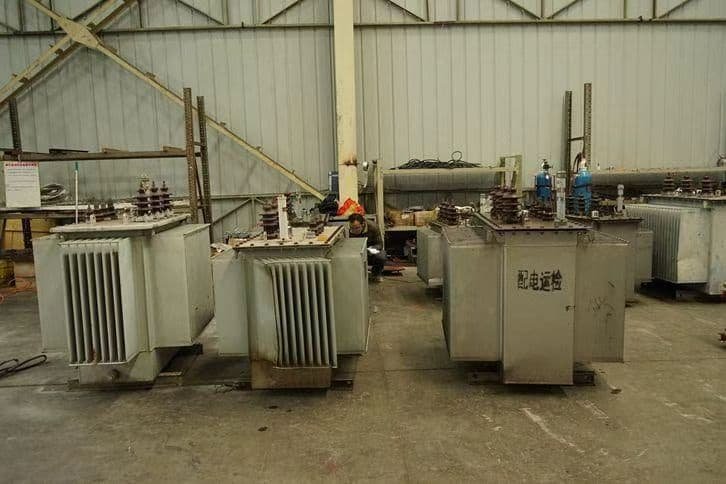
As sustainability becomes central to energy infrastructure, the end-of-life phase of transformers demands serious attention. Instead of sending tons of metal and insulating fluid to landfill, modern disposal processes emphasize recovery, recycling, and reuse—making transformers a viable part of the circular economy.
Yes, transformers are highly recyclable and partially reusable after end-of-life. Key components such as copper windings, core steel laminations, tank steel, and insulating oil can be recovered, recycled, or regenerated. Some accessories like bushings, CTs, and OLTCs may also be reused if tested. This minimizes environmental impact, conserves raw materials, and reduces decommissioning costs.
Eco-design principles and material traceability further support the transition to sustainable transformer life cycles.
Transformers must be fully scrapped and cannot be recycled after use.False
Transformers are composed primarily of recyclable materials—copper, steel, oil, and insulation—which can be recovered and reused or safely recycled after decommissioning.
♻️ Recyclable Components of a Transformer
| Component | Recyclability (%) | Reuse/Recovery Process |
|---|---|---|
| Copper Windings | >99% | Melted and re-drawn into new conductors |
| Aluminum Windings | >97% | Smelted for new industrial use |
| Core Steel (CRGO/Amorphous) | >95% | Reshaped or melted for new cores or steelwork |
| Tank & Radiator Steel | >98% | Recycled into structural steel |
| Transformer Oil | >85% | Regenerated through clay treatment or vacuum distillation |
| Bushings & Hardware | ~60–70% (if intact) | Tested and reused in other systems |
| Wood Blocks & Pressboard | Limited | Often landfilled or incinerated if contaminated |
📦 Typical Transformer Material Composition
| Material | % of Total Weight | Notes |
|---|---|---|
| Steel (Tank + Core) | 50–60% | Mild steel tank + laminated core |
| Copper/Aluminum | 20–30% | Windings and leads |
| Insulating Oil | 8–12% | Mineral or ester fluid |
| Insulation Paper | 3–5% | Often degraded and non-reusable |
| Miscellaneous (paint, gaskets) | 2–5% | Mostly landfilled or incinerated |
For a 10 MVA unit weighing 16 tons, over 14 tons are fully recyclable.
🌿 Recovery & Decommissioning Steps
| Step | Environmental / Recovery Goal |
|---|---|
| Drain Oil Safely | Collect in tanks for regeneration or disposal |
| Disassemble Tank & Core | Separate steel parts for metal recycling |
| Extract Windings | Copper/aluminum reclaimed by smelting facilities |
| Clean & Process Oil | Remove acids/sludge for reuse |
| Test Reusable Accessories | Refit OLTCs, bushings, or relays if compliant |
| Dispose Non-Recyclables | Follow hazardous waste protocols |
🔧 Which Components Can Be Reused?
| Reusable Item | Conditions for Reuse |
|---|---|
| OLTC Units | Clean contacts, pass timing and voltage test |
| Bushings | No cracks, passes insulation resistance test |
| Control Relays / Meters | Functionally tested, no firmware faults |
| Radiators / Fans | No corrosion, bearings functional |
In refurbishment projects, up to 40% of old unit parts may be reused, reducing CAPEX by 15–25%.
🏭 Oil Regeneration and Circular Use
| Parameter | Fresh Oil | Regenerated Oil |
|---|---|---|
| BDV (kV) | >60 | >60 (post-filtration) |
| Moisture (ppm) | <30 | <30 |
| TAN (Acid Number) | <0.03 | <0.05 (acceptable) |
| Appearance | Clear | Clear or slightly dark |
Regenerated mineral oil is fully IEC-compliant and commonly reused in distribution networks.
📘 Environmental Compliance Standards
| Standard | Covers |
|---|---|
| IEC 60422 | Oil reconditioning & monitoring |
| ISO 14001 | Environmental management system in recycling |
| Basel Convention | Cross-border movement of hazardous waste |
| RoHS / REACH | Material content restrictions (lead, halogens) |
| WEEE (EU Directive) | Electronic waste and material take-back |
💬 Field Example
A 1600 kVA transformer decommissioned in Europe was:
- 98% of its steel and copper recycled,
- Insulating oil fully regenerated and reused in another unit,
- OLTC and bushings refurbished for a new 1250 kVA retrofit unit.
Result: 1.2 tons of CO₂ emissions avoided and 22% cost savings compared to full replacement.
Conclusion
A power transformer’s typical lifecycle spans several decades, shaped by both engineering quality and operational discipline. With appropriate monitoring and maintenance, many transformers can even exceed their expected service life. Strategic lifecycle planning—including upgrades, refurbishments, and replacements—is key to ensuring long-term grid stability, safety, and investment value.
FAQ
Q1: What is the typical lifecycle of a power transformer?
A1: The average design life of a power transformer is 25 to 40 years, depending on:
Operating conditions
Maintenance practices
Load profiles
Environmental exposure
Well-maintained transformers often exceed 40 years, while poorly managed units may fail within 15–20 years.
Q2: What are the key lifecycle stages of a power transformer?
A2: The lifecycle typically includes:
Design and Engineering: Customized based on voltage, load, and environment
Manufacturing and Testing (FAT): Ensures compliance with standards (IEC, IEEE)
Installation and Commissioning: Site-specific setup and grid connection
Operation and Monitoring: Continuous service under load
Maintenance and Diagnostics: Periodic inspections, oil tests, and parts replacement
Decommissioning or Refurbishment: End-of-life recovery or extension through upgrades
Q3: What factors influence a transformer’s lifespan?
A3: Lifespan depends on:
Thermal aging due to overloading or poor cooling
Insulation degradation (oil and paper breakdown)
Electrical stress from surges or faults
Environmental effects (moisture, pollution, temperature extremes)
Frequency and quality of preventive maintenance
Q4: How can the transformer’s life be extended?
A4: Key methods include:
Regular oil testing and DGA (Dissolved Gas Analysis)
Replacing gaskets, seals, and bushings
Installing real-time monitoring systems
Upgrading cooling systems or tap changers
Load balancing and proper sizing to avoid thermal stress
Life extension strategies can add 10–20 more years of reliable service.
Q5: When should a transformer be replaced or refurbished?
A5: Consider replacement or refurbishment if:
Core or winding insulation is irreparably aged
Frequent overheating, failures, or oil contamination occur
Capacity no longer meets demand
Test results indicate risk of imminent failure
A condition-based asset management approach helps determine whether to repair, refurbish, or retire the unit.
References
"Transformer Life Expectancy and Aging" – https://www.electrical4u.com/transformer-lifecycle
"IEEE C57.91-2011: Guide for Loading Power Transformers" – https://ieeexplore.ieee.org/document/6032685
"Hitachi Energy: Transformer Health and Aging" – https://www.hitachienergy.com/services/transformers/life-cycle
"NREL: Transformer Asset Management Guide" – https://www.nrel.gov/docs/fy22ost/transformer-lifecycle.pdf
"PowerMag: Extending Transformer Life with Monitoring" – https://www.powermag.com/transformer-health-monitoring
"Energy Central: Lifecycle Cost of Transformer Ownership" – https://www.energycentral.com/c/ee/transformer-life-management
"ScienceDirect: Thermal Aging of Transformer Insulation" – https://www.sciencedirect.com/transformer-aging-analysis