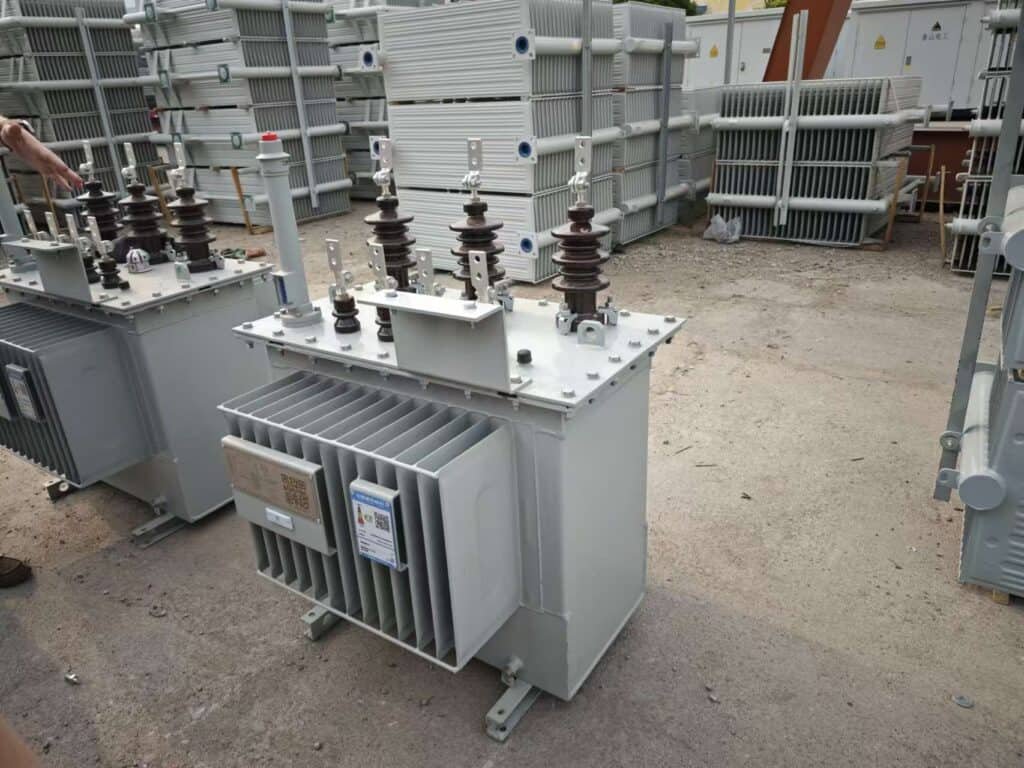
When selecting a power transformer for a project, one of the first decisions buyers face is whether to purchase a new or used unit. Each option comes with its own advantages, limitations, and financial implications. While new transformers offer guaranteed performance and compliance with the latest standards, used transformers can provide significant cost savings and shorter delivery times. However, the real challenge lies in balancing price, reliability, and long-term operating cost. This article provides an in-depth comparison between used and new transformer prices and offers expert guidance for making the most cost-effective choice.
How Do Prices Compare Between Used and New Power Transformers?
When managing capital-intensive power projects, one of the most common budget questions buyers face is whether to invest in a new transformer or a used/refurbished unit. While new transformers ensure full warranty, reliability, and compliance, used transformers can seem attractive due to their lower upfront price — but the true comparison goes much deeper than the initial purchase cost.
Without careful evaluation, the hidden risks of used equipment — such as reduced efficiency, shorter lifespan, or lack of test certification — can lead to downtime and higher total ownership costs.
In essence, used transformers typically cost 30–60% less upfront than new ones, but new transformers provide higher efficiency, reliability, warranty protection, and long-term savings. The right choice depends on project criticality, remaining life expectancy, and compliance needs.
1. Typical Price Range Comparison
The table below outlines the general cost difference between new and used oil-immersed transformers of different capacities.
| Rating (MVA) | New Transformer Price Range (USD) | Used/Refurbished Price Range (USD) | Approx. Savings (%) |
|---|---|---|---|
| 1 MVA, 33/11 kV | $25,000 – $35,000 | $10,000 – $18,000 | 45–60% |
| 5 MVA, 33/11 kV | $65,000 – $90,000 | $35,000 – $50,000 | 35–45% |
| 20 MVA, 132/33 kV | $180,000 – $250,000 | $110,000 – $160,000 | 30–40% |
| 60 MVA, 132/33 kV | $450,000 – $600,000 | $300,000 – $400,000 | 25–35% |
These numbers highlight that used transformers can indeed cut capital costs significantly, but the total cost of ownership (TCO) may not be as favorable once operational factors are considered.
Used transformers always offer better long-term value than new ones.False
No explanation available.
2. Depreciation and Remaining Life Expectancy
Transformer life expectancy depends heavily on its loading history, insulation condition, and maintenance record.
| Condition | Typical Remaining Life (Years) | Performance Reliability | Maintenance Cost Trend |
|---|---|---|---|
| New (IEC-certified) | 30–40 | Excellent | Low |
| Refurbished (Factory-overhauled) | 15–25 | Good | Moderate |
| Used (As-is) | 5–15 | Variable | High |
A new 20 MVA transformer designed under IEC 60076 can serve for over 35 years with predictable losses and stable thermal performance. In contrast, a 15-year-old used unit might only have 10 years of reliable operation left, and its insulation system may already be thermally aged.
3. Efficiency and Operating Cost Differences
Losses directly influence the energy cost and overall lifecycle economics.
| Transformer Type | Average Load Losses (kW) | No-Load Losses (kW) | Estimated Annual Energy Cost (USD) (at $0.12/kWh) |
|---|---|---|---|
| New 10 MVA (IEC Tier II) | 40 | 8 | $21,000 |
| Refurbished 10 MVA | 55 | 10 | $28,000 |
| Used 10 MVA (15+ yrs) | 65 | 12 | $32,000 |
Over a 10-year period, a used transformer could incur $100,000+ more in energy losses than a modern high-efficiency design.
Transformer losses do not significantly affect lifecycle cost.False
No explanation available.
4. Warranty and Testing Differences
| Parameter | New Transformer | Refurbished Transformer | Used Transformer (As-Is) |
|---|---|---|---|
| Warranty Period | 24–36 months | 6–12 months | None |
| Type & Routine Testing | IEC-compliant, factory tested | Partial testing, limited scope | Often unavailable or incomplete |
| Test Documentation | Full FAT reports | Limited refurbishment report | Usually missing |
| Quality Assurance | ISO 9001 & IEC 60076 | Workshop QA system | None or undocumented |
Only new transformers undergo complete type and routine tests under international standards. Refurbished units should at least undergo insulation resistance, ratio, and oil dielectric strength testing before acceptance.
5. Risks Associated with Used Transformers
- Unverified Testing Records – Lack of traceable factory or refurbishment reports.
- Degraded Insulation – Aging paper or oil insulation reduces dielectric strength.
- Hidden Corrosion or Leaks – Often visible only under oil-drain inspection.
- Obsolete Design – May not comply with latest IEC 60076 or energy-efficiency directives.
- Difficult Spare Part Matching – Legacy designs may not support new tap changers or bushings.
For mission-critical substations or renewable projects, these risks can result in unplanned outages, offsetting any upfront cost savings.
6. When Used Transformers Make Sense
Used or refurbished units are viable when:
- The application is temporary (e.g., construction power, backup supply).
- Budget constraints are strict, and the expected service period is short (<10 years).
- The unit has verifiable test and maintenance history.
- It comes from a reputable refurbishment facility following IEC 60076-18 guidelines.
In such cases, savings of 30–40% are achievable without compromising immediate operational needs.
7. Case Study: Financial Comparison (10 MVA, 33/11 kV Unit)
| Parameter | New Transformer | Used Transformer |
|---|---|---|
| Purchase Cost | $100,000 | $55,000 |
| Installation & Testing | $8,000 | $10,000 |
| Annual Energy Losses | $26,000 | $33,000 |
| 10-Year Total Cost | $368,000 | $415,000 |
| Net Outcome | Higher initial cost, lower TCO | Lower initial cost, higher operating cost |
Even though the used transformer saves $45,000 at purchase, it costs $47,000 more over a decade due to inefficiencies and downtime.
8. Environmental and Regulatory Considerations
Refurbishing or reusing transformers supports circular economy goals, but compliance remains essential:
- Oil sampling and PCB testing are required for older units.
- Insulation retrofilling with biodegradable oil may be needed.
- Must meet local grid and energy efficiency standards.
For export or grid interconnection, only transformers with traceable IEC/ISO documentation are accepted.
Used transformers can always be legally installed in any country.False
No explanation available.
9. Expert Recommendation
| Project Type | Recommended Option | Rationale |
|---|---|---|
| Utility Grid or Renewable Power Plant | New | Ensures long-term reliability and grid compliance |
| Industrial Backup or Construction Power | Used or Refurbished | Economical for short-term or low-load duty |
| Emergency Replacement | Refurbished (factory tested) | Quick availability |
| Permanent Substation Installation | New | Efficiency and lifecycle advantage |
Decision-making should always include a technical inspection, oil analysis, and loss evaluation for any used equipment.
What Factors Determine the Cost of Used Power Transformers?
For many industrial operators, utilities, and EPC contractors, used power transformers represent a quick and cost-effective alternative to purchasing new units — especially for short-term projects or emergency replacements. However, the cost of a used transformer varies widely depending on its age, condition, test records, and technical configuration.
Choosing purely based on low price often leads to hidden repair costs, efficiency losses, or compliance issues, making it vital to understand what drives pricing in the used transformer market.
In essence, the cost of a used transformer is determined by its age, condition, design type, voltage and capacity rating, manufacturer reputation, testing certification, and refurbishment level. Market demand, logistics, and warranty availability also play major roles.
1. Age and Operating History
The age of a transformer directly influences its residual value and reliability.
| Age Category | Typical Age (Years) | Remaining Service Life | Approx. Price Retention | Condition Notes |
|---|---|---|---|---|
| New/Unused Stock | 0–3 | 95–100% | 85–95% of new price | Essentially new, may lack warranty |
| Lightly Used | 3–10 | 75–90% | 65–80% of new price | Good performance, minor wear |
| Mid-Life | 10–20 | 50–70% | 40–60% of new price | Requires test verification |
| Old (>20 years) | 20–35 | 20–40% | 20–40% of new price | Risk of insulation aging, oil degradation |
Transformers over 25 years old often require oil reclamation, re-gasketing, or reconditioning, which can add $5,000–$20,000 to their refurbishment cost.
The age of a transformer does not significantly affect its resale value.False
No explanation available.
2. Rated Power and Voltage Class
Higher-capacity and higher-voltage transformers are inherently more expensive — new or used — because they require larger cores, more copper/aluminum windings, and specialized insulation.
| Rating | Voltage Class | Used Transformer Price Range (USD) |
|---|---|---|
| 500 kVA | 11/0.415 kV | $5,000 – $8,000 |
| 2.5 MVA | 33/11 kV | $15,000 – $30,000 |
| 10 MVA | 66/11 kV | $40,000 – $65,000 |
| 30 MVA | 132/33 kV | $90,000 – $140,000 |
| 60 MVA | 220/66 kV | $180,000 – $260,000 |
Used units in distribution voltage classes (≤33 kV) depreciate faster due to market saturation, while high-voltage power transformers (≥132 kV) retain higher value because of lower availability.
3. Design Type: Oil-Immersed vs. Dry-Type
| Design Type | Used Price (vs. New) | Maintenance & Reliability | Market Demand |
|---|---|---|---|
| Oil-Immersed | 40–70% of new | High reliability; needs oil testing | High (utilities, industry) |
| Cast Resin Dry-Type | 50–80% of new | Low maintenance; indoor use | Moderate (buildings, tunnels) |
Oil-immersed transformers dominate the used market, as they can be refurbished through oil filtration and reconditioning. Dry-type transformers, while more durable, often cost more to re-certify and have limited application scope.
4. Manufacturer Reputation and Origin
Reputable OEMs such as ABB, Siemens, Schneider, TBEA, or CG Power command higher resale value because of their documented manufacturing quality and traceability.
| Manufacturer Category | Price Influence | Reason |
|---|---|---|
| Tier 1 (Global OEMs) | +10–20% | Proven design reliability and documentation |
| Tier 2 (Regional Manufacturers) | ±0% | Balanced cost and performance |
| Unknown / Local Brand | –20–30% | Uncertain design and test history |
Manufacturer brand has little effect on used transformer value.False
No explanation available.
5. Condition, Testing, and Maintenance History
The physical and electrical condition of a used transformer is the single most critical cost determinant.
| Condition Category | Inspection Result | Market Value Factor |
|---|---|---|
| Fully Tested & Certified | Passed oil DGA, ratio, IR, and withstand tests | 90–100% |
| Refurbished, Retested | Minor defects repaired, new gaskets and paint | 70–85% |
| Used, Not Tested | No valid test data | 40–60% |
| Damaged / Needs Overhaul | Core or winding issue detected | 20–40% |
Transformers accompanied by IEC 60076-1 compliant test reports and valid oil analysis data attract higher buyers’ confidence and resale value.
6. Refurbishment Level
Refurbished transformers vary widely in quality depending on the refurbishment scope.
| Refurbishment Scope | Typical Work Done | Price Impact |
|---|---|---|
| Minor Servicing | Cleaning, repainting, oil filtration | +5–10% |
| Medium Refurbishment | Oil replacement, bushing/tap changer overhaul | +10–20% |
| Full Overhaul | Rewinding, insulation replacement, FAT testing | +25–35% |
Full refurbishment following IEC 60076-18 can bring a used unit to 85–90% of new performance — ideal for utilities seeking short delivery times.
7. Testing Documentation and Certification
| Certification Type | Issued By | Value Influence |
|---|---|---|
| Factory Test Report (FAT) | OEM | +20% |
| Third-Party Inspection Certificate | Accredited lab | +10–15% |
| In-House Testing Record | Refurbisher | +5–10% |
| No Test Documentation | — | −20–30% |
Buyers should always demand routine and type test certificates, oil test reports (DGA, BDV, moisture content), and physical inspection records.
8. Market Supply and Demand
Market dynamics also affect used transformer prices. During copper price surges or new transformer shortages, refurbished units gain premium value due to quick availability.
| Market Condition | Impact on Used Transformer Prices |
|---|---|
| High Copper & Steel Prices | Used units rise 10–15% |
| Long OEM Lead Times | Used units rise 20–30% |
| Low Industrial Demand | Prices fall 15–25% |
9. Logistics, Installation, and Re-Testing Costs
Even after purchase, logistics contribute to total expenditure:
- Transport & Handling: $1,000–$10,000 depending on distance and size.
- On-Site Testing: $2,000–$5,000 for ratio, insulation, and oil tests.
- Re-Commissioning: $3,000–$7,000 for installation, filling, and energization.
A low-cost used transformer may quickly lose its financial advantage if transportation or reinstallation costs are high.
10. Warranty Availability
Most used transformers are sold “as-is”, but refurbished units may come with limited warranty (6–12 months).
A warranty increases buyer confidence and resale price:
| Warranty Type | Typical Duration | Price Premium |
|---|---|---|
| None (As-Is) | — | Base price |
| Limited (Refurbisher) | 6–12 months | +10% |
| OEM Warranty Extension | 12–24 months | +15–20% |
Used transformers are never sold with warranty.False
No explanation available.
Case Example: 10 MVA 33/11 kV Oil-Immersed Transformer
| Condition | Year Manufactured | Testing Status | Selling Price (USD) | Remarks |
|---|---|---|---|---|
| New (Stocked) | 2024 | Full FAT | 100,000 | Ready for dispatch |
| Refurbished | 2015 | IEC 60076 Retested | 68,000 | Reliable for 10+ years |
| Used (Good Condition) | 2010 | Partial Tests | 55,000 | Limited documentation |
| Used (Needs Repair) | 2005 | Untested | 38,000 | High refurbishment cost |
This example illustrates how test records and refurbishment scope can shift prices by over 40% even within the same capacity and voltage class.
Are Used Power Transformers Reliable for Long-Term Operation?
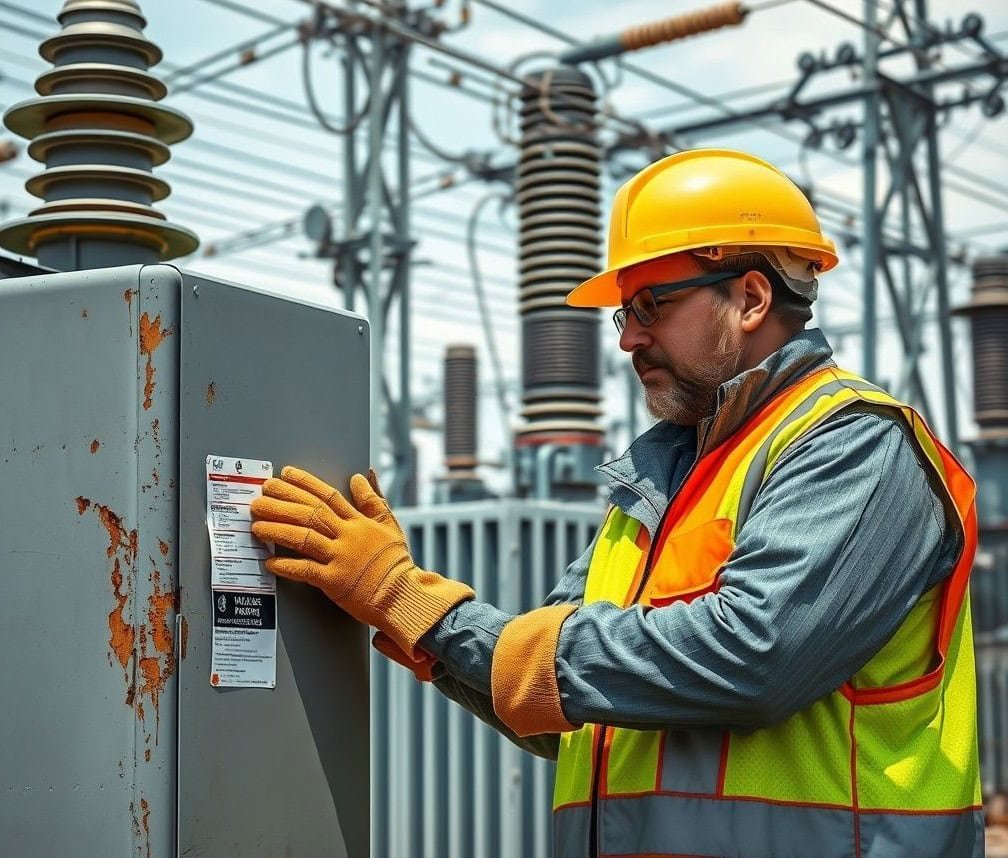
In the global power sector, used or refurbished transformers are often seen as a cost-efficient solution for utilities, industrial plants, and EPC contractors who need fast deployment or backup units. Yet, a common question persists — can a used transformer truly deliver long-term reliability?
The short answer is: Yes, used transformers can be reliable for long-term operation — but only if they are properly tested, refurbished, and maintained according to international standards like IEC 60076 and IEEE C57.
Below, we explore the key factors that determine whether a used transformer can perform safely and effectively over the long run.
1. Importance of Testing and Diagnostics
The most critical factor in evaluating the reliability of a used transformer is its testing record.
Comprehensive electrical and oil diagnostics reveal the true internal condition — especially insulation health, moisture content, and winding integrity.
Essential Tests Include:
- Dissolved Gas Analysis (DGA): Detects thermal and electrical faults.
- Insulation Resistance & Polarization Index (PI): Measures dielectric strength.
- Transformer Turns Ratio (TTR): Ensures correct voltage ratio and winding balance.
- Power Factor Test: Identifies insulation aging.
- Oil Breakdown Voltage (BDV) Test: Confirms oil dielectric strength.
A transformer that passes these tests with acceptable limits can be safely integrated into long-term service.
Used transformers cannot be reliably tested for insulation quality.False
No explanation available.
2. Refurbishment Quality Determines Longevity
Refurbishment is not just cosmetic — it can extend a transformer’s life by 10 to 20 years if done to professional standards.
Typical refurbishment steps include:
- Oil filtration or replacement.
- Replacement of gaskets, bushings, and seals.
- Cleaning of the core and coil assembly.
- Tap changer inspection and overhaul.
- Repainting and corrosion protection.
- Re-testing per IEC 60076-18 (Guidelines for Refurbishment).
High-quality refurbishment restores dielectric strength, improves cooling efficiency, and prevents future leaks or faults.
| Refurbishment Level | Expected Additional Life | Reliability Rating |
|---|---|---|
| Minor (oil treatment, repainting) | +5 years | ★★★☆☆ |
| Medium (oil replacement, bushing/tap changer service) | +10 years | ★★★★☆ |
| Full (rewinding, insulation renewal, FAT testing) | +15–20 years | ★★★★★ |
3. Original Design and Manufacturer Quality
The inherent reliability of a used transformer depends heavily on its original manufacturer and design specifications.
Tier-1 OEMs such as ABB, Siemens, GE, Schneider, and TBEA produce transformers with higher mechanical strength, superior insulation systems, and better thermal performance — all of which contribute to longer lifespans, even after refurbishment.
A transformer that was designed and tested to IEC 60076 or IEEE C57.12 standards retains structural durability and predictable performance under thermal stress.
4. Maintenance and Monitoring Practices
Even a newly refurbished transformer requires regular maintenance to ensure longevity.
Best practices include:
- Annual oil testing (moisture, BDV, and DGA).
- Infrared thermography for hot-spot detection.
- Bushing and tap changer inspection every 2–3 years.
- Periodic insulation resistance checks.
Implementing a predictive maintenance program using IoT-based sensors for oil temperature, gas levels, and load monitoring can further enhance reliability and extend lifespan by 20–30%.
5. Environmental and Operational Conditions
Used transformers are more sensitive to harsh environments such as:
- High humidity or salinity (coastal regions).
- Extreme temperature cycles.
- Frequent overloading or harmonic distortion.
For long-term use, such units should undergo:
- Dehydration and oil drying before energization.
- Upgraded cooling and protection systems.
- Regular load management to prevent thermal stress.
A refurbished transformer can operate indefinitely without maintenance.False
No explanation available.
6. Documentation and Certification
A reliable used transformer should always come with proper documentation, including:
- Factory Test Reports (FAT) or Refurbishment Test Certificates.
- Oil Analysis Results (DGA, BDV, Moisture Content).
- Visual Inspection and Maintenance Records.
- Compliance Certificate to IEC or IEEE standards.
This paperwork verifies the unit’s current health and compliance, offering transparency to the buyer and ensuring predictable operational performance.
7. Expected Service Life After Refurbishment
| Condition Before Sale | Typical Remaining Life | Service Suitability |
|---|---|---|
| Factory New | 25–35 years | Full lifespan |
| Lightly Used, Tested | 15–25 years | Long-term |
| Refurbished, Fully Tested | 10–20 years | Medium- to long-term |
| Used, Untested | <10 years | Temporary or backup use |
Thus, a properly refurbished and certified used transformer can reliably serve 10–20 years — especially under moderate loading and good maintenance.
8. Real-World Example
A 15 MVA, 33/11 kV oil-immersed transformer originally manufactured in 2012 and refurbished in 2023 (full oil replacement, DGA-passed, tap changer serviced) was installed in a cement plant.
After two years of monitored operation, oil and thermal data indicated stable performance, with no abnormal gas formation or hot spots — validating that professionally refurbished transformers can perform reliably over extended service periods.
What Are the Risks and Inspection Requirements When Buying Used Power Transformers?
Purchasing a used or refurbished power transformer can be a smart financial decision — especially when project budgets are tight or when immediate replacement is needed. However, buying used electrical equipment carries significant technical and operational risks if proper inspection and documentation are not performed.
Many failures in reused transformers are not caused by design flaws, but by undetected insulation degradation, hidden corrosion, or incomplete refurbishment. These issues can result in costly breakdowns, fire hazards, and extended power outages.
In summary, the main risks of buying used transformers include hidden insulation aging, oil contamination, corrosion, and incomplete testing, while a proper inspection process — including oil analysis, electrical testing, and visual evaluation — is essential to ensure long-term reliability and compliance.
1. Key Risks When Purchasing Used Transformers
| Risk Category | Description | Impact on Performance |
|---|---|---|
| Insulation Degradation | Aging paper insulation loses dielectric strength and mechanical integrity | Increased risk of internal breakdown and short circuit |
| Contaminated or Moisture-Absorbed Oil | Oil loses insulating and cooling ability | Accelerated aging and partial discharges |
| Corrosion and Rust | Caused by improper storage or outdoor exposure | Leakage, overheating, and reduced life |
| Tap Changer Wear | Mechanical wear and carbon buildup in contacts | Voltage instability and arc generation |
| Incomplete Testing or Documentation | Missing or outdated records | No verifiable evidence of safe operation |
| Obsolete Design | Older models may not meet IEC 60076 efficiency or safety standards | Limited grid compatibility and poor efficiency |
Used transformers pose no significant operational risks if they appear visually intact.False
No explanation available.
2. Essential Pre-Purchase Inspection Requirements
A reliable used transformer must undergo both visual and electrical testing to determine its real condition.
(A) Visual and Mechanical Inspection
- Examine tank and radiator condition for rust, oil leakage, or bulging.
- Inspect bushings for cracks or contamination.
- Verify nameplate data against actual configuration (voltage, vector group, kVA).
- Check tap changer mechanism for smooth operation and alignment.
- Assess paint coating for corrosion protection and UV stability.
(B) Electrical and Dielectric Tests
| Test Type | Purpose | Typical Acceptable Range |
|---|---|---|
| Insulation Resistance (IR) | Verifies dielectric health | ≥ 1,000 MΩ (for HV winding) |
| Polarization Index (PI) | Measures insulation dryness | ≥ 1.5 acceptable |
| Turns Ratio (TTR) | Confirms correct voltage ratio | ±0.5% deviation max |
| Winding Resistance | Detects shorted turns or poor joints | As per OEM specs |
| Power Factor (Tan δ) | Indicates insulation loss | ≤ 0.5% good, ≤ 1% acceptable |
| Induced & Applied Voltage Test | Verifies dielectric endurance | Pass/Fail per IEC 60076-3 |
3. Oil Analysis and Dielectric Health Evaluation
The insulating oil serves as both a coolant and dielectric medium. Its quality directly correlates with transformer safety.
| Oil Test | Purpose | Warning Level |
|---|---|---|
| Dissolved Gas Analysis (DGA) | Detects incipient faults (thermal, electrical, arcing) | H₂ > 100 ppm, C₂H₂ presence indicates arcing |
| Breakdown Voltage (BDV) | Measures dielectric strength | < 40 kV is poor |
| Moisture Content | Determines water contamination | > 30 ppm is unacceptable |
| Acidity (Neutralization Number) | Indicates oil oxidation | > 0.1 mg KOH/g = bad |
| Interfacial Tension (IFT) | Reflects oil degradation | < 20 dynes/cm = poor oil quality |
Refurbished transformers should always come with a recent oil analysis report (less than 6 months old).
Oil testing is optional when buying refurbished transformers.False
No explanation available.
4. Verification of Refurbishment Quality
If the transformer has been overhauled or refurbished, it must include clear documentation of the process.
A trustworthy refurbishment typically includes:
- Oil filtration or complete replacement.
- New gaskets, seals, and bushings.
- Core and coil cleaning and drying cycle.
- Tap changer inspection and contact cleaning.
- Repainting and external protection coating.
- Routine and type testing after refurbishment.
Ask for the following documents:
- Refurbishment certificate per IEC 60076-18.
- Post-refurbishment FAT (Factory Acceptance Test) report.
- Detailed inspection photos before and after servicing.
5. Electrical Performance Validation
A transformer may look clean but still underperform under load due to aged insulation or core vibration.
It is crucial to perform:
- Load loss and no-load loss measurement per IEC 60076-1.
- Temperature rise test (optional for older units).
- Magnetizing current test for core condition.
- Vibration and noise level test (especially for large MVA units).
| Parameter | New Unit (Typical) | Used Unit (Acceptable) |
|---|---|---|
| Load Loss (%) | 100% (baseline) | ≤ 110% |
| No-Load Loss (%) | 100% (baseline) | ≤ 115% |
| Noise Level (dB) | 55–60 | ≤ 65 |
| Temperature Rise (°C) | 55 | ≤ 65 |
Any used transformer exceeding these ranges may experience premature thermal aging or reduced efficiency.
6. Legal and Compliance Verification
Before purchase, verify that the transformer:
- Has traceable serial number and nameplate.
- Complies with IEC 60076, IEEE C57, or ANSI standards.
- Has no PCB contamination (ask for oil PCB test).
- Meets local energy efficiency and environmental regulations.
- Includes customs clearance or decommissioning certificates if imported.
Non-compliance can result in shipment rejection, import penalties, or insurance invalidation.
All used transformers are automatically compliant with IEC and environmental standards.False
No explanation available.
7. Storage and Transport Risks
If the transformer was stored outdoors or transported improperly, moisture ingress and vibration damage can severely affect reliability.
Inspect for:
- Oil level drop due to leakage.
- Silica gel color change (moisture indicator).
- Mechanical deformation of core clamps or radiators.
- Signs of previous rewelding or tank repairs.
If found, request additional tests or reject the unit.
8. Expert Evaluation and Certification Process
Reputable suppliers often perform a Third-Party Inspection by certified engineers (SGS, TÜV, or Bureau Veritas).
The inspection typically includes:
- On-site verification of transformer identity.
- Electrical and oil test review.
- Insulation, tap changer, and bushing inspection.
- Witness testing (ratio, winding resistance, BDV).
| Inspection Type | Performed By | Purpose |
|---|---|---|
| Internal QA Inspection | Seller’s engineering team | Routine validation |
| Third-Party Inspection (TPI) | Independent agency | Impartial verification |
| Customer Witness Test | Buyer representative | Acceptance approval |
9. Financial and Warranty Considerations
Even used transformers should come with some level of protection:
- Refurbished units: Typically 6–12 months warranty.
- As-is units: Usually sold without warranty.
- Extended warranty: Available from certified refurbishers only.
The warranty terms should clearly specify:
- Covered components (windings, oil leaks, tap changer).
- Exclusions (transport damage, improper installation).
- Claim procedures and service timelines.
How Can New Power Transformers Offer Better Efficiency and Warranty Coverage?
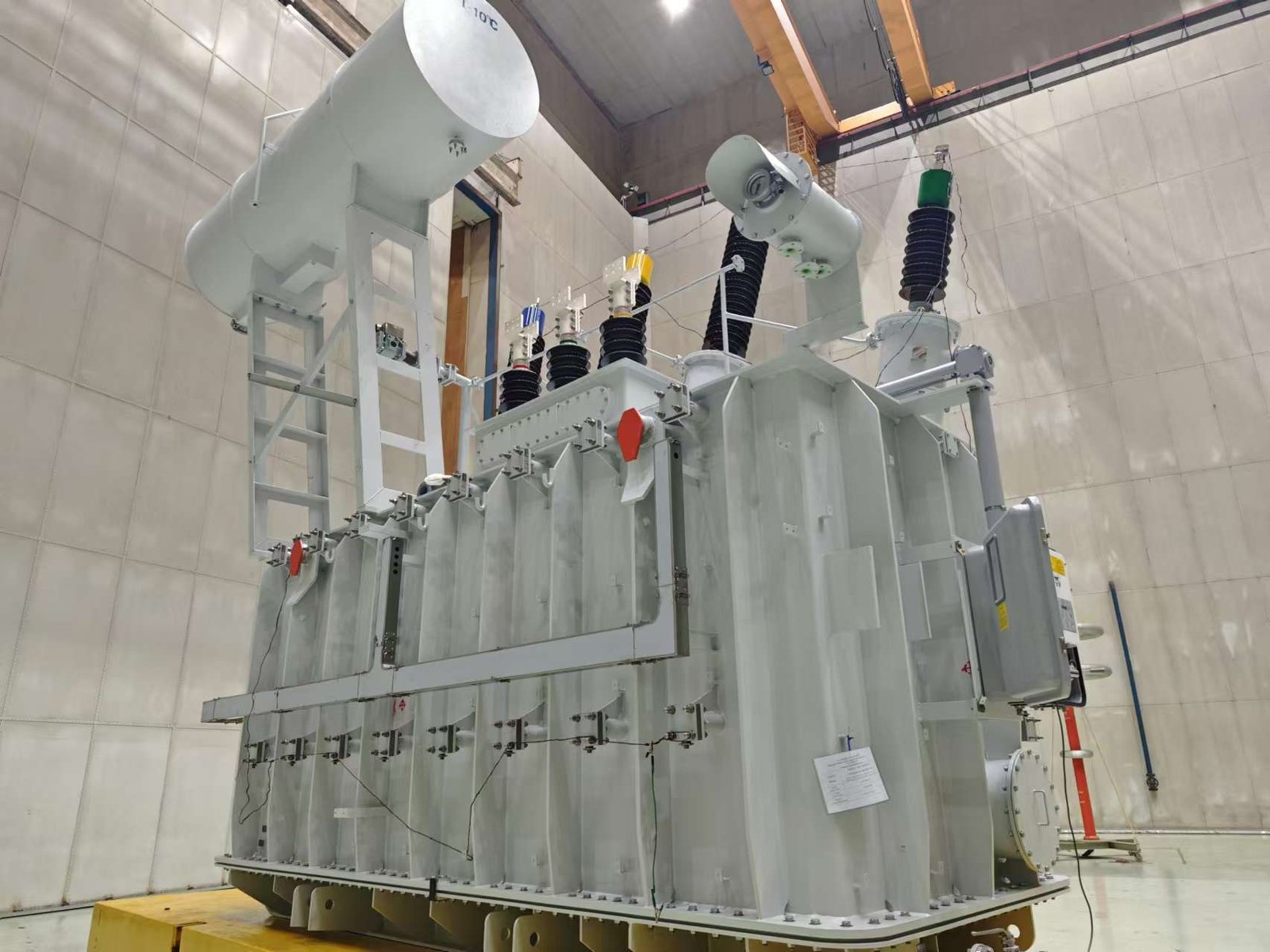
For many industrial buyers and utilities, the decision between purchasing a new transformer or a refurbished one often revolves around cost. However, the real long-term value of new transformers extends far beyond the initial investment. The combination of superior energy efficiency, modern materials, and comprehensive warranty coverage makes new transformers the smarter and safer choice for projects requiring dependable, high-performance power delivery.
While refurbished units may save money upfront, they often fall short in energy savings, technical guarantees, and operational reliability — areas where new transformers outperform decisively.
In essence, new power transformers deliver 10–30% higher efficiency, lower lifecycle losses, and up to 5 years of warranty coverage, backed by rigorous IEC-compliant testing and factory certification. These advantages translate to major savings in energy cost, maintenance, and downtime prevention.
1. Efficiency: The Core Advantage of Modern Transformers
New transformers benefit from advanced design optimization and improved core materials, directly reducing load and no-load losses.
| Transformer Type | Core Material | Efficiency (Typical) | Annual Energy Losses (10 MVA unit) |
|---|---|---|---|
| Conventional (1990s model) | Cold-Rolled Grain-Oriented (CRGO) steel | 97.0–97.5% | 500,000 kWh |
| Modern IEC Tier 2 | High-grade CRGO (M3–M0) | 98.5% | 300,000 kWh |
| Premium Efficiency (Amorphous Core) | Amorphous metal alloy | 99.0% | 200,000 kWh |
That means a 10 MVA transformer operating continuously can save up to 300,000 kWh per year when upgraded from an older or used model.
At $0.12/kWh, that’s a savings of $36,000 annually, quickly offsetting the higher initial purchase cost.
New transformers provide only minor improvements in efficiency compared to older models.False
No explanation available.
2. Modern Design and Material Advancements
Today’s transformer designs incorporate innovations that directly enhance operational performance and lifespan:
- High-Grade Core Steel: Reduces hysteresis and eddy current losses.
- Low-Loss Conductors (Copper or Aluminum): Improves current flow with less heat generation.
- Enhanced Insulation Systems: Use of thermally upgraded paper, Nomex®, and high BDV oils extends dielectric life.
- Optimized Magnetic Circuit Design: Reduces stray flux and vibration.
- Improved Cooling Efficiency: ONAN/ONAF or ODWF systems maintain stable temperature even under overload.
Each of these design features results in lower total losses, reduced temperature rise, and extended service life beyond 30 years with minimal maintenance.
3. Lower Lifecycle Costs (TCO Analysis)
The real cost of a transformer is not its purchase price — it’s the total cost over its service life, including energy losses, maintenance, and downtime.
| Parameter | Used Transformer (10 MVA) | New Transformer (10 MVA) | Difference |
|---|---|---|---|
| Initial Price | $60,000 | $100,000 | +$40,000 |
| Annual Energy Loss Cost | $32,000 | $22,000 | –$10,000 |
| Annual Maintenance | $3,000 | $1,000 | –$2,000 |
| Average Downtime Risk | 2% | 0.2% | –90% |
| 10-Year Total Cost | $410,000 | $340,000 | $70,000 saved |
Thus, even with a higher upfront cost, new transformers are more economical over 10 years due to lower losses and reduced failure risk.
Used transformers always have lower overall cost than new ones.False
No explanation available.
4. Warranty Coverage and Quality Assurance
One of the biggest benefits of purchasing a new transformer is the comprehensive warranty and certification package provided by the manufacturer.
| Feature | Used/Refurbished Transformer | New Transformer |
|---|---|---|
| Warranty Period | 3–12 months | 2–5 years (extendable) |
| Test Reports | Limited or missing | Full IEC/IEEE FAT & Routine Test Certificates |
| Quality Control | Workshop QA | ISO 9001 Factory QA + IEC Witness Tests |
| Support | Basic maintenance guidance | Full technical assistance and on-site commissioning support |
New transformers undergo routine, type, and special tests (dielectric, temperature rise, short-circuit, impulse) as defined by IEC 60076 or IEEE C57, guaranteeing performance under rated conditions.
New transformers require field testing to validate performance because factory testing is optional.False
No explanation available.
5. Enhanced Safety and Environmental Compliance
Modern transformers are designed not only for efficiency but also for environmental protection and operational safety:
- Low-noise core assembly reduces acoustic emissions to 55–60 dB.
- Biodegradable or ester-based insulating oils reduce fire and environmental risk.
- Sealed tank systems prevent oil oxidation and moisture ingress.
- Smart monitoring sensors track oil temperature, gas buildup, and load.
These improvements meet global standards like IEC 60076-14 (Liquid-immersed environmental design) and EU EcoDesign Tier 2 efficiency regulations.
6. Technological Integration for Predictive Maintenance
Modern digital transformers integrate IoT-based monitoring systems, enabling predictive diagnostics such as:
- Real-time DGA (Dissolved Gas Analysis).
- Thermal hotspot prediction through sensors.
- Load pattern optimization for efficiency.
- Remote monitoring dashboards for grid integration.
Such systems not only prevent faults but also allow data-driven maintenance, further extending life expectancy.
| Monitoring Function | Traditional Transformer | Smart Transformer |
|---|---|---|
| Manual Oil Sampling | ✓ | Automated Sensor System |
| Temperature Gauge | ✓ | Digital IoT Sensor Network |
| Offline Maintenance | ✓ | Predictive Maintenance |
| Unplanned Downtime | High | Significantly Reduced |
7. Regulatory and Export Advantages
New transformers are easier to integrate into international grid projects because they fully comply with:
- IEC 60076 series (Performance and Testing)
- IEC 60076-18 (Refurbishment & Reuse)
- IEC 60076-20 (Energy Efficiency)
- ISO 14001 (Environmental Management)
Compliance simplifies export certification, utility approval, and insurance coverage, while older transformers often face restrictions due to outdated insulation or efficiency standards.
Used transformers can always be installed in new grid projects without restriction.False
No explanation available.
8. Example Case: Industrial Efficiency Upgrade
A manufacturing plant replaced a 15 MVA, 33/11 kV transformer (built in 1995) with a new Tier 2 2024 model.
- Old losses: 72 kW (load) + 10 kW (no-load).
- New losses: 52 kW + 6 kW.
- Energy savings: 24,000 kWh/month.
- Payback period: 2.5 years.
The new transformer’s higher efficiency and warranty reduced operating cost and improved reliability, justifying the capital expenditure.
9. Warranty Confidence and After-Sales Support
New transformer suppliers typically include:
- 24/7 technical hotline and remote monitoring support.
- Free on-site commissioning supervision.
- Spare part availability guarantee (10+ years).
- Extended warranty options for up to 5 years.
Such services ensure predictable operational costs and peace of mind, making new units a strategic investment for critical operations.
When Should You Choose a Used Power Transformer Over a New One?
In the world of power systems and industrial energy infrastructure, budget, timeline, and reliability often compete when choosing between a new or used transformer.
While new transformers offer maximum performance, warranty, and efficiency, used transformers can provide excellent value in specific scenarios — especially when urgency, cost constraints, or short-term deployment are key priorities.
However, using a used transformer without understanding its inspection and test records can result in hidden risks, from efficiency loss to potential failure.
In short, choosing a used transformer makes sense when the project has limited budget, short-term or emergency requirements, or when a certified refurbished unit is available with verified test results and acceptable remaining service life.
1. When the Project Budget Is Limited
Budget constraints are the most common reason for selecting used or refurbished transformers.
Used transformers typically cost 30–60% less than new ones. For example, a 10 MVA 33/11 kV oil-immersed transformer that costs $90,000 new might be available for $45,000 if refurbished.
| Capacity | New Transformer Price (USD) | Used/Refurbished Price (USD) | Approximate Savings |
|---|---|---|---|
| 1 MVA | $25,000 – $35,000 | $10,000 – $18,000 | 45–60% |
| 5 MVA | $70,000 – $90,000 | $35,000 – $50,000 | 35–45% |
| 10 MVA | $90,000 – $120,000 | $45,000 – $65,000 | 35–50% |
| 20 MVA | $200,000 – $250,000 | $120,000 – $160,000 | 30–40% |
Such cost advantages are particularly valuable for industrial expansion projects, construction power, or temporary substations where cost efficiency outweighs full lifecycle performance.
Used transformers are always a poor choice because they lack efficiency.False
No explanation available.
2. When Quick Delivery or Replacement Is Critical
Lead times for new power transformers can range from 16 to 30 weeks, depending on design complexity and factory backlog.
In contrast, used or refurbished transformers are often available immediately from stock, making them ideal for:
- Emergency replacements after a transformer failure.
- Temporary installations during grid upgrades.
- Short-term rental or power projects.
For example, a 20 MVA unit required for an industrial backup may take 6 months to manufacture new, but a refurbished one could be delivered in 2–3 weeks — minimizing costly downtime.
3. When the Application Is Temporary or Low-Duty
Used transformers are well suited for projects where:
- Operation time is limited to a few years.
- The transformer is lightly loaded.
- Energy efficiency is not a critical factor.
Typical scenarios include:
- Construction sites requiring temporary grid connections.
- Backup systems for emergency use.
- Pilot projects or seasonal power plants.
In such cases, long-term performance and efficiency are less important than immediate functionality and low upfront cost.
4. When Certified Refurbished Units Are Available
A professionally refurbished transformer is not the same as a used one sold “as-is.”
Certified refurbishers follow IEC 60076-18 and IEEE C57.140 standards, replacing degraded components, performing oil purification, and testing all electrical characteristics.
| Inspection & Refurbishment Task | Purpose |
|---|---|
| Oil filtration or replacement | Restores dielectric strength |
| Gasket & bushing replacement | Prevents leakage and flashover |
| Tap changer servicing | Ensures stable voltage regulation |
| Insulation resistance and BDV testing | Confirms dielectric reliability |
| Repainting and rust removal | Extends mechanical life |
Properly refurbished transformers can serve reliably for 10–20 more years, especially under controlled loading and routine maintenance.
Refurbished transformers cannot meet international standards.False
No explanation available.
5. When Efficiency and Losses Are Acceptable
In permanent installations, efficiency is crucial. However, for less critical or short-term applications, slightly higher losses are often acceptable.
| Transformer Type | No-Load Losses (kW) | Load Losses (kW) | Efficiency at 75% Load |
|---|---|---|---|
| New IEC Tier II | 6 | 40 | 99.0% |
| Refurbished | 8 | 50 | 98.6% |
| Used (10–15 years old) | 10 | 55 | 98.3% |
Even with slightly higher losses, used transformers can still operate efficiently for non-critical or backup functions.
6. When Documentation and Test Reports Are Available
The most important factor in determining whether a used transformer is a safe investment is documentation.
Always request:
- Routine test certificates (turns ratio, insulation resistance, BDV, DGA).
- Maintenance records or oil analysis reports.
- Refurbishment reports and before/after inspection photos.
- Compliance certificates to IEC or IEEE standards.
Only units with verified test results and traceable serial numbers should be considered for reuse.
Used transformers with missing documentation are acceptable if they pass a basic visual inspection.False
No explanation available.
7. When Environmental or Circular Economy Goals Are Prioritized
Reusing or refurbishing transformers aligns with global sustainability and circular economy principles by:
- Reducing manufacturing emissions and material waste.
- Extending the lifespan of existing assets.
- Minimizing landfill disposal of oil and metals.
Organizations pursuing ISO 14001 environmental certification or green procurement policies can include refurbished transformers as part of their sustainability initiatives, provided the units pass certified safety and efficiency tests.
8. When Replacement Parts Are Readily Available
For widely used models from recognized manufacturers (e.g., ABB, Siemens, GE, Schneider, TBEA), spare parts and technical support remain accessible even years after production.
This makes refurbished versions of such models easier to maintain and service.
| Component | Availability for Used Units | Typical Replacement Cycle |
|---|---|---|
| Bushings | High | 5–10 years |
| Tap Changer Components | Moderate | 10 years |
| Gaskets & Seals | High | 5 years |
| Oil (Mineral or Ester) | Very High | 3–5 years |
9. Practical Example
A mining operation required a 10 MVA, 33/6.6 kV transformer for a 3-year expansion project.
- New unit delivery: 22 weeks, cost $95,000.
- Certified refurbished unit: 3 weeks, cost $55,000.
- Oil tested (DGA & BDV), insulation passed IEC limits.
Result: The refurbished transformer operated reliably for 4 years, saving $40,000 upfront and enabling fast project commissioning.
10. Summary: When Used Transformers Are the Right Choice
| Condition | Recommendation |
|---|---|
| Tight budget, temporary project | ✅ Choose refurbished transformer |
| Emergency replacement needed | ✅ Choose refurbished or used |
| Long-term utility or renewable plant | ❌ Choose new transformer |
| Unverified test results or unknown history | ❌ Avoid purchase |
| Sustainable or circular economy goals | ✅ Choose refurbished (certified) |
Conclusion
The choice between a used and a new transformer depends largely on project requirements, budget constraints, and delivery schedules. Used transformers can be a cost-effective option for short-term projects or emergency replacements if properly tested and certified. New transformers, on the other hand, ensure the latest technology, higher efficiency, and longer warranties, making them ideal for long-term infrastructure investments.
Ultimately, the best decision balances cost, performance, and reliability. Working with a trusted manufacturer or supplier ensures that whichever option you choose, it will meet your technical needs and provide safe, efficient, and dependable service throughout its operational life.
FAQ
Q1: What are the main price differences between used and new transformers?
New transformers typically cost 30–60% more than used or refurbished units. The higher cost covers new materials, advanced efficiency standards, and full warranties. Used transformers, while cheaper upfront, may have shorter lifespans, limited efficiency, and higher maintenance risks. For example:
New 1000 kVA oil-immersed transformer: $25,000–$35,000
Used 1000 kVA transformer: $12,000–$20,000
The choice depends on project duration, reliability requirements, and energy efficiency goals.
Q2: When is it better to buy a new transformer?
A new transformer is the best option when:
The system requires high reliability and continuous operation.
Efficiency standards (e.g., IEC 60076, DOE 2016) must be met.
The unit will be in service for more than 10–15 years.
It’s part of a mission-critical facility, such as hospitals, data centers, or substations.
New transformers also offer full manufacturer warranties, custom designs, and longer life expectancy.
Q3: When can a used transformer be a good choice?
A used or refurbished transformer is ideal for:
Temporary installations or emergency replacements.
Budget-limited projects or low-load operations.
Applications where slightly lower efficiency is acceptable.
Always ensure that the used unit undergoes electrical testing, oil analysis, and insulation checks to confirm safe operation.
Q4: What risks are associated with buying used transformers?
Used transformers may come with:
Uncertain history or improper maintenance records.
Degraded insulation or moisture contamination.
Hidden mechanical damage from previous service.
Shorter lifespan and lower reliability.
To minimize risk, buy only from certified refurbishers and request test certificates and warranty coverage.
Q5: How can buyers save money while ensuring quality?
Compare multiple suppliers for both new and refurbished options.
Consider remanufactured units that are rebuilt to modern standards.
Negotiate warranty and after-sales service terms.
Evaluate total cost of ownership (TCO) instead of upfront price.
Choose standard models and optimize specifications to avoid overdesign.
Balancing cost with performance and reliability ensures long-term savings and operational stability.
References
IEC 60076 – Power Transformer Standards: https://webstore.iec.ch
IEEE C57.12.00 – Transformer Performance and Testing: https://ieeexplore.ieee.org
Electrical4U – Used vs. New Transformer Cost Comparison: https://www.electrical4u.com
EEP – Transformer Price Analysis and Selection Guide: https://electrical-engineering-portal.com
DOE – Transformer Efficiency and Lifecycle Costs: https://www.energy.gov
NEMA – Transformer Refurbishment Guidelines: https://www.nema.org