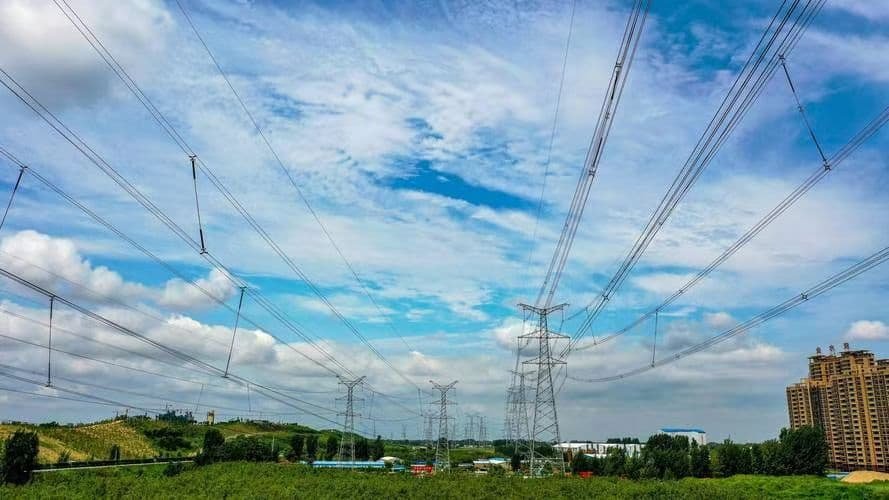
Transformers are crucial components of the electrical system that powers every home. Though often hidden from view—mounted on utility poles or in green metal boxes—these devices are responsible for ensuring that electricity arrives safely and efficiently at the right voltage for household use. Let’s explore how transformers function specifically in a residential setting.
How Do Transformers Deliver Safe Voltage to Homes?
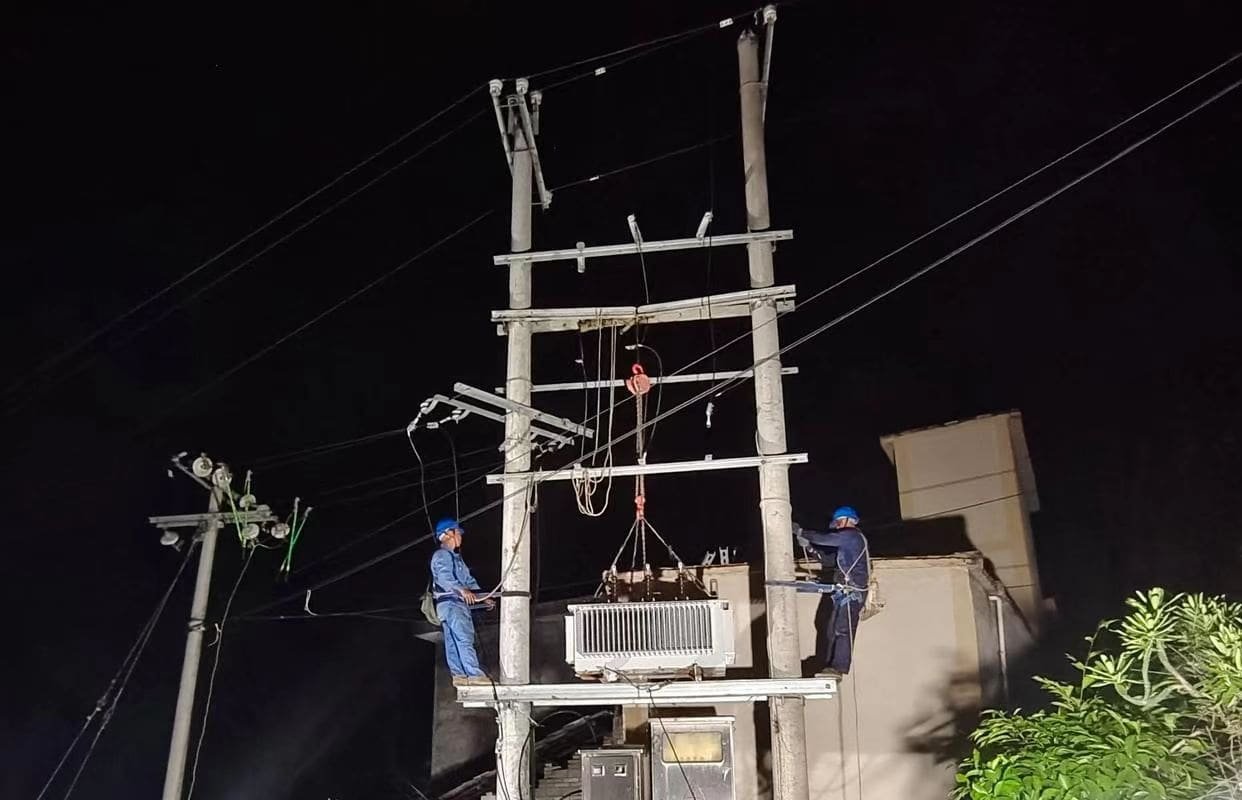
Have you ever wondered how the powerful electricity generated at power plants is safely used to charge your phone or run your refrigerator? The answer lies in a key piece of electrical infrastructure quietly working near your neighborhood: the distribution transformer. Electricity generated and transmitted at high voltages is too dangerous and incompatible for direct residential use. Transformers reduce that high voltage to a safe, usable level—making it possible for homes to function safely and efficiently. In this article, we’ll explain how transformers deliver safe voltage to homes, and why they are absolutely essential in the electrical distribution system.
Transformers deliver safe voltage to homes by stepping down medium-voltage electricity—typically 11,000 volts (11 kV)—from distribution lines to 230 V (single-phase) or 400 V (three-phase), which is suitable for household appliances. This voltage transformation is done through pole-mounted or pad-mounted transformers, which also isolate the home from grid disturbances and support grounding and surge protection.
Without transformers, homes would be exposed to dangerously high voltages, posing severe safety risks to people and property.
Transformers reduce medium-voltage electricity to safe levels for residential use.True
They step down voltages from 11 kV to 230/400 V, enabling safe and compatible electricity supply to homes.
Homes receive electricity directly from high-voltage transmission lines without needing transformers.False
Residential wiring and appliances cannot handle high voltage and require transformers to supply safe voltage levels.
How the Voltage Journey Works
| Stage | Voltage Level | Purpose | Transformer Role |
|---|---|---|---|
| Power Generation | 11–25 kV | Electricity generation | Step-up to 132–765 kV |
| High-Voltage Transmission | 132–765 kV | Long-distance transmission | Step-down at regional substation |
| Medium-Voltage Distribution | 33/22/11 kV | Local delivery within towns or districts | Step-down to LV at distribution point |
| Low-Voltage Distribution | 400 V (3Φ), 230 V (1Φ) | Final supply to homes | Final voltage delivery via distribution transformer |
Each voltage level serves a specific purpose—and transformers make each step possible.
Anatomy of a Residential Distribution Transformer
| Component | Function |
|---|---|
| Primary Winding | Receives 11 kV from the feeder line |
| Magnetic Core | Transfers energy from primary to secondary by induction |
| Secondary Winding | Outputs 230 V or 400 V to service lines |
| Oil or Air Cooling | Regulates temperature and prolongs life |
| Surge Arresters | Protects transformer and home circuits from voltage spikes |
| Grounding Connection | Stabilizes voltage and prevents shock hazard |
Transformers are typically pole-mounted in rural areas and pad-mounted in urban neighborhoods for compact, safe placement.
Voltage Reduction Process in Detail
| Input from Grid | Typical: 11,000 V AC |
|---|---|
| Step-Down Ratio | Common transformer ratio: 11,000 V → 400 V (3-phase output) |
| Output to Homes | Each house typically receives 230 V from one phase + neutral |
| Connection Method | Via service drop cable (overhead or underground) |
| Circuit Protection | Circuit breakers or MCBs within home distribution board |
The transformer reduces the voltage while maintaining power (minus losses) to ensure compatibility with domestic devices.
Safety Mechanisms Enabled by Transformers
| Safety Feature | Transformer Contribution |
|---|---|
| Ground Fault Protection | Enables fault current return path to trip circuit breakers |
| Overvoltage Protection | Works with surge arresters to block lightning and spikes |
| Voltage Stability | Tap settings or impedance maintain output during load changes |
| Insulation from Grid Faults | Prevents transmission-level disturbances from entering homes |
Without a transformer, even a small voltage spike could destroy sensitive appliances and risk electrical fires.
Real-World Example: Suburban Neighborhood Transformer
| Installation Type | Pole-mounted, oil-filled distribution transformer |
|---|---|
| Primary Voltage Input | 11,000 V from overhead line |
| Secondary Voltage Output | 400 V (3-phase) → split to 230 V for individual homes |
| Rated Capacity | 100 kVA (can serve \~20–25 homes depending on usage) |
| Safety Devices | Fuse links, lightning arresters, ground rod |
This configuration ensures safe, reliable power delivery even during peak usage times.
What If Transformers Weren’t There?
| Without Transformers | Consequence |
|---|---|
| Grid Voltage Sent to Homes | 11 kV applied to sockets—lethal and destructive |
| Appliance Compatibility | Immediate damage or explosion of all electronic devices |
| Safety Systems | Circuit breakers unable to function at such high voltages |
| Energy Losses | Higher losses due to high current at low voltages |
| Electrical Fires | High likelihood due to uncontrolled power delivery |
Residential transformers are not optional—they are the very foundation of household electrical safety.
What Is the Role of the Pole-Mounted or Pad-Mounted Transformer?
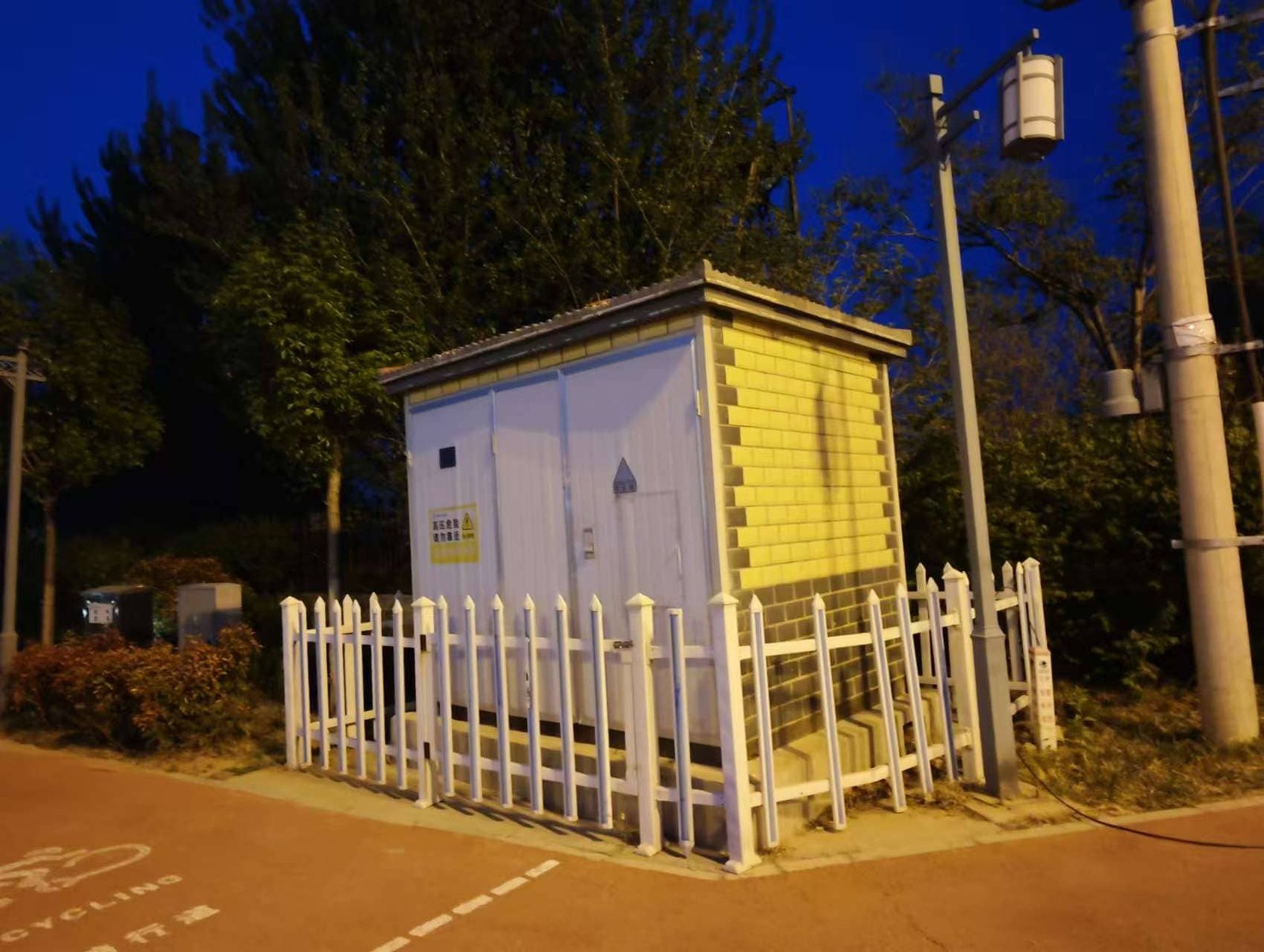
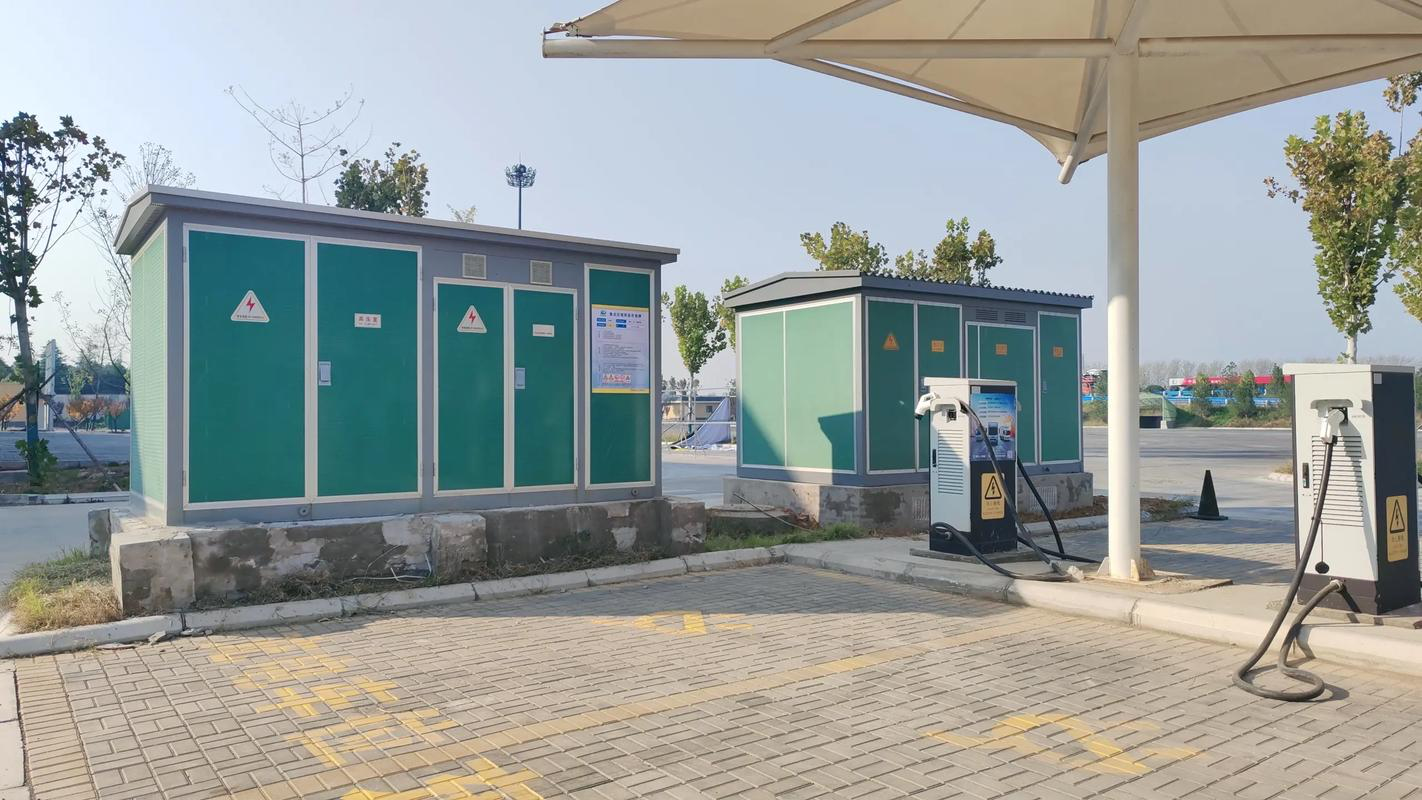
Walk through any neighborhood—whether urban or rural—and you’re likely to see a small gray box on a utility pole or a green cabinet near the sidewalk. These are pole-mounted and pad-mounted transformers, and while they may seem inconspicuous, they play a critical role in safely delivering power to homes, shops, and small buildings. They are the final step in the voltage transformation journey, ensuring that the high voltage carried through the power grid is reduced to safe, usable levels for everyday electrical appliances. In this article, we explore what role these transformers play, how they operate, and why both configurations are essential in modern distribution systems.
Pole-mounted and pad-mounted transformers are used in distribution networks to step down medium-voltage electricity (typically 11 kV or 22 kV) to low-voltage levels (230/400 V) suitable for residential and light commercial use. Pole-mounted transformers are typically used in rural or overhead line systems, while pad-mounted transformers are used in urban, underground cable networks. Both ensure safe, reliable voltage delivery and serve as the final link between the power grid and the end user.
They are small in size but massive in responsibility—without them, power delivery would be unsafe and unreliable.
Pole-mounted and pad-mounted transformers reduce medium-voltage electricity to levels suitable for home and business use.True
They provide the final voltage step-down from 11 kV to 230/400 V in the power distribution system.
Pole-mounted transformers are only for street lighting and are not used for household electricity.False
Pole-mounted transformers are widely used to supply homes in overhead distribution networks.
Primary Role in Power Distribution
| Function | Explanation |
|---|---|
| Voltage Step-Down | Reduces 11,000 V or 22,000 V to 400 V (three-phase) or 230 V (single-phase) |
| Final Power Delivery Point | Supplies electricity to residential, commercial, or mixed-use buildings |
| Safety Isolation | Electrically separates grid voltage from consumer devices |
| Surge Protection Interface | Works with arresters to block overvoltage from lightning or faults |
| Load Management | Helps distribute load evenly across phases to avoid imbalance |
These transformers bridge the gap between medium-voltage networks and low-voltage end-user requirements.
Pole-Mounted vs. Pad-Mounted: Key Differences
| Feature | Pole-Mounted Transformer | Pad-Mounted Transformer |
|---|---|---|
| Installation Type | Mounted on utility poles (overhead systems) | Ground-level, enclosed cabinet (underground systems) |
| Voltage Supply | 11 kV or 22 kV to 400/230 V | Same (11/22 kV to 400/230 V) |
| Environment | Rural, suburban, open areas | Urban, residential developments |
| Accessibility | Requires ladder or bucket truck | Easily accessible from sidewalk |
| Protection | Exposed (but insulated), sometimes fenced | Lockable enclosure, tamper-resistant |
| Cooling | Oil-cooled (ONAN), sometimes sealed | Oil-cooled, sealed or ventilated enclosure |
| Typical Capacity | 25–250 kVA | 75–500 kVA |
Both types serve the same voltage regulation role, but their form factors and configurations suit different infrastructure needs.
Where and How They Are Used
| Application | Transformer Type | Reason for Use |
|---|---|---|
| Rural Electrification | Pole-mounted | Easy to install on existing poles, lower density |
| Urban Developments | Pad-mounted | Safer and more aesthetic in underground networks |
| Shopping Strips / Malls | Pad-mounted | Higher load capacity, discreet appearance |
| Remote Farms and Villages | Pole-mounted | Lower cost and ease of maintenance |
| Apartment Complexes / Condos | Pad-mounted or compact substation | Higher load and 3-phase requirement |
Transformers are strategically located to minimize voltage drop and reduce line losses in the low-voltage network.
Example: Transformer Powering Residential Zone
| Transformer Type | Pole-Mounted, 100 kVA |
|---|---|
| Primary Voltage | 11,000 V |
| Secondary Voltage | 400 V (three-phase) → 230 V (single-phase per household) |
| Connections | Feeds 20–30 homes via overhead conductors |
| Protection Devices | Drop-out fuse, surge arresters, earthing |
| Typical Usage | Lighting, HVAC, appliances, EV charging |
This arrangement ensures each home gets stable, regulated, and safe power, even during peak hours.
Key Safety and Reliability Functions
| Function | How It Protects or Enhances the Network |
|---|---|
| Surge Protection | Blocks transient overvoltages from lightning or switching |
| Short-Circuit Management | Prevents overloads and internal faults from propagating |
| Load Balancing | Distributes phases across users to avoid transformer overheating |
| Neutral Grounding | Enables earthing system for domestic protection |
| Temperature Regulation | Natural or forced air cooling to avoid thermal failure |
These transformers often operate continuously for decades, requiring only minimal maintenance.
Smart Enhancements in Modern Transformers
| Smart Feature | Function |
|---|---|
| SCADA Connectivity | Remote monitoring of voltage, temperature, and load |
| Load Monitoring Sensors | Alerts utility of phase imbalance or overload |
| Auto-Reclosers Nearby | Enhances restoration speed during faults |
| Eco-Friendly Fluids | Uses biodegradable oils in urban areas for environmental safety |
| Low-Loss Design | Reduces no-load and load losses for energy savings |
Modern distribution transformers support smart grid goals for sustainability, efficiency, and reliability.
How Do Transformers Support Both Small and Large Appliances?
Whether you’re charging your phone or running a washing machine, you depend on a stable and properly scaled power supply. But how does the electrical system ensure that both small electronic devices and large power-hungry appliances receive exactly the voltage they need—without damage, overload, or fluctuation? The answer lies in the often-overlooked but vital function of the distribution transformer. Installed on utility poles or in pad-mounted enclosures, these transformers play a crucial role in delivering clean, safe, and versatile power suitable for both low-power and high-demand appliances. This article explains how transformers support both small and large household appliances, ensuring safety, compatibility, and efficiency for all electrical loads.
Transformers support both small and large appliances by delivering consistent, regulated voltage—typically 230 V single-phase or 400 V three-phase—to homes and buildings. By stepping down medium-voltage grid power (e.g., 11 kV) to standard household voltage levels, transformers enable safe and efficient operation of everything from LED lights and phone chargers to air conditioners, ovens, and electric vehicle chargers. Their design accounts for varied loads, start-up surges, and voltage stability.
From laptops to laundry machines, transformers make universal home power supply possible.
Transformers ensure safe voltage delivery to operate both small and large household appliances effectively.True
They provide the necessary voltage transformation and load handling capacity to support a wide range of residential devices.
Only large industrial appliances require transformers—homes don’t need them.False
Every home relies on transformers to receive usable low-voltage electricity compatible with all types of appliances.
How Transformers Enable Appliance Compatibility
| Appliance Type | Power Rating (Typical) | Transformer’s Contribution |
|---|---|---|
| LED Bulbs & Chargers | <10 W | Steady voltage avoids flicker or low efficiency |
| TVs & Computers | 50–300 W | Regulated 230 V keeps electronics stable |
| Refrigerators | 150–500 W (with surge) | Handles motor inrush without voltage dips |
| Washing Machines | 800–2,000 W | Maintains load during high spin-cycle draw |
| Microwave Ovens | 1,000–2,500 W | Supplies peak demand without tripping circuits |
| Air Conditioners | 1.5–5.0 kW | Supports high starting current and continuous load |
| EV Chargers (Level 2) | 3.5–7.2 kW | Requires transformer phase balancing and capacity |
Transformers are designed with the impedance and thermal margins needed to handle these diverse loads simultaneously.
Voltage Stabilization for Varying Load Sizes
| Transformer Output Voltage | Target Appliance Voltage | Tolerance Range | Impact Without Regulation |
|---|---|---|---|
| 230 V (Single-Phase) | Most household electronics | ±6% or ±10% | Flicker, performance drop, early failure |
| 400 V (Three-Phase) | HVAC, pumps, EV chargers | ±5% to meet IEC/ANSI | Overheating, shutdowns, tripped protection |
Transformers maintain output within tight tolerances to ensure reliability of all appliance types.
Transformer Features That Enable Multi-Appliance Support
| Design Element | Function in Load Handling |
|---|---|
| Tap Settings (Off-Load / OLTC) | Adjusts voltage based on feeder distance and loading |
| Impedance Design | Controls short-circuit current and limits start-up surges |
| Thermal Rating (kVA) | Sized for combined household load, including peaks |
| Phase Balancing | Prevents neutral shift and voltage asymmetry |
| Protection Devices | Prevents overloads, shorts, and voltage spikes from reaching appliances |
Transformers typically serve 20 to 40 homes, and must be capable of managing diverse appliance usage patterns across multiple buildings.
Real-World Example: 100 kVA Pole-Mounted Transformer Serving a Residential Block
| Rated Capacity | 100 kVA (common in suburban or rural networks) |
|---|---|
| Primary Input Voltage | 11,000 V (medium-voltage feeder) |
| Secondary Output Voltage | 400 V (3-phase) split to 230 V (for individual homes) |
| Total Daily Load | Varies from 20–90 kVA depending on appliance usage |
| Appliance Mix | Mix of LED lighting, TVs, HVAC, kitchen appliances, and EVs |
| Built-In Safety | Surge arresters, fuses, grounded neutral, thermally protected windings |
This configuration enables consistent, safe electricity for dozens of large and small appliances simultaneously.
Managing Appliance Start-Up Surges and Load Variability
| Appliance | Start-Up vs. Running Load | Transformer Response |
|---|---|---|
| Refrigerator Compressor | 3× normal load for 0.5 seconds | Handles surge via core saturation margin |
| Air Conditioner Motor | 5× surge during start | Impedance limits sudden voltage drops |
| Microwave | Short-term high current | Maintains stable supply without flicker |
| EV Charger | Long-duration peak demand | Requires phase balancing and thermal capacity |
Transformers must be designed to withstand these dynamic conditions without degrading output quality.
Can Transformers Be Found Inside the Home?
While most people associate transformers with large utility poles or green cabinets outside the house, transformers are also quietly at work inside your home—embedded in everyday appliances and electronics. They may be small, but their role is massive. Every time you plug in a phone charger, switch on a microwave, or use a doorbell, a transformer may be working behind the scenes to step down voltage, provide isolation, or stabilize power. This article explores where transformers are found inside the home, what they do, and why they are essential for safe and reliable indoor electrical operation.
Yes, transformers can be found inside the home—typically built into electronic devices, power adapters, appliances, and HVAC systems. These small transformers step down the standard 230V or 120V mains voltage to lower voltages required by sensitive circuits, provide electrical isolation, and support device-specific power needs. They are essential in chargers, LED drivers, microwaves, audio equipment, thermostats, and more.
Though much smaller than utility transformers, these internal components serve critical safety and functionality roles in modern households.
Small transformers are commonly used inside homes in devices like chargers, thermostats, and appliances.True
They convert high-voltage AC to safe, device-specific voltages such as 5V, 12V, or 24V.
Transformers are only found outside on utility poles or substations, not inside homes.False
Many household devices contain internal transformers to manage voltage conversion and isolation.
Common Places Transformers Are Found Inside Homes
| Device/Appliance | Transformer Function | Typical Output Voltage |
|---|---|---|
| Phone and Laptop Chargers | Step down 230V AC to 5V/12V DC using SMPS or AC-DC converters | 5V, 9V, 12V |
| Microwave Oven | Powers magnetron with high-voltage transformer | 2,000–3,000 V |
| LED Lighting Drivers | Convert AC to constant low-voltage DC for LED chips | 12V, 24V |
| Doorbells and Chimes | Uses low-voltage transformer for safe operation | 12V–24V AC |
| Thermostats and HVAC Systems | Supplies control voltage to relays and sensors | 24V AC |
| Audio Equipment | Isolates and matches signal levels | 9V–24V AC or DC |
| Power Tools & Battery Packs | Step down and charge circuits inside dock or adapter | 12V–48V |
Many of these transformers are encapsulated or integrated into control boards, making them invisible but indispensable.
Why Internal Transformers Are Necessary
| Function | Importance in Residential Devices |
|---|---|
| Voltage Reduction | Prevents overvoltage damage to sensitive electronics |
| Electrical Isolation | Prevents shock hazard and ground loops |
| Energy Conversion | Converts AC mains power into regulated DC supply |
| Noise Suppression | Filters EMI for signal clarity in audio/AV gear |
| Circuit Protection | Works with fuses and regulators to prevent overheating |
Even in compact electronics, transformers play an essential role in adapting grid-level power to application-level needs.
Types of Transformers Used Inside Homes
| Transformer Type | Usage Context | Design Notes |
|---|---|---|
| Step-Down Transformer | Chargers, LED drivers, thermostats | Converts 230V to 5–24V |
| High-Voltage Transformer | Microwave ovens | Boosts voltage for magnetron operation |
| Isolation Transformer | Audio systems, sensitive lab equipment | Prevents ground loops and noise |
| Toroidal Transformer | High-efficiency audio amplifiers | Compact, low noise |
| Encapsulated Transformer | Mounted on PCBs in appliances | Fully sealed for safety and size |
Many modern devices now use switch-mode power supplies (SMPS) that incorporate high-frequency transformers for compactness.
Example: Doorbell Transformer
| Input Voltage | 230 V AC (mains) |
|---|---|
| Transformer Output | 16 V AC |
| Mounted Location | Electrical panel, wall-mounted junction box |
| Purpose | Safely energizes the doorbell without direct mains |
Simple, effective, and legally required to ensure safe doorbell operation in many building codes.
Are All Power Adapters Transformers?
Yes—in most cases. Any adapter that plugs into a wall socket and powers a device includes a transformer either directly (linear) or indirectly (through a switching regulator) to step down and regulate voltage. These adapters are often:
- Encapsulated “wall warts”
- Laptop power bricks
- USB charger blocks
While they may be small, they contain transformers that provide safety isolation and energy conversion.
Modern Trends: Integrated Transformers in Smart Devices
| Smart Device | Internal Transformer Function |
|---|---|
| Smart thermostats | 24V supply for sensors, Wi-Fi, and control relays |
| Smart speakers | Internal AC-DC conversion for amplifier circuit |
| Wi-Fi Routers | SMPS transformer steps down to 9V or 12V DC |
| Smart light switches | Step-down for logic circuit and Zigbee/Wi-Fi chips |
Even the most high-tech smart gadgets rely on basic transformer principles to interface with your home’s power safely.
What Is the Function of Low-Voltage Transformers for Electronics?
Every electronic gadget you rely on—whether it's a smartphone, TV, or thermostat—operates at low voltage. But household outlets supply 230 V (or 120 V in some countries), which would instantly destroy delicate circuits if applied directly. This is where low-voltage transformers come in. They are the unsung heroes hidden inside your chargers, adapters, and power supplies, performing the critical function of making grid power usable for sensitive electronics. In this article, we explore what low-voltage transformers do, how they work, and why they are essential in the operation of electronic devices.
Low-voltage transformers for electronics convert high-voltage AC power (typically 230 V or 120 V) into much lower voltages—commonly between 3 V and 24 V—required by electronic circuits. They also provide electrical isolation, reduce the risk of electric shock, and enable safe, stable power delivery for devices like chargers, LED drivers, routers, sensors, and embedded control systems.
They are small in size but absolutely vital in ensuring that electronic components receive power within their design specifications.
Low-voltage transformers reduce mains voltage to safe levels for electronics like chargers and LED drivers.True
They convert 230 V or 120 V down to low-voltage outputs like 5 V, 9 V, or 12 V to match the requirements of electronic devices.
Low-voltage transformers are used to step up electricity for long-distance transmission.False
Step-up transformers are used in power plants, while low-voltage transformers serve the opposite purpose—reducing voltage for safe electronic use.
Core Functions of Low-Voltage Transformers in Electronics
| Function | Role in Electronics |
|---|---|
| Voltage Step-Down | Reduces high mains voltage (230 V or 120 V) to device-safe levels (3–24 V) |
| Electrical Isolation | Separates user-accessible circuits from dangerous voltages |
| Signal Conditioning | Maintains clean voltage free from spikes or EMI |
| Current Limiting | Works with circuits to prevent overcurrent damage |
| Regulated Output | Often combined with rectifiers and regulators for DC stability |
Low-voltage transformers are often part of switch-mode power supplies (SMPS) or linear adapters, depending on efficiency and cost needs.
Where They Are Used in Electronics
| Device | Typical Output Voltage | Transformer Type |
|---|---|---|
| Phone & Laptop Chargers | 5 V, 9 V, 12 V | SMPS with high-frequency transformer |
| LED Lighting Systems | 12 V or 24 V (DC or AC) | Toroidal or encapsulated step-down |
| Wi-Fi Routers & Modems | 9 V or 12 V DC | Wall plug adapter with SMPS |
| Game Consoles | 12–24 V DC | Internal transformer + rectifier |
| Alarm Panels & CCTV | 12 V or 24 V | Linear or switching transformer |
| Smart Home Devices | 3.3 V, 5 V, 24 V | Compact SMPS boards or buck modules |
These transformers are either discrete components or integrated into compact modules inside plastic housings.
Common Output Voltage Ranges and Applications
| Voltage Output | Example Application | Typical Current Range |
|---|---|---|
| 3.3 V | Microcontrollers, sensors | < 1 A |
| 5 V | USB-powered devices, Raspberry Pi | 0.5–3 A |
| 9 V | Guitar pedals, wireless routers | 0.5–1 A |
| 12 V | LED strips, surveillance cameras | 1–5 A |
| 24 V | HVAC control systems, relays, industrial logic boards | 1–10 A |
Selection depends on device requirement, stability, and isolation needs.
Linear vs. Switching Low-Voltage Transformers
| Feature | Linear Transformer (Old-Style) | Switching Transformer (Modern SMPS) |
|---|---|---|
| Efficiency | Low (around 50–70%) | High (80–95%) |
| Size & Weight | Large, heavy | Small, compact |
| Cost | Low | Slightly higher |
| EMI Filtering | Minimal | Built-in filtering and shielding |
| Voltage Regulation | Often external regulator needed | Built-in feedback loop |
Most modern electronics use switching transformers due to their lightweight design, high efficiency, and flexibility.
Protection and Safety Features
| Transformer Role | Safety Function Provided |
|---|---|
| Insulation Barrier | Prevents high-voltage leakage to user circuits |
| Thermal Protection | Prevents overheating and fire hazard |
| Overcurrent Limiting | Works with fuses or PTCs to protect device circuits |
| Short-Circuit Protection | Automatic shutdown during fault |
| EMI Suppression | Reduces radio-frequency interference in audio/video |
All certified transformers must comply with IEC, UL, or national safety standards for consumer electronics.
Real-World Example: 5V 2A Phone Charger
| Input Voltage | 100–240 V AC (worldwide compatibility) |
|---|---|
| Transformer Role | Reduces voltage and isolates low-voltage USB circuit |
| Output | 5 V DC, 2 A |
| Internal Structure | High-frequency SMPS transformer, opto-isolated feedback |
| Built-In Safety | Overvoltage, overcurrent, and thermal shutdown |
This setup allows phones to charge quickly and safely from a wide range of power grids, thanks to internal voltage transformation.
Why Are Transformers Critical for Home Electrical Safety?
Every day, we plug in devices, turn on lights, and power appliances without ever worrying about the dangers of electricity. But behind this convenience lies a carefully engineered electrical infrastructure that ensures safety, stability, and protection—starting with the transformer. Without transformers, your home would be exposed to dangerously high voltage, unregulated power, and increased risk of fire, shock, and equipment failure. In this article, we explore why transformers are critical for home electrical safety, how they prevent electrical hazards, and the essential protection functions they support.
Transformers are critical for home electrical safety because they reduce medium-voltage electricity (typically 11,000 volts) from the power distribution system to a safe 230 V or 400 V level suitable for residential use. They also provide electrical isolation from the grid, support grounding systems, absorb surges, and enable protection devices to function effectively. These safety mechanisms prevent electrocution, electrical fires, and damage to household appliances.
From shielding your devices to protecting your family, transformers are the first line of defense in the home electrical system.
Transformers play a vital role in delivering safe, regulated electricity to homes by stepping down dangerous voltage levels.True
They convert high-voltage grid power to safe, usable household voltage and support safety systems such as grounding and surge protection.
Transformers are only needed in industrial settings and do not affect home safety.False
Residential transformers are essential to reduce voltage and protect against faults and surges in the home electrical system.
1. How Transformers Ensure Safe Voltage Delivery
| Stage | Voltage Level | Transformer Role |
|---|---|---|
| Grid Supply | 11,000 V (11 kV) | Too dangerous for residential use |
| Step-Down Transformer | 11 kV → 400 V (3Φ) or 230 V (1Φ) | Makes electricity compatible and safe for homes |
| Home Distribution Panel | 230 V to sockets | Appliances and devices receive correct voltage |
Transformers reduce lethal transmission voltages to safe levels appropriate for lighting, electronics, and household appliances.
2. Protection Against Grid Faults and Surges
| Grid Disturbance | Danger | Transformer Protection Mechanism |
|---|---|---|
| Lightning Strike | Voltage surge could destroy appliances | Surge arresters near transformer block the spike |
| Switching Transients | High-frequency voltage fluctuations | Magnetic core dampens transients |
| Ground Faults on Grid | Dangerous current paths toward home circuits | Transformer isolation prevents direct transfer |
| Short Circuits in Grid | Can cause voltage instability | Transformer impedance limits fault propagation |
Transformers act like electrical buffers, absorbing or isolating upstream grid issues.
3. Grounding and Electrical Isolation
| Function | Transformer Support |
|---|---|
| Neutral-to-Ground Bonding | Enables earthing in home panels for shock protection |
| Isolated Secondary Circuit | Prevents dangerous high-voltage from entering the home |
| Safe Fault Current Path | Provides a low-resistance route for fault currents to trip breakers |
| Step Potential Reduction | Limits voltage between grounded objects during faults |
Without proper transformer grounding and isolation, even minor faults can become deadly.
4. Supports Operation of Safety Devices
| Device | Depends on Transformer’s Voltage Regulation |
|---|---|
| MCBs (Miniature Circuit Breakers) | Trips at predefined overcurrent conditions |
| RCDs (Residual Current Devices) | Detects leakage currents via grounded neutral system |
| Fuses | Blows to disconnect dangerous overcurrents |
| Surge Arresters | Diverts excess voltage to earth |
All protective devices function properly only when the transformer delivers a stable, predictable voltage.
5. Stable Voltage = Safer Appliance Operation
| Appliance | Effect of Unstable Voltage Without Transformer | Effect with Proper Transformer |
|---|---|---|
| LED Bulbs | Flickering, early failure | Steady brightness and lifespan |
| Refrigerator | Compressor overload, fire risk | Smooth operation and temperature control |
| Microwave Oven | Control board damage, misheating | Safe heating and circuit protection |
| EV Charger | Overvoltage tripping, fire hazard | Regulated voltage flow and load balancing |
Transformers keep voltage within +/-5% of rated values, essential for electronics and motor-driven devices.
6. Real-World Example: 100 kVA Pole-Mounted Transformer for Neighborhood
| Input Voltage | 11,000 V from medium-voltage grid |
|---|---|
| Output Voltage | 400 V (3-phase) split to 230 V single-phase homes |
| Serves | \~20–30 homes |
| Safety Equipment | Grounding rod, surge arresters, fuses, lightning protection |
| Impact on Safety | Shields all homes from grid faults, overvoltage, and unbalanced loads |
This transformer ensures safe, reliable electricity supply even during grid faults or extreme weather.
Conclusion
In homes, transformers play a vital behind-the-scenes role in ensuring that electricity is delivered safely and efficiently. From the large transformer outside your house to the small ones inside your electronics, these devices convert and manage voltage to meet a wide range of residential needs. Without them, modern home life as we know it would be impossible.
FAQ
Q1: What are transformers used for in homes?
A1: In homes, transformers are used to:
Step down voltage from the grid (via utility transformers)
Power electronic devices that require lower or specific voltages
Provide isolation for safety in sensitive electronics or appliances
Charge devices like laptops and phones using adapter transformers
Support doorbells, thermostats, and security systems that operate on low voltage
Q2: Do homes have their own transformers?
A2: Homes typically do not have their own large transformers. Instead, they are served by a utility-owned distribution transformer, often mounted on a pole or pad near the house. However, small transformers are built into appliances and electronics.
Q3: What types of transformers are found inside homes?
A3: Common in-home transformers include:
Plug-in AC adapters (for phones, routers, etc.)
Doorbell transformers (step down to 16–24V AC)
Thermostat transformers (low-voltage HVAC systems)
Audio and power supply transformers in home theater and computer equipment
Isolation transformers for high-end audio or lab equipment
Q4: Why is voltage step-down important in homes?
A4: Many appliances and electronics require low or specific voltages. Step-down transformers inside chargers and devices convert the standard household voltage (110V or 220V) to safer, usable voltages like 5V, 12V, or 24V.
Q5: Are in-home transformers safe?
A5: Yes. In-home transformers are designed to be safe, compact, and efficient. Many include thermal fuses or overload protection to prevent overheating or failure. Proper installation and use according to device specifications ensure safety.
References
"How Transformers Are Used in Residential Homes" – https://www.transformertech.com/home-transformer-uses – Transformer Tech
"Residential Transformers Explained" – https://www.powermag.com/transformer-home-use – Power Magazine
"Types of Transformers Used in Homes" – https://www.electrical4u.com/transformers-in-residential-areas – Electrical4U
"In-Home Transformer Applications" – https://www.researchgate.net/residential-transformer-usage – ResearchGate
"Understanding Doorbell and Low-Voltage Transformers" – https://www.sciencedirect.com/home-transformer-types – ScienceDirect
"Smart Grid Tech in Residential Settings" – https://www.smartgridnews.com/home-transformer-role – Smart Grid News
"Energy Central: Why Homes Need Transformers" – https://www.energycentral.com/c/ee/home-transformer-basics – Energy Central
"PowerGrid: How Transformers Serve Residential Power Needs" – https://www.powergrid.com/residential-transformer-guide – PowerGrid