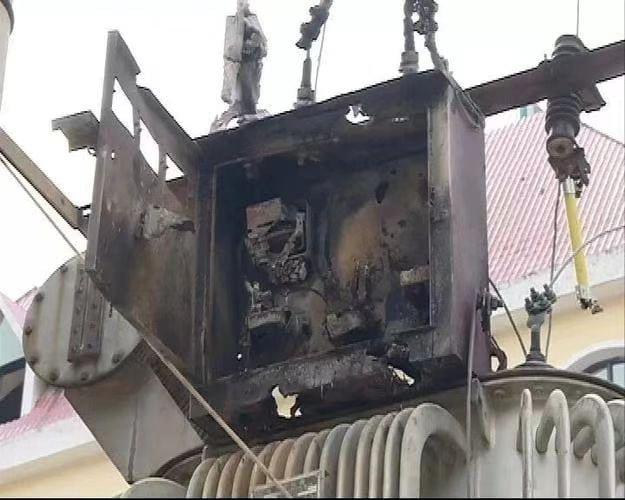
Transformers have long operational lives—often 25 to 40 years—but eventually, even the most robust units must be retired due to aging, inefficiency, or failure. What happens next is not just a matter of disposal, but an important process involving recycling, environmental safety, and sometimes refurbishment. This document explores the journey of transformers after retirement.
Why Are Transformers Retired?
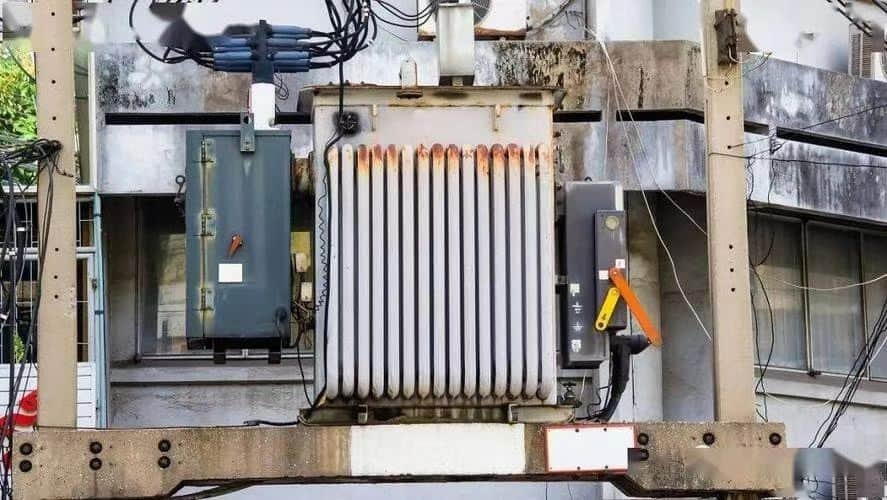
In the power industry, transformers are among the most critical and long-lived assets. However, they don’t last forever. Over time, transformers are subjected to thermal stress, electrical surges, contamination, and mechanical wear that gradually degrade their performance and safety. Keeping outdated or failing units in service can lead to unplanned outages, safety risks, and efficiency losses. Retirement becomes inevitable—whether due to aging, technology obsolescence, or grid modernization. Understanding why and when transformers are retired is crucial to making timely, cost-effective asset management decisions.
Transformers are retired when they reach the end of their operational life due to insulation aging, core and winding degradation, oil contamination, persistent failures, or when they no longer meet modern load, efficiency, or safety requirements. Key retirement drivers include age-related deterioration, repeated faults, high failure risk, rising maintenance costs, and technological obsolescence. Utility planning, grid upgrades, and environmental regulations also trigger transformer replacement or decommissioning. Retirement is often based on a condition assessment, not just calendar age.
Proactive retirement of aging units prevents catastrophic failures, grid instability, and excessive O\&M expenses.
Transformers are retired solely based on their age.False
Age is one factor, but condition-based assessments using DGA, insulation health, and performance metrics are more critical.
End-of-life transformers can pose serious safety and reliability risks.True
Degraded insulation, oil leaks, and overheating can lead to fires, failures, or grid blackouts.
Transformers are often retired due to changes in system requirements or standards.True
Modernization, higher efficiency demands, or new regulations can render older transformers incompatible.
1. Aging and Insulation Degradation
Most power transformers are designed for 30–40 years of service, but actual lifespan depends on:
| Factor | Effect |
|---|---|
| Thermal aging | Accelerated by overloading and hot spots |
| Moisture ingress | Reduces dielectric strength, leads to partial discharge |
| Oxidation of oil and paper | Causes sludge, acidity, and brittleness |
| Mechanical stress | Loosens winding clamping and core supports over time |
📉 Deteriorated insulation increases the risk of short circuits, arcing, and internal faults.
| Condition | Retirement Indicator |
|---|---|
| Paper DP < 200 | Severe insulation aging |
| Furan > 2500 ppb | Critical insulation degradation |
| Oil moisture > 30 ppm | High breakdown risk |
2. Frequent Faults and Performance Failures
Repeat issues such as:
- Overheating due to poor cooling
- Bushing or OLTC failure
- Partial discharge activity
- HV winding deformation
All signal deep internal issues. While isolated problems can be repaired, chronic faults justify full replacement.
| Issue | Consequence |
|---|---|
| Repeated OLTC arcing | Voltage regulation failure |
| Internal winding short | Permanent damage |
| Fault gas spikes | Explosion/fire risk |
🛑 A single high-energy failure can destroy a transformer beyond economic repair.
3. Load Growth and Capacity Mismatch
Transformers sized decades ago may no longer support modern load demands:
| Change | Impact |
|---|---|
| Increased urbanization | Overloaded distribution units |
| Renewable energy backfeed | Reverse power flow stress |
| Industrial expansion | Shortage of kVA capacity |
If a transformer operates above 80–90% capacity long-term, it suffers accelerated aging. Retirement is often tied to load forecasting and system planning.
4. Efficiency and Technical Obsolescence
Older transformers are less efficient due to:
- Higher no-load and load losses
- Outdated materials (e.g., non-CRGO steel)
- Inadequate cooling and control
| Factor | Replacement Driver |
|---|---|
| Efficiency < 98% | Energy cost penalty |
| Poor tap changer design | Inflexible voltage regulation |
| No digital monitoring | Incompatible with smart grid |
Upgrading to modern transformers saves energy, reduces emissions, and enables remote diagnostics.
5. Environmental or Safety Hazards
| Issue | Concern |
|---|---|
| Oil leaks | Soil and water contamination |
| PCB-contaminated oil | Regulated disposal requirements |
| Fire hazard | Risk to substations, personnel, and grid |
📢 Compliance with environmental standards (e.g., EPA, REACH, RoHS) may necessitate retirement of non-conforming units.
6. High O\&M Costs and Downtime
When maintenance frequency and cost increase, transformers become financial liabilities.
| Indicator | Typical Threshold |
|---|---|
| Unplanned outages > 2/year | High reliability risk |
| Annual O\&M > 10% of unit value | Economically inefficient |
| Spare parts no longer available | Obsolescence risk |
👷 In some cases, retrofitting can extend life—but if issues persist, retirement is more cost-effective.
7. Regulatory and System Modernization Drivers
- Smart grid initiatives require transformers with digital sensors
- Higher voltage classes demand replacement of low-voltage legacy units
- Harmonics and PQ standards require modern filtering capability
- Utility planning cycles may batch retire transformers for economies of scale
| Modernization Program | Replacement Reason |
|---|---|
| Utility fleet renewal | Aging fleet risk reduction |
| Renewable integration | Reverse power and dynamic load control |
| IEC/IEEE upgrades | Standards compliance |
8. Condition-Based Retirement Assessment
🛠 Utilities use asset management tools like:
| Tool | Role |
|---|---|
| Dissolved Gas Analysis (DGA) | Detects internal arcing/faults |
| Furan Testing | Assesses insulation aging |
| Infrared Thermography | Identifies hot spots and cooling failure |
| Tan Delta Testing | Measures dielectric losses |
| Digital Twin Models | Simulate end-of-life scenarios |
| Parameter | EoL Indicator |
|---|---|
| Paper DP < 200 | Aging threshold |
| CO + CO₂ > 10,000 ppm | Cellulose decomposition |
| C₂H₂ > 35 ppm | Arcing/critical fault |
| Bushing tan δ > 1% | Replace bushing or retire unit |
9. Case Example: Urban Utility Fleet Renewal
A city utility analyzed 150 transformers ≥30 years old.
| Finding | % of Fleet |
|---|---|
| High moisture or DP below 250 | 38% |
| No digital monitoring or AVR | 72% |
| Annual O\&M exceeding 8% of value | 40% |
Result: 60 units marked for retirement within 5 years, replaced with smart transformers with OLTCs, fiber sensors, and SCADA connectivity.
What Is the First Step After Transformer Retirement?
Once a transformer has been officially retired from service—whether due to aging, damage, or obsolescence—the retirement process must begin with a strict and safe protocol. Rushing into dismantling or disposal without appropriate precautions can lead to severe electrical, environmental, and legal risks. Transformers still retain stored energy, hazardous fluids, and high-voltage components, even when not active. Therefore, the first step is always de-energization and safety verification, forming the foundation for all subsequent disassembly, oil handling, or disposal actions.
The first step after transformer retirement is to fully de-energize and electrically isolate the unit from all power sources. This includes opening all primary and secondary isolation switches, confirming zero voltage with proper testing, grounding all terminals, and tagging the equipment as “retired from service.” This ensures safe working conditions for field crews and prevents accidental energization. Only after electrical isolation and lockout-tagout (LOTO) procedures are verified can mechanical disconnection, oil draining, and removal operations begin.
Without this initial isolation step, the retirement process cannot legally or safely proceed.
Transformers must be de-energized before physical dismantling or disposal.True
Residual voltage or inductive energy can cause electrical hazards unless isolation and grounding are confirmed first.
Oil can be drained before disconnecting the transformer from the power grid.False
Draining oil before electrical isolation risks contamination, fire, or injury in case of unexpected voltage presence.
LOTO (Lockout-Tagout) procedures are required during transformer decommissioning.True
LOTO is a mandatory safety procedure to prevent accidental energization and protect maintenance personnel.
1. De-Energization and Electrical Isolation
Before any action is taken, the transformer must be de-energized from all sides:
| Procedure | Purpose |
|---|---|
| Open primary and secondary isolation switches | Disconnect the unit from upstream/downstream power |
| Discharge residual energy | Eliminate static or inductive voltage buildup |
| Confirm zero-voltage presence | Use calibrated voltage detectors on all bushings |
| Apply visible ground clamps | Prevent voltage reappearance from backfeed or induction |
| Secure with lockout devices | Physically prevent switch reclosure |
| Tag as “Out of Service” | Notify all site personnel of its status |
Personnel must wear arc-rated PPE and follow local electrical safety codes (e.g., NFPA 70E, IEC 60204).
2. Lockout-Tagout (LOTO) Implementation
| Step | Description |
|---|---|
| 1️⃣ Lock the disconnection points | Padlock switch handles, valve wheels, or breakers |
| 2️⃣ Apply warning tags | Indicate “Do Not Operate – Transformer Retired” |
| 3️⃣ Document the isolation | Record location, time, technician, and supervisor name |
| 4️⃣ Retain key control | Only authorized personnel may remove LOTO devices |
📋 In many countries, LOTO is a legal requirement enforced by OSHA, HSE, or local regulations.
3. Safety Confirmation Before Mechanical Work
Before oil draining, gas venting, or cable disconnection:
| Confirm | Method |
|---|---|
| Transformer voltage is zero | Phase-to-phase and phase-to-ground tests |
| Bushings are grounded | Clamp-grade earth cables |
| No stored pressure | Check conservator pressure gauges, vent if needed |
| No fire/explosion risk | Test oil condition and degas if required |
| Nearby lines are clear | Notify system operator (dispatcher) of decommissioning |
A safety checklist and job hazard analysis (JHA) must be completed and signed off by the safety officer.
4. Site Security and Work Area Preparation
| Setup | Importance |
|---|---|
| Install fencing or barriers | Prevent unauthorized access during dismantling |
| Post safety signage | “Transformer Retired – Work in Progress” |
| Confirm crane or transport access | Plan path for removal and lifting zones |
| Fire suppression readiness | Portable extinguishers or hoses for oil-related work |
All crew must be briefed via toolbox talks, with emergency procedures clearly assigned.
5. Notification and Recordkeeping
Before physical disassembly begins:
| Task | Required For |
|---|---|
| Notify utility SCADA or dispatch center | Update grid topology and asset status |
| Submit retirement notice to asset manager | Trigger disposal tracking and documentation |
| Update asset register | Mark transformer as “retired” or “pending removal” |
| Confirm with environmental officer | Assess hazardous materials handling plan |
📁 Digital records, including photographs, test reports, and LOTO verification, are archived.
Summary Table: First Step After Retirement
| Step | Action | Purpose |
|---|---|---|
| 1 | Open and lock isolation switches | Disconnect power safely |
| 2 | Ground transformer bushings | Discharge residual voltage |
| 3 | Tag transformer as out of service | Communicate status clearly |
| 4 | Perform LOTO procedures | Prevent re-energization |
| 5 | Test voltage and confirm de-energization | Verify a safe work environment |
| 6 | Secure the work area | Prepare for physical operations |
| 7 | Notify SCADA/asset manager | Maintain system and compliance integrity |
Can Retired Transformers Be Reused or Refurbished?
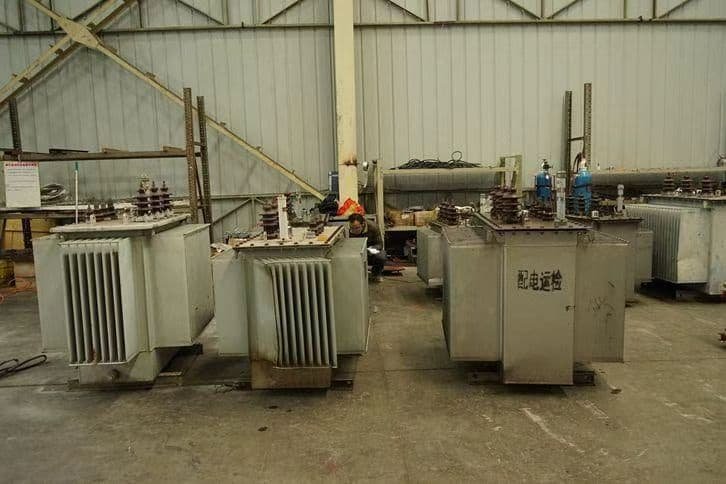
Transformer retirement doesn’t always mean the end of its service life. While many are removed due to age or damage, a significant number of transformers can be strategically reused or refurbished, saving both capital and environmental costs. Unfortunately, utilities and operators sometimes scrap units prematurely due to unclear diagnostics or policy constraints. The reality is that not all retired transformers are beyond salvage—many can return to operation with condition-based refurbishment that restores them to near-new performance standards. The key lies in a rigorous evaluation and targeted overhaul strategy.
Yes, many retired transformers can be reused or refurbished if their core structure, tank, and main insulation system remain viable. A comprehensive condition assessment—covering winding integrity, core losses, oil quality, and insulation health—determines suitability for refurbishment. Common refurbishment actions include oil replacement, bushing upgrades, tap changer repairs, winding re-insulation, and repainting. Refurbished transformers can meet current technical standards and offer up to 70–90% of original service life at 30–60% of the cost of a new unit. However, reuse must comply with safety, efficiency, and environmental regulations.
All retired transformers must be scrapped and cannot be reused.False
Transformers can be refurbished and safely reused if key components remain structurally sound and pass diagnostic tests.
Transformer refurbishment can extend service life by over a decade.True
Through oil regeneration, re-insulation, and component upgrades, refurbished units can operate reliably for another 10–20 years.
Refurbished transformers must meet current electrical and environmental standards before reuse.True
Units must pass updated testing, insulation checks, and, where applicable, environmental compliance such as PCB-free certification.
1. What Makes a Transformer Eligible for Reuse or Refurbishment?
A transformer is a candidate for reuse if it passes initial non-destructive evaluations (NDE):
| Component | Criteria for Reuse |
|---|---|
| Core | No rust, delamination, or distortion |
| Windings | Structurally intact, no shorts or severe hot spots |
| Tank | Pressure-tight, weldable, corrosion-free |
| Oil | Restorable via purification (acid < 0.1 mg KOH/g, BDV > 50 kV) |
| Insulation | Paper DP > 400, no excessive moisture |
| Tap changer | Rewinding or part replacement possible |
| Bushings | Test within insulation resistance and tan δ limits |
If key parameters fall within acceptable limits, refurbishment is technically and economically justified.
2. Refurbishment vs. Reconditioning: Know the Difference
| Term | Scope | Objective |
|---|---|---|
| Refurbishment | Mechanical and electrical overhaul | Restore performance close to original |
| Reconditioning | Cleaning, re-oiling, and surface work | Extend life with minimal intervention |
Refurbishment may include:
- Full rewinding of HV/LV coils
- Core tightening or realignment
- Tap changer reassembly
- Oil replacement or regeneration
- Painting and weather sealing
- Control cabinet modernization
🔁 Refurbished transformers are typically re-tested under IEC 60076 or IEEE C57 standards before being cleared for reuse.
3. Standard Refurbishment Process
| Step | Description |
|---|---|
| 1. Visual & Diagnostic Inspection | Look for corrosion, leaks, deformation |
| 2. Oil Sampling & DGA | Check for gases, moisture, acidity |
| 3. Electrical Testing | IR, turns ratio, winding resistance, insulation, SFRA |
| 4. Disassembly & Cleaning | Open tank, remove sludge, degas components |
| 5. Repair/Replace Components | Windings, bushings, gaskets, cooling systems |
| 6. Oil Treatment or Replacement | Recondition or replace oil |
| 7. Reassembly & Painting | Surface treatment, seal testing |
| 8. Final Testing | Heat-run test, partial discharge, impedance test |
| 9. Certification | Report with test results and refurbished rating plate |
🛠 Some refurbishers also add modern accessories, like:
- Digital temperature sensors
- Online DGA monitoring
- Vacuum-type OLTCs
4. Economic and Environmental Advantages
| Benefit | Description |
|---|---|
| Cost Savings | 40–70% cheaper than buying new |
| Faster Lead Time | 2–6 months vs. 9–15 months for new units |
| Lower Carbon Footprint | Avoids steel, copper, and oil manufacturing |
| Waste Reduction | Avoids landfill and hazardous material disposal |
| Grid Continuity | Ideal for emergency or interim capacity deployments |
♻️ A well-refurbished transformer can be as reliable as a new one for most utility or industrial applications.
5. Limitations and Risks of Reuse
Despite the benefits, reuse is not suitable when:
| Condition | Reason |
|---|---|
| DP < 200 | Insulation is brittle and unsafe |
| Core has hot spots or delamination | High losses and noise |
| Tank corrosion breaches integrity | Unsafe under pressure |
| PCB-contaminated oil | Requires complete disposal per law |
| Legacy designs with poor efficiency | Non-compliant with MEPS or DOE 2016+ |
| OLTC with unrecoverable damage | No spare parts or obsolete design |
⚠️ Refurbished transformers must pass full dielectric, thermal, and mechanical tests to ensure compliance.
6. Compliance and Certification Requirements
| Regulation | Requirement |
|---|---|
| IEC 60076-1/3/10 | Type and routine tests |
| IEEE C57.12 series | Test codes for reconditioned units |
| EN 50588 / DOE 2016+ | Energy efficiency benchmarks |
| ISO 14001 | Waste and oil recycling compliance |
| PCB-free certification | Mandatory for re-export or green markets |
📋 Each refurbished unit receives a new nameplate, test report, and warranty certificate if performed by a certified shop.
7. Case Study: Utility Refurbishment Strategy
A utility in Eastern Europe assessed 200 retired transformers:
| Category | % of Fleet |
|---|---|
| Eligible for reuse | 56% |
| Eligible after refurbishment | 29% |
| Scrap due to critical failure | 15% |
Refurbishment cost averaged \$35,000–\$80,000 per unit, compared to \$120,000–\$250,000 for new replacements, saving the utility over \$12 million in capital costs while improving grid reliability.
What Materials Are Recyclable in Retired Transformers?
When a transformer reaches the end of its service life, safe and responsible disposal becomes paramount. However, transformer retirement is not synonymous with waste. In fact, over 90% of a transformer's mass is recyclable, and with proper dismantling, these materials can be diverted from landfills and reintroduced into manufacturing. Recycling not only helps recover valuable metals like copper and aluminum, but also ensures environmental compliance, especially when handling oil, insulation, and regulated materials like PCB. Understanding what parts are recyclable—and how—is critical for utilities, recyclers, and asset managers alike.
Retired transformers contain several recyclable materials including copper or aluminum windings, laminated silicon steel cores, steel or aluminum tanks and frames, insulating oil (if non-PCB), porcelain or composite bushings, radiators, and tap changers. These materials can be recovered through mechanical dismantling, oil draining, and separation processes. Transformers are typically 50–70% steel, 10–20% copper or aluminum, 5–10% oil, and 2–5% insulation by mass. Proper sorting, testing, and handling—especially of oil and dielectric materials—ensure safe, compliant, and high-yield recycling operations.
Transformers contain recyclable copper, steel, and aluminum.True
Windings, cores, and tanks are made of highly recyclable metals that retain value after retirement.
Transformer oil cannot be recycled and must be incinerated.False
Non-PCB transformer oil can be filtered and reconditioned or reused in secondary applications under strict quality standards.
Only about 20% of a transformer is recyclable.False
With proper dismantling, over 90% of a transformer's mass—including metals and oil—can be recycled or reused.
1. Metallic Components: The Bulk of Transformer Mass
a) Copper and Aluminum Windings
| Feature | Detail |
|---|---|
| Copper | Found in high-voltage and low-voltage windings; ≥99.9% pure |
| Aluminum | Used in budget or lightweight designs; also highly recyclable |
| Recyclability | 100%; easily stripped, separated, and sold as scrap |
💰 These are high-value recyclables, often separated by automated stripping or manual unwinding.
b) Laminated Steel Core (CRGO)
- Made of Cold Rolled Grain Oriented (CRGO) silicon steel
- Precision stacked to reduce magnetic losses
- Non-contaminated laminations can be recycled as ferrous scrap
| Core Status | Recyclability |
|---|---|
| Clean and dry | Recyclable steel |
| Oil-soaked or oxidized | May require decontamination or special handling |
2. Transformer Tank and Structural Steel
- Comprises outer housing, base frame, lifting lugs, conservator, and radiators
- Usually fabricated from mild steel (MS) or galvanized steel
| Part | Typical Reuse/Recycle Path |
|---|---|
| Tank body | Cleaned, cut, and sold as steel scrap |
| Conservator | Removed, degreased, reused or scrapped |
| Radiator fins | Often sold as plate steel for remanufacturing |
🔧 If structurally intact, some components (like doors or conservators) can be reused in refurbishments.
3. Insulating Oil (Mineral Oil, Synthetic, or Natural Esters)
| Type | Recyclability |
|---|---|
| Mineral Oil (non-PCB) | Reconditioned via degassing, filtration, and drying |
| PCB Oil | Must be destroyed per hazardous waste protocols |
| Natural Ester | Biodegradable; recyclable under stricter moisture control |
🛢️ Oil accounts for 5–10% of a transformer's mass and can be reused in:
- Furnace quenching
- Hydraulic systems (if treated)
- New transformers (after regeneration)
📋 Requires DGA and PCB testing before any recycling or disposal path is selected.
4. Bushings and Insulators
| Material | Recyclability |
|---|---|
| Porcelain | Crushed and reused as aggregate |
| Composite/Polymer | May be incinerated or landfilled depending on resin |
| Brass/copper fittings | Removed and sold as non-ferrous scrap |
If bushings are undamaged, they may be spared for reuse in other units.
5. Tap Changers, Cooling Fans, and Accessories
| Component | Reuse or Recycle Potential |
|---|---|
| OLTC/DETC gear | Refurbishable if not damaged |
| Cooling fans | Motors and blades recyclable as metal/electronics |
| Valves, gaskets | Recycle metal, dispose elastomer |
| Control panels | E-waste category; processed under WEEE guidelines |
These accessories contain small electronics, copper windings, and aluminum, all of which are recyclable via e-waste channels.
6. Non-Recyclable or Hazardous Materials
Some components require special disposal or treatment:
| Material | Handling |
|---|---|
| Insulating paper (aged cellulose) | Incinerated or landfilled due to degradation |
| Paint with lead or PCB content | Requires hazardous waste management |
| Gasket compounds | May not be recyclable, disposed per local law |
| PCB oils or contaminated parts | Destroyed via high-temperature incineration or stabilized in landfills |
Transformers containing PCBs cannot be recycled until fully decontaminated.True
PCB-contaminated materials must be processed in licensed facilities before any recycling can occur.
7. Material Recovery by Percentage (Typical for 10 MVA Transformer)
| Material | % of Total Mass | Recyclable? |
|---|---|---|
| Steel (core + tank) | 55–70% | ✅ |
| Copper or Aluminum | 10–20% | ✅ |
| Oil | 8–10% | ✅ (if non-PCB) |
| Insulation/Paper | 3–5% | ❌ |
| Bushings & Accessories | 2–4% | ✅ / ❌ (mixed) |
♻️ Up to 93–95% of total weight is recoverable with proper handling.
8. Recycling Compliance and Documentation
Transformers must be decommissioned and recycled under strict regulations:
| Standard | Relevance |
|---|---|
| ISO 14001 | Environmental management for recycling yards |
| Basel Convention | Governs transboundary movement of hazardous waste (e.g., PCB transformers) |
| WEEE Directive (EU) | Applies to electronic accessories and control panels |
| EPA TSCA (USA) | Requires PCB removal and reporting for contaminated units |
| RoHS/REACH | Regulate harmful substances in reusable parts |
📑 Every recycling process should be documented with serial numbers, PCB test results, oil handling certificates, and material recovery reports.
9. Economic Value of Recyclables
| Material | Estimated Market Value (per ton) |
|---|---|
| Copper | $7,000–9,000 |
| Aluminum | $2,000–2,800 |
| CRGO steel | $800–1,200 |
| Mild steel | $300–600 |
| Mineral oil (reconditioned) | $300–500 per ton |
Even after recovery and labor costs, large transformers can return \$5,000–\$25,000+ in recyclable materials, depending on design and contamination.
How Is Transformer Oil Handled?
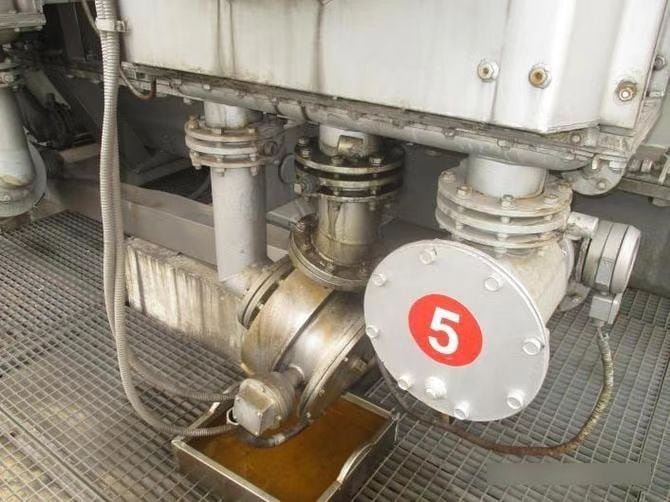
Transformer oil is essential for insulation and cooling, but its handling must be precise, regulated, and environmentally sound. Whether during transformer commissioning, maintenance, or retirement, improper handling of oil can result in contamination, fire risk, or environmental violations. Transformer oils may be mineral-based, synthetic, or natural esters, and each type requires specific handling procedures. Moreover, if oils contain polychlorinated biphenyls (PCBs), they fall under strict hazardous waste regulations. To ensure safety, reliability, and legal compliance, transformer oil must be managed using rigorous protocols and specialized equipment.
Transformer oil is handled through a series of controlled procedures including safe draining, contamination-free storage, testing, filtration, reuse, or disposal. It is typically drained using vacuum systems into sealed, labeled containers and is then tested for quality indicators like moisture, acidity, and dielectric strength. If suitable, the oil can be purified and reused; if degraded or contaminated (especially with PCBs), it must be disposed of according to hazardous waste laws. Proper oil handling also involves spill containment, PPE, documentation, and environmental protection measures.
Transformer oil can be freely discharged onto soil during maintenance.False
Discharging oil onto the ground is illegal and environmentally hazardous; it must be collected in sealed containers with spill containment.
Non-PCB transformer oil can be reused after proper filtration and purification.True
Clean mineral oil with acceptable dielectric and chemical properties can be reused after vacuum filtration, degassing, and moisture removal.
Transformer oil handling requires safety equipment and regulatory compliance.True
Due to flammability, contamination risk, and regulatory oversight, transformer oil must be handled with PPE, certified tools, and proper waste tracking.
1. Types of Transformer Oil and Their Handling Characteristics
| Oil Type | Base | Handling Note |
|---|---|---|
| Mineral Oil | Petroleum | Most common; flammable; recyclable if uncontaminated |
| Natural Ester | Vegetable-based | Biodegradable; sensitive to moisture |
| Synthetic Ester | Synthetic hydrocarbons | Stable under high temp; costly; moisture-sensitive |
| Silicone Oil | Inert silicone | High flash point; used in fire-prone locations |
| PCB (Askarel) | Chlorinated hydrocarbon | Banned in most countries; requires hazardous waste protocol |
⚠️ PCB oil handling is highly restricted, requiring licensed hazardous material contractors.
2. Standard Transformer Oil Handling Procedure
| Step | Description |
|---|---|
| 1. Safety Preparation | Identify oil type, gather PPE, and check MSDS |
| 2. Equipment Setup | Install drain valves, hoses, vacuum pump, and filtration unit |
| 3. Draining Oil | Use gravity or vacuum to transfer oil into steel drums or IBCs |
| 4. Sampling and Testing | Collect oil samples for DGA, BDV, moisture, and acidity |
| 5. Labeling and Documentation | Clearly label containers with oil type, source transformer ID, and sample date |
| 6. Storage or Transport | Store in cool, dry, shaded area or transport with hazardous waste manifest |
| 7. Disposal or Reconditioning | Send for reprocessing, reuse, or licensed destruction based on test results |
🛢️ Containers must be sealed, grounded, and compliant with UN/DOT packaging codes.
3. Transformer Oil Sampling and Testing
Before deciding to reuse or dispose of oil, it must be tested for key indicators:
| Test | Standard | Acceptable Value |
|---|---|---|
| Breakdown Voltage (BDV) | IEC 60156 | > 50 kV |
| Moisture Content | IEC 60814 | < 30 ppm (new); < 40 ppm (in service) |
| Acid Number | IEC 62021 | < 0.1 mg KOH/g |
| Interfacial Tension | ASTM D971 | > 28 mN/m |
| Dissolved Gas Analysis (DGA) | IEC 60567 | Should be within normal diagnostic range |
| PCB Content | EPA 8082A | < 2 ppm (non-PCB classification) |
📄 Results determine whether oil is suitable for reuse, reconditioning, or must be treated as waste.
4. Oil Filtration, Degassing, and Reuse
If oil is reusable, it undergoes online or offline treatment:
| Process | Equipment | Purpose |
|---|---|---|
| Filtration | Micron filters (0.5–5 µm) | Remove particles and sludge |
| Degassing | Vacuum degasser | Remove dissolved gases (O₂, H₂, CO₂) |
| Drying | Molecular sieve or vacuum dryer | Reduce moisture content |
| Reinhibiting | Additives (e.g., DBPC) | Restore antioxidant properties |
♻️ Treated oil can be:
- Returned to the same transformer
- Used in another compatible unit
- Stored in nitrogen-blanketed tanks for future use
5. Oil Disposal for Contaminated or Non-Reusable Fluids
If oil is degraded or contaminated (e.g., PCB, excessive moisture, acidity), it must be disposed of under strict regulations:
| Oil Type | Disposal Method |
|---|---|
| Non-PCB Mineral Oil | Incineration, co-processing, or regeneration |
| PCB-Contaminated Oil | High-temperature incineration at licensed facility |
| Natural Esters | Composting or incineration, depending on local rules |
| Oil with heavy metals/sludge | Stabilization before landfill or thermal treatment |
📦 All disposal requires:
- Waste tracking manifest
- Analytical test certificate
- Licensed transporter and treatment facility
- Notification to environmental agency (EPA, EEA, etc.)
6. Environmental and Safety Controls During Handling
| Control Measure | Function |
|---|---|
| Spill containment berms | Prevent oil leakage from reaching soil or water |
| Grounding and bonding | Avoid static buildup and fire risk |
| Fire extinguisher readiness | Especially for mineral oil with low flash points |
| Use of PPE | Gloves, goggles, chemical aprons, flame-resistant coveralls |
| Ventilation in confined spaces | Avoid buildup of flammable vapors |
| Secondary containment for drums | Prevent leaks during storage or transit |
🧯 Mineral oil flash point: \~145°C. Esters: \~300°C. Handle accordingly.
7. Transformer Oil Handling Checklist
| Task | Completed |
|---|---|
| Identify oil type and contamination status | ✅ / ❌ |
| Wear PPE and review MSDS | ✅ / ❌ |
| Prepare vacuum pump and filtered container | ✅ / ❌ |
| Drain oil without spillage | ✅ / ❌ |
| Collect representative oil sample | ✅ / ❌ |
| Label and store container per regulation | ✅ / ❌ |
| Analyze oil for reuse or disposal | ✅ / ❌ |
| Complete documentation and manifest | ✅ / ❌ |
📘 All steps should be logged in the transformer maintenance or decommissioning record.
What Are the Environmental and Regulatory Considerations?
Retiring and disposing of transformers is not just a technical or operational task—it’s an environmentally sensitive and legally complex process. A transformer, even when de-energized, contains hazardous substances such as oil, heavy metals, and possibly PCBs, which can harm ecosystems and human health if improperly handled. Environmental protection agencies across the globe have established strict regulations to govern transformer decommissioning, oil disposal, emissions control, and waste traceability. Non-compliance can result in fines, operational shutdowns, or legal liabilities. Hence, knowing and adhering to these environmental and regulatory considerations is essential for every operator, recycler, and maintenance professional.
Environmental and regulatory considerations for transformer retirement focus on safe handling, disposal, and documentation of hazardous substances such as transformer oil, PCBs, heavy metals, and insulating materials. Regulations like the EPA’s TSCA (U.S.), Basel Convention (International), REACH (EU), and local waste management laws mandate procedures for oil testing, leak prevention, proper labeling, recycling, and hazardous waste treatment. Key requirements include spill containment, PCB decontamination, proper manifesting, licensed transport and disposal, and full reporting to authorities. Compliance ensures both environmental protection and legal accountability.
Transformers can be disposed of without environmental restrictions if they are de-energized.False
Even de-energized transformers contain oil, metals, and insulation that may be hazardous, requiring regulated disposal.
PCB-contaminated transformers must be handled under strict hazardous waste laws.True
Transformers with PCBs >50 ppm are classified as hazardous waste and must be processed in licensed facilities.
Transformer disposal requires recordkeeping and reporting to regulatory bodies.True
Authorities require documentation of oil testing, disposal paths, waste transporter IDs, and PCB status for legal compliance.
1. Hazardous Materials of Concern in Transformers
Transformers contain multiple components that fall under environmental oversight:
| Material | Concern | Regulatory Focus |
|---|---|---|
| Transformer Oil (Mineral or Ester) | Flammable, toxic, and can cause soil/water contamination | Oil spill prevention, safe disposal |
| PCBs (Polychlorinated Biphenyls) | Persistent organic pollutant, carcinogenic | Total ban or tightly controlled use |
| Insulation (Paper, Pressboard) | May be soaked with aged oil or PCB | Treated as hazardous when contaminated |
| Lead Paint or Gaskets | Heavy metals or toxic adhesives | Waste classification under WEEE/RoHS |
| Metallic Components (Core, Windings) | Safe when clean; regulated when contaminated | Scrap metal standards or hazardous declaration |
🧪 Oil and insulation must be tested for PCBs before any disposal, reuse, or exportation.
2. Major Environmental Regulations and Standards
| Regulation | Jurisdiction | Focus |
|---|---|---|
| EPA TSCA (Toxic Substances Control Act) | United States | PCB limits, transformer oil classification |
| RCRA (Resource Conservation and Recovery Act) | United States | Hazardous waste management |
| Basel Convention | Global | Cross-border movement of hazardous waste (e.g., PCBs, oils) |
| REACH & RoHS | European Union | Toxic substances in electrical equipment |
| WEEE Directive | European Union | E-waste handling and recycling |
| ISO 14001 | International | Environmental management system (EMS) certification |
| IEC 62635 | International | End-of-life treatment principles for transformers |
🧾 A certificate of destruction or disposal is required in most countries for compliance audits.
3. Transformer Oil: Environmental and Legal Handling
| Requirement | Detail |
|---|---|
| Spill containment | Must have secondary containment, drip trays, and emergency kits |
| Testing for PCBs | Mandatory before disposal (EPA method 8082A or IEC 61619) |
| Re-use vs. disposal | Allowed only if oil is <2 ppm PCB and meets dielectric specs |
| Transportation | Only by licensed hazardous waste carriers |
| Storage limits | Typically 90–180 days depending on classification and country |
| Disposal facilities | Must be EPA or national-authority certified incinerators or recyclers |
🌍 Even biodegradable natural esters must be handled under local environmental health and safety rules.
4. PCB Management: A Critical Compliance Area
| Action | Legal Requirement |
|---|---|
| Identify PCB status | Via chemical test or manufacturer data sheet |
| Label transformers | ≥50 ppm PCBs must be tagged “PCB Contaminated” |
| Maintain records | Location, test date, handler, disposal path |
| PCB-contaminated parts | Decontaminate or incinerate per local law |
| Prohibited uses | PCBs banned in new equipment in most countries since 1980s |
| Exportation | Prohibited unless approved under Basel Convention |
🔥 Improper PCB disposal leads to multi-million dollar fines and legal prosecution.
5. Reporting and Documentation Obligations
Every stage of transformer end-of-life must be traceable and reportable:
| Document | Purpose |
|---|---|
| PCB test report | Proof of non-PCB status (<50 ppm) |
| Oil disposal manifest | Tracks volume, type, handler, and destination |
| Transformer decommissioning report | Details dismantling, oil draining, contamination findings |
| Environmental impact statement (if applicable) | Assesses site-specific risks and mitigation |
| Waste export permit | Required for cross-border waste transfer |
| Certificate of Disposal or Recycling | Issued by licensed handler for closure |
📚 Documentation should be retained for 5–10 years, depending on regulatory jurisdiction.
6. Waste Classification and Disposal Codes
| Material | EU Code | US Code (RCRA) |
|---|---|---|
| Non-PCB transformer oil | 13 01 10 | D001 (if flammable) |
| PCB oil (>50 ppm) | 13 03 01* | TSCA-regulated |
| Contaminated insulation | 16 02 13* | D018–D043 |
| Oil-soaked metal | 16 01 17 | Conditional waste |
| Clean metal scrap | 17 04 05 | Not hazardous |
| Used bushings/electrical parts | 16 02 14 | E-waste |
💡 Codes must be listed on transportation documents and waste manifest forms.
7. Environmental Risk Mitigation Strategies
| Risk | Prevention Measure |
|---|---|
| Oil spill | Secondary containment, oil-absorbent pads, inspection logs |
| Fire hazard | Fire-rated barriers, flame-resistant PPE, grounding during draining |
| Soil/water contamination | Spill berms, sealed containers, prompt remediation plans |
| Air emissions during incineration | Use of approved high-temperature combustion units |
| Improper reuse | Strict testing, certification before redeployment |
| Unauthorized dismantling | Work only by certified technicians at licensed facilities |
🌱 Implementing an EMS (Environmental Management System) ensures systematic compliance.
8. Case Study: PCB Non-Compliance Penalty
A North American utility failed to test retired transformer oil for PCBs and allowed disposal at a non-certified facility. After EPA inspection:
- Penalty: \$320,000 fine
- Required action: Retrieval, reprocessing at a certified incinerator
- Follow-up: Mandatory environmental audit and 5-year reporting plan
✅ Lesson: Always test, document, and follow legal oil handling and disposal paths.
Conclusion
Retired transformers don't simply end up in landfills. Through regulated dismantling, recycling, and—in some cases—refurbishment, their environmental impact is minimized while valuable materials are recovered. This lifecycle management is critical for sustainability and responsible power system operation.
FAQ
Q1: What is the typical process after a transformer is retired?
A1: Once a transformer reaches the end of its service life or becomes obsolete, it is:
De-energized and safely disconnected from the grid
Transported to a recycling or disposal facility
Inspected and dismantled, separating reusable and hazardous components
This process follows strict environmental, safety, and regulatory protocols to avoid contamination or hazards.
Q2: What materials from retired transformers are recycled?
A2: Many components of transformers are recyclable:
Copper or aluminum windings: Reused in electrical industries
Silicon steel core laminations: Reprocessed for steel manufacturing
Transformer oil (if PCB-free): Can be filtered and reused or incinerated for energy recovery
Tank and metal framework: Melted down and reused in steel production
Up to 90% of a transformer’s materials can often be recovered.
Q3: How are hazardous materials in old transformers handled?
A3: Key hazardous substances include:
PCB-contaminated oil (in older units): Must be disposed of at licensed hazardous waste facilities
Asbestos insulation (in very old units): Requires certified handling and disposal
Lead-based paints or gaskets: Separated for proper treatment
All disposal complies with EPA, EU RoHS/REACH, or local environmental laws to prevent soil or water contamination.
Q4: Can any parts be reused in new transformers?
A4: Yes. Certain parts may be reused:
Cooling fans, bushings, radiators, and some mechanical accessories
Tap changers or monitoring devices, if still functional and compliant
However, core and coil assemblies are usually replaced due to degradation, and reused parts undergo rigorous testing before redeployment.
Q5: Who is responsible for transformer retirement and recycling?
A5: Responsibility often falls to:
Utility or industrial asset owners
OEMs (Original Equipment Manufacturers) under take-back programs
Licensed recycling contractors
Many countries require documented decommissioning and disposal, including waste manifests, environmental reports, and sometimes government notifications for traceability and compliance.
References
EPA: PCB Transformer Disposal Guidelines
https://www.epa.gov/pcbs/managing-transformers-containing-pcbs
IEEE: Standard C57.12.91-2020 – Decommissioning and Recycling
https://standards.ieee.org/standard/C57_12_91-2020.html
Doble Engineering: Transformer End-of-Life Testing & Support
https://www.doble.com/solutions/end-of-life-asset-support/
ScienceDirect: Sustainable Disposal of Retired Transformers
https://www.sciencedirect.com/science/article/pii/S0956053X21005957
NREL: Environmental Management of Power Transformers
https://www.nrel.gov/docs/fy22osti/transformer-recycling.pdf