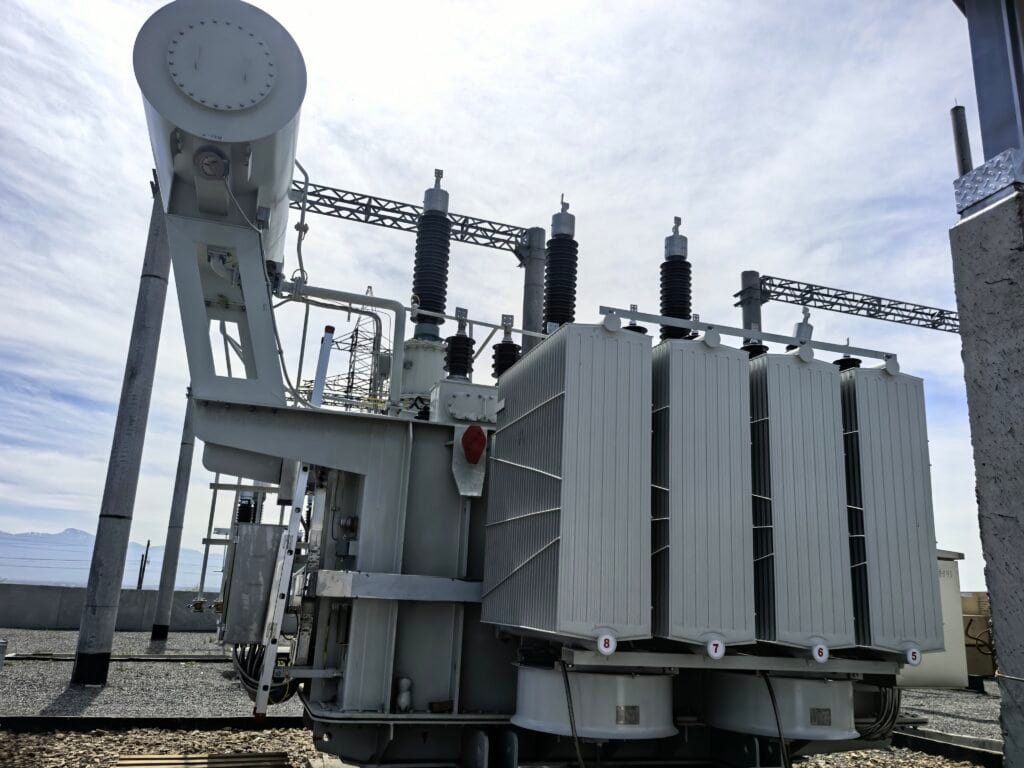
Oil-filled transformers, also known as oil-immersed transformers, are widely used in power systems because of their excellent cooling capability, high insulation strength, and ability to handle large electrical loads. They are particularly suitable for demanding applications where efficiency, reliability, and high capacity are required. Understanding when to use an oil-filled transformer helps ensure optimal system performance and long-term operational stability.
What Is an Oil-Filled Transformer?
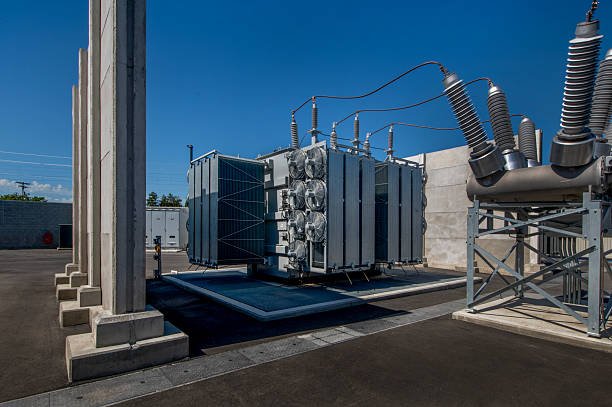
In modern electrical power systems, the continuous and reliable delivery of electricity depends on a wide range of high-performance equipment, among which transformers play one of the most fundamental roles. Whether electricity is being generated at a power plant, transmitted across long-distance grids, or distributed to industrial and residential users, voltage levels must be constantly adjusted to ensure efficiency, safety, and system stability. Among all transformer technologies used today, the oil-filled transformer is one of the most critical and widely deployed solutions, especially in medium-voltage, high-voltage, and high-capacity applications.
An oil-filled transformer is an electrical transformer that uses specially refined insulating oil inside a sealed steel tank to serve two essential functions: electrical insulation and heat dissipation. The internal components of the transformer—primarily the magnetic core and copper windings—generate heat during operation due to electrical losses. The transformer oil absorbs this heat and transfers it to external cooling systems such as radiators or cooling fins, ensuring that internal temperatures remain within safe operating limits. At the same time, the oil provides a highly effective dielectric medium that prevents electrical breakdown between energized parts, allowing the transformer to safely operate at high voltages.
An oil-filled transformer is a power transformer that uses insulating oil as both a cooling medium and an electrical insulation medium, enabling efficient heat removal, high-voltage operation, and long-term reliable performance in electrical power systems.
This dual-function design—thermal management and electrical insulation—is what makes oil-filled transformers indispensable in large-scale electrical infrastructure such as utility substations, transmission networks, renewable energy plants, and heavy industrial facilities.
Oil-filled transformers use transformer oil to generate electricity during operation.False
Transformer oil does not generate electricity; it functions as an insulating and cooling medium that supports safe and efficient transformer operation.
Fundamental Operating Principle of an Oil-Filled Transformer
Like all transformers, oil-filled transformers operate based on the principle of electromagnetic induction. Electrical energy is transferred between two or more windings through a magnetic field without direct electrical connection.
When alternating current flows through the primary winding, it creates a changing magnetic flux in the transformer core. This magnetic flux induces a voltage in the secondary winding, allowing electrical energy to be transferred at a different voltage level.
Losses
Transformer efficiency depends on minimizing internal energy losses.
Why Are Oil-Filled Transformers Preferred for High-Capacity Applications?
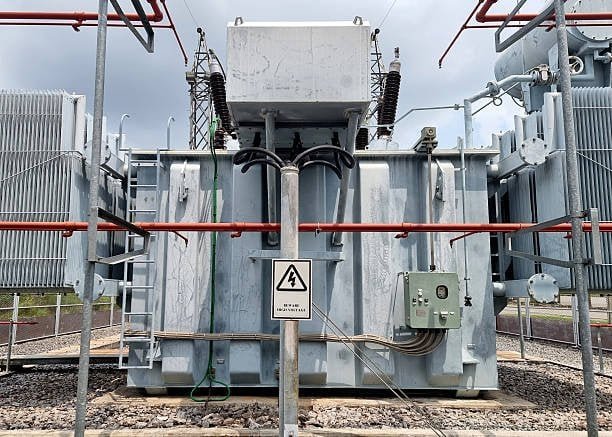
High-capacity electrical systems—such as transmission grids, large industrial plants, renewable energy stations, mining operations, and heavy manufacturing facilities—require transformers that can handle extremely large amounts of electrical power continuously and reliably. As electrical demand increases, so do the challenges associated with heat generation, insulation stress, voltage stability, and operational safety. In these demanding environments, oil-filled transformers are almost always the preferred solution due to their superior thermal management, high dielectric strength, excellent overload capability, and proven long-term reliability.
Unlike small or medium-duty electrical systems, high-capacity applications generate significant heat and electrical stress inside transformer windings and core structures. If this heat is not efficiently removed, it can lead to rapid insulation aging, reduced efficiency, mechanical stress, and ultimately transformer failure. Oil-filled transformers solve this problem by using insulating oil as both a cooling and dielectric medium, enabling them to operate safely under heavy electrical loads for long periods of time.
Oil-filled transformers are preferred for high-capacity applications because they provide superior cooling performance, strong electrical insulation, excellent overload handling, and long-term operational stability under continuous heavy electrical loading conditions.
This combination of thermal efficiency and dielectric reliability makes them the dominant technology in utility-scale and industrial power systems worldwide.
Dry-type transformers are more suitable than oil-filled transformers for all high-capacity electrical systems.False
Oil-filled transformers are generally preferred for high-capacity applications because they provide better cooling, higher dielectric strength, and improved overload capability compared to dry-type transformers.
The Core Challenge in High-Capacity Transformer Applications
High-capacity transformers face three major engineering challenges:
1. Excessive Heat Generation
As power increases, electrical losses increase significantly.
| Loss Type | Cause |
|---|---|
| Copper losses | High current through windings |
| Core losses | Magnetic hysteresis and eddy currents |
| Stray losses | Leakage magnetic flux |
2. High Voltage Stress
Large systems often operate at high or ultra-high voltage levels.
3. Continuous Operation
Many systems operate 24/7 without shutdowns, requiring extreme reliability.
Oil-filled transformers are specifically engineered to address these challenges.
Superior Cooling Capability of Oil-Filled Transformers
Cooling is the most critical factor in high-capacity transformer performance.
Transformer oil acts as an efficient heat transfer medium that continuously removes heat from internal components.
Oil Cooling Process
- Heat is generated in windings and core
- Transformer oil absorbs thermal energy
- Hot oil rises through convection
- Heat is transferred to radiators
- Cooled oil returns to the tank base
This natural or forced circulation system allows continuous thermal regulation.
Why Cooling Efficiency Matters in High-Capacity Systems
| Cooling Factor | Impact on Performance |
|---|---|
| Temperature control | Prevents insulation breakdown |
| Heat dissipation | Maintains efficiency |
| Thermal stability | Reduces mechanical stress |
Without effective cooling, high-capacity transformers would overheat rapidly.
Heat Transfer Advantage of Oil
Oil has significantly better heat transfer properties than air.
| Medium | Thermal Efficiency |
|---|---|
| Air (dry-type) | Lower |
| Oil (oil-filled) | Higher |
This makes oil-filled transformers far more suitable for large-scale applications.
High Dielectric Strength Enables Compact High-Voltage Design
High-capacity systems often require high-voltage operation.
Transformer oil provides excellent electrical insulation between energized components.
Why Dielectric Strength Matters
| Function | Benefit |
|---|---|
| Prevents electrical breakdown | Ensures system safety |
| Reduces insulation spacing | Enables compact design |
| Stabilizes electric field | Improves reliability |
This allows oil-filled transformers to handle extremely high voltages in a relatively compact structure.
When Are Oil-Filled Transformers More Suitable Than Dry-Type Transformers?
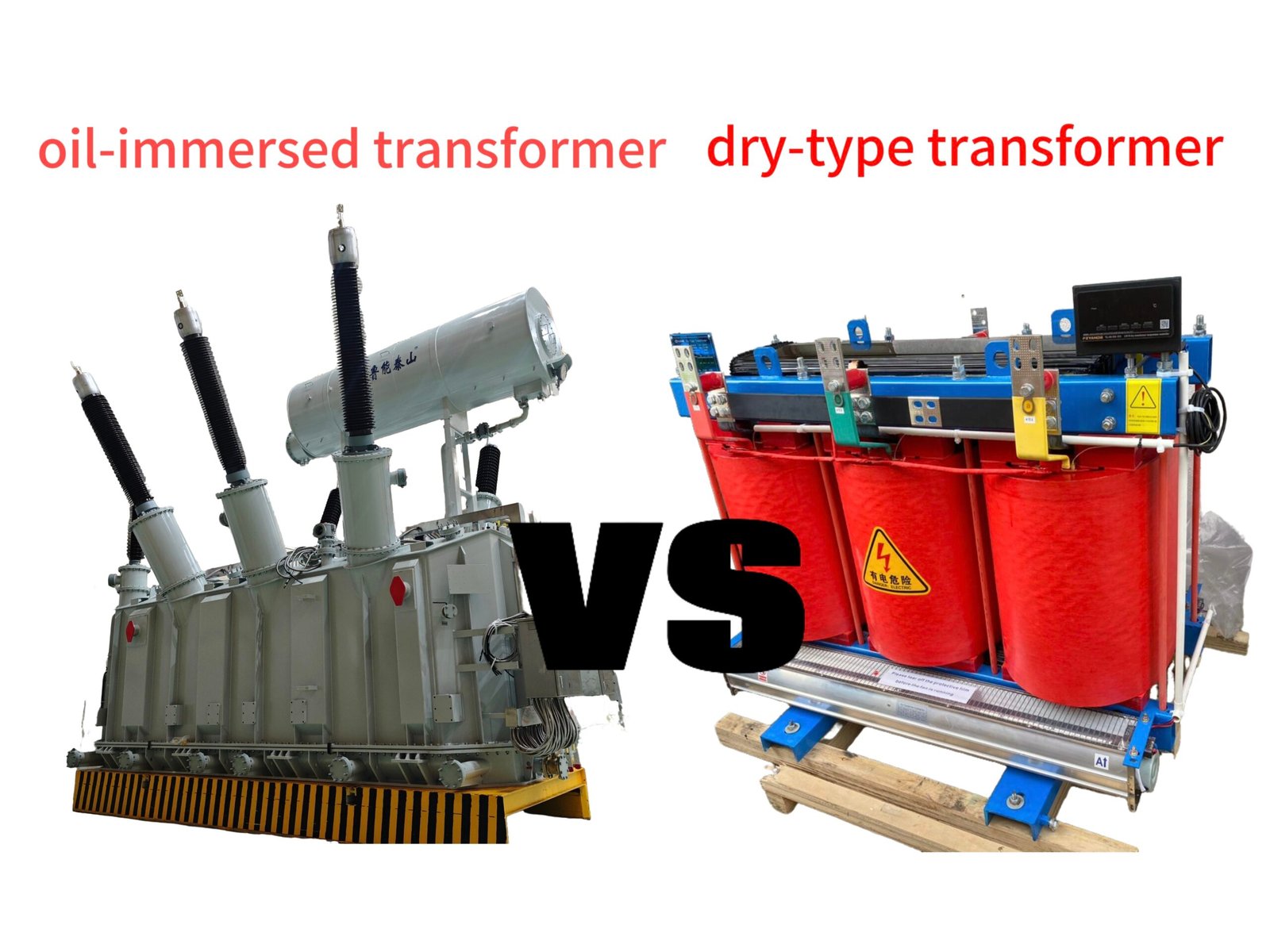
In modern electrical engineering, choosing between oil-filled transformers and dry-type transformers is not simply a matter of preference—it is a critical design decision that directly affects system reliability, safety, efficiency, maintenance strategy, and long-term operating cost. Both transformer types perform voltage transformation using electromagnetic induction, but their construction, cooling mechanisms, insulation systems, and application environments differ significantly.
Oil-filled transformers use insulating oil for both cooling and dielectric insulation, making them highly effective in high-capacity, high-voltage, and continuous-load applications. Dry-type transformers rely on air and solid insulation materials such as epoxy resin, which makes them safer for indoor installations but less efficient in high thermal and high-power environments.
Oil-filled transformers are more suitable than dry-type transformers in high-voltage, high-capacity, outdoor, continuous-load, and thermally demanding environments where superior cooling performance, strong insulation strength, and long-term operational stability are required.
Understanding when oil-filled transformers are the better choice requires evaluating load demand, voltage level, environmental conditions, thermal stress, safety requirements, installation constraints, and lifecycle performance expectations.
Dry-type transformers are always more efficient and more reliable than oil-filled transformers in all applications.False
Oil-filled transformers are generally more efficient and reliable in high-capacity and high-voltage applications due to superior cooling and insulation performance, while dry-type transformers are preferred mainly for indoor safety requirements.
Key Fundamental Difference Between the Two Transformer Types
| Feature | Oil-Filled Transformer | Dry-Type Transformer |
|---|---|---|
| Cooling medium | Transformer oil | Air |
| Insulation system | Oil + solid insulation | Solid epoxy/resin |
| Cooling efficiency | High | Moderate |
| Voltage capability | Medium to ultra-high | Low to medium |
| Overload capacity | Strong | Limited |
| Installation environment | Outdoor preferred | Indoor preferred |
This structural difference determines their ideal application environments.
When High Power Capacity Is Required
Oil-filled transformers are the preferred choice when electrical power demand is high.
High-capacity systems generate significant heat due to electrical losses in windings and core materials. Without effective cooling, this heat leads to insulation aging, efficiency loss, and potential equipment failure.
Why Oil-Filled Transformers Handle High Capacity Better
| Engineering Factor | Advantage |
|---|---|
| High thermal conductivity | Efficient heat removal |
| Large thermal mass | Stable temperature control |
| Continuous circulation | Even heat distribution |
| Radiator cooling system | Scalable heat dissipation |
Oil allows transformers to safely operate at much higher power ratings compared to dry-type designs.
When High-Voltage Operation Is Required
High-voltage systems require excellent dielectric insulation to prevent breakdown.
Electrical Stress in High Voltage Systems
| Issue | Risk |
|---|---|
| Electric field stress | Insulation breakdown |
| Partial discharge | Long-term insulation damage |
| Air insulation limits | Reduced safety margin |
Why Oil-Filled Transformers Are Better
Oil has a much higher dielectric strength than air, which allows:
- More compact insulation design
- Higher voltage ratings
- Improved safety margin
- Reduced risk of flashover
This makes oil-filled transformers essential for transmission-level voltages.
When Outdoor Installation Is Required
Oil-filled transformers are specifically designed for outdoor environments such as substations, power plants, and industrial yards.
Outdoor Environmental Challenges
| Condition | Impact |
|---|---|
| Rain and humidity | Insulation degradation risk |
| Dust and pollution | Cooling system blockage |
| Temperature extremes | Thermal stress |
| UV exposure | Material aging |
Why Oil-Filled Transformers Perform Better Outdoors
- Sealed tank prevents contamination
- Radiator cooling works in open air
- Strong mechanical and environmental durability
Dry-type transformers are more sensitive to environmental exposure.
When Continuous Heavy Load Operation Is Required
Industries such as steel production, mining, petrochemicals, and manufacturing require 24/7 power supply.
High-Load Industrial Conditions
| Industry | Load Characteristic |
|---|---|
| Steel plants | Arc furnace load |
| Mining | Heavy motor systems |
| Petrochemical | Continuous processing |
| Cement plants | Constant mechanical load |
Oil-filled transformers are better suited due to:
- Stable cooling performance
- Higher overload tolerance
- Reduced thermal stress accumulation
When Overload Conditions Are Frequent
Oil-filled transformers handle temporary overloads more effectively than dry-type units.
Thermal Advantage During Overload
| Feature | Benefit |
|---|---|
| High thermal inertia | Slower temperature rise |
| Oil circulation | Efficient heat redistribution |
| Radiator cooling | Continuous heat dissipation |
This allows short-term operation beyond rated capacity without immediate damage.
When Long Service Life Is Required
Oil-filled transformers typically have longer operational lifespans in utility and industrial applications.
Why They Last Longer
| Factor | Effect |
|---|---|
| Lower operating temperature | Slower insulation aging |
| Oil protection | Reduced oxidation |
| Stable cooling | Less thermal stress cycling |
This makes them suitable for infrastructure designed for 30–40 years of service life.
When High Efficiency Is Important
Energy efficiency becomes critical in large-scale systems where losses translate into significant operating costs.
What Environmental and Installation Conditions Favor Oil-Filled Transformers?
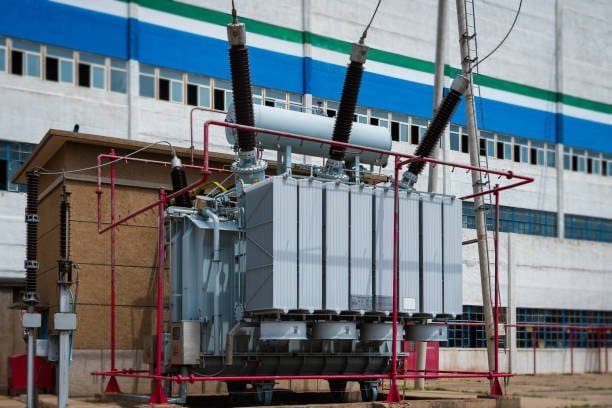
Environmental conditions and installation requirements play a decisive role in transformer selection because transformers operate continuously under varying electrical, thermal, and atmospheric stresses throughout their service life. A transformer that performs reliably in one environment may experience severe overheating, insulation degradation, corrosion, or reduced lifespan in another if the operating conditions are not properly considered during system design. Among the different transformer technologies available today, oil-filled transformers are particularly well suited for demanding outdoor, high-voltage, high-capacity, and thermally intensive applications because of their superior cooling performance, strong dielectric insulation capability, and robust environmental durability.
Oil-filled transformers use insulating oil inside a sealed tank to perform two essential functions simultaneously: electrical insulation and heat dissipation. This combination allows them to operate efficiently under heavy electrical load while withstanding environmental stresses such as high ambient temperatures, humidity, pollution, fluctuating weather conditions, and continuous outdoor exposure. As a result, oil-filled transformers dominate utility transmission systems, outdoor substations, renewable energy infrastructure, industrial facilities, and other large-scale power applications where harsh environmental conditions and high operational demands are common.
Oil-filled transformers are favored in outdoor, high-voltage, high-capacity, high-temperature, polluted, industrial, and continuously operating environments where superior cooling, strong insulation performance, environmental durability, and long-term reliability are required.
Understanding the environmental and installation conditions that favor oil-filled transformers requires examining how temperature, humidity, pollution, load demand, installation space, ventilation, altitude, and operational stress affect transformer performance and reliability.
Oil-filled transformers are mainly intended for small indoor environments with limited cooling requirements.False
Oil-filled transformers are primarily designed for high-capacity outdoor and industrial applications where superior cooling and insulation performance are necessary.
Why Environmental Conditions Matter in Transformer Performance
Transformers are continuously exposed to electrical and environmental stress during operation.
Key Environmental Influences
| Environmental Factor | Transformer Impact |
|---|---|
| Ambient temperature | Cooling efficiency |
| Humidity | Insulation reliability |
| Pollution | Surface contamination |
| Dust | Heat dissipation reduction |
| Altitude | Cooling capability reduction |
| Weather exposure | Material aging |
Improper environmental matching can shorten transformer lifespan dramatically.
Outdoor Installations Strongly Favor Oil-Filled Transformers
Oil-filled transformers are especially suitable for outdoor installations because their sealed tank structure protects internal components from environmental exposure.
Why Outdoor Systems Favor Oil-Filled Designs
| Outdoor Requirement | Oil-Filled Advantage |
|---|---|
| Rain exposure | Sealed insulation system |
| UV radiation | Durable external coating |
| Dust and pollution | Internal component protection |
| Temperature variation | Stable thermal performance |
This is why most utility substations use oil-filled transformers.
Utility Transmission and Distribution Substations
Utility substations are one of the most common environments for oil-filled transformers.
Typical Substation Conditions
| Condition | Operational Requirement |
|---|---|
| Continuous heavy load | Efficient cooling |
| High voltage | Strong insulation |
| Outdoor exposure | Environmental durability |
| Long service life | Thermal stability |
Oil-filled transformers are specifically engineered for these operating conditions.
High Ambient Temperature Environments
High temperatures significantly affect transformer operation.
Why Heat Is Dangerous
As transformer temperature increases:
- Winding resistance increases
- Insulation aging accelerates
- Cooling efficiency decreases
- Operational lifespan shortens
Oil Cooling Advantage
Transformer oil transfers heat much more efficiently than air.
| Cooling Medium | Relative Heat Transfer Efficiency |
|---|---|
| Air | Moderate |
| Transformer oil | High |
This makes oil-filled transformers ideal for hot climates and heavy-load systems.
Which Industries and Facilities Commonly Use Oil-Filled Transformers?
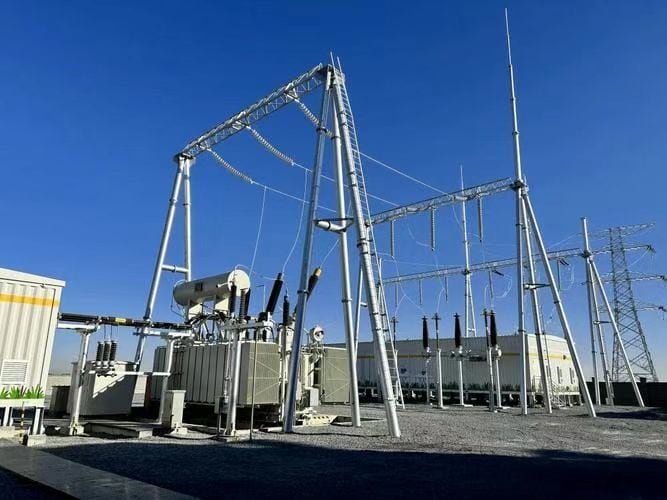
Electricity is the backbone of modern industry and infrastructure, and transformers are among the most essential devices enabling efficient power transmission and distribution across every stage of the electrical grid. Among the different transformer technologies available today, oil-filled transformers remain the dominant choice for high-capacity, high-voltage, and continuously operating power systems because of their superior cooling capability, strong dielectric insulation, excellent overload performance, and long operational lifespan.
Industries and facilities that consume large amounts of electricity or require highly reliable electrical infrastructure often operate under extreme electrical, thermal, and environmental conditions. Heavy industrial machinery, utility transmission systems, renewable energy facilities, transportation networks, mining operations, and petrochemical plants all demand transformers capable of handling substantial electrical loads while maintaining stable temperature control and operational reliability. Oil-filled transformers are particularly suitable for these applications because transformer oil provides both efficient heat dissipation and strong electrical insulation, allowing safe and stable operation under demanding conditions.
Oil-filled transformers are commonly used in utility substations, power generation plants, heavy manufacturing industries, mining operations, renewable energy facilities, transportation infrastructure, petrochemical plants, data centers, and large commercial or industrial facilities that require high-capacity and high-reliability electrical power systems.
Their ability to handle high voltages, fluctuating loads, harsh environments, and continuous operation makes them one of the most important components in modern electrical infrastructure.
Oil-filled transformers are mainly used only in small residential electrical systems.False
Oil-filled transformers are primarily used in large industrial, utility, and infrastructure applications where high voltage, high power capacity, and efficient cooling are required.
Why Oil-Filled Transformers Are Widely Used in Industry
Oil-filled transformers are preferred in industries that require:
- High electrical capacity
- Continuous operation
- Efficient thermal management
- High-voltage insulation
- Long service life
- Outdoor installation capability
Core Engineering Advantages
| Advantage | Industrial Benefit |
|---|---|
| Superior cooling | Prevents overheating |
| High dielectric strength | Safe high-voltage operation |
| Strong overload capability | Handles fluctuating demand |
| Long operational lifespan | Reduced replacement cost |
| Environmental durability | Reliable outdoor performance |
These characteristics make oil-filled transformers ideal for large-scale infrastructure.
Utility Power Transmission and Distribution Systems
Utility companies are among the largest users of oil-filled transformers.
Why Utilities Depend on Oil-Filled Transformers
Electrical grids require transformers capable of:
- Handling extremely high voltages
- Operating continuously 24/7
- Managing fluctuating load demand
- Maintaining high reliability
Common Utility Applications
| Utility Facility | Transformer Function |
|---|---|
| Transmission substations | Step-down high voltage |
| Distribution substations | Regional power delivery |
| Grid interconnection stations | Power balancing |
| Switching stations | Voltage regulation |
Oil-filled transformers dominate these applications because of their high efficiency and reliability.
Power Generation Plants
Power plants require large transformers to connect generation systems to transmission networks.
Types of Power Plants Using Oil-Filled Transformers
| Power Generation Type | Transformer Role |
|---|---|
| Thermal power plants | Step-up generation voltage |
| Hydroelectric plants | Transmission connection |
| Nuclear plants | Grid integration |
| Gas turbine stations | Voltage transformation |
Why Oil-Filled Transformers Are Preferred
- High voltage capability
- Stable operation under continuous load
- Excellent thermal management
Renewable Energy Facilities
Renewable energy systems rely heavily on oil-filled transformers.
Solar Power Plants
Large solar farms generate electricity at relatively low voltage levels that must be increased for grid transmission.
| Solar Facility Requirement | Oil-Filled Advantage |
|---|---|
| Outdoor operation | Weather resistance |
| Variable power generation | Thermal stability |
| High-capacity conversion | Efficient cooling |
Wind Farms
Wind farms often operate in harsh environments with fluctuating electrical output.
| Wind Energy Challenge | Oil-Filled Benefit |
|---|---|
| Variable load | Strong overload capability |
| Remote installation | Long service life |
| Harsh weather | Environmental durability |
Heavy Manufacturing Industries
Manufacturing industries often require enormous electrical power for motors, furnaces, and process equipment.
Steel Industry
Steel plants are among the heaviest electrical consumers.
| Steel Plant Equipment | Transformer Demand |
|---|---|
| Arc furnaces | Extremely high current |
| Rolling mills | Heavy motor loads |
| Continuous casting systems | Stable power supply |
Oil-filled transformers provide the cooling capacity needed for these applications.
Mining Operations
Mining environments are electrically demanding and environmentally harsh.
Mining Power Requirements
| Mining Equipment | Electrical Demand |
|---|---|
| Crushers | High motor load |
| Conveyors | Continuous operation |
| Excavators | Heavy current draw |
Why Oil-Filled Transformers Work Well
- Strong overload handling
- Dust-resistant sealed design
- Reliable outdoor operation
Petrochemical and Oil & Gas Facilities
Petrochemical plants require highly reliable electrical systems because downtime can be extremely costly.
Common Electrical Loads
| Facility Equipment | Transformer Requirement |
|---|---|
| Pumps | Continuous operation |
| Compressors | High starting current |
| Refining systems | Stable voltage supply |
Oil-filled transformers provide stable thermal performance under continuous operation.
Cement and Construction Material Industries
Cement plants operate large mechanical systems continuously.
Typical Electrical Equipment
| Equipment | Load Characteristic |
|---|---|
| Kilns | Continuous heavy load |
| Crushers | High starting current |
| Grinding mills | Harmonic-rich load |
Oil-filled transformers are well suited because of their thermal stability.
Railway and Transportation Infrastructure
Transportation systems require reliable electrical distribution.
Common Applications
| Transportation Facility | Transformer Role |
|---|---|
| Railway substations | Voltage conversion |
| Metro systems | Traction power supply |
| Airports | Facility power distribution |
Oil-filled transformers are commonly used in outdoor railway substations.
Data Centers and Critical Infrastructure
Large data centers require stable and uninterrupted power.
Why Reliable Transformers Matter
| Data Center Requirement | Importance |
|---|---|
| Continuous power | Prevents downtime |
| Thermal stability | Supports high load density |
| High efficiency | Reduces operating cost |
Oil-filled transformers are often used in external substations feeding data centers.
Commercial Complexes and Large Buildings
Large commercial facilities sometimes use oil-filled transformers for high-capacity outdoor installations.
Typical Facilities
| Facility Type | Reason |
|---|---|
| Shopping malls | Large electrical demand |
| Hospitals | Reliable backup systems |
| Stadiums | High peak load |
Indoor applications may still prefer dry-type transformers for fire safety reasons.
Water Treatment and Utility Infrastructure
Water and wastewater treatment plants use oil-filled transformers extensively.
Common Loads
| Equipment | Requirement |
|---|---|
| Pumping systems | Continuous operation |
| Filtration systems | Stable voltage |
| Treatment equipment | High reliability |
These facilities often operate continuously under heavy electrical load.
Marine and Port Facilities
Ports and marine terminals require large outdoor electrical infrastructure.
Typical Port Equipment
| Equipment | Electrical Demand |
|---|---|
| Cranes | High intermittent load |
| Conveyor systems | Continuous operation |
| Shore power systems | High-capacity supply |
Oil-filled transformers provide strong overload performance for these operations.
Industrial Parks and Manufacturing Zones
Industrial parks often centralize large electrical infrastructure.
Why Oil-Filled Transformers Are Used
- Centralized outdoor substations
- High-capacity load management
- Long-distance distribution support
High-Voltage Transmission Infrastructure
Oil-filled transformers are essential for transmission systems.
What Factors Should Be Considered Before Selecting an Oil-Filled Transformer?
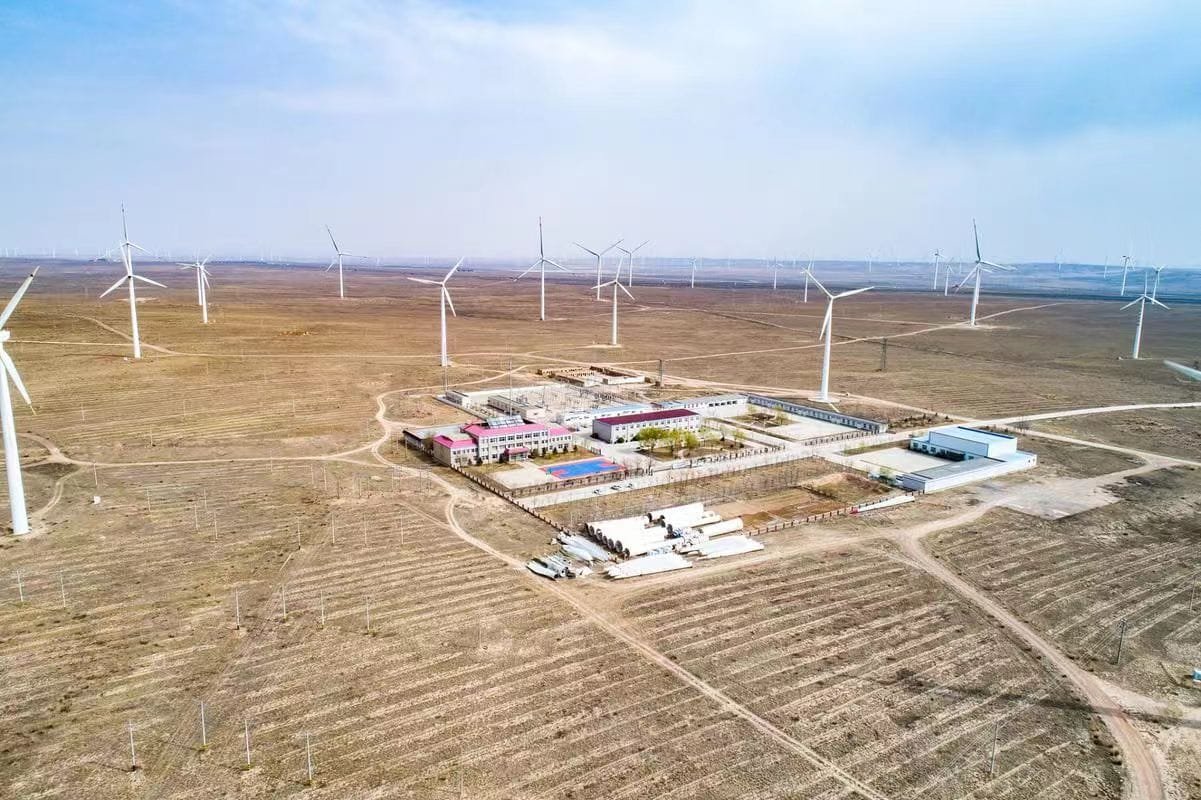
Selecting the correct oil-filled transformer is one of the most important engineering decisions in any electrical power system because transformer performance directly affects system reliability, energy efficiency, operational safety, maintenance cost, and long-term infrastructure stability. A poorly selected transformer can lead to overheating, voltage instability, insulation failure, excessive energy loss, shortened service life, and costly operational downtime. In contrast, a properly engineered oil-filled transformer provides efficient voltage transformation, stable thermal performance, reliable overload capability, and decades of safe operation under demanding electrical and environmental conditions.
Oil-filled transformers are widely used in utility substations, industrial facilities, renewable energy systems, mining operations, petrochemical plants, and commercial infrastructure because they offer superior cooling performance and strong dielectric insulation. However, selecting the right transformer requires far more than simply matching voltage and power ratings. Engineers must evaluate electrical load characteristics, operating environment, cooling requirements, voltage class, installation location, harmonic distortion, future load growth, safety regulations, efficiency standards, maintenance capability, and lifecycle cost.
Before selecting an oil-filled transformer, key factors such as power capacity, voltage level, load profile, cooling method, environmental conditions, installation location, insulation requirements, efficiency, overload capability, harmonics, safety standards, maintenance needs, and long-term operating cost must all be carefully evaluated.
A transformer is not just a piece of electrical equipment—it is a long-term infrastructure investment that must operate reliably for decades.
Selecting an oil-filled transformer only requires matching the voltage and power rating.False
Proper transformer selection also requires evaluating cooling requirements, environmental conditions, load characteristics, insulation performance, safety standards, harmonics, maintenance needs, and long-term operational factors.
Why Proper Transformer Selection Is Critical
An improperly selected transformer may experience:
- Excessive overheating
- Reduced efficiency
- Voltage instability
- Insulation aging
- Frequent overload conditions
- Premature equipment failure
Consequences of Incorrect Selection
| Problem | Operational Impact |
|---|---|
| Undersized transformer | Overheating and overload |
| Oversized transformer | Reduced efficiency and higher cost |
| Incorrect cooling design | Thermal instability |
| Inadequate insulation | Electrical failure |
Transformer selection must therefore balance electrical, thermal, environmental, and economic considerations.
Power Capacity (kVA or MVA Rating)
The first major factor is transformer power capacity.
Why Capacity Matters
Transformer capacity determines how much electrical load the unit can safely handle.
Typical Capacity Categories
| Transformer Size | Application |
|---|---|
| Small distribution | Commercial buildings |
| Medium capacity | Industrial facilities |
| Large power transformer | Utility transmission systems |
Selecting insufficient capacity can cause overheating and insulation degradation.
Load Calculation Fundamentals
Transformer sizing is based on apparent power demand.
extends insulation life.
Heat Generation in Transformers
operating cost and environmental performance.
Conclusion
Oil-filled transformers are best used in applications requiring high voltage, large capacity, efficient cooling, and reliable long-term operation. They are commonly installed in substations, industrial plants, power generation facilities, and outdoor distribution networks where space and fire restrictions are less critical. By carefully evaluating load demands, environmental conditions, and safety requirements, users can determine whether an oil-filled transformer is the most suitable solution for their power system.
FAQ
Q1: When should an oil-filled transformer be used?
An oil-filled transformer should be used when a power system requires:
High voltage or high power capacity
Excellent cooling efficiency
Reliable long-term continuous operation
Outdoor installation capability
These transformers are widely used in utility substations, industrial plants, and large-scale energy infrastructure where heavy electrical loads are common.
Q2: Why are oil-filled transformers preferred for high-power applications?
Oil-filled transformers are preferred because insulating oil provides:
Superior heat dissipation
High dielectric strength
Better overload capability
Improved thermal stability
This allows them to efficiently manage large amounts of electrical energy while maintaining safe operating temperatures.
Q3: Are oil-filled transformers suitable for outdoor installations?
Yes. Oil-filled transformers are specifically designed for outdoor environments and can operate reliably under:
Rain and humidity
High ambient temperatures
Dust and pollution
Heavy industrial conditions
Their sealed tanks and durable cooling systems make them ideal for substations and utility networks.
Q4: What industries commonly use oil-filled transformers?
Oil-filled transformers are commonly used in:
Electrical utilities
Manufacturing plants
Mining operations
Renewable energy farms
Petrochemical facilities
These sectors require robust transformers capable of handling continuous heavy-duty operation.
Q5: When are dry-type transformers preferred instead of oil-filled transformers?
Dry-type transformers are preferred when:
Fire safety is a critical concern
Indoor installation is required
Environmental contamination risks must be minimized
Maintenance access is limited
Examples include hospitals, commercial buildings, tunnels, and data centers.
Q6: How does transformer cooling influence the choice?
Cooling is one of the main reasons to choose oil-filled transformers. Oil circulates around the windings and core, absorbing heat and transferring it to radiators.
This cooling method enables:
Higher power ratings
Better overload performance
Longer insulation life
For demanding electrical loads, oil cooling is often more effective than air cooling.
Q7: Are oil-filled transformers used in renewable energy systems?
Yes. Oil-filled transformers are extensively used in:
Solar farms
Wind power plants
Battery energy storage systems
Grid interconnection substations
They efficiently manage high power levels and variable energy flows from renewable sources.
Q8: What factors should be evaluated before selecting an oil-filled transformer?
Important selection factors include:
Voltage and power requirements
Installation location (indoor or outdoor)
Fire and environmental regulations
Cooling requirements
Maintenance capabilities
Total lifecycle cost
Choosing the correct transformer ensures reliable, efficient, and safe system operation.
References
IEC 60076 – Power Transformers
https://webstore.iec.ch/publication/602
IEC 60422 – Mineral Insulating Oils in Electrical Equipment
https://webstore.iec.ch
IEEE C57 Series – Transformer Standards
https://standards.ieee.org
Electrical Engineering Portal – Oil-Filled Transformer Guide
https://electrical-engineering-portal.com
CIGRE – High-Voltage Transformer Studies
https://www.cigre.org
U.S. Department of Energy – Power Distribution Infrastructure
https://www.energy.gov