
Choosing the right transformer for an electrical system is essential for ensuring reliable power distribution, long service life, and operational safety. Many engineers and project managers wonder whether oil-filled transformers are the best choice for their application, especially when comparing them with dry-type transformers. Selecting the wrong transformer can lead to unnecessary maintenance costs, reduced efficiency, or limitations in installation environments. Understanding where oil-filled transformers are commonly used helps you make informed decisions based on performance, cooling requirements, and installation conditions.
Oil-filled transformers are primarily used in outdoor power transmission and distribution systems, industrial plants, renewable energy projects, utilities, mining operations, commercial facilities, and large infrastructure projects. They are preferred for medium- and high-voltage applications because transformer oil provides excellent insulation and efficient cooling, allowing the transformer to handle higher loads, operate continuously, and achieve a longer service life than many alternative transformer types.
Whether supplying electricity to a city, powering heavy industrial equipment, or connecting renewable energy sources to the grid, oil-filled transformers play a vital role in modern electrical networks. The following guide explores their most common applications and explains why they remain the preferred choice for demanding power systems.
Where Are Oil-Filled Transformers Most Commonly Used?
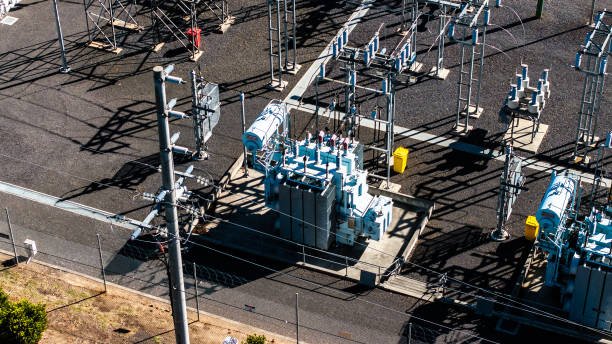
Oil-filled transformers are the most widely used type of power transformer in modern electrical systems due to their excellent cooling performance, high dielectric strength, and ability to handle large power capacities. Their efficient oil-based insulation and heat dissipation enable reliable operation in demanding environments where continuous power delivery is essential. From utility transmission networks to renewable energy facilities and heavy industrial plants, oil-filled transformers play a vital role in ensuring stable and efficient electricity distribution. Understanding their common applications helps engineers and project owners select the most suitable transformer type for their specific operating conditions.
Oil-filled transformers are most commonly used in utility transmission and distribution systems, power generation plants, renewable energy projects, industrial facilities, mining operations, oil and gas installations, transportation infrastructure, and other outdoor applications that require high power capacity, excellent cooling, and long-term operational reliability.
Oil-filled transformers are mainly installed inside commercial buildings because they require little cooling and minimal maintenance.False
Oil-filled transformers are primarily used in outdoor and high-capacity applications where their superior cooling performance and electrical insulation provide reliable long-term operation. Indoor commercial buildings often use dry-type transformers due to fire safety considerations.
Utility transmission substations
Utility companies rely heavily on oil-filled transformers to transfer electricity across high-voltage transmission networks.
Their primary functions include:
- Stepping up generator voltage for long-distance transmission
- Reducing transmission voltage for regional distribution
- Interconnecting transmission systems
- Supporting grid stability
Typical utility applications
| Application | Primary Function |
|---|---|
| Generator step-up substations | Increase voltage for transmission |
| Transmission substations | Voltage transformation |
| Grid interconnection stations | Connect regional power networks |
| Bulk power substations | Deliver electricity to distribution systems |
Their high efficiency and excellent cooling capability make them ideal for continuous utility operation.
Electrical distribution networks
Oil-filled transformers are widely installed throughout medium-voltage distribution systems.
Typical applications include:
- Primary distribution substations
- Secondary distribution substations
- Urban distribution networks
- Rural electrification systems
These transformers provide reliable voltage conversion for residential, commercial, and industrial customers.
Power generation facilities
Every major power plant depends on oil-filled transformers to transfer generated electricity into the transmission network.
Common installations include:
- Generator step-up transformers
- Unit auxiliary transformers
- Station service transformers
- Startup transformers
Their ability to withstand continuous heavy loading makes them essential components of power generation facilities.
Renewable energy projects
Renewable energy installations increasingly depend on oil-filled transformers for efficient grid integration.
Typical applications include:
- Solar photovoltaic power plants
- Onshore wind farms
- Offshore wind substations
- Hydroelectric generating stations
- Battery energy storage systems
Renewable energy applications
| Renewable Facility | Transformer Function |
|---|---|
| Solar farm | Step-up voltage for grid connection |
| Wind farm | Connect turbine output to transmission network |
| Hydroelectric plant | Increase generator voltage |
| Battery storage system | Interface with utility grid |
Their excellent overload capability accommodates the fluctuating output of renewable energy sources.
Heavy industrial facilities
Large industrial plants require transformers capable of supplying substantial electrical loads around the clock.
Typical industries include:
- Steel production
- Cement manufacturing
- Chemical processing
- Aluminum smelting
- Paper mills
- Automotive manufacturing
Oil-filled transformers provide the cooling performance needed for continuous operation under demanding load conditions.
Mining operations
Mining environments require durable electrical equipment capable of operating under harsh conditions.
Oil-filled transformers are commonly used in:
- Surface mines
- Underground mining operations
- Ore processing facilities
- Crushing plants
- Conveyor systems
Their robust construction and efficient cooling support reliable operation in remote locations.
Oil and gas facilities
The oil and gas industry depends on highly reliable electrical infrastructure.
Oil-filled transformers are installed in:
- Refineries
- Petrochemical complexes
- LNG terminals
- Pipeline pumping stations
- Offshore production platforms
Their high reliability is essential for maintaining continuous industrial processes.
Transportation infrastructure
Modern transportation systems require dependable high-capacity power supplies.
Applications include:
- Railway traction substations
- Metro systems
- High-speed rail networks
- Airports
- Seaports
Oil-filled transformers provide reliable voltage transformation for traction power and auxiliary electrical systems.
Water and wastewater treatment plants
Municipal utility systems rely on oil-filled transformers to power essential infrastructure.
Typical installations include:
- Drinking water treatment plants
- Wastewater treatment facilities
- Pumping stations
- Desalination plants
Reliable transformer operation helps ensure uninterrupted public utility services.
Data centers and large commercial campuses
Although dry-type transformers are often preferred indoors, oil-filled transformers are commonly installed outdoors to supply large commercial facilities.
Typical applications include:
- Data centers
- University campuses
- Hospital complexes
- Industrial parks
- Large shopping centers
Outdoor installation allows operators to benefit from the higher power capacity and cooling efficiency of oil-filled designs.
Large infrastructure projects
Major infrastructure developments frequently incorporate oil-filled transformers.
Examples include:
- Smart city developments
- Utility expansion projects
- Manufacturing campuses
- Ports and logistics hubs
- Large industrial zones
Their long service life makes them a cost-effective choice for long-term infrastructure investments.
High-voltage transmission systems
Oil-filled transformers dominate medium-, high-, and extra-high-voltage networks because of their excellent insulation properties.
They are commonly used in:
- 69 kV transmission systems
- 132 kV substations
- 220 kV transmission networks
- 400 kV and higher voltage systems
- HVDC converter stations
Their insulation system enables safe operation at extremely high voltages.
Why oil-filled transformers are preferred for these applications
Several characteristics explain their widespread use.
Key advantages
| Advantage | Operational Benefit |
|---|---|
| Excellent oil cooling | Supports high continuous loading |
| High dielectric strength | Suitable for high-voltage operation |
| Large power capacity | Handles utility-scale applications |
| Long service life | Reduces lifecycle costs |
| Proven reliability | Supports continuous operation |
| High overload capability | Improves grid flexibility |
These features make oil-filled transformers the preferred solution for demanding electrical systems.
Applications where dry-type transformers may be more suitable
Despite their many advantages, oil-filled transformers are not the best choice for every application.
Dry-type transformers are often preferred in:
- Office buildings
- Schools
- Hospitals
- High-rise buildings
- Underground facilities
- Tunnels
- Indoor public spaces
These locations prioritize enhanced fire safety and simplified indoor installation.
Future trends in oil-filled transformer applications
Growing global electricity demand continues to expand the use of oil-filled transformers in:
- Renewable energy integration
- Smart grid modernization
- Utility transmission upgrades
- Electrified transportation systems
- Industrial automation
- Large-scale energy storage projects
Advances in biodegradable insulating fluids, digital monitoring systems, and high-efficiency core materials are further improving their performance and sustainability.
Why Are Oil-Filled Transformers Preferred for Utility and Grid Applications?
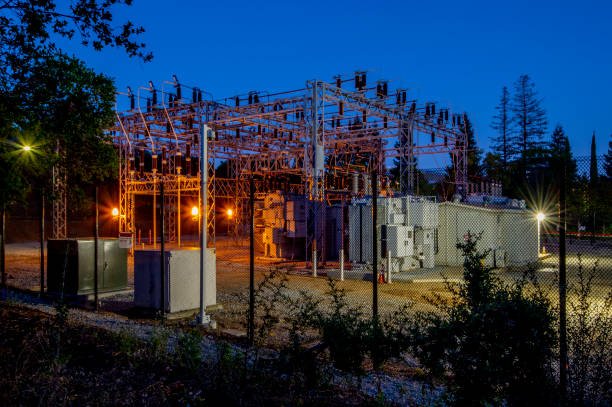
Modern utility networks require transformers that can operate continuously under high electrical loads while maintaining exceptional reliability, efficiency, and long service life. Because transmission and distribution systems form the backbone of the power grid, transformer failures can lead to costly outages, equipment damage, and reduced system stability. Oil-filled transformers have become the preferred choice for utility and grid applications because their insulating liquid provides both excellent electrical insulation and highly effective cooling, enabling them to handle high voltages and large power capacities under demanding operating conditions.
Oil-filled transformers are preferred for utility and grid applications because they offer superior cooling performance, high dielectric strength, excellent overload capability, long service life, high efficiency, and proven reliability. These characteristics make them ideal for medium-, high-, and extra-high-voltage transmission and distribution systems that require continuous, stable operation.
Utility companies prefer oil-filled transformers mainly because they are less expensive than all other transformer types.False
While lifecycle cost is an important consideration, utilities primarily select oil-filled transformers for their superior cooling capability, high insulation performance, reliability, overload capacity, and suitability for high-voltage, high-power applications.
Superior cooling supports continuous operation
One of the primary reasons utilities choose oil-filled transformers is their excellent heat dissipation capability.
Transformer oil continuously absorbs heat generated by:
- Core losses
- Winding losses
- Stray losses
The heated oil circulates naturally or through forced cooling systems, transferring heat to radiators where it is released into the surrounding air.
Cooling performance comparison
| Feature | Oil-Filled Transformer | Dry-Type Transformer |
|---|---|---|
| Heat dissipation | Excellent | Moderate |
| Continuous overload capability | High | Limited |
| High-power suitability | Excellent | Moderate |
| Cooling efficiency | Very High | Lower |
Efficient cooling allows transformers to operate safely under heavy loads for extended periods.
High dielectric strength enables high-voltage operation
Transformer oil serves as an excellent insulating medium.
Its high dielectric strength allows:
- Smaller insulation clearances
- Reliable high-voltage insulation
- Reduced risk of electrical breakdown
- Stable operation during voltage fluctuations
These properties are essential for transmission voltages ranging from tens to hundreds of kilovolts.
Suitable for large power ratings
Utility substations commonly require transformers rated from several megavolt-amperes (MVA) to several hundred MVA.
Oil-filled transformers can efficiently accommodate:
- Large magnetic cores
- Massive windings
- High fault currents
- Significant thermal loads
Their cooling capability enables much higher power densities than most dry-type transformer designs.
Excellent overload capability
Electrical demand varies throughout the day, requiring transformers to accommodate temporary overload conditions.
Oil-filled transformers offer:
- Better thermal stability
- Slower temperature rise
- Greater emergency loading capability
- Improved operational flexibility
This overload capability helps utilities maintain service during peak demand periods.
Proven long-term reliability
Many oil-filled transformers remain in service for 30 to 50 years or longer when properly maintained.
Factors contributing to their reliability include:
- Stable insulation systems
- Effective moisture control
- Efficient heat removal
- Robust mechanical construction
- Established maintenance practices
Utilities value equipment that delivers dependable performance over decades of operation.
High energy efficiency
Modern oil-filled transformers are designed to minimize energy losses.
Efficiency improvements result from:
- High-quality grain-oriented electrical steel
- Optimized core design
- Low-resistance conductors
- Improved winding configurations
- Advanced cooling techniques
Operational efficiency benefits
| Design Feature | Benefit |
|---|---|
| Low-loss core materials | Reduced no-load losses |
| Optimized windings | Lower load losses |
| Efficient cooling | Stable operating temperatures |
| Improved insulation | Enhanced long-term efficiency |
Higher efficiency reduces operating costs throughout the transformer's service life.
Strong short-circuit withstand capability
Power system faults can generate extremely high mechanical and electrical stresses.
Oil-filled transformers are designed to withstand:
- Short-circuit forces
- Mechanical vibration
- Thermal shock
- System disturbances
Robust mechanical construction helps maintain winding integrity during fault conditions.
Flexible cooling system configurations
Utility transformers can be equipped with various cooling methods depending on project requirements.
Common cooling classifications include:
- ONAN (Oil Natural Air Natural)
- ONAF (Oil Natural Air Forced)
- OFAF (Oil Forced Air Forced)
- OFWF (Oil Forced Water Forced)
This flexibility allows utilities to optimize transformer performance for different operating environments.
Adaptability to outdoor installations
Most transmission and distribution substations are located outdoors.
Oil-filled transformers are well suited to these environments because they offer:
- Weather-resistant construction
- Effective cooling in open air
- Robust corrosion protection
- Reliable operation across wide temperature ranges
Properly designed enclosures protect internal components from environmental exposure.
Compatibility with utility protection systems
Modern oil-filled transformers integrate seamlessly with advanced protection and monitoring equipment.
Typical accessories include:
- Buchholz relays
- Pressure relief devices
- Oil level indicators
- Winding temperature indicators
- Dissolved gas monitoring systems
- Online moisture monitoring
These systems enhance reliability by enabling condition-based maintenance and early fault detection.
Lower lifecycle costs
Although the initial purchase price of a large transformer is significant, lifecycle cost is often more important for utilities.
Oil-filled transformers provide economic benefits through:
- Long service life
- High operational efficiency
- Reduced energy losses
- Excellent reliability
- Lower replacement frequency
These advantages contribute to a lower total cost of ownership over several decades.
Ideal for transmission and distribution networks
Oil-filled transformers are widely used throughout utility infrastructure, including:
- Generator step-up substations
- Transmission substations
- Distribution substations
- Grid interconnection stations
- Renewable energy substations
Their versatility allows them to support virtually every stage of electricity transmission and distribution.
Typical utility applications
| Application | Transformer Function |
|---|---|
| Power generation | Step-up voltage |
| Transmission | Voltage transformation |
| Distribution | Step-down voltage |
| Renewable energy | Grid connection |
| Interconnection stations | Network integration |
These applications demand high reliability and continuous availability.
Continuous technological improvements
Manufacturers continue to improve oil-filled transformer performance through innovations such as:
- Low-loss magnetic core materials
- Biodegradable ester insulating fluids
- Digital monitoring systems
- Advanced cooling technologies
- Intelligent asset management solutions
These developments improve both operational efficiency and environmental performance.
Factors utilities evaluate when selecting oil-filled transformers
When specifying transformers, utilities typically assess:
- Rated capacity
- Voltage class
- Cooling method
- Efficiency
- Short-circuit withstand capability
- Insulation performance
- Reliability
- Maintenance requirements
- Compliance with international standards
- Total lifecycle cost
A balanced evaluation ensures the transformer meets both technical and economic objectives.
Which Industries Rely on Oil-Filled Transformers the Most?
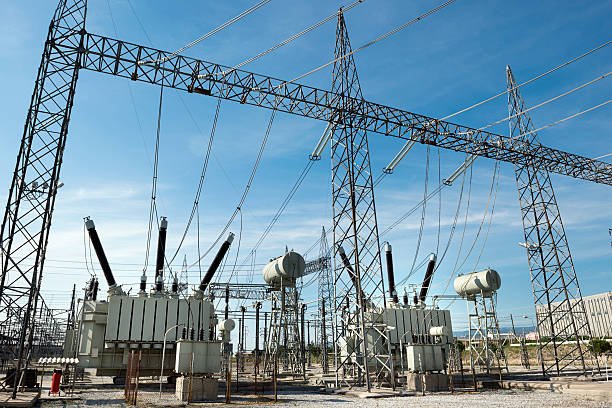
Oil-filled transformers are indispensable across industries that require reliable, high-capacity, and continuous electrical power. Their superior cooling performance, excellent dielectric insulation, and ability to operate at medium, high, and extra-high voltages make them the preferred solution for demanding applications. Whether supporting national power grids, heavy manufacturing, renewable energy facilities, or critical infrastructure, oil-filled transformers ensure efficient voltage transformation and stable power delivery. As global electrification and industrialization continue to expand, their role across multiple sectors becomes even more significant.
The industries that rely most on oil-filled transformers include electric utilities, power generation, renewable energy, mining, oil and gas, petrochemicals, heavy manufacturing, metals processing, transportation, water treatment, data centers, and large infrastructure projects. These industries require high-capacity transformers capable of operating reliably under continuous heavy loads and demanding environmental conditions.
Oil-filled transformers are used mainly in residential buildings because they are compact and require little maintenance.False
Oil-filled transformers are primarily designed for medium- and high-voltage outdoor applications in utilities, industrial facilities, and infrastructure projects. Residential and commercial buildings more commonly use dry-type transformers for indoor installations.
Electric utility industry
Electric utilities are the largest users of oil-filled transformers worldwide.
These transformers support every stage of the electrical grid, including:
- Power generation
- Transmission
- Distribution
- Grid interconnection
- Voltage regulation
Utility applications
| Application | Typical Function |
|---|---|
| Generator step-up transformers | Increase voltage for transmission |
| Transmission substations | Voltage transformation |
| Distribution substations | Supply regional networks |
| Grid interconnection stations | Connect transmission systems |
Without oil-filled transformers, large-scale power transmission would not be practical.
Power generation industry
Power plants depend on oil-filled transformers to deliver generated electricity to the transmission network.
Typical facilities include:
- Thermal power plants
- Hydroelectric stations
- Nuclear power plants
- Gas turbine power plants
- Combined-cycle power plants
Generator step-up transformers efficiently raise generator voltage for long-distance transmission.
Renewable energy industry
Renewable energy installations require transformers to connect generation systems to the electrical grid.
Common applications include:
- Solar photovoltaic farms
- Onshore wind farms
- Offshore wind farms
- Hydroelectric projects
- Battery energy storage systems
Oil-filled transformers provide reliable operation despite variable renewable power output.
Mining industry
Mining operations consume large amounts of electrical power for extraction and mineral processing.
Typical applications include:
- Surface mining
- Underground mining
- Crushing plants
- Grinding mills
- Conveyor systems
- Ventilation equipment
Oil-filled transformers are well suited to remote mining environments because of their durability and cooling capability.
Oil and gas industry
The oil and gas sector requires highly reliable electrical equipment for continuous production.
Oil-filled transformers are commonly installed in:
- Refineries
- Petrochemical complexes
- LNG terminals
- Pipeline pumping stations
- Offshore platforms
- Gas processing plants
Reliable transformer operation minimizes costly production interruptions.
Petrochemical and chemical manufacturing
Chemical processing facilities operate continuously and require dependable electrical infrastructure.
Applications include:
- Chemical reactors
- Distillation units
- Pumping systems
- Compressor stations
- Process automation equipment
Oil-filled transformers provide stable power for these energy-intensive operations.
Steel and metals industry
Metal production is among the most electricity-intensive industrial activities.
Oil-filled transformers supply power to:
- Electric arc furnaces
- Rolling mills
- Continuous casting equipment
- Smelters
- Heat treatment facilities
Heavy industry applications
| Industry | Transformer Role |
|---|---|
| Steel manufacturing | Furnace power supply |
| Aluminum smelting | High-current distribution |
| Copper processing | Plant power distribution |
| Cement production | Motor and process equipment supply |
Their excellent overload capability supports fluctuating industrial loads.
Cement industry
Cement plants require continuous power for heavy mechanical equipment.
Oil-filled transformers support:
- Kilns
- Crushers
- Grinding mills
- Conveyors
- Dust collection systems
High reliability helps minimize costly production downtime.
Manufacturing industry
Large manufacturing facilities rely on oil-filled transformers to distribute electrical power throughout production lines.
Industries include:
- Automotive manufacturing
- Electronics production
- Machinery manufacturing
- Food processing
- Textile manufacturing
Their long service life contributes to lower operating costs.
Transportation industry
Transportation infrastructure depends on reliable electrical systems.
Oil-filled transformers are widely used in:
- Railway substations
- Metro systems
- High-speed rail
- Airports
- Seaports
These installations require uninterrupted power for transportation safety and efficiency.
Water and wastewater utilities
Municipal utility services depend on continuous electrical power.
Oil-filled transformers support:
- Water treatment plants
- Wastewater treatment facilities
- Pumping stations
- Desalination plants
Reliable transformer performance helps maintain essential public services.
Data center industry
Modern hyperscale data centers require highly reliable electrical infrastructure.
Oil-filled transformers are frequently installed outdoors to supply:
- Server farms
- Cooling equipment
- Backup power systems
- Distribution switchgear
Their high efficiency reduces operating costs over the facility's lifetime.
Infrastructure and construction
Major infrastructure developments commonly include oil-filled transformers.
Examples include:
- Smart cities
- Industrial parks
- Large commercial complexes
- Utility expansion projects
- Government infrastructure programs
Their scalability makes them suitable for long-term development projects.
Marine and port facilities
Ports and marine terminals require dependable high-capacity electrical systems.
Typical applications include:
- Container terminals
- Shipyards
- Cargo handling equipment
- Shore power systems
- Port distribution substations
Oil-filled transformers provide reliable power for continuous port operations.
Why these industries prefer oil-filled transformers
Several characteristics explain their widespread adoption.
Key advantages
| Advantage | Industrial Benefit |
|---|---|
| Excellent cooling | Supports continuous heavy loads |
| High dielectric strength | Suitable for high-voltage systems |
| Large power ratings | Handles industrial-scale demand |
| Long service life | Reduces replacement costs |
| High efficiency | Lowers operating expenses |
| Proven reliability | Minimizes production interruptions |
These benefits make oil-filled transformers the preferred choice for mission-critical electrical systems.
Industries where dry-type transformers are more common
Although oil-filled transformers dominate outdoor and high-capacity applications, dry-type transformers are frequently used in:
- Office buildings
- Hospitals
- Schools
- Shopping malls
- High-rise buildings
- Underground facilities
Their fire-resistant design makes them better suited to occupied indoor environments.
Future industry demand
Global demand for oil-filled transformers is expected to continue growing due to:
- Expansion of renewable energy
- Grid modernization projects
- Industrial electrification
- Data center growth
- Transportation electrification
- Infrastructure investment
Advancements in biodegradable insulating fluids, digital monitoring, and low-loss core technologies will further enhance their performance across these industries.
Are Oil-Filled Transformers Suitable for Renewable Energy Projects?
Renewable energy projects such as solar farms, wind parks, hydroelectric plants, and battery energy storage systems require reliable transformers to efficiently transfer generated electricity to the power grid. These installations often operate in remote locations, experience fluctuating power output, and must withstand harsh environmental conditions while maintaining high efficiency over decades of service. Oil-filled transformers are widely used in renewable energy applications because they provide excellent cooling, superior electrical insulation, high overload capability, and dependable long-term performance, making them well suited to utility-scale renewable power generation.
Yes, oil-filled transformers are highly suitable for renewable energy projects. They are commonly used in utility-scale solar, wind, hydroelectric, and energy storage installations because they offer excellent cooling performance, high dielectric strength, large power capacity, outstanding reliability, and long service life. Their ability to operate efficiently under varying load conditions makes them ideal for connecting renewable energy systems to the electrical grid.
Oil-filled transformers cannot be used in renewable energy projects because fluctuating power output damages the insulating oil.False
Oil-filled transformers are specifically designed to operate under varying load conditions. Their effective cooling systems and robust insulation enable them to handle the fluctuating power generation typical of renewable energy installations.
Why renewable energy projects require specialized transformers
Renewable power plants generate electricity that must be converted to transmission or distribution voltage before entering the grid.
Transformers in these projects must provide:
- Efficient voltage transformation
- High operational reliability
- Excellent thermal performance
- Grid compatibility
- Long service life
- Low energy losses
Oil-filled transformers meet these requirements across a wide range of renewable applications.
Typical renewable energy applications
| Renewable Project | Transformer Function |
|---|---|
| Solar photovoltaic farm | Step up inverter voltage to grid voltage |
| Wind farm | Increase turbine output voltage |
| Hydroelectric station | Connect generators to transmission system |
| Battery energy storage system | Interface with utility grid |
These transformers form a critical link between renewable generation equipment and the electrical network.
Utility-scale solar power plants
Large photovoltaic (PV) installations commonly use oil-filled transformers to increase the output voltage from inverter stations to medium- or high-voltage grid levels.
Their advantages include:
- High energy efficiency
- Reliable outdoor operation
- Effective cooling under high ambient temperatures
- Low maintenance requirements
- Long operating life
Oil-filled transformers are particularly suitable for large solar farms operating continuously in exposed environments.
Wind energy applications
Wind farms produce variable electrical output depending on wind speed.
Oil-filled transformers support wind energy by:
- Collecting power from multiple turbines
- Increasing voltage for transmission
- Managing fluctuating loading conditions
- Providing reliable operation in remote areas
Their thermal capacity enables them to handle frequent changes in electrical loading.
Hydroelectric power stations
Hydroelectric facilities require transformers capable of continuous operation over many decades.
Oil-filled transformers are used as:
- Generator step-up transformers
- Station service transformers
- Auxiliary transformers
Their excellent insulation and cooling characteristics support the high reliability expected in hydroelectric generation.
Battery energy storage systems
Energy storage projects play an increasingly important role in balancing renewable generation.
Oil-filled transformers connect battery systems to utility networks by:
- Matching system voltages
- Supporting bidirectional power flow
- Managing charging and discharging cycles
- Maintaining grid stability
Their robust design accommodates rapidly changing operating conditions.
Superior cooling improves renewable energy performance
Renewable generation often operates under varying environmental and electrical conditions.
Transformer oil efficiently removes heat generated by:
- Core losses
- Winding losses
- Harmonic currents
- Temporary overloads
Cooling advantages
| Feature | Benefit |
|---|---|
| Efficient heat transfer | Stable operating temperature |
| High thermal capacity | Better overload performance |
| Uniform cooling | Longer insulation life |
| Effective outdoor operation | Reliable performance in harsh climates |
Efficient cooling contributes directly to long-term transformer reliability.
High dielectric strength supports grid connection
Renewable energy projects frequently connect to medium- and high-voltage transmission systems.
Transformer oil provides:
- Excellent electrical insulation
- Reliable voltage withstand capability
- Reduced risk of insulation breakdown
- Stable operation under transient conditions
These characteristics are essential for safe and dependable grid integration.
Suitable for remote installations
Many renewable energy projects are located in remote or environmentally challenging areas.
Examples include:
- Desert solar farms
- Mountain hydroelectric stations
- Offshore wind farms
- Rural wind parks
Oil-filled transformers are designed to operate reliably under a wide range of environmental conditions with appropriate protective enclosures and corrosion-resistant finishes.
High efficiency reduces energy losses
Energy losses directly reduce renewable project revenue.
Modern oil-filled transformers improve efficiency through:
- Low-loss magnetic core materials
- Optimized winding designs
- Advanced insulation systems
- Improved cooling performance
Higher efficiency allows more generated electricity to reach the utility grid.
Long service life lowers lifecycle costs
Renewable energy projects are typically designed for operating lifetimes of 25 to 40 years.
Oil-filled transformers often provide:
- Service lives exceeding 30 years
- Stable long-term performance
- Proven maintenance practices
- High operational availability
These characteristics help reduce total ownership costs.
Integration with digital monitoring systems
Modern renewable projects increasingly use condition monitoring to improve asset management.
Oil-filled transformers can incorporate:
- Oil temperature monitoring
- Winding temperature sensors
- Dissolved gas analysis systems
- Moisture monitoring
- Load monitoring
- Remote diagnostic capabilities
These technologies enable predictive maintenance and improve system reliability.
Environmental considerations
Although mineral oil remains widely used, many renewable projects are adopting environmentally friendly insulating fluids.
Options include:
- Natural ester fluids
- Synthetic ester fluids
- Biodegradable insulating liquids
These alternatives provide:
- Higher fire points
- Improved biodegradability
- Reduced environmental impact
- Enhanced fire safety
They are particularly attractive for environmentally sensitive locations.
Situations where dry-type transformers may be preferred
Despite the many advantages of oil-filled transformers, dry-type designs may be more suitable for:
- Indoor inverter buildings
- Commercial rooftop solar installations
- Public buildings
- Underground electrical rooms
These applications prioritize fire safety and simplified indoor installation.
Factors to consider when selecting a transformer for renewable projects
Project developers should evaluate:
- Power capacity
- Voltage levels
- Cooling method
- Efficiency requirements
- Environmental conditions
- Fire safety regulations
- Grid code compliance
- Maintenance strategy
- Lifecycle costs
Selection criteria
| Selection Factor | Importance |
|---|---|
| Rated capacity | High |
| Cooling performance | High |
| Efficiency | High |
| Environmental suitability | High |
| Grid compatibility | High |
| Lifecycle cost | High |
A comprehensive evaluation ensures the transformer meets both technical and commercial objectives.
Future trends in renewable energy transformers
As renewable energy capacity continues to grow, transformer technology is evolving through:
- Lower-loss magnetic core materials
- Smart monitoring systems
- Biodegradable insulating fluids
- Advanced thermal management
- Digital asset management platforms
These innovations improve efficiency, sustainability, and operational reliability across renewable energy projects.
What Installation Environments Are Best for Oil-Filled Transformers?

Selecting the right installation environment is essential for maximizing the performance, safety, and service life of an oil-filled transformer. Although these transformers are designed to operate under a wide range of environmental conditions, they perform best when installed in locations that provide adequate cooling, proper ventilation, sufficient maintenance access, and compliance with applicable electrical and environmental regulations. Choosing an appropriate installation site not only improves operational reliability but also reduces maintenance costs and minimizes environmental and safety risks.
Oil-filled transformers are best installed in outdoor substations, utility transmission and distribution facilities, industrial plants, renewable energy projects, mining sites, and other locations where high power capacity, effective natural cooling, and sufficient safety clearances can be maintained. Proper foundations, oil containment systems, drainage, ventilation, and environmental protection measures are essential for safe and reliable operation.
Oil-filled transformers can be installed in any indoor location without special ventilation or fire protection because the transformer tank is completely sealed.False
Although many oil-filled transformers use sealed tanks, installation must still comply with electrical codes and fire safety regulations. Indoor installations often require ventilation, fire protection systems, and oil containment measures depending on local standards and transformer size.
Outdoor utility substations
Outdoor substations are the most common installation environment for oil-filled transformers.
These locations provide:
- Excellent natural air circulation
- Adequate electrical clearances
- Easy maintenance access
- Space for cooling radiators
- Safe separation from occupied buildings
Typical outdoor applications
| Installation Site | Typical Voltage Level |
|---|---|
| Transmission substation | High to extra-high voltage |
| Distribution substation | Medium to high voltage |
| Switching station | High voltage |
| Utility interconnection station | Medium to extra-high voltage |
Outdoor installations allow transformers to dissipate heat efficiently while simplifying inspection and maintenance.
Industrial facilities
Large industrial plants frequently install oil-filled transformers outdoors or in dedicated electrical yards.
Common industries include:
- Steel manufacturing
- Cement production
- Petrochemical processing
- Mining operations
- Paper mills
- Automotive manufacturing
Dedicated transformer areas help isolate electrical equipment from production facilities while providing adequate cooling and maintenance access.
Renewable energy projects
Oil-filled transformers are widely used in renewable energy installations.
Typical locations include:
- Utility-scale solar farms
- Wind farms
- Hydroelectric stations
- Battery energy storage facilities
These projects are generally located in open environments where natural ventilation supports effective transformer cooling.
Mining operations
Mining sites often require transformers capable of operating under demanding environmental conditions.
Suitable installation areas include:
- Surface substations
- Ore processing facilities
- Crushing plants
- Conveyor system substations
Protective enclosures may be used to reduce exposure to dust, vibration, and extreme weather.
Oil and gas facilities
Oil-filled transformers are commonly installed throughout the energy sector.
Typical environments include:
- Refineries
- LNG terminals
- Petrochemical complexes
- Pipeline pumping stations
Additional fire protection and hazardous area requirements may apply depending on the installation location.
Power generation plants
Generating stations require reliable transformers for continuous operation.
Applications include:
- Generator step-up transformer yards
- Auxiliary power systems
- Station service substations
These installations are typically designed with generous clearances, dedicated cooling space, and comprehensive protection systems.
Areas with adequate ventilation
Transformer oil removes heat from the core and windings, but that heat must ultimately be dissipated to the surrounding air.
Good installation sites provide:
- Unrestricted airflow
- Clearance around radiators
- Minimal obstruction to cooling
- Reduced heat accumulation
Ventilation considerations
| Environmental Condition | Recommendation |
|---|---|
| Open outdoor location | Excellent |
| Ventilated transformer yard | Very Good |
| Enclosed building with forced ventilation | Acceptable |
| Confined unventilated space | Not Recommended |
Proper ventilation improves cooling efficiency and insulation life.
Stable foundations
Oil-filled transformers are heavy pieces of equipment that require structurally sound foundations.
Typical foundation requirements include:
- Reinforced concrete construction
- Level mounting surface
- Adequate load-bearing capacity
- Seismic considerations where applicable
- Proper anchor bolt installation
A stable foundation minimizes vibration and mechanical stress during operation.
Oil containment systems
Environmental protection is an important consideration for oil-filled transformer installations.
Many installations include:
- Oil collection pits
- Containment bunds
- Drainage systems
- Oil-water separators
- Spill control measures
These systems help prevent insulating liquid from entering surrounding soil or waterways in the event of a leak.
Areas protected from flooding
Flooding presents significant risks to transformer operation.
Installation sites should:
- Be located above known flood levels
- Include proper drainage
- Prevent standing water around the foundation
- Protect cable trenches from water ingress
Where flooding cannot be avoided, elevated foundations or additional protective measures may be required.
Locations with manageable environmental conditions
Oil-filled transformers are designed to withstand a wide range of climates but should be protected from excessive environmental stress.
Considerations include:
- Ambient temperature
- Humidity
- Salt contamination
- Industrial pollution
- Dust accumulation
- Snow and ice loading
Appropriate protective coatings and maintenance programs improve long-term durability in harsh environments.
Accessibility for inspection and maintenance
Routine maintenance is essential for long service life.
Installation layouts should allow access for:
- Oil sampling
- Radiator inspection
- Bushing maintenance
- Cooling fan replacement
- Tap changer servicing
- Lifting equipment
Adequate working space improves both safety and maintenance efficiency.
Compliance with electrical safety clearances
Proper clearances are necessary to protect personnel and equipment.
Design considerations include:
- Phase-to-phase spacing
- Phase-to-ground clearance
- Fence distances
- Safe maintenance access
- Emergency escape routes
Electrical clearances should comply with applicable national regulations and project specifications.
Indoor installation considerations
Although oil-filled transformers are primarily installed outdoors, some projects require indoor installation.
In these cases, designers should consider:
- Mechanical ventilation
- Fire detection systems
- Fire suppression systems
- Oil containment basins
- Explosion relief provisions
- Local building and electrical codes
Indoor installations are generally reserved for situations where outdoor placement is impractical.
Installation environments to avoid
Certain environments increase operational risks.
Examples include:
- Poorly ventilated enclosed spaces
- Flood-prone areas
- Locations with unstable foundations
- Areas exposed to corrosive chemicals without adequate protection
- Sites with inadequate maintenance access
Avoiding these conditions helps maximize transformer reliability and safety.
Best installation environments
| Installation Environment | Suitability |
|---|---|
| Outdoor utility substation | Excellent |
| Industrial transformer yard | Excellent |
| Solar power plant | Excellent |
| Wind farm substation | Excellent |
| Hydroelectric station | Excellent |
| Mining facility | Very Good |
| Oil and gas facility | Very Good |
| Indoor electrical room with appropriate fire protection | Good |
Selecting an appropriate installation environment contributes significantly to long-term performance.
Best practices for installation planning
Successful installations typically include:
- Site environmental assessment
- Foundation design verification
- Cooling airflow evaluation
- Oil containment planning
- Drainage design
- Fire protection review
- Maintenance access planning
- Compliance with applicable standards
Careful planning reduces operational risks and simplifies future maintenance.
How Do You Choose the Right Oil-Filled Transformer for Your Application?
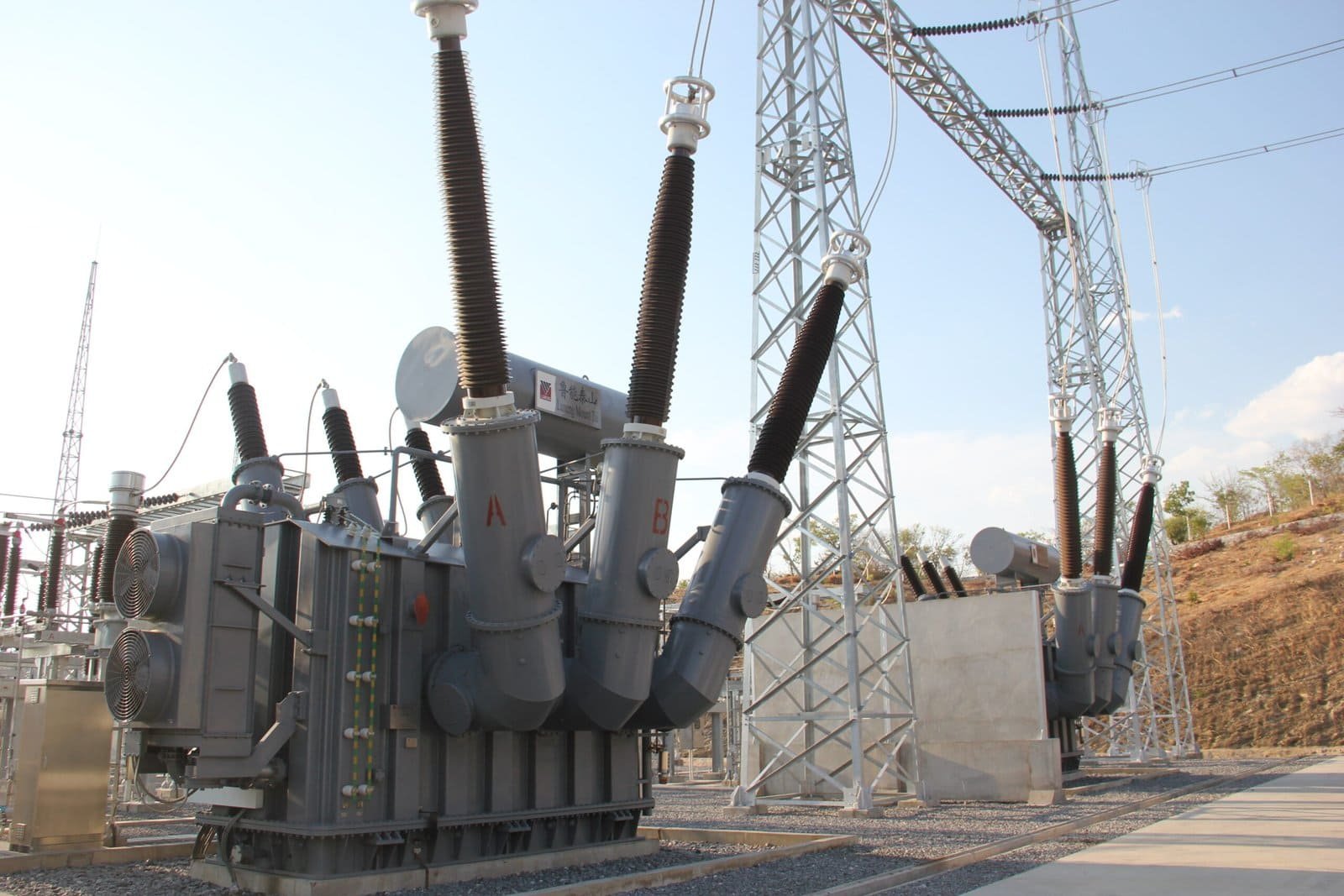
Choosing the right oil-filled transformer is one of the most important decisions in any electrical power project. An undersized transformer may suffer from overloading and reduced service life, while an oversized unit can increase capital costs and reduce operational efficiency. In addition to power rating, engineers must evaluate voltage levels, installation conditions, cooling methods, insulation requirements, efficiency targets, environmental factors, and applicable standards. Selecting a transformer based on a comprehensive technical assessment ensures reliable operation, lower lifecycle costs, and long-term system performance.
To choose the right oil-filled transformer, evaluate your application's power demand, voltage requirements, load characteristics, installation environment, cooling method, efficiency goals, insulation level, applicable standards, and future expansion plans. A properly specified transformer will provide reliable performance, optimal efficiency, and a long service life while minimizing maintenance and operating costs.
The most important factor when selecting an oil-filled transformer is choosing the largest available power rating.False
Transformer selection should balance power capacity, voltage, cooling, efficiency, installation environment, and future load growth. Oversizing a transformer unnecessarily can increase costs and reduce operating efficiency.
Determine the required power rating
The transformer's rated capacity should match both the current electrical demand and anticipated future growth.
When determining transformer capacity, consider:
- Maximum connected load
- Peak demand
- Continuous operating load
- Future expansion plans
- Emergency overload requirements
Selecting an appropriately sized transformer helps maintain high efficiency while avoiding unnecessary capital investment.
Typical transformer capacities
| Application | Typical Capacity Range |
|---|---|
| Commercial buildings | 100–2,500 kVA |
| Industrial facilities | 2.5–50 MVA |
| Distribution substations | 5–100 MVA |
| Transmission substations | 100 MVA and above |
Capacity should always be determined through a detailed load analysis rather than equipment nameplate totals alone.
Select the correct voltage rating
Voltage levels must match both the incoming power supply and the downstream electrical system.
Key voltage considerations include:
- Primary voltage
- Secondary voltage
- Frequency
- System grounding method
- Voltage regulation requirements
Incorrect voltage selection can lead to equipment incompatibility and reduced system reliability.
Understand the load characteristics
Different applications place different demands on transformers.
Examples include:
- Continuous industrial processes
- Variable renewable energy generation
- Motor starting loads
- Harmonic-producing electronic equipment
- Cyclic or seasonal loading
Understanding the load profile helps determine the appropriate thermal design and cooling requirements.
Evaluate the installation environment
The installation location significantly influences transformer selection.
Factors to assess include:
- Indoor or outdoor installation
- Ambient temperature
- Humidity
- Dust levels
- Corrosive atmosphere
- Altitude
- Flood risk
- Seismic conditions
Environmental considerations
| Environmental Factor | Design Consideration |
|---|---|
| High ambient temperature | Enhanced cooling system |
| Coastal environment | Corrosion-resistant coating |
| High altitude | Reduced cooling efficiency adjustments |
| Dusty industrial area | Improved sealing and maintenance planning |
Environmental conditions should be incorporated into the transformer specification from the beginning.
Choose the appropriate cooling method
Cooling performance directly affects transformer capacity and operating life.
Common cooling classifications include:
- ONAN (Oil Natural Air Natural)
- ONAF (Oil Natural Air Forced)
- OFAF (Oil Forced Air Forced)
- OFWF (Oil Forced Water Forced)
Higher-capacity transformers often require forced cooling to maintain acceptable operating temperatures.
Consider insulation requirements
The insulation system must withstand normal operating voltage as well as temporary overvoltages.
Important parameters include:
- Rated insulation level
- Basic Insulation Level (BIL)
- Lightning impulse withstand capability
- Switching impulse withstand capability
Proper insulation selection improves long-term reliability and reduces the risk of electrical failure.
Select the appropriate insulating liquid
Several insulating liquids are available depending on project requirements.
Common options include:
- Mineral oil
- Natural ester fluid
- Synthetic ester fluid
- Silicone insulating liquid
The choice depends on:
- Fire safety requirements
- Environmental regulations
- Operating temperature
- Maintenance strategy
Biodegradable ester fluids are increasingly selected for environmentally sensitive locations.
Evaluate energy efficiency
Transformer losses contribute to operating costs throughout the equipment's lifetime.
Efficiency considerations include:
- No-load losses
- Load losses
- Core material quality
- Winding resistance
- Cooling effectiveness
Efficiency factors
| Selection Factor | Operational Benefit |
|---|---|
| Low-loss core | Reduced energy consumption |
| Optimized windings | Lower load losses |
| Efficient cooling | Stable operating temperature |
| High-quality insulation | Improved long-term performance |
Although high-efficiency transformers may have higher initial costs, they often provide lower lifecycle expenses.
Verify compliance with applicable standards
The transformer should comply with all relevant national and international standards.
Common standards include:
- IEC standards
- IEEE standards
- ANSI standards
- National electrical regulations
- Utility specifications
Compliance ensures compatibility with system requirements and simplifies inspection and commissioning.
Select appropriate accessories
Modern oil-filled transformers can be equipped with numerous monitoring and protection devices.
Typical accessories include:
- Buchholz relay
- Pressure relief device
- Oil level indicator
- Winding temperature indicator
- Oil temperature indicator
- Dissolved gas monitoring
- Online moisture monitoring
- Cooling fan controls
Selecting the right accessories improves operational reliability and supports predictive maintenance.
Consider transportation and installation requirements
Large transformers require careful logistical planning.
Factors include:
- Transportation route
- Shipping dimensions
- Lifting capacity
- Foundation design
- Installation access
Early evaluation prevents delays during project execution.
Plan for maintenance throughout the service life
Ease of maintenance should influence transformer selection.
Consider:
- Oil sampling access
- Radiator cleaning
- Tap changer servicing
- Bushing inspection
- Monitoring equipment accessibility
A maintenance-friendly design helps reduce operating costs over several decades.
Balance initial cost with lifecycle value
Selecting a transformer based solely on purchase price can increase long-term operating expenses.
A lifecycle evaluation should include:
- Initial investment
- Energy losses
- Maintenance costs
- Expected service life
- Reliability
- Downtime risk
Choosing the lowest-cost option is not always the most economical decision over the transformer's operating life.
Work with an experienced manufacturer
An experienced transformer manufacturer can assist with:
- Load analysis
- Technical specification development
- Cooling system selection
- Insulation coordination
- Standard compliance
- Factory testing
- Installation guidance
- After-sales support
Early technical consultation often results in a more reliable and cost-effective solution.
Key selection criteria
| Selection Criterion | Importance |
|---|---|
| Power rating | Very High |
| Voltage rating | Very High |
| Installation environment | High |
| Cooling method | High |
| Insulation level | High |
| Efficiency | High |
| Applicable standards | High |
| Monitoring and protection | Moderate to High |
| Future expansion | High |
| Lifecycle cost | Very High |
Evaluating these factors together ensures the transformer is properly matched to the application.
Conclusion
Oil-filled transformers continue to be the preferred solution for applications requiring high power capacity, efficient cooling, and dependable long-term performance. They are widely used across utility networks, industrial manufacturing, renewable energy facilities, mining operations, commercial developments, and critical infrastructure because they deliver excellent electrical insulation, high overload capability, and reliable operation under demanding conditions. By understanding where oil-filled transformers perform best and matching the transformer to the specific installation environment, buyers can maximize system reliability, reduce lifecycle costs, and ensure stable power delivery for years to come. If you need assistance selecting the right oil-filled transformer for your project, consulting an experienced manufacturer can help ensure the best technical and economic solution.
FAQ
Q1: Where are oil-filled transformers used?
Oil-filled (oil-immersed) transformers are widely used in medium- and high-voltage power systems where high efficiency, excellent cooling, and reliable continuous operation are required. Their ability to handle large power loads makes them the preferred choice for utility, industrial, and infrastructure applications.
Common installation locations include:
Power generation plants
Transmission substations
Distribution substations
Industrial manufacturing facilities
Renewable energy plants
Mining operations
Commercial and infrastructure projects
Oil and gas facilities
Q2: Why are oil-filled transformers commonly used in power generation plants?
Power plants generate electricity at relatively low voltages that must be increased for efficient long-distance transmission.
Oil-filled generator step-up (GSU) transformers are used to:
Increase generator voltage to transmission voltage
Handle very high power ratings
Operate continuously under heavy electrical loads
Maintain high efficiency and reliability
These transformers are essential in thermal, hydroelectric, nuclear, wind, and solar power plants.
Q3: How are oil-filled transformers used in transmission and distribution networks?
Electric utilities rely on oil-filled transformers at multiple stages of the power system.
Transmission Substations
Step up or step down transmission voltages (typically 69 kV to 765 kV)
Connect different sections of the power grid
Support reliable bulk power transfer
Distribution Substations
Reduce transmission voltages to medium-voltage distribution levels
Supply electricity to residential, commercial, and industrial customers
Their high efficiency and large capacity make them ideal for continuous grid operation.
Q4: Why are oil-filled transformers preferred in industrial facilities?
Heavy industries require stable, high-capacity electrical power for machinery and production processes.
Typical industries include:
Steel mills
Cement plants
Chemical processing
Mining operations
Paper mills
Automotive manufacturing
Petrochemical facilities
Oil-filled transformers provide:
Excellent overload capability
Efficient cooling
Reliable performance under demanding operating conditions
Long service life
Q5: Are oil-filled transformers used in renewable energy projects?
Yes. Renewable energy facilities commonly use oil-filled transformers because they efficiently handle high power outputs and variable operating conditions.
Applications include:
Solar photovoltaic (PV) farms
Wind farms
Hydroelectric stations
Battery energy storage systems (BESS)
These transformers perform functions such as:
Stepping up generator or inverter voltage
Connecting renewable plants to transmission networks
Supporting stable grid integration
Q6: Can oil-filled transformers be installed outdoors?
Yes. Oil-filled transformers are primarily designed for outdoor installation.
They are commonly installed in:
Utility substations
Industrial sites
Solar and wind farms
Commercial campuses
Public infrastructure projects
Outdoor designs include weather-resistant tanks, corrosion protection, radiators, and protective enclosures suitable for harsh environmental conditions.
Q7: Are oil-filled transformers suitable for indoor installations?
They can be installed indoors, but additional safety measures are often required due to the presence of insulating oil.
These may include:
Fire-resistant construction
Oil containment pits or bunds
Fire suppression systems
Adequate ventilation
Compliance with local building and fire codes
For buildings with high occupancy, such as hospitals, schools, and office towers, dry-type transformers are often preferred because they eliminate the risk of oil leakage and reduce fire hazards.
Q8: What factors determine whether an oil-filled transformer is the right choice?
Several considerations influence transformer selection, including:
Required power rating
Voltage level
Installation environment (indoor or outdoor)
Cooling requirements
Fire safety regulations
Environmental protection requirements
Maintenance capabilities
Project budget and lifecycle costs
Oil-filled transformers are generally the best choice for high-capacity, outdoor, and utility-scale applications where maximum efficiency and superior cooling performance are essential.
References
IEC 60076 – Power Transformers
https://webstore.iec.ch/publication/602
IEC 60296 – Fluids for Electrotechnical Applications: Mineral Insulating Oils
https://webstore.iec.ch
IEEE C57 Series – Transformer Standards
https://standards.ieee.org
IEEE C57.91 – Guide for Loading Mineral-Oil-Immersed Transformers
https://standards.ieee.org
Electrical Engineering Portal – Applications of Oil-Filled Transformers
https://electrical-engineering-portal.com