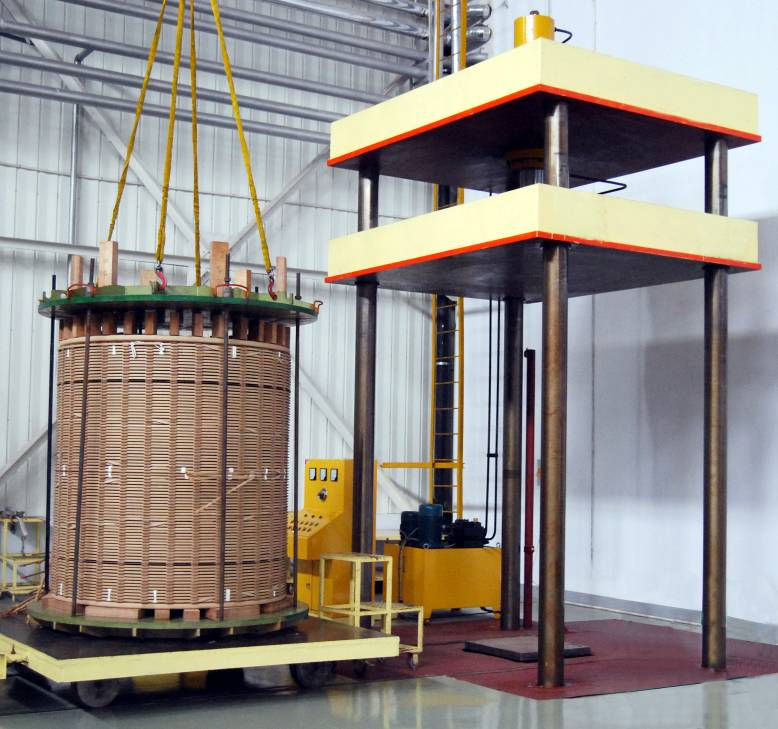
Copper is the most widely used conductor material for transformer windings because of its excellent electrical, mechanical, and thermal properties. The choice of conductor material directly affects a transformer’s efficiency, reliability, and lifespan. While aluminum is also used in certain applications, copper remains the preferred option for most medium- and high-voltage transformers due to its superior performance under demanding electrical and mechanical stresses.
What Electrical Properties Make Copper More Efficient for Transformer Windings?
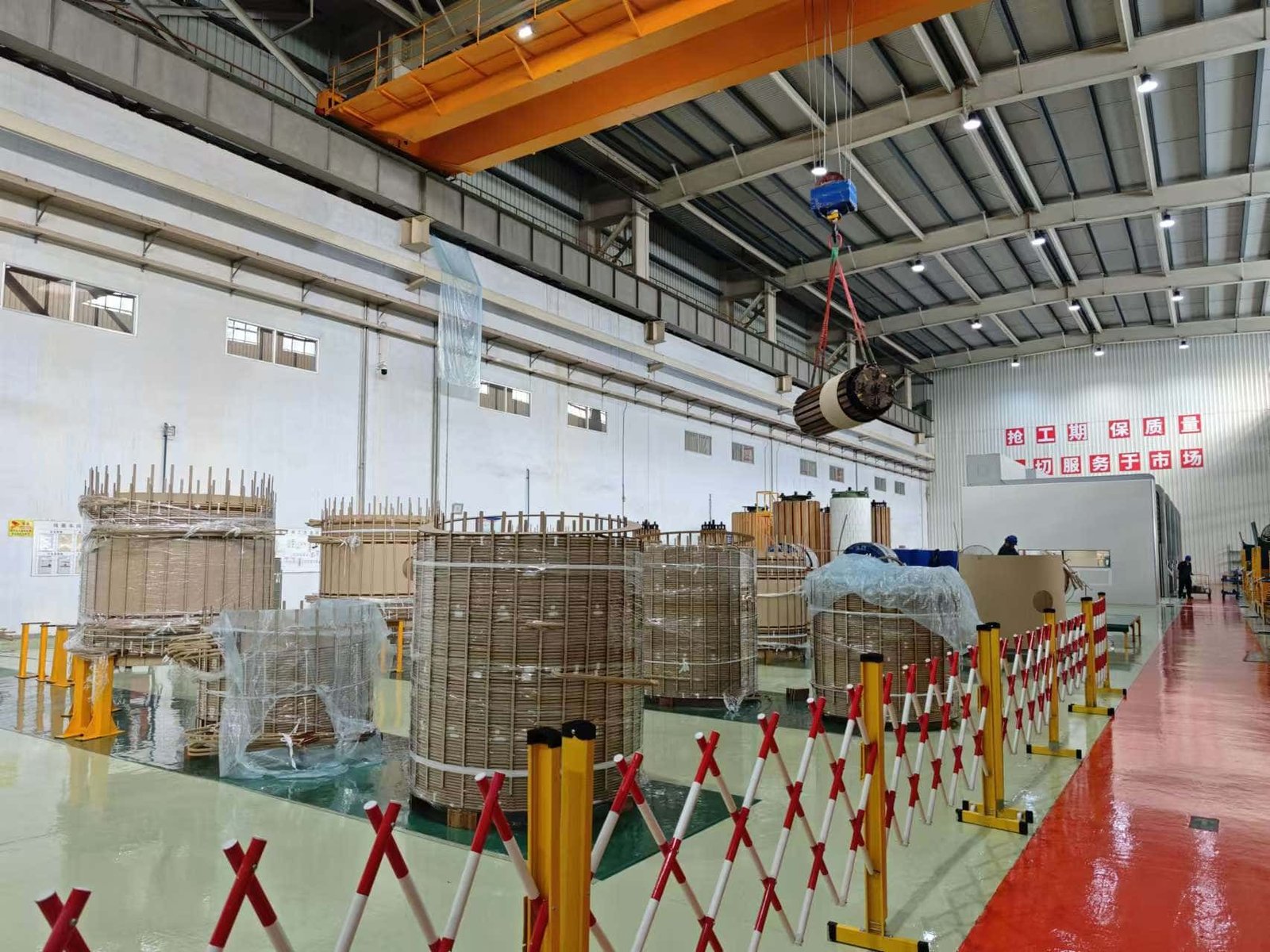
Transformers operate under constant electrical and thermal stress, and one of the most critical factors affecting their efficiency is the material used for windings. When inappropriate winding materials are selected, transformers suffer from higher energy losses, overheating, increased operating costs, and shorter service life. Selecting an inferior conductor—especially in medium- and high-load applications—causes avoidable inefficiency and long-term degradation. Copper, widely recognized as the industry standard, remains the preferred choice because of its superior electrical properties that minimize resistive losses, reduce temperature rise, and enhance the overall performance and reliability of both dry-type and oil-immersed transformers.
Copper’s high electrical conductivity, excellent thermal performance, superior mechanical strength, and lower resistive losses make it the most efficient and reliable winding material for transformers, particularly where high load, low loss, and long service life are required. These electrical advantages directly translate to improved efficiency, better temperature stability, and reduced lifecycle cost.
Copper’s properties allow manufacturers to design more compact, efficient, and durable transformers without compromising electrical integrity.
Aluminum windings offer the same electrical efficiency as copper windings.False
Aluminum has higher resistivity, resulting in higher losses and larger conductor cross-sections compared to copper, which remains the more efficient electrical conductor.
High Electrical Conductivity: The Core Advantage of Copper
Copper’s electrical conductivity is approximately 59.6 MS/m, the highest among commercially practical metals used in transformer windings. This means copper naturally produces fewer resistive (I²R) losses during operation.
Why conductivity matters:
- Lower resistive losses → higher transformer efficiency
- Reduced heat generation → lower operating temperatures
- Smaller conductor size needed → more compact winding design
- Improved voltage regulation under varying load
A transformer built with copper windings experiences significantly lower load losses, improving energy efficiency across its entire operating range.
Lower Resistivity for Reduced Energy Losses
Copper’s resistivity is 1.68 μΩ·cm, far lower than aluminum’s 2.82 μΩ·cm. Lower resistivity minimizes both load and no-load losses, directly improving transformer performance.
Below is a comparison table:
| Property | Copper | Aluminum | Impact on Efficiency |
|---|---|---|---|
| Electrical Resistivity | 1.68 μΩ·cm | 2.82 μΩ·cm | Copper reduces losses significantly |
| Conductivity | ~100% IACS | 61% IACS | Higher conductivity = better performance |
| Cross-Section Needed | Smaller | Larger | Copper allows compact designs |
| Heat Generation | Lower | Higher | Copper maintains lower operating temperatures |
Copper windings operate cooler and more efficiently, especially under higher load conditions.
Superior Thermal Conductivity for Better Heat Dissipation
Copper transfers heat more effectively than aluminum, with thermal conductivity of 401 W/m·K. This added thermal advantage is essential for preventing hotspots and insulation breakdown.
Benefits of higher thermal conductivity:
- Rapid heat dissipation during overloads
- Improved insulation longevity
- Reduced hot-spot temperature rise
- Safer operation in high-temperature or high-humidity environments
Transformers built with copper typically achieve better temperature rise performance, contributing to longer service life.
Mechanical Strength and Fatigue Resistance
Copper offers nearly twice the tensile strength of aluminum, making it far more resistant to mechanical deformation during:
- short-circuit forces
- thermal cycling
- vibration and installation stress
- heavy load surges
Because windings must withstand intense electromagnetic forces, copper significantly reduces the risk of:
- conductor deformation
- winding displacement
- insulation cracking
- partial discharge due to mechanical stress
This is especially important in dry-type transformers used in renewables, rail transit, and industrial applications.
Higher Short-Circuit Strength for Maximum Reliability
Copper’s superior mechanical and electrical stability gives it a clear advantage under short-circuit conditions. During a fault, enormous electrodynamic forces act on the windings. Copper better maintains:
- winding geometry
- mechanical integrity
- insulation alignment
- structural stability
Below is a simplified comparison:
| Performance Under Faults | Copper Windings | Aluminum Windings |
|---|---|---|
| Short-Circuit Stability | Excellent | Good |
| Risk of Deformation | Very Low | Higher |
| Structural Support Needed | Minimal | Additional reinforcement required |
Copper reduces the risk of catastrophic failure during system faults.
Lower Load Losses and Improved Efficiency Classes
Higher efficiency standards (IE2, IE3, DOE 2016, EU EcoDesign) strongly favor copper due to its lower electrical losses.
Copper windings directly reduce:
- Load losses
- Total harmonic distortion (THD) impact
- Core-to-coil thermal stress
- Long-term operational cost
When lifetime operating costs are evaluated, copper transformers consistently outperform aluminum units—especially for installations operating near full load.
Enhanced Compatibility With Smart Grids and High-Efficiency Systems
As grid systems adopt advanced technologies—IoT monitoring, renewable energy integration, power electronics—transformers must operate with greater stability under harmonics and variable load.
Copper windings provide:
- greater harmonic tolerance
- smoother thermal response
- enhanced performance under fluctuating loads
- stable resistance values over time
This makes copper essential for the next generation of high-efficiency power systems.
How Does Copper Improve Mechanical Strength and Short-Circuit Withstand Capability?
Transformer windings endure constant electrical, magnetic, and thermal forces throughout their operating life. But the most severe stress occurs during short-circuit events—where electrodynamic forces can multiply instantly and violently deform windings if the conductor material lacks sufficient mechanical strength. When winding deformation occurs, insulation breaks down, partial discharge develops, and catastrophic failure can follow. Many premature transformer failures originate not from normal load operation, but from mechanical weakness during electrical faults. This makes the choice of conductor material a critical factor in ensuring system reliability and long-term performance.
Copper’s exceptional mechanical strength, high tensile stability, and low deformation under fault currents significantly improve a transformer’s short-circuit withstand capability, ensuring geometric stability, preserving insulation integrity, and preventing catastrophic winding displacement. Its ability to resist electrodynamic forces is one of the key reasons copper remains the premium choice for high-reliability dry-type and oil-immersed transformers.
Short-circuit durability is not an optional feature—it is a core requirement for electrical safety.
Copper and aluminum provide equal short-circuit withstand performance in transformer windings.False
Copper has nearly twice the tensile strength of aluminum and significantly lower deformation under electromagnetic forces, giving it much higher short-circuit withstand capability.
Why Mechanical Strength Is Critical for Transformer Windings
When a transformer experiences a short circuit, current surges can exceed the rated value by 20–40 times within milliseconds. These massive currents generate intense electromagnetic forces that attempt to:
- compress windings
- push coils outward or inward
- distort conductor geometry
- stretch or twist winding structures
- crack and tear insulation materials
If windings shift even slightly, localized overheating, insulation damage, and rapid failure follow. Maintaining structural stability is essential to survival during fault events.
Copper provides the mechanical resilience required to keep windings rigid and immovable during these extreme conditions.
Copper’s High Tensile Strength Reduces Deformation During Fault Events
Copper has a tensile strength roughly twice that of aluminum, allowing it to stay dimensionally stable under heavy electromagnetic forces.
| Property | Copper | Aluminum | Impact on Short-Circuit Strength |
|---|---|---|---|
| Tensile Strength | 200–250 MPa | 100–130 MPa | Copper resists deformation far better |
| Elastic Modulus | 110–130 GPa | 69 GPa | Copper maintains shape under stress |
| Density | Higher | Lower | Higher density improves force resistance |
| Plastic Deformation | Low | Higher | Copper maintains dimensional stability |
High tensile strength prevents:
- buckling of conductors
- displacement of turns or layers
- structural collapse under magnetic force
The result is a more robust, fault-tolerant transformer.
Superior Electrodynamic Force Resistance
Short-circuit forces are proportional to current squared. When fault currents spike, the conductors experience:
- radial forces (compressing the winding)
- axial forces (pushing the coil apart)
Copper’s higher modulus of elasticity minimizes movement under these dynamic loads. This prevents:
- axial winding displacement
- radial bulging
- turn-to-turn insulation stress
- coil deformation that compromises cooling paths
Maintaining winding geometry is essential to preventing long-term reliability issues.
Reduced Risk of Hot Spots and Insulation Breakdown
Winding deformation creates uneven electrical distribution and causes localized hot spots. These overheating points accelerate:
- thermal aging
- resin cracking
- partial discharge
- dielectric breakdown
Because copper maintains structural alignment better than aluminum:
- current distribution stays uniform
- thermal hotspots are minimized
- insulation remains intact
- core–coil clearances do not collapse
The long-term benefit is a significantly longer transformer lifespan.
Improved Clamping and Structural Rigidity in Winding Assemblies
Copper’s rigidity enables tighter winding construction:
- smaller conductor size
- more stable coil geometry
- better fit inside clamping structures
- reduced mechanical creep over years of thermal cycling
Tight, stable windings dramatically increase the short-circuit endurance of both dry-type and oil-immersed transformers.
Lower Thermal Expansion Improves Dimensional Stability
Copper has a lower coefficient of thermal expansion than aluminum, meaning it expands and contracts less during temperature swings.
This prevents:
- loosening of winding structures
- mechanical fatigue
- insulation cracking
- cumulative deformation after multiple load cycles
Transformers endure thousands of heating and cooling cycles over decades—copper ensures they remain dimensionally stable.
Higher Conductivity Reduces Thermal Stress and Fault Severity
Because copper has lower resistivity:
- winding temperature rise is lower
- fault currents produce less heating
- thermal shock during short-circuit events is minimized
Lower fault-related heating reduces the risk of:
- resin damage
- insulation carbonization
- overheating-induced coil deformation
Copper handles fault conditions with greater stability and lower long-term degradation.
Superior Long-Term Mechanical Integrity
Copper windings maintain their structural and electrical properties for decades. They resist:
- creep
- fatigue
- mechanical loosening
- stress-induced cracking
This ensures consistent short-circuit withstand capability throughout the transformer’s full lifespan—not just when it is new.
Why Does Copper Reduce Losses and Enhance Energy Efficiency?
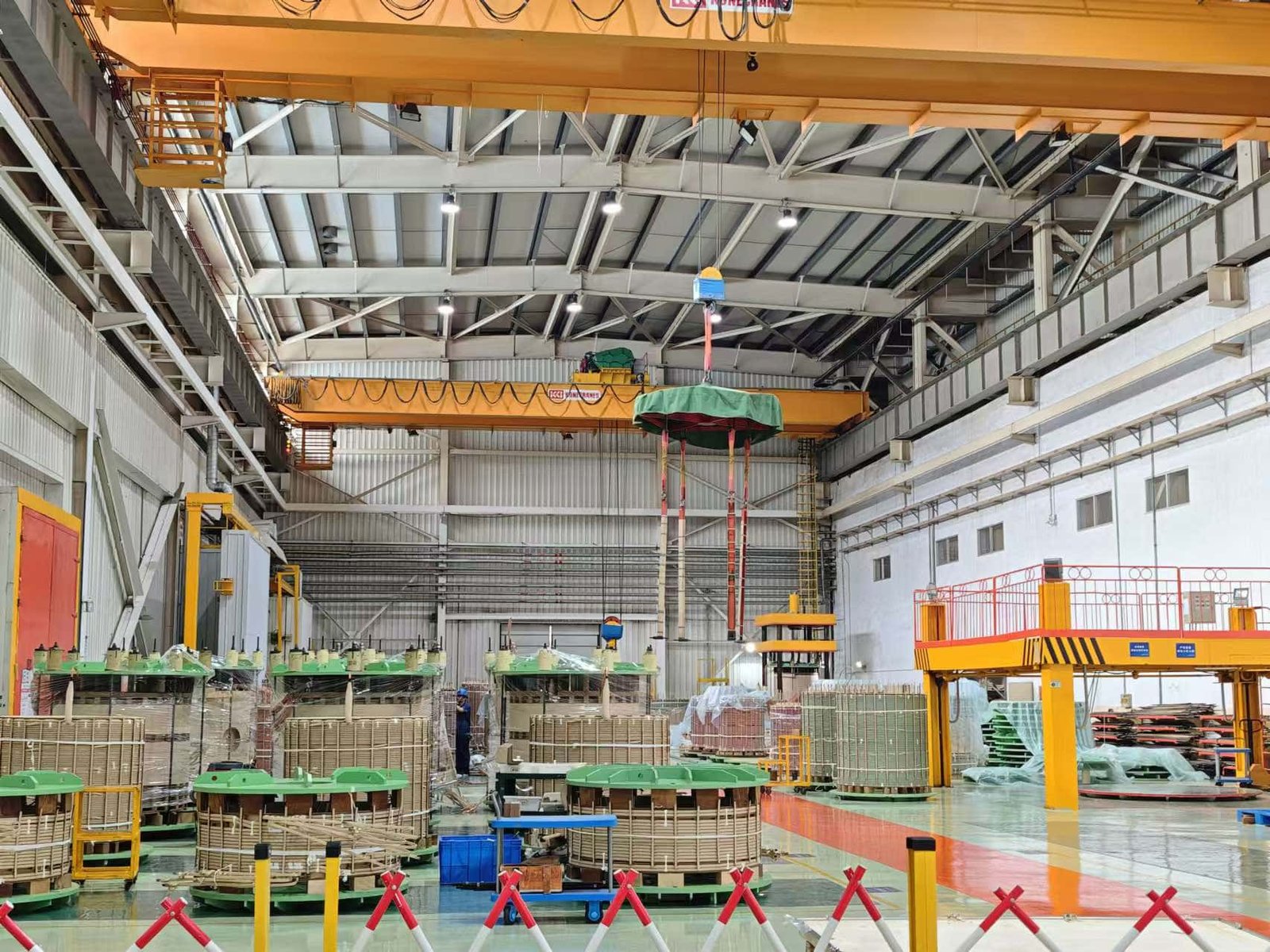
Copper plays a decisive role in transformer performance because its electrical and thermal properties directly reduce losses, improve efficiency, and stabilize operation under both normal and heavy loading conditions. Unlike many design choices that offer incremental benefits, the conductivity advantage of copper creates system-wide improvements that affect heat generation, energy waste, lifecycle cost, and long-term reliability.
1. Lower Resistivity Means Lower Load (I²R) Losses
The most fundamental reason copper improves efficiency is its extremely low electrical resistivity, about 40% lower than aluminum. Since load losses follow the equation:
Loss = I² × R,
any reduction in R produces an immediate, proportional reduction in wasted energy.
Copper windings therefore experience:
- less heat produced from current flow
- lower temperature rise during operation
- reduced cooling demand
- higher efficiency at all load levels
This is especially important in distribution transformers that operate continuously and see fluctuating loads—conditions where resistive losses dominate long-term cost.
2. Higher Conductivity Enables More Compact, Efficient Coil Designs
Because copper carries more current per unit cross-sectional area, engineers can design:
- shorter winding lengths
- tighter coil geometries
- reduced conductor volume
- lower overall resistance
These design benefits enhance efficiency in two key ways:
- Shorter conductive paths reduce resistive losses.
- Tighter electromagnetic coupling between windings reduces leakage reactance and stray losses.
The result is a transformer that not only wastes less power but also maintains more stable voltage regulation.
3. Superior Thermal Conductivity Lowers Hot-Spot Temperatures
Copper transfers heat more effectively than aluminum, which significantly influences transformer efficiency:
- Lower hot-spot temperatures slow insulation aging.
- Better heat dissipation reduces thermal stress during overload or peak demand.
- Cooler windings exhibit lower resistance, further lowering I²R losses.
This thermal advantage compounds over time: cooler operation means slower degradation, helping the transformer maintain high efficiency throughout its service life.
4. Reduced Eddy Current and Stray Losses
Copper’s conductivity, combined with its ability to form compact windings, reduces:
- eddy currents inside the conductor
- leakage flux escaping the winding window
- electromagnetic hot spots
- circulating currents in nearby metal structures
These stray losses grow rapidly with load, so reducing them has a direct impact on heavy-duty performance and reliability.
5. Stronger Mechanical Stability Preserves Efficiency Over Time
High-conductivity materials must also resist deformation under short-circuit forces. Copper excels here:
- Higher tensile and yield strength prevents winding distortion.
- Coils maintain precise geometry even under severe fault currents.
- Stable geometry prevents the increase in resistance that occurs when windings loosen or deform.
Because the winding structure remains intact, the transformer maintains its designed efficiency across decades of service.
How Does Copper Perform Better Under Thermal Stress Compared to Aluminum?
Copper’s superior behavior under thermal stress is one of the most critical reasons it is preferred for transformer windings. When a transformer experiences high load, overload, harmonics, or short-term thermal excursions, the conductor must maintain electrical, dimensional, and mechanical stability. Copper’s unique combination of thermal, mechanical, and conductivity properties makes it far more resilient and reliable than aluminum under such demanding conditions.
1. Lower Temperature Rise Due to Lower Resistance
Copper has significantly lower electrical resistivity than aluminum, meaning it generates less heat for the same current. Lower heat generation directly translates to:
- reduced winding temperature rise
- lower hot-spot temperatures
- slower thermal aging of insulation
- decreased cooling burden
Because heat is the primary driver of transformer aging, copper windings maintain better long-term performance despite thermal fluctuations.
2. Higher Thermal Conductivity Improves Heat Dissipation
Copper conducts heat nearly twice as effectively as aluminum. This superior thermal conductivity ensures:
- faster removal of heat from winding hot spots
- more uniform temperature distribution
- quicker stabilization after load surges or overloads
This prevents localized overheating—one of the most common causes of partial discharge, insulation breakdown, and long-term efficiency decline.
3. Greater Mechanical Strength at Elevated Temperatures
Conductors must resist mechanical deformation caused by short-circuit forces and thermal expansion. Copper retains far more mechanical strength at elevated temperatures than aluminum.
As temperature increases:
- Aluminum softens rapidly, losing structural integrity.
- Copper maintains high tensile strength even near maximum thermal limits.
This helps prevent winding deformation, bending, or loosening, which can otherwise increase resistance and compromise electrical performance.
4. Lower Coefficient of Thermal Expansion Reduces Stress on Insulation
Copper expands less under heat compared to aluminum. This matters because repeated thermal cycling creates mechanical stress between windings and insulation layers.
COPPER ADVANTAGES:
- less dimensional change under temperature swings
- fewer micro-gaps forming between conductor and insulation
- reduced risk of insulation abrasion, cracking, or resin separation
- lower long-term partial discharge probability
Using copper directly improves insulation longevity by avoiding the mechanical strain that aluminum windings impose.
5. Maintains Electrical Stability Under Heavy Loading
Because copper’s resistance increases more slowly with temperature than aluminum’s, it provides:
- more stable voltage regulation
- lower incremental losses during peak demand
- consistent performance even under extended overload conditions
This means transformers with copper windings maintain high efficiency in real-grid conditions, not just standard test environments.
6. Lower Risk of Thermal Runaway
Aluminum’s higher resistivity combined with its lower melting point creates a potential risk of thermal escalation under extreme conditions. Copper mitigates this by:
- producing less heat
- withstanding higher temperatures
- protecting against conductor creep or sagging
- preventing runaway cycles where hotter conductors create exponentially more heat
Copper’s high melting point also adds a safety margin during unforeseen overload or fault scenarios.
Summary: Why Copper Excels Under Thermal Stress
Copper outperforms aluminum across all thermal-related factors:
- generates less heat due to lower resistance
- dissipates heat faster thanks to superior conductivity
- retains mechanical strength at high temperature
- expands less, protecting insulation systems
- maintains electrical stability under overload
- significantly reduces thermal runaway risks
For transformers expected to operate under heavy loads, variable duty cycles, or harsh thermal environments, copper provides not only higher efficiency but also dramatically enhanced reliability and service life.
What Reliability Advantages Does Copper Provide in Long-Term Operation?
Copper delivers substantial reliability benefits that extend far beyond simple efficiency gains. Over years or decades of transformer operation, copper’s electrical, mechanical, and thermal characteristics help maintain stable performance, reduce failure risks, and significantly extend equipment lifespan. While aluminum can achieve acceptable performance in some applications, copper windings consistently deliver superior durability and operational stability—especially in demanding or mission-critical environments.
1. Stable Electrical Performance Over Decades of Use
Copper’s low resistivity allows a transformer to operate with lower load losses from day one, but more importantly:
- resistance increases more slowly over time
- performance degradation due to heat and aging is minimized
- stable voltage regulation is preserved even under varying loads
This contributes to a consistent efficiency profile throughout the transformer's life, unlike aluminum, which tends to degrade faster under thermal cycling.
2. Stronger Mechanical Resistance Against Short-Circuit Forces
Copper retains high tensile strength throughout its life, making it much more resistant to mechanical deformation caused by:
- short-circuit electromagnetic forces
- harmonic-rich industrial loads
- thermal expansion and contraction cycles
This mechanical durability helps the winding maintain its geometric integrity, which is crucial because even small shifts can:
- increase losses
- change impedance
- damage insulation
- induce partial discharge
Transformers with copper windings are therefore better able to withstand severe grid disturbances without long-term performance loss.
3. Reduced Insulation Stress and Longer Dielectric Life
Because copper has a lower coefficient of thermal expansion than aluminum, it reduces mechanical stress on insulation materials. Over long periods, this results in:
- fewer micro-movements between conductor and insulation
- reduced fatigue of varnish, resin, or cast epoxy insulation
- lower likelihood of insulation cracking or delamination
- reduced risk of long-term partial discharge activity
This directly contributes to the most important factor in transformer life: insulation health.
4. More Efficient Thermal Management During Long Service Life
Copper’s higher thermal conductivity ensures that heat is distributed more evenly across the winding and dissipated effectively. Over time, this leads to:
- fewer localized hot spots
- slower aging of resin and insulation materials
- reduced risk of thermal oxidation
- stable temperature rise even at higher loads
Because thermal aging is exponential, improved heat management dramatically increases the transformer's operating life.
5. Better Performance Under Repetitive Thermal Cycling
Transformers rarely operate at constant load; instead they experience daily and seasonal load variations. Copper’s stability in repeated thermal cycling offers major advantages:
- less mechanical fatigue
- minimal creep or deformation
- consistent electrical contact integrity
- reduced long-term loosening of mechanical joints
This long-cycle stability is especially valuable in renewables, industrial facilities, and urban distribution grids where load conditions shift rapidly.
6. Slower Corrosion and Oxidation Rates Improve Longevity
Copper develops a thin, stable oxide layer that protects the conductor from further corrosion. In contrast, aluminum oxide layers can:
- impede electrical contact surfaces
- weaken mechanical connections
- become unstable under high-temperature conditions
Copper’s natural corrosion resistance contributes to long-term reliability, especially in humid, salty, or polluted environments.
7. Stronger Long-Term Short-Circuit Withstand Capability
Even after years of operation, copper windings maintain their ability to withstand short-circuit forces because:
- tensile strength remains high
- creep deformation is minimal
- conductor geometry remains intact
This ensures that aging transformers made with copper maintain higher safety margins during severe grid disturbances.
When Is Aluminum Used Instead of Copper and How Do They Compare?
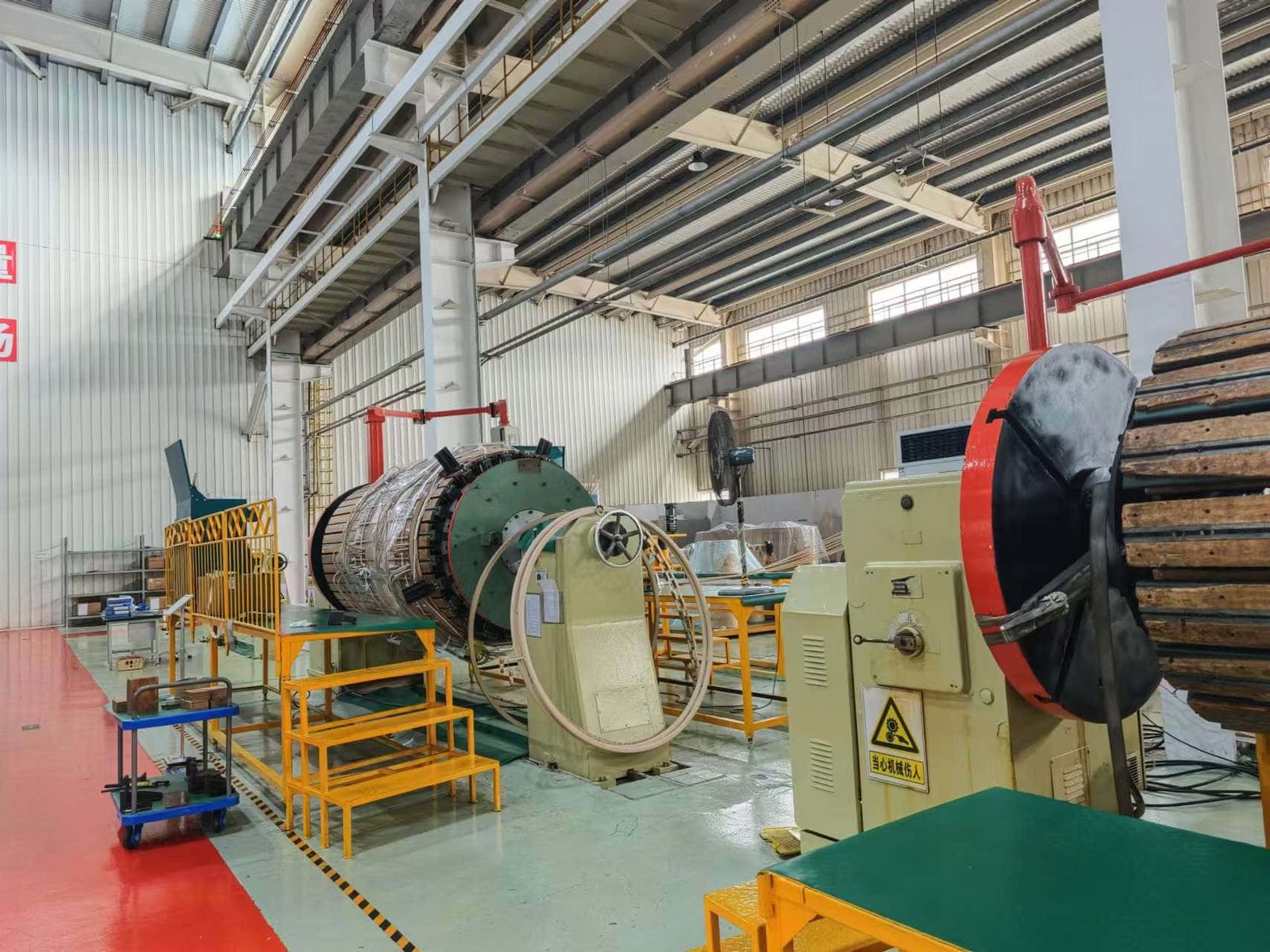
Detailed Technical Comparison: Electrical, Thermal, Mechanical, and Lifecycle Performance Differences Between Copper and Aluminum
To fully understand when aluminum can be used instead of copper, engineers must compare the two materials across all performance dimensions that matter to transformer design and long-term operation. Copper and aluminum behave differently not only because of their electrical resistivity but because of their mechanical strength, thermal expansion, conductor density, oxidation patterns, joint reliability, and heat conduction characteristics. In real operational environments—especially in high-load, cyclic-load, and short-circuit-exposed transformers—these differences compound over years, defining the reliability profile of the transformer. In low-stress or light-duty situations, aluminum can meet basic performance targets, but its safety margins and aging characteristics remain narrower than copper.
To illustrate the performance gap clearly, below is a technical comparison table used by many transformer engineers during the design stage:
Table 1 — Fundamental Material Properties of Copper vs. Aluminum
| Property | Copper (Cu) | Aluminum (Al) | Impact on Transformer Performance |
|---|---|---|---|
| Electrical Resistivity (Ω·mm²/m) | 0.0172 | 0.0282 | Aluminum has ~64% higher resistance → higher losses |
| Thermal Conductivity (W/m·K) | ~400 | ~237 | Copper dissipates heat faster → fewer hot spots |
| Tensile Strength (MPa) | 200–250 | 70–120 | Copper withstands short-circuit forces significantly better |
| Coefficient of Thermal Expansion | 16.5 µm/m·K | 23.5 µm/m·K | Aluminum expands more → insulation stress over time |
| Density (g/cm³) | 8.96 | 2.70 | Aluminum is lighter → smaller installation load |
| Creep Resistance | Excellent | Moderate–Poor | Aluminum deforms more under sustained thermal stress |
| Oxidation Behavior | Stable oxide, conductive | Oxide layer is non-conductive | Aluminum joints require special preparation |
This comparison highlights why copper designs are inherently more compact, stable, and thermally robust. Aluminum can still be used—but only under appropriate loading and environmental conditions.
Electrical Performance Considerations
Electrical resistivity is one of the most decisive differences. Because aluminum’s resistivity is much higher, windings must be thicker to reach equivalent loss levels. This increases coil diameter, insulation requirements, and cooling demand. Even with increased conductor cross section, aluminum cannot fully match copper’s low-loss profile at medium and high currents. This means that in high-load-factor distribution networks, copper-wound units typically achieve 0.2–0.5% higher efficiency—an enormous advantage when multiplied across tens of thousands of operating hours.
Aluminum also produces larger magnetic leakage fields due to its larger conductor geometry, which slightly increases stray losses. These losses become significant in compact substations or dry-type designs where magnetic field containment is more critical.
Thermal and Hot-Spot Behavior
Thermal conductivity influences top-oil and winding hot-spot temperatures. Copper’s superior thermal conduction spreads heat more evenly throughout the winding structure. Aluminum windings, by contrast, develop temperature gradients and localized hot spots, which accelerate insulation aging. Because transformer life is exponentially related to hot-spot temperature, aluminum units tend to experience faster dielectric deterioration under equivalent load.
For dry-type transformers—which rely on natural or forced air cooling—this thermal disadvantage becomes more pronounced. For this reason, most high-capacity cast resin dry-type transformers (e.g., 2500 kVA+) are strongly recommended to use copper windings.
Table 2 — Thermal Behavior Comparison Under Identical Loading
| Parameter | Copper-Wound Transformer | Aluminum-Wound Transformer |
|---|---|---|
| Typical Winding Temperature Rise | Lower | Higher |
| Hot-Spot Development | Minimal | Common—higher thermal gradients |
| Overloading Tolerance | High, more forgiving | Lower, sensitive to heat |
| Insulation Aging Rate | Slower | Faster |
| Suitable Ambient Conditions | Wide range | Moderate, controlled environments |
These differences are especially important in deserts, tropical regions, underground rooms, and renewable farms with high harmonic content.
Mechanical Strength and Short-Circuit Endurance
Short-circuit withstand capability is one of the strongest reasons utilities choose copper. During a fault, electromagnetic forces attempt to deform windings radially and axially. Aluminum’s lower tensile strength and poorer creep resistance make it more prone to deformation. Once deformation occurs, the winding geometry changes permanently, increasing losses, altering impedance, and sometimes causing direct insulation damage.
For this reason, major utilities worldwide, including those following IEC 60076-5 short-circuit withstand standards, overwhelmingly specify copper for high-reliability feeders.
Lifecycle Cost Analysis
Although aluminum reduces initial purchase price, lifetime cost tells another story. Aluminum’s higher losses increase annual energy cost, hot-spot temperatures shorten lifespan, and thermal expansion accelerates insulation deterioration. Over a 20–30 year lifespan, these factors often offset or exceed the initial cost savings, especially in medium-load or high-load systems.
Copper's longer service life and improved efficiency typically deliver lower total cost of ownership (TCO), even when initial CAPEX is 15–30% higher.
Conclusion
Copper is preferred for transformer windings because it offers the best combination of electrical conductivity, mechanical strength, thermal stability, and reliability. These properties reduce energy losses, improve short-circuit performance, and provide greater long-term durability. Although aluminum can be used in cost-sensitive or low-voltage applications, copper remains the superior choice for most power and distribution transformers where performance and longevity are critical.
FAQ
Q1: Why is copper preferred over aluminum for transformer windings?
Copper is the preferred conductor material for transformer windings due to its superior electrical conductivity, mechanical strength, and thermal performance. Copper's conductivity is approximately 60% higher than aluminum, allowing for smaller cross-sectional areas to achieve the same current-carrying capacity. This leads to lower I²R losses, which improves overall energy efficiency, reduces heat generation, and enhances loading capability.
Copper's higher density and tensile strength also improve the mechanical rigidity of transformer windings, helping them withstand short-circuit forces, high electromagnetic stresses, and mechanical vibration. This contributes to greater durability and longer service life. Because copper expands less under heat and maintains stable electrical contact points, it reduces the risk of deformation or loosening during operation. These qualities make copper ideal for high-performance and mission-critical transformers.
Q2: How does copper improve transformer efficiency?
Copper’s high conductivity dramatically reduces load losses, one of the main contributors to transformer inefficiency. Lower resistance means reduced heat generation, which directly impacts energy consumption over the transformer's lifetime.
Because copper creates less heat, the transformer’s cooling system is subjected to less stress, improving overall thermal performance and enabling higher overload capacity. Copper windings maintain stable resistance over time, while aluminum windings may increase in resistance due to oxidation or poor joint stability. This long-term stability keeps transformer efficiency high for decades, delivering lower operating costs.
Q3: Why is copper better for withstanding short-circuit conditions?
During a short-circuit event, transformer windings face tremendous mechanical and thermal stress. Copper’s high mechanical strength allows it to maintain shape and structural integrity under extreme magnetic forces. Aluminum, being softer and less rigid, is more likely to deform or experience winding movement, which can lead to insulation damage or catastrophic failure.
Copper also has superior thermal durability, allowing it to withstand rapid temperature spikes without weakening. This makes copper-wound transformers far more reliable in utility grids, industrial plants, and other systems where fault currents can be high.
Q4: How does copper enhance long-term reliability and lifespan?
Copper’s oxidation resistance, excellent thermal behavior, and stable electrical performance make it durable over decades of operation. Unlike aluminum—whose oxide layer increases contact resistance—copper maintains clean, stable contact surfaces. This ensures lower connection losses and reduces maintenance needs.
Additionally, copper’s rigidity minimizes winding displacement, partial discharge risk, and insulation fatigue. These factors increase the transformer’s lifespan and reduce the risk of early failure. Over the course of 30–40 years, copper-wound transformers generally deliver lower total ownership cost despite their higher initial price.
Q5: Are there situations where aluminum windings may still be used?
Yes. Aluminum windings can be suitable for distribution transformers, cost-sensitive applications, and non-critical environments where mechanical stresses are lower and installation conditions are stable. Aluminum is lighter and cheaper, which reduces material cost and makes handling easier.
However, for medium-voltage, high-power, or mission-critical installations—such as data centers, hospitals, industrial plants, and transmission networks—copper remains the superior choice due to its reliability, mechanical strength, and efficiency advantages.
References
IEC 60076 – Transformer Standards — https://www.iec.ch
IEEE C57 Transformer Winding Material Studies — https://ieeexplore.ieee.org
Schneider Electric Transformer Design Guide — https://www.se.com
Doble Engineering Transformer Reliability Reports — https://www.doble.com
EEP – Copper vs Aluminum Transformer Windings — https://electrical-engineering-portal.com
Global Market Insights – Transformer Material Analysis — https://www.gminsights.com
Statista – Copper Market & Electrical Applications Data — https://www.statista.com