
Transformer insulating liquids play a vital role in ensuring safe and reliable operation by providing both electrical insulation and effective cooling. Although water is an excellent heat transfer medium, it is not suitable for use inside transformers because of its electrical properties. Transformer oil is specifically engineered to withstand high voltages while efficiently dissipating heat, making it the preferred choice for oil-immersed transformers.
Why Is Electrical Insulation More Important Than Cooling in Transformers?
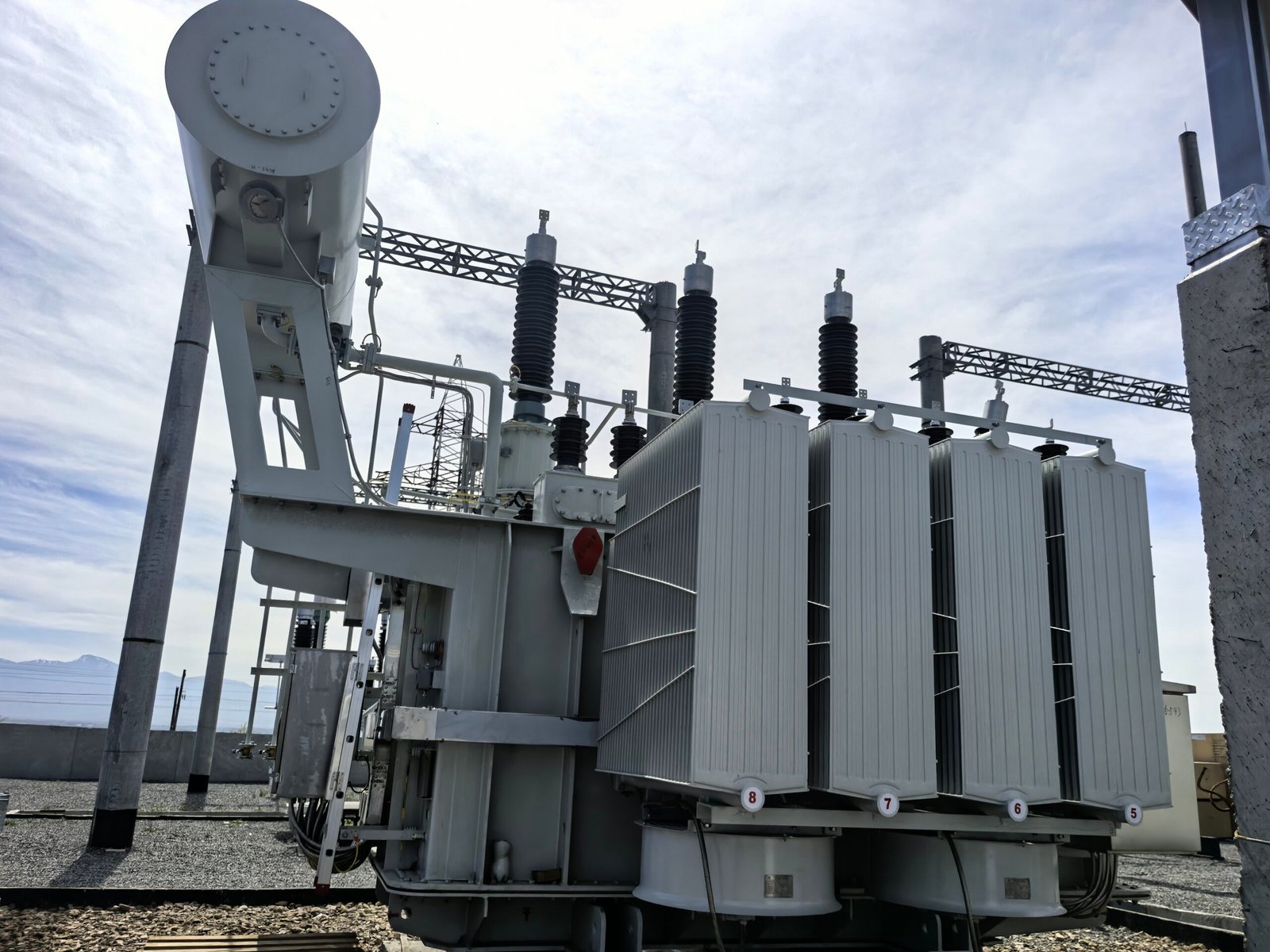
Electrical insulation is the foundation of transformer operation, while cooling preserves long-term reliability
Both electrical insulation and cooling are indispensable to the safe and reliable operation of a transformer. Electrical insulation prevents unintended current flow between energized components, while cooling removes the heat generated during normal operation. Although these two functions work together, electrical insulation is fundamentally more critical because it enables the transformer to operate safely in the first place. Without adequate insulation, a transformer cannot withstand its rated voltage, regardless of how effectively it is cooled. By contrast, a transformer with a temporary cooling deficiency may continue operating for a limited time under reduced loading before excessive temperatures become damaging.
For this reason, transformer design always prioritizes dielectric integrity first, followed by thermal performance. Cooling systems are engineered to protect the insulation system, highlighting that insulation is the component being preserved.
Electrical insulation is more important than cooling because it directly prevents electrical breakdown, short circuits, and catastrophic failures. Cooling primarily supports insulation by controlling operating temperatures and slowing insulation aging. While both functions are essential, a transformer cannot operate safely without adequate insulation, whereas cooling deficiencies can sometimes be managed temporarily through load reduction or corrective maintenance.
Transformer cooling is more important than electrical insulation because overheating always occurs before insulation failure.False
Electrical insulation is the primary requirement for transformer operation. Insulation failures can occur instantly due to electrical stress, contamination, or overvoltage, even when transformer temperatures remain within normal limits.
Understanding the two primary functions inside a transformer
Every transformer relies on two complementary systems:
- The electrical insulation system, which safely separates conductors operating at different voltages.
- The cooling system, which removes heat generated by electrical and magnetic losses.
Although they are closely connected, their purposes are different.
| System | Primary Function |
|---|---|
| Electrical insulation | Prevent electrical breakdown |
| Cooling system | Control operating temperature |
The cooling system exists largely to protect the insulation system from thermal aging.
Electrical insulation makes transformer operation possible
A transformer operates by transferring energy through electromagnetic induction while maintaining complete electrical isolation between circuits.
Without insulation, several problems would occur immediately:
- Phase-to-phase short circuits
- Winding-to-core faults
- Winding-to-tank faults
- Flashover between conductors
- Complete loss of voltage isolation
Even a perfectly cooled transformer cannot function if its insulation fails.
Electrical breakdown usually causes immediate failure
Insulation failure is typically sudden and destructive.
Common causes of dielectric failure
| Cause | Typical Result |
|---|---|
| Overvoltage | Flashover |
| Moisture contamination | Reduced dielectric strength |
| Insulation aging | Internal breakdown |
| Partial discharge | Progressive insulation damage |
| Mechanical damage | Short circuit |
Unlike gradual heating, electrical breakdown often results in instantaneous equipment failure.
Cooling primarily protects the insulation system
During normal operation, transformer losses generate heat inside the core and windings.
Cooling systems:
- Remove generated heat
- Maintain acceptable temperatures
- Slow insulation aging
- Preserve dielectric properties
- Improve operational efficiency
In other words, cooling supports insulation rather than replacing its function.
Why insulation determines voltage capability
Every transformer is designed to withstand a specified insulation level.
The insulation system must resist
| Electrical Stress | Purpose |
|---|---|
| Operating voltage | Continuous service |
| Lightning impulses | Surge protection |
| Switching surges | System reliability |
| Temporary overvoltage | Fault tolerance |
Without sufficient dielectric strength, the transformer cannot safely operate at its rated voltage.
Cooling influences lifespan rather than basic operation
Cooling does not directly prevent electrical faults.
Instead, effective cooling:
- Extends insulation life
- Improves loading capability
- Reduces thermal stress
- Limits hot-spot temperatures
Poor cooling generally causes gradual deterioration rather than immediate failure, provided temperatures remain within acceptable limits.
Insulation failures are often irreversible
Once electrical insulation breaks down, permanent damage frequently occurs.
Possible consequences
| Failure Mode | Result |
|---|---|
| Internal arcing | Severe winding damage |
| Flashover | Equipment destruction |
| Insulation puncture | Permanent dielectric failure |
| Short circuit | Major repair or replacement |
Repairs can be expensive and, in severe cases, the transformer may need complete replacement.
Temporary cooling deficiencies can sometimes be managed
Cooling problems do not always require immediate shutdown.
Operators may temporarily reduce transformer loading while corrective maintenance is performed.
Examples include:
- Fan failure
- Oil pump malfunction
- Blocked radiator airflow
- Elevated ambient temperature
Reducing load decreases heat generation and may prevent excessive temperatures until repairs are completed.
Electrical insulation protects personnel and equipment
Insulation is also essential for operational safety.
It prevents:
- Electric shock
- Flashover hazards
- Ground faults
- Equipment damage
- Fire caused by electrical faults
This protective role extends beyond the transformer itself to the surrounding power system.
Cooling cannot compensate for poor insulation
An oversized cooling system cannot correct inadequate dielectric performance.
For example:
| Condition | Outcome |
|---|---|
| Excellent cooling + failed insulation | Transformer failure |
| Adequate insulation + temporary cooling issue | Reduced loading may allow continued operation |
This illustrates why insulation remains the primary requirement.
Insulation quality affects transformer reliability
Reliable insulation minimizes:
- Partial discharge
- Leakage current
- Dielectric losses
- Internal faults
High-quality insulation contributes directly to long service life and stable operation.
Thermal aging mainly affects insulation
Although cooling is important, its ultimate purpose is to slow insulation degradation.
Higher temperatures accelerate:
- Cellulose paper aging
- Oil oxidation
- Moisture generation
- Loss of dielectric strength
Therefore, cooling protects the transformer by preserving insulation integrity.
Modern transformer monitoring reflects this relationship
Many monitoring systems focus on insulation health, including:
- Dissolved gas analysis (DGA)
- Moisture monitoring
- Partial discharge detection
- Insulation resistance testing
- Dielectric response measurements
Temperature monitoring is equally important because it indicates whether the insulation is being exposed to excessive thermal stress.
Electrical and thermal systems are closely interconnected
Neither insulation nor cooling should be viewed independently.
The relationship can be summarized as follows:
| Function | Primary Role | Long-Term Impact |
|---|---|---|
| Electrical insulation | Safe operation | Prevents electrical failure |
| Cooling system | Temperature control | Preserves insulation life |
Reliable transformer performance depends on both systems working together.
Design philosophy prioritizes dielectric integrity
Transformer design generally follows this sequence:
- Establish required insulation levels.
- Design winding insulation and clearances.
- Select insulating materials and liquid.
- Develop the cooling system to maintain acceptable temperatures.
- Verify performance through dielectric and thermal testing.
This design approach demonstrates that insulation forms the foundation upon which cooling performance is built.
Practical examples of insulation priority
Consider two operating scenarios.
| Scenario | Likely Result |
|---|---|
| Minor cooling system malfunction | Load reduction and maintenance |
| Internal insulation breakdown | Immediate protective trip and possible transformer failure |
These examples highlight why insulation is regarded as the first line of defense.
Best practices for maintaining insulation integrity
To maximize transformer reliability, operators should:
- Maintain insulating liquid quality
- Monitor moisture content
- Perform regular dielectric testing
- Control operating temperatures
- Investigate partial discharge activity
- Maintain effective cooling equipment
Together, these practices preserve both insulation performance and overall transformer health.
Why Can't Water Be Used as an Insulating Medium?
Water may seem like an ideal coolant, but its electrical properties make it unsuitable as a transformer insulating medium
At first glance, water appears to be an attractive insulating and cooling medium because it is inexpensive, readily available, and has excellent heat transfer characteristics. In fact, water removes heat much more efficiently than transformer oil in many industrial cooling applications. However, transformers require a medium that provides both electrical insulation and cooling simultaneously. While water excels at cooling, it performs poorly as an electrical insulator under practical operating conditions.
Even small amounts of dissolved salts, minerals, or other impurities significantly increase water's electrical conductivity. Since maintaining high dielectric strength is essential for preventing electrical breakdown inside a transformer, water cannot provide the reliable insulation needed for safe operation. For this reason, transformer manufacturers use specially formulated insulating liquids such as mineral oil, natural esters, synthetic esters, or silicone fluids instead of water.
Water cannot be used as a transformer insulating medium because it has insufficient dielectric strength under practical conditions, conducts electricity when impurities are present, accelerates insulation degradation, promotes corrosion, and cannot provide the long-term electrical stability required for reliable transformer operation.
Pure water is an excellent long-term insulating medium for power transformers because it does not conduct electricity.False
Although ultra-pure water has relatively low conductivity, it rapidly absorbs dissolved gases, minerals, and contaminants from the environment, causing its electrical conductivity to increase dramatically and making it unsuitable for transformer insulation.
A transformer insulating medium must perform multiple functions simultaneously
An insulating liquid inside a transformer is expected to perform several critical functions.
Primary requirements
| Function | Purpose |
|---|---|
| Electrical insulation | Prevent electrical breakdown |
| Heat transfer | Remove heat from windings and core |
| Arc suppression | Limit damage during faults |
| Insulation preservation | Protect cellulose insulation |
| Long-term stability | Maintain performance over decades |
Water performs well only in heat transfer, while failing to satisfy several of the other essential requirements.
Electrical insulation is the primary requirement
The most important characteristic of an insulating medium is its ability to withstand high electric fields without breaking down.
Required dielectric properties
- High dielectric strength
- Low electrical conductivity
- Stable insulation over time
- Resistance to partial discharge
- Reliable performance under high voltage
Water cannot consistently meet these requirements in real transformer environments.
Water becomes electrically conductive very easily
Pure laboratory-grade water has relatively low electrical conductivity, but maintaining this purity is nearly impossible.
Common contaminants
| Contaminant | Source |
|---|---|
| Dissolved salts | Natural water sources |
| Minerals | Pipes and equipment |
| Carbon dioxide | Atmospheric absorption |
| Metal ions | Transformer materials |
| Dust and particles | Ambient environment |
Even trace amounts of these contaminants dramatically reduce water's insulating capability.
Dielectric strength is much lower under practical conditions
Transformer insulating liquids are selected because they maintain high dielectric strength throughout their service life.
| Insulating Medium | Practical Dielectric Performance |
|---|---|
| Mineral oil | Excellent |
| Natural ester | Excellent |
| Synthetic ester | Excellent |
| Silicone fluid | Excellent |
| Ordinary water | Poor |
As contamination increases, the dielectric strength of water decreases rapidly.
Water promotes corrosion of transformer components
Transformer internal components include:
- Copper conductors
- Steel cores
- Steel tanks
- Fasteners
- Structural components
Water accelerates corrosion of these materials.
Effects of corrosion
| Problem | Consequence |
|---|---|
| Rust formation | Mechanical deterioration |
| Copper oxidation | Reduced conductivity |
| Corrosion products | Insulation contamination |
Insulating oils, by contrast, help isolate metal surfaces from moisture and oxygen.
Water accelerates insulation aging
Solid insulation materials such as cellulose paper and pressboard are highly sensitive to moisture.
Moisture-related effects
- Reduced dielectric strength
- Faster cellulose degradation
- Lower mechanical strength
- Shortened transformer lifespan
Water therefore damages the very insulation system it would be expected to protect.
Water cannot effectively suppress electrical discharges
During abnormal operating conditions, localized electrical discharges may occur.
An insulating liquid should:
- Resist electrical breakdown
- Suppress arc development
- Limit damage propagation
Water does not provide the same arc-quenching capability as transformer insulating oils or ester fluids.
Boiling presents additional operational risks
Transformers generate heat continuously during operation.
Water boils at approximately 100°C under atmospheric pressure, whereas transformer insulating liquids have much higher boiling temperatures.
Risks associated with boiling
| Risk | Impact |
|---|---|
| Steam generation | Pressure increase |
| Vapor bubbles | Reduced insulation |
| Cavitation | Cooling instability |
The formation of steam bubbles can significantly reduce dielectric strength and increase the likelihood of electrical failure.
Water freezes at relatively high temperatures
Low-temperature operation presents another challenge.
Comparison
| Property | Water | Mineral Oil |
|---|---|---|
| Freezing behavior | Freezes at 0°C | Remains fluid at much lower temperatures |
Frozen water would prevent circulation and eliminate cooling capability in cold climates.
Water absorbs gases rapidly
Transformer insulation performance depends on stable fluid characteristics.
Water readily absorbs:
- Oxygen
- Carbon dioxide
- Air
These dissolved gases can influence electrical performance and accelerate corrosion processes.
Water is incompatible with conventional transformer designs
Modern transformers are designed around oil-based or ester-based insulation systems.
Replacing oil with water would require redesigning:
- Insulation clearances
- Cooling channels
- Sealing systems
- Materials
- Protection devices
Therefore, conventional transformers cannot simply be filled with water.
Water does not support conventional transformer diagnostics
Modern transformer maintenance relies heavily on dissolved gas analysis (DGA).
Diagnostic capability
| Medium | DGA Compatibility |
|---|---|
| Mineral oil | Excellent |
| Natural ester | Excellent |
| Synthetic ester | Excellent |
| Water | Unsuitable |
Without reliable dissolved gas analysis, early fault detection becomes much more difficult.
Cooling performance alone is not sufficient
Water has outstanding thermal properties.
Advantages
- High specific heat capacity
- Excellent thermal conductivity
- Efficient heat transfer
However, transformer fluids must satisfy both thermal and electrical requirements simultaneously.
Excellent cooling cannot compensate for inadequate electrical insulation.
Specialized applications where water is used
Although water cannot serve as the primary insulating medium inside transformers, it is used in certain auxiliary cooling systems.
Examples include:
- Water-cooled heat exchangers
- Oil-to-water cooling systems
- Industrial cooling circuits
In these designs, water never comes into direct contact with energized transformer components.
Comparison of common insulating media
| Property | Water | Mineral Oil | Natural Ester | Synthetic Ester |
|---|---|---|---|---|
| Electrical insulation | Poor | Excellent | Excellent | Excellent |
| Cooling capability | Excellent | Good | Good | Good |
| Corrosion resistance | Poor | Excellent | Excellent | Excellent |
| Moisture compatibility | Poor | Good | Excellent | Good |
| Long-term stability | Poor | Excellent | Excellent | Excellent |
This comparison illustrates why transformer designers prioritize dielectric performance over cooling capability alone.
Modern research on water-based insulation
Researchers continue investigating advanced insulating technologies, including:
- Water-based nanofluids
- Hybrid dielectric systems
- High-purity deionized water applications
- Specialized high-voltage cooling systems
However, these technologies remain limited to research or specialized equipment and have not replaced conventional transformer insulating liquids for mainstream power transformers.
How Does Transformer Oil Provide Both Insulation and Cooling?

Transformer oil is one of the most important components of a liquid-immersed transformer because it performs two essential functions simultaneously: electrical insulation and heat dissipation. Without transformer oil, the windings and core would be vulnerable to electrical breakdown and overheating, significantly reducing transformer reliability and service life. The unique physical and chemical properties of transformer oil enable it to withstand high electric fields while efficiently transferring heat away from energized components.
Transformer oil provides insulation by filling the spaces between energized components with a high-dielectric-strength liquid that prevents electrical discharge. At the same time, it provides cooling by absorbing heat generated in the windings and core and transferring it to the transformer tank and radiators through natural or forced circulation.
Transformer oil is used only for cooling, while solid insulation materials provide all of the electrical insulation inside a transformer.False
Transformer oil is an essential part of the insulation system. It works together with solid insulation materials to provide dielectric insulation, suppress electrical discharge, and dissipate heat throughout the transformer.
Why transformer oil is essential in liquid-immersed transformers
Liquid-immersed transformers generate both electrical stress and thermal stress during normal operation. Transformer oil is specifically formulated to address both challenges simultaneously.
Primary functions of transformer oil
| Function | Purpose |
|---|---|
| Electrical insulation | Prevent electrical breakdown |
| Heat transfer | Remove heat from windings and core |
| Arc suppression | Reduce damage during electrical faults |
| Insulation protection | Preserve cellulose insulation |
| Condition monitoring | Support dissolved gas analysis (DGA) |
Unlike ordinary industrial oils, transformer oil is engineered to maintain stable dielectric and thermal properties over decades of service.
How transformer oil provides electrical insulation
The primary purpose of transformer oil is to electrically isolate components operating at different voltages.
Insulated components include
- High-voltage windings
- Low-voltage windings
- Transformer core
- Tank and grounded structures
- Tap changer components
The oil fills every gap between these components, replacing air with a much more effective insulating medium.
High dielectric strength prevents electrical breakdown
Dielectric strength measures the maximum electric field that a liquid can withstand without failing.
Transformer oil provides:
- High breakdown voltage
- Low electrical conductivity
- Stable insulation performance
- Resistance to partial discharge
These properties allow transformers to operate safely under high operating voltages and temporary overvoltage conditions.
Oil fills microscopic air gaps
Air contains microscopic voids that can become weak points under high electrical stress.
Transformer oil penetrates:
- Small insulation gaps
- Winding spaces
- Paper insulation pores
- Structural clearances
By eliminating air pockets, the oil significantly reduces the likelihood of electrical discharge.
Transformer oil works together with solid insulation
Transformer insulation is a coordinated system rather than a single material.
Main insulation components
| Material | Primary Role |
|---|---|
| Transformer oil | Liquid dielectric insulation |
| Cellulose paper | Winding insulation |
| Pressboard | Structural insulation |
| Insulating barriers | Voltage separation |
The combination of liquid and solid insulation provides much greater dielectric strength than either material alone.
Oil suppresses partial discharge and electrical arcing
Localized electrical discharges can occur where electric fields become concentrated.
Transformer oil helps by:
- Increasing dielectric strength
- Limiting ionization
- Reducing discharge intensity
- Suppressing arc development
This improves operational reliability and extends insulation life.
How transformer oil provides cooling
Electrical losses continuously generate heat inside the transformer.
Main heat sources
| Source | Cause |
|---|---|
| Copper losses | Current flowing through windings |
| Core losses | Magnetic hysteresis and eddy currents |
| Stray losses | Leakage magnetic flux |
Transformer oil absorbs this heat and carries it away from the active components.
Heat transfer begins at the windings and core
During operation, the windings and magnetic core become the hottest parts of the transformer.
The cooling process follows these steps:
- Heat is generated by electrical losses.
- Transformer oil absorbs thermal energy.
- Heated oil becomes less dense.
- The warm oil rises naturally.
- Cooler oil moves downward to replace it.
This continuous circulation removes heat from the transformer interior.
Natural oil circulation supports continuous cooling
Many transformers rely on natural convection.
Cooling cycle
| Stage | Process |
|---|---|
| Heat absorption | Oil contacts hot windings |
| Density reduction | Heated oil becomes lighter |
| Upward movement | Warm oil rises |
| Heat dissipation | Oil cools in radiators |
| Return flow | Cooler oil sinks back |
This cycle operates continuously whenever the transformer is energized.
Radiators transfer heat to the surrounding air
After absorbing heat, the oil flows into external cooling radiators.
Radiators increase the surface area available for heat dissipation.
The heat transfer path is:
Windings → Oil → Tank/Radiators → Surrounding Air
This process maintains acceptable operating temperatures.
Forced cooling improves heat removal
Large power transformers often employ auxiliary cooling equipment.
Common systems
| Cooling Equipment | Function |
|---|---|
| Oil pumps | Increase oil circulation |
| Cooling fans | Improve air movement |
| Heat exchangers | Enhance cooling efficiency |
These systems allow transformers to operate safely under higher loading conditions.
Oil protects the insulation system from thermal aging
High temperatures accelerate insulation deterioration.
Effective cooling helps:
- Reduce hot-spot temperatures
- Slow cellulose aging
- Preserve dielectric strength
- Extend transformer lifespan
The cooling function directly supports the long-term performance of the insulation system.
Transformer oil also removes localized hot spots
Heat generation is not uniform throughout the transformer.
Oil continuously carries heat away from:
- Winding hot spots
- Core joints
- Lead connections
- Tap changer regions
This prevents excessive local temperatures that could damage insulation.
Moisture control enhances insulation performance
Transformer oil also contributes indirectly to insulation by managing moisture.
Benefits
| Function | Result |
|---|---|
| Moisture absorption | Protects paper insulation |
| Reduced water concentration | Higher dielectric strength |
| Slower insulation aging | Longer service life |
Dry insulation systems are significantly more reliable than moist ones.
Oil supports condition monitoring
Transformer oil serves as an excellent diagnostic medium.
Engineers analyze oil for:
- Dissolved gases
- Moisture content
- Acidity
- Dielectric strength
- Particle contamination
These tests help identify developing faults before major failures occur.
Characteristics required for transformer oil
To perform both insulation and cooling functions effectively, transformer oil must possess several important properties.
Essential properties
| Property | Importance |
|---|---|
| High dielectric strength | Electrical insulation |
| Low viscosity | Efficient circulation |
| Good thermal conductivity | Heat transfer |
| High oxidation stability | Long service life |
| Low moisture content | Reliable insulation |
Maintaining these properties is essential for transformer reliability.
What happens when transformer oil deteriorates?
Oil condition gradually changes due to aging and contamination.
Possible effects
| Deterioration | Consequence |
|---|---|
| Moisture contamination | Reduced dielectric strength |
| Oxidation | Sludge formation |
| Increased acidity | Faster insulation aging |
| Particle contamination | Electrical discharge risk |
Routine oil testing helps detect these problems before they affect transformer performance.
Why transformer oil performs both functions better than water
Although water has excellent cooling properties, it cannot replace transformer oil.
| Property | Transformer Oil | Water |
|---|---|---|
| Electrical insulation | Excellent | Poor under practical conditions |
| Cooling capability | Good | Excellent |
| Corrosion resistance | Excellent | Poor |
| Long-term dielectric stability | Excellent | Poor |
Transformer oil provides the balanced combination of dielectric strength and cooling capability required for high-voltage equipment.
Modern developments in transformer insulating liquids
Advances in insulating fluids continue to improve transformer performance.
Current developments include:
- Natural ester fluids with enhanced biodegradability
- Synthetic esters with improved fire resistance
- Advanced oxidation inhibitors
- Nanotechnology-enhanced insulating liquids
- Online oil condition monitoring systems
These innovations aim to improve both electrical insulation and thermal performance while meeting increasingly stringent environmental and safety requirements.
What Properties Make Transformer Oil Ideal for High-Voltage Applications?
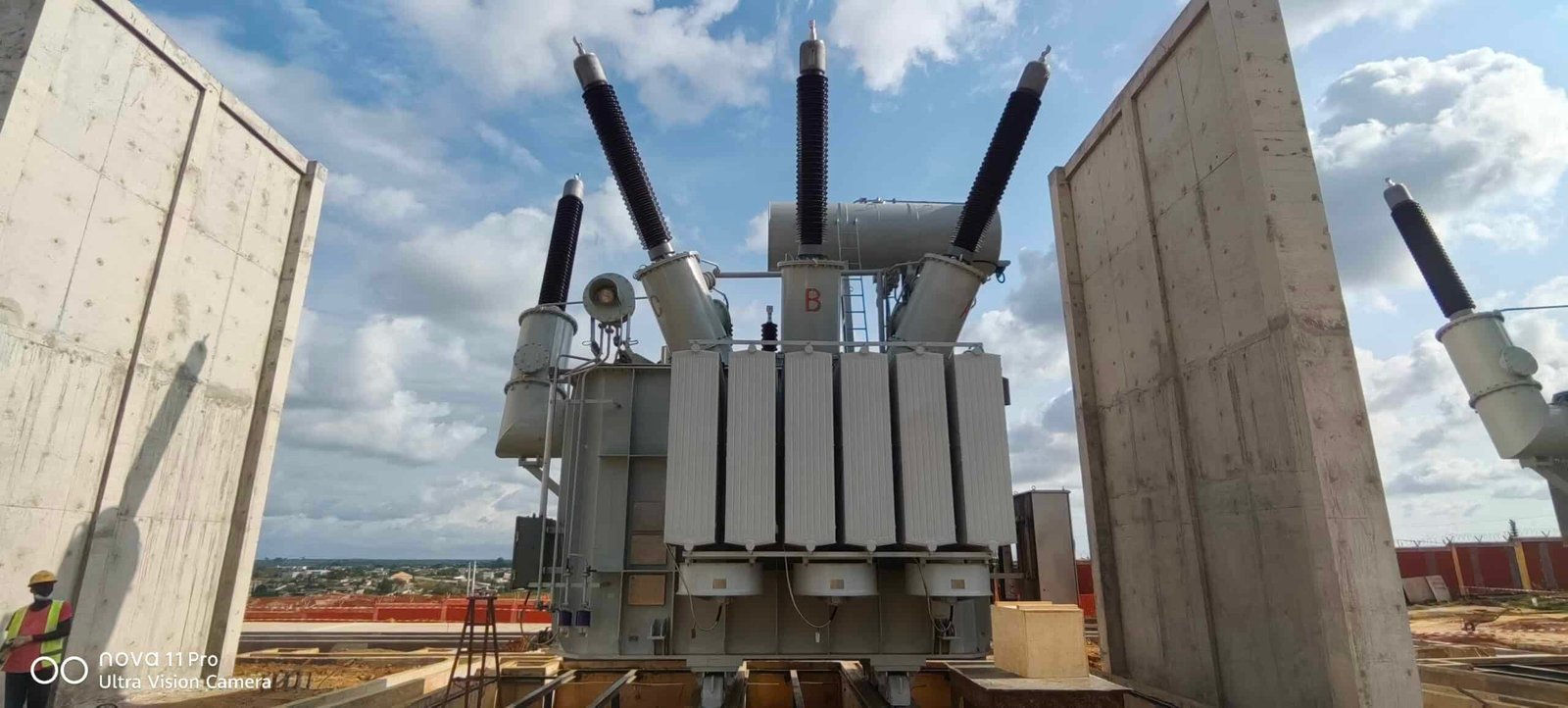
Transformer oil is specifically engineered to withstand the demanding electrical, thermal, and mechanical stresses encountered in high-voltage equipment. Unlike ordinary lubricating or industrial oils, transformer oil must simultaneously provide excellent electrical insulation, efficient heat dissipation, long-term chemical stability, and compatibility with insulation materials. These combined properties enable power transformers operating from a few kilovolts to ultra-high-voltage (UHV) transmission systems to function safely and reliably for decades.
Transformer oil is ideal for high-voltage applications because it combines high dielectric strength, low electrical conductivity, excellent thermal conductivity, low viscosity, high oxidation stability, low moisture content, and strong compatibility with solid insulation materials. Together, these properties prevent electrical breakdown, dissipate heat efficiently, and extend transformer service life.
Any industrial oil with good lubrication properties can be used in high-voltage transformers as long as it provides adequate cooling.False
Transformer oil is specially refined to provide exceptional dielectric strength, chemical stability, and compatibility with electrical insulation. Ordinary industrial oils generally lack these critical electrical properties and are unsuitable for high-voltage transformer applications.
High dielectric strength is the most important property
The primary function of transformer oil is to electrically insulate energized components operating at different voltage levels.
Why dielectric strength matters
High dielectric strength allows transformer oil to:
- Prevent electrical flashover
- Resist insulation breakdown
- Separate high-voltage conductors safely
- Reduce the likelihood of internal faults
| Property | Importance |
|---|---|
| High dielectric strength | Prevents electrical breakdown |
| Stable insulation performance | Ensures reliable operation |
| High breakdown voltage | Supports high-voltage equipment |
Without sufficient dielectric strength, even a well-cooled transformer cannot operate safely.
Low electrical conductivity minimizes leakage current
An ideal insulating liquid should allow virtually no electrical current to flow through it.
Transformer oil has extremely low electrical conductivity, which helps:
- Minimize leakage currents
- Reduce dielectric losses
- Prevent unintended current paths
- Improve operational reliability
Maintaining low conductivity is particularly important for extra-high-voltage (EHV) and ultra-high-voltage (UHV) transformers.
Low moisture content preserves insulation performance
Water is one of the most harmful contaminants in transformer insulation systems.
Effects of moisture
| Effect | Consequence |
|---|---|
| Reduced dielectric strength | Higher breakdown risk |
| Increased partial discharge | Faster insulation aging |
| Accelerated cellulose degradation | Shorter transformer life |
High-quality transformer oil is carefully processed to maintain extremely low moisture levels throughout manufacturing and commissioning.
Excellent thermal conductivity supports effective cooling
Although transformer oil is primarily an insulating medium, it also serves as the main cooling medium.
Its thermal properties enable it to:
- Absorb heat from windings
- Remove heat from the magnetic core
- Transfer heat to radiators
- Maintain acceptable operating temperatures
Efficient heat removal protects both the oil and the solid insulation from excessive thermal aging.
Low viscosity improves oil circulation
Viscosity directly affects how easily transformer oil flows through the cooling system.
Benefits of low viscosity
- Faster natural convection
- Improved heat transfer
- Better cooling efficiency
- Reduced hot-spot temperatures
| Viscosity Characteristic | Operational Benefit |
|---|---|
| Low viscosity | Improved circulation |
| Stable viscosity over temperature | Consistent cooling |
| Good fluid mobility | Enhanced heat dissipation |
These characteristics are especially important in naturally cooled transformers.
High oxidation stability extends service life
Transformer oil remains in service for many years under elevated temperatures.
To maintain performance, it must resist oxidation.
Benefits of oxidation stability
- Slower oil degradation
- Reduced sludge formation
- Stable dielectric properties
- Longer maintenance intervals
Modern inhibited transformer oils contain additives that further improve oxidation resistance.
Strong compatibility with solid insulation materials
Transformer oil works together with cellulose paper and pressboard to form a complete insulation system.
It must remain chemically compatible with:
- Cellulose insulation
- Copper conductors
- Steel components
- Rubber seals
- Gaskets and coatings
Poor compatibility could lead to insulation deterioration or premature equipment failure.
High flash point and fire point improve operational safety
Safety is another important consideration in high-voltage equipment.
Fire-related properties
| Property | Benefit |
|---|---|
| High flash point | Reduced ignition risk |
| High fire point | Improved fire resistance |
| Thermal stability | Safer operation at elevated temperatures |
Although mineral oil is combustible, it provides adequate safety for many applications. Ester and silicone fluids may be selected where enhanced fire resistance is required.
Resistance to partial discharge improves reliability
Localized electrical discharges can gradually damage transformer insulation.
Transformer oil helps by:
- Filling microscopic voids
- Increasing dielectric strength
- Reducing ionization
- Suppressing discharge development
This significantly improves long-term insulation reliability.
Good heat capacity enhances thermal performance
Transformer oil stores and transports thermal energy efficiently.
Its heat capacity enables it to:
- Absorb large amounts of heat
- Moderate temperature fluctuations
- Improve thermal stability
- Reduce winding hot spots
These characteristics contribute to longer insulation life.
Chemical stability ensures long-term performance
Transformer oil should maintain its physical and chemical properties throughout decades of operation.
Important characteristics include:
- Stable molecular structure
- Low acid formation
- Resistance to contamination
- Minimal deposit generation
Stable oil reduces maintenance requirements and improves transformer reliability.
Gas generation characteristics support condition monitoring
Transformer oil serves as the basis for dissolved gas analysis (DGA), one of the most valuable diagnostic techniques for power transformers.
Oil can reveal developing problems such as:
- Partial discharge
- Thermal overheating
- Electrical arcing
- Insulation degradation
This enables predictive maintenance before serious failures occur.
Wide operating temperature range increases reliability
High-voltage transformers operate under varying environmental conditions.
Transformer oil should remain effective across a broad temperature range by maintaining:
- Adequate fluidity at low temperatures
- Stable insulation at high temperatures
- Consistent cooling performance
- Reliable dielectric properties
This allows transformers to operate in diverse climates worldwide.
Low impurity content maintains dielectric performance
Transformer oil is carefully refined to remove contaminants.
Important impurities to control
| Contaminant | Potential Effect |
|---|---|
| Water | Reduced insulation |
| Particles | Electrical discharge |
| Dissolved gases | Lower dielectric strength |
| Oxidation products | Sludge formation |
Strict quality control ensures that new transformer oil meets international standards.
Compliance with international standards ensures quality
Transformer oils are manufactured according to internationally recognized standards such as:
- IEC 60296
- ASTM D3487
- IEEE C57.106
These standards define requirements for:
- Dielectric strength
- Moisture content
- Oxidation stability
- Flash point
- Viscosity
- Acidity
Compliance helps ensure consistent performance in high-voltage applications.
Comparison of key transformer oil properties
| Property | Contribution to High-Voltage Performance |
|---|---|
| High dielectric strength | Prevents electrical breakdown |
| Low electrical conductivity | Minimizes leakage current |
| Low moisture content | Maintains insulation quality |
| Low viscosity | Improves cooling circulation |
| High thermal conductivity | Efficient heat transfer |
| High oxidation stability | Extends service life |
| Chemical compatibility | Protects insulation system |
| High flash point | Improves operational safety |
These properties work together to provide reliable transformer operation under demanding electrical conditions.
Maintaining these properties throughout service life
The performance of transformer oil depends on proper maintenance.
Routine monitoring should include:
- Dielectric strength testing
- Moisture analysis
- Acidity measurement
- Dissolved gas analysis
- Visual inspection
- Oil filtration when necessary
Maintaining oil quality helps preserve both electrical insulation and cooling performance over the transformer's entire operating life.
What Risks Would Water Create Inside a Transformer?
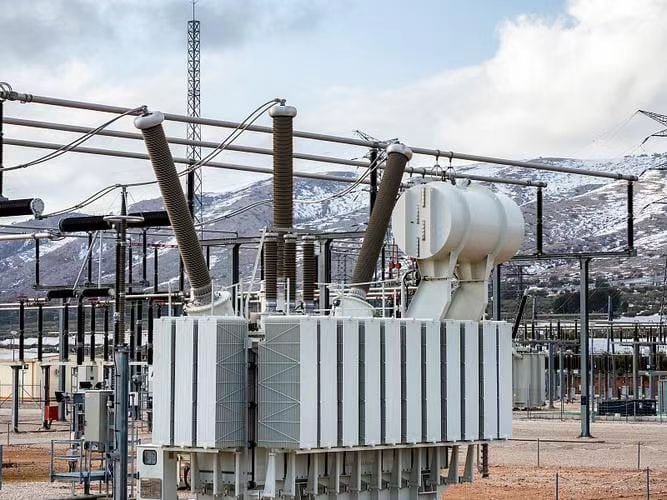
Water is one of the most harmful contaminants that can exist inside a power transformer. Although water has excellent heat transfer properties, it is unsuitable as an insulating medium because it severely compromises the electrical, mechanical, and chemical integrity of the transformer. Even a small amount of moisture dissolved in the insulating oil or absorbed by the cellulose insulation can significantly reduce dielectric strength, accelerate insulation aging, and increase the likelihood of catastrophic failures. Consequently, moisture control is one of the most critical aspects of transformer manufacturing, operation, and maintenance.
Water creates serious risks inside a transformer by reducing dielectric strength, increasing electrical conductivity, accelerating insulation aging, promoting corrosion, generating partial discharge, and increasing the probability of internal faults and premature transformer failure. Even trace amounts of moisture can negatively affect transformer reliability and service life.
Small amounts of water inside a transformer improve cooling performance without affecting electrical insulation.False
Even small amounts of moisture significantly reduce dielectric strength, accelerate insulation degradation, and increase the risk of electrical breakdown, making water one of the most damaging transformer contaminants.
Why moisture is considered one of the most dangerous transformer contaminants
A liquid-immersed transformer depends on a carefully balanced insulation system consisting of insulating oil and solid cellulose insulation. Both materials are designed to remain extremely dry throughout their service life.
When water enters the transformer, it affects nearly every aspect of its performance.
Primary risks introduced by water
| Risk Category | Potential Impact |
|---|---|
| Electrical insulation | Reduced dielectric strength |
| Thermal performance | Increased hot-spot temperatures |
| Solid insulation | Accelerated aging |
| Mechanical integrity | Corrosion and material degradation |
| Operational reliability | Increased fault probability |
Unlike many other contaminants, moisture simultaneously affects both the liquid and solid insulation systems.
Water significantly reduces dielectric strength
The most immediate consequence of water contamination is the deterioration of electrical insulation.
Transformer oil is designed to withstand extremely high electric fields. When moisture is present, its dielectric performance decreases considerably.
Effects of reduced dielectric strength
- Lower breakdown voltage
- Increased leakage current
- Reduced insulation margin
- Greater susceptibility to flashover
| Oil Condition | Insulation Performance |
|---|---|
| Dry oil | Excellent |
| Moisture-contaminated oil | Significantly reduced |
For high-voltage transformers, even small reductions in dielectric strength can compromise operational safety.
Increased electrical conductivity raises fault risk
Pure insulating oil has extremely low electrical conductivity.
Water introduces dissolved ions and contaminants that increase conductivity, leading to:
- Higher dielectric losses
- Increased leakage currents
- Localized heating
- Greater electrical stress
As conductivity increases, the transformer becomes more vulnerable to internal insulation failures.
Moisture accelerates cellulose insulation aging
Solid insulation made from cellulose paper and pressboard is one of the most valuable components inside a transformer because it cannot easily be replaced.
Water dramatically accelerates cellulose degradation.
Moisture-induced aging mechanisms
| Effect | Result |
|---|---|
| Hydrolysis | Breakdown of cellulose fibers |
| Reduced mechanical strength | Lower short-circuit withstand capability |
| Faster aging | Shorter transformer lifespan |
Since insulation aging is cumulative and irreversible, moisture has long-term consequences even after it is removed.
Partial discharge becomes more likely
Partial discharge occurs when localized electrical breakdown develops within the insulation system.
Moisture increases the probability of partial discharge by:
- Lowering dielectric strength
- Creating microscopic conductive paths
- Increasing electric field concentration
- Promoting gas bubble formation
Repeated partial discharge gradually damages insulation and may eventually develop into a complete internal fault.
Water promotes internal corrosion
Transformer internal components include steel, copper, and other metallic materials.
Moisture encourages corrosion of these components.
Corrosion effects
| Component | Possible Damage |
|---|---|
| Steel tank | Rust formation |
| Core laminations | Surface corrosion |
| Copper conductors | Oxidation |
| Fasteners | Mechanical deterioration |
Corrosion products can also contaminate the insulating oil, further reducing dielectric performance.
Moisture increases the likelihood of bubble formation
During overload or fault conditions, transformer temperatures rise rapidly.
If moisture is present:
- Water may vaporize
- Steam bubbles can form
- Gas pockets reduce dielectric strength
- Electrical breakdown becomes more likely
This phenomenon is particularly dangerous during emergency loading conditions.
Reduced insulation life increases maintenance costs
Moisture contamination often results in:
- More frequent oil testing
- Oil filtration or dehydration
- Increased maintenance intervals
- Earlier transformer refurbishment
Over the transformer's lifecycle, these additional maintenance requirements can significantly increase operating costs.
Dissolved water affects dissolved gas analysis (DGA)
Dissolved Gas Analysis (DGA) is widely used to assess transformer condition.
Excessive moisture can complicate diagnostic interpretation by:
- Influencing gas generation
- Accelerating paper decomposition
- Masking developing insulation problems
Maintaining dry insulation improves the accuracy of condition monitoring programs.
Water reduces overload capability
Transformers occasionally operate above their rated capacity during peak demand.
However, moisture-contaminated insulation cannot tolerate elevated temperatures as effectively.
Operational consequences
| Condition | Effect |
|---|---|
| Dry insulation | Higher overload tolerance |
| Moist insulation | Reduced thermal margin |
As a result, operators may need to reduce loading to maintain safe operating conditions.
Moisture can lead to catastrophic insulation failure
If moisture levels continue to rise, the combined effects of electrical stress and thermal stress may result in:
- Internal flashover
- Winding-to-winding faults
- Winding-to-ground faults
- Tank faults
- Complete transformer failure
These failures often require extensive repairs or complete transformer replacement.
Common sources of water contamination
Moisture may enter a transformer through several pathways.
Typical sources
| Source | Description |
|---|---|
| Aging seals | Moisture ingress from atmosphere |
| Breather failure | Humid air entering the tank |
| Oil handling | Improper filling procedures |
| Manufacturing defects | Residual moisture |
| Cellulose aging | Water generated during insulation decomposition |
Proper maintenance helps minimize these risks throughout the transformer's service life.
How transformer manufacturers prevent moisture contamination
Modern transformer production includes extensive drying processes.
Typical measures include:
- Vacuum drying of windings
- Hot oil circulation
- Vacuum oil filling
- Moisture-controlled assembly environments
- Hermetically sealed tank designs
These processes ensure that transformers begin operation with extremely low moisture content.
Maintenance practices for moisture control
Routine maintenance is essential for preventing water-related problems.
Recommended practices include:
- Regular moisture testing
- Dielectric strength testing
- Oil dehydration when necessary
- Breather inspection and replacement
- Seal integrity checks
- Dissolved gas analysis
Proactive moisture management significantly improves transformer reliability.
Comparison of dry and moisture-contaminated transformers
| Performance Factor | Dry Transformer | Moisture-Contaminated Transformer |
|---|---|---|
| Dielectric strength | Excellent | Reduced |
| Electrical conductivity | Very low | Increased |
| Insulation aging | Slow | Accelerated |
| Partial discharge risk | Low | Higher |
| Corrosion risk | Minimal | Elevated |
| Service life | Long | Shortened |
This comparison illustrates why maintaining a dry insulation system is fundamental to transformer performance.
What Alternative Insulating Liquids Are Available Besides Mineral Oil?
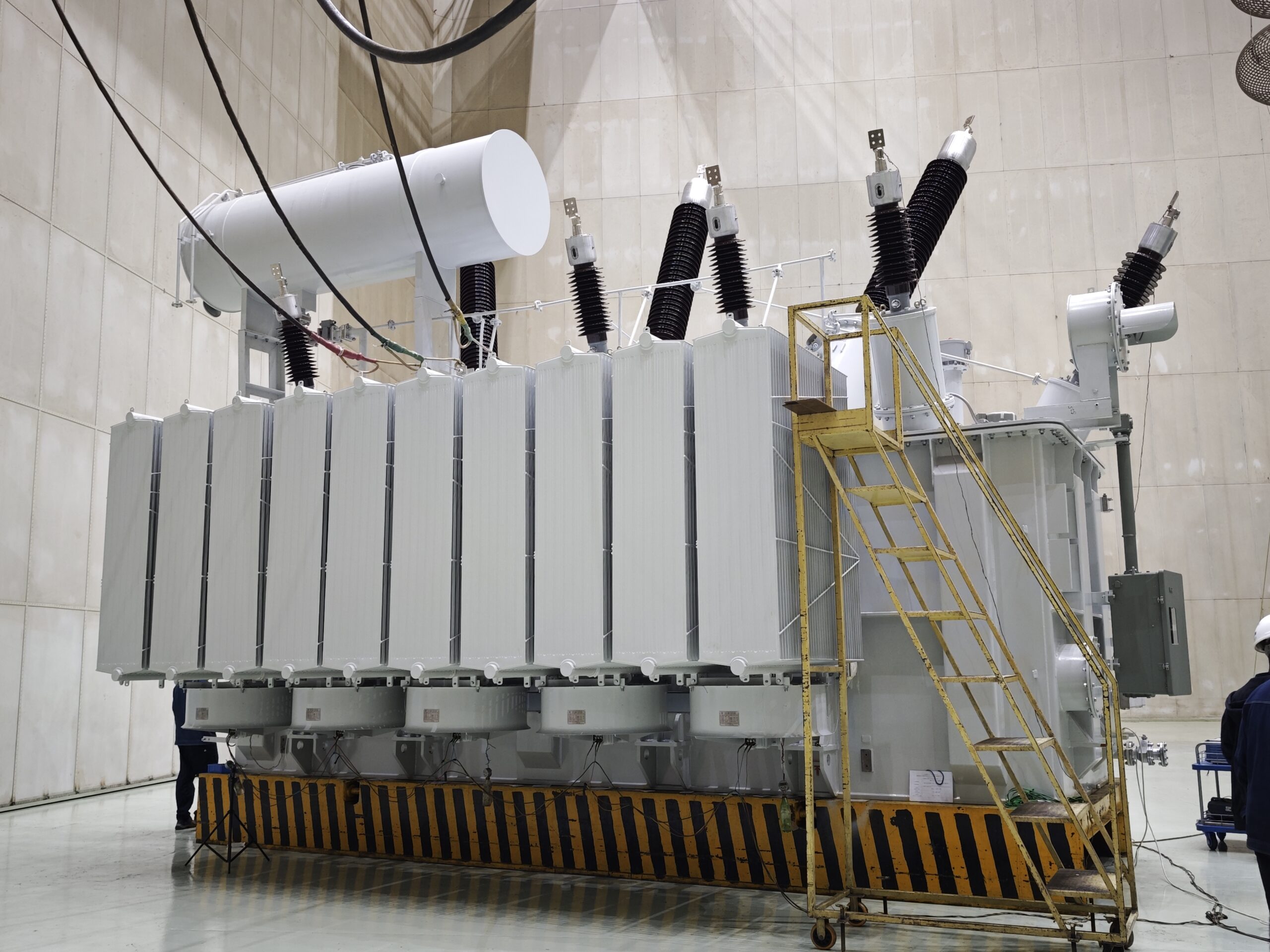
Mineral oil has been the dominant insulating liquid for power transformers for more than a century because of its excellent dielectric properties, reliable cooling performance, and relatively low cost. However, increasing demands for improved fire safety, environmental protection, and sustainability have driven the development and adoption of alternative insulating liquids. Today, utilities, industrial facilities, renewable energy projects, and commercial buildings frequently consider alternatives such as natural ester fluids, synthetic ester fluids, silicone-based liquids, and several emerging dielectric fluids to meet specific operational and regulatory requirements.
The main alternatives to mineral oil include natural ester fluids, synthetic ester fluids, silicone-based insulating liquids, and a limited number of specialty dielectric fluids. These alternatives generally offer improved fire safety, biodegradability, or environmental performance, although each involves trade-offs in cost, cooling characteristics, oxidation stability, and application suitability.
Mineral oil is the only insulating liquid suitable for power transformers because alternative fluids cannot provide adequate electrical insulation.False
Several alternative insulating liquids, including natural esters, synthetic esters, and silicone fluids, provide excellent dielectric properties and are widely used in modern transformers where enhanced fire safety or environmental performance is required.
Why alternatives to mineral oil have become increasingly important
Modern transformer projects are no longer evaluated solely on initial purchase cost. Engineers must also consider:
- Fire safety requirements
- Environmental regulations
- Sustainability objectives
- Asset lifecycle costs
- Installation location
- Regulatory compliance
As a result, alternative insulating liquids are becoming more common in applications where traditional mineral oil may not be the optimal solution.
Natural ester fluids are the leading environmentally friendly alternative
Natural ester fluids are produced primarily from renewable vegetable oils and are widely recognized for their excellent environmental performance.
Key characteristics
| Property | Natural Ester |
|---|---|
| Renewable source | Yes |
| Biodegradability | Very high |
| Fire resistance | High |
| Moisture tolerance | Excellent |
Natural esters are commonly used in:
- Renewable energy substations
- Green buildings
- Urban distribution transformers
- Environmentally sensitive areas
- Indoor transformer installations
One of their greatest advantages is the ability to absorb more moisture than mineral oil, helping to slow the aging of cellulose insulation.
Synthetic ester fluids provide balanced high-performance characteristics
Synthetic esters are chemically engineered dielectric liquids designed to provide consistent performance under demanding operating conditions.
Advantages
- High fire point
- Excellent dielectric strength
- Strong oxidation stability
- Good low-temperature performance
- Long service life
| Property | Synthetic Ester |
|---|---|
| Fire resistance | High |
| Oxidation stability | Excellent |
| Biodegradability | High |
| Thermal stability | Excellent |
These fluids are frequently selected for:
- Rail transportation systems
- Offshore facilities
- Industrial plants
- High-reliability substations
Silicone-based insulating liquids offer exceptional fire safety
Silicone fluids are specialty insulating liquids used primarily where maximum fire resistance is required.
Key features
| Property | Silicone Fluid |
|---|---|
| Fire point | Very high |
| Thermal stability | Excellent |
| Dielectric strength | High |
| Cooling efficiency | Moderate |
Typical applications include:
- High-rise buildings
- Hospitals
- Underground substations
- Airports
- Tunnels
- Critical public infrastructure
Although silicone fluids provide outstanding fire safety, their higher cost and relatively higher viscosity limit their use to specialized applications.
High-fire-point hydrocarbon fluids serve niche applications
In addition to esters and silicone fluids, certain specially refined hydrocarbon insulating liquids have been developed to improve fire performance while maintaining characteristics similar to mineral oil.
Typical advantages include:
- Improved fire resistance
- Familiar maintenance procedures
- Compatibility with conventional transformer designs
However, these fluids remain less common than ester-based alternatives.
Emerging bio-based dielectric fluids continue to evolve
Research continues into next-generation insulating liquids derived from renewable and sustainable sources.
Current areas of development include:
- Advanced bio-based esters
- Hybrid ester formulations
- Nanofluid-enhanced dielectric liquids
- Low-carbon insulating fluids
Many of these technologies remain under evaluation but demonstrate promising electrical and environmental performance.
Fire safety comparison among insulating liquids
Fire resistance is often one of the primary reasons for selecting an alternative fluid.
| Fluid Type | Fire Safety |
|---|---|
| Mineral oil | Moderate |
| Natural ester | High |
| Synthetic ester | High |
| Silicone fluid | Very high |
| High-fire-point hydrocarbons | High |
Higher fire-point fluids reduce the risk of ignition and fire propagation, particularly in enclosed or densely populated environments.
Environmental performance varies significantly
Environmental considerations have become increasingly important in transformer selection.
| Fluid Type | Biodegradability | Renewable Source |
|---|---|---|
| Mineral oil | Low | No |
| Natural ester | Very high | Yes |
| Synthetic ester | High | No |
| Silicone fluid | Moderate | No |
Natural ester fluids provide the strongest environmental profile because they are both biodegradable and derived from renewable resources.
Cooling performance differs between fluid types
Heat transfer characteristics influence transformer loading capability and cooling system design.
| Fluid Type | Cooling Performance |
|---|---|
| Mineral oil | Excellent |
| Natural ester | Good |
| Synthetic ester | Good |
| Silicone fluid | Moderate |
Because ester and silicone fluids generally have higher viscosity than mineral oil, transformers using these fluids may require optimized cooling designs.
Moisture management capabilities influence insulation life
Moisture is one of the leading causes of transformer insulation aging.
| Fluid Type | Moisture Tolerance |
|---|---|
| Mineral oil | Moderate |
| Natural ester | Excellent |
| Synthetic ester | Good |
| Silicone fluid | Moderate |
Natural ester fluids can absorb significantly more moisture than mineral oil, helping to keep cellulose insulation drier and extending transformer service life.
Cost remains an important selection factor
Alternative insulating liquids generally have higher initial costs than mineral oil.
| Fluid Type | Relative Initial Cost |
|---|---|
| Mineral oil | Low |
| Natural ester | Medium to High |
| Synthetic ester | High |
| Silicone fluid | High |
However, the higher purchase cost may be offset by:
- Reduced fire protection requirements
- Lower environmental remediation costs
- Longer insulation life
- Lower insurance costs
- Improved sustainability compliance
Lifecycle cost analysis is therefore more meaningful than comparing purchase prices alone.
Application suitability depends on project requirements
Different insulating liquids are optimized for different operating environments.
| Application | Preferred Fluid |
|---|---|
| Utility transmission | Mineral oil |
| Indoor substations | Natural ester or silicone |
| Renewable energy | Natural ester |
| Offshore platforms | Synthetic ester |
| Transportation infrastructure | Synthetic ester or silicone |
| Environmentally sensitive locations | Natural ester |
The most suitable fluid depends on balancing technical, economic, environmental, and regulatory considerations.
Factors to evaluate when selecting an alternative insulating liquid
Engineers should assess several criteria before choosing an insulating fluid:
- Voltage level
- Transformer rating
- Fire safety requirements
- Environmental regulations
- Ambient operating conditions
- Cooling requirements
- Maintenance strategy
- Lifecycle cost
- Material compatibility
- Applicable industry standards
No single insulating liquid is ideal for every application.
Future trends in transformer insulating liquids
The transformer industry continues to focus on developing insulating fluids that combine:
- Higher fire resistance
- Improved biodegradability
- Lower carbon footprint
- Better oxidation stability
- Enhanced cooling performance
- Longer service life
As environmental regulations become more stringent and utilities pursue sustainability goals, the use of alternative insulating liquids is expected to continue expanding.
Conclusion
Transformer oil is used instead of water because it combines high dielectric strength with effective heat dissipation, allowing transformers to operate safely under high-voltage conditions. Water, although an excellent coolant, conducts electricity when impurities are present, promotes corrosion, and significantly increases the risk of insulation failure and short circuits. For these reasons, transformer oil—and in some applications ester-based or silicone insulating fluids—remains the preferred insulating and cooling medium for liquid-immersed transformers.
FAQ
Q1: Why is oil used in transformers instead of water?
Transformer oil is used instead of water because it provides both excellent electrical insulation and effective cooling. While water can absorb heat efficiently, it is electrically conductive due to dissolved minerals and impurities, making it unsuitable and unsafe for high-voltage electrical equipment.
Transformer oil safely surrounds the core and windings, preventing electrical arcing while carrying heat away from internal components. This dual function makes it the preferred insulating and cooling medium for oil-immersed transformers.
Q2: What are the advantages of transformer oil over water?
Transformer oil offers several important advantages:
High dielectric (electrical insulating) strength
Excellent cooling performance
Low electrical conductivity
Good thermal stability
Protection against moisture and oxidation
Lubrication of moving components, such as on-load tap changers
Long service life with proper maintenance
In contrast, water lacks the electrical insulation properties required for safe transformer operation.
Q3: Why can't water be used as an insulating liquid?
Pure distilled water is a poor conductor, but maintaining absolute purity in practical applications is nearly impossible. Even small amounts of dissolved salts, minerals, or contaminants significantly increase its electrical conductivity.
Using water inside a transformer could lead to:
Electrical short circuits
Insulation failure
Arcing between windings
Corrosion of internal components
Reduced equipment reliability
For these reasons, water is not used as the primary insulating medium in power transformers.
Q4: How does transformer oil cool the transformer?
Transformer oil continuously removes heat generated by the core and windings through natural or forced circulation.
The cooling process works as follows:
Heat is generated during transformer operation.
The oil absorbs heat from the core and windings.
Warm oil rises and flows to radiators or heat exchangers.
Heat is released to the surrounding air or cooling water.
The cooled oil returns to the transformer tank to repeat the cycle.
This continuous circulation helps maintain safe operating temperatures and protects the insulation system.
Q5: What properties make transformer oil suitable for transformers?
A high-quality transformer oil should have the following characteristics:
High dielectric strength
High flash point and fire point
Good thermal conductivity
Low viscosity for efficient circulation
Excellent oxidation stability
Low moisture content
Chemical compatibility with insulation materials
These properties ensure reliable electrical insulation and efficient heat dissipation throughout the transformer's service life.
Q6: Are there alternatives to mineral transformer oil?
Yes. In addition to conventional mineral oil, several alternative insulating fluids are available.
Common alternatives include:
Natural ester fluids (vegetable-based and biodegradable)
Synthetic ester fluids (high fire resistance and thermal stability)
Silicone insulating fluids (excellent fire safety for specialized applications)
These alternatives are often selected for installations with strict environmental or fire safety requirements.
Q7: Does transformer oil require regular maintenance?
Yes. Transformer oil should be periodically tested to ensure it continues to provide effective insulation and cooling.
Routine maintenance typically includes:
Dielectric breakdown voltage testing
Moisture content analysis
Dissolved Gas Analysis (DGA)
Acidity testing
Interfacial tension testing
Visual inspection for contamination
Regular oil testing helps detect developing faults early and extends transformer service life.
Q8: Can water enter transformer oil, and what happens if it does?
Yes. Moisture can enter a transformer through aging seals, damaged breathers, leaks, or condensation.
Excessive moisture in transformer oil can:
Reduce dielectric strength
Accelerate insulation aging
Increase the risk of partial discharge
Promote corrosion
Lead to insulation failure and transformer breakdown
To prevent these issues, transformers use sealed tanks, conservators with dehydrating breathers, and regular oil condition monitoring.
References
IEC 60296 – Fluids for Electrotechnical Applications: Mineral Insulating Oils
https://webstore.iec.ch
IEC 60422 – Mineral Insulating Oils in Electrical Equipment: Supervision and Maintenance Guide
https://webstore.iec.ch
IEEE C57.106 – Guide for Acceptance and Maintenance of Insulating Mineral Oil in Electrical Equipment
https://standards.ieee.org
IEEE C57.147 – Guide for Acceptance and Maintenance of Natural Ester Fluids in Transformers
https://standards.ieee.org