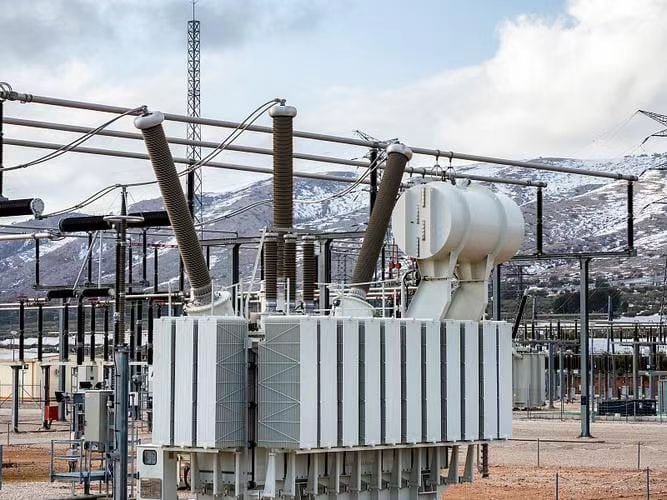
Power transformers are essential components of the global power infrastructure. Without them, the efficient transmission and safe distribution of electricity would be impossible. These devices enable voltage transformation, which is critical for minimizing energy loss during transmission and ensuring electrical safety for end users. Understanding why power transformers are needed is key to appreciating their role in modern energy systems.
What Problem Do Power Transformers Solve in the Power Grid?
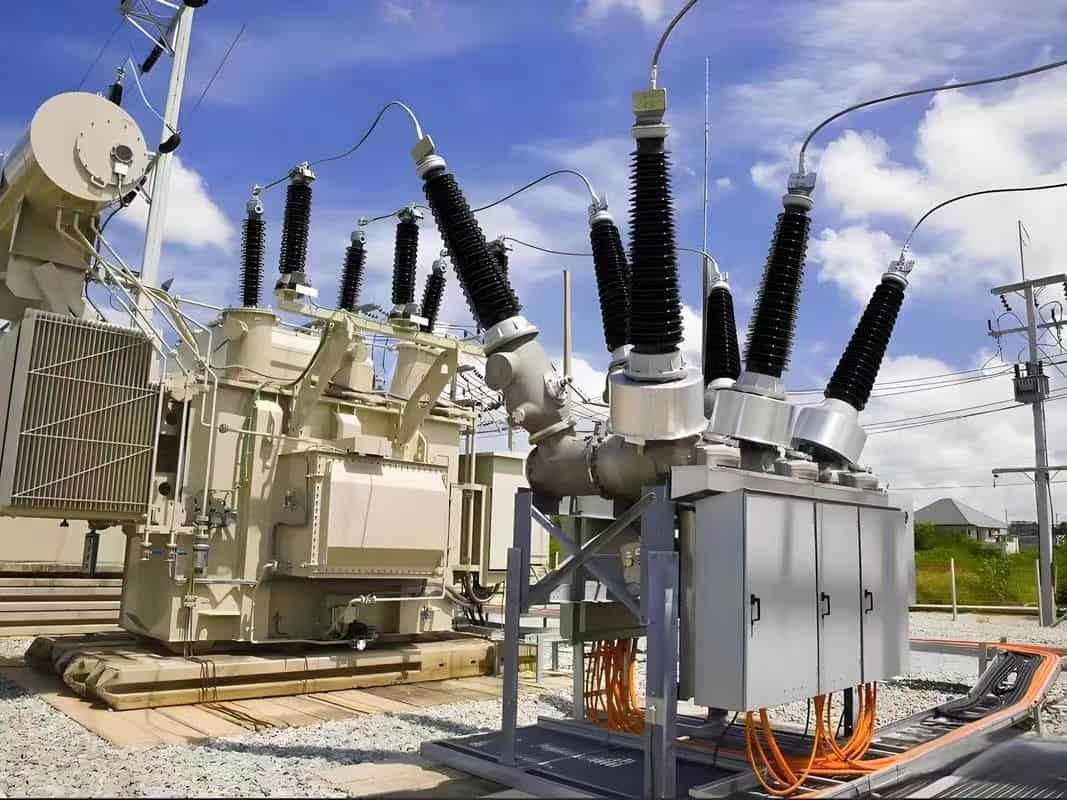
Without power transformers, the modern electrical grid would collapse under the weight of its own inefficiency. Power stations generate electricity at low voltages, which are unsuitable for long-distance travel. If transmitted directly, power would be lost as heat, cables would have to be massive, and the risk of overloads and instability would skyrocket. Power transformers solve this critical problem by making electricity transmittable over great distances, usable at safe levels, and adaptable to diverse loads. They are the unsung heroes that ensure power can be generated in one location and reliably consumed in another—without dangerous or wasteful consequences.
Power transformers solve the problem of voltage incompatibility and energy loss in the power grid by stepping up low-voltage electricity for efficient transmission and stepping it down for safe distribution and consumption. They make it possible to transfer electricity over long distances with minimal loss, stabilize voltage across the network, and ensure compatibility between generation, transmission, and end-user systems.
They are essential to the grid’s function, safety, and energy efficiency.
Power transformers are used to change voltage levels in the power grid to enable efficient and safe transmission and distribution.True
High-voltage transmission reduces energy loss, while voltage step-down ensures power can be safely used by consumers.
Power transformers are not necessary for long-distance transmission because electricity flows without conversion.False
Transmitting electricity at low voltage would cause major energy losses, require oversized conductors, and pose safety hazards.
Core Problems Solved by Power Transformers
| Grid Challenge | Transformer Solution |
|---|---|
| High resistive losses in long-distance lines | Step-up transformers raise voltage to reduce current and losses |
| Incompatible voltage levels between grid stages | Transformers adapt voltage between generation, transmission, and distribution |
| Overloaded lines or unbalanced load distribution | Transformers balance power flow between regions or feeders |
| Unsafe voltage levels for consumers | Step-down transformers reduce voltage to 400V or 230V for homes |
| Fault propagation and instability | Isolation through transformer windings prevents fault escalation |
Without transformers, the grid would suffer from voltage drops, overheating, and massive energy waste.
How Power Transformers Enable Grid Functionality
1. Voltage Matching Across Grid Layers
- Generation: 11–25kV (low voltage)
- Transmission: 132–765kV (high voltage)
- Distribution: 33kV / 11kV → 400V (usable voltage)
- Power transformers enable seamless transitions between these voltage tiers.
2. Long-Distance Power Transfer
- Raising voltage lowers current for the same power (P = VI).
- Lower current drastically reduces I²R (resistive) losses.
- Transformers make this possible through efficient electromagnetic conversion.
3. Grid Interconnection and Load Sharing
- Connect regional grids or national interties at matching voltages.
- Transfer excess generation to load centers without overloads.
- Allow flexible routing and load dispatch.
Example: Power Transformer at Work
| Stage | Voltage Level | Transformer Role |
|---|---|---|
| Power Plant | 13.8kV | Step-up transformer raises to 400kV |
| Transmission Line | 400kV over 300 km | Minimal losses due to high-voltage, low-current flow |
| Regional Substation | 400kV → 132kV | Intertie transformer adapts voltage to regional level |
| City Substation | 132kV → 33kV | Step-down for urban feeder grids |
| Local Transformer | 11kV → 400V | Final step-down for homes and offices |
This voltage ladder only works because power transformers make each transition possible.
Technical Features That Solve Grid Problems
| Feature | Problem Solved |
|---|---|
| High Efficiency (>98.5%) | Reduces operating losses across MVA-scale loads |
| On-Load Tap Changers (OLTC) | Maintains stable voltage despite fluctuating load |
| Low Leakage Reactance | Improves voltage regulation and short-circuit withstand |
| Smart Monitoring Systems | Prevents overloads and improves predictive maintenance |
| Impedance Matching | Prevents sudden current spikes during switching |
These features make power transformers grid-optimized, not just voltage converters.
Grid Stability Without Transformers: What Goes Wrong?
| Issue | Without Transformers | With Transformers |
|---|---|---|
| Voltage Drop | Rapid over distance, causing equipment malfunction | Maintained through stepped-up transmission voltage |
| Energy Loss | Excessive heating in cables at low voltage | Minimized with high-voltage, low-current transfer |
| System Collapse Risk | Higher fault propagation, domino failures | Fault isolation and safe grid segmentation |
| Limited Reach | Energy cannot travel far from power plants | National and intercontinental grid reach possible |
| Incompatible Devices | End-user equipment would burn out | Output is safely stepped down to 400V/230V |
Why Is Voltage Conversion Essential for Long-Distance Transmission?
Transmitting electricity across vast distances—often hundreds or even thousands of kilometers—is a necessity in modern power systems. But doing so without converting voltage levels would result in massive power loss, unsafe infrastructure, and extremely high costs. This is where voltage conversion becomes essential. Using power transformers to increase (step up) and decrease (step down) voltage allows us to efficiently move electricity from generation sites to distant cities, industries, and rural areas. Without this strategy, much of the power generated would never reach its destination.
Voltage conversion is essential for long-distance transmission because stepping up voltage significantly reduces current, which minimizes resistive losses (I²R), enables the use of thinner, more economical conductors, and ensures efficient, reliable delivery of electricity over great distances. It also facilitates voltage compatibility between different grid layers and ensures end-user safety.
Without voltage conversion, power transmission would be inefficient, unstable, and economically unsustainable.
Voltage conversion enables high-voltage transmission, which reduces losses and improves efficiency over long distances.True
Raising voltage reduces current, and since transmission losses increase with the square of current, stepping up voltage drastically cuts losses.
Electricity can be transmitted efficiently without voltage conversion.False
Low-voltage transmission results in high current, which causes severe I²R losses and requires oversized conductors and infrastructure.
The Physics Behind Voltage Conversion
Electrical Power Equation:
- P = V × I → For a fixed power (P), increasing voltage (V) reduces current (I)
- Power Loss = I² × R → Lower current results in exponentially lower losses
| Transmission Voltage | Current for 100 MW | Relative Line Loss |
|---|---|---|
| 11kV | 5,250 A | Extremely High |
| 132kV | 757 A | Moderate |
| 400kV | 250 A | Very Low |
A step-up to 400kV reduces current by over 90% compared to 11kV, cutting energy loss to a fraction.
What Happens Without Voltage Conversion?
| Without Voltage Conversion | With Voltage Conversion |
|---|---|
| Large conductor cross-section required | Smaller, economical transmission lines |
| Extreme I²R losses over distance | Minimal resistive losses |
| Overheated lines and equipment | Cooler operation |
| Limited transmission range | National and intercontinental reach |
| Unsafe voltages at endpoints | Safe voltage conversion via step-down |
Without voltage conversion, transmitting 100 MW would require cables the size of water mains—completely impractical.
How Transformers Enable Long-Distance Efficiency
| Transformer Location | Voltage Transformation | Purpose |
|---|---|---|
| Generation Station | 11kV → 220kV/400kV/765kV | Step-up transformer reduces current |
| Transmission Substation | 400kV → 220kV or 132kV | Interties regional grids with efficient flow |
| Receiving/Distribution Substation | 132kV → 33kV / 11kV | Prepares power for final step-down |
| Local Transformer (Pole/PAD) | 11kV → 400V / 230V | Final voltage for residential/commercial use |
Each transformer in the chain ensures optimal voltage for each grid level, maximizing both reach and safety.
Real-World Impact: High-Voltage vs Low-Voltage Transmission
Case Study: 100 MW over 500 km
| Voltage Level | Current (A) | Line Loss (I²R) | Estimated Line Cost |
|---|---|---|---|
| 11kV | 5,250 A | Very High | Very High (thick cables, towers) |
| 132kV | 757 A | Low | Moderate |
| 400kV | 250 A | Very Low | Low (standard HV lines) |
Transmitting at 400kV can save millions in infrastructure and reduce energy waste by up to 95%.
Environmental and Economic Advantages
| Benefit | Impact |
|---|---|
| Energy Efficiency | Reduces waste and increases usable energy output |
| Reduced Infrastructure Cost | Smaller conductors, fewer towers |
| Increased Grid Reach | Power can be transmitted nationally or internationally |
| Carbon Reduction | Lower losses = lower generation = fewer emissions |
| Grid Reliability | Improved voltage regulation and fault tolerance |
Voltage conversion is a pillar of green, scalable, and reliable power transmission.
How Do Power Transformers Improve Energy Efficiency?
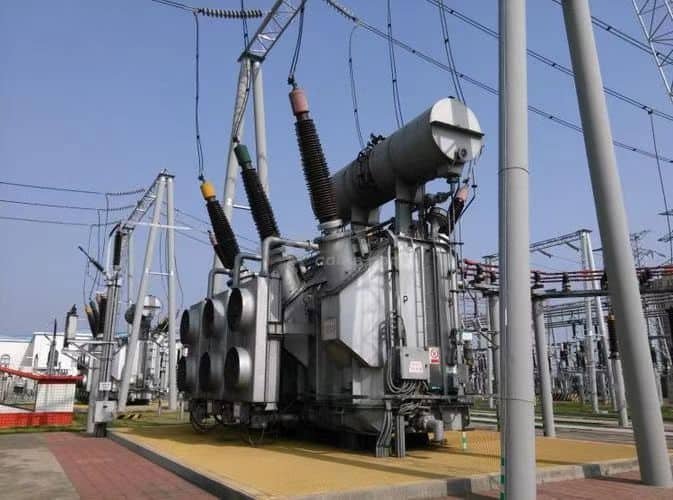
In today's interconnected electrical grids, energy efficiency is not optional—it’s essential for economic viability, environmental sustainability, and reliable service. One of the most critical contributors to system-wide efficiency is the power transformer. These high-capacity devices make it possible to transmit electricity across long distances with minimal losses, optimize voltage levels to match grid segments, and ensure electricity is delivered to consumers without waste. Without power transformers, a large percentage of generated energy would be lost before reaching the end user.
Power transformers improve energy efficiency by enabling high-voltage, low-current transmission that minimizes resistive (I²R) losses, optimizing voltage levels between generation and consumption, and maintaining voltage stability under variable loads. Their low-loss design, strategic placement, and load-balancing capabilities ensure that more of the generated power is actually delivered to users.
They are indispensable for reducing waste and increasing the overall performance of electrical infrastructure.
Power transformers reduce energy losses by stepping up voltage for long-distance transmission and stepping it down for efficient distribution.True
Higher voltage lowers current, and lower current means less heat lost to resistance in transmission lines.
Power transformers consume large amounts of energy and contribute to grid inefficiency.False
Power transformers are designed for high efficiency, often exceeding 98%, and are key to minimizing energy loss in the grid.
How Power Transformers Optimize Energy Use
1. Reduce Transmission Losses
Electricity is lost in transmission lines primarily due to resistance. The loss is calculated as:
Power Loss = I² × R
By stepping up voltage, power transformers reduce current (I), drastically minimizing losses.
| Transmission Voltage | Required Current for 100MW | Relative Power Loss |
|---|---|---|
| 11kV | 5,250 A | Very High |
| 132kV | 757 A | Low |
| 400kV | 250 A | Very Low |
Stepping voltage from 11kV to 400kV can reduce transmission losses by more than 90%.
2. Match Voltage to Grid Segments
Power transformers enable voltage adaptation at key points:
- Step-up at generation (13.8kV → 400kV)
- Interconnection of transmission systems (400kV ↔ 220kV ↔ 132kV)
- Step-down at substations (132kV → 33kV/11kV)
- Final delivery via distribution transformers (11kV → 400V)
This layered approach ensures electricity is always moved at the most efficient voltage level for the distance and load.
3. High-Efficiency Design Features
| Feature | Efficiency Benefit |
|---|---|
| High-grade silicon steel cores | Reduce hysteresis and eddy current losses |
| Copper windings | Minimize I²R losses due to high conductivity |
| Core lamination | Lowers eddy current circulation within the core |
| On-Load Tap Changers (OLTC) | Maintain voltage at optimal levels under varying load |
| Smart cooling systems (ONAF, OFWF) | Maintain ideal temperature to reduce stress |
Top-tier power transformers achieve efficiency ratings of 98.5–99.3%, even under full load.
System-Level Benefits of Transformer-Based Efficiency
| Benefit | Impact |
|---|---|
| Reduced Fuel Use at Generation | Less power loss = less generation needed |
| Lower Transmission Costs | Smaller conductors and reduced line reinforcement |
| Improved Load Sharing | Supports regional balancing to avoid overloads |
| Lower Carbon Emissions | Reduced energy waste decreases CO₂ from power plants |
| Greater Grid Reliability | Stable voltage improves performance of all equipment |
Power transformers play a direct role in energy conservation at the national level.
Real-World Example: Long-Distance Power Flow
Scenario:
- 100 MW power transferred over 300 km
- Comparison of loss with and without transformer-based voltage conversion
| Voltage Level | Current | Conductor Size Needed | Power Loss (MW) |
|---|---|---|---|
| 11kV | 5,250 A | Very Large (costly) | \~20–25 MW (20–25%) |
| 400kV | 250 A | Standard HV conductor | <1 MW (<1%) |
Using a power transformer saves over 24 MW of energy, reducing generation costs and system stress.
Transformer Efficiency vs Load Graph
| Load (%) | Typical Efficiency (%) |
|---|---|
| 25% | 97.0–97.8% |
| 50% | 98.2–98.8% |
| 75% | 98.5–99.0% |
| 100% | 98.8–99.3% |
Power transformers are engineered to perform most efficiently at or near full load.
Why Are Power Transformers Critical for Industrial and Urban Power Demand?
Modern cities and industrial hubs are energy-intensive ecosystems. Skyscrapers filled with HVAC systems and elevators, factories running high-powered machines, hospitals requiring constant electricity—all rely on a stable and scalable power supply. Delivering such massive, continuous loads would be impossible without power transformers. These heavy-duty electrical devices allow utilities and large-scale users to efficiently convert, transmit, and distribute electricity at voltages suitable for high-demand environments. In this article, we explore why power transformers are absolutely critical for meeting the energy demands of industrial and urban infrastructure.
Power transformers are essential for industrial and urban power demand because they enable the conversion and delivery of high-voltage electricity from transmission systems into voltages suitable for heavy equipment, large buildings, and high-density loads. They reduce transmission losses, support voltage regulation under variable loads, and ensure reliable power flow to support continuous operations and public services.
Without them, large-scale energy delivery would be inefficient, unstable, and hazardous to both infrastructure and public safety.
Power transformers are critical for adapting high-voltage power for industrial and urban use.True
They ensure large facilities and cities receive electricity at the appropriate voltage and with stable supply, which would be impossible directly from high-voltage transmission lines.
Urban and industrial facilities can operate directly from transmission lines without needing transformers.False
Transmission voltages (132kV–400kV) are far too high for direct use; transformers are required to step voltages down safely.
How Power Transformers Serve Industrial and Urban Systems
| Function | Impact on Industrial & Urban Infrastructure |
|---|---|
| Step-down High Voltages | Convert 132kV/220kV → 33kV/11kV for safe use in cities and factories |
| Load Capacity Scaling | Supply multiple MVA to run heavy-duty motors, HVACs, lifts, pumps |
| Voltage Stabilization | Prevent fluctuations that damage sensitive systems (e.g., medical, data) |
| Grid Integration | Feed multiple substations and support load balancing between urban zones |
| Operational Continuity | Maintain 24/7 power for high-reliability sectors (transport, hospitals) |
Cities and industries run on transformers—not just wires.
Typical Use Cases of Power Transformers in High-Demand Areas
| Application Area | Voltage In/Out | Transformer Role |
|---|---|---|
| Urban Receiving Substation | 220kV → 33kV / 11kV | Regional step-down for citywide distribution |
| Industrial Complex | 33kV → 11kV → 415V | Equipment-level voltage conversion |
| Commercial Tower | 11kV → 400V | Building services, lifts, lighting |
| Metro Station/Transit Hub | 33kV → 750V DC | Power for rail traction and system controls |
| Hospital | 11kV → 400V / 230V | Isolation and clean power for critical loads |
Power transformers ensure each facility receives exactly the right voltage at the right load.
Features Designed for Urban and Industrial Demands
| Feature | Benefit |
|---|---|
| High MVA Ratings (10–1000 MVA) | Supports large-scale machinery, building clusters, and heavy loads |
| On-Load Tap Changer (OLTC) | Maintains voltage during peak load and grid fluctuations |
| Smart Monitoring (SCADA/IoT) | Real-time diagnostics for predictive maintenance and load tracking |
| Fire-Retardant Insulation | Enhances safety in densely populated areas |
| Low Noise Operation | Suitable for placement in urban zones |
Transformers in cities are often dry-type or low-oil designs for environmental safety.
Energy Efficiency and Power Quality Benefits
| Metric | Effect on Industrial/Urban Performance |
|---|---|
| Transformer Efficiency (98%+) | Reduces electricity costs by minimizing losses |
| Voltage Regulation | Prevents brownouts or overvoltages in sensitive buildings |
| Load Balancing | Equally distributes power among substations or feeder lines |
| Harmonic Filtering (K-rated) | Protects electronics in commercial IT or medical environments |
Cities demand not just more power, but cleaner and more stable power—power transformers deliver both.
Real-World Example: Urban Power Distribution
| Stage | Voltage | Transformer Type | Application |
|---|---|---|---|
| Transmission to City | 220kV | Power Transformer | Feeds city grid from national line |
| Regional Substation | 220kV → 33kV | Step-down Transformer | Powers multiple district substations |
| District Substation | 33kV → 11kV | Distribution Power Transformer | Feeds neighborhood circuits |
| Commercial Building | 11kV → 400V | Dry-type or pad-mounted unit | Supplies HVAC, lifts, lighting, data systems |
Transformers act as gateways—transitioning high-voltage power into safe, usable energy for complex environments.
What Happens Without Power Transformers?
| Without Transformers | Consequence |
|---|---|
| Transmission voltages enter city | Equipment damage, fires, total grid failure |
| No voltage reduction | Lighting, machines, elevators would overload instantly |
| No load balancing | Blackouts in high-demand zones, underuse in low-demand areas |
| No redundancy | Entire zones vulnerable to single-point failures |
| High grid losses | Significant energy waste, rising energy bills |
Without them, industrial and urban infrastructure would be non-functional.
How Do Power Transformers Enable Safe Power Distribution to Homes and Businesses?
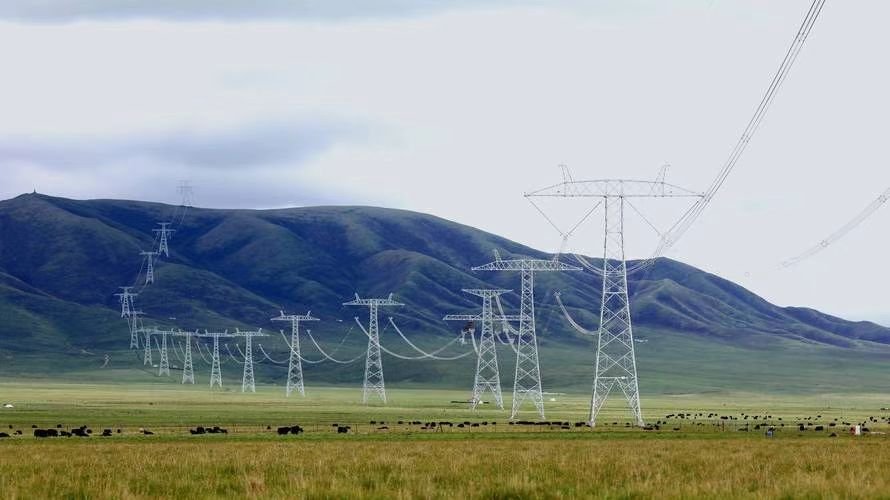
Electricity generated at power plants begins its journey at tens or hundreds of kilovolts—voltages that are dangerously high and completely unusable for homes and commercial buildings. Without voltage conversion and electrical isolation, connecting residential appliances or office electronics directly to the transmission grid would cause catastrophic damage. Power transformers solve this safety challenge by stepping down voltage gradually, controlling distribution, and ensuring compatibility with local electrical systems. They are the crucial link between the grid and the people who rely on it every day.
Power transformers enable safe power distribution by reducing high transmission voltages to manageable, low-voltage levels suitable for homes and businesses. They prevent equipment damage, mitigate electrical hazards, provide voltage stability, and support system protection. From substations to local feeders, transformers ensure that electricity is delivered in a safe, usable form.
They are the foundation of safe, efficient, and universally accessible electrical infrastructure.
Power transformers reduce dangerous transmission voltages to safe levels for use in homes and businesses.True
By stepping voltage down from levels like 132kV to 400V or 230V, transformers make electricity safe for everyday use.
Homes and businesses can safely use electricity directly from transmission lines without any conversion.False
Transmission voltages are lethal and incompatible with residential or commercial electrical systems; transformers are essential for safe delivery.
The Safety Problem That Transformers Solve
| Challenge | How Transformers Solve It |
|---|---|
| Transmission voltage is too high | Step-down transformers reduce voltage to usable 400V/230V levels |
| Direct connection is hazardous | Electrical isolation protects users and devices from faults |
| Voltage fluctuations can damage devices | Transformers with OLTC regulate voltage under variable loads |
| Unbalanced load can cause overloads | Transformers evenly distribute power and support protective relays |
Without transformers, residential and commercial electrical systems would be exposed to lethal voltage and high fault risk.
Voltage Transformation Stages for Safe Delivery
| Power Stage | Voltage Level | Transformer Role |
|---|---|---|
| Generation Plant | 11–25kV | Step-up to 132–400kV for efficient transmission |
| Transmission Substation | 400kV → 132kV | High-to-mid voltage adaptation |
| Distribution Substation | 132kV → 33/11kV | Step-down for urban/rural feeders |
| Local Transformer | 11kV → 400V / 230V | Final voltage reduction for end-user safety |
Each stage is managed by dedicated power and distribution transformers, layered to deliver consistent and safe electricity.
Transformer Types Used in Safe Power Delivery
| Transformer Type | Application | Safety Contribution |
|---|---|---|
| Power Transformer | Substations (132kV, 220kV) | Step-down high voltages, supports grid protection |
| Distribution Transformer | Local poles, pads (11kV → 400V) | Supplies safe voltage to homes and offices |
| Isolation Transformer | Hospitals, data centers | Galvanic separation, surge mitigation |
| Dry-Type Transformer | Commercial indoor environments | Fire-resistant, low maintenance |
| K-Rated Transformer | Harmonic-rich buildings (data centers, malls) | Protects sensitive electronics from voltage distortion |
Safety Features Integrated into Transformers
| Feature | Function |
|---|---|
| Overcurrent Protection | Prevents transformer damage during short circuits |
| Surge Arresters | Diverts lightning and switching surges safely |
| Grounding Systems | Provides safe path for fault current |
| Buchholz Relay | Detects internal transformer faults before failure |
| Temperature Monitoring | Prevents overheating and thermal degradation |
| Tap Changers (OLTC) | Keeps voltage within safe range during load changes |
These safety features ensure transformers do more than deliver power—they protect the people using it.
Real-World Example: Residential Power Supply
Scenario:
- A neighborhood receives 11kV from a regional substation.
- A pole-mounted distribution transformer reduces this to 400V (3-phase) or 230V (single-phase).
- Power flows to homes through insulated cables and breakers.
| Component | Function |
|---|---|
| 11kV Feeder | Brings medium-voltage power to local area |
| Pole Transformer | 11kV → 400/230V step-down for homes |
| Service Cable | Delivers low voltage to electrical meter |
| Breaker Panel | Protects home circuits from overloads |
Without this configuration, every home would be exposed to deadly voltage and unstable power.
How Transformers Enable Commercial Building Safety
- Input: 11kV or 33kV from utility
- Dry-type Transformer steps it down to 400V for internal building circuits
- Connected to LV panels, emergency systems, and elevator motors
- Equipped with thermal protection, arc detection, and harmonic filtering
Enables safe operation of sensitive loads like IT equipment, elevators, and HVAC systems.
Transformer Efficiency and Reliability Impact
| Metric | Impact on End-User Safety & Performance |
|---|---|
| >98% Efficiency | Less waste heat, fewer overloads |
| Voltage Regulation ±1.25% | Prevents flickering, damage to electronics |
| MTBF (Mean Time Between Failures) | Typically 20+ years with proper maintenance |
| Low Impedance Designs | Reduce fault current impact on downstream loads |
These specs translate directly to safe, reliable power in homes and businesses.
What Role Do Power Transformers Play in Supporting Renewable Energy Integration?
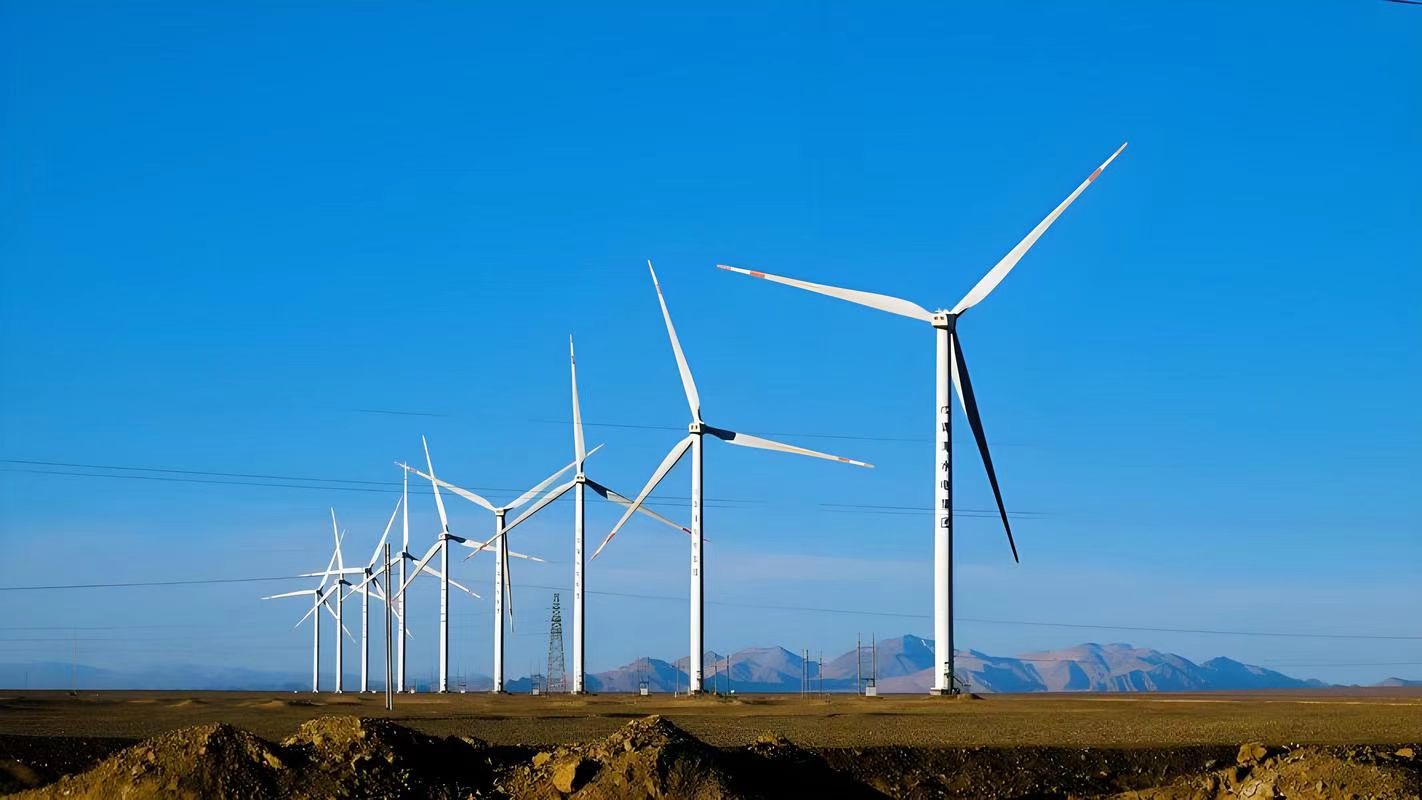
Renewable energy sources like solar and wind are reshaping the global power landscape, offering sustainable alternatives to fossil fuels. However, the electricity generated by renewables doesn’t automatically match the grid’s requirements. It is typically produced at low or medium voltage and is subject to variability. Integrating this energy safely and efficiently into national grids requires more than just cables—it requires strategically designed power transformers. These transformers serve as the critical interface between clean energy generation and stable, high-capacity power systems.
Power transformers play a central role in renewable energy integration by stepping up low or medium-voltage output from wind turbines, solar inverters, or battery systems to high-voltage transmission levels suitable for the grid. They also stabilize fluctuating renewable output, ensure voltage compatibility, and connect decentralized generation sources into centralized transmission networks.
They are the enabling technology that turns clean, variable energy into usable, grid-ready electricity.
Power transformers are essential for integrating renewable energy by stepping up generated voltage for grid transmission.True
Renewable systems produce electricity at low voltage, which must be transformed to higher levels to minimize loss and match transmission system requirements.
Renewable energy can be connected directly to the grid without using transformers.False
Without voltage step-up and synchronization provided by transformers, grid connection would be inefficient and potentially damaging.
Voltage Mismatch: The Problem Transformers Solve
| Renewable Source | Typical Output Voltage | Grid Transmission Voltage | Transformation Required |
|---|---|---|---|
| Solar Panel Array | 400–690V DC/AC | 33kV → 132kV → 400kV | Step-up via pad/collector transformer |
| Wind Turbine | 690V – 1.2kV | 33kV → 220kV / 400kV | Gearbox + step-up transformer |
| Battery Energy Storage | 400–1000V DC | 11kV – 33kV | DC–AC inverter + transformer |
Without transformation, these voltages would be unusable or unsafe for grid transmission or regional distribution.
Types of Power Transformers Used in Renewables
| Transformer Type | Application | Typical Rating |
|---|---|---|
| Generator Step-Up (GSU) | At wind turbine base or solar inverter output | 690V → 33kV / 66kV |
| Collector Substation Transformer | Aggregates power from multiple turbines/panels | 33kV → 132kV / 220kV |
| Grid-Tie Transformer | Final step-up before integrating to HV transmission line | 132kV → 400kV |
| Bi-directional Transformer | In hybrid systems with battery storage (charge/discharge) | Varies, includes power converters |
| Dry-Type Pad Transformer | Rooftop/commercial solar arrays | 400V → 11kV |
Renewable systems use both oil-immersed and dry-type transformers, depending on environment and safety needs.
Real-World Renewable Integration Example
| Step | Voltage Level | Transformer Role |
|---|---|---|
| Wind turbine output | 690V | Stepped up to 33kV at tower base |
| Collector substation | 33kV → 132kV | Aggregates farm output for transmission |
| Regional grid substation | 132kV → 400kV | Prepares power for high-voltage grid export |
| Utility grid | 400kV | Long-distance low-loss transmission |
This multi-stage process ensures clean energy travels efficiently and safely across regions.
Challenges Transformers Solve in Renewable Projects
| Challenge | Transformer-Based Solution |
|---|---|
| Voltage fluctuation | Tap changers and OLTCs adjust output during variable input |
| Grid synchronization | Maintains frequency and phase match with main grid |
| Intermittency (solar/wind) | Supports hybrid systems with battery backup transformers |
| Remote locations | Modular skid-mounted transformers ease deployment |
| Environmental impact | Dry-type and eco-oil transformers minimize fire risk |
Transformers provide not just conversion, but also stability, isolation, and system control.
Transformer Features Critical to Renewable Integration
| Design Feature | Why It Matters in Renewables |
|---|---|
| High efficiency (≥98.5%) | Maximizes usable energy from intermittent generation |
| Low inrush current designs | Prevents faults during startup and switching |
| Wide voltage tap range (±10–15%) | Accommodates fluctuations in generation |
| Compact footprint | Ideal for space-limited or modular renewable farms |
| Remote monitoring (IoT/SCADA) | Real-time data for load management and predictive repair |
These features make transformers resilient and intelligent components in variable generation systems.
Environmental and Financial Benefits
| Advantage | Impact |
|---|---|
| Reduced Transmission Losses | Less waste = more revenue per kWh generated |
| Grid Compatibility | Allows decentralized energy to flow into centralized grids |
| Longer Equipment Lifespan | Protects downstream assets from overvoltage or harmonics |
| Reduced Downtime | Smart diagnostics catch faults early |
| Scalable Integration | Modular transformers allow phased deployment of projects |
Power transformers ensure every watt of clean energy counts.
Conclusion
Power transformers are needed to bridge the gap between power generation and end usage. They make it possible to transmit electricity over long distances with minimal losses and then step it down to safe, usable levels for everyday applications. As power systems grow more complex and demand continues to rise, power transformers remain fundamental to delivering reliable, efficient, and scalable energy.
FAQ
Q1: Why are power transformers needed in electrical systems?
A1: Power transformers are essential because they adjust voltage levels between generation and distribution. They step up voltage for efficient long-distance transmission and step it down at substations for safe use, ensuring minimal energy loss and system reliability.
Q2: What problem do power transformers solve?
A2: Without power transformers, transmitting electricity over long distances would result in significant energy loss due to high current and resistance in the lines. By increasing voltage and reducing current, transformers make energy transmission more efficient and cost-effective.
Q3: How do power transformers support the power grid?
A3: Power transformers:
Link generation stations with transmission systems
Maintain voltage stability across regions
Enable interconnection between regional and national grids
Help balance supply and demand during load fluctuations
Q4: Are power transformers used in renewable energy systems?
A4: Yes. Power transformers are critical in solar farms, wind parks, and hydro plants to step up the low generated voltage to match transmission requirements, ensuring integration into the main power grid.
Q5: What would happen without power transformers?
A5: Without power transformers:
Electricity couldn’t travel long distances efficiently
Power loss would be high
Voltage levels would be unsafe for end users
The power grid would be unstable, less scalable, and more costly to operate
References
"Why Power Transformers Are Essential" – https://www.transformertech.com/why-power-transformers-are-needed – Transformer Tech
"Understanding Power Transformers and Their Importance" – https://www.electrical4u.com/importance-of-power-transformer – Electrical4U
"Role of Transformers in Efficient Energy Systems" – https://www.powermag.com/why-transformers-matter – Power Magazine
"Voltage Conversion and Grid Support by Power Transformers" – https://www.sciencedirect.com/power-transformer-grid-role – ScienceDirect
"Smart Grid News: Grid Resilience with Power Transformers" – https://www.smartgridnews.com/power-transformer-importance – Smart Grid News
"Energy Central: Transformer Use in Energy Infrastructure" – https://www.energycentral.com/c/ee/transformer-role – Energy Central
"ResearchGate: Impact of Power Transformers on Energy Loss Reduction" – https://www.researchgate.net/power-transformer-efficiency – ResearchGate
"PowerGrid: Power Transformer Integration and Necessity" – https://www.powergrid.com/why-we-need-power-transformers – PowerGrid