
Multiple windings are a fundamental design feature of transformers, enabling them to perform voltage conversion, electrical isolation, and power distribution efficiently. By using more than one winding on a common magnetic core, transformers can adapt electrical energy to meet different system requirements while maintaining safety and reliability. Understanding why transformers have multiple windings helps explain their versatility and essential role in power systems.
What Are Transformer Windings and What Is Their Function?

Transformer windings are one of the most fundamental and critical components of a transformer. Together with the magnetic core, they enable the transfer of electrical energy between circuits, allowing voltage levels to be increased or decreased efficiently without any mechanical movement. The design, material, and configuration of windings directly influence transformer efficiency, reliability, thermal performance, and service life.
Transformer windings are insulated conductive coils that create and interact with a magnetic field, enabling electrical power to be transferred between circuits through electromagnetic induction while providing voltage transformation and electrical isolation.
Transformer windings are responsible for both voltage transformation and electrical isolation between circuits.True
By inducing voltage through a shared magnetic field rather than direct electrical contact, windings allow safe and efficient power transfer.
Basic Concept of Transformer Windings
A transformer typically consists of two or more windings wound around a common magnetic core.
- The primary winding is connected to the input power source
- The secondary winding delivers power at a different voltage level
- Additional windings may be included for regulation, auxiliary supply, or special functions
When alternating current flows through the primary winding, it generates a changing magnetic field in the core. This magnetic field induces a voltage in the secondary winding according to the turns ratio between the windings.
Primary and Secondary Windings
The function of each winding depends on its role in the electrical system.
Primary winding:
- Receives electrical energy from the supply
- Produces magnetic flux in the core
- Determines input voltage characteristics
Secondary winding:
- Receives induced voltage from the magnetic field
- Supplies power to the load
- Determines output voltage and current
The ratio of turns between primary and secondary windings defines whether the transformer steps voltage up or down.
Electrical Isolation and Safety
One of the most important functions of transformer windings is electrical isolation.
Key benefits include:
- Separation of high-voltage and low-voltage circuits
- Improved safety for equipment and personnel
- Reduction of fault propagation between systems
Isolation is achieved because power transfer occurs magnetically, not through direct electrical contact.
Voltage Transformation and Current Relationship
Transformer windings directly control voltage and current levels.
- Higher voltage windings have more turns of thinner conductor
- Lower voltage windings have fewer turns of thicker conductor
- Power remains approximately constant (excluding losses)
This relationship allows efficient long-distance transmission at high voltage and safe utilization at lower voltage.
Winding Materials and Construction
Windings are typically made from copper or aluminum conductors.
Key design considerations include:
- Electrical conductivity
- Mechanical strength
- Thermal performance
- Short-circuit withstand capability
Insulation systems, such as paper, epoxy resin, or enamel, separate turns and layers to prevent electrical breakdown.
Types of Winding Arrangements
Different winding configurations are used depending on voltage level and application.
Common arrangements include:
- Layer windings
- Disc windings
- Helical windings
- Foil windings
Each design balances electrical stress, mechanical forces, cooling efficiency, and manufacturability.
Thermal and Mechanical Role of Windings
Windings are a primary source of heat due to resistive losses.
Their design affects:
- Heat generation and dissipation
- Hot-spot temperature
- Overall transformer efficiency
Mechanically, windings must withstand:
- Electromagnetic forces during short circuits
- Thermal expansion and contraction
- Long-term vibration
Robust winding design ensures stable performance over decades.
Why Are Primary and Secondary Windings Required?
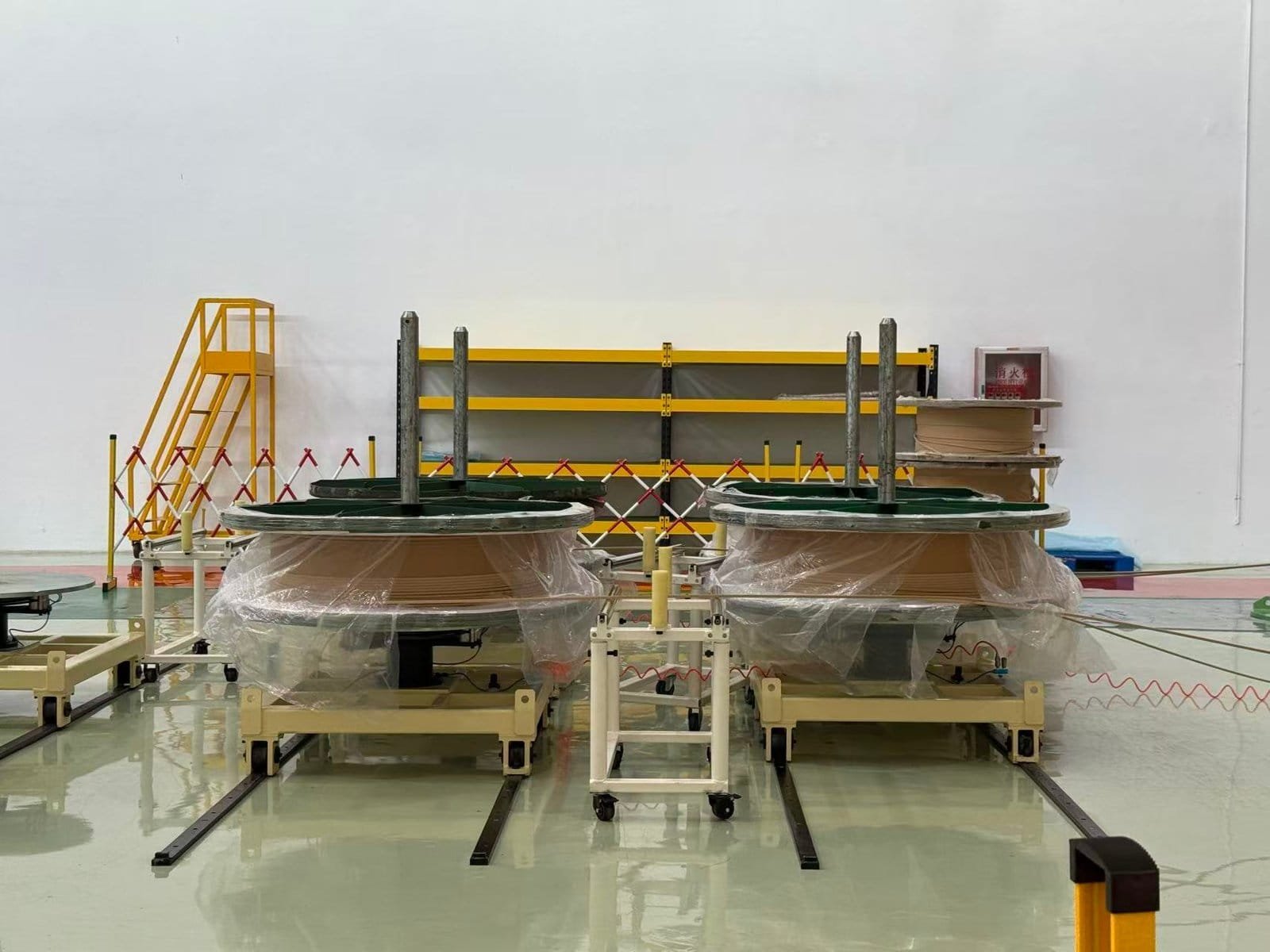
Primary and secondary windings are fundamental to transformer operation. They are not simply duplicate coils but serve distinct electrical and functional roles that allow a transformer to change voltage levels, transfer power safely, and isolate electrical systems. Without separate primary and secondary windings, a transformer could not perform voltage transformation or provide the safety and efficiency required in modern power systems.
Primary and secondary windings are required to enable electromagnetic induction, allowing electrical energy to be transferred between circuits at different voltage levels while maintaining electrical isolation and system safety.
Separate primary and secondary windings allow transformers to transfer power without direct electrical connection.True
This separation enables voltage transformation and provides electrical isolation, which is essential for safety and system protection.
Enabling Electromagnetic Induction
A transformer works on the principle of electromagnetic induction, which requires two distinct windings.
- The primary winding carries alternating current from the power source
- This current creates a changing magnetic field in the core
- The secondary winding intercepts this magnetic field and develops an induced voltage
If only one winding were used, voltage transformation through induction would not be possible.
Voltage Transformation Function
Primary and secondary windings are essential for changing voltage levels.
Their roles include:
- Defining the turns ratio that determines step-up or step-down operation
- Allowing high-voltage transmission and low-voltage utilization
- Controlling current levels while maintaining power balance
The separation of windings allows precise control over electrical parameters.
Electrical Isolation and Safety
One of the most important reasons for having separate windings is electrical isolation.
This provides:
- Protection of low-voltage equipment from high-voltage faults
- Enhanced safety for operators and maintenance personnel
- Reduced risk of fault propagation across systems
Isolation is critical in substations, industrial plants, and commercial buildings.
System Compatibility and Flexibility
Separate windings allow transformers to connect different electrical systems.
Examples include:
- Connecting generators to transmission grids
- Supplying industrial equipment from utility networks
- Interfacing renewable energy systems with the grid
Multiple secondary windings can supply different voltage levels from one primary source.
Control of Losses and Efficiency
Primary and secondary windings are designed differently to optimize performance.
Design differences include:
- Conductor size tailored to current level
- Insulation thickness matched to voltage stress
- Winding geometry optimized for cooling
This specialization improves efficiency and reduces losses.
Mechanical and Thermal Considerations
Separate windings improve mechanical stability and thermal management.
Benefits include:
- Better distribution of electromagnetic forces
- Improved heat dissipation
- Reduced risk of insulation failure under stress
This enhances long-term reliability.
How Do Multiple Windings Enable Voltage Transformation?

Multiple windings are the structural and functional foundation that allow a transformer to change voltage levels while transferring electrical power efficiently and safely. By arranging two or more insulated windings around a common magnetic core, a transformer uses electromagnetic induction to create different voltage levels without any mechanical movement or direct electrical connection between circuits.
Multiple windings enable voltage transformation by using different numbers of turns on each winding, so the induced voltage in each winding is proportional to its turns ratio relative to the shared magnetic flux in the core.
Voltage transformation in a transformer is determined by the ratio of turns between multiple windings sharing the same magnetic core.True
Each winding experiences the same magnetic flux, so the induced voltage depends on the number of turns in that winding.
Shared Magnetic Flux as the Common Link
All windings in a transformer are magnetically coupled through the core.
Key points:
- Alternating current in one winding creates a changing magnetic flux
- This flux flows through the magnetic core
- Every winding linked to the core experiences the same flux variation
Because the magnetic flux is common, differences in voltage arise from winding design rather than from separate magnetic fields.
Turns Ratio and Voltage Relationship
The fundamental mechanism of voltage transformation is the turns ratio.
- A winding with more turns produces a higher induced voltage
- A winding with fewer turns produces a lower induced voltage
- Voltage ratio equals the turns ratio
For example:
- A 10,000-turn winding paired with a 1,000-turn winding creates a 10:1 voltage ratio
- This enables step-up or step-down operation
Primary, Secondary, and Tertiary Windings
Transformers can have more than two windings.
Functions include:
- Primary winding receives input power
- Secondary winding supplies output power
- Tertiary windings provide auxiliary voltages, stabilization, or harmonic control
Multiple windings allow a single transformer to serve multiple voltage levels simultaneously.
Current and Power Balance
While voltage changes with turns ratio, power remains approximately constant.
- Higher voltage windings carry lower current
- Lower voltage windings carry higher current
- This balance reduces losses and improves efficiency
Multiple windings allow designers to optimize conductor size and insulation for each voltage level.
Electrical Isolation and System Protection
Each winding is electrically insulated from the others.
Benefits include:
- Safe separation of circuits
- Protection against fault propagation
- Compatibility between different grounding systems
Isolation is especially important when supplying sensitive equipment or interfacing different networks.
Practical Applications of Multiple Windings
Multiple-winding transformers are widely used in power systems.
Examples include:
- Substation transformers with tertiary windings for system stability
- Industrial transformers supplying multiple voltage levels
- Renewable energy transformers interfacing inverters and grids
This versatility reduces equipment count and overall system cost.
Why Is Electrical Isolation Important in Transformer Design?
Electrical isolation is one of the most critical functions of a transformer and a key reason transformers are indispensable in modern power systems. Beyond voltage transformation, isolation protects people, equipment, and entire electrical networks by preventing direct electrical contact between circuits operating at different voltage levels or under different grounding conditions. Without proper isolation, transformers would pose significant safety, reliability, and compliance risks.
Electrical isolation in transformer design is essential because it allows power transfer without direct electrical connection, protecting equipment and personnel, preventing fault propagation, and enabling safe integration of different voltage and grounding systems.
Electrical isolation is a primary safety function of transformers, not just a byproduct of voltage transformation.True
Isolation prevents dangerous fault currents and high voltages from reaching downstream equipment and users.
Protection of Personnel and Equipment
Isolation separates high-voltage and low-voltage circuits.
Key safety benefits include:
- Preventing high voltage from reaching user-accessible equipment
- Reducing risk of electric shock during normal operation and faults
- Protecting sensitive devices from insulation breakdown upstream
This is especially important in industrial facilities, commercial buildings, and residential distribution networks.
Fault Containment and System Reliability
Electrical isolation limits the spread of faults.
How it helps:
- Short circuits or ground faults on one side do not directly propagate to the other
- Fault energy is confined to the affected circuit
- System stability is improved during abnormal conditions
This containment reduces downtime and prevents cascading failures.
Voltage Transformation Without Direct Connection
Transformers rely on magnetic coupling rather than electrical contact.
Advantages include:
- Safe voltage step-up and step-down
- Compatibility between systems with different voltage levels
- Reliable power transfer across wide voltage ranges
Isolation ensures that only magnetic energy links the circuits.
Grounding System Flexibility
Different parts of a power system often use different grounding schemes.
Isolation enables:
- Independent grounding of primary and secondary systems
- Reduction of circulating ground currents
- Improved control of touch and step voltages
This flexibility is essential for safe system design and regulatory compliance.
Reduction of Electrical Noise and Interference
Isolation also improves power quality.
Benefits include:
- Reduction of conducted electrical noise
- Protection against transient overvoltages
- Improved performance of sensitive electronics
Special isolation transformers are widely used in medical, data center, and instrumentation applications.
Compliance With Standards and Regulations
International standards require electrical isolation.
Typical requirements include:
- Minimum insulation levels between windings
- Dielectric testing and impulse withstand capability
- Clearances and creepage distances
Compliance ensures safety, interoperability, and long-term reliability.
Support for Multiple Voltage Outputs
Isolation allows transformers to supply multiple secondary circuits.
Advantages:
- Different voltage levels without electrical interaction
- Improved operational flexibility
- Simplified system architecture
This is common in substations and industrial power distribution.
What Is the Purpose of Additional or Tertiary Windings?
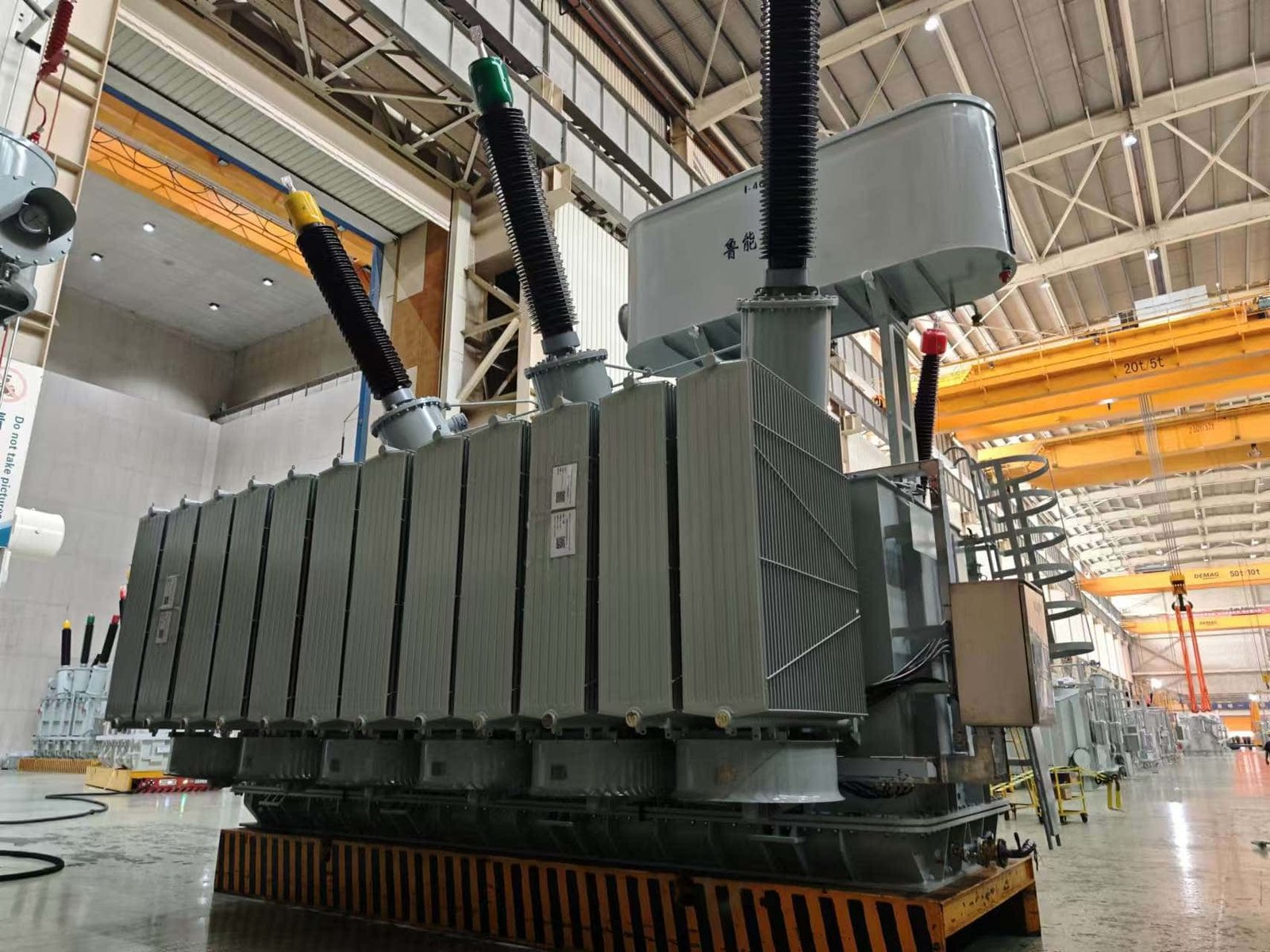
In many power transformers, the design includes more than just one primary and one secondary winding. These extra windings—commonly called additional windings or tertiary windings—play important technical and operational roles that go far beyond simply providing another voltage output. Their presence improves system stability, operational flexibility, and transformer reliability, especially in high-voltage and large-capacity power systems.
The purpose of additional or tertiary windings is to provide auxiliary voltage supply, improve system stability, control harmonics and unbalanced currents, and enhance the overall electrical and mechanical performance of the transformer.
Tertiary windings are often included in power transformers to stabilize operation and manage unbalanced or harmonic currents.True
By providing a controlled path for circulating currents, tertiary windings improve voltage balance and system reliability.
Supplying Auxiliary and Station Loads
One of the most common purposes of a tertiary winding is to supply auxiliary power.
Typical uses include:
- Station service power in substations
- Power for cooling fans, oil pumps, and control systems
- Local low-voltage distribution
This eliminates the need for separate auxiliary transformers and simplifies system design.
Improving System Stability
Tertiary windings contribute to stable transformer operation under unbalanced conditions.
They help by:
- Providing a closed path for circulating currents
- Stabilizing phase voltages during load imbalance
- Supporting system operation during transient events
This is particularly important in large three-phase transformers connected to transmission networks.
Harmonic Suppression and Zero-Sequence Current Path
Tertiary windings play a key role in managing harmonics.
Functions include:
- Providing a path for third-harmonic currents
- Reducing voltage distortion in primary and secondary windings
- Limiting neutral displacement
Tertiary windings are often connected in delta specifically for this purpose.
Supporting Grounding and Protection Schemes
Additional windings allow more flexible grounding arrangements.
Benefits include:
- Independent grounding of primary and secondary systems
- Improved fault detection and protection coordination
- Better control of earth fault currents
This flexibility enhances system safety and protection performance.
Mechanical and Thermal Benefits
Tertiary windings can improve internal transformer performance.
Advantages include:
- Better distribution of electromagnetic forces
- Reduced mechanical stress during short circuits
- Improved thermal balance inside the transformer
These effects contribute to longer service life.
Voltage Regulation and Operational Flexibility
Some additional windings are used for regulation or special operating modes.
Examples:
- Feeding on-load tap changer controls
- Supplying reactive compensation equipment
- Supporting system black-start capability
This makes the transformer more adaptable to complex grid requirements.
Typical Applications of Tertiary Windings
| Application | Purpose |
|---|---|
| Transmission transformers | Stability and harmonic control |
| Substations | Auxiliary power supply |
| Power plants | Station service and protection |
| Industrial systems | Multiple voltage outputs |
How Do Multiple Windings Improve System Flexibility and Reliability?
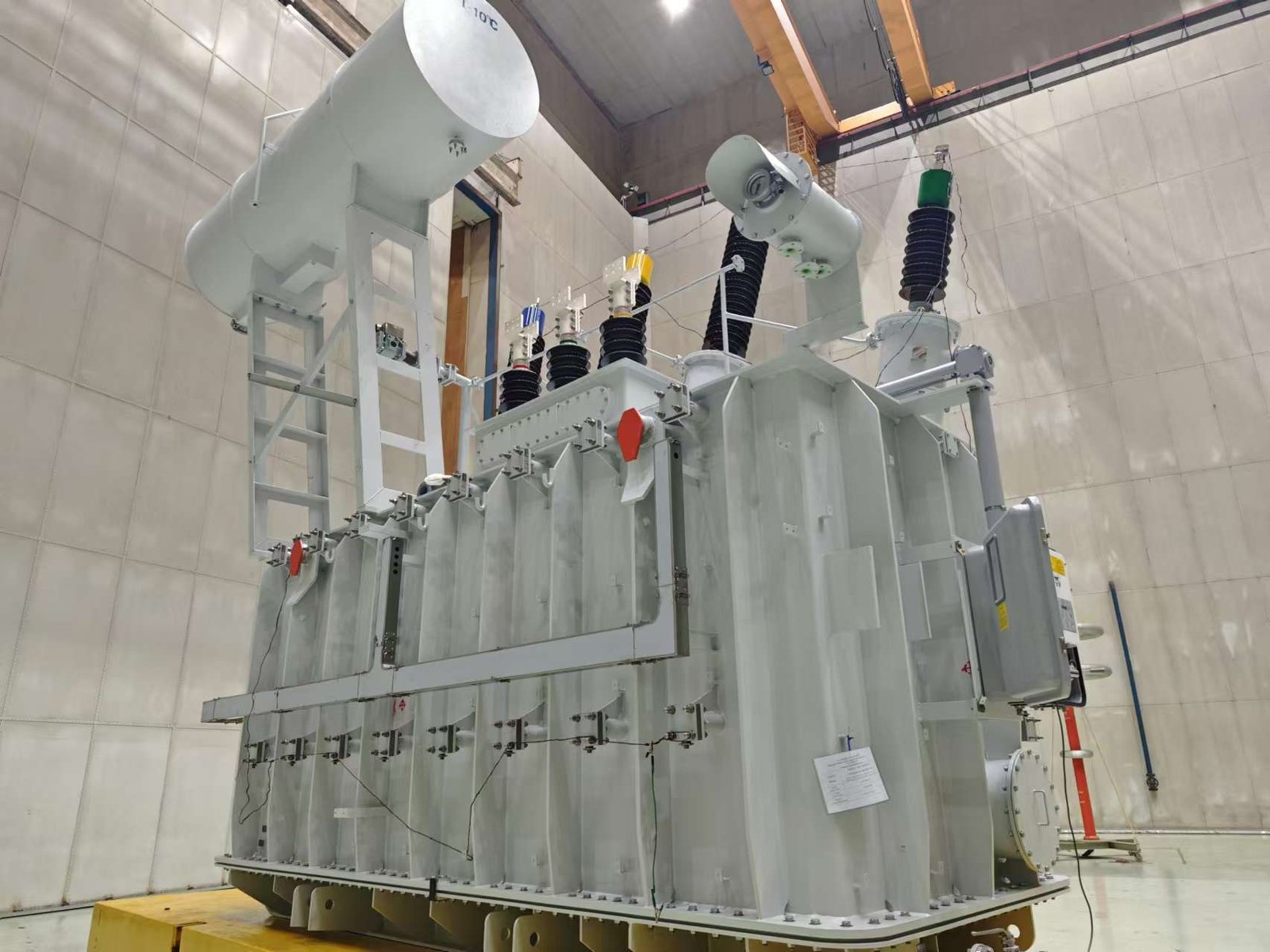
Modern power systems demand transformers that can do more than simply step voltage up or down. They must support multiple voltage levels, adapt to changing operating conditions, and maintain stable performance under disturbances. Multiple-winding transformer designs directly address these needs by enhancing both system flexibility and long-term reliability, especially in complex transmission, distribution, and industrial networks.
Multiple windings improve system flexibility and reliability by enabling multiple voltage outputs, supporting system stability, managing unbalanced and harmonic currents, and enhancing fault tolerance without requiring additional equipment.
Transformers with multiple windings can perform several electrical functions simultaneously, improving network resilience and operational flexibility.True
Additional windings allow voltage regulation, harmonic control, and auxiliary supply within a single transformer unit.
Supplying Multiple Voltage Levels from One Transformer
One of the most direct benefits of multiple windings is the ability to deliver different voltage levels.
This allows:
- One transformer to serve multiple loads
- Reduction in the number of transformers required
- Simplified substation layouts
By consolidating voltage transformation functions, system complexity and failure points are reduced.
Improved System Stability Under Unbalanced Conditions
Multiple windings, especially tertiary windings, enhance stability during unbalanced loading.
They achieve this by:
- Providing a controlled path for circulating currents
- Stabilizing phase voltages
- Reducing voltage fluctuations
This is particularly valuable in large three-phase power transformers.
Harmonic Mitigation and Power Quality Improvement
Non-linear loads generate harmonics that can degrade power quality.
Multiple windings help by:
- Absorbing third-harmonic and zero-sequence currents
- Preventing harmonic distortion from propagating
- Improving voltage waveform quality
Delta-connected tertiary windings are commonly used for this purpose.
Enhanced Fault Tolerance and Protection Coordination
Additional windings improve system protection and reliability.
Benefits include:
- Better fault current control
- Improved coordination of protective relays
- Isolation of faulted circuits
This reduces the likelihood of cascading failures and widespread outages.
Operational Flexibility and Redundancy
Multiple windings increase operational flexibility.
Examples:
- Auxiliary winding remains available if one output is disconnected
- Load can be redistributed across windings
- Easier integration of future system expansions
This adaptability supports long-term network evolution.
Mechanical and Thermal Reliability Improvements
The presence of multiple windings can improve internal transformer behavior.
Advantages include:
- More balanced electromagnetic forces
- Reduced mechanical stress during faults
- Improved heat distribution
These factors directly contribute to longer service life and reduced maintenance.
Typical Flexibility and Reliability Benefits
| Feature | System Benefit |
|---|---|
| Multiple voltage outputs | Reduced equipment count |
| Tertiary winding | Voltage and harmonic stability |
| Auxiliary supply winding | Improved self-sufficiency |
| Improved fault handling | Higher system reliability |
Conclusion
Transformers have multiple windings to enable voltage transformation, provide electrical isolation, and support multiple system functions within a single unit. Primary and secondary windings allow efficient energy transfer at different voltage levels, while additional windings can enhance stability, protection, and flexibility. This multi-winding design is essential for safe, efficient, and reliable operation across modern power generation, transmission, and distribution networks.
FAQ
Q1: Why do transformers need multiple windings?
Transformers have multiple windings because electrical energy must be transferred between circuits at different voltage and current levels while maintaining the same frequency. Each winding performs a specific function, enabling voltage transformation, electrical isolation, and system flexibility.
At a minimum, a transformer requires:
A primary winding to receive input power
A secondary winding to deliver output power
Additional windings may be added to support multiple voltage outputs, improve system stability, manage harmonics, or supply auxiliary loads. Without multiple windings, transformers could not perform their essential role in power systems.
Q2: What is the function of the primary and secondary windings?
The primary winding is connected to the power source, while the secondary winding supplies power to the load. When alternating current flows through the primary winding, it creates a changing magnetic field in the transformer core. This magnetic field induces voltage in the secondary winding through electromagnetic induction.
The voltage relationship depends on the turns ratio:
More turns on the secondary → higher voltage (step-up)
Fewer turns on the secondary → lower voltage (step-down)
This arrangement allows transformers to adapt electricity for transmission, distribution, and end use.
Q3: Why do some transformers include a tertiary winding?
A tertiary winding is an additional winding commonly found in large power transformers. It serves several critical functions, including:
Providing a path for third-harmonic currents
Stabilizing voltage during unbalanced load conditions
Supplying auxiliary or station service power
Improving fault performance and system grounding
Tertiary windings are often connected in delta configuration and help protect the main windings from excessive electrical stress.
Q4: How do multiple windings improve system flexibility?
Multiple windings allow a single transformer to serve different voltage levels or multiple loads simultaneously. This reduces the need for separate transformers and simplifies system design.
Typical applications include:
One high-voltage input with several secondary outputs
Dedicated windings for control, protection, or lighting circuits
Independent supply for different sections of an industrial facility
This flexibility lowers installation costs, saves space, and improves overall system efficiency.
Q5: Do multiple windings provide electrical isolation?
Yes. One of the most important benefits of multiple windings is electrical isolation. The windings are magnetically coupled but electrically separated, preventing direct electrical contact between circuits.
This isolation:
Enhances personnel safety
Protects equipment from voltage surges and ground faults
Reduces electrical noise and interference
Isolation is essential in medical systems, data centers, industrial automation, and utility power networks.
Q6: Do additional windings affect transformer efficiency?
Additional windings introduce extra copper and insulation, which can slightly increase losses. However, modern transformer design optimizes conductor size, core geometry, and insulation systems to minimize these effects.
In practice, multiple windings often improve overall system efficiency by eliminating the need for additional transformers and reducing power conversion stages.
Q7: Do all transformers have the same number of windings?
No. The number of windings depends on application and system requirements:
Basic transformers: Primary and secondary windings
Power transformers: Primary, secondary, and tertiary windings
Special-purpose transformers: Multiple secondary windings
Instrument transformers: Dedicated windings for measurement and protection
Each winding is carefully engineered to meet electrical, thermal, and mechanical constraints.
References
IEC 60076 – Power Transformers
https://webstore.iec.ch/publication/602
IEEE C57 Series – Transformer Standards
https://standards.ieee.org
Schneider Electric – How Transformers Work
https://www.se.com
Electrical Engineering Portal – Transformer Windings and Design
https://electrical-engineering-portal.com
NEMA – Transformer Design and Application Guides
https://www.nema.org
CIGRE – Power Transformer System Design
https://www.cigre.org
U.S. Department of Energy – Transformer Basics
https://www.energy.gov